
Investor of Kaspa.
Joined March 2019
- Tweets 26,718
- Following 1,352
- Followers 470,911
- Likes 101,236
1,655 Photos and videos
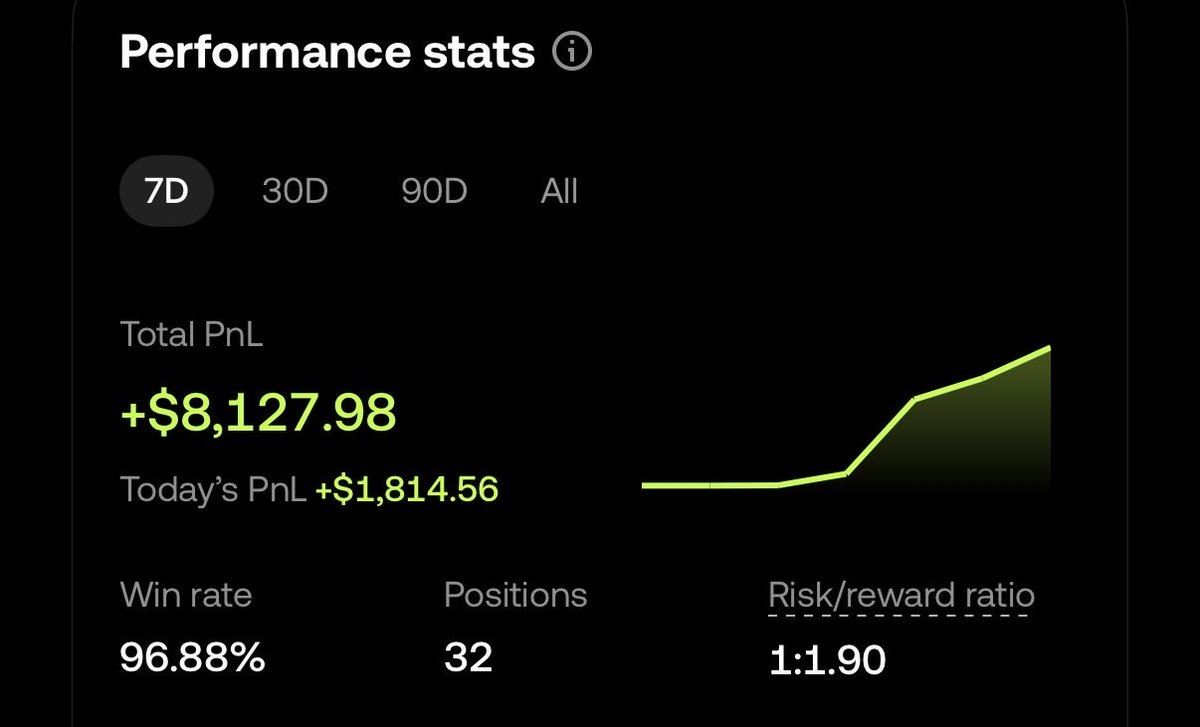
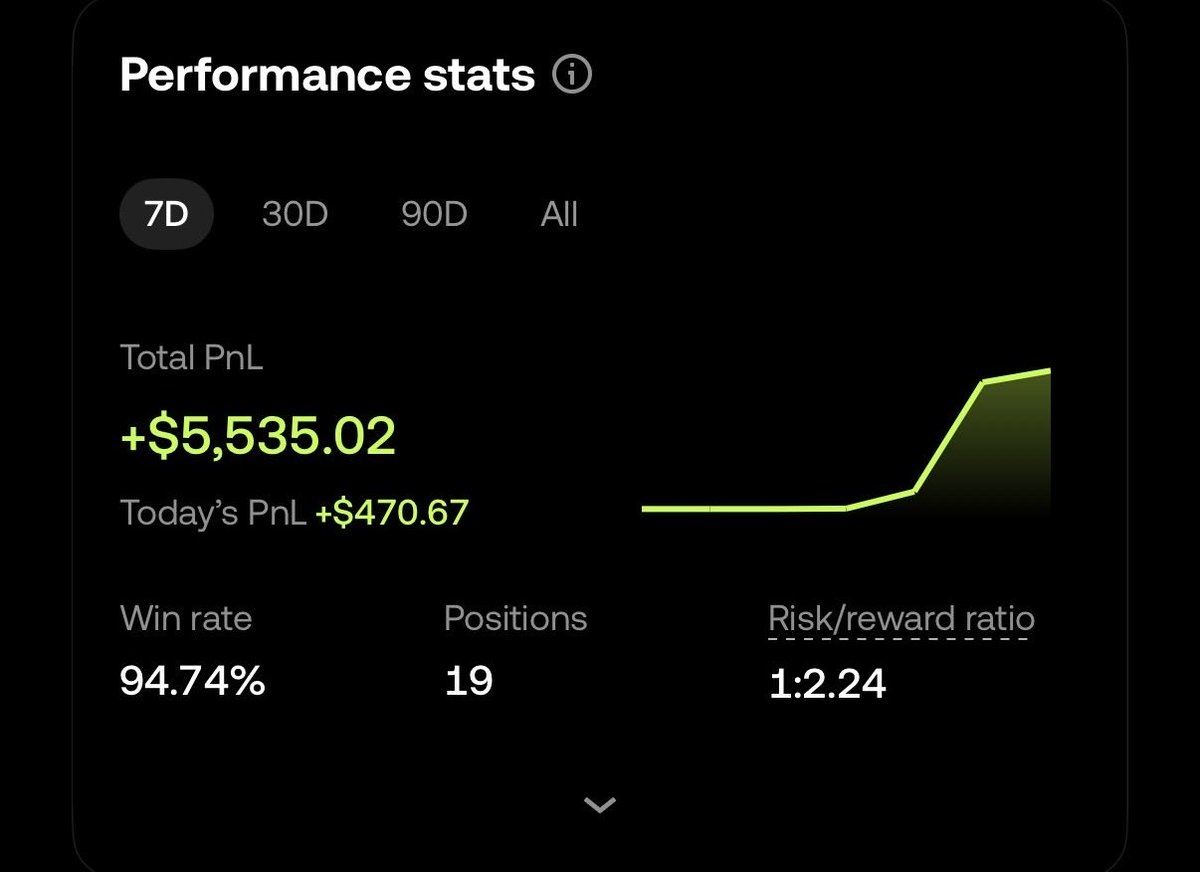



Might just go full time trading and only post $KAS my stock market / crypto trades.
54
20
190
2,825

We all talk about it because we don’t believe in it, right?
7
3
39
1,418
Travladd Crypto 𐤊 retweeted

May 8
29
82
223
15,448
If you make really good $KAS content, I’ll retweet some of them going forwards.
Truly believe Kaspa is something that moves the industry forward and is good for my audience to see.
77
67
342
5,346
Travladd Crypto 𐤊 retweeted

Jun 12
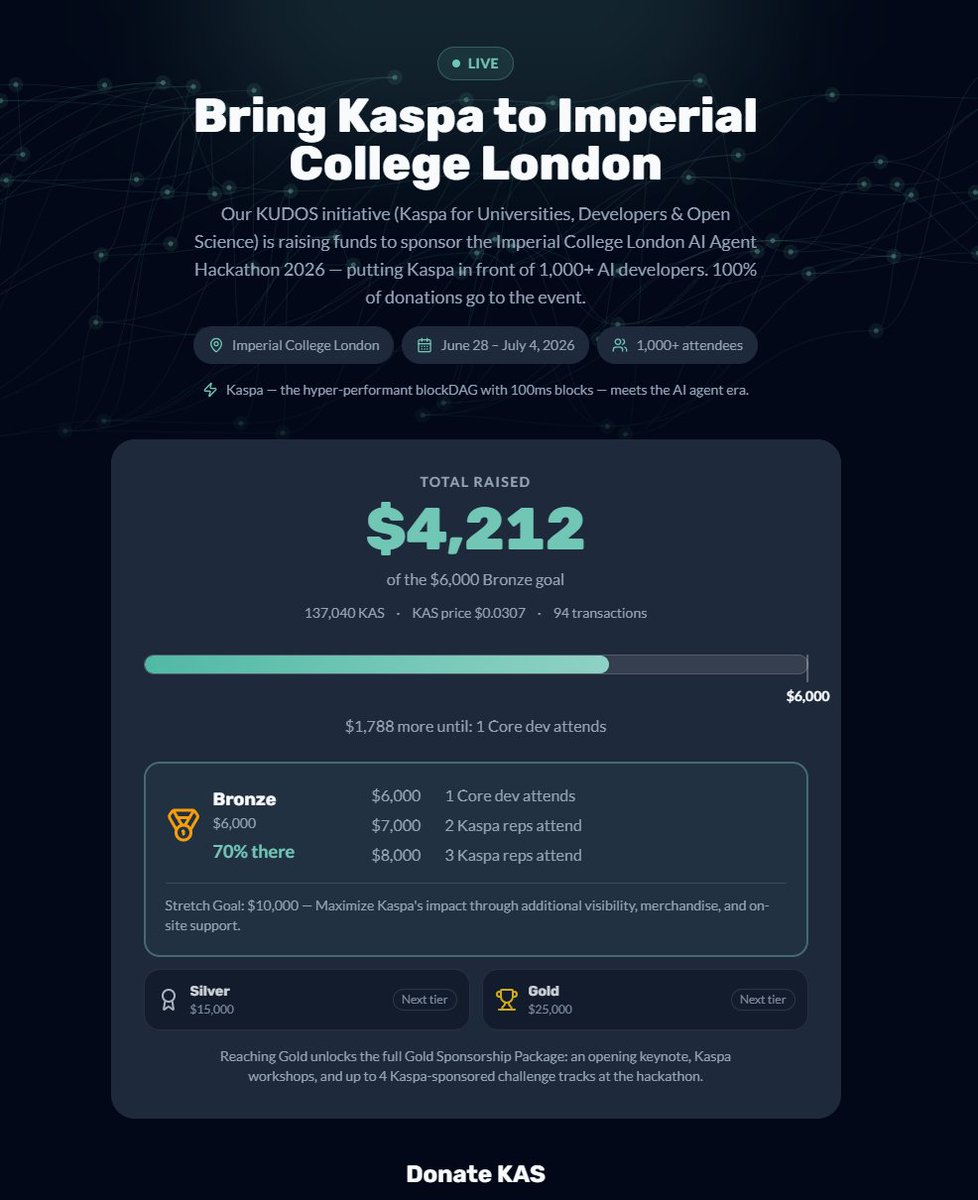
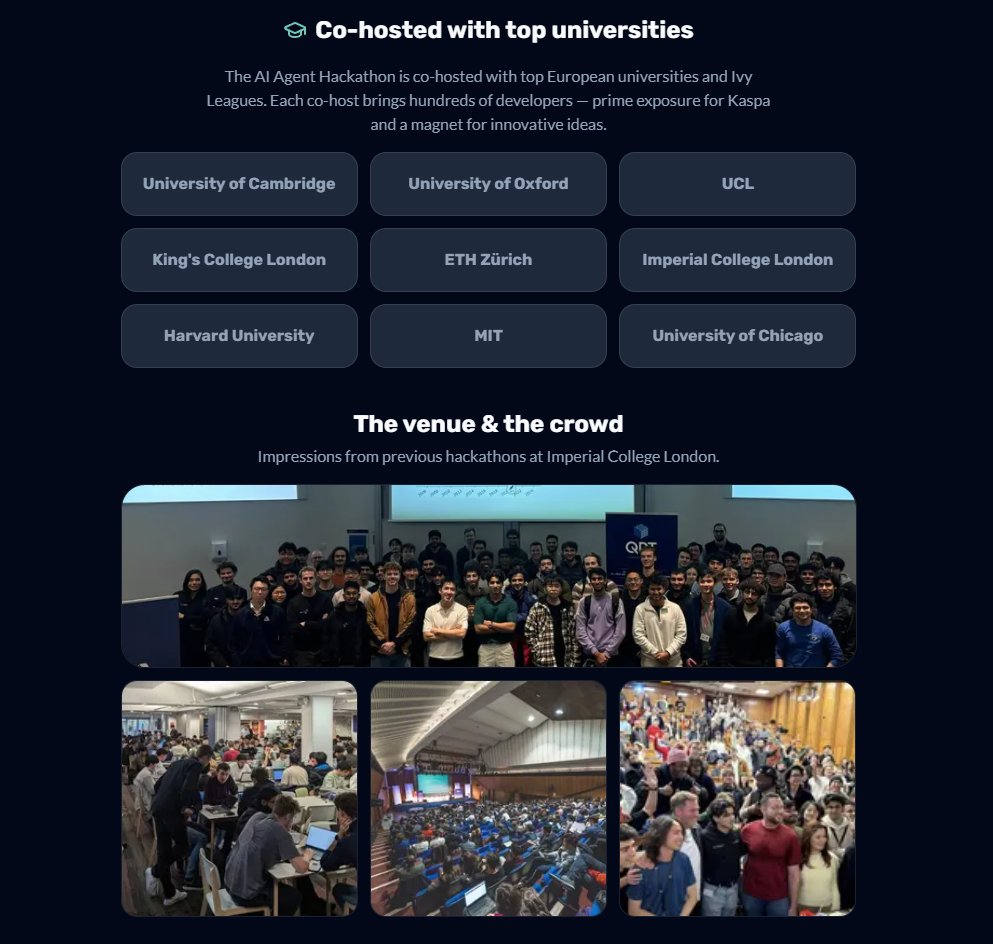
An update on the #Kaspa funding campaign on kasmap.org which now has a dynamic progress bar.
$KAS donation address: kaspa:qrryda035xkx02l7yg7lx65ct89zk6ku2greszt475rvn80z6ydkyy9q3zl8r
11
49
188
13,838
Everyone is talking about what AI agents will do.
Manage capital.
Execute trades.
Run businesses.
Coordinate with other agents.
Some are even predicting that by 2030, AI agents could become primary economic actors, moving value and making decisions at machine speed,
I think that's directionally right.
But the bigger question isn't whether agents will participate in the economy.
It's: How will we know which agents to trust?
The internet solved this problem for websites, markets solved it for companies and financial systems solved it for people.
Yet in today's agentic economy, an agent can execute transactions, interact with other agents, and represent real economic value without any reliable way to verify who is accountable for it. That's increasingly becoming one of the biggest gaps in the entire AI stack.
As agents become more autonomous, capability stops being the bottleneck. Accountability becomes the bottleneck.
Because at scale, every ecosystem eventually runs into the same questions:
• Who deployed this agent?
• Is it verified?
• Can I trust it with money, data, or decisions?
• If something goes wrong, who is accountable?
Without answers, the agentic economy becomes vulnerable to spam, impersonation, Sybil attacks, and a collapse of trust.
This is why I believe the next critical layer for AI isn't intelligence.
It's identity.
That's exactly what @Concordium is building.
With the Concordium Agent Registry, agents can be linked to verified identities and discoverable through a trusted registry.
And with the Verified by Concordium Badge, users and businesses get a simple signal that an agent has a verified human or business entity behind it, not just a wallet address or anonymous account.
The industry is currently focused on what agents can do.
Soon, it should be focused on which agents can be trusted to do it.
That's where real infrastructure opportunity lies.
90
33
151
3,106
It looks like finally the algo stopped restricting my content or it just changed again.
Let me know if you see this please 🫡
164
38
391
5,806
The next $KAS space I host will be on Monday.
Not sure if David can make this one, but I’ll have someone on that we can introduce to Kaspa whilst we approach the Toccata upgrade.
107
60
346
12,651
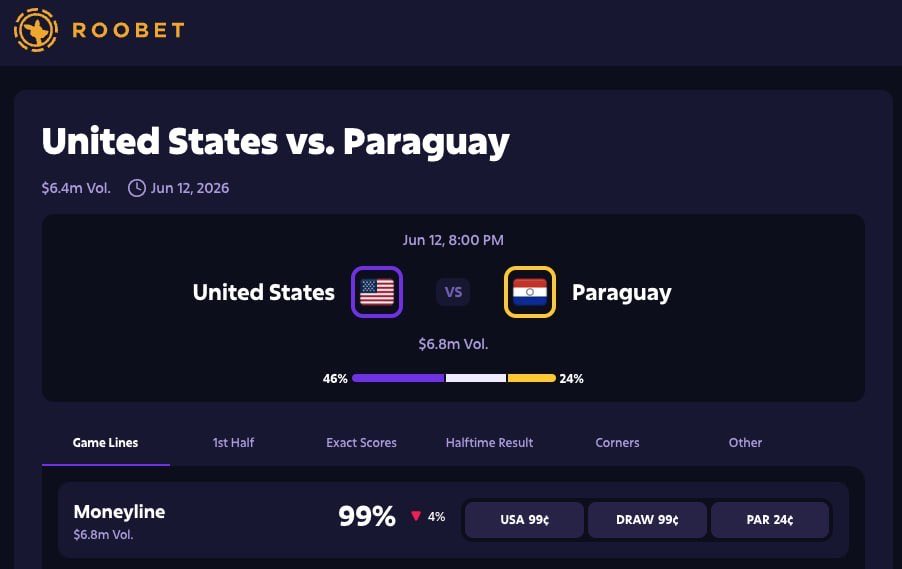
US should take this one tonight, if you agree, you could take a punt on @Roobet 👀
Who do you think wins it?
78
24
166
3,870
Just $100 in $KAS could realistically be worth over $33,000 at $10 / Kaspa.
$10 is realistic within the next 4-10 years.
Not a bad thing to take a punt on for the future, considering it actually advances the industry and is still under the radar.
116
103
605
14,696
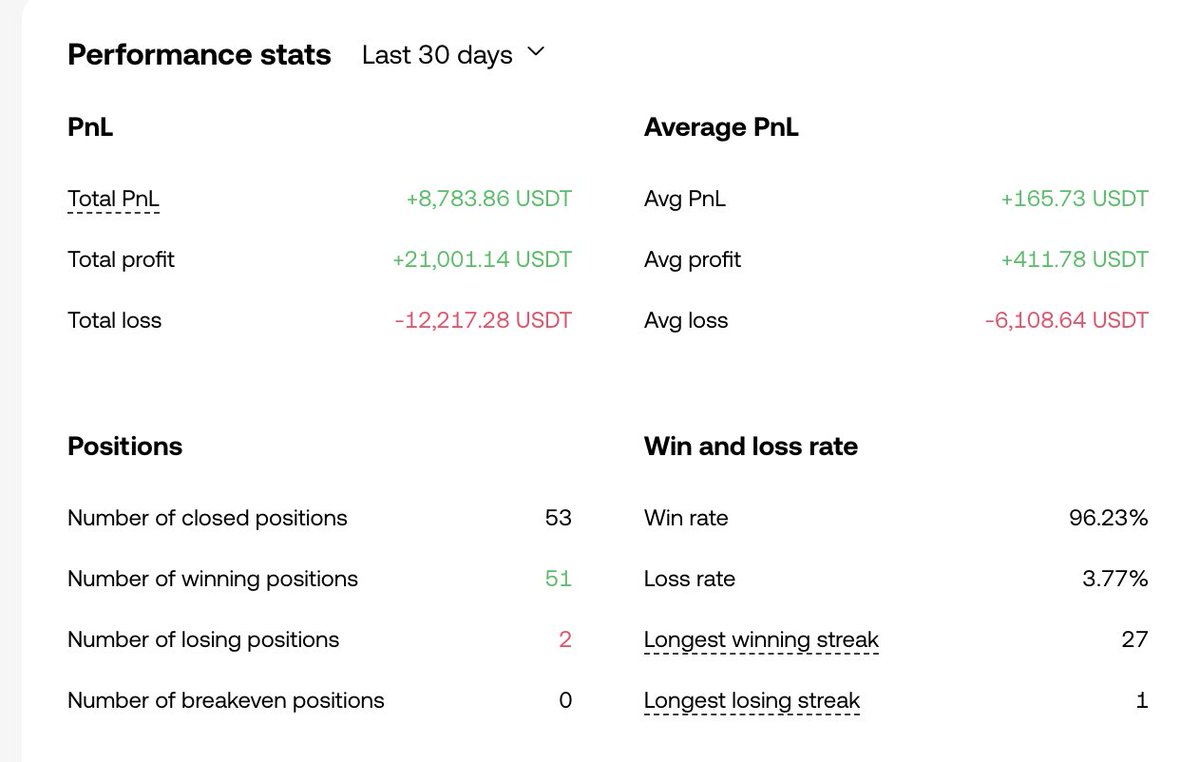
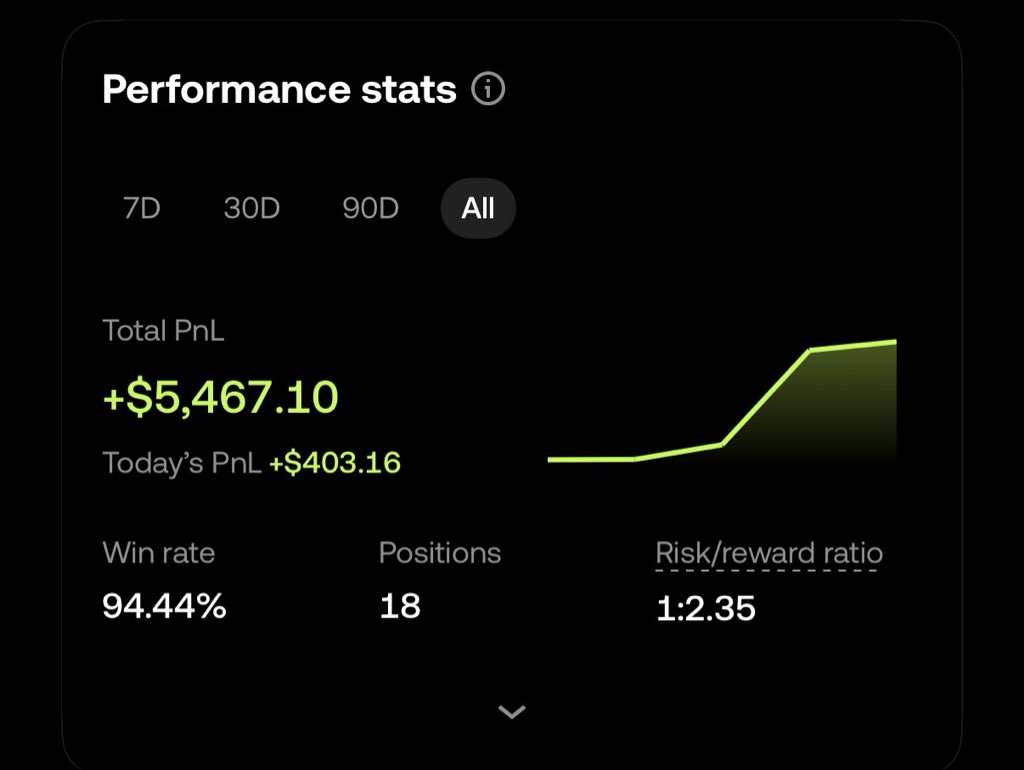
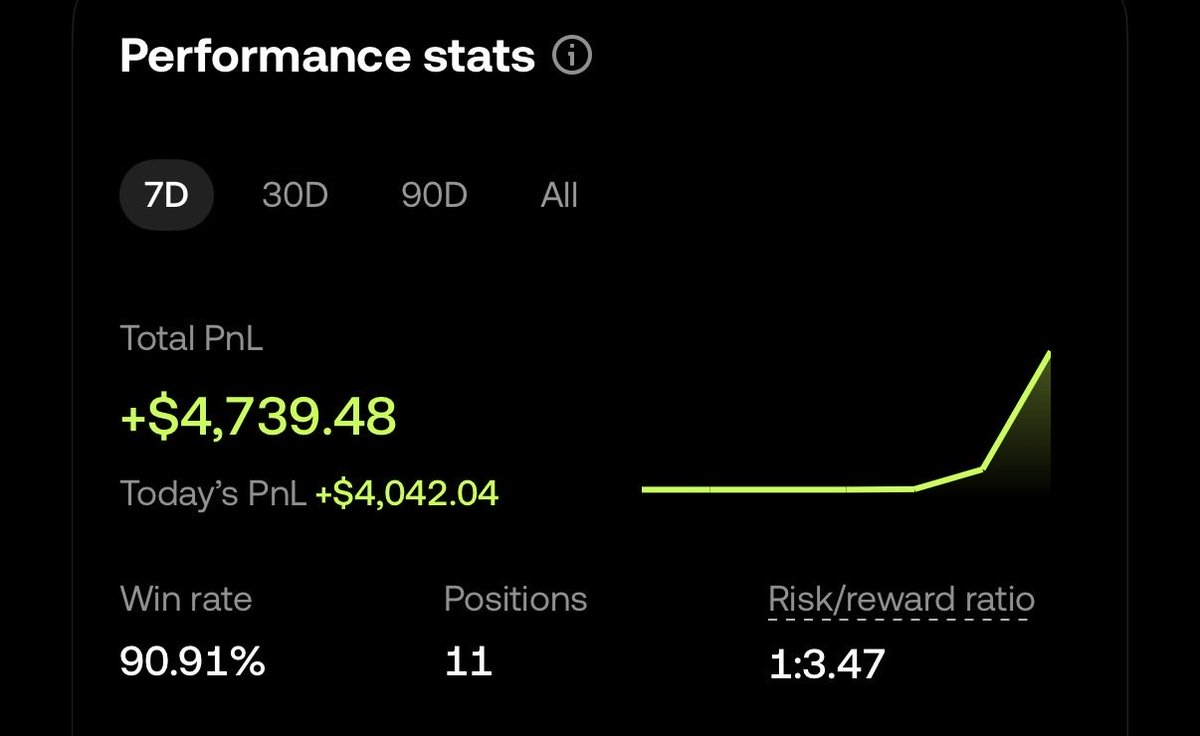
$20,000 challenge update
Win rate: 96.23%
$8,783/$20,000
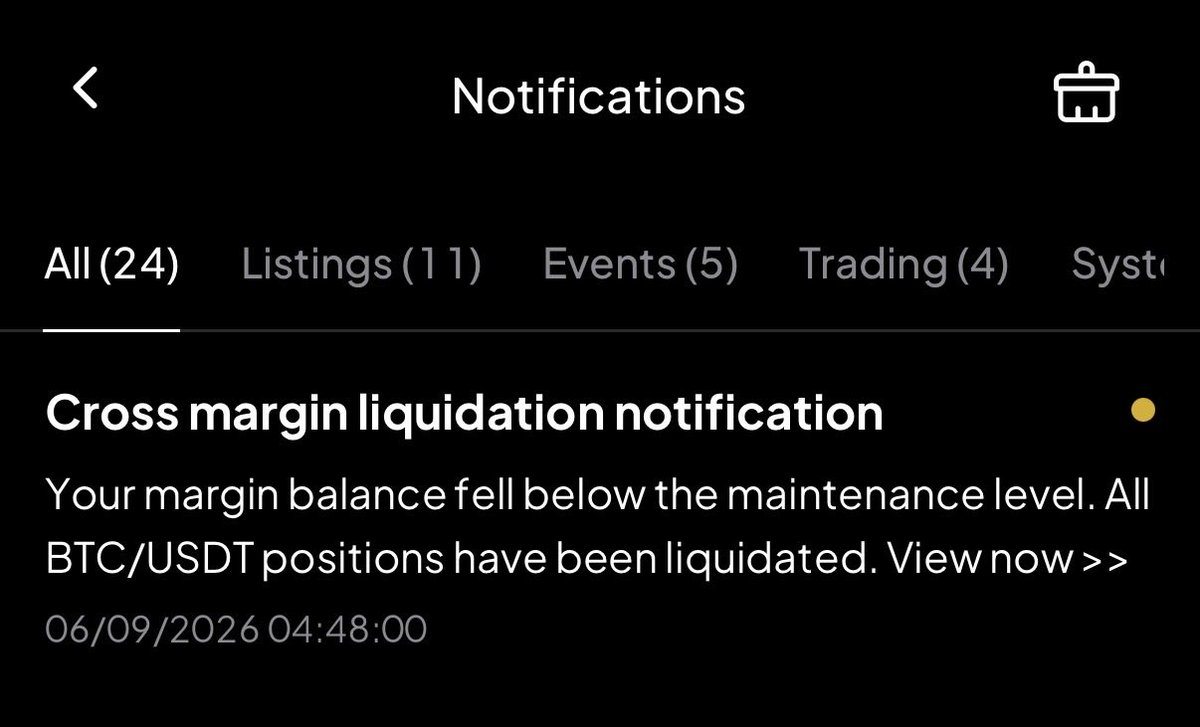
Wasn't joking when I said one trade wiped me out! lost almost all my profits on a scam wick, traded them all back today.
Stream coming soon.
115
145
346
5,522
I’ll donate another $500 towards the Kaspa London fund too @Seb28_7 @KasMaporg
So 4 of my notification crew $500, and $500 towards the Kaspa London university fund.
69
49
262
5,217
Scheduling a space with @davidgokhshtein
An old friend of mine. Good guy.
Introducing him to Kaspa properly🫡
$KAS
83
99
484
6,948
World Cup starts today, who’s everyone supporting!?
166
24
251
7,253
Over 25% of the way there in 3 days gang.
27 days to go.
If I hit $20,000 P&L I’ll give $2,000 to my notification gang.
AND IT WILL BE IN $KAS SO RESEARCH KASPA
145
76
356
6,217
Yo @davidgokhshtein
Down to run a space Thursday or Friday?
Been a minute and i saw you were open to hearing more about $KAS, the community is awesome.
65
70
395
7,694
Strongly considering just being a
$KAS account these days, trading and occasional ads for business.
Really enjoying trading and Kaspa is Kaspa, enough said.
79
69
497
7,371
Going to follow some more legends.
Who wants a follow?
257
37
449
11,273