
The officially unofficial twitter account for Secondary School Athletic Trainers in Oklahoma. NOT affiliated with OKATC or the OATA; but we support them ⚕
Joined July 2020
- Tweets 73
- Following 224
- Followers 205
- Likes 157
Photos and videos
Oklahoma Secondary School Athletic Trainers ⚕ retweeted

18 Nov 2024
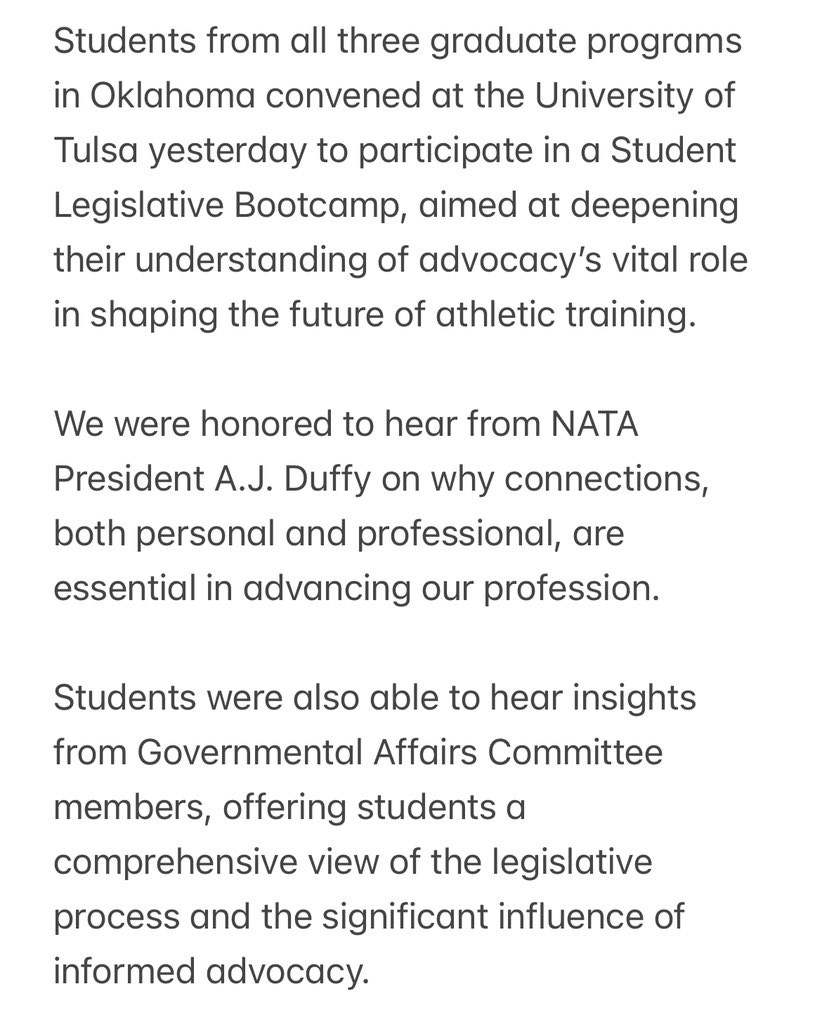
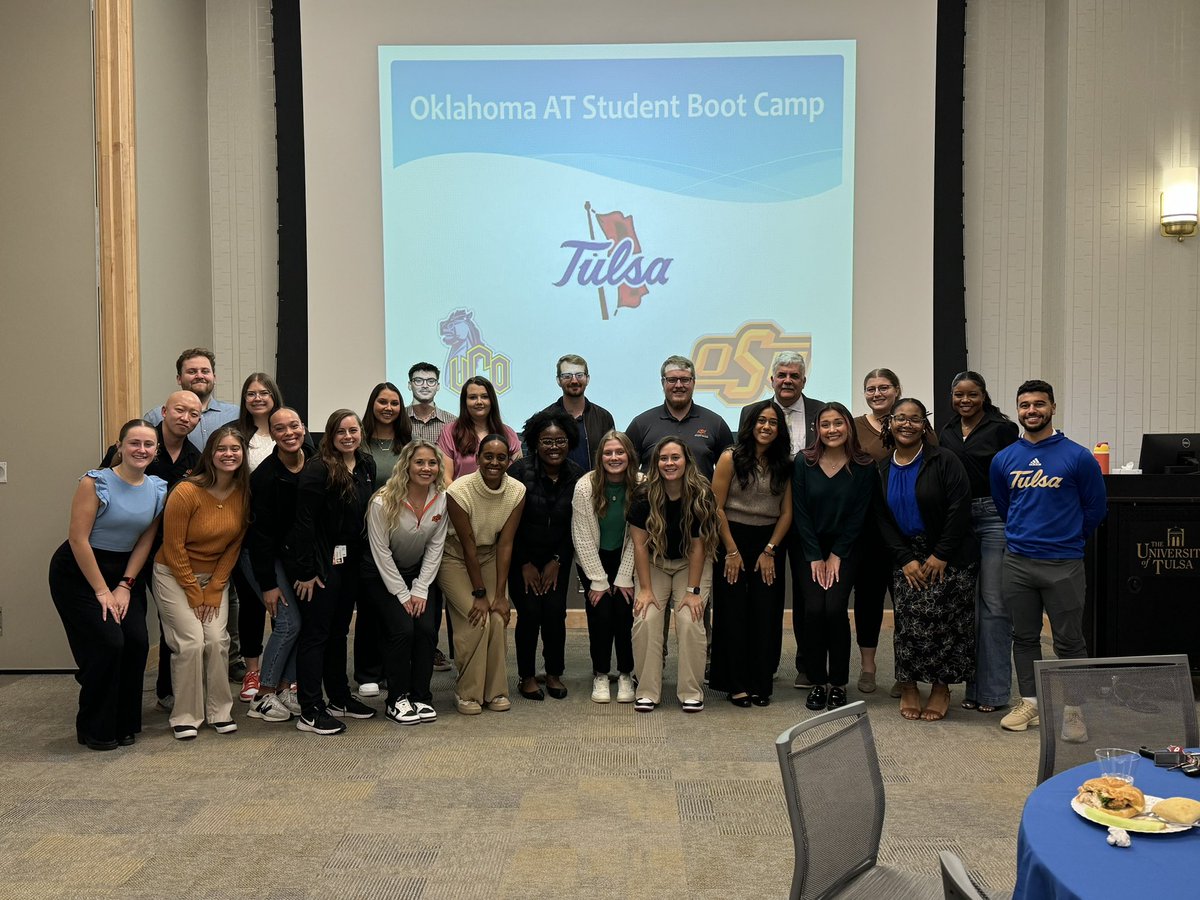
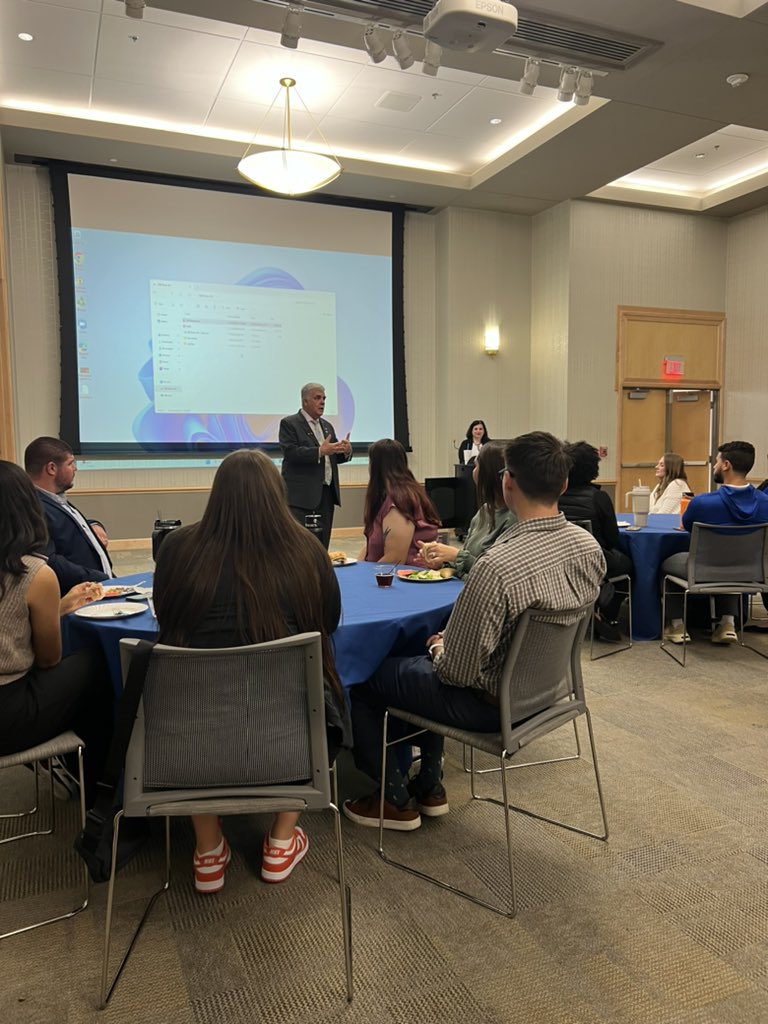
What a great opportunity for graduate athletic training students in OK!
1
4
10
454
Oklahoma Secondary School Athletic Trainers ⚕ retweeted

Attn: Coach, parent, and/or athlete
Wanna get a competitive edge?
COMMUNICATE with your Athletic Trainer. LISTEN to your Athletic Trainer.
TRUST your Athletic Trainer.
It’s that simple.
Take care of your AT and they will take care of you.
26
50
4,177
Oklahoma Secondary School Athletic Trainers ⚕ retweeted

31 Jul 2024
Athletes, parents, & coaches…if you’re in Oklahoma & looking for an app to monitor WBGT for your outdoor activities, download the Mesonet app apps.apple.com/us/app/mesone…
It’s free & will help you make better informed decisions about outdoor activities when the weather’s hot.
5
8
1,058
Oklahoma Secondary School Athletic Trainers ⚕ retweeted
1 Mar 2024
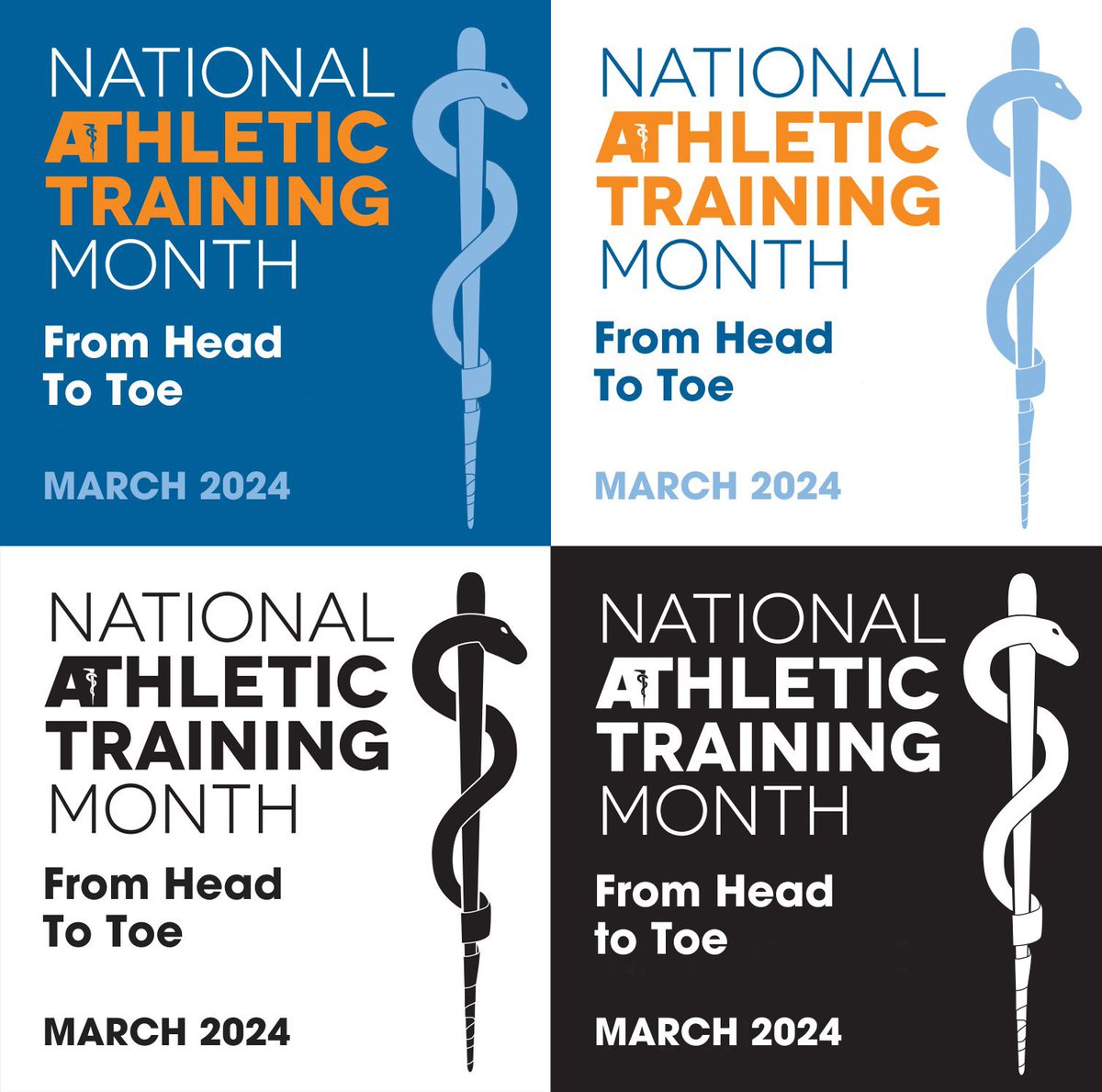
March is here and that can only mean one thing… happy National Athletic Training Month to all of our Oklahoma ATs! As we celebrate all month long, be sure and tag us in all of your advocacy efforts for our profession! Visit nata.org for resources on NATM 2024.
6
11
406
Oklahoma Secondary School Athletic Trainers ⚕ retweeted

1 Mar 2024
Had to bring this back for #NATM2024

1
34
136
9,076

Oklahoma Secondary School Athletic Trainers ⚕ retweeted

2 Mar 2024
Athletic Trainers are so much more than ice bags and ankle tape - they are healthcare professionals with expertise in rehab, emergency response, injury prevention, MSK medicine! Often the first line of med/psych for the athlete, warfighter, industrial/occupational athlete!
#NATM
86
239
8,620
Oklahoma Secondary School Athletic Trainers ⚕ retweeted

3 Mar 2024
Who knows what an AT does?
Where I can find them?
Athletic trainers are health care professionals who collaborate with doctors to provide preventive services, emergency care, clinical diagnosis, therapeutic intervention, and rehabilitation of injuries and medical conditions.
Traditionally associated with sports teams, the role of athletic trainers has expanded significantly, reflecting their broad skill set and the diverse needs of the populations they serve.
Sports Teams and Athletic Departments
The most traditional employers of athletic trainers are sports teams and athletic departments across all levels, from high schools to professional leagues.
In these settings, athletic trainers play a crucial role in keeping athletes safe, ensuring they are physically ready to perform, and managing any injuries that occur.
They work closely with coaches and sports medicine physicians to develop comprehensive health care plans for teams and individual athletes.
Colleges and Universities
Beyond supporting athletic programs, many colleges and universities hire athletic trainers for their broader student populations.
These professionals may work in campus health centers, providing care to the general student body.
They often engage in health education, injury prevention programs, and rehabilitation services, catering to the physical wellbeing of the entire campus community.
Healthcare Settings
Hospitals and clinics increasingly employ athletic trainers to work alongside physicians, surgeons, and physical therapists.
In these roles, they assist with patient care management, particularly for those recovering from sports-related injuries or requiring rehabilitative care.
Their expertise in creating and implementing rehabilitation programs complements the work of other healthcare professionals, offering a holistic approach to patient recovery.
Corporate and Industrial Settings
Recognizing the importance of preventing workplace injuries and managing employee health, many corporations and industrial entities now employ athletic trainers.
These professionals help develop ergonomic strategies, lead injury prevention workshops, and provide on-site care for occupational injuries.
Their work not only aids in employee recovery but also contributes to reducing the overall cost of healthcare for the company by preventing injuries before they occur.
Military and Law Enforcement
The rigorous physical demands placed on military personnel and law enforcement officers have led these sectors to integrate athletic trainers into their health and wellness programs.
Athletic trainers support these individuals by offering injury prevention education, emergency care, and rehabilitation services, ensuring they remain physically ready for the demands of their duties.
Performing Arts
Athletic trainers also find employment in the performing arts, working with dancers, musicians, and actors, who, like athletes, put intense demands on their bodies.
In these settings, they help prevent injuries related to overuse and strain, manage existing conditions, and assist performers in maintaining peak physical condition for their art.
Education and Research
Institutions focused on sports medicine, kinesiology, and health sciences often hire athletic trainers as educators and researchers. These professionals contribute to the academic environment by teaching future generations of athletic trainers and conducting research that advances the field, such as studying injury prevention strategies or rehabilitation techniques.
So, yeah…
they can do it all. 🫳🎤
#attwitter #NATM2024
1
39
56
5,149
Oklahoma Secondary School Athletic Trainers ⚕ retweeted

4 Mar 2024

23
38
2,373
Oklahoma Secondary School Athletic Trainers ⚕ retweeted
18 Mar 2023
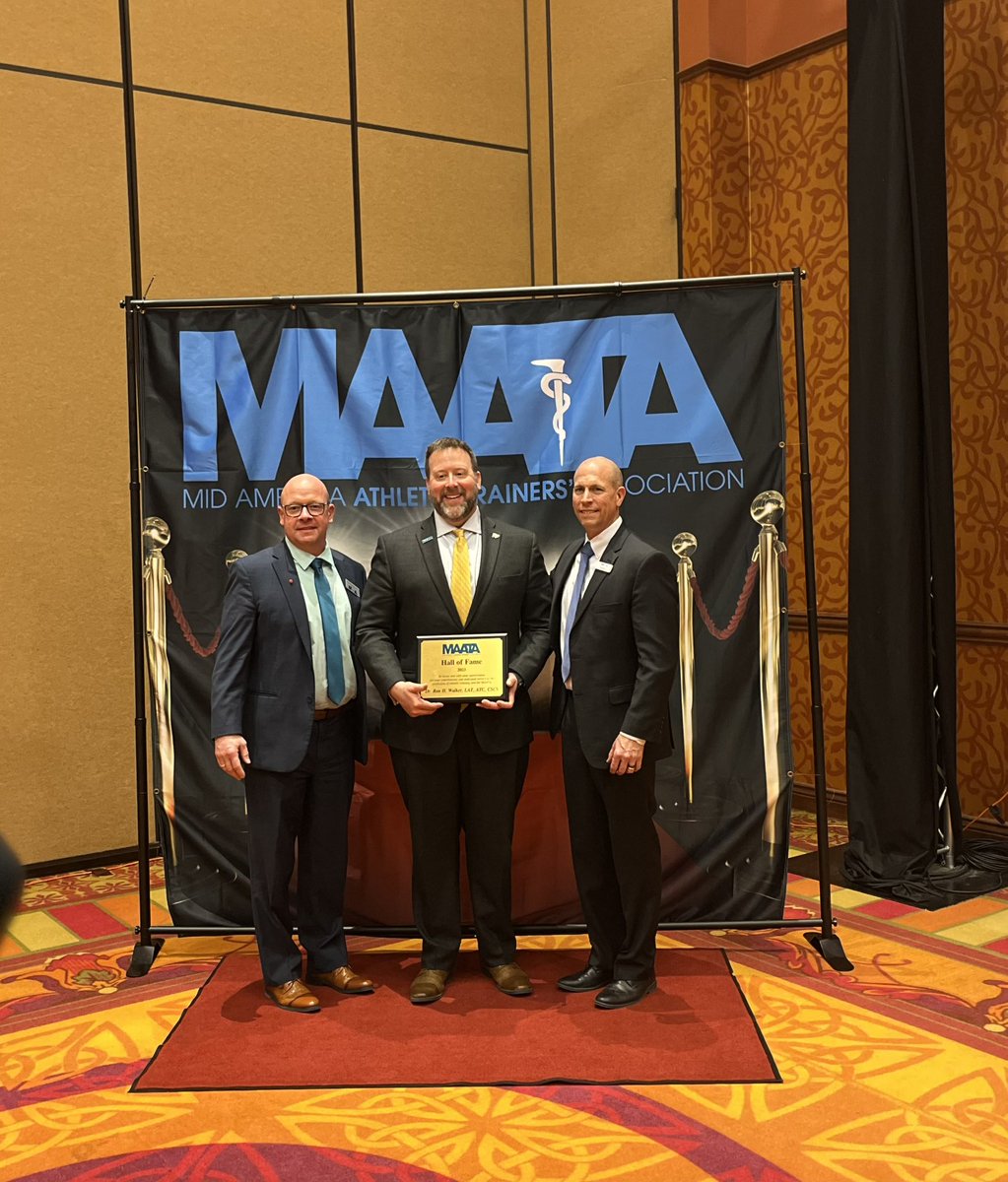
Congratulations to the newest @MAATAD5 HALL OF FAMER from Oklahoma, @Dr_Capt_Ron !!!
3
6
75
3,681
Oklahoma Secondary School Athletic Trainers ⚕ retweeted

21 Jul 2022
🚨🚨🚨
ATs in the school settings!!! We want to see what you are up to! DM us some short videos of you doing back to school prep- your inventory, PPEs, EAP prep, heat prep, etc!!
@NoDakATA @SoDakATA @NSATA @KansasATS @OKATC @MOATA1984 @IowaATSociety
1
8
9
Oklahoma Secondary School Athletic Trainers ⚕ retweeted

16 Jun 2022
It's 2022 y'all... Heat Index is taken in the shade. So unless you're playing sports in the shade outdoors, Heat Index is NOT the appropriate measurement. Athletics needs to be using Wet Bulb Globe Temperature. It is more accurate. It is following the science. And Best Practices.
4
44
201
Oklahoma Secondary School Athletic Trainers ⚕ retweeted

6 Jun 2022
NFHS spent 1.5 million for WBGT grant through all state activities associations. The state activity association is in charge of doing the grant process & distributing the devices. Kestrel 5400 w tripod. WBGT is the gold standard for EHI prevention in hot weather. 1/2
1
3
9
Oklahoma Secondary School Athletic Trainers ⚕ retweeted

7 Jun 2022
6 Jun 2022

NFHS has also produced a FREE educational video through NFHSLearn.com on all the ins/outs of the Kestrel 5400.
5
10
Oklahoma Secondary School Athletic Trainers ⚕ retweeted

1 Jun 2022
Happy #pridemonth2022 to all of my LGBTQ athletes, coworkers, and fellow ATs!
The doors to my AT room are open to everyone and you will be treated with respect, dignity, and compassion. Always.

1
18
71
Oklahoma Secondary School Athletic Trainers ⚕ retweeted

1 Jun 2022
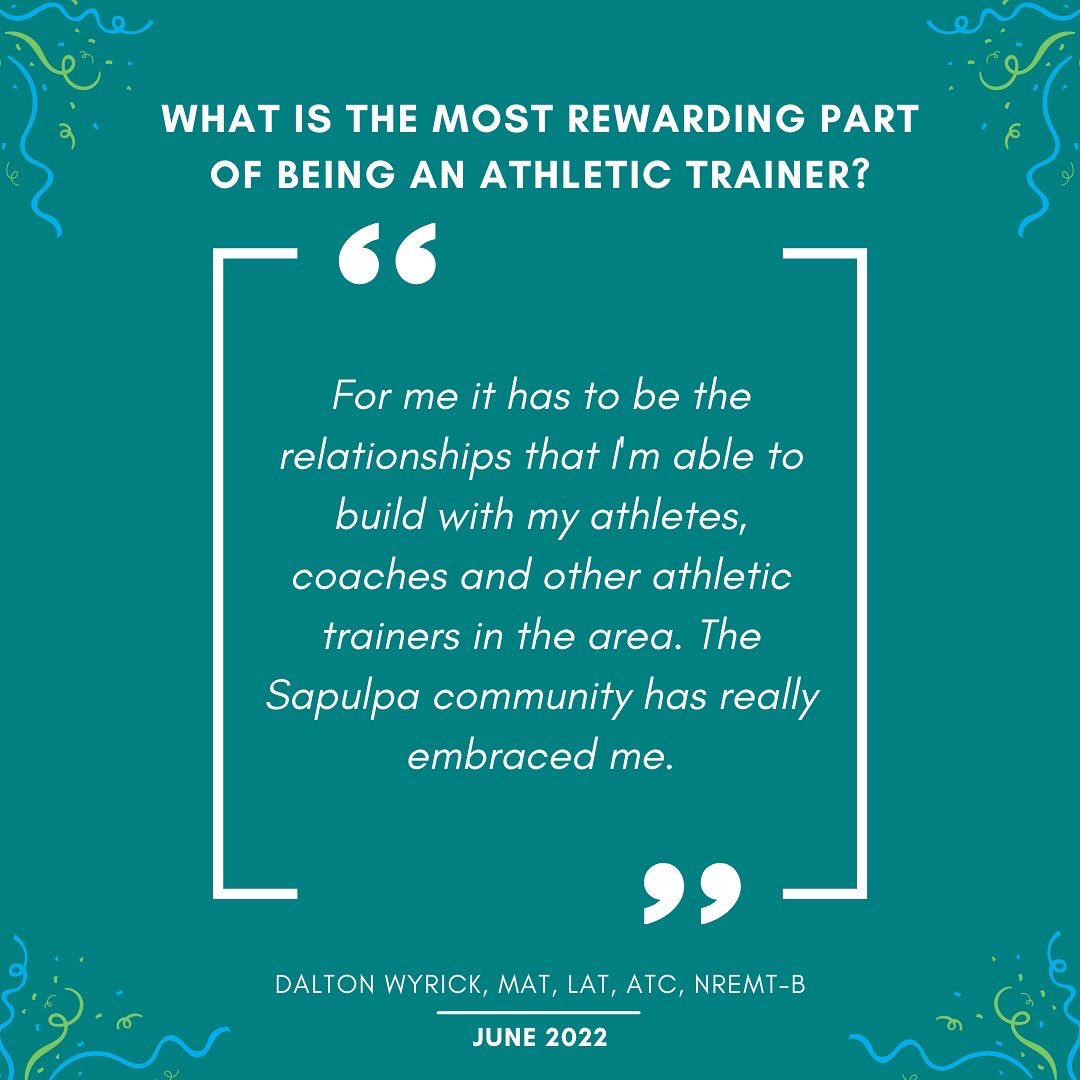
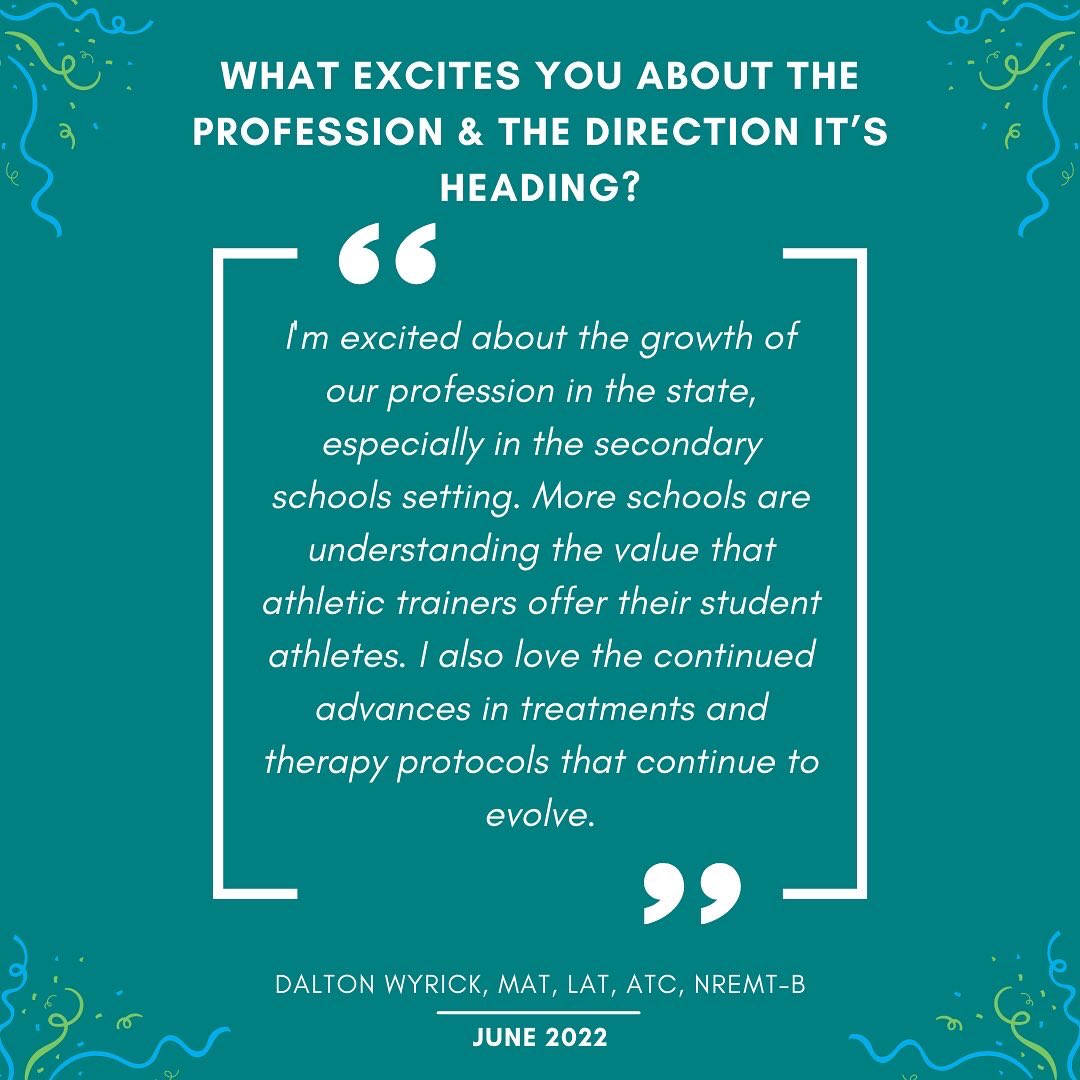
⬇️⬇️⬇️⬇️
2
4
Oklahoma Secondary School Athletic Trainers ⚕ retweeted
1 Jun 2022
Hello June! ☀️😎
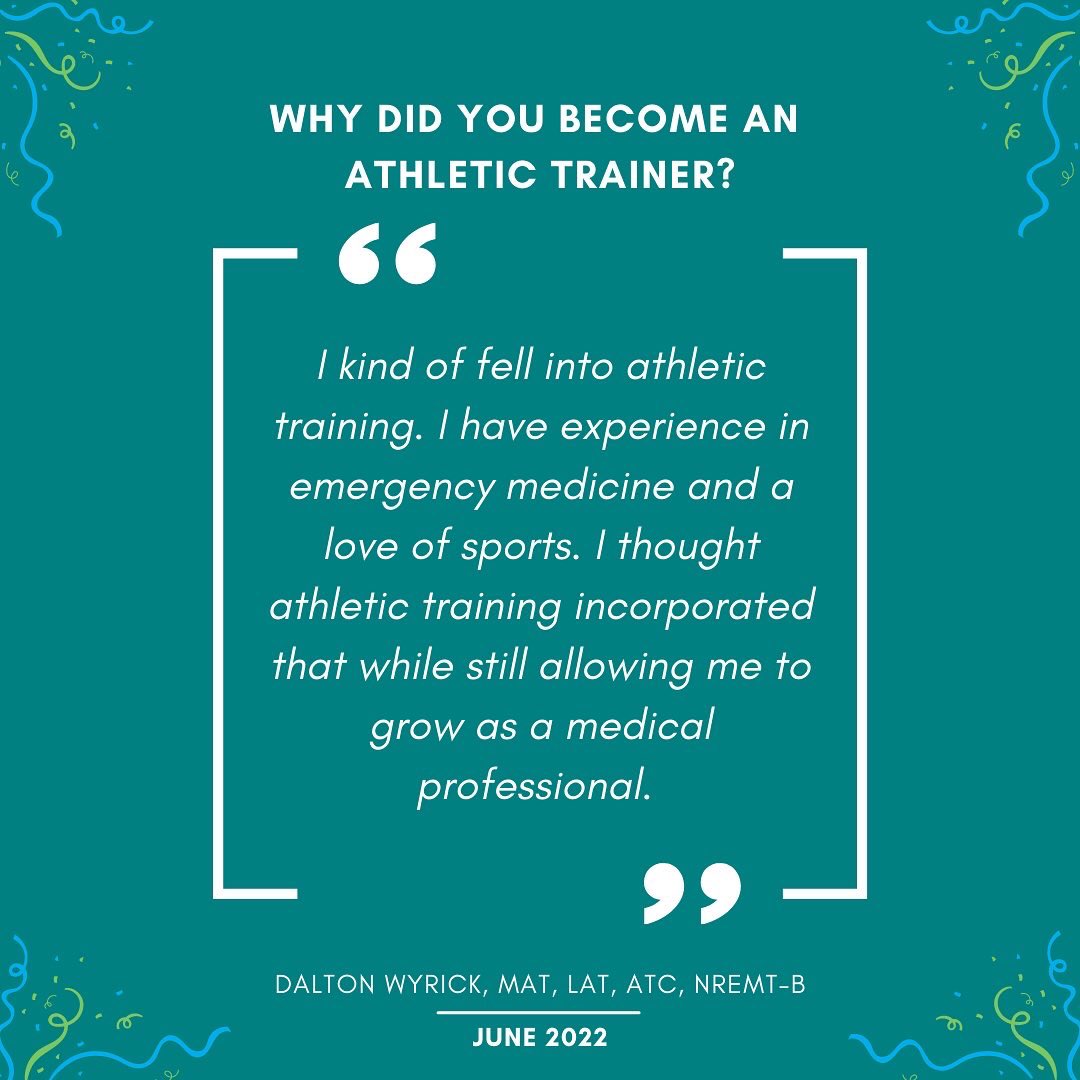
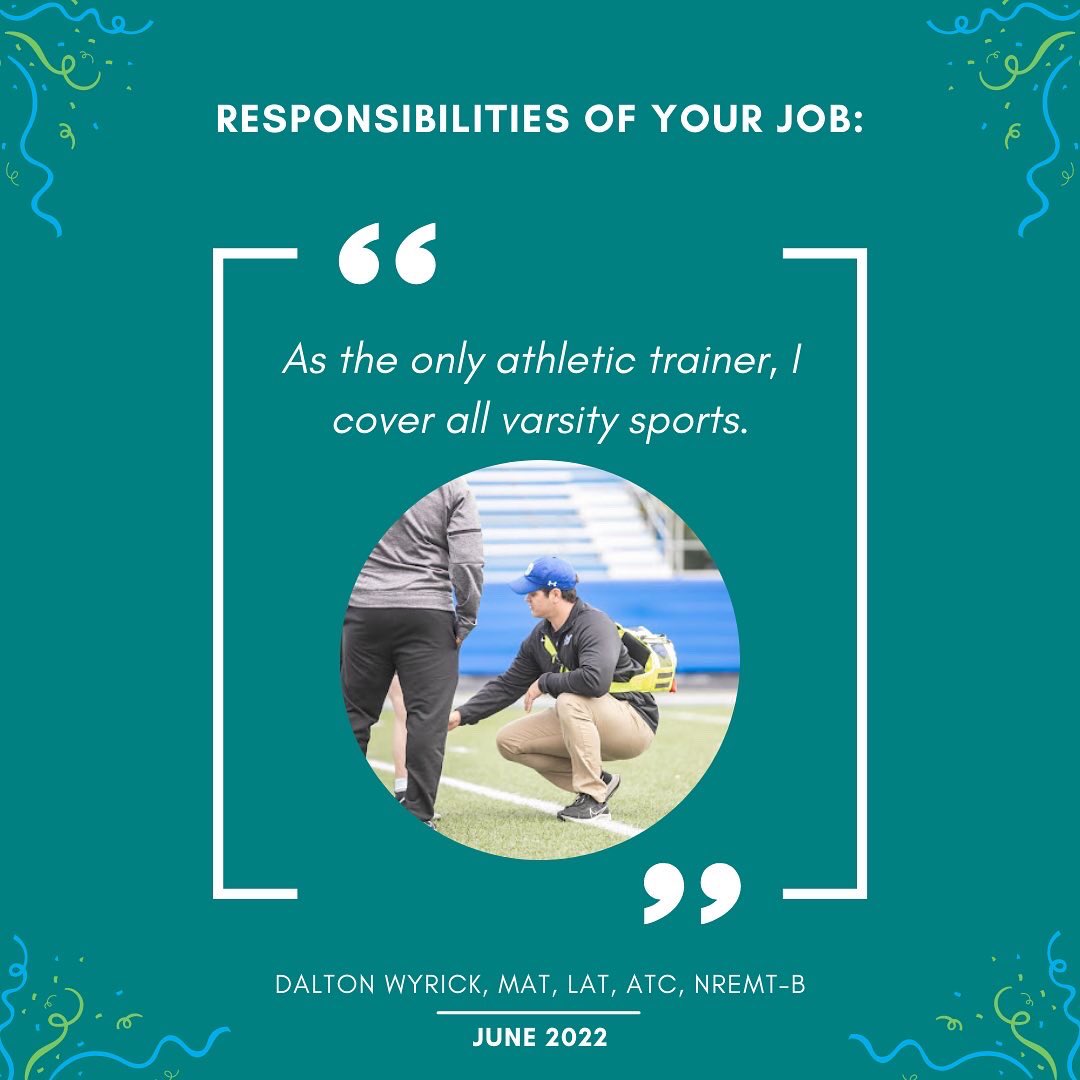
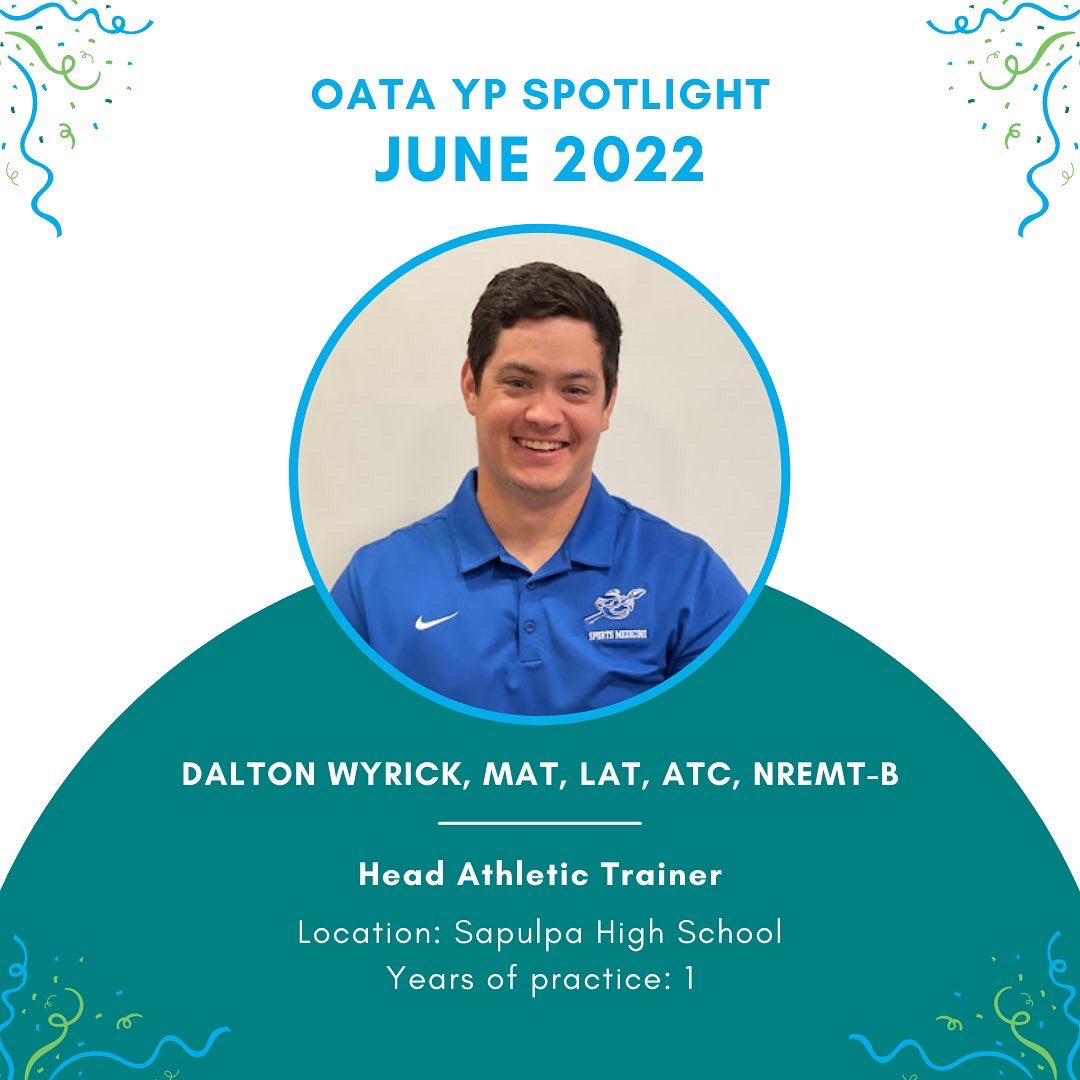
🌟YP spotlight of the month: Dalton Wyrick
Follow this thread to learn more about Dalton and the great things he’s doing in Sapulpa, OK! #EPC
1
4
7
Oklahoma Secondary School Athletic Trainers ⚕ retweeted

1 Jun 2022
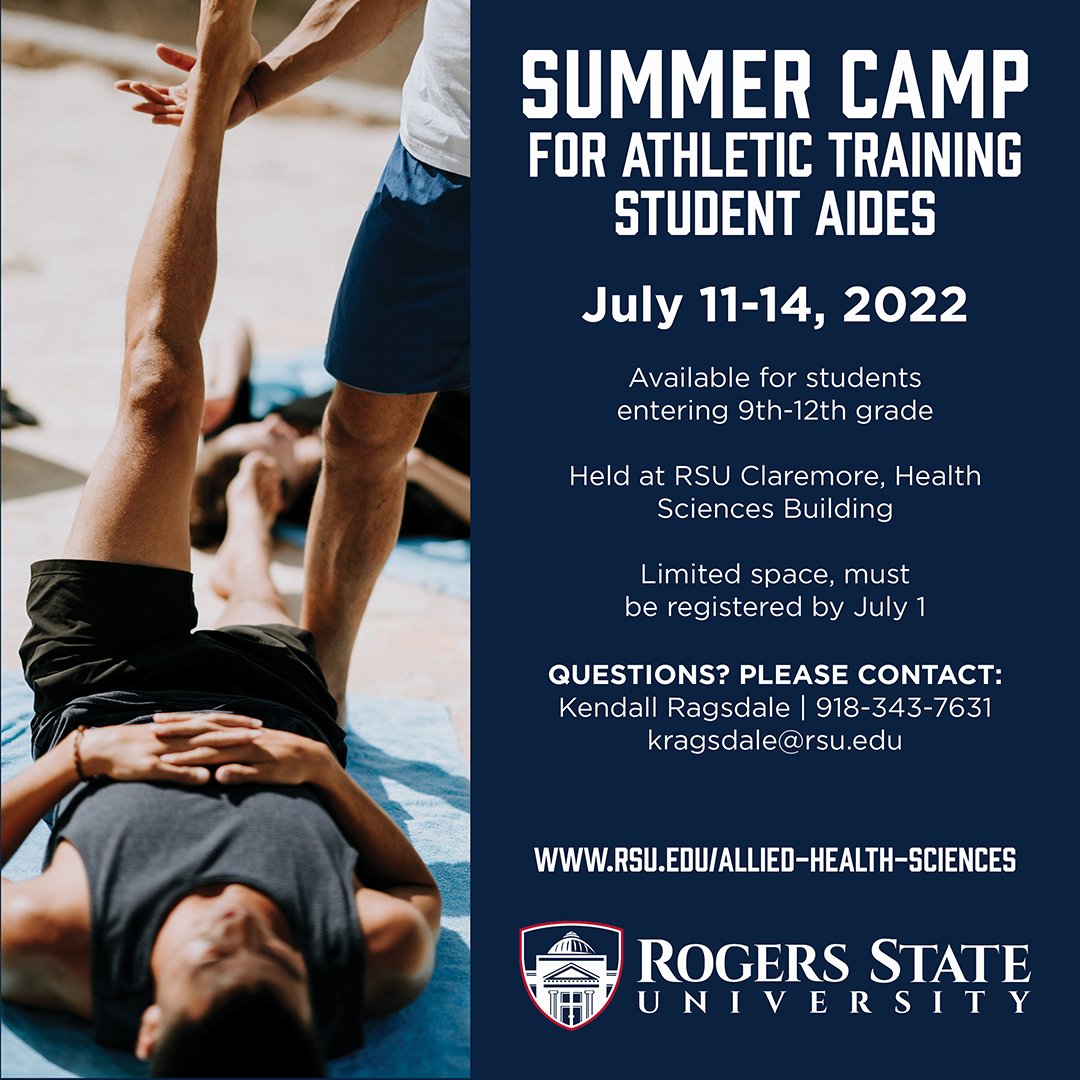
RSU's Summer Camp for Athletic Trainers and Student Aides is July 11-14. Space is limited so sign up today! Deadline to register is July 1.
For more info and registration visit rsu.edu/AlliedHealth
#alliedhealth #athletictrainers #summercamp #gotorsu #hillcatnation
3
4
Oklahoma Secondary School Athletic Trainers ⚕ retweeted

31 May 2022
1
2
6