
⚙️ Good life!
Joined December 2012
- Tweets 9,746
- Following 2,413
- Followers 320
- Likes 12,857
639 Photos and videos










oli1one retweeted

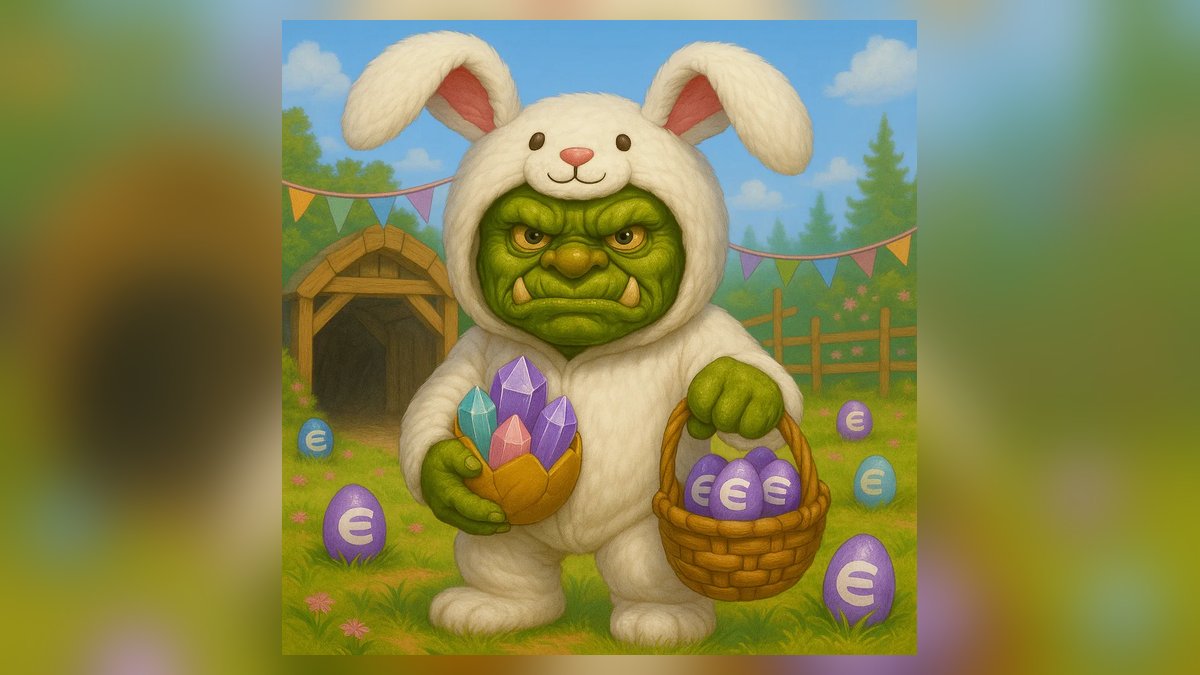
Happy Easter 🐣
Just 14 hours left on our Easter Promo.
200 brand new Easter Excavator NFTs will be awarded to the top 200 Jinex holders.
Right now, just 2 Jin (under $0.01) gets you on the leaderboard 👇
3
9
25
700
oli1one retweeted

Mar 30
🎯 IT'S TIME TO FIGHT FOR YOUR SPOT
Make a deposit and exchange it to RLT to earn tickets.
The more tickets you have, the higher you rank.
🏆 Climb the leaderboard to win one of these prizes:
Top 50 share 2 000 USDT equally Epic FireStar
Next 50 will get an Epic Ka-boom
All the remaining participants will win Epic Enigma
235
1,305
482
10,483

COLLABORATION ALERT — EASTER EXCAVATOR NFT DROP! 🐣
Big news, Jinex fam! We're teaming up with @EnjExcavators for an epic Easter collab, and Jinex Token #JIN holders are about to be rewarded.
200 exclusive Easter Excavator NFTs are being dropped to the top 200 Jinex Token holders, and all you have to do is hold.
Here's the deal:
A snapshot will be taken at 23:59 UTC on Easter Sunday (April 5th, 2026). If you're in the top 200 Jinex Token holders at that moment, you'll be whitelisted for a Beam to claim your very own Easter Excavator NFT.
🔑 The Beam link will be shared here and on our telegram group, so make sure your notifications are on and you're ready to claim when it drops.
Want to secure your spot?
Head to NFT.io, grab some Jinex Token (JIN), and check the holders page to see where you stand. The top 200 is your target. 🎯
This is a huge moment for the Jinex community, a collaboration that rewards loyalty and brings two incredible projects together.
Let's show what the @enjin community is made of! 💪
2
13
23
653
oli1one retweeted

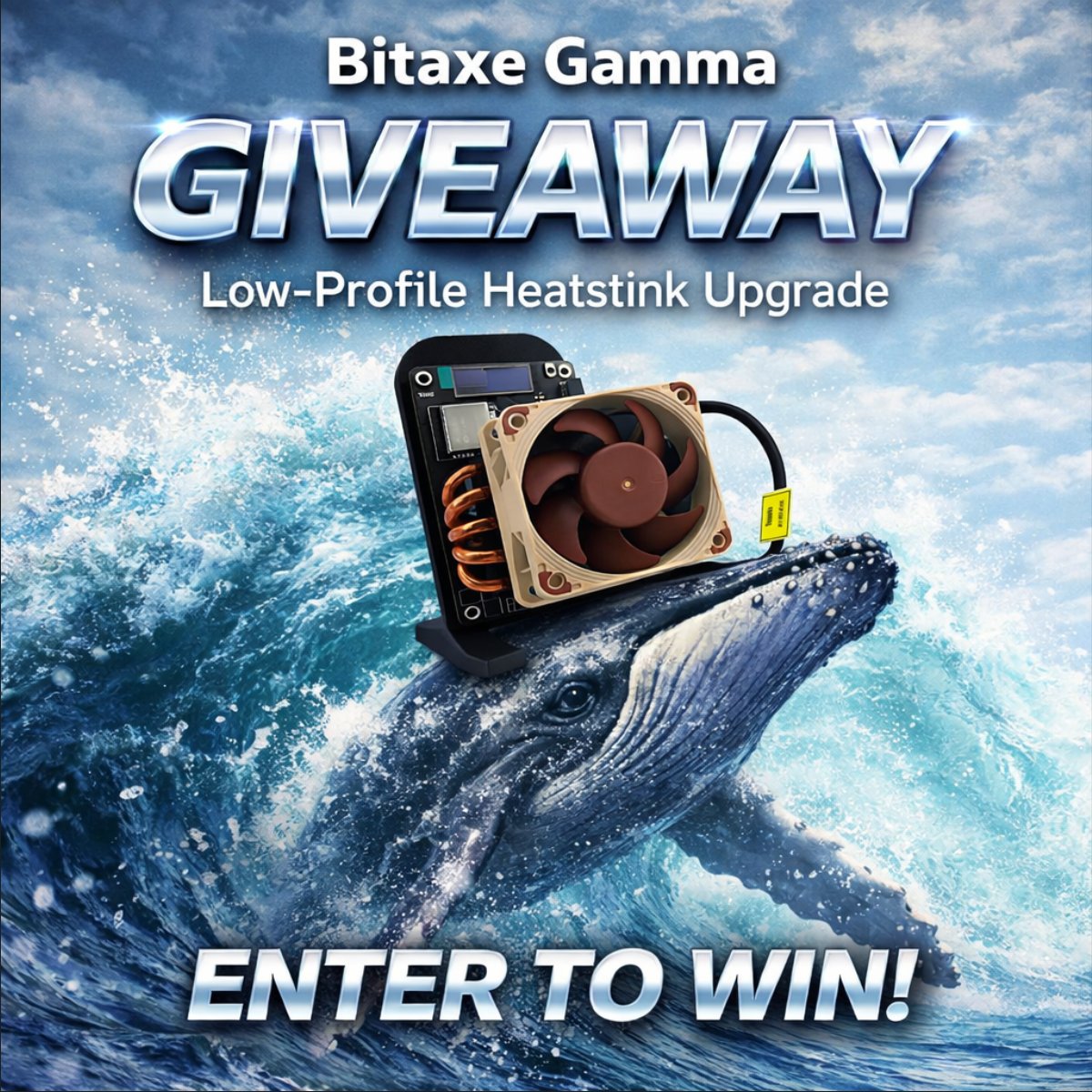
🚨NEW Giveaway - Bitaxe Gamma: Low-Profile Heatsink Upgrade
To Enter:
1)👋Follow @BitcoinMerchCom
2)🩷Like this post
3)🔁Repost
Bonus - tag 2 friends in the comments below with🌊
Giveaway ends 3/31 - winner announced 4/1
Good luck🌊
228
374
407
16,459
oli1one retweeted
Mar 17
🚨 A NEW CHAPTER STARTS NOW 🐹
💰 RLT Cashback is here for the very first time in RollerCoin
From March 17 to March 20, every deposit converted to RLT gives you cashback.
⚡ Earn up to 40% back on what you exchange.
🔥 This isn’t something you wait on.
The more you go in… the more you get back.
⏳ It happens on a limited window. Don’t miss it.
93
157
122
2,380
oli1one retweeted
Introducing Excavator Pickaxes
Our newest NFTs, 20 designs launch this month:
✅ In-game skin
✅ Utility: 2× manual mining
✅ Only 50 of each design
✅ Just $5 per NFT
We’ll reveal one design each day.
First up: Obsidian ⛏️
#Enjin
3
10
22
686
oli1one retweeted
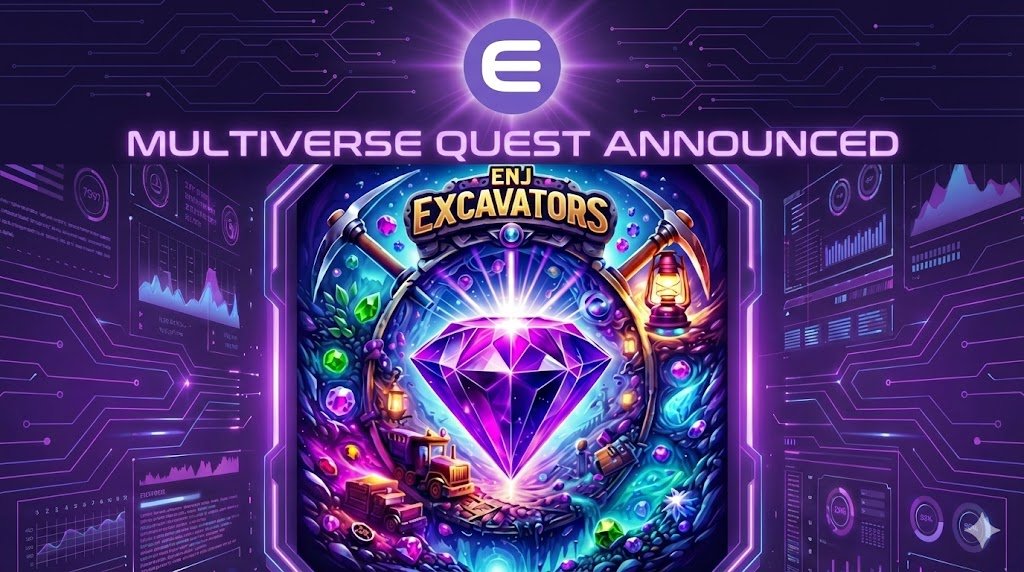
🎮 NEW SEASON IS LIVE! 🎮
Get a head start on your Multiverse Quests - start stockpiling gems towards your seasonal score!
EE Quests:
👷 Hire the new Multiverse Workers
💎 Hold 1B/10B/20B gems on Feb 10th @ 12PM UTC
Earn up to 20 points this season → Get Excavating! ⛏️
2
9
18
349


Interview with Nick from Kepithor Studios – ENJ Excavators cryptogames.gg/interview-wit… via @CryptoGamesGG
1
11
oli1one retweeted

Jan 26
👾 BITAXE GIVEAWAY 👾
🔁Repost this video.
✅Follow @PowerMiningFarm
🗣️Tag a friend in the Reply’s!
🫵Announcing The Winner This Friday!(30.01)
875
870
1,105
40,708
oli1one retweeted

Jan 13
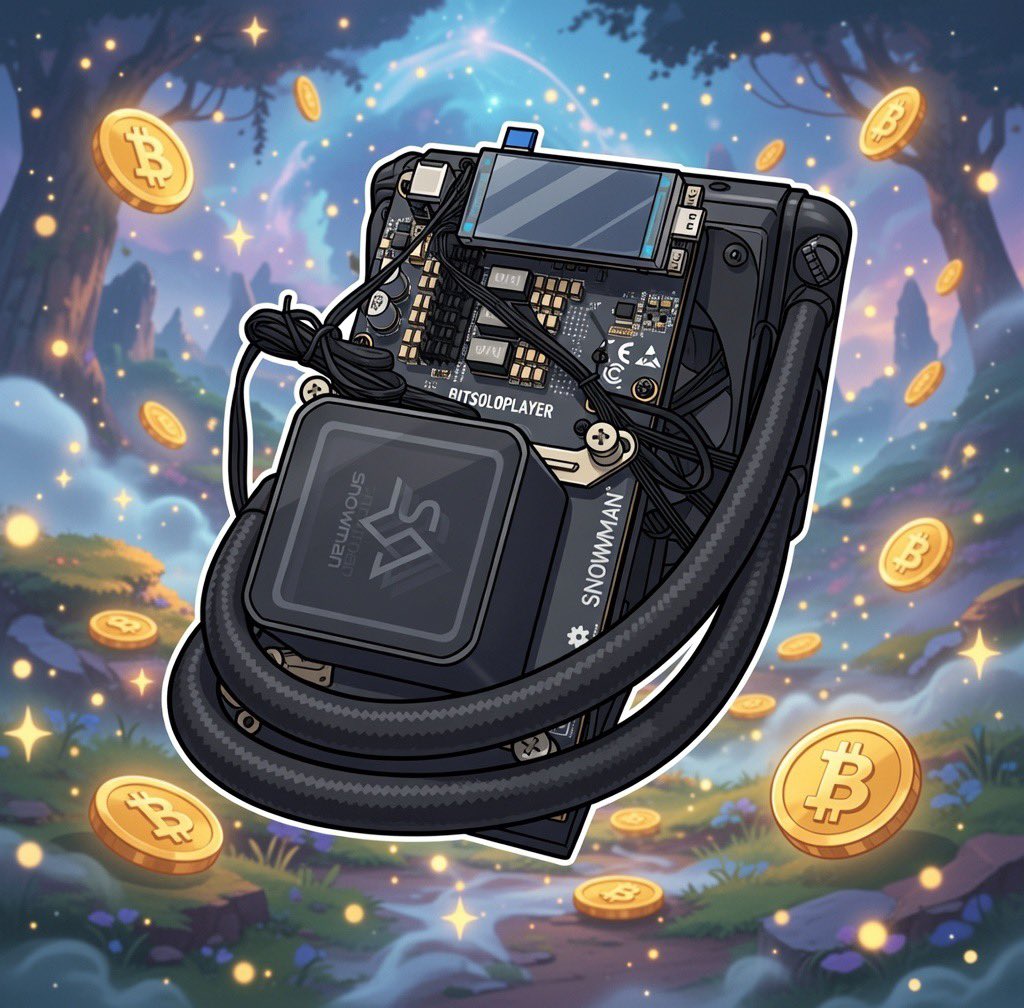
🚨GIVEAWAY ALERT🚨
🎁 Win a NerdQAxe Hydro 4.8T
‼️Rules are simple
👍Follow us & @Bitasics
❤️Like this post
🔁Retweet
💬Tag your friend to participate
✨Let’s Hit Bitcoin Blocks together
505
486
608
26,458
oli1one retweeted
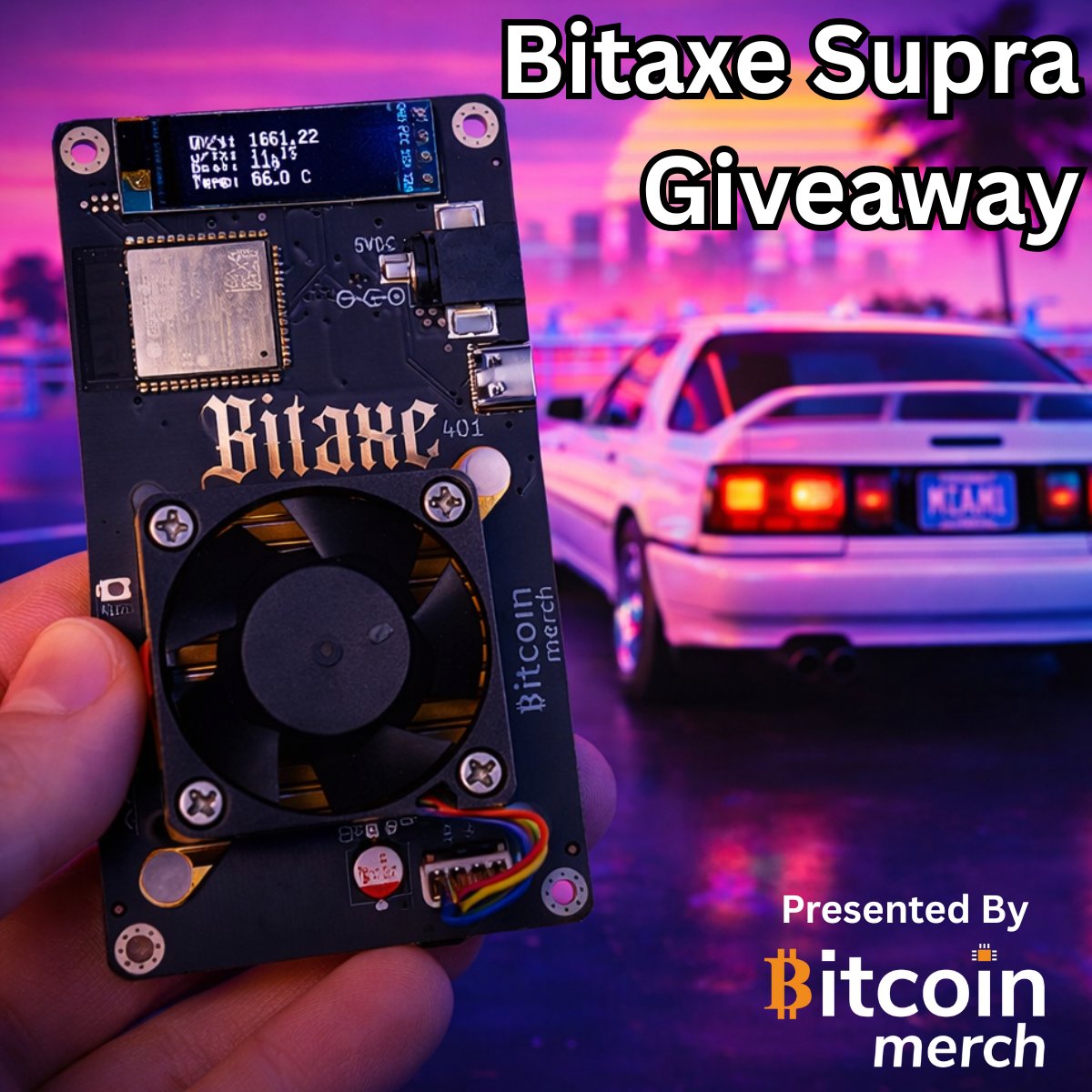
🚨1ST Giveaway Of 2026 - Bitaxe Supra🪓
To Enter:
1)👋Follow @BitcoinMerchCom
2)🩷Like This Post
3)🔁Repost
BONUS - Drop some🪓in the comments below.
Drawing Ends 1/14
Winner Chosen 1/15 Thursday
Good luck Bitcoin Family✅
399
600
678
31,480
oli1one retweeted

Jan 8
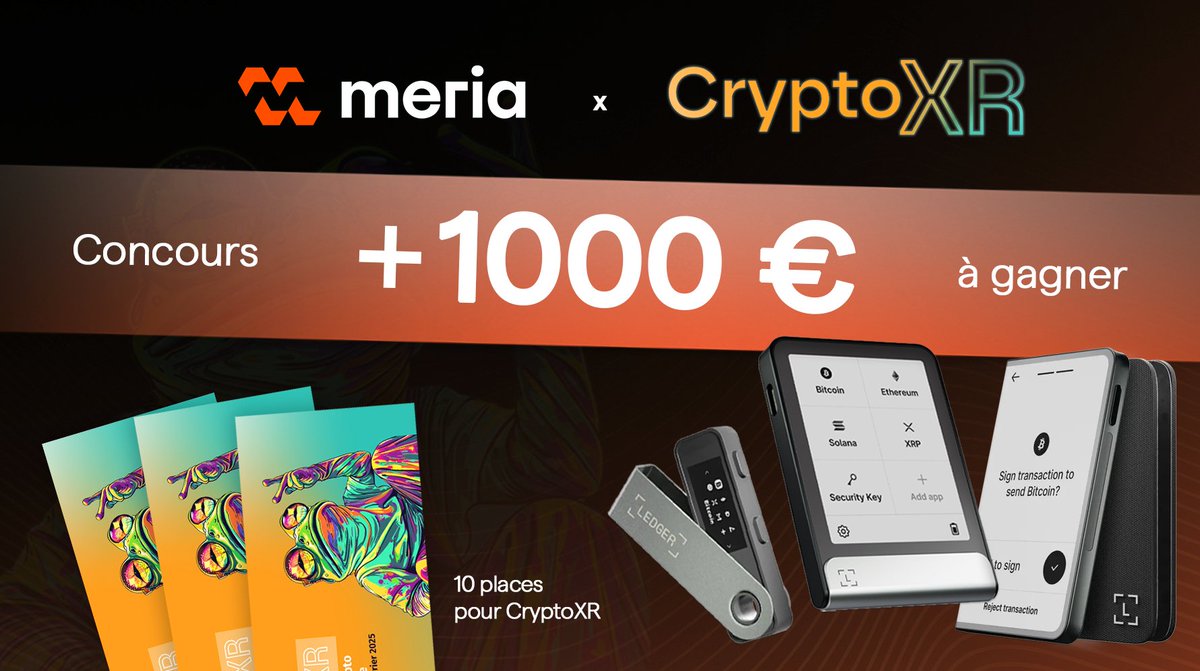
Concours CryptoXR 🎁
Plus de 1000€ de cadeaux à gagner !
👉 10 places pour le salon web3 le plus cool de France (2 jours closing party)
Et parmi les gagnants, 3 d'entre vous auront la chance de remporter :
Un Ledger Stax, un Ledger Flex ou une Ledger Nano S
⚠️ Les cold wallets sont à récupérer à l’entrée du salon uniquement.
Pour participer :
- Suivez @Meria_Finance et @CXR2026
- RT et like ce tweet
- Commentez "Je participe”
Tirage le 12 janvier
Bonne chance à tous ! 🍀
309
320
390
27,577

oli1one retweeted
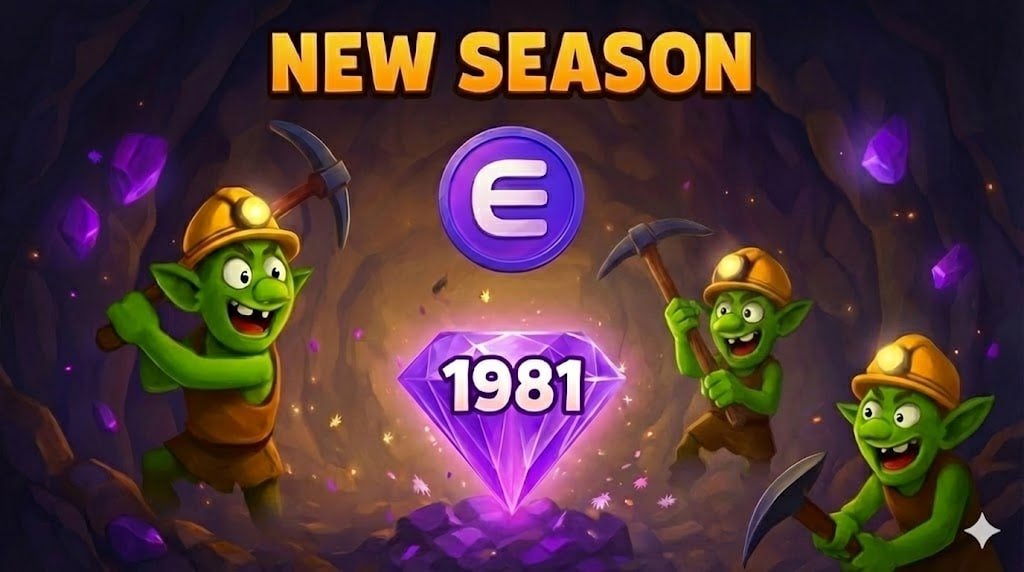
Fresh season started yesterday!
1,981 ENJ prize pool waiting.
📲 Download ENJ Excavators from Google Play.
Get Excavating!
#Enjin💜
3
10
20
6,975
oli1one retweeted
Happy New Year Excavators!
Hope like us, you're back and well rested.
Less than 2 weeks till #Enjin Multiverse Quests 2026: all new NFTs, all new blobs & a chance to win a Degen.
Jan 16th - mark your calendars! 🗓️
kepithor.com/news/enj-excava…
2
8
17
403

🎆 New Year Giveaway 🎆
Starting the year with $300 USDT
→ 5 winners · $60 each
How to join 👇
1️⃣ Follow @ELLIPAL & @SimpleSwap_io
2️⃣ Like RT
3️⃣ One word for your 2026 crypto goal? 👀
⏳ Ends in 72 hours
🎁 Winners announced soon

3,470
2,734
3,021
88,566
oli1one retweeted

24 Dec 2025
👁️ The Crypto Identity is Dead.
And it hurts, because:
Being early was part of the reward.
Being different was part of the meaning.
Being inside the bunker mattered.
Now the bunker dissolves.
The tools spread.
The identity doesn’t.
That feels like loss.
It isn’t.
It’s the tax every successful technology pays.
The internet died as a subculture.
The cloud died as a frontier.
Nobody misses those deaths.
They were the cost of winning.
-------
🪦Crypto Is Dead (as an Industry)
🧬 Crypto Lives (as Infrastructure)
The claim is not that crypto failed.
The claim is that crypto succeeded enough to stop being a subculture.
And that success kills identities.
1. What actually died
Not blockchains.
Not tokens.
Not prices.
What’s dying is “crypto” as a self-contained world:
A closed-loop economy recycling the same wallets
Incentive design optimized for insiders
GTM = points, farms, Discords, airdrops
“Users” who are really professional liquidity tourists
Founders building for the game, not for life
Crypto became a very liquid MMO.
Fun. Profitable for some. Structurally capped.
The silent assumption was:
“Eventually, the world will become like us.”
It didn’t.
2. The real diagnosis
The bottleneck is no longer UX.
Wallets, abstractions, mobile, payments, onboarding… all good enough now.
The bottleneck is intent.
We finally can put this tech in anyone’s hands.
But we keep building things that only make sense if you already live on-chain.
That’s not a tech problem.
That’s a culture and incentive problem.
3. What “crypto is dead” really means
Crypto stops being a category.
No more “crypto startups”
No more “web3 users”
No more identity signaling
Just:
Products that quietly use blockchains because they are the best rails available.
Calling something “crypto” becomes negative alpha:
Worse for users
Worse for regulators
Worse for capital
Winning looks boring.
That’s how real tech wins.
4. The future stack (this is the real map)
Layer 1: Infrastructure (huge, invisible, decisive)
Settlement rails
Stablecoins as default cross-border money
Shared state for collateral, ownership, identity
24/7 global markets
Users never say “blockchain”.
They say “it’s faster”, “it cleared instantly”, “it worked”.
Layer 2: Products (no identity, just utility)
Fintech, payments, commerce, markets
On-chain where it helps
Complexity aggressively hidden
Competes on price, trust, UX, distribution
Crypto is an implementation detail, not a personality.
Layer 3: Speculation (still here, just resized)
Memes, leverage, exotic markets
The casino survives
But it’s a district, not the city
The casino funded the roads.
It was never meant to be the destination.
5. Who loses, who wins
Builders
Lose if:
Your TAM is “people already on CT”
Your moat is emissions hype
Your product dies when rewards stop
Win if:
You start from a real-world problem
Crypto is a tool, not the pitch
You accept boring work: trust, compliance, distribution
Investors
Lose if:
You underwrite reflexivity as a business model
Your thesis is “crypto natives will rotate here”
Win if:
You underwrite demand, retention, and real adoption
You think in payments, credit, identity, markets
You care where the user comes from, not how early they are
6. The final test
One question decides everything:
Are you solving for crypto natives
or are you solving for the world?
If the answer is the first, you’re defending a dying layer.
If it’s the second, you’re building the future quietly.
🧠 One-line signal
Crypto doesn’t win by turning the world into crypto natives.
It wins by disappearing into the stack so completely that no one needs to know it exists.
Crypto is dead.
Long live crypto.
16 Dec 2025

1
1
2
79
oli1one retweeted
25 Dec 2025
The inner journey is not optional
Money activates survival circuits.
If you don’t understand:
👁️ your family history with money
👁️ your fears of loss
👁️ your need for approval
👁️ your envy
👁️ your shame
The market will find them and exploit them.
You cannot out-analyze your childhood.
Self-knowledge is risk management.
2
2
116