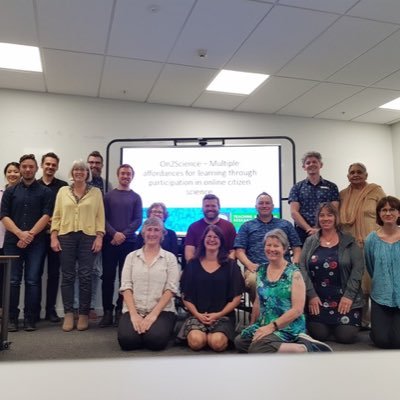
A group of curious teachers and researchers exploring online #CitizenScience in primary education. Like #science, #education, #computers, and #students.
Joined March 2020
- Tweets 21
- Following 27
- Followers 28
- Likes 12
8 Photos and videos

23 Mar 2021
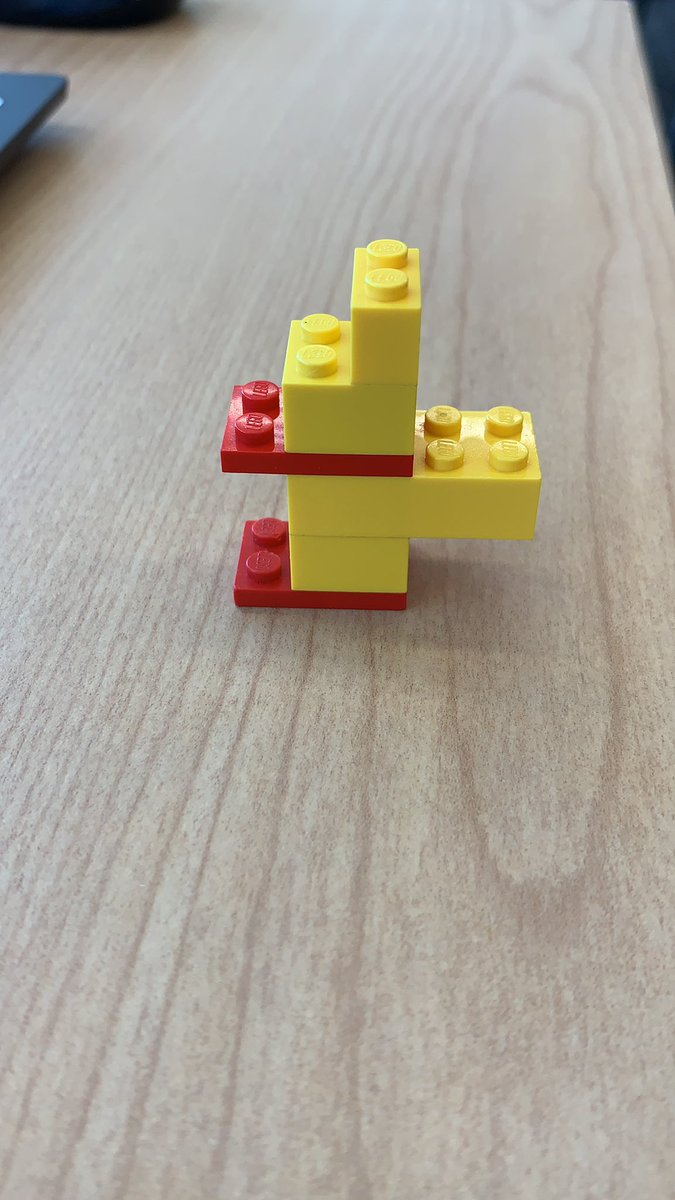
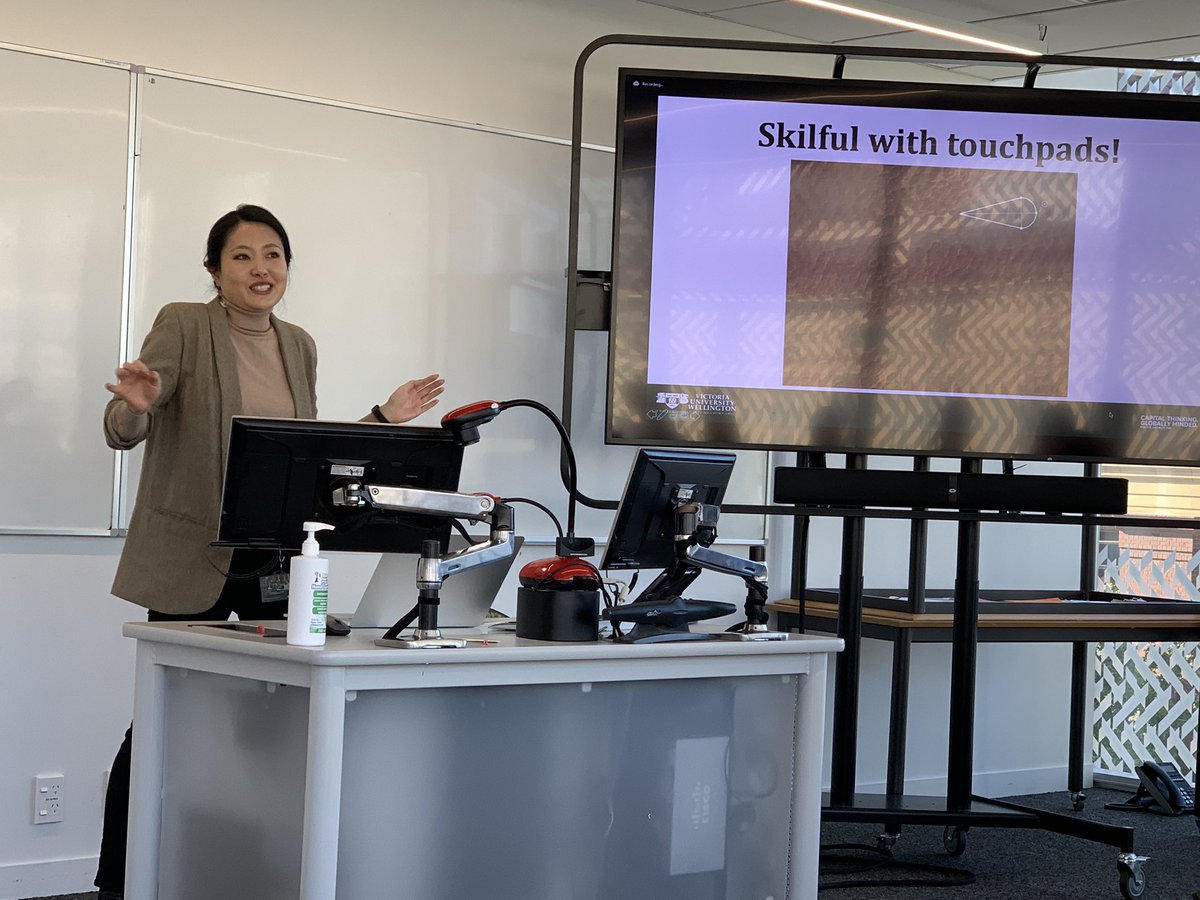
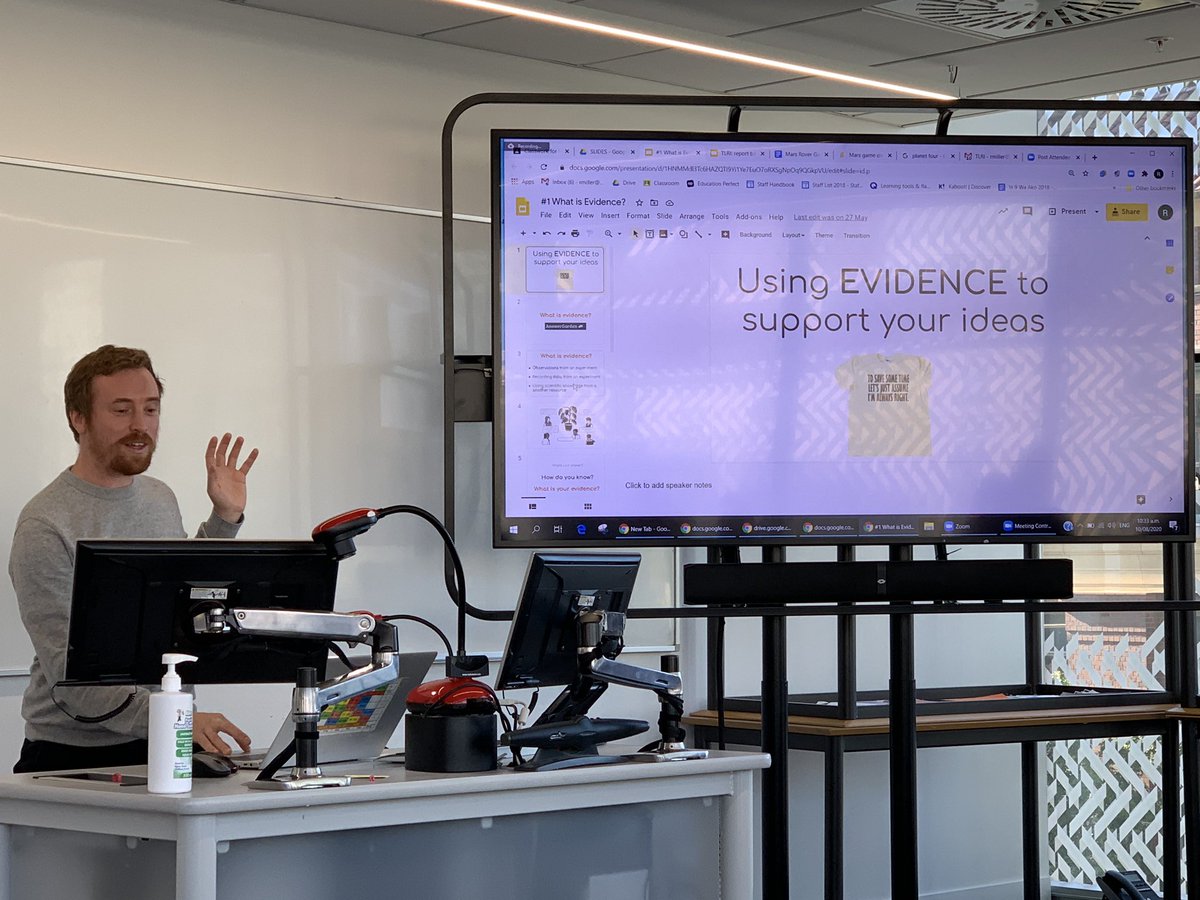
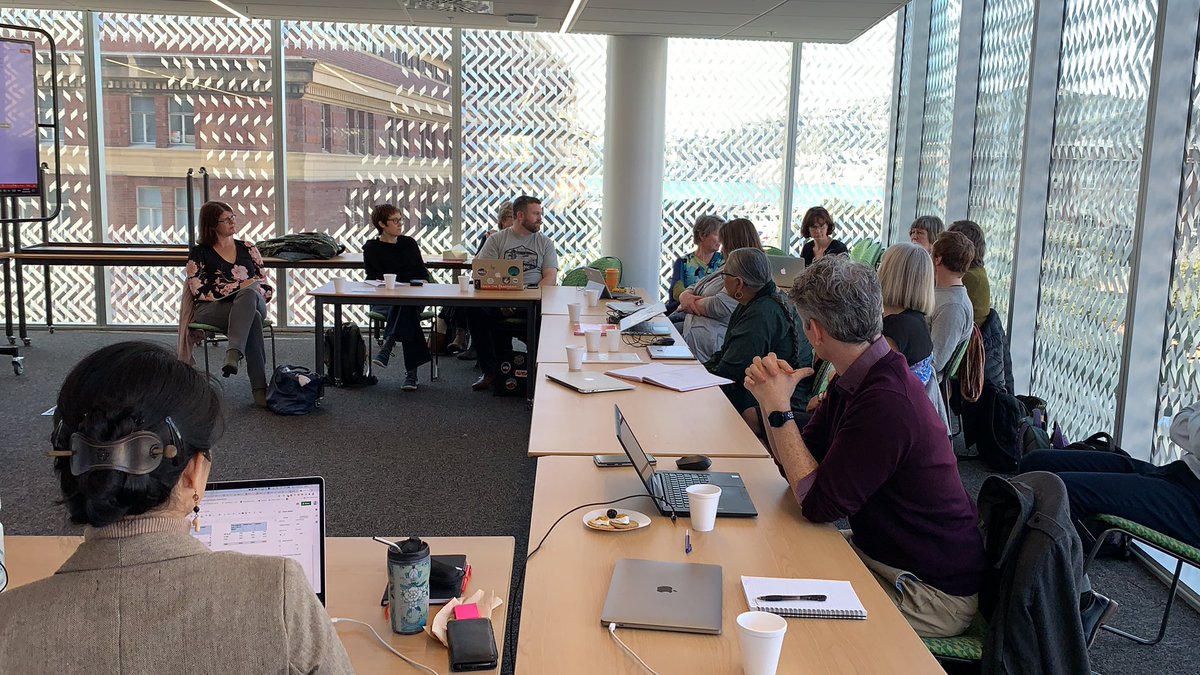
How do we teach students to think computationally? @Aratiatia1 shared a simple way to to deconstruct instructions to build a duck, thereby thinking algorithmically with simply problem solving, or “debugging.” 🦆 #professionaldevelopment #scienceedication
22 Mar 2021
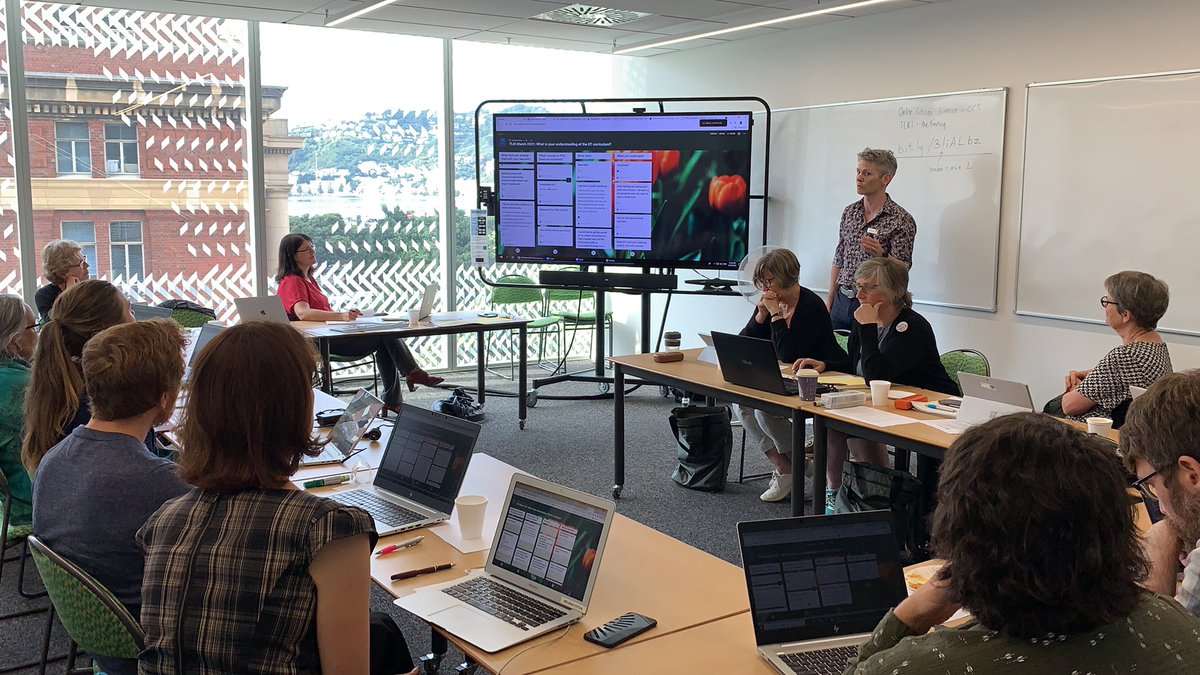
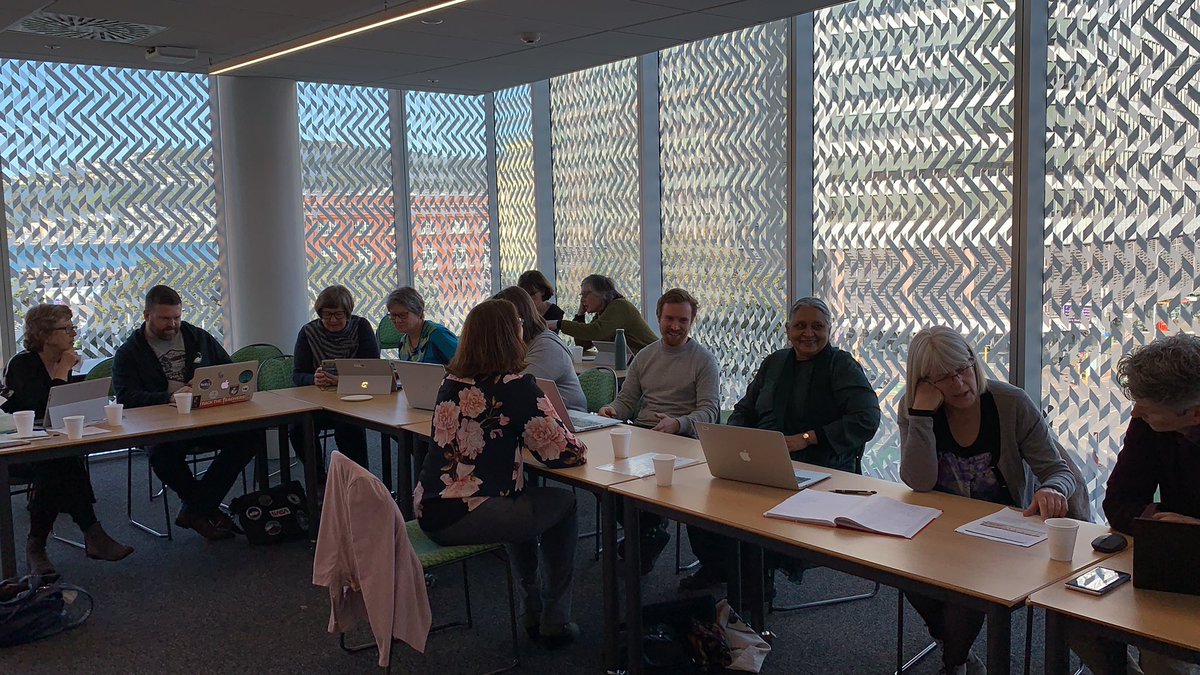
Our resident #DigitalTechnology expert @Aratiatia1 presenting important #ProfessionalDevelopment on NZ DT curriculum to the team at our first hui of the year. #ScienceEducation #OnlineCitizenScience @TLRI_NZ @BrigitteScience @ChristensonDi @MLuczak @mattbouchernz @Cathal_Doyle
2
5
On2Science retweeted

21 Mar 2021
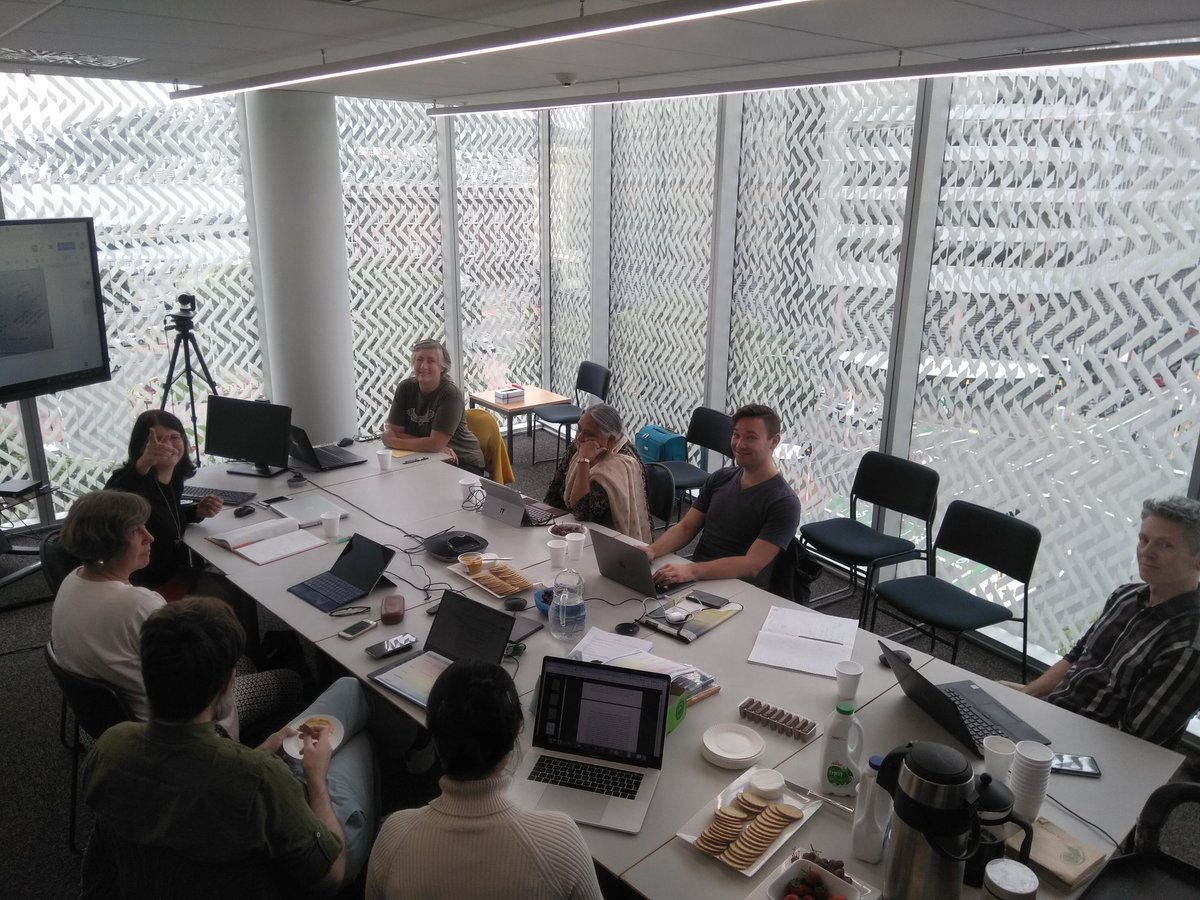
Always a privilege to be allowed to join in the conversation and work with this awesome research team behind the @TLRI_NZ project @On2Science. Planning the interventions for 2021. /cc @NZScienceLearn @Aratiatia1 @CameronMPierson @the_zooniverse #citizenscience #science #teachers
1
10
5 Nov 2020
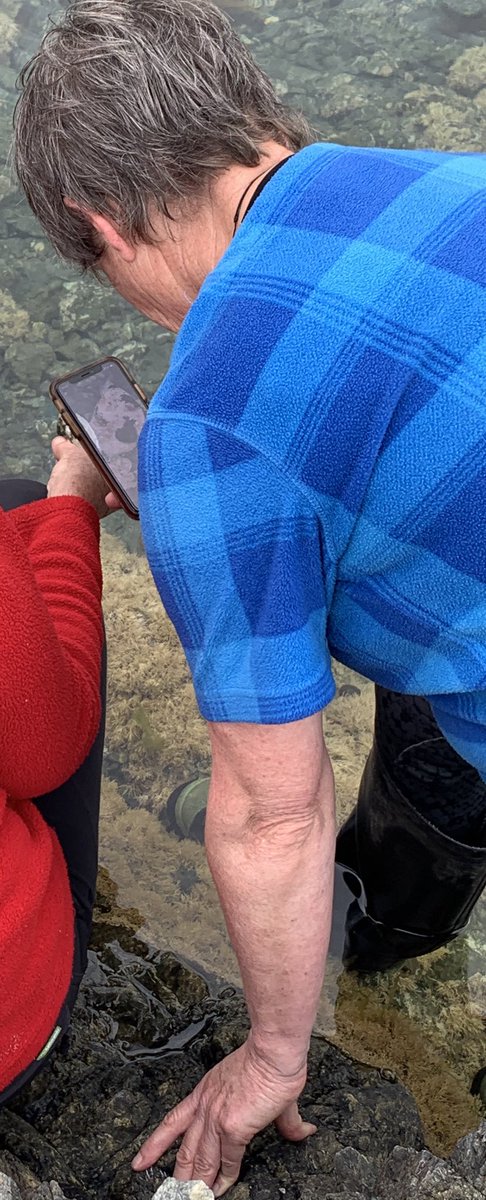
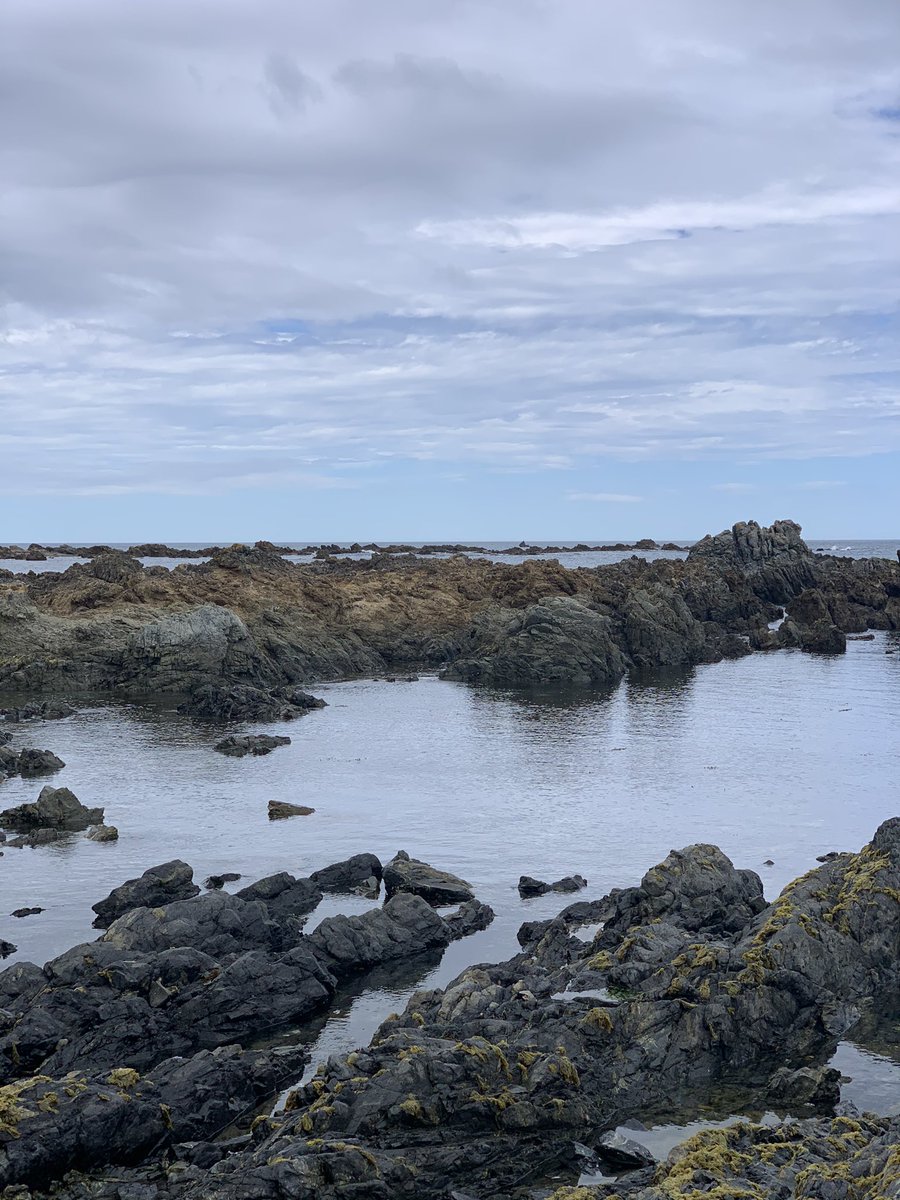
Some of our team joined a group student citizen scientists ‘into the field’ to observe some great #CitizenScience in action. What a great day for #science! #CitSci @ChristensonDi @marinemetre2
1
2
4
16 Oct 2020
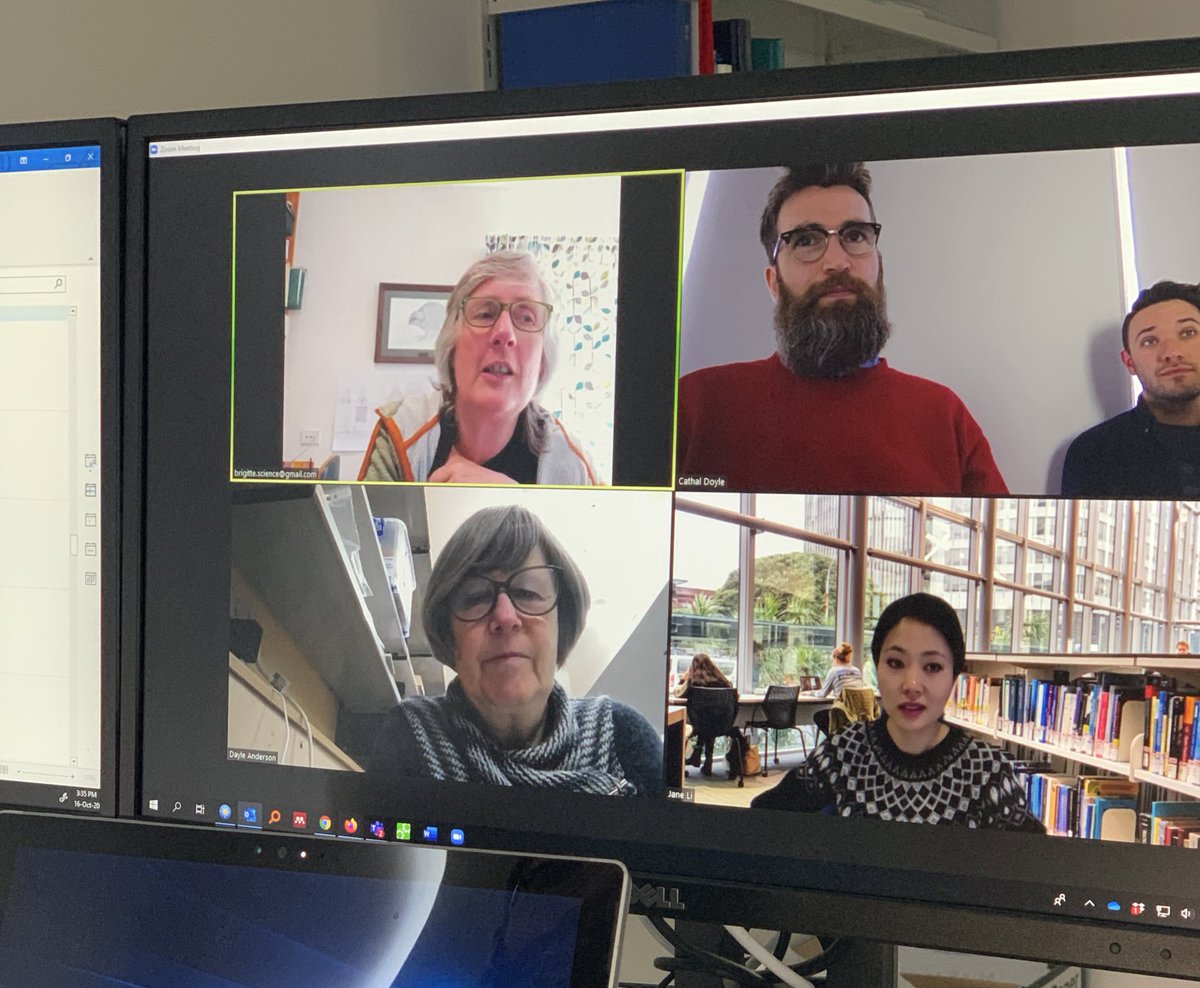
It doesn’t matter where we are, we’re too excited about studying #CitizenScience to stop now. Some of our team, planning next steps, over Zoom. #CitSci
1
1
4
1 Sep 2020
A great resource from @NatGeoEducation for #students, #teachers, and family/whānau. 🧪 🍃 🧬 👩🏻🏫 👨🏾🏫 #citsci #scienceeducation
31 Aug 2020

What is #citizenscience? How can you be involved?
Start your Ss’ journey of answering real-world questions from their homes, backyards, living rooms, or even their kitchen with this mini #ResourceLibrary collection! on.natgeo.org/6014Gm69m
1
1
5
10 Aug 2020
Our team planning for effective embedding of #ocs to support #science capabilities and #digital competencies for the coming terms. #teamwork #collaboration #teachers #researchers @TLRI_NZ
1
2
9 Aug 2020
Jane, one of our research assistants, tells the group about her recent observation of Richie’s class and the #HumanComputerInteraction that took place between the students and their devices while using the #ocs @Planet_Four
1
1
9 Aug 2020
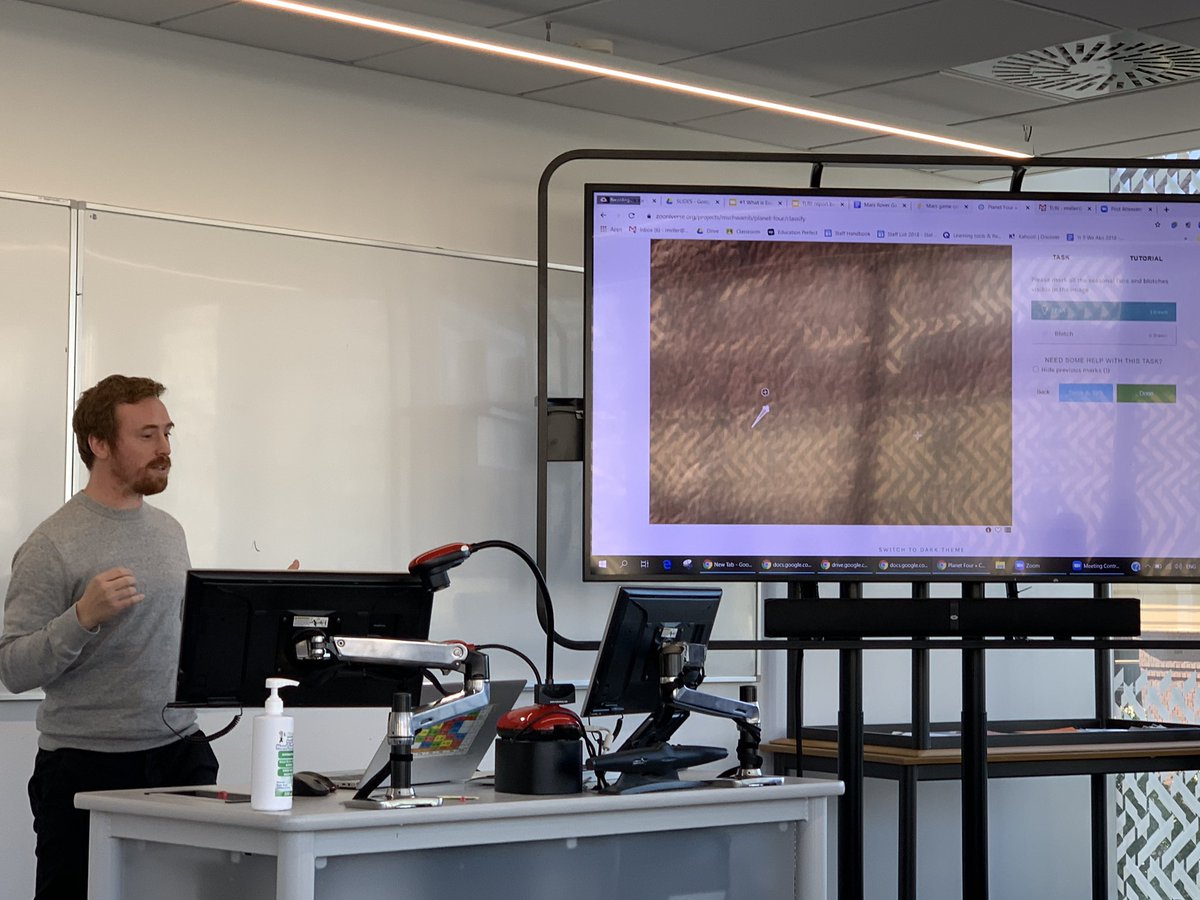
Richie tells us about his experiences teaching in and out of #lockdown and how he used #ocs to support student science learning about Mars, geysers, and digital capabilities using @Planet_Four.
3
3
9 Aug 2020
Our first in-person hui since coming out of lockdown. We’re so excited to be working together on #ScienceEducation and #OnlineCitizenScience, and all together! #ocs #teachers
2
2
9 Jul 2020
A part of our team’s curiosity with #CitizenScience in primary #classrooms is how students and teachers develop #digital fluency, in using #OCS and more broadly as our world becomes ever more digital. We’re excited to have @Aratiatia1 on the team. Check out his online course 👇
1
2
23 Jun 2020
The team recently had a report published, discussing the development of #science capabilities for #citizenship with the use of online #citizenscience projects in primary classrooms with relevant discussions for #teachers. #CitSci @NZScienceLearn @imVICnz
doi.org/10.18296/set.0157
2
5
11 Jun 2020
We love the dedication to #Science education from our team partners! 😍🤓😎 #CitSci #ClimateChange #PrimaryEducation #Education
11 Jun 2020

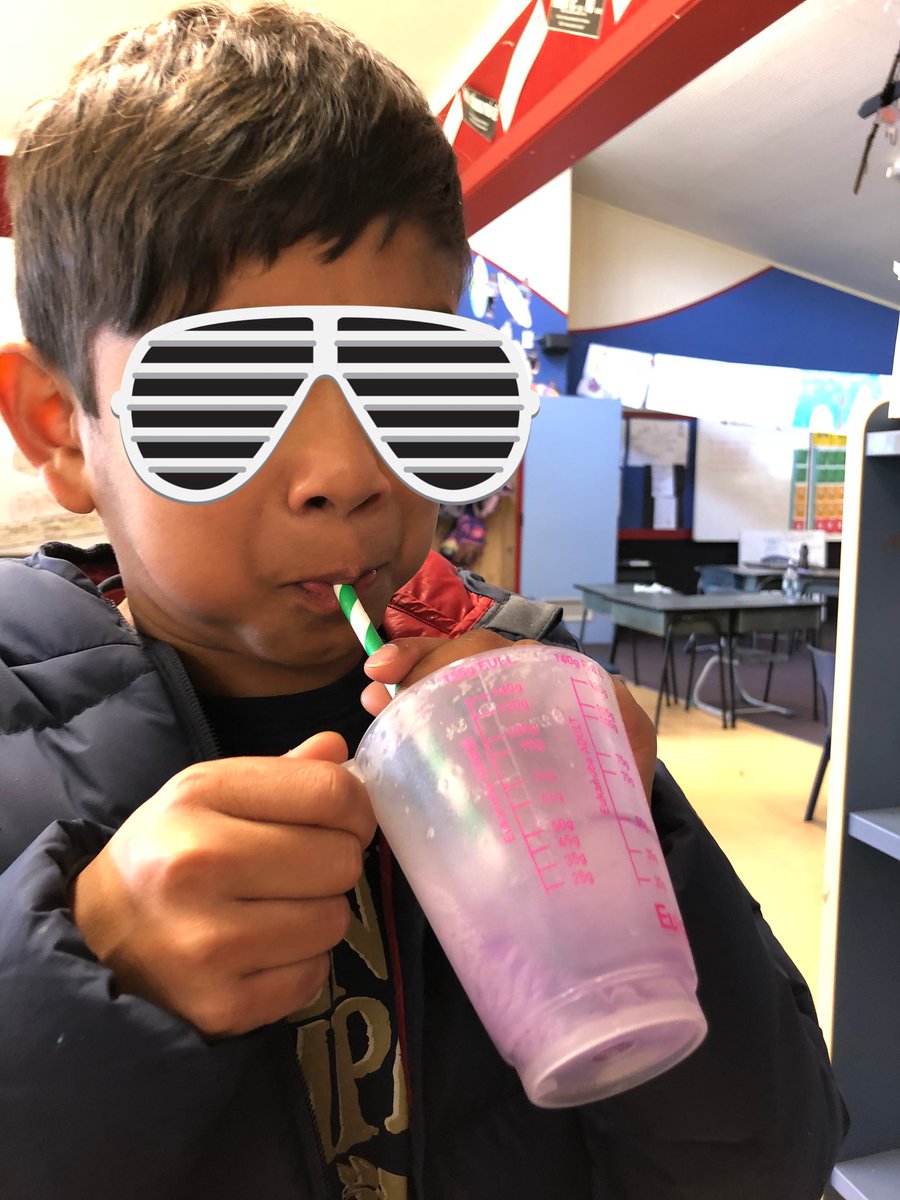
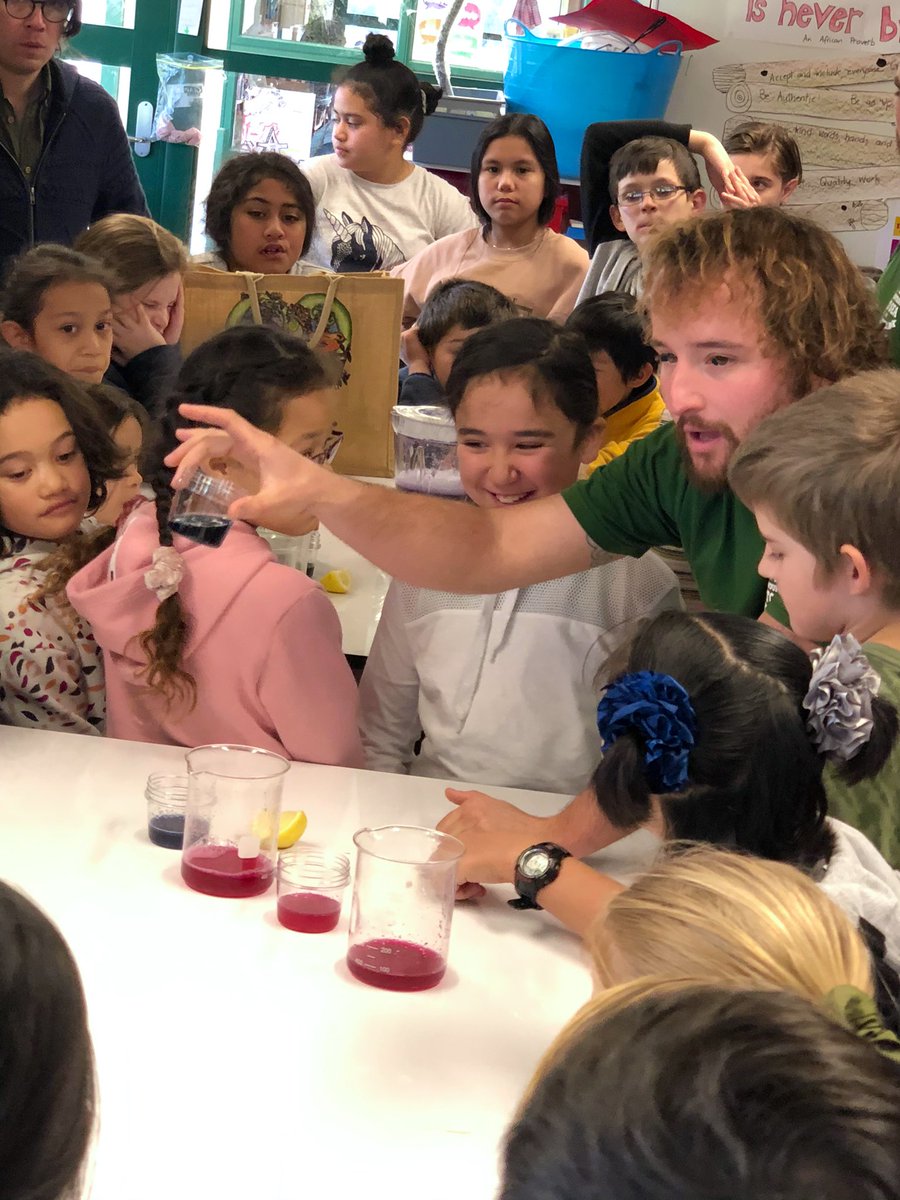
Learning about climate change and ocean acidification. pH and carbon dioxide absorption for elementary school. @NZScienceLearn @cbrieseman @LizzieRaimona @On2Science
1
3
10 Jun 2020
Good to see schools, teachers, and members of our team are back at it with #Science education and #CitSci activities now that we’re at Level 1. 🙌
9 Jun 2020
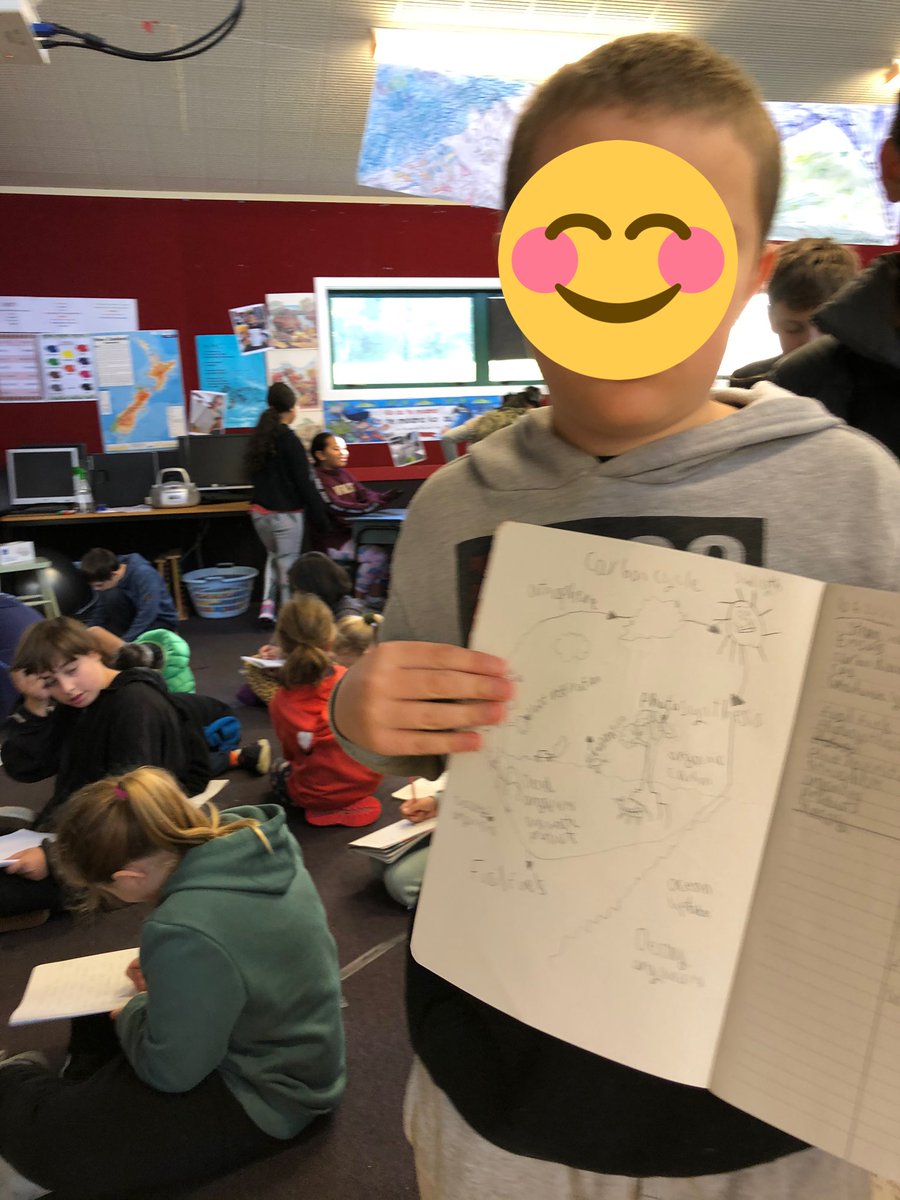
Loving the learning happening today #climatechange #seaweed #carboncycle @cbrieseman @LizzieRaimona @On2Science @NZScienceLearn
1
1
9 Jun 2020
Another #CitizenScience project from members of our team. Help kids Yrs5-10 scientifically understand #microbes and #disease with lessons, videos, games, activities. Can be for learning at home, or in the #classroom as self-paced flipped learning. #CitSci
mattscience.thinkific.com
1
1
On2Science retweeted

28 May 2020
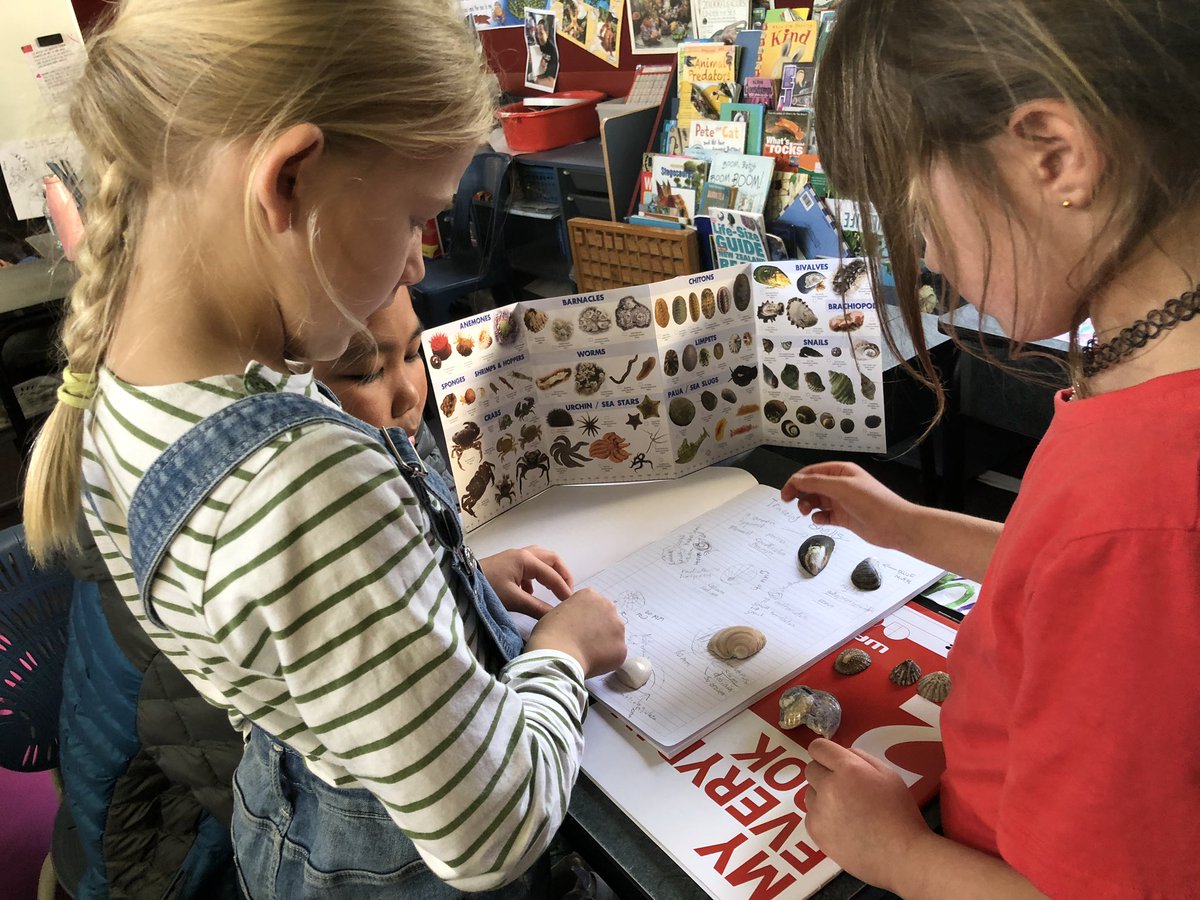
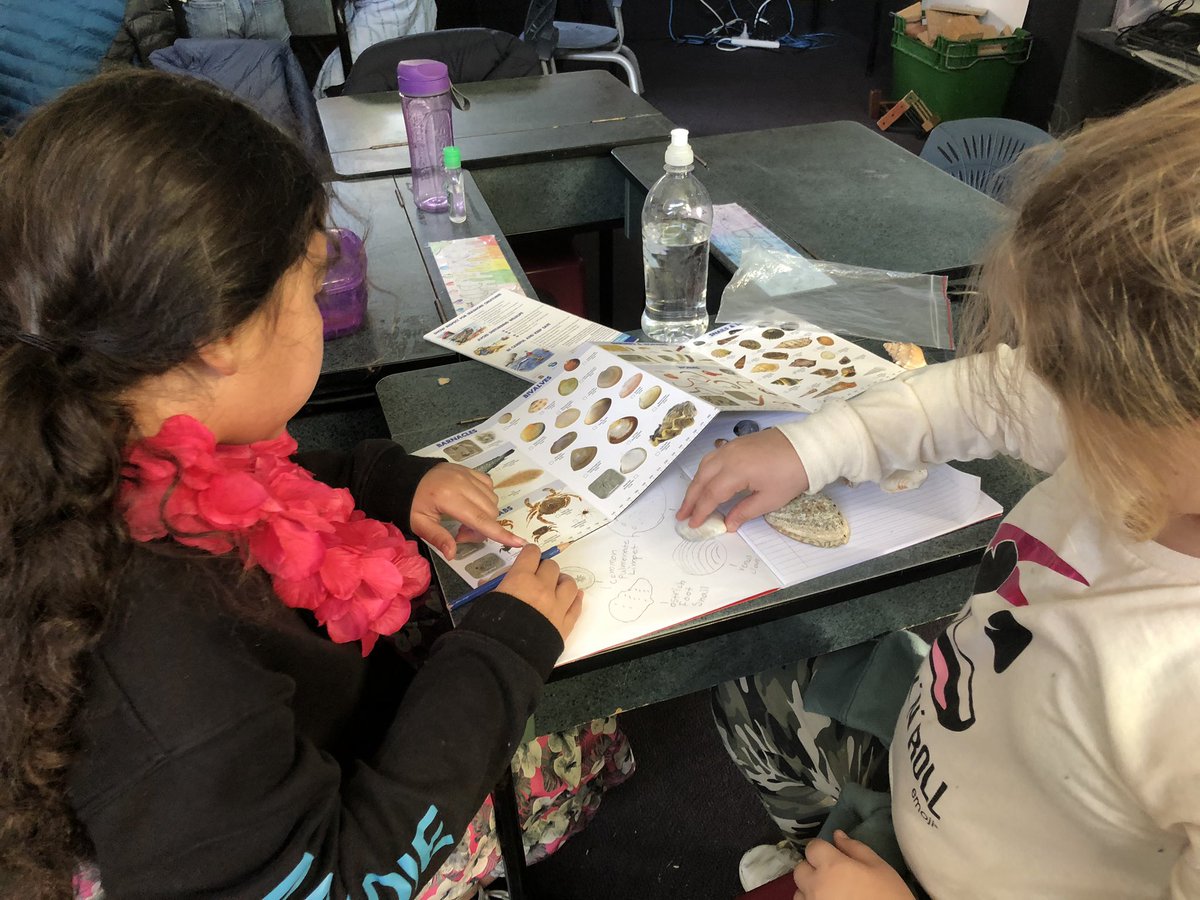
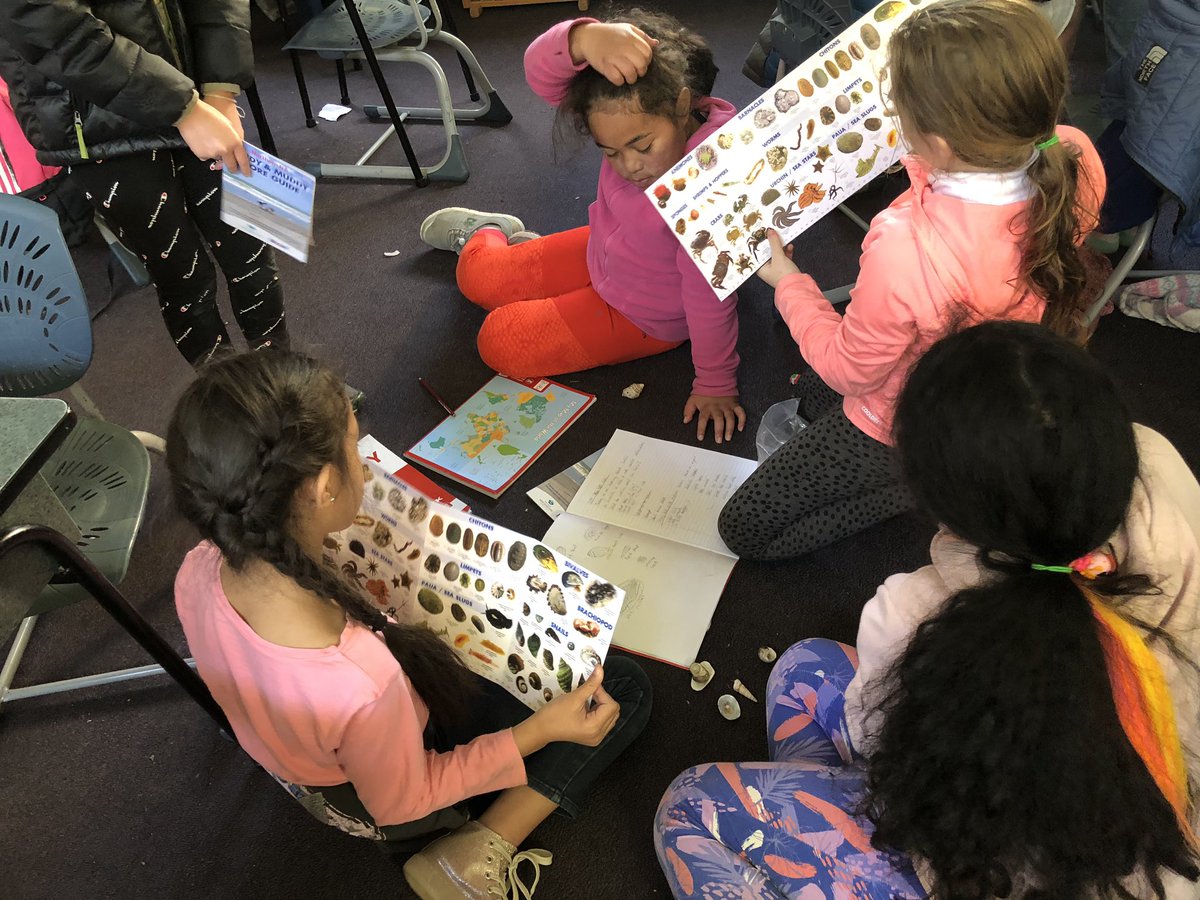
Peer review of our shell identification. Learning the skills of science. @On2Science @cbrieseman @NZScienceLearn
2
2
4
28 May 2020
A new #CitizenScience project from members of our team! Students can work together on an NZ-wide experiment, learning how #germs spread and the importance of hand washing and cleaning surfaces by spreading glitter and growing mould on bread. #CitSci 🦠
bit.ly/2B1rilI
2
4
21 May 2020
Thanks for the love @NZScienceLearn and right back at you! We hope other #teachers can make use of #CitizenScience in their #science programmes. Check out the links below! 😍🥰🤓🙌💻🧬👩🏻🏫
21 May 2020

Fantastic news 🤩 The initial project led to our #CitizenScience section bit.ly/2IavlP8.
Check out tips for helping #teachers to plan using in their #science programme bit.ly/2Xzsljj
@waikato @VicUniWgtn @NZCER @Aratiatia1 @NZScienceTeachr
1
2
21 May 2020
21 May 2020
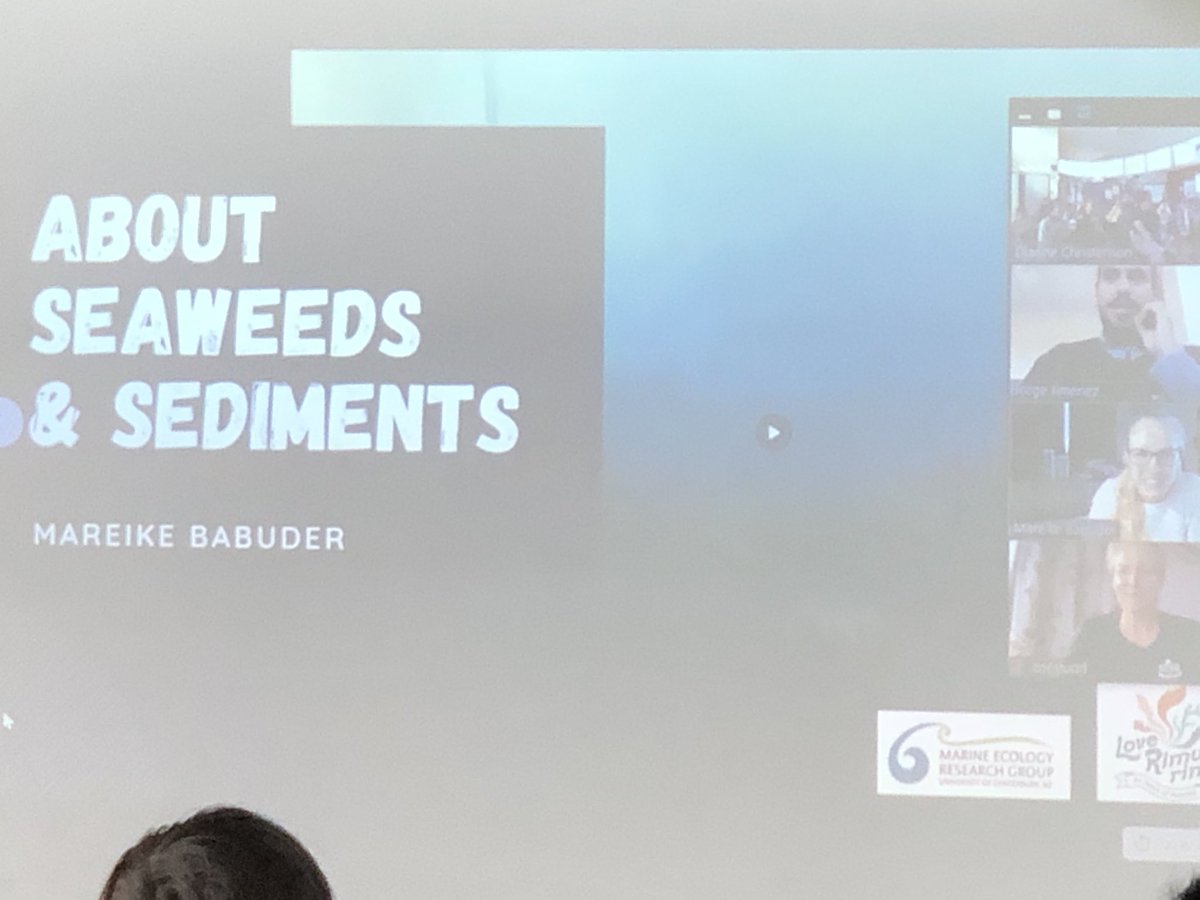
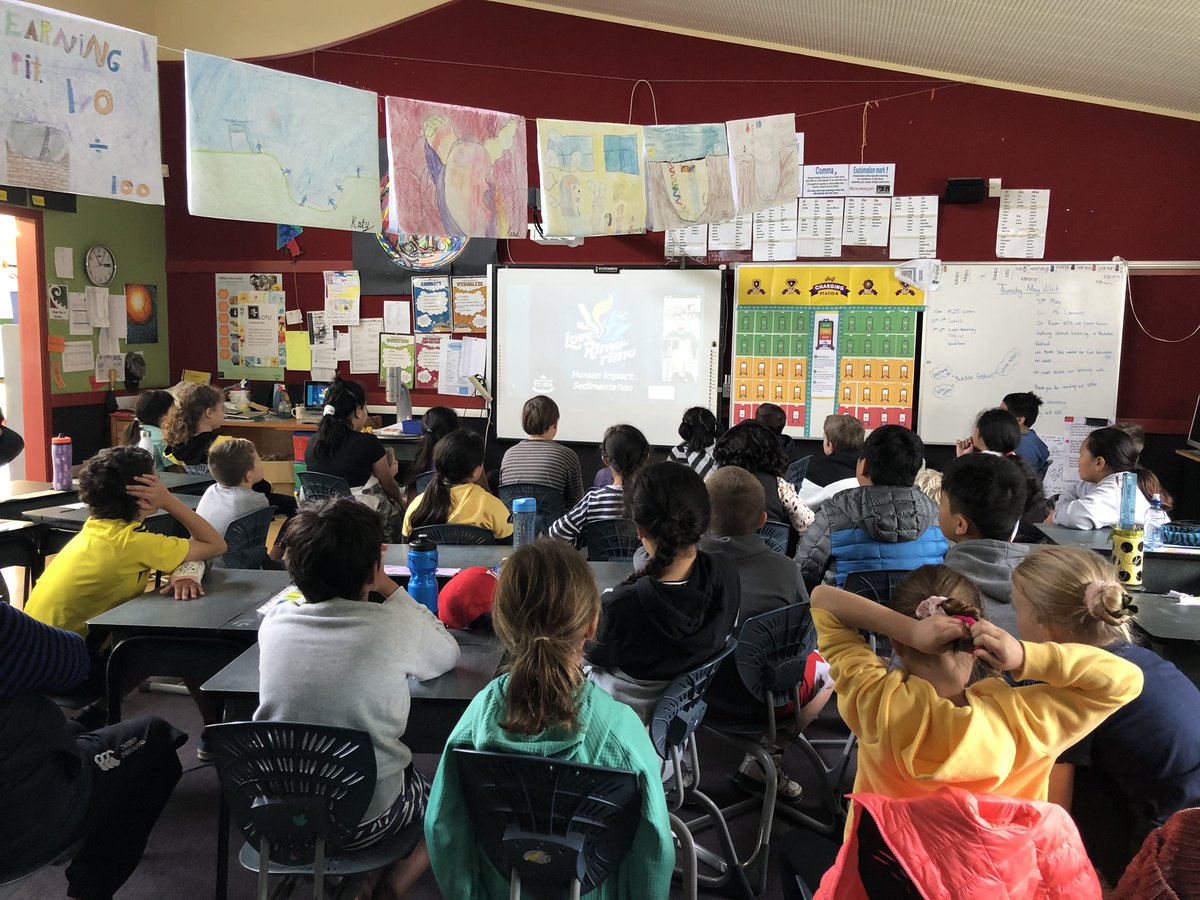
@NZScienceLearn @On2Science continuing our learning about seaweeds and sedimentation with zoom discussions
1
3
20 May 2020
We’re back at it! Building off our 2018 pilot study, we’re exploring how primary #science teachers embed online #CitizenScience (OCS) in their classrooms over the next three years! 🙌 👩🏻🏫 👨🏾🏫 🧪 🧫 🧬 💻 👩💻 You can learn more here: bit.ly/2yj4VXZ @TLRI_NZ
2
3