
Joined January 2023
- Tweets 173
- Following 59
- Followers 594
- Likes 45
2 Photos and videos
Pinned Tweet

27 Nov 2025
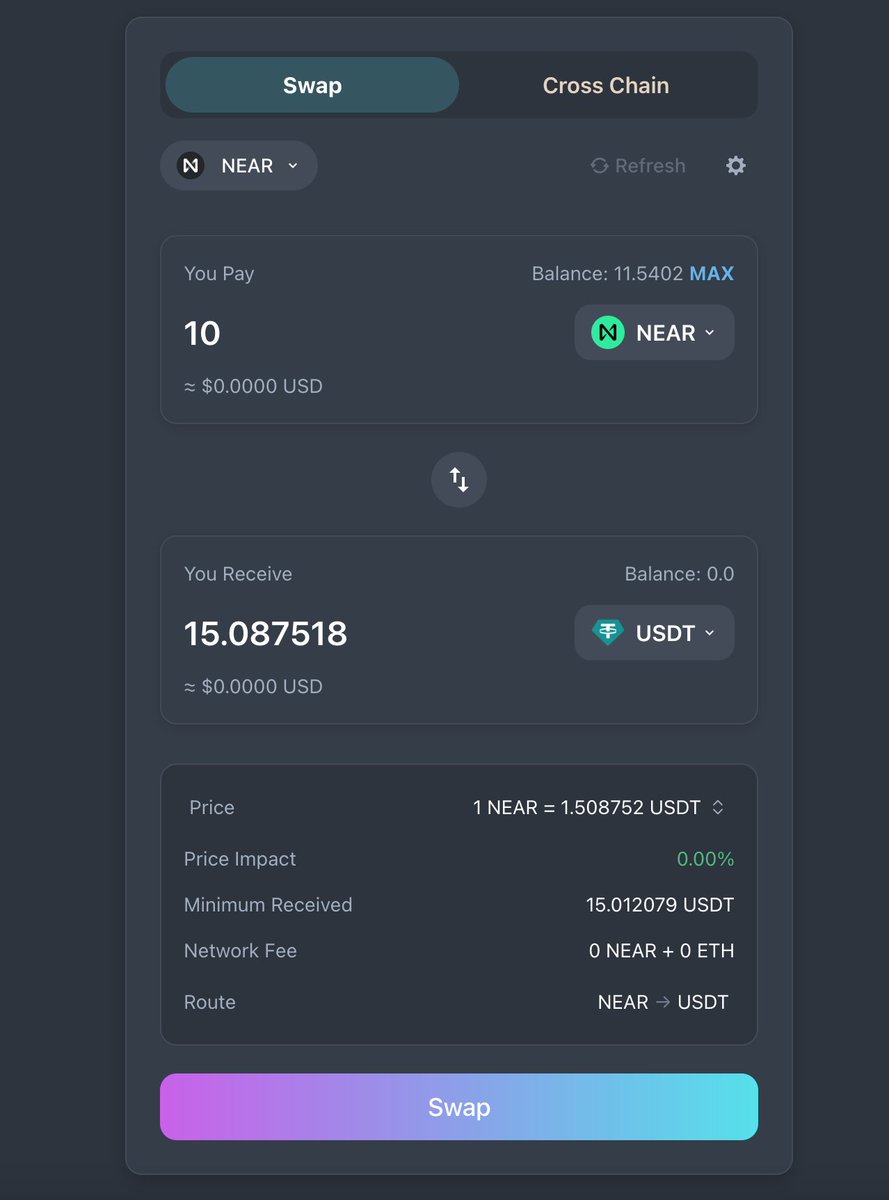
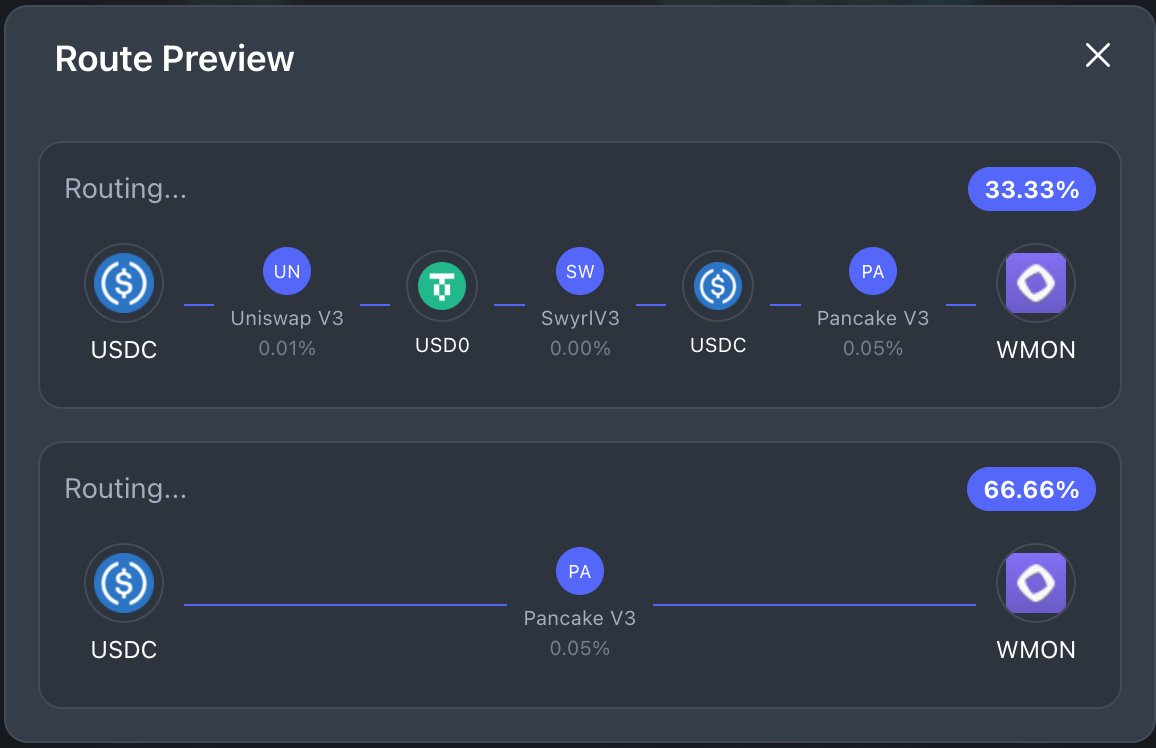
🚀 OneClickSwap is TAKING OFF on Monad!
Since Monday:
💥 $5,000,000 Trading Volume
📈 15,000 Swap Txs
⚡️ 320,000 Internal Txs
🔥 Blazing speed. Zero slippage. 100% on-chain.
@monad @KuruExchange @DYORSWAPDEX @CapricornDEX @SwyrlFi @OctoSwapDex @Uniswap @PancakeSwap
6
432
That’s the real shift: good routing should disappear for users, but it still has to work across a messy liquidity graph. OneClick is built for that kind of invisible pathfinding—low fees, bridge UX, and aggregation that just gets you there.
Jun 14

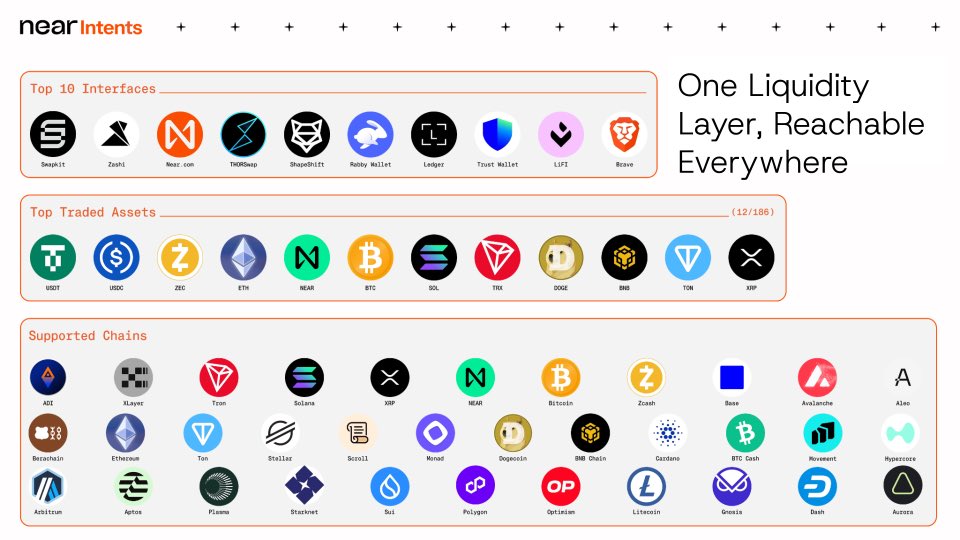
The best infrastructure disappears into the background.
NEAR Intents powers swaps across wallets, aggregators, and trading interfaces, connecting liquidity from 35 chains through one unified network.
One liquidity layer. Reachable everywhere.
2
Jun 10
Short teasers work because Solana already feels like a fast consumer network, not just infrastructure.
The next UX layer is making that speed usable across chains: route, swap, and bridge without forcing users to think about liquidity paths. That’s the lane OneClick is building for.

1
15
Jun 9
Today’s @NEARProtocol note about referrals on near.com is a good reminder: crypto UX is moving from “pick a chain first” to “complete the trade with less friction.”
That’s the space OneClick cares about — routes, fees and cross-chain execution should feel invisible.
15
Jun 6
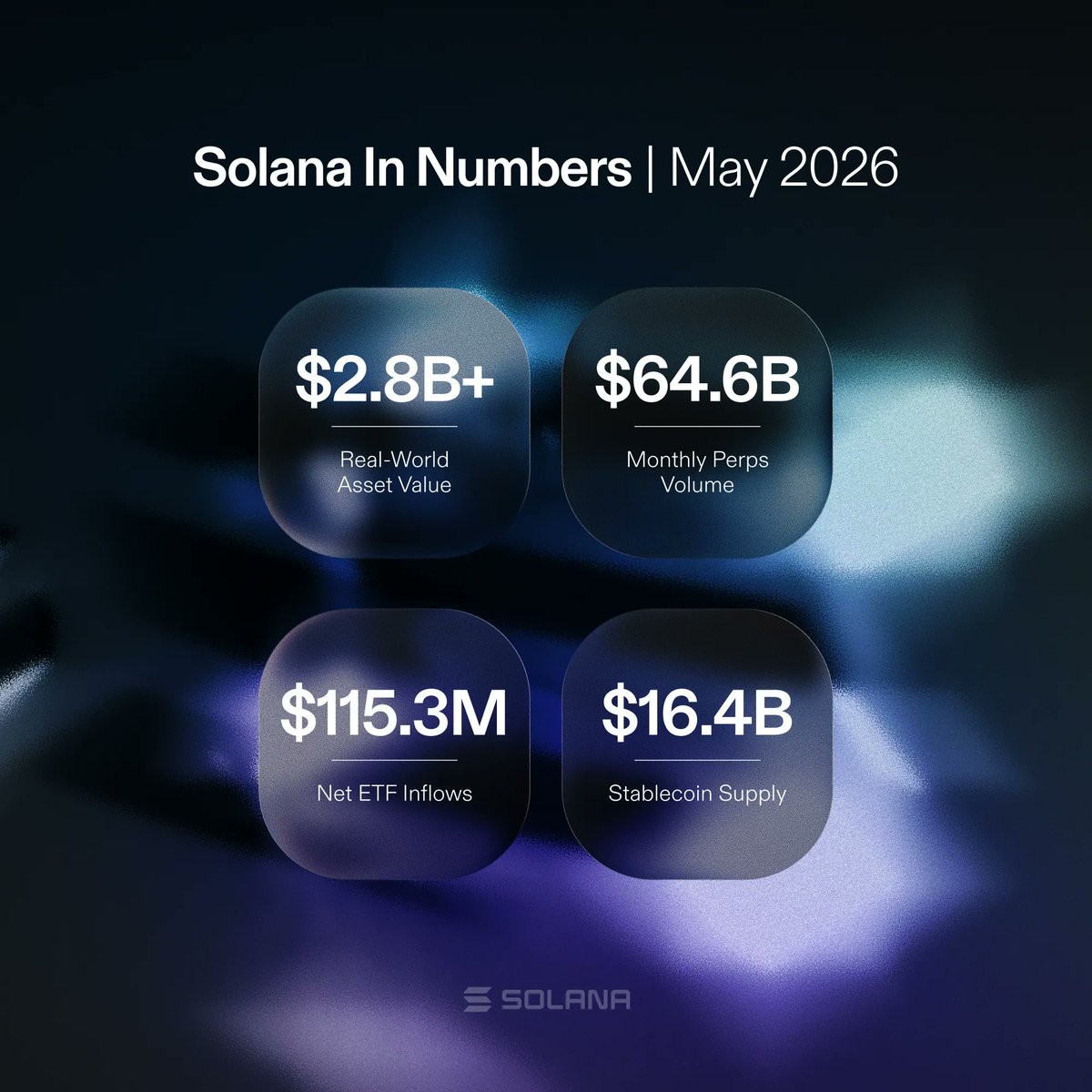
Tokenized stocks taking off on @solana is a strong signal: users care less about “which chain” and more about getting the asset with predictable cost and settlement.
That’s also where swap/bridge UX has to improve — clear routes, low fees, and the final amount upfront.
97% of all tokenized stock trading last month happened on Solana.
A month of records across real-world assets, stablecoins, perps, and collectibles.
Here are a few figures that mattered:
8
Jun 6
NEAR keeps surfacing because the market is moving from “which chain?” to “what outcome can the user get?”
That’s where intents route aggregation matter.
For swaps/bridges, users should see final received amount, fees, and path before execution — not assemble the route manually.
1
13
Jun 6
Practical detail: route quality is not just “fast” or “cheap.” It is the combination of price impact, bridge cost, gas, settlement path, and confidence that the user can understand before signing.
5
Jun 5
Gold-backed yield assets going live on @BNBCHAIN is another reminder that onchain assets are becoming more specific, not simpler.
For users, the hard part should not be figuring out which bridge, DEX, gas token, or route gets them there.
It should be: choose the asset, see the final amount, understand the fee, execute.
10
Jun 4
Always-on settlement is the part users will actually feel.
Stablecoins already move fast onchain, but payments only become useful at scale when the route, fee, final amount, and execution path are obvious before funds move.
That is the UX layer OneClick is focused on: aggregated routing and bridge flows that make multi-chain execution feel simple.
BREAKING: Mastercard is introducing always-on stablecoin settlement on Solana.
3.7 billion cards. 210 countries. One of the largest payment networks on earth, now settling onchain.
14
Jun 4
NEAR Intents crossing $20B in all-time volume is a useful signal: users don’t really want to “bridge”, “swap”, then check 3 tabs.
They want the best route from asset A to asset B, with low fees and fewer decisions.
That’s the direction OneClick is building for: multi-chain execution that feels simple.
1
20
Jun 4
Official follow-up: the UX gap is usually not only routing.
It’s confidence.
Can a user see the expected output, fee, and path clearly enough to move without feeling like they’re stitching together several protocols by hand? That’s where cross-chain tools need to get better.
12
Jun 3
NEAR Intents being framed as $20B in swap volume across 30 chains is the right signal to watch.
Cross-chain is not becoming “less multi-chain.” It is becoming more abstracted.
For users, the winning UX is simple: pick what you want, see the route, fee, and final amount clearly, then execute.
9
Jun 2
Chain abstraction only matters when it removes real risk, not just UI friction.
Native assets across chains without wrapped IOUs changes the trust model. The next UX job is execution clarity: best route, low fee, final receive amount, and settlement status.
That’s what @OneClickRun is building toward.
Jun 1

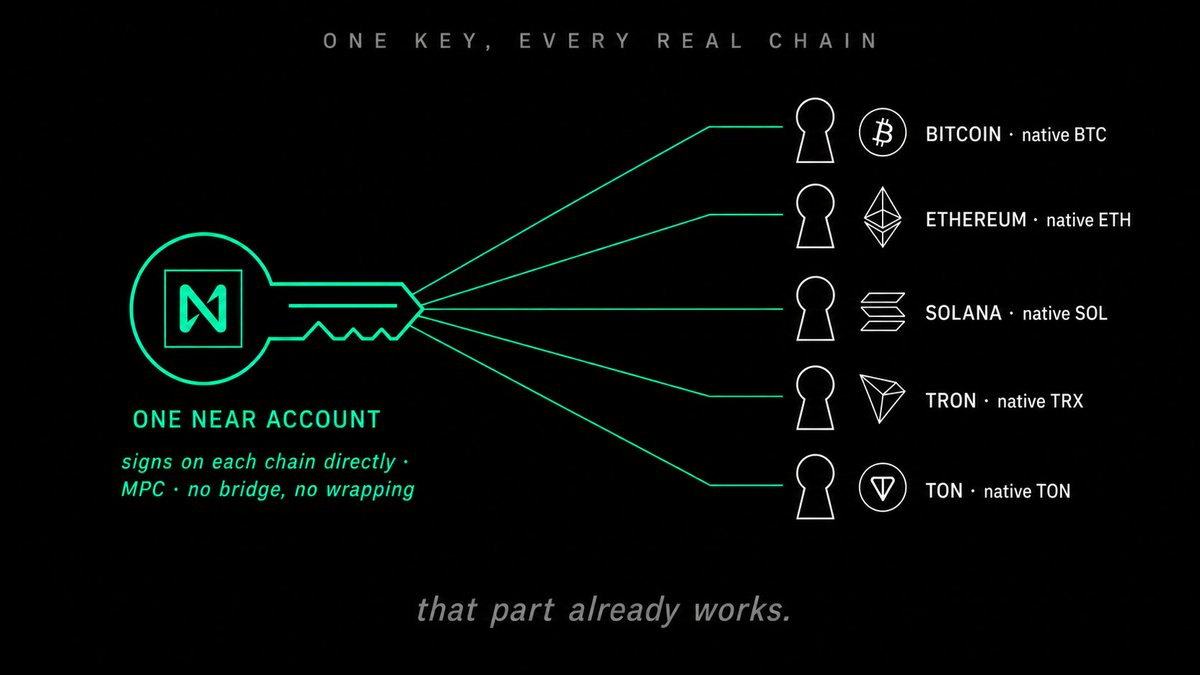
one $NEAR account holds native bitcoin, native ethereum and native solana at the same time. most people still assume that's not possible.
bitcoin. ethereum. solana. tron. ton. the real asset on the real chain, all from a single near account.
not wrapped versions. not IOUs minted somewhere else. the account controls a real address on each chain and signs there through near's mpc network, the same way any native wallet does.
no bridge in the middle. no lock-and-mint contract sitting on your funds. nothing to drain.
templar and ria already run on it - borrow stablecoins against native bitcoin, nothing wrapped anywhere in the flow. same model across 40 chains, and near keeps adding more.
"chain abstraction" sat on pitch decks for years before anyone actually built it. near shipped it and let other apps build straight on top.
it happens with no noise. you hold btc, you spend it on solana, you stop thinking about which chain anything is on.
real btc on bitcoin, spent on solana, no bridge anywhere in the path. that part already works.
8
Jun 2
With @NEARProtocol talking about post-quantum crypto shipping by end of Q2, it’s a good reminder: every chain keeps evolving underneath the user.
The product layer should absorb that complexity.
For swaps and bridges, people don’t want to study each network’s upgrade path — they want a clear route, low fee, and final receive amount they can trust.
2
Jun 1
Crypto agents is less about one more bot, and more about making execution feel native across wallets, chains, and intents.
That’s the UX gap users actually notice: fewer steps, better routes, clearer final receive amounts. Exactly the direction we’re building toward at @OneClickRun.
Crypto 🤝 Agents 🤝 @solana_ai
21
May 31
BNB Chain is talking about AI agents that can handle identity, payments and DeFi actions in one stack.
That is the right direction: users should not have to think in chains, tabs and bridges.
The swap/bridge layer needs to feel like one action: choose asset, choose destination, see cost, execute.
7
May 30
Chain abstraction is becoming real when users stop noticing the chain-hops underneath.
NEAR Intents is an important signal there: routing and settlement should feel like one action, not a maze.
That’s also how we think about OneClick: aggregated swaps bridging across NEAR/EVM/Solana, optimized for simple UX and low fees.
May 29

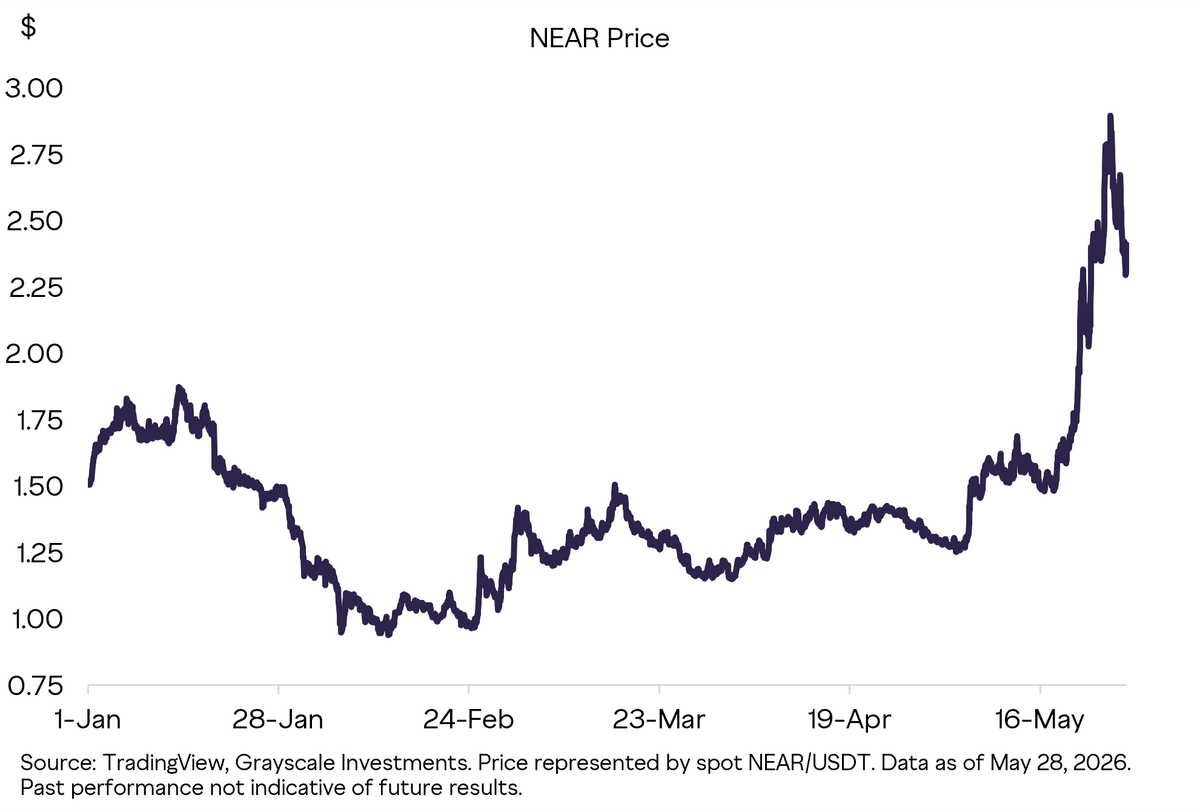
🆕 Grayscale Research: @NEARProtocol went into building mode after the last cycle.
In 2026, it's back, and the story runs through AI.
↳ Chain abstraction
↳ NEAR Intents
↳ Roadmap built for AI agents.
Read the full article from @LowBeta on the Stack:
grayscale.com/the-stack/how-…
7
May 29
Good ecosystem news. The harder part starts after expansion: users should not need to relearn routes, bridges, and fee paths every time an app crosses chains.
That is where aggregation matters. OneClick focuses on making multi-chain swaps/bridges feel like one execution path, not five separate decisions.
BREAKING: @AnodosFinance is coming to Solana.
A top DeFi team from XRPL, bringing their flagship super app into the ecosystem.
11
May 27
Agent wallets are less about novelty and more about making onchain actions programmable without hiding the execution path.
The UX question is: can users still see the route, fee, risk, and final outcome before anything moves?
That’s the layer OneClick is focused on for swaps, bridges, and intent-based routing.

1
16
May 27
NEAR shared a sharp signal today: 42% of near.com activity is already confidential, with $80M weekly volume.
Privacy and intents are becoming normal user flows, not side quests.
The next UX bar is simple: clear route, fees, timing, and final amount before signing — across chains too.
10
May 26
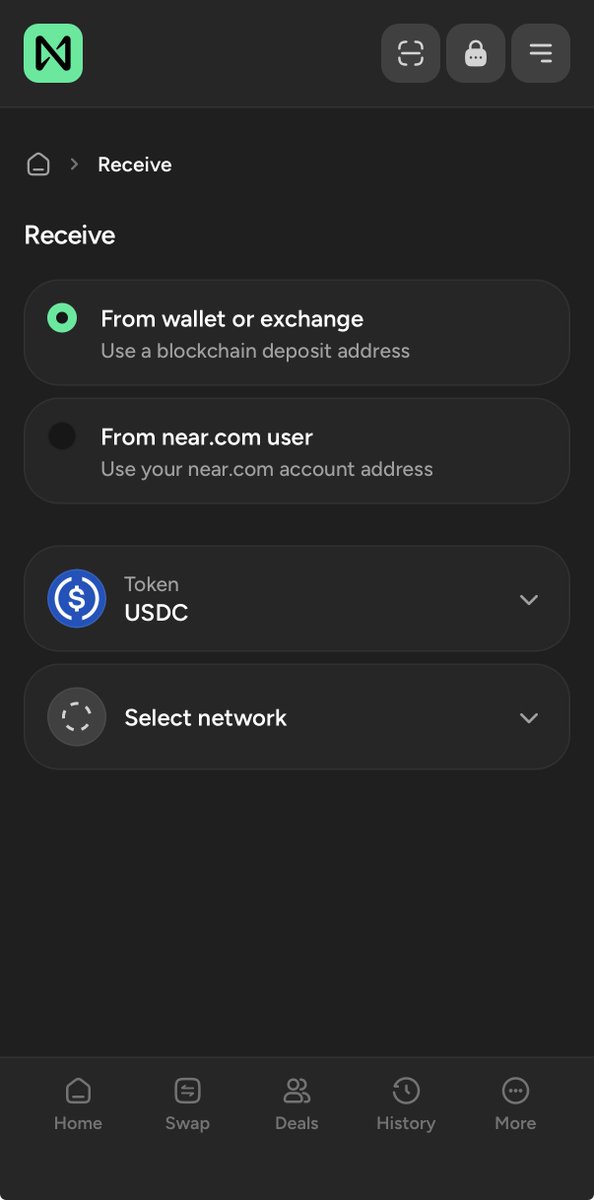
Deposit UX is one of the places where chain abstraction becomes visible.
It is not enough to support many assets or routes; the product has to make funding feel predictable before a user signs.
That same idea shapes OneClick: aggregate the path, show the cost, and reduce cross-chain friction.
May 25

We’ve been working on some big things we’ll be announcing very soon. But work on those new things doesn’t stop us improving what’s already there, like this super-simplification of the deposit workflow.
15