
Islamic Media Production house based in Australia. We produce high-quality Islamic videos on a range of topics.
Joined January 2014
- Tweets 4,021
- Following 25
- Followers 29,358
- Likes 101
2,460 Photos and videos
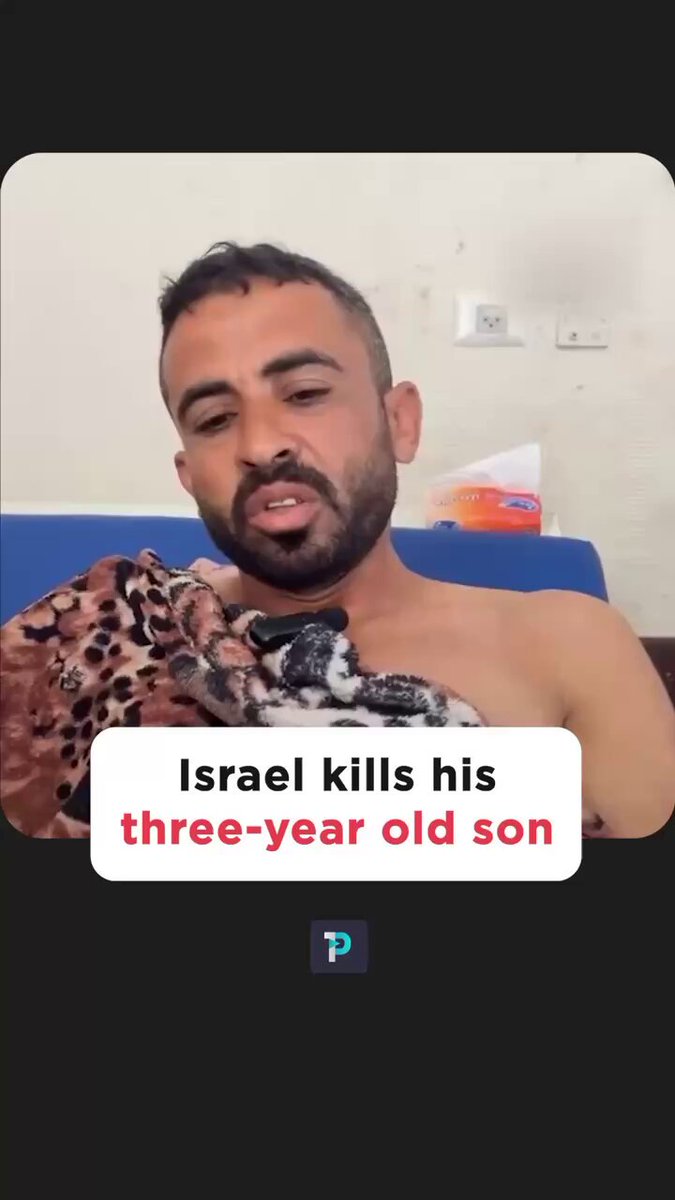

Palestinian Toddler Killed by Israeli Sniper Fire in Gaza 'Safe Zone'
A three-year-old Palestinian boy named Rayan Abu al-Ajeen was shot and killed by an Israeli sniper while walking with his father in a designated safe zone in central Gaza. The bullet struck Rayan in the left eye. His father was simultaneously shot in the knee, a wound that left him immobilised on the ground as he watched his son dying. When the father begged surrounding Israeli soldiers to help his son and reached for his phone to call an ambulance, a soldier took the phone and told him he would not be calling anyone.
Israeli forces then placed the father on a stretcher, transported him to a deserted location, tied him up, and left him there until he lost consciousness. Rayan died on the road with no medical attention. His father survived. The incident adds to a growing body of survivor testimony documenting lethal force used against Palestinian civilians in areas designated as safe by Israeli military authorities.
12
11
201
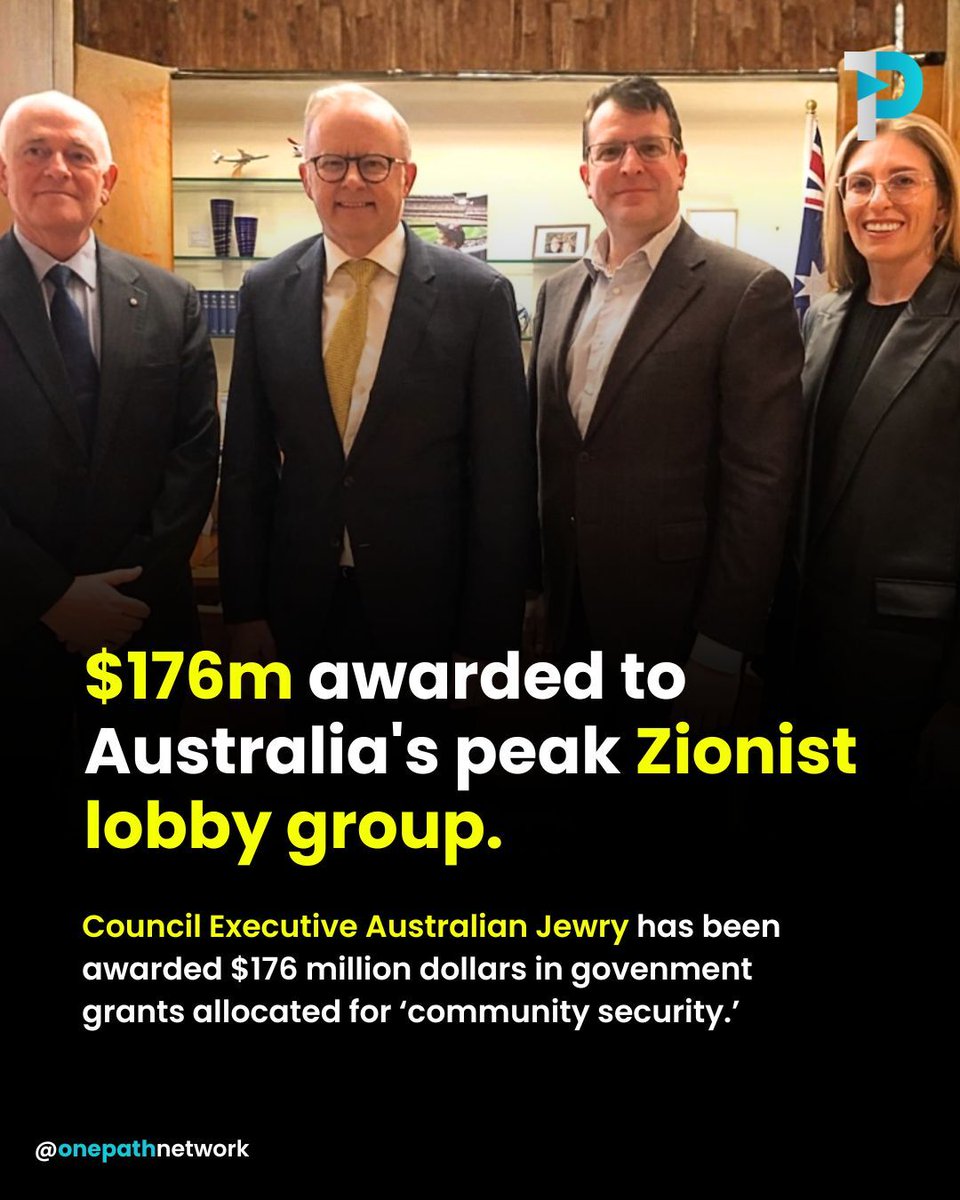
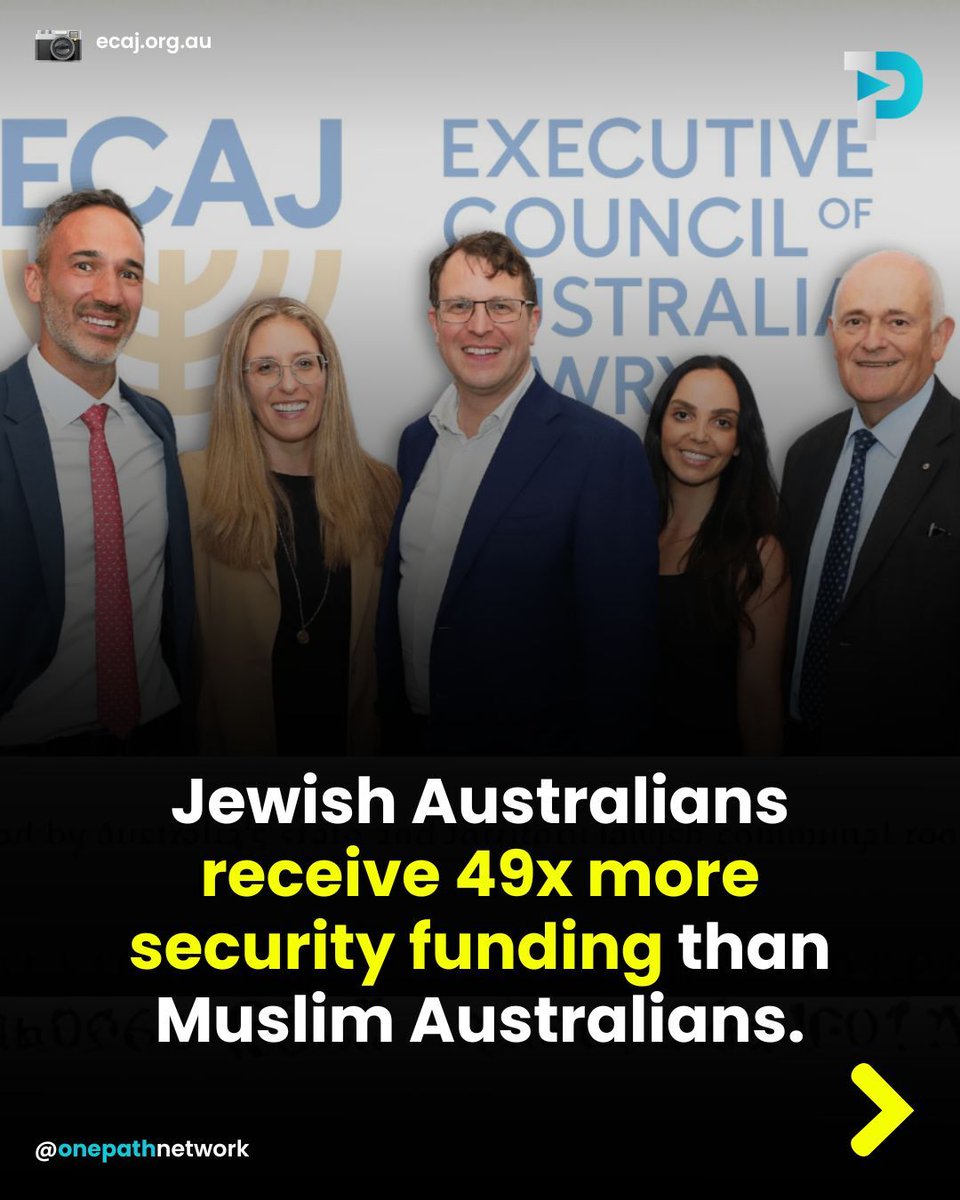
A Michael West Media investigation has found that Jewish community organisations received approximately $198 million in Commonwealth security funding since October 2023, compared to $27.5 million for Muslim organisations, roughly 49 times more per capita.
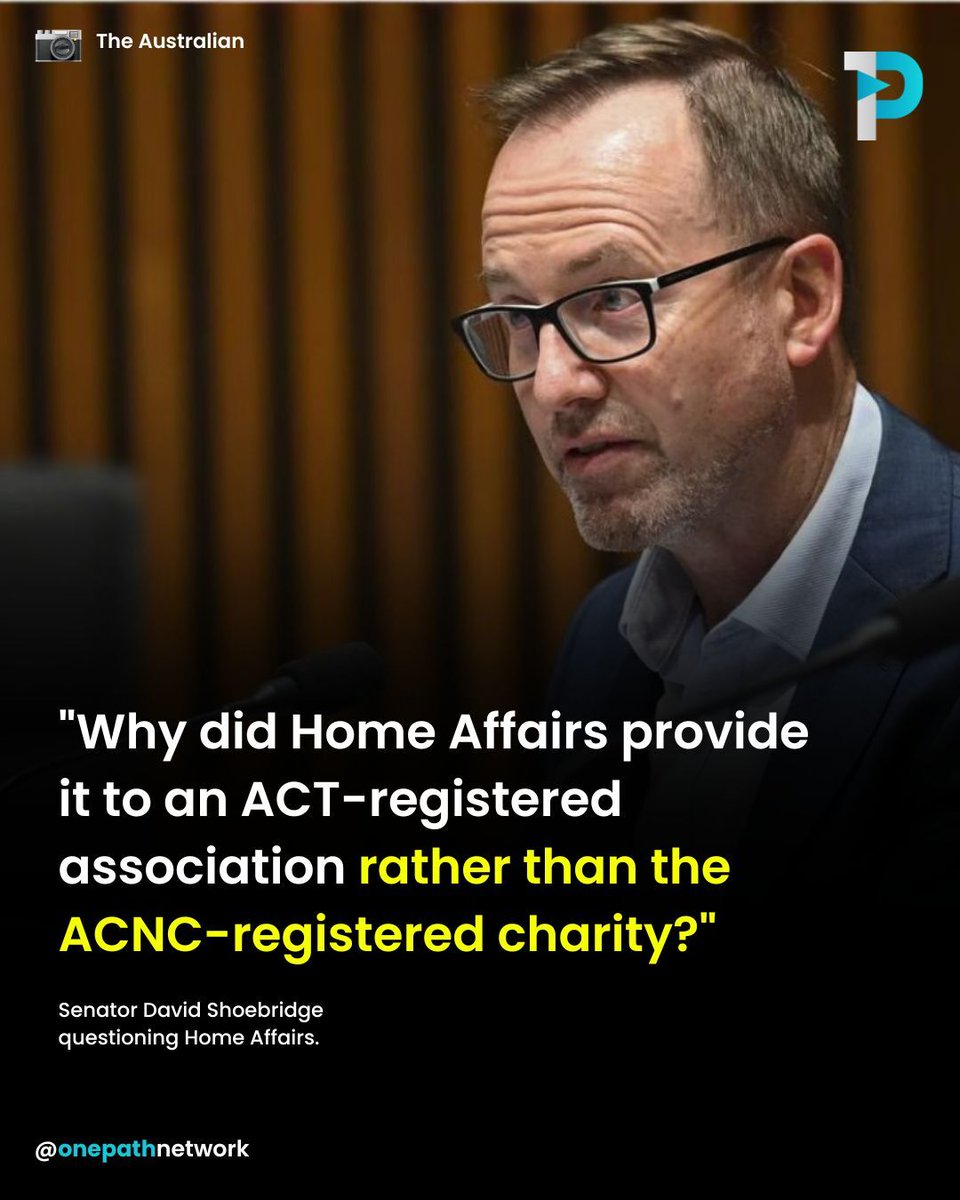
The funding was awarded to the Executive Council of Australian Jewry (ECAJ), Australia's peak Jewish representative body. Questions have been raised about transparency, however: unlike Muslim community funding, which went to an ACNC-registered charity subject to full public disclosure requirements, ECAJ's funding was directed to an ACT incorporated association not bound by the same obligations.
During Senate Estimates, Senator David Shoebridge pressed Home Affairs on the disparity. He also questioned how the government arrived at a $124 million budget figure. Officials confirmed the amount was simply what ECAJ had requested, and that no independent needs assessment was conducted.
This comes as reports of Islamophobia have surged 636% since October 2023.
Both Home Affairs and ECAJ declined to answer detailed questions.
1
3
7
249

Jun 16
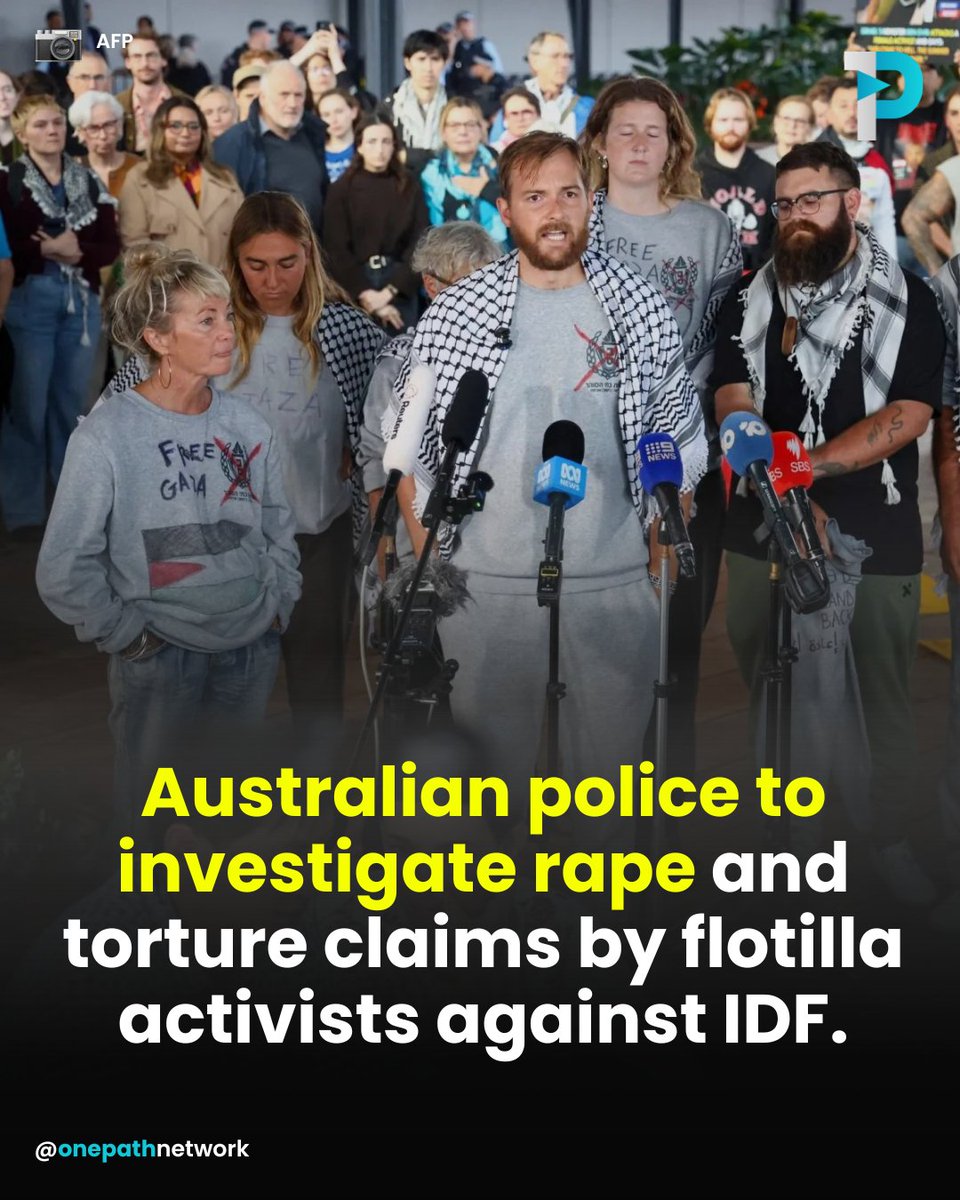
Australian Police Launch an Investigation into Israeli forces’ Sexual Assault of Australian Flotilla Activists
The Australian Federal Police have begun inquiries into allegations of assault, torture and sexual violence made by Australian participants in the Global Sumud Flotilla after it was intercepted by Israeli forces while attempting to reach Gaza.
The investigation follows meetings in Canberra between flotilla activists, senior government ministers and AFP officials, where evidence and testimony were reportedly presented. Activists have welcomed the inquiry but say it must lead to concrete action, including the expulsion of Israel's ambassador, an end to Australia's two-way arms trade with Israel, and sanctions against Israel. They argue that accountability cannot end with an investigation and urge the Australian Government to respond decisively to the allegations.
7
145
Jun 16
The US Has Started Building a Military Base on Gaza's Border
Construction has begun on a large US military base near the Gaza border, just metres from the Re'im military camp in southern Israel, according to a report by Israeli newspaper Israel Hayom. The facility is designed to serve as a command and coordination hub for the forces and organisations involved in implementing Trump's Gaza plan, replacing an earlier multinational headquarters that had been operating in Kiryat Gat. The plans, first revealed by The Guardian in February after reporters reviewed Board of Peace contracting records, call for a 350-acre compound inside southern Gaza capable of housing 5,000 troops, ringed by 26 armoured watchtowers, bunkers, a small arms range, and barbed wire perimeter fencing.
What is missing from this picture is any Palestinian voice. The Board of Peace has no Palestinian representative. The International Stabilisation Force it commands has no defined rules of engagement for Israeli airstrikes or renewed military operations, and its mandate to disarm Hamas, a non-negotiable Israeli condition for reconstruction, runs directly against Palestinian public sentiment: 70 per cent of Palestinians reject disarmament without the establishment of a Palestinian state. Critics, including Al Jazeera analysts and Palestinian legal scholars, argue that reconstruction has been weaponised as a political tool, with aid and rebuilding contingent on compliance with a governance framework Palestinians had no hand in designing. The base is being built before a single destroyed home in Gaza has been rebuilt, before Palestinians have sovereignty, and before the International Stabilisation Force has even formally assembled. What is being constructed is not a path to Palestinian freedom. It is the total control of Gaza.
1
5
165
Jun 16
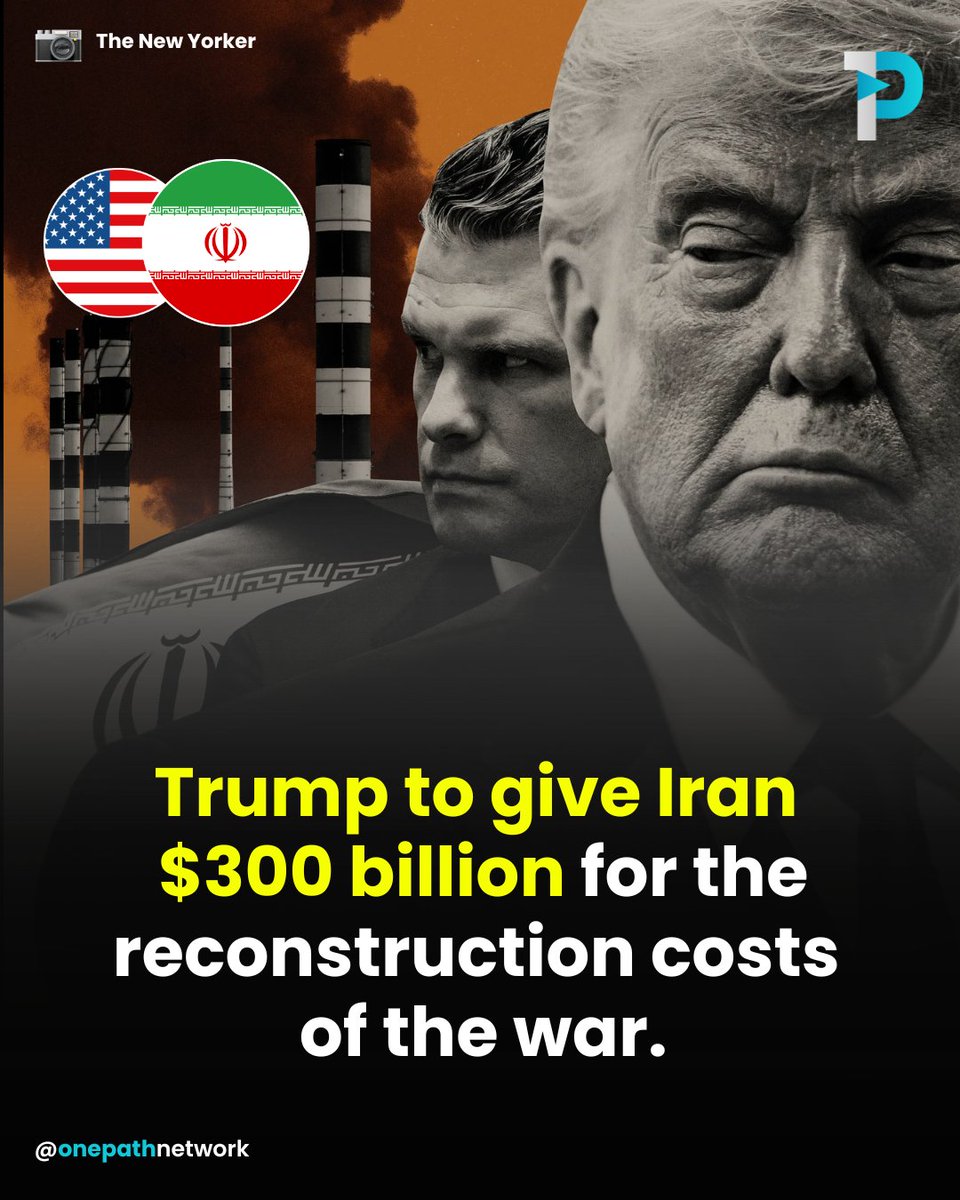
After months of sustained bombardment, the assassination of Supreme Leader Khamenei, and a naval blockade that strangled Iranian ports, the United States has signed a ceasefire that leaves the Islamic Republic standing and its government in place. Washington did not achieve regime change or the unconditional surrender Trump had demanded as recently as March. The two sides have agreed to a memorandum of understanding, a 60-day nuclear negotiation window, and a formal signing ceremony in Switzerland on June 19.
Iran has agreed to reopen the Strait of Hormuz, clear mines it deployed there, commit to never pursuing nuclear weapons, and enter negotiations over surrendering its stockpile of nearly 441 kilograms of uranium enriched to 60% purity. Without that handover, there will be no sanctions relief.
In return, a reconstruction fund of at least $300 billion, financed by the United States and Gulf states, will rebuild infrastructure devastated by the strikes. The Trump administration has avoided the word reparations, calling it an "international investment fund" instead. Approximately $24 billion in frozen assets will be released in phases, the blockade will be lifted immediately, and Tehran will regain the right to sell oil internationally.
Israel, which co-launched the February 28 strikes, has not concealed its dissatisfaction. Netanyahu's government has privately called the deal a deep disappointment. Israeli troops will remain in southern Lebanon indefinitely, and Netanyahu is seeking an urgent meeting with Trump. For Israel, the concern is stark: Iran has emerged battered but intact.
4
185
Jun 15
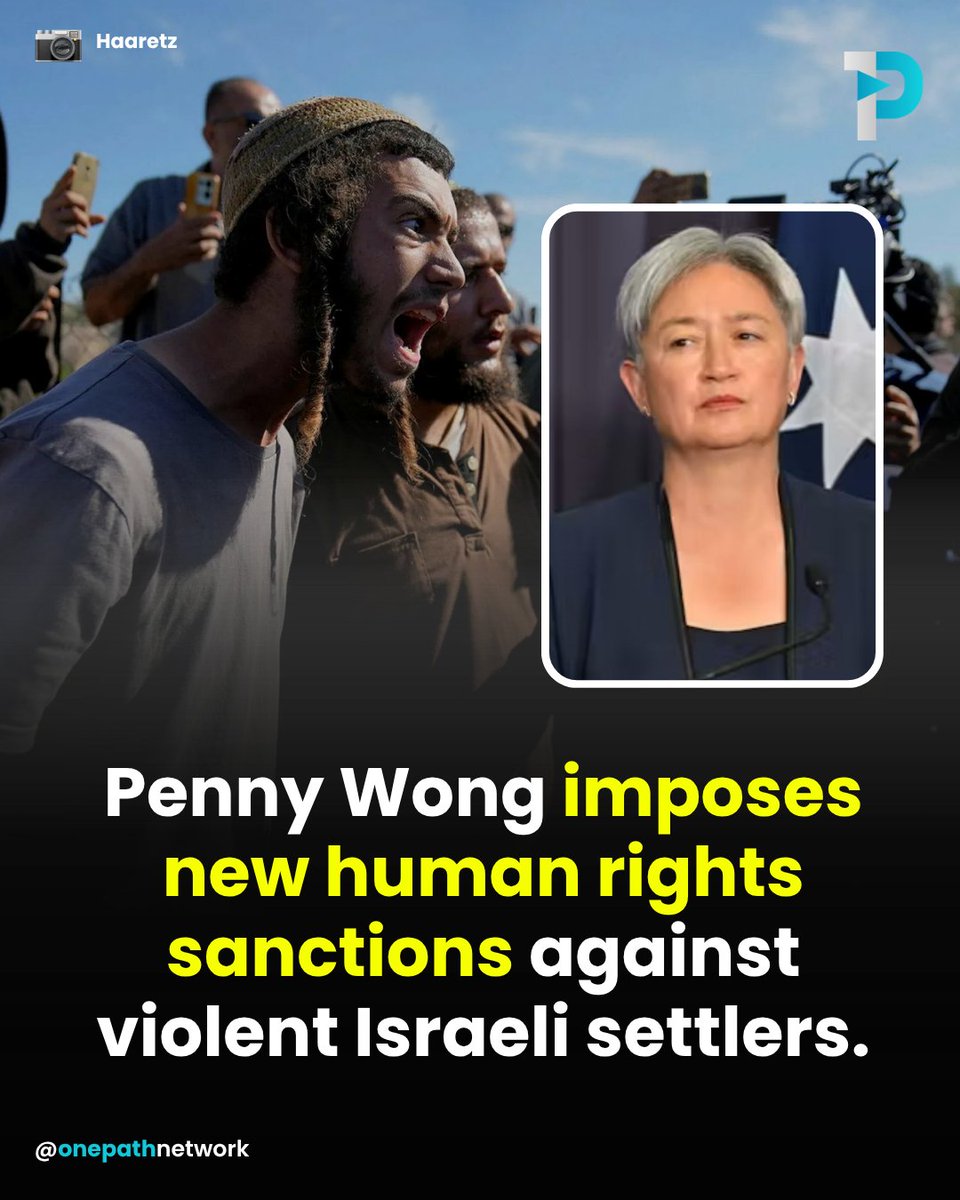
Australia Imposes Fresh Human Rights Sanctions Against Israel
Australia has imposed a new round of Magnitsky-style human rights sanctions against Israeli individuals and entities, with Foreign Minister Penny Wong announcing the measures alongside a coordinated joint statement from Canada, France, Norway, and the United Kingdom. The sanctions, officially framed as a response to escalating settler violence against Palestinians in the West Bank, target additional Israeli individuals and entities with financial sanctions and travel bans. The timing, however, has not gone unnoticed. Just weeks earlier, eleven Australians aboard the Global Sumud Flotilla were detained by Israeli forces in international waters, with several returning home with accounts of beatings, sexual assault, and degrading treatment at the hands of Israeli authorities. The footage posted by Israeli minister Itamar Ben-Gvir mocking bound and blindfolded detainees sparked widespread outrage across Australia, with protesters storming Parliament House in Canberra and demanding the government take a stronger stand.
For many Australians, the sanctions signal a slow but meaningful shift in the country's relationship with Israel. Sustained public pressure, mass demonstrations, and the harrowing testimonies of Australian flotilla survivors appear to have moved the needle, with the Albanese government now joining an increasingly assertive coalition of Western nations willing to apply formal diplomatic and economic consequences. Critics, however, argue that the measures do not go nearly far enough. Australia continues to approve arms exports to Israel, a contradiction that human rights organisations say undermines the moral weight of any sanctions regime. The tide may be turning, but for many, the distance between Australia's words and its actions remains uncomfortably wide.
2
1
6
242
Jun 15
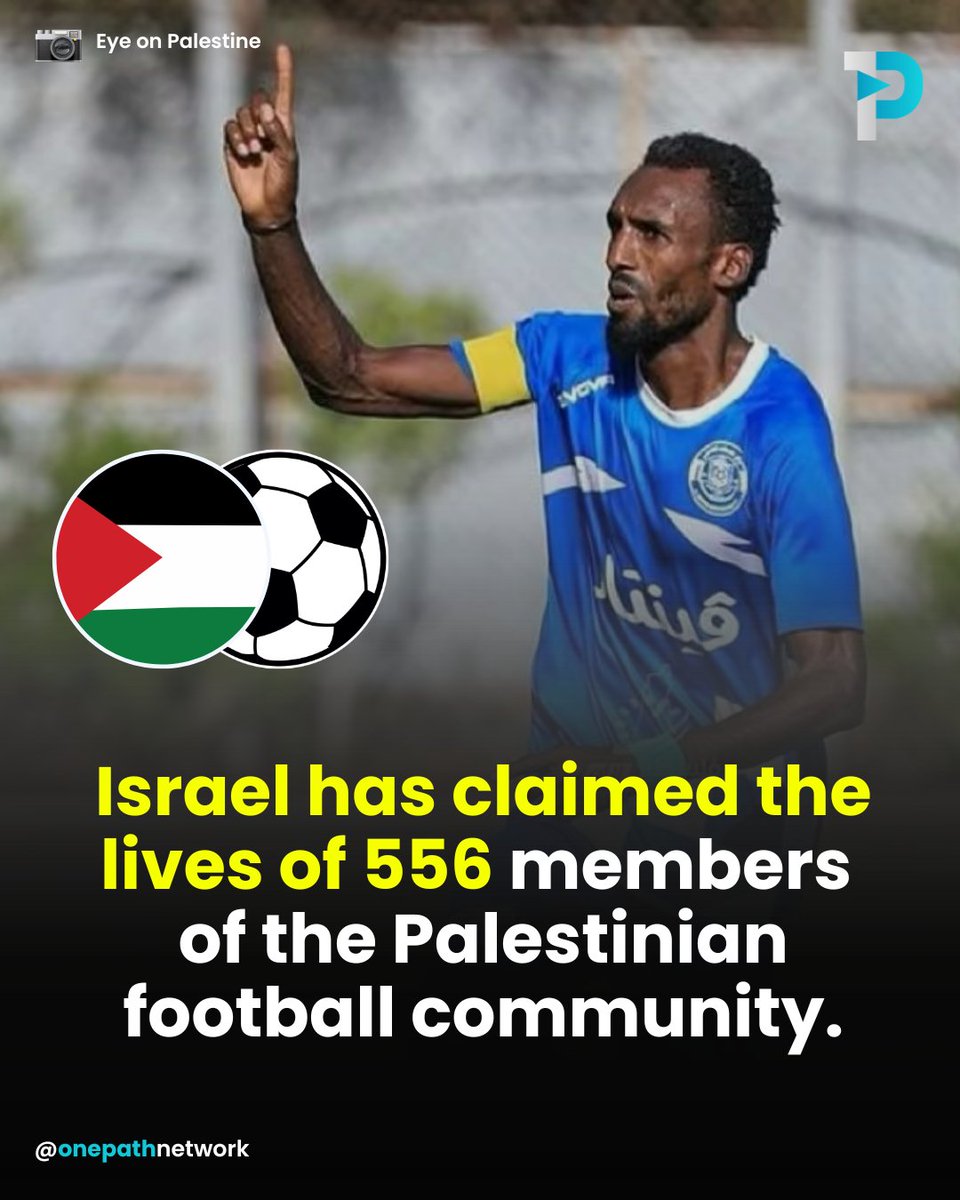
The human cost of Israel's genocide extends far beyond the battlefield, touching nearly every sector of Palestinian life. Journalists reporting from the front lines, doctors and paramedics treating the wounded, teachers educating children, and athletes representing their communities have all been among those killed. According to Palestinian football authorities, more than 550 members of Palestine's football community, including players, coaches and officials, have lost their lives since the war began, highlighting the devastating impact on the country's sporting institutions.
1
13
15
320
Jun 12
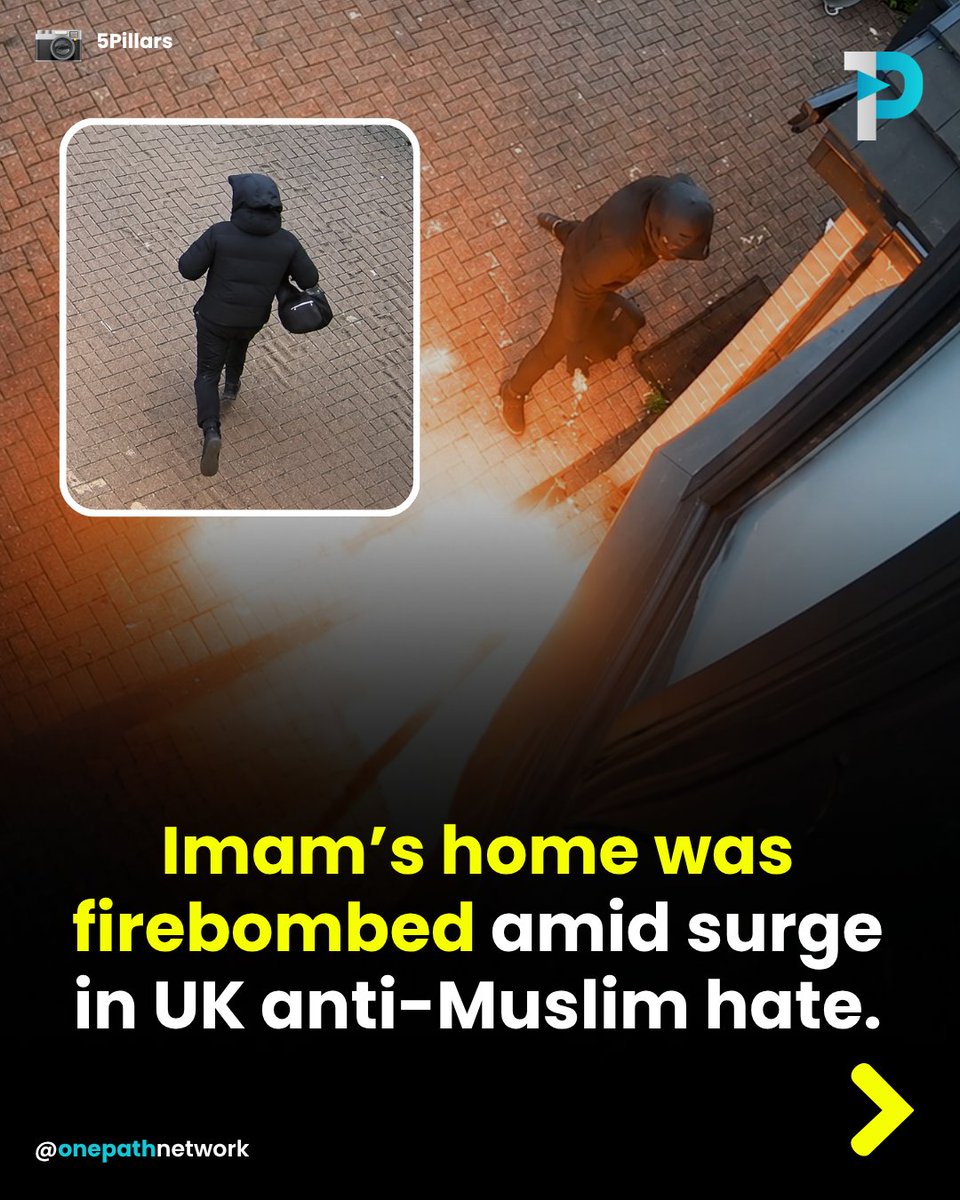
A petrol bomb attack targeted the home of Bolton imam Moulana Hassan on Wednesday evening, with family members, including children, inside at the time.
The fire was extinguished before causing significant damage, and no injuries were reported.
Greater Manchester Police are treating the incident as targeted arson and are also investigating a suspicious package left at the nearby Zakariya Mosque hours later.
Community leaders have urged residents to remain vigilant as investigations continue.
2
3
9
522
Jun 11
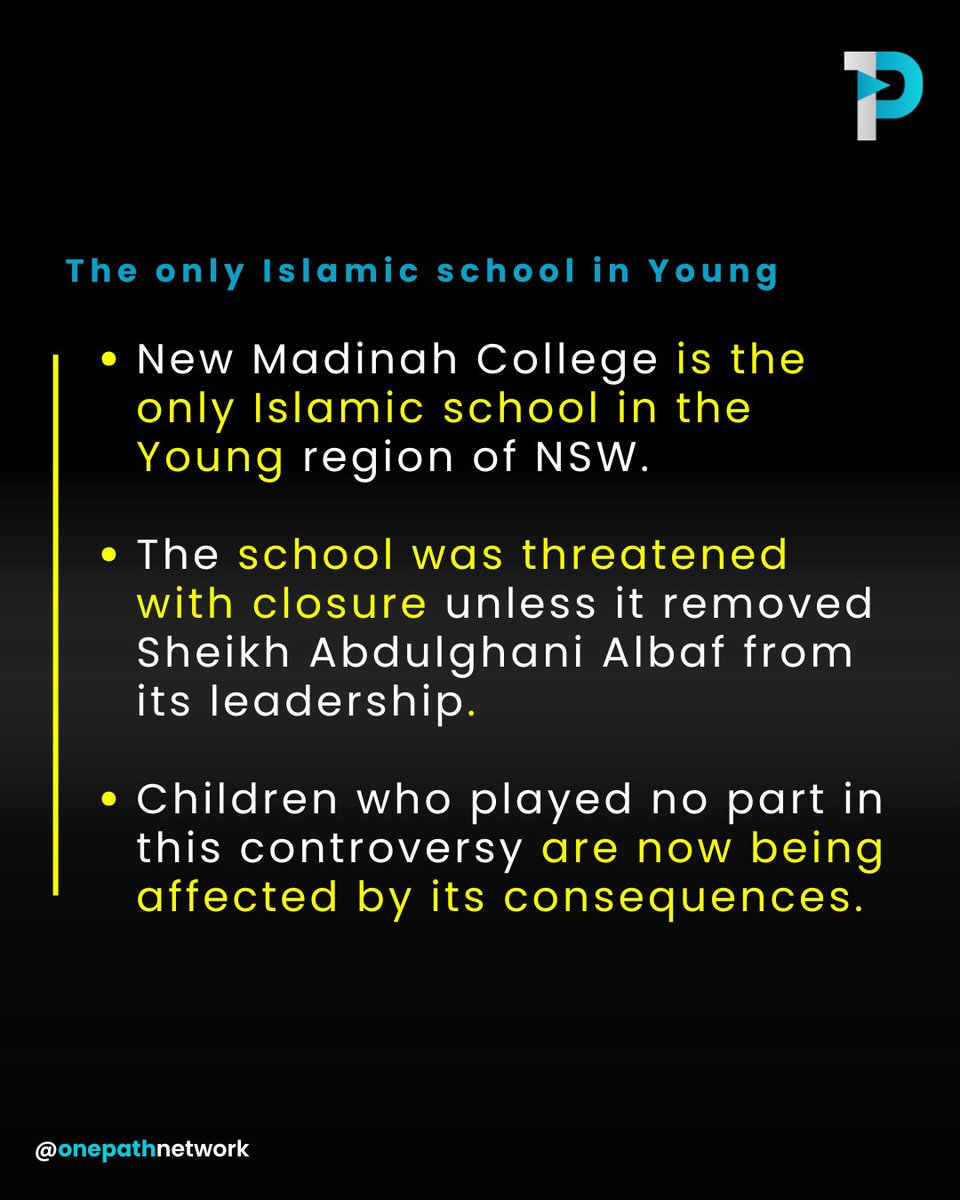
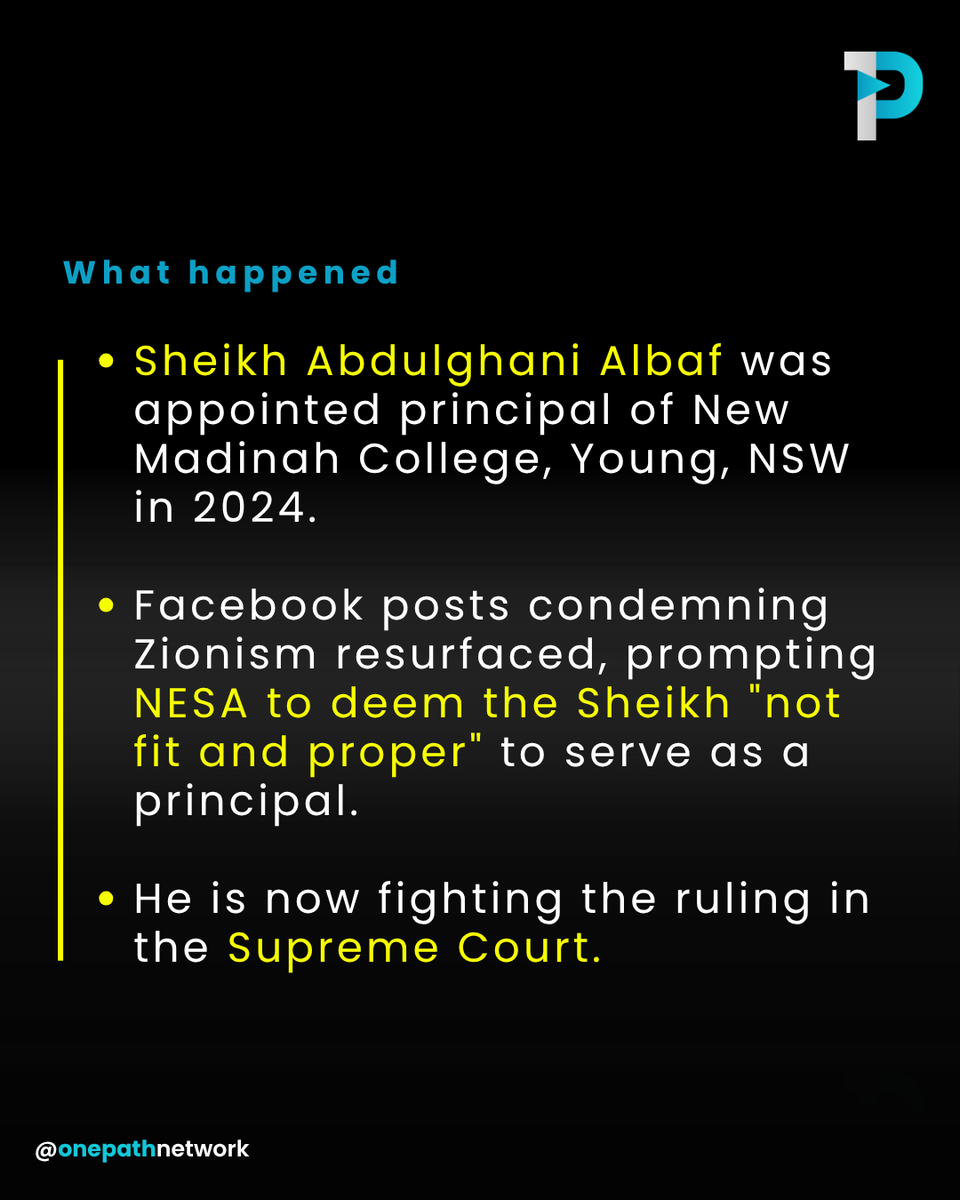
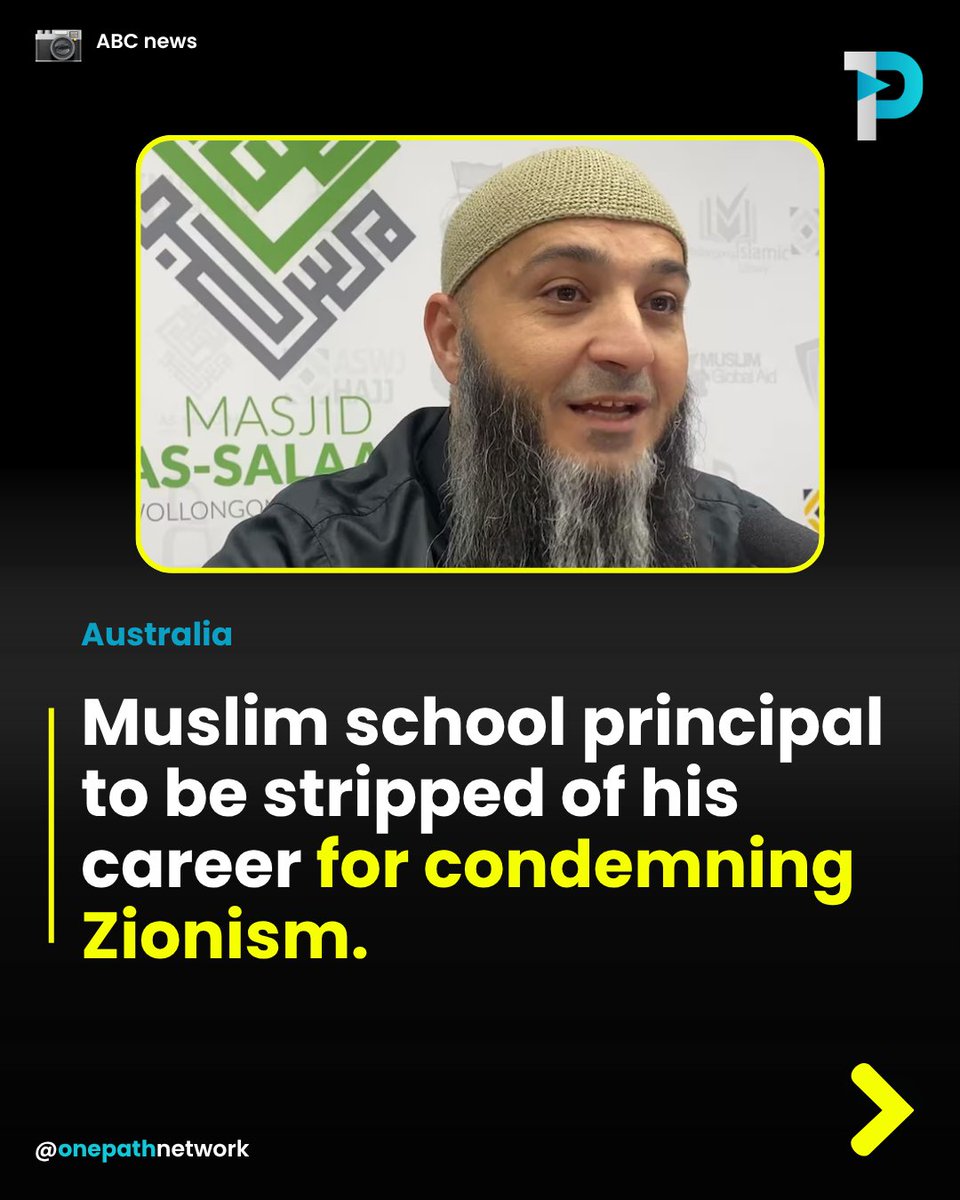
Islamic School Threatened With Closure as Principal Fights "Unfit" Ruling Over Anti-Zionist Posts
Sheikh Abdulghani Albaf, appointed principal of New Madinah College in Young, NSW in 2024, is now fighting for his career in the Supreme Court after the New South Wales Education Standards Authority (NESA) deemed him "not fit and proper" to serve in a leadership role. The ruling came after Facebook posts in which he condemned Zionism were brought to the attention of authorities. The school, the only Islamic educational institution in the Young region, was subsequently threatened with closure unless Sheikh Abdulghani was removed from its leadership, meaning students who played no role in the controversy are now bearing the weight of its consequences.
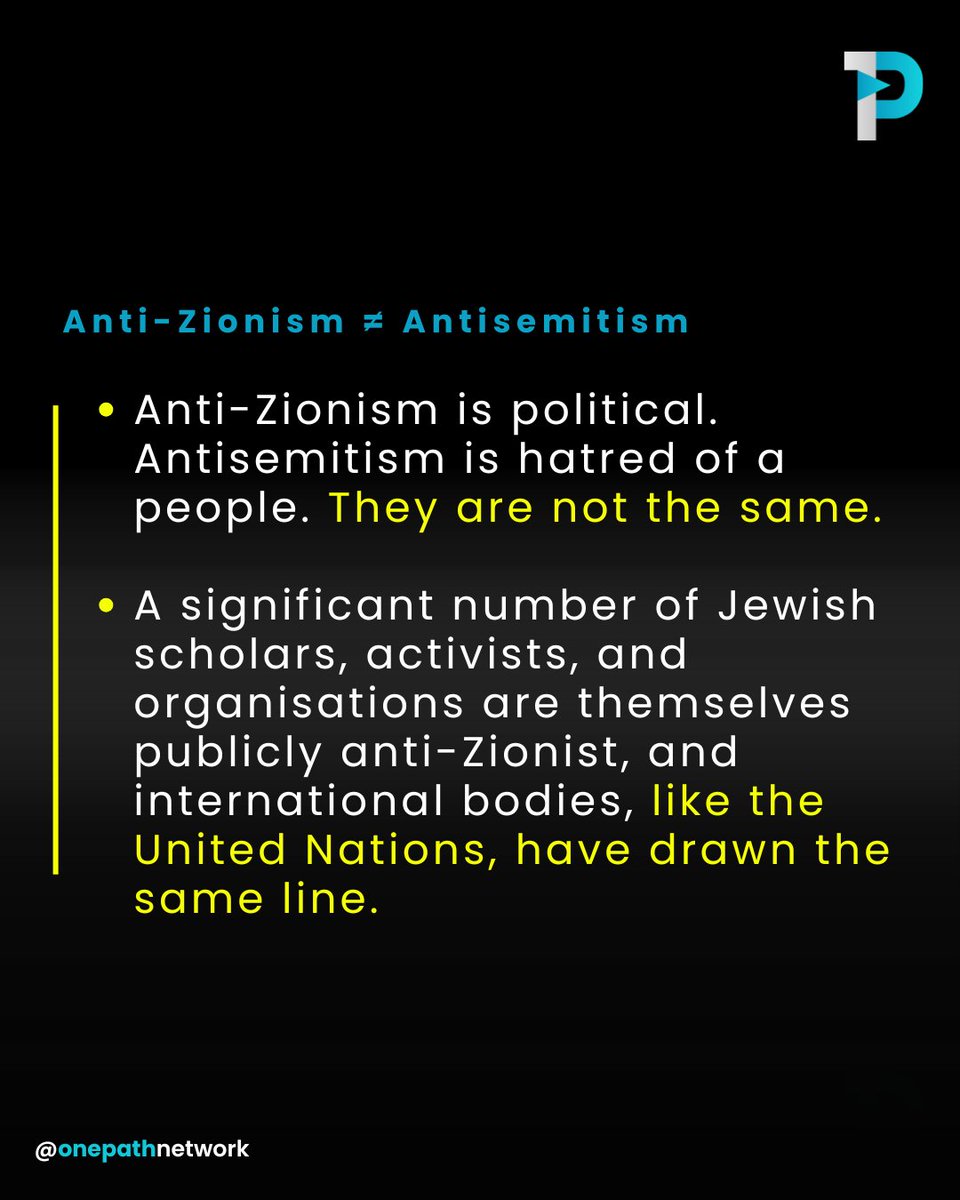
Central to the case is a debate that has intensified across Western democracies in recent years: whether opposition to Zionism constitutes antisemitism. Critics of NESA's ruling argue the two are categorically distinct, noting that anti-Zionism is a political position directed at a state and its founding ideology, while antisemitism is defined as hostility or prejudice toward Jewish people as a group. That distinction is not without mainstream support. A significant number of Jewish scholars, activists, and organisations are themselves publicly anti-Zionist, and international bodies, including the United Nations, have at times drawn the same line. NESA has not publicly detailed which specific posts it found objectionable or explained the precise basis on which it concluded the Sheikh was unfit to lead. The case will now be tested before the Supreme Court.
2
4
8
338
Jun 10
11 Australians joined the Global Sumud Flotilla, a legal humanitarian mission to deliver food, medicine and baby formula to the people of Gaza.
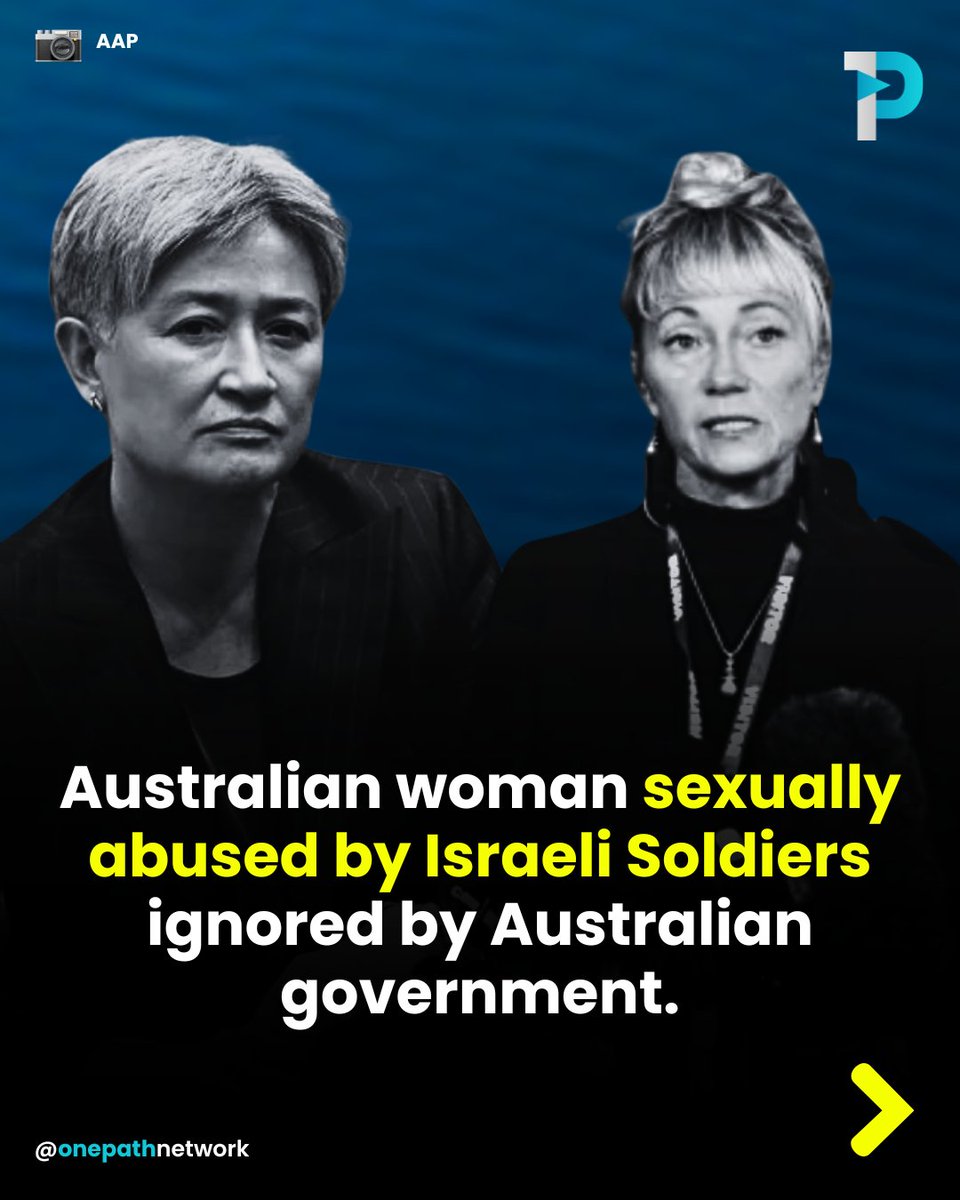
Israeli naval forces intercepted their vessels, detained all 11, beat them, tortured them, and sexually assaulted at least 3 of them.
Israel's national security minister Ben Gvir posted a video taunting detainees as they knelt on the ground, hands zip-tied behind their backs.
When they returned home, they asked to meet the Prime Minister. Albanese said he wouldn't respond "without any notice for someone I don't know."
Foreign Affairs Minister Penny Wong said she believes them. Although she agreed to meet them, Australia has not sanctioned Israel, has not condemned the abuse, and has not taken meaningful action.
1
7
13
238
Jun 10
⚽ World Cup 2026: Trump-Style
📌 A referee turned away.
📌 A striker interrogated for hours.
📌 Fans denied visas.
📌 A national team forced to operate across a border.
Travel restrictions. Visa denials. Interrogation rooms.
And one detail stands out: every group affected is Muslim.
After seven hours of questioning, Aymen Hussein asked:
"Why is America hosting the World Cup if it is so hostile to foreign nationals?"
1
3
5
361
Jun 10
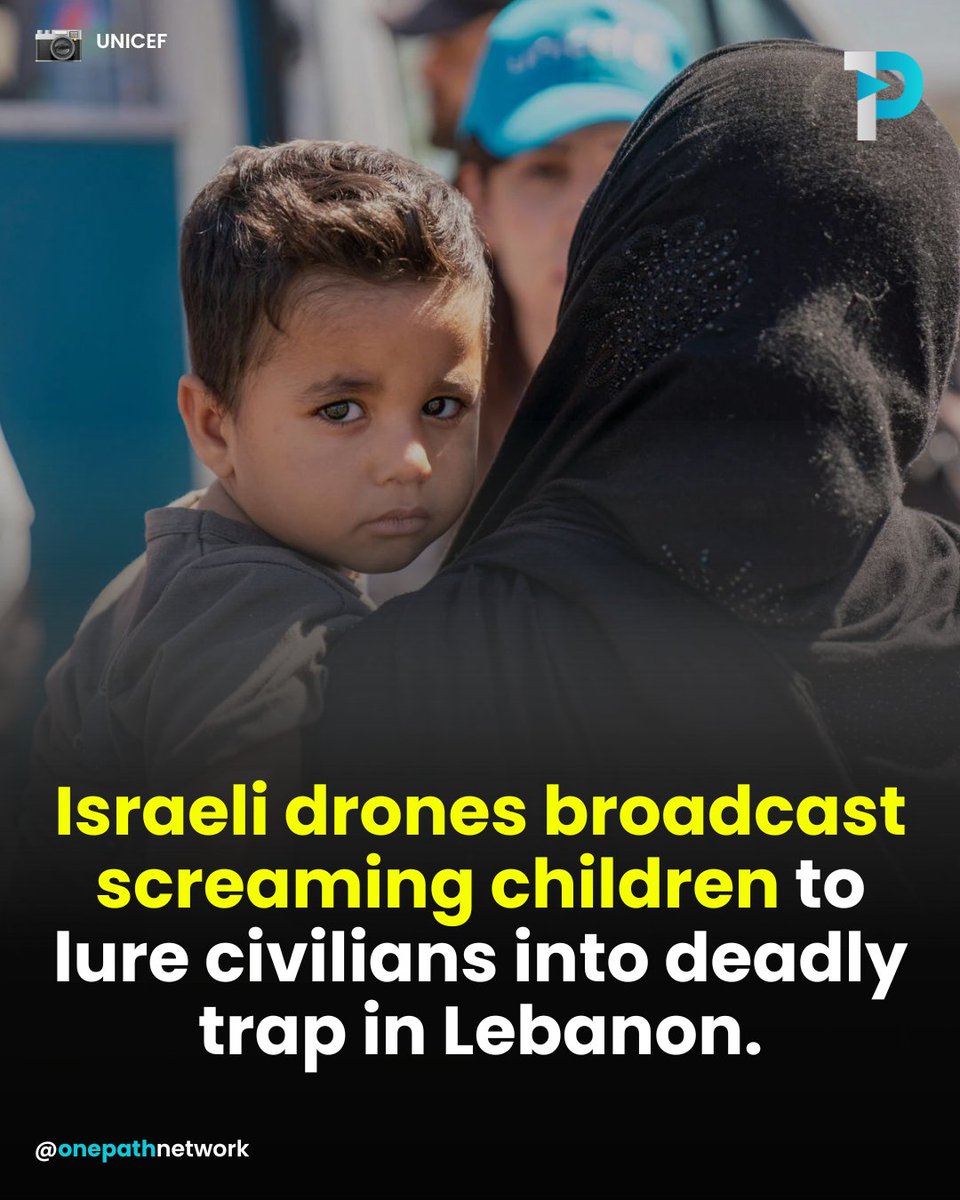
Israeli Drones Broadcast Screaming Children to Lure Civilians in Lebanon
A Middle East Eye investigation has revealed that Israeli quadcopter drones operating over southern Lebanon are broadcasting audio recordings of screaming children and women in distress, in what residents and human rights groups are describing as deliberate psychological warfare against civilian populations. A paramedic from the village of Habboush, identified only as Hashem, told the outlet that the tactic has become a near-nightly occurrence, with drones cycling through recordings including ambulance sirens, Quranic recitation, and women crying for help. Hashem believes the broadcasts serve two purposes: to exhaust and displace the remaining civilian population, and to lure resistance fighters out of concealment so they can be identified and targeted.
The tactic is not new. Rights groups documented near-identical drone behaviour in Gaza as far back as April 2024, where residents of the Nuseirat refugee camp described going outside to help what they believed were injured women and children, only to be fired upon by the same drones broadcasting the sounds. The transfer of the method to Lebanese villages comes amid a devastating Israeli campaign that Lebanon's Ministry of Health says has killed more than 3,600 people and displaced over one million since March 2026. Critics say the use of manufactured distress calls as a weapon represents a profound violation of humanitarian norms, turning the most basic human instinct, the urge to help a child, into a trap.
6
7
277
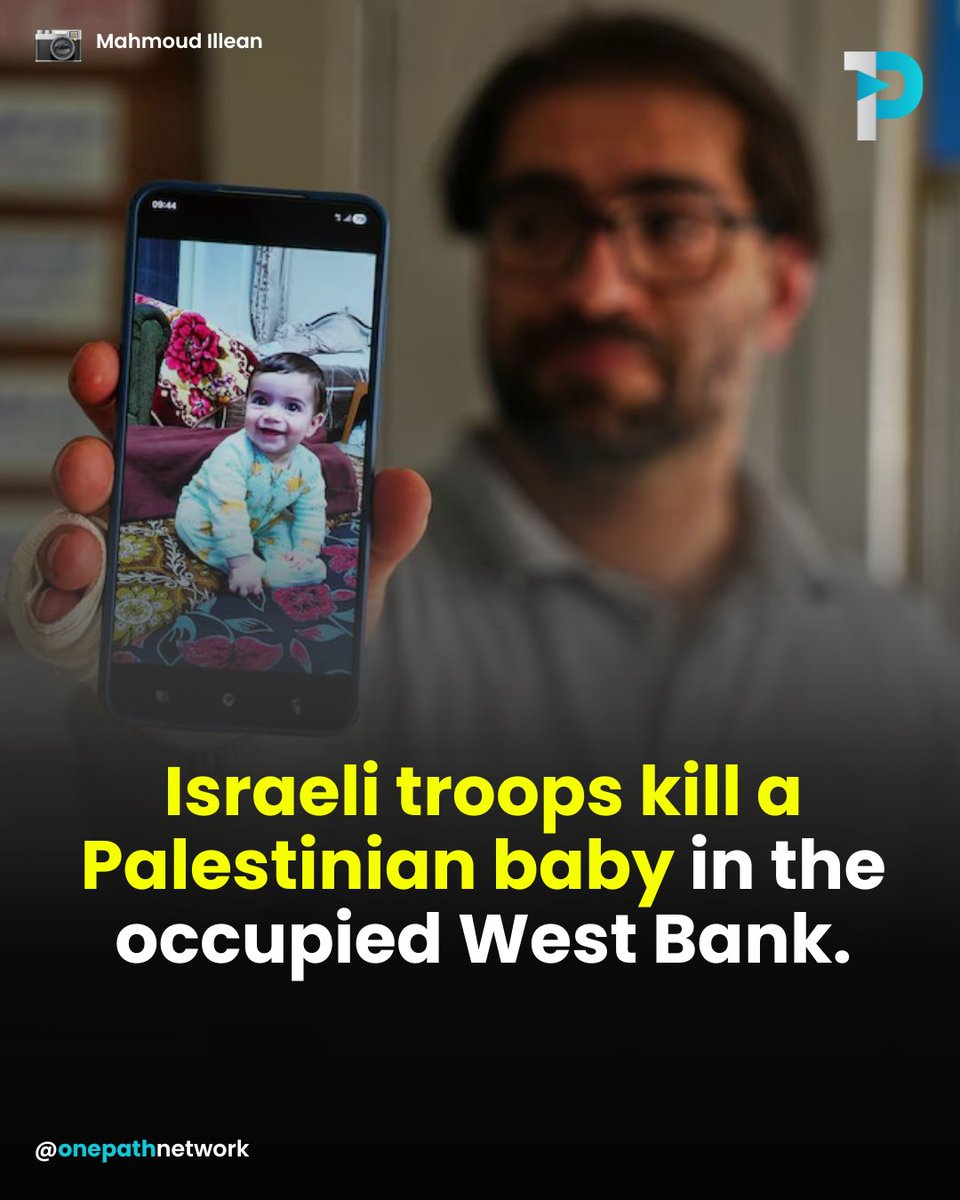
A seven-month-old Palestinian baby has been killed after Israeli soldiers opened fire on a family vehicle in the occupied West Bank city of Hebron.
The infant's parents were also wounded in the shooting. Israel has announced an investigation into the incident, but rights groups say accountability for Palestinian civilian deaths remains rare. The killing has reignited concerns over the growing toll on children as violence across the occupied West Bank continues to escalate.
1
4
230
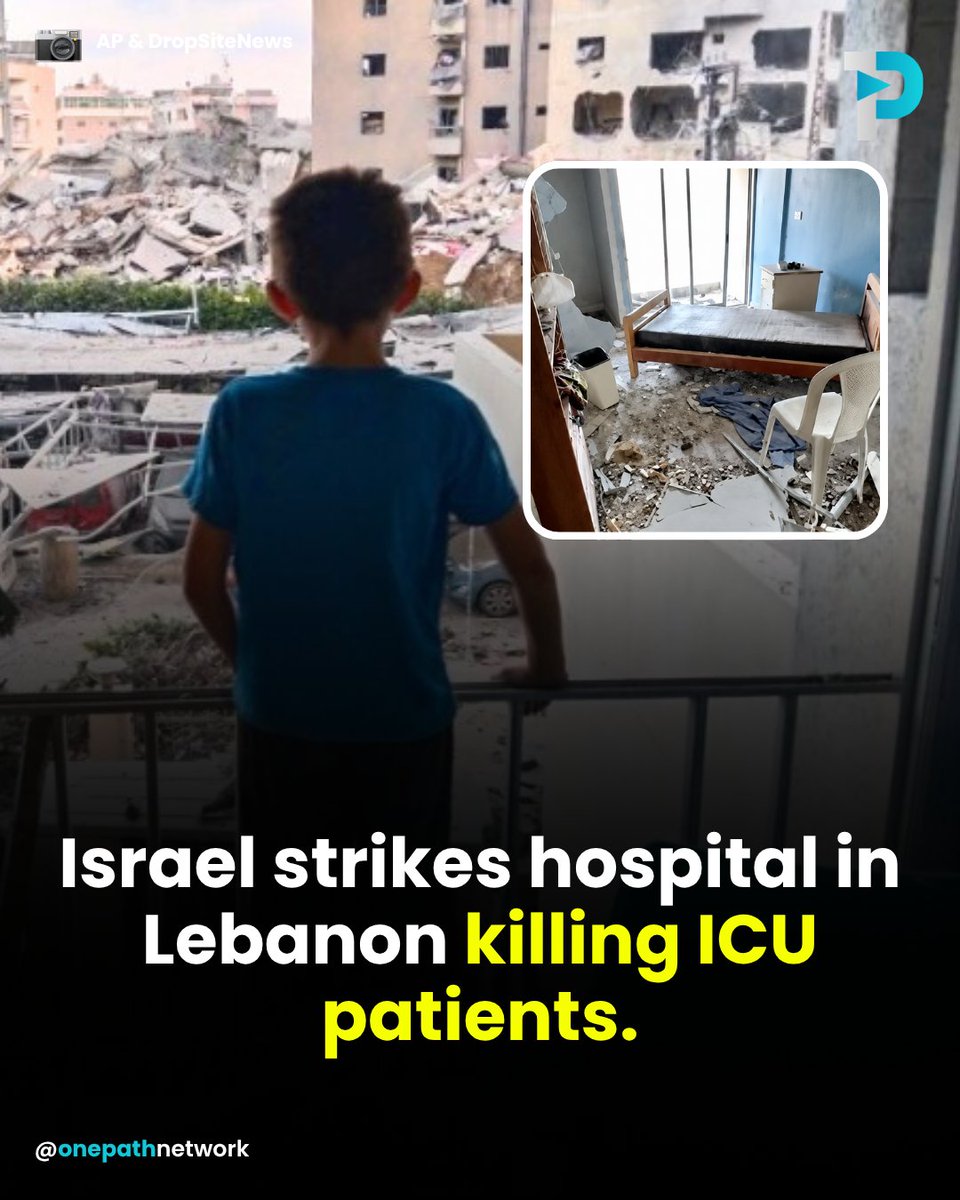
An Israeli strike near Jabal Amel Hospital in the southern Lebanese city of Tyre knocked out the facility’s power, oxygen, and life-support systems, leading to the deaths of several intensive care patients.
The death toll from Monday’s attack has risen to 13. At least four people were killed and 127 were wounded at the hospital, including medical, nursing, and administrative staff.
The strike destroyed a residential building opposite the hospital and caused extensive damage to one of the last hospitals in southern Lebanon still providing intensive care, surgery, and paediatric services.
10
4
10
994
Over 100 lives in seven days. That is Israel's kill rate this week across Lebanon and Gaza. On Saturday alone, 41 people were killed in Lebanon, and 140 were wounded in a single day. An Israeli drone struck a motorbike, killing a husband and wife on the spot. Their young child survived, bloodied, beside their bodies. The ancient city of Tyre is being bombed in violent waves, and entire neighbourhoods are reduced to rubble. Israeli forces destroyed a school for disabled children in southern Lebanon after planting explosives inside. Illegal white phosphorus continues to be sprayed on Lebanese villages. In Gaza, on Eid night, at least 10 Palestinians were killed in Gaza City. Five were children. Israeli helicopters then bombed a tent camp at Gaza's seaport, killing two and injuring dozens more children.
Netanyahu is not hiding what this is. He stated publicly that Israel's objective is to seize 70 per cent of Gaza before taking full control of the territory, and his military is executing that plan in real time. The world watched Sara Rajab's shredded body being carried from a burning building. The world watched a child cry beside his dead parents. This is not a war with civilian casualties. This is erasure, in plain sight.
9
10
868
British surgeon Dr Nick Maynard, who has worked in Gaza since 2010, has given one of the most harrowing firsthand accounts of the conflict to date, telling Tucker Carlson that approximately 70% of the patients he treated were women and children. Speaking from direct experience on the ground, Maynard described a systematic pattern of deliberate attacks on civilians, including children shot at food distribution points, and patients he personally knew found dead inside Al-Shifa Hospital after Israeli forces withdrew, many with their hands bound and gunshot wounds to the head.
Maynard also detailed the mass abduction of Palestinian healthcare workers, stating that nearly 500 medical staff have been illegally detained without charge. Among those taken, he described accounts of torture inside Israeli detention facilities, including the death of a Palestinian surgeon who was raped to death in custody, a claim later corroborated by a UN Special Rapporteur. The Oxford-educated surgeon said he felt a moral obligation to speak out, and has since compiled a detailed dossier of photographic and written evidence that was personally delivered to the British Prime Minister and Cabinet ministers.
13
14
647
Israeli Strikes on Jabal Amel Hospital, Southern Lebanon, Kill Six Civilians and Injure Dozens
Israeli forces struck the vicinity of Jabal Amel Hospital in the southern Lebanese city of Tyre on Monday, killing at least six civilians and knocking out power to the facility's intensive care unit, plunging critically ill patients into a state of emergency. The attack, which destroyed a building and the hospital's parking lot, is the latest in a sustained and intensifying campaign of airstrikes across southern Lebanon that has reduced civilian infrastructure to rubble. Despite a nominal ceasefire in place since April, Israeli forces have pressed deeper into Lebanese territory than at any point in over a quarter century, a relentless escalation that the United Nations has condemned and that international mediators have so far failed to halt.
The strikes have drawn sharp condemnation from regional and global actors, with Iran suspending nuclear talks with the United States in direct protest at Israel's continued military operations in Lebanon and Gaza. Critics say Israel's campaign has long abandoned any pretence of targeting military infrastructure, with hospitals, residential buildings, and civilian zones bearing the full force of repeated bombardments. Critics warn that this is a calculated effort to reshape southern Lebanon through force, with far-right Israeli ministers openly calling on PM Netanyahu to reject any ceasefire and push further into Lebanese territory. For the people of Tyre, the destruction of Jabal Amel Hospital is not an isolated incident; it is the latest wound in a war that shows no sign of ending.
2
5
402