
If everyone does one good thing today then the world will be happier place, if everyone does another good thing tomorrow the world can be changed...
Joined July 2011
- Tweets 707
- Following 2,157
- Followers 3,198
- Likes 925
94 Photos and videos






Pinned Tweet

3 Jan 2016
"It's nice to be important, but it's more important to be nice."
3
70
129
One Good Thing Today retweeted

4 Apr 2023
“Love life. Engage in it. Give it all you've got. Love it with a passion because life truly does give back, many times over, what you put into it.” #MayaAngelou Today starts the celebration of Dr. Angelou’s 95th year! Join us loom.ly/zr5Kdu8 -The estate of @DrMayaAngelou
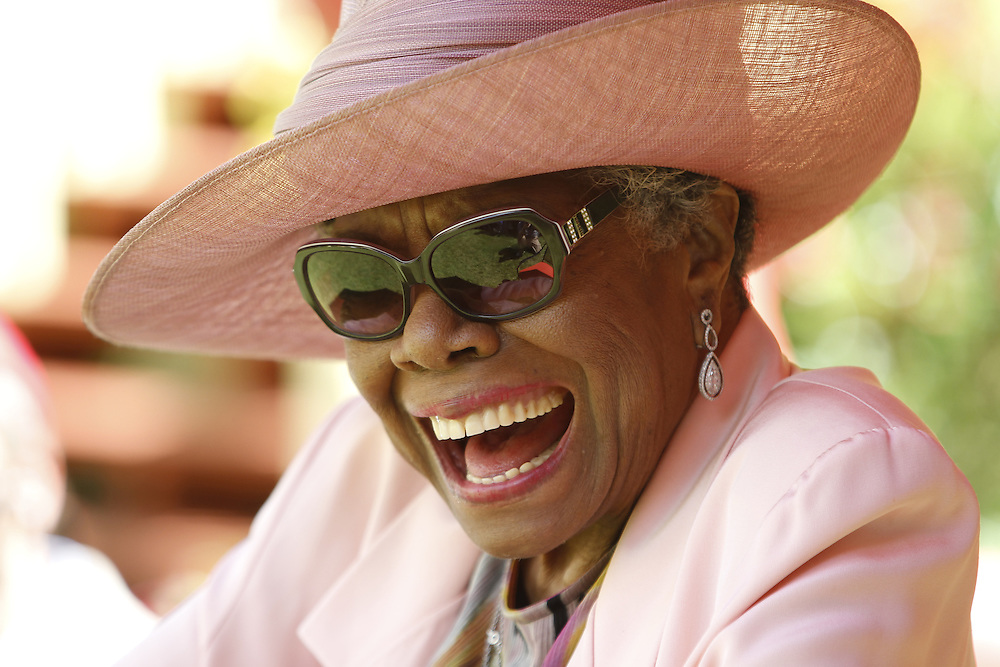
ALT An image of Maya Angelou.
22
277
1,176
68,037
24 Mar 2023
As an ode to #NationalPuppyDay yesterday, we thought we’d curate 3 facts about the impact of pet dog’s on people’s mental and physical health.
Read more below:
1
2
114
24 Mar 2023
2/ Dogs can provide a sense of companionship and social support: Dogs are often referred to as "man's best friend" for good reason. They provide a constant source of companionship and can help alleviate feelings of loneliness and social isolation.
1
1
79
24 Mar 2023
3/ Dogs can promote physical activity and improve overall health: Owning a dog often requires regular physical activity, such as walking, playing, or hiking. This can help improve cardiovascular health, reduce the risk of obesity, and promote overall physical fitness.
1
72
24 Mar 2023
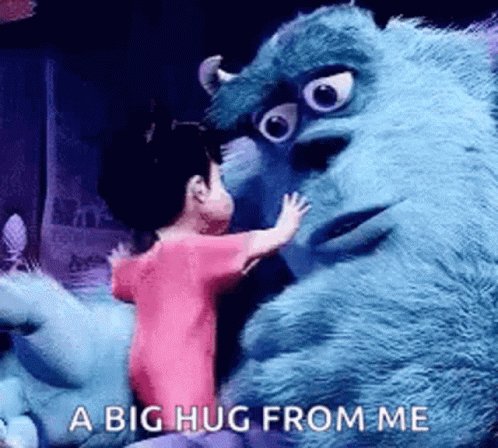
"A hug is like a boomerang - you get it back right away." - Bil Keane
68
24 Mar 2023
Happy Friday Everyone! We hope you have a fabulous day today… Our #OneGoodThing inspiration is to give someone a hug! That could be a loved one, a friend, a colleague or a stranger in need.
51
23 Mar 2023
Did you know today is #NationalPuppyDay?! We thought you’d love to see this uplifting video of dogs making the world a better place:
youtube.com/watch?v=_zgwT65A…
59
23 Mar 2023
“Dogs are not our whole life, but they make our lives whole." - Roger Caras
58
23 Mar 2023
Good morning everyone! Today’s #OneGoodThing is to offer to walk someone's dog. Send us photos, we would love to share!
1
47
22 Mar 2023
Have you ever wondered what positive impact of love and having a loving family has on you? Here are 3 facts we think you could be interested in:
1
1
82
22 Mar 2023
2/ A loving family can foster positive social & emotional development: Children who grow up in a loving family tend to develop stronger social and emotional skills. They learn how to build healthy relationships with others, communicate effectively, & develop empathy & compassion.
1
2
47
22 Mar 2023
3/ A loving family can provide a sense of security & belonging. They know that they have a support system in place they can rely on, which can give them self-worth & confidence. This can help them navigate the challenges & complexities of the world around them with greater ease.
1
41
22 Mar 2023
"A child needs your love most when they deserve it least." - Erma Bombeck
1
35
22 Mar 2023
Yesterday’s #OGT was to donate blood. Here are 3 facts about blood donation you might find interesting:
1
1
53
22 Mar 2023
While donating blood is primarily a selfless act to help others, it can also have some health benefits for the donor. For example, donating blood can help reduce the risk of heart disease and certain types of cancers by lowering iron levels in the body. 2/
1
1
32
22 Mar 2023
Blood donation centers have strict screening processes: Before someone can donate This includes checking for things like infectious diseases, medications, and travel history. Additionally, all donated blood is tested for things like HIV, hepatitis B and C, and syphilis. 3/
1
43