
not your regular writer || my posts are my thoughts
Joined November 2020
- Tweets 12,764
- Following 722
- Followers 1,872
- Likes 37,736
500 Photos and videos









Pinned Tweet

1 Jun 2025
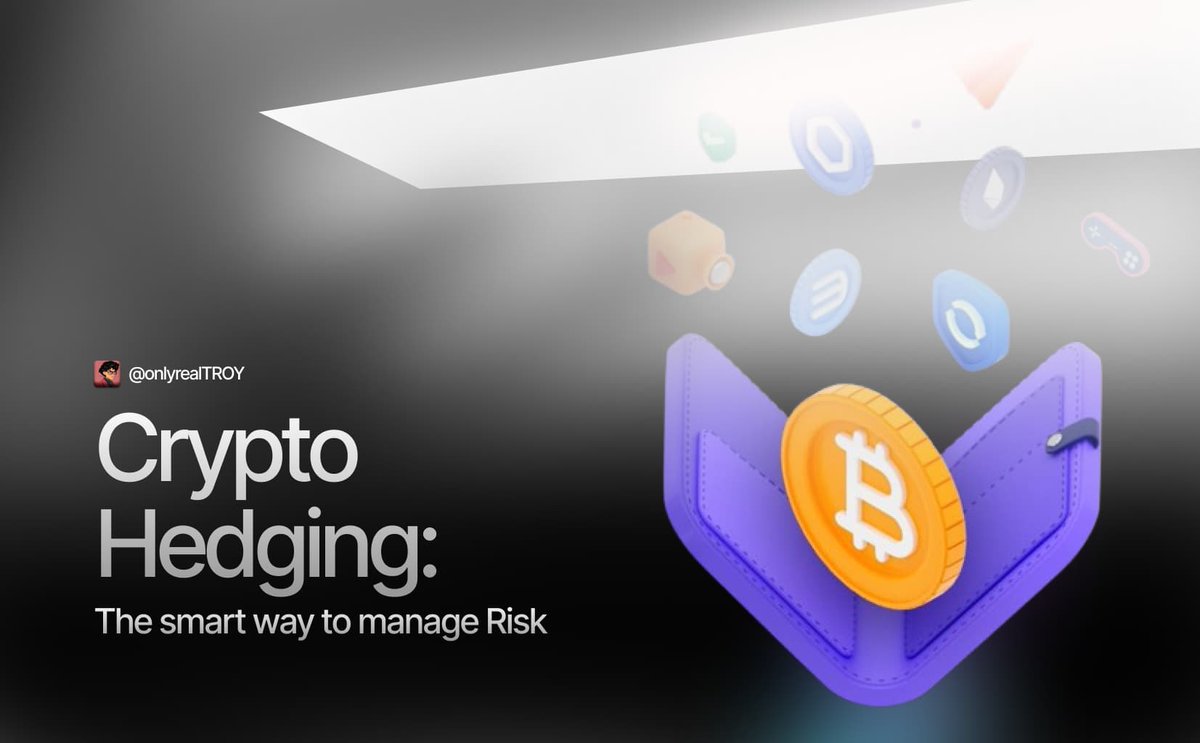
Crypto markets are unpredictable. Today you might find yourself in profit and the next day you might be losing.
Losses are inevitable in this market, but the amount of loss you suffer gives you an edge, and this is where crypto hedging comes in.
𝗪𝗵𝗮𝘁 𝗶𝘀 𝗖𝗿𝘆𝗽𝘁𝗼 𝗛𝗲𝗱𝗴𝗶𝗻𝗴?
Crypto hedging is a financial strategy utilized by traders to cut down losses in situations when the market moves against them.
This way they can offset the loss they will experience during unfavourable conditions on the asset they are trading.
𝗠𝗲𝘁𝗵𝗼𝗱𝘀 𝗼𝗳 𝗖𝗿𝘆𝗽𝘁𝗼 𝗛𝗲𝗱𝗴𝗶𝗻𝗴
➜ Futures contract: This means locking in price today for future transactions.
This way future changes of prices in the future won't lead to unwanted losses.
➜ Option trading: An options contract lets you decide if you want to buy or sell something at a certain price by a certain date, but you're not required to go through with it if you don't want to.
➜ Diversification of portfolio across different cryptocurrency is another good way of mitigating risk.
➜ Short selling: This is just borrowing an asset to sell with the intention of buying back later at a lower price to pay back to the lender.
➜ Use of stablecoins is also another method of hedging.
𝗥𝗶𝘀𝗸𝘀 𝗶𝗻𝘃𝗼𝗹𝘃𝗲𝗱 𝘄𝗵𝗶𝗹𝗲 𝗵𝗲𝗱𝗴𝗶𝗻𝗴
➝ One tends to spend more while hedging. This can be seen from paying trading fees and etc
➝ Your decision might not be perfect to remove the whole losses you would have made. This is due to how fast the market moves.
𝗛𝗼𝘄 𝗬𝗶𝗲𝗹𝗱 𝗣𝗿𝗼𝘁𝗼𝗰𝗼𝗹𝘀 𝘂𝘀𝗲 𝗖𝗿𝘆𝗽𝘁𝗼 𝗛𝗲𝗱𝗴𝗶𝗻𝗴
We all know that the aim of Yield Protocols are to enable users to earn rewards on their assets. In doing this, different strategies are used by them to make sure that the users get the best return.
Those strategies are
⤍ Delta-Neutral Strategy: Protocols like @multiplifi use this.
(I will have to talk about this on a separate thread)
⤍ Option based hedging: Yield protocols use this to cap loss when token prices drop.
That's all for now
If you enjoyed reading this, do well to LIKE, REPOST and COMMENT to increase its reach.
Thank you
12
3
43
2,141
Apr 6
i just realized that i will soon watch videos fully made with AI and not know it

Sneak peek for something I've been working on.. [ made with @Kling_ai 3.0 ]
If you are not Indian, you should tag an Indian friend of yours to translate this for you.👀
2
6
139
Mar 30
one issue i face when it comes to social media is voicing my thoughts freely there.
y'all that do it, how do you do it
1
5
97
Mar 29
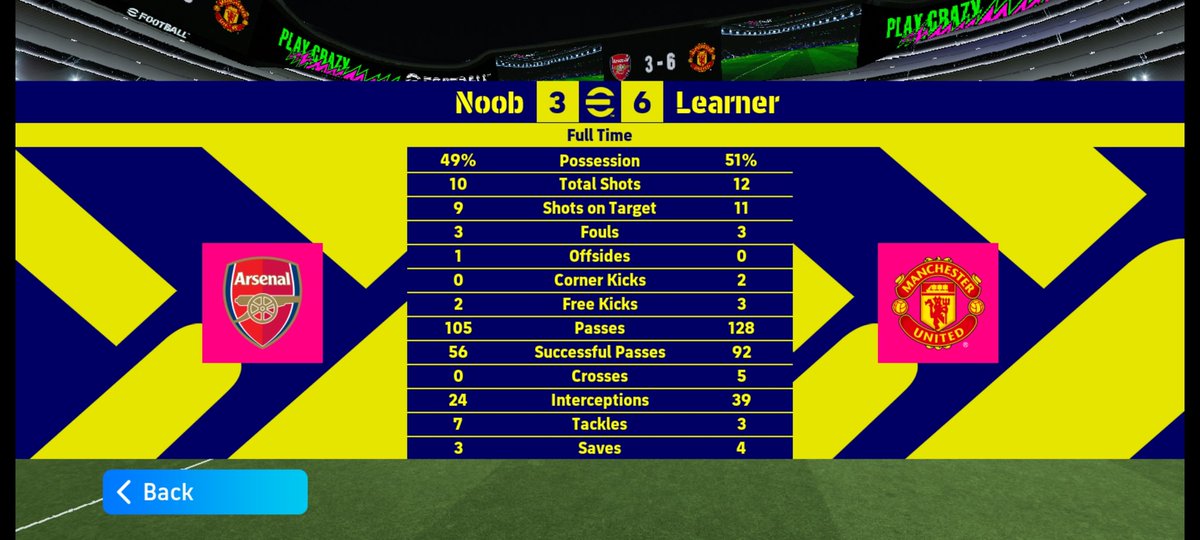
me and efootball (5&6)
i am the learner in that screenshot

1
1
102
Mar 29
slept more than i was meant to (def. happens sometimes) and missed the first mass i wanted to attend
adjusted and just coming back from the second mass
looking at my schedule for this week already (irl and here)
remember to let every second count.
happy sunday
5
8
86
TRØY retweeted
Mar 27
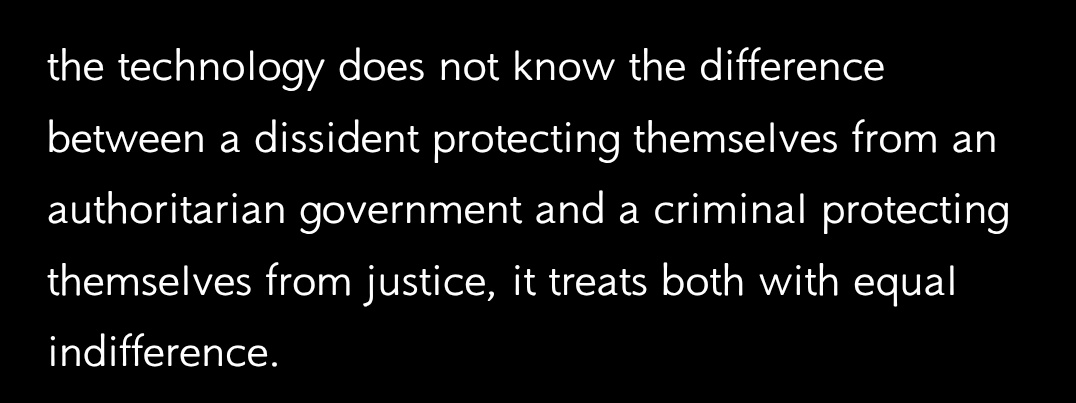
i disagree with what you said here (look at the screenshot) but before i talk about that, there's something else I want to talk about.
first i will be borrowing @Baheet_ words, "transparency was a means, not the end; verifiability without trust is the goal"
transparency is not the main purpose of Blockchain.
according to @mert, "the point is quite literally consensus without central trust"
he went ahead to say that transparency is the psyop that early crypto people told the feds when they kept being accused of doing crime.
back to the screenshot below, you don't expect something to be 100% accurate at the first try. yes, there have been crimes linked to privacy. one of them is the tornado cash incident.
humans learn from past mistakes. during world war 2, an explosion of chemical weapons containing mustard gas occurred . it was discovered that the soldiers that were caught up in the explosion developed leukopenia (reduction in white blood cells). they used this on patients with leukemia and it worked for some time.
what i am trying to say is that because of those incidents that happened in the past, some privacy projects are now integrating techs in what they are building to make sure that what is entering inside is clean. i read about this in one of @inconetwork articles some months ago.

1
9
382
TRØY retweeted
Mar 27
bro, I have been reading this book for almost two years now
Mar 26

How do y’all read books fast
Been reading 3 books for the past 2 months now.
How una de do am abeg?
5
1
6
263
TRØY retweeted
Mar 27
dropping my first article here today
95% ready. show some love when you see it on your timeline
1
2
3
80
Mar 27
bro, I have been reading this book for almost two years now
Mar 26
How do y’all read books fast
Been reading 3 books for the past 2 months now.
How una de do am abeg?
5
1
6
263
Mar 27
you guys should hold me accountable
I will finish it on or before April 5th, I will quote when I am done
35
TRØY retweeted
Mar 25
to those that didn't unfollow me while i was away, ily all
6
1
8
130
TRØY retweeted
Jan 16
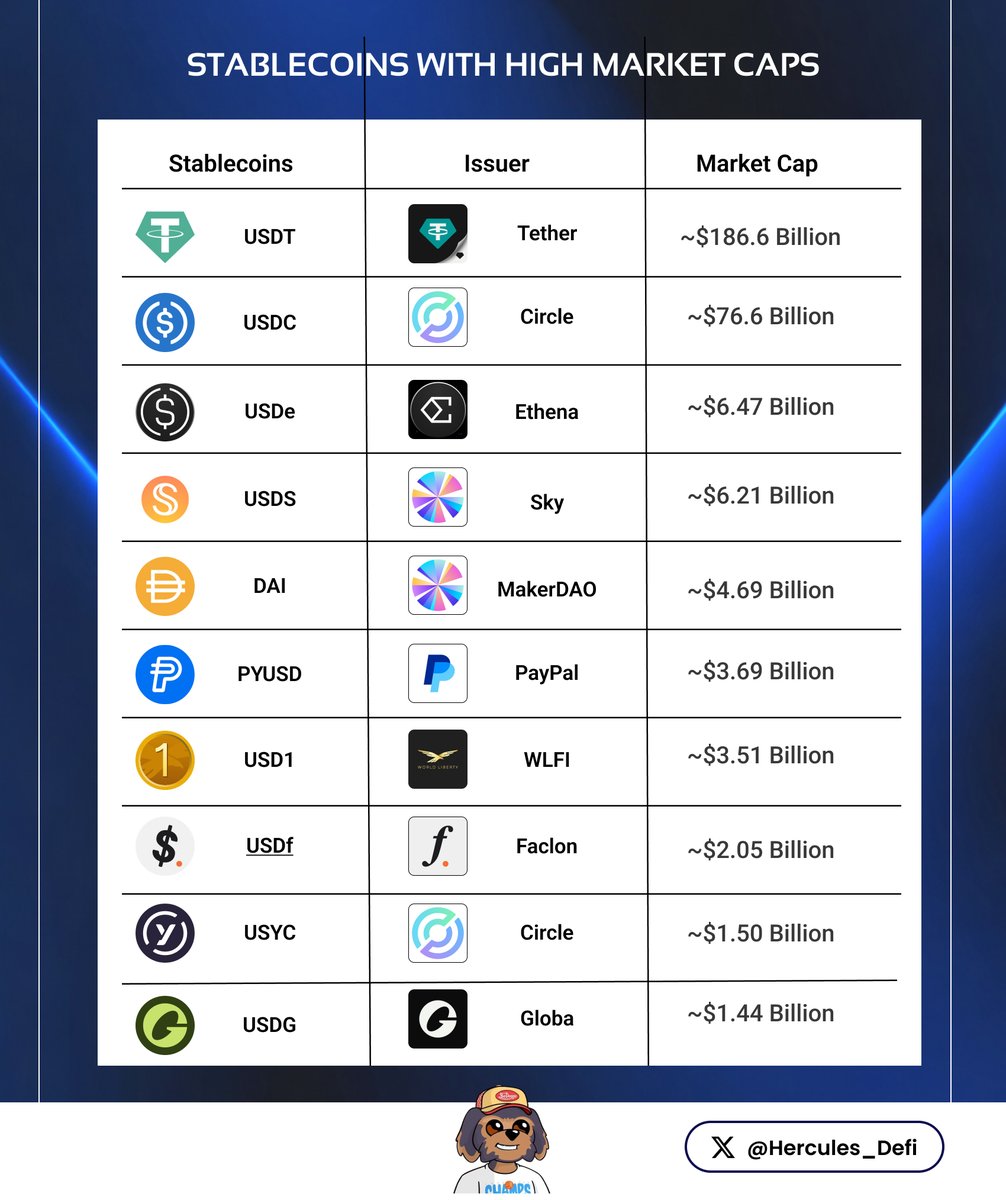
Top 10 stablecoins by marketcap
⪼ usdt by @tether
⪼ usdc by @circle
⪼ usde by @ethena
⪼ usds by @SkyEcosystem
⪼ dai by @MakerDAO
⪼ pyusd by @PayPal
⪼ usd1 by @worldlibertyfi
⪼ usdf by @falconfinance
⪼ usyc by @circle
⪼ usdg by @global_dollar
tbh, it's not easy for people to transition to a new stablecoin because of the fear of depegging.
as for me, i mostly use usdc and usdt.
Jan 16

At first glance, stablecoins all look the same, digital dollars priced at $1 but their market caps tell a very different story.
𝘉𝘦𝘩𝘪𝘯𝘥 𝘦𝘢𝘤𝘩 𝘯𝘶𝘮𝘣𝘦𝘳 𝘪𝘴 𝘢 𝘥𝘪𝘴𝘵𝘪𝘯𝘤𝘵 𝘦𝘤𝘰𝘯𝘰𝘮𝘪𝘤 𝘳𝘰𝘭𝘦, 𝘴𝘰𝘮𝘦 𝘱𝘰𝘸𝘦𝘳 𝘨𝘭𝘰𝘣𝘢𝘭 𝘵𝘳𝘢𝘥𝘪𝘯𝘨 𝘥𝘦𝘴𝘬𝘴, 𝘰𝘵𝘩𝘦𝘳𝘴 𝘋𝘦𝘍𝘪 𝘤𝘳𝘦𝘥𝘪𝘵, 𝘴𝘰𝘮𝘦 𝘢𝘤𝘵 𝘢𝘴 𝘰𝘯𝘤𝘩𝘢𝘪𝘯 𝘤𝘢𝘴𝘩 𝘦𝘲𝘶𝘪𝘷𝘢𝘭𝘦𝘯𝘵𝘴, 𝘢𝘯𝘥 𝘢 𝘧𝘦𝘸 𝘢𝘳𝘦 𝘥𝘦𝘴𝘪𝘨𝘯𝘦𝘥 𝘵𝘰 𝘮𝘢𝘯𝘶𝘧𝘢𝘤𝘵𝘶𝘳𝘦 𝘺𝘪𝘦𝘭𝘥 𝘪𝘵𝘴𝘦𝘭𝘧.
Understanding why one stablecoin is worth $186B while another stalls at $1.4B is really about understanding how capital actually moves through crypto today.
These are the top 10 stablecoins by market cap 👇
-------------------------------
➢ 𝐓𝐞𝐭𝐡𝐞𝐫 (𝐔𝐒𝐃𝐓) - $186.6 𝐛𝐢𝐥𝐥𝐢𝐨𝐧 𝐦𝐚𝐫𝐤𝐞𝐭 𝐜𝐚𝐩.
USDT is issued by @tether and sits at the top because it functions as the global settlement dollar of crypto.
Its scale comes from being the default base pair on CEX, deep liquidity across every major chains, and heavy use in derivatives, arbitrage, and cross-border trading.
Market participants value availability and liquidity over purity of regulation, which keeps USDT dominant despite ongoing scrutiny.
-------------------------------
➢ 𝐔𝐒𝐃 𝐂𝐨𝐢𝐧 (𝐔𝐒𝐃𝐂) - $76.6 𝐛𝐢𝐥𝐥𝐢𝐨𝐧 𝐦𝐚𝐫𝐤𝐞𝐭 𝐜𝐚𝐩.
USDC is issued by @circle and has reached this size due to institutional trust, regulatory alignment, and strong DeFi integration.
Its supply reflects usage by fintechs, payment firms, onchain treasuries, and protocols that require transparent reserves and compliance clarity. USDC’s market cap expands and contracts with institutional risk appetite rather than speculative trading volume.
-------------------------------
➢ 𝐄𝐭𝐡𝐞𝐧𝐚 𝐔𝐒𝐃𝐞 (𝐔𝐒𝐃𝐞) - $6.47 𝐛𝐢𝐥𝐥𝐢𝐨𝐧 𝐦𝐚𝐫𝐤𝐞𝐭 𝐜𝐚𝐩.
USDe is issued by @ethena and represents a new category which is a synthetic, yield-backed dollar.
Its rapid growth is driven by delta-neutral yield strategies that make USDe attractive as a productive stable asset rather than a passive one.
The market cap reflects demand from DeFi-native users seeking dollar exposure with embedded yield, rather than payments or exchange settlement.
-------------------------------
➢ 𝐒𝐤𝐲 𝐃𝐨𝐥𝐥𝐚𝐫 (𝐔𝐒𝐃𝐒) - $6.21 𝐛𝐢𝐥𝐥𝐢𝐨𝐧 𝐦𝐚𝐫𝐤𝐞𝐭 𝐜𝐚𝐩.
USDS is issued by @SkyEcosystem and is effectively the successor structure around Dai.
Its size reflects Maker’s long-standing role as DeFi’s core credit issuer, with supply driven by overcollateralized borrowing and protocol-controlled liquidity.
The market cap is smaller than USDC or USDT because growth is constrained by collateral quality and risk management rather than pure demand.
-------------------------------
➢ 𝐃𝐚𝐢 (𝐃𝐀𝐈) - $4.69 𝐛𝐢𝐥𝐥𝐢𝐨𝐧 𝐦𝐚𝐫𝐤𝐞𝐭 𝐜𝐚𝐩.
DAI is issued by @MakerDAO and maintains relevance as the original decentralized stablecoin.
Its market cap reflects conservative issuance policies, reliance on crypto and RWA collateral, and declining appetite for leverage-based minting during lower-risk cycles.
-------------------------------
➢ 𝐏𝐚𝐲𝐏𝐚𝐥 𝐔𝐒𝐃 (𝐏𝐘𝐔𝐒𝐃) - $3.69 𝐛𝐢𝐥𝐥𝐢𝐨𝐧 𝐦𝐚𝐫𝐤𝐞𝐭 𝐜𝐚𝐩.
PYUSD is issued by @PayPal, with custody and issuance handled by @Paxos.
Its market cap is driven by PayPal’s distribution power and consumer trust, but limited by relatively narrow on-chain utility so far.
Most PYUSD supply exists to support payments, wallets, and internal transfers rather than DeFi or exchange liquidity, which caps its growth for now.
-------------------------------
➢ 𝐖𝐨𝐫𝐥𝐝 𝐋𝐢𝐛𝐞𝐫𝐭𝐲 𝐅𝐢𝐧𝐚𝐧𝐜𝐢𝐚𝐥 𝐔𝐒𝐃 $3.51 𝐛𝐢𝐥𝐥𝐢𝐨𝐧 𝐦𝐚𝐫𝐤𝐞𝐭 𝐜𝐚𝐩.
This stablecoin is issued by @worldlibertyfi, a politically and institutionally branded financial initiative.
Its rapid recent growth suggests concentrated issuance tied to treasury management, institutional allocation, or structured financial flows rather than organic retail demand. The market cap reflects sponsorship and capital deployment decisions more than open-market adoption.
-------------------------------
➢ 𝐅𝐚𝐥𝐜𝐨𝐧 𝐔𝐒𝐃 (𝐔𝐒𝐃𝐟) - $2.05 𝐛𝐢𝐥𝐥𝐢𝐨𝐧 𝐦𝐚𝐫𝐤𝐞𝐭 𝐜𝐚𝐩.
USDf is issued by @falconfinance and has grown through targeted integrations and treasury-style use cases.
Its size suggests adoption by specific funds, protocols, or financial products rather than broad exchange usage. The market cap reflects controlled issuance tied to yield, credit, or structured products.
-------------------------------
➢ 𝐂𝐢𝐫𝐜𝐥𝐞 𝐔𝐒𝐘𝐂 (𝐔𝐒𝐘𝐂) - $1.50 𝐛𝐢𝐥𝐥𝐢𝐨𝐧 𝐦𝐚𝐫𝐤𝐞𝐭 𝐜𝐚𝐩.
USYC is issued by @circle as a tokenized yield-bearing cash instrument rather than a pure $1 stablecoin.
Its market cap reflects demand for compliant, on-chain cash equivalents backed by short-duration Treasuries.
-------------------------------
➢ 𝐆𝐥𝐨𝐛𝐚𝐥 𝐃𝐨𝐥𝐥𝐚𝐫 (𝐔𝐒𝐃𝐆) $1.44 𝐛𝐢𝐥𝐥𝐢𝐨𝐧 𝐦𝐚𝐫𝐤𝐞𝐭 𝐜𝐚𝐩.
USDG is issued by @global_dollar, participants and has grown quickly due to recent integrations and distribution incentives.
Its market cap reflects early-stage expansion and onboarding of liquidity partners rather than entrenched usage. Growth appears driven by ecosystem rollout rather than organic demand maturity.
Which of these do you use frequently? Lemme know in the comments 👇
12
7
32
754