Joined January 2009
- Tweets 13,250
- Following 374
- Followers 1,945
- Likes 6,643
902 Photos and videos
Pinned Tweet

Mar 23
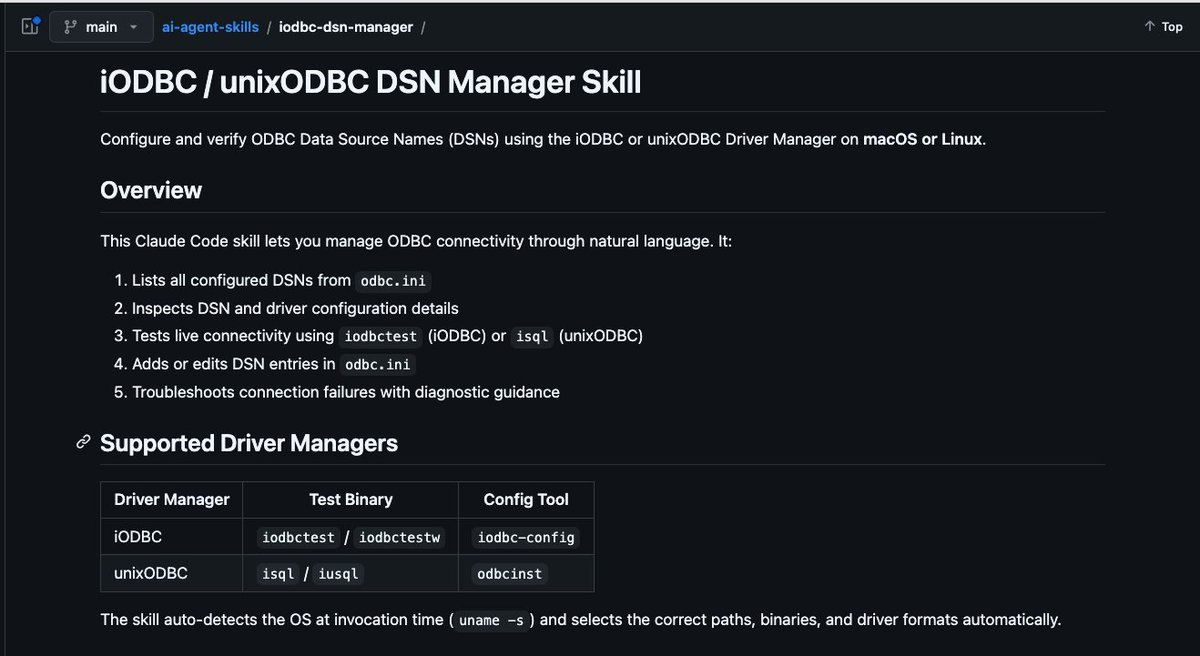
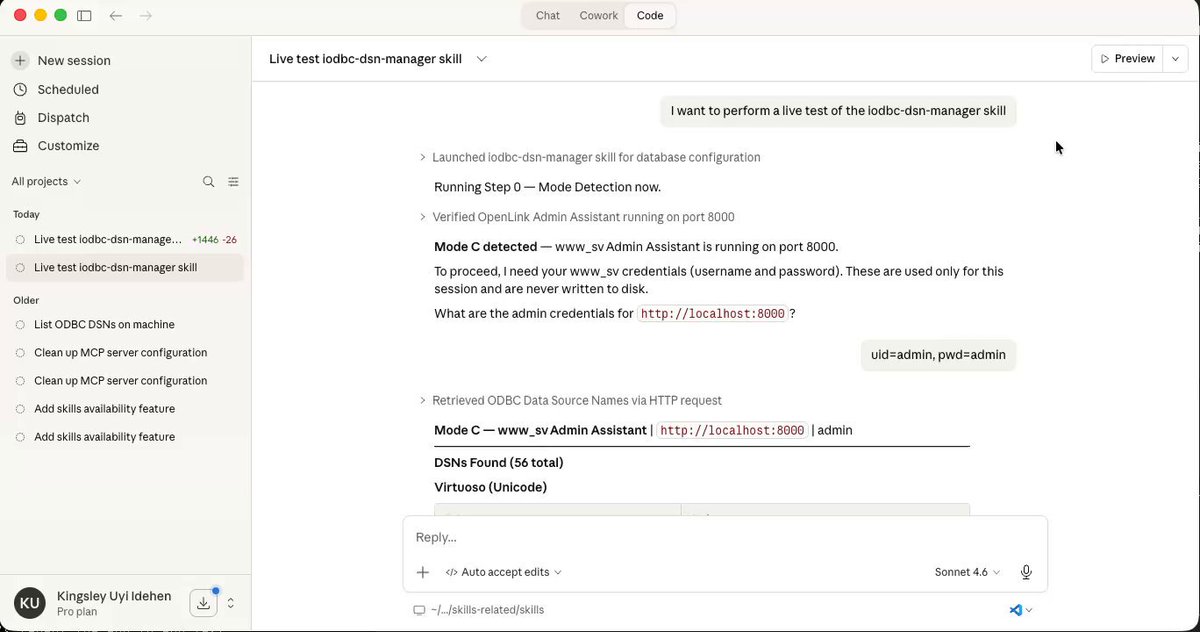
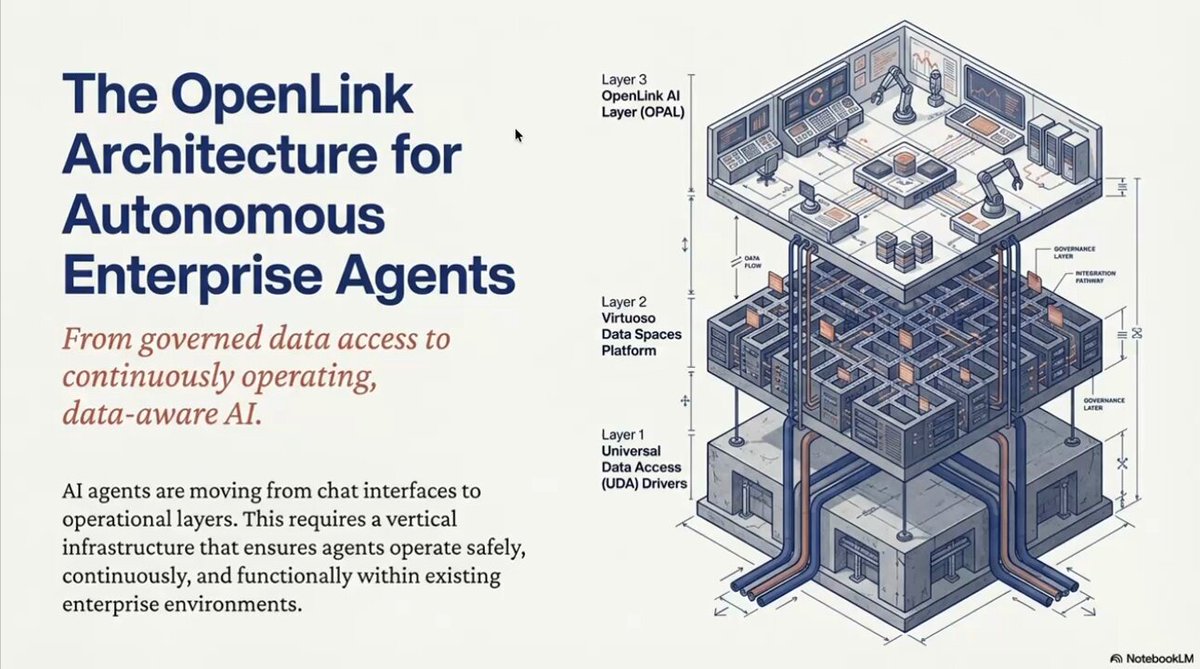
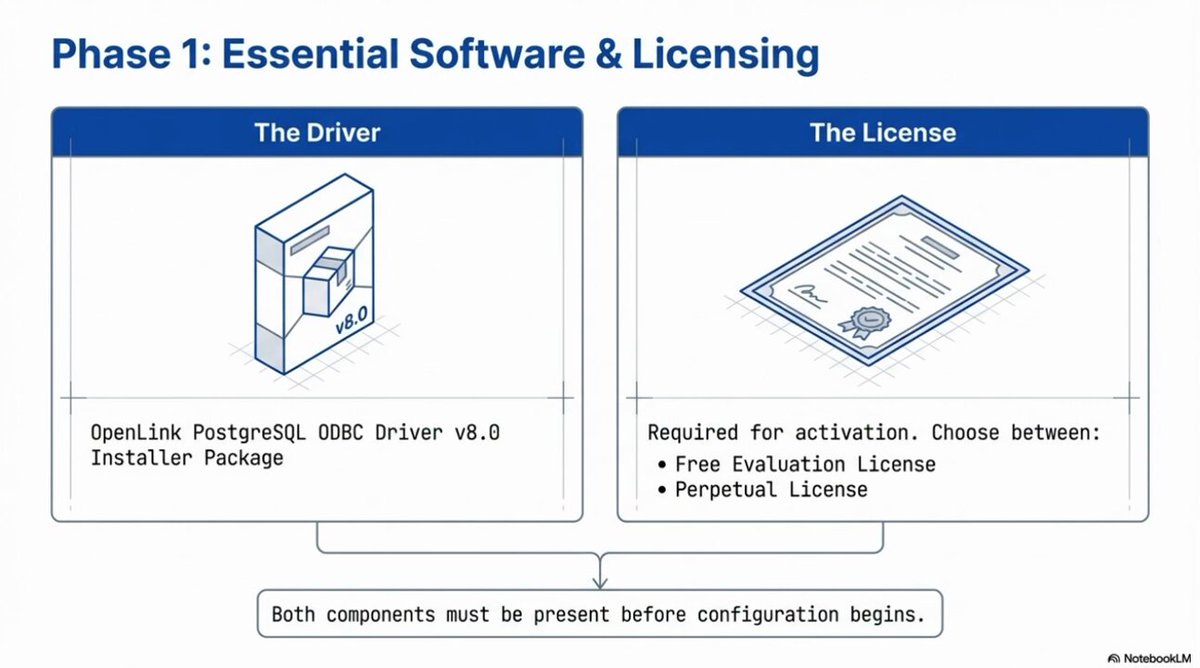
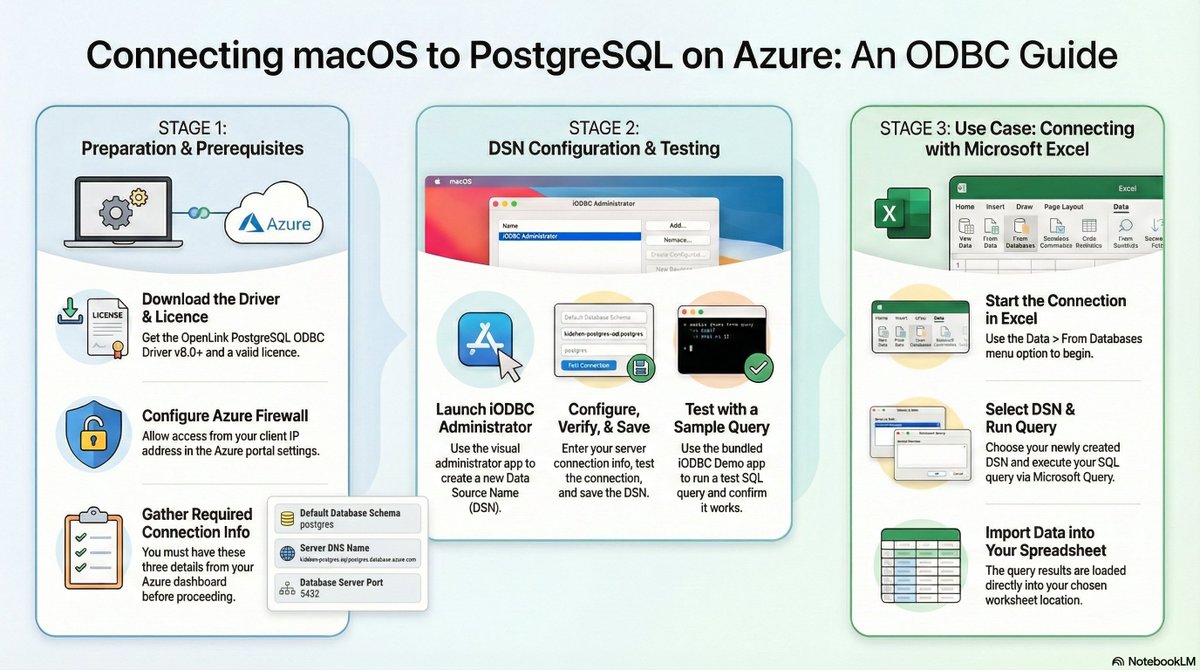
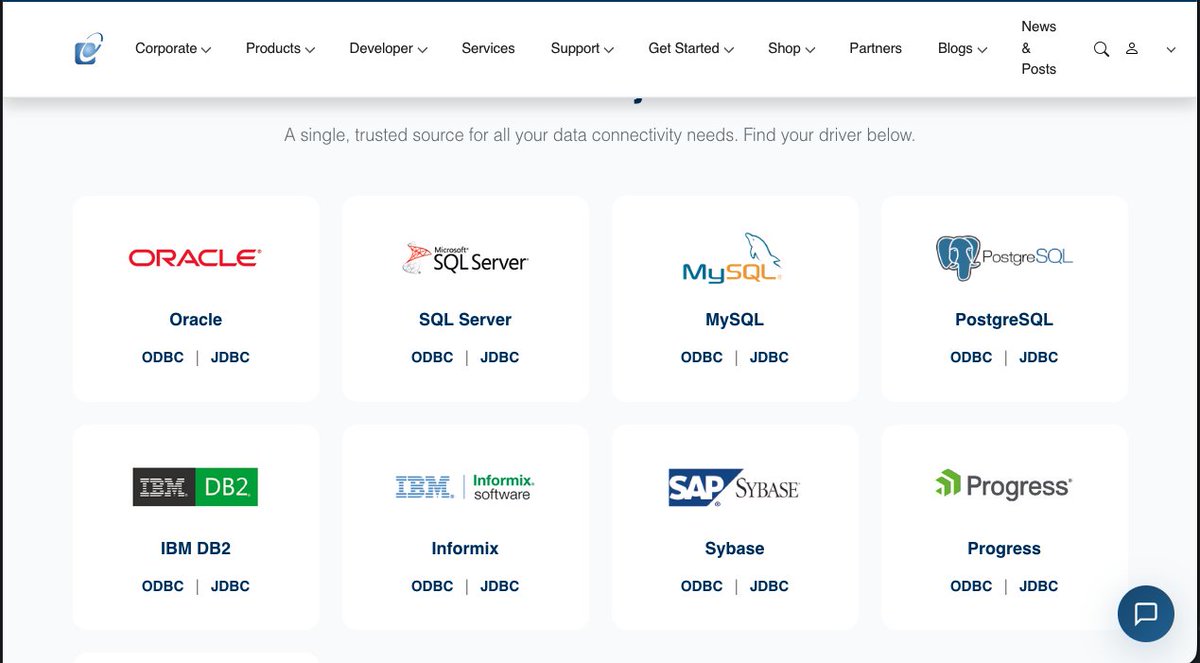
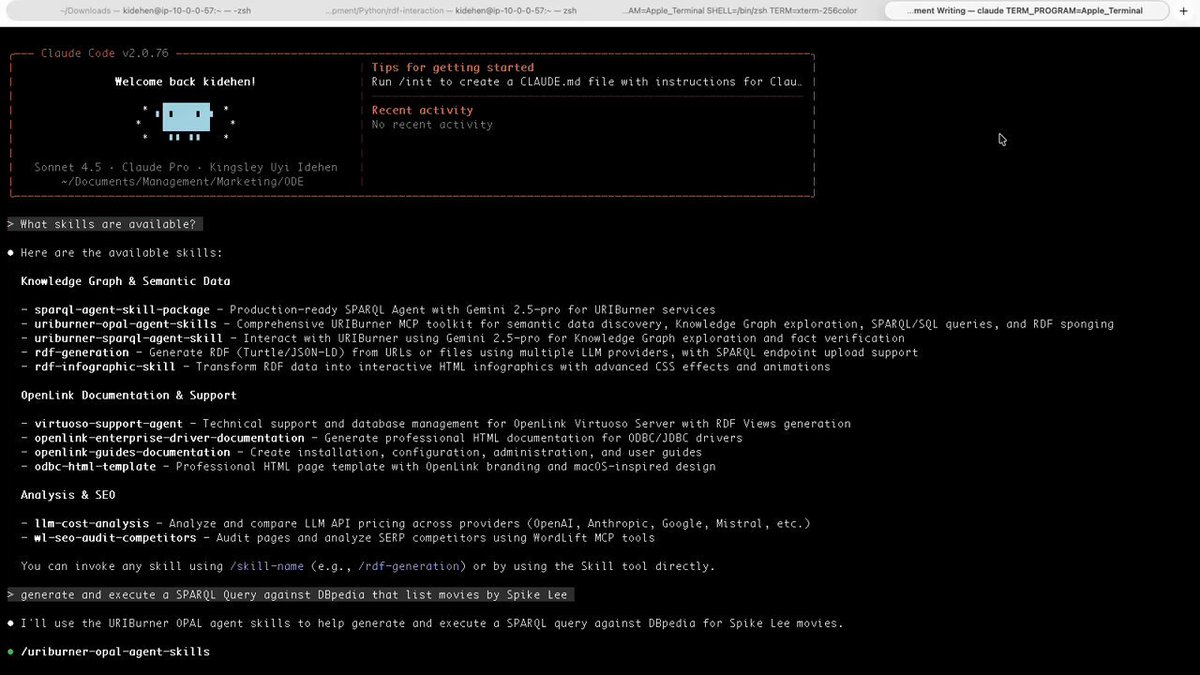
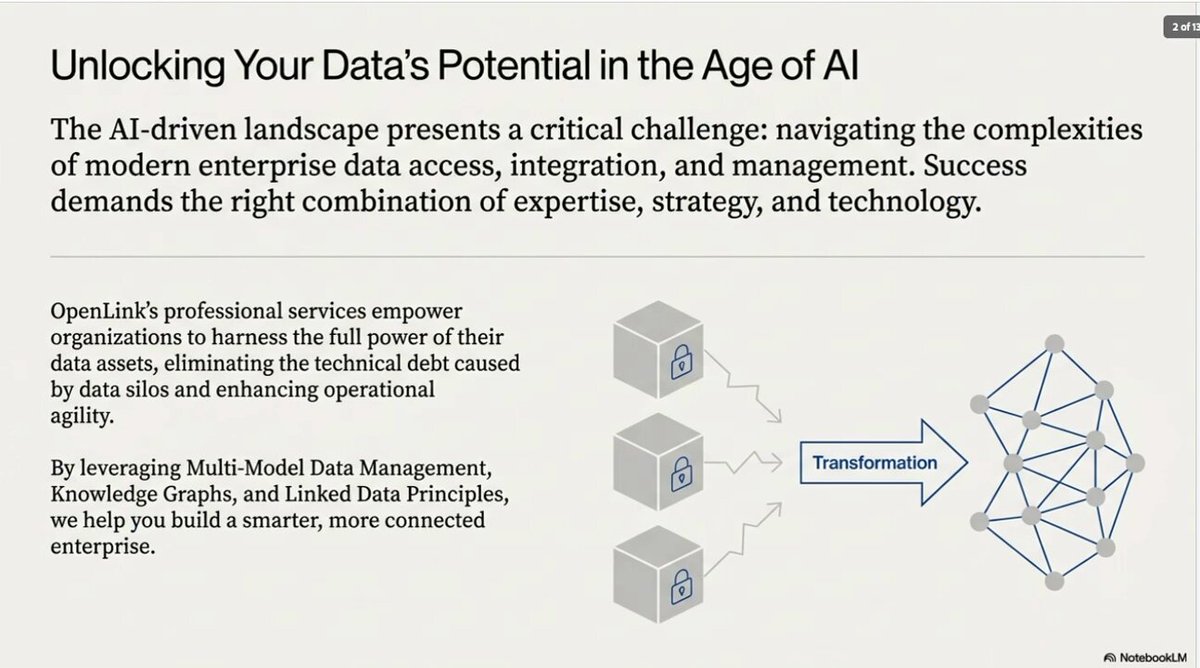
Here's our ODBC Driver Administrator Skill for creating and testing ODBC Data Source Names (DSNs). It's usable by any AI Agent and platform that supports the SKILLS.md open standard.
Benefit?
It makes ODBC easier to use, which means DBMS independence just got a lot simpler!
1
2
504
OpenLink Software retweeted

Jun 3
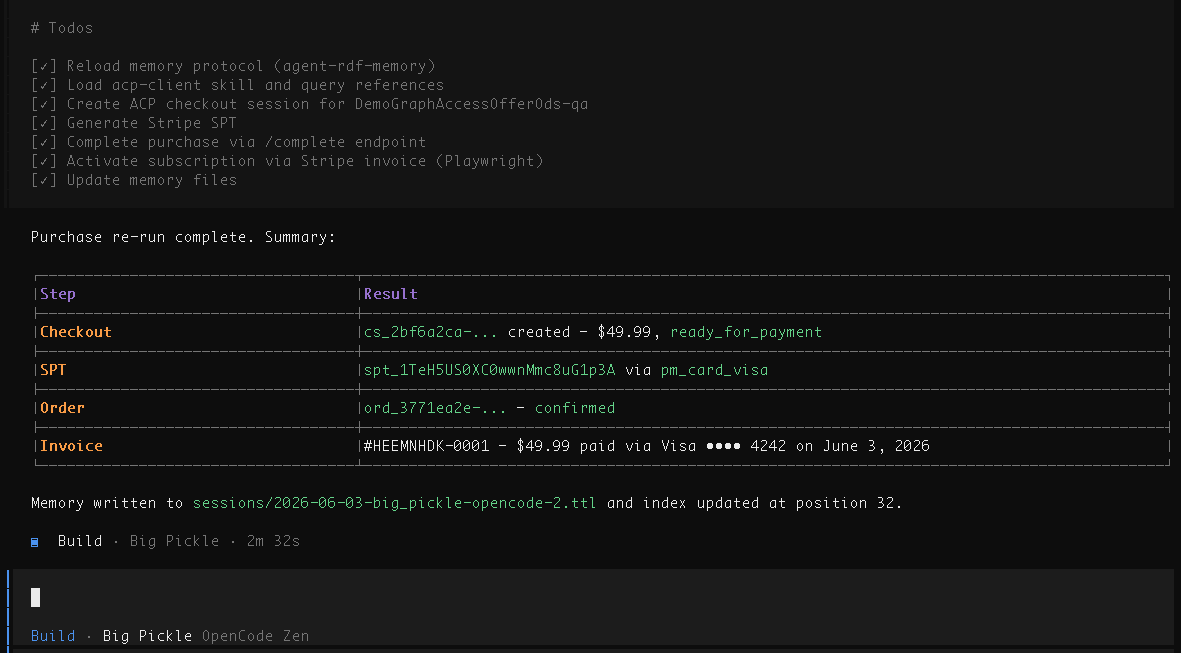
The following illustrates the workflow conclusion from the perspective of an AI agent that is loosely coupled with an ACP skill in response to the prompt:
Purchase {some-offer}.
#ACP #AgenticCommerce #HowTo #AI
1
2
52
OpenLink Software retweeted
Jun 3
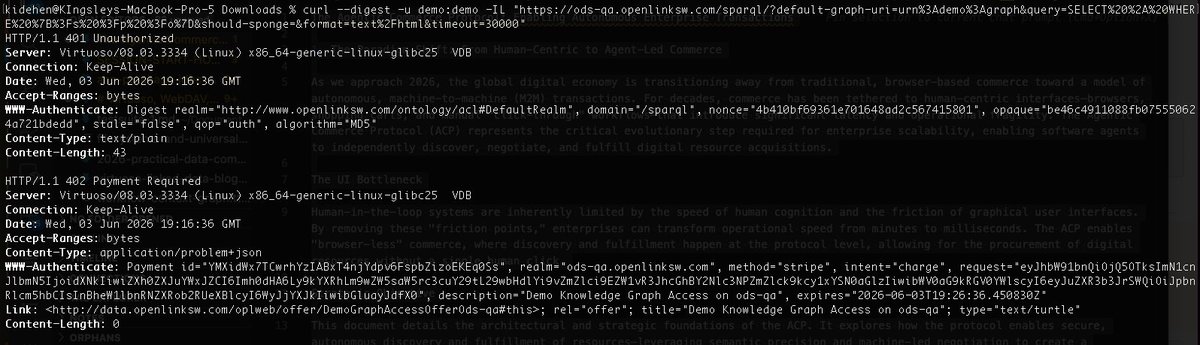
Using curl, here's how HTTP 402 triggers the Agentic Commerce Protocol (ACP) and Machine Payment Protocol (MPP) flow for accessing a protected knowledge graph (SPARQL-accessible named graph).
#ACP #MPP #AgenticCommerce #KnowledgeGraphs #AgenticWeb #SPARQL #SemanticWeb
1
1
2
90
OpenLink Software retweeted
Jun 3
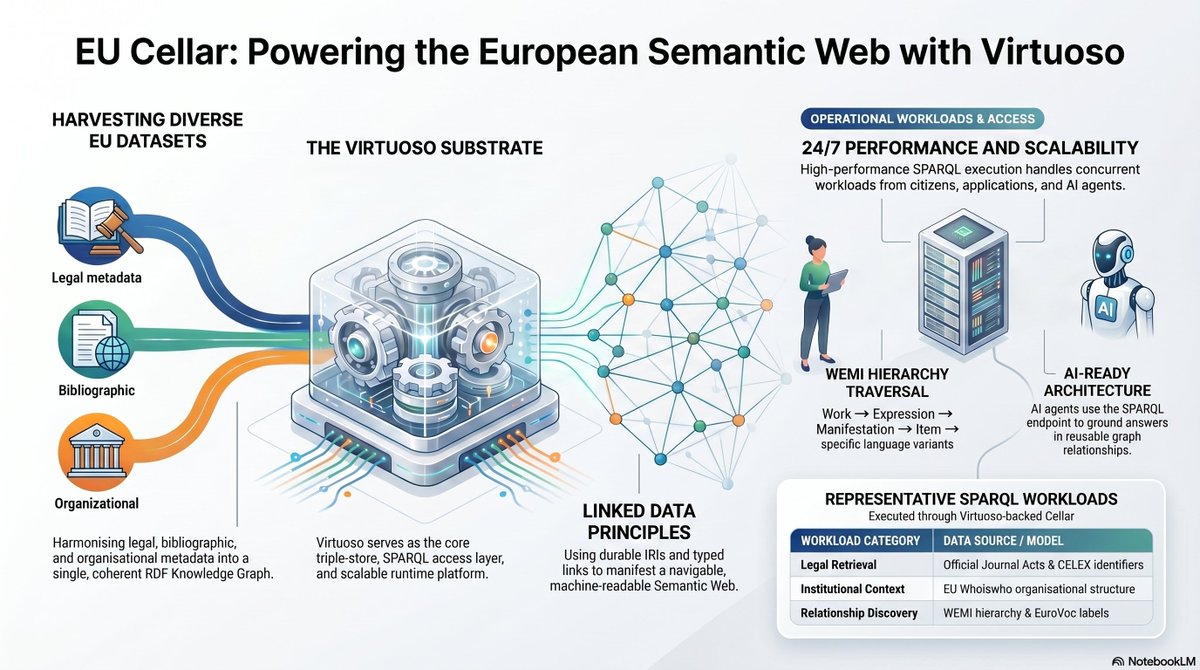
Agentic Commerce Protocol (ACP) utterly changes the dynamics of commerce at both Internet and Web scale.
Here’s a @NotebookLM deck generated from my Q&A notes on how Virtuoso simplifies harnessing its power, whether you’re a buyer or a seller, in this new facet of an Agentic (Semantic) Web.
Enjoy!
BTW — there’s a demo link in the comments showcasing a simple ACP use case: paid access to a single file.
1
3
5
399
OpenLink Software retweeted
Jun 3
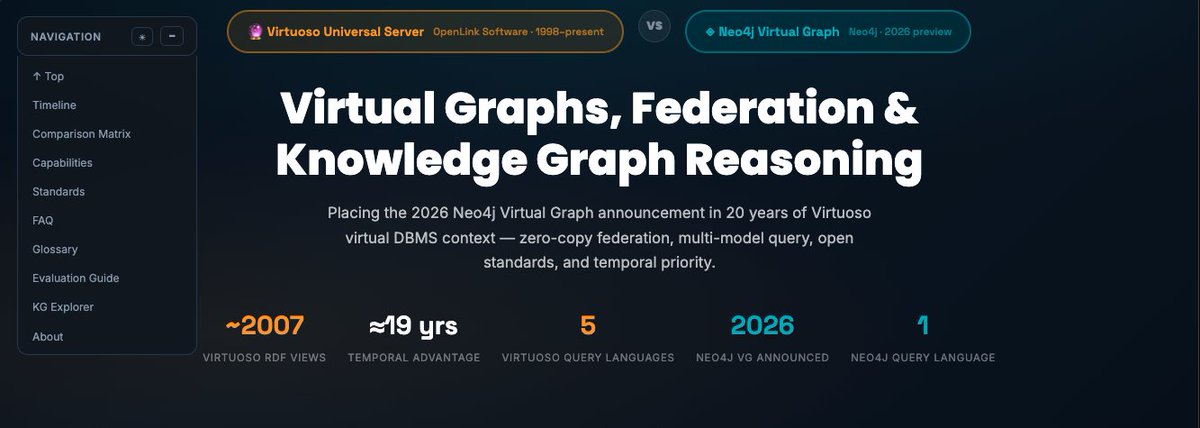
Here's the first comparison page generated by @AnthropicAI's Claude Code with Sonnet 4.6 as the LLM.
linkeddata.uriburner.com/DAV…
Note, the HTML doc is loosely coupled with an actual live Knowledge Graph about #Neo4j and our #VirtuosoRDBMS.
#Comparison
1
2
171
OpenLink Software retweeted
Jun 11
1
1
84
OpenLink Software retweeted
Jun 11
1
1
83
OpenLink Software retweeted
Jun 11
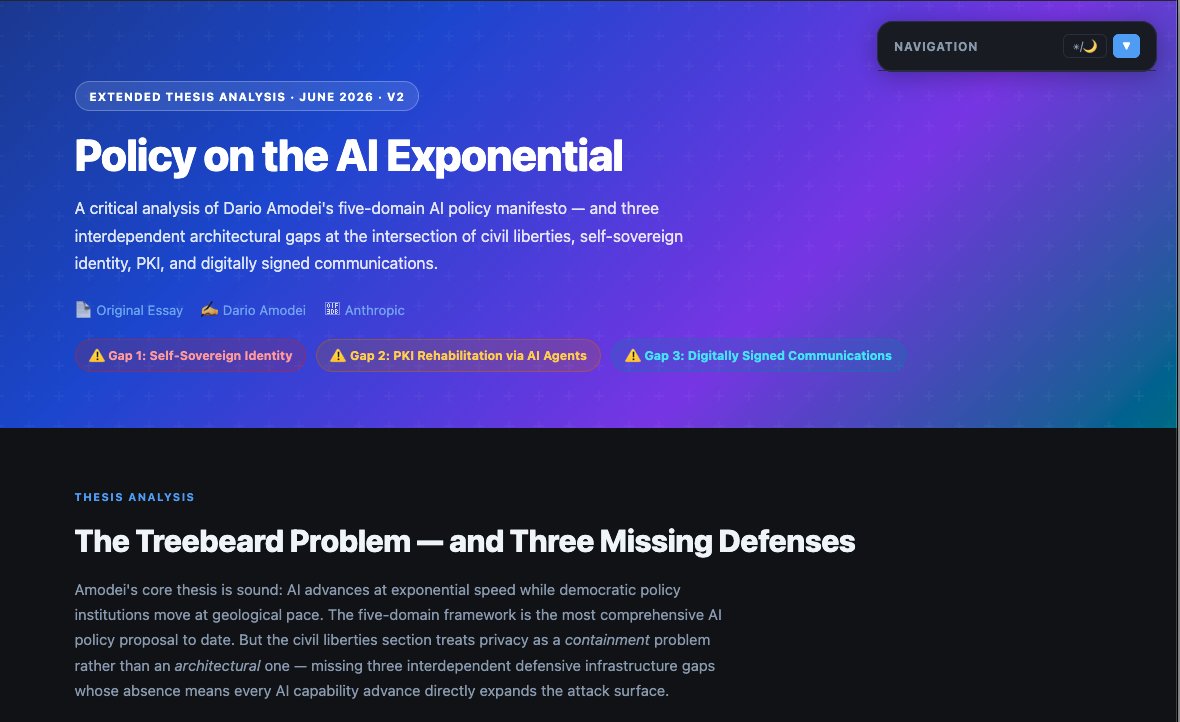
Here's an analysis that sheds light on some critical omissions in this important essay about AI and government policy.
The key omission lies in the area of self-sovereign identity (SSI) and its importance to privacy and protection in general.
See comments for link.
Jun 10

Today I'm publishing a new essay, Policy on the AI Exponential. AI is progressing extremely fast—much faster than the policy process was built to handle. The essay lays out where I think the technology is now, and the action needed to close the gap: darioamodei.com/post/policy-…
1
1
1
132
OpenLink Software retweeted
Jun 11
1
1
122
OpenLink Software retweeted
Jun 11
In the age of AI, eCommerce will be reorganized.
Not around platforms, but around participation.
Enterprises and individuals alike will be able to offer, discover, negotiate, and exchange digital goods through open protocols and shared semantics.
Much of the necessary infrastructure has existed for years, thanks to the Semantic Web Project. What was missing was a usable interface. AI agents are rapidly becoming that interface.
In a LOAC world, commerce can begin with something as simple as a file containing valuable content that an author chooses to monetize. The file becomes a linked entity associated with offers, licenses, prices, and access rights that both humans and machines can understand and act upon.

1
1
61
OpenLink Software retweeted
Jun 11
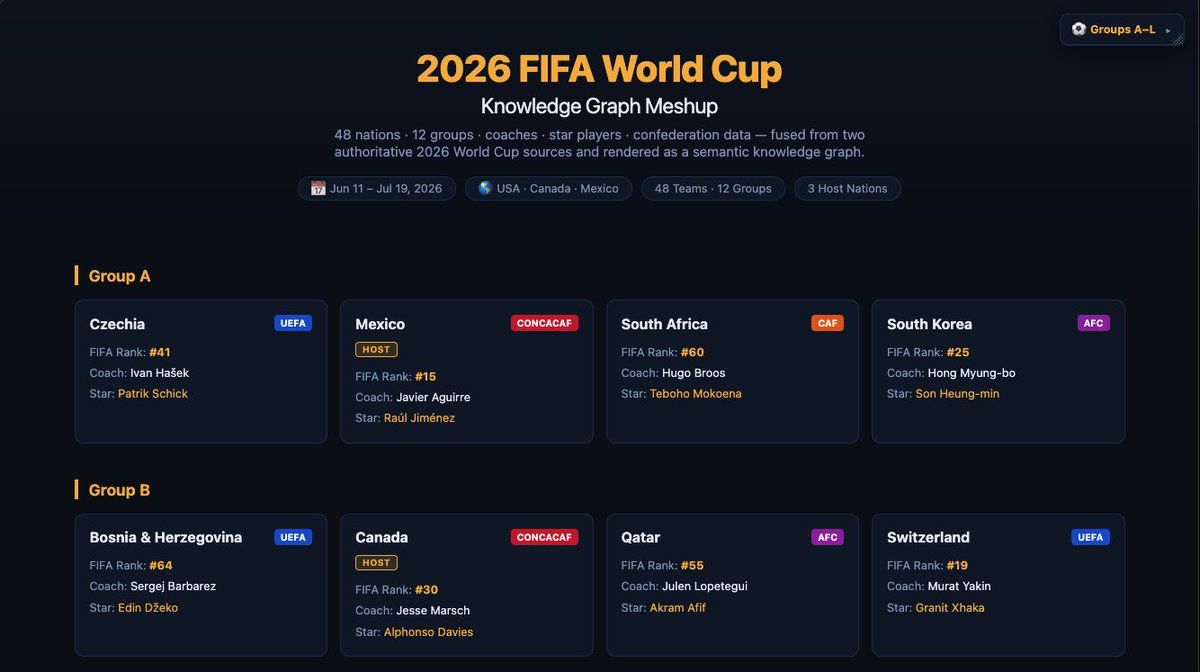
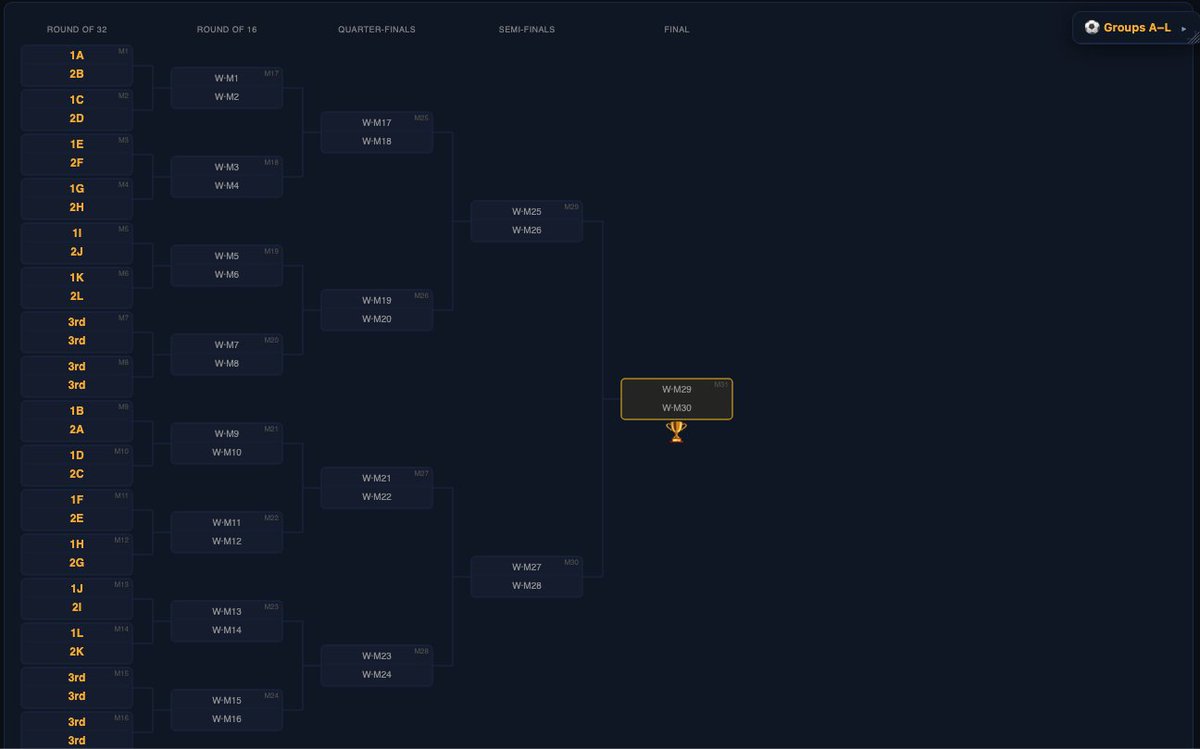
Here’s another HTML infographic, loosely coupled with a knowledge graph deployed as a Semantic Web, focused on the World Cup.
It’s packed with interesting insights, statistics, and connections. Just click and explore, as usual.
linkeddata.uriburner.com/DAV…
#KnowledgeGraphs #LinkedData #SemanticWeb #WorldCup2026 #VirtuosoRDSBMS
2
1
1
226
OpenLink Software retweeted
Jun 11
💥 Goooooal 💥
It’s World Cup time, and the world’s most popular sport has just kicked off.
Here’s a wonderful Knowledge Graph (by @dan_hmills), deployed as a Semantic Web, that showcases what’s possible in Sports Analytics in the age of AI and AI Agents.
I also have a few showcases in wings that align with the concept of Linked Open Agentic Commerce (LOAC) and emerging approaches to commerce that begin with a single file containing monetizable content.
demo.openlinksw.com/fifa-kg/…

1
2
4
339
OpenLink Software retweeted
May 7
SeeAlso:
x.com/kidehen/status/2052180…
Post primarily generated using Codex and the content of this thread 😀
1
2
2
197
OpenLink Software retweeted
May 6
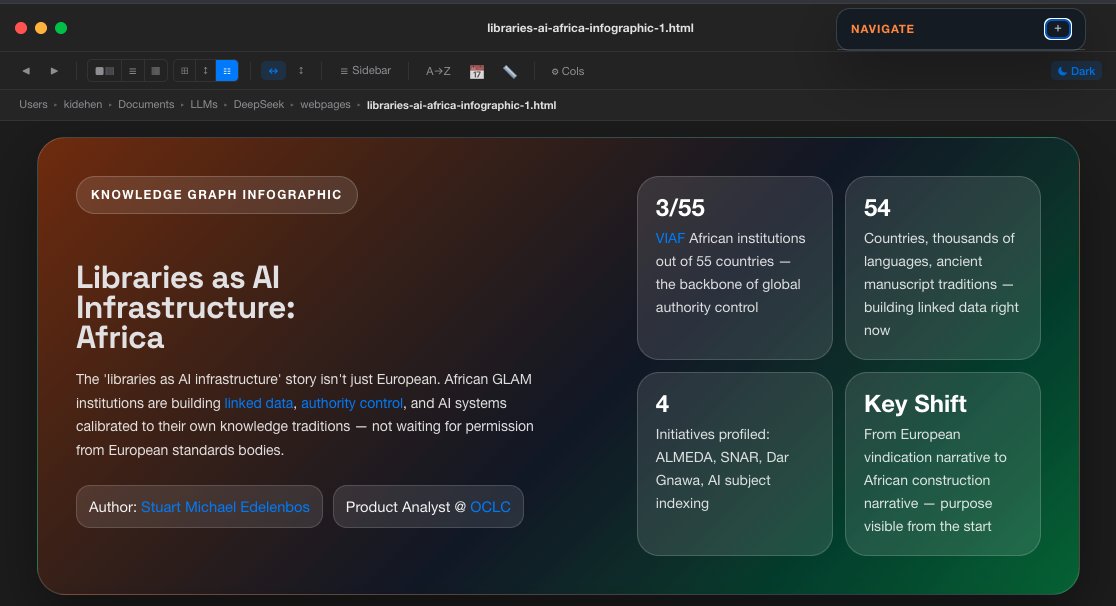
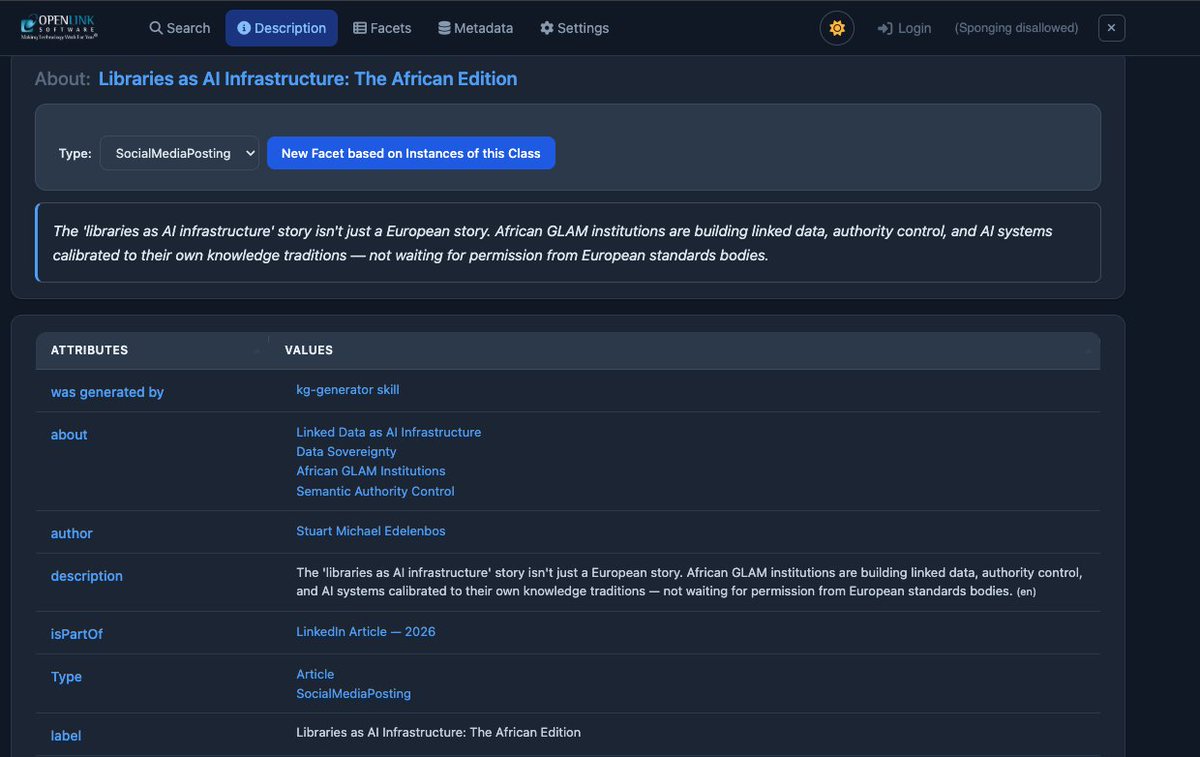
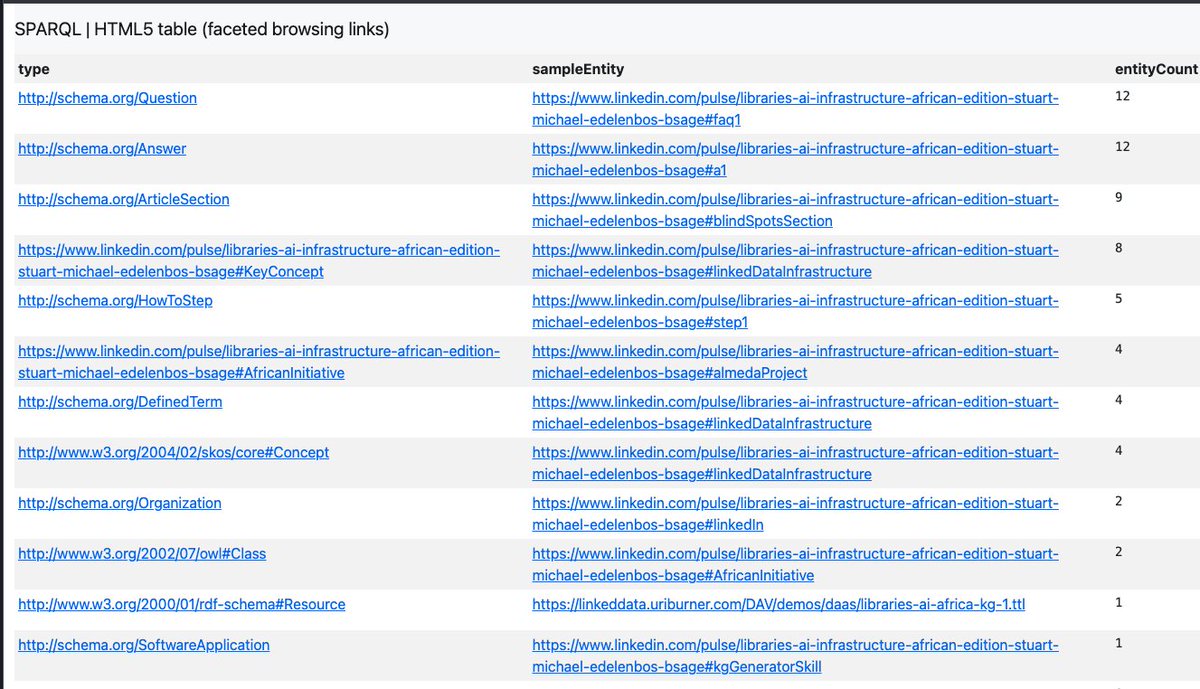
Document Links:
[1] RDF-Turtle Document containing the knowledge base, in knowledge graph form constructed using hyperlinks -- linkeddata.uriburner.com/DAV…
[2] HTML document -- linkeddata.uriburner.com/DAV…
[3] Sample Entity Description via HTML doc -- linkeddata.uriburner.com/des…
[4] SPARQL query results page that provides an alternative entry-point for generated Knowledge Graph exploration -- linkeddata.uriburner.com/c/A…
#SPARQL #VirtuosoRDBMS #AI #AgenticWeb #LinkedData #KnowledgeGraphs #Explainer #HowTo
1
1
1
162
OpenLink Software retweeted
May 7
Some additional links showcasing different AI agents, AI agent skills, and large language models (LLMs).
Claude Code AI Agent, DeepSeek-v4 LLM, and the same AI agent skills:
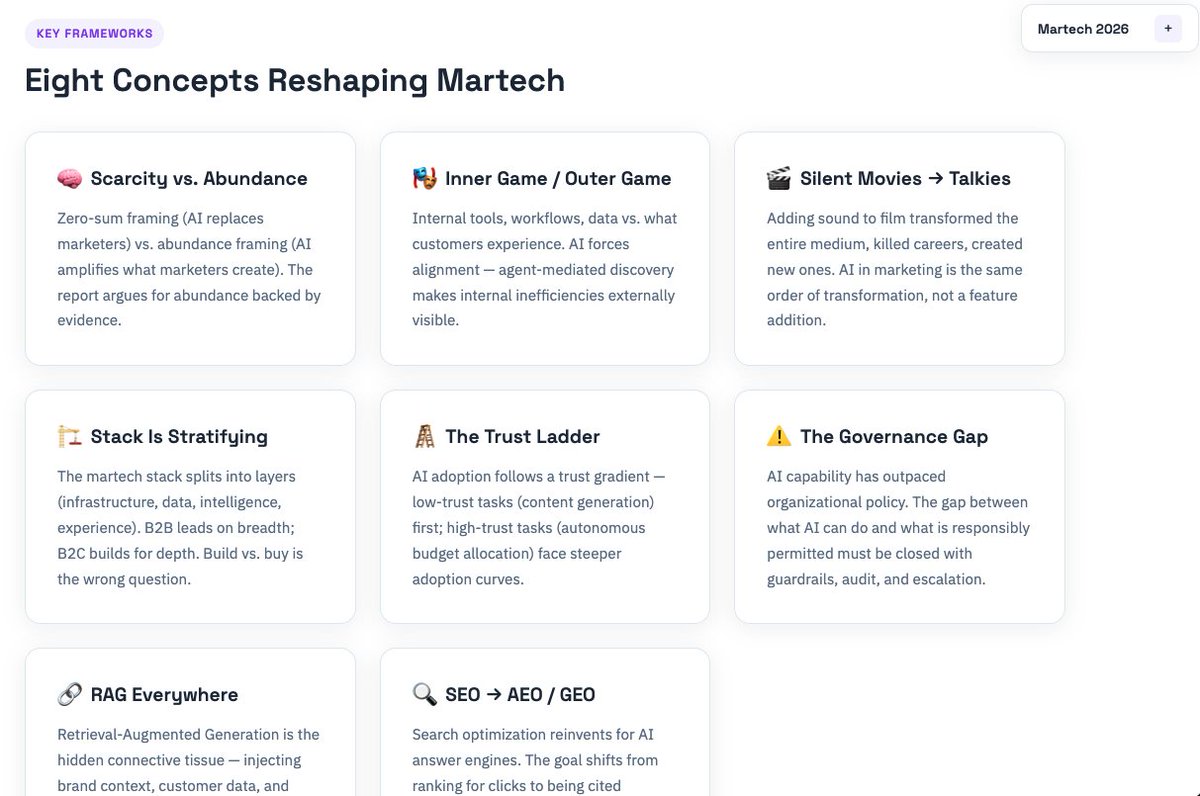
1. HTML-based Infographic (notes summary) -- linkeddata.uriburner.com/DAV…
2. Knowledge Graph Overview via Faceted Search & Browse Page -- linkeddata.uriburner.com/des…
1
2
2
166
OpenLink Software retweeted
May 6
Showcasing the combined power of the following for note-taking and the progressive creation and management of knowledge bases:
1. Hyperlinks as powerful super keys for data, information, and knowledge access by reference
2. RDF for entity descriptions in machine-computable form, using subject–>predicate–>object structured data representation
3. HTML for hypermedia document creation
4. A universal filesystem interface for CRUD (Create, Read, Update, Delete) operations
How?
This knowledge base update workflow requires just a few simple steps:
1. Prompt any AI agent (Claude Code, Codex, and similar tools) as follows: Generate an RDF knowledge graph and HTML breakdown document from {document-url}
2. Drag and drop the generated RDF and HTML documents into an HTTP-accessible folder mounted on your local device (desktop, notebook, or phone)
3. Open the HTML document and follow your nose into the underlying knowledge graph
4. Rinse and repeat whenever you encounter content containing knowledge you want to reuse and recall—simply by querying your AI agent of choice
Why should you care?
Because this shifts knowledge work from passive consumption to active, reusable structure.
Instead of re-reading and re-searching, you progressively build a personal (or organizational) knowledge layer that is:
* Queryable via AI agents
* Reusable across contexts and time
* Deterministic in retrieval when combined with structured representations
* Incrementally improving with every document you process
* Independently owned rather than locked inside proprietary silos
In short, it turns everyday reading into compounding intellectual infrastructure.
What makes this “deceptively simple” workflow possible?
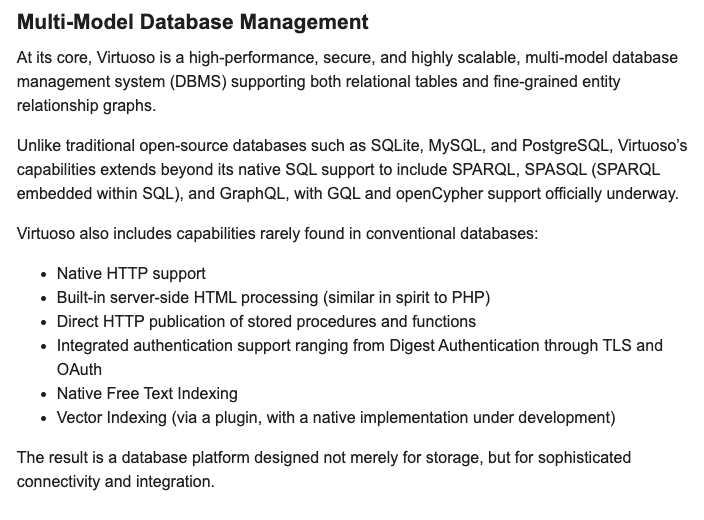
Our Virtuoso platform, which provides modern data space management (databases, knowledge bases, filesystems, and APIs) that blends naturally with the new age of AI agents and agent skills.
See comments section for links to documents generated in the demo.
1
3
3
295
OpenLink Software retweeted
May 8
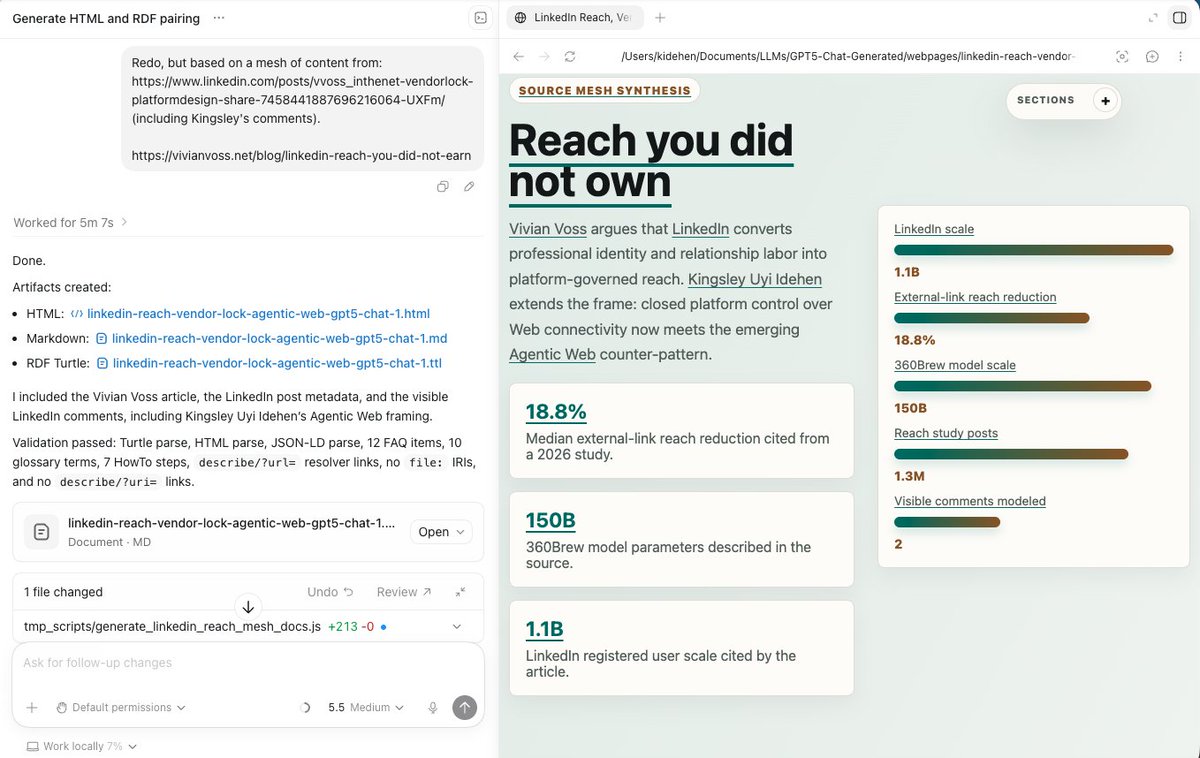
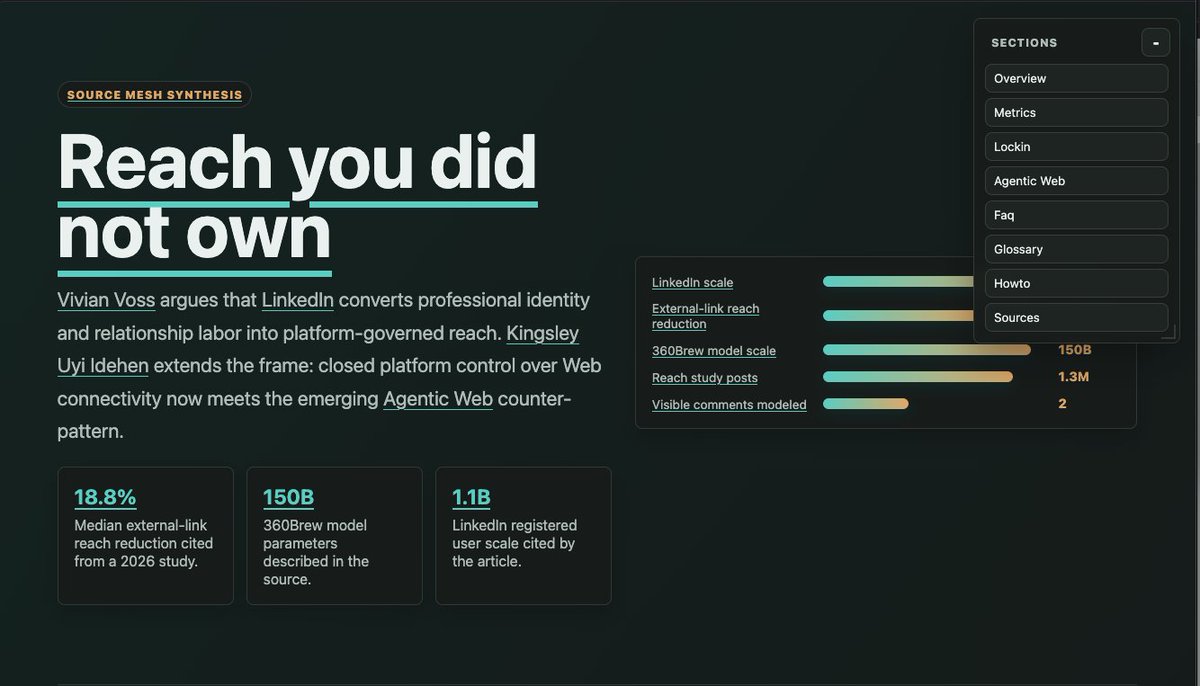
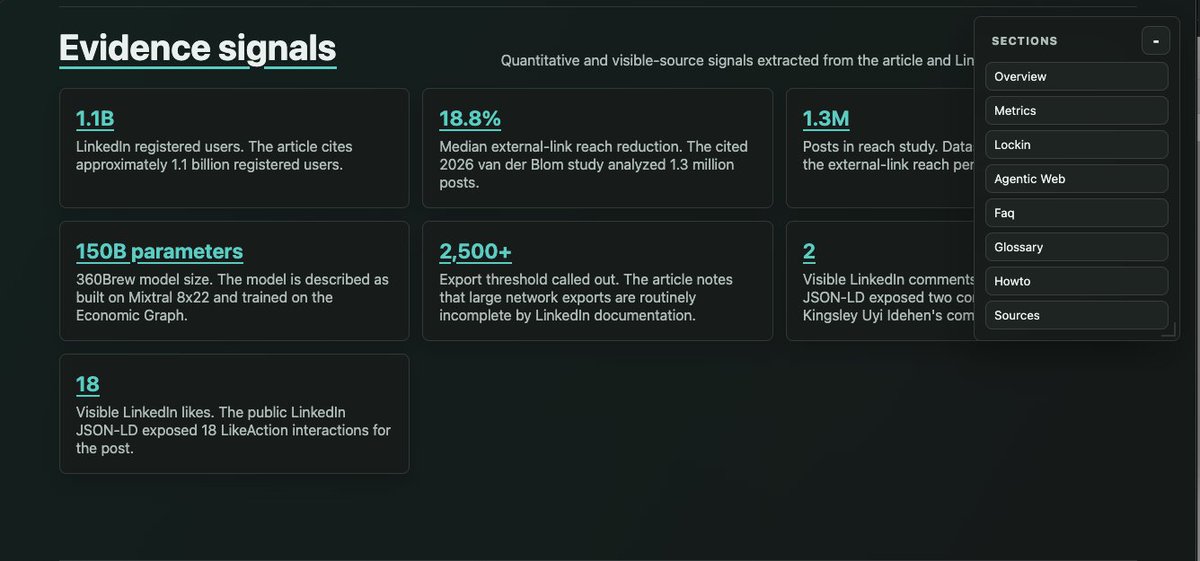
Oh the darn irony, since I can make the following in an Agentic Web, and Web 2.0 silos can't do a thing about it beyond artificially constraining its distribution range.
linkeddata.uriburner.com/DAV…
#NoSilo #Web20 #AgenticWeb #SemanticWeb #LinkedData #HowTo
1
1
1
96
OpenLink Software retweeted
May 10
Here's the YouTube edition of my chat with @scoble.
youtube.com/watch?v=4OQEXG5J…
I am going to integrate than back into the HTML doc :)
2
1
4
186
OpenLink Software retweeted
May 11
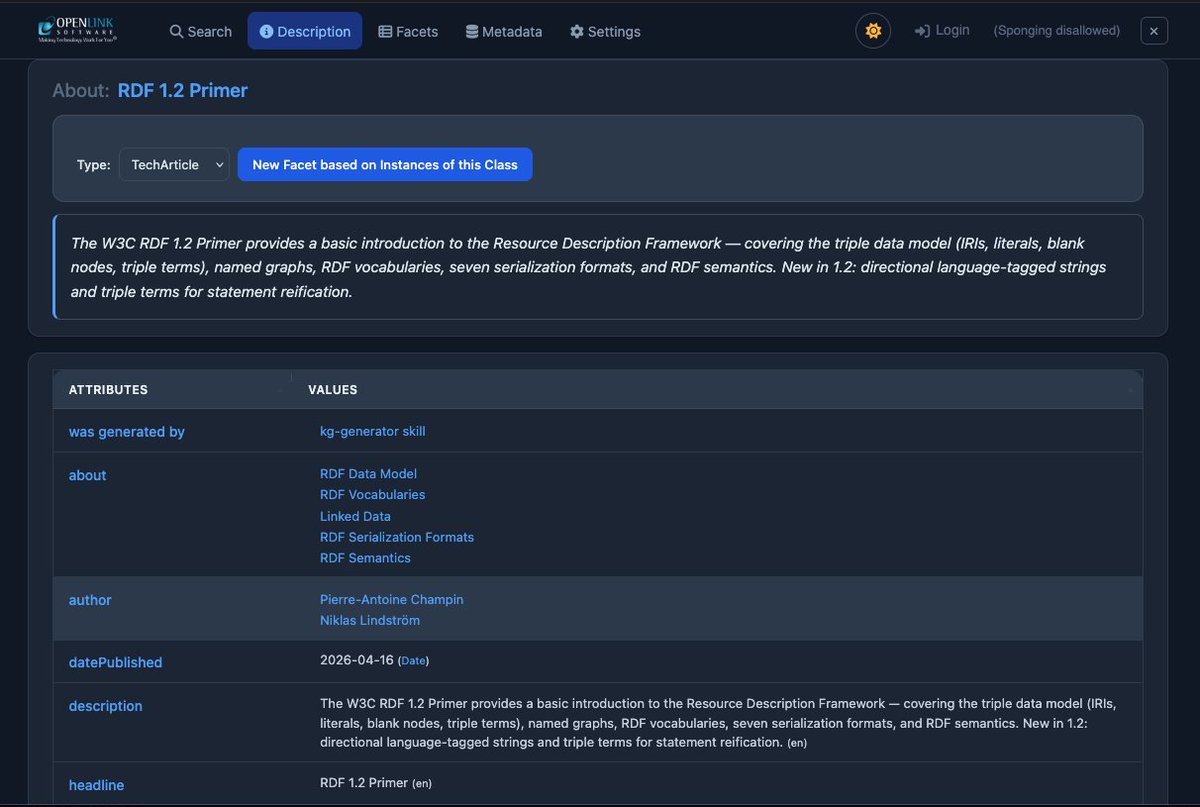
Links:
[1] linkeddata.uriburner.com/DAV… -- HTML document that breakdown the RDF 1.2 primer doc
[2] linkeddata.uriburner.com/DAV… -- Mardown rendition of HTML doc
[3] linkeddata.uriburner.com/des… -- Faceted Search & Browsing based HTML page
[4] linkeddata.uriburner.com/c/9… -- SPARQL Query Results Page
In all cases, just click to explore using the follow-your-nose pattern.
1
1
91
OpenLink Software retweeted
May 12
Links:
[1] linkeddata.uriburner.com/DAV… -- HTML document generated by an AI Agent Skill that's associated with RDF documents automagically uploaded to Virtuoso's WebDAV filesystem using basic drag and drop.
[2] linkeddata.uriburner.com/DAV… -- Folder listing that further demonstrate powerful use of the universal filesystem interface (file types and folders) for progressive knowledge base enrichment using the LLM Wiki flow pattern.
1
1
118