Joined June 2010
- Tweets 12,670
- Following 847
- Followers 704
- Likes 254
1,399 Photos and videos





Coffee may be doing far more than delivering caffeine.
Recent research suggests even decaf can influence inflammation, mood, stress biology, and the gut microbiome.
For people carrying chronic invisible load, that's a useful reminder:
1
1
2
15
Feeling energised isn't always the same as being recovered.
5
Many people don't have a sleep deficit.
They have a recovery deficit.
A tired body doesn't always create a sleepy brain.
Especially under chronic invisible load.
1
1
8
That's why difficulty falling asleep, waking at 3am, and feeling exhausted after 8 hours often require different solutions, not stronger sleep aids.
13
“Taking fish oil” and “having healthy long-term omega-3 status” are not the same thing.
That distinction gets lost in most brain-health headlines.
1
3
A lot of physiology is cumulative, preventative and context-dependent, especially in people already carrying years of invisible cognitive and emotional load.
3
The next phase of longevity probably won’t belong to people chasing perfect optimisation.
It’ll belong to people learning how to restore stability under chronic load.
1
4
Especially the high-functioning women who look “fine” externally while quietly running on depleted recovery capacity underneath.
A lot of health advice misses that entirely.
9
Ultra-processed food conversations often become moral discussions about discipline.
But exhausted, stressed, under-recovered humans predictably gravitate towards convenience.
1
3
The bigger issue is cumulative physiological load: inflammation, blood sugar instability, poor recovery, and reduced metabolic resilience.
5
A lot of adults with low vitamin D are not “unhealthy-looking”.
They are high-functioning, over-relied-on, under-recovered people who spend years indoors carrying invisible load while still getting everything done.
1
8
That is why midlife vitamin D research matters.
Not as optimisation.
As depletion detection.
3
Many high-functioning adults are not “unwell”.
They are compensating.
That’s why research around B12 and cellular energy production matters.
Not because everyone has a deficiency…
…but because chronic invisible load makes small physiological gaps feel much bigger over time.
4
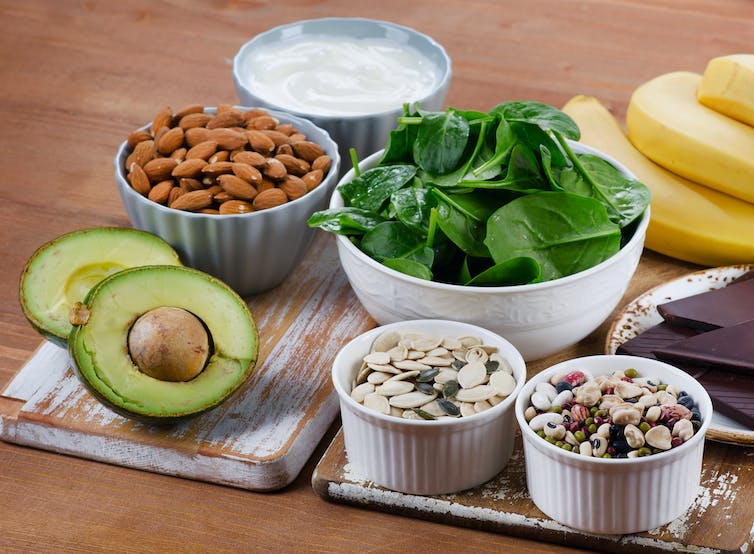
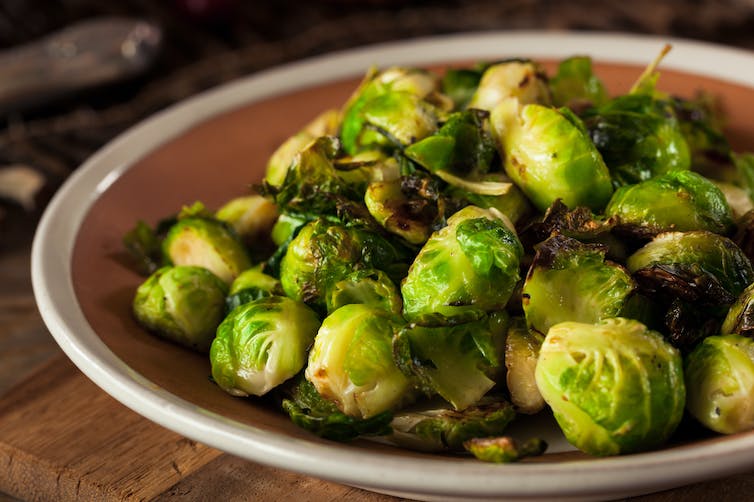
“Anti-inflammatory eating” isn’t just about more greens.
It’s about the environment underneath.
Most people are high omega-6, low omega-3.
That imbalance keeps inflammation elevated — even when eating “well.”
Fix the signal, not just the food list.
4
Exercise doesn’t make you “less stressed.”
It raises stress… then (briefly) lowers your reactivity to what comes next.
If you’re already stretched, it’s not about doing more.
It’s about when that window actually works for you.
1

The Epstein Files Transparency Act (signed Nov 19, 2025) required full DOJ release by Dec 19, 2025. That's **131 days ago** as of April 29, 2026.
Initial partial batch dropped on the deadline (heavily redacted). Major release of 3.5M pages, videos & images came Jan 30, 2026, with smaller drops since (latest March). DOJ claims compliance, but watchdogs, Congress & critics say gaps/redactions remain & are probing it. More hearings upcoming.
1
3
23
816
Ageing isn’t just damage.
It’s how that damage is expressed.
DNA changes accumulate.
Gene expression adapts to your internal environment.
Under chronic load, that environment shifts.
Not fixed decline.
Responsive biology.
3
The 3pm dip isn’t failure.
It’s reduced cognitive capacity after a full morning.
Pushing through adds strain.
Matching task type to brain state reduces it.
Same day.
Different structure.
3
The afternoon “dip” isn’t energy loss.
It’s effort repricing.
Your brain makes the same task feel more expensive after sustained load.
Under invisible load, that shift hits harder.
Not laziness.
Protection.
1
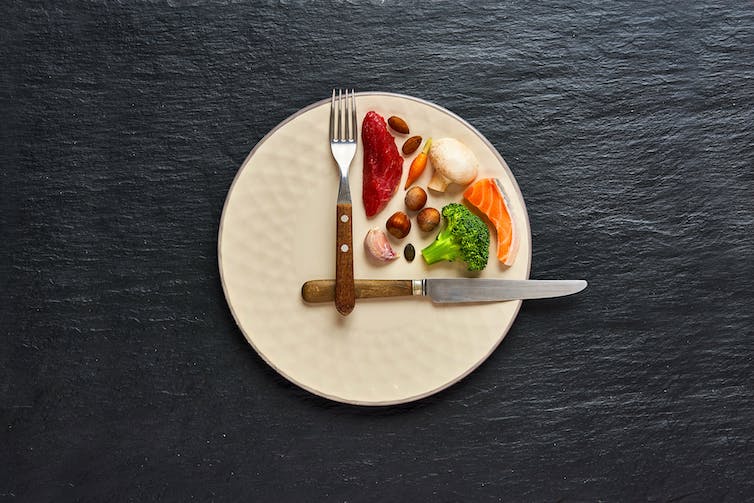
Fasting improves metabolic health on paper.
Under chronic load, it can just feel like running on fumes.
Same tool.
Very different starting point.
Steadiness often wins.
1