Historian and author celebrating the endless wonders of the classical world. My book 'Moneta: A History of Ancient Rome in Twelve Coins' is OUT NOW.
Joined August 2010
- Tweets 52,700
- Following 688
- Followers 140,957
- Likes 68,301
12,219 Photos and videos


Pinned Tweet

5 Jun 2025
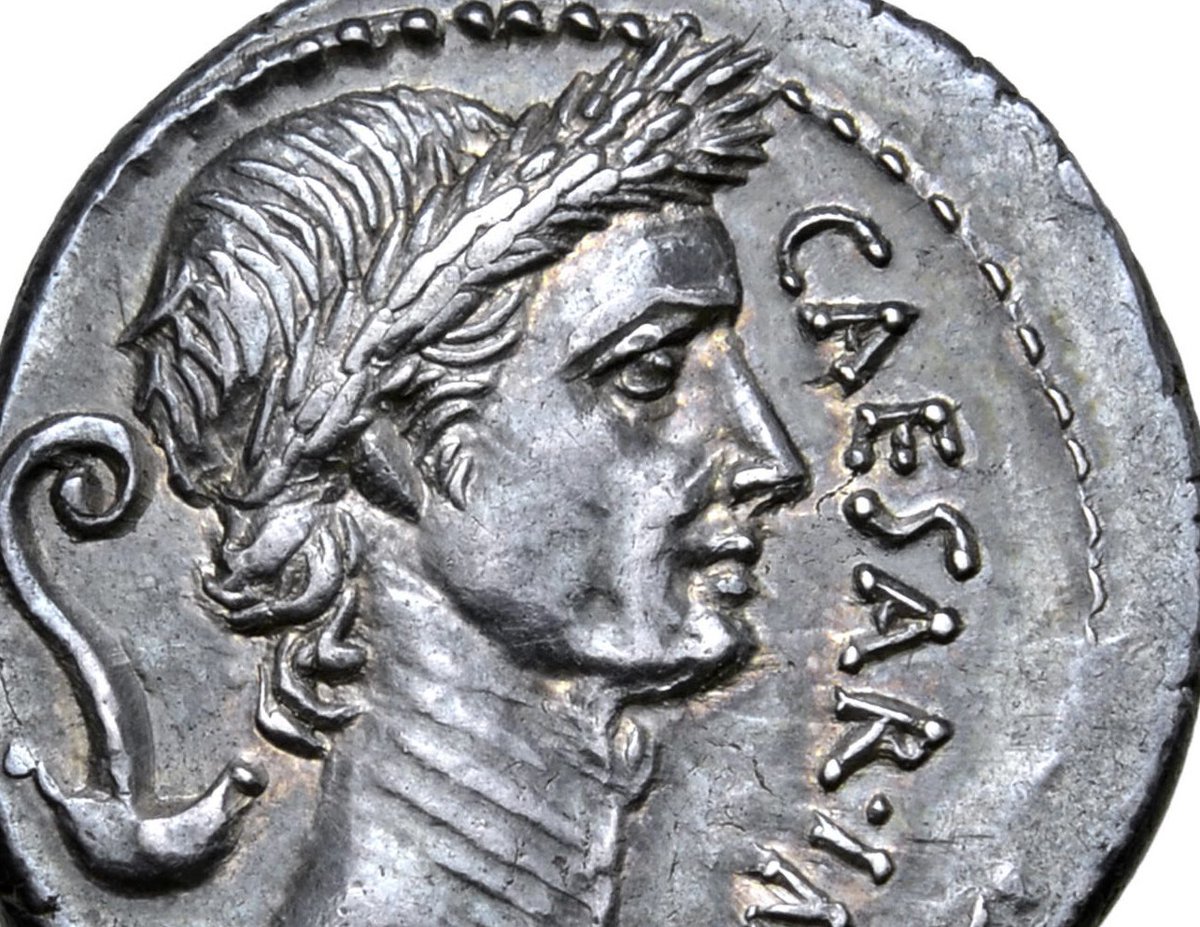
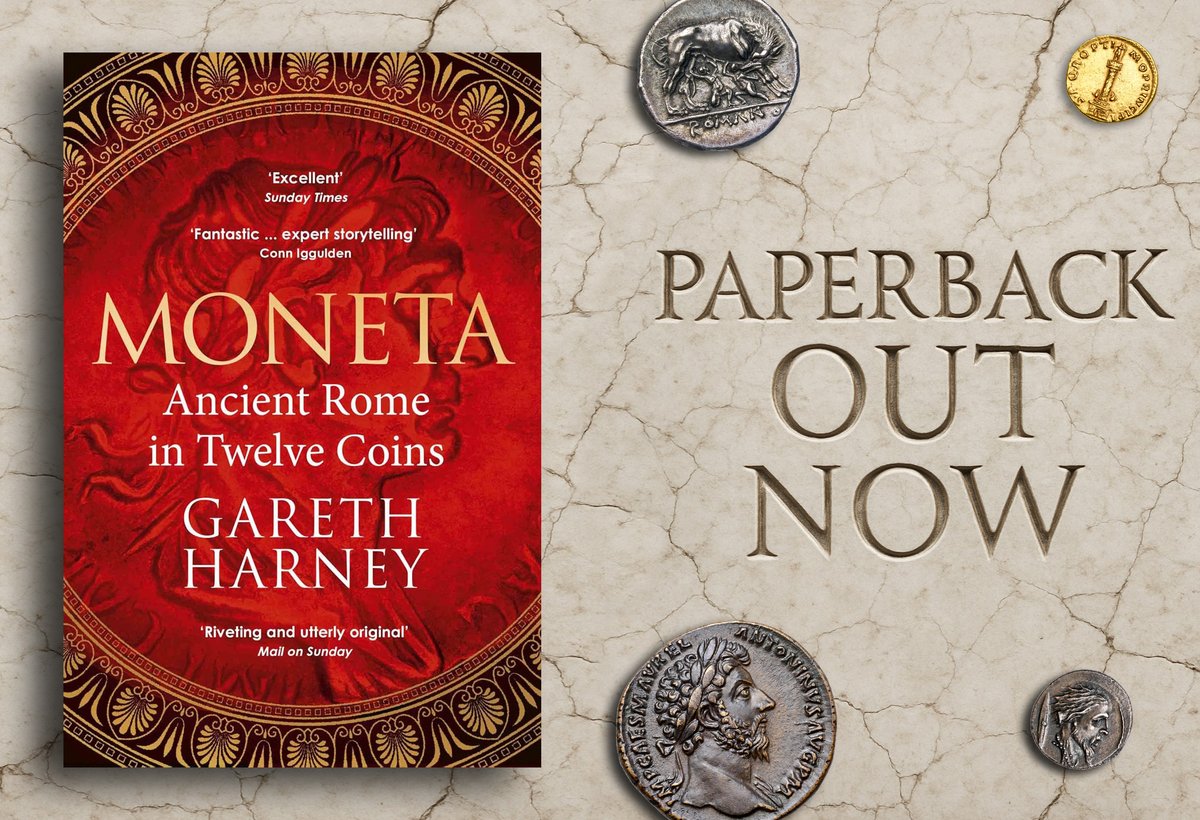
Moneta is out today in paperback!
"Riveting ... An utterly original history of Rome that compels from start to finish. A wonderful read." ― Mail on Sunday
"An excellent 1,000 year history of Rome told in an engaging new way ... well worth a few denarii." ― The Times
27
46
358
112,349
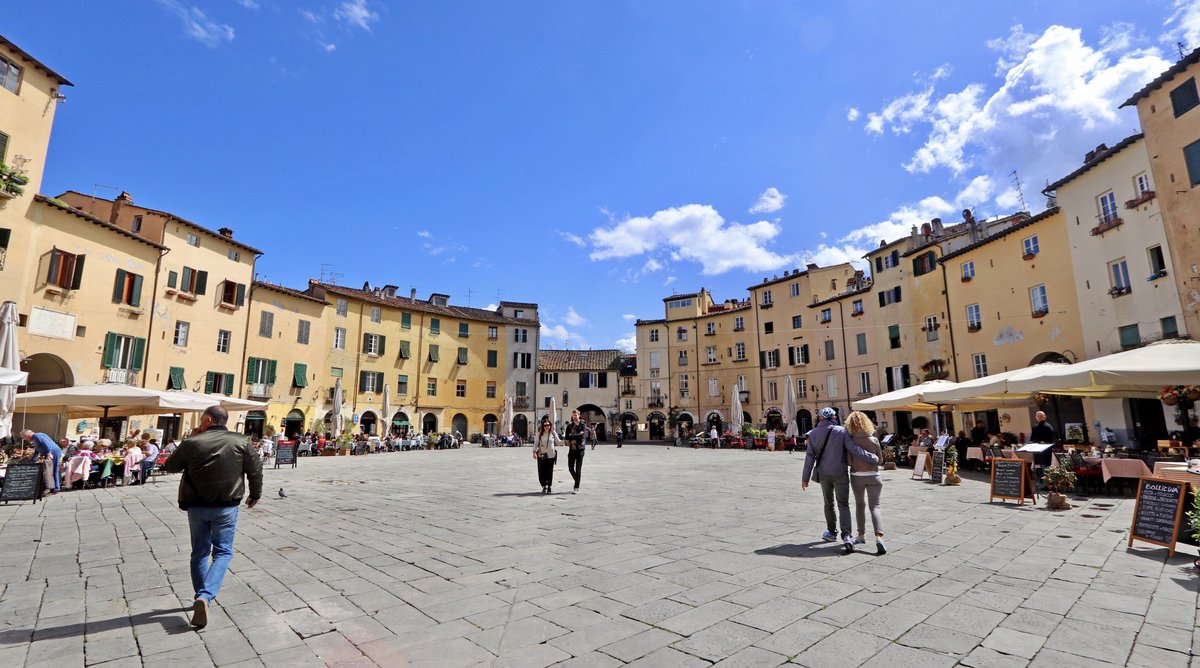
Lucca’s beautiful ‘Piazza dell’Anfiteatro’ preserving the oval shape of the city’s ancient Roman amphitheatre. In 56 BC, Caesar, Pompey and Crassus held a conference in Lucca to reaffirm their First Triumvirate.
5
43
1,932
Gareth Harney retweeted
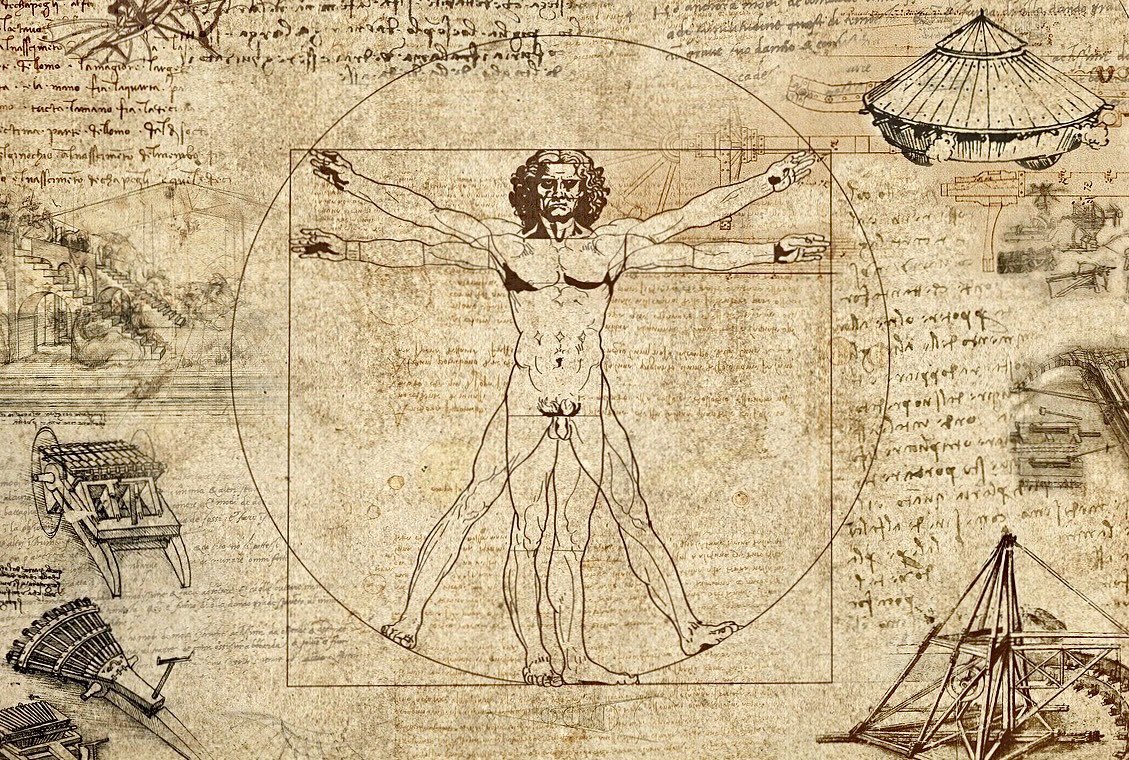
‘Talent hits a target no one else can hit. Genius hits a target no one else can see.’
– Schopenhauer, The World as Will and Representation (1818)
14
62
3,817
Gareth Harney retweeted

Jun 13
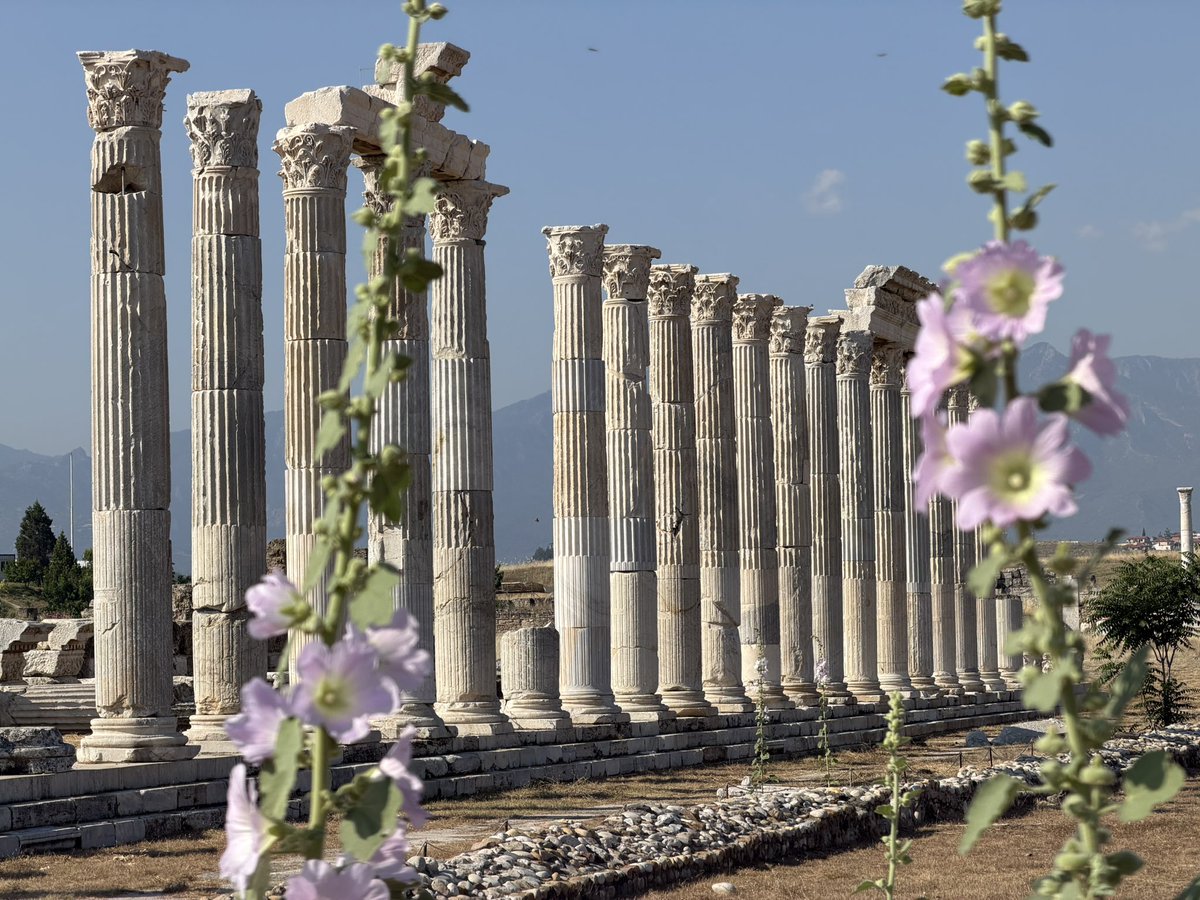
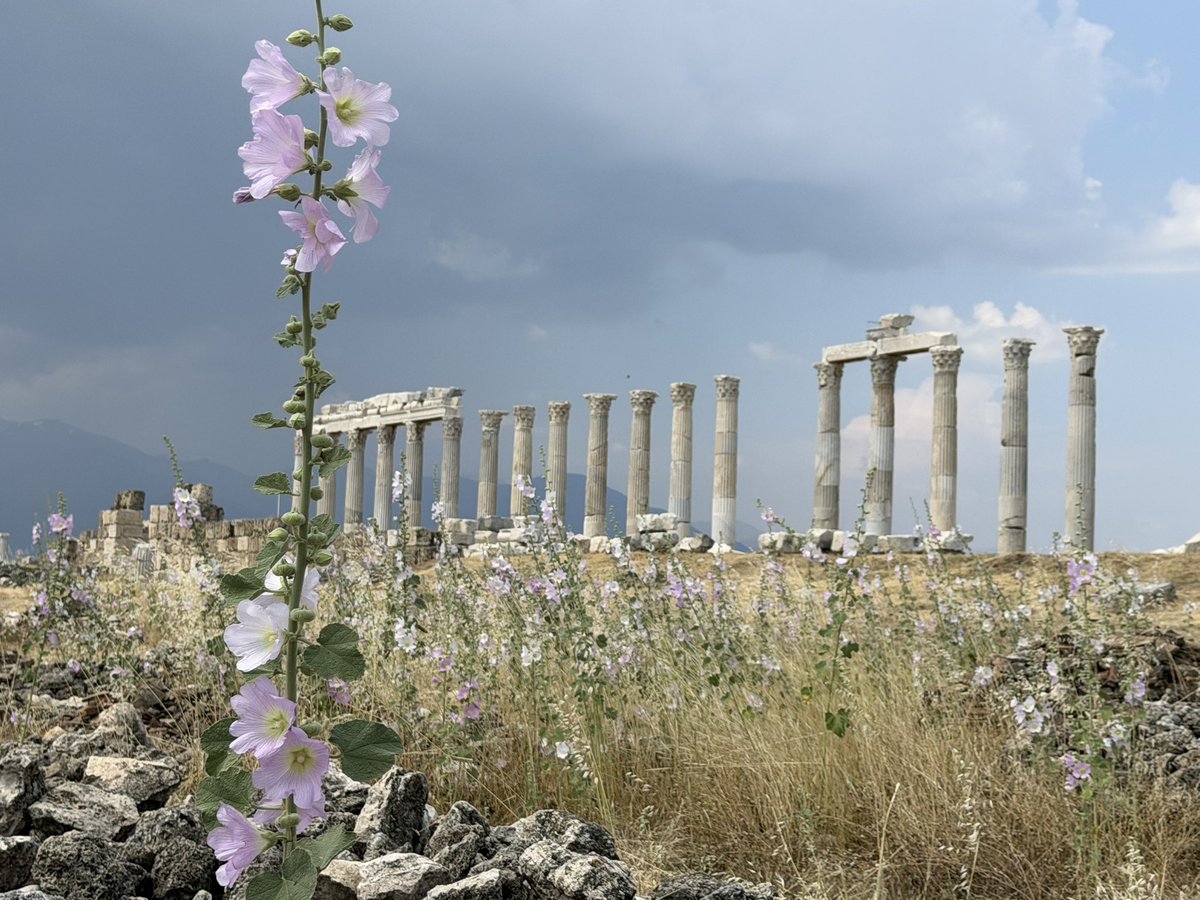
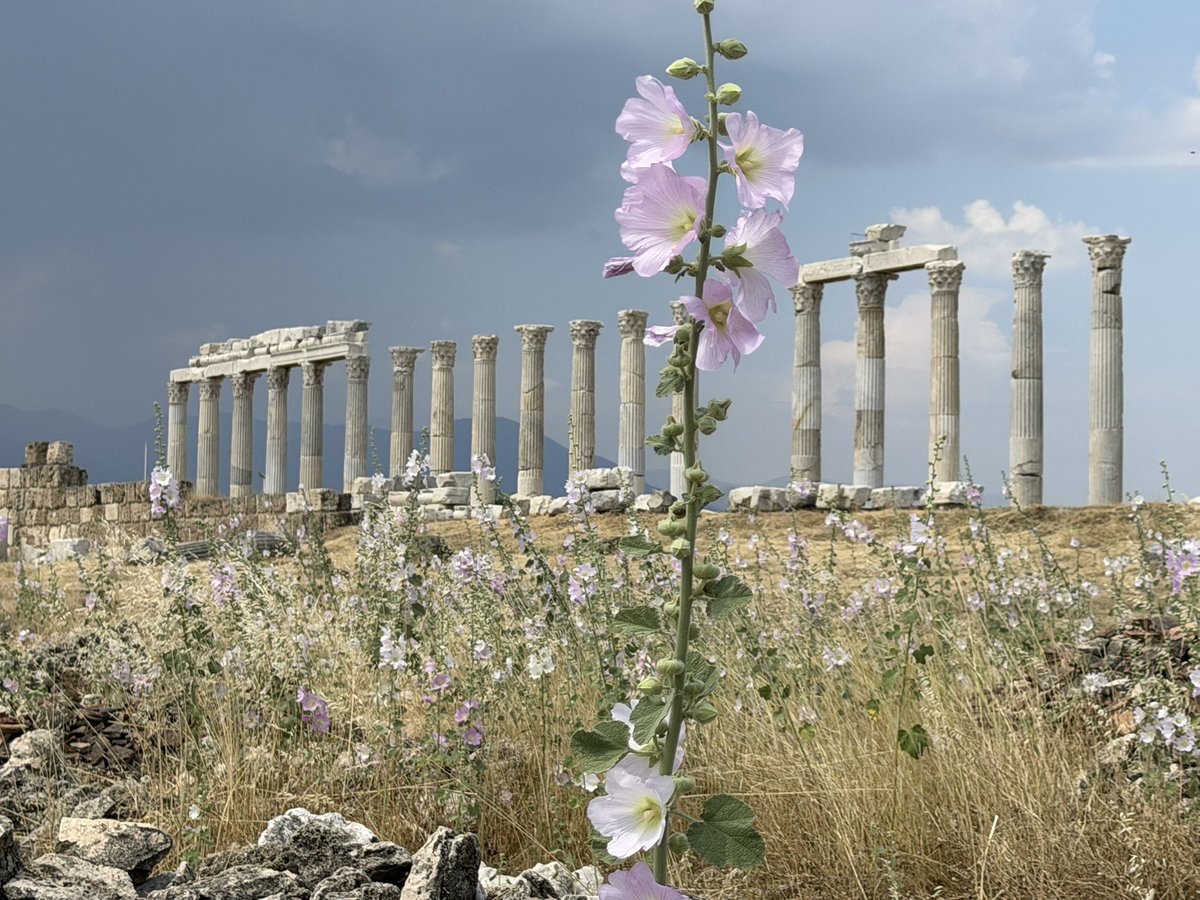
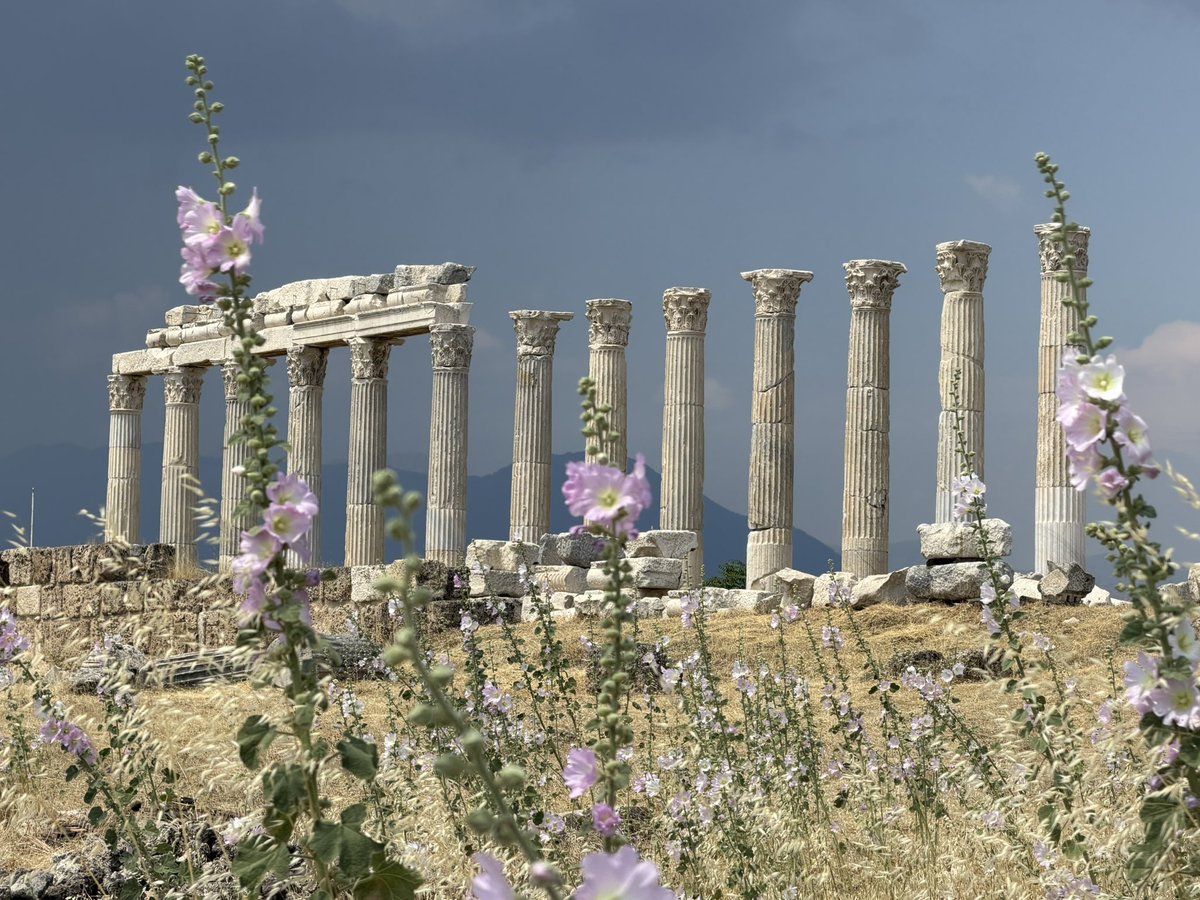
Laodikeia’da hatmi çiçekleri zamanı
11
161
4,300
Jun 13
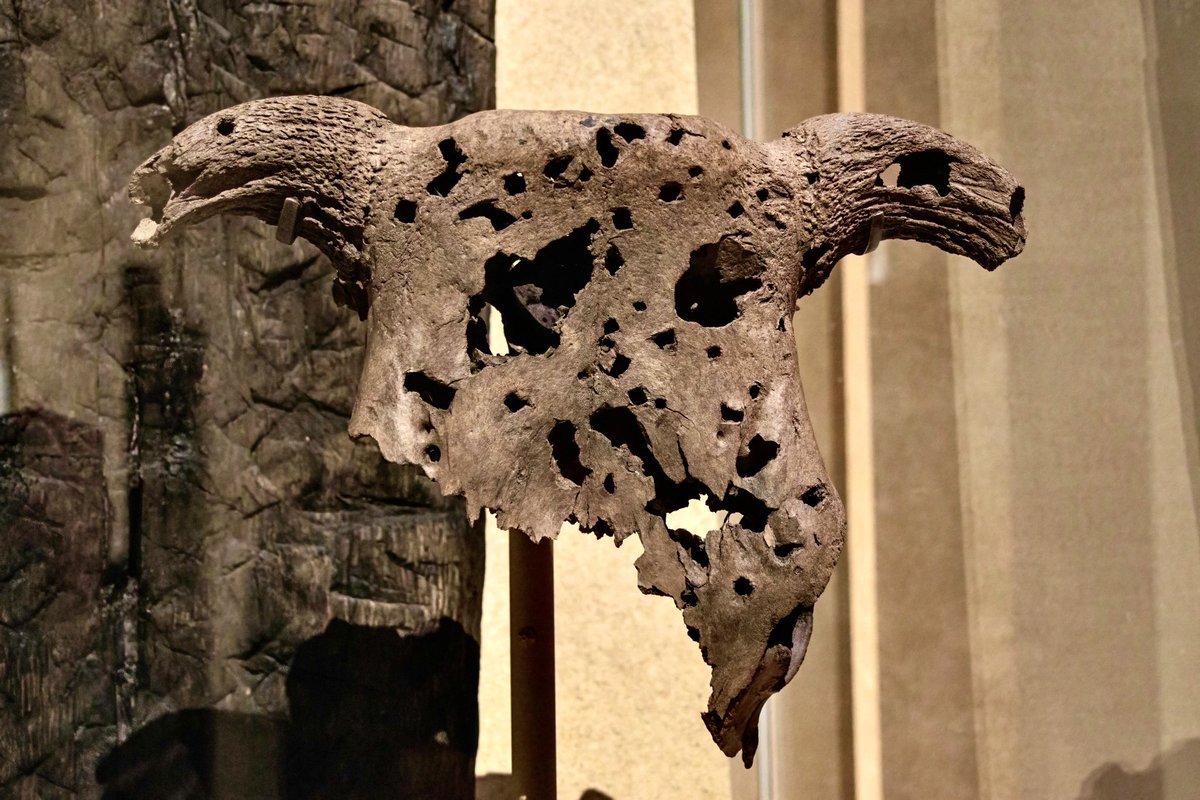
An ox skull used for target practice by Roman auxiliary soldiers at the fort of Vindolanda, filled with arrow and ballista bolt holes! Excavated at Vindolanda in 2016. ‘Legion: Life in the Roman Army’ exhibition.
7
15
165
6,042
Gareth Harney retweeted
27 Apr 2025
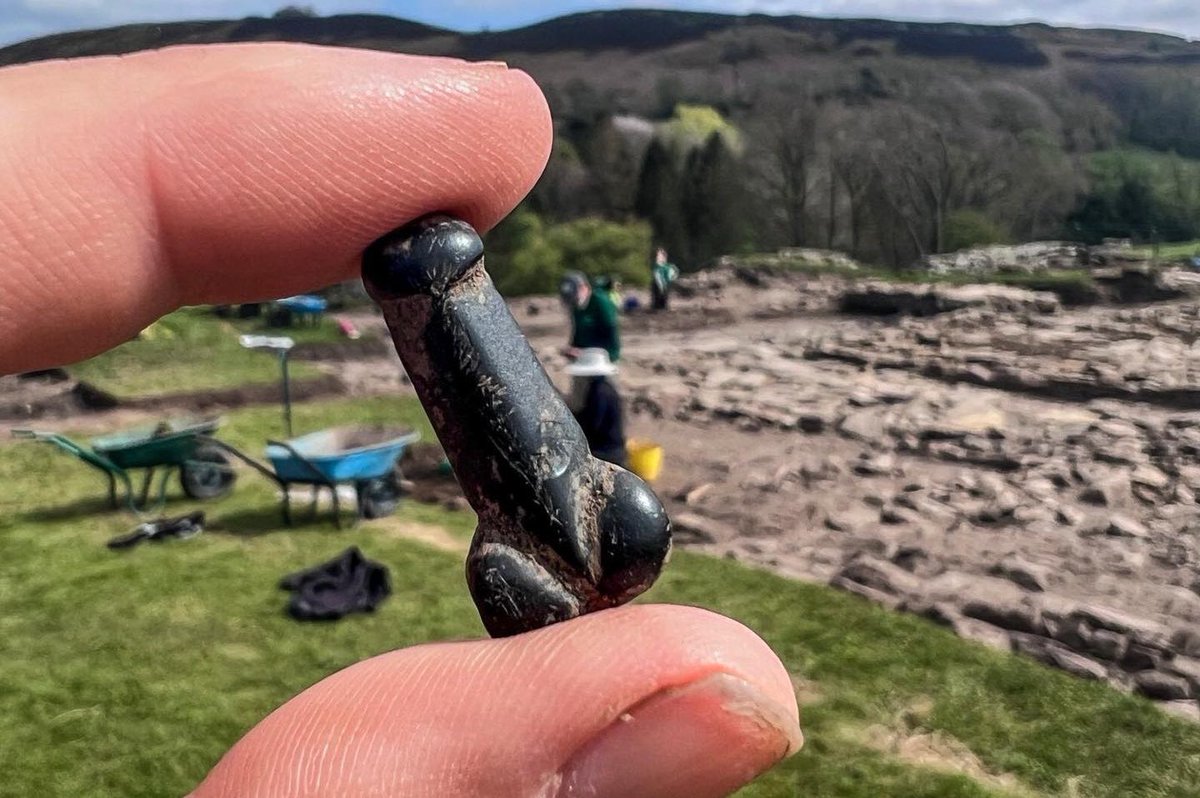
Phallus pendant made of jet discovered at Vindolanda Roman frontier fortress.
(Image: Vindolanda Charitable Trust)
34
79
884
143,021
Gareth Harney retweeted

Jun 12
The best lack all conviction, while the worst
Are full of passionate intensity.
Sir Kenneth Clark reads The Second Coming by W.B. Yeats
W.B. Yeats, born 13th June 1865
22
270
1,052
43,461
Gareth Harney retweeted
7 Jan 2023
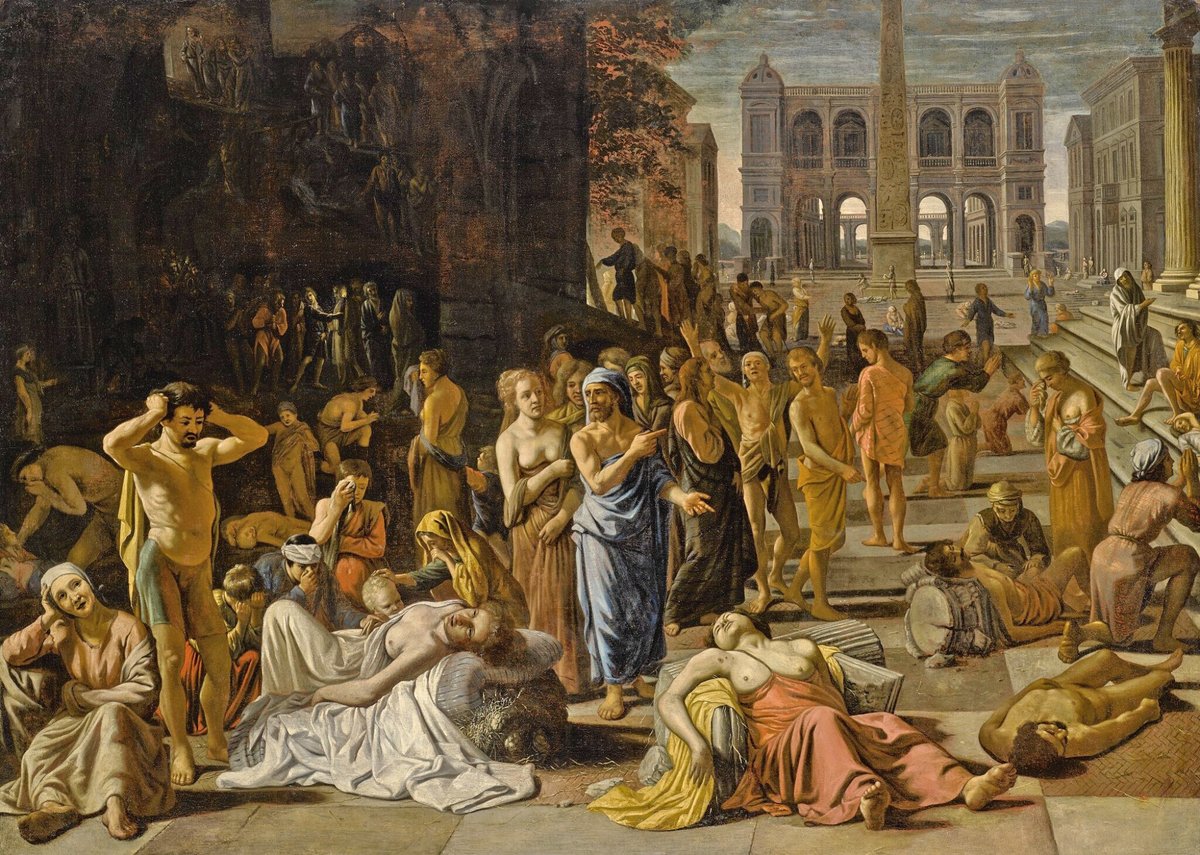
2/2) '..When he was brought to them, Tiberius was horrified to see all the sick people forcefully assembled. For a long time, he did not know what to do. At length, he went to every single person, even to the most humble and obscure, and apologised for what had happened.'
3
12
320
22,328
Gareth Harney retweeted
7 Jan 2023
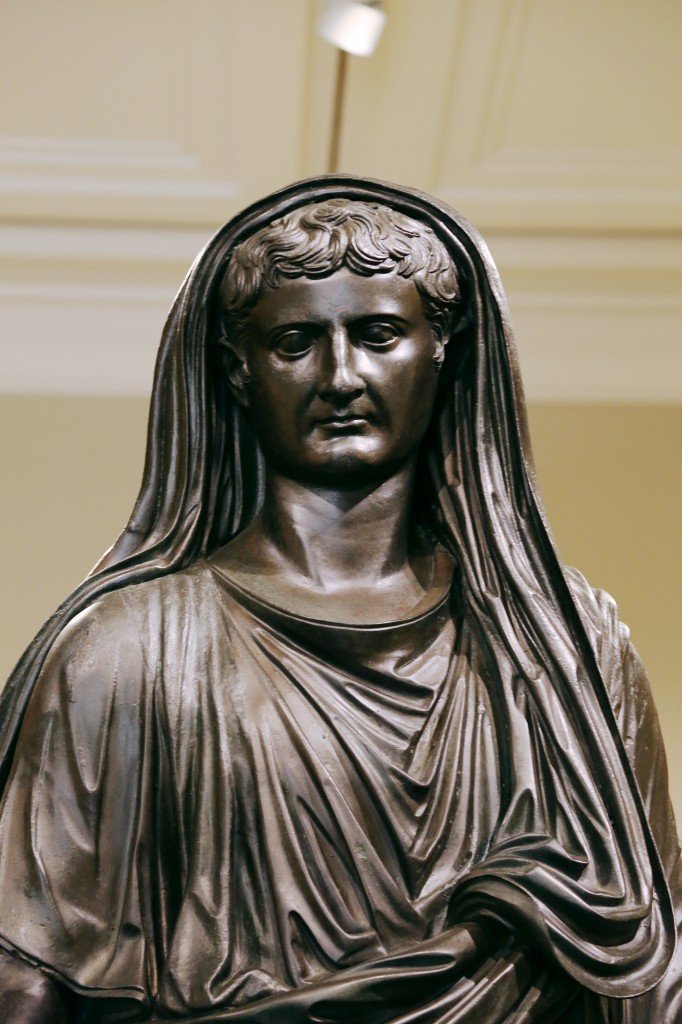
1/2) 'One morning in Rhodes, Tiberius announced that he would like to visit the sick people of the city. The request was misunderstood by his attendants, and orders were given that all the sick be rounded up and arranged in the Forum according to the nature of their complaints..
2
47
460
64,681
Gareth Harney retweeted
4 Oct 2021
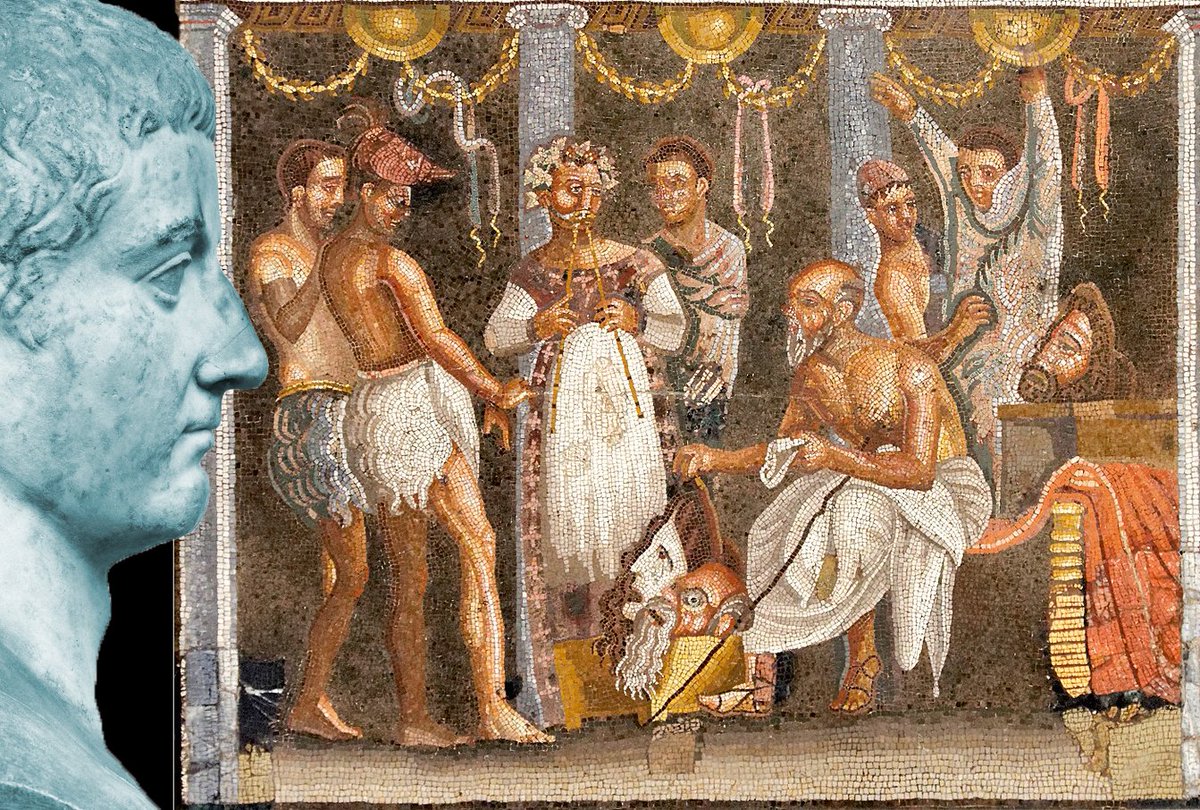
"Tiberius was patient in the face of abuse and slander, and ignored lampoons on himself and his family, often asserting that in a free country there must be free speech and free thought."
- Suetonius (Tiberius, 28)
6
91
614
Gareth Harney retweeted
30 Apr 2022
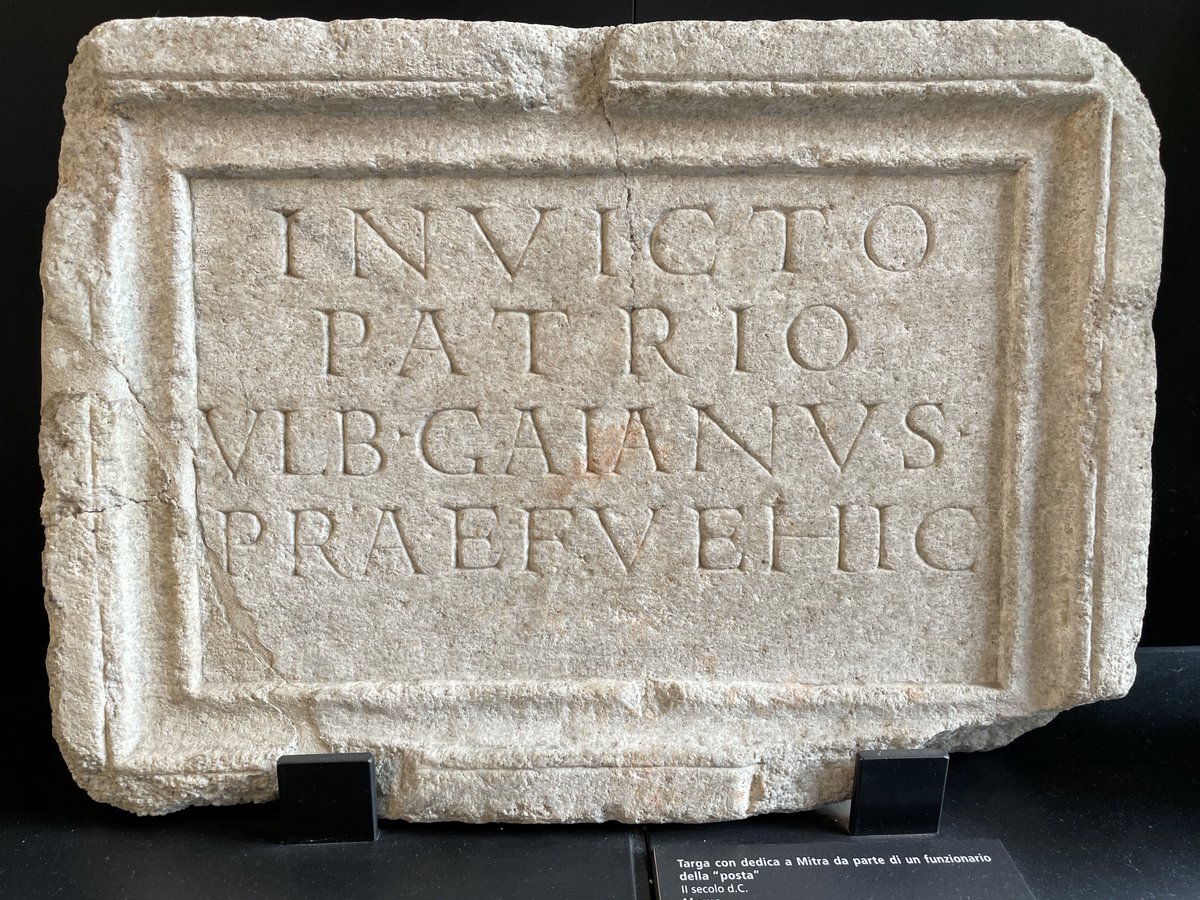
A dedication to Mithras, called the unconquered father of the country ‘invicto patrio’, by Ulbius Gaianus. Ulbius worked as ‘praefectus vehiculorum’, an official overseeing vehicles of the cursus publicus - the Roman courier service! 2nd century AD, Milan.
4
35
219
Gareth Harney retweeted
12 Nov 2022
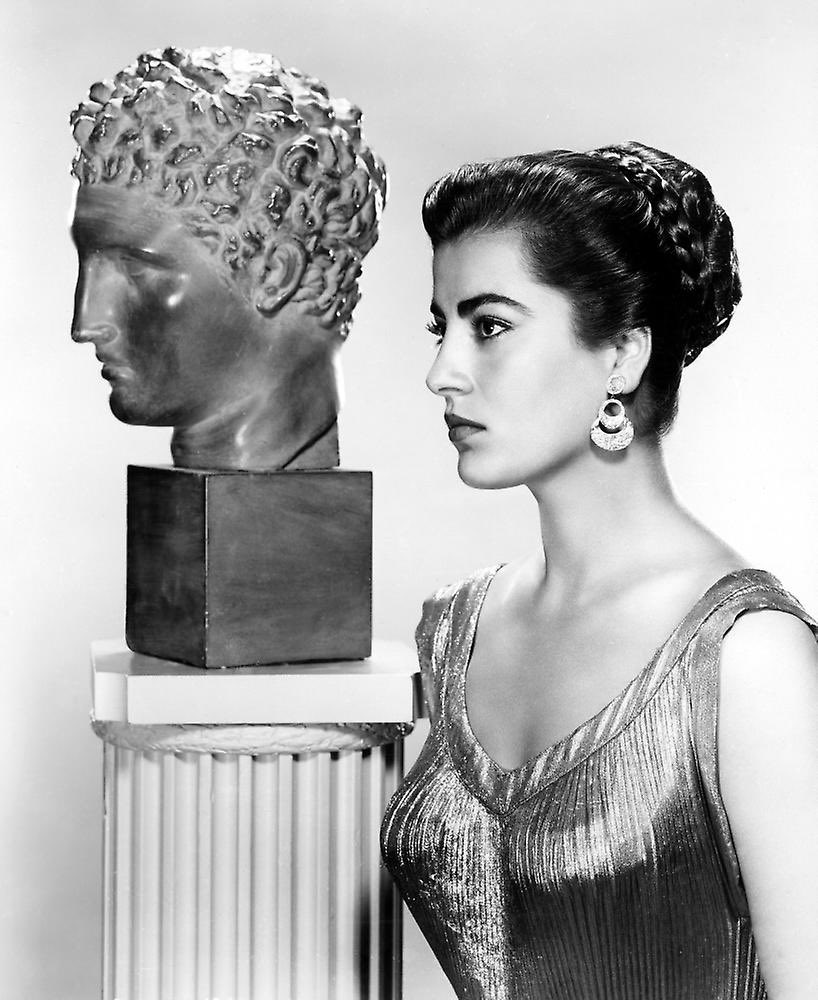
Irene Papas, 1956. 🇬🇷🏛❤️
16
204
1,602
Gareth Harney retweeted
11 Aug 2024
'When Livia passed away at the age of eighty-six, Tiberius neither paid her any visits during her illness nor did he himself lay out her body; in fact, he made no arrangements at all in her honour. As for her being deified, he forbade that absolutely.'
- Cassius Dio, 58.2.

15
55
440
33,413
Gareth Harney retweeted
3 Oct 2024
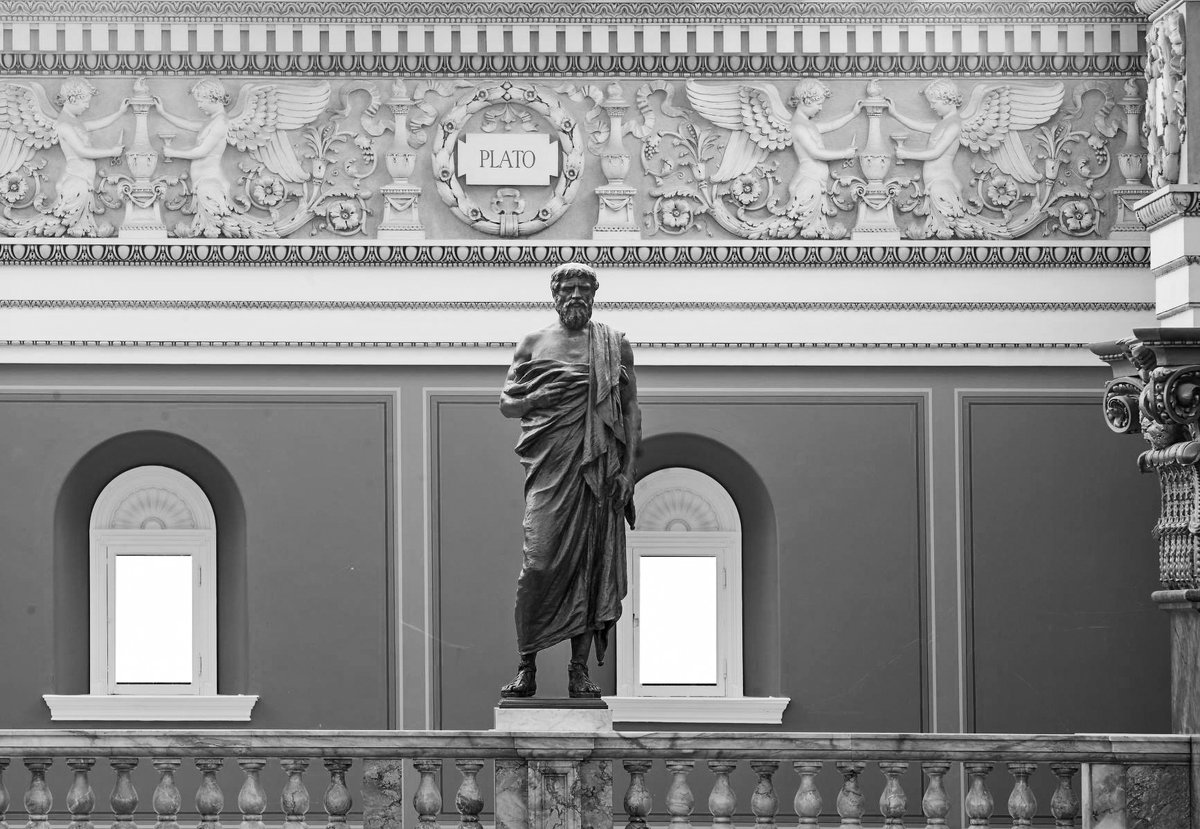
The lawmaker in any state must regularly stop and ask himself 'What is it that I truly intend by this law?' and further, 'Am I succeeding in this, or am I wide of the mark?'
- Plato, Laws, 5.744a.
2
18
119
10,679
Gareth Harney retweeted
14 Dec 2024
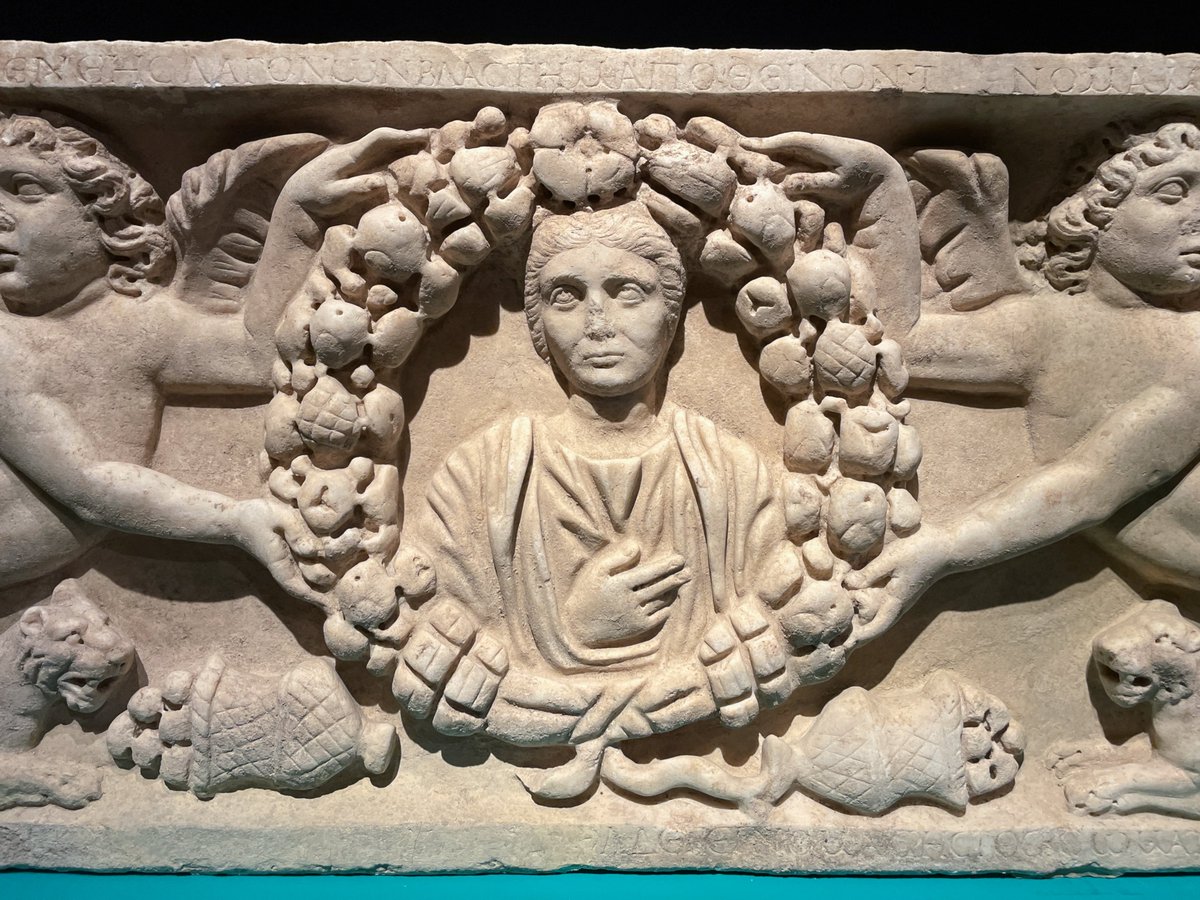
2) ..'I lived a good and honourable life. With my death I leave behind my beloved parents, but as compensation for their tears they still have my brother Semnos, and my two darling children. Though my body has left my service, here my mouth still speaks as it did during my life'.
2
15
156
8,886
Gareth Harney retweeted

Jun 9
The story of Pompeii as you've never seen it before.
#PompeiiOutOfTime with Tom Hiddleston is coming soon to @DisneyPlus and @hulu.
51
383
2,465
452,963
Jun 9
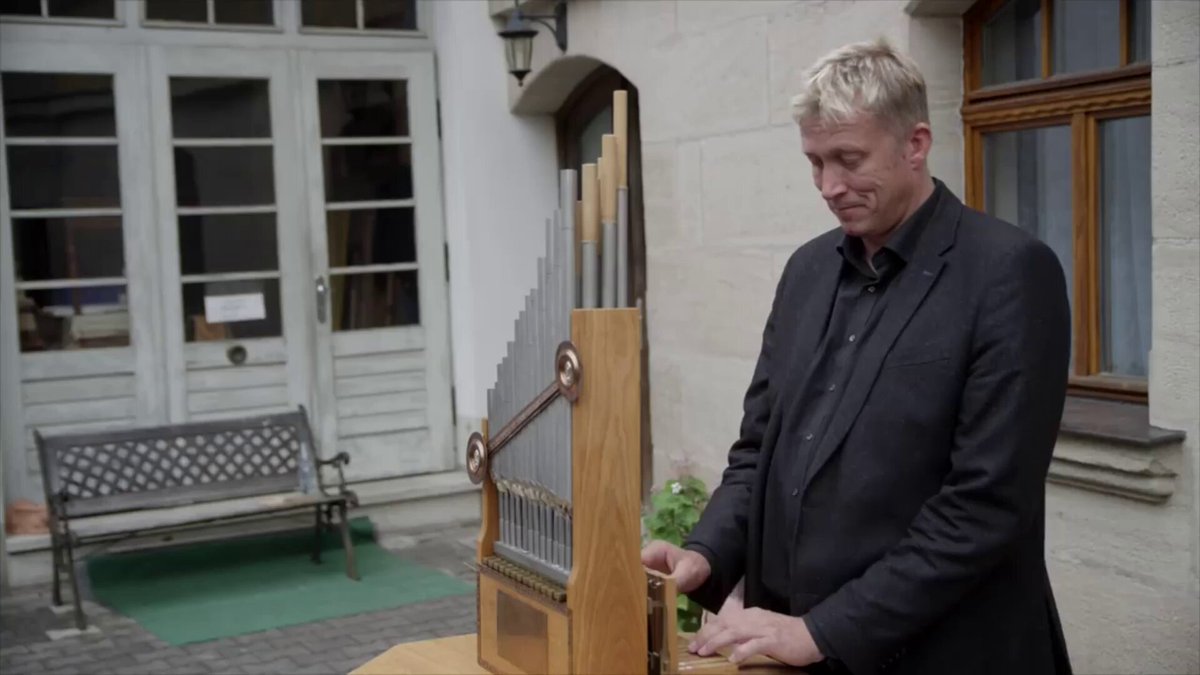
The evocative sounds of a reconstructed ancient hydraulis (water organ) played by Justus Willberg of the European Music Archaeology Project. 🎹🎶
9
59
313
21,329
Gareth Harney retweeted
30 Sep 2024
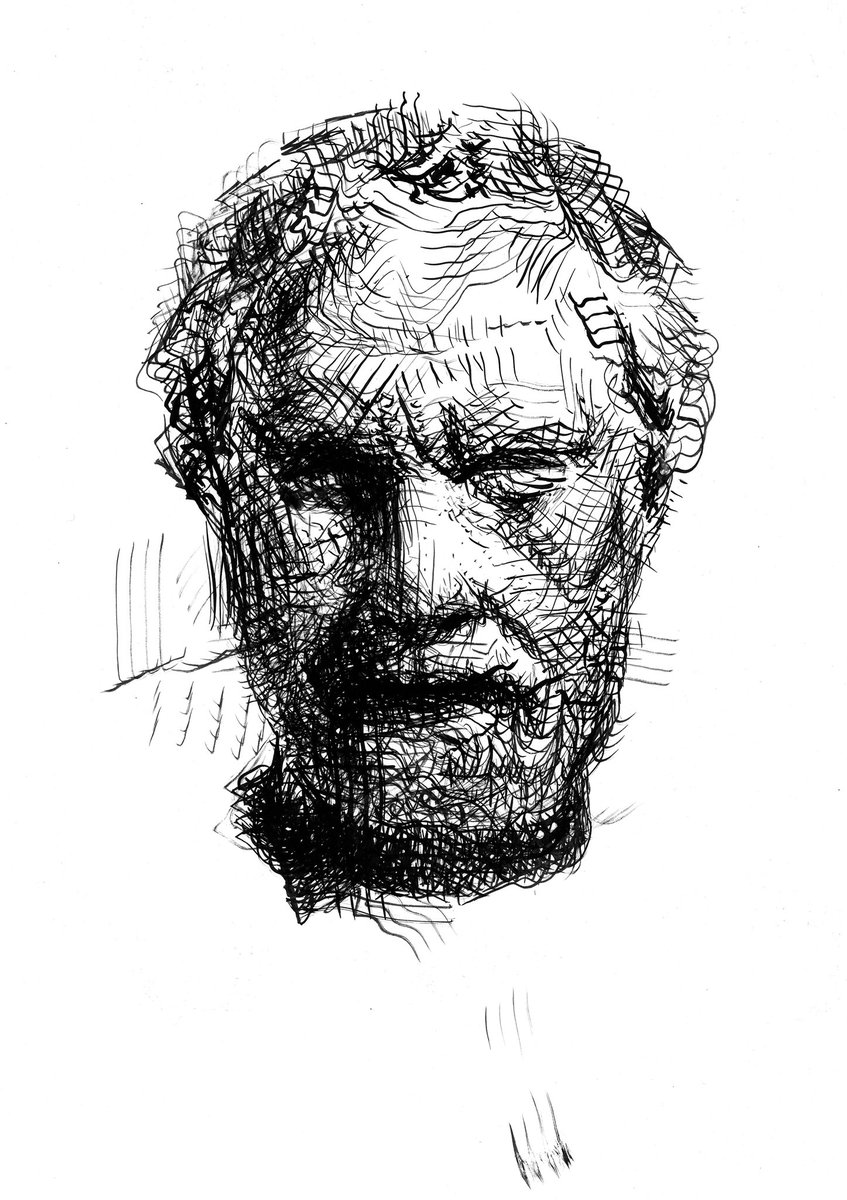
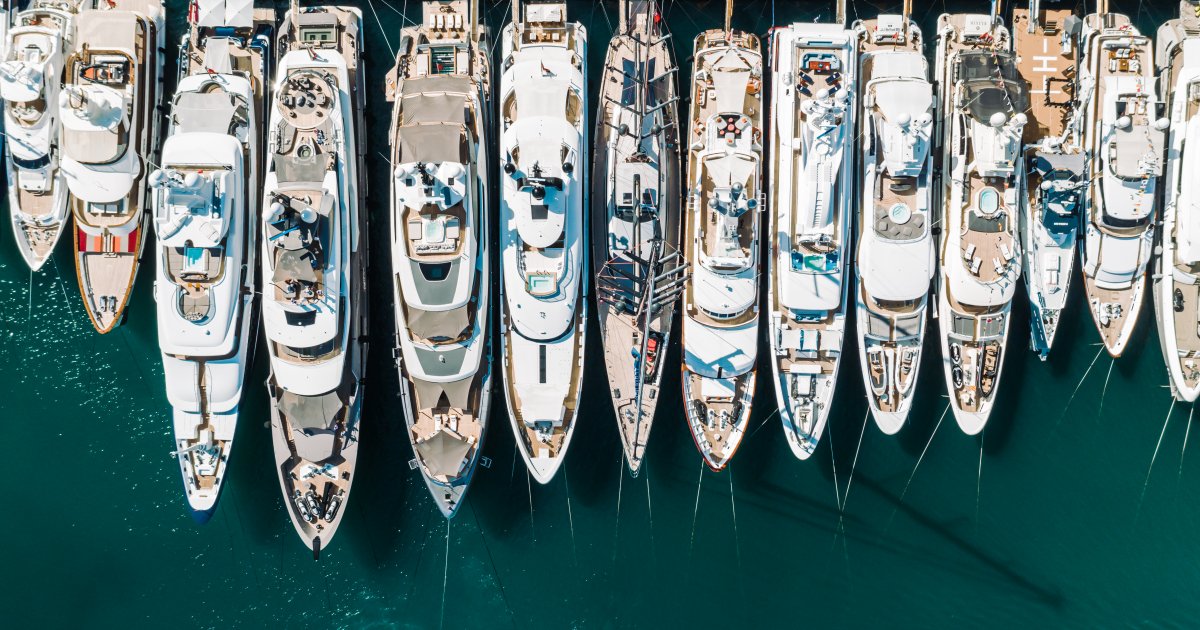
'If you want to truly make a man rich, do not add to his possessions, but take away from his desires.'
- Epicurus, Florilegium, 17.
5
30
177
14,906
Gareth Harney retweeted
Jun 7
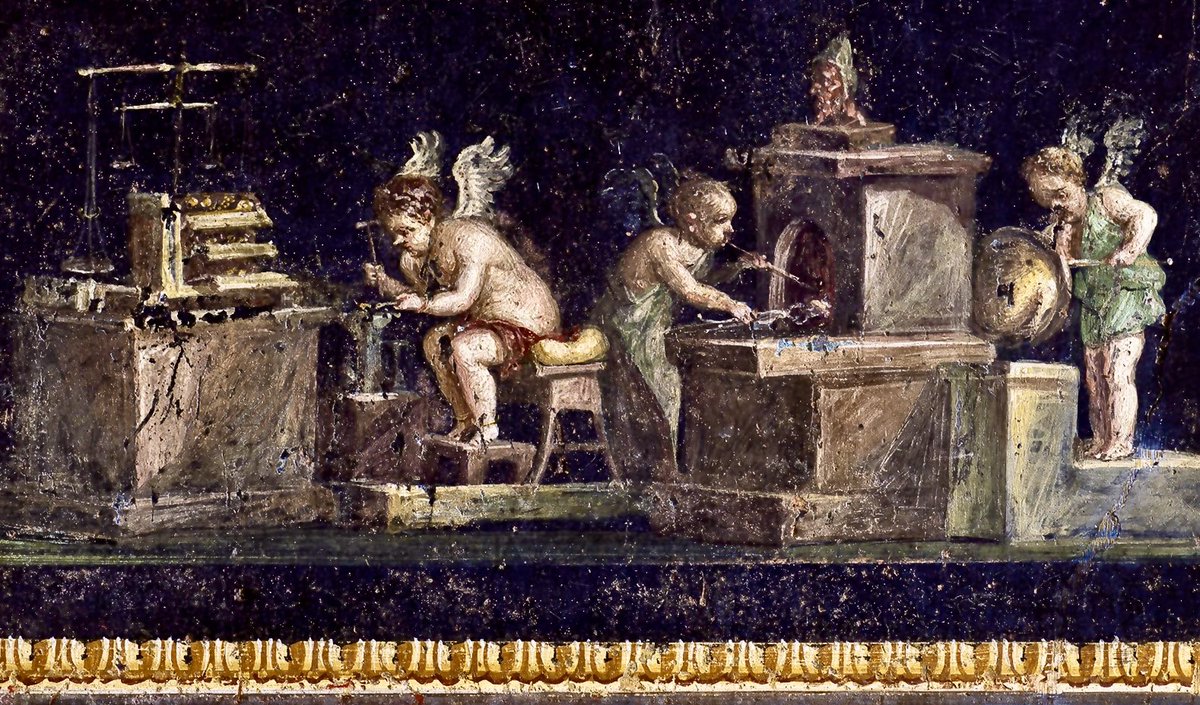
Roman fresco showing cupids working as goldsmiths, House of the Vettii, Pompeii.
2
21
129
4,895