
I will help you navigate the world of options by sharing valuable insights and strategies from 20 years experience | IBD and Barchart options expert.
Joined November 2010
- Tweets 29,408
- Following 406
- Followers 34,685
- Likes 77,304
3,256 Photos and videos
Pinned Tweet

22 May 2023
📢 Thread: 20 of the Best Option Trading Strategies 📊💼
Options trading offers numerous strategies to suit different market conditions.
In this thread, we'll explore some of the top option trading strategies that can enhance your trading toolkit.
Let's dive in! 🧵🧵🧵
48
75
369
101,889
Gavin | Options Trading IQ retweeted
The Best Tools for Trading Options - My 5 Favorites
youtube.com/watch?v=IGlSlIIB…
1
3
7
2,174
$SPCX's First Full Week, FOMC and Other Key Things to Watch this Week
barchart.com/share/news/2462…
1
3
606
Gavin | Options Trading IQ retweeted
The 5 Technical Indicators I Check Every Day Before Selling Puts
youtube.com/watch?v=Gx_IdgUE…
2
2
9
2,227
Gavin | Options Trading IQ retweeted
6 Steps to Sell Put Options Profitably (21 Years of Experience)
youtube.com/watch?v=OdUtKhkd…
$SPY $NVDA $SPCX $SOXL
1
4
8
2,161
Gavin | Options Trading IQ retweeted
𝗛𝗼𝘄 𝘁𝗼 𝗙𝗶𝗻𝗱 𝗗𝗲𝗺𝗮𝗻𝗱 𝗭𝗼𝗻𝗲𝘀 𝗳𝗼𝗿 𝗢𝗽𝘁𝗶𝗼𝗻 𝗧𝗿𝗮𝗱𝗲𝘀
A demand zone is a price area where big institutional buying previously overwhelmed selling pressure, causing a sharp, impulsive move away from that level.
When this level is identified, traders can wait for the price to return to it.
There is a chance that the big institutions have unfilled orders they want to buy.
Other traders who missed the first impulsive move may also be waiting there for a second opportunity.
This creates a high probability for price bouncing from that area, making it an attractive entry point for options strategies.
Some people call this a support zone.
Either way, this can be a place of a good buying opportunity or the initiation of a bullish option trade.
It is important to note that this is not a line in the chart.
This is a price range.
Hence, we call it a zone.
This zone is typically defined by the consolidation candles that preceded a strong bullish impulse.
This consolidation is where big money is accumulating shares.
The sharper and cleaner the departure from the zone, the more likely it is to act as strong support when the price returns.
A slow, grinding departure suggests weaker institutional conviction and generally produces a less reliable zone.
From an options perspective, demand zones are useful because they give you a defined area to anchor risk management decisions around.
If the price closes cleanly below the zone, you have a clear invalidation point.
This makes it far easier to decide when to close a losing trade rather than holding indefinitely and hoping for recovery.
Continue Reading:
optionstradingiq.com/demand-…
2
4
1,187
2 Covered Call Ideas on Bank of America for Reliable Income
barchart.com/share/news/2396…
1
3
415
Gavin | Options Trading IQ retweeted
The hardest part of trading an iron condor isn't picking the strikes or getting the entry right. It's knowing when to get out. Most traders agonise over the entry and barely think about the exit — and that's where perfectly good trades turn into losers.
In this video, you'll learn two simple rules that take the most emotional decision in the trade and turn it into a mechanical one: the 50% profit rule and the 21 DTE rule.
youtube.com/watch?v=tqe4kNnQ…
2
2
7
2,436
Gavin | Options Trading IQ retweeted

Jun 9
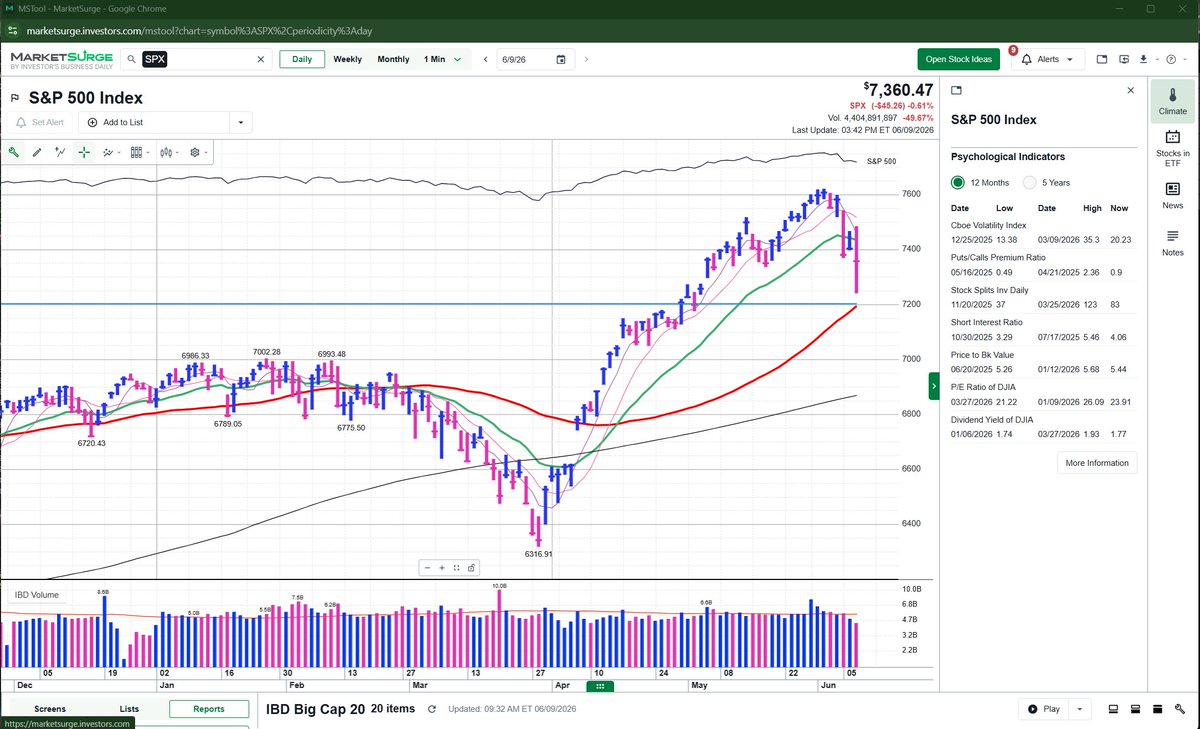
In The Market: This is shaping up to be a new distribution day per @IBDinvestors rules. Could it be a highly constructive one? $SPX might close in the upper half of a wide intraday range. Let's eye the @marketsurge "closing range" @IBD_ECarson @SaitoChung $QQQ $QQQE $RSP $DJIA
1
9
1,146
Gavin | Options Trading IQ retweeted
𝗧𝗵𝗲 𝗧𝘄𝗼 𝗥𝘂𝗹𝗲𝘀 𝗧𝗵𝗮𝘁 𝗧𝗲𝗹𝗹 𝗬𝗼𝘂 𝗘𝘅𝗮𝗰𝘁𝗹𝘆 𝗪𝗵𝗲𝗻 𝘁𝗼 𝗖𝗹𝗼𝘀𝗲 𝗮𝗻 𝗜𝗿𝗼𝗻 𝗖𝗼𝗻𝗱𝗼𝗿
youtube.com/watch?v=tqe4kNnQ…
3
6
2,859
Gavin | Options Trading IQ retweeted
𝗦𝗲𝗹𝗹𝗶𝗻𝗴 𝗣𝘂𝘁𝘀 𝘃𝘀 𝗗𝗶𝘃𝗶𝗱𝗲𝗻𝗱 𝗜𝗻𝘃𝗲𝘀𝘁𝗶𝗻𝗴: 𝗪𝗵𝘆 𝗜 𝗖𝗵𝗼𝗼𝘀𝗲 𝗢𝗽𝘁𝗶𝗼𝗻𝘀 𝗳𝗼𝗿 𝗜𝗻𝗰𝗼𝗺𝗲
Most income investors spend years (sometimes decades) patiently building a dividend portfolio.
They reinvest, accumulate shares, and wait.
And at the end of it, they’re earning maybe 3–4% per year.
What if there’s a way to target that same income, or significantly more, with less capital tied up and without waiting years to build a position?
That’s exactly what we’re covering in this article.
By the end, you’ll understand why I use selling puts as my primary income strategy instead of chasing dividends.
Continue Reading:
optionstradingiq.com/selling…
1
2
8
1,291
Using $SPY Put Options For Portfolio Protection
barchart.com/share/news/2353…
1
1
539

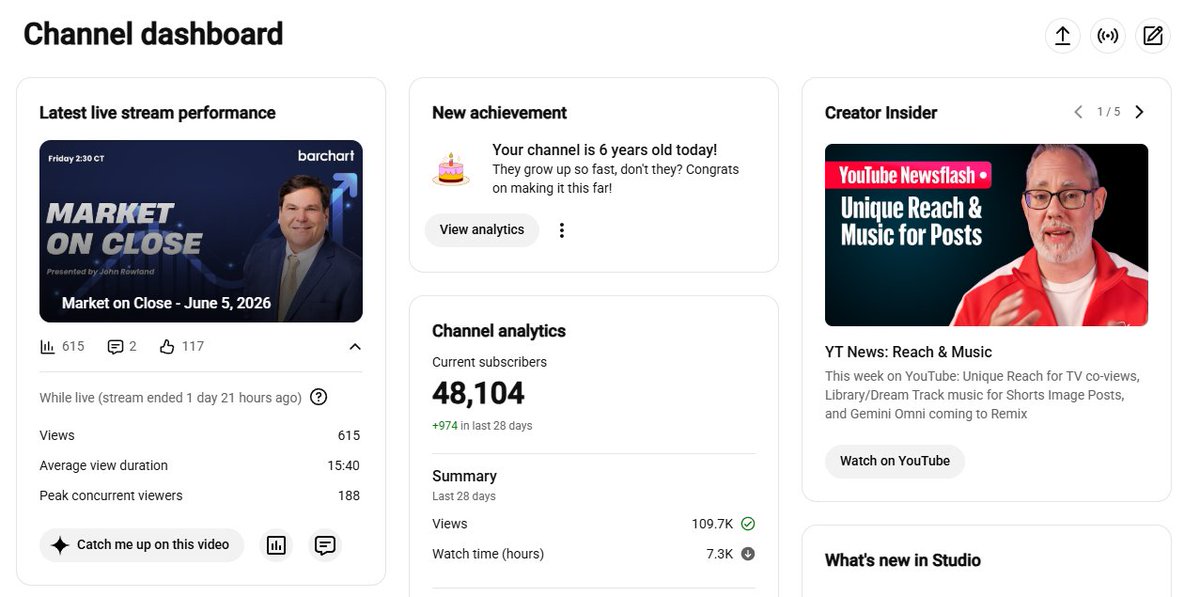
ATTENTION 🚨: We need 50,000 subscribers on our YouTube Channel. Help us get there 🚨
Link to Subscribe: youtube.com/@BarchartOfficia…
36
18
147
27,654
Gavin | Options Trading IQ retweeted
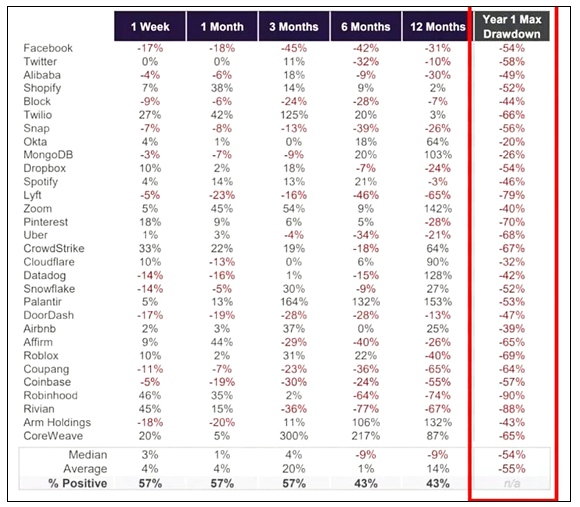
With the SpaceX IPO capturing everyone's attention, let's take a look at the performance of some of the biggest IPO's in recent years:
Credit: Keith Lerner/Brent Donnelly
2
8
1,625