#OrcaWeek has a new parent brand #GlobalOrcas. Our GlobalOrcaWeek.org event returns on June 21, 2026. #OrcaWeek #globalorcaweek #globalorcaday
Joined July 2015
- Tweets 2,169
- Following 290
- Followers 467
- Likes 3,305
595 Photos and videos






GLOBAL ORCA WEEK
Our 2026 Event Returns on June 21, 2026 . The third June Sunday starts with Global Orca Day, then continues for the rest of Global Orca Week. #orcaweek #globalorcaweek #globalorcas #orca
GlobalOrcaWeek.org
20
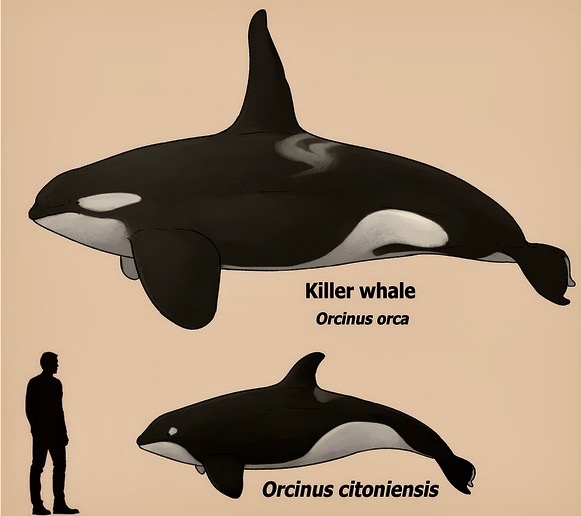
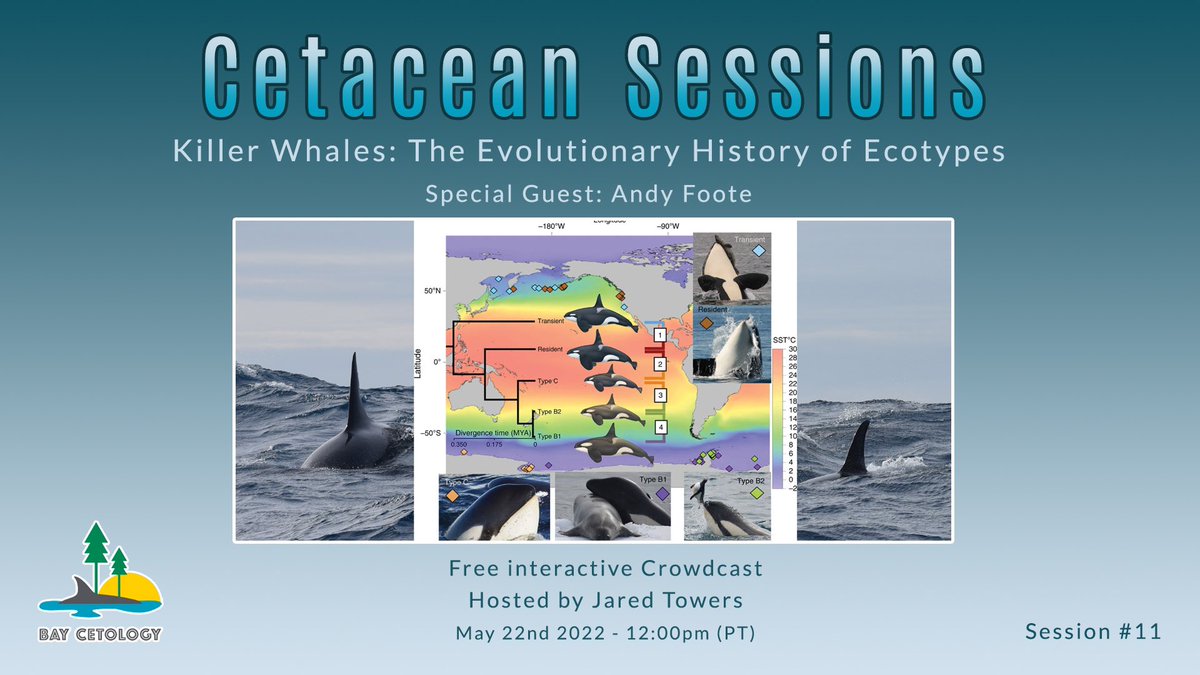
Orcas have many different sub species or ecotypes ..
22 May 2022

#CetaceanSessions #11 goes live in an hour with @AndrewFoote2 to discuss the evolutionary history of #killerwhales. Joe the #scicomm at crowdcast.io/e/cetaceansessi…
1
32
Orcas in Dodd Narrows BC ..
4 Apr 2022

Jpod in Dodd Narrows BC 🇨🇦 Today!
🎥 Jay Nowak
#orcas #killerwhales #southernresidentkillerwhales #salishsea
1
20
Orca pod T-Party in Deception Pass .. #killerwhales

T-Party in Deception Pass! Yesterday, a large group of Bigg's (mammal-eating) killer whales frolicked for nearly six hours in the swift current underneath Washington's Deception Pass Bridge. What a treat for whale watchers on both land and sea!
📷: Ken Rea, Spirit of Orca
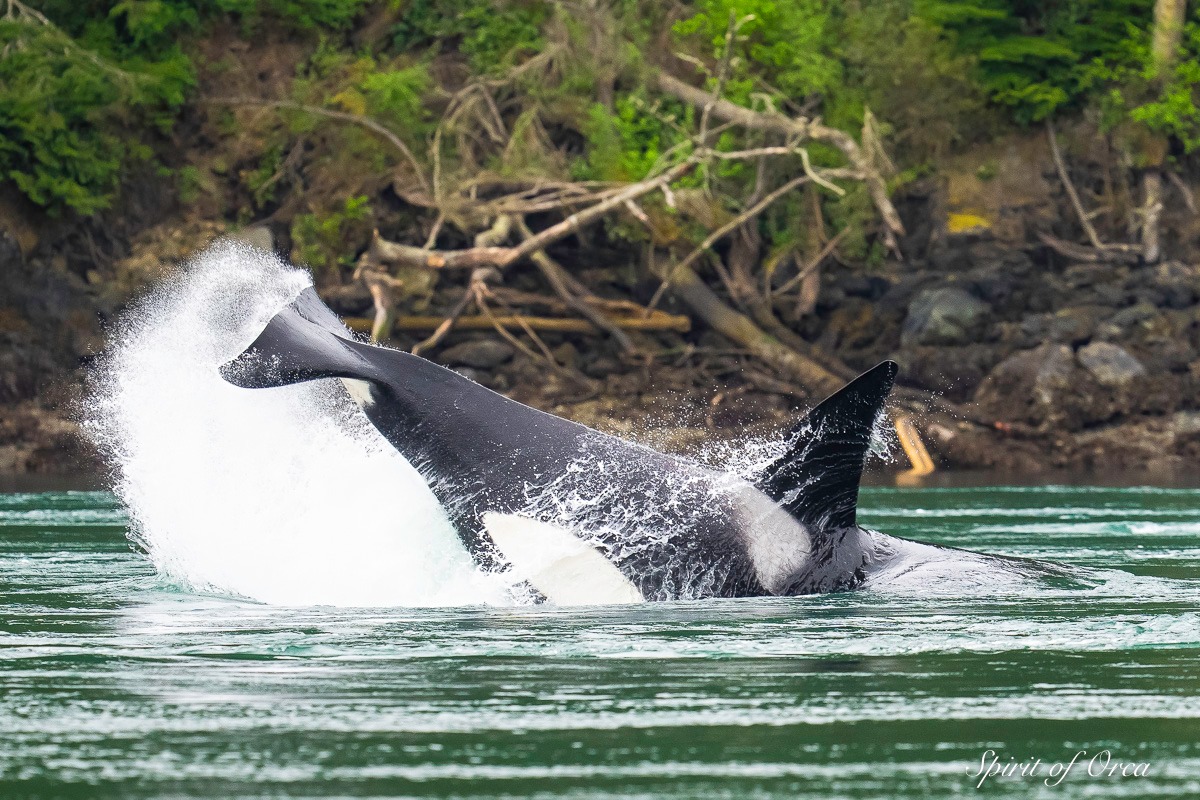
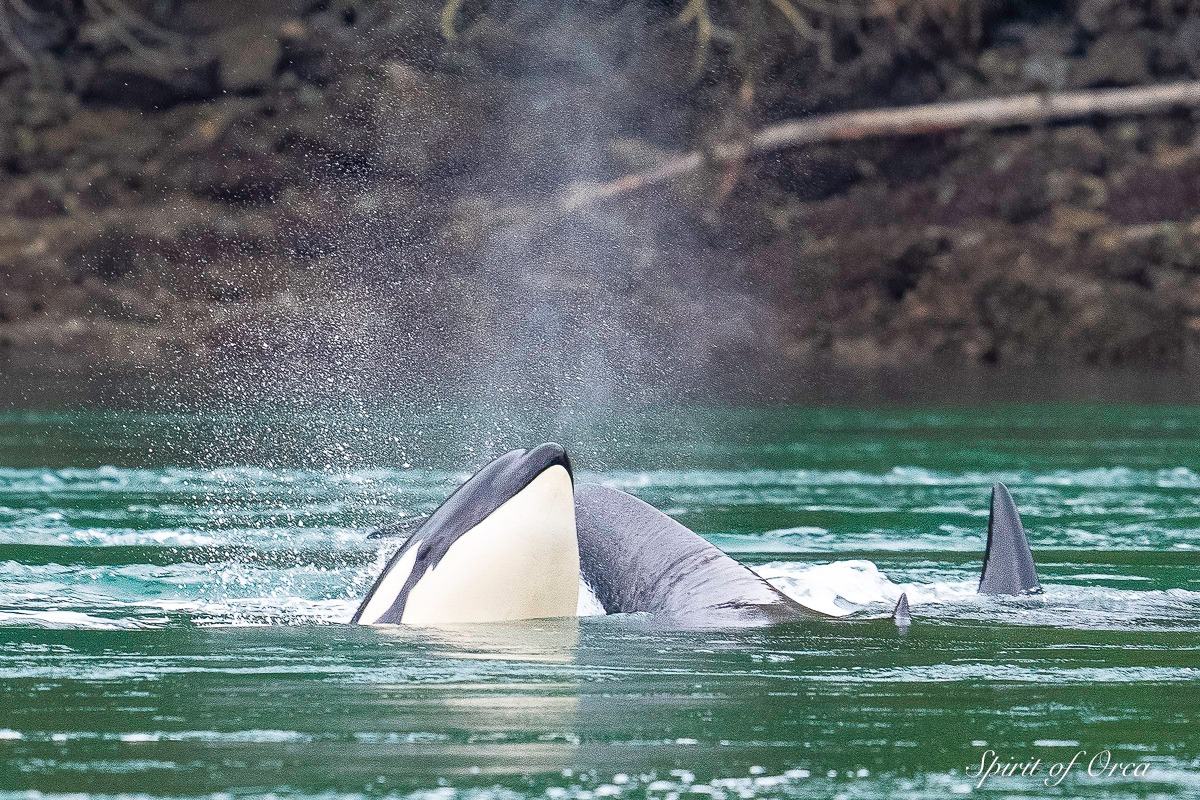
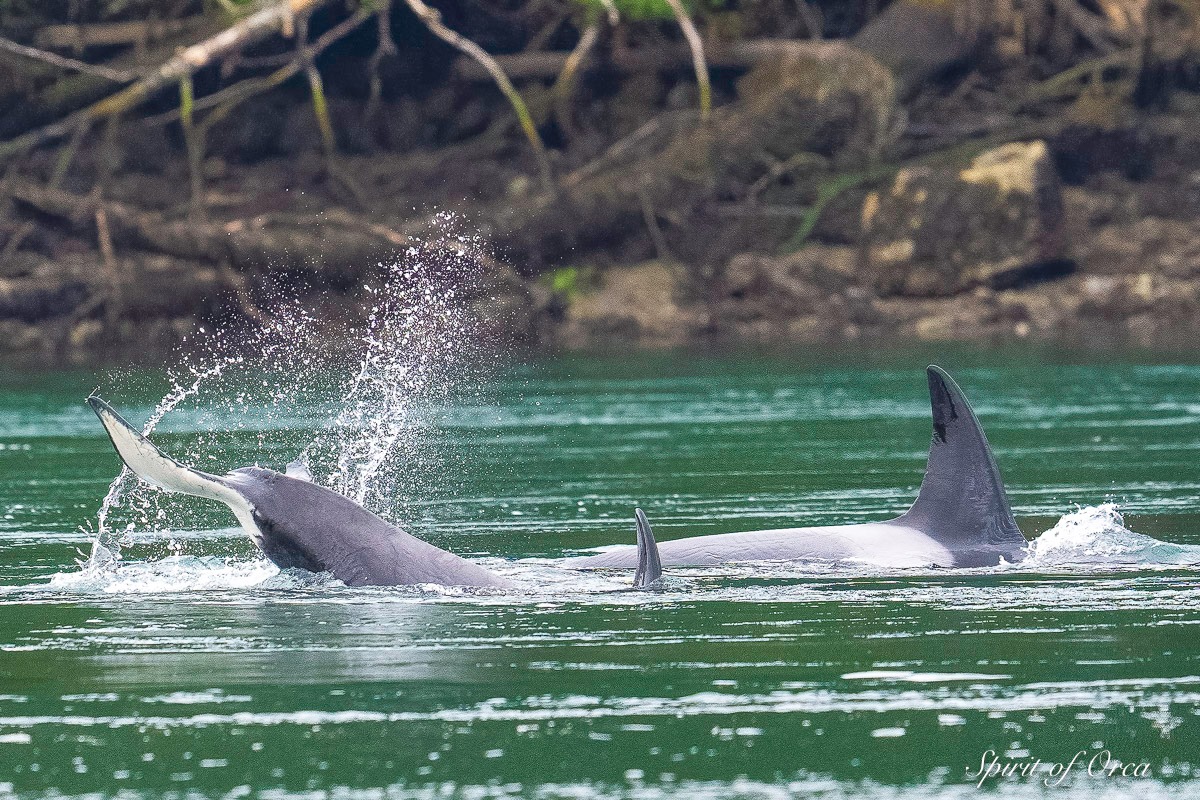
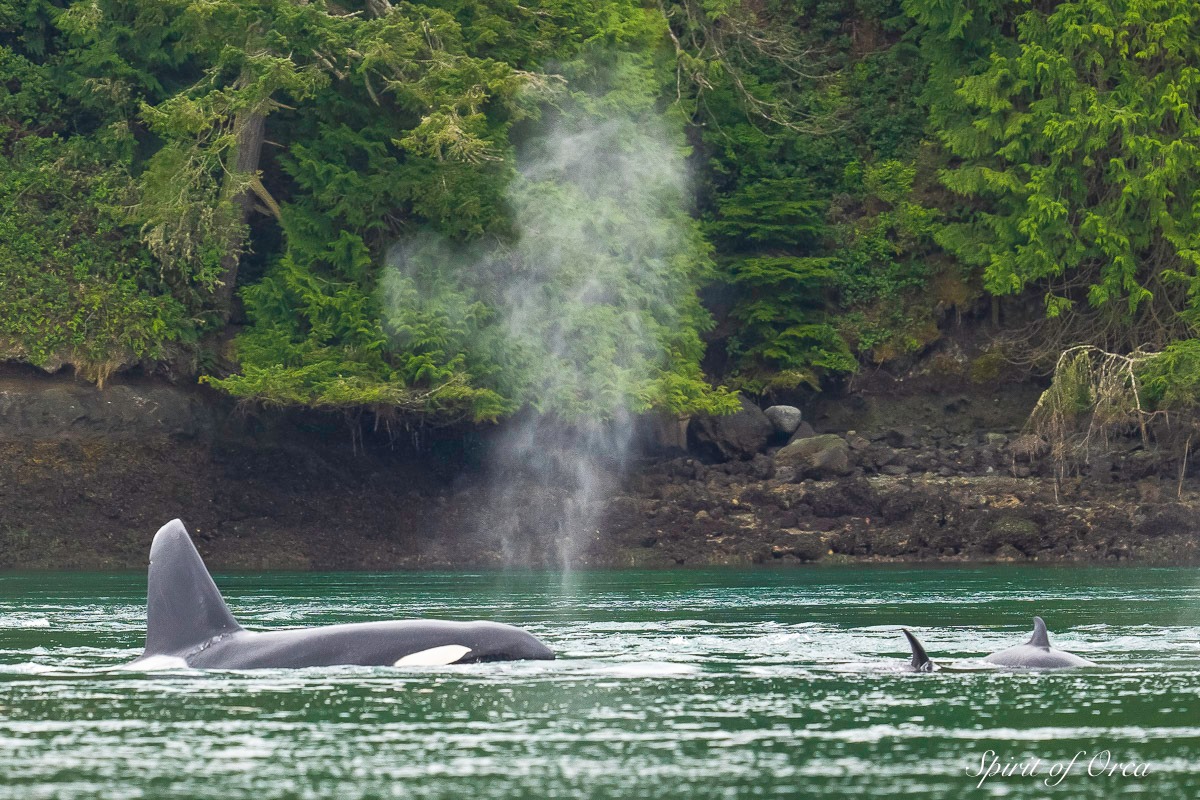
1
27
Type D's a new species? #orca
Apr 22

First close up of Type D orcas off Chile, one of the rarest killer whale types
4
90
Orca Week retweeted

Apr 22
Something about Orcas watching you is deeply unsettling.
976
2,749
44,393
11,912,817
Shetland Orcas ..
Apr 22

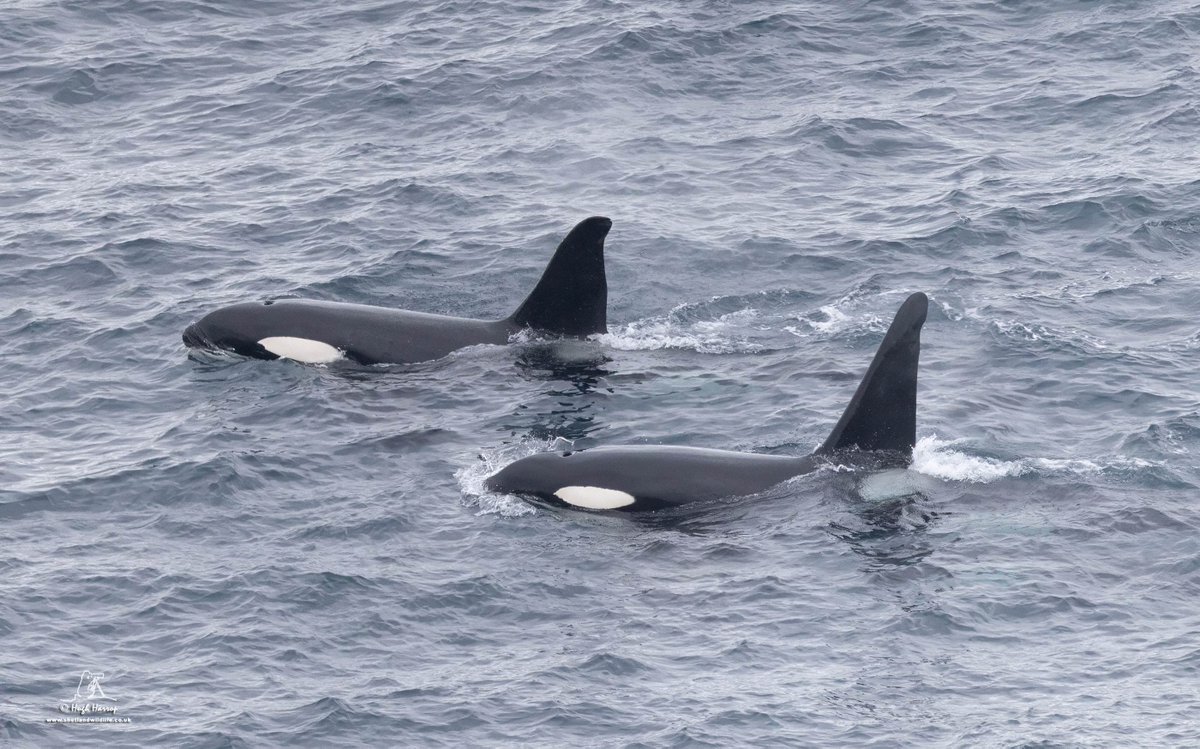
ORCAS!!! Yesterday we enjoyed fabulous views of Orcas as they cruised along the west coast of the south Mainland, Shetland heading east to Sumburgh in the late afternoon. We identified them as four members of the '140s' pod - one of the least known and recorded pods in Shetland waters. Only a handful of records exist since 2011 and all sightings except for one in February 2024 have been in the month of April. To be able to watch, film and photograph this pod that we know very little about from land for such a large amount of time was a real privilege.
1
17
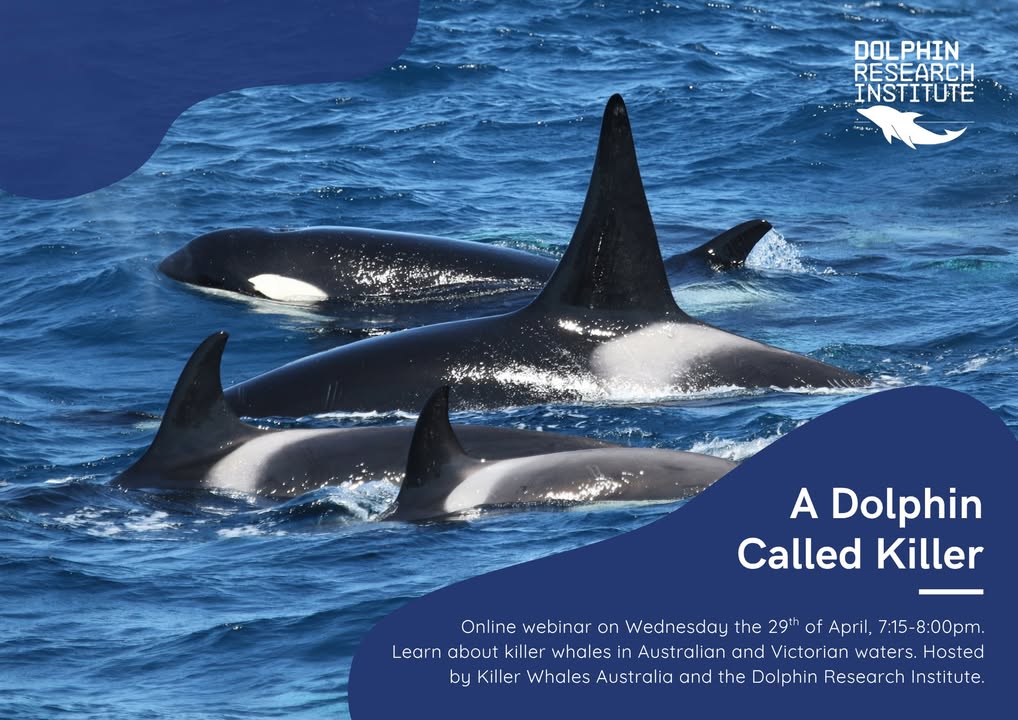
KILLER WHALES AUSTRALIA
A citizen science initiative hosted by the Dolphin Research Institute.
Identification catalogue for killer whales in the South Pacific. #orca #killerwhale
dolphinresearch.org.au/kille…
5
1
35
EARTH DAY - RISING TIDES POSTER #EARTHDAY
community.amplifier.org/art/…
29
Big Pods ..
21 Nov 2024
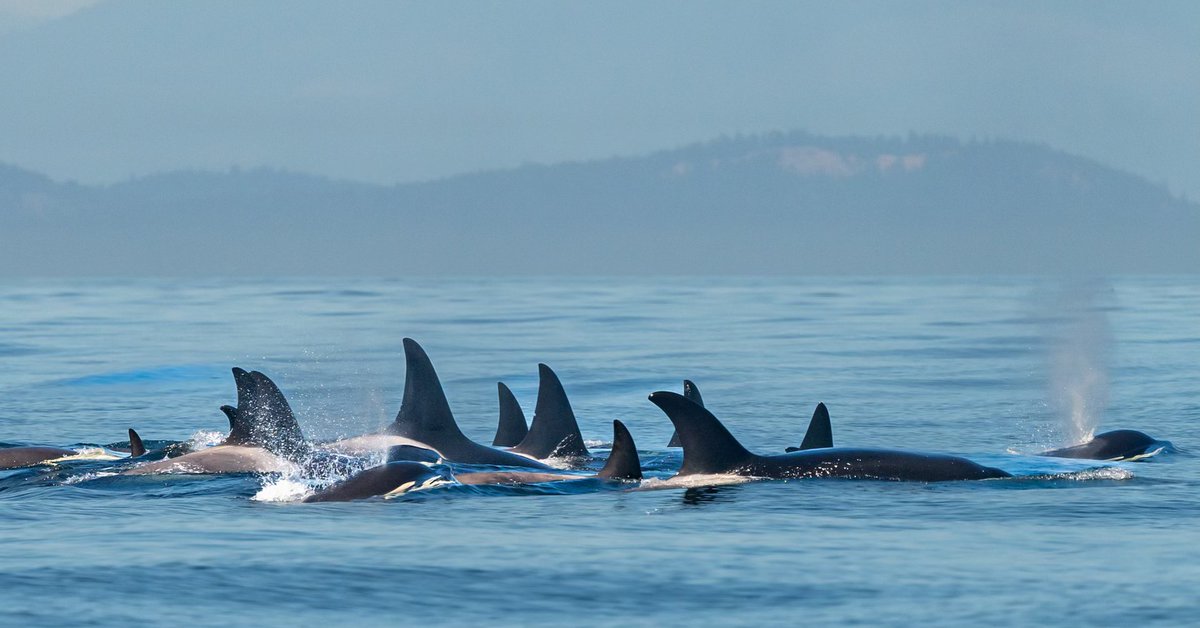
With terms like "bomb cyclone" and "atmospheric river" dominating local headlines, we could use a Throwback Thursday highlighting calmer, sunnier times. Captain Jeff Friedman of @sjiwhalewatch snapped this shot of a massive group of Bigg's killer whales back in July.
1
32
Orcas are Picky Eaters ..
10 Jul 2025

🍽️ Specific diets
Some orcas specialise on specific prey, and it turns out orcas are picky eaters! Once they’ve learned what their family eats, they aren’t likely to switch diets.
2
3
57
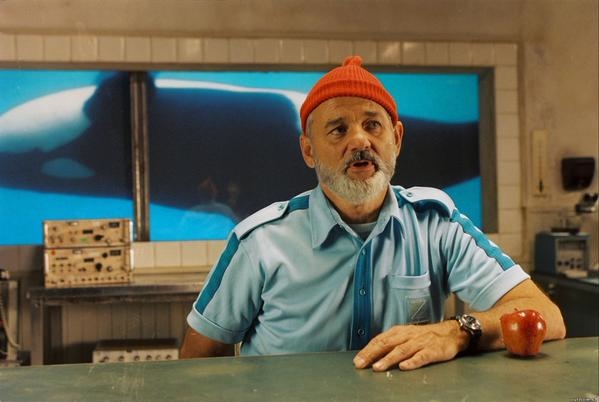
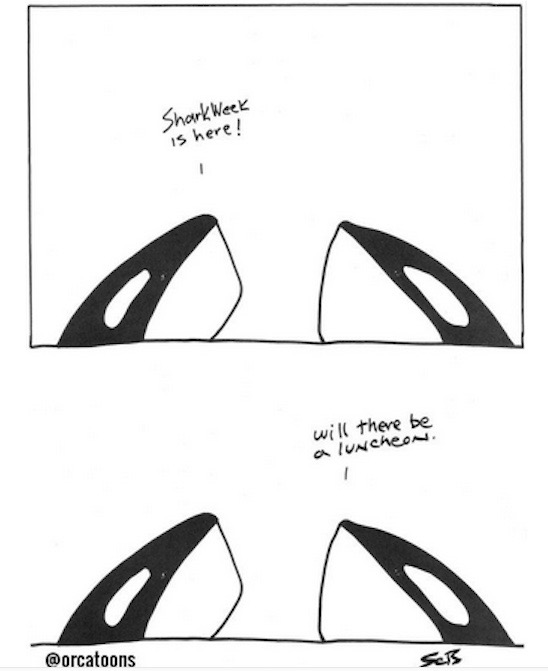
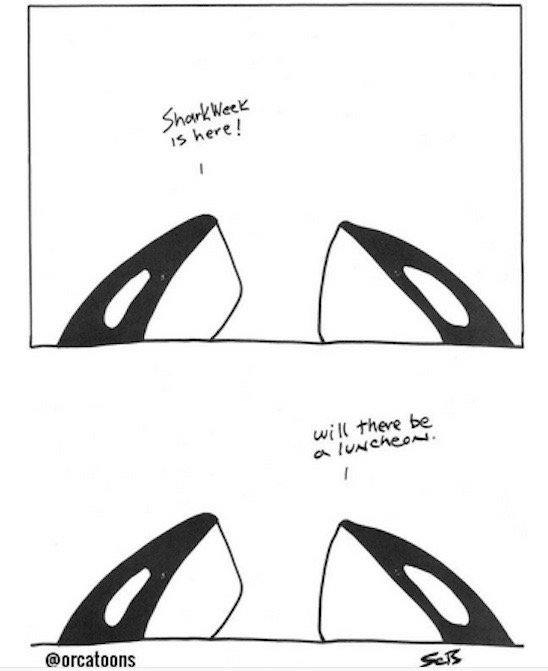
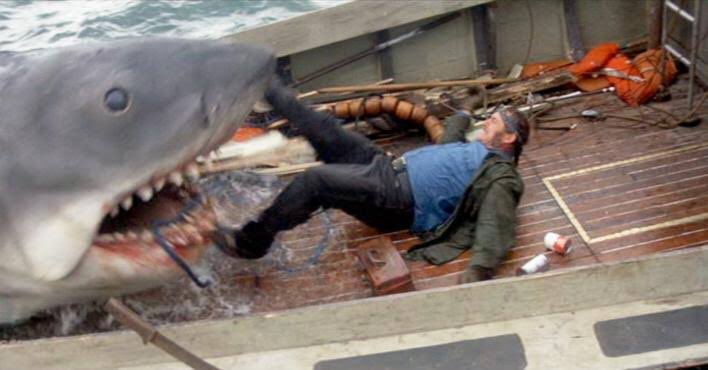
Well the boat is named "Orca" so obviously the movie is about orcas ... #orcatoons

44
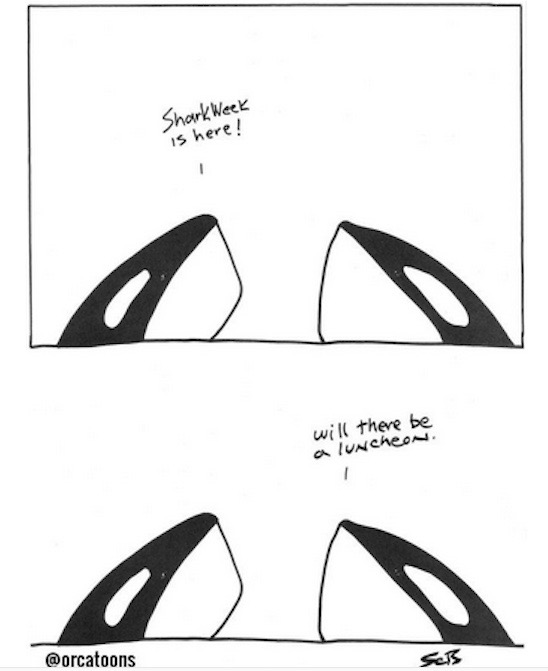
Can't have a #Sharktoons without a #Orcatoons . haha

haha, back to you brother, love the challenge. #Orcaaa! #orcatoons is game on. 😎
25
.. continued Orcas & Humans
By 100,000 years ago, both species had reached a peak in Encephalization Quotient. It's an incredible coincidence: while we were learning to master fire and stone on land, orcas were mastering the oceans as the world's most sophisticated social hunters
24
#orca Modern orcas and modern humans followed a similar timeline with current global lineages consolidating around 150,000 to 100,000 years ago.
What makes this parallel even more fascinating is that both species share two very rare traits that likely drove this "modern" success
35
Orcas - bobb, bobb, bobbing away

1
38
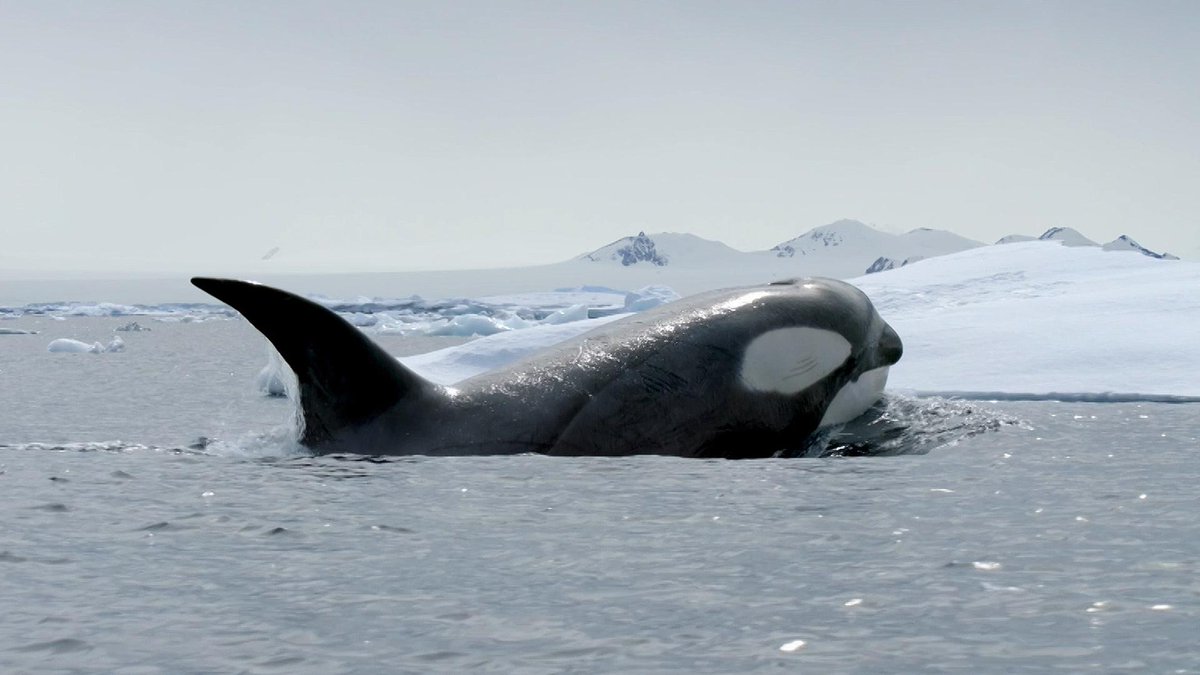
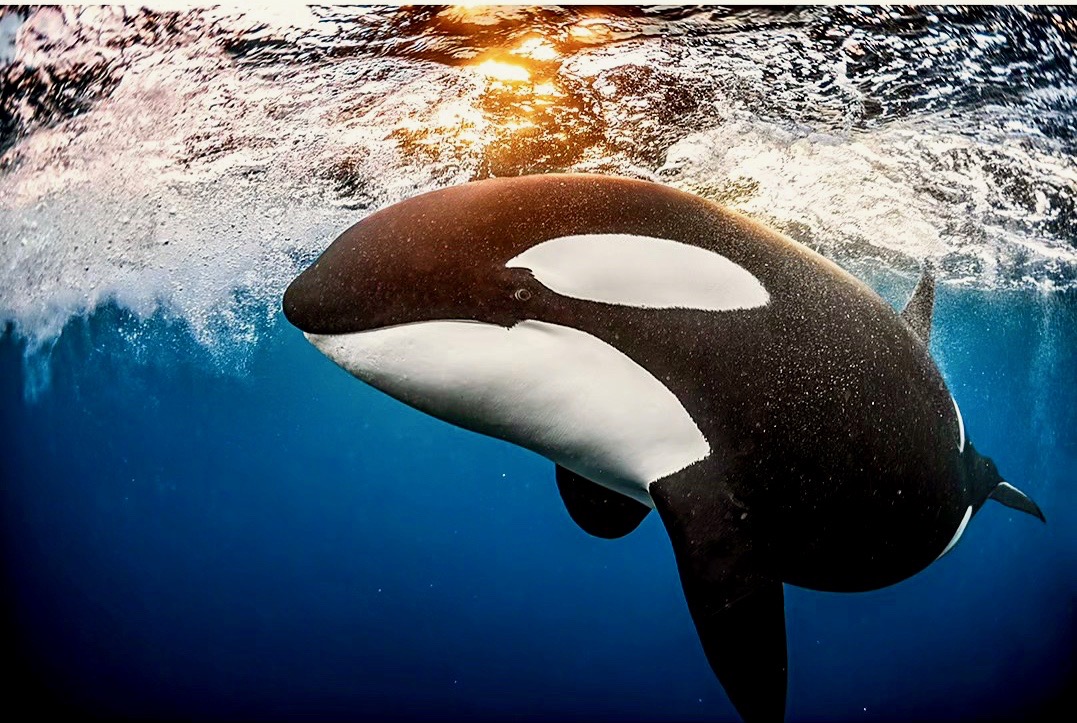
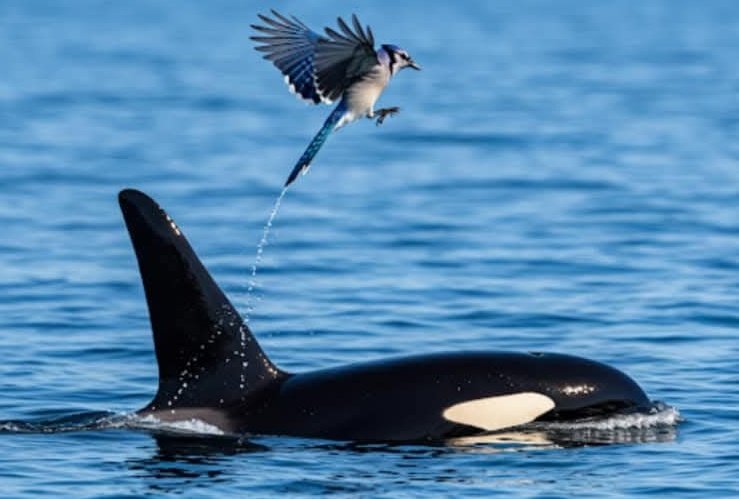
Interesting orca pic ..

1
2
53