
Joined February 2015
- Tweets 4,381
- Following 115
- Followers 782
- Likes 13,569
769 Photos and videos
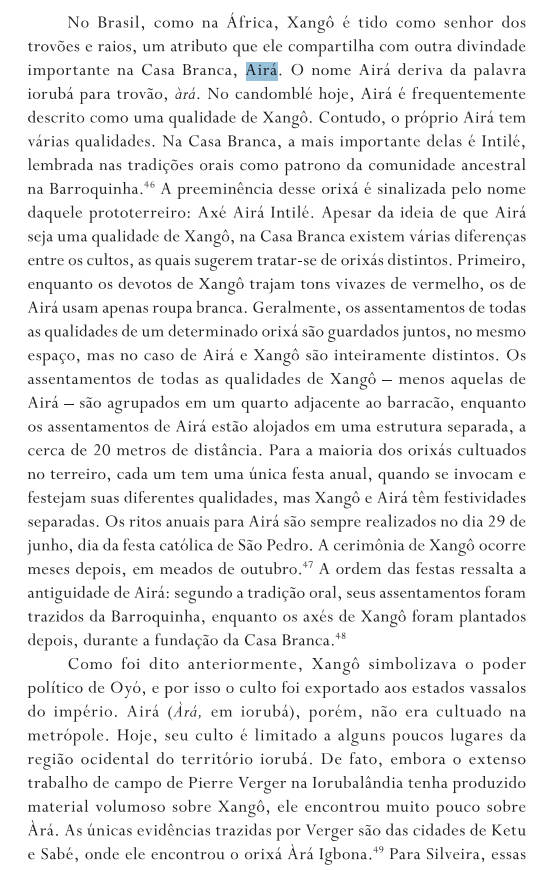



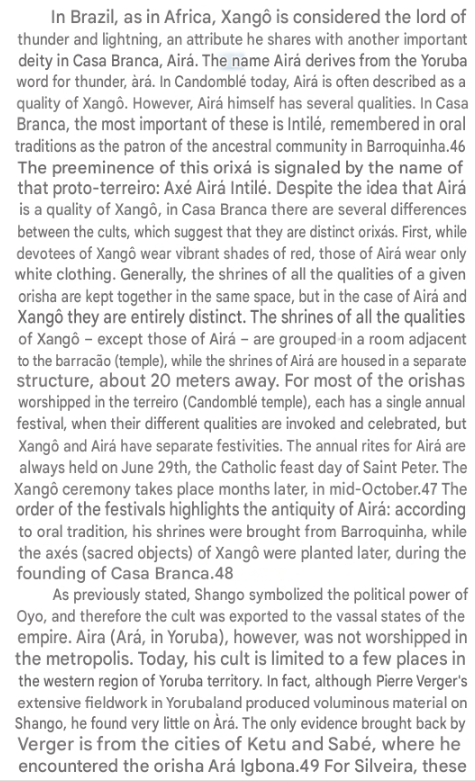
In Brazilian Candomble there is a specific "avatar" of Sango called "Aira". The qualities and patterns of worship of this deity are so different from the other Sangos that he is often considered to be a distinct orisa altogether. Aira may be a distinct pre-Oyo thunder god

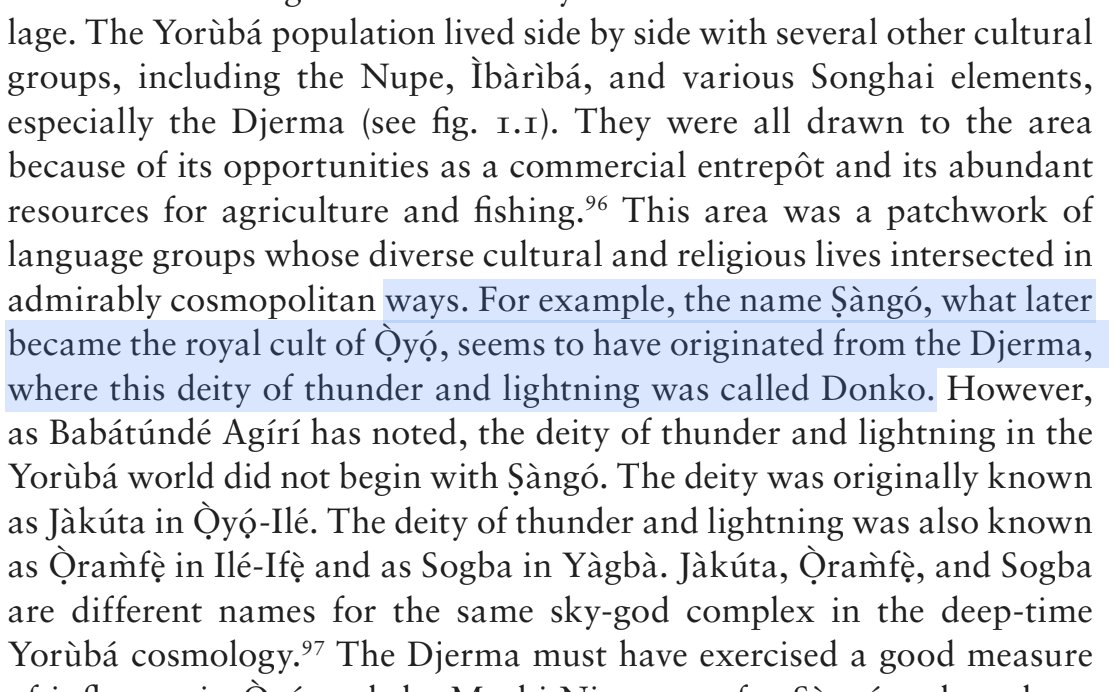
Something interesting not talked about Is Songhai influence on Oyo. The name Shango probably originated from the pagan Songhai god Donko/Dongo. Some older sources suggest Songhai got it from Oyo, but considering Oyo already had a thunder god, it was probably the other way around.
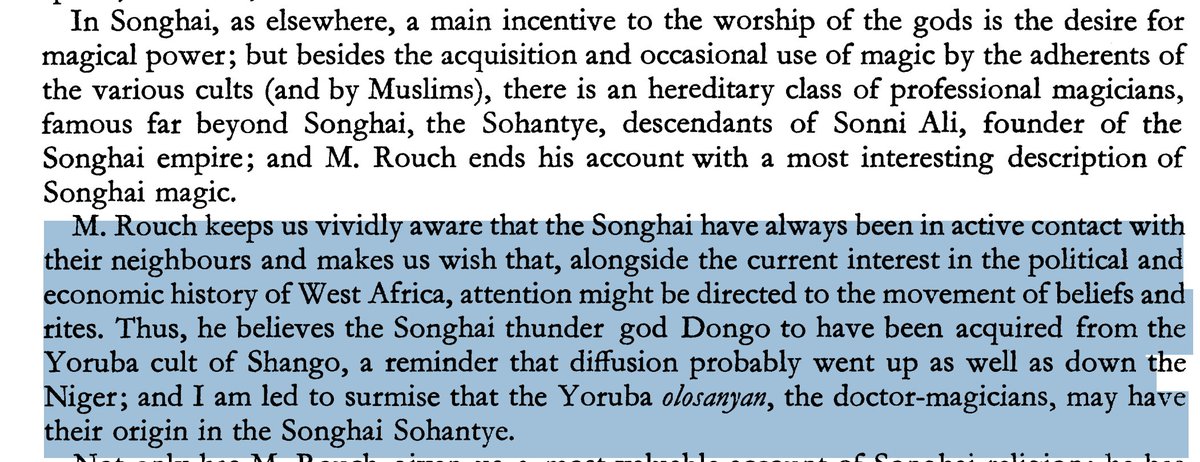
ALT https://www.jstor.org/stable/1157369
4
7
28
1,409

Jun 14
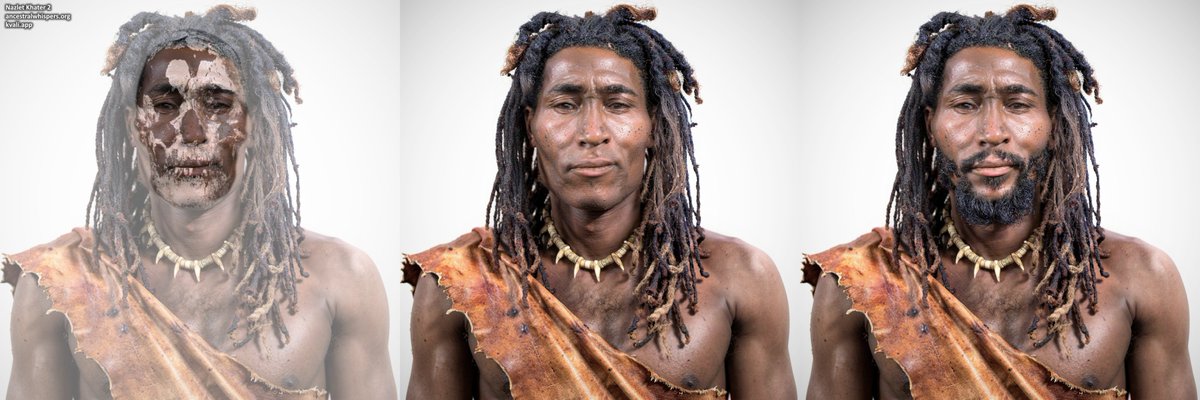
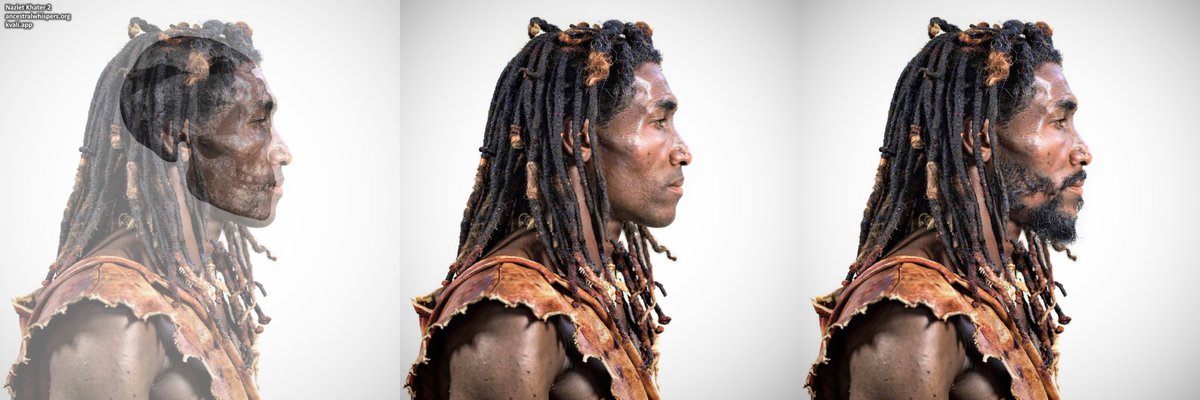
Damn, 37kya. This is probably what Papa E-P2 (E1b1) looked like
Jun 14

Facial Reconstruction of a 37,000-Year-Old Man from Egypt
In 1980, excavations of a hill near the village of Nazlet Khater in Upper Egypt uncovered two burials. The first skeleton was poorly preserved, but the second, located on the summit of the hill, survived almost intact - only the feet were missing.
The grave was shallow and had been eroded by Nile flooding, causing the skull to become exposed on the surface. The skeleton of an adult male was found lying on his back, accompanied by a large flint axe.
The Nazlet Khater 2 skeleton is one of the few complete human skeleton from the Early Upper Paleolithic of North Africa. The remains belonged to a man aged approximately 20-29 years who stood around 160 cm tall.
Not far from the hill was a flint quarry where prehistoric people extracted raw material. Evidence of intensive mining activity includes trenches, shafts, and narrow tunnels no more than 50 cm high, apparently dug around the same period as the burials.
The stone axe found in the Nazlet Khater 2 grave was probably used for quarrying, as identical tools have been discovered in the ancient mines. The skeletal pathologies are particularly revealing in this regard. Multiple injuries and degenerative changes in the spine and limbs indicate extremely heavy physical labor, typical of mining activities and the regular lifting of heavy loads.
Severe arthritis of the cervical vertebrae suggests that this man habitually carried heavy burdens on his head or with the aid of a forehead strap, as some traditional peoples do today. Damage to the arms indicates extensive use of percussion tools, especially with the right hand. He also had healed fractures of the hands. Evidently, he began performing strenuous labor in adolescence, while his bones were still developing.
Physically, Nazlet Khater 2 differs from other African and European Upper Paleolithic humans, although they share a number of archaic features. His primary morphological characteristics are clearly equatorial, resembling those of the Epipaleolithic inhabitants of Nubia as well as the South African remains from Springbok Flats and Kalomo, which were once considered very ancient (Pinhasi & Semal, 2000) but are now known to be much more recent.
The large cranial vault of Nazlet Khater 2 is typical of Upper Paleolithic humans. The expansion of the braincase in its lower portion is particularly archaic, as are the highly placed temporal lines, resulting in a very narrow minimum frontal breadth relative to the maximum frontal breadth (although the minimum breadth is average in absolute terms and the maximum breadth is large). This configuration likely reflects the powerful development of the chewing musculature, which is also evident in the structure of the mandible. The pronounced brow ridges and rather sloping forehead are likewise typical of Upper Paleolithic people.
The shape of the upper margin of the temporal squama - strongly convex in the front but flattened behind and lacking a parietal notch - may be regarded as primitive, though it could also be described as “Bushmanoid,” since it occurs among San populations and on the skull from Fish Hoek. The overall facial form of Nazlet Khater 2 is relatively low and especially broad across the cheekbones, with a well-developed canine fossa and maxillary notch, while the broad upper jaw exhibits noticeable alveolar prognathism.
Compared with many Upper Paleolithic and all ancient African skulls, Nazlet Khater 2 is distinguished by a moderately high face (despite its great breadth) and by very large, rounded, and relatively high eye orbits. Unusual for Africa is his mesorrhine nose - a nose of intermediate width - resulting from a not particularly wide nasal aperture combined with a very great nasal height. The nasal bones are equatorial: straight, nearly vertical, and rounded in cross-section.
The alveolar process of the upper jaw is flattened in the front and bends markedly at the level of the canines, a distinctly archaic trait. In terms of mandibular features, Nazlet Khater 2 is fully anatomically modern, although the jaw is exceptionally large and robust, as is typical of the earliest Homo sapiens. (Antropogenez, S.V. Drobyshevsky, 2010)
15
14
132
9,815
Lib Bro retweeted

Jun 13
We’ve got thousands of ethnographic accounts across hundreds of hunter-gatherer societies from all over the world over the last 5 centuries and there’s nothing you can do to get the vast majority of people who speculate about our ‘hunter-gatherer ancestors’ to read any of them.
37
98
1,465
61,584
Jun 10
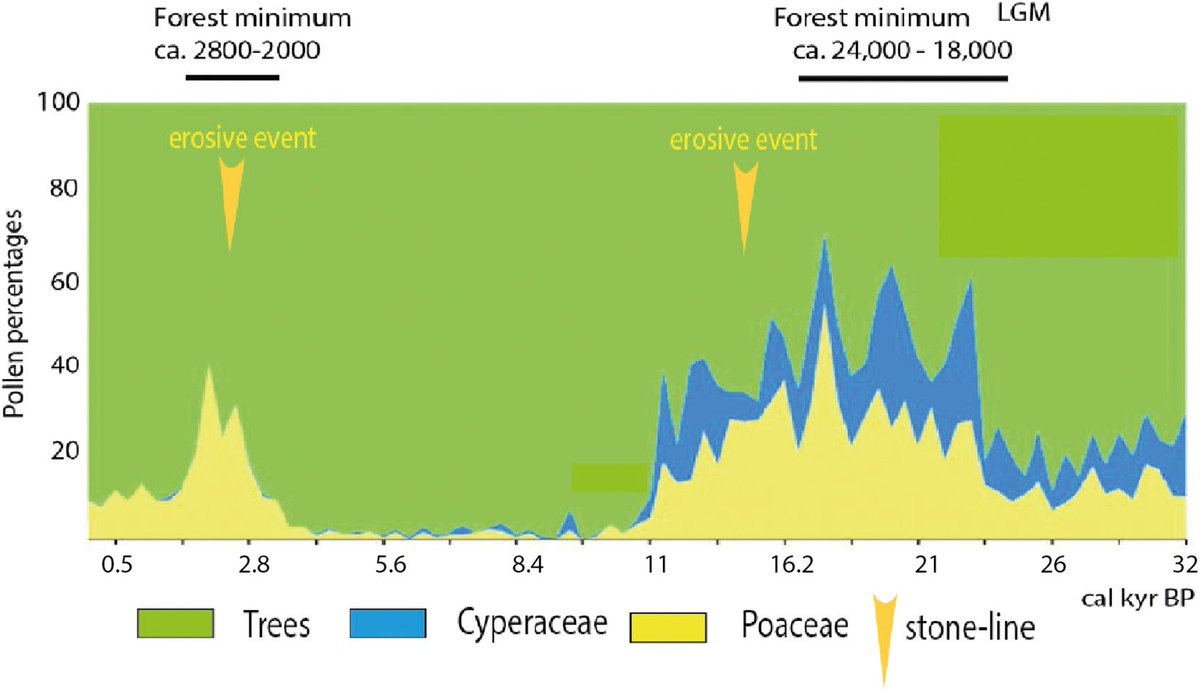
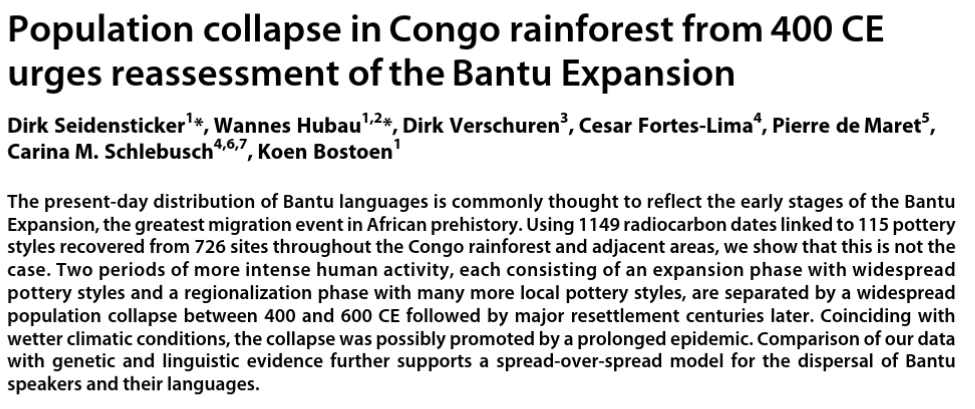
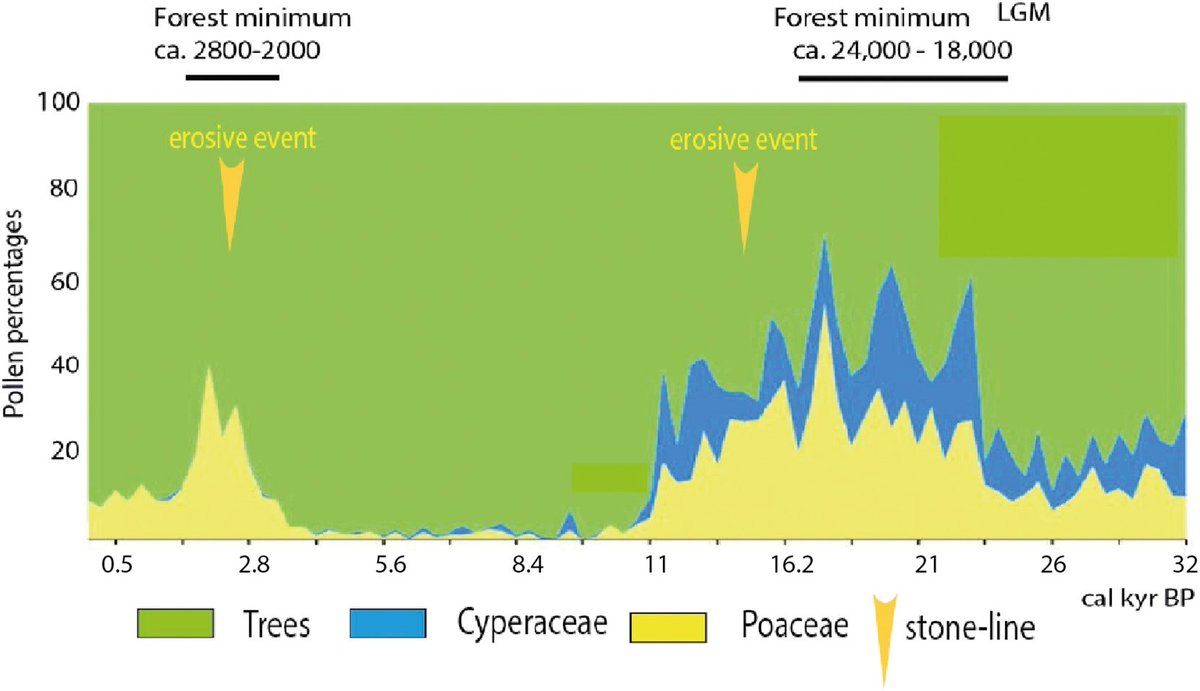
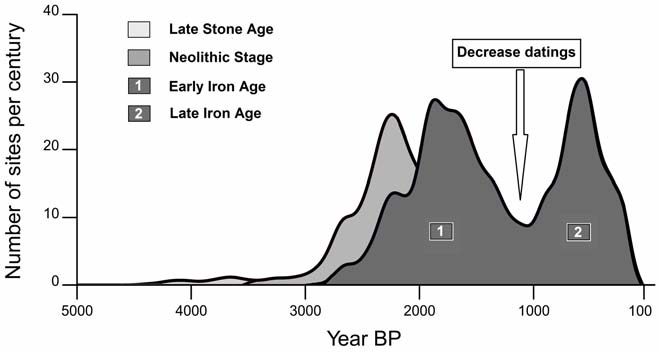
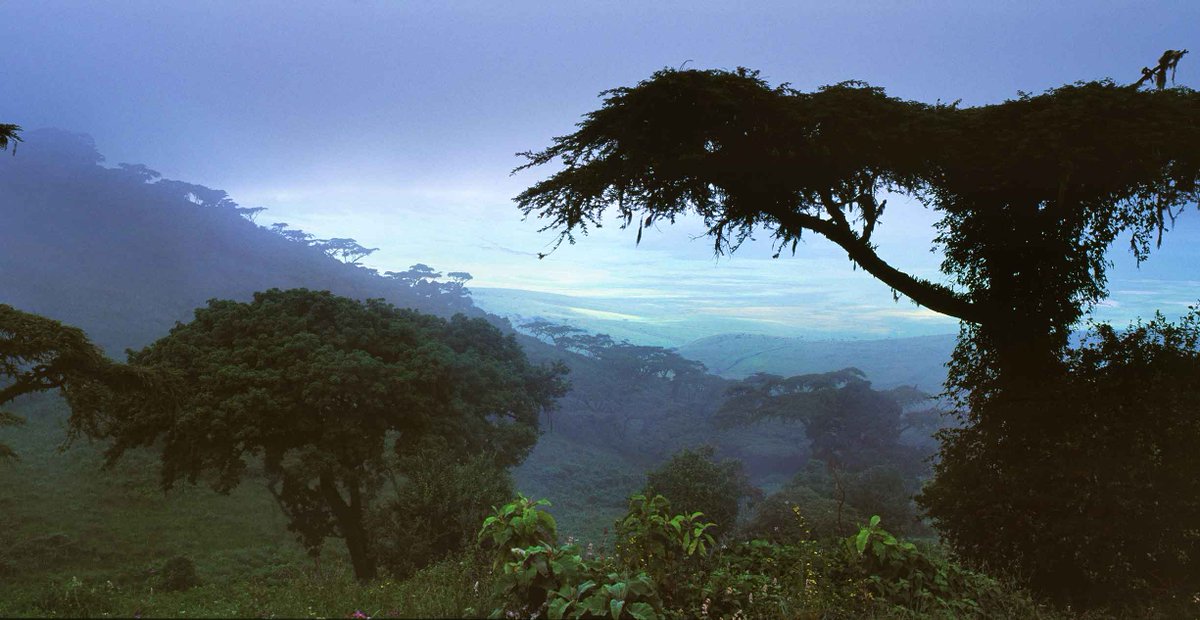
This is a topic that I am personally VERY interested in. Ultimately, I think this population collapse is the result of climate change making the agricultural package of early horticulturalists in Central Africa much more difficult to work with
x.com/GuerraenlaUni/status/2…

Para misterio arqueológico lo que pasó en África Central hace 1500 años. Es de ciencia ficción distópica. Os cuento muy rápidamente:->
2
16
103
9,456
Jun 10
of savannas in the forest for Bantu-speaking foragers to settle. doi.org/10.1016/j.gloplacha.…
2
9
684
Jun 10
23 Sep 2025

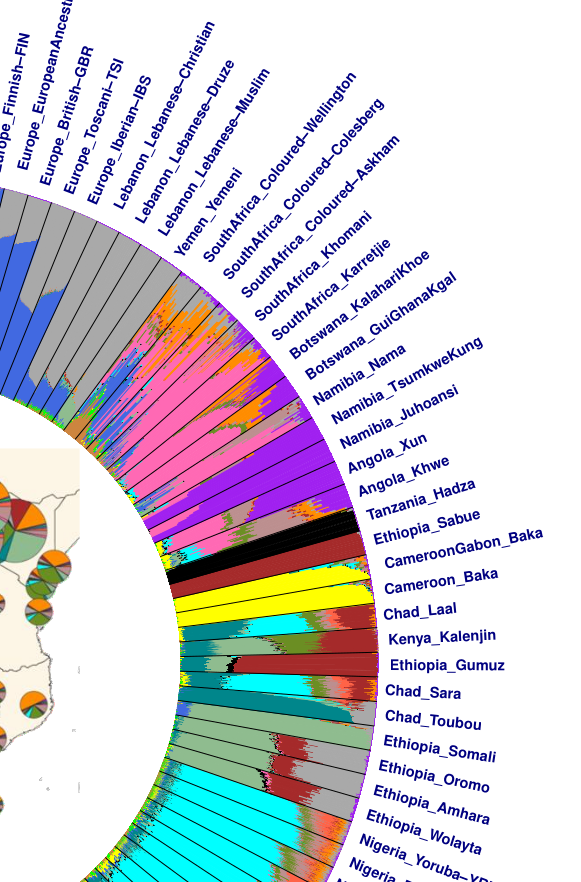
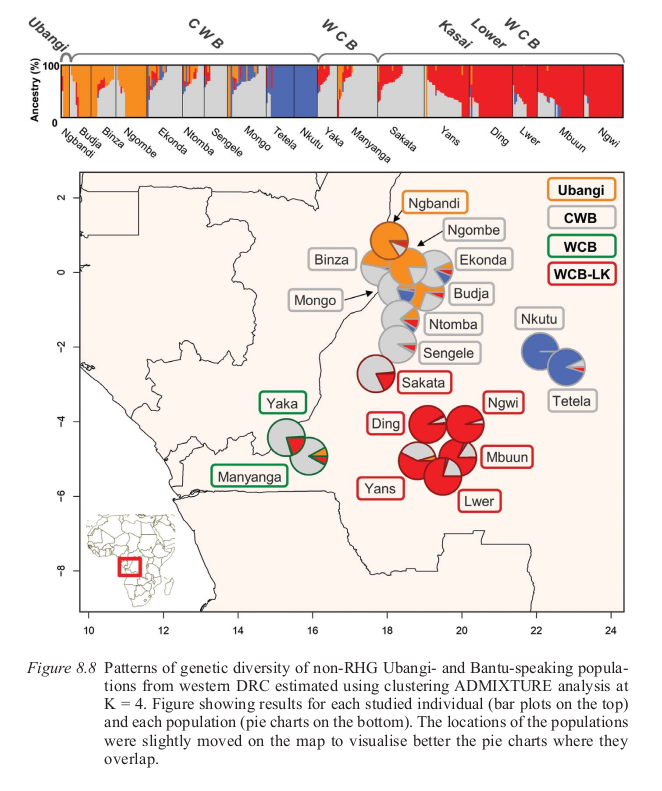
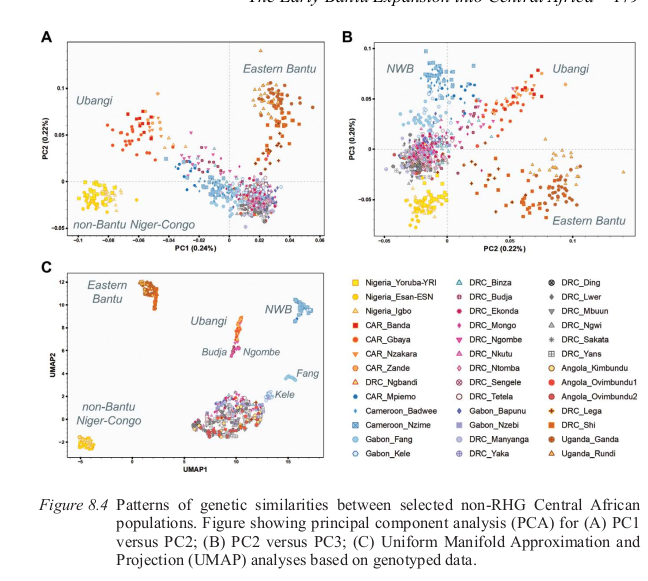
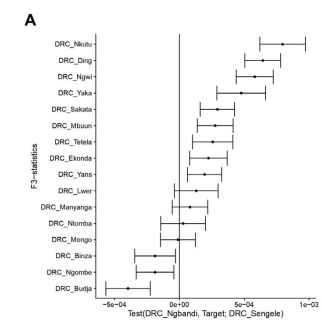
I think it is a *partially* unsampled group. In the case of certain Congo Basin populations we do know the source (Ubangians). The Budja, Ngombe, and Binza have strong evidence of Ubangian admixture. Ngbandis are Ubangians for reference
1
1
7
703
Jun 10
In reference to this x.com/GuerraenlaUni/status/2…
6/9. Durante tres siglos África central desaparece del mapa. Cuando vuelve a aparecer, sobre el siglo X, es con unas tradiciones culturales muy distintas. Sin duda llegan nuevos grupos a la región.
4
580