
A show where we surf the internet with our friends. Hosted by @internetVin 🛜
Joined July 2025
- Tweets 280
- Following 2
- Followers 1,609
- Likes 28
265 Photos and videos

Pinned Tweet

Reece Martin (@RM_Transit) is a writer, systems thinker, and investigator who spent a decade documenting public transit systems around the world, building one of the deepest bodies of work anywhere on how cities move.
We quickly learn that his YouTube channel was never really about transit. It was an investigation into how society works, told through the infrastructure everyone uses and almost no one stops to look at. Transportation lines become a table of contents for places themselves. We trace how Reece learned to see this way, from riding the New York subway alone at the age of 12, to wandering Tokyo at 2AM as a teenager, to the Urban Toronto forums and the foamers who film city buses for fun, to reading whole cities in Google Maps with the labels off.
Reece explains why he decided to close the channel. Part of it is discipline: it’s a chapter, and it needs to end to be a cohesive whole. The rest is harder. After ten years of seeing what a subway can be, the daily ride home wears on him, and the change he believes in is decades away, so he’d rather give his time to problems where the feedback comes faster. From there the conversation opens up into EVs, autonomy, Waymo, AI, and the quiet awe of building things bigger than human scale, the kind of infrastructure that touches millions of lives long after the people who made it are gone. The same instinct, pointed at a new set of systems.
This is a conversation about what infrastructure quietly reveals about society, how you can use any subject as a lens to understand everything else, when to walk away from something you love, and why caring about a thing might be the highest-leverage move you can make.
The Other Stuff is hosted by @internetvin, filmmaker, entrepreneur, and possibly the most curious man on Earth. Produced by New.
—
Timestamps
00:00:00 Introduction
00:04:38 RMTransit and Documenting Transit Systems
00:10:21 Urban Toronto and Forums
00:19:52 Foamers & Paying Attention
00:26:50 Langley & the NYC Subway at 12
00:31:30 Tokyo at 2AM & Osaka
00:38:30 Singapore: If Apple Made a Subway
00:48:15 Platform Doors & Toronto vs the World
00:52:22 Chengdu Builds, Toronto Stalls
01:02:24 The Google Maps Method
01:11:52 Putting a Period on the Channel
01:25:59 Filmmaking, Writing, & 50 Terabytes
01:39:23 EVs & Battery Chemistry
01:41:44 A Robot Dressed as a Car
01:51:05 Waymo & the End of Owning a Car
01:58:28 Zonal Architecture & Cars as Phones
02:04:21 Autonomy Rewrites the Roads
02:13:21 AI Will Design the Systems
02:18:20 Humans Seek Entropy, Machines Seek Order
02:20:53 Caring Is the Highest Leverage
2
9
45
22,055
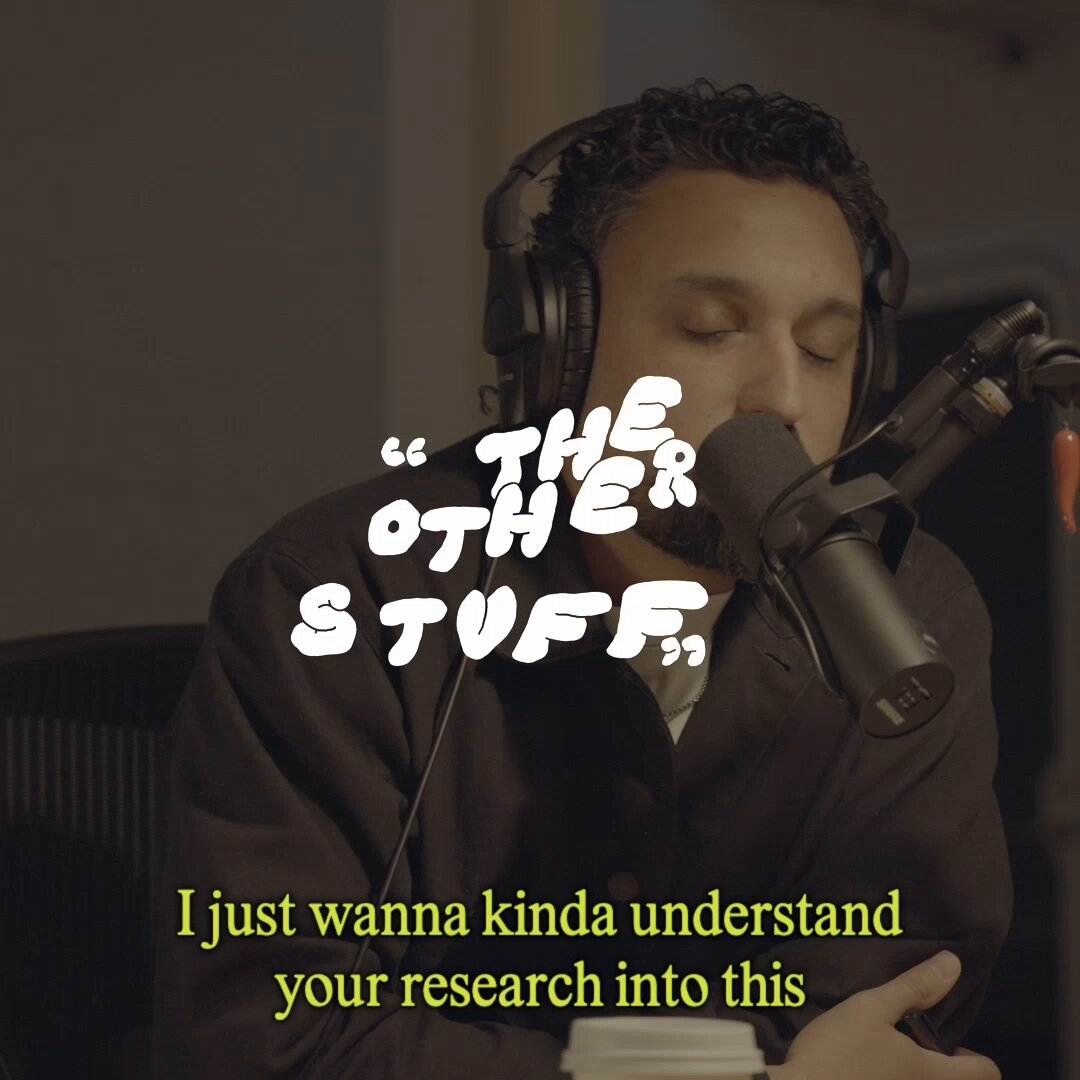
Reece Martin (@rm_transit) explains to @internetvin why he started his decade-long research project and YouTube channel, RMTransit.
"I had the vision of going to different cities and explaining how their subway systems work, talking about some news and opinion, because I had been on internet forums for like a decade talking about this stuff, arguing with people about transportation systems."
"I remember at one point being like, the highest-leverage thing I could do if I wanted to win any argument is go and create a giant online presence where I could have authority."
"And then I could just say it, and then people would put me on CBC, and then it would be like, well, you won the argument because now it's just distributed everywhere."

Reece Martin (@RM_Transit) is a writer, systems thinker, and investigator who spent a decade documenting public transit systems around the world, building one of the deepest bodies of work anywhere on how cities move.
We quickly learn that his YouTube channel was never really about transit. It was an investigation into how society works, told through the infrastructure everyone uses and almost no one stops to look at. Transportation lines become a table of contents for places themselves. We trace how Reece learned to see this way, from riding the New York subway alone at the age of 12, to wandering Tokyo at 2AM as a teenager, to the Urban Toronto forums and the foamers who film city buses for fun, to reading whole cities in Google Maps with the labels off.
Reece explains why he decided to close the channel. Part of it is discipline: it’s a chapter, and it needs to end to be a cohesive whole. The rest is harder. After ten years of seeing what a subway can be, the daily ride home wears on him, and the change he believes in is decades away, so he’d rather give his time to problems where the feedback comes faster. From there the conversation opens up into EVs, autonomy, Waymo, AI, and the quiet awe of building things bigger than human scale, the kind of infrastructure that touches millions of lives long after the people who made it are gone. The same instinct, pointed at a new set of systems.
This is a conversation about what infrastructure quietly reveals about society, how you can use any subject as a lens to understand everything else, when to walk away from something you love, and why caring about a thing might be the highest-leverage move you can make.
The Other Stuff is hosted by @internetvin, filmmaker, entrepreneur, and possibly the most curious man on Earth. Produced by New.
—
Timestamps
00:00:00 Introduction
00:04:38 RMTransit and Documenting Transit Systems
00:10:21 Urban Toronto and Forums
00:19:52 Foamers & Paying Attention
00:26:50 Langley & the NYC Subway at 12
00:31:30 Tokyo at 2AM & Osaka
00:38:30 Singapore: If Apple Made a Subway
00:48:15 Platform Doors & Toronto vs the World
00:52:22 Chengdu Builds, Toronto Stalls
01:02:24 The Google Maps Method
01:11:52 Putting a Period on the Channel
01:25:59 Filmmaking, Writing, & 50 Terabytes
01:39:23 EVs & Battery Chemistry
01:41:44 A Robot Dressed as a Car
01:51:05 Waymo & the End of Owning a Car
01:58:28 Zonal Architecture & Cars as Phones
02:04:21 Autonomy Rewrites the Roads
02:13:21 AI Will Design the Systems
02:18:20 Humans Seek Entropy, Machines Seek Order
02:20:53 Caring Is the Highest Leverage
1
3
10
2,034
Reece Martin: Transportation as a Way of Seeing | The Other Stuff #35
youtu.be/EKPXrNt31eY?si=XzP0…
1
232
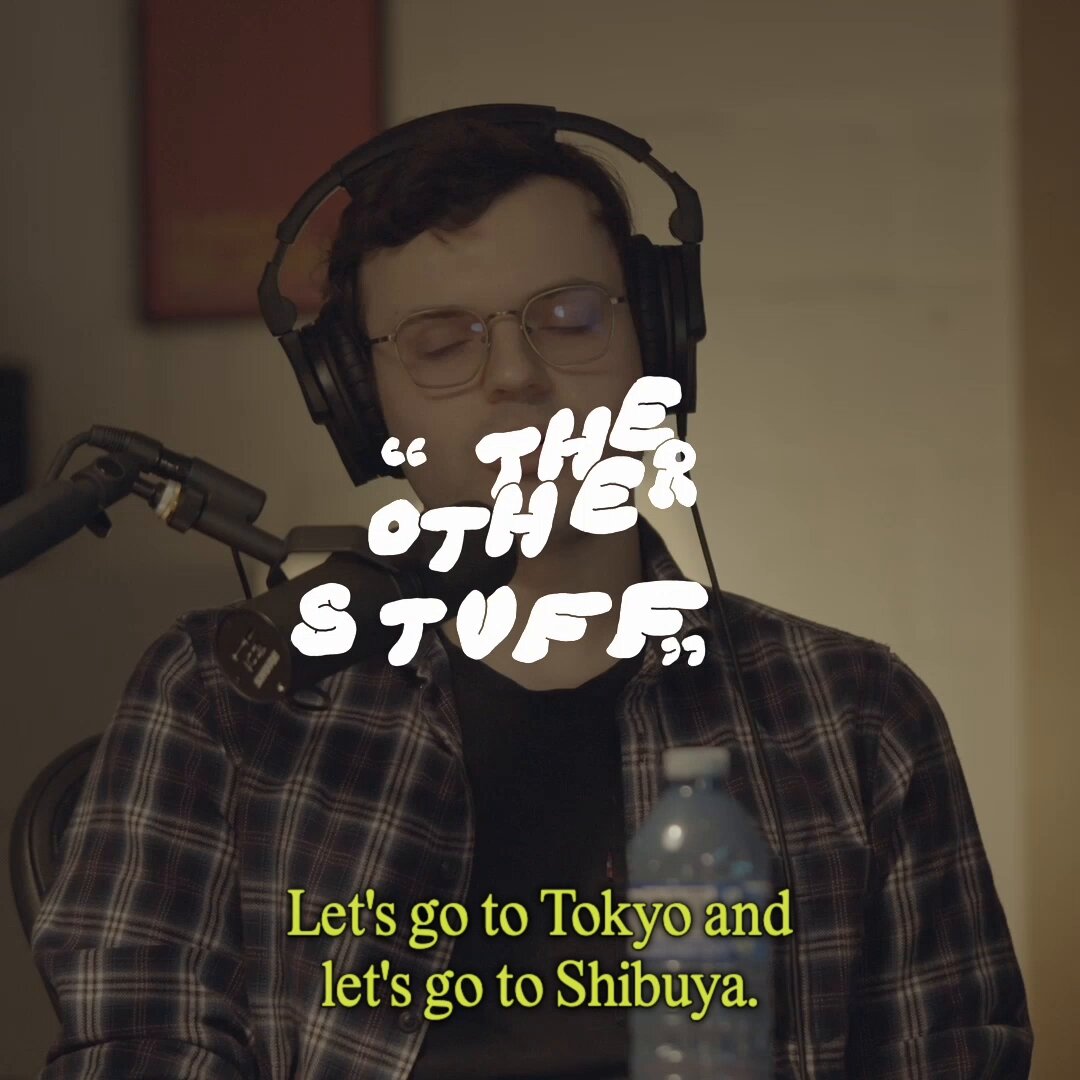
Reece Martin (@rm_transit) on how he reads a city as a sculpture using Google Maps.
"I would always do satellite view, because I want to see the real world. And then I'd turn the labels off, because it lets you see where the shapes are. I want to see where the structures are, where things are congregating."
"You're looking at it in three dimensions. It's a grid, it's a totally different streetscape, and so it's like, okay, why do they do it that way here?
Then you start to notice the roads and the rail lines and the longer roads, the parks, the styles of buildings. Oh, they're really tall on that street, so they probably got a subway there."
"You stop looking for signs of things, and you let the landscape tell you where things are."
Reece Martin (@RM_Transit) is a writer, systems thinker, and investigator who spent a decade documenting public transit systems around the world, building one of the deepest bodies of work anywhere on how cities move.
We quickly learn that his YouTube channel was never really about transit. It was an investigation into how society works, told through the infrastructure everyone uses and almost no one stops to look at. Transportation lines become a table of contents for places themselves. We trace how Reece learned to see this way, from riding the New York subway alone at the age of 12, to wandering Tokyo at 2AM as a teenager, to the Urban Toronto forums and the foamers who film city buses for fun, to reading whole cities in Google Maps with the labels off.
Reece explains why he decided to close the channel. Part of it is discipline: it’s a chapter, and it needs to end to be a cohesive whole. The rest is harder. After ten years of seeing what a subway can be, the daily ride home wears on him, and the change he believes in is decades away, so he’d rather give his time to problems where the feedback comes faster. From there the conversation opens up into EVs, autonomy, Waymo, AI, and the quiet awe of building things bigger than human scale, the kind of infrastructure that touches millions of lives long after the people who made it are gone. The same instinct, pointed at a new set of systems.
This is a conversation about what infrastructure quietly reveals about society, how you can use any subject as a lens to understand everything else, when to walk away from something you love, and why caring about a thing might be the highest-leverage move you can make.
The Other Stuff is hosted by @internetvin, filmmaker, entrepreneur, and possibly the most curious man on Earth. Produced by New.
—
Timestamps
00:00:00 Introduction
00:04:38 RMTransit and Documenting Transit Systems
00:10:21 Urban Toronto and Forums
00:19:52 Foamers & Paying Attention
00:26:50 Langley & the NYC Subway at 12
00:31:30 Tokyo at 2AM & Osaka
00:38:30 Singapore: If Apple Made a Subway
00:48:15 Platform Doors & Toronto vs the World
00:52:22 Chengdu Builds, Toronto Stalls
01:02:24 The Google Maps Method
01:11:52 Putting a Period on the Channel
01:25:59 Filmmaking, Writing, & 50 Terabytes
01:39:23 EVs & Battery Chemistry
01:41:44 A Robot Dressed as a Car
01:51:05 Waymo & the End of Owning a Car
01:58:28 Zonal Architecture & Cars as Phones
02:04:21 Autonomy Rewrites the Roads
02:13:21 AI Will Design the Systems
02:18:20 Humans Seek Entropy, Machines Seek Order
02:20:53 Caring Is the Highest Leverage
2
5
38
13,128
Reece Martin: Transportation as a Way of Seeing | The Other Stuff #35
youtu.be/EKPXrNt31eY?si=o9Q6…
394
Reece Martin (@rm_transit) and @internetVin riff on the idea that a city's infrastructure is a physical confession of its values.
"A transportation system is almost like a table of contents for the culture of a place. What they value, what they care about, the historical development of it over time."
"You can go into a place through the transportation system, and it reveals the culture, the sensibilities. But you can also do it through food, or through music. It's like what Bourdain did through food."
"It's a different way that the values of a place are projected out. They're projected out as that infrastructure."
Reece Martin (@RM_Transit) is a writer, systems thinker, and investigator who spent a decade documenting public transit systems around the world, building one of the deepest bodies of work anywhere on how cities move.
We quickly learn that his YouTube channel was never really about transit. It was an investigation into how society works, told through the infrastructure everyone uses and almost no one stops to look at. Transportation lines become a table of contents for places themselves. We trace how Reece learned to see this way, from riding the New York subway alone at the age of 12, to wandering Tokyo at 2AM as a teenager, to the Urban Toronto forums and the foamers who film city buses for fun, to reading whole cities in Google Maps with the labels off.
Reece explains why he decided to close the channel. Part of it is discipline: it’s a chapter, and it needs to end to be a cohesive whole. The rest is harder. After ten years of seeing what a subway can be, the daily ride home wears on him, and the change he believes in is decades away, so he’d rather give his time to problems where the feedback comes faster. From there the conversation opens up into EVs, autonomy, Waymo, AI, and the quiet awe of building things bigger than human scale, the kind of infrastructure that touches millions of lives long after the people who made it are gone. The same instinct, pointed at a new set of systems.
This is a conversation about what infrastructure quietly reveals about society, how you can use any subject as a lens to understand everything else, when to walk away from something you love, and why caring about a thing might be the highest-leverage move you can make.
The Other Stuff is hosted by @internetvin, filmmaker, entrepreneur, and possibly the most curious man on Earth. Produced by New.
—
Timestamps
00:00:00 Introduction
00:04:38 RMTransit and Documenting Transit Systems
00:10:21 Urban Toronto and Forums
00:19:52 Foamers & Paying Attention
00:26:50 Langley & the NYC Subway at 12
00:31:30 Tokyo at 2AM & Osaka
00:38:30 Singapore: If Apple Made a Subway
00:48:15 Platform Doors & Toronto vs the World
00:52:22 Chengdu Builds, Toronto Stalls
01:02:24 The Google Maps Method
01:11:52 Putting a Period on the Channel
01:25:59 Filmmaking, Writing, & 50 Terabytes
01:39:23 EVs & Battery Chemistry
01:41:44 A Robot Dressed as a Car
01:51:05 Waymo & the End of Owning a Car
01:58:28 Zonal Architecture & Cars as Phones
02:04:21 Autonomy Rewrites the Roads
02:13:21 AI Will Design the Systems
02:18:20 Humans Seek Entropy, Machines Seek Order
02:20:53 Caring Is the Highest Leverage
3
6
35
9,715
Reece Martin: Transportation as a Way of Seeing | The Other Stuff #35
youtu.be/EKPXrNt31eY?si=KmEc…
298
Reece Martin (@RM_Transit) illustrates documentation and investigation as a way of living.
Reece Martin (@RM_Transit) is a writer, systems thinker, and investigator who spent a decade documenting public transit systems around the world, building one of the deepest bodies of work anywhere on how cities move.
We quickly learn that his YouTube channel was never really about transit. It was an investigation into how society works, told through the infrastructure everyone uses and almost no one stops to look at. Transportation lines become a table of contents for places themselves. We trace how Reece learned to see this way, from riding the New York subway alone at the age of 12, to wandering Tokyo at 2AM as a teenager, to the Urban Toronto forums and the foamers who film city buses for fun, to reading whole cities in Google Maps with the labels off.
Reece explains why he decided to close the channel. Part of it is discipline: it’s a chapter, and it needs to end to be a cohesive whole. The rest is harder. After ten years of seeing what a subway can be, the daily ride home wears on him, and the change he believes in is decades away, so he’d rather give his time to problems where the feedback comes faster. From there the conversation opens up into EVs, autonomy, Waymo, AI, and the quiet awe of building things bigger than human scale, the kind of infrastructure that touches millions of lives long after the people who made it are gone. The same instinct, pointed at a new set of systems.
This is a conversation about what infrastructure quietly reveals about society, how you can use any subject as a lens to understand everything else, when to walk away from something you love, and why caring about a thing might be the highest-leverage move you can make.
The Other Stuff is hosted by @internetvin, filmmaker, entrepreneur, and possibly the most curious man on Earth. Produced by New.
—
Timestamps
00:00:00 Introduction
00:04:38 RMTransit and Documenting Transit Systems
00:10:21 Urban Toronto and Forums
00:19:52 Foamers & Paying Attention
00:26:50 Langley & the NYC Subway at 12
00:31:30 Tokyo at 2AM & Osaka
00:38:30 Singapore: If Apple Made a Subway
00:48:15 Platform Doors & Toronto vs the World
00:52:22 Chengdu Builds, Toronto Stalls
01:02:24 The Google Maps Method
01:11:52 Putting a Period on the Channel
01:25:59 Filmmaking, Writing, & 50 Terabytes
01:39:23 EVs & Battery Chemistry
01:41:44 A Robot Dressed as a Car
01:51:05 Waymo & the End of Owning a Car
01:58:28 Zonal Architecture & Cars as Phones
02:04:21 Autonomy Rewrites the Roads
02:13:21 AI Will Design the Systems
02:18:20 Humans Seek Entropy, Machines Seek Order
02:20:53 Caring Is the Highest Leverage
1
5
10
1,685
Reece Martin: Transportation as a Way of Seeing | The Other Stuff #35
youtu.be/EKPXrNt31eY
241
Reece Martin (@RM_Transit) is a writer, systems thinker, and investigator who spent a decade documenting public transit systems around the world, building one of the deepest bodies of work anywhere on how cities move.
We quickly learn that his YouTube channel was never really about transit. It was an investigation into how society works, told through the infrastructure everyone uses and almost no one stops to look at. Transportation lines become a table of contents for places themselves. We trace how Reece learned to see this way, from riding the New York subway alone at the age of 12, to wandering Tokyo at 2AM as a teenager, to the Urban Toronto forums and the foamers who film city buses for fun, to reading whole cities in Google Maps with the labels off.
Reece explains why he decided to close the channel. Part of it is discipline: it’s a chapter, and it needs to end to be a cohesive whole. The rest is harder. After ten years of seeing what a subway can be, the daily ride home wears on him, and the change he believes in is decades away, so he’d rather give his time to problems where the feedback comes faster. From there the conversation opens up into EVs, autonomy, Waymo, AI, and the quiet awe of building things bigger than human scale, the kind of infrastructure that touches millions of lives long after the people who made it are gone. The same instinct, pointed at a new set of systems.
This is a conversation about what infrastructure quietly reveals about society, how you can use any subject as a lens to understand everything else, when to walk away from something you love, and why caring about a thing might be the highest-leverage move you can make.
The Other Stuff is hosted by @internetvin, filmmaker, entrepreneur, and possibly the most curious man on Earth. Produced by New.
—
Timestamps
00:00:00 Introduction
00:04:38 RMTransit and Documenting Transit Systems
00:10:21 Urban Toronto and Forums
00:19:52 Foamers & Paying Attention
00:26:50 Langley & the NYC Subway at 12
00:31:30 Tokyo at 2AM & Osaka
00:38:30 Singapore: If Apple Made a Subway
00:48:15 Platform Doors & Toronto vs the World
00:52:22 Chengdu Builds, Toronto Stalls
01:02:24 The Google Maps Method
01:11:52 Putting a Period on the Channel
01:25:59 Filmmaking, Writing, & 50 Terabytes
01:39:23 EVs & Battery Chemistry
01:41:44 A Robot Dressed as a Car
01:51:05 Waymo & the End of Owning a Car
01:58:28 Zonal Architecture & Cars as Phones
02:04:21 Autonomy Rewrites the Roads
02:13:21 AI Will Design the Systems
02:18:20 Humans Seek Entropy, Machines Seek Order
02:20:53 Caring Is the Highest Leverage
2
9
45
22,055
Reece Martin: Transportation as a Way of Seeing | The Other Stuff #35
youtu.be/EKPXrNt31eY
3
6
1,493
Matthias Wandel on the origin story of his YouTube channel, website, and body of work known as "woodgears dot ca."
"It wasn't about YouTube at all originally, but I built some of these things like the marble machines that I shared on this website. And I put a sound sample on there. And I was like, I wanna put video on here..."
"Why did you call it 'woodgears'? Because that domain was available.
But why 'woodgears'?
Because I was into the mechanical type of things, to make gears out of wood. The banner is some wooden gears I had made even before I thought of the website.
I just photographed some gears on a table that I'd made, and that became the banner."
1
2
3
780
Matthias Wandel & Yacine: The Pleasure of Finding Things Out | The Other Stuff #34
youtu.be/qb2SGek8lS8?si=bNrW…
201
Alex Danco (@Alex_Danco) riffs on what the early stage of a startup is actually for.
"The only point when you're at that stage is figuring out what you want to do. And the way you figure out what you want to do is by learning what really gets you off when you give it as a gift. That's how you figure it out."
"Tobi realized he wanted to do Shopify when he built this thing for himself for making online stores. He showed it to other people and they were like, this is really nice, but this will never work in the real world for all these reasons. And he's like, I don't care about what the real world wants. This is what I want to give. You can come to my island and have my thing, but you have to come to me. It's my terms. It's just what I want to do."
"The whole point of this early stage is figuring out what you want to give. If you can find what your gift is, you can give it over and over and over again. And that's how you create a body of work that does something."
1
3
6
573
Alex Danco: How Crowds Form, Why Narratives Move People, The Magic of Scenes | The Other Stuff #26
youtu.be/OvxjT__wBg0?si=jT07…
212
Alex Danco (@Alex_Danco) riffing on why demo days actually work, and why it has nothing to do with the demos.
"Why do demo days work? The reason why demo days work is because demo days are a form of gift exchange. Demo days are when information is actually exchanged, because demo days are when people listen. The reason people are listening is because you're giving gifts to each other of the demos. People really, really want to go to places where there's signal."
"What is a high signal environment? It's not an environment where there's a lot of signal. It's an environment where people are receptive. So if you want to create the conditions where people are receptive, then the signal will be found."
"You go to a demo and probably you didn't learn something from the person demoing. You learn something from the person sitting next to you. But the demo mattered, because the demo got you listening in the first place."
1
3
7
1,011
Alex Danco: How Crowds Form, Why Narratives Move People, The Magic of Scenes | The Other Stuff #26
youtu.be/OvxjT__wBg0
324
Matthias Wandel riffing with Yacine (@yacineMTB) on the leadership trait that let Mike Lazaridis lead engineers at RIM.
"Mike was more of a hardware guy, but he understood nuts and bolts. He used to do the design work himself. What makes people like Mike special is he's got the technological background, so he can talk the talk. He can inspire the engineers. He's not some guy who doesn't know what he's talking about."
"He's got the audacity and the confidence, which is a big factor to get the deals, to inspire other people. The reality distortion field."
"One of the bottlenecks to engineering companies is motivating engineers who are very smart. When they think about things from first principles, you can follow their reasoning, and they also respect your own ability to reason through things. They're actually partaking in the process of engineering."
"Sometimes when you take crazy technical risks, you end up motivating engineers, because you motivate that bone that says, hey, this would be a really cool thing to brag about. It's almost like a stunt. Taking an order and a deposit for a product we had no idea how to build. It's like, are you crazy?"
2
2
4
605
Matthias Wandel & Yacine: The Pleasure of Finding Things Out | The Other Stuff #34
youtu.be/qb2SGek8lS8?si=y1aH…
209
Alex Danco (@Alex_Danco) on how to be good at anything.
"The highest compression idea I can offer anybody for being good at anything is: be really generous."
"One man asks the other, 'Where have you stored your grain?' He says, 'I store my grain in the belly of my brother.' It's not literal storage, but it's actually the realest kind of storage."
"You could take your money and turn it into gold. Or you could turn it into champagne with your friends, toasting one of their wins. That's a different way of storing wealth. We will continuously do this for each other."
"People are, on some level, defined by what they give away without being asked."
2
4
18
2,068
Alex Danco: How Crowds Form, Why Narratives Move People, The Magic of Scenes | The Other Stuff #26
youtu.be/OvxjT__wBg0?si=Tcjp…
326