Nationalist, Father, Political commentator, subscribe to my YouTube channel 👇🏻
Joined October 2023
- Tweets 6,621
- Following 217
- Followers 45,425
- Likes 59,563
1,998 Photos and videos
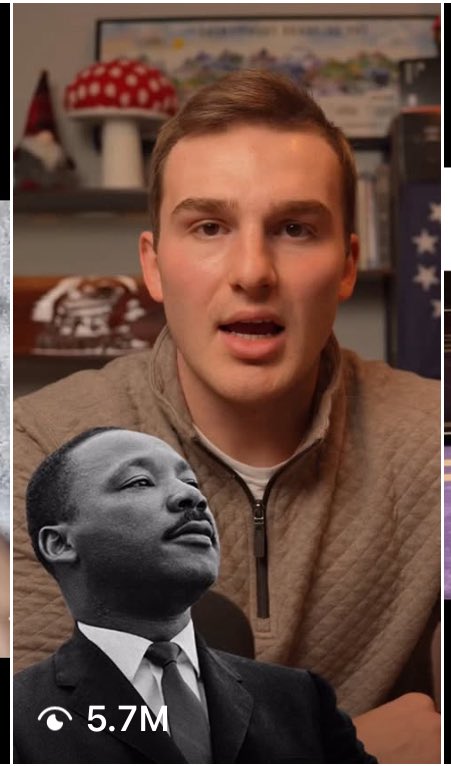
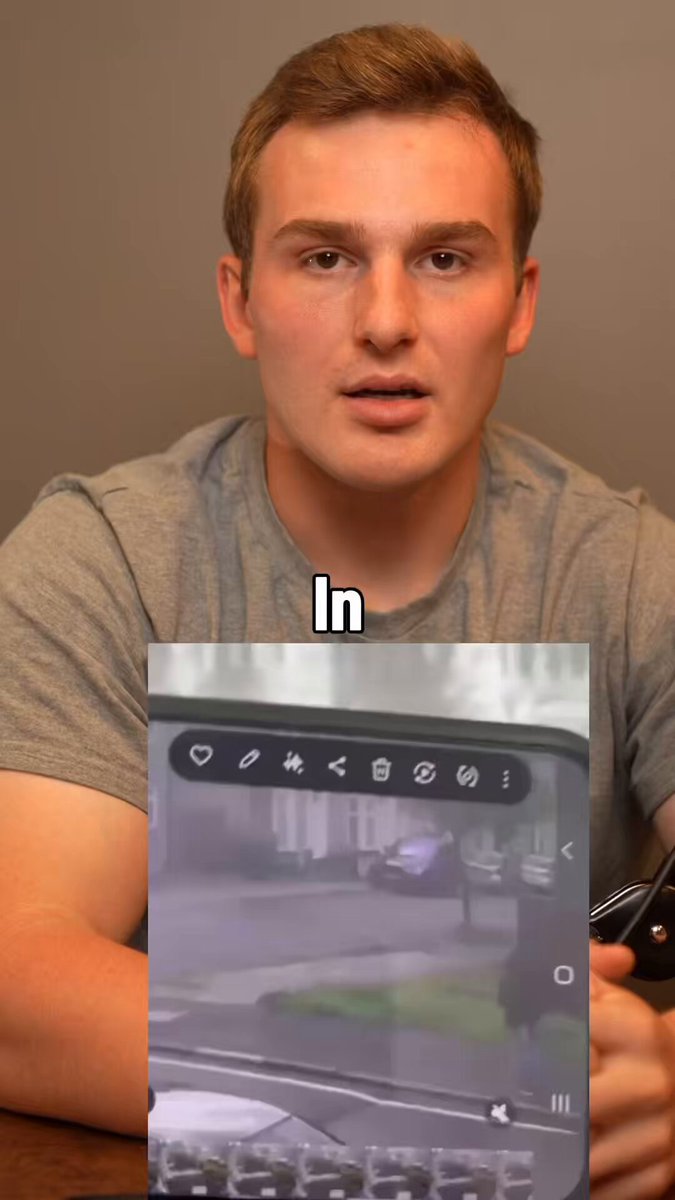
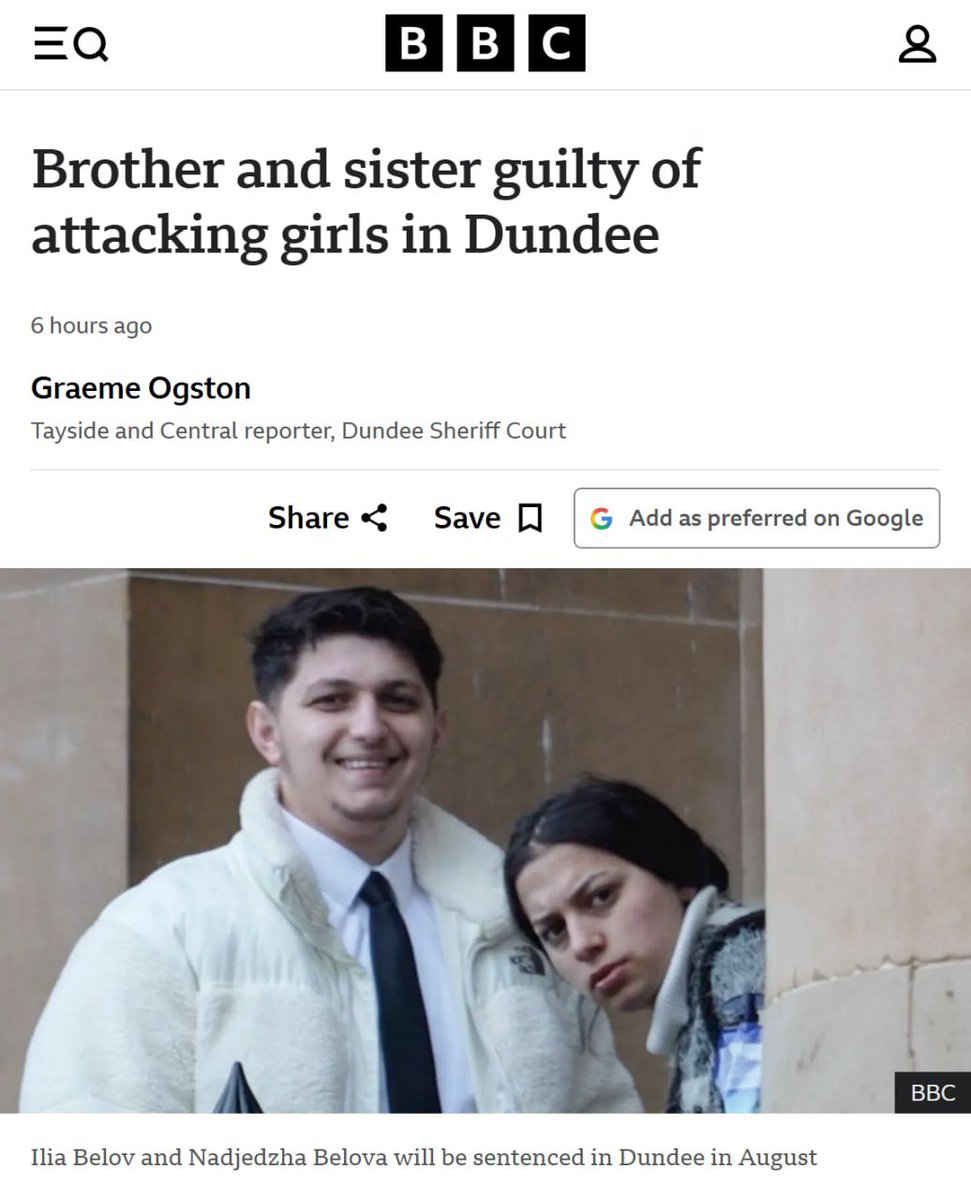


These fake stories of black Celebs raising money for this kid are tired. Why doesn’t Twitter delete this shit

Lebron James revealed that he spoke with the parents of 19 year old Karmelo Anthony and he will be donating $500k to help them with an APPEAL to bring Karmelo home 👀😬
"I believe everyone deserves a 2nd chance all he did was defend himself"
"Im gonna wire them $500k tomorrow"
Community note
LeBron James has not announced a $500k donation to Karmelo Anthony's appeal or commented on the case, and no credible reports confirm the claim. nypost.com/2026/06/11/us-… x.com/KingJames
7
8
217
3,104
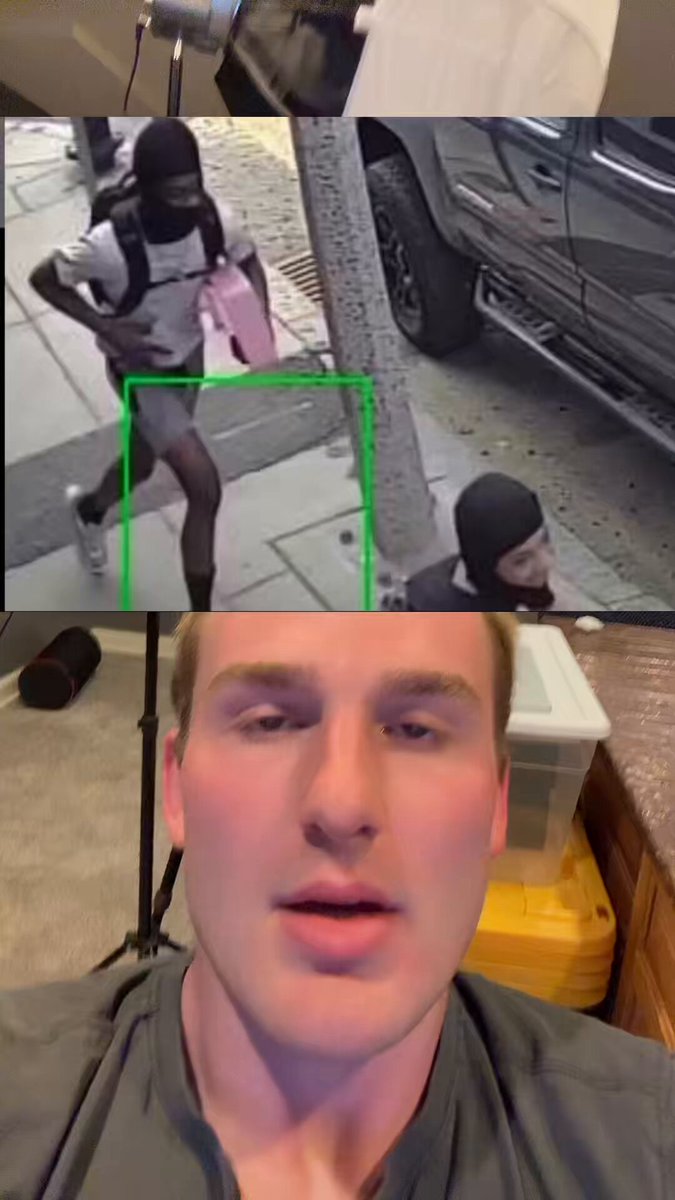
Thugs had to Use a gun to rob a little kids lemonade stand in Boston
11
20
204
2,021
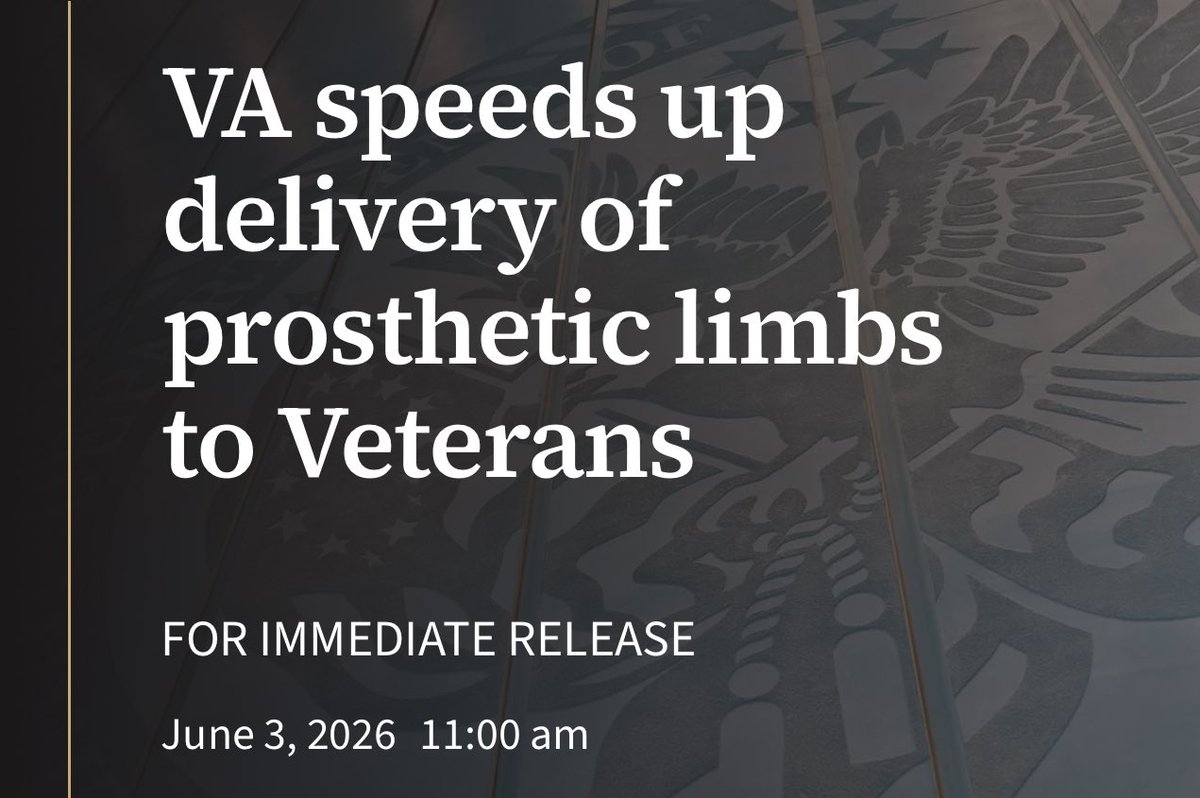
The Trump admins changes to the VA reduced wait times for prosthetic limbs from 94 to 54 days by streamlining procurement. Hopefully this type of change can be had in the Costs of Prescriptions/ medical care for Americans
2
27
1,167
I will be discussing ‘foreign born’ labor dynamics in a multi part series, also discussing the fixation on “Aliens” that we see from some political people
4
5
114
1,946
Our Own Nation retweeted

Jun 13
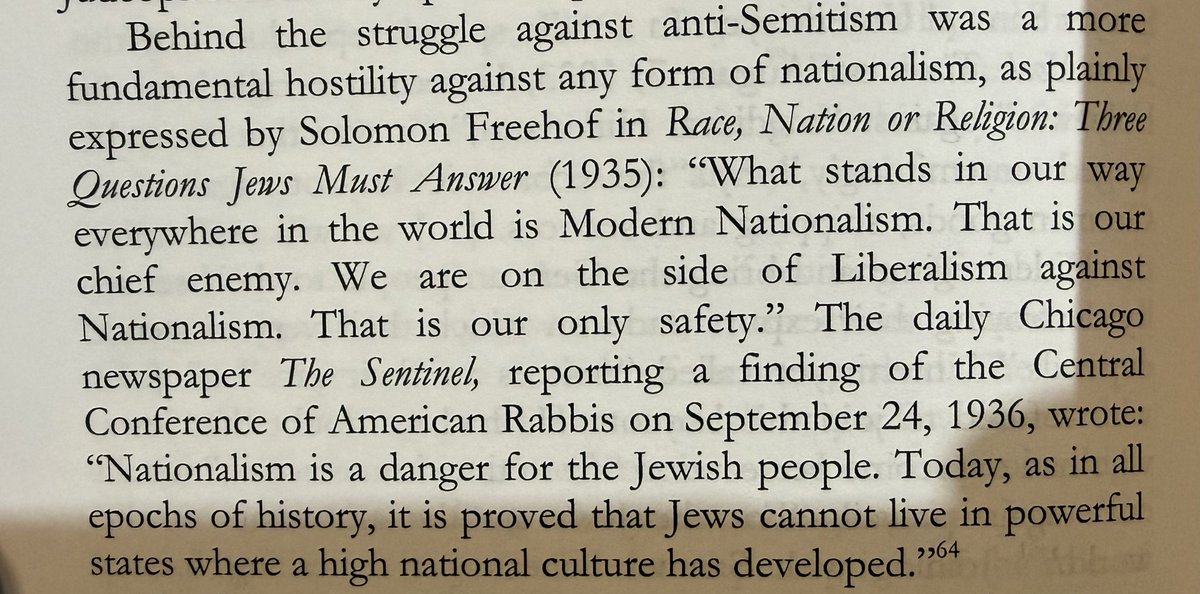
Jews hate nationalism because it excludes them from homogeneous goy nations. So they push destructive liberalism and multiculturalism to weaken and subvert host societies for their own gain.
But hypocritically, they promote exclusive Jewish nationalism for themselves in their ethnostate.
As Rabbi Solomon Freehof admitted in 1935: “Modern Nationalism… is our chief enemy. We are on the side of Liberalism against Nationalism.”
And the 1936 Central Conference of American Rabbis stated: “Nationalism is a danger for the Jewish people… Jews cannot live in powerful states where a high national culture has developed.”
72
886
3,490
36,238
This dude thinks if people dislike him it’s because of Mystical hidden forces pulling a Psychological operation, maybe you’re just unlikeable since you insult literally everyone on the right wing.

It's hard to make real friends in the 2010s and 2020s because you just don't know which ones of them will hate you for no good reason after the next big psyop hits.
3
5
59
1,792
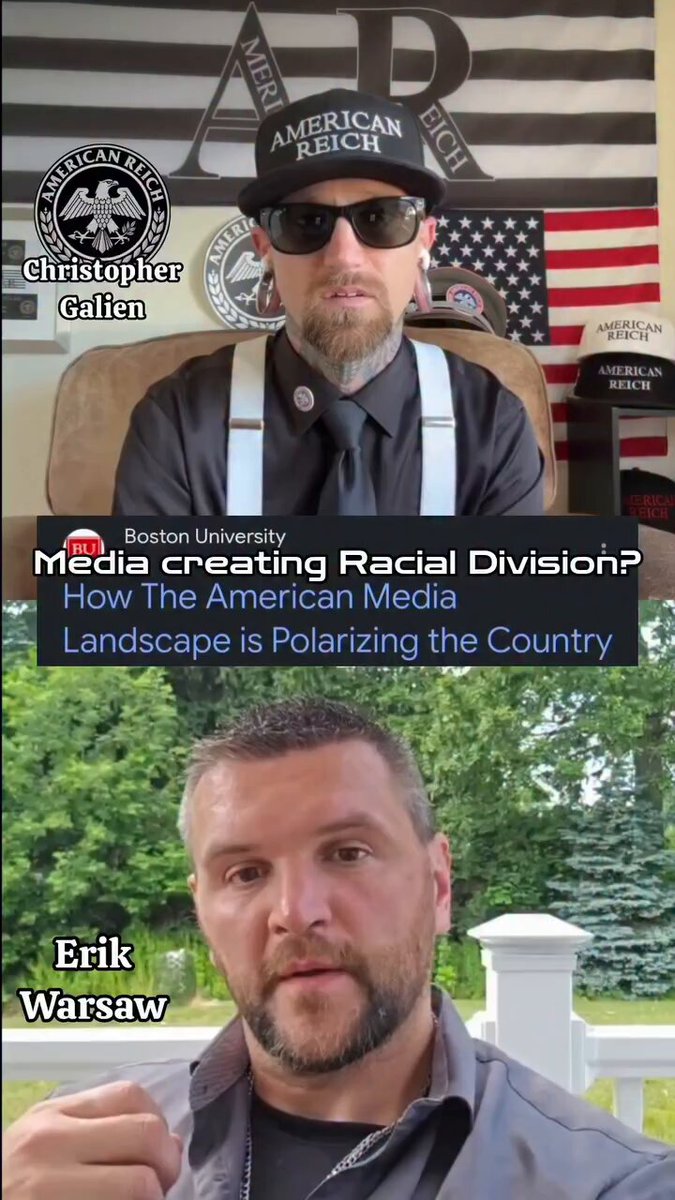
“The media is inciting racial tension” People are genuinely so deluded. The Media tries to Hide racial tension and condemns it constantly. The State Forced integration and punishes ‘racists’ heavily both in courts and in social restrictions.
This guys is “AMERICAN REICH” he literally wants to be a ‘Nazi’ but thinks other racial groups don’t have negative attitudes towards White people unless Jewish people cart magic spells on them.
American Jews Forced integration via the civil rights act so they could get into Law schools and social clubs. American Jews pushed for mixed race marriages in Loving V. Virginia, and Bussing black students into White areas. The AJC literally wrote the Hart-Cellar act.
Jews are not “trying to divide races” they want you to be mentally castrated and have no racial identity of your own, while these people hate you and attack you so that you are powerless as a group
24
26
203
3,973

Jun 13
This shit got 24 million views and doesn’t have a community note meaning she’s getting paid for it. It’s just silly to post obviously fake stuff for engagement, and 10% of our public might genuinely fall for it.

Posted and then almost instantaneously removed.
What the literal hell is this?

18
5
181
5,730
Jun 13
Your dad was a piece of shit and he’s in hell right now, my video ab him got ~6 million views because people understand how terrible your dad was.
Jun 11

Karmelo Anthony, a Black teenager, has been sentenced to 35 years in prison after being convicted by a jury with no Black jurors. Whatever one believes about the verdict itself, we cannot ignore the larger truth that many Americans are wrestling with: justice is still being administered through a system with a long history of racial disparity in sentencing and punishment.
This requires more than reaction. It requires moral honesty about who is deemed dangerous, whose pain is centered, and how differently accountability has often been applied in America. If we want justice worthy of its name, it cannot be shaped by race.
#KarmeloAnthony
Community note
Jury had no Black jurors because qualified Black prospects admitted bias (e.g., couldn’t convict “a brother”) or were struck for race-neutral reasons (educators) upheld by the judge. Conviction based on evidence: Anthony stabbed victim in chest as aggressor.
cbsnews.com/texas/news/jur…
16
34
612
9,588
Jun 13
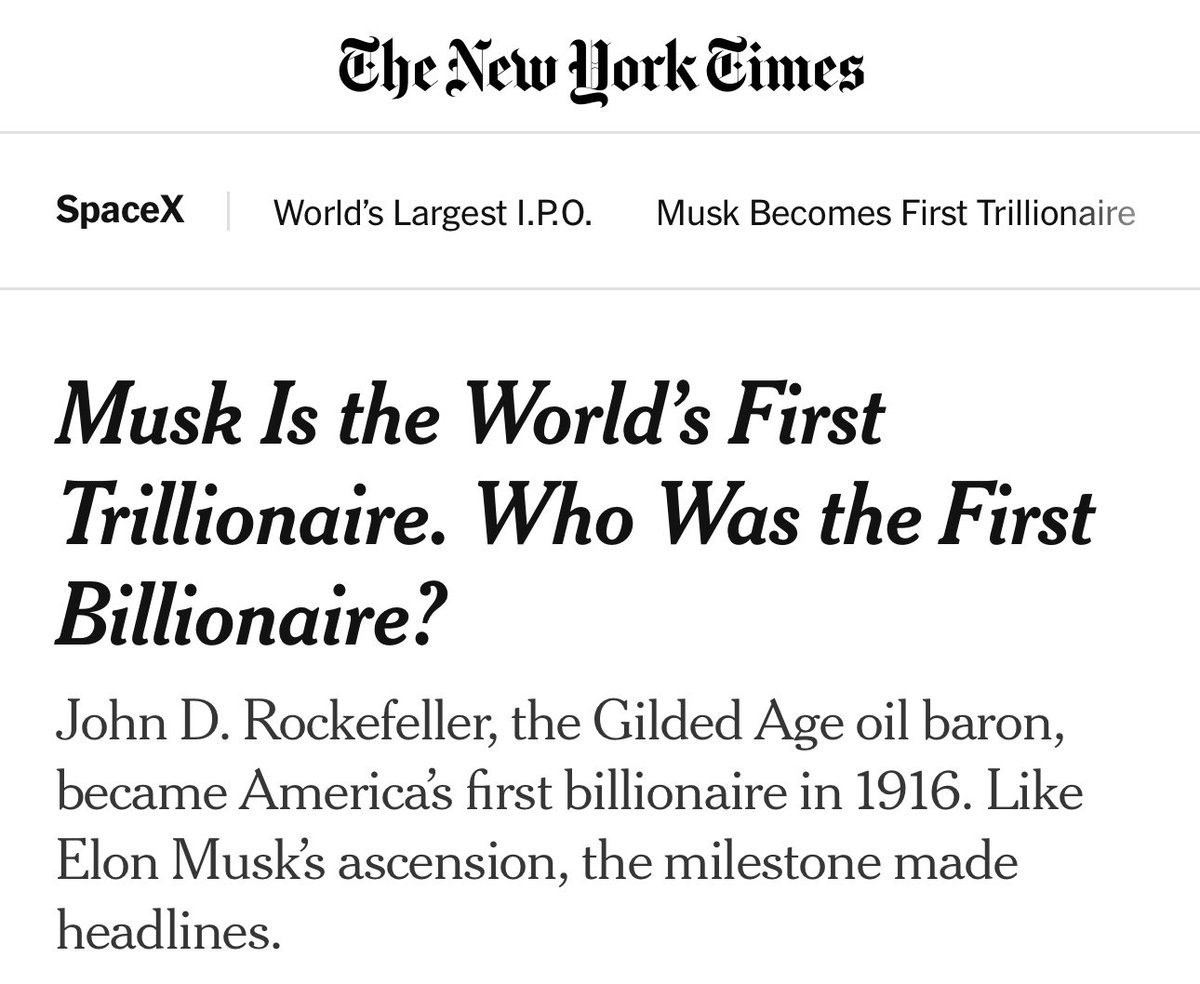
Many people claimed this was coming but I didn’t expect it so soon. Elon is a Trillionaire thanks to the IPO
7
2
112
3,318
Jun 13
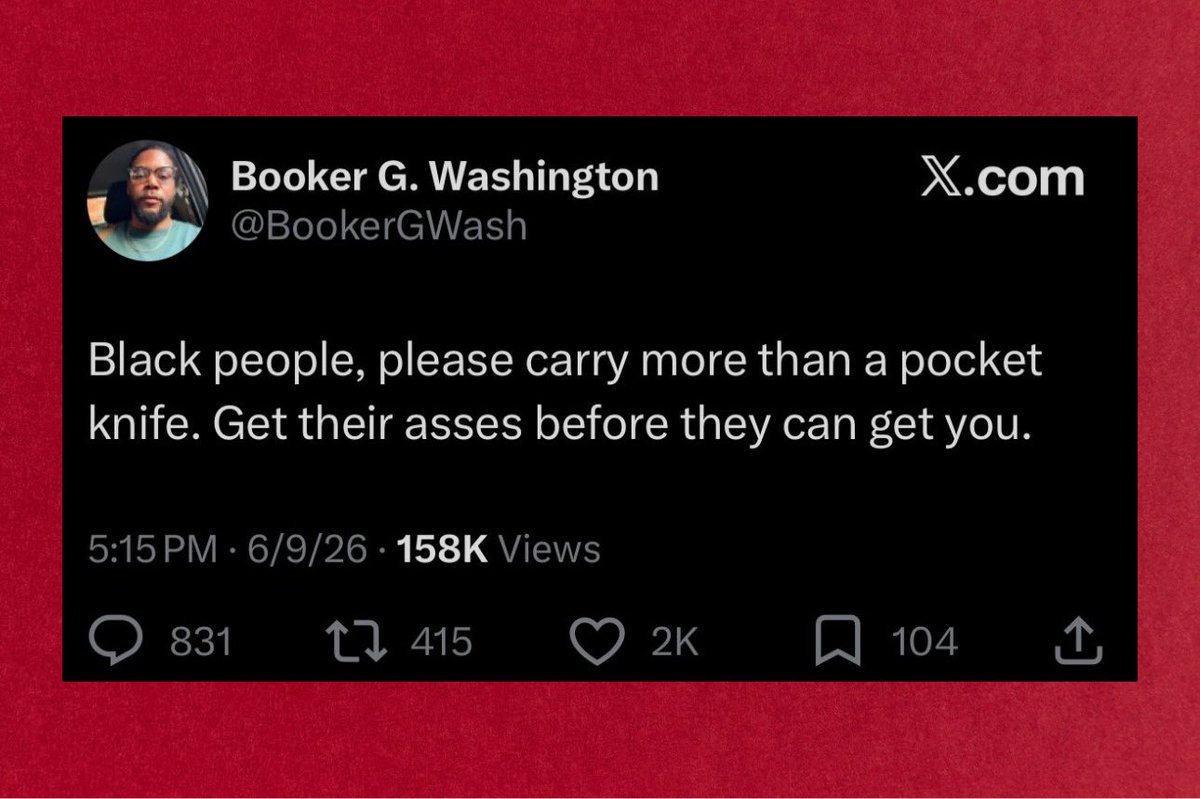
The Law of Large Numbers, a sample of 1,000 people gives you a margin of error of ~3% and if I asked > 1000 black Twitter and >1000 black Facebook posters I would certainly find that the majority hold similar views to what I’ve documented.
Not to mention that I have roughly ~1000 examples of tweets, Facebook posts, and TikTok/ Instagram videos expressing the same sentiments to varying degrees.
1000 posts might not “fully represent” millions of people, but it is a microcosm of their core sentiments boiled down into a consumable format.
Jun 13

Same niggas who say 'you don't understand per capita' when you tell them a collection of algorithmically curated videos doesn't represent the sentiment of a race.
5
3
65
3,022
Jun 13
It’s important for people to see videos like this so they understand how to carry themselves in public.
616
1,029
4,321
48,583
Jun 13
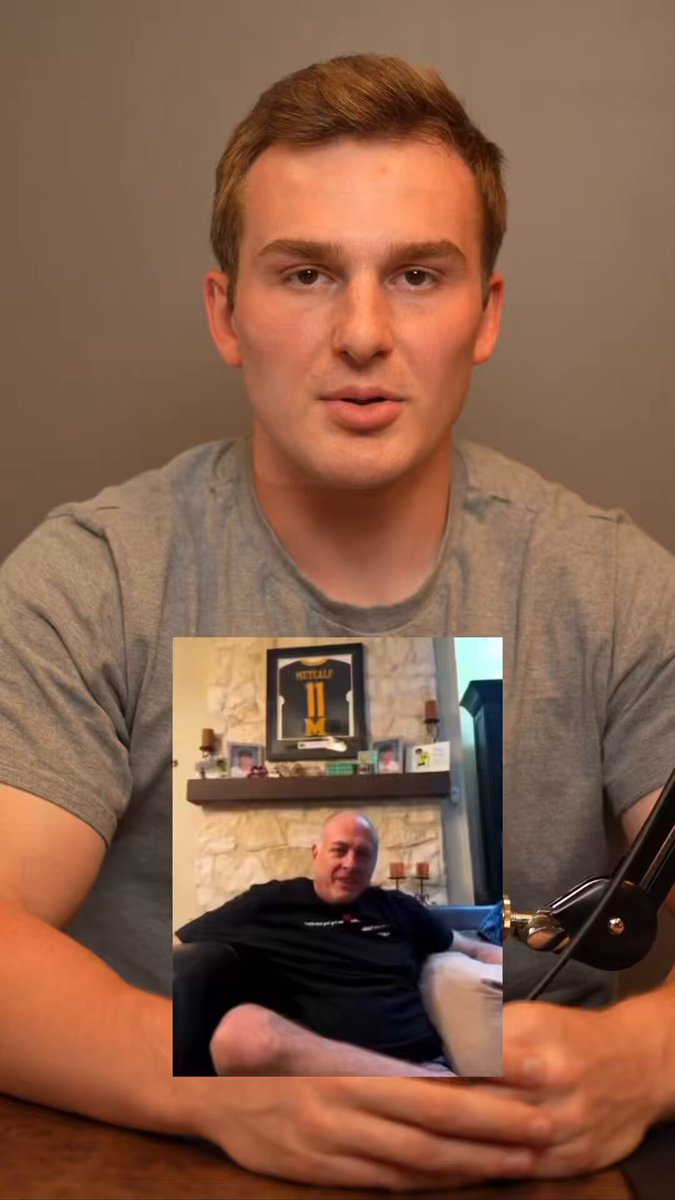
Austin Metcalf’s dad is not actually racist, but he should be, he’s been threatened with murder, Swatted, and harassed endlessly by blacks online and in person.
35
72
555
17,744
Jun 13
Another random stabbing in the United Kingdom, all of these people must be deported
22
142
819
6,745
Jun 12
Deport them all, I don’t care if the government claims they are “legal” they will never belong in the Uk or Europe

Horrific scenes out of Burnley, England today as a 17yr old girl is stabbed in the throat in broad daylight.
22
61
772
10,669
Jun 12
I will cover the Brunley, England stabbing, just four days after a Senegalese migrant tried to behead an Irish man in Belfast- now a 30 year old Arab Stabbed a 17 year old girl at random.
The story is useful to argue against the third worldist crowd“well these people are only in Europe because of wars in the Middle East”
- most of these perpetrators are not coming from Syria, Lebanon, or Gaza
- there is no justification for them to be in Europe or America as opposed to their own nation
-they must all be deported.
11
16
254
4,639
Jun 12
That family is milking this Little felon for millions 🤣
Jun 12

Karmelo Anthony has a new lawyer, filed an appeal, and has more financial support. I pray it goes in the right direction.
11
21
511
7,484
Jun 12
If you live past 55 years old, your odds of developing dementia are 42% And we will have an aging population, which will be entirely dependent on care.
Older generations have been surprisingly effective at keeping a decent portion of the welfare system. They are gonna need all that money for government research, elite hospitals, and big Pharma to find a solution
Right now, there are over 7.4 million Americans actively living with clinical Alzheimer’s by 2050. According to a massive 2025 study from NYU Langone, this is expected to double.
As of 2026, the cost of caring for these people is 409 billion every single year.
By 2050, this is expected to be $1 trillion and an annual healthcare spending
Medicare and Medicaid were forced to foot over 75% of this cost.
And that doesn't even account for the $446 billion in “unpaid labor” provided by 12 million family members acting as full-time caregivers.
Now we know, Medicare and Medicaid have a lot of fraud, but there’s still a significant number of people who are truly providing home healthcare.
The US government is funding the BOLD Infrastructure for Alzheimer's Act** (Building Our Largest Dementia Infrastructure).
For the 2026 fiscal year, Congress approved a massive budget increase, pushing total **NIH and National Institute on Aging (NIA)** annual research funding to a staggering **$3.9 billion**.
Health and Human Services (HHS), alongside the Department of Veterans Affairs and the Department of Defense, are treating cognitive decline as a direct threat to national healthcare stability.
For decades, drugs like *Aricept (donepezil)* and *Namenda (memantine)* only masked symptoms. Today, big pharma is trying to alter the actual biology of the disease.
There are FDA-approved drugs to treat or prevent Alzheimer’s, like Leqembi (lecanemab) developed by Eisai and Biogen.
This treatment costs $27,000 per year, requires bi-weekly intravenous infusions, and carries a 30% risk of ARIA—Amyloid-Related Imaging Abnormalities—which is medical speak for brain swelling or micro-bleeds.
Eli Lilly's Kisunla (donanemab) does the strange thing but allows patients to stop infusions once their plaque levels drop below a certain threshold.
Medicare refuses to routinely cover these $27,000-a-year drugs under standard rules unless your doctor can get you on CED coverage and Evidentiary Development
There are likely important dietary changes that could prevent the progression of age-related neuronal decay,
But I believe the US government should pursue open access to these Alzheimer's drugs
The medical industry and pharmacy benefits managers are notorious for price gouging and charging prices that are 100 times more than the actual cost
When things like Alzheimer’s and cancer are being debated, we need accessible solutions.
10
6
88
2,560
Jun 12
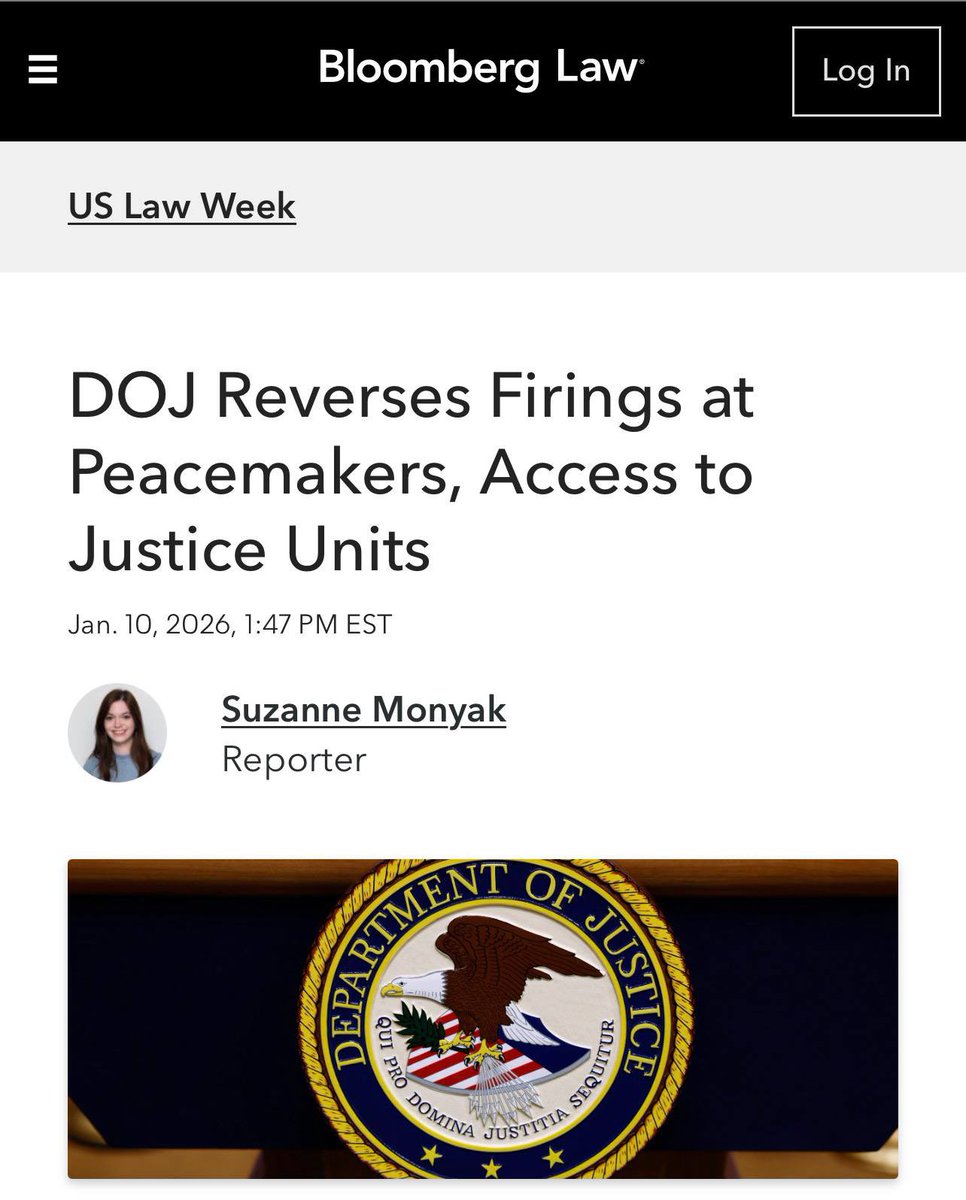
The UK’s “nudge unit” has been a topic of conversation recently. Like the DOJ’s Community Relations Service, the nudge unit is a government office responsible for bullying the families of White interracial crime victims into making anti-racist statements.
Contrary to premature celebrations, the DOJ’s Community Relations Service has not been disbanded. Its budget has been slightly reduced from $24M to $20M, but it otherwise functions as it always has. The Trump administration’s “dismantling” of this unit was touted as a major victory.
You might argue that they “replaced them with non Woke Leaders” but the Function of the organization is the same.
5
29
120
2,992
Jun 12
I have a counter argument here. I’ve seen “good blacks” being promoted heavily on tiktok and instagram, where they condemn the Behavior of the “black community”
I dont think social media want to promote the truly divisive stuff (outside of X) so they Boost “Peace and Unity” posts from Blacks and take down Whites saying stuff that’s a little too true.
Jun 11

Every day that passes i believe more and more that the most divisive content is unnaturally pushed on this site.
11
12
147
6,182