I’m unique, just like everyone else!!
Joined July 2018
- Tweets 2,678
- Following 3,101
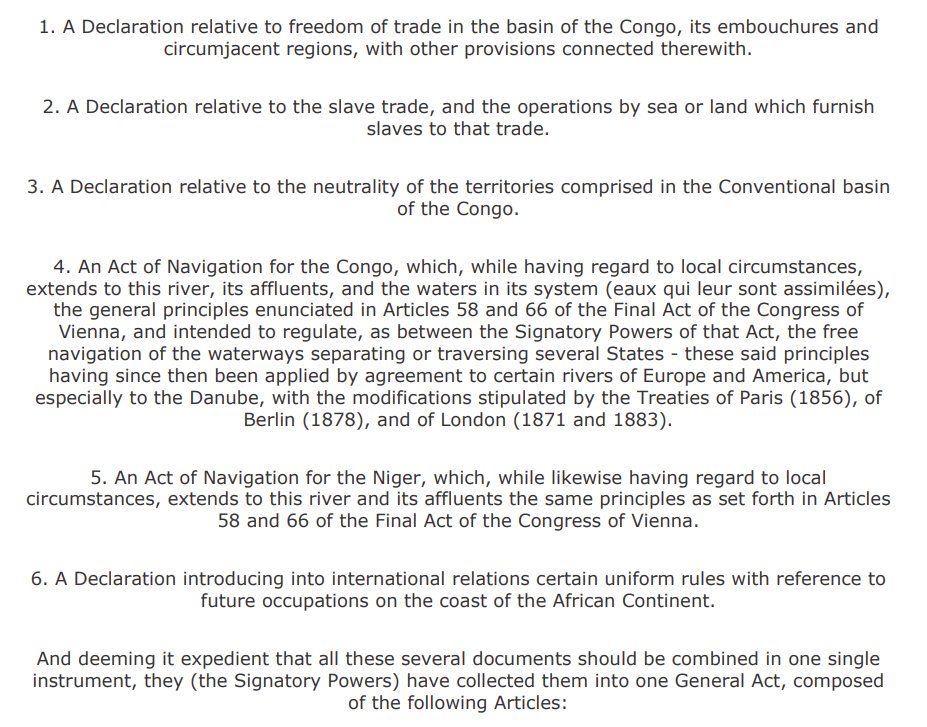
- Followers 3,049
- Likes 221,326
107 Photos and videos

Pinned Tweet

23 Jun 2022
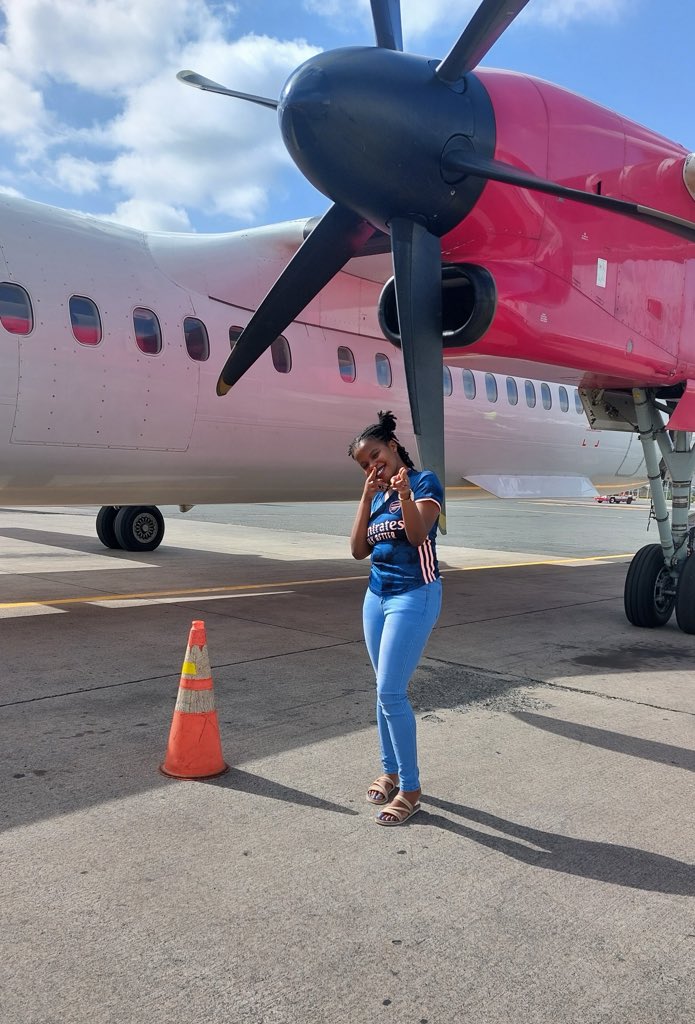
She will smile immediately you like it♥️
Hit the like and see the magic ♥️😎
#Davido #Kizzdaniel #CristianoRonaldo #sabinus #zlatan #freeshs

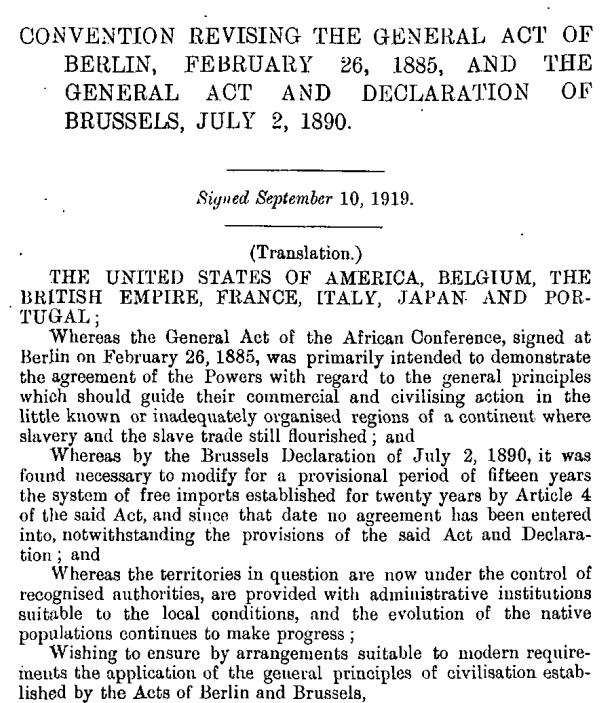
24
12
691
Mr. Paul retweeted

Jun 15
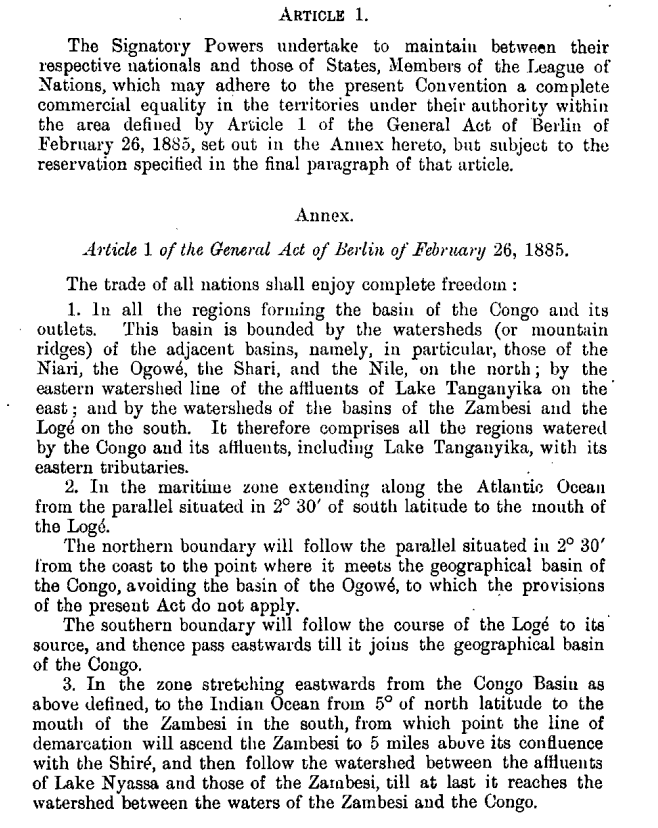
1. A few people reached out expressing some discomfort with the point in my earlier post that the Berlin Conference of 1884 - 1885 wasn't *primarily* about COLONIAL BORDERS but more about trade and navigation.
2. I wasn't minimising colonialism or trying to absolve the convenors from colonialism. In fact, the noxious Leopold was a major instigator. And Africa was the agenda without a single African being present.
3. But I understand the reaction. Most people have only heard of the Berlin Conference in the context of the phrase: "scramble for Africa." Whilst this is an apt phrase, it is only presented in the form of cartoonish caricatures, like the one attached to this post.
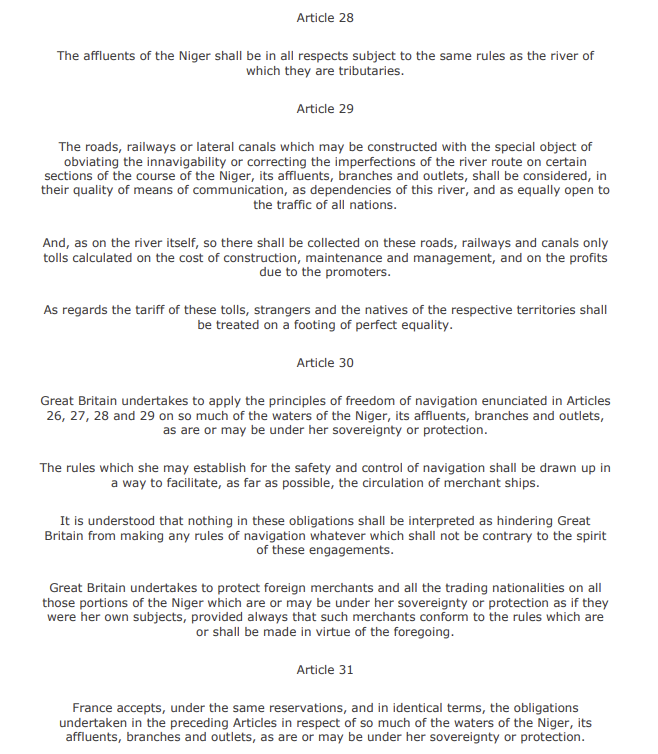
4. Consequently, most people have never bothered to read the document that resulted from the conference. See a link in the comments and read it for yourself. I have also attached the summary of the main issues agreed on by the 14 world powers at the conference.
5. You would notice that some of these powers like the US, Turkey (Ottoman Empire then), Russia (Russian Empire then) and Sweden-Norway had basically no colonial holdings in Africa at the time.
6. In fact, 10 of the 14 signatories had minimal exposure to the continent. It shouldn't be too surprising then that they would care less about the inviolability of colonial borders and more about trade and navigation.
7. In fact, freeing up navigation mattered so much to the gathered imperial powers that they reinforced the ban against slave-trading because it could cause unnecessary friction in chasing bigger bucks.
8. And to cement the irony, the only African potentate that insisted on attending the conference, the Sultan of Zanzibar, was denied access on account of being "tainted by slavery." You couldn't make it up.
9. What, then, is the abiding lesson of the Berlin Conference?
10. It shows that even imperial and colonial powers knew that the Africa project is unworkable without freeing up trade and navigation throughout the continent.
11. I have attached the provisions on the Niger basin in the Berlin Conference Agreement. The logic isn't all that different from Lobito today.
12. I also note that the 1919 revision attempted to expand the free trade provisions through the League of Nations (see header attached.)
13. The vastness of Africa and the sparseness of its infrastructure then and now make borders a ridiculous fixation.
14. For far too long, African elites have blamed imperialists and colonialists and their infernal borders for keeping the continent in this state of balkanised nonsense.
15. The bitter truth is that even the colonialists understood that if they wanted to make money, balkanisation wasn't the smartest move.
16. What are African elites waiting for?
[Because the subject is related, I have also placed a link to the piece on rethinking anti-imperialism with a policy lens in the comments.]
2
12
32
4,298
Mr. Paul retweeted

May 24
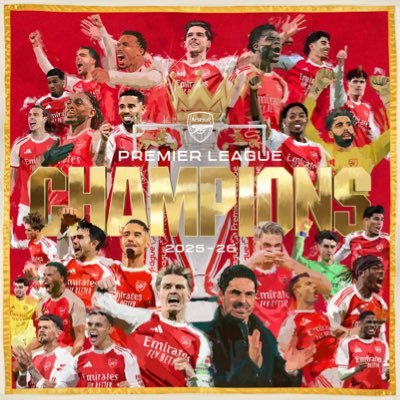
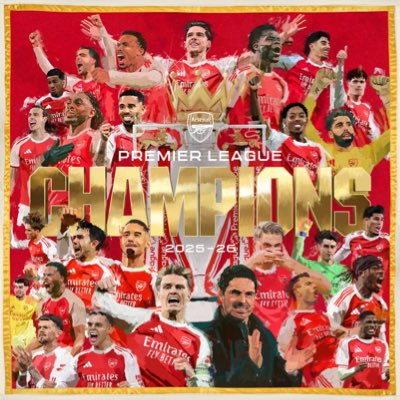
NORTH LONDON FOREVER
Congratulations Arsenal fans all over the world 😍😍😍😍
26
275
1,620
12,064
Mr. Paul retweeted

May 24
For men;
I feel like after bearing your grandfather's last name, wouldn't you want your children to bear your own name?
May 24

I have a hot take.
Disagree respectfully o.
1,190
827
10,054
1,588,835
Mr. Paul retweeted

May 24
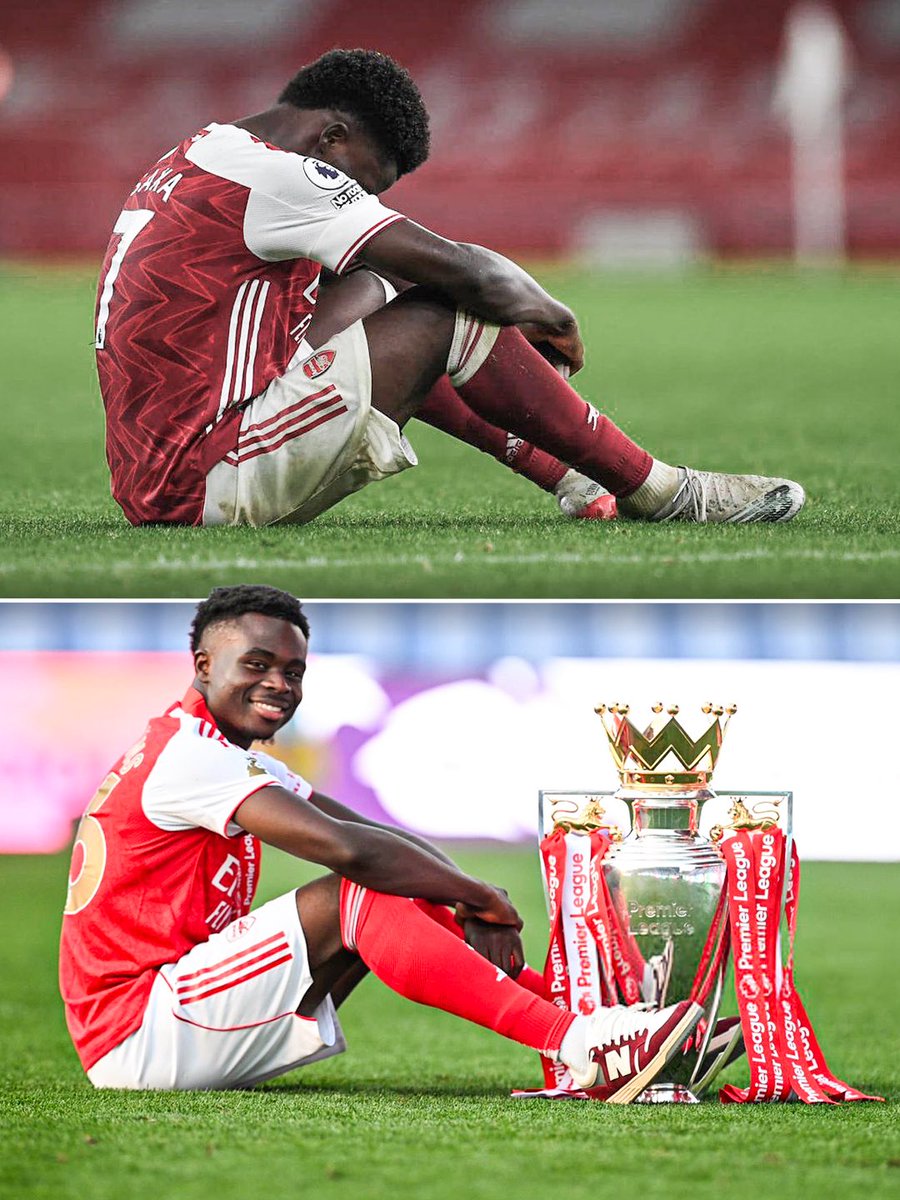
Bukayo Saka recreated the pic from 2020 when you posted: “You deserve more, Arsenal fans”.
…and he delivered. ❤️🤍🏆
1,075
10,839
102,931
1,561,575


Mr. Paul retweeted

May 24
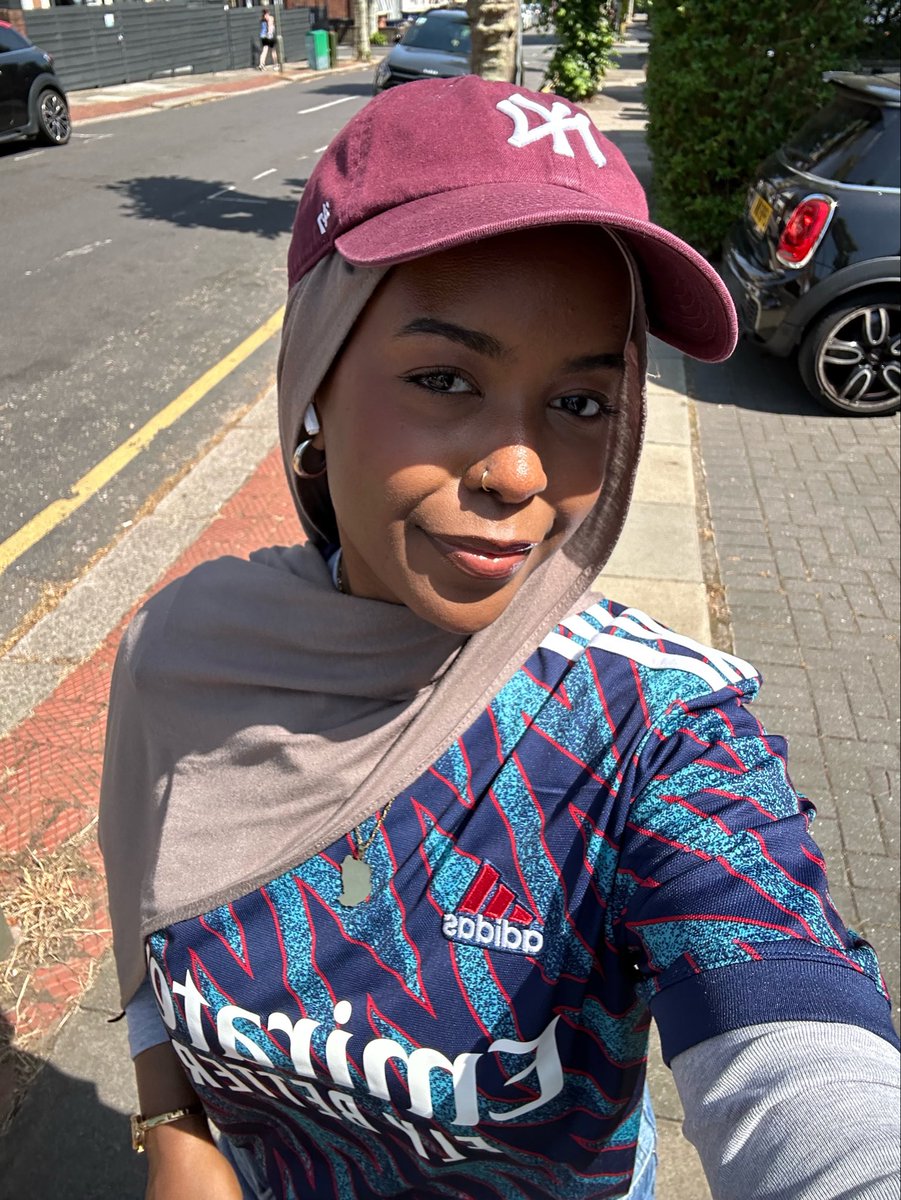
We’re on our wayyyy, we’re on our wayyyyy 🕺🏾🏆
36
192
2,986
26,918

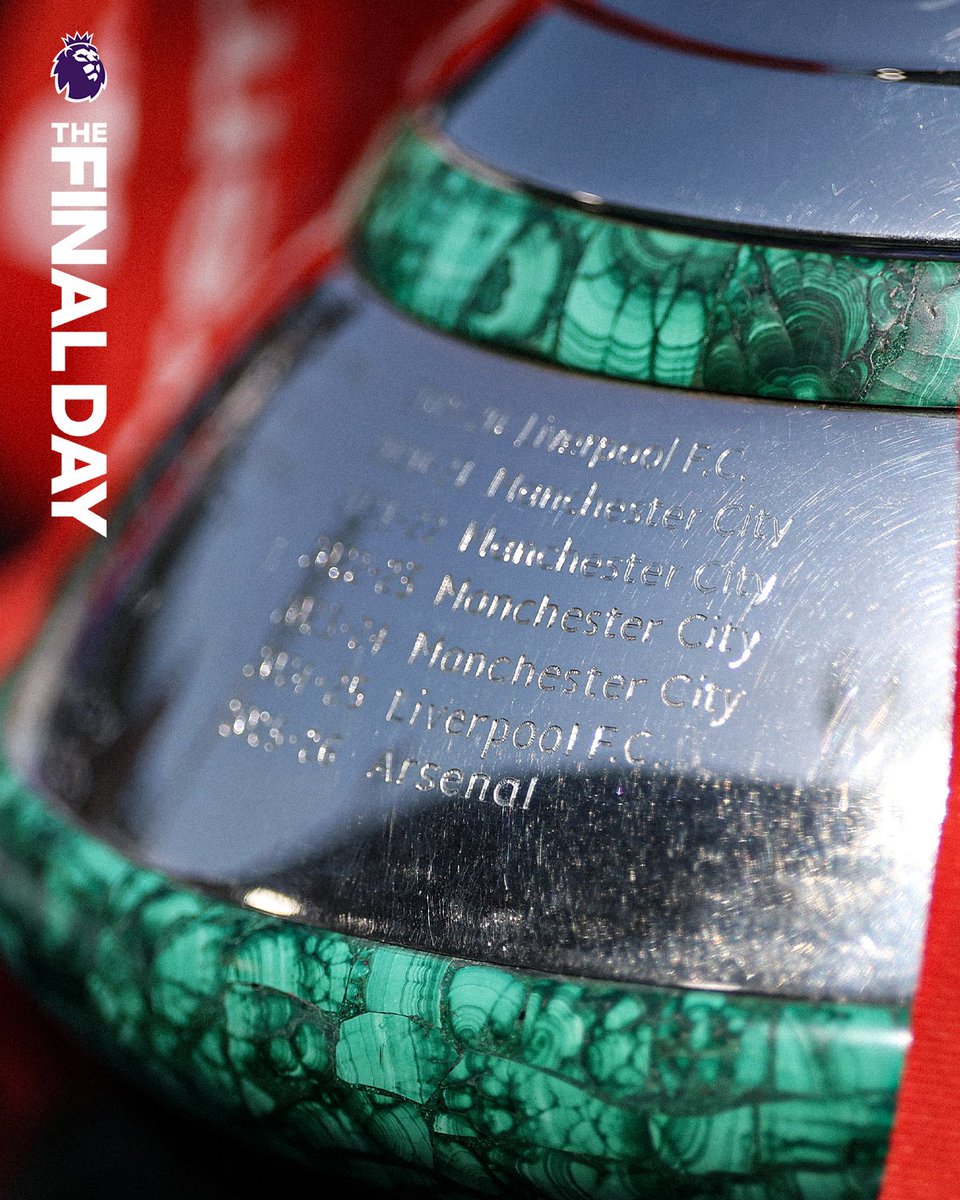

Mr. Paul retweeted

May 24
Don’t say anything just repost.
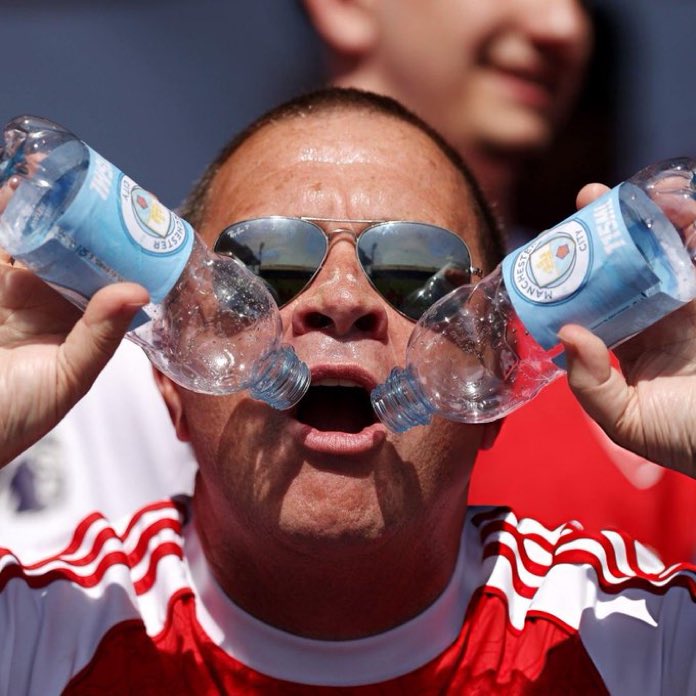
174
14,644
33,993
469,688

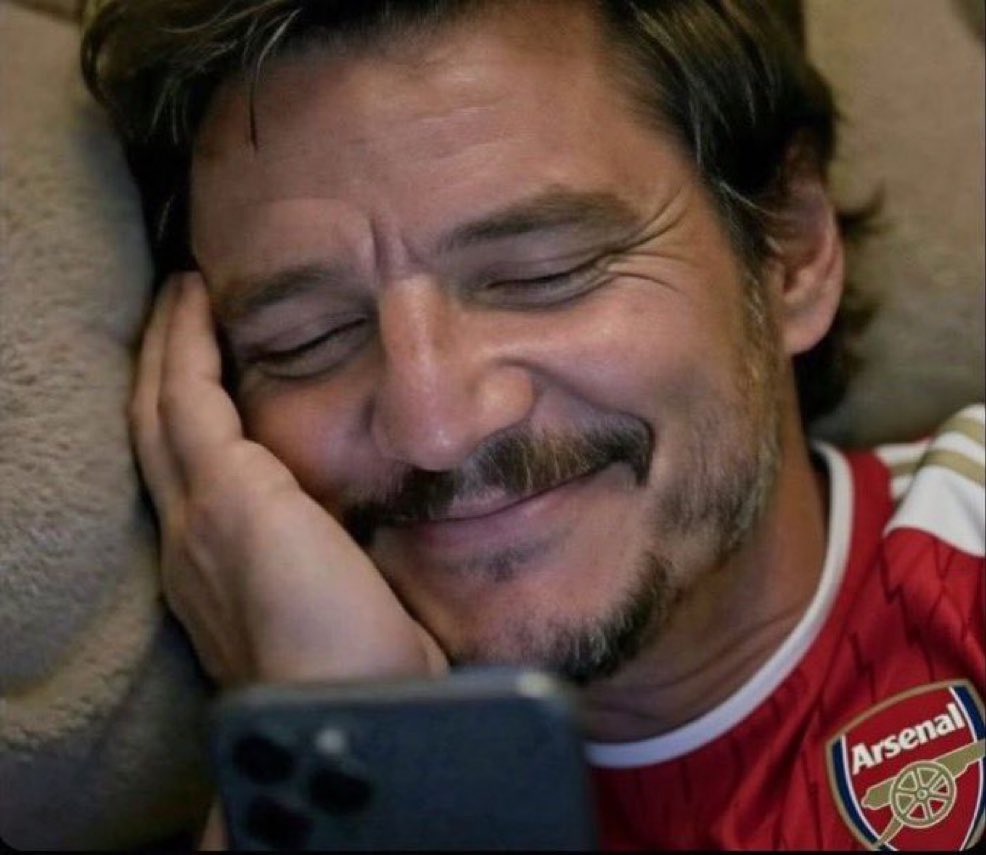
Mr. Paul retweeted

May 20
Lewis-Skelly’s mum Marcia is a proper one 😍
11
559
6,031
37,849

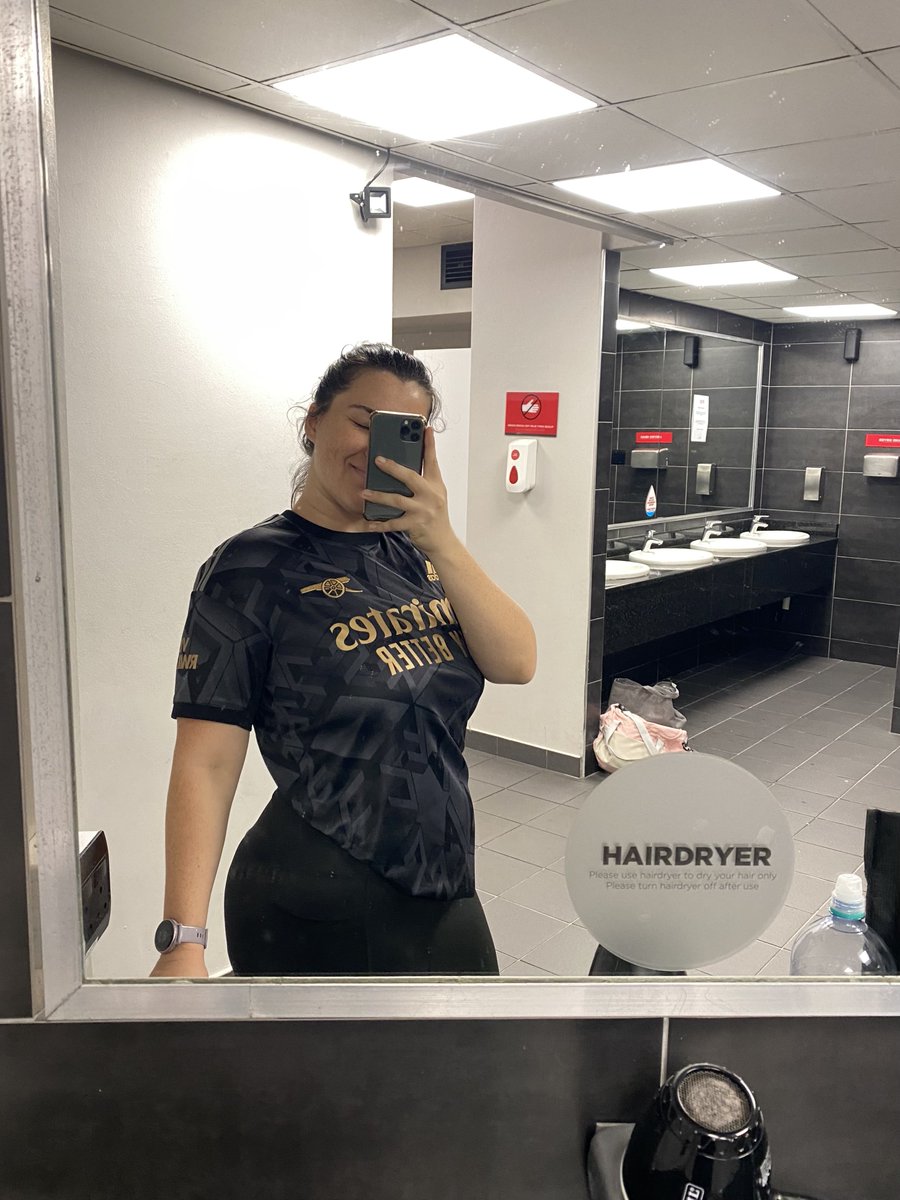





Mr. Paul retweeted

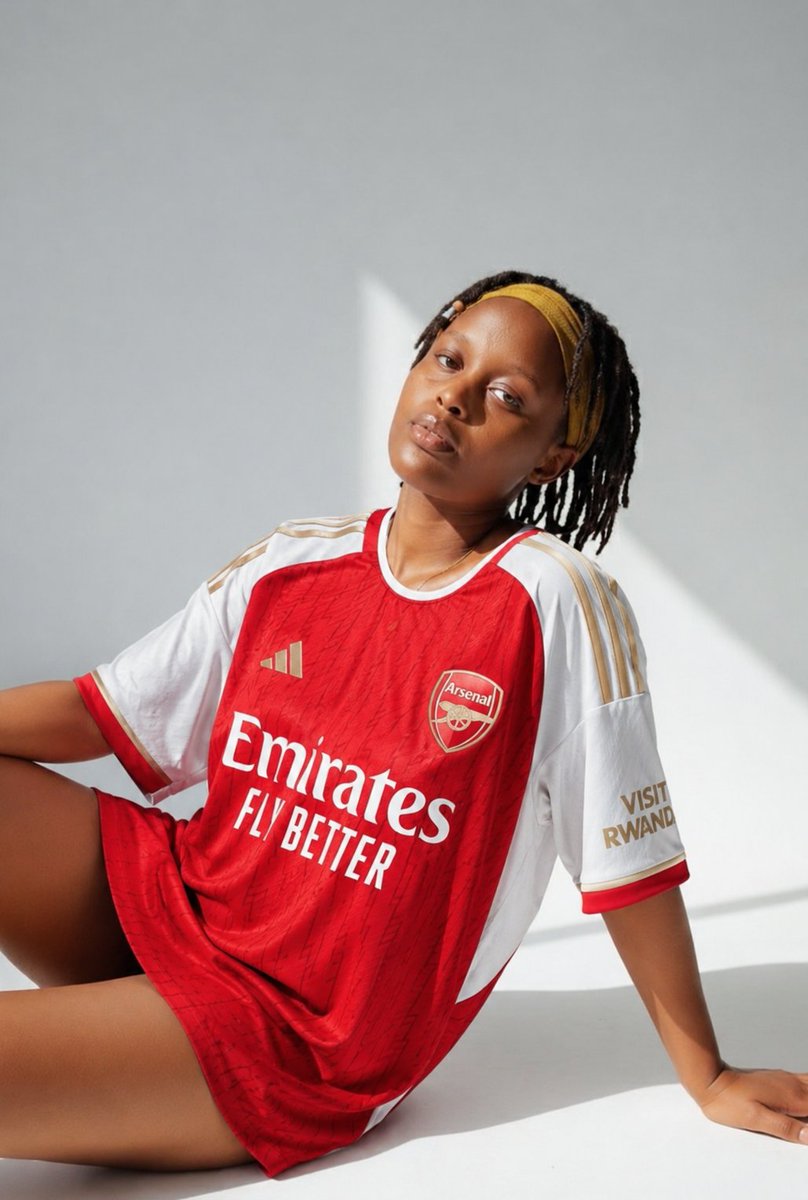
Hope now u believe ,Arsenal is winning 😊
16
13
295
2,606
Mr. Paul retweeted

May 21
Morning if your team won the premier league🌞
27
81
1,195
7,487