
Joined July 2020
- Tweets 53,073
- Following 516
- Followers 8,523
- Likes 110,513
1,736 Photos and videos





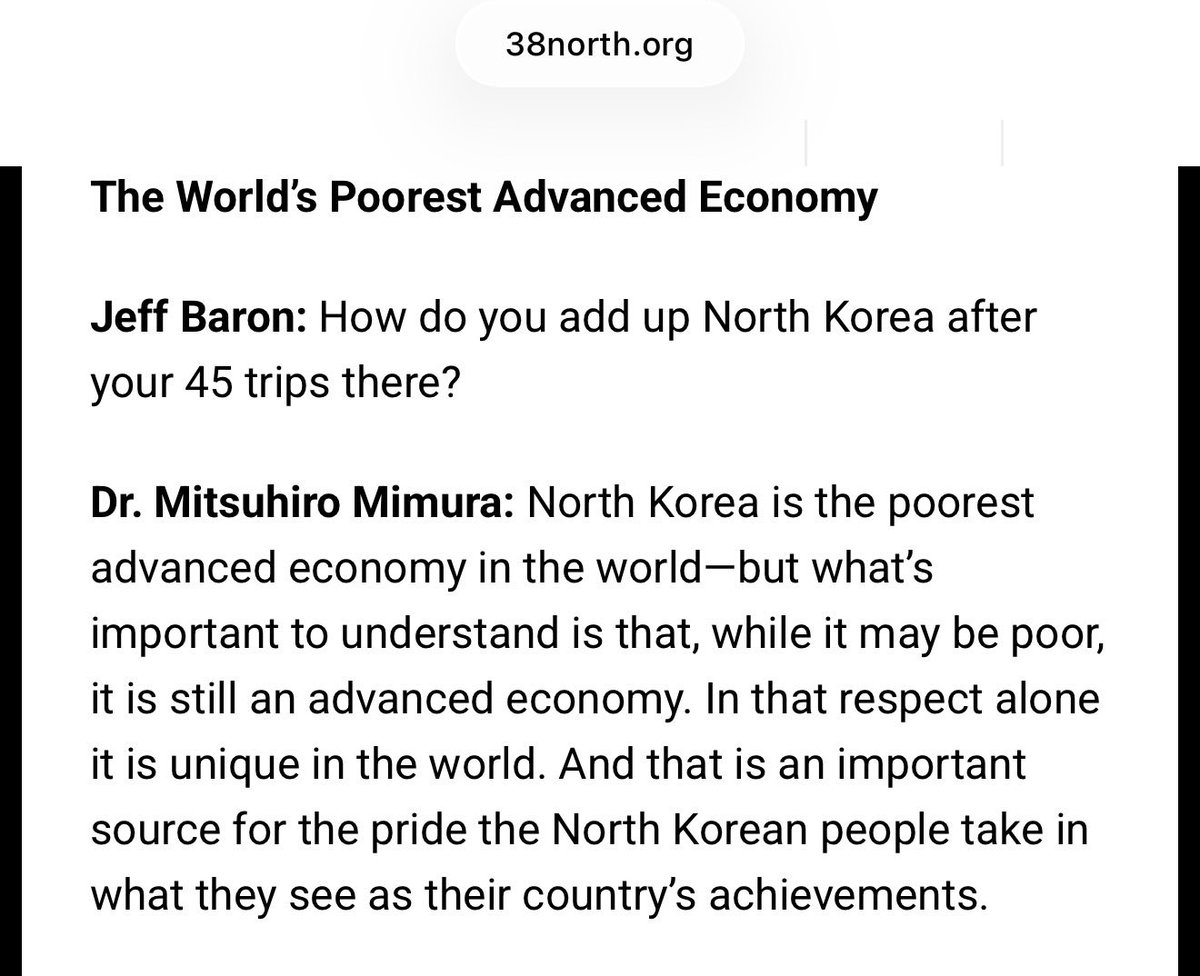

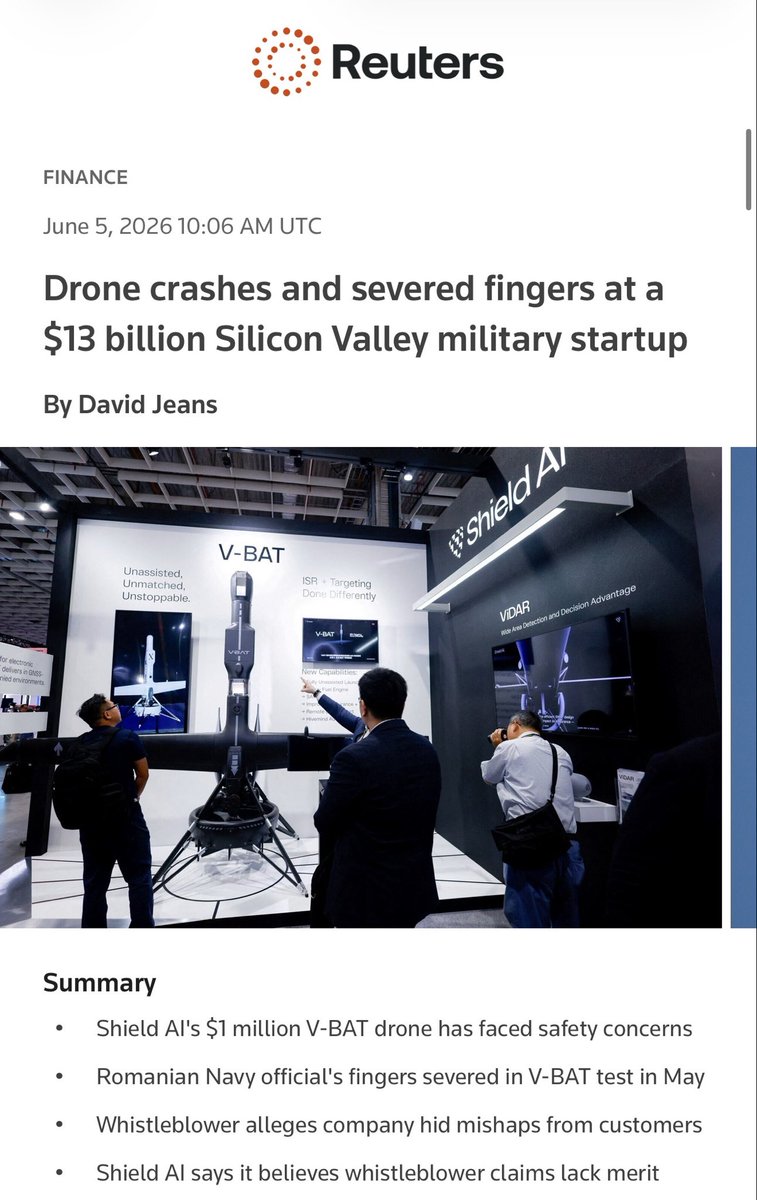
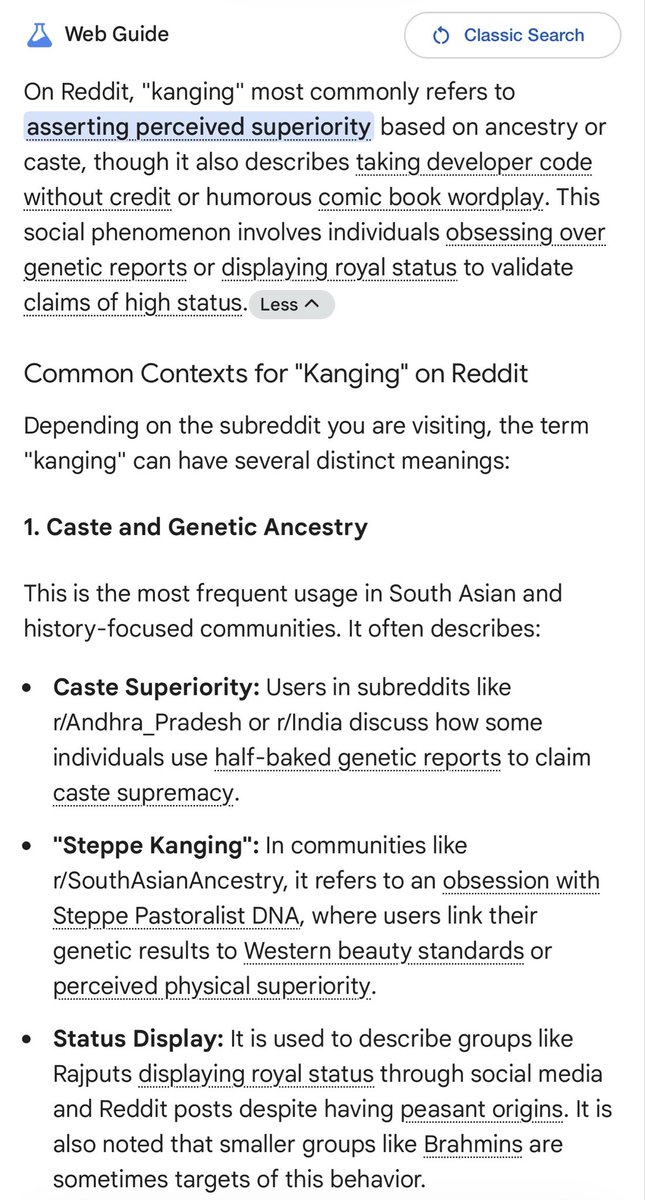
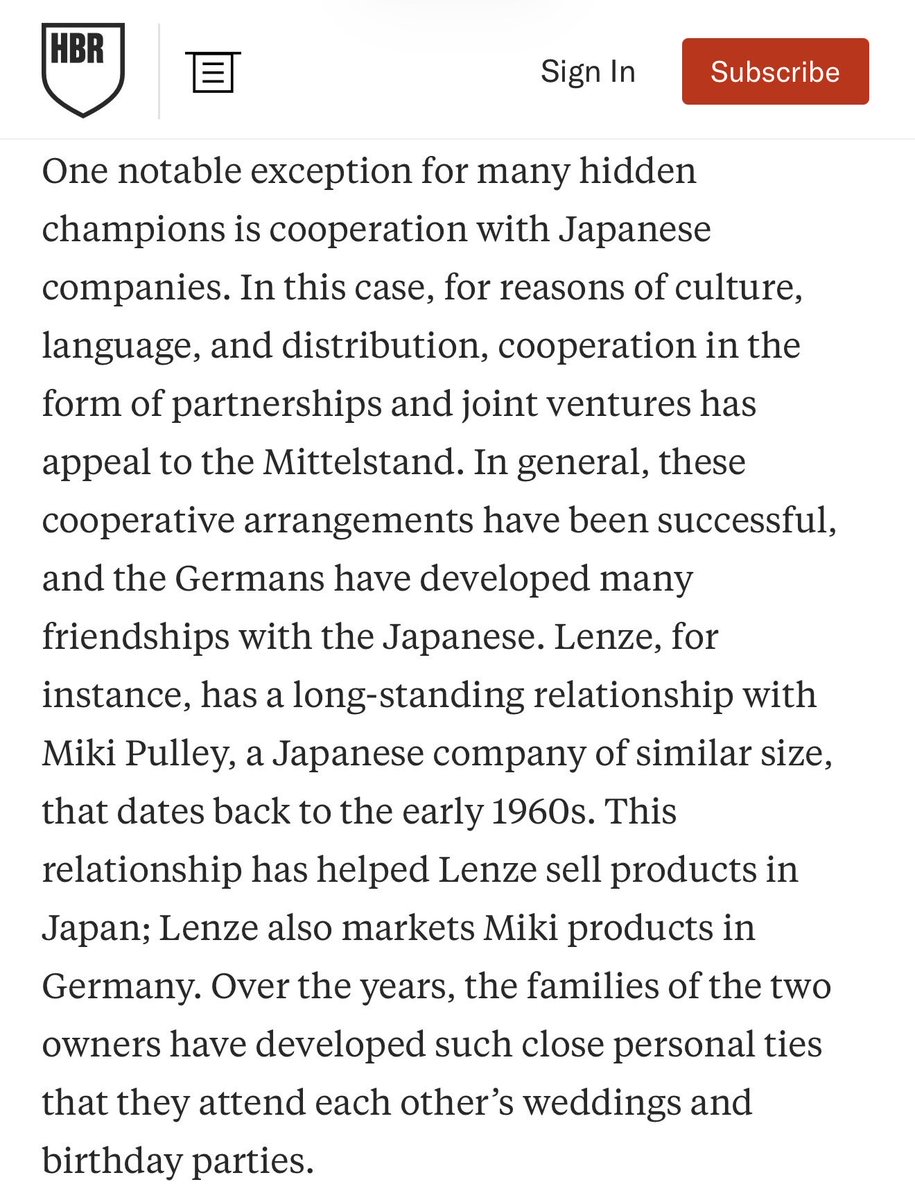

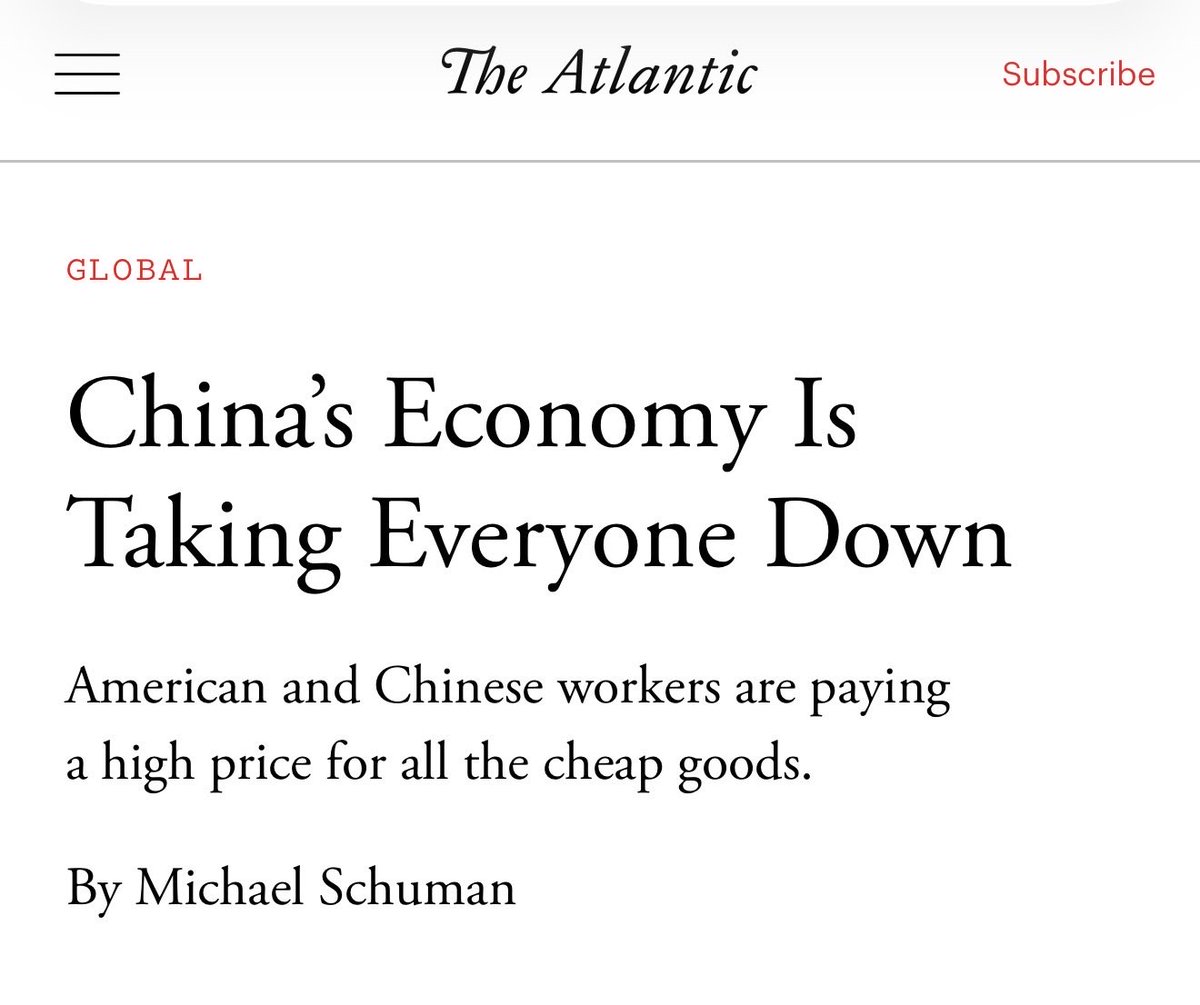
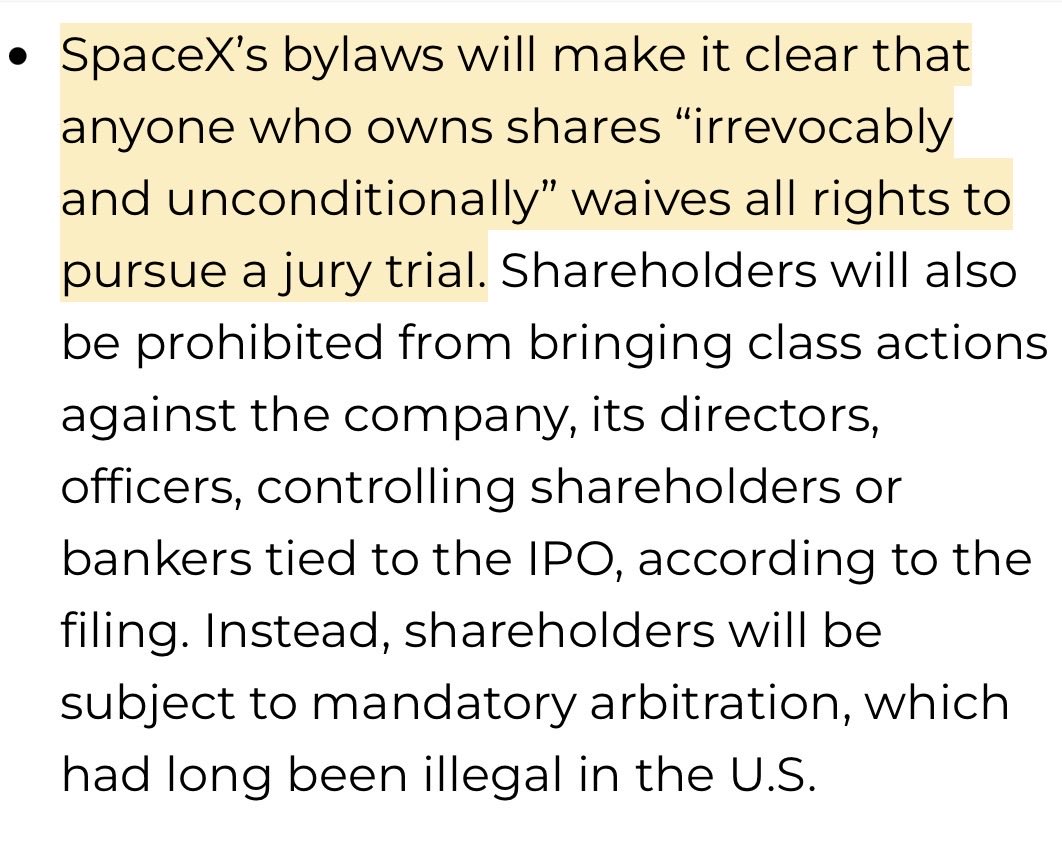

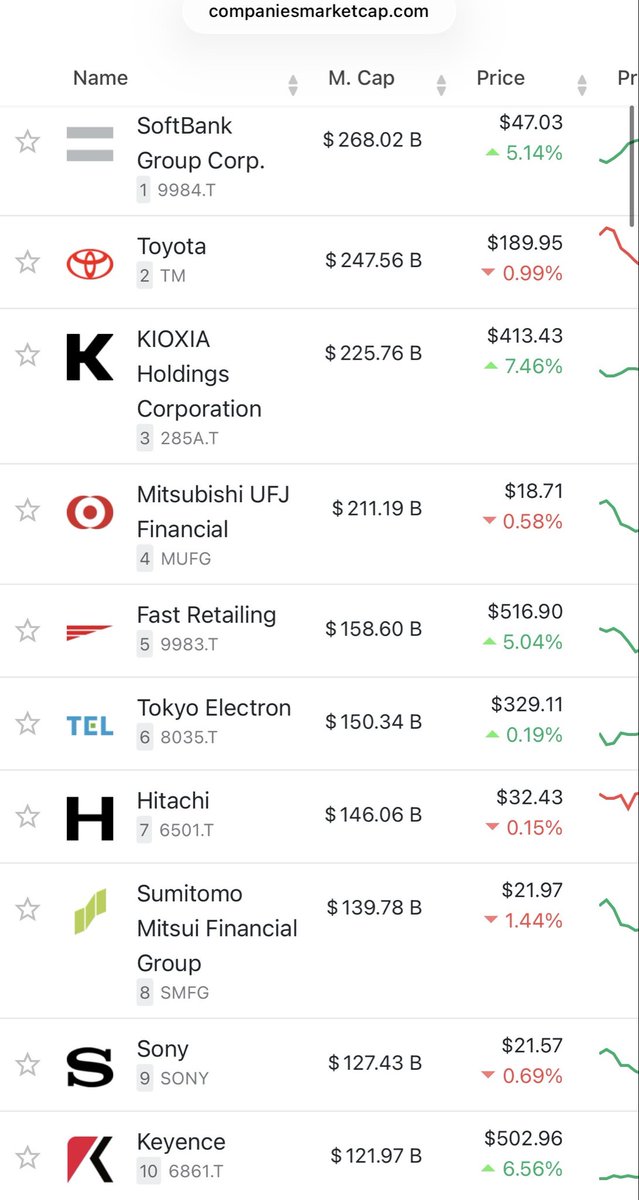
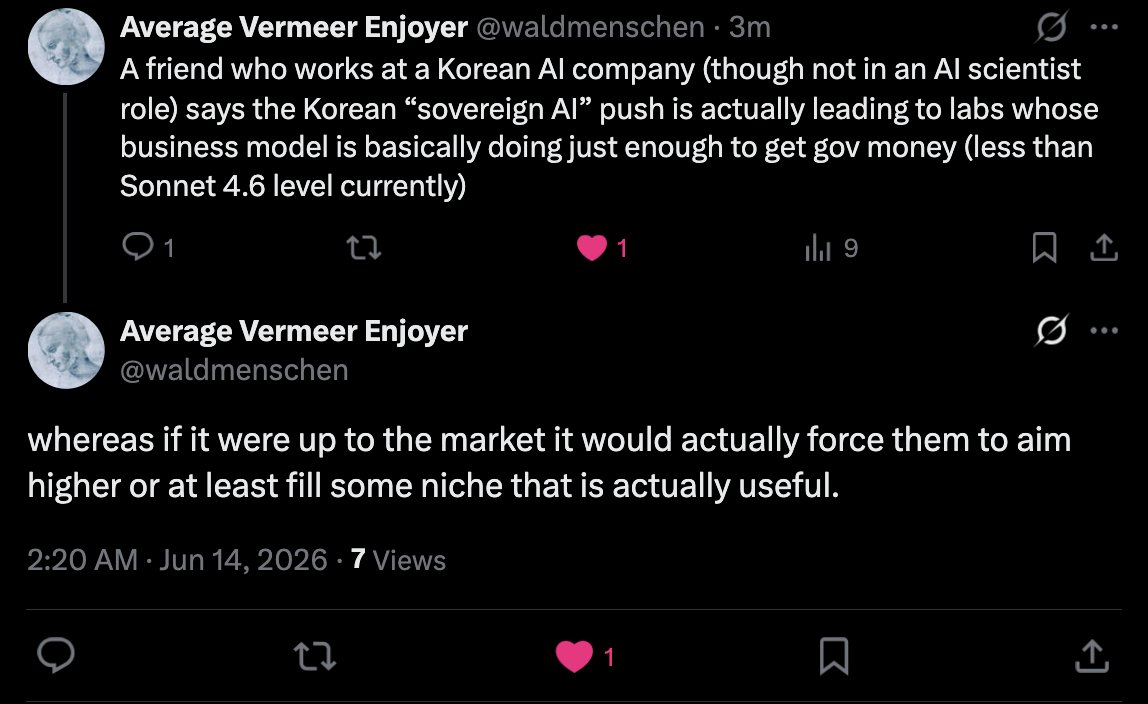
This was very predictable and often happens when countries try to “localize”. Look at how even Mistral is beginning to fall behind since it’s becoming more of a captive sovereign AI play.

Seems like Koreans are… providing all middle powers with a timely warning about sovereign AI. If you allow your companies to be big frogs in a small well, you get exactly what you deserve.
But if you don't, what prevents them from being steamrolled by Allied Scale?
2
8
915
Not a Knicks fan (I live in SoCal after all) but the fans deserved this after the Isaiah Thomas era and all the other stuff they went through.

FOR THE FIRST TIME IN 53 YEARS, THE KNICKS ARE NBA CHAMPIONS 🏆
New York defeats San Antonio 4-1 in the NBA Finals, capturing their third championship in franchise history!

1
1
7
746
It always amazes me how a nation of shopkeepers (Japan) managed to convince the world it’s a nation of warriors. What’s funnier is how people are convinced China can’t fight when it’s a state that has had continuous warfare for millennia. The post-1979 era is a bit of an anomaly.
26
24
364
11,374
Phryne Astynome retweeted

After watching tech types worship Jeff Bezos and Elun, the US is in for decades of humiliation.
It has all the aesthetics and culture of early 20th century Shanghai: decadent, corrupt, mercantile, and utterly servile to the merchant class and criminals.
Outwardly modern outside, but with a seedy underworld. With significant foreigner concessions.

8
30
208
5,808
Democrats are a worthless bunch. Only 61!

6–10 Palestinians in Gaza die each day while stuck on WHO-approved medical evacuation lists, as Israel blocks nearly 20,000 patients from accessing care outside Gaza. On Friday, Israel again closed Rafah Crossing, trapping thousands more.
61 House Democrats have urged the Trump administration to pressure Israel to let Gaza’s 11,000 cancer patients leave for treatment.
1
11
575
Phryne Astynome retweeted

Many still push the false narrative that current best Chinese AI models have merely been distilled from US closed source models, even when their style of response and quirks are clearly different.
Distillation isn't dead, but it doesn't work that well on scale.
You cannot achieve a Mythos level model by simply distilling and applying that to a much smaller model.
While it might perform well on many simple benchmarks, but will fall behind in novel problem-solving, very long horizon tasks, certain creative tasks.
The only way to compete (without major scientific breakthroughs) is the access to vast number of very high quality data and scale the model to massive size.
Currently no Chinese AI lab is openly having models of required size category, and neither is Mistral AI from France.

Distillation is definitely over for creating true SOTA (frontier) models, but it's still extremely useful for compression, deployment, and making smaller capable models for local/edge use.
Distillation gives diminishing returns as the size grows. Direct scaling data quality beats compression for the frontier.
Plus emergent capabilities don't distill cleanly. Many frontier-level abilities (deep reasoning chains, novel problem-solving, robust long-context behavior, certain creative or agentic behaviors) are emergent at scale. In plain English you need a freaking big (5T parameter) model to play evenly with the big boys.
Currently only a handful of US companies (OpenAI, Google, Antrophic) are at such size category, perhaps Meta and xAI internally as well.
China lacks compute and EU lacks, well everything, including common sense.
1
2
23
4,110
Phryne Astynome retweeted

JUST IN: 21-year-old dies after workers forget to attach safety rope and push her off 40-meter bridge in São Paulo’s Limeira, Brazil
3,312
4,786
49,122
27,545,149
Right-wing Arabs, Indians, Iranians, and Latin Americans all have a strong aversion to being associated with the “Third World” so they like to punch down and complain about “Third Worldism”. Right-wing Latin Americans often have a meltdown when Anglos say they aren’t Westerners.

These complaints about “Third Worldism” all boil down to the browns assimilating *too much*. Someone like Zohran Mamdani is acting with the confidence of a native-born white man in the promises of democracy, civic rights, etc instead of supplicating like a beggar.
4
10
75
2,678
Blaming foreigners for incitement is generally the last refuge of a scoundrel. If foreigners are successful in inciting protests, that generally means there were problems that were already present and building up in your society.

OpenAI said ChatGPT accounts tied to China sought to stir local opposition to US data centers, potentially to undermine the country’s AI competitiveness, echoing recent rhetoric in the tech industry bloomberg.com/news/articles/…
2
15
88
2,955
It’s a stupid thing period. China is strong in other aspects of AI besides just LLM. Medical equipment AI is something they are very strong in and they actually leapfrogged some of the Western giants like Siemens. All of this crap is pure cope. Their AI talent is legit.
12h

"Chinese open source models are about to fall badly behind as Mythos level models employ anti-distillation."
This will age very poorly
Distillation has stopped being a capability driver for GLM, Deepseek, Moonshot
U can try v4, K2.7 & GLM 5.2 to test this
1
4
59
2,112
Phryne Astynome retweeted

You’re exactly right. The people you call “Third Worldists” really believed what they were told about freedom and equality being for all humanity, not just specific cultures or races.

The problem is they don’t want to give up the benefit they got from Western values.
10
53
433
13,827
This must be fake. The monarchists tell me that the people of Iran want the country to surrender unconditionally to the US.
Protests have broken out against Iran’s Foreign Minister Abbas Araghchi in the northeastern Iranian city of Mashhad over a proposed framework agreement that some Iranians believe is too favorable to the United States. The senior diplomat said on state TV yesterday that the framework had not yet been finalized and was still under internal review, but some hardline MPs and other officials have publicly, including on state television, forcefully criticized the purported document for making too many concessions to their defeated enemy, the United States.
4
18
964
Was only a matter of time before Trump decided to pivot back to Latin America considering Iran is an utter disaster for him.
Jun 13

A US military strike has killed one of the top leaders of the Tren de Aragua cartel in Venezuela, President Trump has said.
3
7
36
2,046
Phryne Astynome retweeted

Jun 12
There is a historical constant: no amount of wealth can liberate a third-rate thinker from intellectual envy or from the deeply degrading sense of scholarly inferiority -- that feeling of impoverished erudition.
No amount of wealth.
Jun 12

Who’s excited for the next volume: “You Fucking Idiot”.
167
331
4,274
900,269
Phryne Astynome retweeted

Jun 13
Play stupid games, win stupid prizes.
Jun 13

The US government, citing national security authorities, has issued an export control directive to suspend all access to Fable 5 and Mythos 5 by any foreign national, whether inside or outside the United States, including foreign national Anthropic employees.
The net effect of this order is that we must abruptly disable Fable 5 and Mythos 5 for all our customers to ensure compliance.
Access to all other Claude models is not affected.
We apologize for this disruption to our customers. We believe this is a misunderstanding and are working to restore access as soon as possible.
Read our full statement: anthropic.com/news/fable-myt…
4
10
137
16,780

Jun 13
Boomers are going to learn why their parents were so distrustful of big business and why they practiced antitrust.
Jun 12

The Ellisons now own TikTok, Paramount, Warner Bros, CBS News, HBO, Comedy Central, and CNN, among other major channels.
They are also the largest private donor to "Friends of the IDF."
They also paid $7 billion for streaming rights to UFC, which is hosting an event at the White House.
Trump voters who aren't millionaires don't realize they're supporting a gang of criminals who are openly screwing them and their families. Tragic.
2
9
64
2,461
Jun 13
Forward ratios are what should be looked at but yeah this is crazy.

SpaceX trades at 94x sales. Nearly 4x the next most expensive company on earth, and 27x more than Amazon.
Every other trillion-dollar tech giant earns a fat profit. SpaceX is the only one that loses money.
The market is asking you to pay the highest price in the room for the one company in it that earns nothing.

23
1,826
Phryne Astynome retweeted

SpaceX trades at 94x sales. Nearly 4x the next most expensive company on earth, and 27x more than Amazon.
Every other trillion-dollar tech giant earns a fat profit. SpaceX is the only one that loses money.
The market is asking you to pay the highest price in the room for the one company in it that earns nothing.
81
179
569
63,876
Phryne Astynome retweeted

Jun 12
If you think a $300K corporate salary is payment for 40 hours of weekly labor, I've got news for you...
There is a persistent cynical narrative that large enterprises are bloated engines of inefficiency, filled with overpaid professionals who spend their days looking at slides and doing "nothing."
I mean, it's a comforting myth for critics, but I think it fundamentally misunderstands modern knowledge work.
That $300K salary (or $400K, or $500K) isn't a reward for linear effort but an option premium on high-leverage thinking.
We are still haunted by the ghost of the assembly line, ie, the outdated idea that compensation must directly correlate with time spent physical output.
In the factory world, if you leave your station, production stops, but in the knowledge economy, value is almost totally decoupled from time.
Folks... An enterprise paying a senior leader or specialist $25K a month is not buying 160 hours of typing, they are buying *insurance* against catastrophic errors and positioning themselves for asymmetric upside.
I'll try to make it tangible with an example...
Consider a complex matrix organization busy with a $40M product migration. In this environment, the value distribution of a worker's is heavily spiked.
Most days look like nothing... alignment meetings, reading documentation, maintaining steady state. Yes, to an outsider, it looks like "doing nothing."
But then a critical day arrives. A vendor fails, a timeline slips, a crossroads appears, whatever... If that $300K professional has the institutional memory and capability to make just 4 or 5 correct decisions during those critical moments, the ROI is staggering! A single right call can avert a $5M problem.
Suddenly, that $300K salary doesn't look like bloat but, to me, seems like the cheapest asset on the p&l.
These days we are bombarded by tech CEOs promising fully autonomous, AI-driven organizations and I keep saying these pitches miss the entire point of how complex enterprises actually move.
Data computation can be outsourced to an LLM but going through the decision fabric of an enterprise cannot. You need people for:
> Knowing *how* to build consensus across disconnected departments with competing incentives;
> Understanding the unspoken history of why past projects failed, and how to position a new initiative so it doesn't trigger corporate antibodies;
> When a multi-million-dollar decision goes sideways, an algorithm cannot stand before a board of directors or regulators and take ownership of the corrective action.
An AI can give you a pristine strategic framework with nice and difficult sounding words, but it cannot navigate the human matrix required to execute it.
The ability to be effective inside a complex enterprise is a rare AND expensive skillset precisely because it cannot be automated or easily replicated.
My point is you aren't paying for the 9-to-5 "grind", but more for the readiness.
Like an elite surgeon or an expert technician, you pay for the decades of accumulated knowledge that allow them to fix a crisis in 5 minutes, not the 5 minutes itself....
Leverage, not labor.
84
94
1,126
190,401
Jun 12
The samurais were the “virgins” while the merchants were the “chads” in Edo Japan. This is probably why samurais made up bushido because they were tired of being mocked as nerdy bureaucrats.
28
301
3,354
77,493