The largest newspaper in China
Joined May 2011
- Tweets 147,141
- Following 3,845
- Followers 6,397,218
- Likes 1,058
131,788 Photos and videos







Jun 12
How romantic! A heart-shaped banyan tree charms visitors at Sanfang Qixiang Historical and Cultural Block in southeast China's Fuzhou City.
7
26
93
7,330
Jun 12
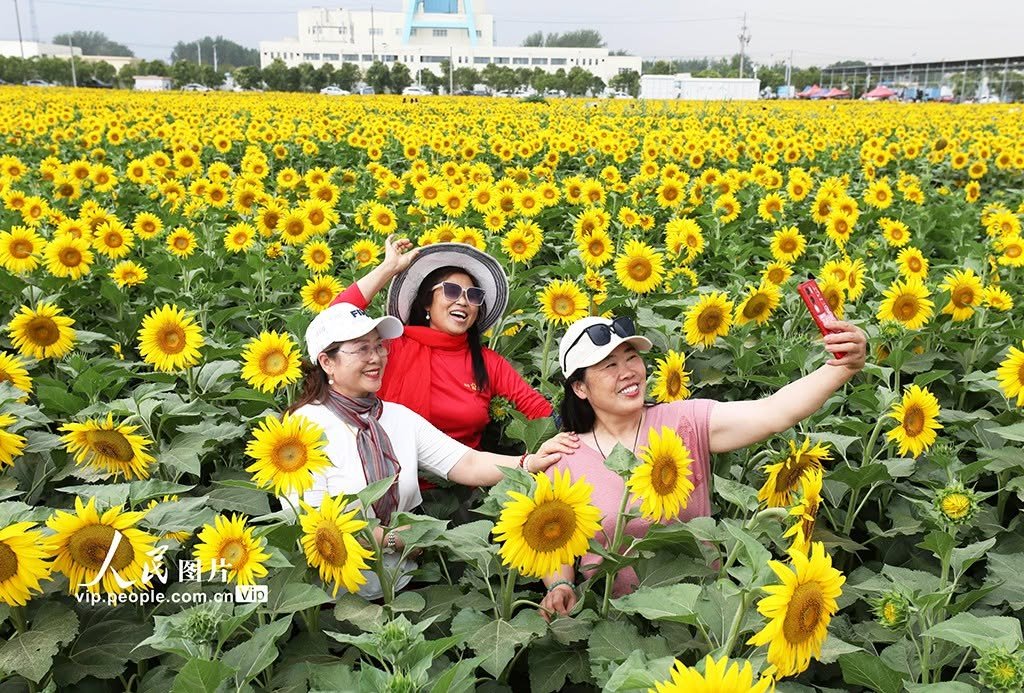
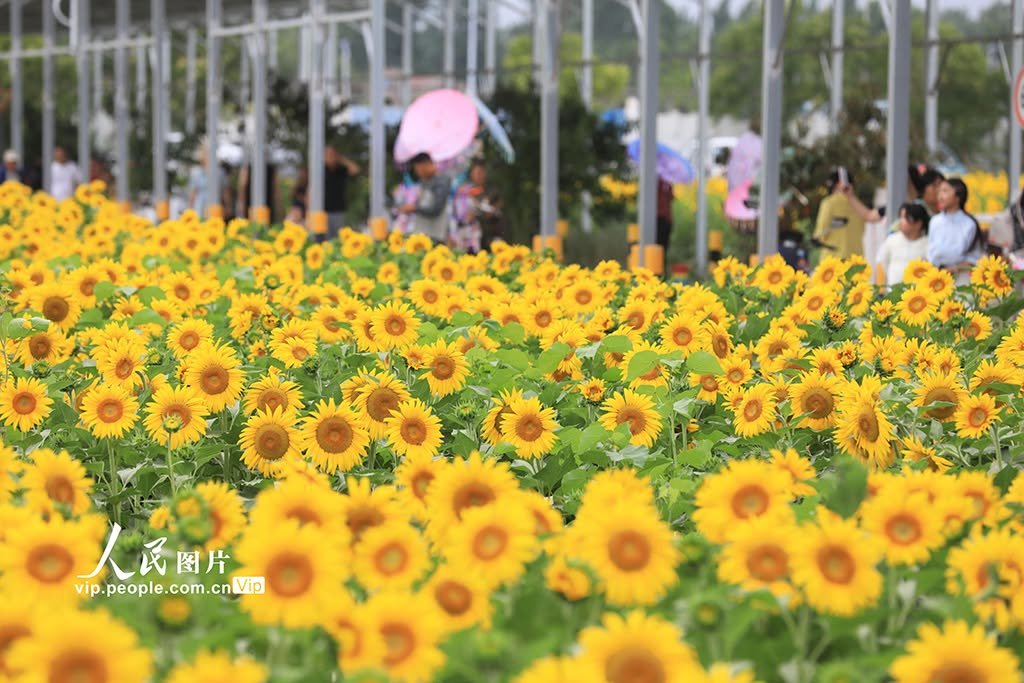
Over 300 mu (about 20 hectares) of sunflowers burst into bloom in Zhanglou Village of Huaibei City, east China's Anhui Province, making the place a hotspot for rural tourism. @AnhuiChina

2
18
54
5,758
Jun 12
An adventure into 'Sky City' in southwest China's Guizhou
Mount Fanjing, featuring a vast expanse of lush greenery, played hide-and-seek in the drifting mist and clouds in Tongren city, southwest China's Guizhou Province, in late May. Crowds of visitors trekked along narrow trails, passing through ancient geological formations shaped over eons.
Mount Fanjing, as the main peak of the Wuling Mountains, was inscribed as a UNESCO World Natural Heritage Site in 2018.
Recently, Michael Kurtagh from the United States set out for an exploration into this "Sky City." There, he wandered through majestic landscapes, greeted by both picturesque scenery and a serene respite from the season's heat.
2
13
29
4,289
Jun 12
Macao's flavors tell story of cultural fusion
"You won't find Portuguese Chicken in Portugal, nor African Chicken served on African dining tables," Ana Manhão, a Macanese resident of south China's Macao Special Administrative Region, said with a laugh while preparing Macanese cuisine in her kitchen.
"These inimitable fusion dishes are exclusive specialties of Macao — a tasty culinary mark forged by the convergence of diverse cultures right here," she added.
In June 2021, Macanese gastronomy was inscribed on the fifth list of China's national intangible cultural heritage, further cementing Macao's status as a UNESCO City of Gastronomy.
Nowadays, this tradition has been passed down through Macanese generations and earned worldwide renown. Tasting authentic Macanese cuisine in Macao has become a popular must-try experience for tourists from around the world.
6
7
34
3,590
Jun 12
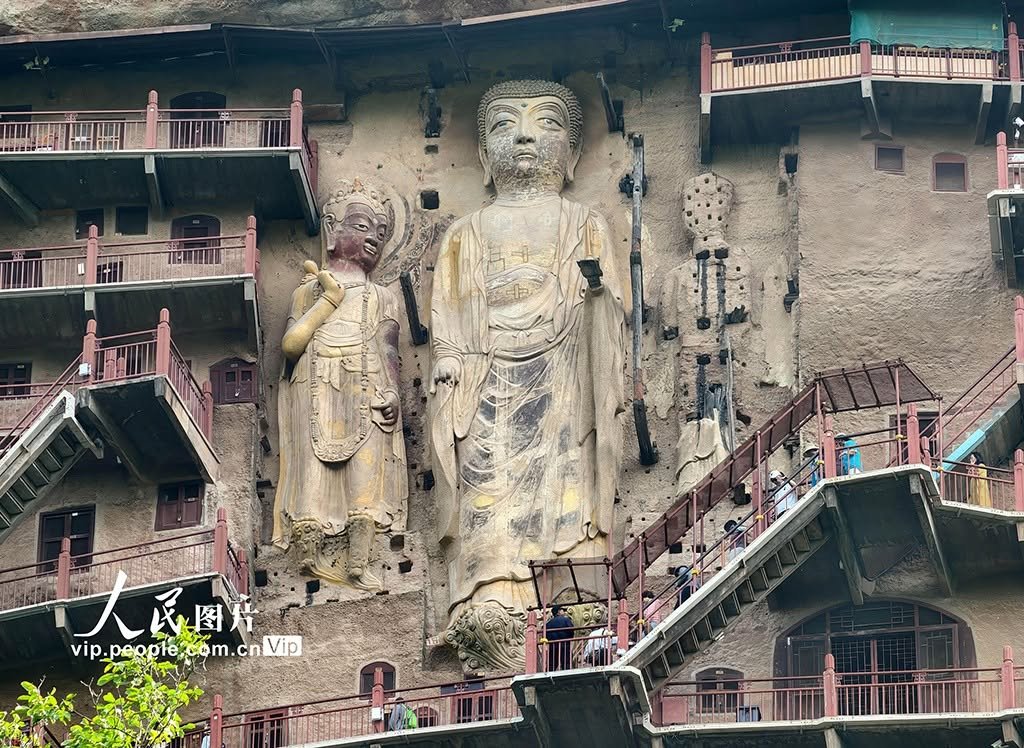
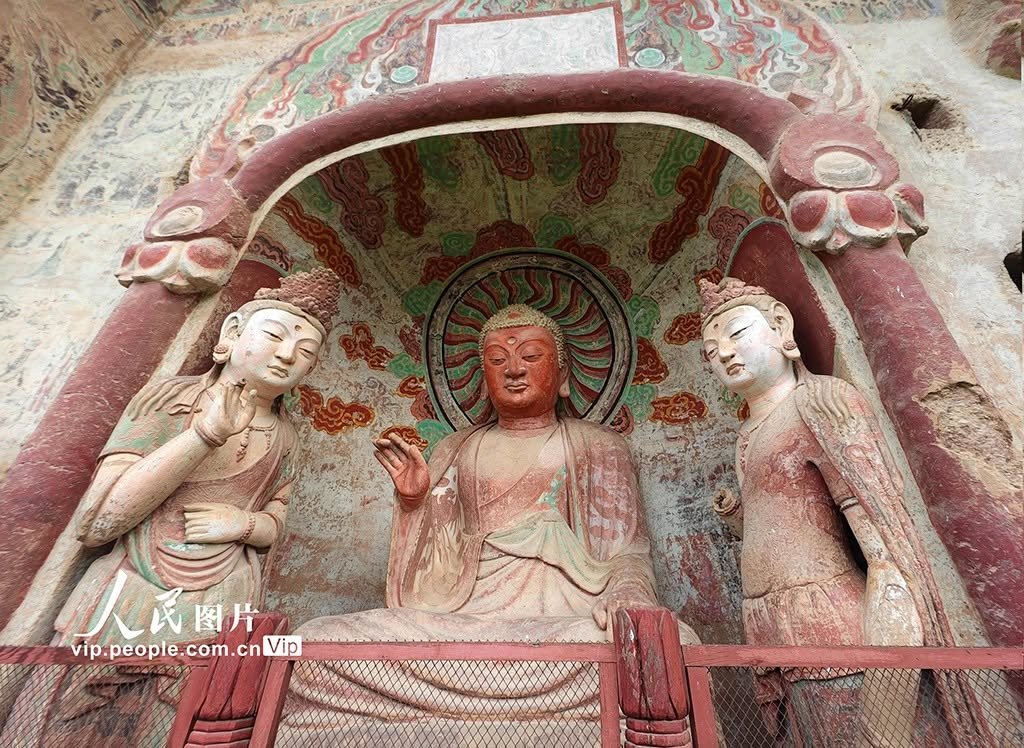
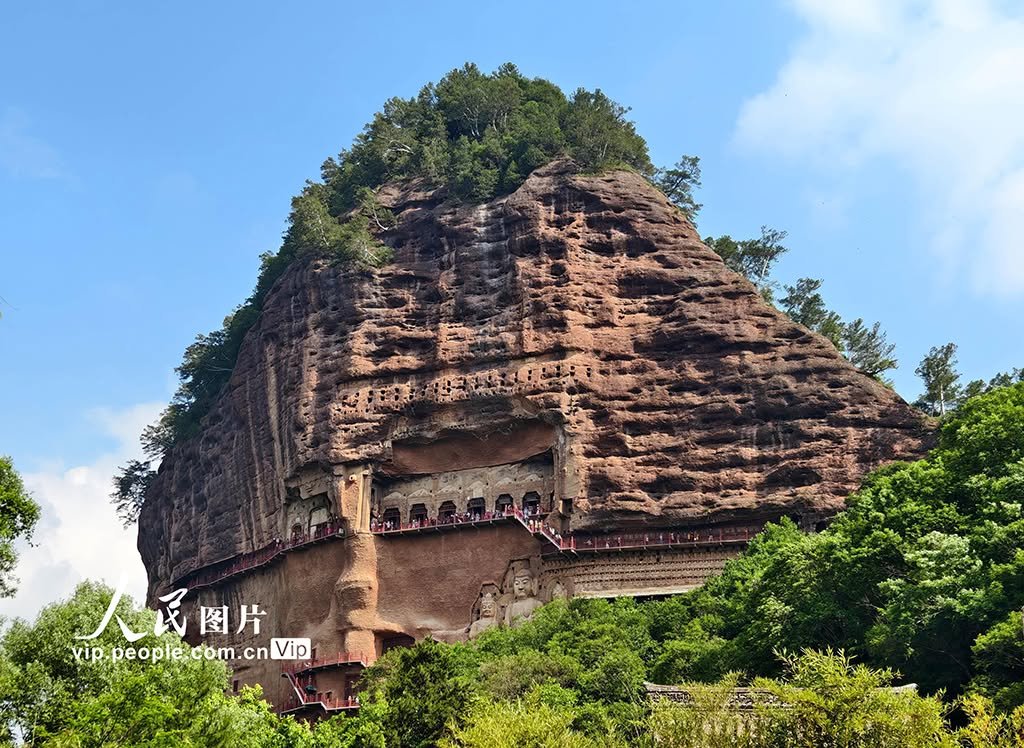
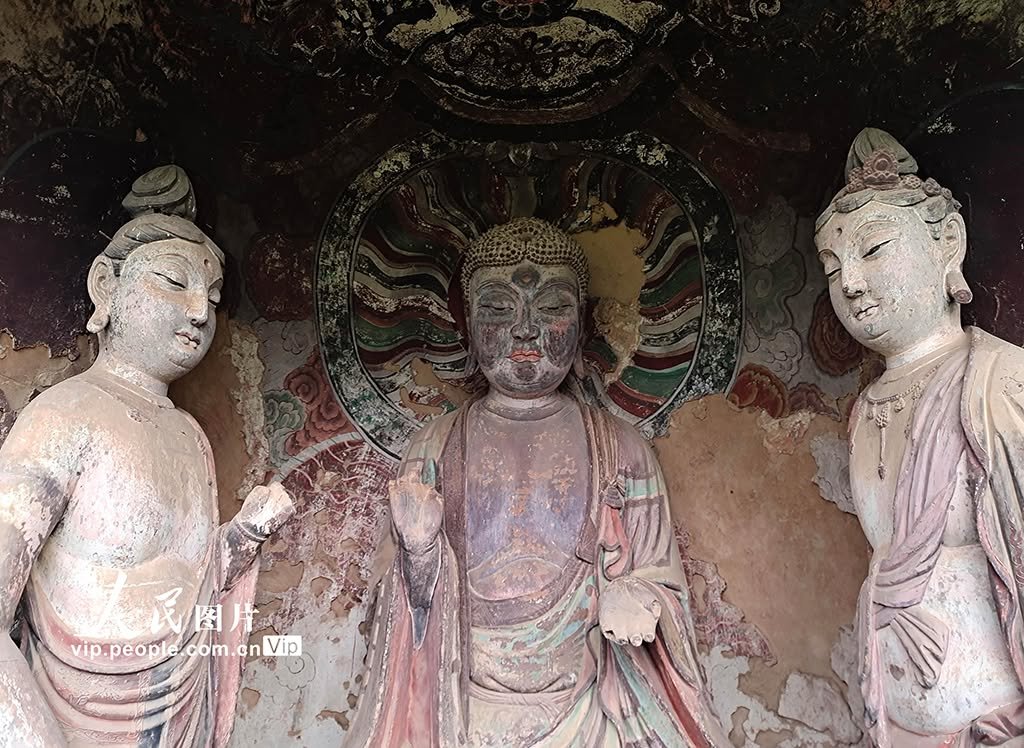
The more than 1,600-year-old Maijishan Grottoes, a UNESCO World Heritage Site in northwest China’s Gansu Province, are carved in the caves of an isolated mountain peak on the ancient Silk Road in the city of Tianshui.
As one of China’s four major Buddhist cave complexes, the Maijishan Grottoes are home to 221 caves and a rich collection of finely crafted sculptures and murals, drawing large numbers of visitors each year.
2
11
35
3,429
Jun 12
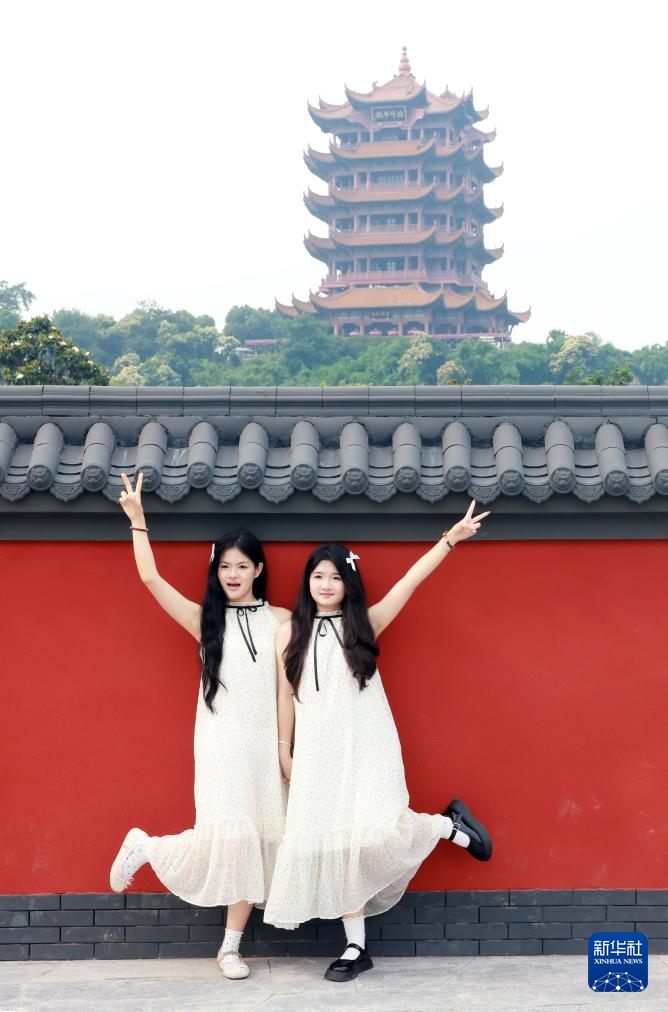
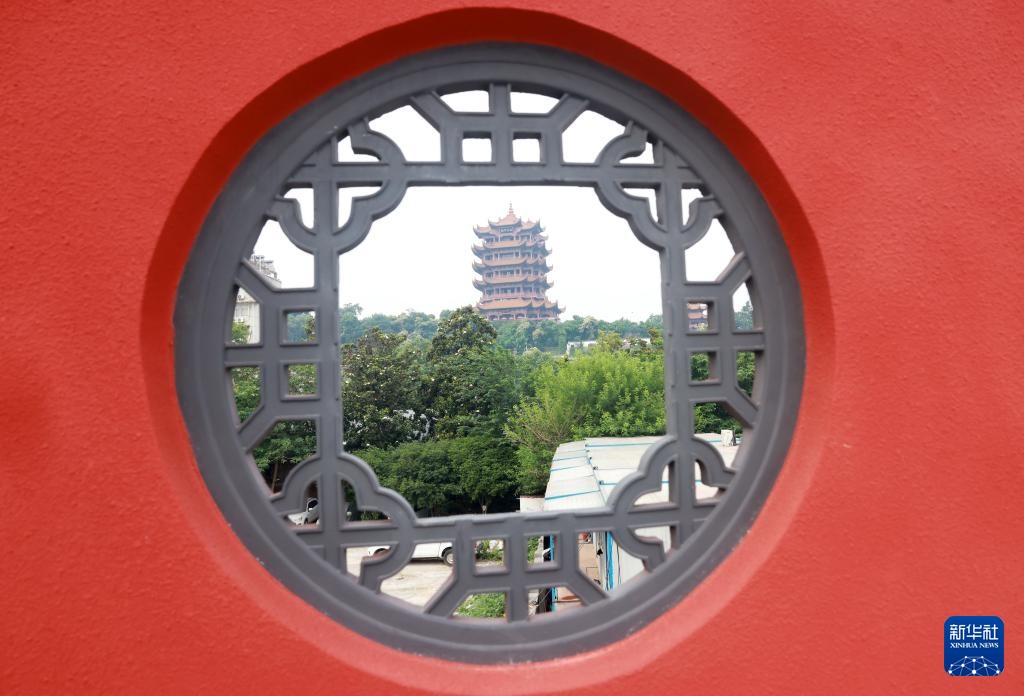
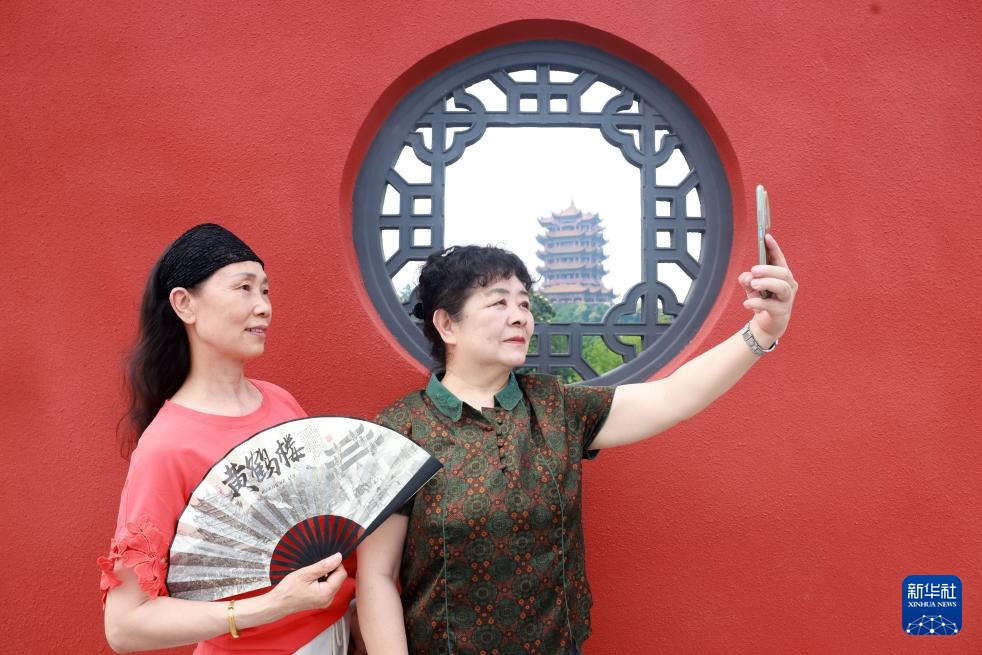
The iconic red wall near the Yellow Crane Tower in Wuhan, central China's Hubei Province, reopened recently after renovation. The revamped wall now stands 7 meters taller and stretches 40 meters long, creating an even more striking backdrop for photos with the historic tower.
2
19
87
7,967
Jun 12
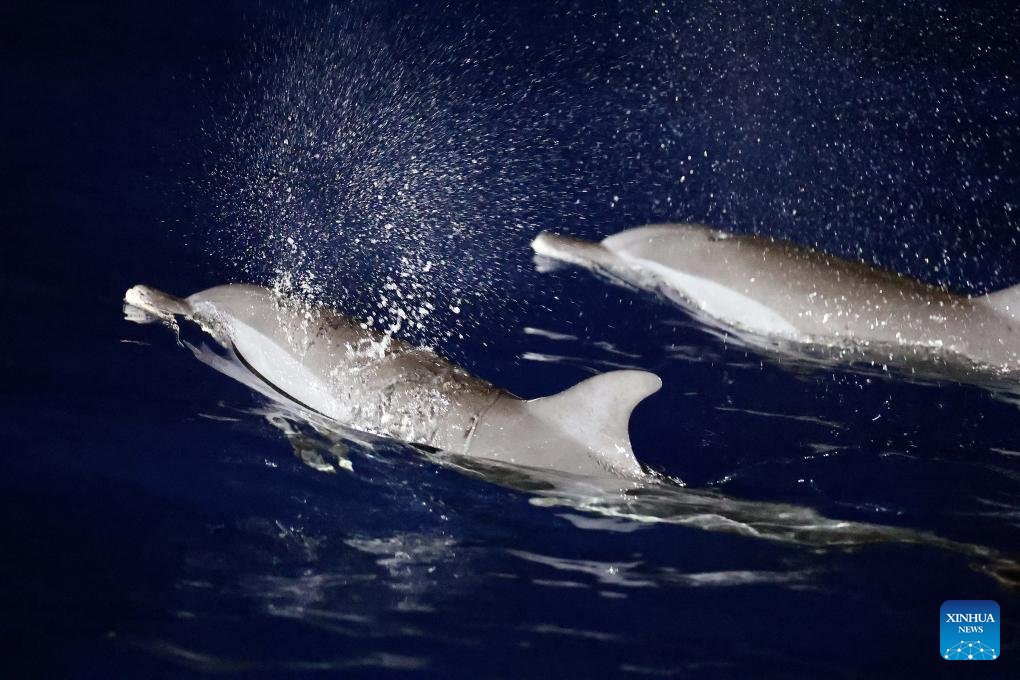
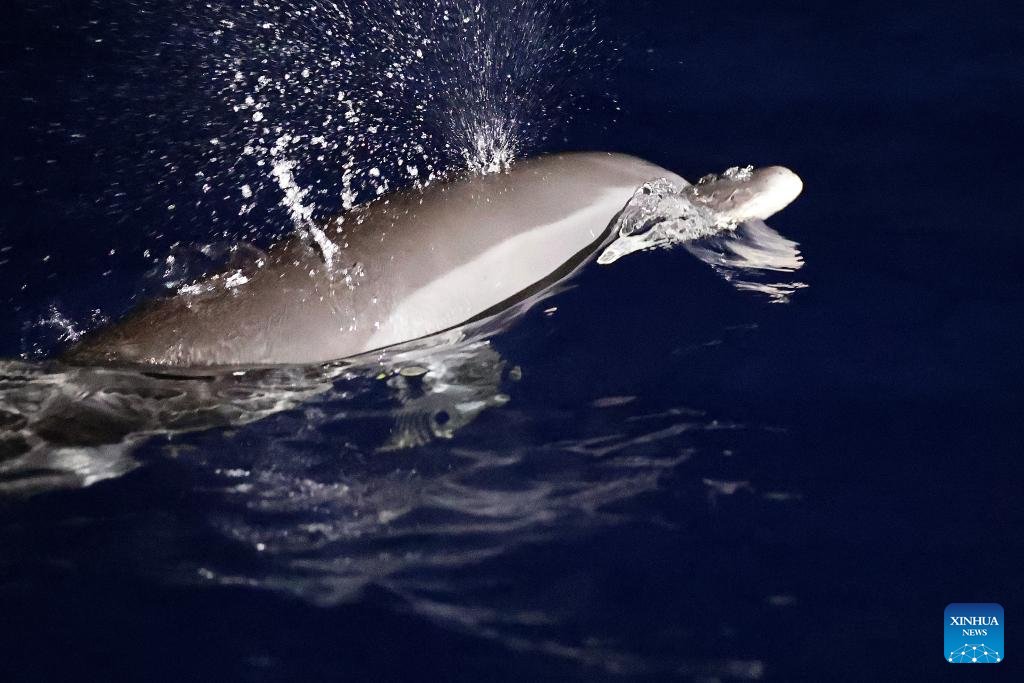
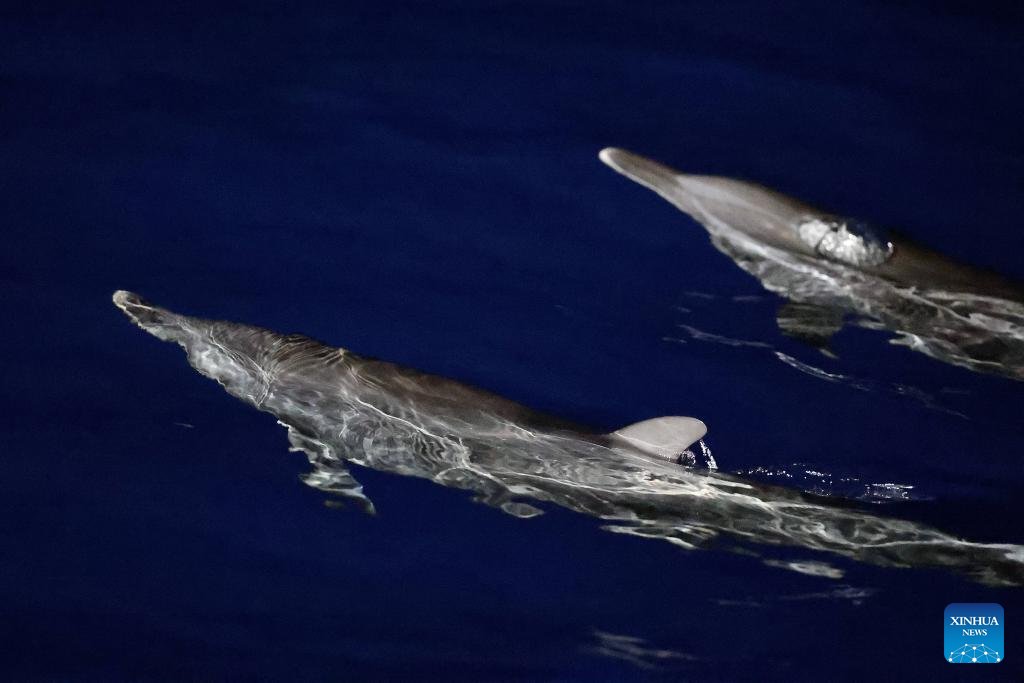
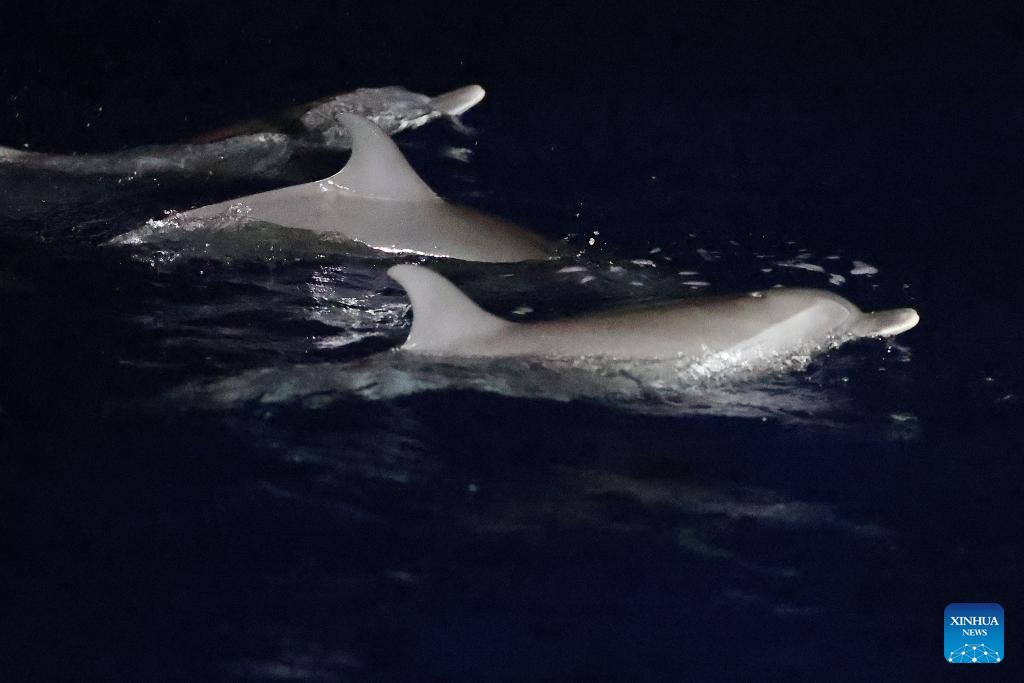
A large school of dolphins is enjoying themselves in the South China Sea thanks to the continuous improvement in the sea's ecology. In recent years, the China Coast Guard has uncompromisingly strengthened marine ecological management and protection in the South China Sea, aiming to build a stable habitat for marine life.
10
14
47
4,231
Jun 12
Cross-border e-commerce fosters new pathways for South-South cooperation
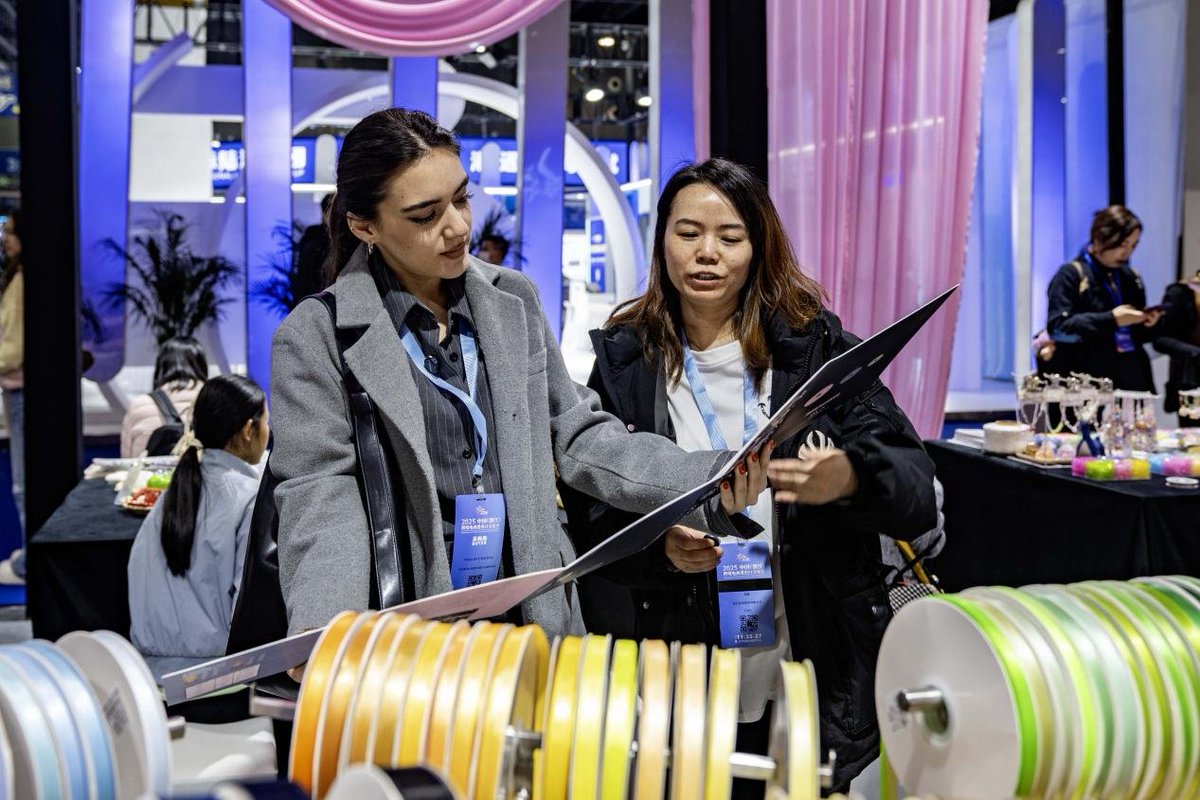
A recent forum at the Palais des Nations in Geneva brought together around 100 representatives from UN agencies, Geneva diplomats, and Chinese institutions and businesses. The event focused on leveraging China's experience in cross-border e-commerce to foster new pathways for South-South cooperation.
Participants examined how this digital trade model can enhance trade connectivity and industrial development within the Global South, exploring innovative approaches to empower South-South partnerships. Discussions covered China's advancements, from business model innovations to regulatory practices.
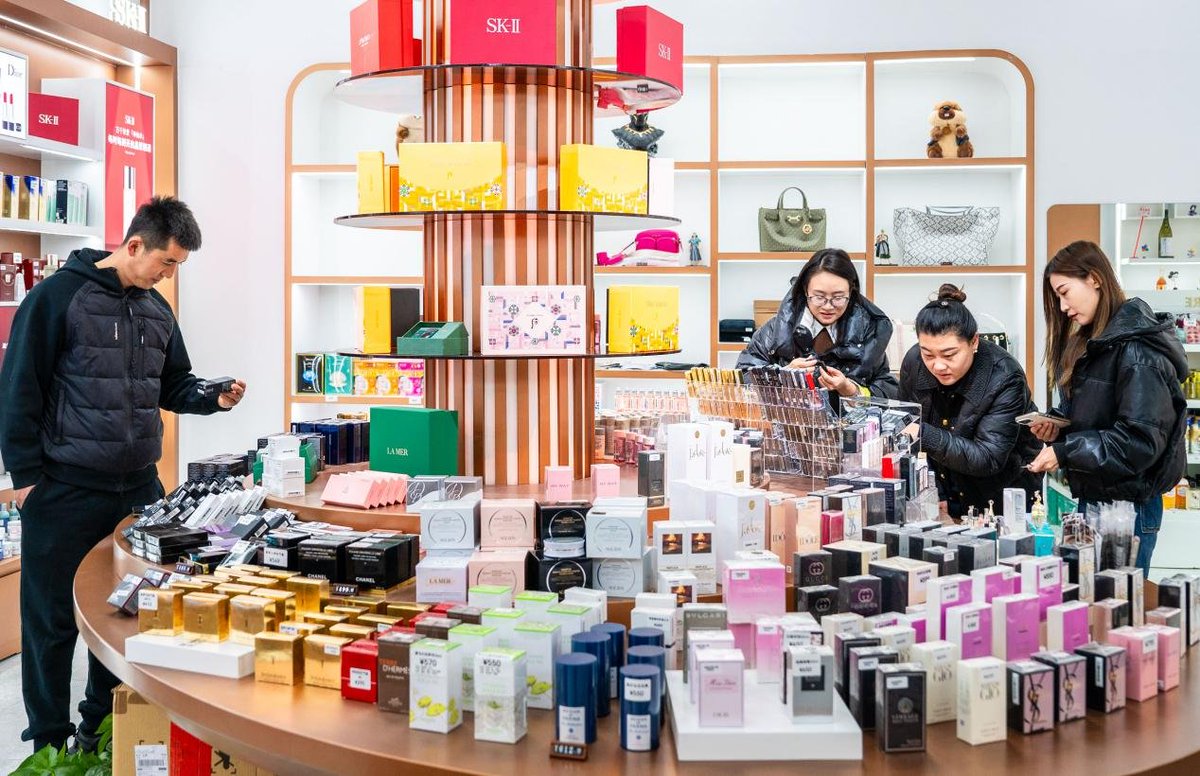
Chinese online marketplaces have seen surging demand for premium international goods in recent years, evidenced by the popularity of products ranging from New Zealand kiwifruit and Italian olive oil to Ecuadorian shrimp. This growth underscores the significant potential the Chinese consumer market holds for international brands.
Through cross-border e-commerce platforms, China is opening its vast consumer market to the world, enabling global businesses to capitalize on Chinese consumption opportunities.
In 2025, 2,415 overseas brands opened their first stores on Tmall Global, a cross-border B2C online marketplace under Alibaba, marking a double-digit year-on-year increase in the number of debut stores.
In July 2025, Chinese e-commerce platform JD .com launched an initiative offering one-stop services covering customs clearance, logistics, payments, and compliance. In under a year, the initiative has launched 140 online country-specific pavilions and onboarded a total of 1,500 new overseas brands.
Cross-border e-commerce has further paved the way for Chinese enterprises to go global and empowered domestic brands to tap into international markets.
Ranging from niche everyday items like gua sha boards, thermal bottles and teapots to big-ticket home appliances, functional furnishings and smart hardware, Chinese-made goods enjoy robust sales across the globe.
China currently has more than 160,000 cross-border e-commerce enterprises, while its logistics networks reach more than 200 countries and regions.
According to Wang Zhihua, director-general of the Department of Foreign Trade of the Ministry of Commerce, three key factors have driven the rapid growth of China's cross-border e-commerce sector.
Fueling the sector's growth is robust policy backing. Adhering to the core tenets of encouraging innovation, exercising inclusive and prudent oversight, and advancing opening up and collaboration, China has rolled out 178 comprehensive cross-border e-commerce pilot zones to spearhead institutional, regulatory and service-level innovations.
Digital technologies also deliver pervasive enabling effects. Big data, AI and other cutting-edge tools are being rapidly deployed throughout the full industrial workflow, covering product sourcing, marketing, settlement and logistics alike.
Another core driver lies in the resilient, well-entrenched industrial and supply chains. Boasting the world's most complete range of industrial sectors, China's manufacturing sector is advancing swiftly toward intelligent and eco-friendly production, enabling steady, timely supply of a full spectrum of commodities.
Supporting service providers are also expanding overseas alongside Chinese merchants to empower local industrial ecosystems.
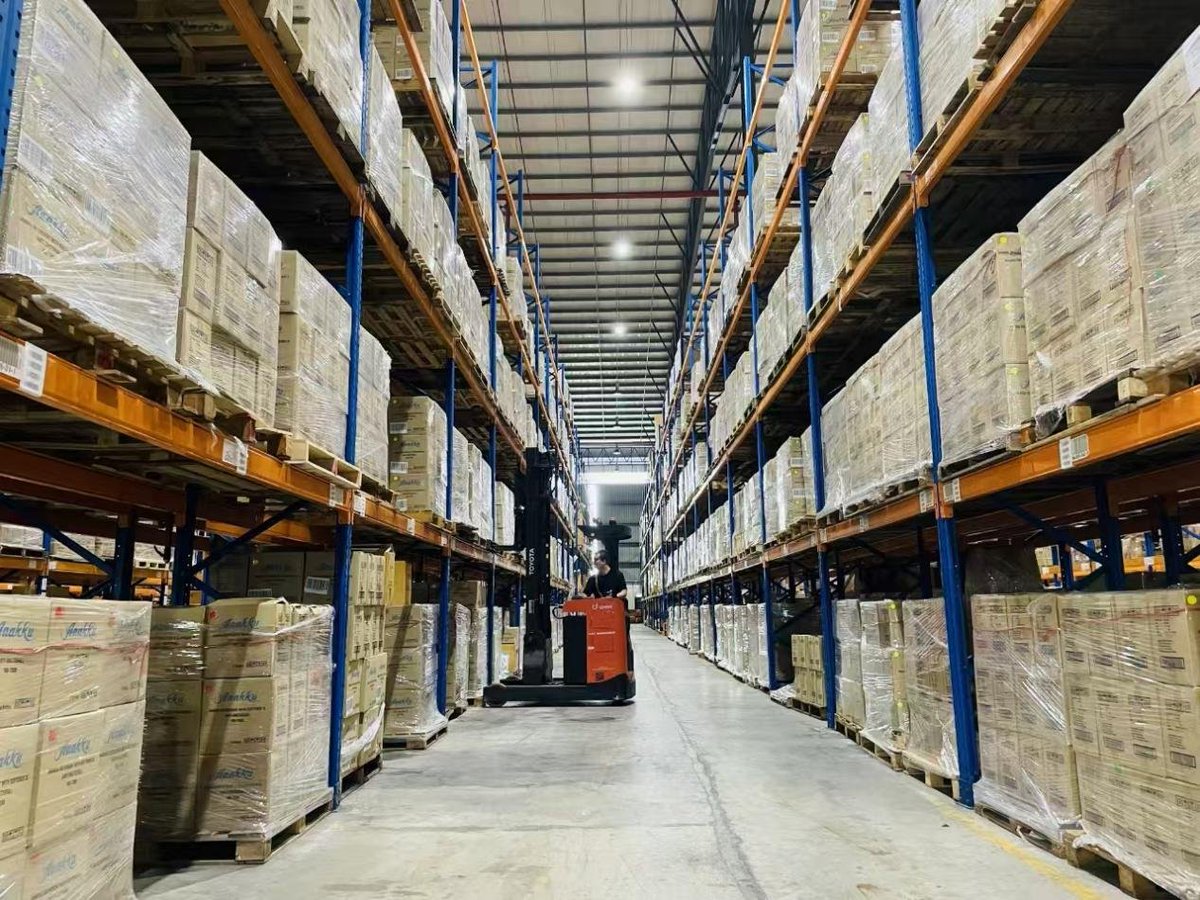
Chinese cross-border e-commerce supply chain solutions provider Edayun manages over 60 overseas warehouses worldwide. Powered by its digital and intelligent supply chain platform, it has interconnected more than 50 cross-border marketplaces and local logistics networks globally, markedly boosting order responsiveness and fulfillment efficiency.
As a cross-border payment service provider, Lianlian has secured nearly 70 payment licenses and relevant operational permits worldwide. It provides services in over 100 countries and regions, with regional operation hubs established across high-growth emerging markets including Southeast Asia and Latin America. These outposts enable local merchants to process cross-border payments efficiently and in full regulatory compliance.
"Cross-border e-commerce evolves along a clear trajectory: starting with product exports, progressing to brand globalization, and advancing toward localized partnerships," said Fan Fei, deputy head of Ebrun Think Tank. "Our survey shows over 60 percent of Chinese cross-border e-commerce enterprises regard localized service capabilities as their core competitive edge."
Through substantial investment and compliant business operations, these firms are deeply embedding themselves into local economic ecosystems, emerging as key contributors to local economic growth, Fan added.
Demand for cross-border e-commerce development and strengthened international cooperation is mounting across the Global South.
Escipion Oliveira-Gomez, director of the Division of Country Programmes at the International Trade Center, noted that under the framework of South-South cooperation, China has rolled out policy incentives, infrastructure development and talent development programs to help other developing economies strengthen capacity, integrate into the global digital economy, and foster a fairer, more efficient and inclusive global cross-border e-commerce ecosystem featuring win-win outcomes and shared prosperity.
Over the past three years, China has delivered more than 100 foreign-aid training sessions on e-commerce and digital economy, drawing over 3,000 participants from more than 100 countries and regions.
For the next five years, China plans to launch 200 training programs on digital economy and AI for Global South nations, enabling developing countries to benefit more from technological innovations and practical applications.
China has supported Africa in constructing and upgrading 150,000 kilometers of backbone communication networks and assisted Nepal in completing cross-border optical cable routes across the Himalayas.
Moving forward, China will continue to back Global South countries in building information and communications infrastructure, intelligent warehousing and related facilities, upgrade cross-border logistics networks, and lower entry barriers and operating costs for digital trade.
Ram Prasad Subedi, Permanent Representative of Nepal to the United Nations and other International Organizations in Geneva, commented that China's achievements in e-commerce and digital infrastructure development offer valuable experience and opportunities for all countries of the Global South. (By Liu He, People's Daily)
2
7
26
3,078
Jun 12
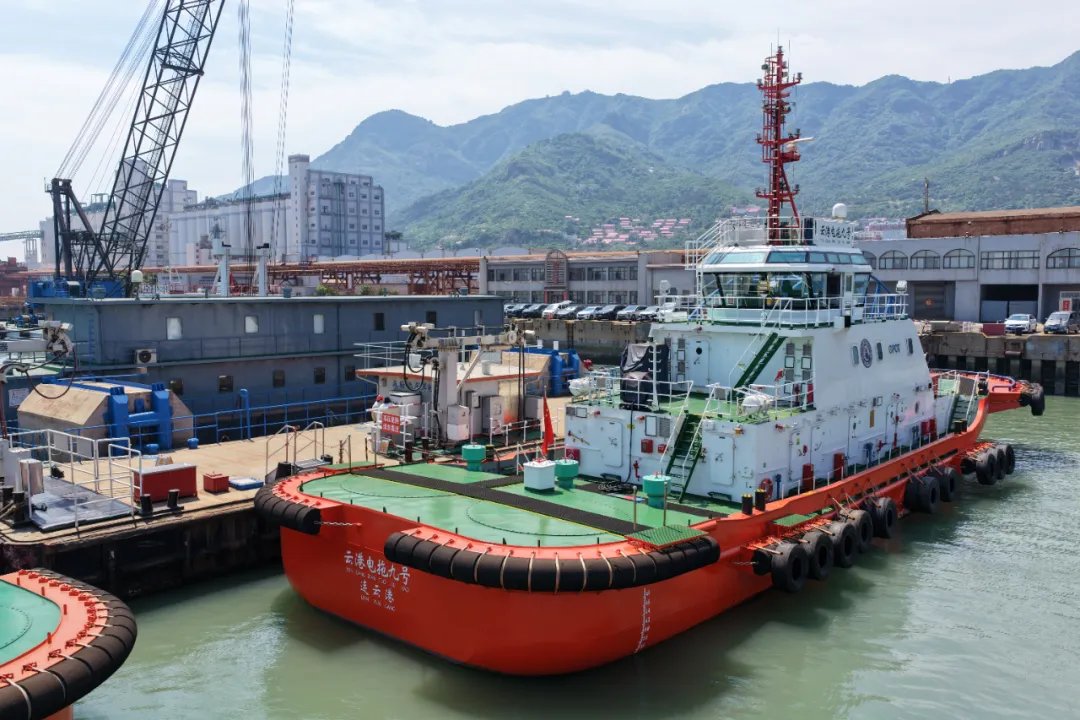
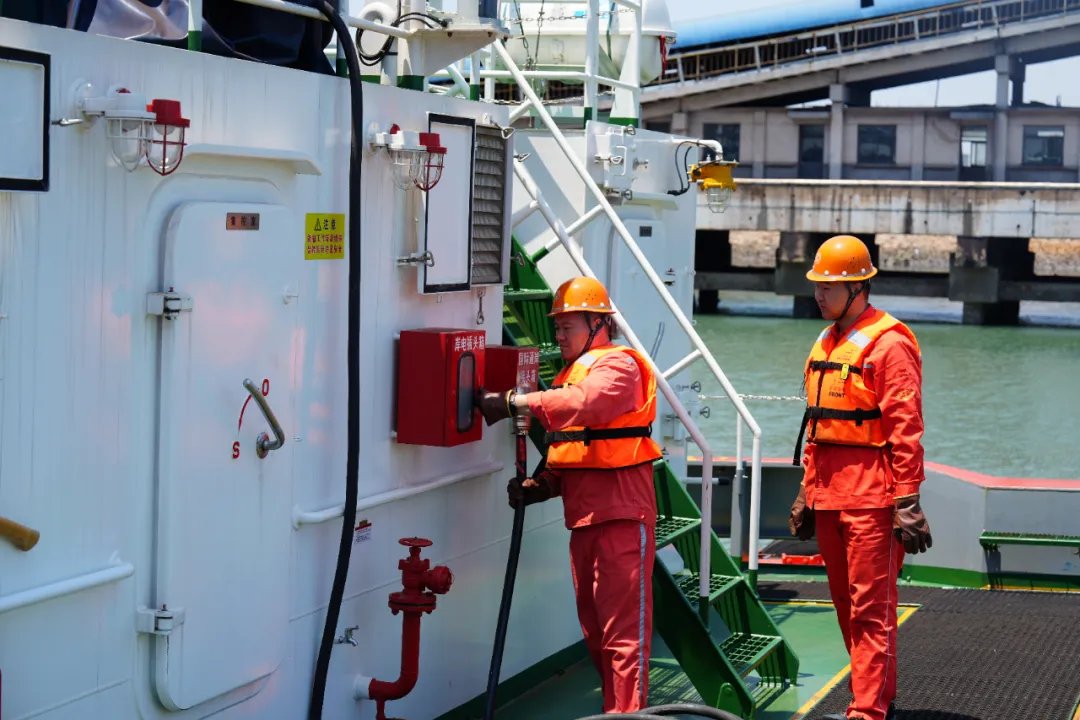
Acting like a giant mobile power bank, an all-electric tugboat discharged electricity from its battery at a rate of 80 kW, delivering a total of 560 kWh of electricity back to the power grid during a seven-hour experiment on Thursday in Lianyungang, east China's Jiangsu Province. It marked the country's first application of vessel-to-grid (V2G) bidirectional technology.

1
9
38
3,624
Jun 12
At the invitation of Chinese President Xi Jinping, President of Myanmar Min Aung Hlaing will pay a state visit to China from June 15 to 19, a Chinese foreign ministry spokesperson announced on Friday.
1
2
16
5,241
Jun 12
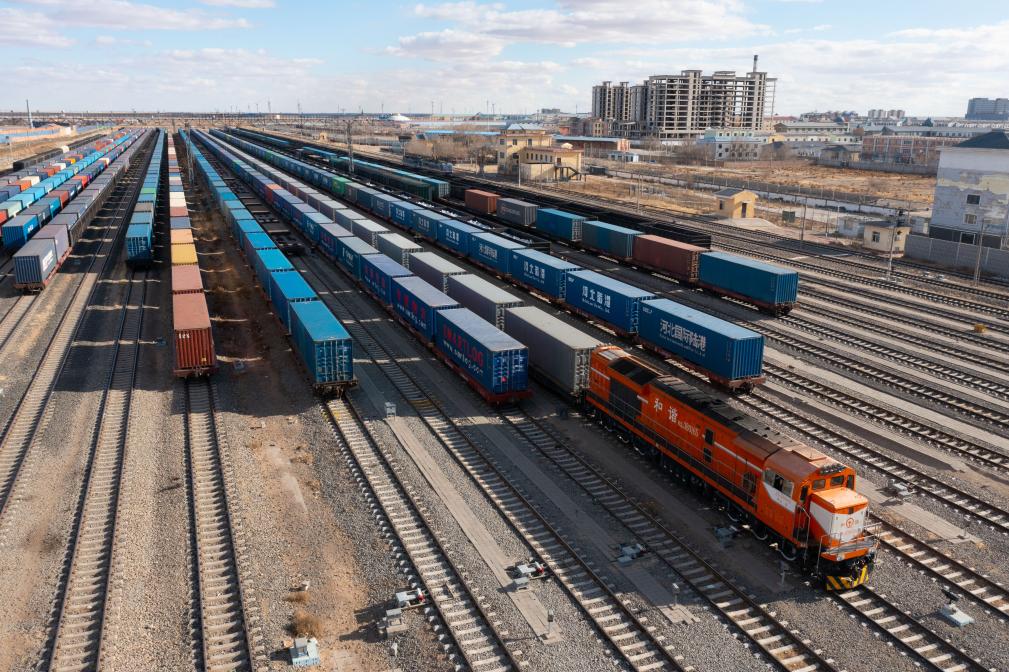
The middle corridor of the China-Europe freight train network has seen over 25,000 trips since the corridor's inaugural service in 2013, after a freight train departed from the Erenhot Port in north China's Inner Mongolia on Friday.
The Erenhot Port, the largest land port between China and Mongolia and the sole transit port for the middle corridor, now serves 75 China-Europe freight train routes, linking China with more than 70 hub stations in over 10 countries.
1
9
27
3,238
Jun 12
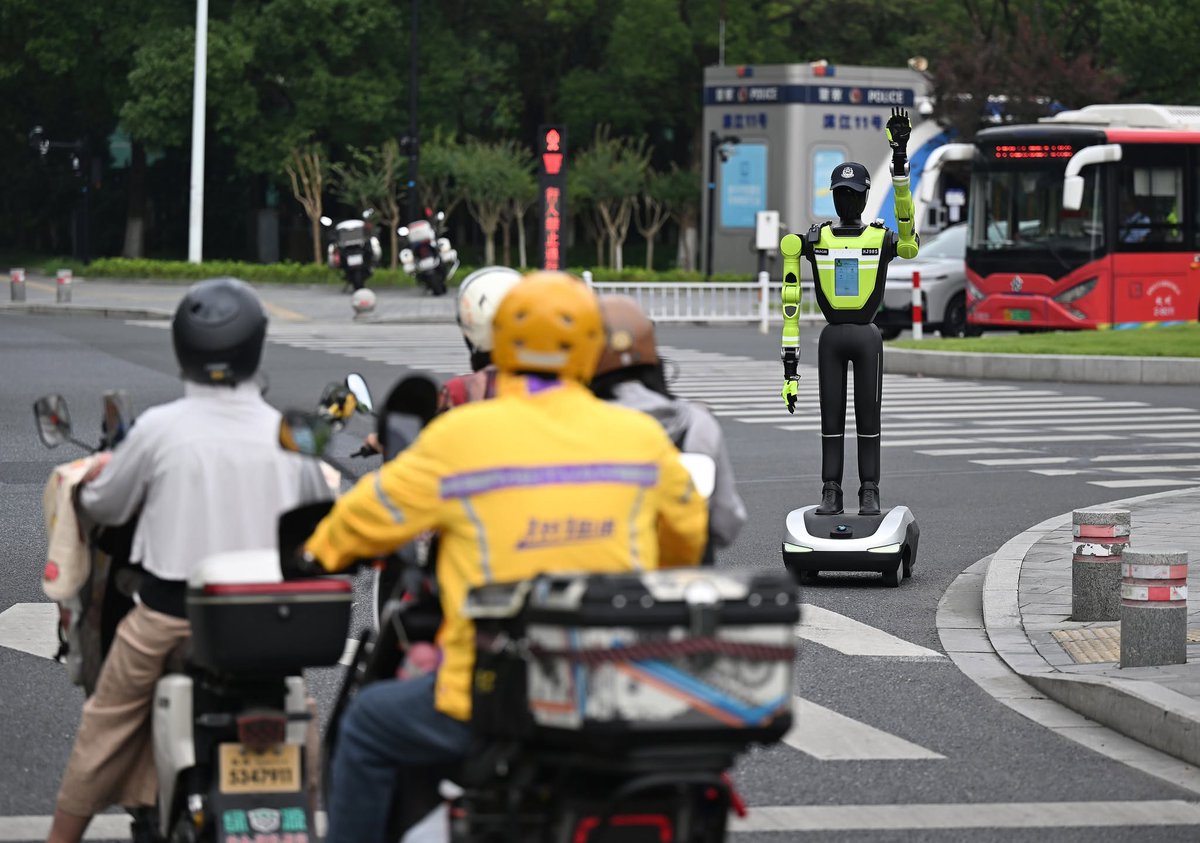
An AI-powered traffic policing robot was deployed near a gaokao exam site in Hangzhou, east China’s Zhejiang Province, on Monday to help maintain a quiet and orderly environment during the national college entrance exam. Equipped with visual recognition and other technologies, the robot reminded drivers not to honk, guided non-motorized traffic away from violations and offered good wishes to exam candidates.


4
13
49
5,105
Jun 12
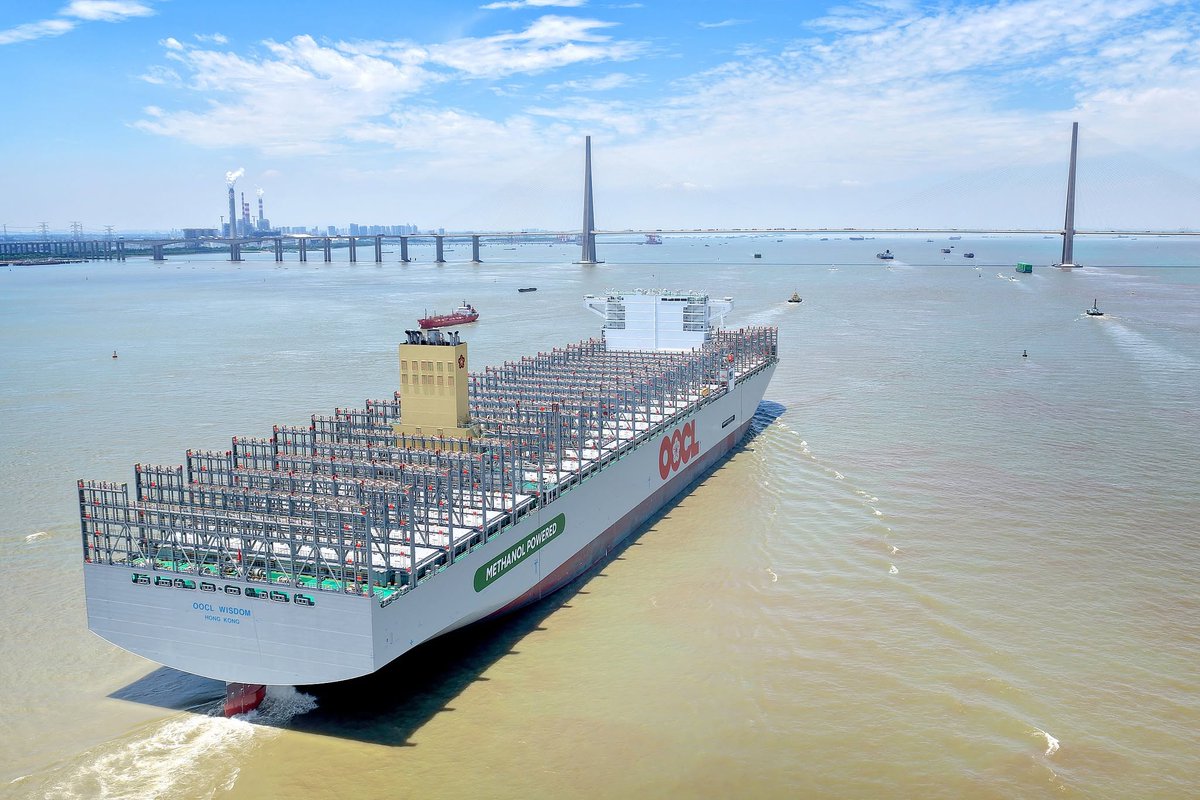
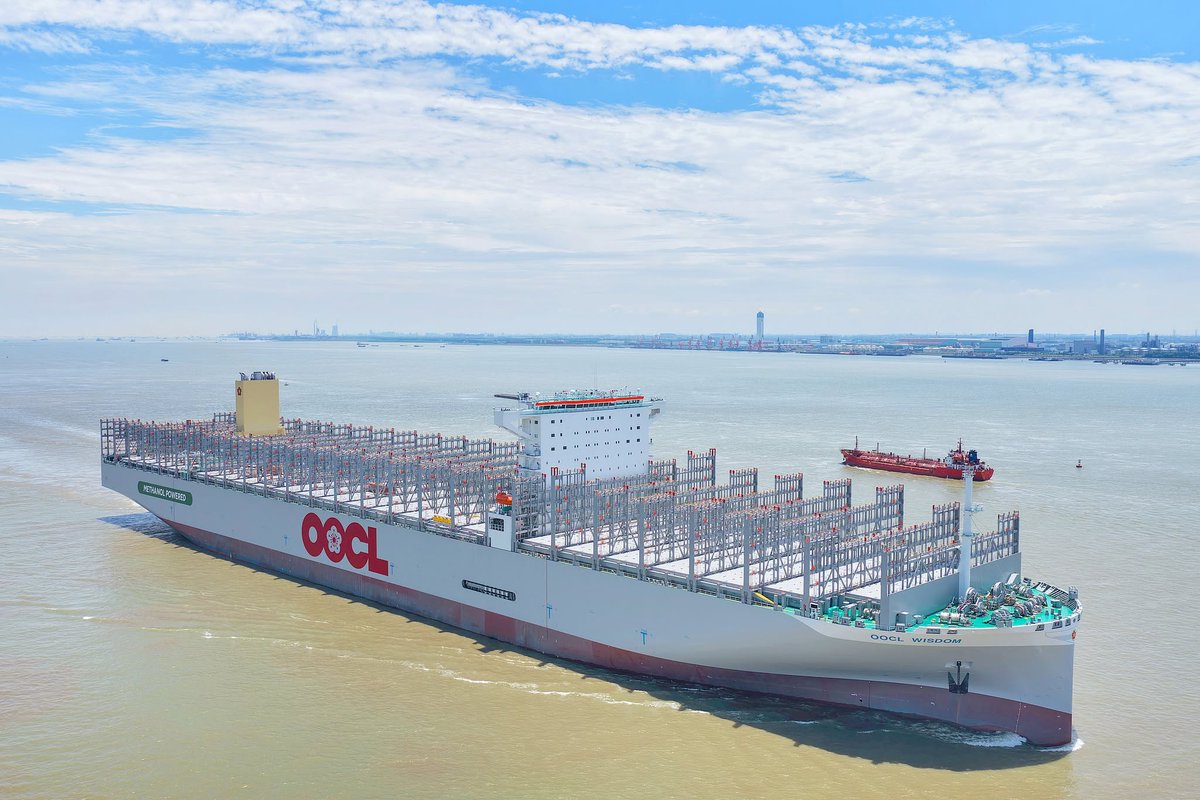
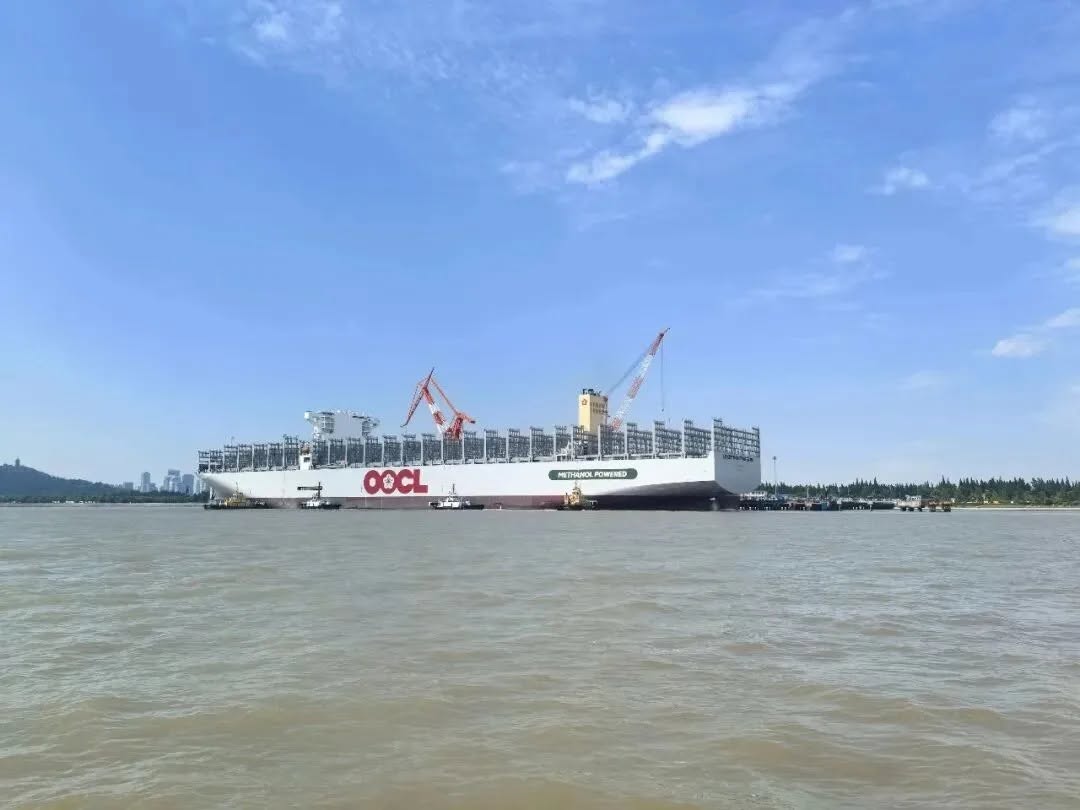
OOCL Wisdom, the world's first methanol dual‑fuel container vessel that can carry 24,000 TEUs, concluded its 26-day sea trial and returned to Nantong, east China's Jiangsu Province, on Tuesday.
Independently designed and built in China, the vessel measures 399.99 m in length, 61.3 m in width and 33.2 m in depth, with a deadweight tonnage of 225,000 tonnes and a maximum capacity of 24,168 TEUs, the largest among ships of its class. When powered by green methanol, it can reduce CO₂ emissions by about 150,000 tonnes annually.
2
7
26
3,556
Jun 12
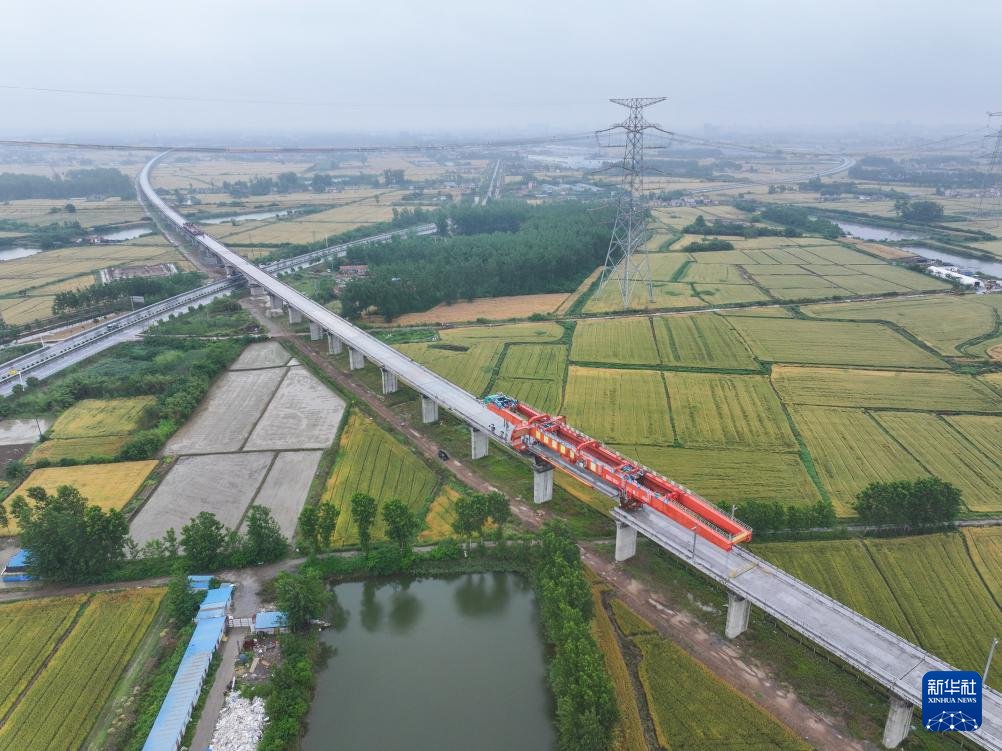
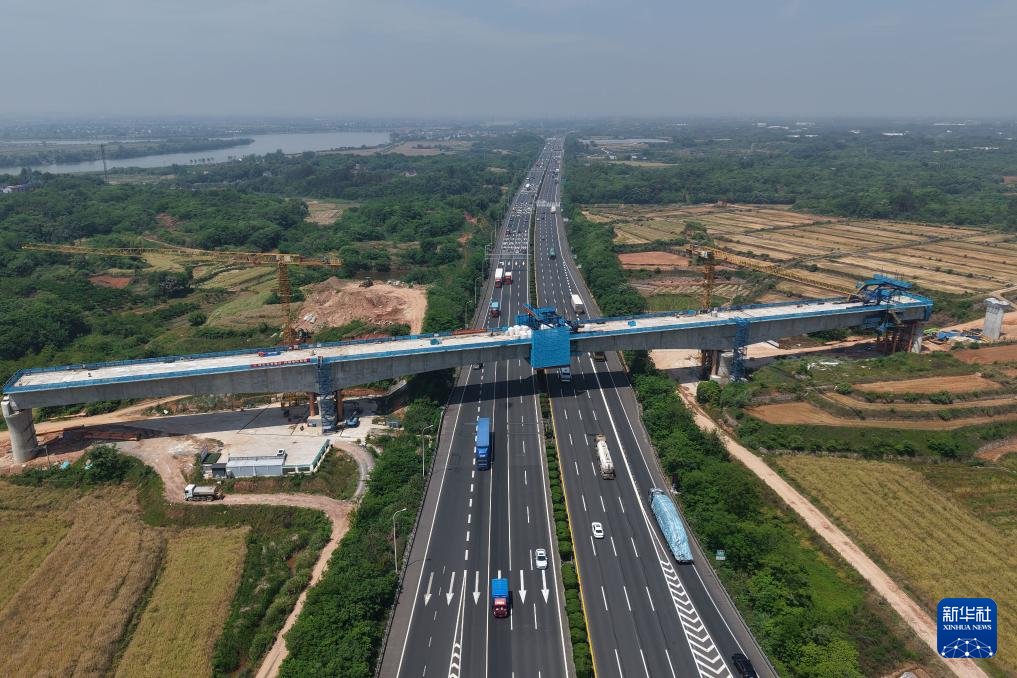
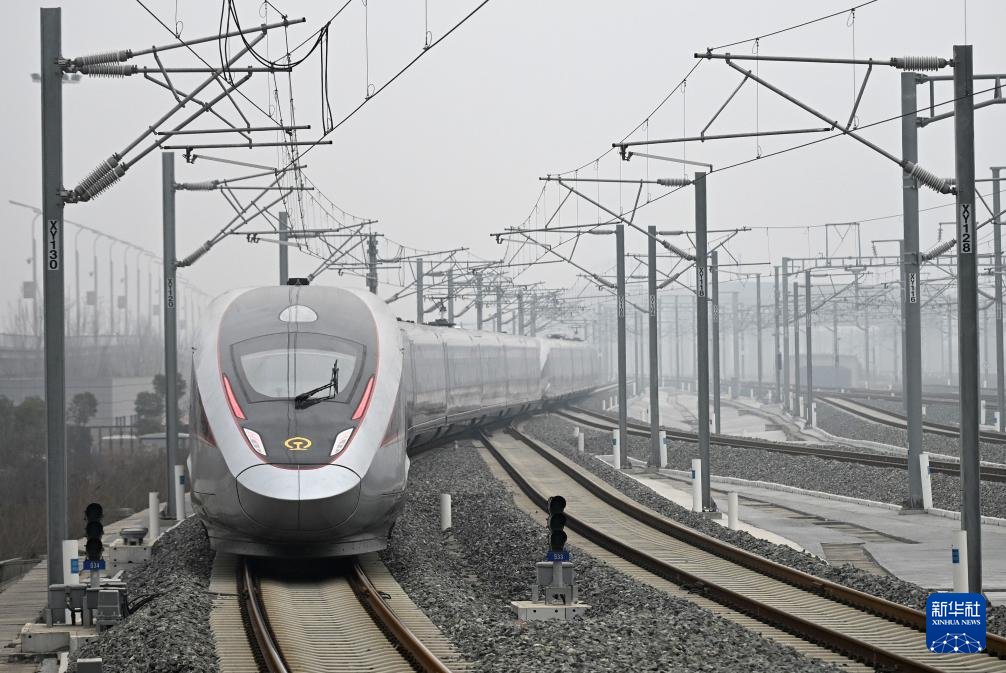
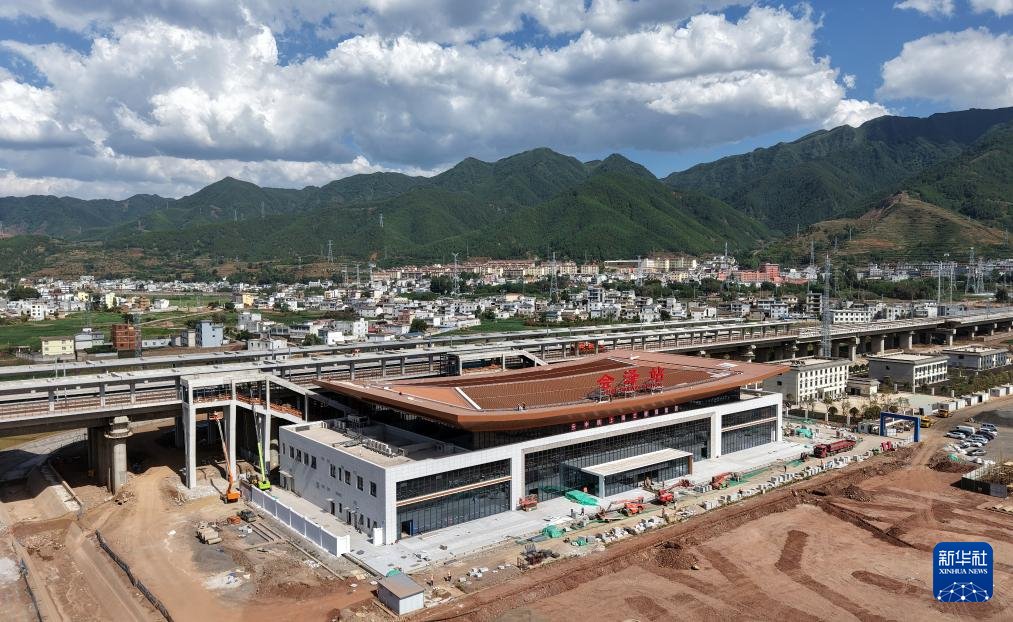
China's fixed-asset investment in the railway sector reached 248.5 billion yuan (about $36.67 billion) in the first five months of 2026, up 2.6% YoY, data from China State Railway Group Co., Ltd showed Friday.
4
17
68
5,424
Jun 12
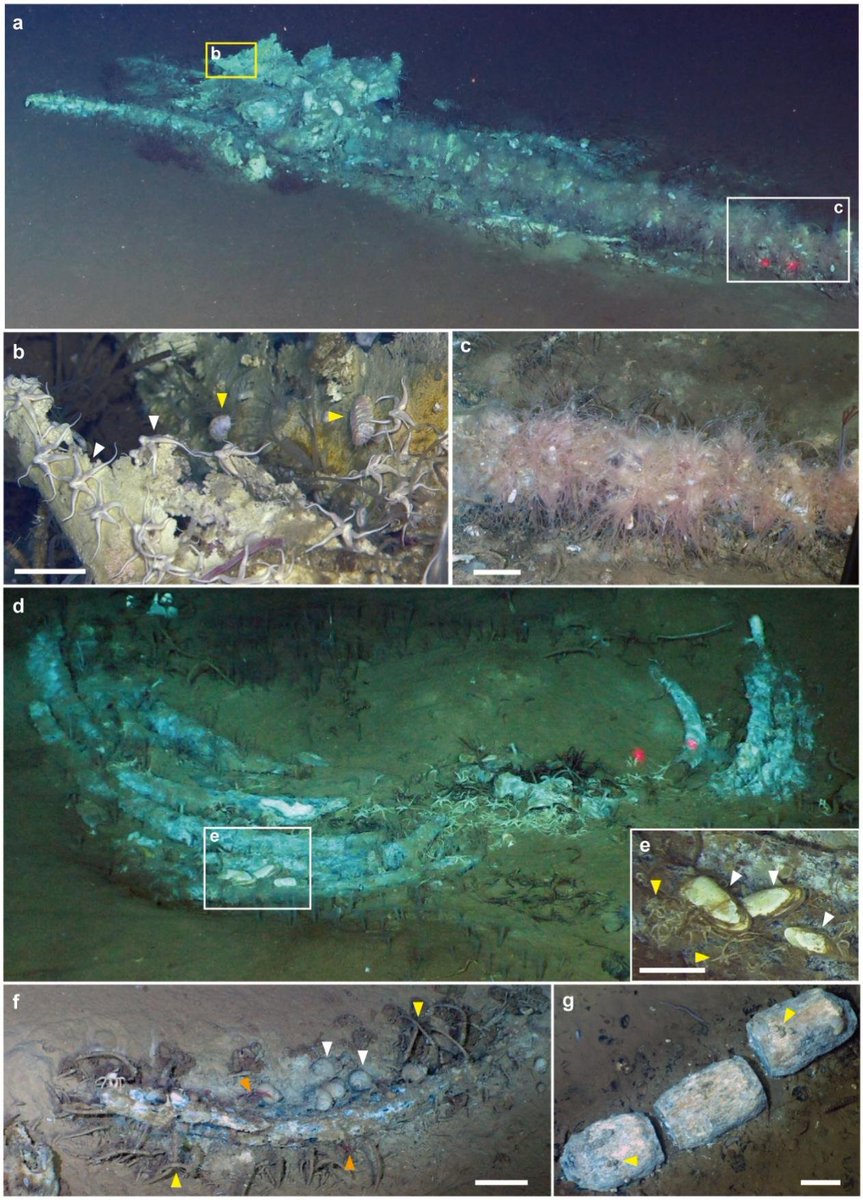
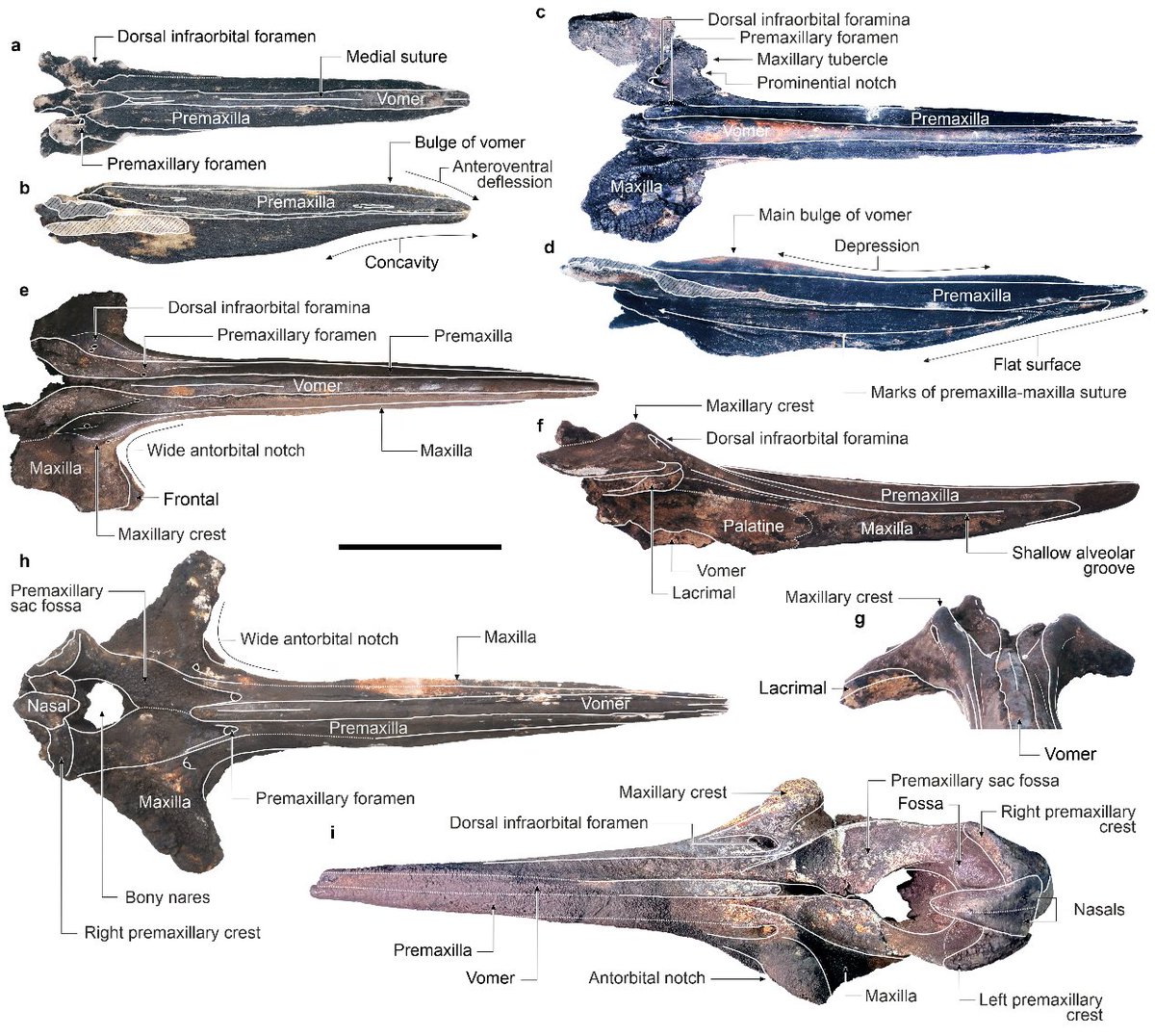
A China-led international research team has discovered the world's deepest and largest collection of whale remains in the Diamantina Zone of the southeastern Indian Ocean—a site they call a "whale necropolis."
Exploring a 1,200-km stretch of the zone in 32 dives using China's manned deep-sea submersible Fendouzhe (Striver), the team found five active whale falls and 476 fossil sites at water depths ranging from 4,616 to 7,001 meters, including one site consisting of three beaked whale vertebrae at a depth of 6,789 meters—the deepest active whale-fall ecosystem ever recorded. The density of whale remains reached up to 759.5 individuals per square kilometer.
Using strontium isotope dating, they confirmed that the fossils there date back at least 5.3 million years to the Early Pliocene.
Published in the journal Nature, the study extends the known depth record of whale falls from 4,200 meters to nearly 7,000 meters, providing a unique window into the early evolutionary history, paleoecology and population dynamics of ancient whales.
3
19
71
6,025
Jun 12
Four Chinese commercial rocket firms have been listed as candidates for the Qingzhou cargo spacecraft launch service, according to a notice released recently, marking a step closer for private players to participate in the country’s space station cargo transport system.
Tentatively scheduled for launch in January 2027, the new-generation cargo spacecraft has a total weight of 5 tonnes, an uplink cargo capacity of more than 1.8 tonnes, a downlink capacity of 2 tonnes, a stowage volume of 9 cubic meters, and an internal volume of 27 cubic meters.
1
5
31
3,317
Jun 12
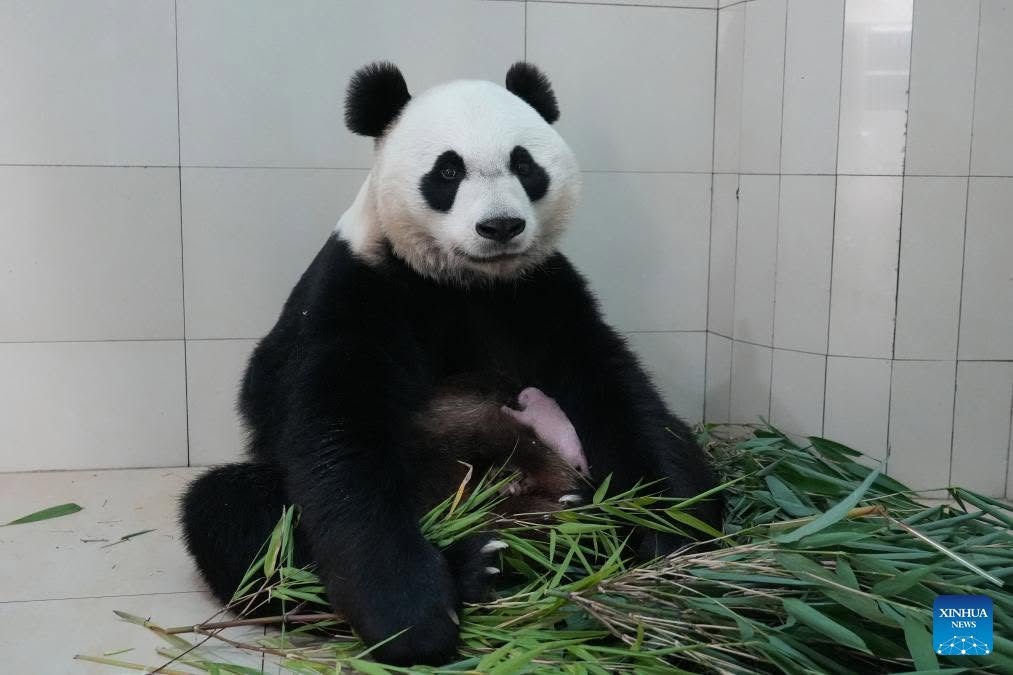
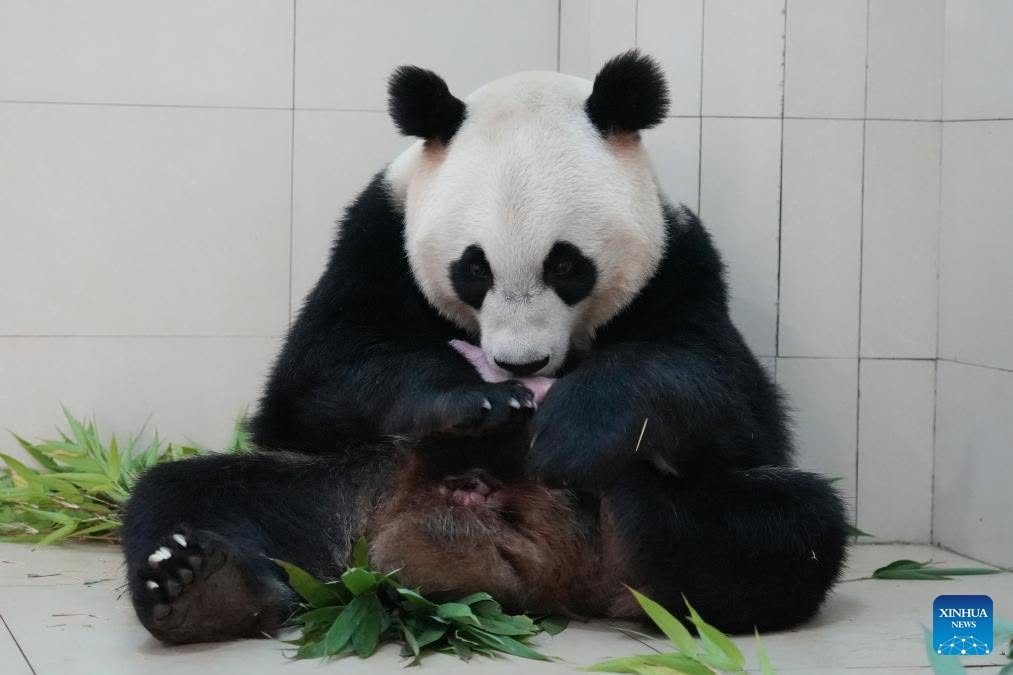
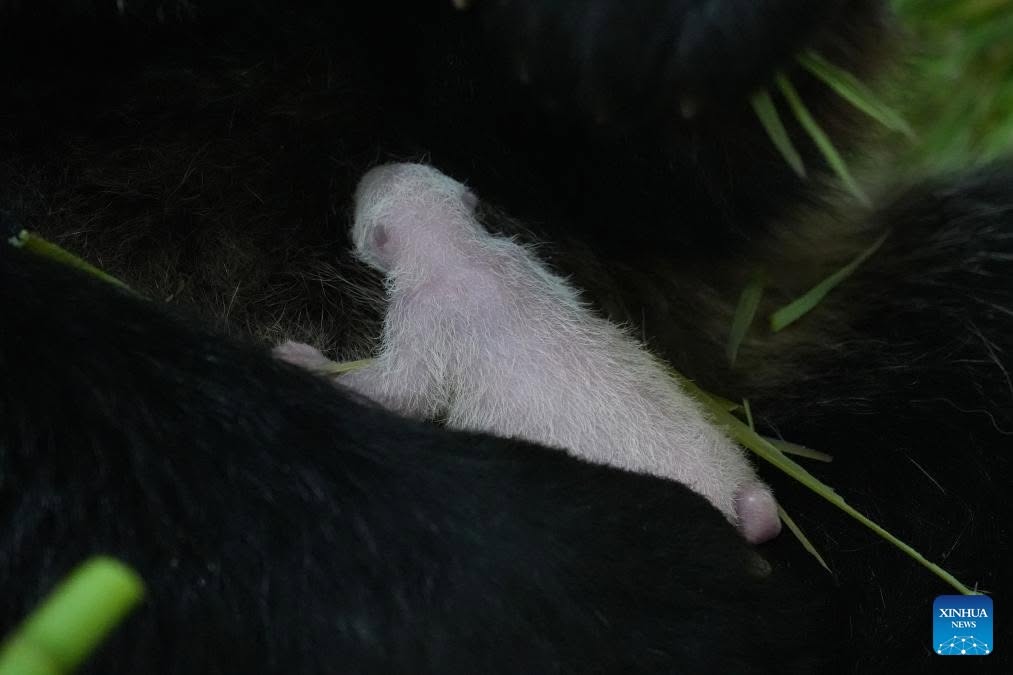
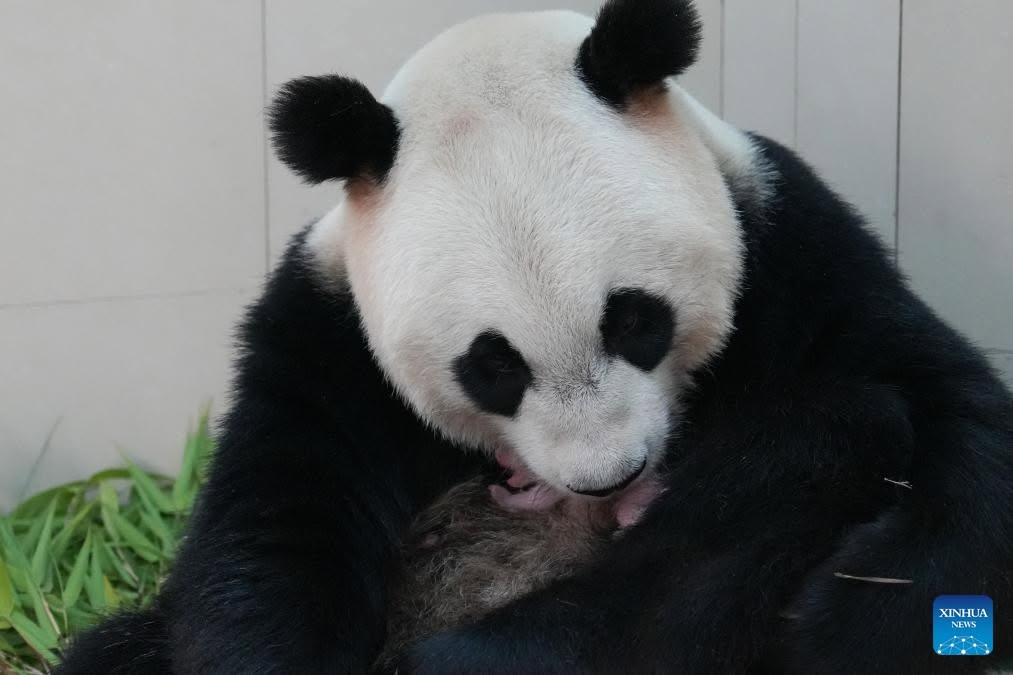
Giant panda En En has given birth to a cub at the Shenshuping base of the China Conservation and Research Center for the Giant Panda in southwest China's Sichuan Province last week, marking the first cub born this year to the center's captive giant panda population in China.
3
15
61
5,144
Jun 12
The Youth | Young workers brave mountains and disasters to keep the lights on in SW China's Yunnan
Long rainy seasons and frequent geological disasters make power grid maintenance a constant challenge in Dulongjiang township, which is nestled deep in the mountains of Gongshan county, Nujiang Lisu Autonomous Prefecture, southwest China's Yunnan Province.
Yet a group of young power workers continues to traverse the region's rugged mountains and steep valleys year-round, inspecting and maintaining electrical infrastructure to ensure reliable electricity reaches every household.
Among them are Zhu Xinglong, a lineworker born after 2000, and He Shancong, who has dedicated 13 years to serving the Nujiang region.
To protect the grid from rockfalls and mudslides, the pair has helped replace vulnerable utility poles with steel transmission towers, building a more resilient power network across the remote valleys.
For the workers, the hardships are worthwhile whenever they see the smiles of local residents with reliable power at home.
The development of Dulongjiang would not be possible without these "guardians of light." Through their dedication, perseverance and youthful energy, they help bring light to every corner of these remote mountain valleys.
3
6
23
3,654
Jun 12
From manufacturing to value creation, Yiwu is elevating its role in World Cup economy
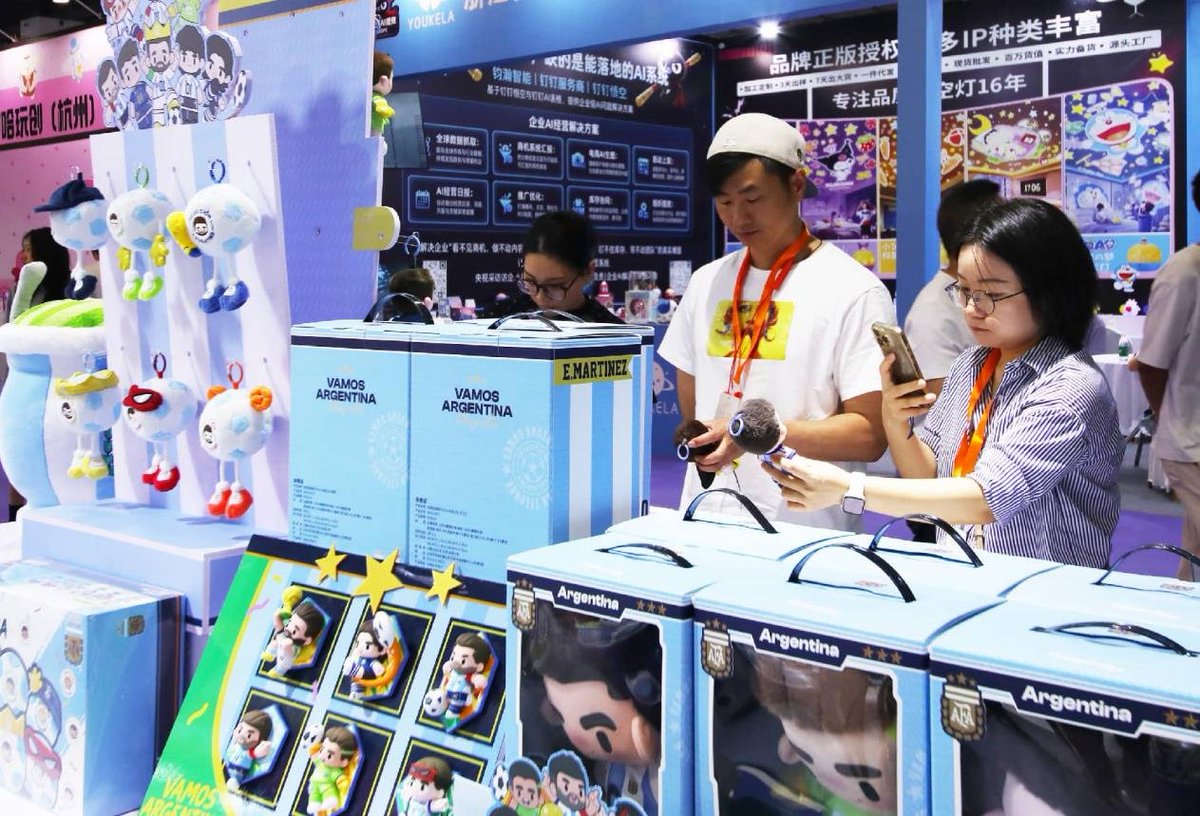
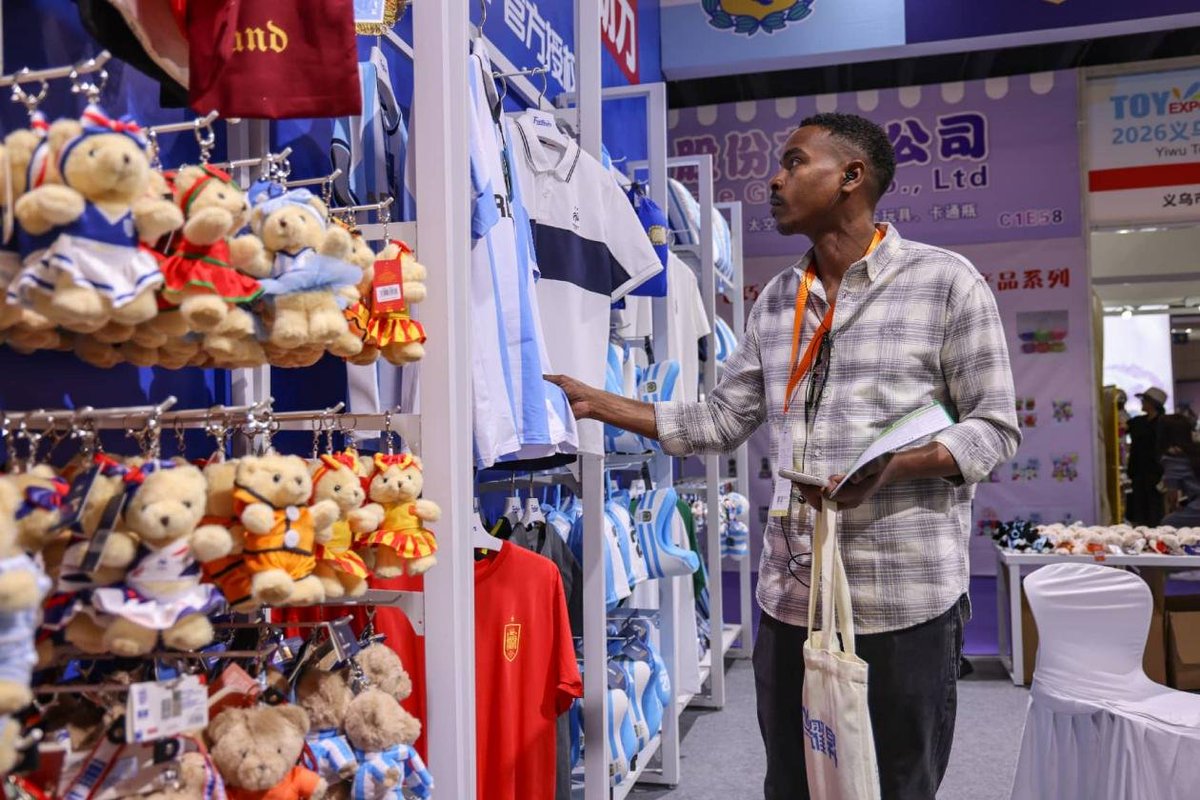
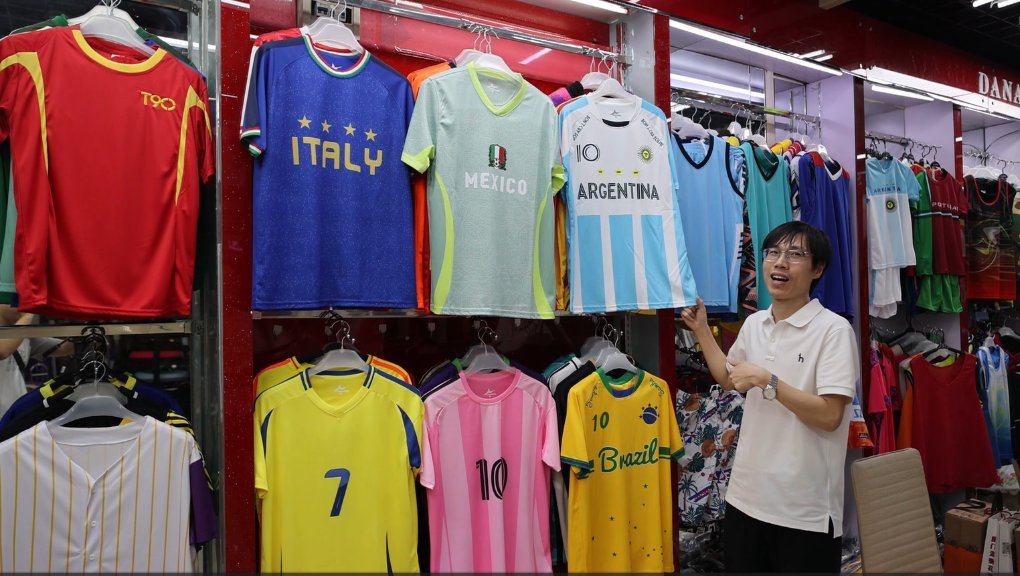
As the referee's whistle echoes through the 2026 United States-Canada-Mexico World Cup stadiums, China's manufacturing hub Yiwu -- thousands of miles away -- has already been shipping fan merchandise worldwide through meticulous supply chain mechanisms.
According to Yiwu customs, exports of sporting goods and equipment from Yiwu reached 2.83 billion yuan ($417.85 million) in the first quarter of this year, up 12 percent year on year. Products related to the World Cup accounted for a significant share of that growth.
Pan-African multilingual news network Africanews reported that retailers across Africa and around the world rely on Yiwu's manufacturing efficiency for everything from banners and flags to a wide range of fan merchandise, making Chinese manufacturing an indispensable behind-the-scenes force supporting major international sporting events.
Meanwhile, the British industry website Campaign Asia-Pacific noted that Yiwu supplies roughly 70 percent of the global market for World Cup-related products, calling it one of the busiest barometers of global football consumer demand.
Why has Yiwu always been able to seize opportunities created by the world's premier sporting events?
The answer lies in a quiet transformation taking place among Yiwu's merchants -- from simply responding to market demand to actively shaping it through design and securing competitive advantages through intellectual property. Behind this shift is a profound transition from passive order-taking to proactive value creation.
Intellectual property has become a powerful competitive moat, enabling businesses to move beyond contract manufacturing and toward shaping industry standards.
The era of relying solely on price competition has passed. Today, independent intellectual property has become a key source of both profitability and market recognition.
Merchant Wen Congjian began designing World Cup jerseys well in advance and simultaneously applied for overseas design patents. For this tournament alone, he has filed more than 40 design patent applications. Protected by these patents, his products can command price premiums of up to 20 percent.
An increasing number of Yiwu businesses are using intellectual property rights to safeguard innovation, signaling a broader evolution in Chinese manufacturing from a passive participant in global value chains to a creator of standards and rules.
At the same time, a growing emphasis on creativity and branding is reshaping the way Yiwu businesses compete.
Merchant Luo Tianle secured full-category licensing rights for several national teams and expanded his product offerings into cultural and creative merchandise. Niche products such as pet jerseys and skin-friendly jerseys for infants and toddlers have enabled him to tap into emerging consumer demand while avoiding the race to the bottom associated with low-price competition.
Having experienced multiple World Cup cycles characterized by intense price wars, many Yiwu merchants now place greater value on overseas reputation and long-term brand development. Pursuing high-quality growth is increasingly becoming a shared business philosophy.
Underlying all of this is the confidence that comes from the "Yiwu speed" made possible by China's complete industrial ecosystem.
World Cup orders are typically large in volume, tight in schedule, and demanding in terms of production requirements. Yet these are precisely the conditions under which Yiwu excels. The city possesses a complete industrial chain covering design, prototyping, fabric sourcing, sewing, printing, and quality inspection. In some cases, a football can move from initial design sketch to finished product in less than a week.
This exceptional supply-chain capability, supported by China's vast manufacturing network, enables innovative designs and patented products to be rapidly transformed into market-ready goods for customers worldwide.
Yiwu's connection with the World Cup reflects the broader global recognition that Chinese manufacturing is earning.
When the jerseys worn and flags waved by football fans around the world increasingly bear the label "Made in China," it represents more than market share -- it is a vote of confidence. And that confidence extends well beyond football arenas.
In Mexico City, more than 95 percent of the shuttle buses serving football fans are Chinese-brand new-energy coaches. Meanwhile, urban rail projects such as Mexico City Metro Line 1, built with the participation of Chinese companies, are helping connect venues and improve transportation efficiency.
From flags and plush toys to green transportation solutions, Chinese manufacturing is becoming deeply integrated into the global sports economy through comprehensive, end-to-end participation.
From a patented football jersey sold overseas to Chinese-made electric buses operating around World Cup venues, the role of Chinese manufacturing on the global sporting stage has undergone a fundamental transformation.
The final whistle of a World Cup tournament will eventually blow. The momentum behind the upgrading of Chinese manufacturing, however, shows no sign of ending. If anything, its call is growing ever stronger. (By Wang Hailin, People's Daily)

1
6
21
3,548
Jun 12
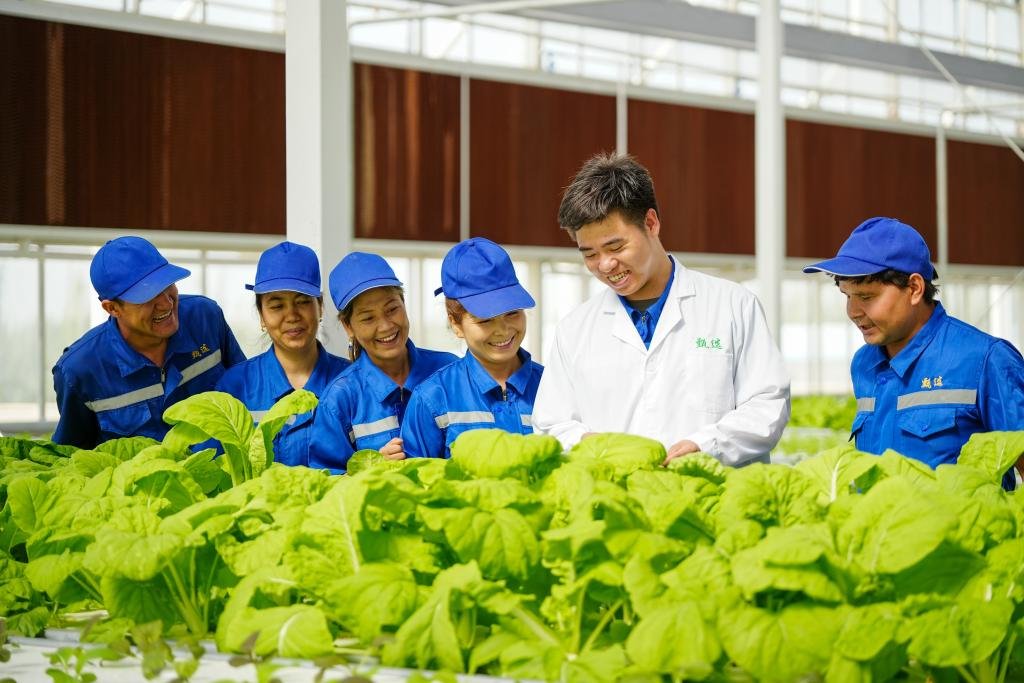
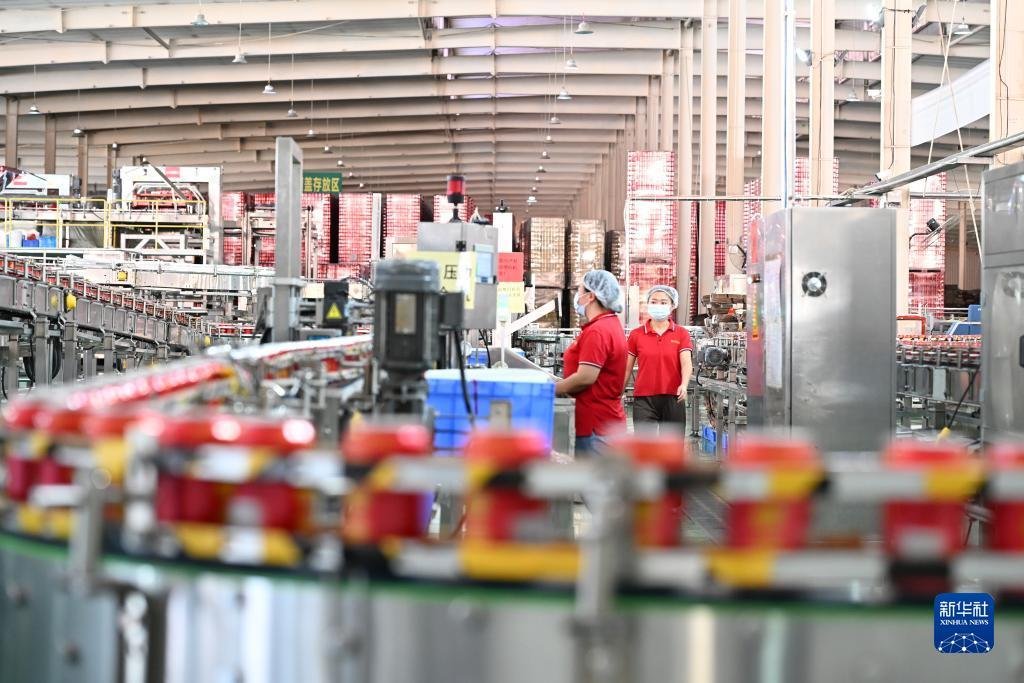
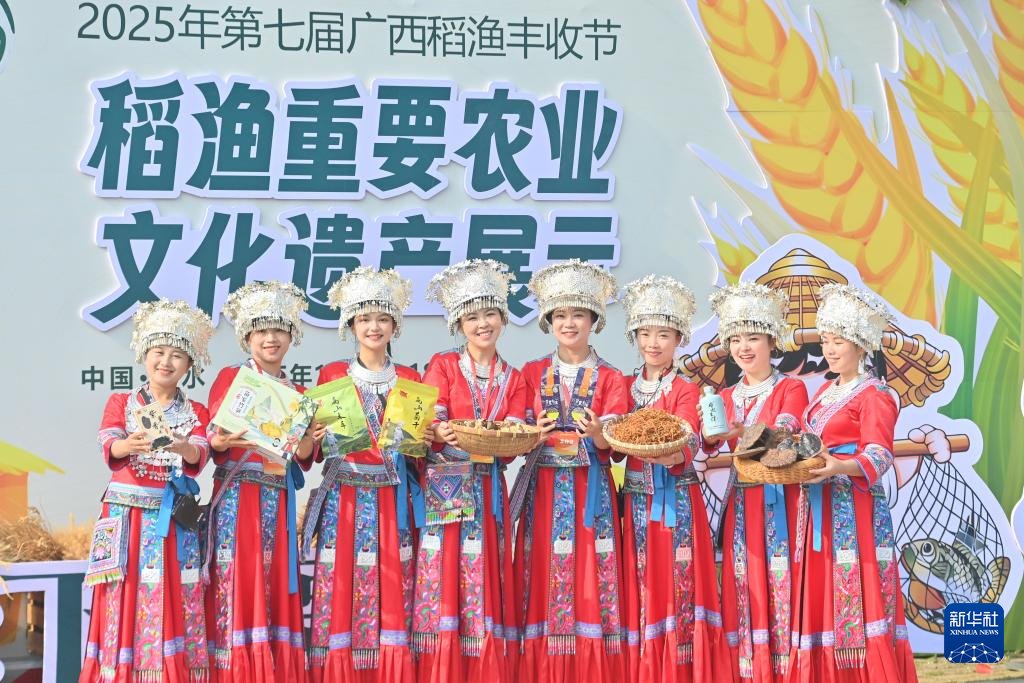
China's pairing assistance program, a move that matches its more affluent eastern provinces and municipalities with less-developed western regions to deliver financial, technical and human resource support to foster more balanced national development, gained fruitful results between 2021 and 2025:
- Guided enterprise investment worth over 750 billion yuan (about $110 billion) in western regions
- Facilitated employment for more than 5 million rural workers from western regions
- Eastern partner regions purchased or assisted in the sales of agricultural products valued at nearly 570 billion yuan from western regions
2
8
34
3,349