
Missing person's advocate and licensed Private Investigator.
Joined August 2023
- Tweets 71
- Following 47
- Followers 82
- Likes 113
28 Photos and videos

27 Dec 2024
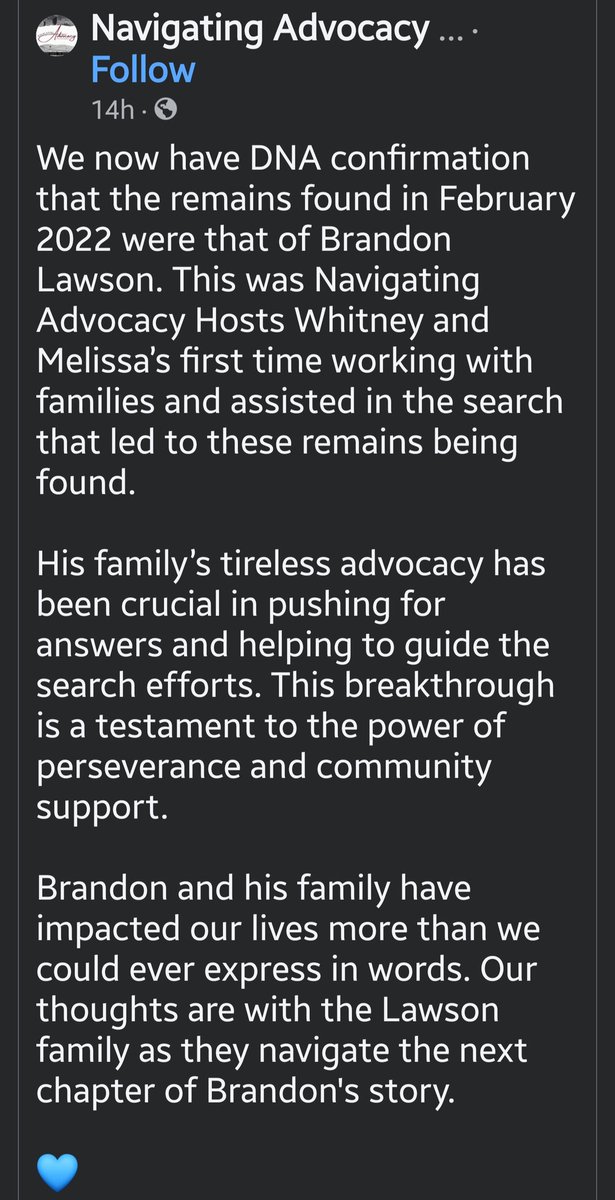
The Lawson family finally got the confirmation they have been waiting for since early 2022. Brandon Lawson has officially been recovered.
26 Dec 2024

It's the outcome most of us suspected, but that doesn't make it any easier to accept. A father, a son, a brother is gone and the hole cannot be filled.
2
10
556
21 Sep 2024
Thank you to @NewsNation and @MarniHughesTV for you coverage of Samantha Tapp.
19 Sep 2024

Samantha Tapp- where are you? Today on @NewsNation Live, for the first time on TV, we investigate her disappearance. Just 16yo when she disappeared in Texas. Her family believes she's out there, and possibly afraid to come home. newsnationnow.com/missing/sa… Tune in 10/11ET
86
15 Jul 2024
100% truth right here. So many people make the mistake of running to social media or discussion groups just to spew information that isn't verified, all with the purpose of getting attention!!!
15 Jul 2024

FACTS matter! Investigations take time. Be patient, do your research, and triple check your sources before you spew misinformation as if it is the TRUTH.
5
174
7 Jul 2024
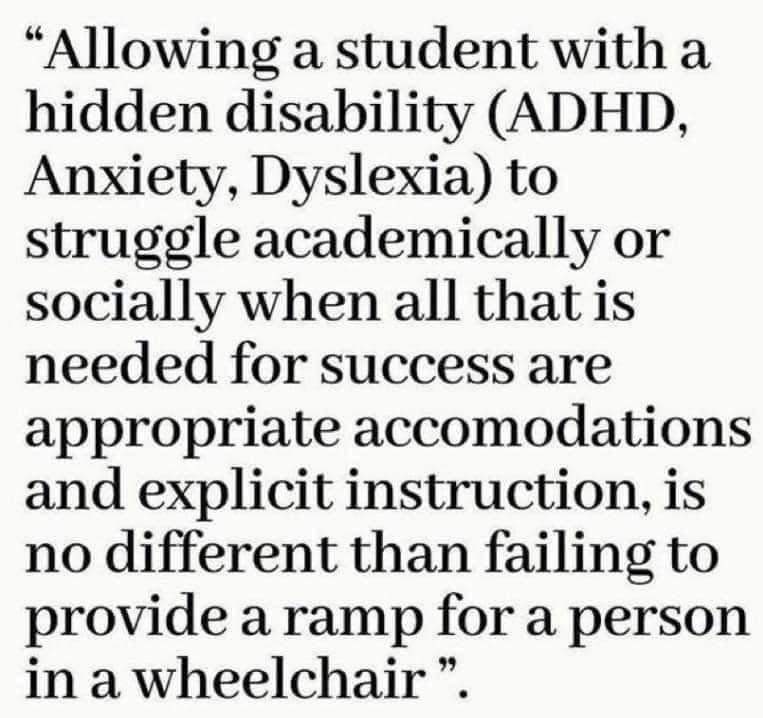
I have ADHD and I can say amen to this!!

65

PIJasonWatts retweeted

28 Jun 2024
And a reminder that anyone who attends TCPF 2024 can get the 50% off code! We’re heading to the east coast!
28 Jun 2024

Don’t mind us, just casually building out the 2025 ticket options.
1
1
2
222
21 Jun 2024
Absolutely. But use caution If foul play is evident or suspected.
21 Jun 2024

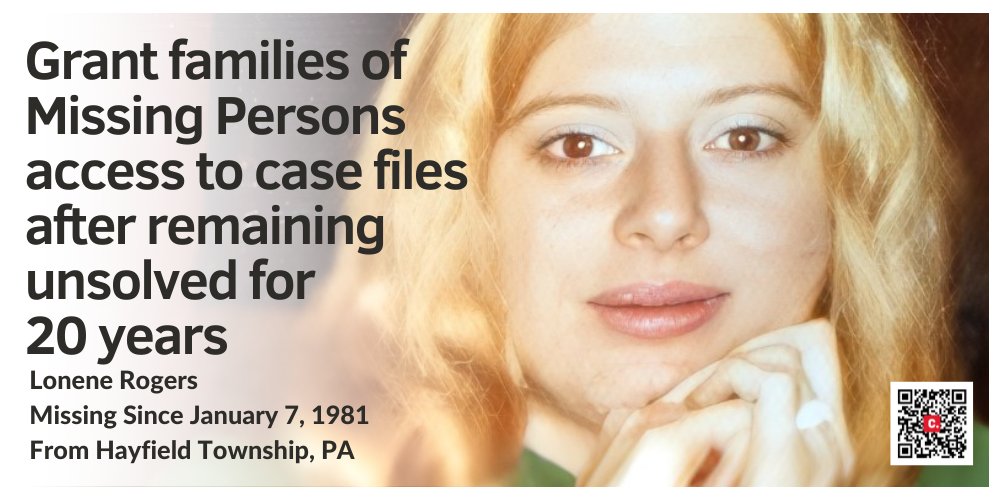
FRIDAY CALL TO ACTION #LonniesLaw would grant families of missing individuals access to case files after a case remains unsolved for a period of 20 years.
This petition was created in honor of #missing woman and mother, #LoneneRogers, who vanished from Hayward Township, #Pennsylvania on January 7, 1981. Lonnie’s family has worked tirelessly to bring her home but still have no answers as to what happened to her 43 years ago.
Please help us get to 1000 signatures by signing and sharing the petition at the link below! change.org/LonniesLaw
1
4
152
PIJasonWatts retweeted

19 Jun 2024
There have been plenty of recent conversations — some passionate and contentious — about what it means to be an ethical true crime content creator and/or advocate.
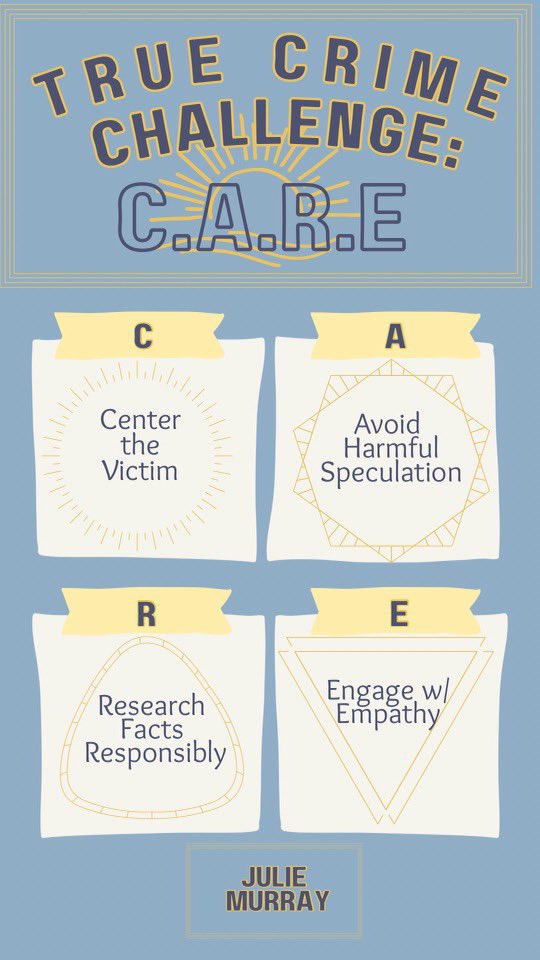
Once again sharing the #CAREChallenge model, created by @JulieMurray2_9 and outlined below in this lovely graphic by @shannonshaming.
I propose we reference the CARE Model as a foundation upon which more formal guidelines for ethical advocacy and content creation are established.
Each pillar of the model — Center the victim, Avoid harmful speculation, Research facts responsibly, and Engage with empathy — can be applied to every case. Within each pillar is an opportunity to expand on what achieves that particular goal.
I believe that, if we had clearer guidelines about what constitutes ethical content creation and advocacy, we could see a positive impact across the community and for individual cases.
To do this, we need to start having real conversations.
Seek out people with different opinions and truly seek to understand one another. Discuss each pillar with a variety of voices at the table, from victims’ families to law enforcement members, legal experts, web sleuths, advocates, students and others invested in the effort. Talk about what each idea means, then share these thoughts across your platforms.
At the end of the day, what matters most is getting justice for victims and families. But it also matters how we get there. There are brilliant minds on both sides of the table; we can do beautiful things if we work together.
As Maureen Brainard-Barnes said and @Catch_LISK repeated, let’s make a new reality and pave a more promising road.
#CAREChallenge #EngageWithEmpathy #EthicalAdvocacy #truecrimecommunity #makeanewreality
2
26
70
12,300
8 May 2024
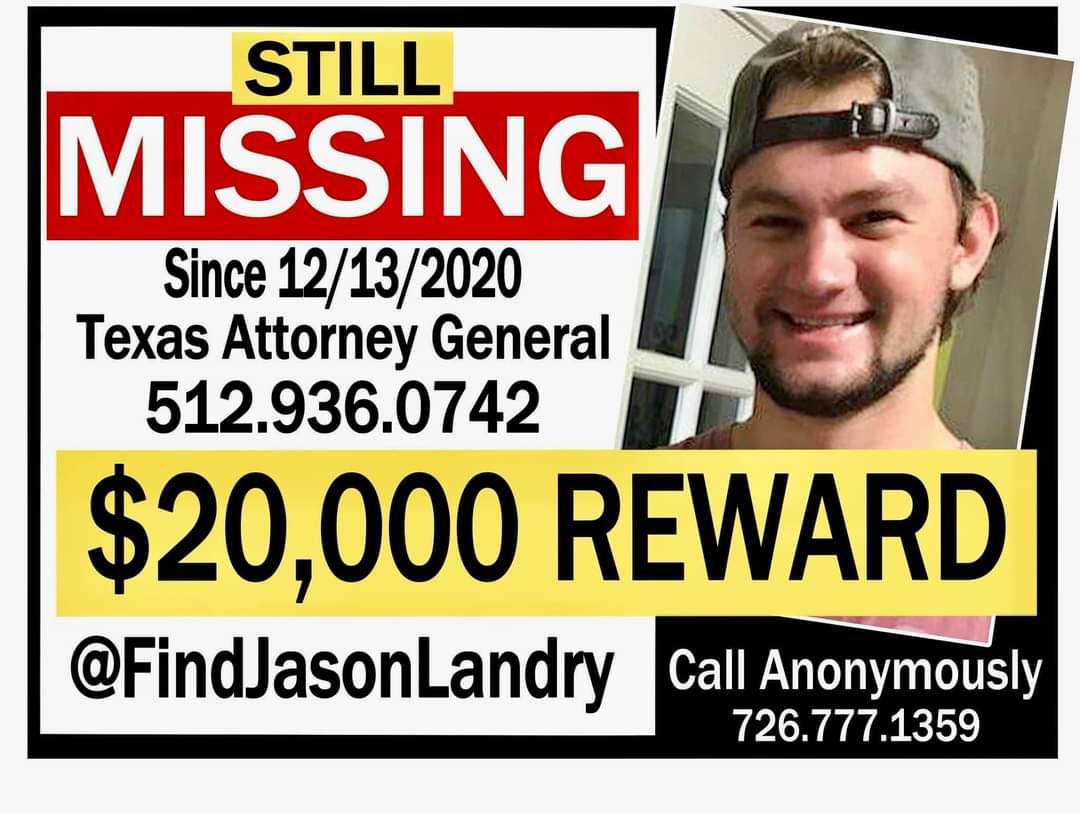
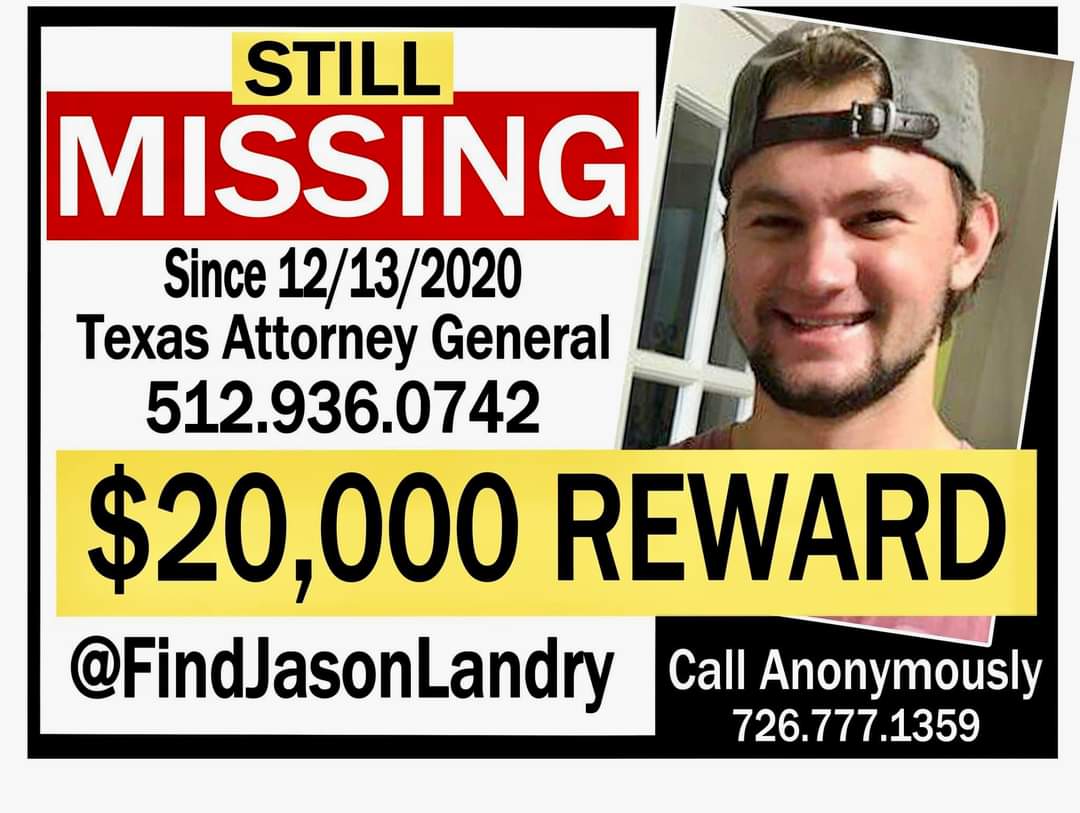
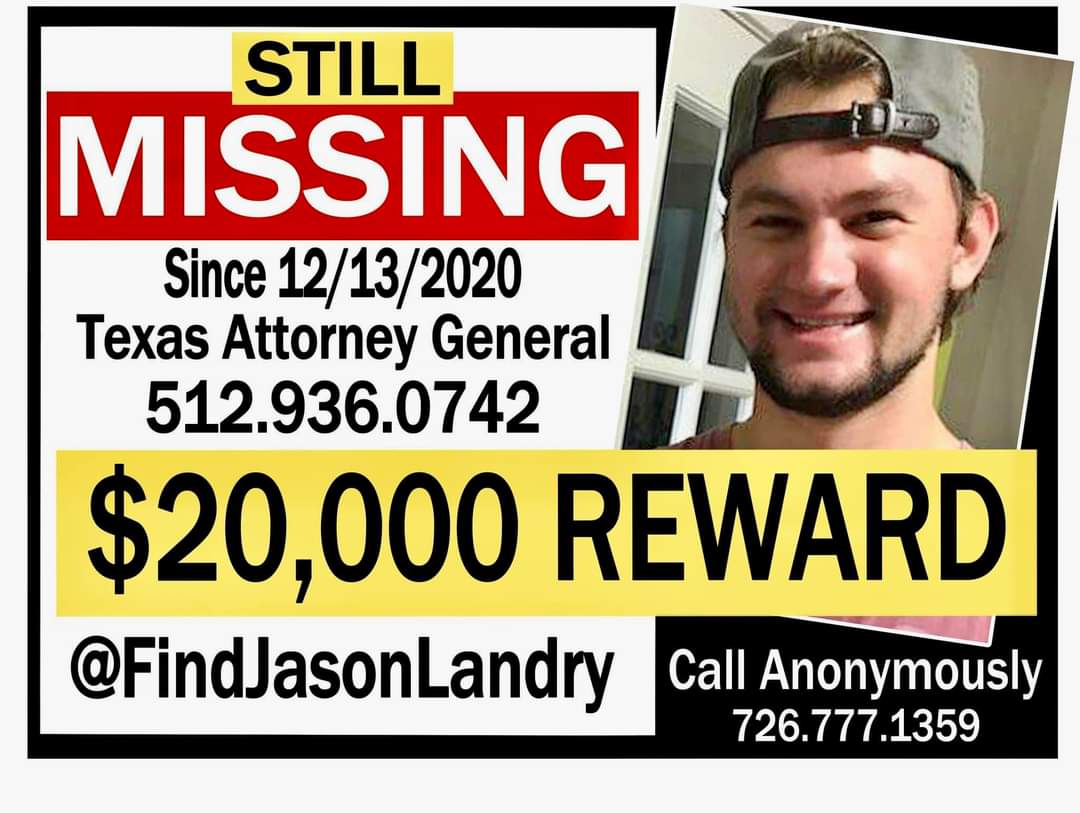
Missing Tx state student Jason Landry will have a voice @CrimeCon in Nashville. His parents and their advocates will be there May 31st-June 2nd.

3
7
372
28 Apr 2024
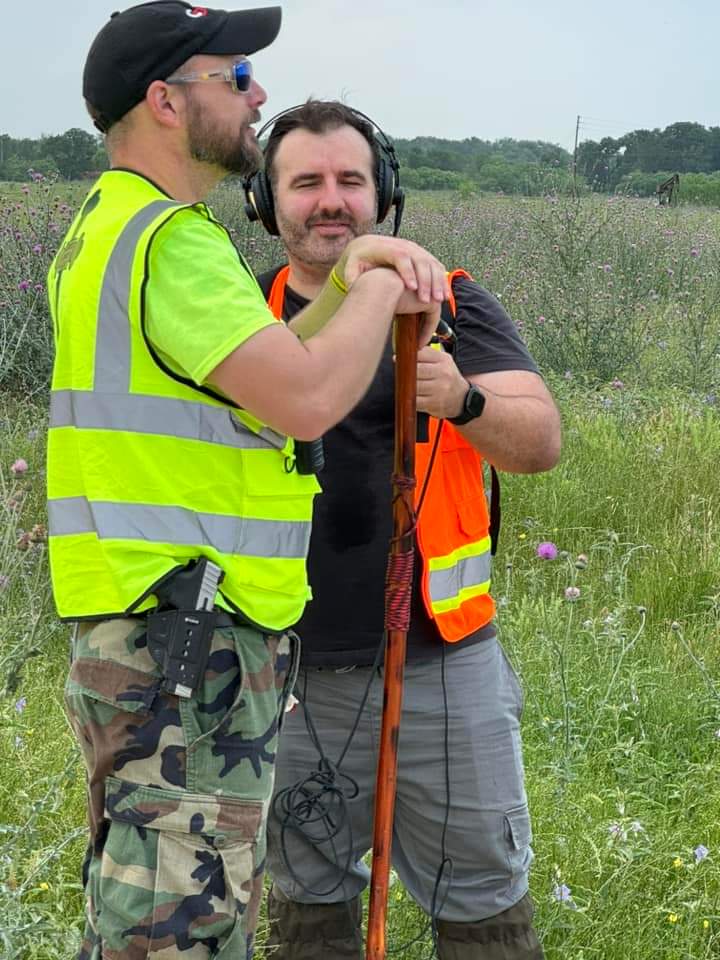
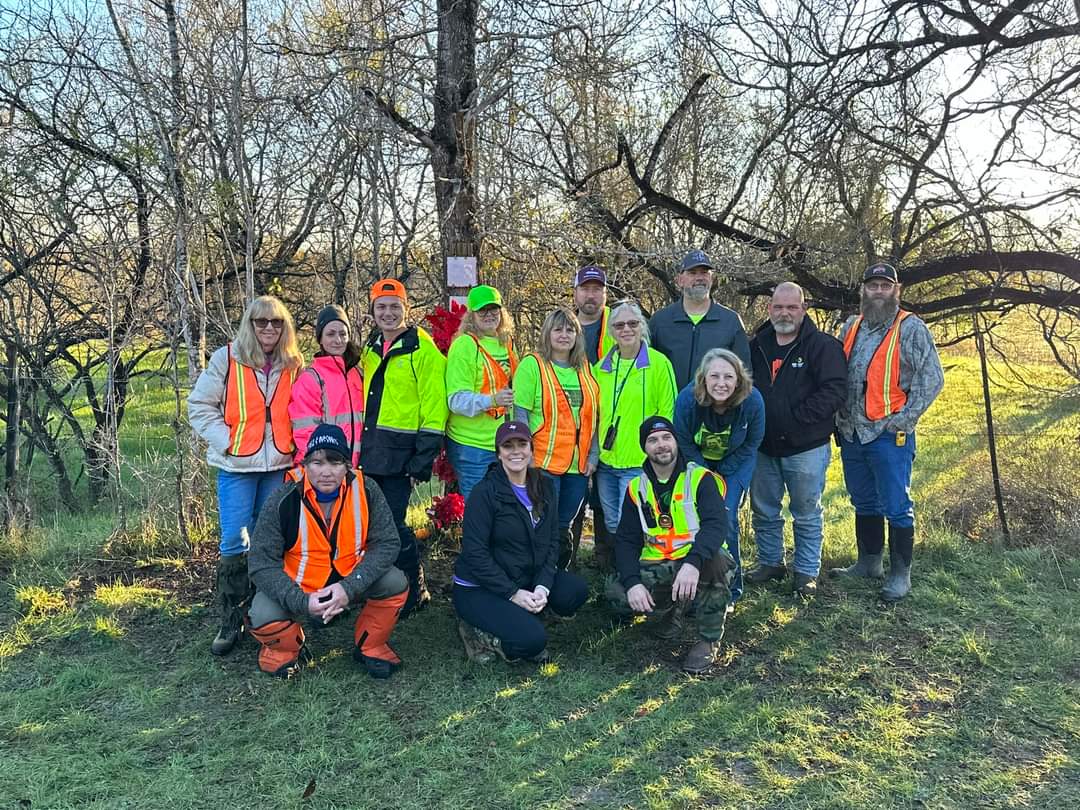
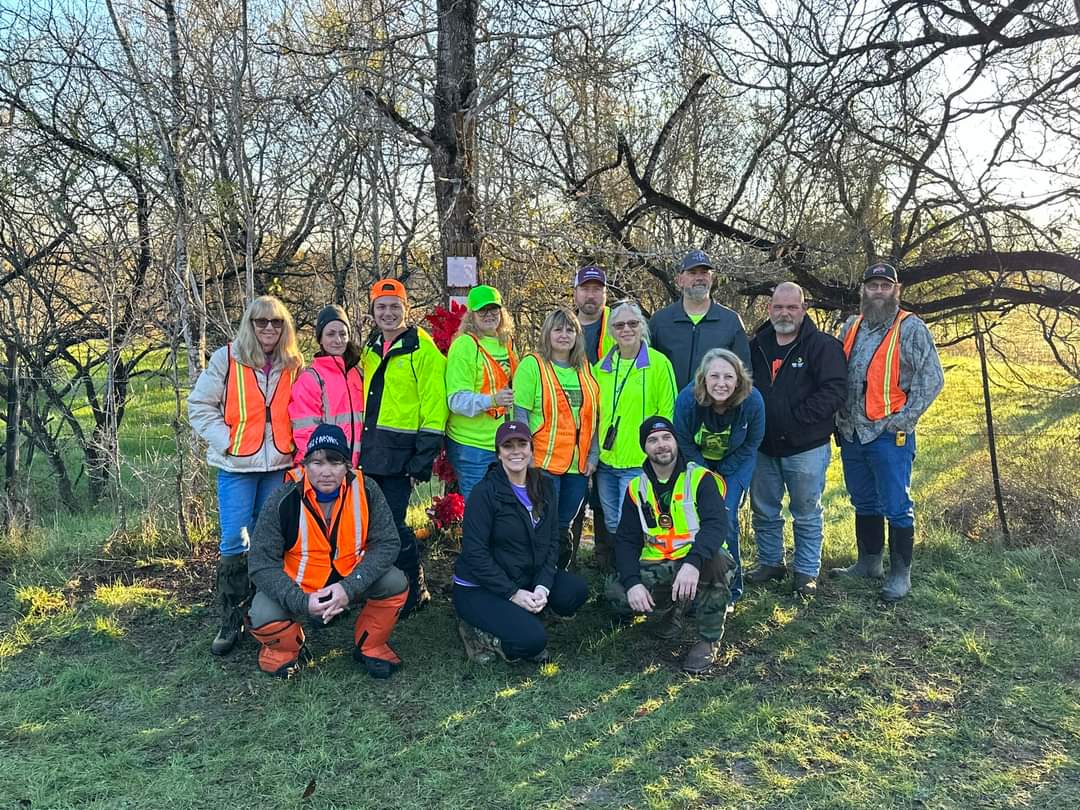
Out with the search team looking for Jason Landry again. Won't stop until he's found. It's in my blood. This is why God put me here.
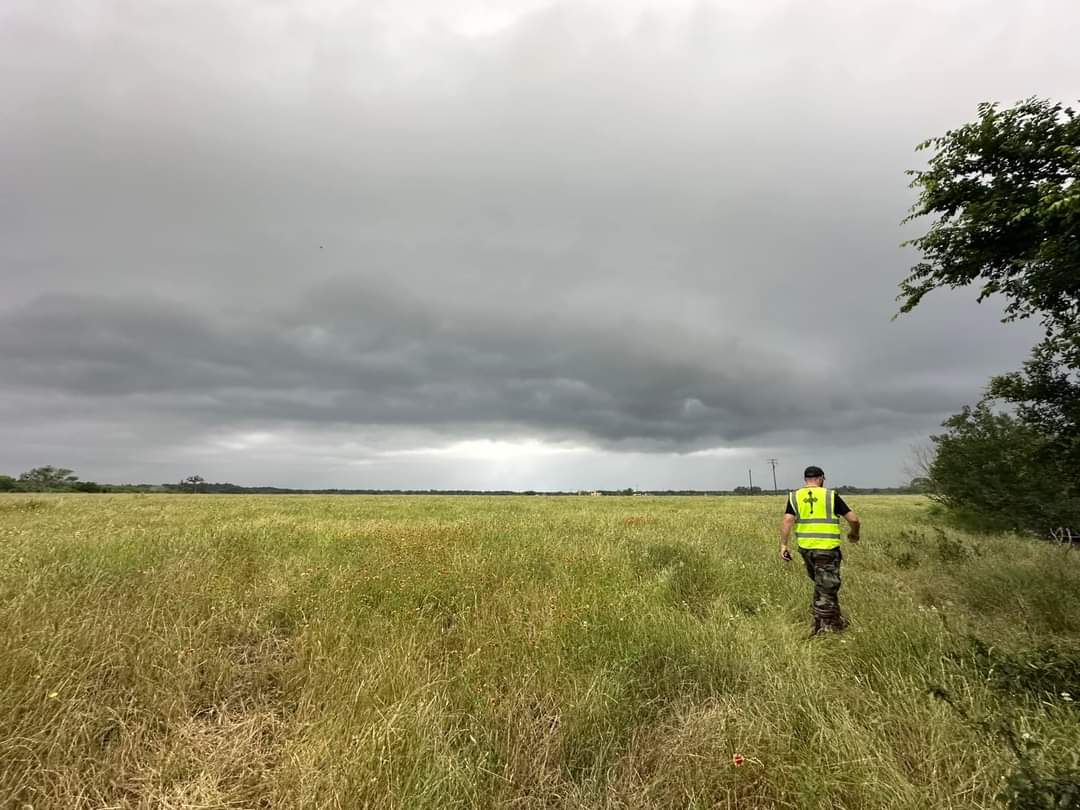
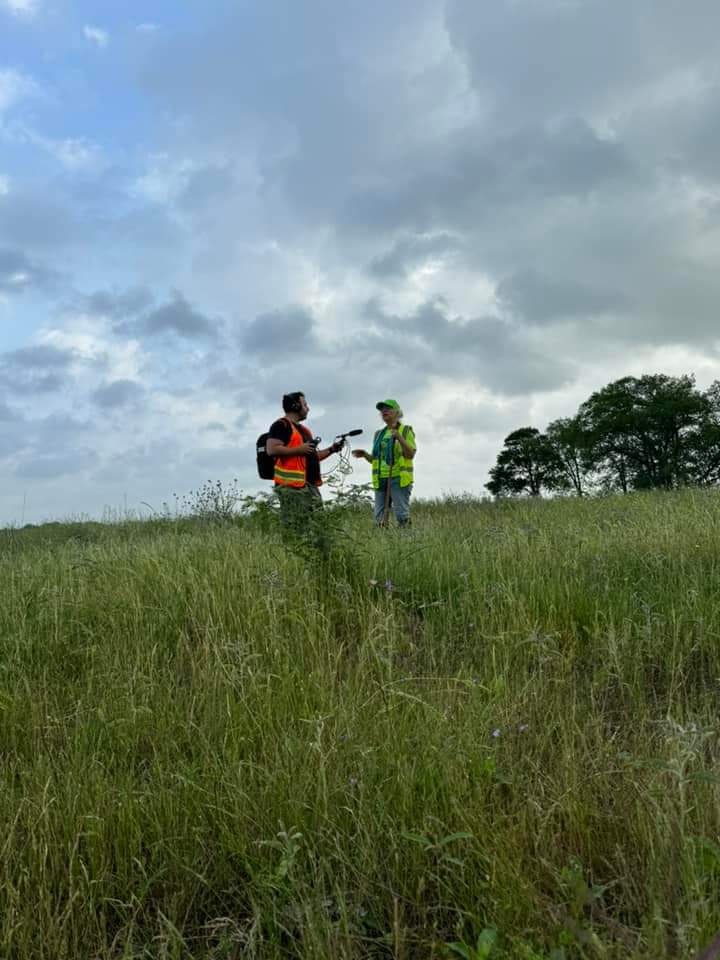
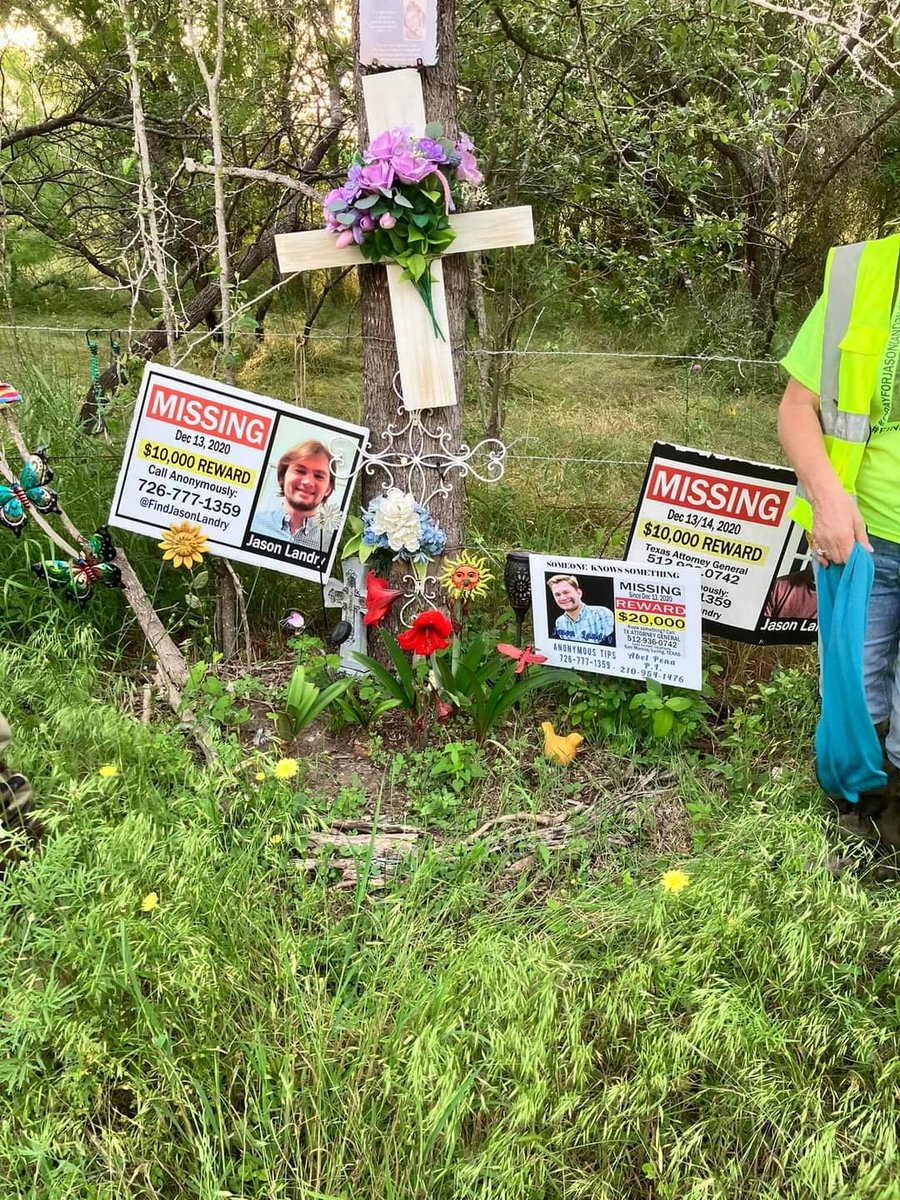
1
6
175
4 Apr 2024
The Jason Landry Search Team is seeking donations to help continue the boots on the ground efforts.. please help out if you can and share. Thank you.
gofundme.com/f/lets-double-t…
4
5
214
PIJasonWatts retweeted

4 Apr 2024
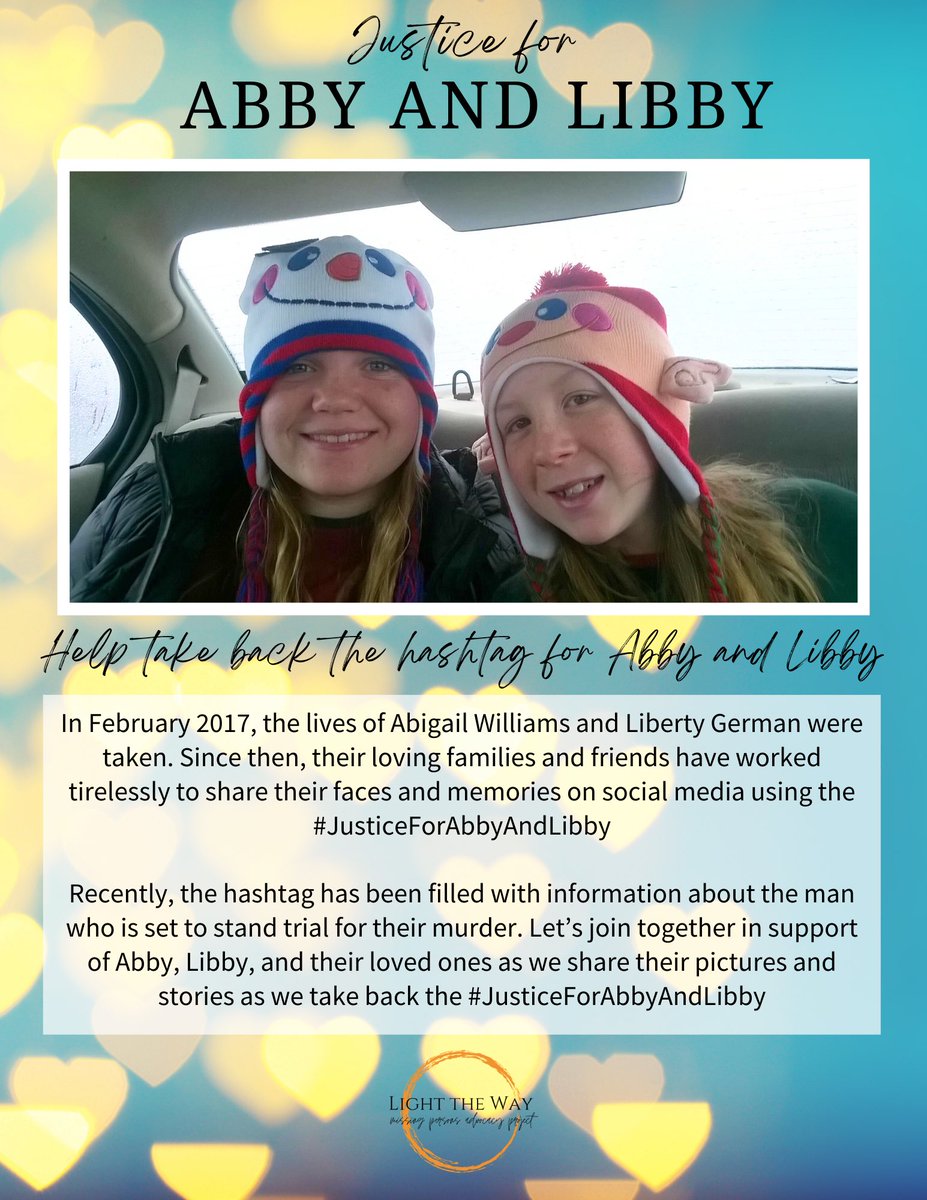
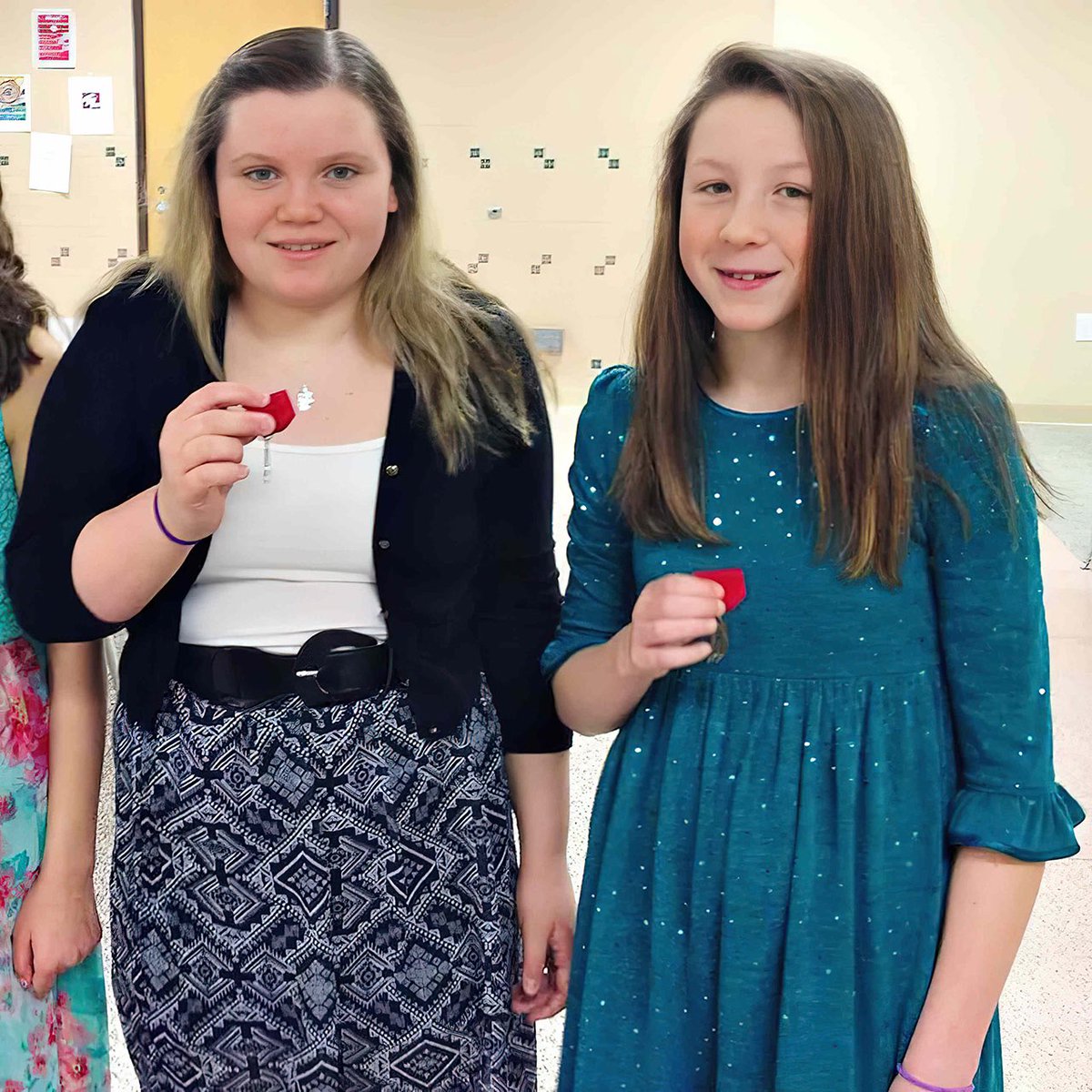
Cover social media with these faces🩵 #justiceforabbyandlibby
4 Apr 2024
In February 2017, the lives of Abigail Williams and Liberty German were taken. Since then their loving families and friends have worked tirelessly to share their faces and memories on social media using the #JusticeForAbbyAndLibby
Recently, the hashtag has been filled with information about the man who is set to stand trial for their murder. Let’s join together in support of Abby, Libby, and their loved ones as we share their pictures and stories as we take back the #JusticeForAbbyAndLibby
@libertyg_sister
1
99
293
12,178
31 Mar 2024
We have to advocate for victims of true crime in a moral and ethical way that pays tribute to who they were/are as a person and a victim. If we can't do that. WE SHOULDN'T FREAKING BE HERE!!!
2
9
274
29 Mar 2024
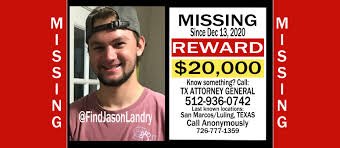
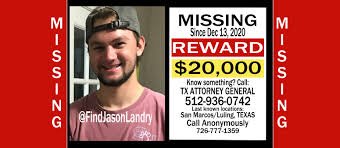
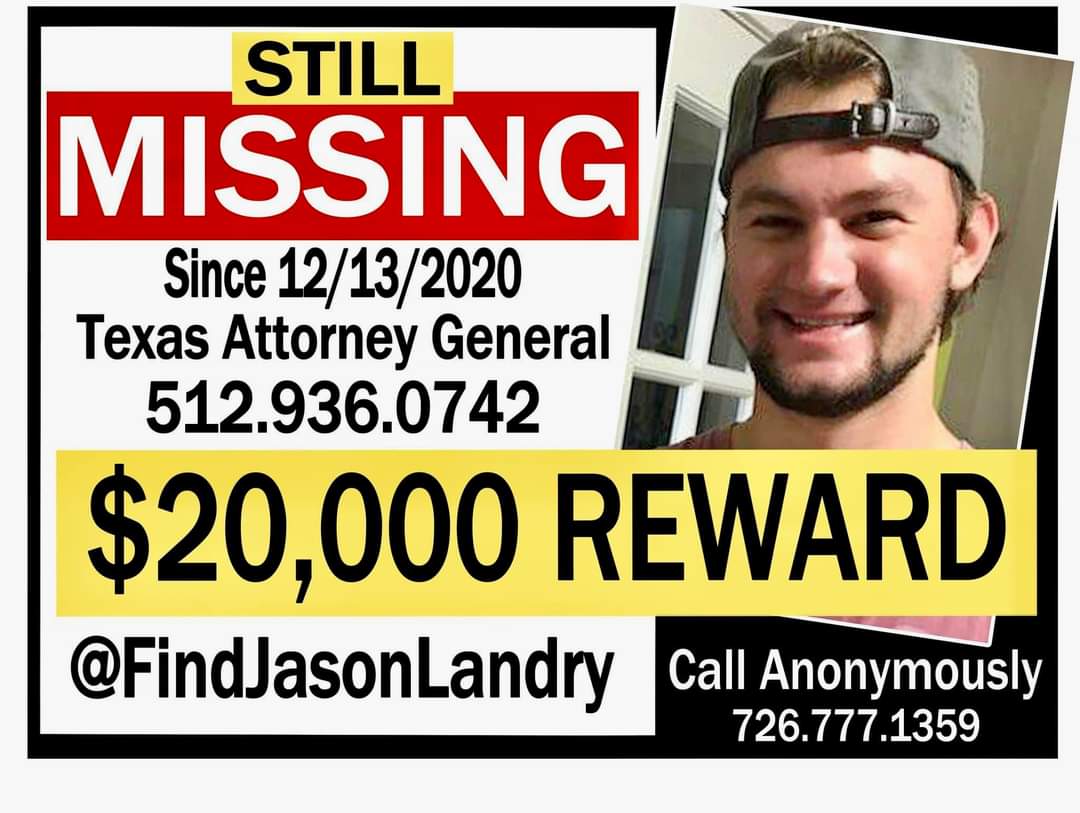
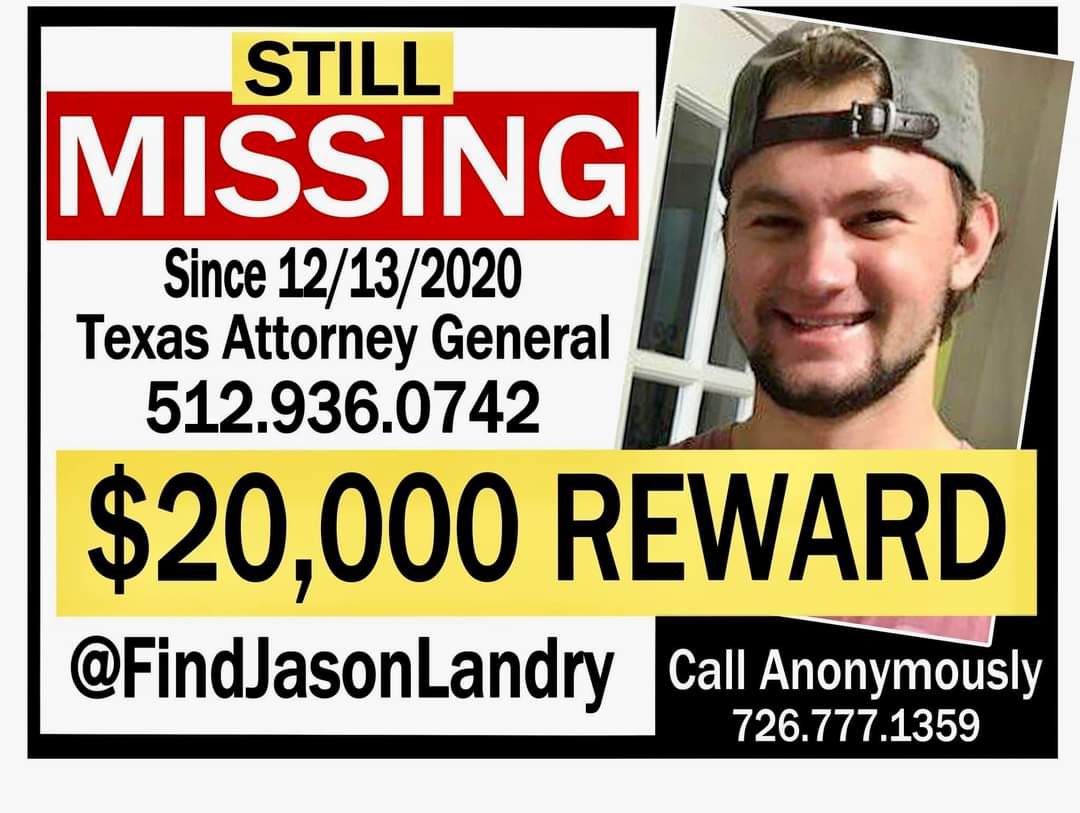
This young man has been missing for 3 years. We have searched for him relentlessly. No stopping in sight. #findJasonLandry
1
8
9
318
19 Mar 2024
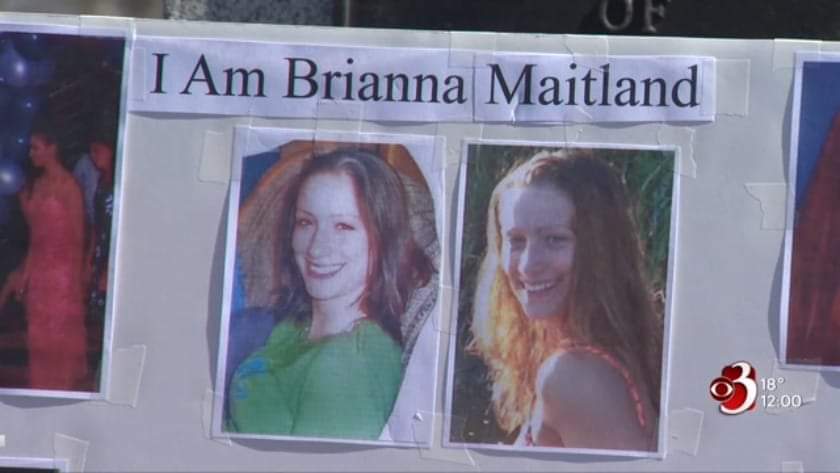
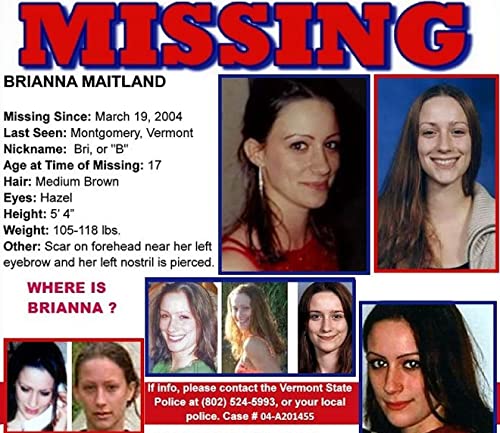
Today marks 20 years since Brianna Maitland went missing. We can't let the world forget her name.
3
5
476