CEO / Lead Learner at FaithBridge CO
Joined July 2014
- Tweets 11,374
- Following 1,775
- Followers 1,101
- Likes 8,708
684 Photos and videos

Apr 24
Frustrating.
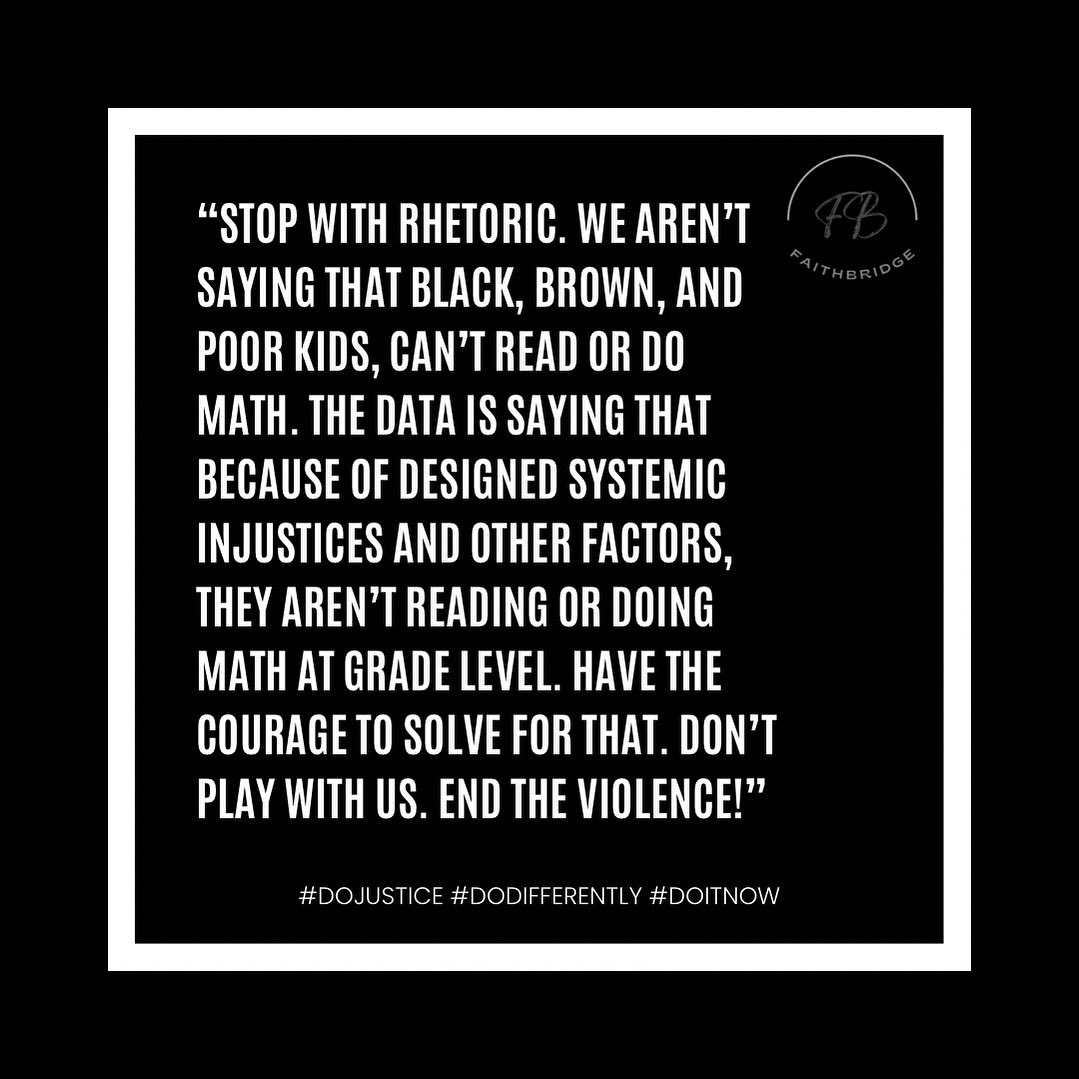
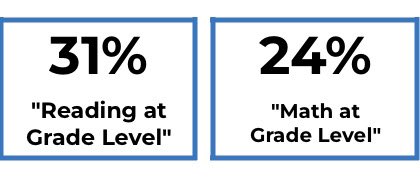
We already know a system or policy is failing Black and Brown children and their families. Despite that, the response is often to study the problem more instead of fixing it right away.
Do we need more research or data?
Do we need courage to act on the truths that we already know?
It’s a both and. But too often, people use the “more research and data” tactic to delay action.
This delay effectively allows the injustice to continue. This delay effectively gives the system more time to continue to harm the same children, families, and communities by design.
People dying of thirst don’t need us to research their need for water. We know they need water. We have access to water. They need water.
Frustrating.
28
Vernon Jones Jr. retweeted

Denver already offers free access to enrichment opportunities. Now, Denver-area youth want a similar pilot program statewide. chalkbeat.org/colorado/2026/…
1
1
119
Feb 13
Grateful to work with an amazing group of people who believe that systems of injustice are intentional and therefore our efforts to undo them with Justice By Design must be intentional, together. boardhawk.org/2026/02/in-pub… @FaithBridgeCO
21
Feb 4
Gains Achieved Without Justice Are Fragile and Incomplete
There is evidence of academic improvement during periods of reform. But progress that is not grounded in fairness, legitimacy, and shared governance cannot be sustained.
Innovation pursued without transparency, community consent, and meaningful participation (co-creation) erodes trust — particularly in communities that have historically borne the costs of experimentation.
School closures, boundary changes, and program redesigns have too often occurred without equitable engagement or accountability for harm.
A system that moves quickly while leaving families uninformed, unheard, or displaced is not innovative.
It is unjust.
Justice Is Not Families Navigating Mediocrity
When tens of thousands of families leave their neighborhoods — fleeing mediocrity or worse — to find quality schools, this is not evidence of success. It is evidence that the system has failed, by design, to equitably deliver high-quality education where families live.
Look at the data. Listen to the lived experiences. Look at the communities that have demanded better schools for generations — not just choice, but justice.
A system that guarantees transportation to underperforming schools while denying transportation to other options that families choose does not operate neutrally. It allocates benefits inequitably and treats innovation and excellence as privileges rather than rights.
17
Jan 19
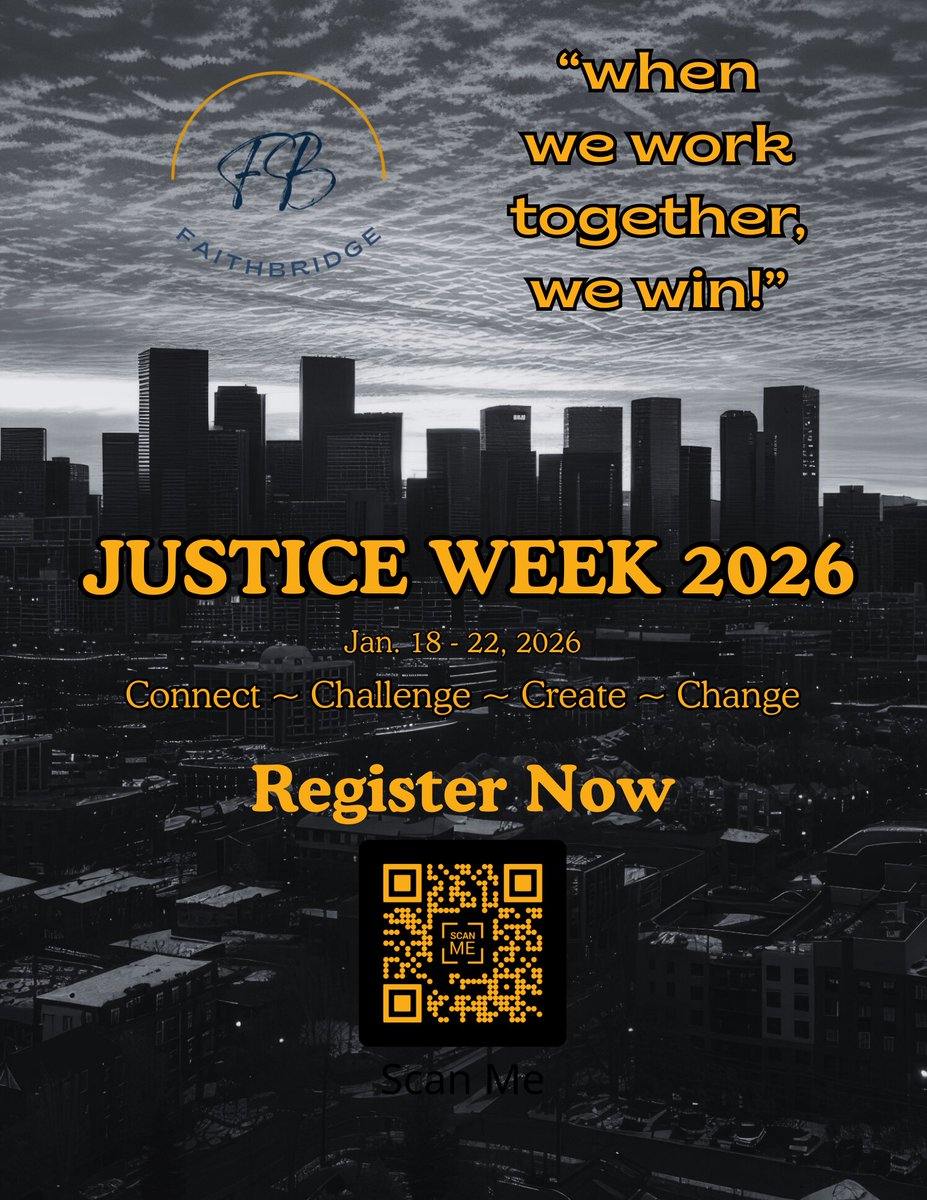
Day 1 of Justice Week! Marade and SHIFT Luncheon were on point! Have you signed our Justice Manifesto? Do it!! Stand with students!! Can we count on you? #DoJustice #SHIFT #StudentVoice #Education
SHIFT Justice Manifesto
docs.google.com/forms/d/1B4K…
34

6 Nov 2025
57
Vernon Jones Jr. retweeted

3 Nov 2025
#NewsRelease The Aurora Police Department is actively seeking the public’s help in locating a suspect wanted in connection with a homicide that occurred in northwest Aurora. #APDNews
26-year-old Diego Jimenez is wanted for 2nd Degree Murder in the shooting of an adult male on October 24th, 2025. Officers were dispatched to the area of E. 6th Ave and Del Mar Circle just after 1 p.m. where they located an adult male lying in a front yard suffering from a single gunshot wound. He was transported to a local hospital, where he later died from his injuries.
The investigation revealed that Jimenez and the victim got into an altercation at which time Jimenez shot the victim. 41-year-old Sheena Fuentes was arrested for Accessory due to her actions after the shooting.
Investigators are asking for the public’s help in finding Jimenez, who is wanted for 2nd Degree Murder and is outstanding.
Formal charges will be filed by the 18th Judicial District Attorney’s Office. The victim’s identity will be released by the Arapahoe County Coroner’s Office.
The investigation remains active and ongoing. Anyone with information is urged to contact Metro Denver Crime Stoppers at 720.913.STOP (7867). Tipsters can remain anonymous and may be eligible for a reward of up to $2,000.
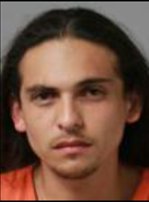
ALT Wanted suspect and arrested suspect in connection with recent Aurora homicide.
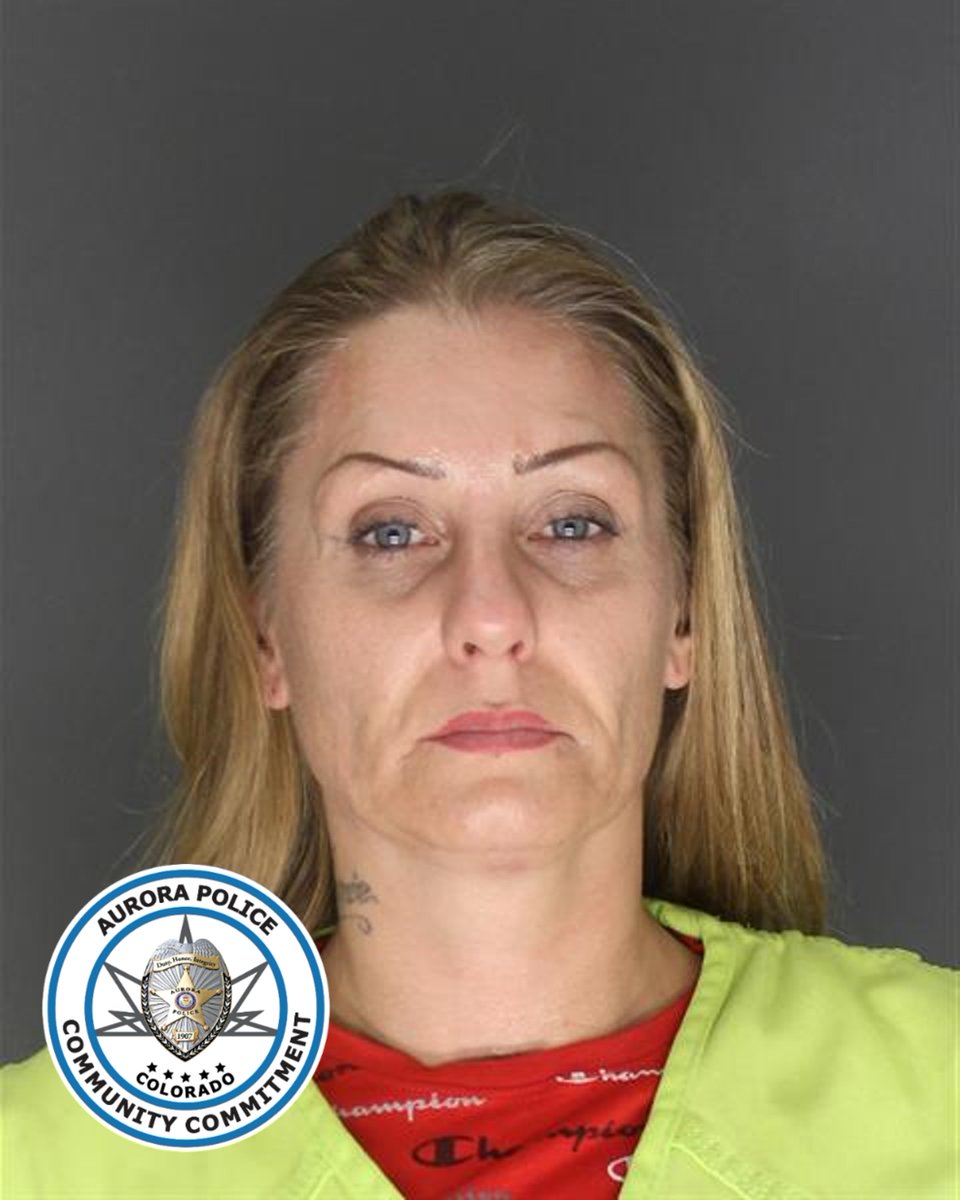
ALT Arrested suspect in connection with recent homicide.
7
31
57
13,337
29 Sep 2025
@NFL - co-worker said, “they should add penalty kicks so that games don’t end in ties.” Love it!! 45, 55, 65 yard attempts. Similar to Futbol.
1
41
23 Sep 2025
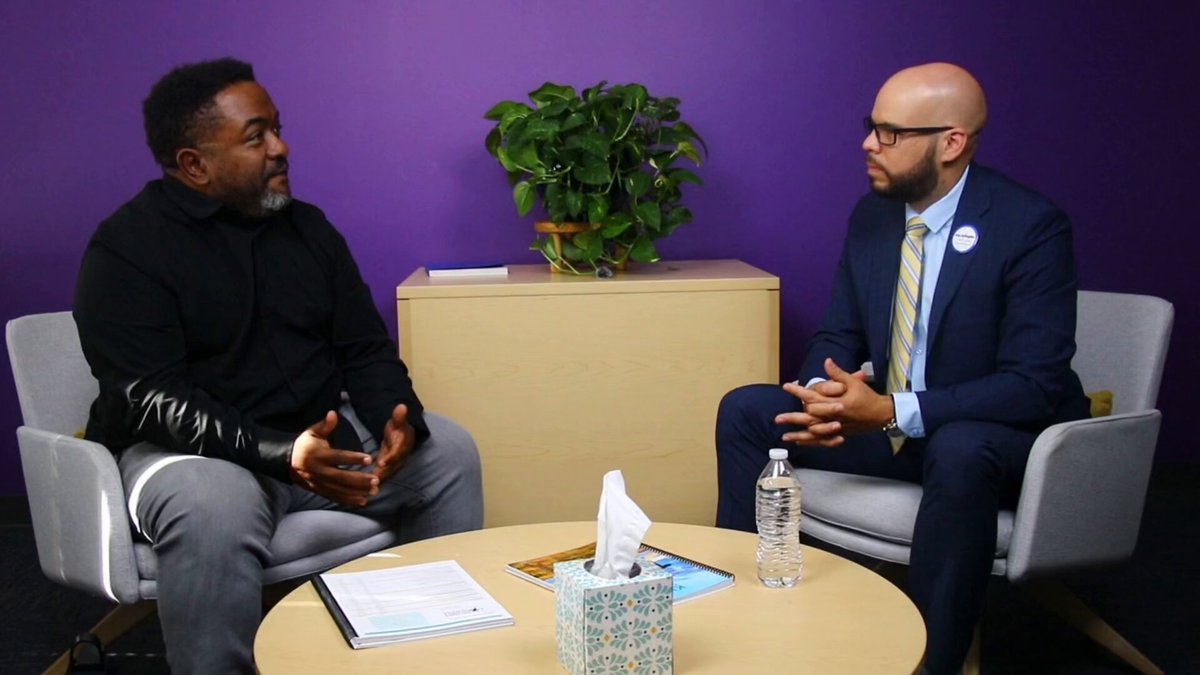
Vernon sat down with At-Large DPS Director and former East High School Principal, John Youngquist! Listen in. youtu.be/1d-WaOd-3YI
1
1
216
16 Sep 2025
My conversation with Denver School Board Director, Dr. Carrie A. Olson. She is the current president of the Denver Public Schools Board of Education and a life-time educator.
youtu.be/cEMvIUXNKcw
1
128
10 Sep 2025
Had the opportunity to sit down with Dan Schaller, President of the Colorado League of Charter Schools, this week on our Justice Cast. Listen in! youtu.be/YIwlsSQXorg
1
83
8 Sep 2025
Schools need to be truly committed to partnership with their community. The siloed, “we’ve got this” posture is not to the advantage of our children. A great education is the responsibility of the entire community.
38
8 Sep 2025
Having a convo with my 7th grade daughter, preparing her to go to school where they are grieving the loss of a peer to senseless violence….this cannot be our acceptable norm.
Violence in streets. Violence at parties. Violence at schools. Violence in public spaces. Violence in places of worship. Violence by the badge. Violence by a brother or sister. Violence by parents. Violence by peers. Violence by the known. Violence by the unkown. Violence.
Lives lost. Lives traumatized. Lives grieving.
The statement has been made, we must be better. The question remains, will we?
This one will not leave me…..
“For they eat the bread of wickedness and drink the wine of violence.” Proverbs 4:17
We are intoxicated with violence. We need to sober up in our minds.
GOD be with CHILDREN as they grieve!!
1
1
1
106
3 Sep 2025
“It’s too slow to change hearts and minds, so we changed the curriculum….” What? This is why people!! #EndTheViolence
46
1 Sep 2025
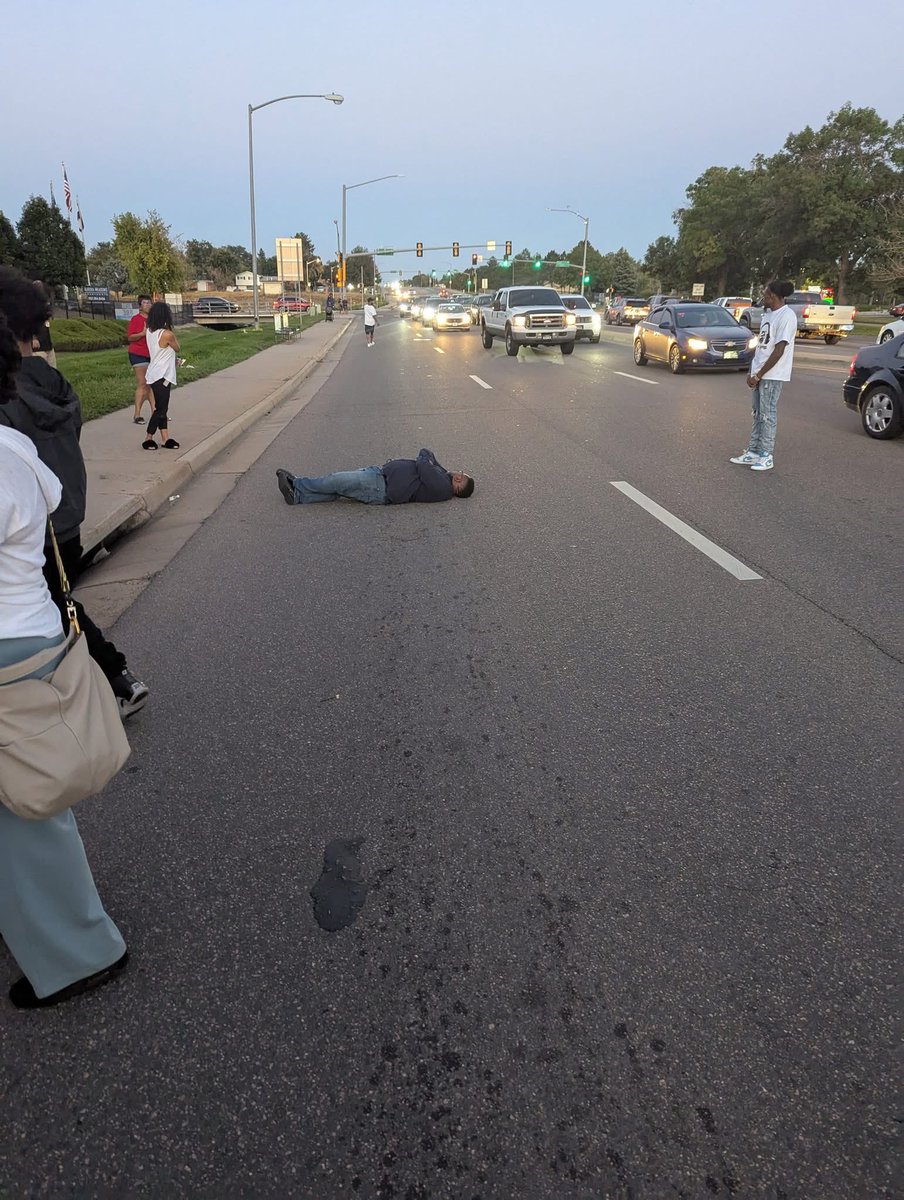
I laid in the street tonight and I wondered how some of my friends would be reacting if it was my life that was taken. Would they be courageously confronting, “he was murdered!” or excuse making, “Vernon should have known better.”
I laid there and I wept on 6th Avenue because of how certain lives are valued and other lives are dismissed. Literally heard someone I respected say, “well, what do you expect? That’s what happens to them.” To them? What?! I am them. You are them. Black man. And advanced degrees, credit scores, titles, and assets don’t help you when the gun is on you.
When you encounter someone with positional power, with the ability to say what is right and wrong, to determine guilt or innocence, and in the same moment, carry out a sentence of life or death, you are powerless in the moment. They hold all of the cards. Concentrated power. Dangerous. I hear you, “just comply!” As my brilliant daughter said, complying hasn’t kept us alive either. We have complied and still we’ve died.
I laid on 6th Avenue and I listened to the anger, pain, the searching for answers, the “should have been me” reflections, and the rage rooted in a frustration that this keeps happening. I heard people seeking to reclaim space, to rebuild what has been torn down, to repair breaches, to restore relationships and to realize justice. There was self-reflection and an acknowledgment that we must take ownership today for our tomorrows.
I laid on 6th Avenue, and felt the hard ground on my back, on my head, on the palms of my hands. I could smell the fumes of cars. Hear the engines as they drove by around me. No one should be killed in the street. Not by anyone. Definitely not by someone commissioned to serve and protect. No one should be killed in the street. That can’t be who we are. That can’t be behavior that we just look the other way on.
Tonight’s vigil reminded me that life is a vapor. Here and then gone. Reminded me that we need each other and that the road forward is always better when we operate in the strength of our solidarity. God power!!
The systems, as designed, will not yield us opportunities to do anything but to try and survive. The structure and systems seek our lives, not to help our lives. The structure and systems seek our demise, not the fulfillment of destiny. We must resist anything that would hold us hostage.
So much more on my mind……#nojusticenopeace
57
31 Aug 2025
“The sinful belief that black and brown bodies and brains are less than, that our being is not equal to, drives all of the systemic injustices that we face. From schools that miseducate, to development that displaces, to prisons that profit off of our backs, to deportation without due process, to graves that hold our youth, to city streets where we are choked out and gunned down. What is believed about our being drives the behaviors toward us. We can be killed and no one flinches because it is behavior that is acceptable, that remains normalized, because of what is believed about us. We believe differently. Heaven believes differently.” #EndTheViolence #MisEducation #MassIncarceration #Murder
1
1
5
100
31 Aug 2025
“The sinful belief that black and brown bodies and brains are less than, that our being is not equal to, drives all of the systemic injustices that we face. From schools that miseducate, to development that displaces, to prisons that profit off of our backs, to graves that hold our youth, to city streets where we are choked out and gunned down. What is believed about our being drives the behaviors toward us. We can be killed and no one flinches because it is behavior that is acceptable, that remains normalized, because of what is believed about us. We believe differently. Heaven believes differently.” #EndTheViolence #MisEducation #MassIncarceration #Murder
33
29 Aug 2025
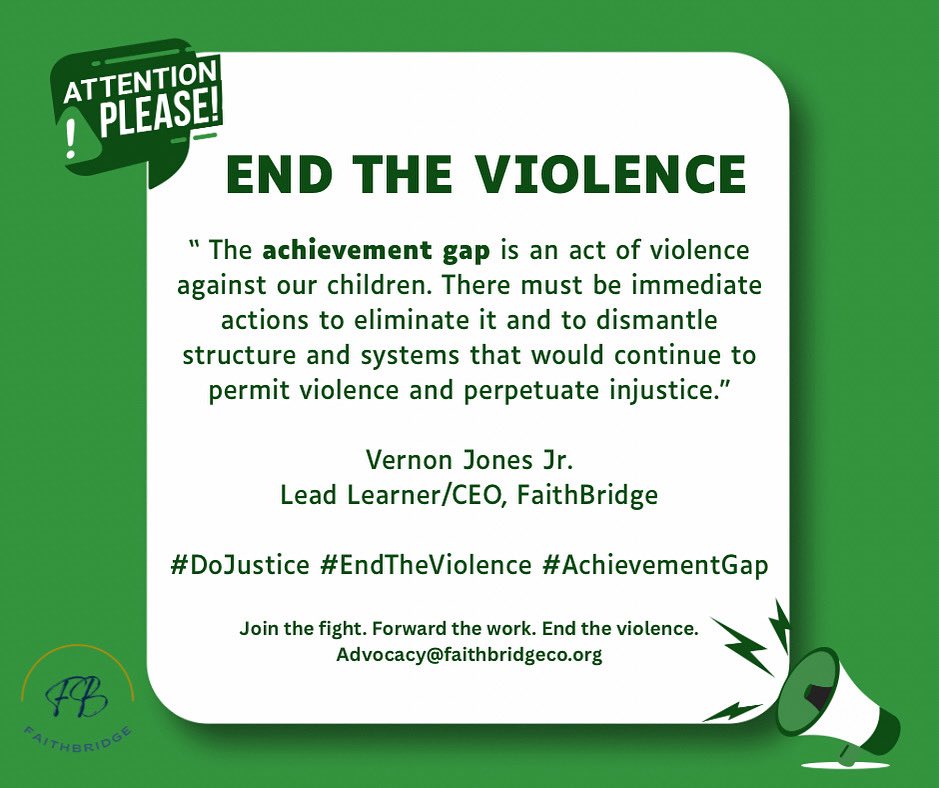
End the violence. The violence of defending structures and systems that are not working for ALL children. The violence of defending adult positions, personalities, and politics at the expense of children. The violence of kicking the can of responsibility down the road. The violence of spinning data to sooth the masses rather than truth telling to stir the masses to act for justice. The violence of accepting achievement gaps, rooted in belief gaps, as the norm we have to live with for generations to come. Nah, we reject that. End the violence!! #k12 #studentachievement #couragenotcowardice #resultsnotrhetoric #truthnotspin #dojustice
38