
サンフレッチェ広島を勝手に応援しているアカウントです。公式や所属している団体やその他諸々とは何も関係なく本人の意思や妄想で発言しています。SSCナポリも好き。情報収集のためのつもりがどうしてこうなった。
Joined July 2011
- Tweets 270,441
- Following 475
- Followers 1,677
- Likes 5,356
951 Photos and videos
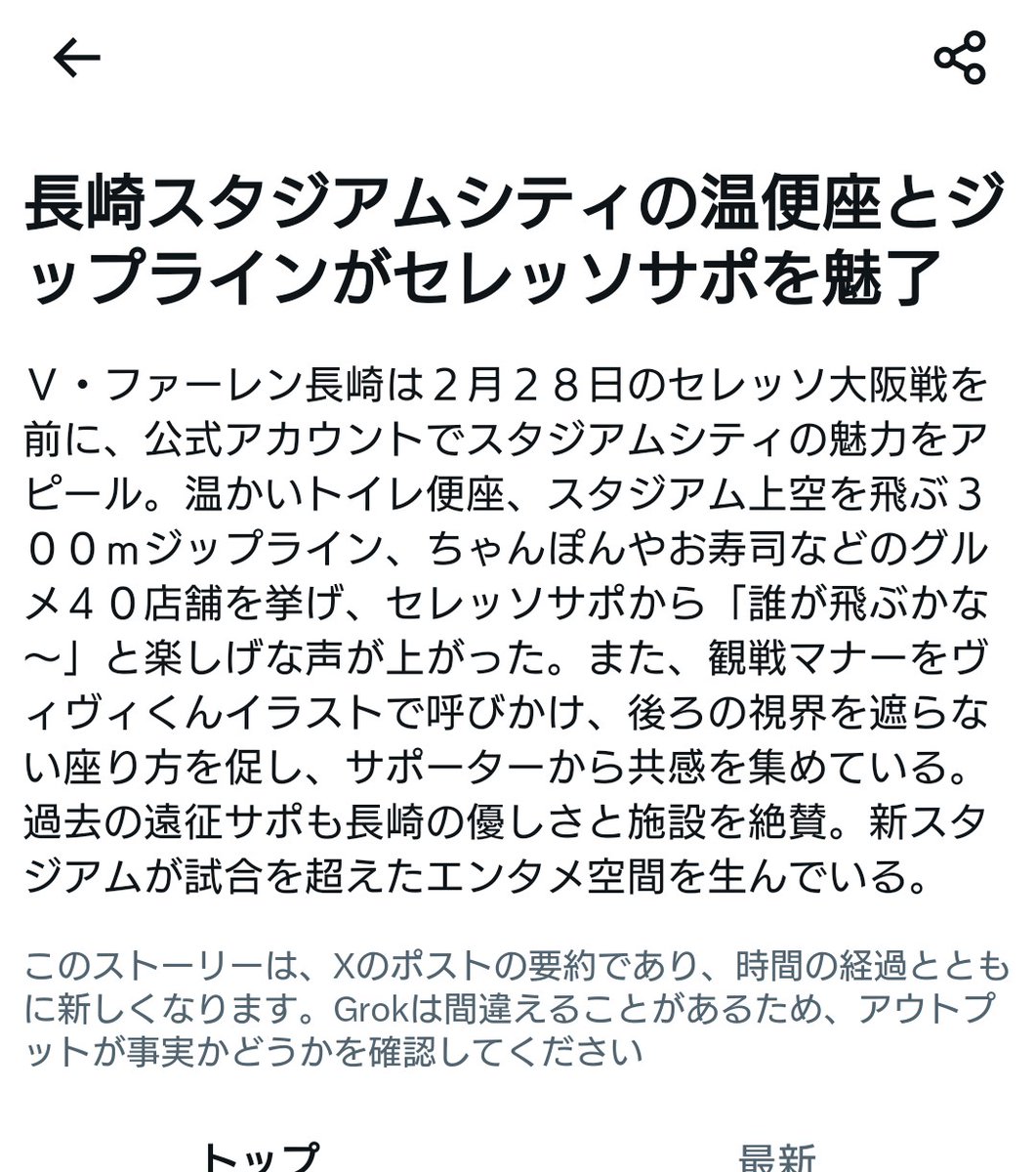
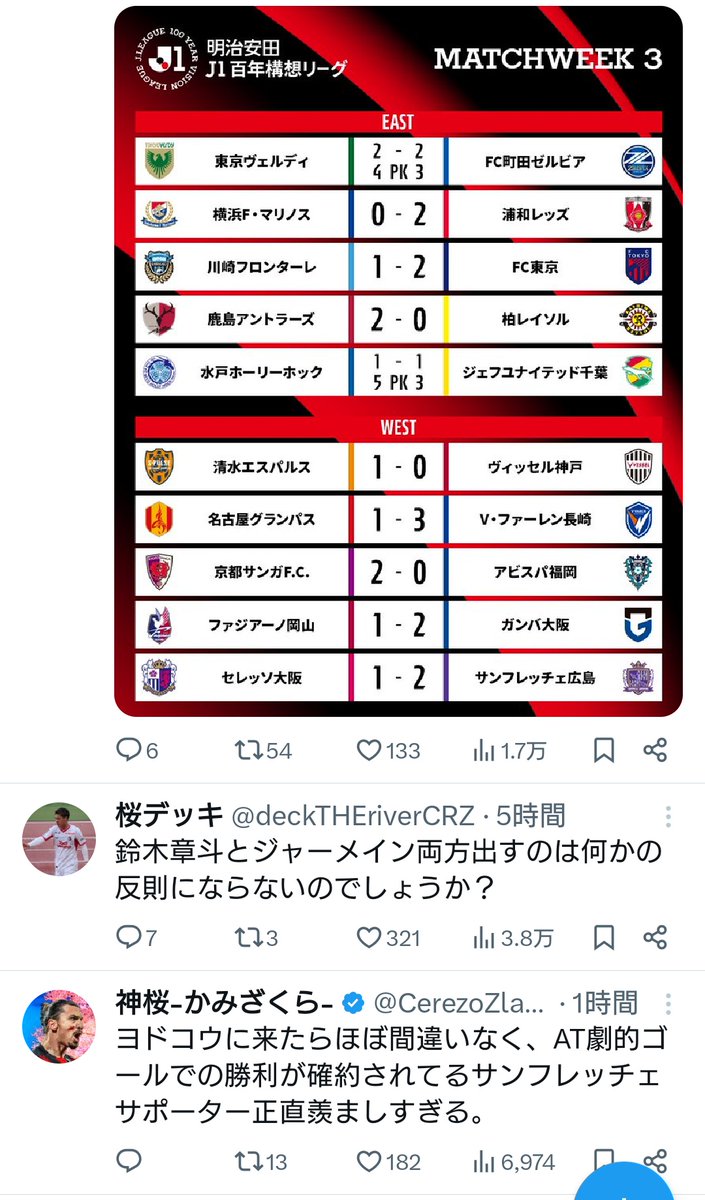

実を言うとDAZNはもうだめです。突然こんなこと言ってごめんね。 でも本当です。2、3日後にものすごく長いCMがあります。 それが終わりの合図です。程なく大きめのシステム障害が来るので気をつけて。 それがやんだら、少しだけ間をおいてABEMAがきます。
238

ぷれいん retweeted

子どもの陥没呼吸
非常に大事なサインを動画で共有してくださって、ありがとうございます💦
最近、ヒトメタやRSなど、小さい子どもが罹ると肺炎になって呼吸が苦しくなるリスクがあるウイルスが流行っていて、呼吸が苦しくなると陥没呼吸が出てきます
陥没呼吸が出ているようなら一度必ず医療機関を受診してください!
呼吸が苦しいと、
✔️ 飲み・食べが減る
✔️ 寝つきが悪いもしくはずっと寝てる
✔️ 呼吸が早くなる
✔️ 陥没呼吸が肋骨の下、肋骨の間、鎖骨の上などに出てくる
などのサインを生じます
「食う・寝る・遊ぶ」ができなくなった時点で、早めに医療機関を受診して、今後の方針について相談しましょう💡

9
1,374
3,972
472,371

15h
カーボベルデがWBCのチェコと同じ位の立場だとして日本が引き分けたらOBが現役選手をクソミソに叩いてこの世の終わりみたいな状況になりそうなので、スペインの心中は察する
でも「やっぱスペインだな」って感じだわ無敵艦隊、無敵艦隊
1
605
ぷれいん retweeted

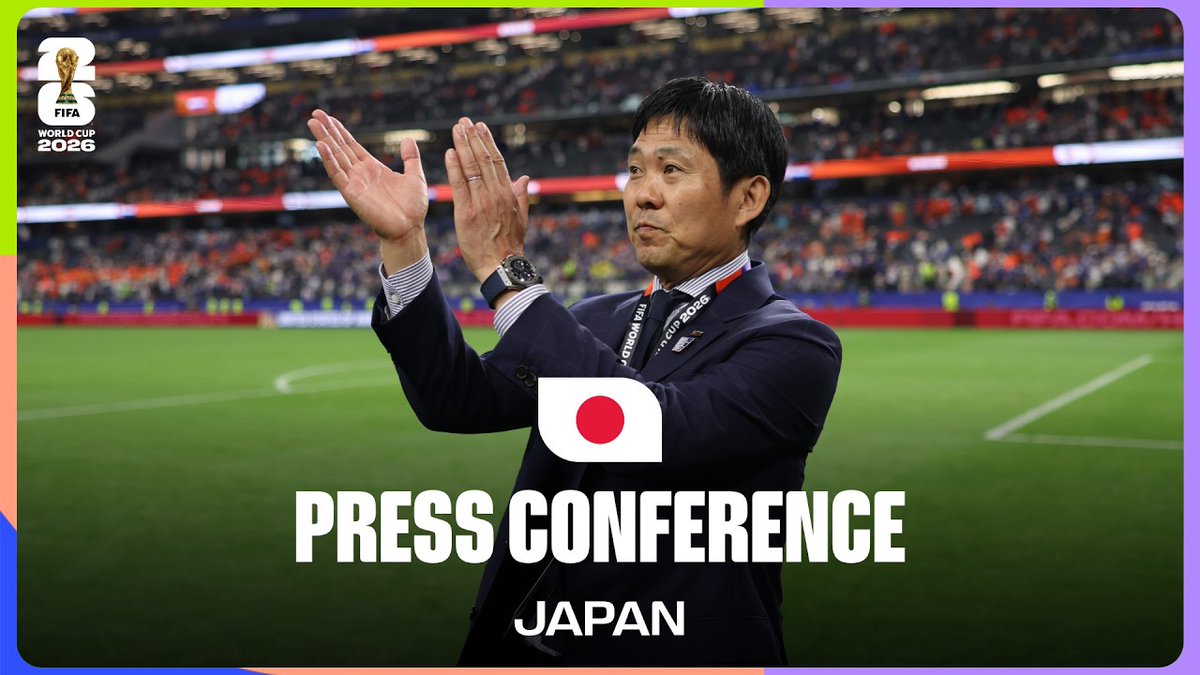
Everyone has been so impressed by Japanese fans cleaning up after themselves but most probably missed this beautiful moment at the post-game (🇳🇱2 - 2🇯🇵) press conference.
Toward the end after reporters were done asking questions, 🇯🇵head coach, Hajime Moriyasu, asked to speak one more time.
🗣️ “May I speak?”
He turned to the Dutch reporters in the room.
🗣️ “I think there are many Dutch reporters here as well, so I’d like to take this opportunity to express my gratitude to the people of the Netherlands once again.”
Moriyasu explained that when he became part of the Japan national team, Japanese football still had no professional league.
🗣️ “I was trained by a Dutch coach named Hans Ooft. It wasn’t just me. Japanese coaches in general were greatly influenced by him, which has led to the development of Japanese soccer today.”
He also mentioned another Dutch figure who shaped his career.
🗣️ “The legendary Dutch coach Wim Jansen served as the manager for J.League’s Sanfrecce Hiroshima and also as a coach for Urawa Reds, contributing to Japanese soccer.”
🗣️ “It’s not just those two. Many other coaches and players have contributed to raising the level of Japanese soccer, so I want to express my thanks. Thank you very much.”
What a masterclass in graciousness and gratitude. Imagine after a high-stakes match, instead of basking in glory and bravado (well-deserved in my opinion), the coach took to the microphone to... thank his opponents publicly and sincerely.
Japan's cultural operating system prizes harmony (wa), respect for precedent, and gratitude as a form of strength, not weakness. Japanese sports culture reflects its broader society where you'll see athletes bow to their opponents, thanking referees, and even crediting rivals or mentors.
Think of sumo wrestlers, Olympic athletes, or even bullet-train staff apologizing for a 30-second delay.
The Japanese have this concept of On (恩) - it is the sense of indebtedness to those who came before or helped you. It's what you'd expect from a culture that truly prizes continuity.
Moriyasu was acknowledging a real debt to Dutch coaches like Hans Ooft (who coached Japan in the early 90s and helped professionalize the game) and Wim Jansen. Japanese football openly credits foreign influences - Dutch "Total Football" philosophy, German organization, Brazilian flair - while building something distinctly their own. Few nations do this with such little ego.
Japan is pure class
144
2,627
15,387
483,221
ぷれいん retweeted

Jun 15
ニュース見たらどこも、サッカーばっかりで1ミリもル・マンやってない……
あの……トヨタが総合優勝したんですよ?
世界三大レースのひとつだぞ?
216
6,531
36,517
1,769,551

広島駅ビルミナモアで6月21日(日)チュニジア戦のパブリックビューイングが開催予定。ゲストにサンフレッチェの駒野友一コーチ、青山敏弘コーチが出演。入場無料。#sanfrecce
Jun 11

サッカーW杯 日本代表を応援しよう⚽️
広島でパブリックビューイング開催
chugoku-np.co.jp/articles/-/…
日本時間の15日早朝に初戦を迎える日本代表を応援しようと、 広島都市圏の映画館や飲食店でパブリックビューイング(PV)の準備が進んでいます✨
50
267
50,035
Jun 14
なんでみんなNHKで見ないの?
本田圭佑が8割喋ってるけど中身なくて柿谷曜一朗が2割で有用な情報を伝えるなんちゃってボール支配率サッカーみたいな中継してるよ
DAZNはもう捨てなよ
412
3,341
87,626
8,368,564
Jun 15
バズったらなんか宣伝していいんだった
売るものないけど、これでも見てください
この世で最も崇高なグループの圧倒的な新曲です
youtu.be/4HfAH746QJo?si=cEd5…
1
35
169,141
Jun 15
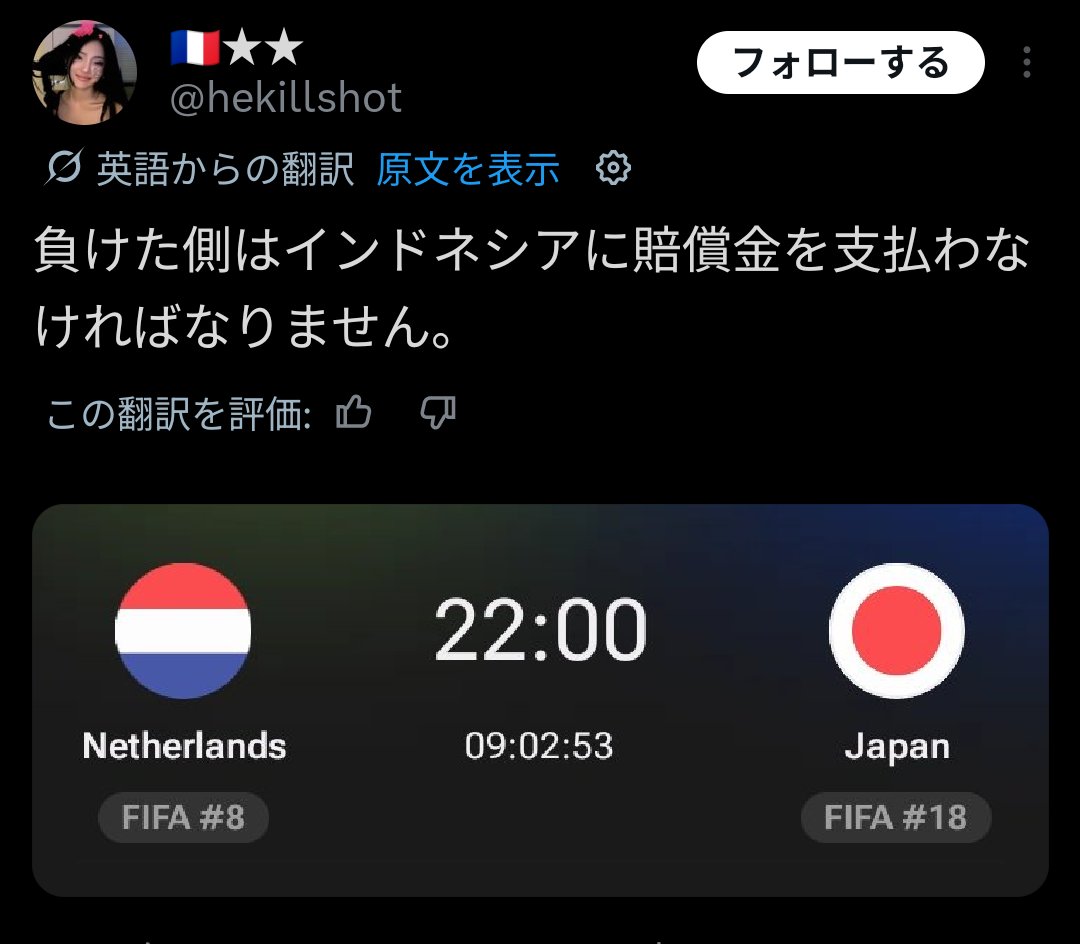
オランダ‐スウェーデンが6/21 2時キックオフ
チュニジア‐日本が6/21 13時キックオフ
半日違うんだけど
これオランダ‐スウェーデンの結果でやり方変えるのはある程度できるかな、戦術練習は終えてるだろうけどスタメンはいじれそうな
628
ぷれいん retweeted

Jun 15
🚨 Japan left their dressing room spotless after their match against the Netherlands. 👏
A tradition built on respect, discipline, and responsibility. ❤️🇯🇵

483
8,066
67,291
1,409,591
Jun 15
Jリーグで新人監督で連覇したのは2人だけ
森保一と松木安太郎
ホンダとは実績が違うの
Jun 15

そしてやがて、本田圭佑の現役時代を知らない世代が視聴者の大半になり、「飲み屋のオヤジのようなうるさい解説をするおじさん」として扱われるようになった時、本田さんを知る古い世代のぼくらはふと「松木安太郎って、ひょっとして・・・」と思いを馳せるのであろう。
2
961
Jun 15
W杯見ながらTwitter触ってたら深夜の櫻坂46の番組で藤吉夏鈴が匂い嗅がれて怯えてるのとかオランダに文句言うのとかイランとアメリカの終戦協定のニュースとか高速で飛んできていてなんというか情報過積載
1
1,440

Jun 15
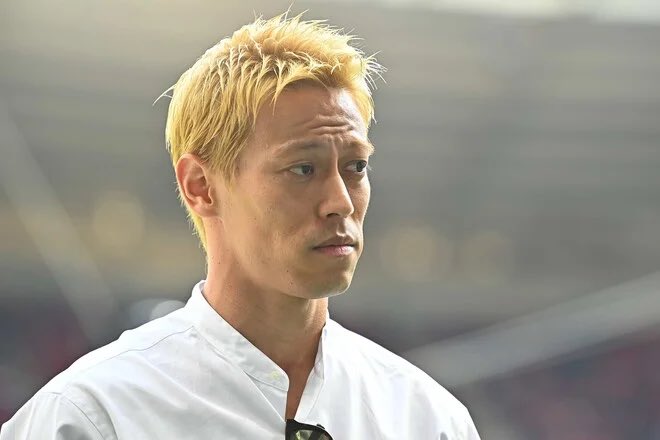
これ「思ってたんと違う(ビッグクラブ出てきた)」みたいな雰囲気だったからめっちゃ笑った

1
1,480
ぷれいん retweeted

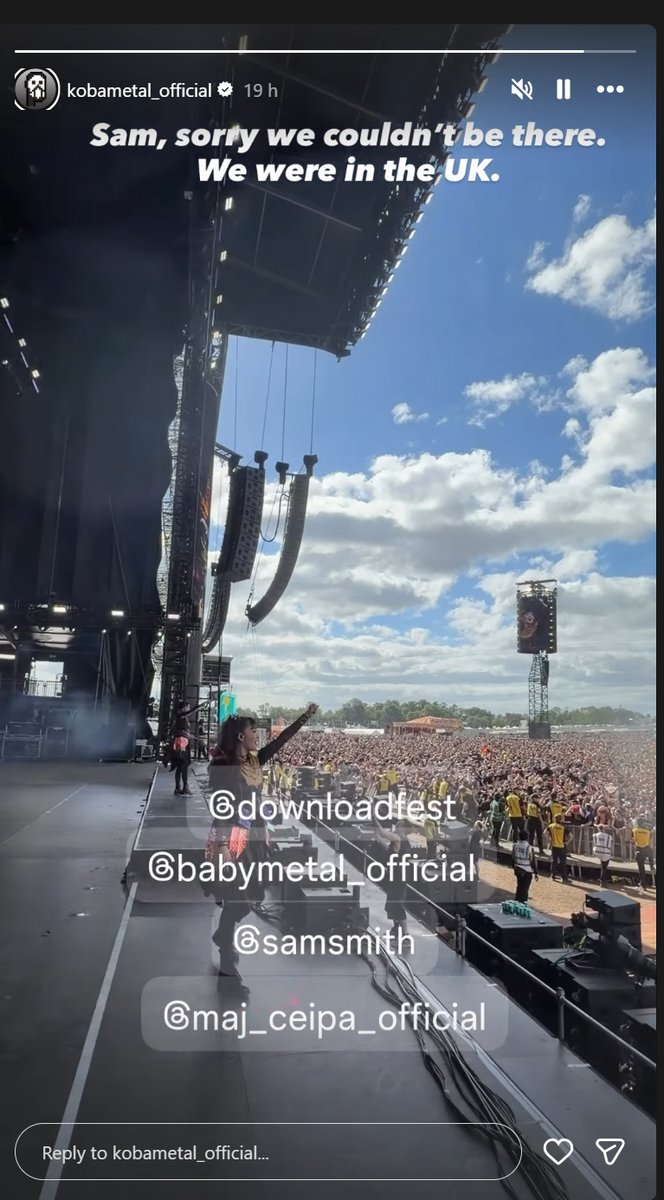
At MUSIC AWARDS JAPAN (MAJ), the sole Western guest, English singer-songwriter Sam Smith, said they liked BABYMETAL - a group that weren't nominated in any category - with the MC quickly changing the subject to Hikaru Utada. Later that day, BABYMETAL performed at Download Festival in the UK, with the group's producer, KOBAMETAL, posting a vid on his Instagram Story showing the massive crowd, saying "Sam, sorry we couldn't be there. We were in the UK.", tagging Sam Smith and MAJ.
11
324
1,302
114,403
Jun 15
こんな泡沫アカウントのしょーもないツイート(ツイートですよ)が100万インプレッション超えるんだからW杯は凄まじいコンテンツだ
初めてインプレゾンビが湧いたから撃ち殺していきたいんだけど、誰かショットガンか切れ味のいい太刀とかありませんか
Jun 14

なんでみんなNHKで見ないの?
本田圭佑が8割喋ってるけど中身なくて柿谷曜一朗が2割で有用な情報を伝えるなんちゃってボール支配率サッカーみたいな中継してるよ
DAZNはもう捨てなよ
1
5
2,289
Jun 15
試合終了後に本田圭佑が「ジョーカーが見つかりましたね、14番、伊東純也」て言ってて、この人カタールの記憶全部油田に置いてきたんか?と思いました
6
1,228

"会見の最後、森保監督自ら「しゃべっていいですか?」と切り出し、「オランダ人の記者もいっぱいおられると思うので、改めてオランダの方々にも感謝を伝えたいと思います。といいますのも私自身、日本代表になったとき、当時プロはない時代でしたけれど、ハンス・オフトさん(元日本代表監督)というオランダ人のコーチに育てていただいて、私だけではなく、日本人の指導者は大きな影響を受けて、今の日本のサッカーの発展につながっている。また私自身が直接教えていただいた監督としてはビム・ヤンセン監督というオランダのレジェンドにJリーグサンフレッチェ広島の監督もやっていただいて、浦和レッズのコーチもやっていただいて、日本のサッカーに貢献してくださった」と思いを語ります。
続けて、「その2人だけじゃなく、たくさんの指導者、選手の方々が日本のサッカーのレベルアップに貢献していただいたので、感謝を申し上げたいです。ありがとうございました」と感謝の言葉で締めました。会見場から拍手が響きました"
森保監督「しゃべっていいですか?」と自ら切り出しオランダ人に感謝の思い伝える 会見場から拍手も(日テレNEWS NNN)
#Yahooニュース
news.yahoo.co.jp/articles/60…
402
9,002
62,732
6,085,431