
A peer-reviewed, open-access journal. Tweets by journal staff. Header Image Credit: Gilles San Martin, pgen.1010333
- Tweets 5,133
- Following 404
- Followers 34,107
- Likes 2,059
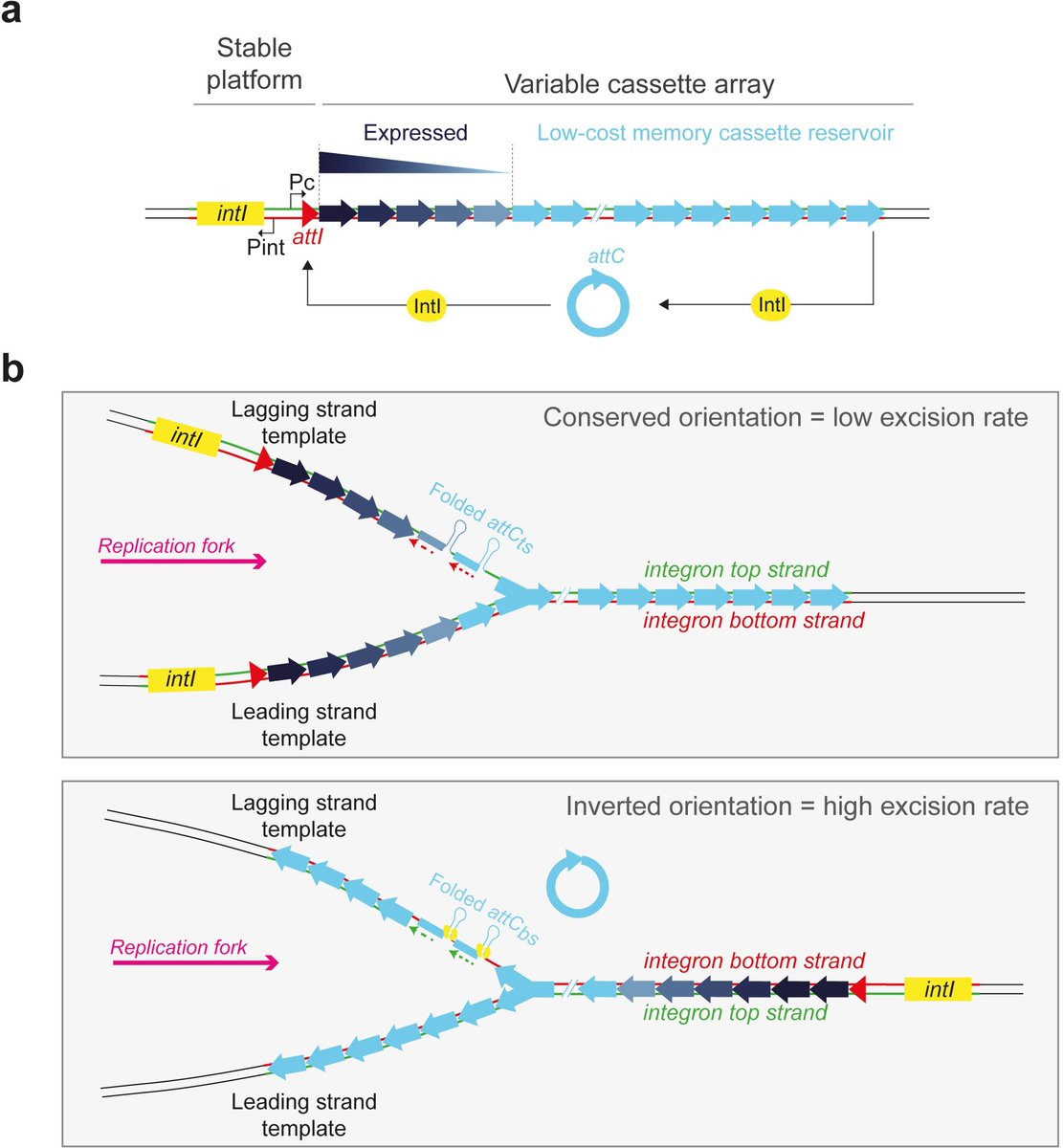
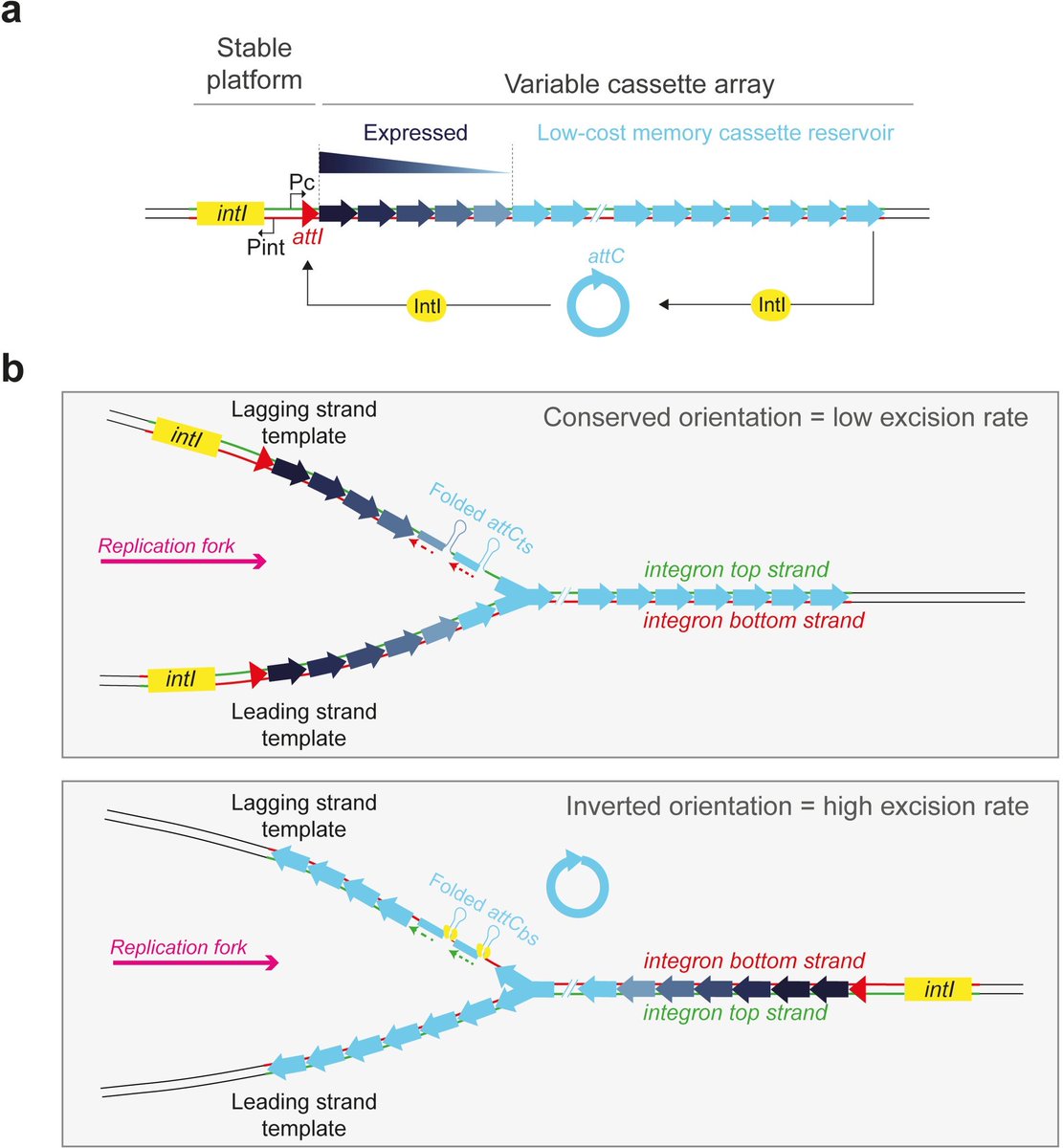



ALT Fig 1. from the study depicting the integron system and the importance of its orientation towards replication. Read the full caption at https://journals.plos.org/plosgenetics/article?id=10.1371/journal.pgen.1011231
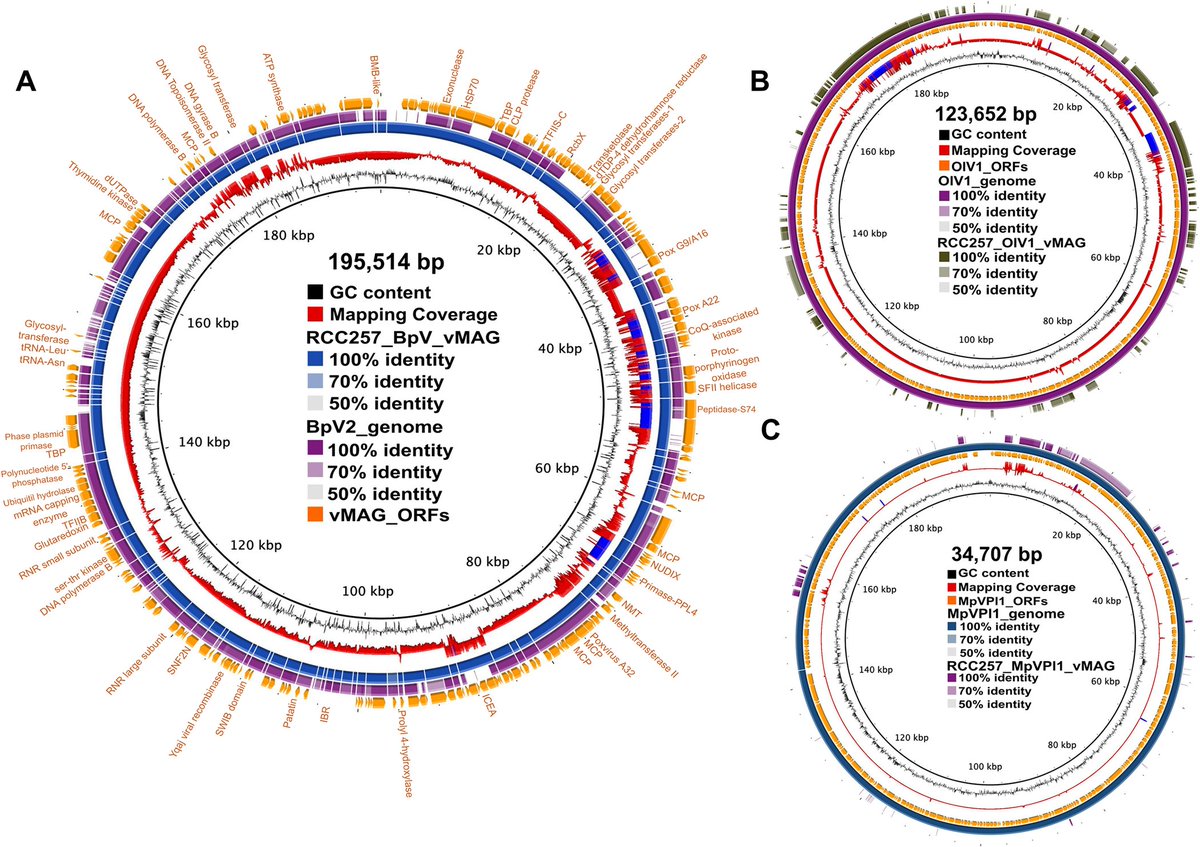
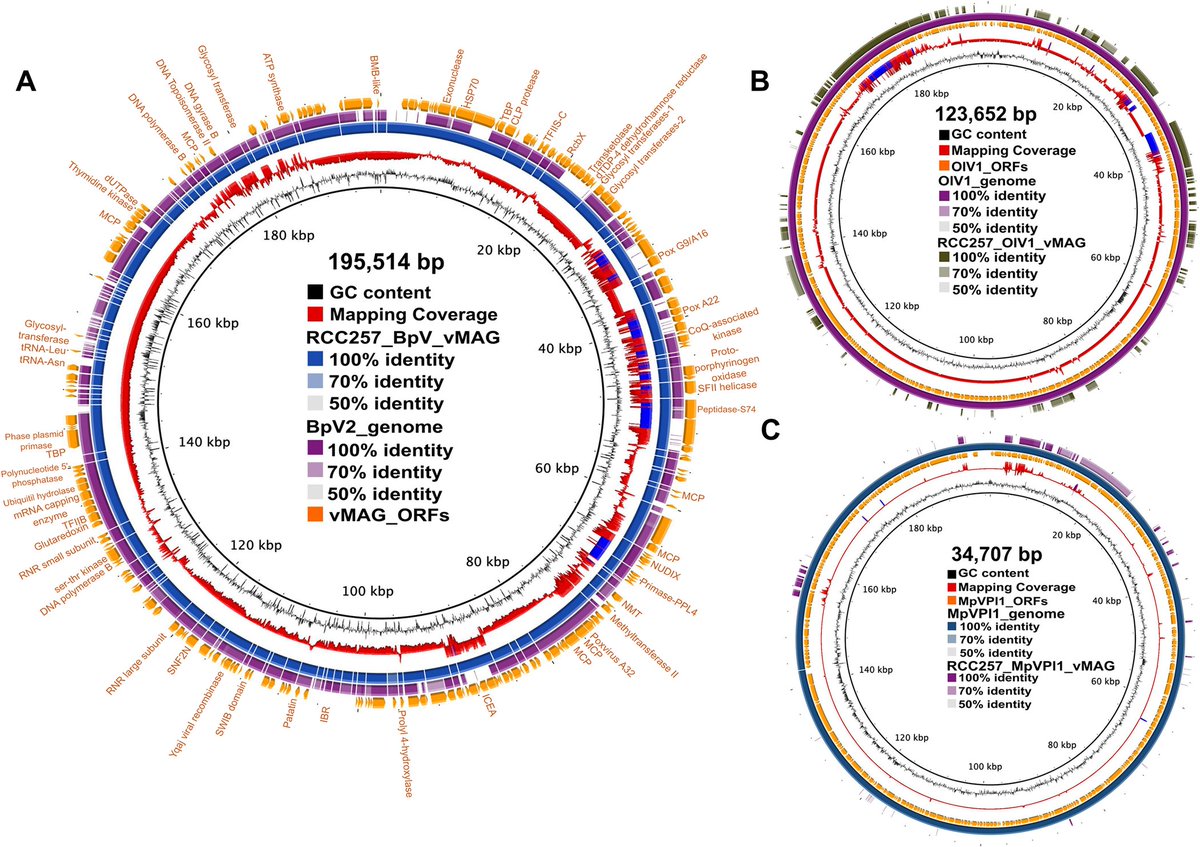
ALT Fig 3. Genome overview and comparison of select vMAGs to corresponding reference genomes. For the full caption visit: https://journals.plos.org/plosgenetics/article?id=10.1371/journal.pgen.1011218
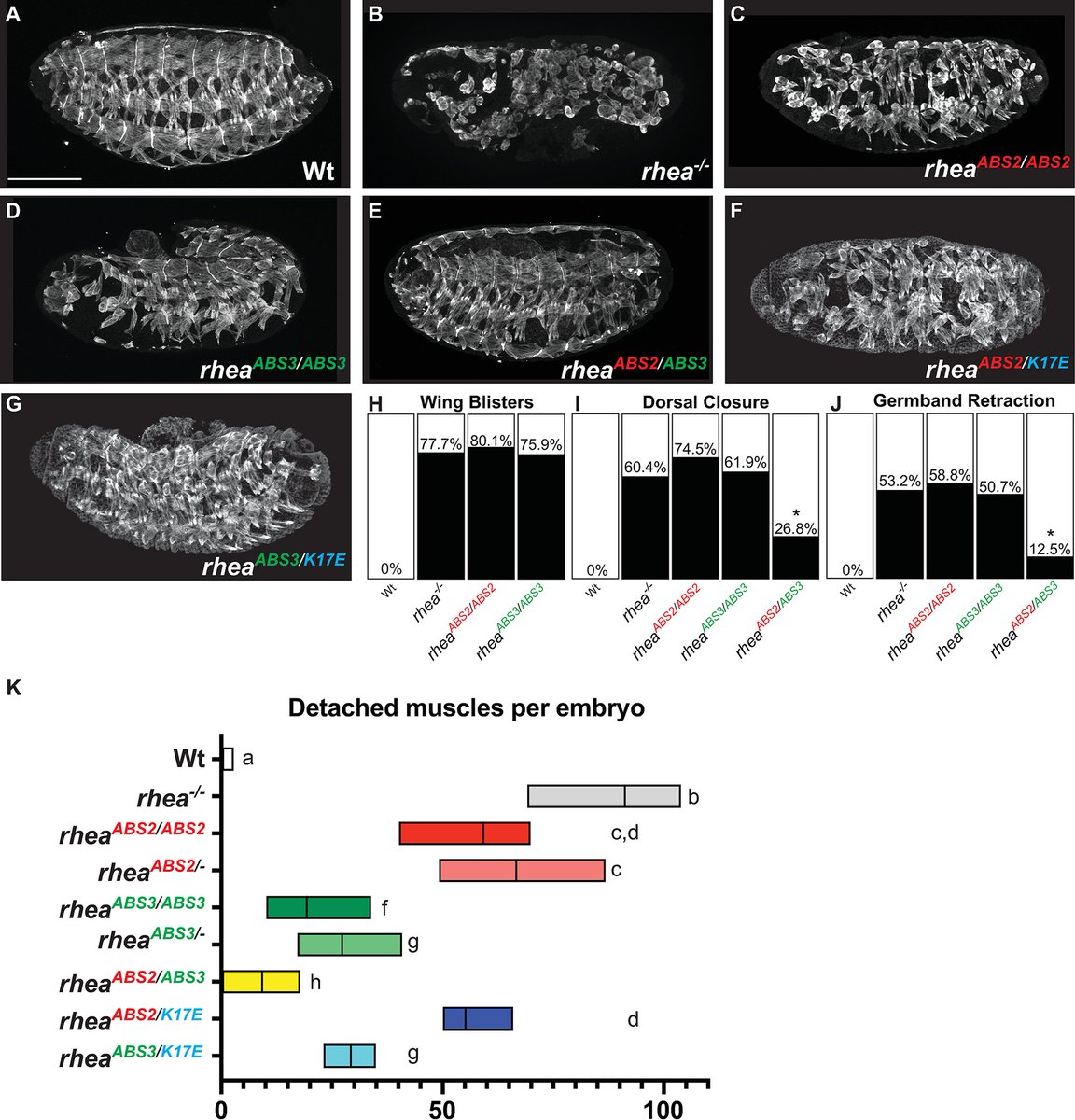
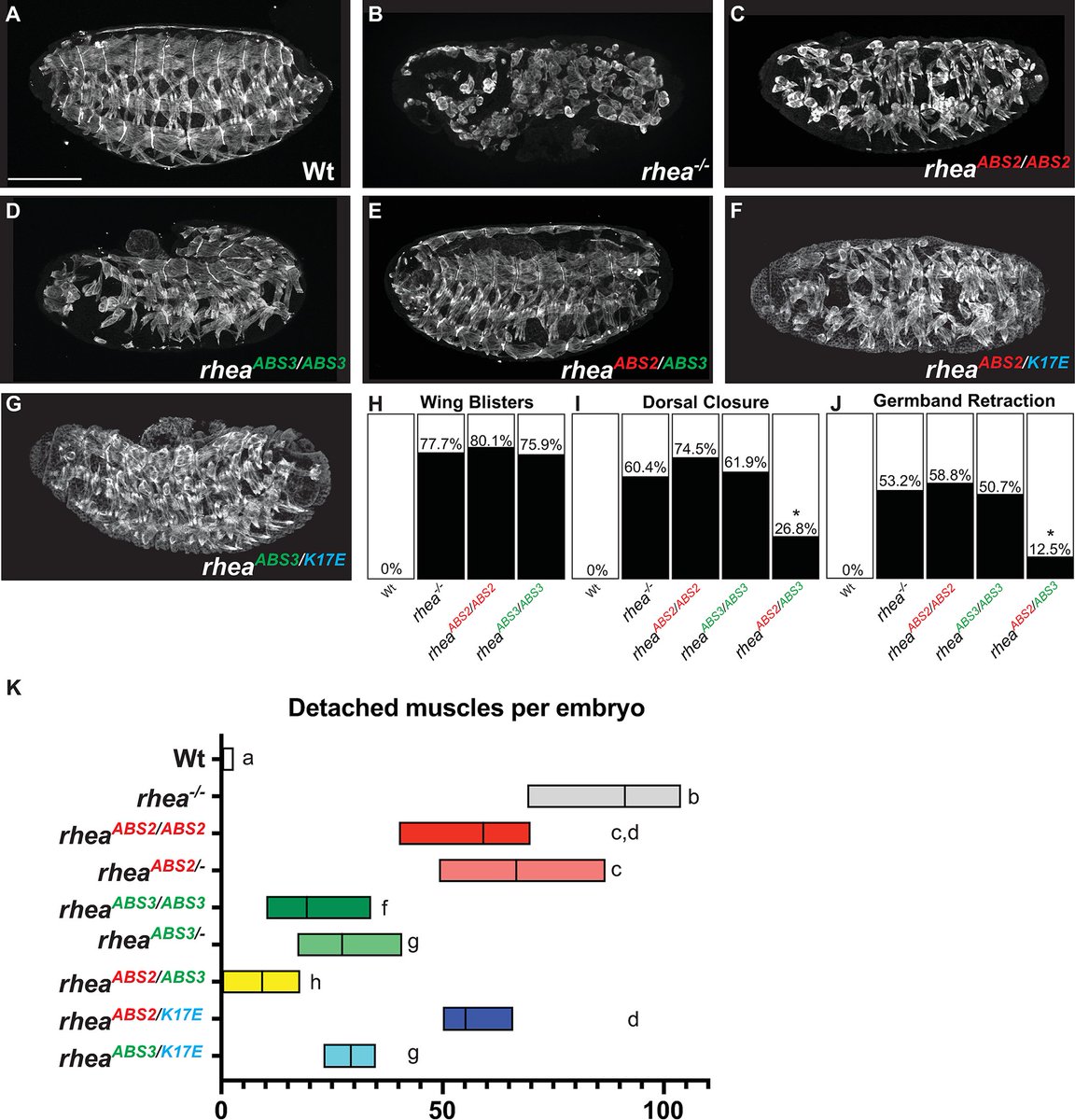
ALT Fig 3. Talin ABS requirement for muscle and embryonic development. (A-G) Confocal images of whole-mount embryos stained with muscle cytoskeleton marker Myosin Heavy Chain (MHC) at stage 17 (scale bar: 50 μm). (H-J) Penetrance of wing blisters (H), dorsal closure (I) and germband retraction (J) defects in embryos of the indicated genotypes. Dorsal closure and germband retraction defects of rheaABS2/ABS3 compared to rheaABS3/ABS3 using chi-square test: *P<0.05; all genotypes n>30. (K) Number of detached muscles per embryo. Floating bar chart representing minimum and maximum value per genotype (n>10). Mean value represented by a solid line. Each lower-case letter (a-g) indicates a different statistical group where two different letters represent statistically different results (P<0.05) using one-way ANOVA, Dunnett’s post-hoc, P<0.05.
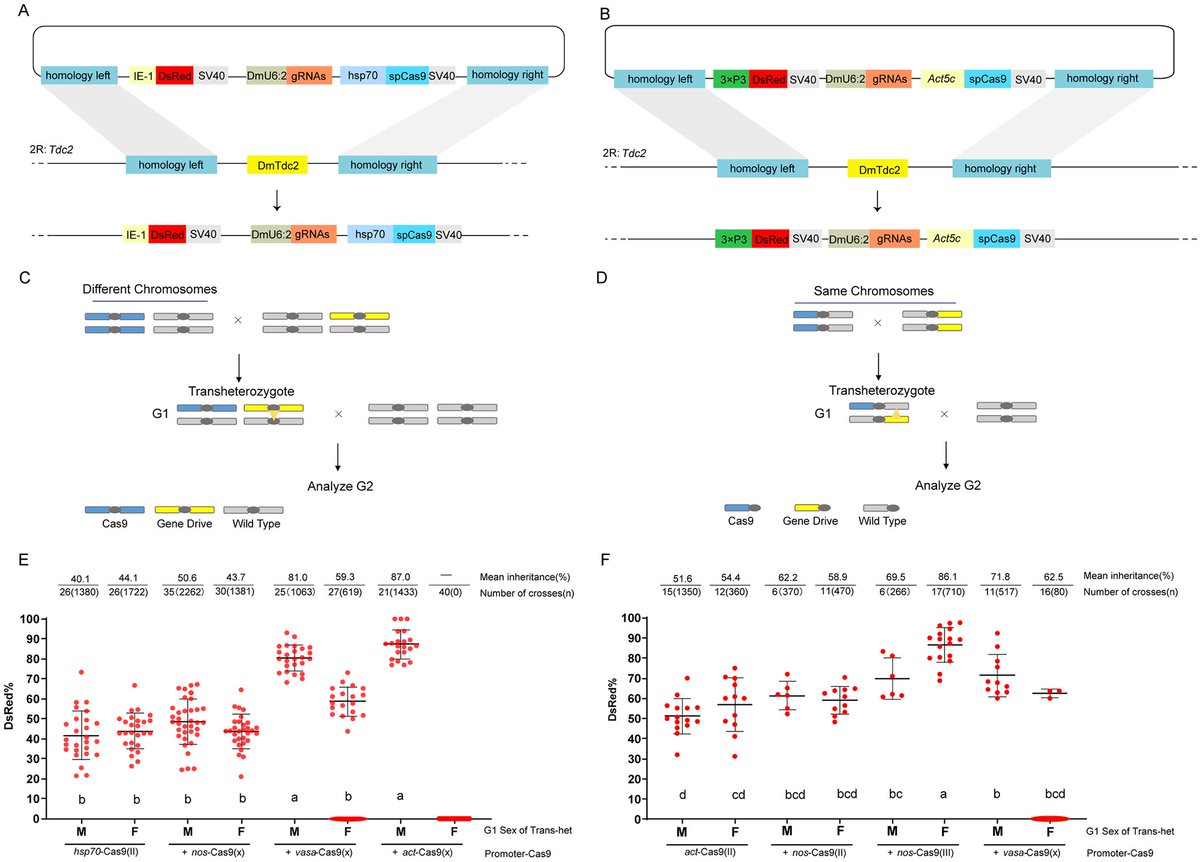
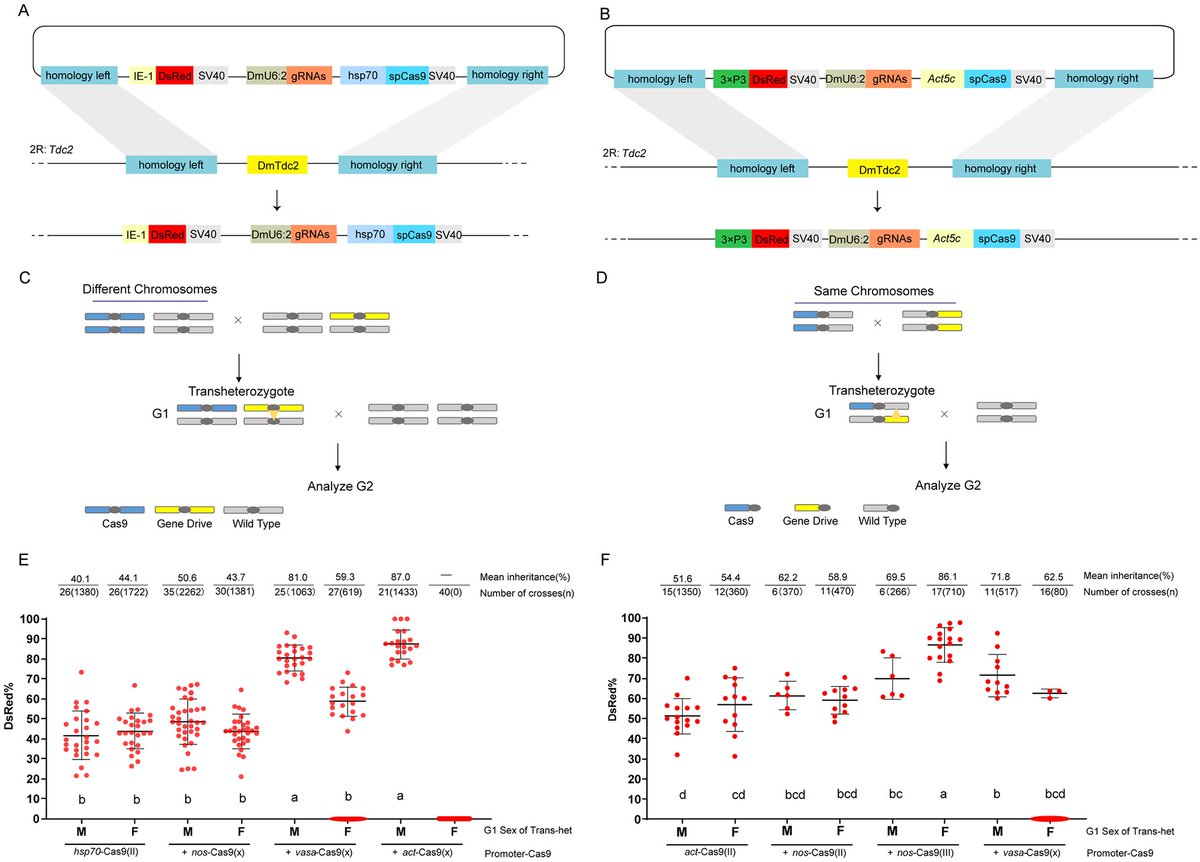
ALT Fig 4. SGD systems targeting female essential gene Tdc2 were constructed and validated in D. melanogaster. Read the full caption at: https://journals.plos.org/plosgenetics/article?id=10.1371/journal.pgen.1011226
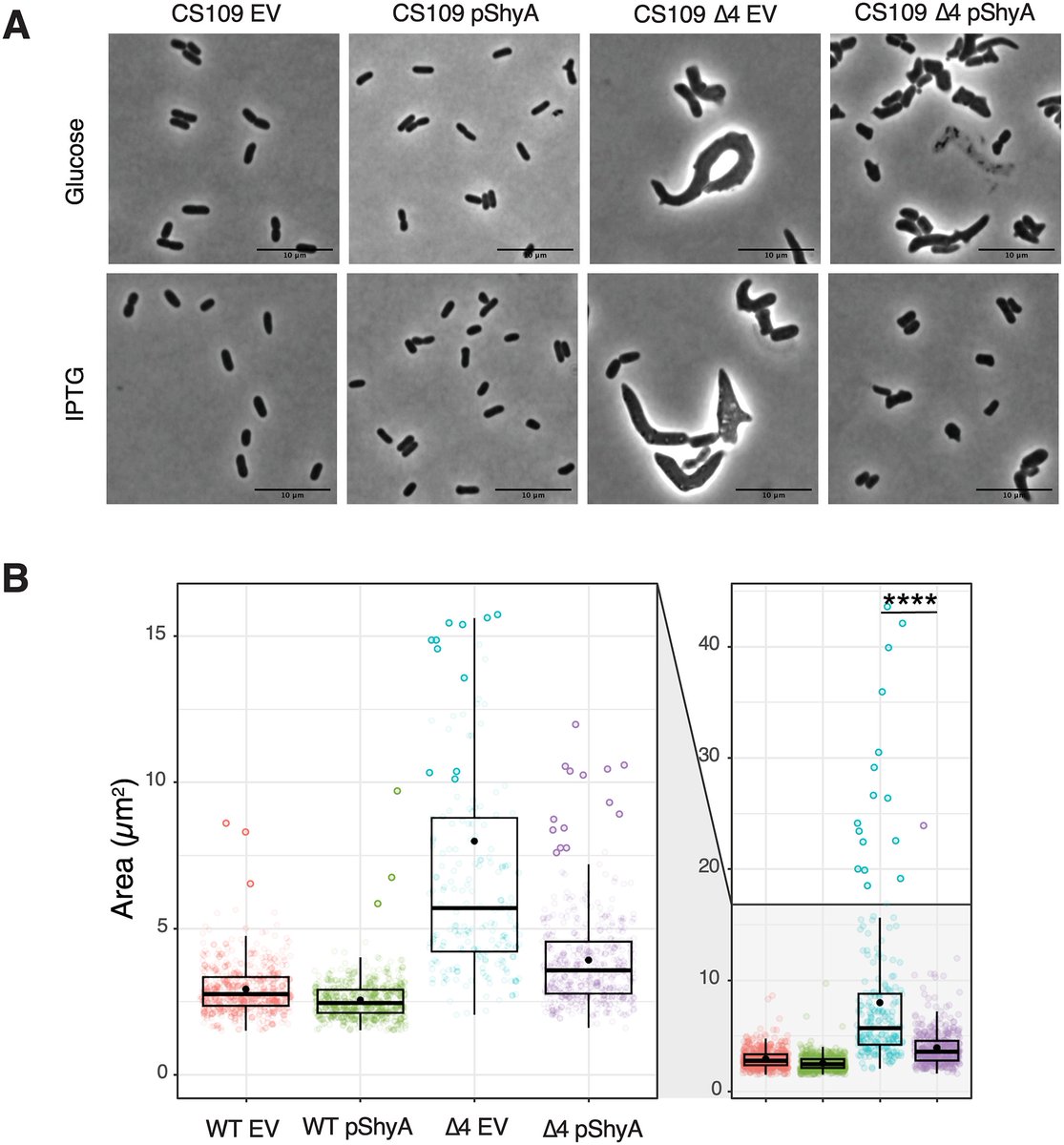
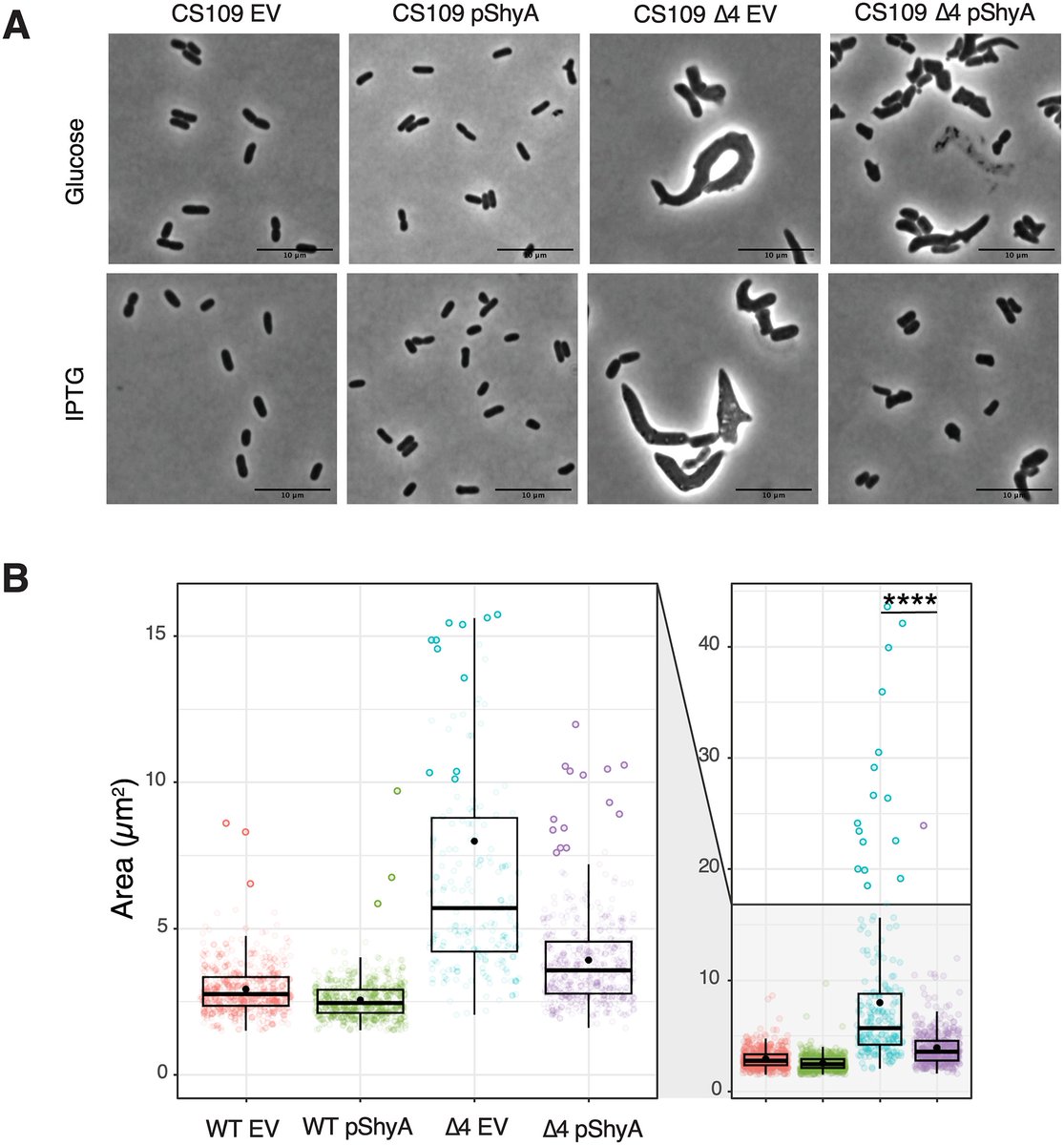
ALT Fig 7. ShyA overexpression rescues morphological defects associated with carboxypeptidase insufficiency in E. coli. (A) E. coli strains CS109 and Δ4 (CS109 ΔdacA ΔdacB ΔdacC ΔpbpG) containing either an empty vector (pHL100) or a vector containing an IPTG-inducible copy of ShyA (pHL100-ShyA) were incubated overnight at 37°C in LB medium with 0.2% glucose, sub-cultured 1:100 in LB and incubated for 2 hours, then back-diluted 1:100 in LB and grown for an additional 2 hours. 1 mM IPTG or 0.2% glucose was added to the cultures, phase contrast images were taken 3 hours after induction. (B) Microscopy images were segmented with Omnipose and analyzed for area, length, and width with MicrobeJ. Statistical significance was assessed via Welch’s t-test. ****, P < 0.0001.
ALT Fig 3. Genome overview and comparison of select vMAGs to corresponding reference genomes. For the full caption visit: https://journals.plos.org/plosgenetics/article?id=10.1371/journal.pgen.1011218
ALT Fig 1. from the study depicting the integron system and the importance of its orientation towards replication. Read the full caption at https://journals.plos.org/plosgenetics/article?id=10.1371/journal.pgen.1011231
ALT Fig 4. SGD systems targeting female essential gene Tdc2 were constructed and validated in D. melanogaster. Read the full caption at: https://journals.plos.org/plosgenetics/article?id=10.1371/journal.pgen.1011226
ALT Fig 7. ShyA overexpression rescues morphological defects associated with carboxypeptidase insufficiency in E. coli. (A) E. coli strains CS109 and Δ4 (CS109 ΔdacA ΔdacB ΔdacC ΔpbpG) containing either an empty vector (pHL100) or a vector containing an IPTG-inducible copy of ShyA (pHL100-ShyA) were incubated overnight at 37°C in LB medium with 0.2% glucose, sub-cultured 1:100 in LB and incubated for 2 hours, then back-diluted 1:100 in LB and grown for an additional 2 hours. 1 mM IPTG or 0.2% glucose was added to the cultures, phase contrast images were taken 3 hours after induction. (B) Microscopy images were segmented with Omnipose and analyzed for area, length, and width with MicrobeJ. Statistical significance was assessed via Welch’s t-test. ****, P < 0.0001.
ALT Fig 3. Talin ABS requirement for muscle and embryonic development. (A-G) Confocal images of whole-mount embryos stained with muscle cytoskeleton marker Myosin Heavy Chain (MHC) at stage 17 (scale bar: 50 μm). (H-J) Penetrance of wing blisters (H), dorsal closure (I) and germband retraction (J) defects in embryos of the indicated genotypes. Dorsal closure and germband retraction defects of rheaABS2/ABS3 compared to rheaABS3/ABS3 using chi-square test: *P<0.05; all genotypes n>30. (K) Number of detached muscles per embryo. Floating bar chart representing minimum and maximum value per genotype (n>10). Mean value represented by a solid line. Each lower-case letter (a-g) indicates a different statistical group where two different letters represent statistically different results (P<0.05) using one-way ANOVA, Dunnett’s post-hoc, P<0.05.
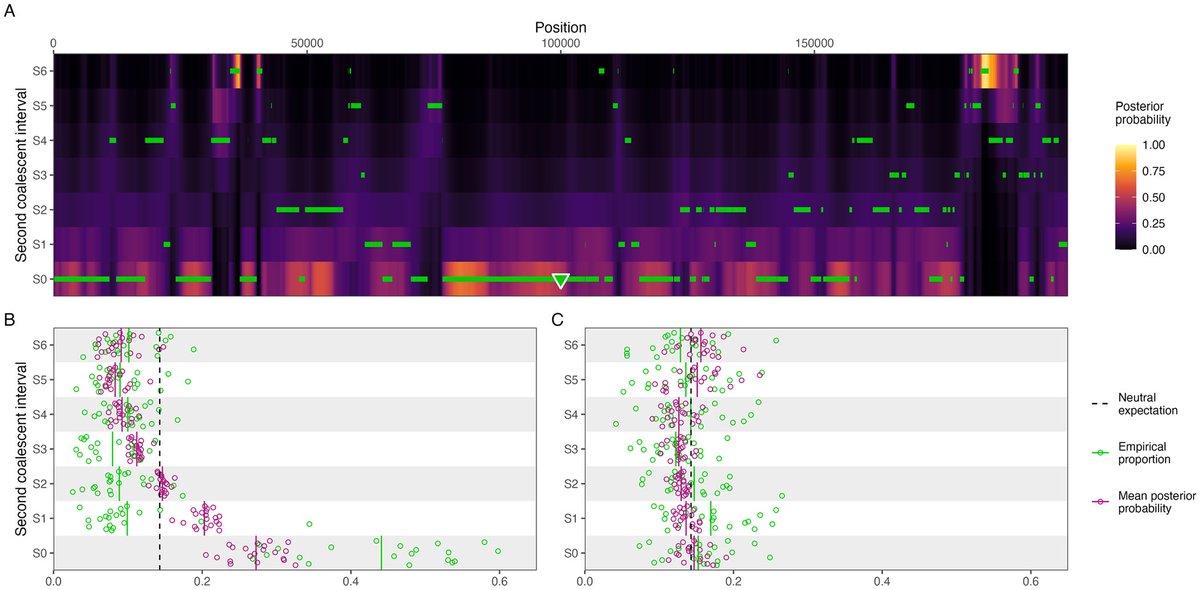
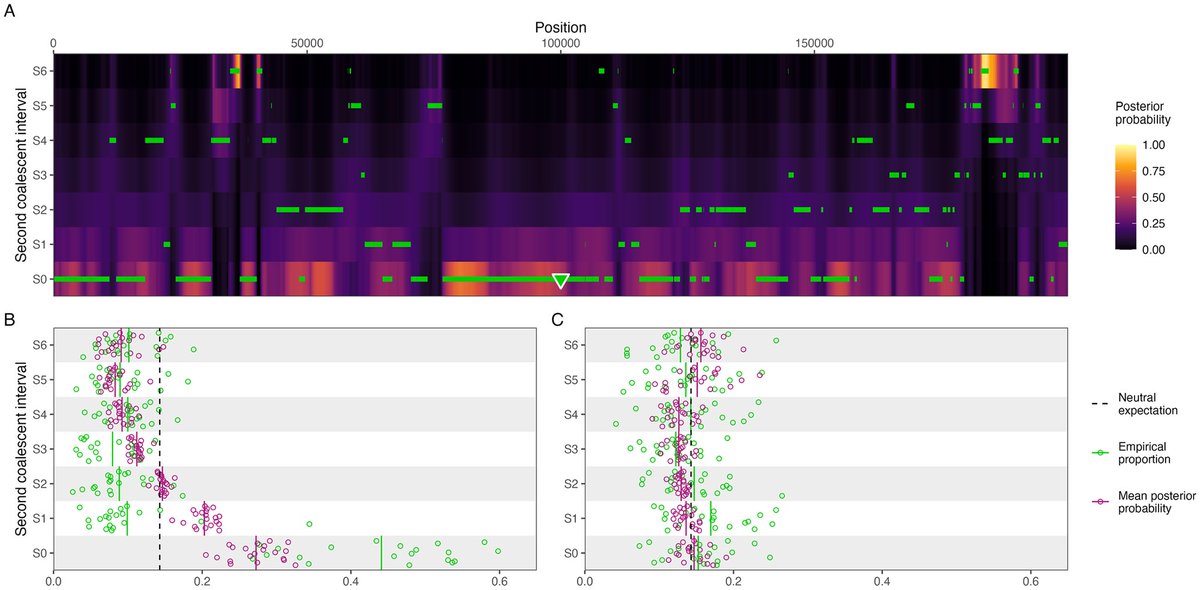
ALT Fig 4. The posterior probability can be used to detect deviations from the neutral expectation. (A) Posterior probability of the second coalescent event for a simulated 200 kb region containing a positively selected variant at position 100 kb that arises in interval S0, represented by a triangle. The true simulated coalescent times are plotted as green horizontal lines. (B) Mean posterior probability for each second coalescent interval (purple), and the empirical true proportion of sites for each interval (green) for 20 simulated replicates with a selective sweep, using the same model as in (A). The theoretical neutral expectation is plotted as a black dashed line, and time intervals are adjusted so that all intervals have equal probability of observing a coalescent event. Continuous vertical lines represent mean values of the simulations. (C) Same as in (B), but for a neutrally evolving region, using the same model as in Fig 3.
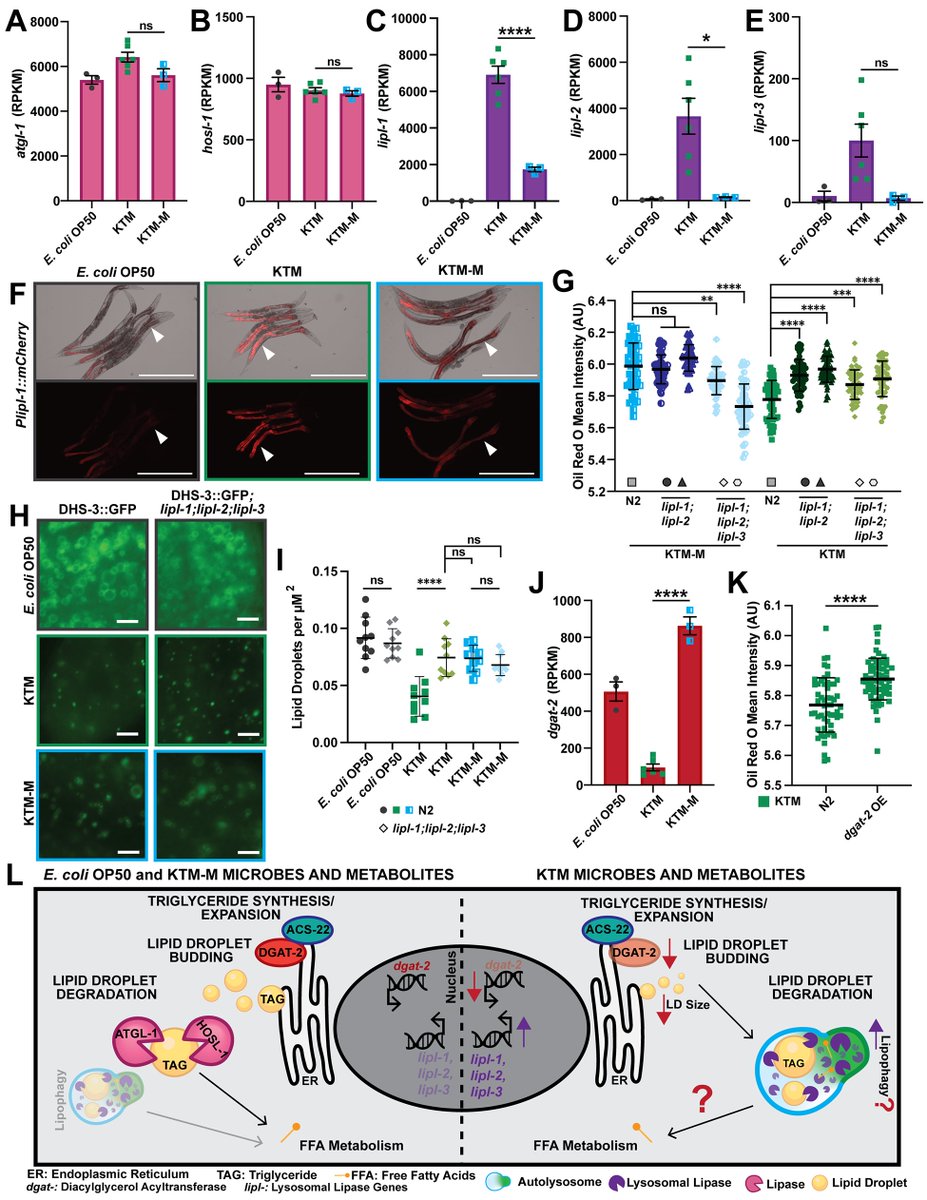
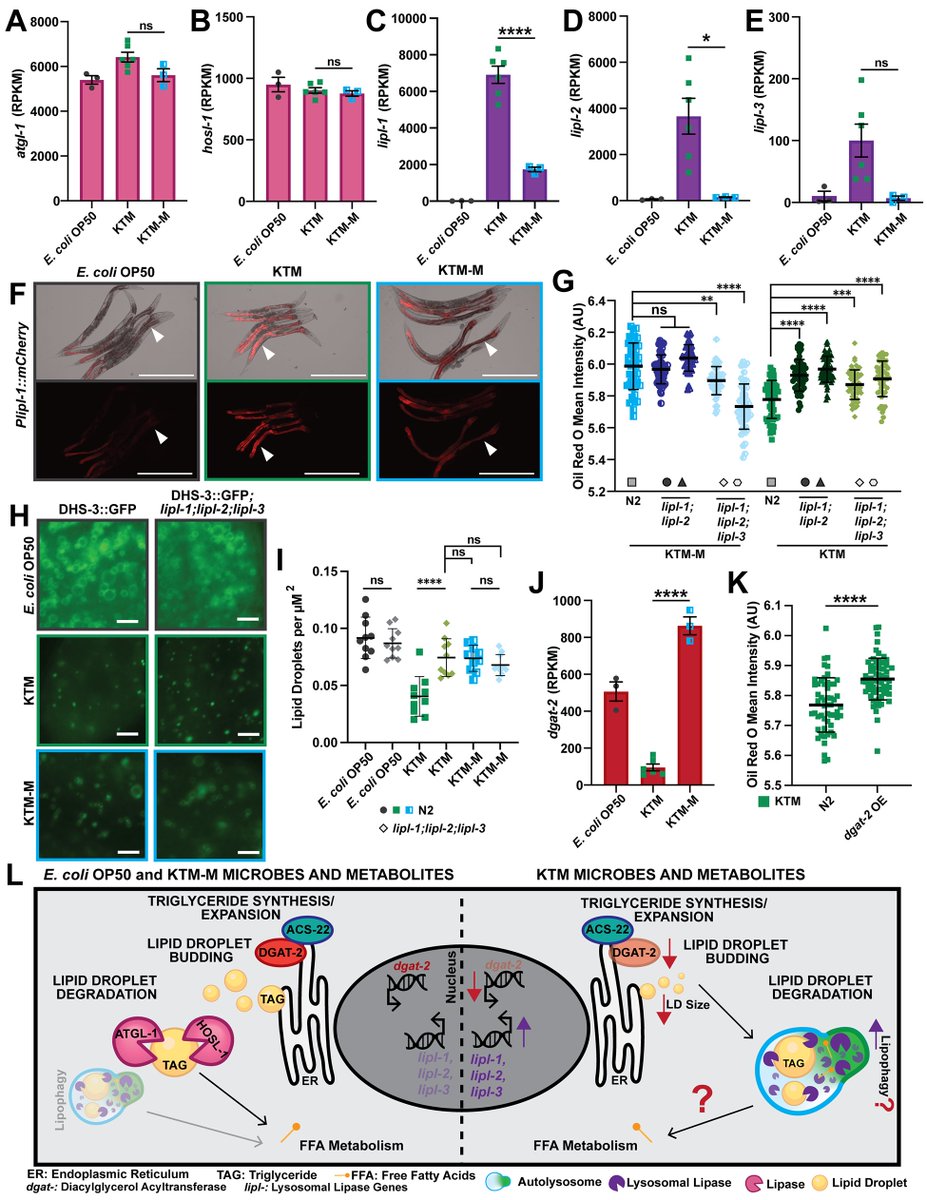
ALT Fig 6. KTM consumption stimulates host lipid catabolism and impairs TAG synthesis. Full caption and image description available at: https://journals.plos.org/plosgenetics/article?id=10.1371/journal.pgen.1011003
ALT Fig 4. The posterior probability can be used to detect deviations from the neutral expectation. (A) Posterior probability of the second coalescent event for a simulated 200 kb region containing a positively selected variant at position 100 kb that arises in interval S0, represented by a triangle. The true simulated coalescent times are plotted as green horizontal lines. (B) Mean posterior probability for each second coalescent interval (purple), and the empirical true proportion of sites for each interval (green) for 20 simulated replicates with a selective sweep, using the same model as in (A). The theoretical neutral expectation is plotted as a black dashed line, and time intervals are adjusted so that all intervals have equal probability of observing a coalescent event. Continuous vertical lines represent mean values of the simulations. (C) Same as in (B), but for a neutrally evolving region, using the same model as in Fig 3.
ALT Fig 6. KTM consumption stimulates host lipid catabolism and impairs TAG synthesis. Full caption and image description available at: https://journals.plos.org/plosgenetics/article?id=10.1371/journal.pgen.1011003
ALT Dark blue and transparent circles and a diagonal lines against a lime green background.