
- Tweets 9,113
- Following 2,120
- Followers 31,668
- Likes 1,742
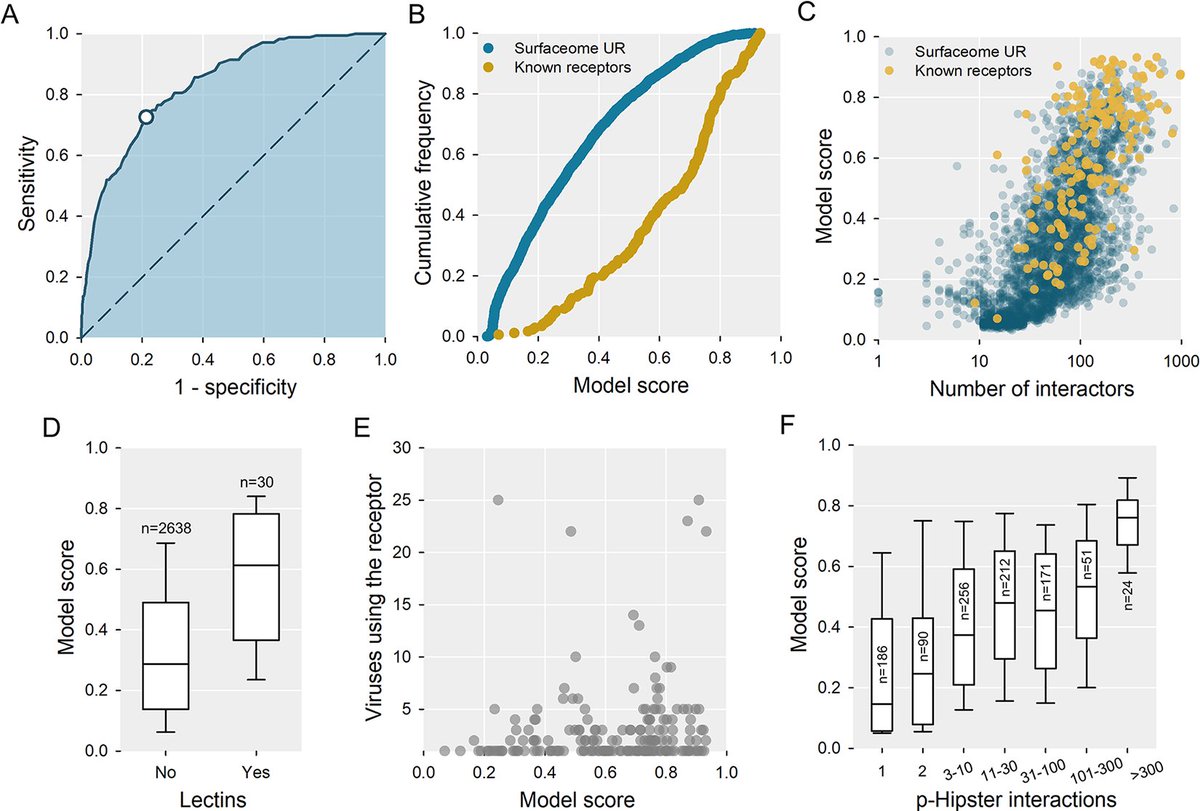






ALT Fig 3. Series of graphs depicting predictability of virus receptors. See the full caption at: https://journals.plos.org/plospathogens/article?id=10.1371/journal.ppat.1012021
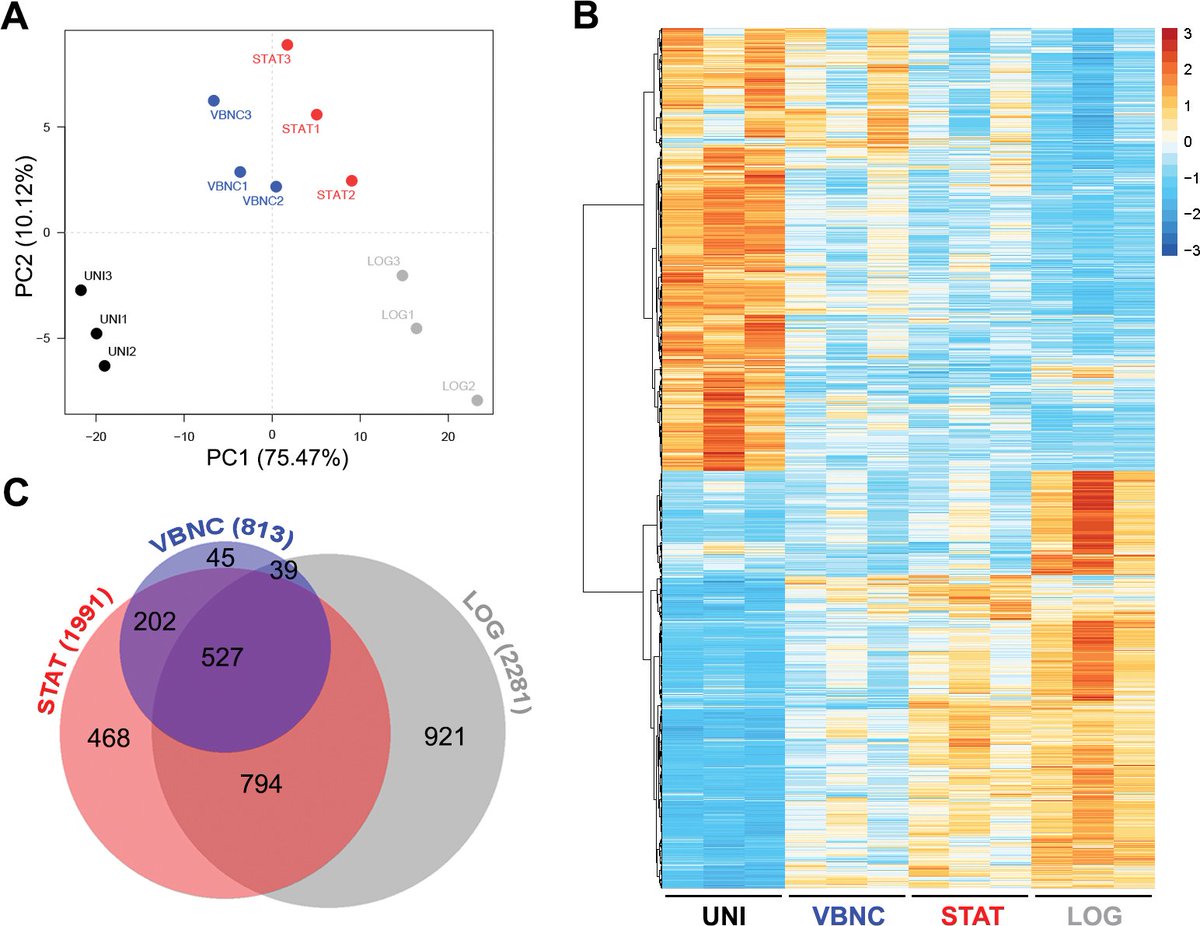
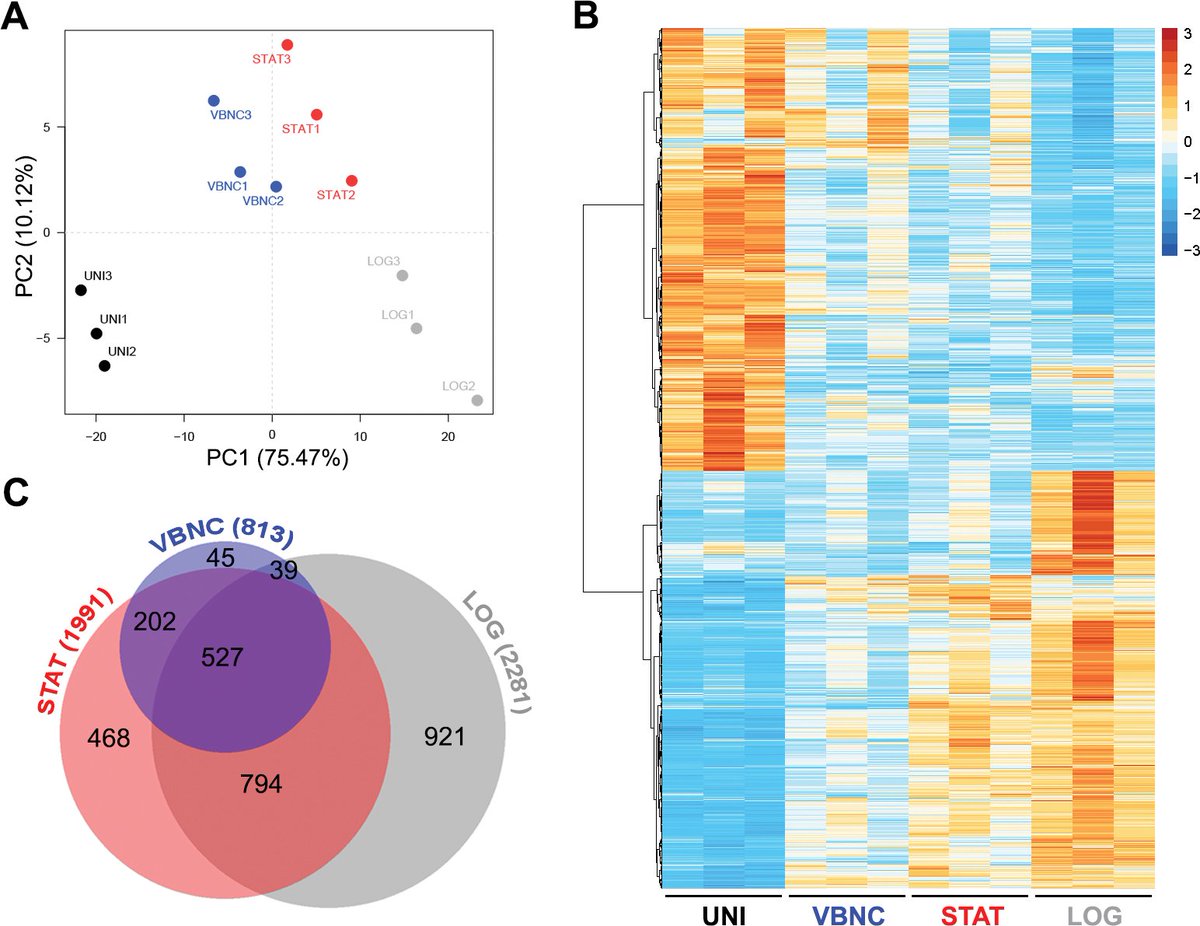
ALT Fig 1. VBNC cells promote a reduced and specific transcriptional response in murine bone marrow-derived macrophages (BMDMs). Full caption here: https://journals.plos.org/plospathogens/article?id=10.1371/journal.ppat.1011841
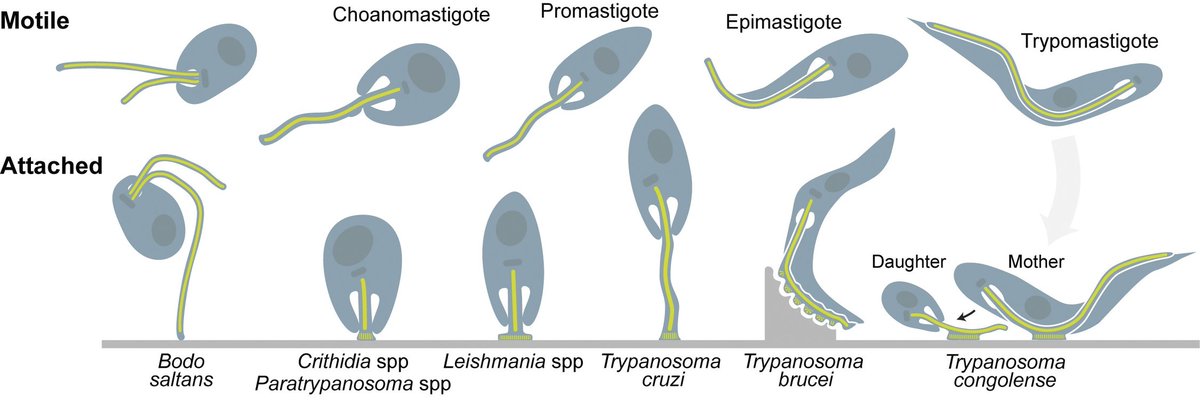
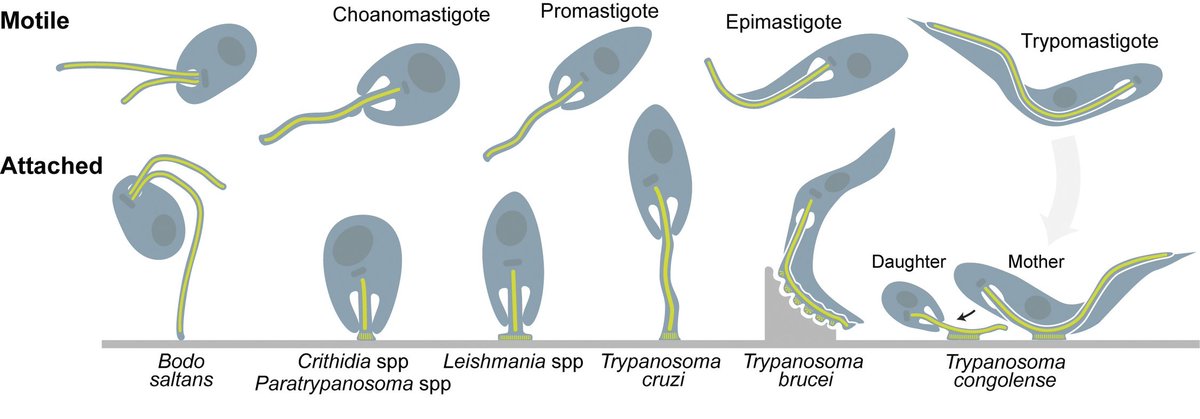
ALT Fig 1. Diagrams of trypanosomatids in their motile and attached forms. The large dark oval is the nucleus. The small dark disk is the kDNA. Green is the axoneme. Attachment plaques are shown as green lines in attached forms. A detailed description of swimming morphologies can be found in [15]. In monoxenous parasites and Leishmania spp., the attachment plaque forms at the tip of the shortened flagellum. In T. cruzi, the attachment plaque is also found at the tip but the flagellum is only slightly shorter. In T. brucei and T. congolense, the attachment plaque(s) form on the lateral portion of the flagellum.
ALT Fig 1. VBNC cells promote a reduced and specific transcriptional response in murine bone marrow-derived macrophages (BMDMs). Full caption here: https://journals.plos.org/plospathogens/article?id=10.1371/journal.ppat.1011841
ALT Fig 1. Diagrams of trypanosomatids in their motile and attached forms. The large dark oval is the nucleus. The small dark disk is the kDNA. Green is the axoneme. Attachment plaques are shown as green lines in attached forms. A detailed description of swimming morphologies can be found in [15]. In monoxenous parasites and Leishmania spp., the attachment plaque forms at the tip of the shortened flagellum. In T. cruzi, the attachment plaque is also found at the tip but the flagellum is only slightly shorter. In T. brucei and T. congolense, the attachment plaque(s) form on the lateral portion of the flagellum.
ALT "As a leader in the field, PLOS Pathogens strives to advance community-rotted adoption of Open Science practices that enable transparency, rapid communication, reproducibility, and trust in research."

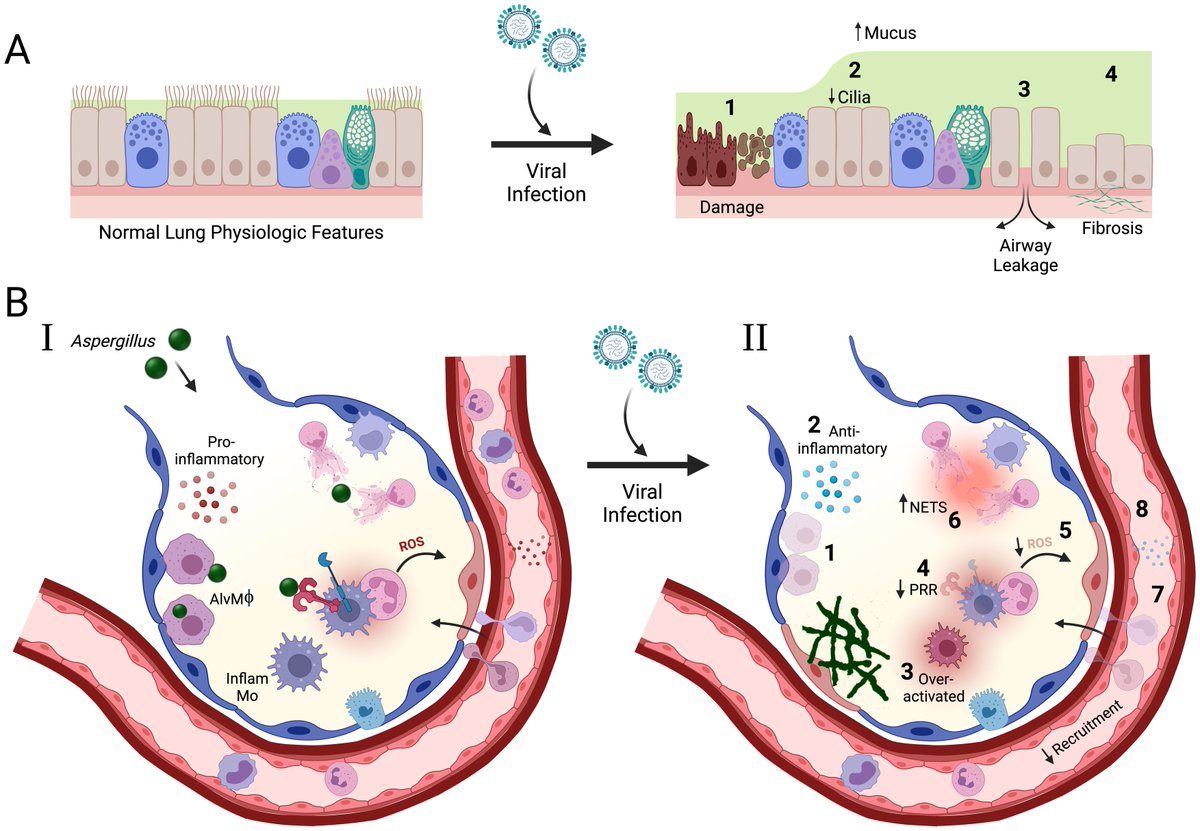
ALT Fig 1. Graphic of the major physiologic and immunologic consequences from viral infection found to be involved in secondary bacterial susceptibility described in [4]. Created with BioRender.com. Read the full caption: https://journals.plos.org/plospathogens/article?id=10.1371/journal.ppat.1011334
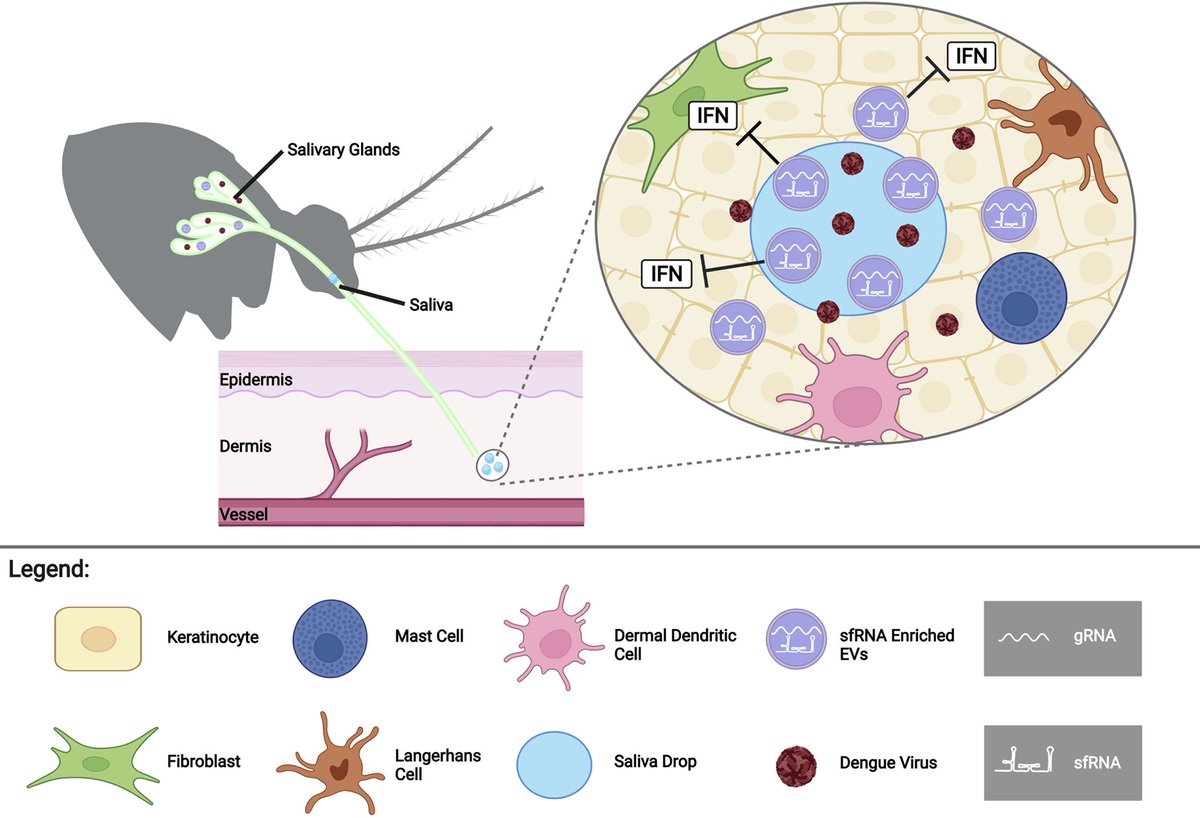
ALT Fig 6. Model: sfRNA in salivary vesicles is transported into cells to enhance infection at the biting site. sfRNA packaged inside extracellular vesicles in infectious mosquito saliva is transferred to human skin cells during biting. sfRNA inhibits the antiviral innate immune response (interferon (IFN) system) to enhance skin cell virus infection. Created with BioRender.com.