Joined March 2012
- Tweets 11,340
- Following 343
- Followers 3,392
- Likes 8,993
3,549 Photos and videos







Poland in Toronto retweeted

Jana dreamed of working in radio from an early age. Today, she does more than create radio programmes. At Polish Radio for Ukraine, she helps Ukrainian listeners find their footing in Poland and brings Poles and Ukrainians closer together.
📻 In programmes co-hosted by Polish and Ukrainian presenters, the station creates space for dialogue and understanding.
Two languages. Different experiences. One conversation. This is what solidarity sounds like.
#ResilientTogether #PeopleStories @polskieradiopl @RadioZagranica
3
6
294
Poland in Toronto retweeted
When Russia attacked Ukraine, 77% of Poles stepped up to help their Ukrainian neighbours. 🇵🇱🇺🇦
Among them are Polish volunteer battlefield medics from the "W międzyczasie" group. Close to the front line in Ukraine, often under fire, they provide first aid and evacuate the wounded when every second matters. 🚑
Behind every life saved, there is courage and solidarity. We are strongest when we stand together. 💙💛
#ResilientTogether #PeopleStories
@DamianDuda17
2
1
228

Apr 22
🤍❤️#NiagaraFalls Illumination!
📅WHEN: May 2 (Saturday) 2026.
📌WHERE: Niagara Falls (Niagara Falls, ON).
🕙WHEN: The illumination will begin at 10:00 pm sharp.
5
146
Apr 20
“Erupcja” is one of those films you have to see on the big screen 🎬🔥 In TIFF Bell Light Box and Carlton Cinemas starting Apr. 24th.
90
Apr 16
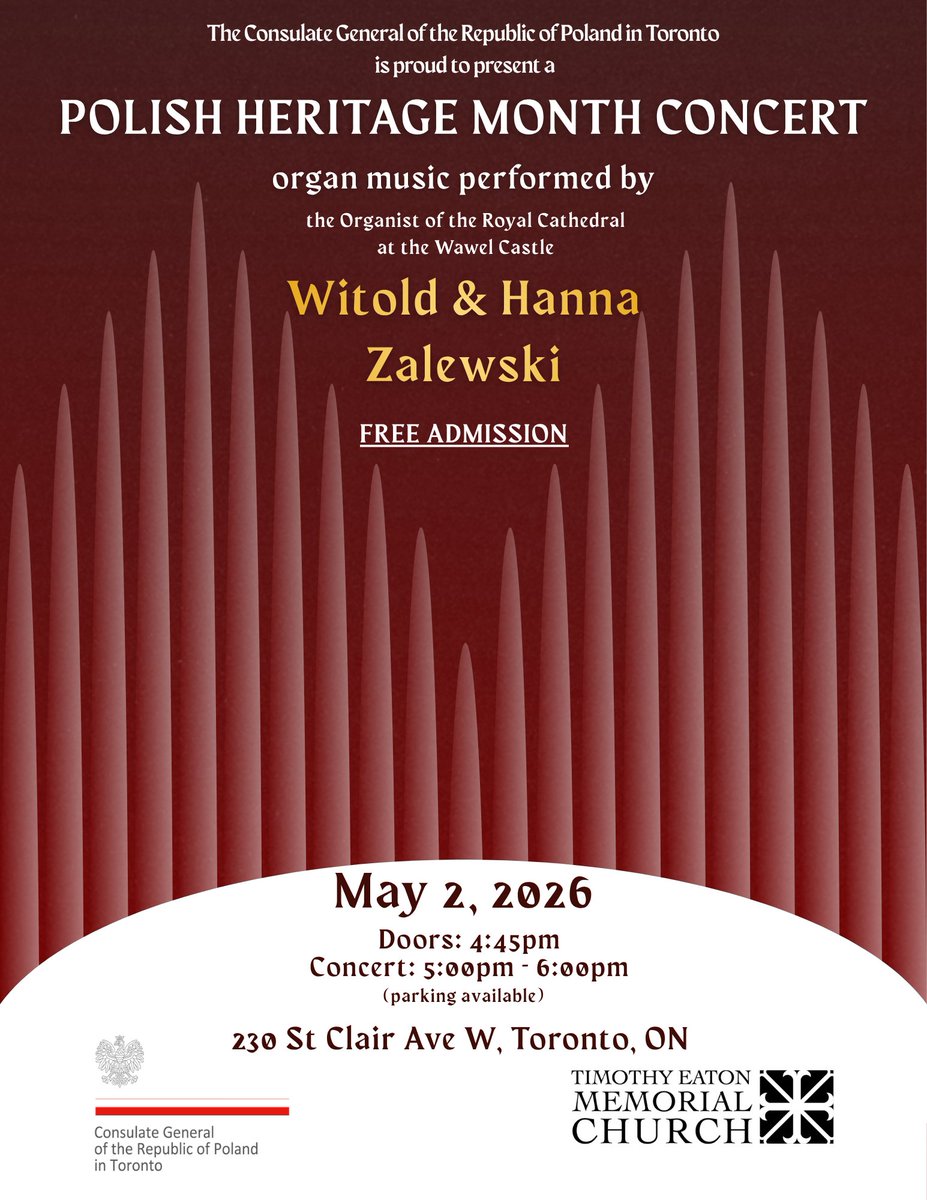
🎶 You are invited to a special concert celebrating Polish Heritage Month!
🗓️ May 2, 2026
📍 Timothy Eaton Memorial Church
🕔 Concert: 5:00–6:00 p.m.
🚪 Doors open: 4:45 p.m.
🎟 Free admission (parking available)
#PolishHeritageMonth #TorontoEvents #OrganMusic #PolishCulture
63
Apr 13
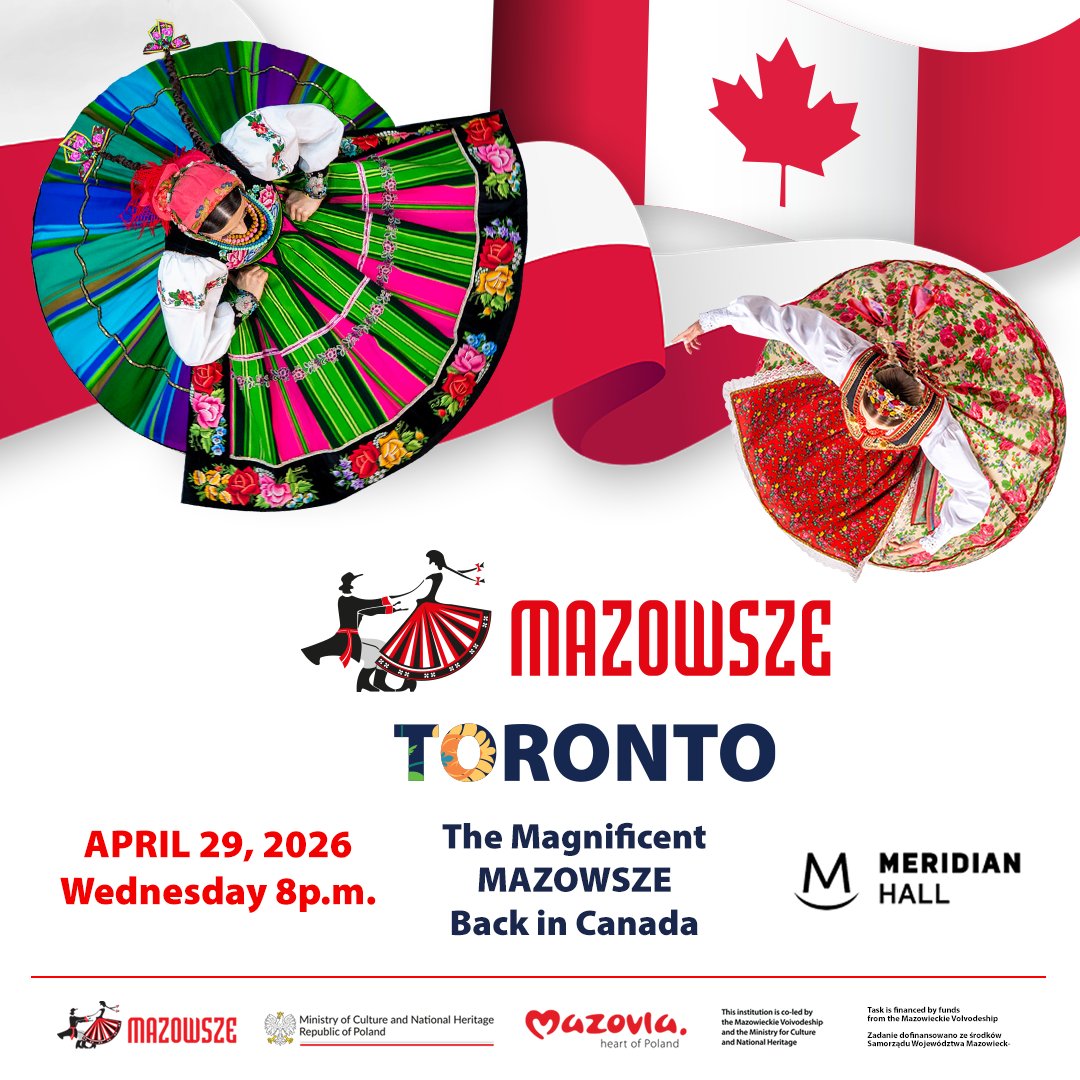
🌍 After 16 years, the Mazowsze ensemble returns to Canada – don’t miss this unique event!
🎟️ Tickets available online (Ticketmaster) – selling fast!
#Mazowsze #Toronto #PolishCulture #LiveShow #Koncert
1
101
Mar 30
📌Uprzejmie informujemy, że w dniu 3 i 6.04.2026 r. Konsulat będzie nieczynny. Przepraszamy za wszelkie niedogodności.
📌Please note, on Apr. 3 and 6, 2026 the Consulate will be closed. We apologize for any inconvenience.
1
123
Mar 24
From local potential to international impact. 🌍
Poland provides a stable and dynamic environment for tech companies to scale and succeed globally.
Check the facts
📈 bbc.com/storyworks/poland-yo…
2
121
Mar 17
Poland is a fertile ground for investment and growth, and our companies are ready to take that energy to the rest of Europe and beyond. 🚀
Discover the fintech face of Poland:
🔗bbc.com/storyworks/poland-yo…
1
108
Mar 11
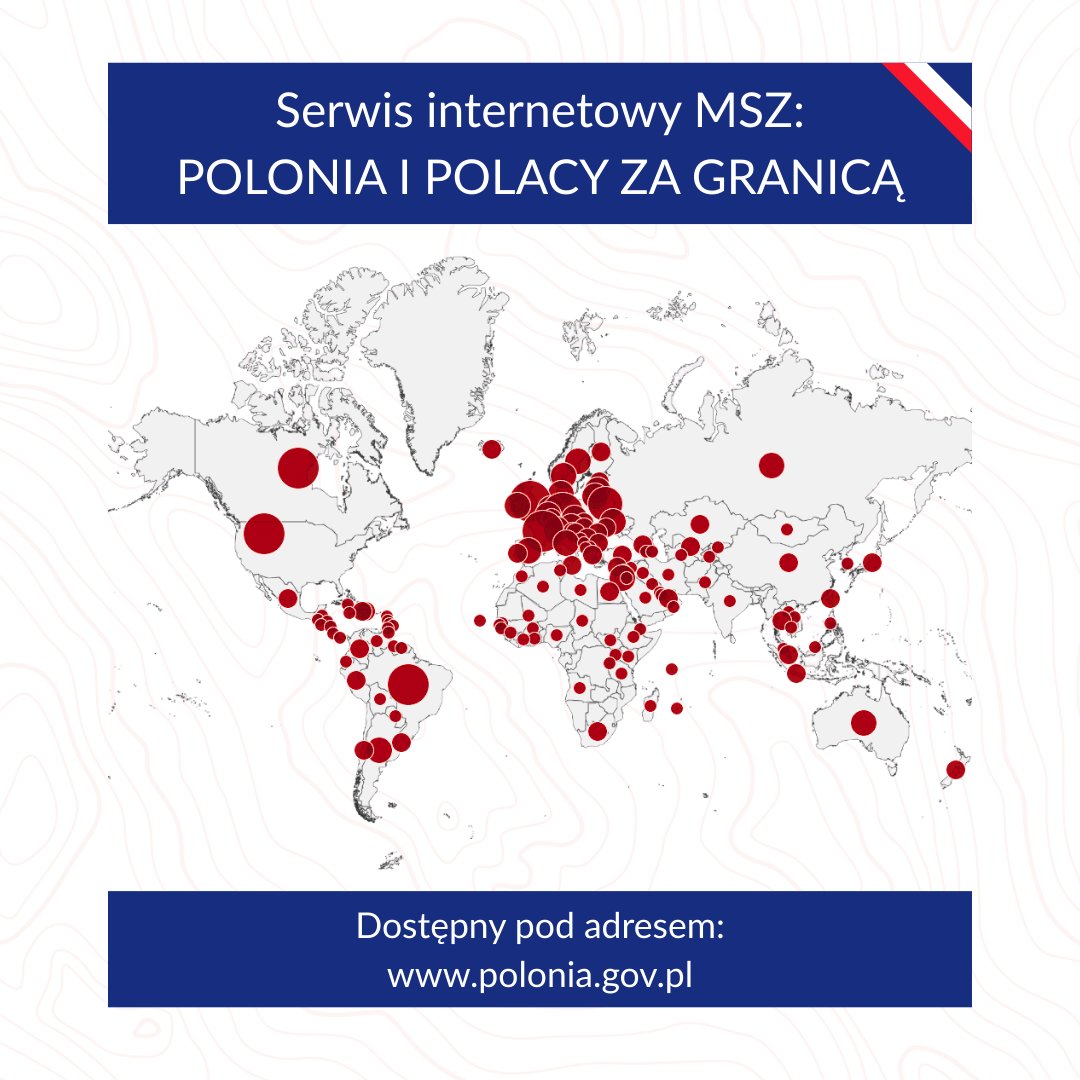
Poland's MFA supports 20M Poles living abroad with cultural programs, grants & resources. Find out what's available for you 🇵🇱🌍 polonia.gov.pl
#Polonia #PolishDiaspora #PolandMFA
2
5
650
Mar 10
Poland is the perfect place for legacy brands and startups alike to grow, gain momentum and scale. 🇵🇱
Explore our unique blend of tradition and modern innovation that attracts global leaders.
Ready to grow your business?
📈 bbc.com/storyworks/poland-yo…
1
126
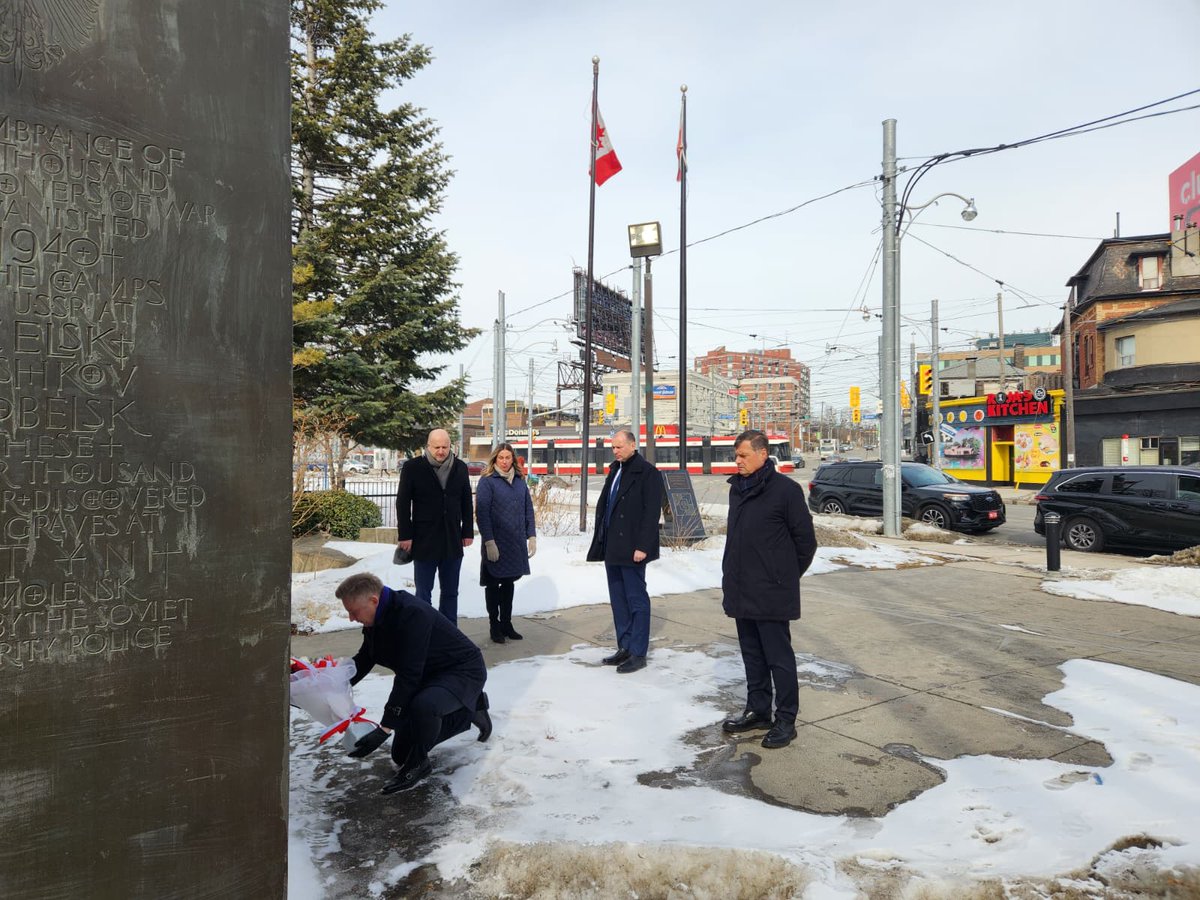
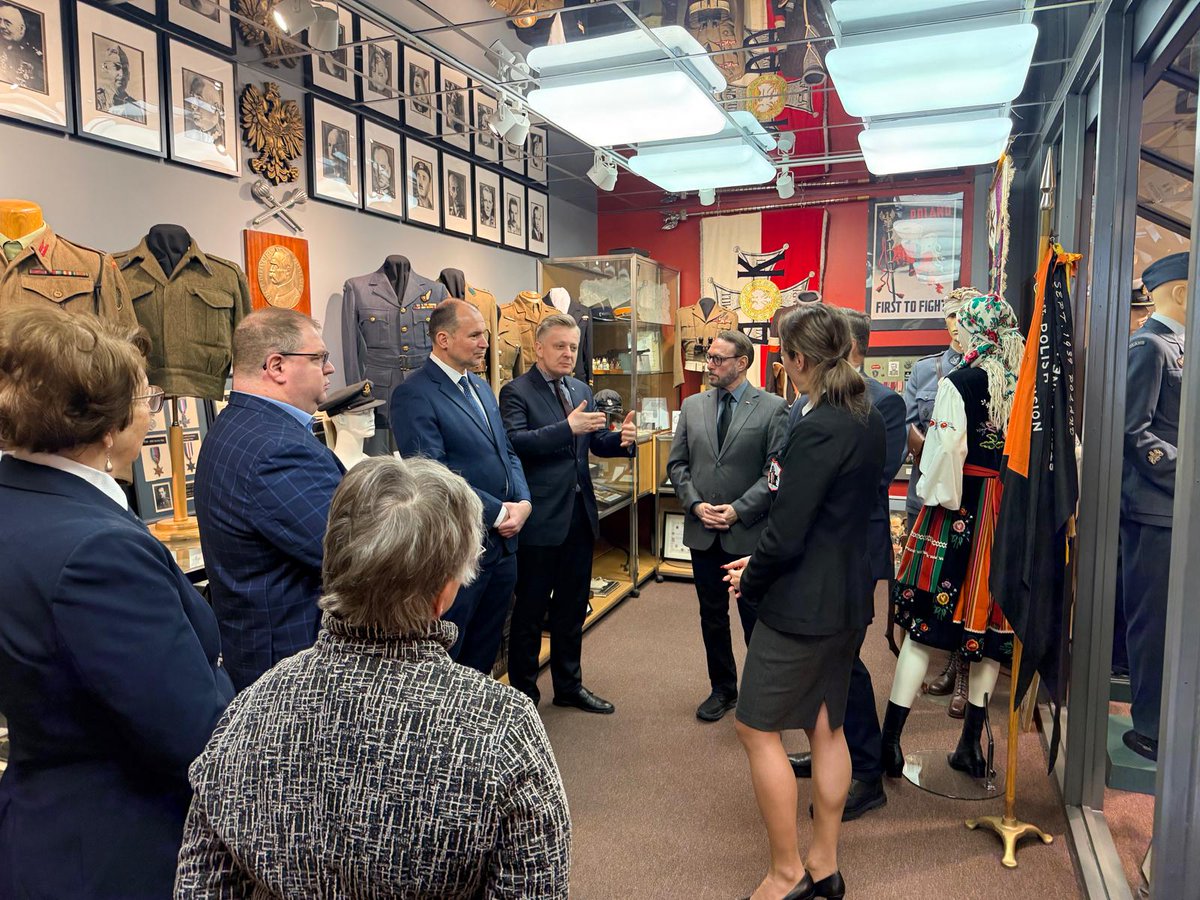
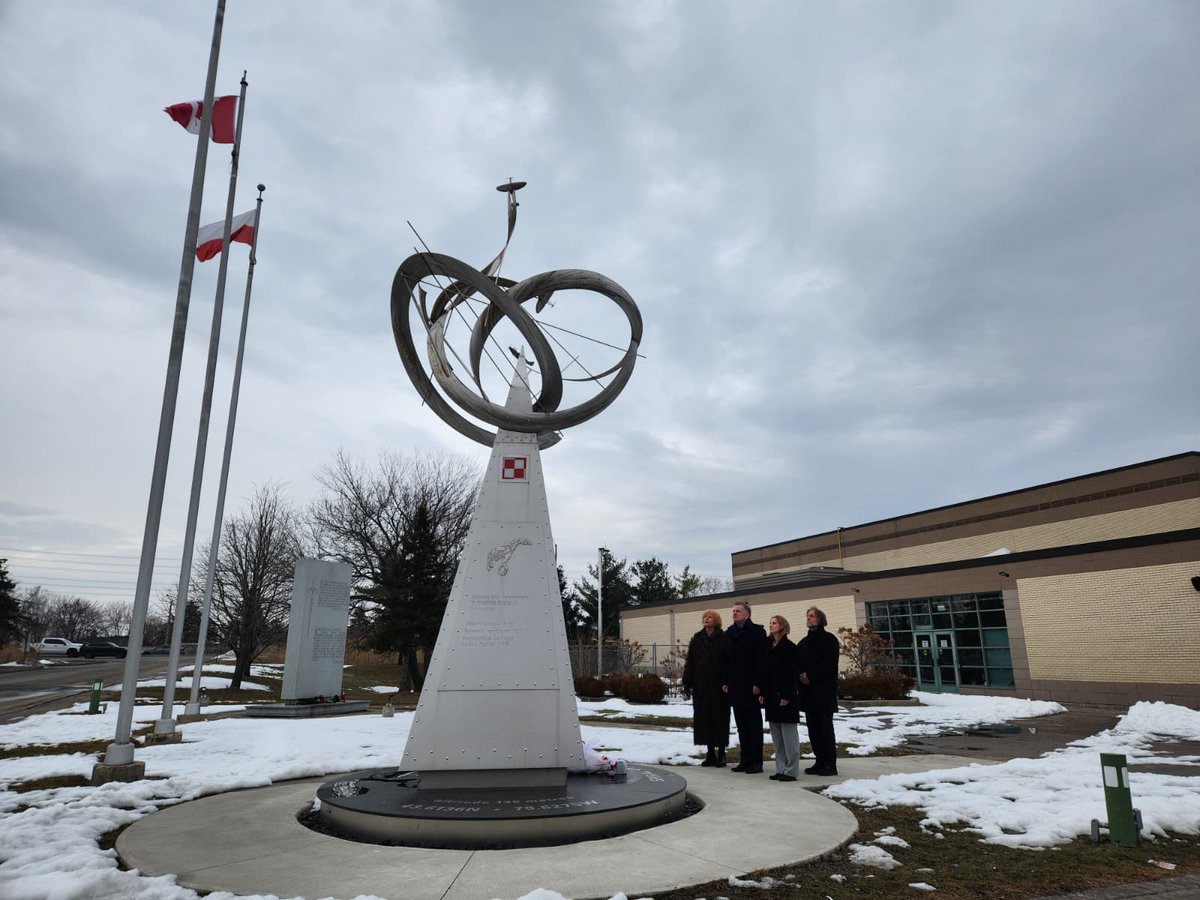
History, memory & community.
👉 Minister Stefaniak's Toronto visit: wreaths at the #Katyn Memorial, tribute to Smolensk & Siberian exile victims, a stop at #SPK Branch 20, and a meeting with the Spiral of Victory artists in #Mississauga.
2
6
310
Poland is the undisputed powerhouse of CEE tech talent. 📊
The data confirms the trend:
✅ 1 in 4 CEE startups are found in Poland.
✅ 25% of the region’s 600k developers are based in Poland.
The ecosystem is ready. 💻
Check the facts
⚡ bbc.com/storyworks/poland-yo…
1
1
144
Poland in Toronto retweeted
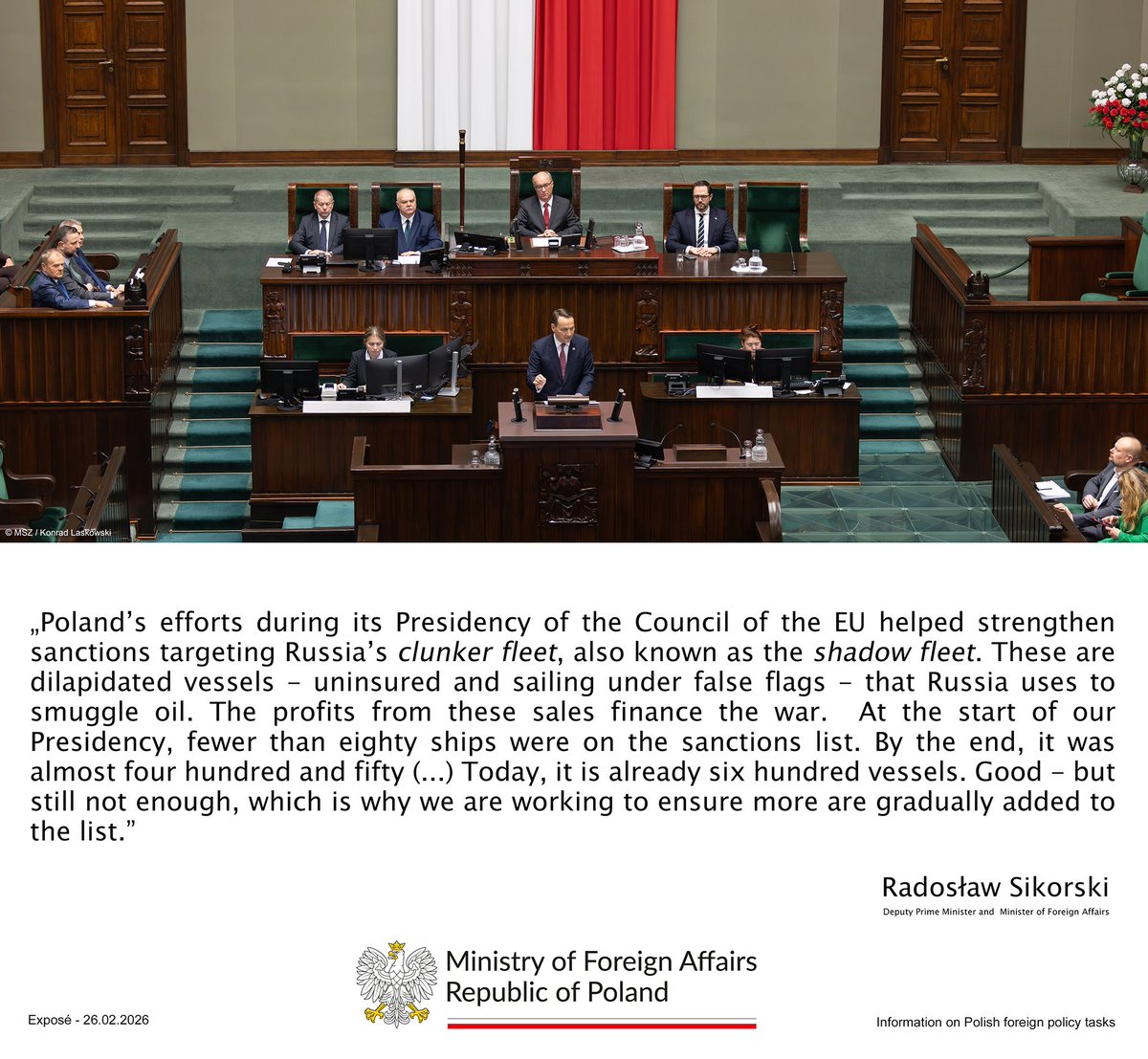
📜 Earlier today, Radosław Sikorski (@radeksikorski), Poland’s Deputy Prime Minister and Minister of Foreign Affairs, delivered his Exposé. Scroll down to read an excerpt from the address.
🏛️ In Poland, the Exposé is a formal speech delivered by a representative of the executive branch to the members of the legislative branch – the Sejm Rzeczypospolitej Polskiej. Traditionally, it is observed not only by elected Members of Parliament, but also by the President of Poland and the invited Diplomatic Corps in Warsaw.
🇵🇱 The tradition of the Exposé dates back to the rebirth of Polish statehood at the beginning of the 20th century. It resembles similar parliamentary practices in other countries, such as the "Speech from the Throne" in United Kingdom and other Commonwealth countries including Canada, as well as the "déclaration de politique générale" in France.
🔎 The Exposé focuses on the international situation, highlighting key diplomatic relationships and engagements, and emphasising the principal objectives of the government’s foreign policy.
🚫 Following the Second World War, the practice of the Exposé by the Minister of Foreign Affairs was discontinued, reflecting the limited sovereignty of Poland under the influence of the Soviet Union.
🕊️ The tradition was revived after the collapse of the Soviet Union and has been observed consistently in democratic Poland since 1990. The history of the Polish state and its rich democratic traditions reminds us of the ongoing importance of vigilance in protecting our freedom and responding to emerging threats.
🇵🇱 The full Exposé is available in Polish via the link 👉 youtube.com/watch?v=KvBbwerb…
💬 An excerpt addressing the topic of the "shadow fleet" and security:
"Poland’s efforts during its Presidency of the Council of the European Union helped strengthen sanctions targeting Russia’s “clunker fleet”, also known as the “shadow fleet”. These are dilapidated vessels - uninsured and sailing under false flags - that Russia uses to smuggle oil. The profits from these sales finance the war. The clunker fleet not only fuels the war machine; it also poses a serious threat to maritime infrastructure and the environment.
At the start of our Presidency, fewer than eighty ships were on the sanctions list. By the end, it was almost four hundred and fifty - on average, two new tankers added every day. Today, it is already six hundred vessels.
Good - but still not enough, which is why we are working to ensure more are gradually added to the list. We respect freedom of navigation, but it must go hand in hand with respect for rules. In every European country, cars on the roads must pass technical inspections and have insurance. The same must apply to ships sailing on waters, including international waters. Vessels that break the rules should be detained.
(…)
Poland’s interest lies in diplomatic engagement to help defuse conflicts that threaten our common security - preventing the escalation of disputes, extremism, and attempts to revise borders"
@PolandMFA
2
3
221
Feb 27
In Poland, collaboration is a strategic advantage.🤝
A decade ago, the top banks built a digital revolution together. This unique culture of partnership now helps international scale-ups gain massive momentum and reach.🚀
See how synergy drives success
🔗bbc.com/storyworks/poland-yo…
2
198