
@APSphysics' highly selective, #OpenAccess journal for #QuantumInformation science and technology. Submit your article: go.aps.org/4fBL0TT
Joined November 2019
- Tweets 1,493
- Following 17
- Followers 16,809
- Likes 70
1,365 Photos and videos




Jun 12
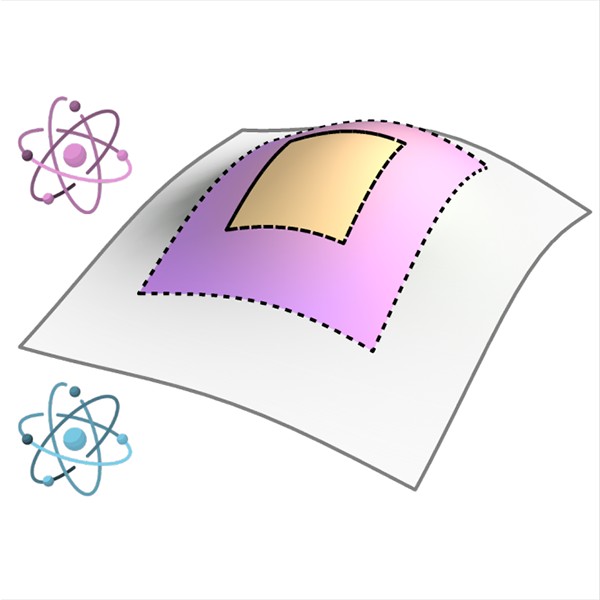
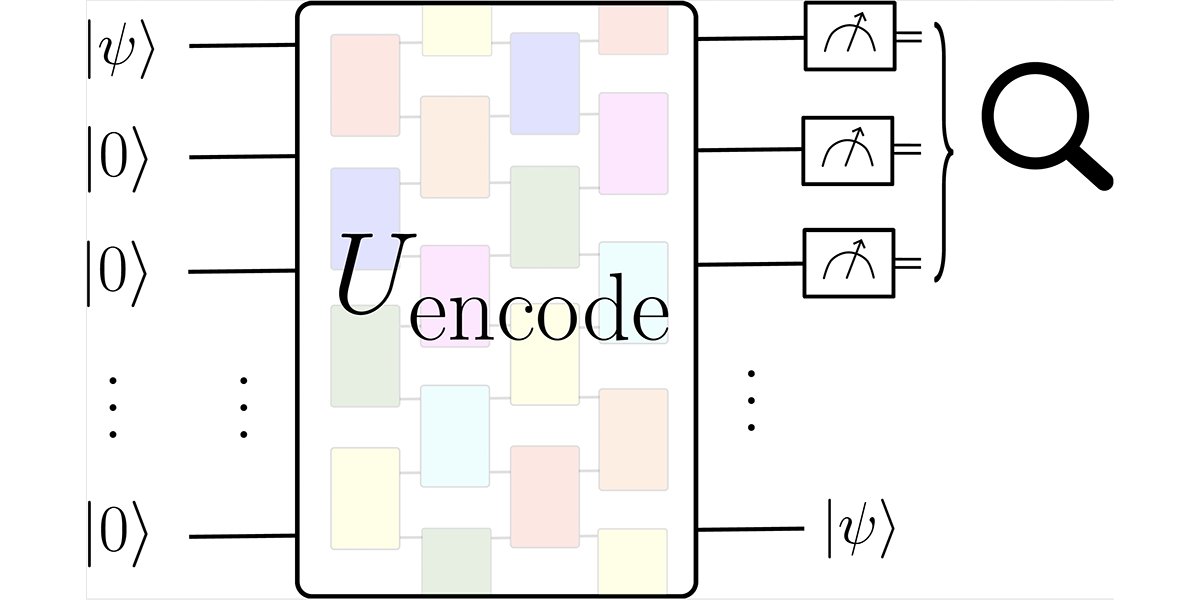
Classically surrogating a small subregion of an expectation landscape can be done efficiently, potentially using initial data acquired from quantum computers.
Read more: go.aps.org/4eAs09X
1
6
29
966
Jun 12
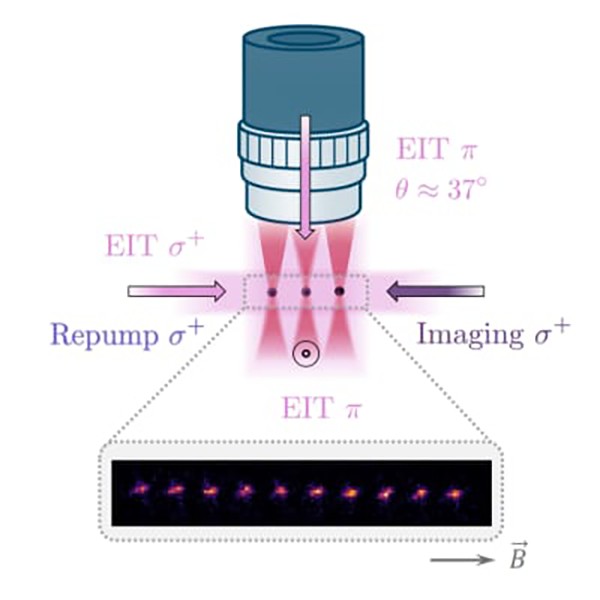
Electromagnetically induced transparency unlocks high-fidelity, nondestructive imaging and loading of continuously operated neutral-atom arrays in finite magnetic fields.
Read the paper: go.aps.org/43t0Bk7
1
10
41
1,413
Jun 11
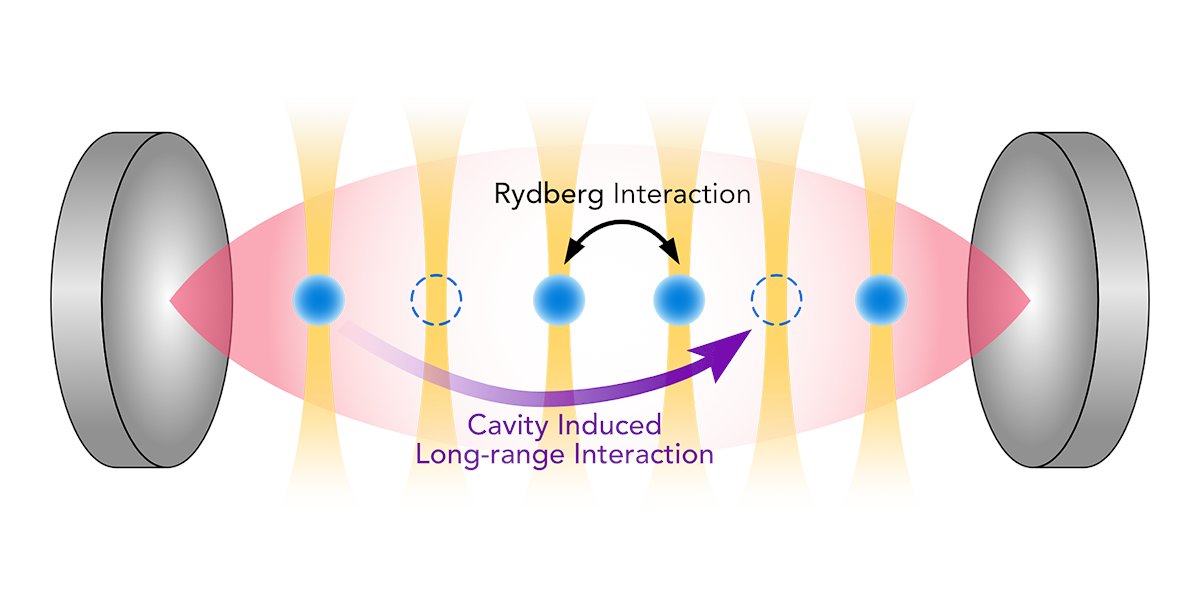
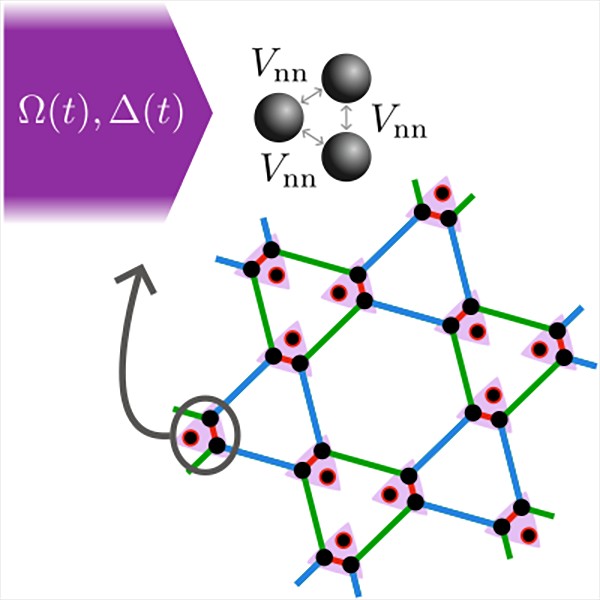
A minimal model for cavity-coupled Rydberg arrays reveals how kinetically constrained long-range interactions stabilize exotic phenomena ranging from blockaded superradiance to long-range quantum scars.
Read more: go.aps.org/4e4SZKJ
1
9
39
1,115
Jun 10
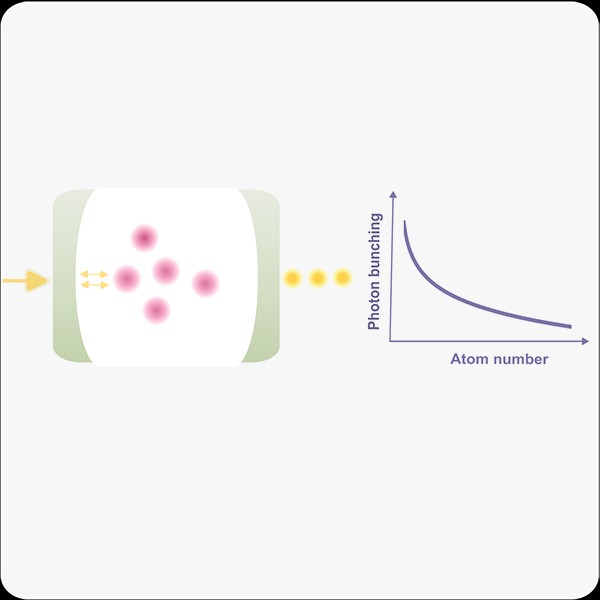
Collective two-photon interactions in an ensemble of emitters enable photon blockade that strengthens with system size, achieving improved antibunching and high transmission without requiring strong single-emitter coupling.
🔗 go.aps.org/4xhnfte
4
15
904
Jun 10
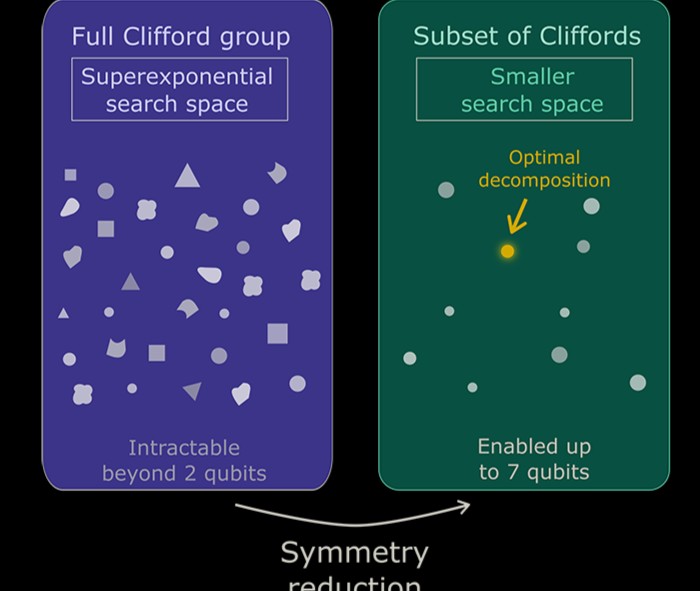
Strong and weak symmetry reductions render optimal stabilizer decompositions tractable for multiqubit unitaries beyond previous limits.
Read the paper: go.aps.org/4gcAoO5
3
25
1,118
Jun 9
A comprehensive quantum algorithmic pipeline for approximating the Jones polynomial is shown to serve as a benchmark for quantum computers and yield new insights into potential quantum advantage.
Read the paper: go.aps.org/4uiPGUR
4
24
1,311
Jun 8
An open-source, pulse-optimization framework enables high-fidelity multiqubit gates in neutral-atom platforms for applications in quantum error correction.
go.aps.org/4urEyFs
7
40
1,478
Jun 8
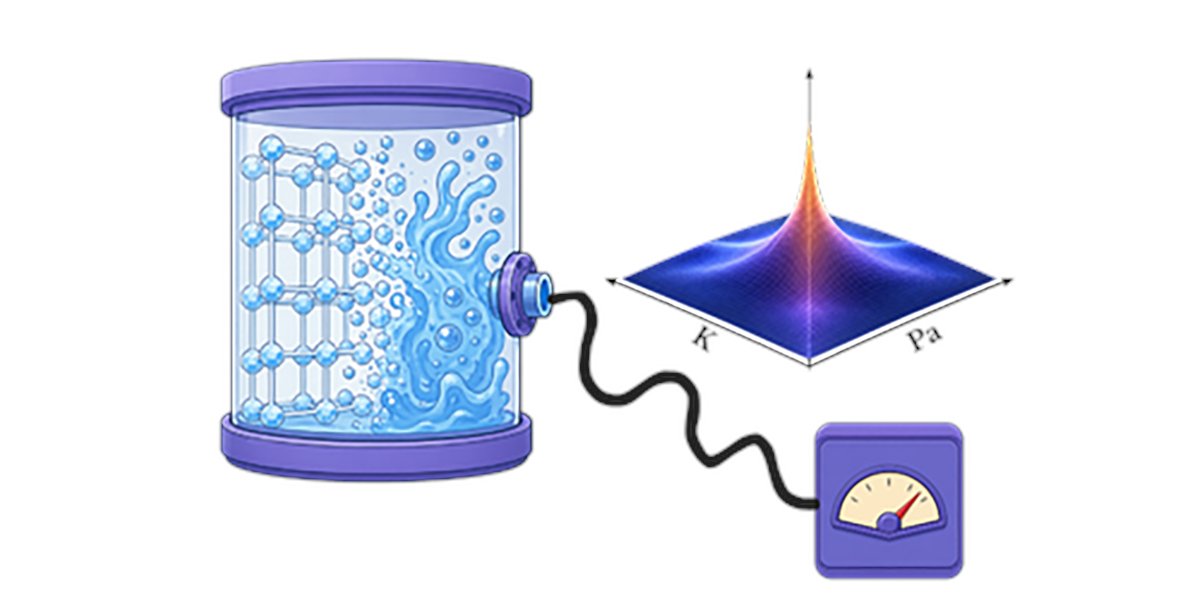
Tutorial: Exploiting the divergent sensitivity at quantum phase transitions provides a robust framework for surpassing classical limits in parameter estimation.
Read the paper: go.aps.org/4aAWdmN
4
28
1,293
Jun 5
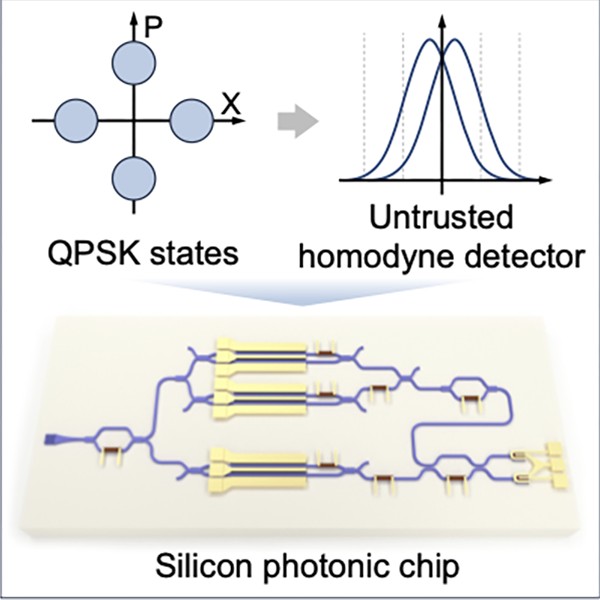
A fully integrated silicon photonic chipset implements a self-testing quantum random number generator, paving the way for miniaturized, production-scale quantum security devices.
🔗 go.aps.org/4ax2iAG
2
2
31
1,340
Jun 5
Access to measurement outcomes can improve decodability under monitored dynamics based on new insights into stability under partial measurement and logical measurement statistics.
Read more: go.aps.org/4uVJoMe
1
25
1,044
Jun 4
Top-to-bottom single emitter quantum tree-code generation and optimized asymmetric code geometries jointly boost quantum repeater performance and near-term feasibility.
Read the paper: go.aps.org/4ogtSIk
1
5
28
1,270
Jun 4
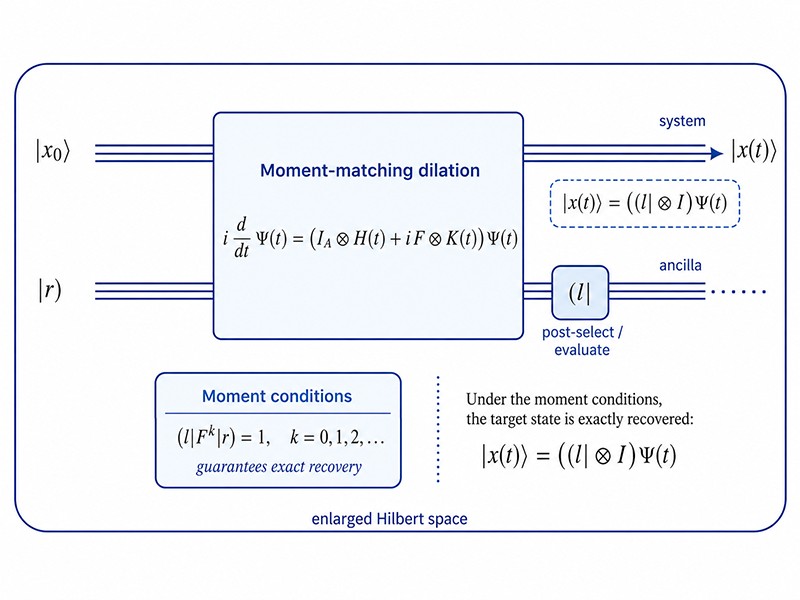
Mapping ancillary degrees of freedom to a one-dimensional tight-binding lattice overcomes traditional connectivity bottlenecks, enabling the near optimal quantum simulation of nonunitary dynamics.
Read the paper: go.aps.org/4o95acM
5
30
1,458
Jun 4
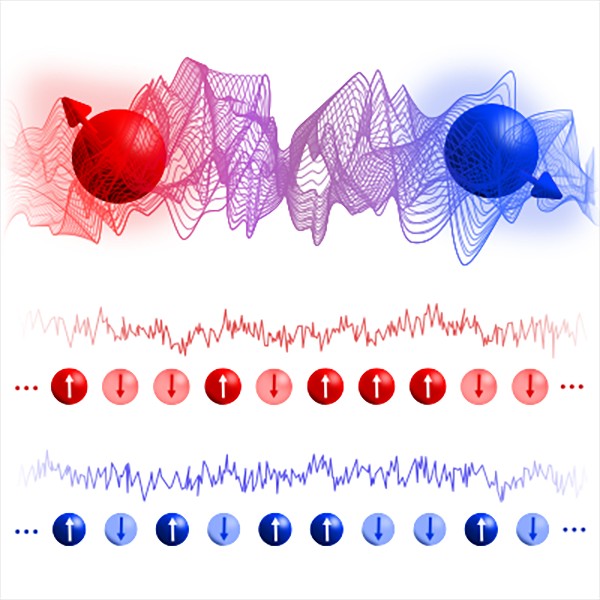
A novel spectroscopy method leverages single-shot readouts to extract noise cross-correlations, successfully bridging the elusive intermediate-frequency gap in qubit noise characterization.
Read more: go.aps.org/43PxQ0W
1
6
34
1,178
Jun 3
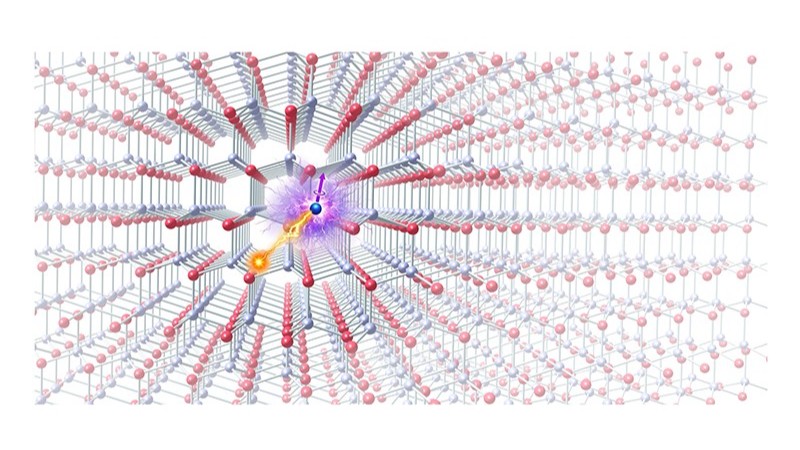
A deep-level defect in ZnO with an unusually small electron-phonon coupling, a 4-ms spin coherence time, and high spin selectivity for single-shot readout, establishes wide-band-gap oxides as a viable new platform for scalable quantum technologies.
🔗 go.aps.org/3RCyLPL
1
9
36
1,465
Jun 2
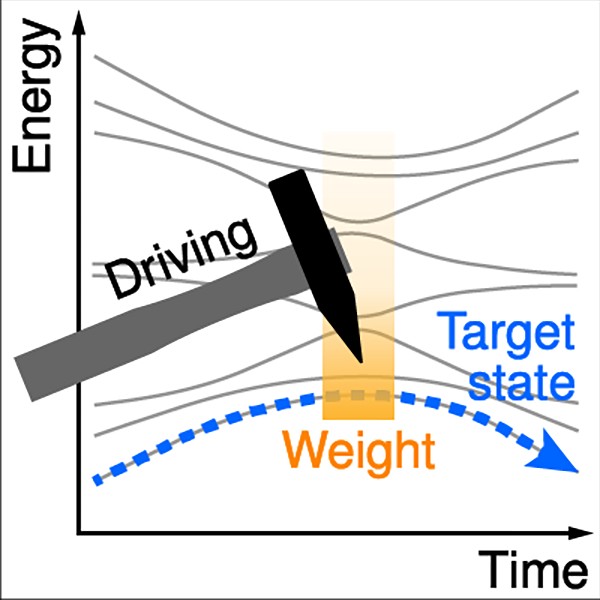
Fidelity boosts to quantum control are achieved by a new design of variational counterdiabatic driving, providing a readily available upgrade to current methods.
Read the paper: go.aps.org/4uNl7YE
9
44
9,811
Jun 1
Impedance-matched nondegenerate Josephson mixers break through traditional performance limits, enabling simultaneous processing of multiple quantum signals in large-scale processors.
Read more: go.aps.org/4uQAijW
2
5
17
1,308
Jun 1
By harnessing nontrivial commuting structures in quantum circuits, a novel multiproduct commutation relation significantly reduces the costly 𝘛-count required for fault-tolerant quantum computation.
Read the paper: go.aps.org/4uJ3lpp

1
10
39
4,578
May 29
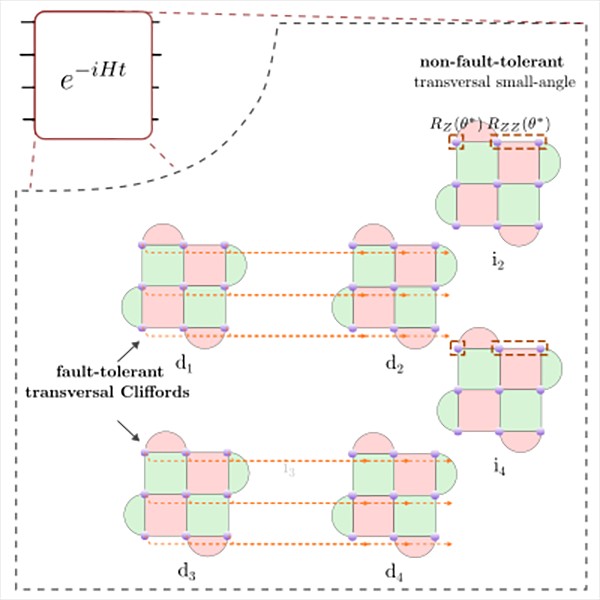
Integration of a space-time efficient small-angle rotation error correction architecture with neutral-atom hardware and its extension to high-rate codes yields significant savings in logical layout, space, and time overhead for quantum simulation.
🔗 go.aps.org/433vThe
2
12
42
2,307
May 29
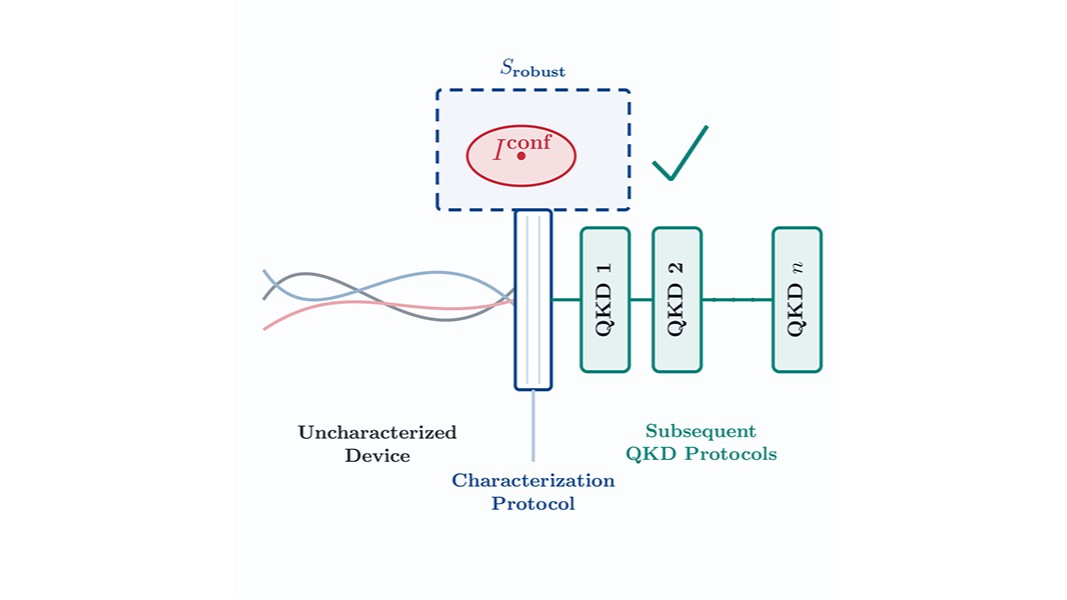
A general method for integrating device characterization into composable security proofs yields a rigorous framework for standards and certification of devices for quantum key distribution. @QuantumIQC
Read more: go.aps.org/4dDK2rp
1
2
16
1,104
May 28
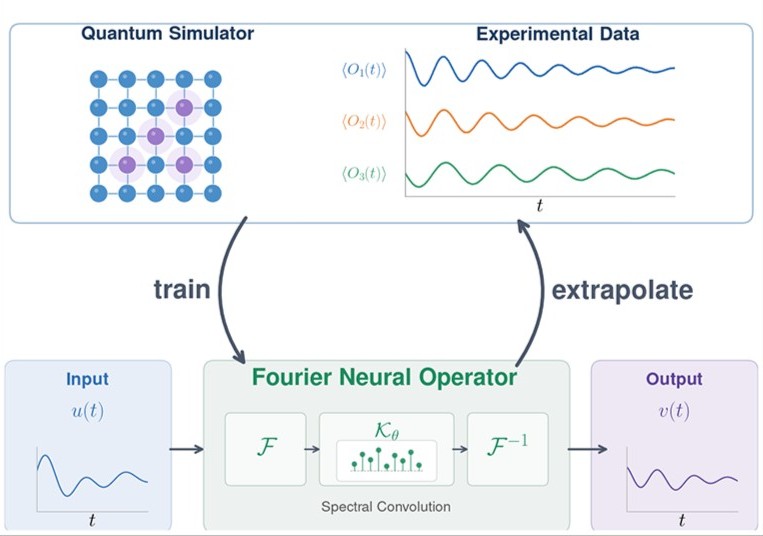
By capturing temporal correlations in frequency space, Fourier neural operators enable physically faithful modeling of periodically driven quantum systems and the extrapolation of dynamics beyond the training data.
Read more: go.aps.org/4eaizOc
1
14
60
6,405