
Psi4: An Open-Source Ab Initio Quantum Chemistry Program
Joined May 2012
- Tweets 419
- Following 14
- Followers 1,507
- Likes 389
55 Photos and videos
PSI4 retweeted

9 Apr 2024
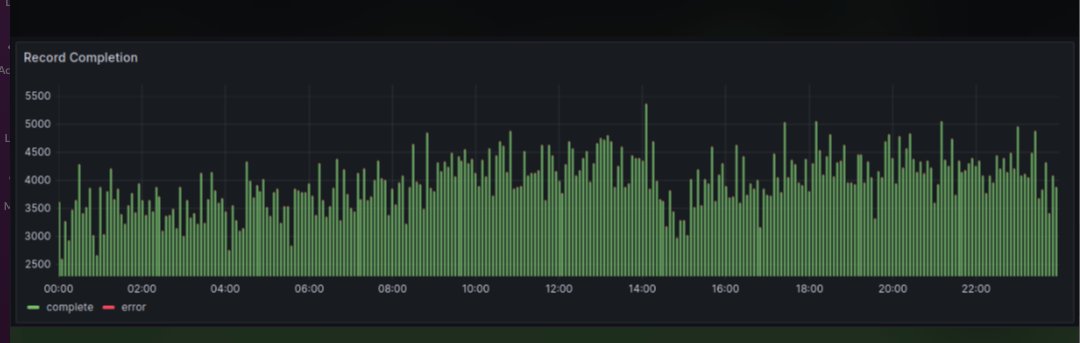
On Friday (April 5), the MolSSI QCArchive/OpenFF server logged over 1.09 million completed calculations in 24 hours--over 12 per sec, for creating better forcefields by @openforcefield. 🙏to the National Research Platform for supplying all the compute for this important endeavor!
5
33
2,271
PSI4 retweeted
16 Nov 2022
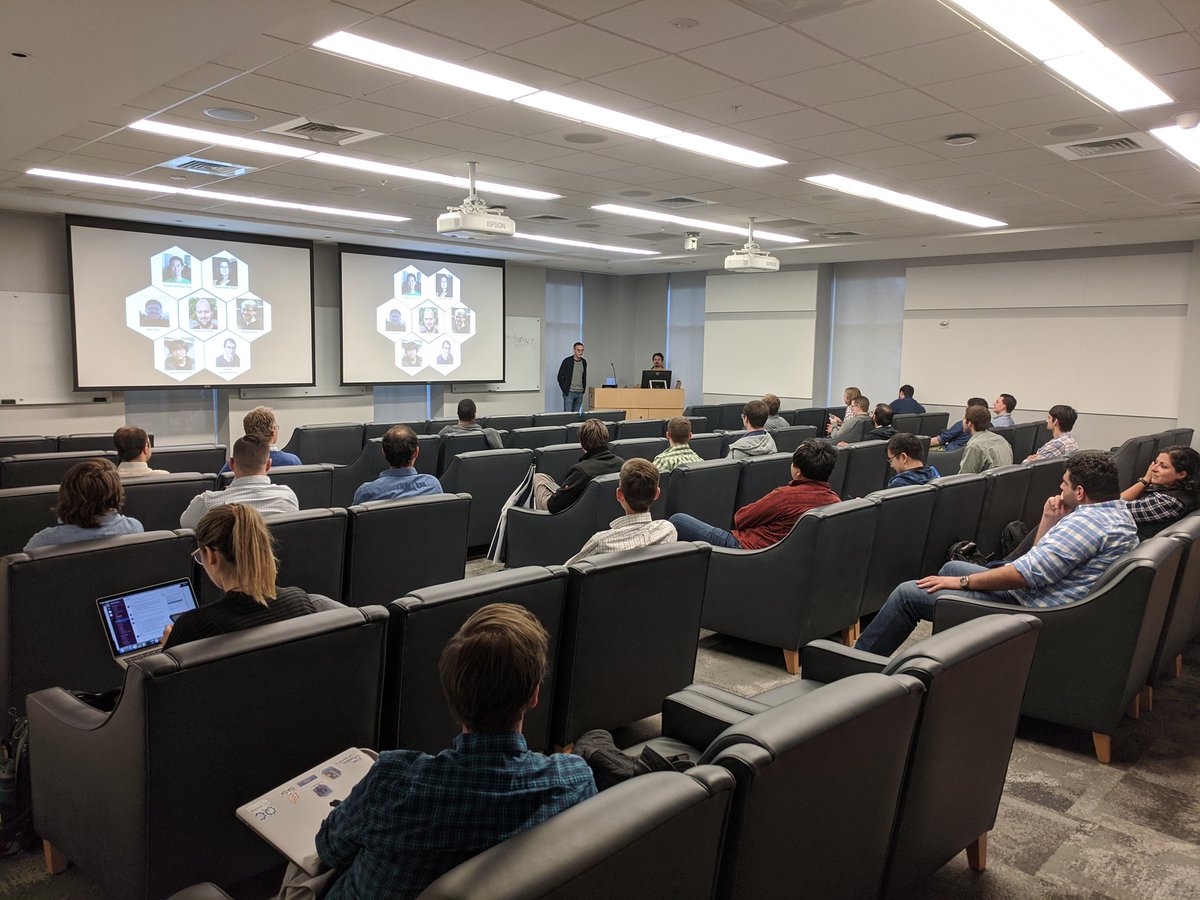
This year’s Psi4 Developers’ Conference, PsiCon 2022, will take place in Blacksburg, VA, on Dec 9 and 10 at the Inn at Virginia Tech. Registration is available at the Psi website.
psicode.org/
1
9
21
PSI4 retweeted
1 Feb 2022
We are highlighting talks/tutorials from MolSSI’s recent workshop on HPC in Computational Chemistry & Materials Science. The first is from @LoriMBurns on "11 Simplifying Multilevel Quantum Chemistry Procedures through Psi4 and QCArchive."
youtube.com/watch?v=mNkp_8Sy…
4
8
PSI4 retweeted

21 Dec 2021
...and our force fields can now be entirely derived using open source software. Many thanks to software infrastructure from @openforcefield @openmm_toolkit @PSI_Code @MolSSI_NSF and many others for making this possible!
3
8
PSI4 retweeted

18 Dec 2021
We've been doing very large numbers of QM calculations to create data sets for AI models to facilitate force field development. Finding @PSI_Code to be of great utility for these calculations.
17 Dec 2021

Everyone wants to train models, no one wants to create data. When was the last time you labeled/collected data yourself to train a model? :)
5
39

PSI4 retweeted

22 Oct 2021
Love at first screen calculating non-covalent interactions in algal phycobiliproteins using SAPT in @PSI_Code. 🤣
1
5
PSI4 retweeted

18 Oct 2021
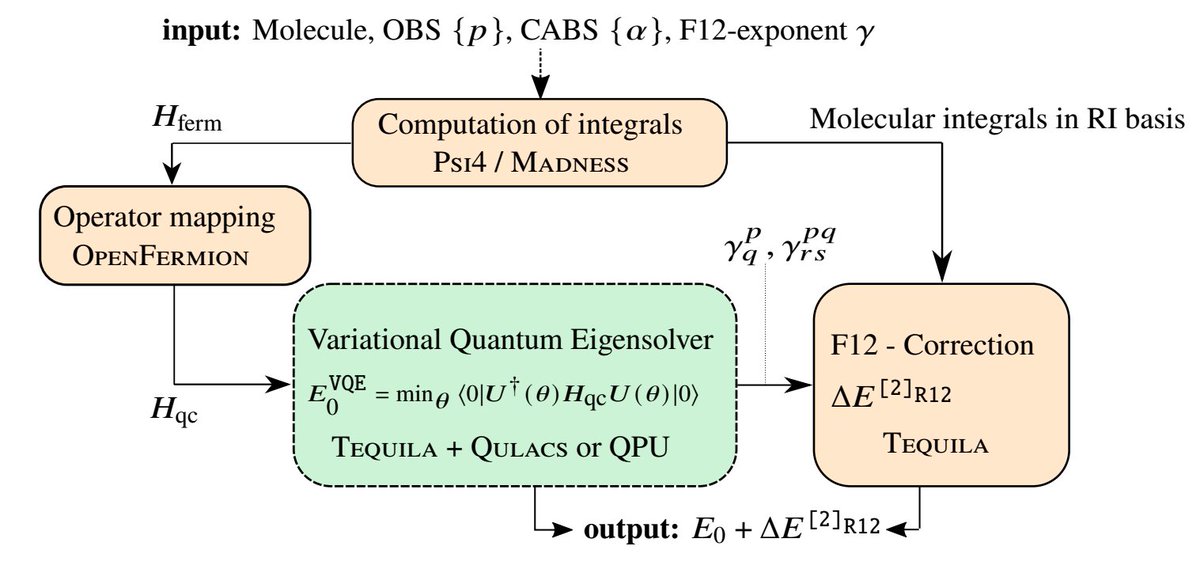
Explicit correlation for quantum algorithms: Philipp Schleich has explored and implemented Kong and Valeev's [2]-R12 within tequila. Either with MRA orbitals through madness or standard basis sets through @PSI_Code . arxiv.org/abs/2110.06812. With @A_Aspuru_Guzik
2
4
31
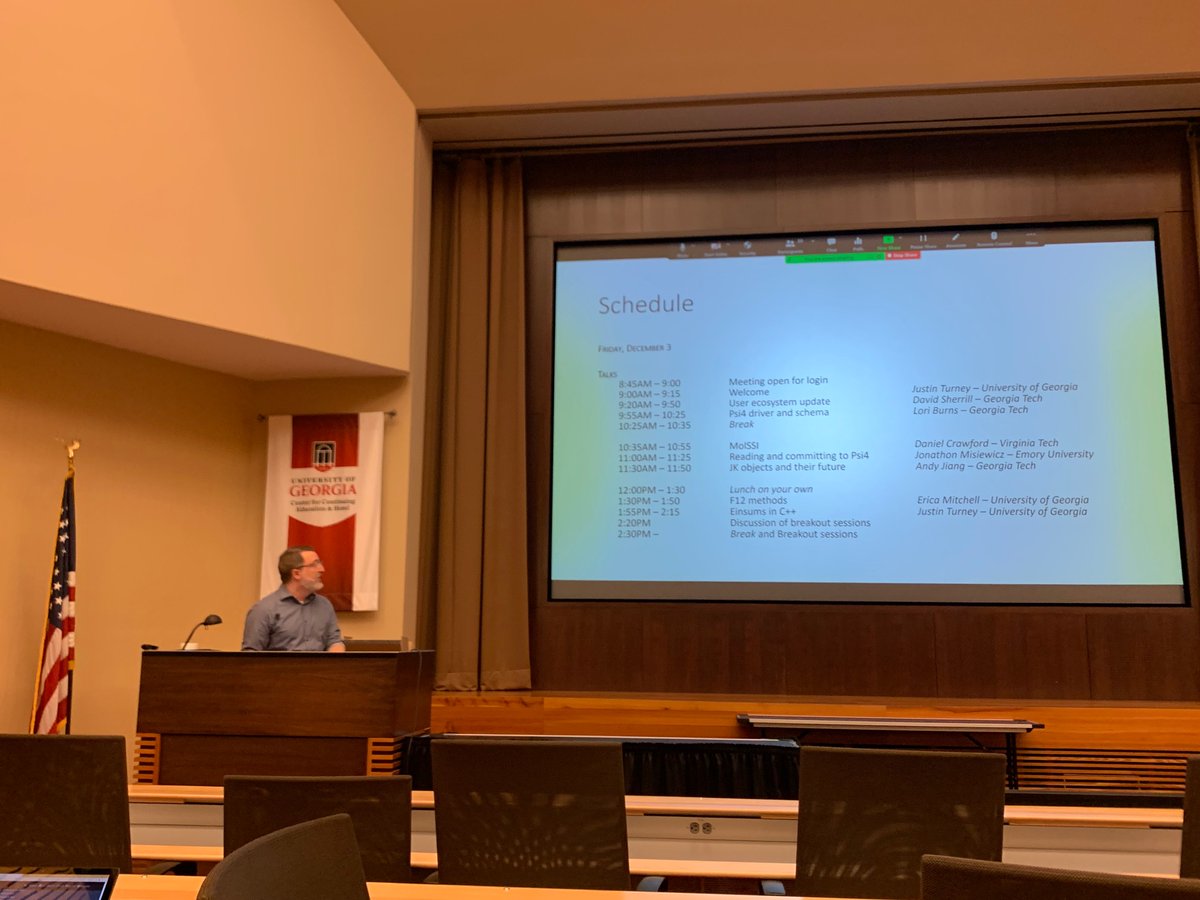
A hybrid PsiCon'21 will be hosted by UGA on Fri, Dec 3 and Sat, Dec 4. Register now at psicode.org
2
11
PSI4 retweeted

8 Oct 2021
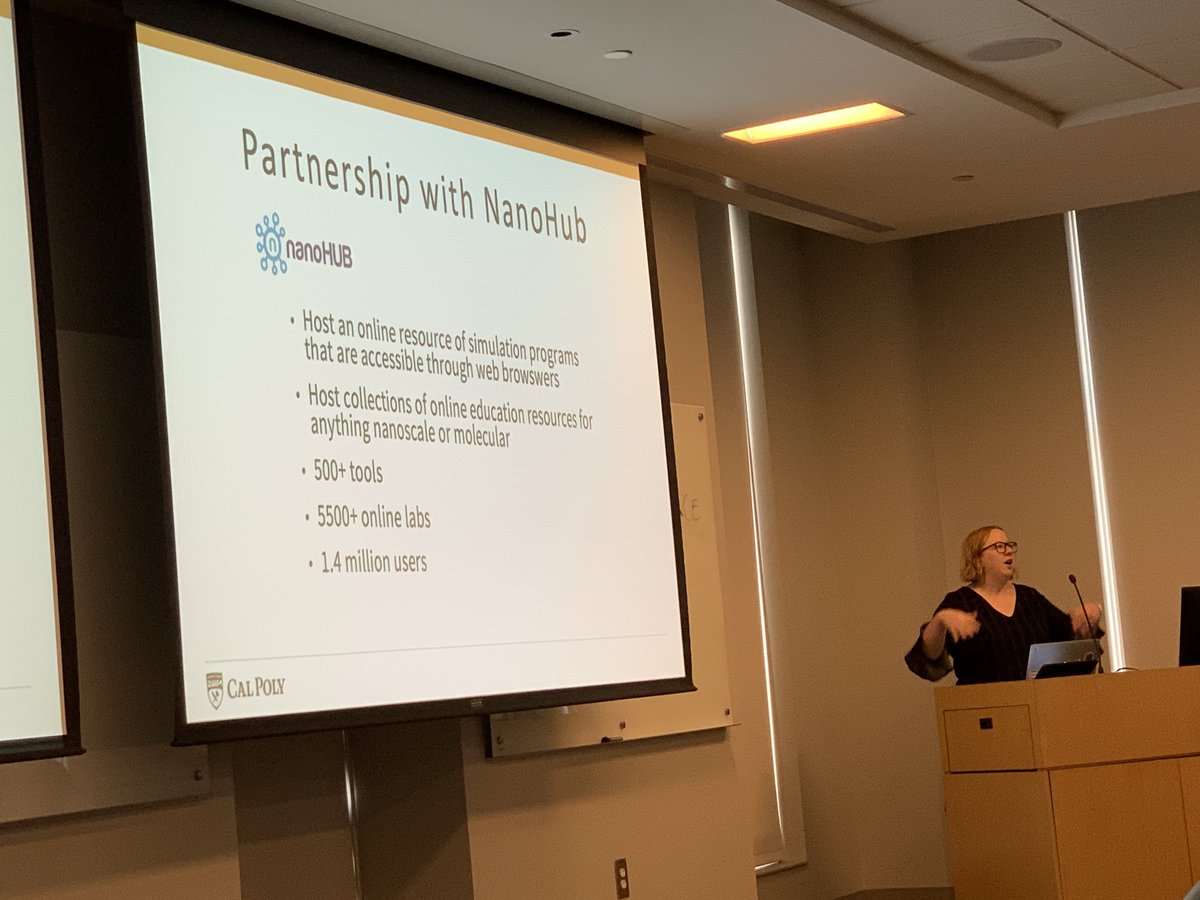
I am so excited and honored to be joining the MolSSI Board of Directors! The MolSSI Education mission is critical for the ongoing and future success of the computational molecular science discipline, and I am really excited to be contributing to this vital work!
8 Oct 2021

The MolSSI is thrilled to announce that Ashley Ringer McDonald @CalPoly is joining the Board of Directors as Co-director for Education, Training, and Faculty Development! Working with @jessica_a_nash, @ARingerMcDonald will further strengthen the MolSSI’s educational outreach.

8
2
61
PSI4 retweeted

Also @PSI_Code has some great notebooks already too (github.com/psi4/psi4numpy). I'd also recommend cclib for reading output, and orbkit or Horton (gbasis, etc.) for orbitals, density, etc.
I haven't taught Python for undergrad quantum but to viz ψ and ψ*ψ volumes
3
7
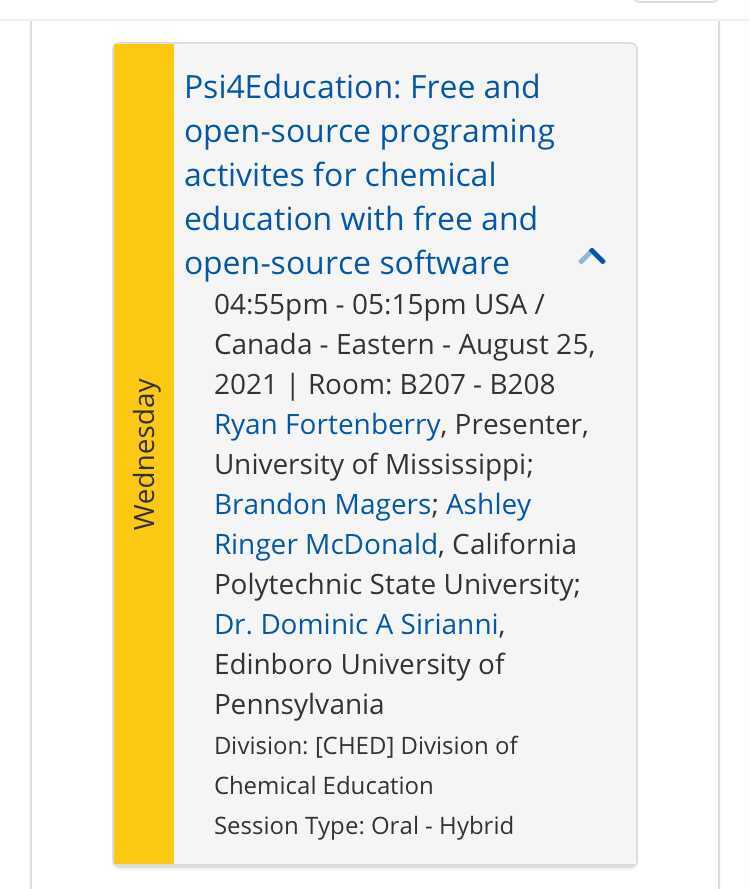
On Wednesday afternoon at #ACSFall2021, Ryan Fortenberry will be talking about our Psi4Education program. It’s a hybrid session so you can join in-person or virtually!
4
12
Check out the 1.4 release of Psi4!
Release notes: github.com/psi4/psi4/release…
Downloads:
psicode.org/installs/v14/
1
18
74
PSI4 retweeted

2 Jul 2021
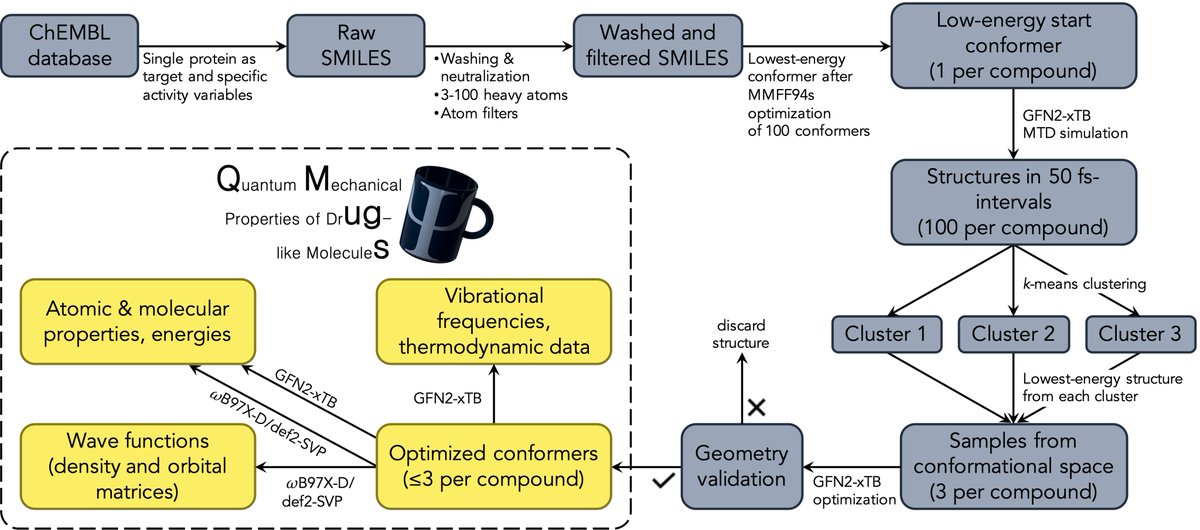
We used metadynamics simulations to generate three diverse conformers per molecule and optimized the structures using the GFN2-xTB semi-empirical method. DFT properties were calculated using the open-source @PSI_Code. (3/5)
1
1
2
PSI4 retweeted

15 Jun 2021
Tiny script to visualize normal modes from molden files (e.g computed using @PSI_Code ) in jupyter notebooks. github.com/duerrsimon/normal…
3
8
PSI4 retweeted

8 Jun 2021
This. Psi4 python with tutorials is great - too many students (and academics) think QM is a magic black box. Step by step development and seeing the matricies really demystify the process.
Method selection/ data processing can come after
1
2
PSI4 retweeted
1 Jun 2021
We are planning something similar for our Introduction to Electronic Structure methods course and we'll be most likely using @PSI_Code and JupyterBook. They also have some inspiration notebooks available under free license: github.com/Psi4Education/psi…
1
2
7