
We are a leading Defense Tech company providing mobile networking solutions for Military, First Responders, Government, and Commercial markets.
Joined June 2012
- Tweets 2,791
- Following 414
- Followers 3,605
- Likes 245
2,054 Photos and videos



Jun 13
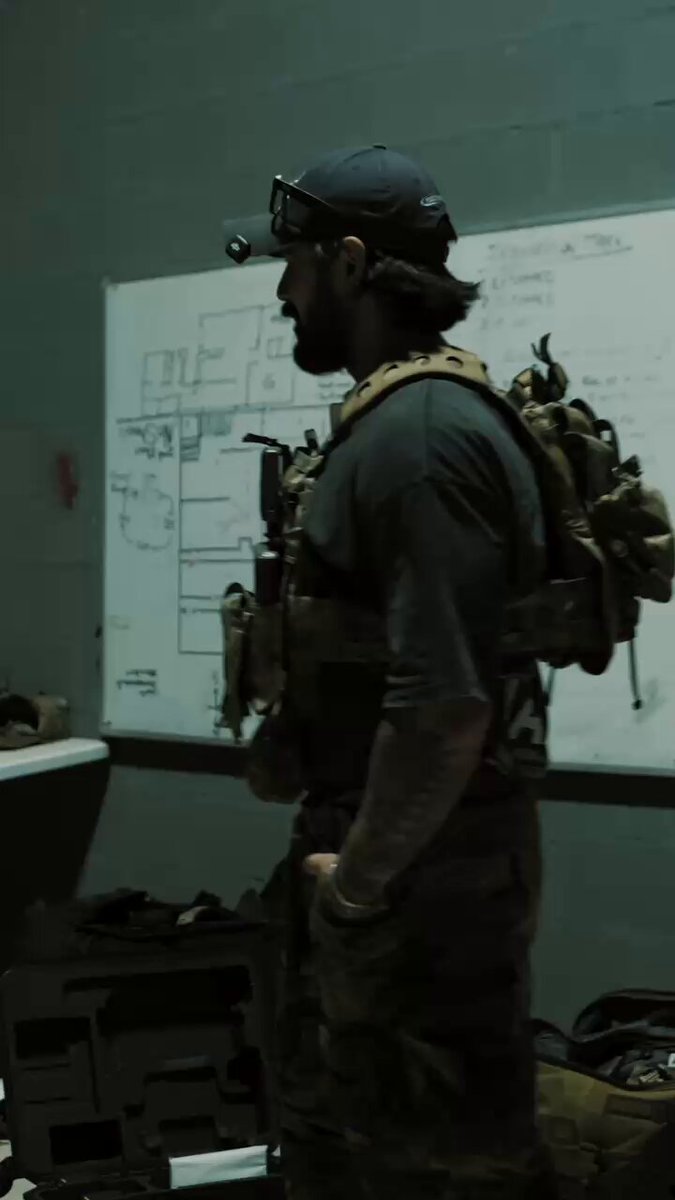
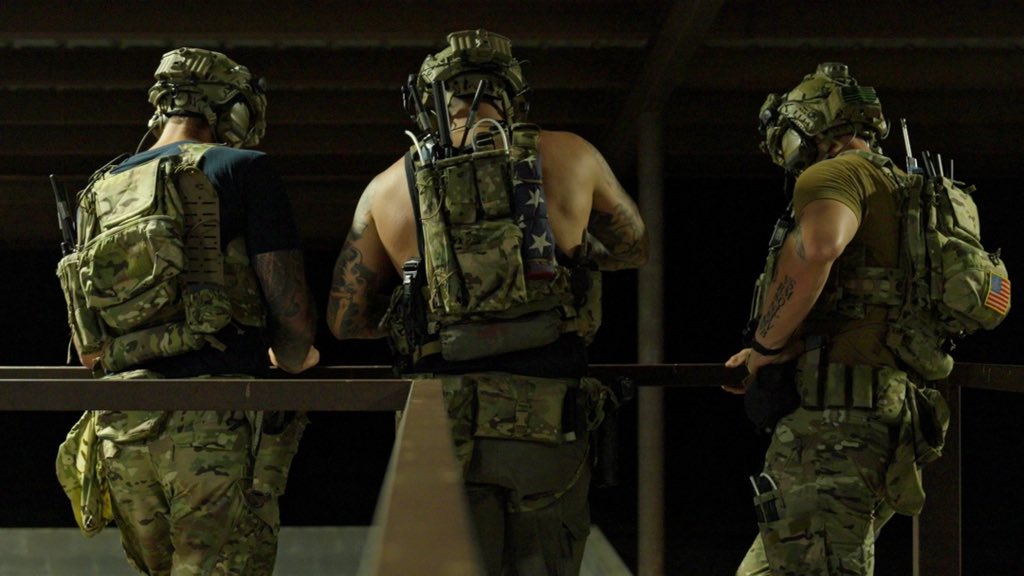
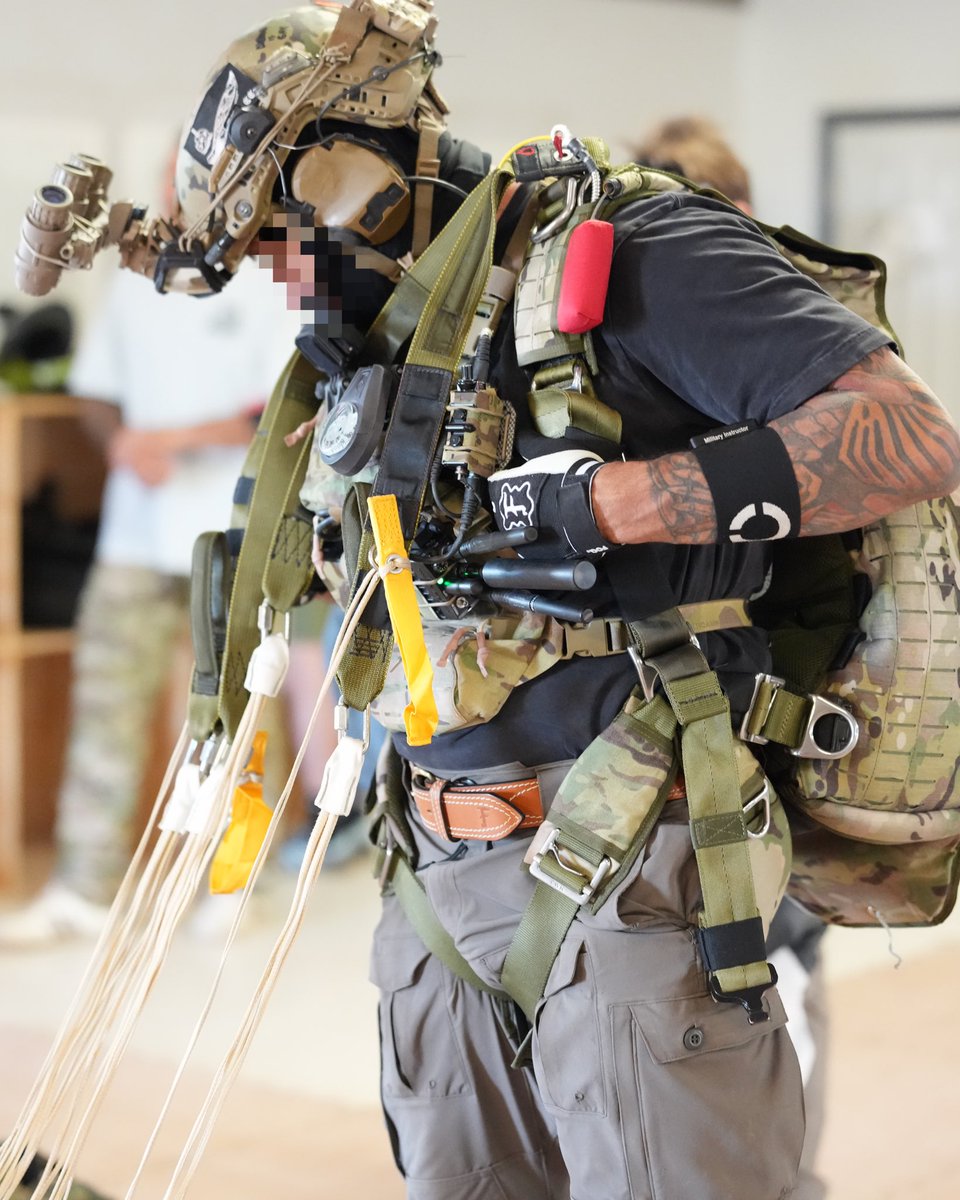
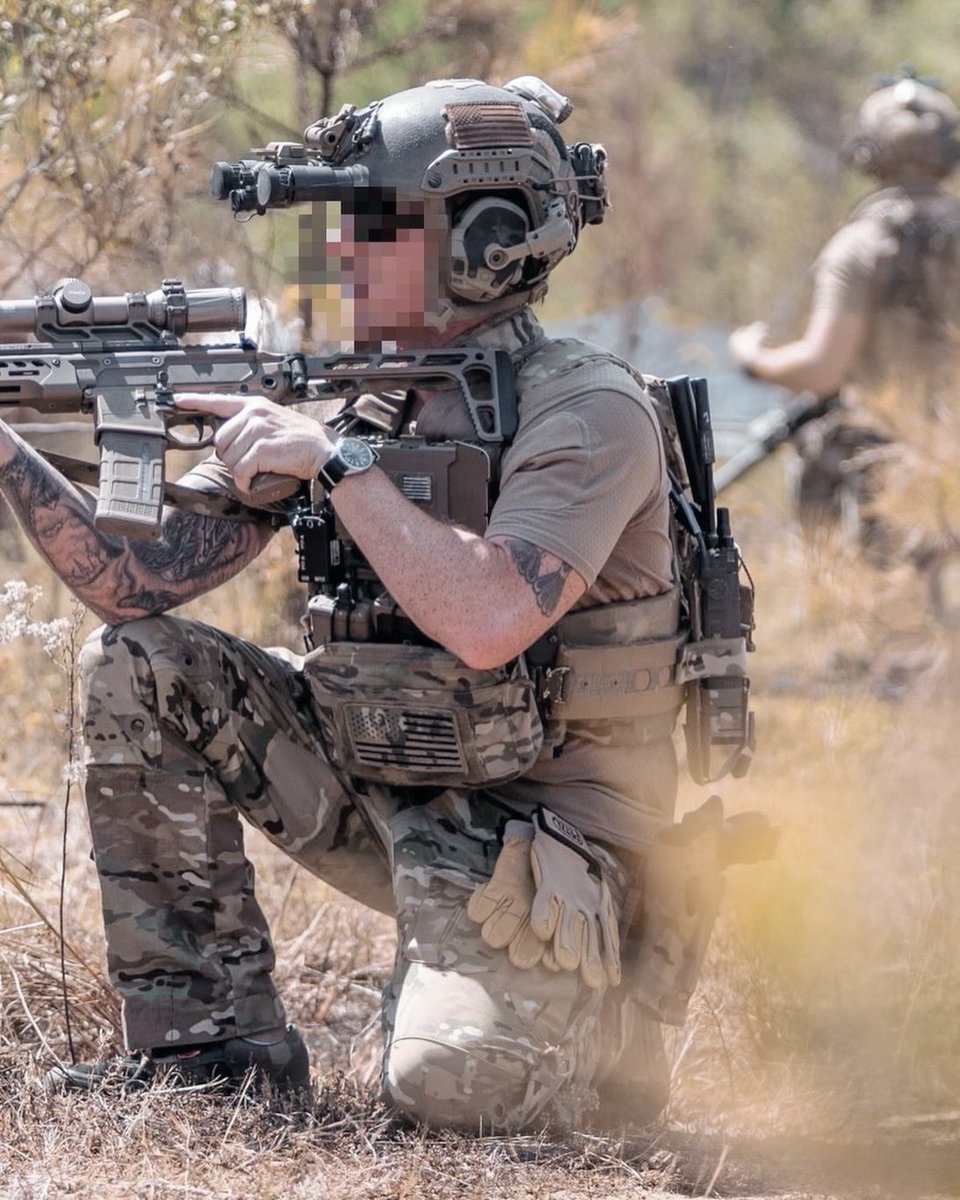
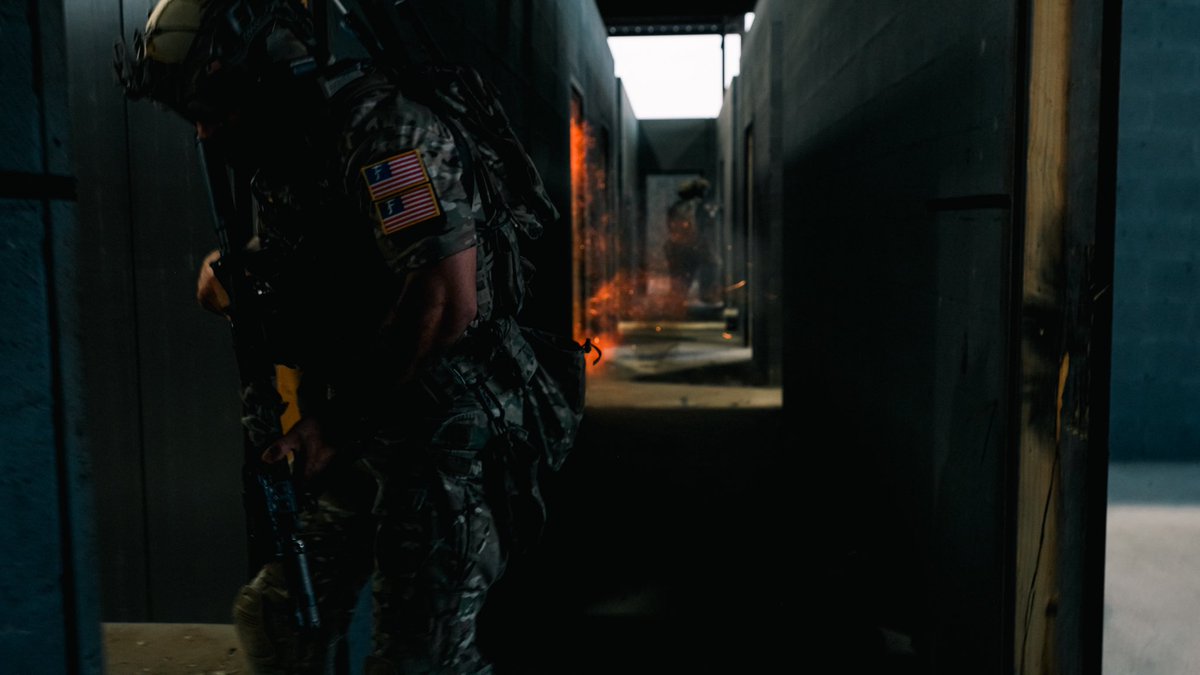
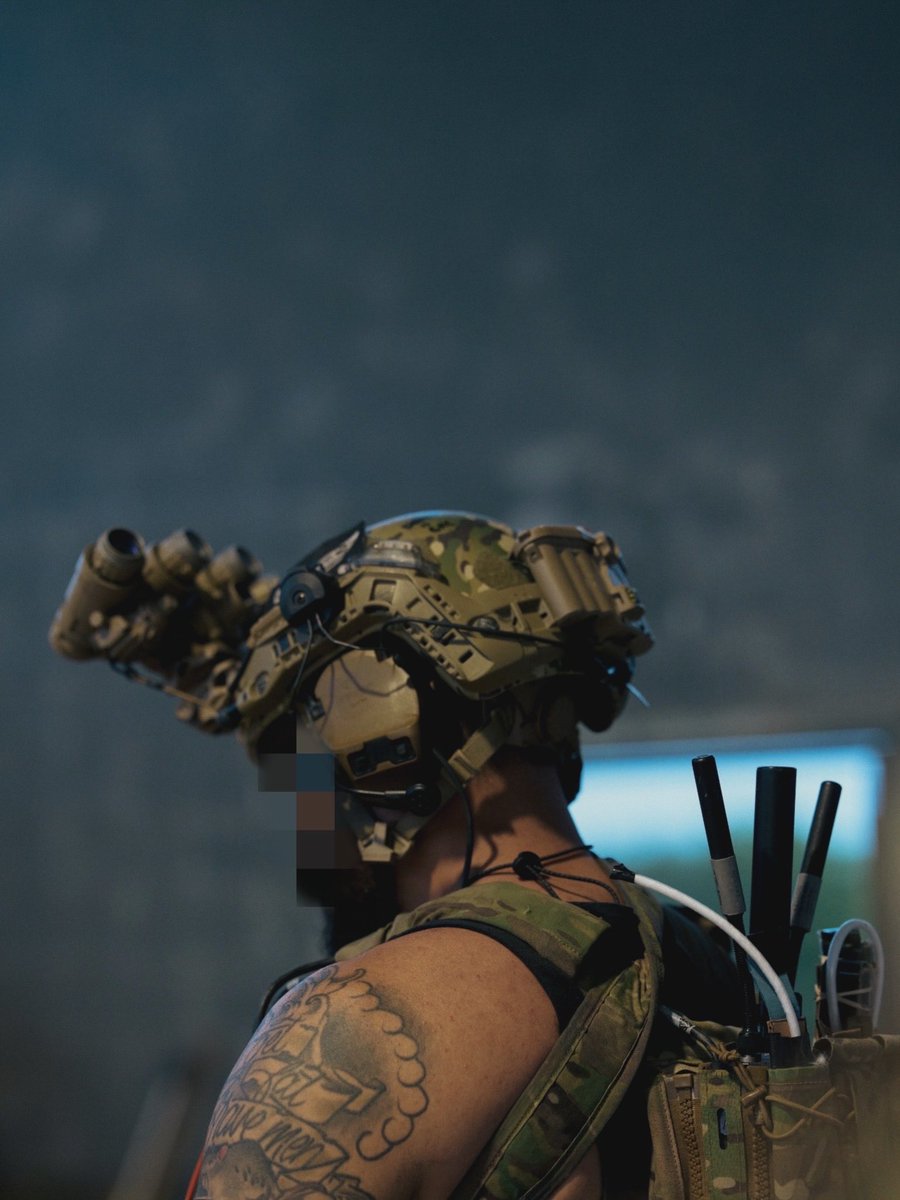
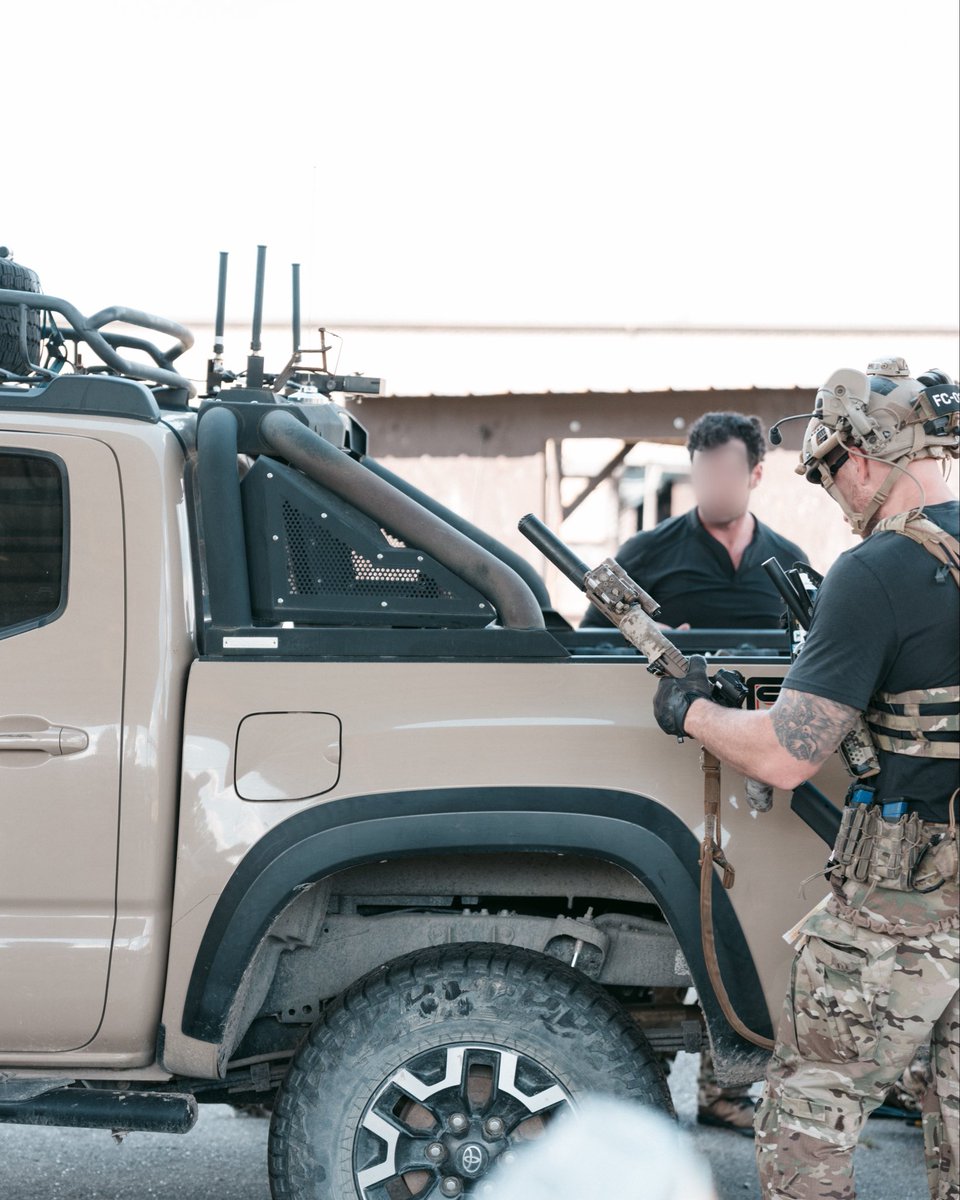
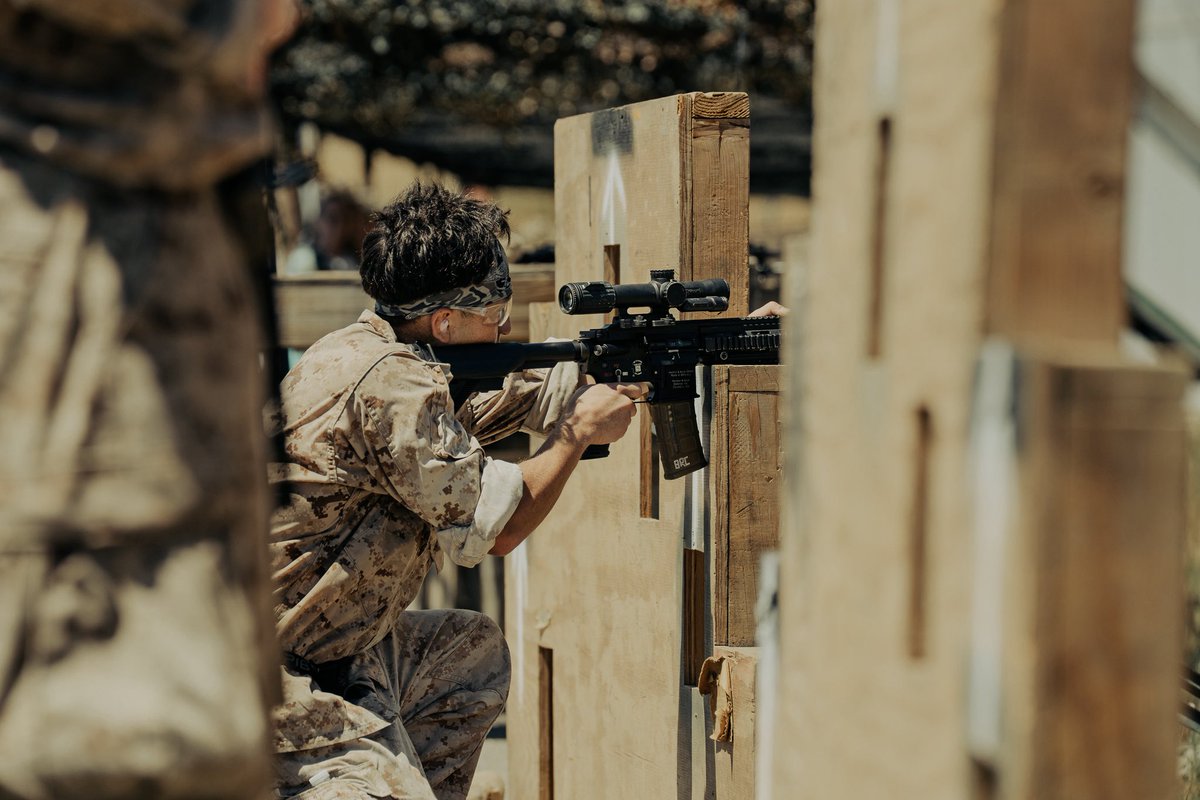
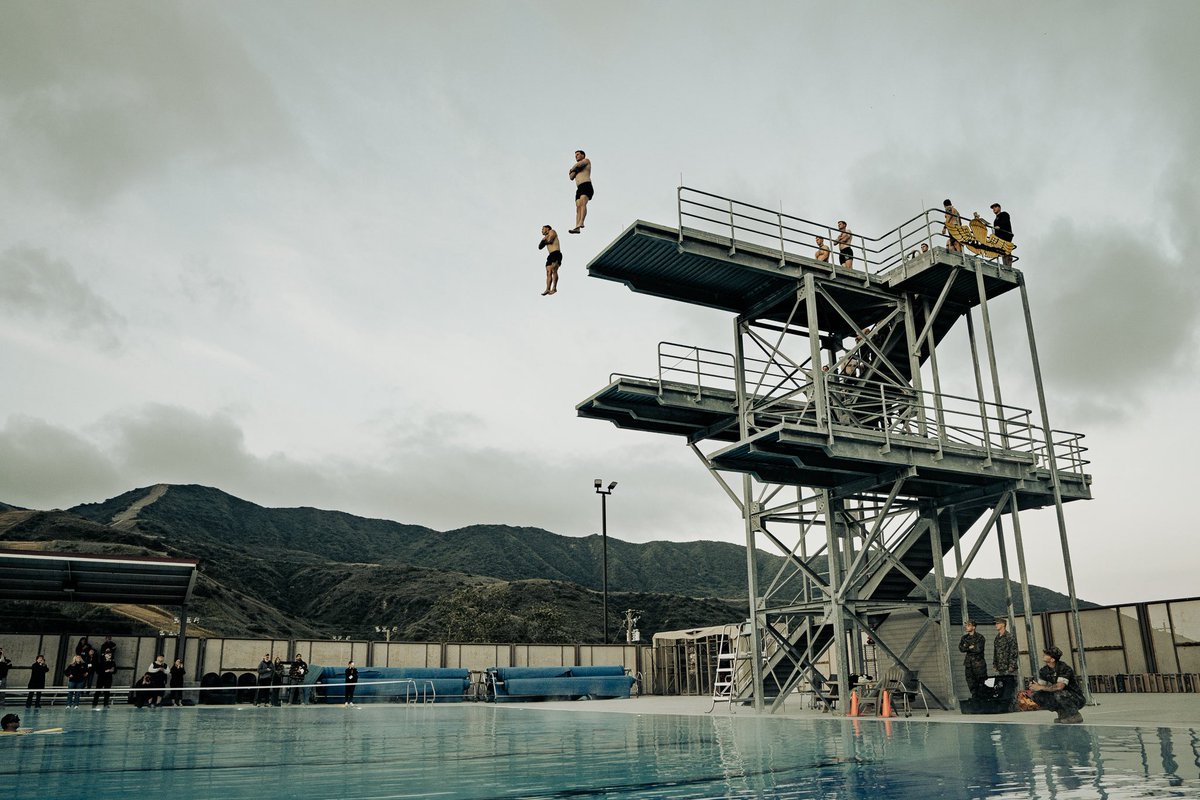
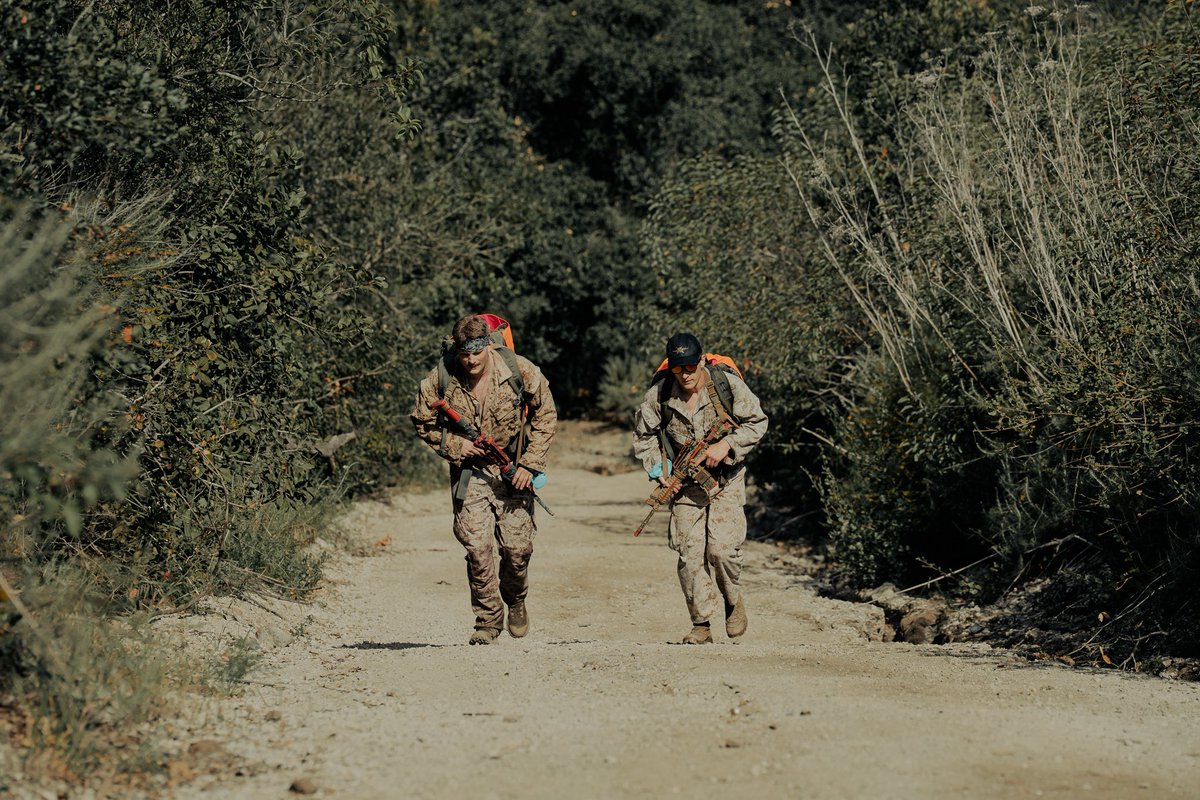
Watch the full MAX GAIN episode covering this years Marine Recon Challenge at the link below.
youtu.be/0Hyj0-Z4RnM?is=Niio…
1
10
634
Jun 13
Marine Recon Challenge 2026 | MAX GAIN full episode this weekend
10
623
May 31
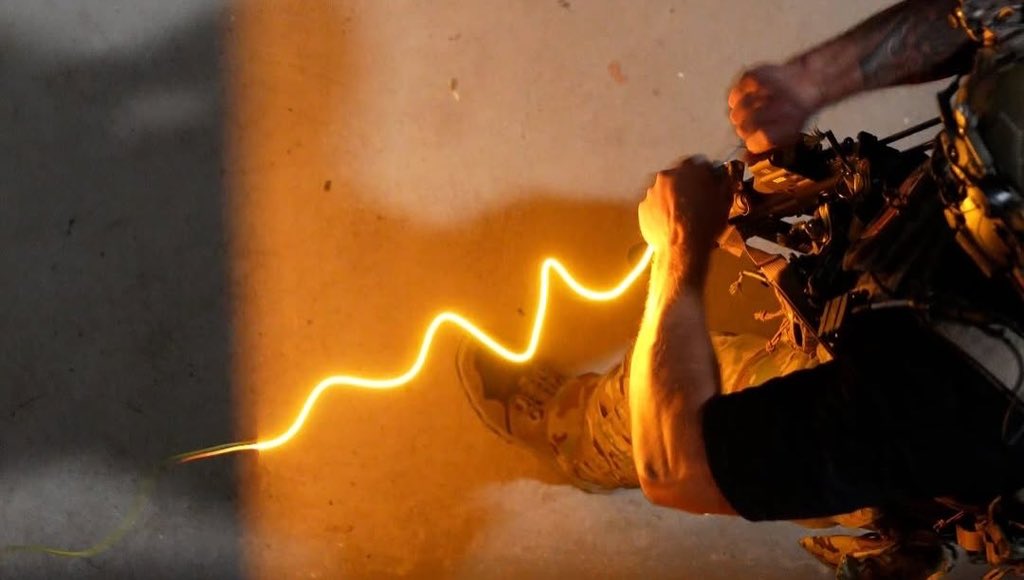
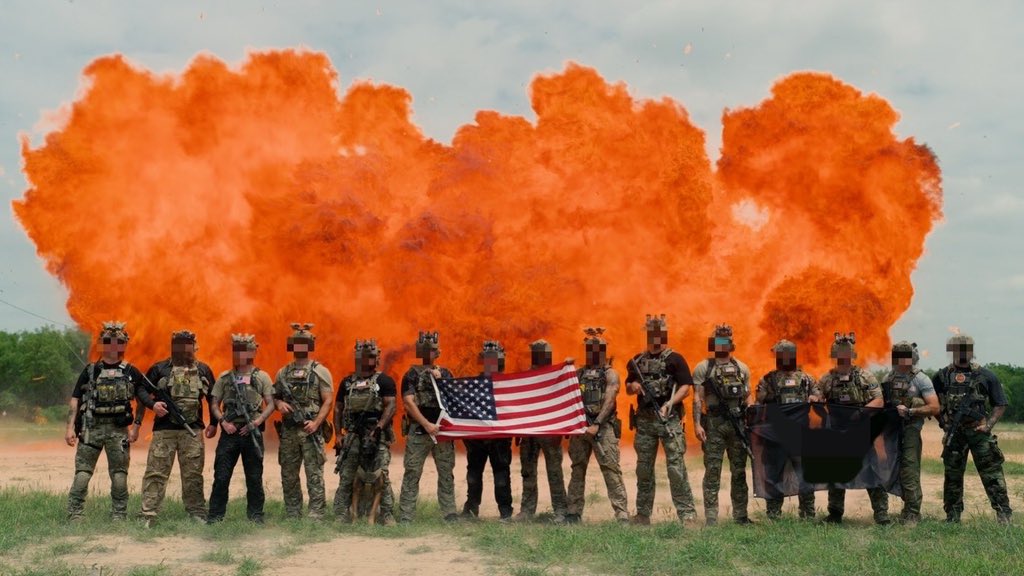
FOG Breaching Workup | MAX GAIN is live.
We've been to a lot of training. This was definitely one of the best CQB/breaching courses we've ever been a part of. Watch this one til the end.
youtu.be/dNHaZFaFrjk?si=XkXx…

1
3
23
1,400
May 31
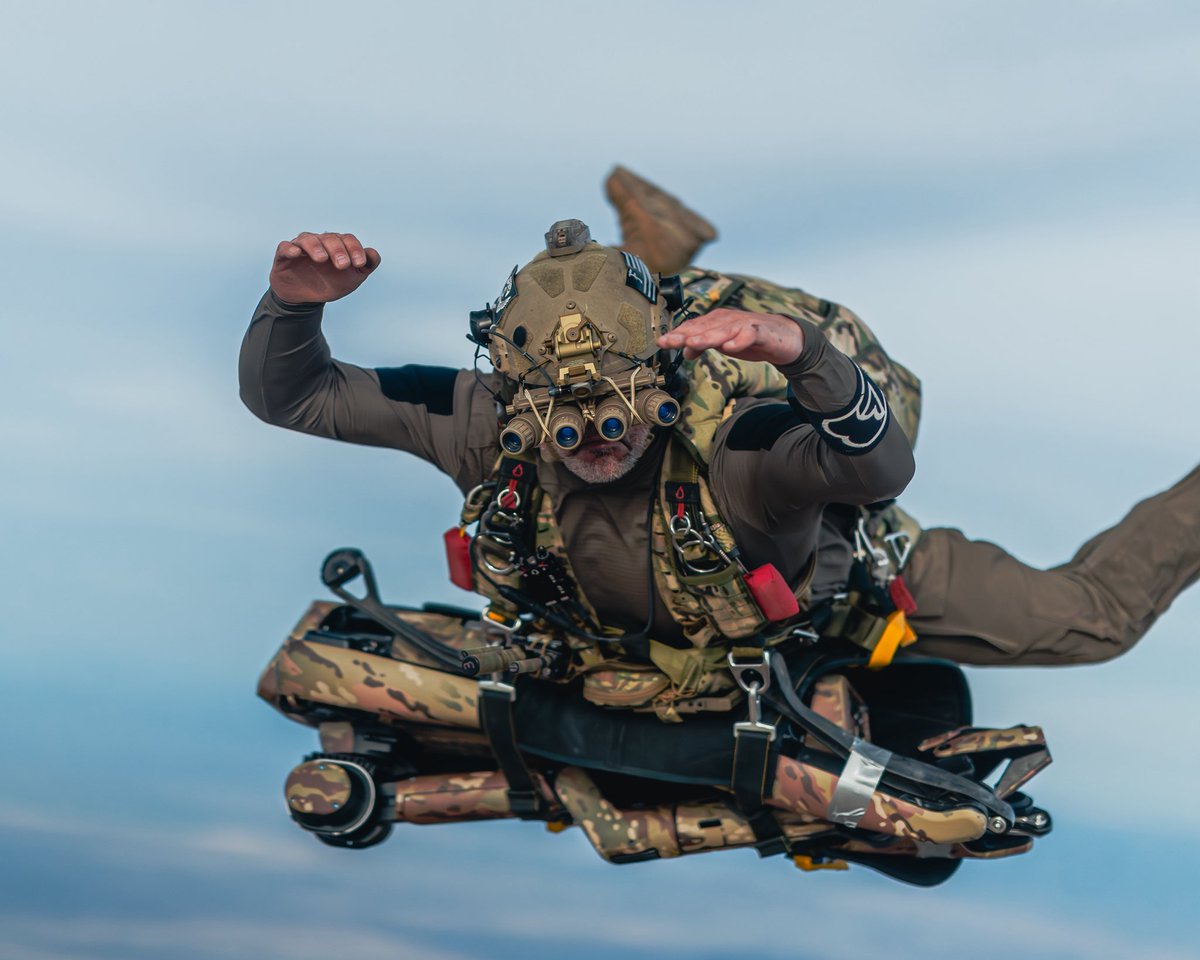
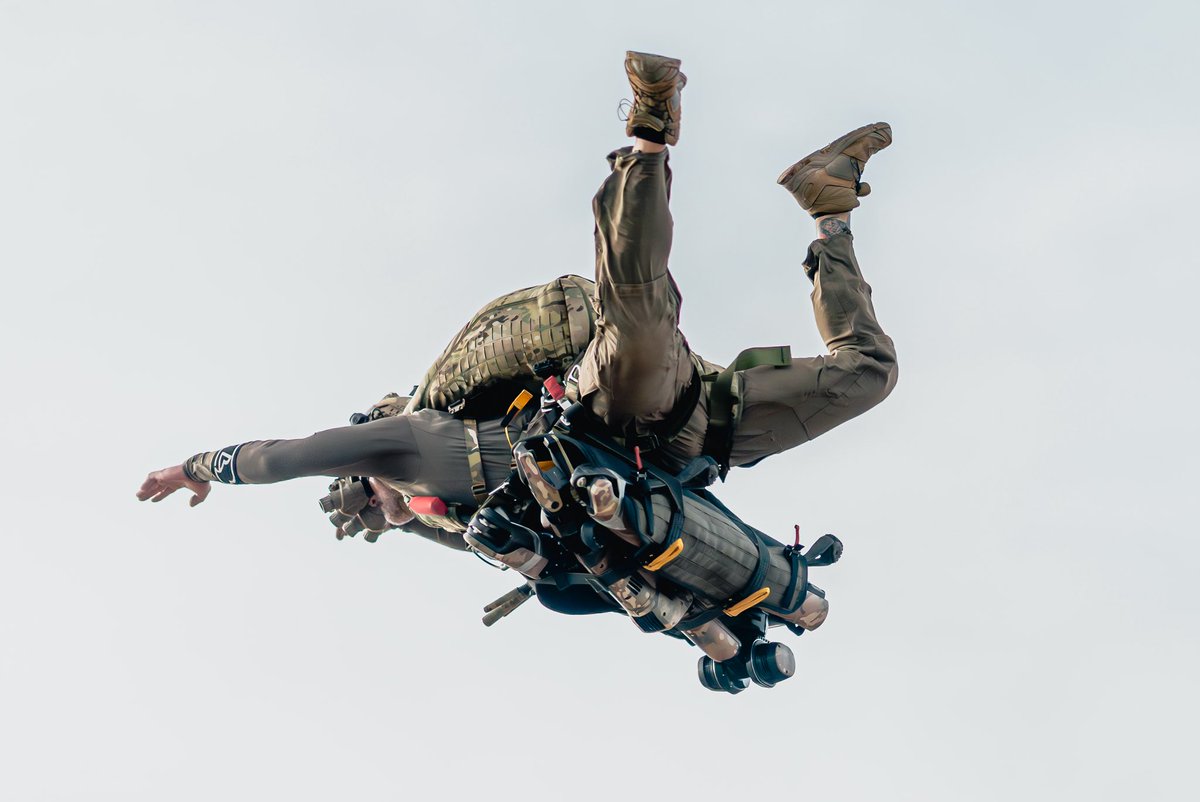
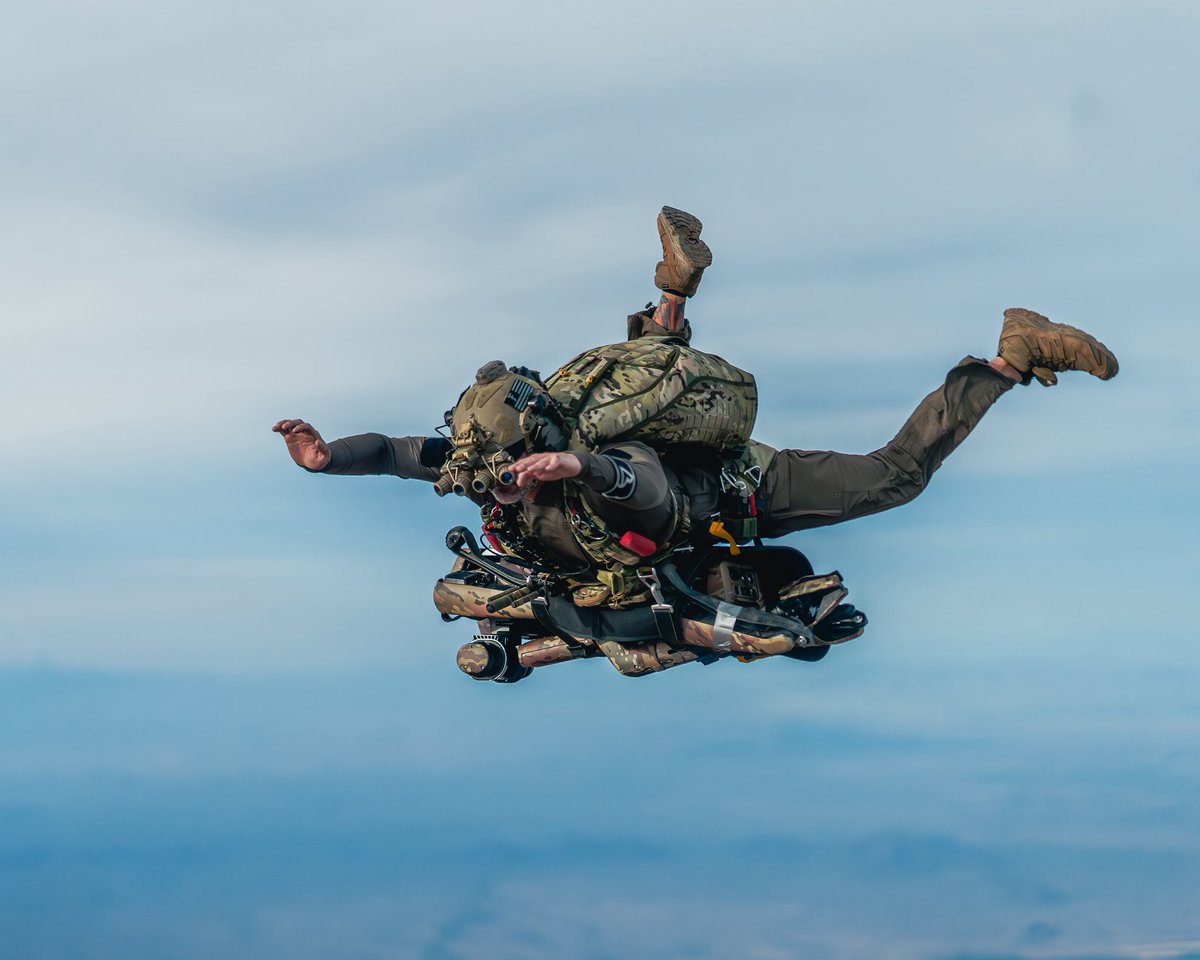
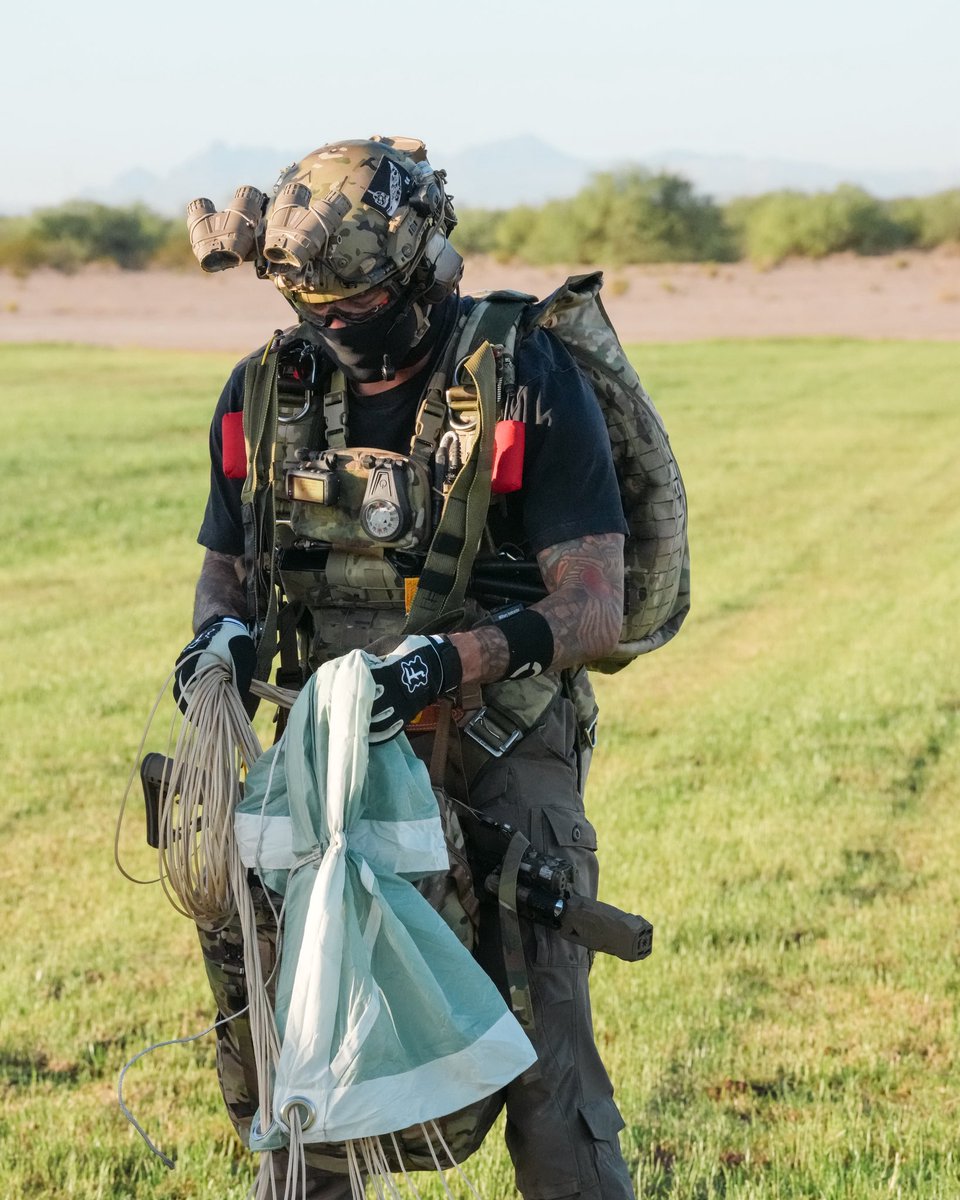
First time a Boston Dynamics Spot robot has exited an aircraft during a military free-fall operation.
Part of a week spent training alongside Forward Observations Group and Paratec Defense during the SG-7 course.
A good reminder that the future of operations isn't one piece of technology.. it's people, platforms, and networks learning to work together.
2
50
331
21,487
May 26
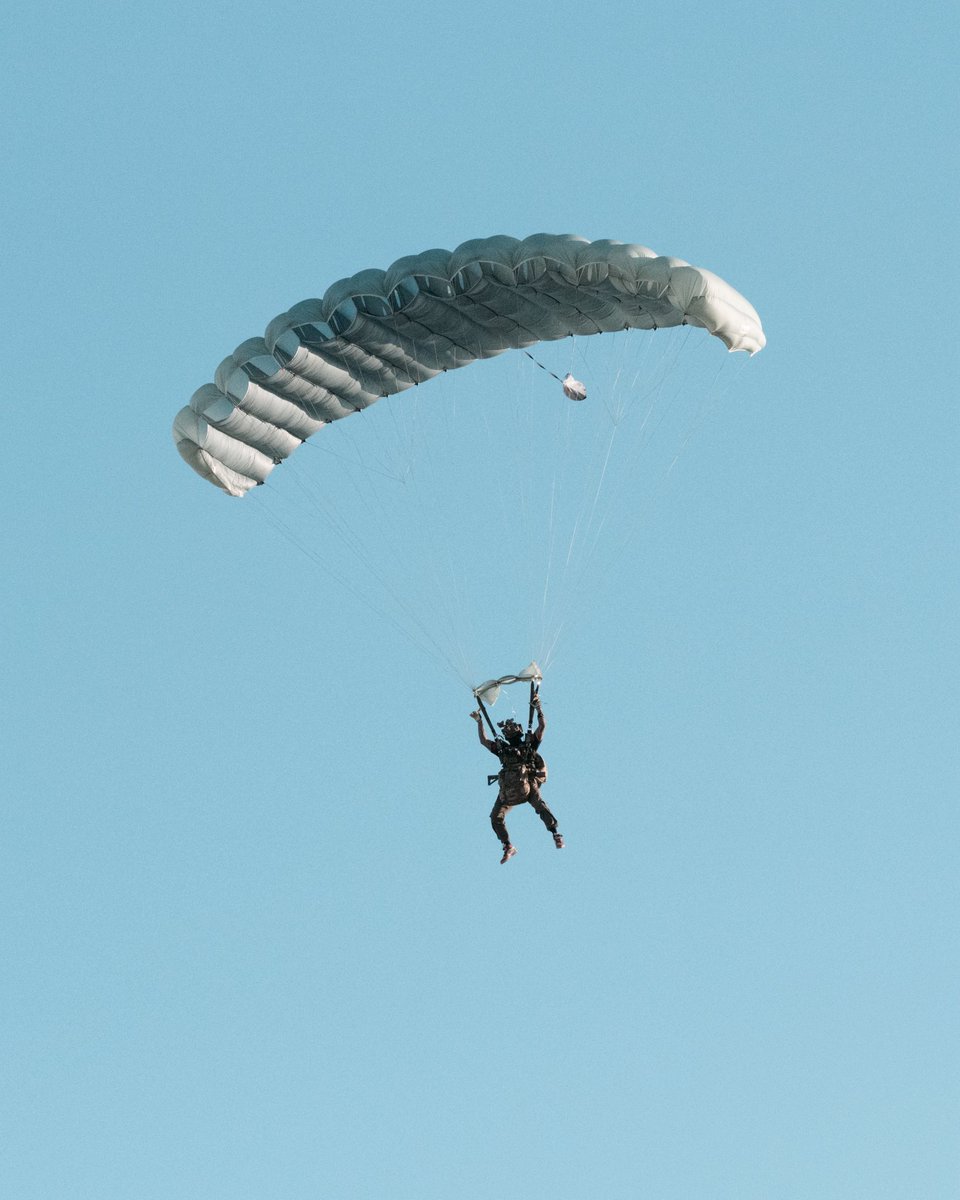
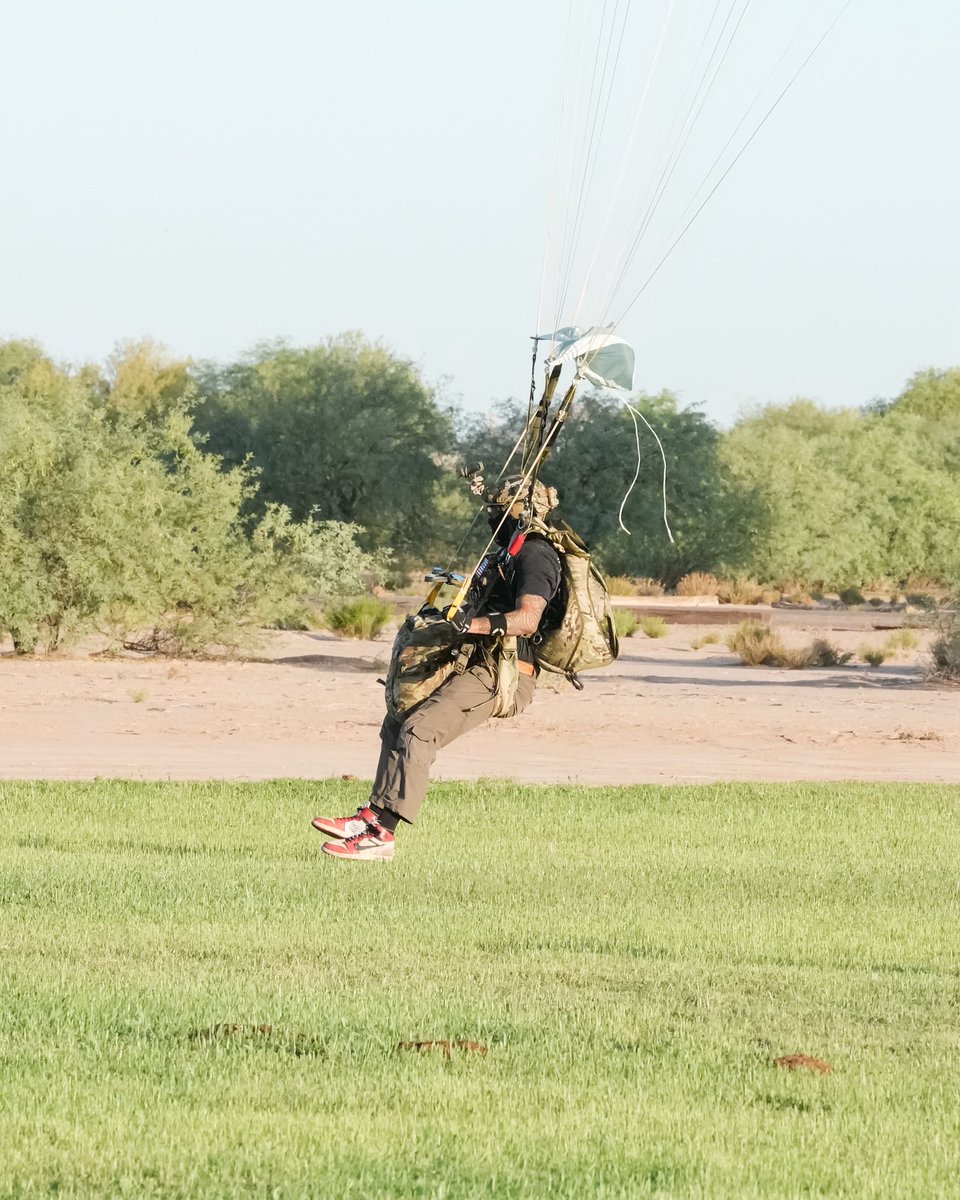
The ugly truth about modern warfare is that sensors are everywhere. The side that wins is the side that can move that information fast enough to matter.
2
69
3,436
May 20
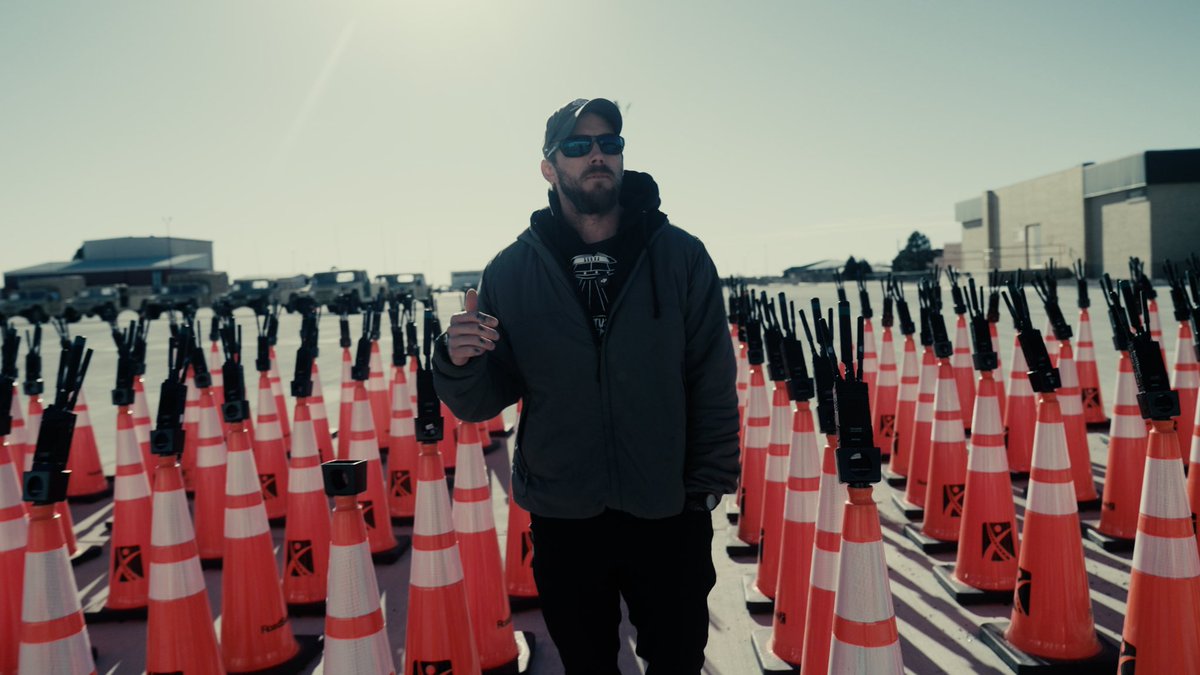
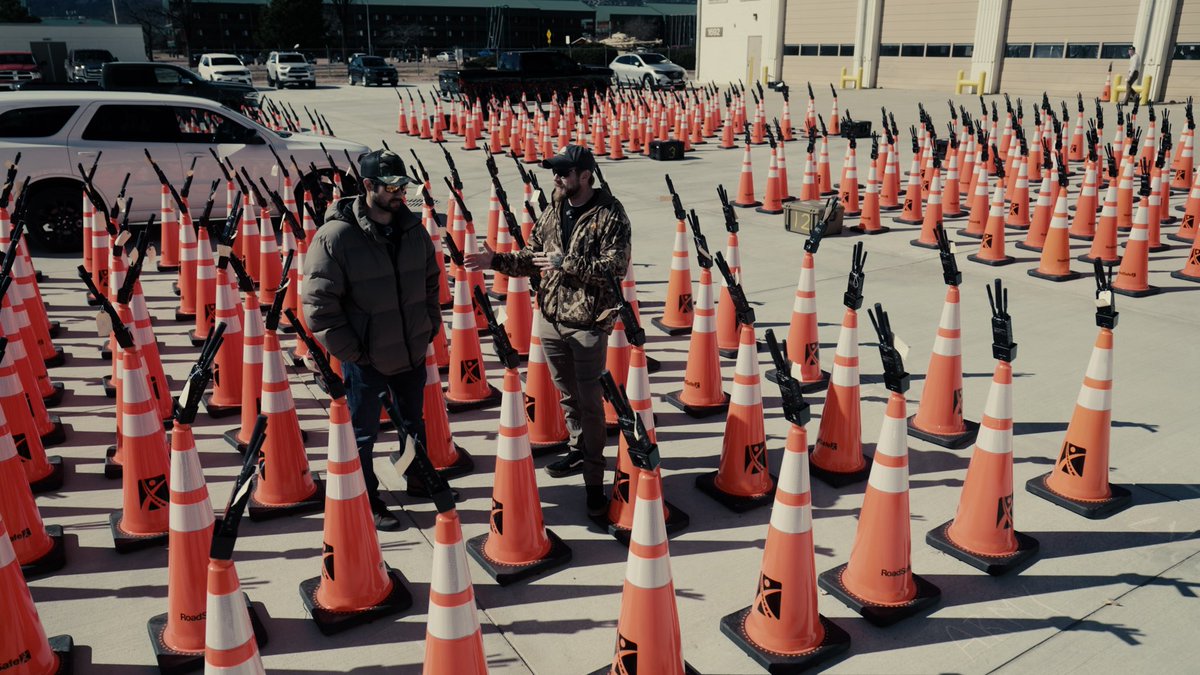
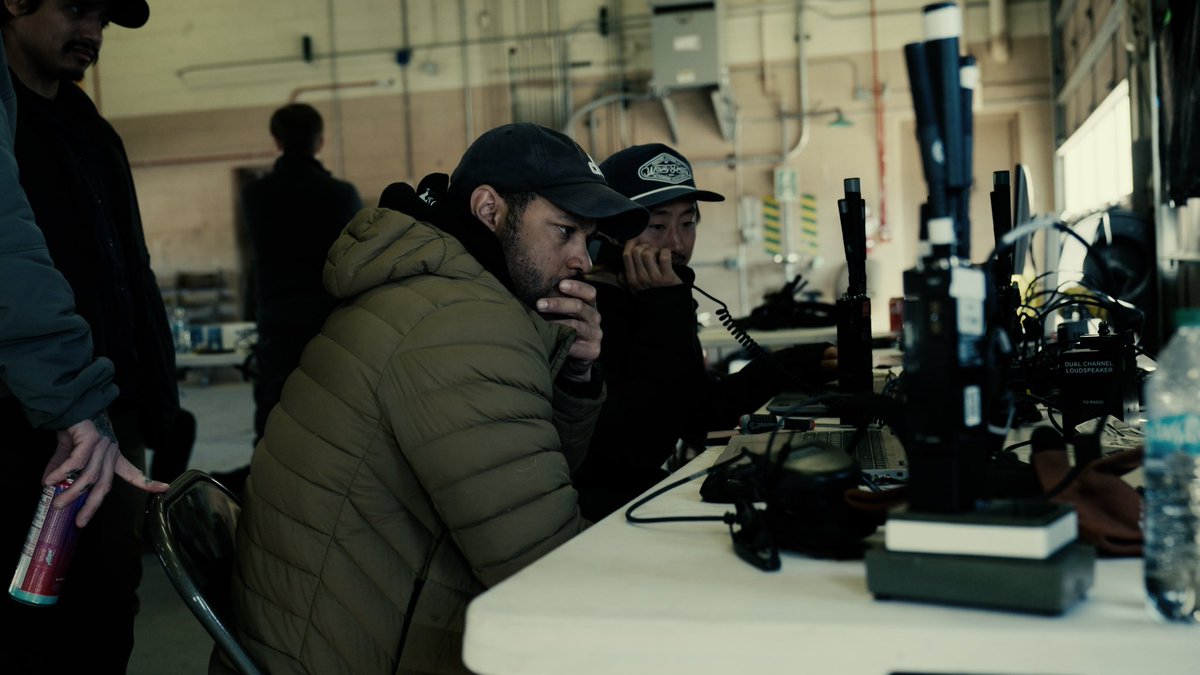
New MAX GAIN is live.
youtu.be/JZB-5uVX0GY?si=CFDL…
This one’s about scalability.
Scale is where the truth comes out.
Think about everything on the network during a real operation. Radios. Vehicles. UAS. ISR feeds. loitering munitions, targeting data. PLI. ATAK. Sensors. Supporting elements, SWARMING!... That list isn't getting shorter, it's getting longer every other day.
Wave Relay was built around the assumption that operations grow, terrain degrades links, and nobody has time to manually re-route a network mid-mission.
Most networks have a ceiling and you're going to find that ceiling when your operation scales past what the architecture was designed to handle. Feeds cut out. UAS fail. PLI is gone. Operators start working around the technology instead of through it.
Wave Relay was built around a different assumption entirely. Every node that joins isn't just a device consuming bandwidth — it's a router, a relay, a new path for data to move through. More nodes means more paths. More paths means it gets more capable. That's not a feature that showed up in a firmware update. That's the architecture.
This episode is for anyone serious about understanding why that distinction matters at real operational scale. Density is the advantage. Ep. 11 — link in bio.
SOF Week is live. Booth 540, Tampa Convention Center, Level 3 — come see it in person.
youtu.be/JZB-5uVX0GY?si=CFDL…
3
11
1,011
May 19
"A system that is optimized for perfect conditions becomes fragile under stress."
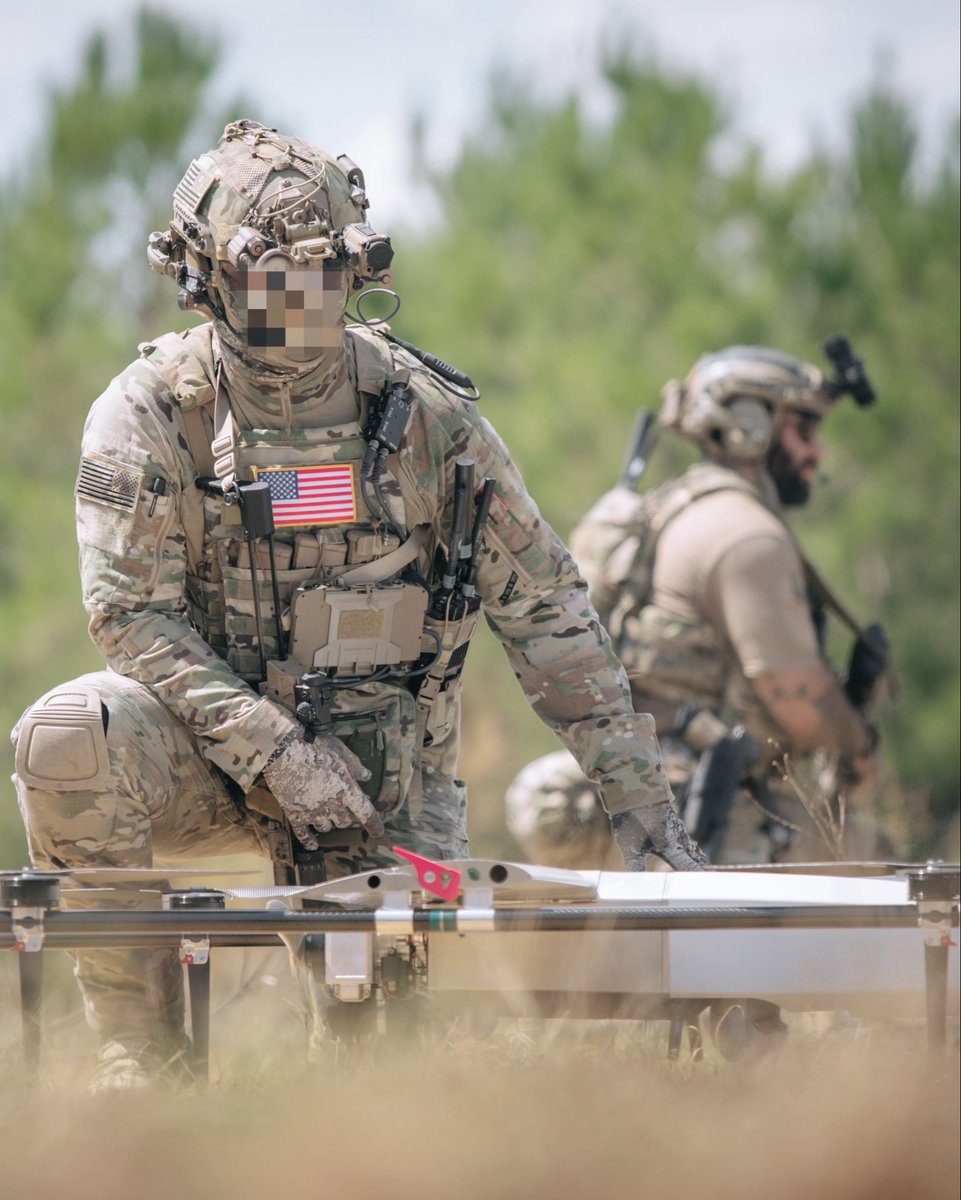
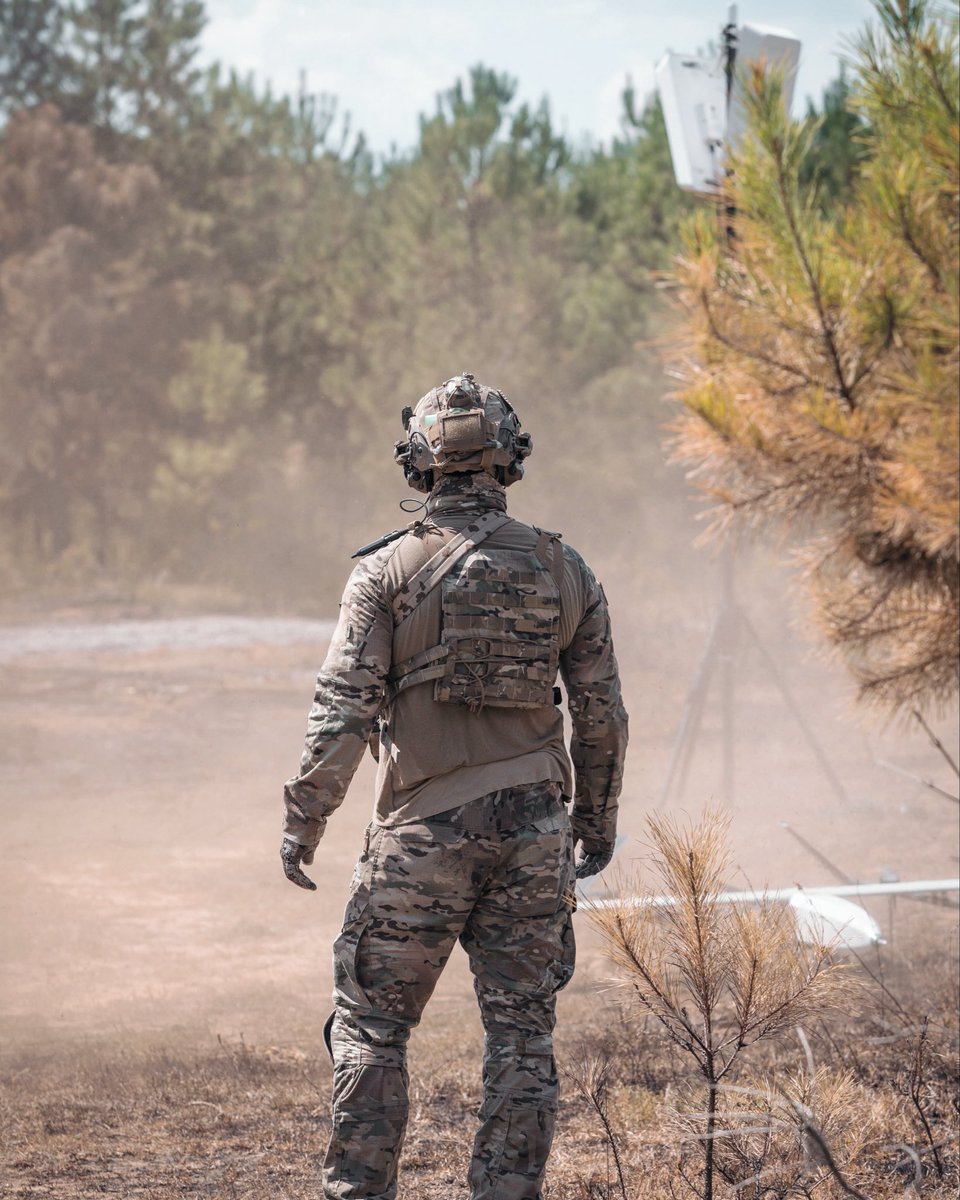
One thing people still get wrong when they talk about tactical communications is they still think in terms of individual radios talking to each other. Like... "can this radio reach that radio?"
That's kind of an old way to look at the problem now.
Because modern operations aren't just voice anymore. You've got drone feeds, ATAK traffic, PLI, ISR, chat, targeting data, all moving at the same time. And all of it is moving through environments that are constantly changing your RF conditions.
And RF is physical whether people like it or not.
A building changes it. Steel changes it. Terrain changes it. Teams moving around changes it. A guy walking inside a ship or going below a deck changes it. A vehicle turning a corner changes it.
So if your whole plan depends on maintaining one perfect radio-to-radio link, eventually that link is going to suck. Or disappear entirely.
That's really the reason networks matter more than radios now.
The value is not the individual connection. The value is the network's ability to keep finding another path when the geometry changes.
That's what Wave Relay is really doing.
Every node becomes another possible route. Another relay. Another option for traffic to move through.
So instead of trying to preserve one fragile connection, the network adapts around the problem.
That's also why node density actually helps you in a lot of environments.
More nodes means more available paths. More opportunities for the network to reroute traffic around terrain, structures, movement, or interference.
So the real objective isn't "maintain this one link."
The real objective is "keep information moving no matter what the environment is doing."
1
16
204
6,438
May 18
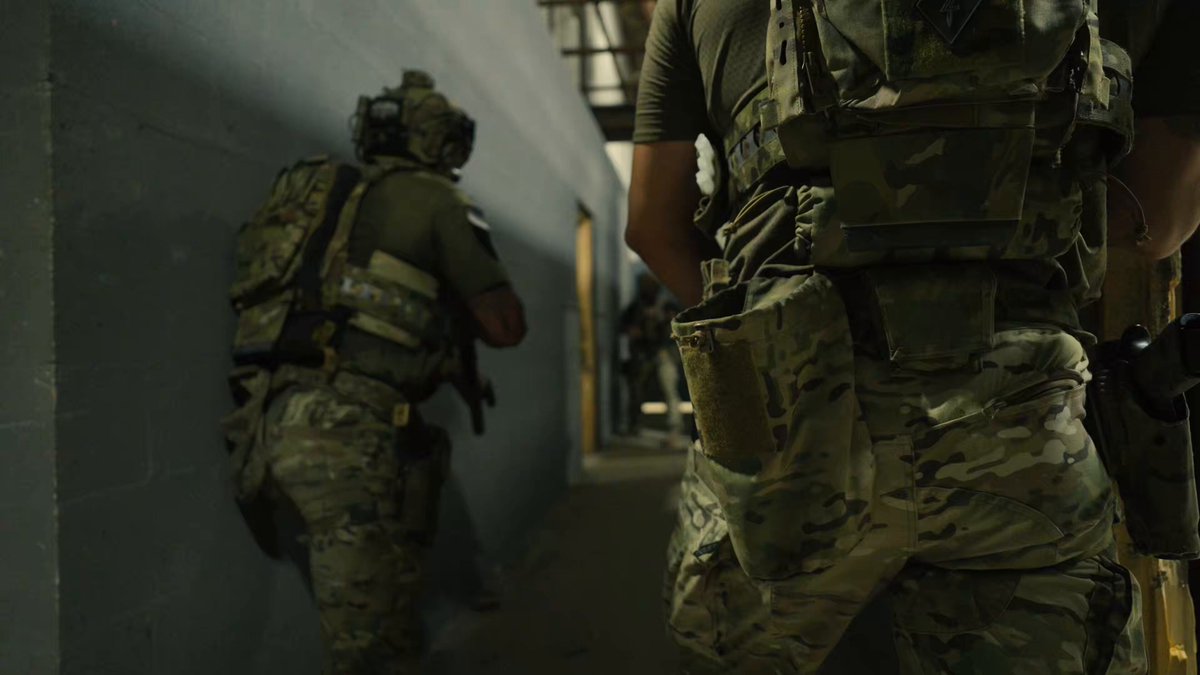
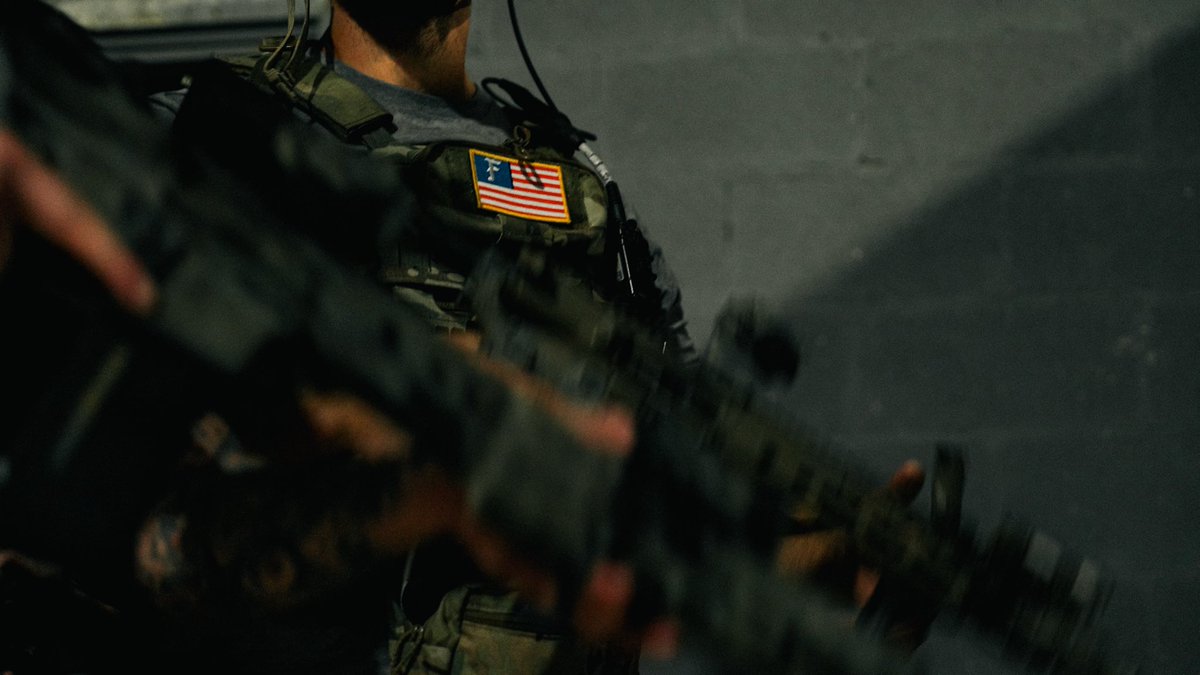
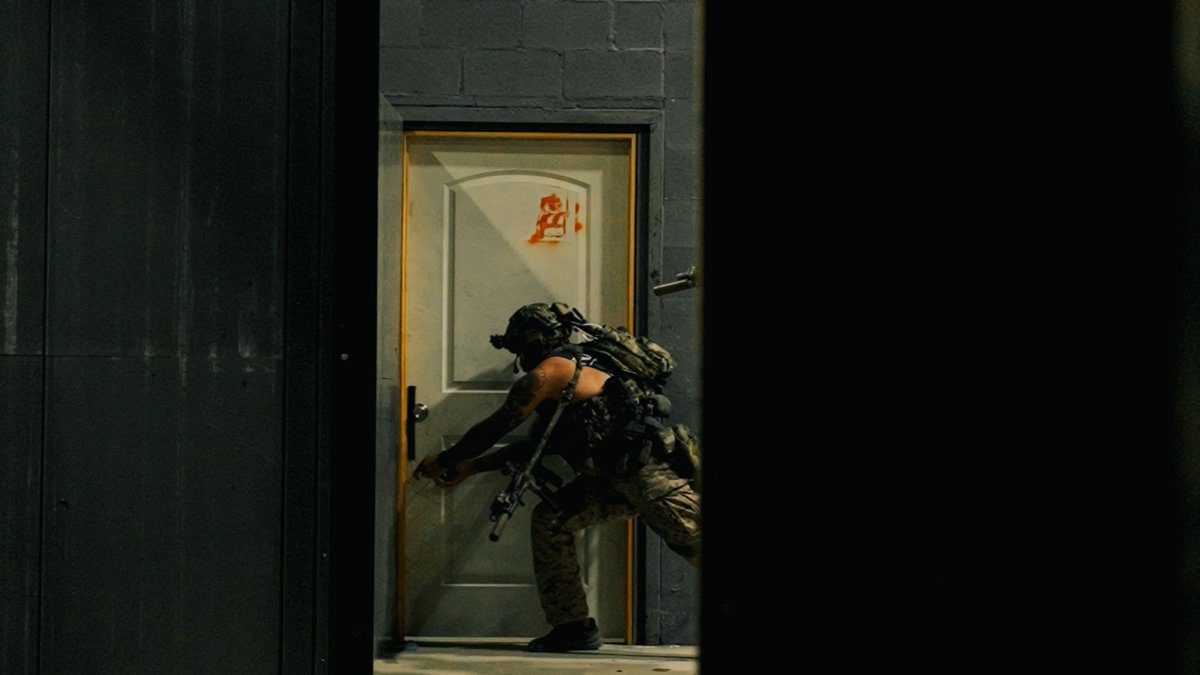
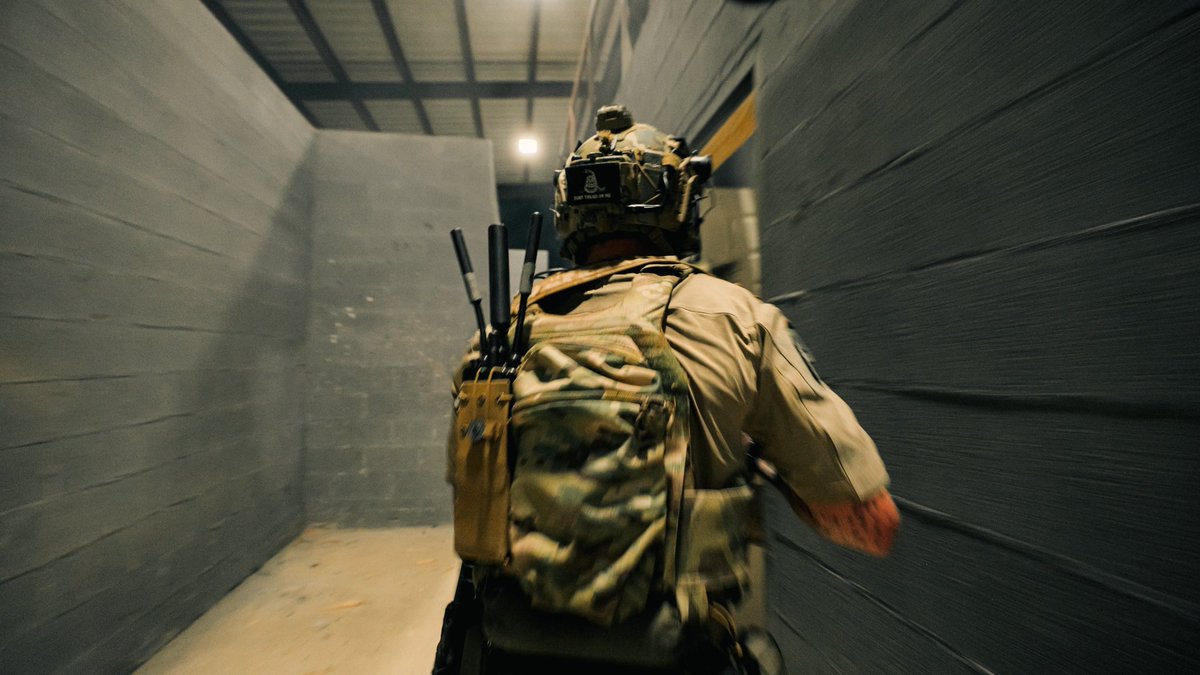
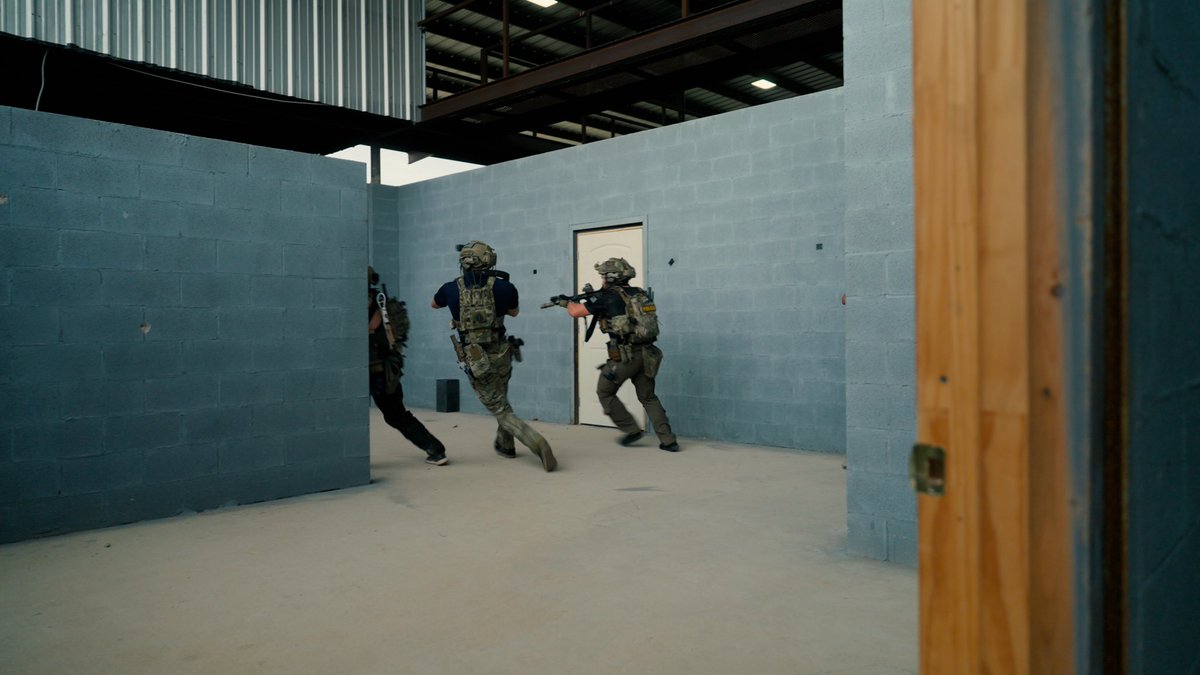
CQB exposes bad communications faster than almost anything else.
Concrete. Steel. Tight hallways. Multiple elements moving at once.
Everybody separated by walls, floors, noise, and timing.
Modern teams do not just need voice anymore.
They need video. Positioning. ISR. Robot feeds. Team coordination.
The network has to move with the assault force instead of forcing the assault force to stop for the network.
7
83
3,500
May 16
"He who can handle the quickest rate of change survives." - John Boyd
4
120
1,182
35,776
May 14
You can't scale modern firepower without scaling the network behind it.
Next Max Gain episode takes a deeper dive into the backbone of every modern operation... the network.
1
1
17
834
May 13
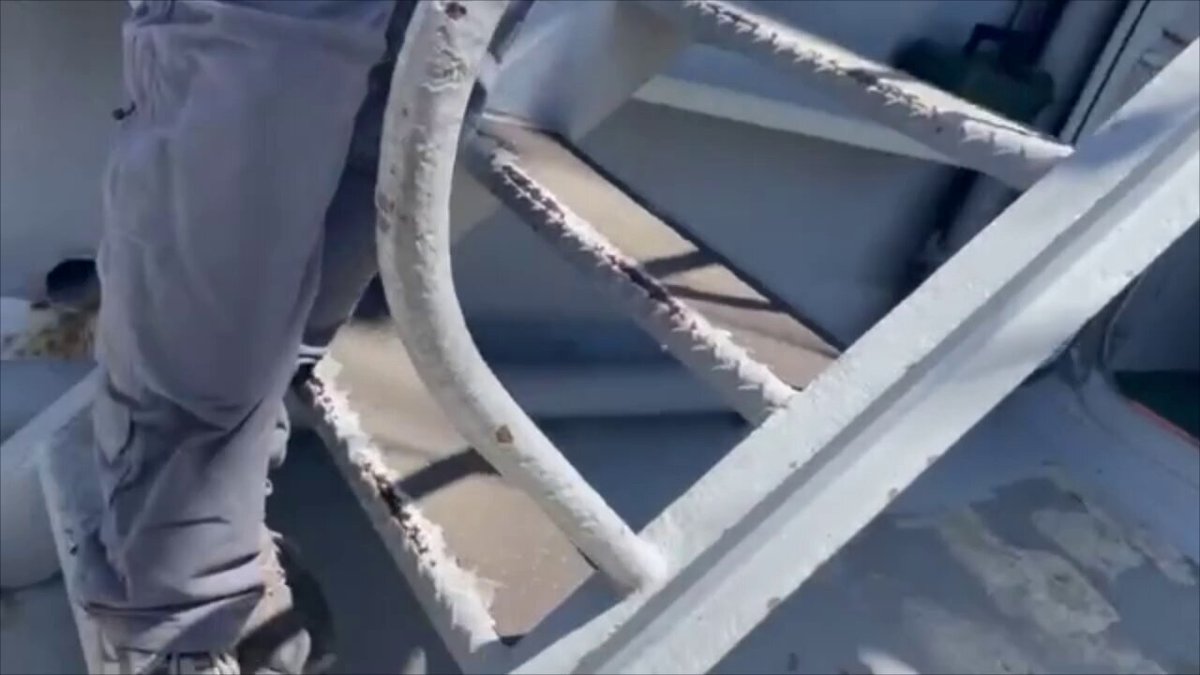
People think maritime. Wave Relay sees a subterranean problem set.
Tight corridors. Hard corners. Ladderwells. Constant obstruction. No real line of sight.
Wave Relay was designed around mobility and changing geometry, so the k9 disappearing three compartments forward doesn’t mean the information disappears too.
That matters during VBSS operations where multiple boarding teams split to clear different sections of the vessel simultaneously while still coordinating movement, communicating between elements, and maintaining awareness across the ship as command manages the bigger picture.
Most legacy radios were never built for that kind of environment or information flow. They were built for point-to-point voice, and ships are the exact opposite of a clean point-to-point environment.
Modern boarding operations demand a network that can move with the team through the ship, not force the team to work around the limitations of the radio.
1
10
695
Speed of decision is everything and decision speed is a function of information:
The thing that gets people killed isn't always the enemy.
Sometimes it's the 3 seconds it takes to figure out where a teammate is. The 2 sec of down comms at the wrong moment. The 30 seconds higher needs to make a call they don't have the picture for yet.
Speed of decision is everything and decision speed is a function of information. But that information problem doesn't just live at the element level. It lives everywhere simultaneously. The 12-man stack moving through a structure. The vehicle element staged outside. The ISR asset overhead. The command element 300 kilometers back watching it all unfold.
Every one of them making decisions. Every one of them only as effective as the picture they're operating off of.
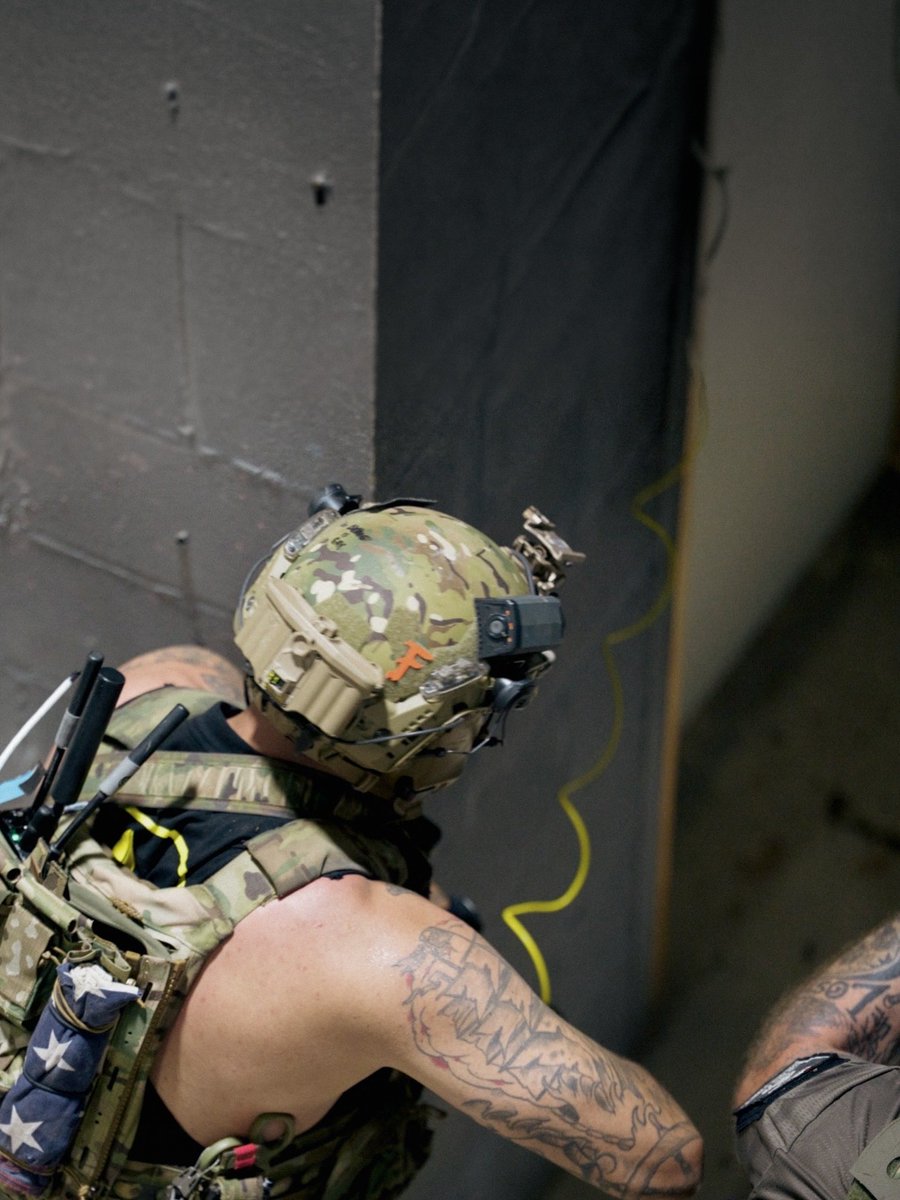
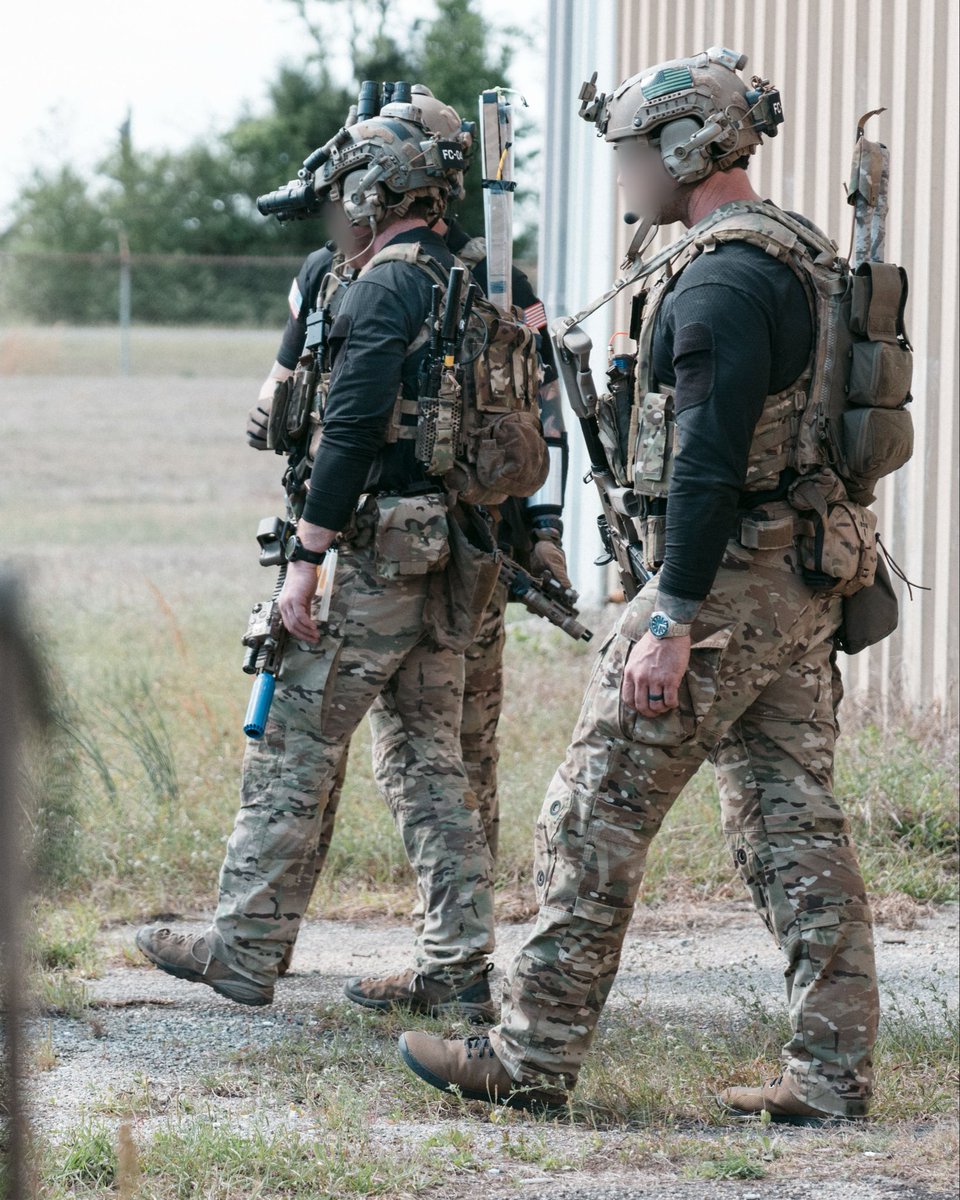
What Wave Relay does, what the three antennas on their back is actually doing, is collapse that information gap across every layer at once.
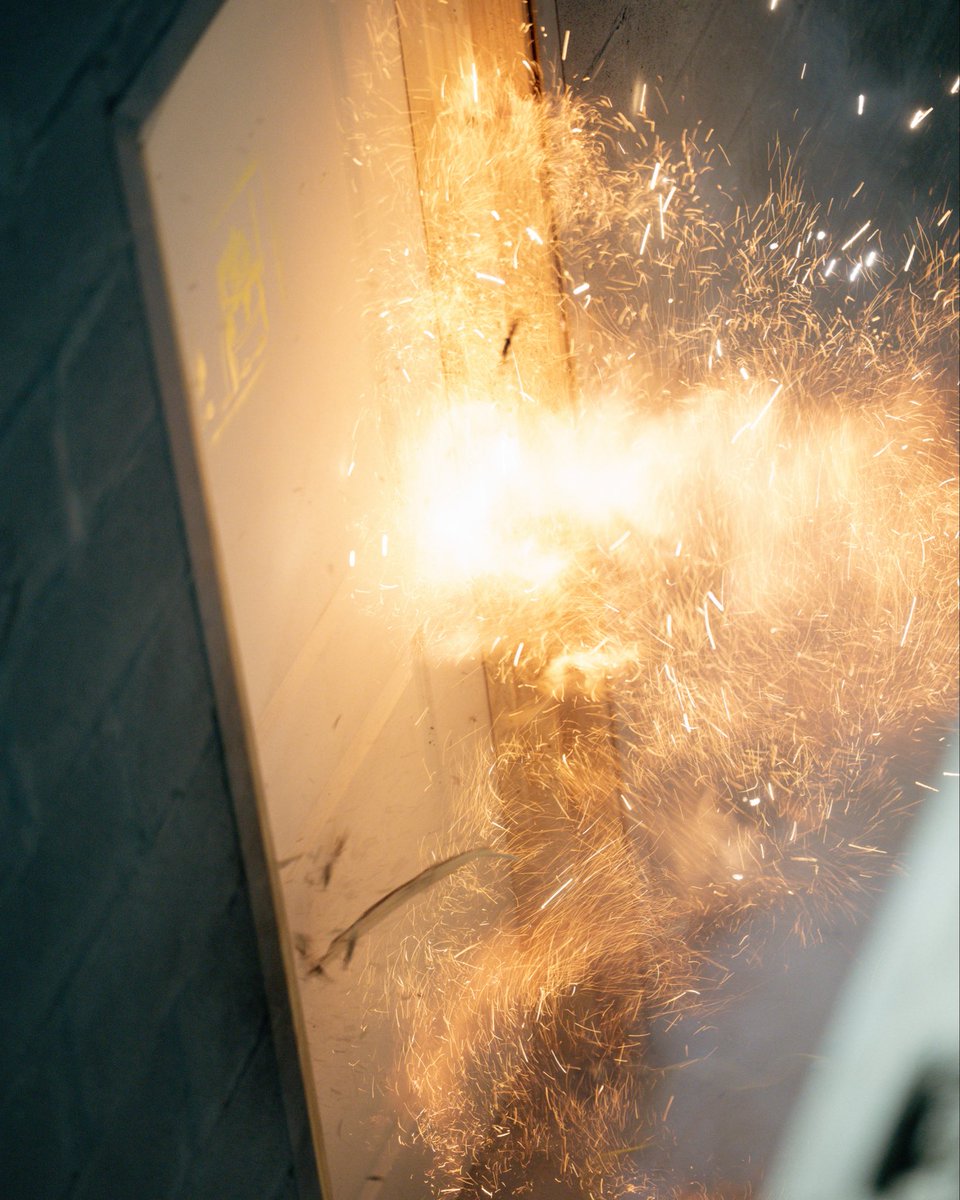
The network builds itself out of the people and platforms already on the mission. The point man's helmet camera feeds the JOC in real time. The commander not at the objective sees what the stack sees the moment they see it. Blue force tracking and sensor data across every element.. foot, vehicle, and air... running on the same network simultaneously.
When you compress the information gap you compress the decision timeline. When you compress the decision timeline across an entire force, not just one element but every element, every asset, every layer of the command structure at once... you don't just own the initiative.
You make it fundamentally harder for any enemy to get back.
But... it can cost everything just to figure that out.
1
9
113
8,054
"Simplicity is the ultimate sophistication." - Leonardo da Vinci
There's a reason some systems feel complicated.
Not because they have to be, but because that's how they're sold. Every feature turns into a cost. Every upgrade gets billed. And every time something falls short, the answer is more gear.
It adds up fast, and before long you're paying over and over for capabilities that should've been there from the start.
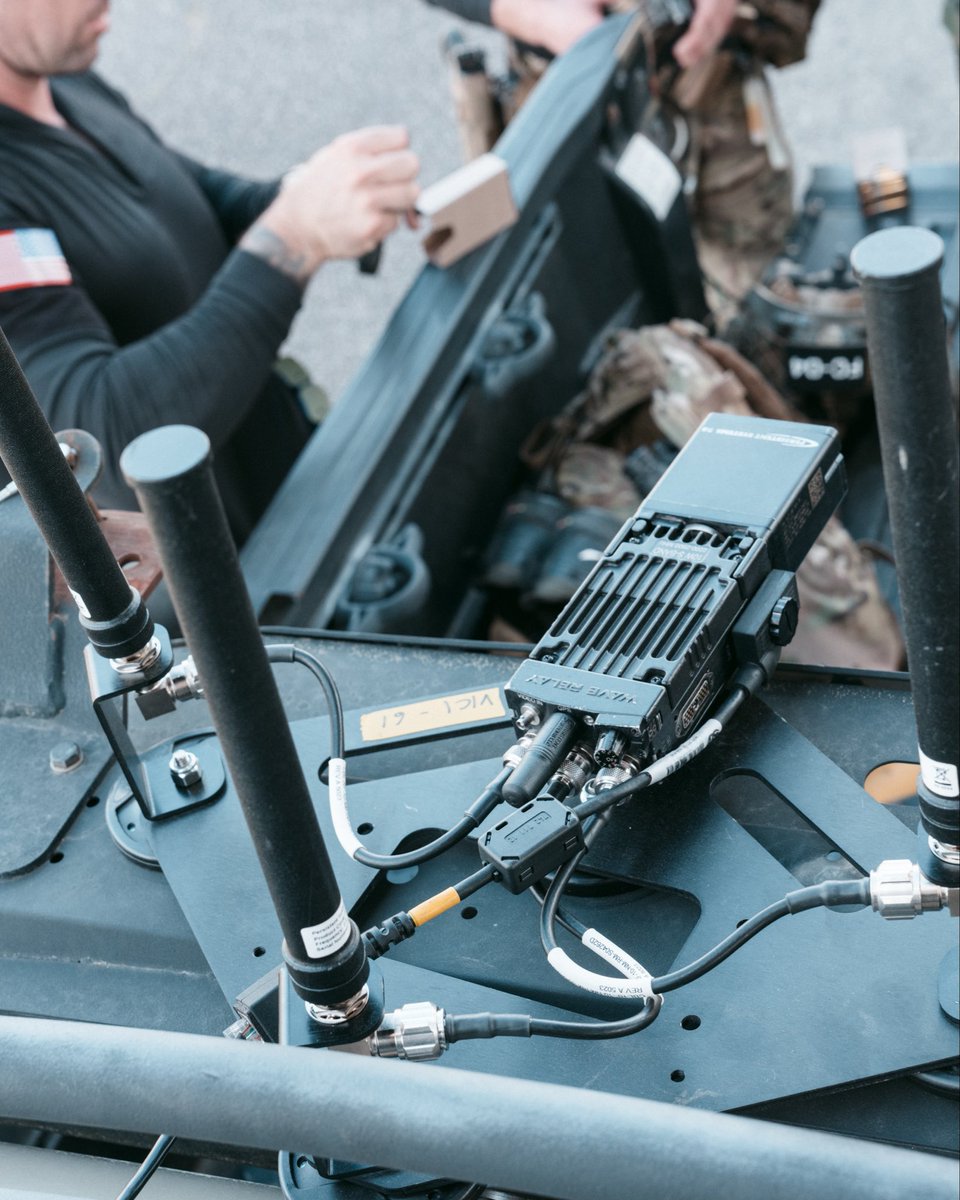
With Wave Relay, you own your network from day one.
When firmware comes out with new capabilities, it doesn't get packaged into another contract or gate kept behind a fee. They just show up, free. No extra hardware. No chasing the next version just to keep up. Same system, just more capable over time.
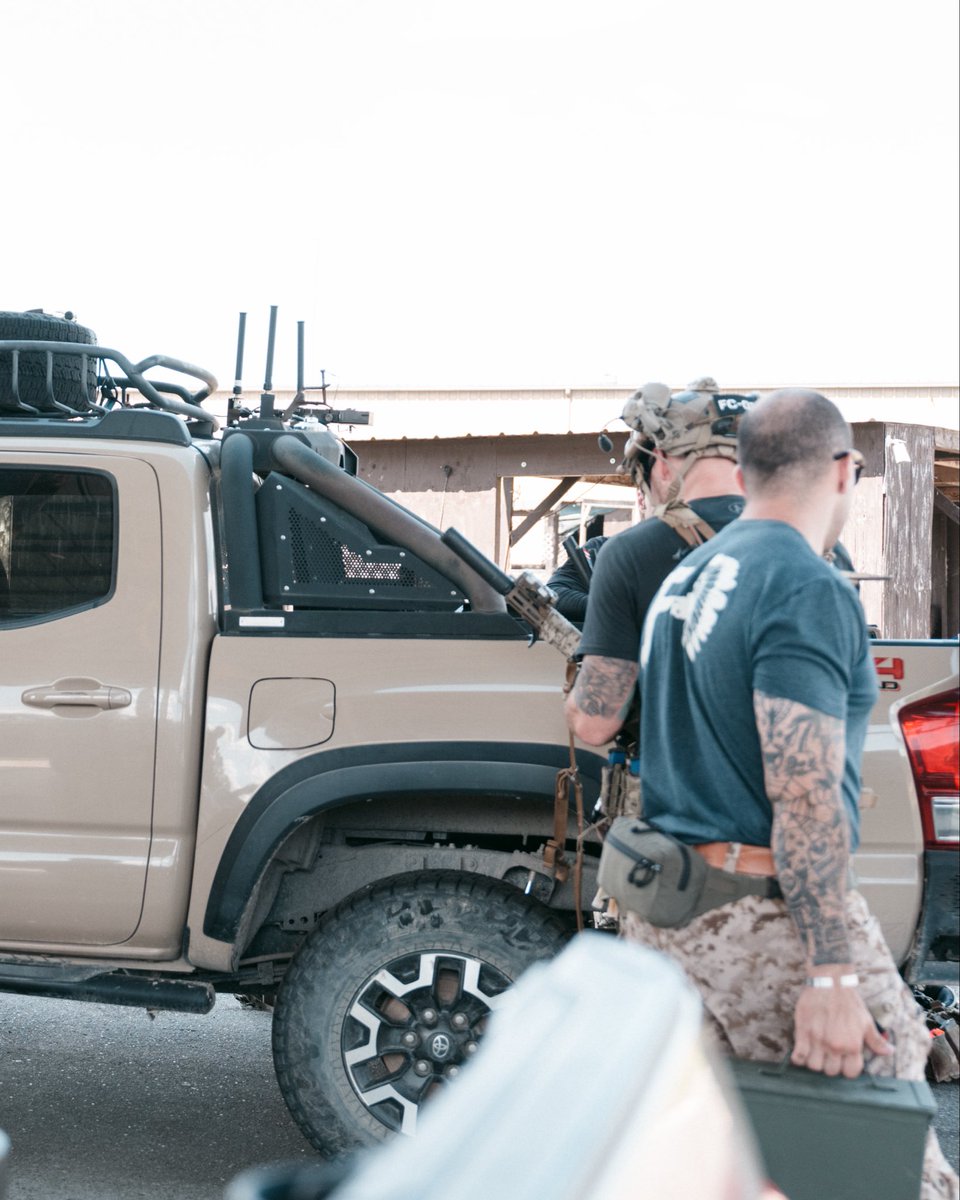
... oh and yes, this vehicle mount is simple too.
Mag mount.
Throw it on, pull it off, swap vehicles.
That's it.
2
27
362
45,093
New Max Gain tomorrow 0900
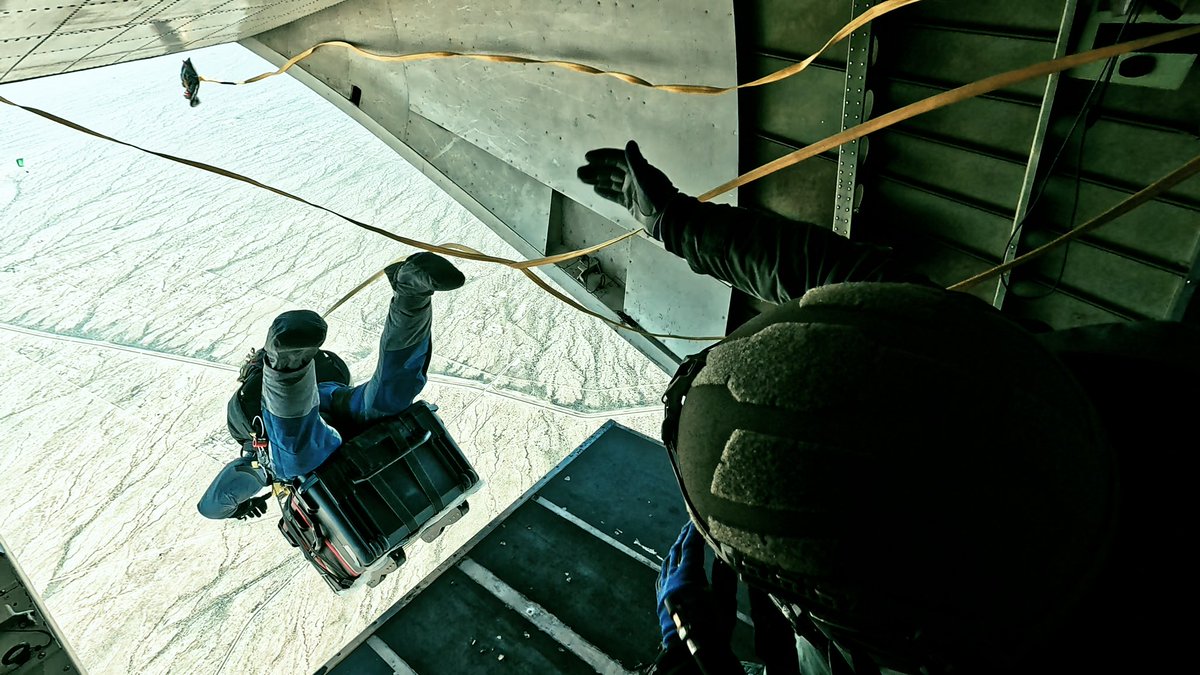
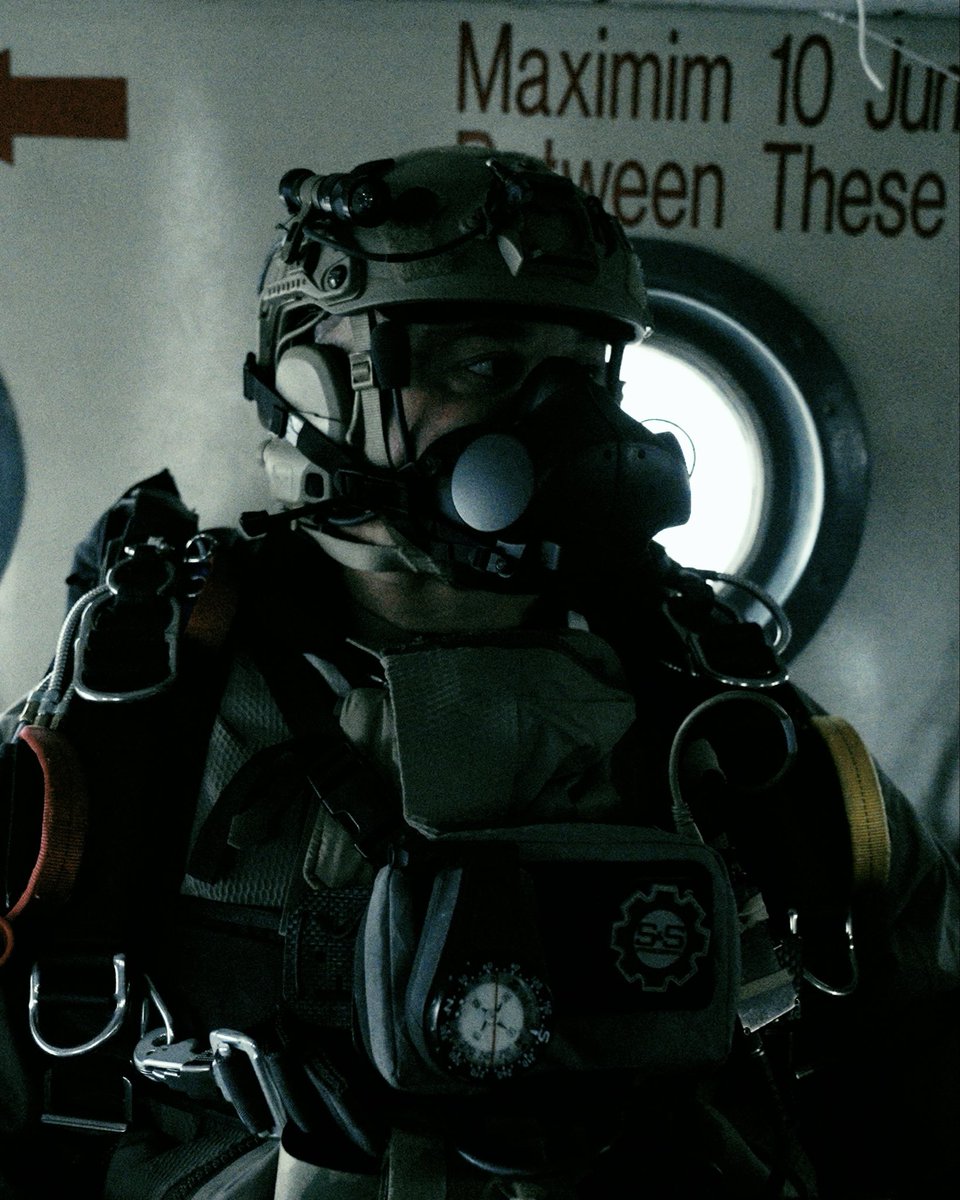
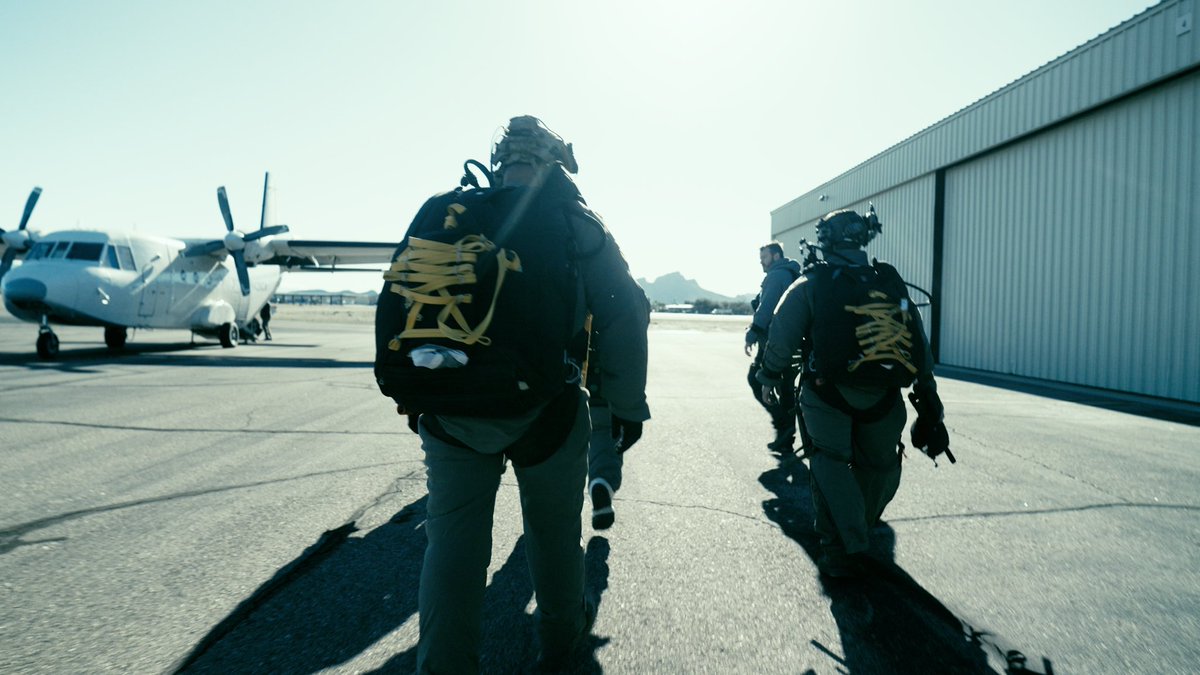
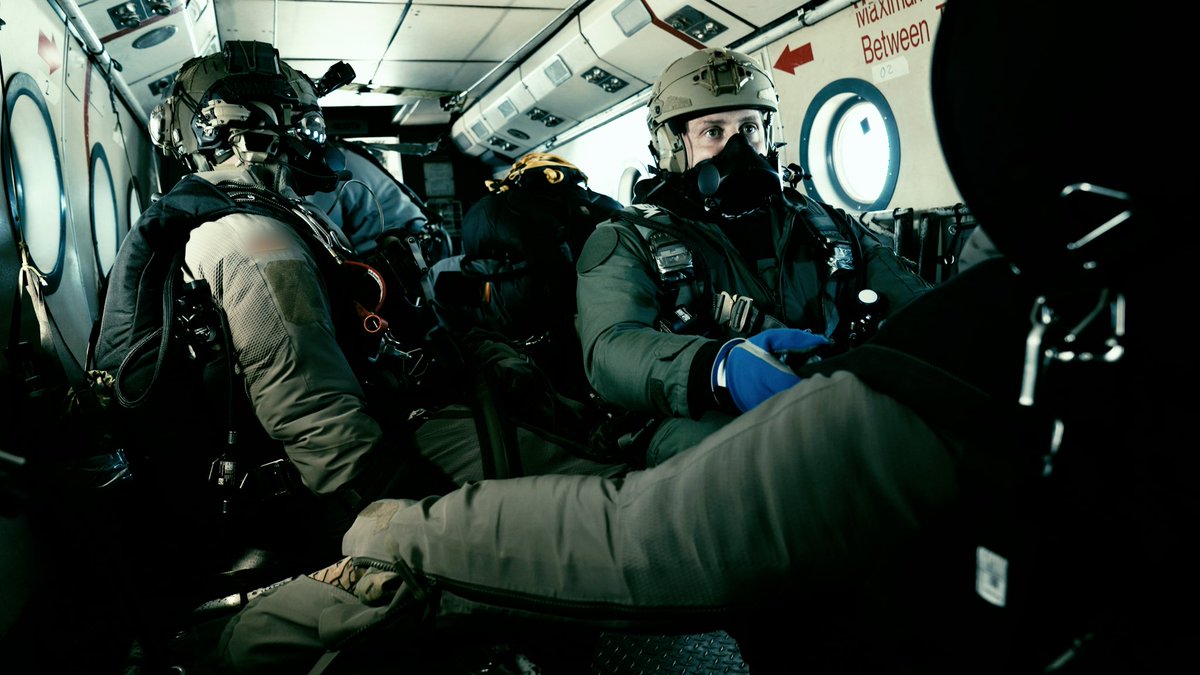
Get spun up on the last HAHO episode here: High Altitude Insertion Pt. 1 | MAX GAIN
youtu.be/LadW8tjCV30
1
12
783
Apr 30
WARNO
1. SITUATION:
MAX GAIN release imminent
2. MISSION:
Establish observation on OBJ HIGH ALTITUDE INSERTION PT 2
NLT 021300ZMAY26 (0900 EST)
3. EXECUTION:
Specific Instructions:
Review Part 1 to confirm baseline
youtu.be/LadW8tjCV30
4. ADMIN/LOG:
Special equipment:
Large viewing screen for maximum effects on OBJ
5. COMMAND/SIGNAL:
@PSWaveRelay
TIME:
H-48
8
730
Apr 29
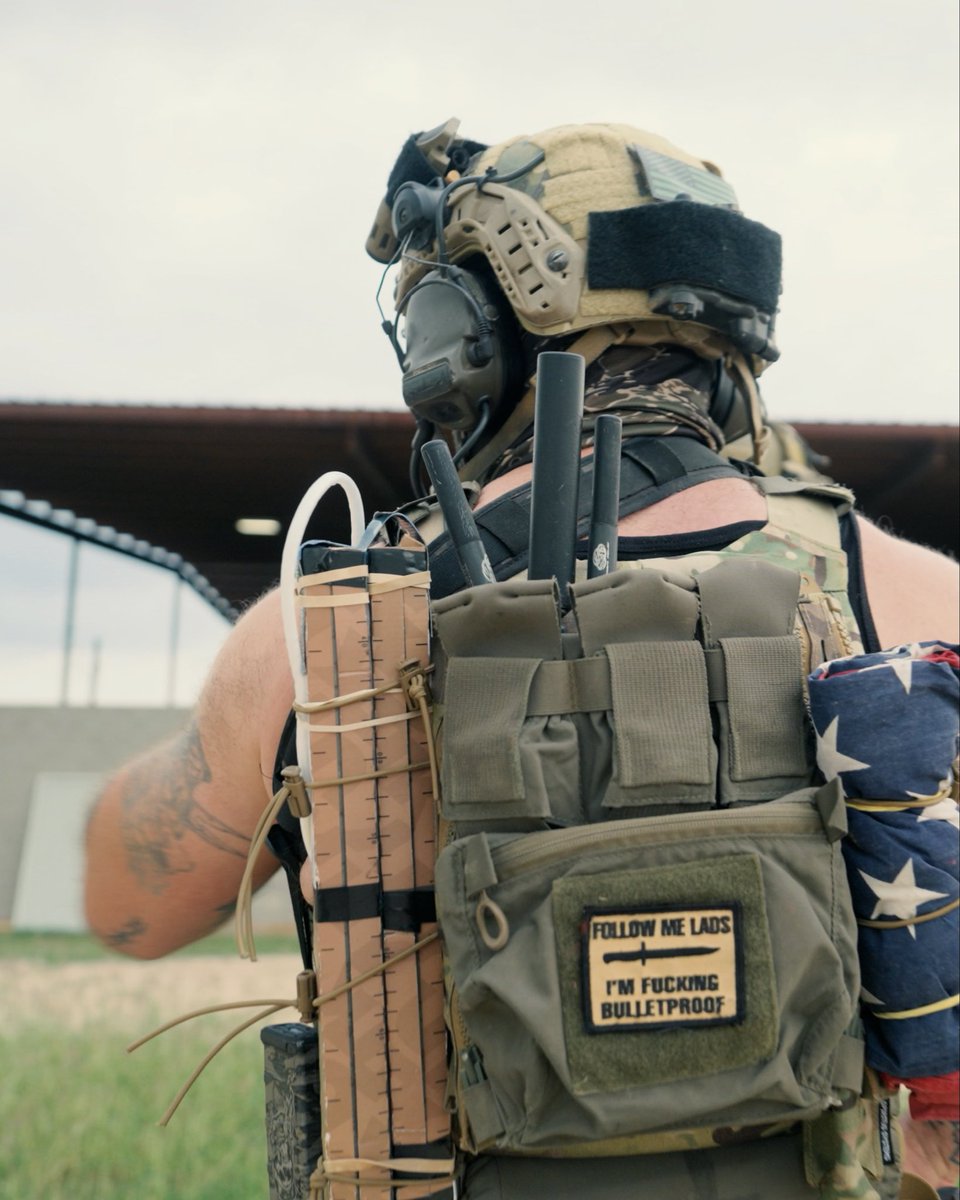
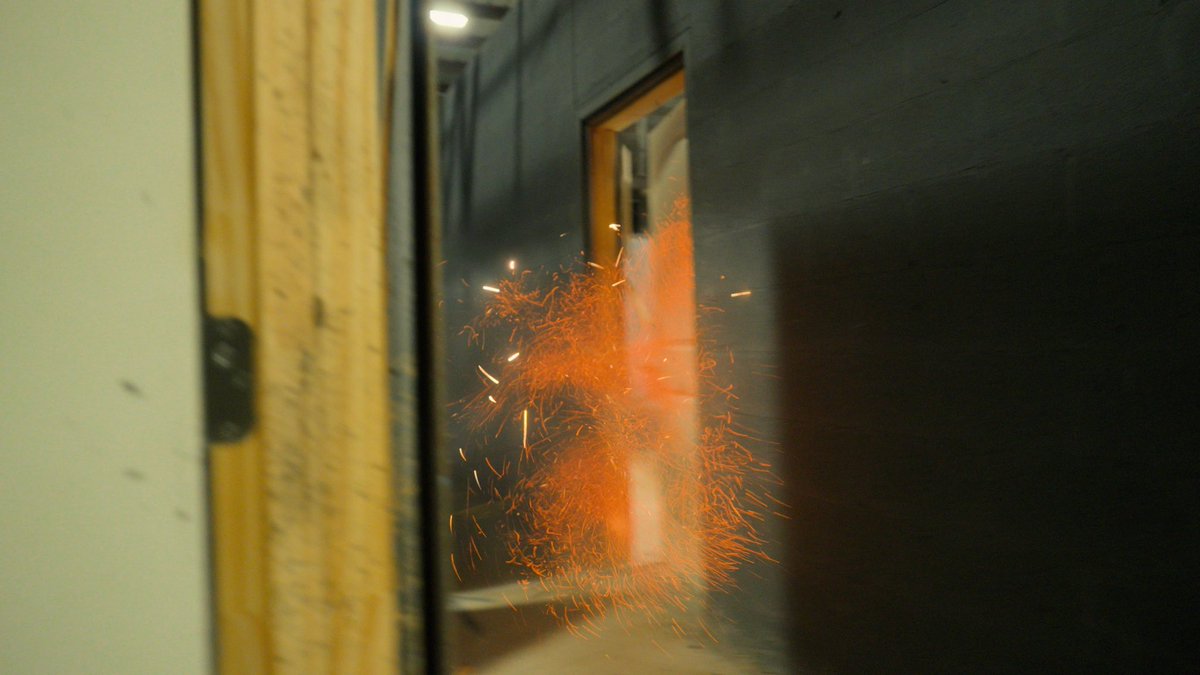
A radio is just a tool. The network is the real weapon.
4
102
4,882