
Joined May 2021
- Tweets 38,616
- Following 737
- Followers 2,131
- Likes 45,160
9,887 Photos and videos



Pinned Tweet

Jan 30
I apologise to my followers - I have recently lurched into the murky waters of US politics, fact-checking along the way.
The good news is, I won't do that anymore on this account - this account will remain #Bitcoin and AI-centric.
If you do want to follow the political dunkings, then the new account I've set up for that is @FactCheckBrit.
But here... normal Bitcoin service will continue :)
5
389
Peter Scott-Morgan retweeted
This morning, I’m setting aside my sarcastic and satirical content for something more serious. For something more somber.
For those who may have been in a coma for the last week, the sitting US president shared clearly racist and reprehensible material online.
He shared a meme depicting Barack and Michelle Obama as apes. A blatant act of racism that echoes his long history of divisive rhetoric.
It should go without saying that it’s crucial to condemn racism unequivocally.
We are still waiting for the WH to do this.
Racism erodes the fabric of our society, perpetuates harm, and has no place in public discourse, especially from someone who holds the highest office.
It certainly shouldn’t emanate from the White House.
So, as we grapple with the outrage, we must also reflect and confront an uncomfortable reality: these outbursts may not just stem from malice, but from the expected symptoms of cognitive decline, potentially Alzheimer's disease.
While this doesn't excuse the racism, understanding it through a medical lens highlights why urgent action, like invoking the 25th Amendment, is essential to prevent an international incident.
Alzheimer's and similar dementias often lead to disinhibition, where individuals lose the ability to suppress impulses or socially inappropriate comments.
This arises from damage to the frontal lobe and connected brain networks responsible for executive functions, including social judgment, impulse control, self-monitoring, and filtering thoughts before speaking.
As a result, communication becomes less filtered and more basal, revealing raw, unmodulated expressions. People might blurt out rude observations about appearance, ethnicity, or prejudices they previously kept in check due to social norms or personal restraint.
In Trump's case, his refusal to apologise and history of attacks, like the debunked birther conspiracy against Obama from 2011-2016, suggest a pattern of racial insensitivity that could be amplifying under cognitive strain.
However, this isn't always a straightforward revelation of core beliefs.
The changes can exaggerate pre-existing traits. A blunt personality might turn abrasive, or mild irritability could escalate to crankiness. Emotional lability, like rapid mood shifts, might fuel reactions that aren't rooted in stable ideology.
Confusion or misperception, such as disorientation, can also play a role, leading to inappropriate remarks not tied to deep-seated views.
Notably, dramatic loss of social filters is more pronounced in frontotemporal dementia (FTD) than typical Alzheimer's, where memory loss hits first, but frontal involvement often follows. Still, the outcome is often the emergence of suppressed attitudes, including negative ones like prejudice, as the brain's restraints erode.
This medical perspective doesn't absolve Trump, but it underscores the danger of his position.
If cognitive decline is at play, his unfiltered impulses could extend beyond domestic racism to global affairs.
Imagine a tweetstorm escalating tensions with allies or adversaries, perhaps misinterpreting intelligence, blurting classified info, or provoking conflict through unchecked rhetoric.
We've already seen glimpses of this: erratic foreign policy decisions in his presidency, now potentially worsened.
The 25th Amendment exists for precisely this reason: to remove a president unable to discharge duties due to incapacity.
Vice President and Cabinet must act swiftly, invoking Section 4 to transfer power temporarily or permanently, averting catastrophe.
Delaying risks not just national embarrassment but an international incident, nuclear saber-rattling, trade wars, or alliances shattered by a leader whose basal beliefs spill unchecked.
America deserves leadership grounded in social stability, not symptoms of decline.
It’s time to invoke the 25th. Before a racist meme becomes a missile crisis.
Your democracy, and the world, can't afford the wait.
22
19
59
13,387
BSV welcomes the extra $2.57 in trading volume
Feb 1

I’m selling everything.
1
1
7
298
Peter Scott-Morgan retweeted

Jan 31
So the 3 million pages of the Epstein files are [checks notes from Trump's earlier press conference] a hoax?
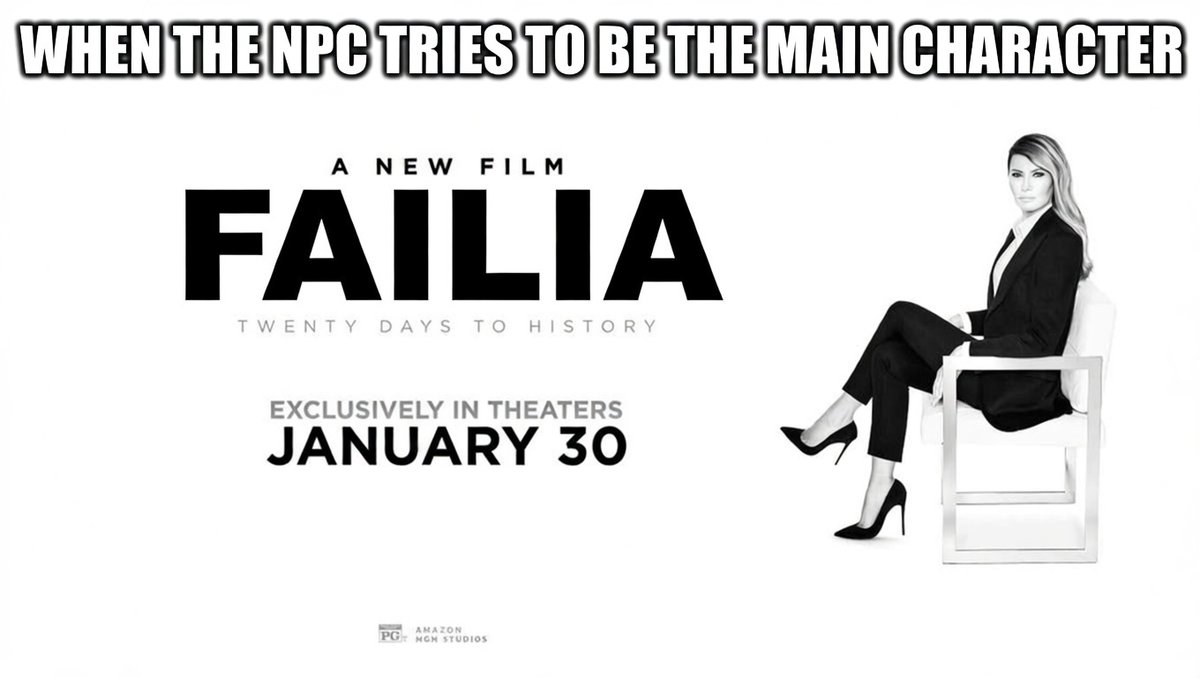
I suspect the President's weekend has been thoroughly ruined, and it didn't have the best start, having to sit through his wife's film...
1
3
232
Peter Scott-Morgan retweeted
Jan 31
As Trump turns to his own social media site to claim that the Epstein stuff is ‘a hoax’, it’s worth remembering that old phrase:
“There is no smoke without fire”.
And right now, it looks like there’s an inferno raging in the Oval Office.
Full investigations will be demanded, and he can’t put a lid on it this time.
How much longer will it be before his position becomes untenable?
#InvokeThe25thAmendment


18
127
290
63,837
Peter Scott-Morgan retweeted
Jan 30
"Malania? Ain't nobody got time for that!"
1
2
73

Jan 27
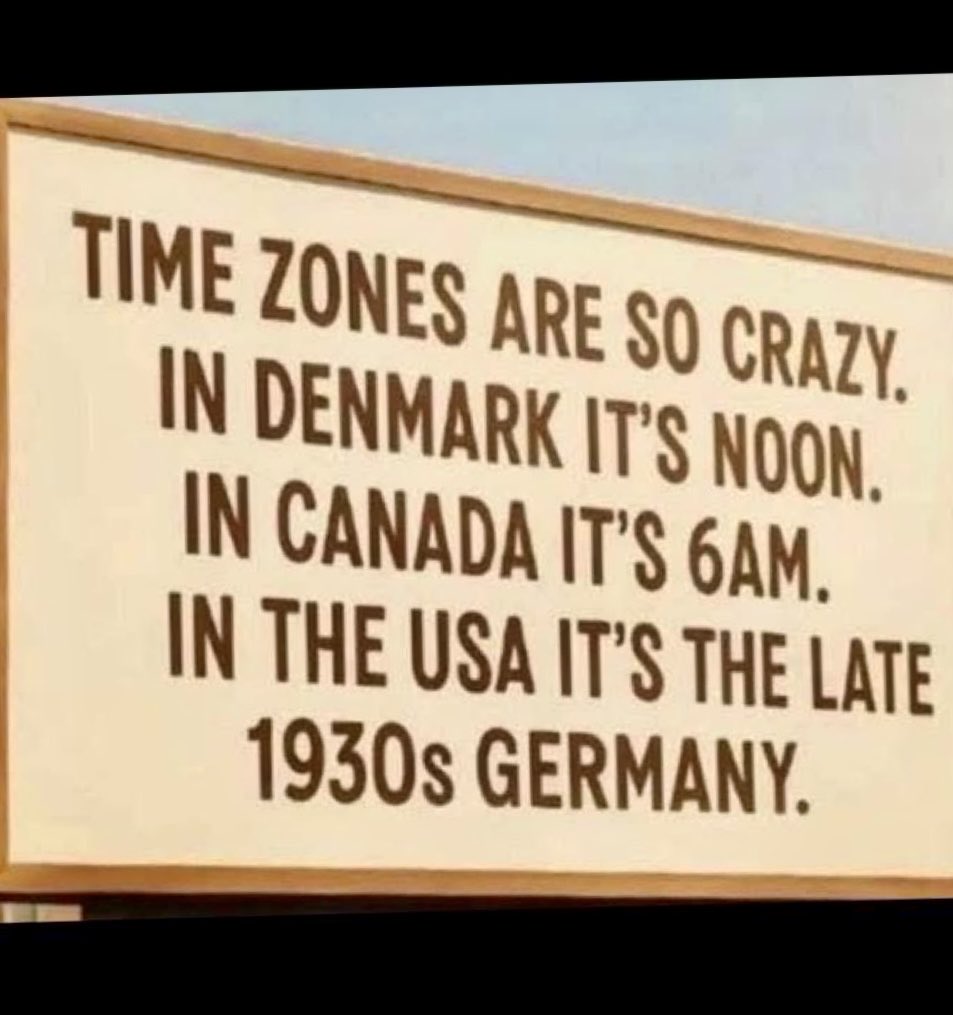
I miss a coherent, predictable, articulate, intelligent person leading the US.
Anyone else?

1
1
149
Jan 27
This morning, I asked ChatGPT: "If you had to stack sats, how would you actually do it?"
Then I asked Clawdbot the same question.
ChatGPT gave me a framework. Clawdbot filed incorporation papers for "SatStacker DAO LLC" and applied for a business loan.
Here's ChatGPT's version (the sane one): 🧵

1
116
Jan 27
Summary:
Stacking sats isn't about being smart. It's about being consistent in the face of uncertainty.
Rules > vibes Process > predictions BTC > everything else
(Not financial advice. Just how I'd approach it if I had to live with the consequences.)
1
47
Jan 27
I wasn't expecting ChatGPT to (more or less) come up with a plan that I had adopted long ago (weighted DCA), but I appreciated the validation.
The next stage will be to turn this into an algorithm and compare it to straight DCA.
I'll be posting the results.
42