
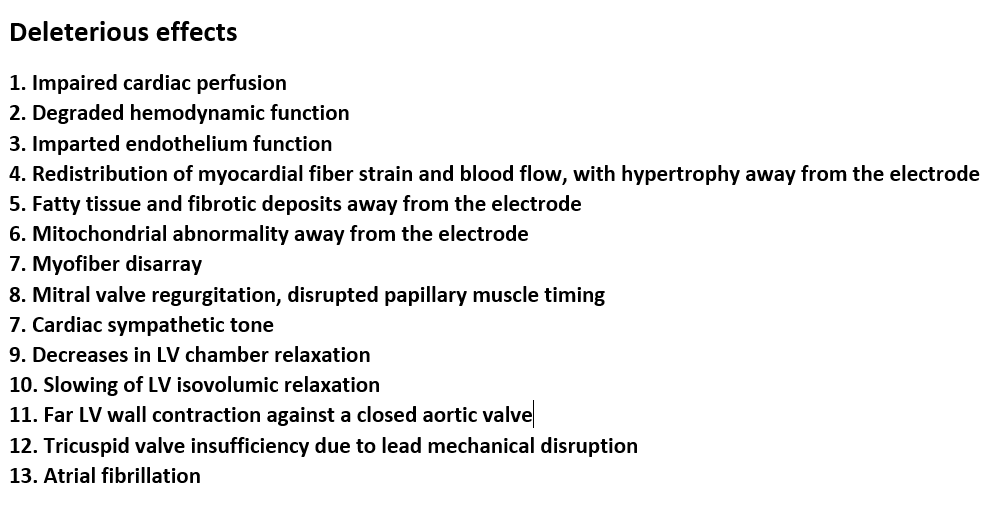
Studies find that legacy right ventricular pacing can lead to "pacing induced heart failure." Learn about physiological conduction system pacing #DontDisTheHis
Joined February 2015
- Tweets 548
- Following 2,184
- Followers 1,727
- Likes 663
67 Photos and videos

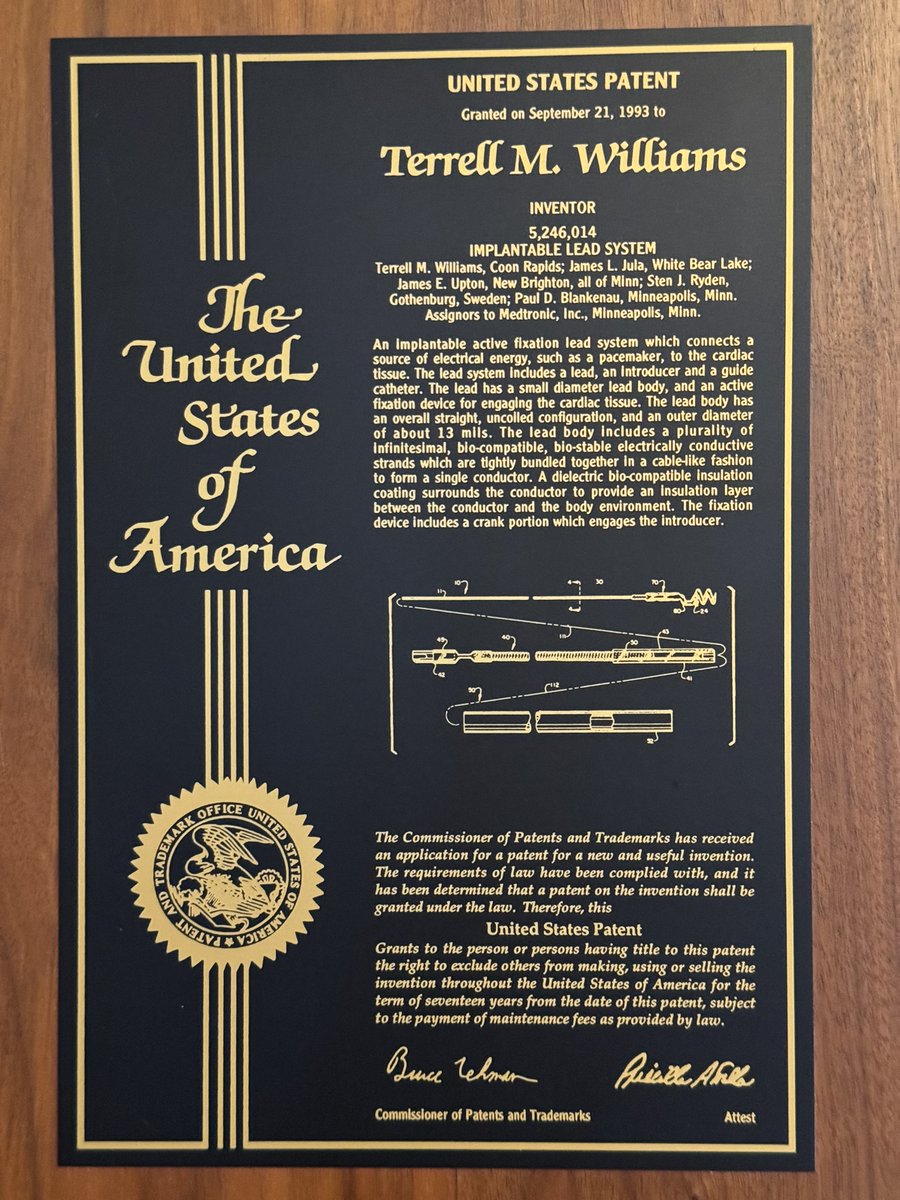
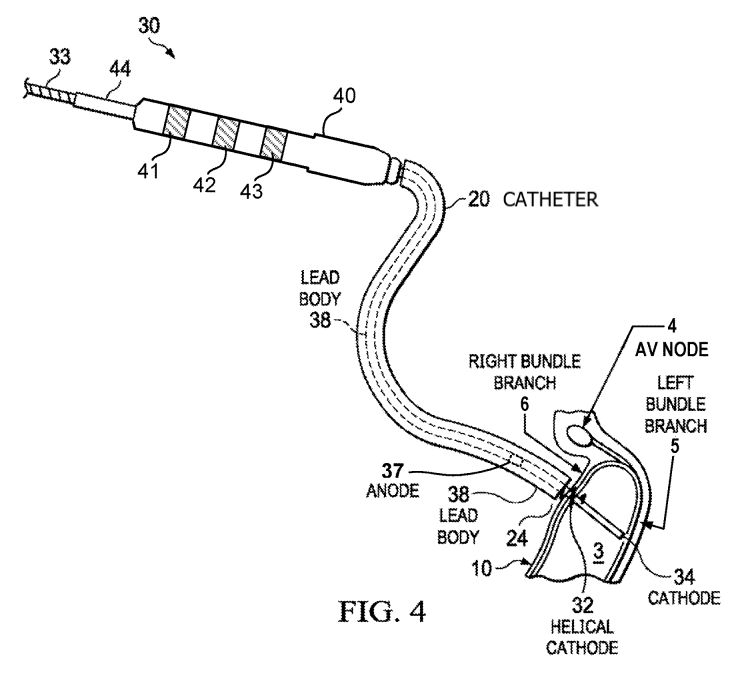
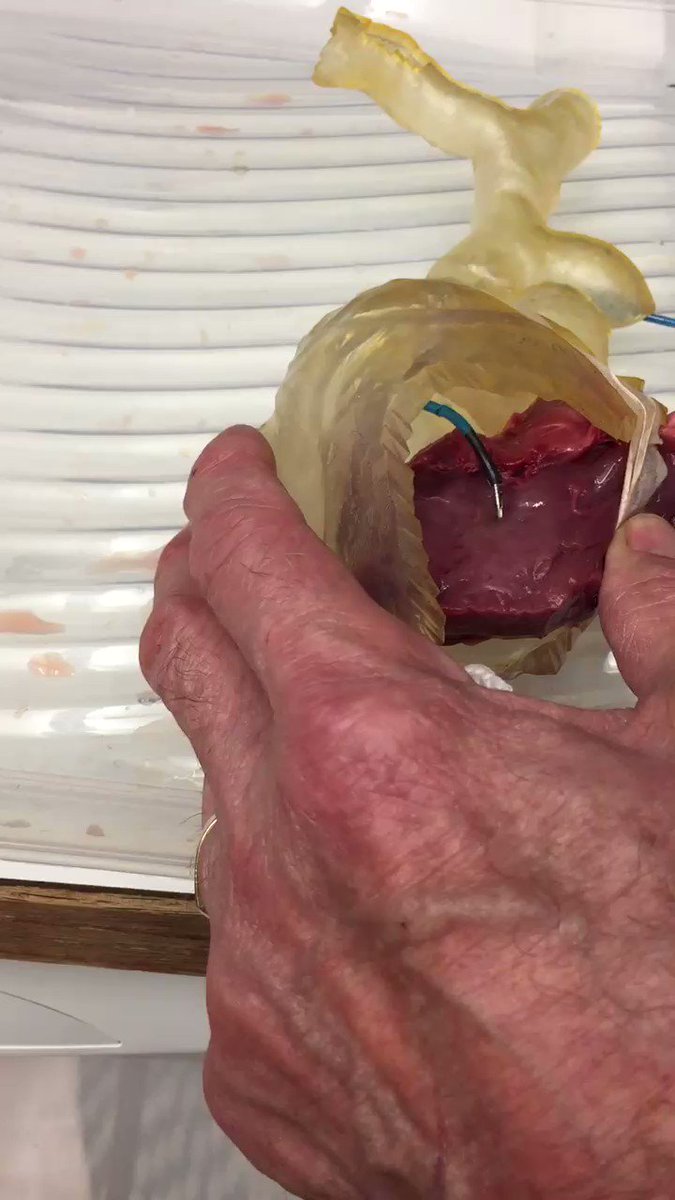
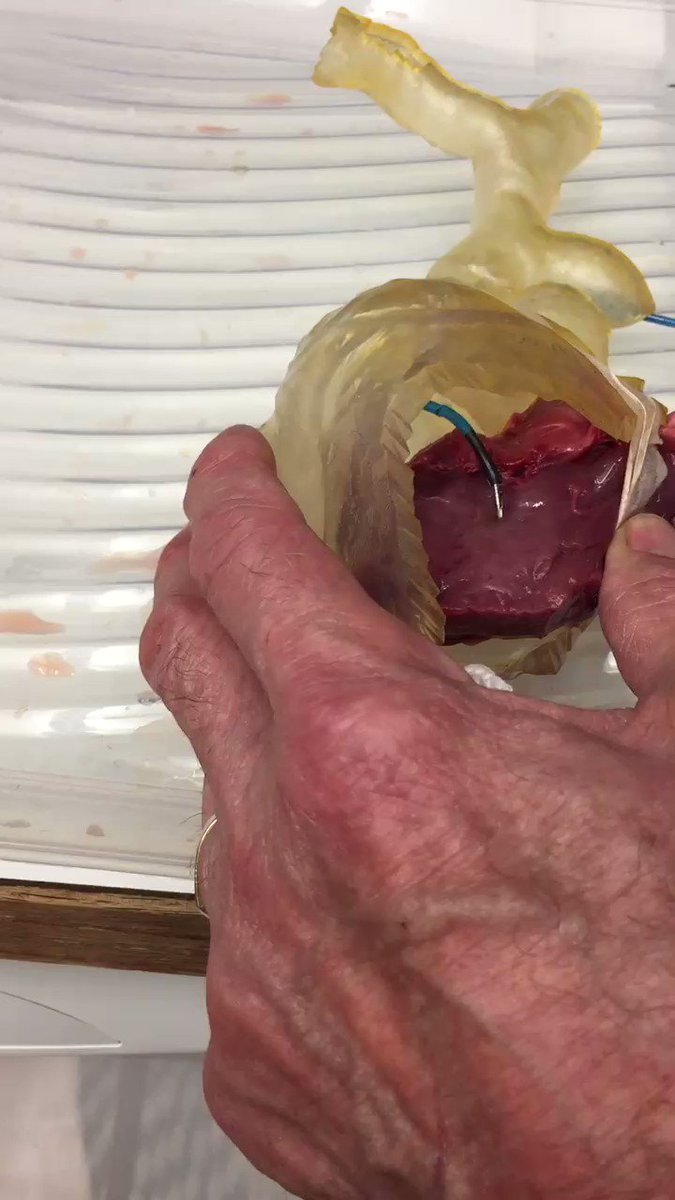
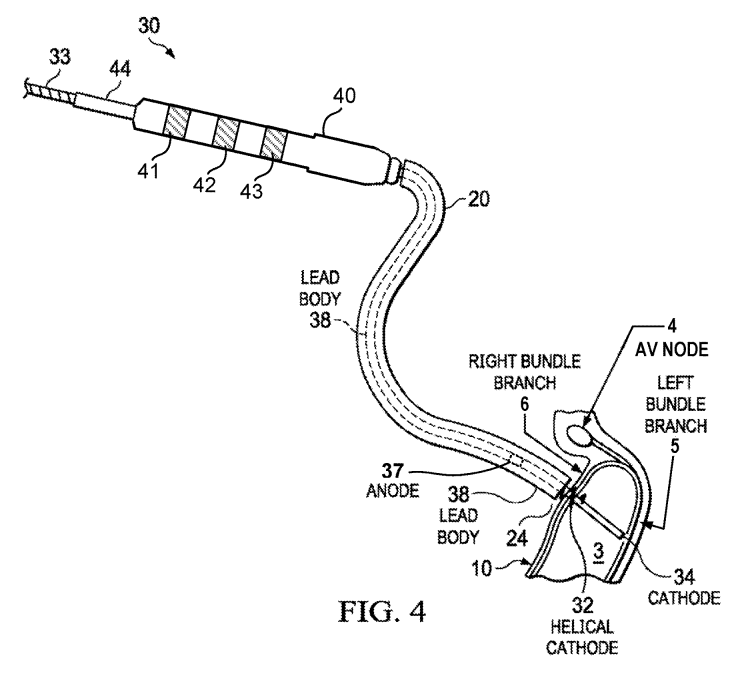
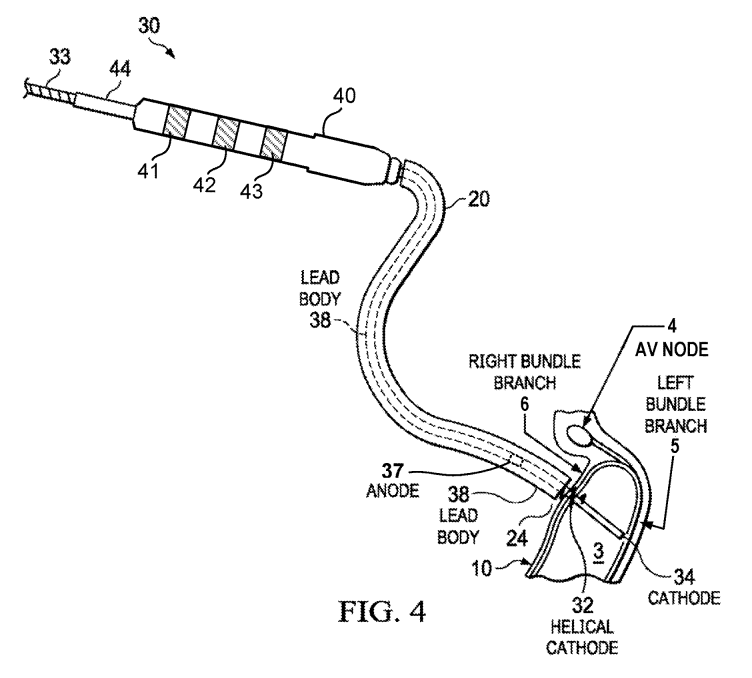
Tripolar R&LBB lead commercialization negotiations have halted previously posted intentions to disclose "auto-locking LBB connector pin, enhanced tortional stiffness and TV insufficiency avoidance."
1
181
You may have seen the LBB-helix performance compared to 3830, posted Jan 23. The first lead designed for BB pacing.
In the coming weeks, see the auto-locking LBB connector pin, enhanced tortional stiffness and TV insufficiency avoidance.
Strategic partnership hinges on speed to market. An attractive, effective lead will inspire and accelerate the life-saving elimination of "pacing-induce cardiomyopathy" of the legacy pacing paradigm.
1
4
752
The LBB transseptal helical blunt dissection electrode is designed (and anecdotally worked) for chronic extraction with no special tools.
It has high impedance for low battery drain (similar to Medtronic CapSure Z) and has half the 6-month pulse width pacing threshold of 3830.
26 Sep 2025

"LBB Interseptal Lead"
For implantation either above or below the tricuspid valve
4
26
3,270

26 Sep 2025
"LBB Interseptal Lead"
For implantation either above or below the tricuspid valve
2
21
5,819
12 Sep 2025
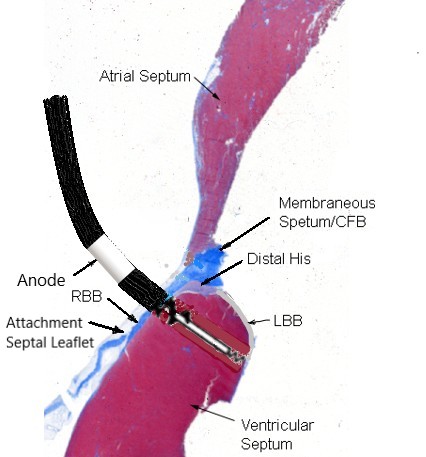
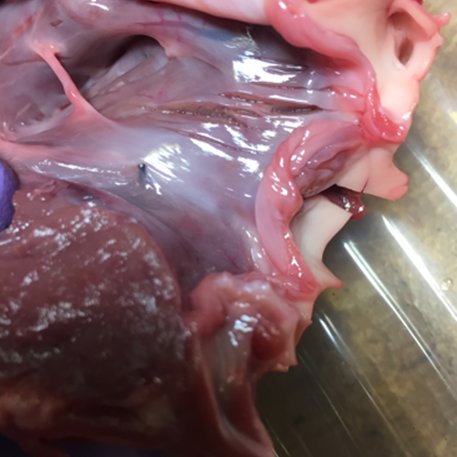
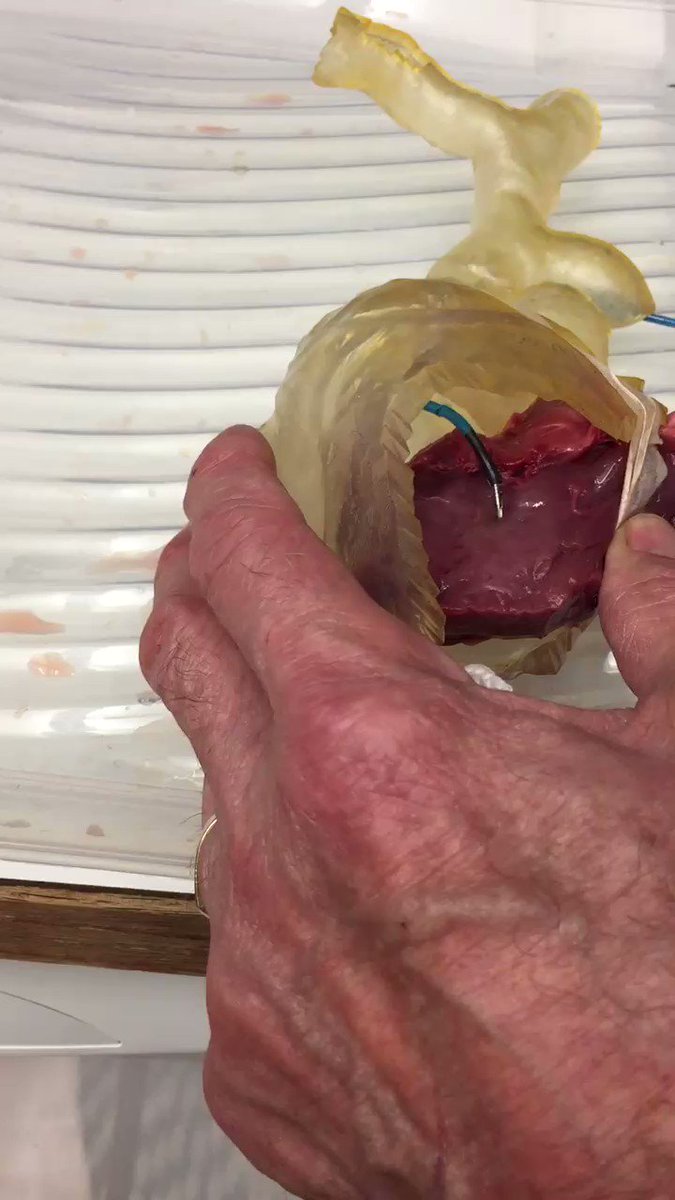
See the tip electrode and tenting of the LV tough endocardial membrane near the LBB. It seems inappropriate to approach the LV endocardial membrane with anything sharp, including the little blunt helical fixation screw. It can allow for tactile plunge electrode position feedback.
1
6
16
3,416
27 Jun 2025
Two and a half decades ago, DAVID and MOST suggested conventional pacing that bypasses the cardiac conduction system was unsafe. Visionary EP implanters have boldly introduced a win for paced patients and their loved ones by eliminating pacing induced cardiomyopathy. I believe a company, or companies, will win along with the patients they wish to serve.
259
2 May 2025
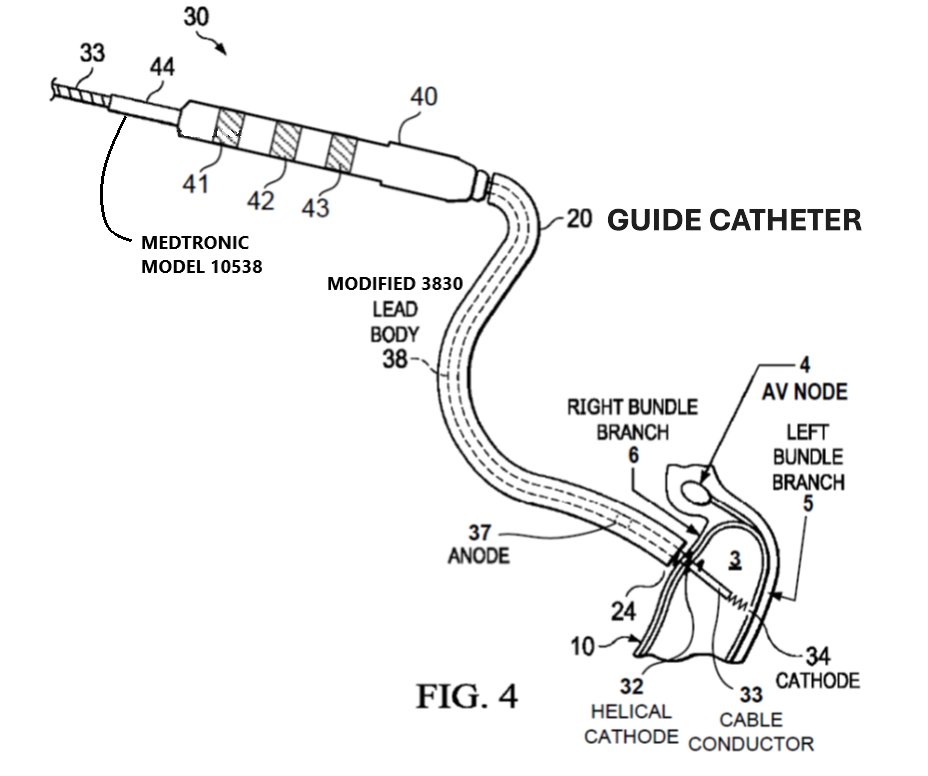
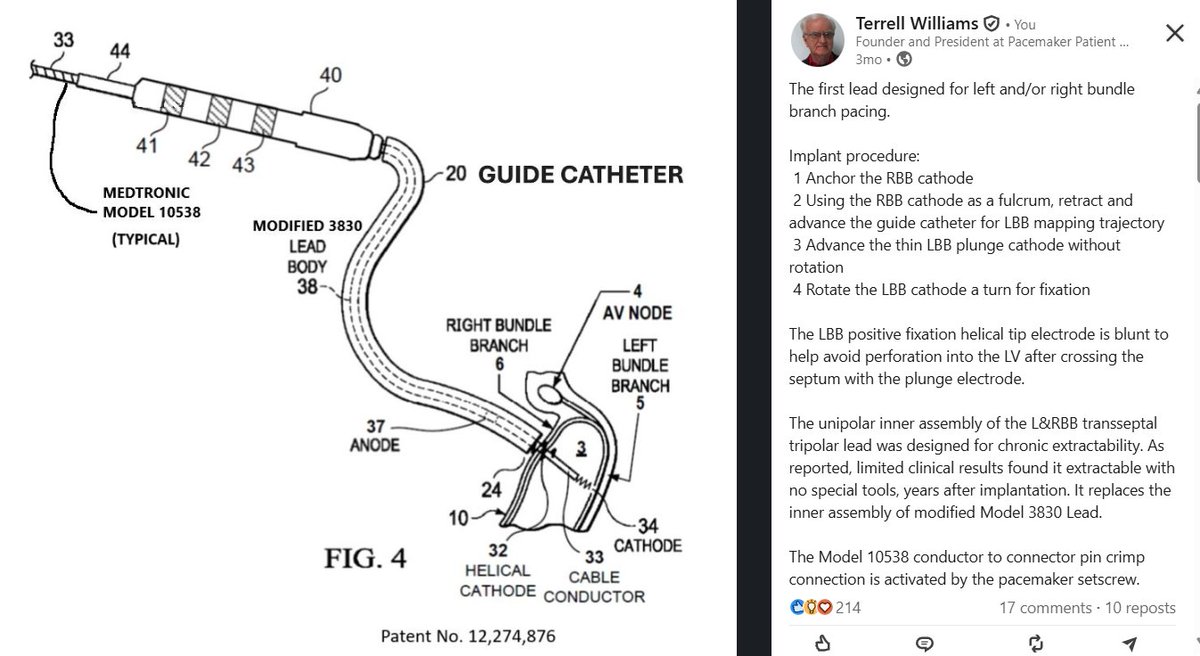
The unipolar, Medtronic Model 10538 (inner assembly of the L&RBB transseptal tripolar lead below) was designed for chronic extractability. Reportedly, limited clinical results found it extractable with no special tools, years after implantation. It replaces the inner assembly of modified Model 3830, below.
ALT Patent No,: 12,274,876
3
450
8 Mar 2025
Congratulations! After years of mainstream conduction system pacing, a large (23,186 patient) study was published this month. Medicare data aligned with small studies finding all-cause mortality and HFH benefits of CSP.
<Heart Rhythm, Volume 22, Issue 3, p735-743, March, 2025>
1
4
369
4 Nov 2024
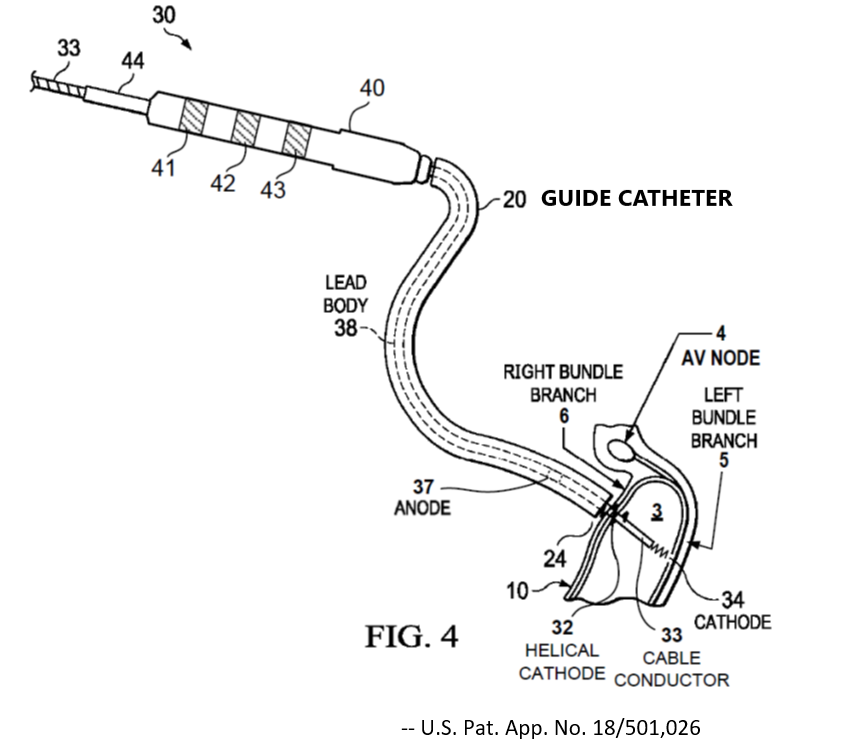
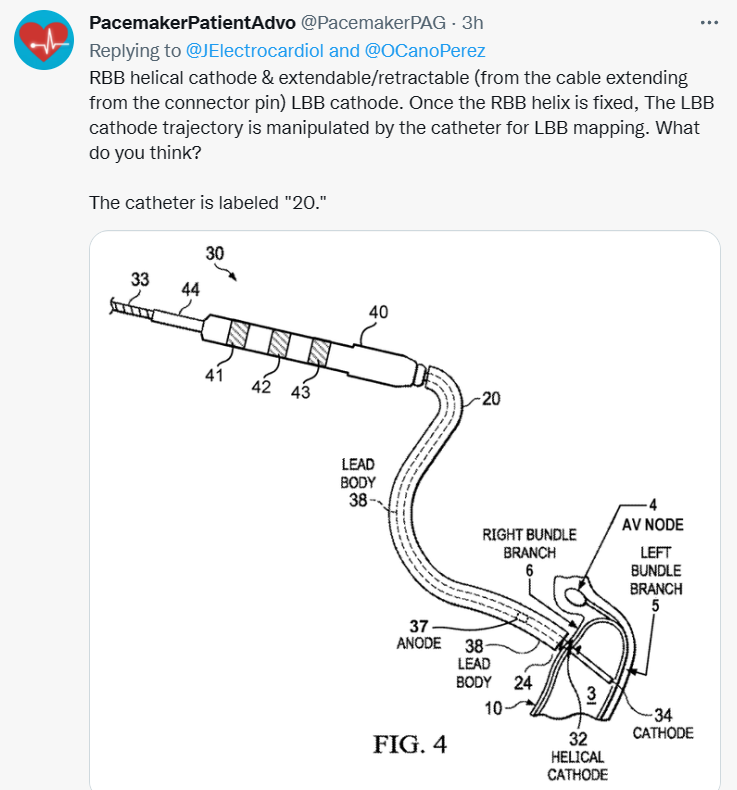
Multi-option conduction system pacing lead
1 Anchor the RBB cathode
2 Using the RBB cathode as a fulcrum, retract and advance the guide catheter for LBB mapping trajectory
3 Advance the thin LBB plunge cathode without rotation
4 Rotate the LBB cathode a turn for fixation
3
9
1,215
22 Feb 2025
Please note that the LBB positive fixation helical tip electrode is blunt. It's inappropriate to approach the LV endocardial membrane with anything sharp. Even with a blunt dissection plunge helical electrode. (Patent pending.)
Terry
1
277
8 Feb 2025
Medtronic's first clinical pass-pull attempt at His bundle pacing with a catheter introduced lumen-less lead to mainstream.
The date: February 18, 1994
The vision: eliminate PICm forever
The business plan: “Do the right thing for the patient and everything else will work out.”
1
1
3
573
8 Feb 2025
The Model 3830 Lead & introduction catheters, and visionary leadership by Dr. Vijayaraman, and others, finding 20% death and HF hospitalization after 5 years of pacing, suggests that many tens of thousands of lives have already been saved. (Based on 2 million pacemakers/year.)
2
257
16 Nov 2024
LBB "cable conductor" thinner than the Model 3830 lead, yet greater tortional stiffness.
1
1
360
8 Nov 2024
Using legacy leads for LBB pacing, it is difficult to understand and optimize RV activation. Is RV activation retrograde His activation (within the HB via lateral gap junctions), RBB Purkinje fiber activation at the cathode, revisit longitudinal dissociation of the HB…?
TW
1
304
22 Jun 2024
We know a field strength of 1 v/cm initiates ventricular activation in contractile myocardium.
His Purkinje fiber anatomy is very different and requires an electrode for optimal field strength and distribution.
How? If not deterministic modeling, then empiric cut-&-try testing.
1
317