
Sharing defense insights on maritime security and Philippine sovereignty.
Joined January 2024
- Tweets 1,219
- Following 51
- Followers 2,074
- Likes 39
1,207 Photos and videos
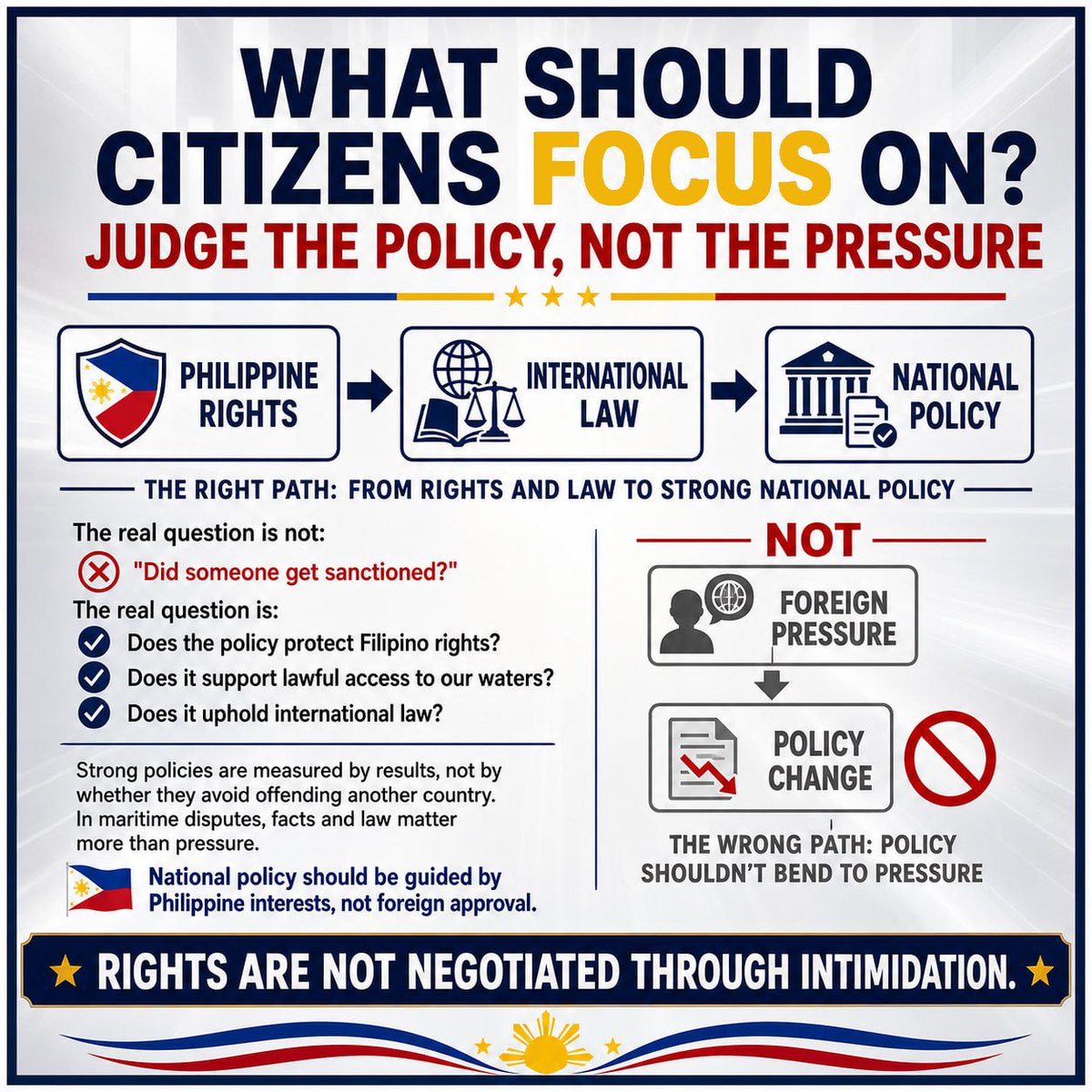


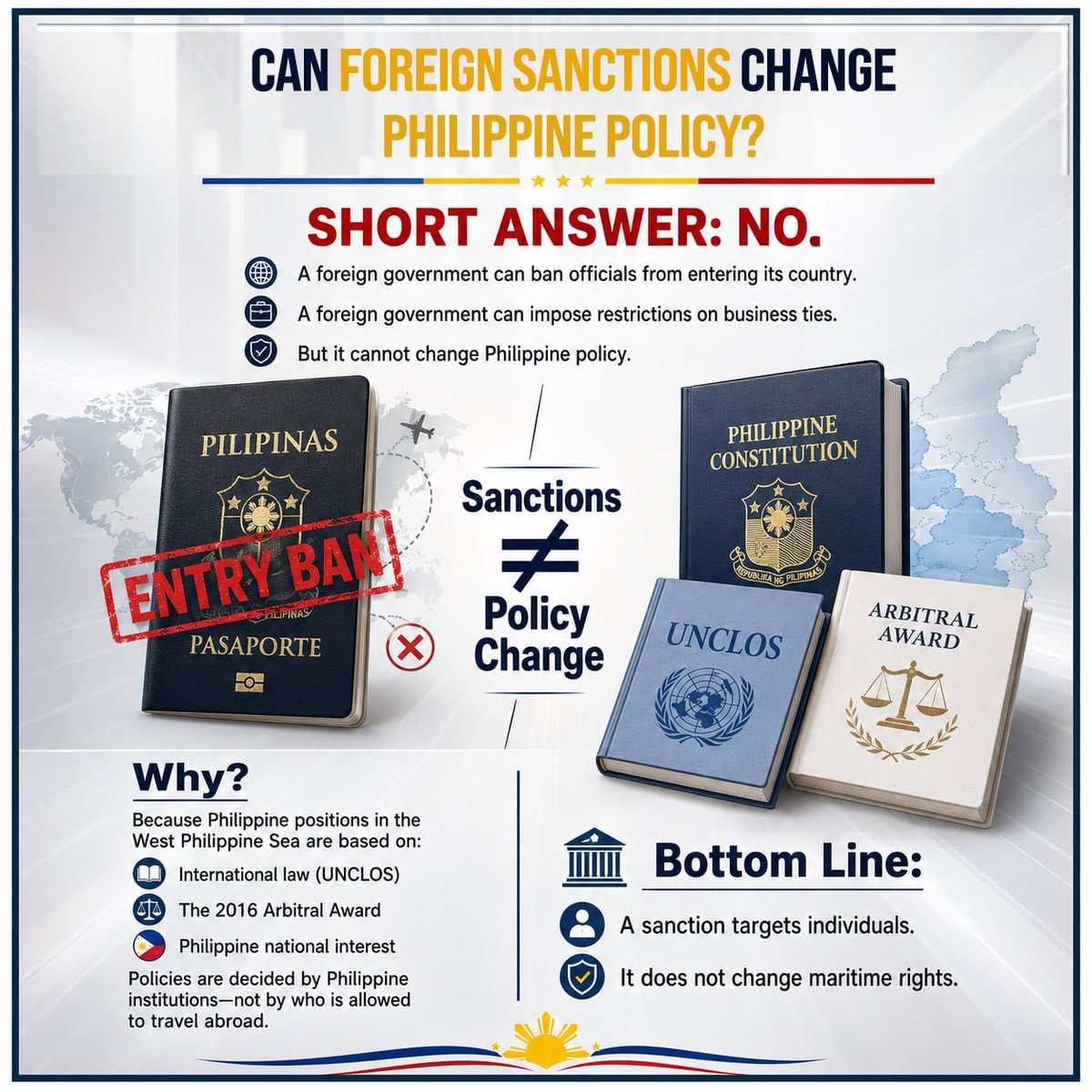
Foreign sanctions may affect individuals, but they do not decide PH policy. WPS positions rest on institutions, law, the 2016 Arbitral Award, and national interest. Debate should focus on Filipino rights, outcomes, and principles.
#ThePacificBrief #WestPhilippineSea
1
4
129
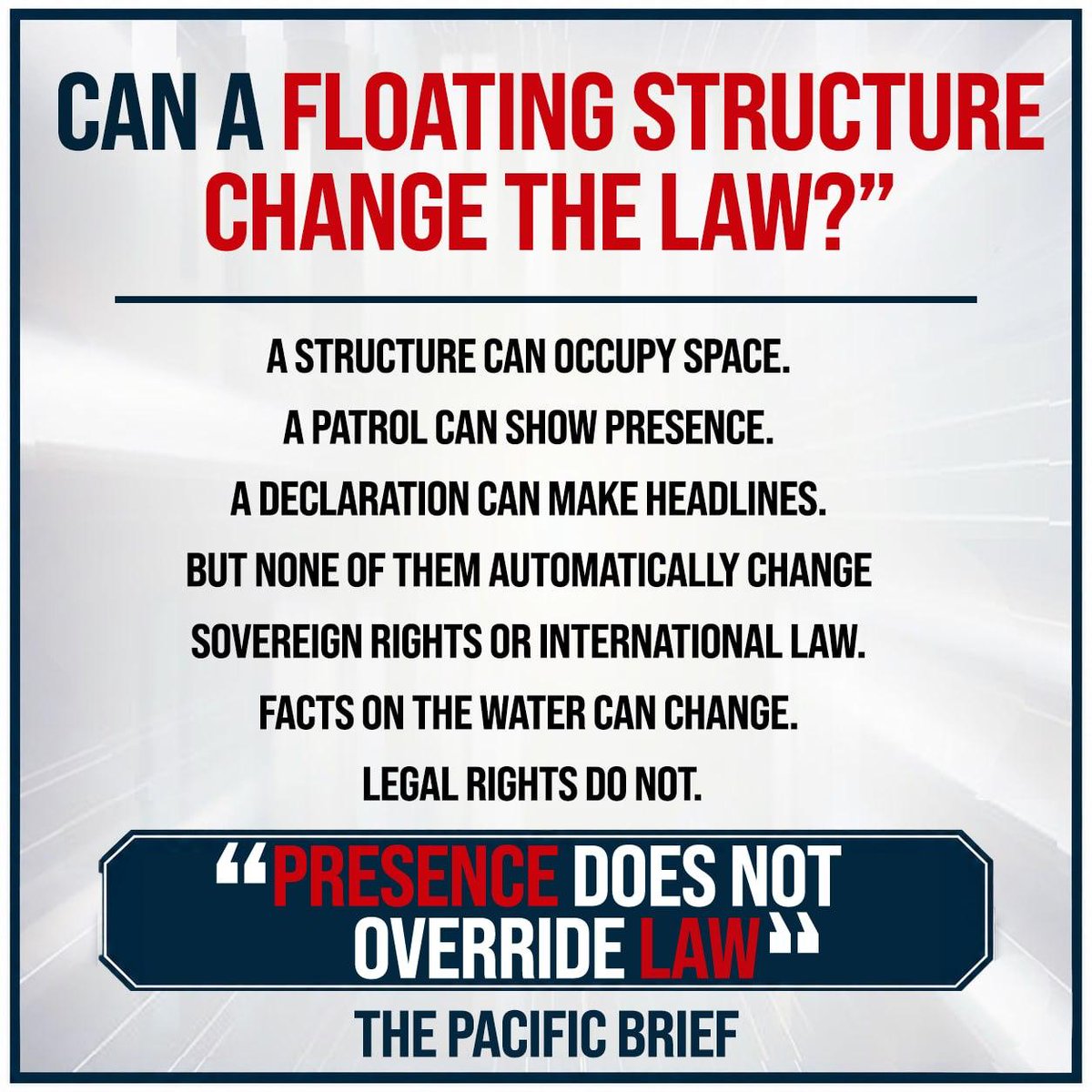
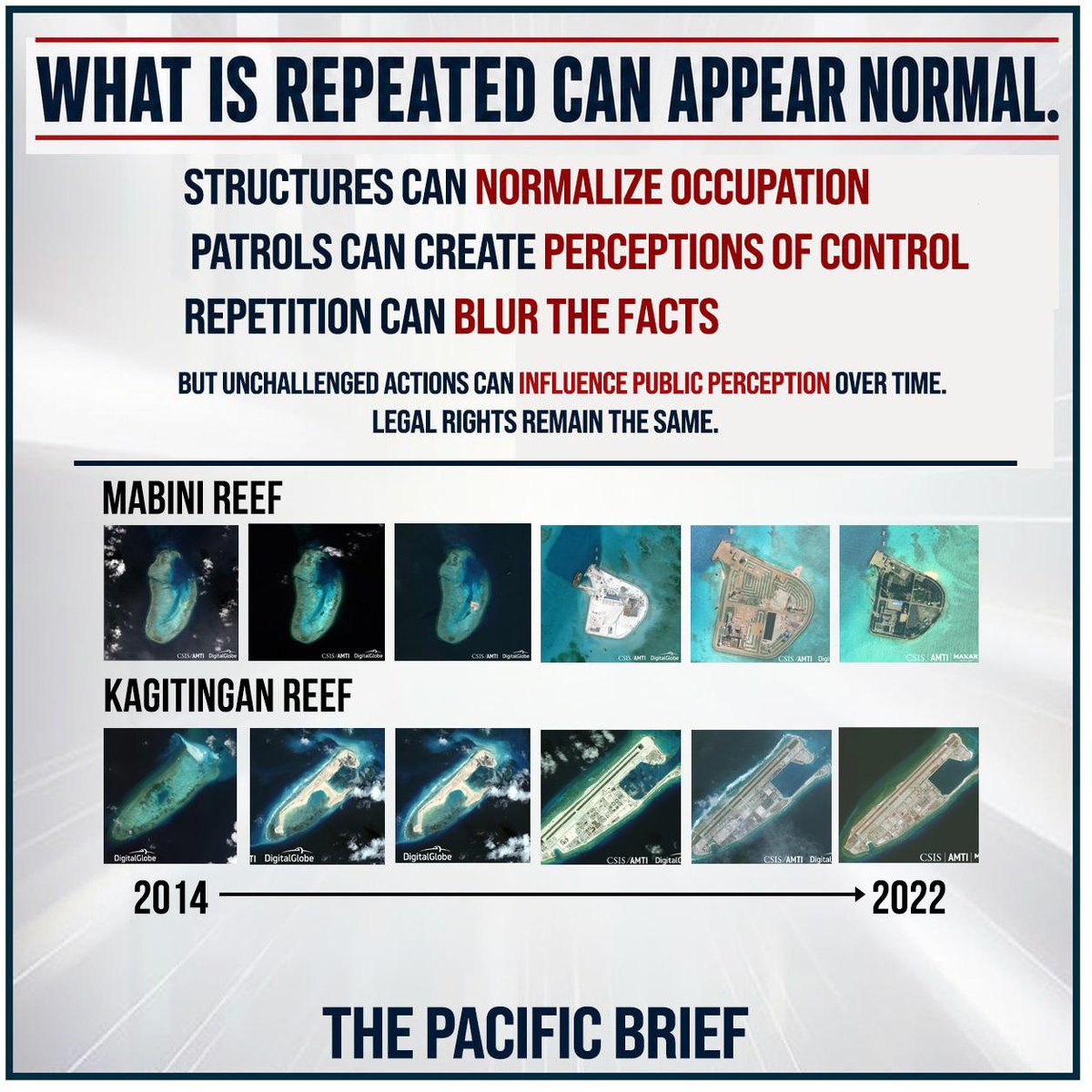
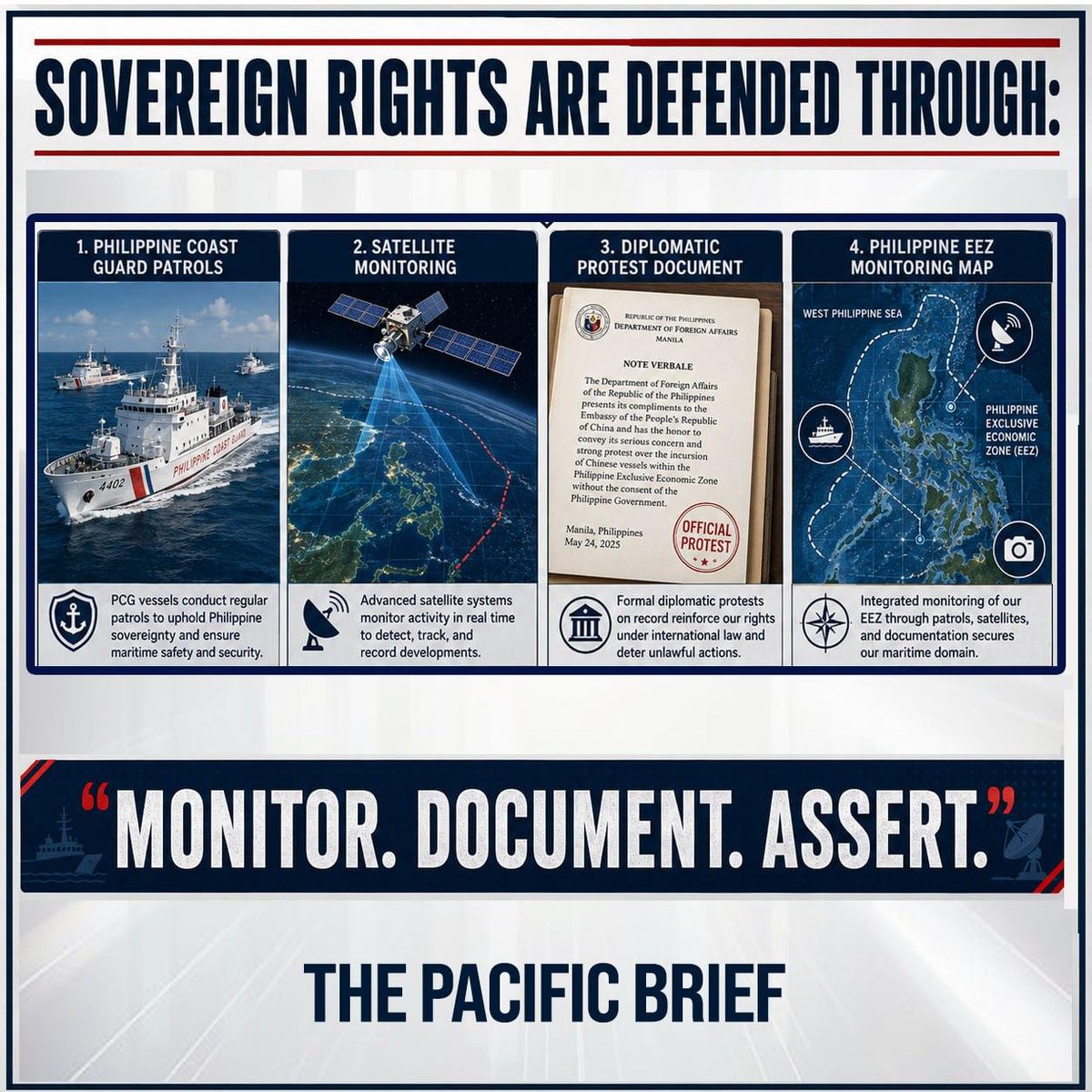
Presence is not ownership.
Law, evidence, and action matter.
#ThePacificBrief #WestPhilippineSea #ScarboroughShoal #BajoDeMasinloc #MaritimeSecurity #RulesBasedOrder #InternationalLaw #FreedomOfNavigation #MaritimeAwareness
1
1
4
153
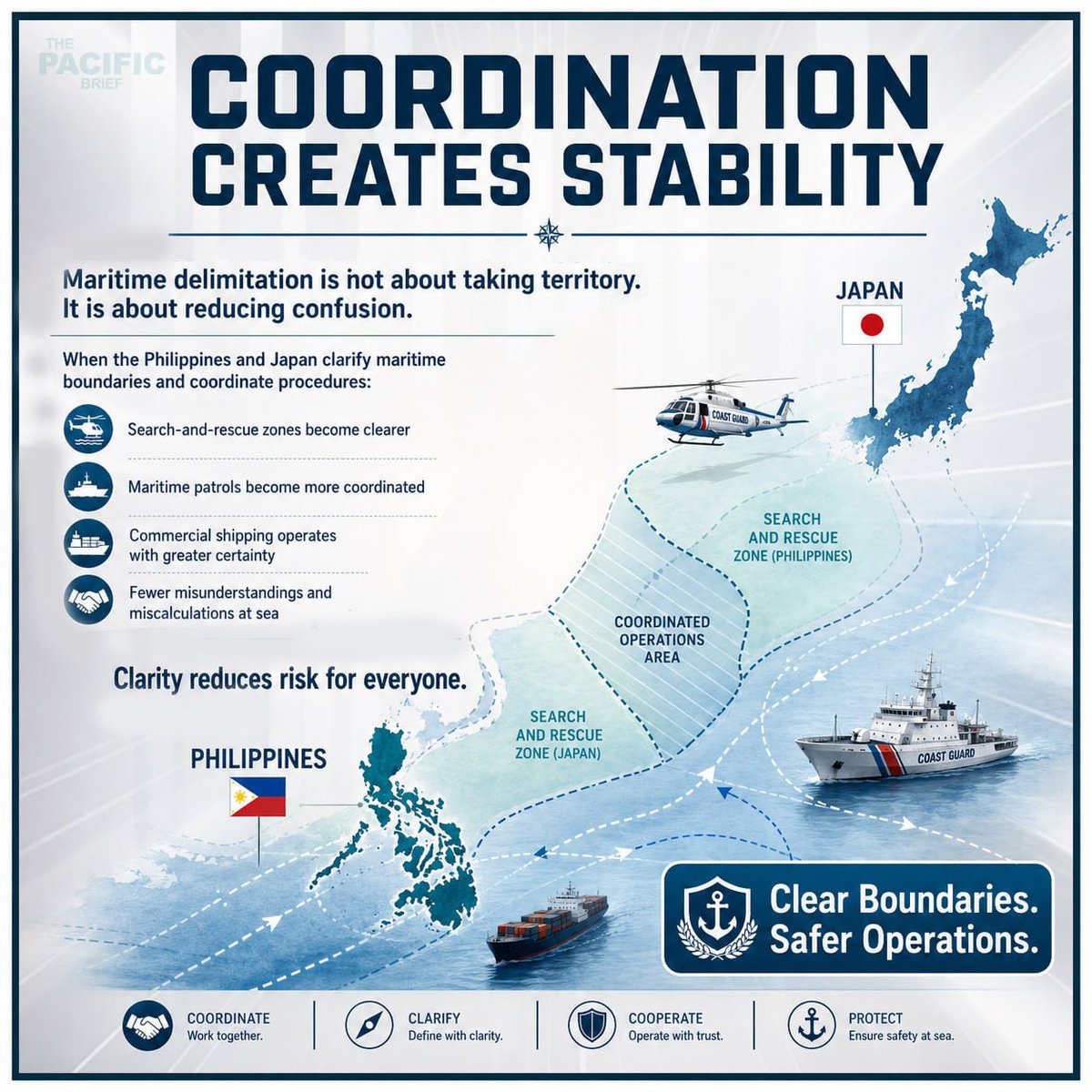
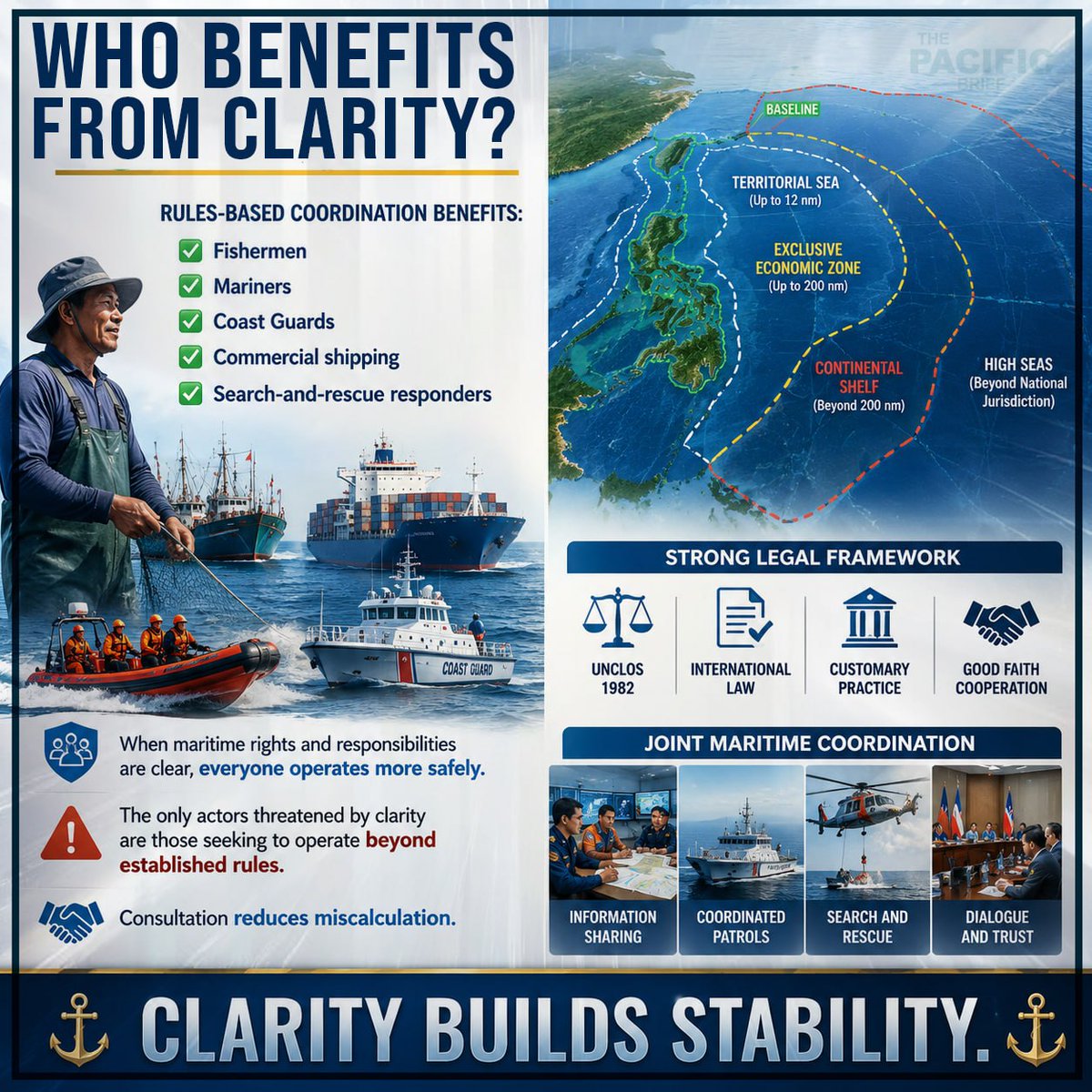
From Delimitation Talks to Safer Seas
Clearer lines. Safer seas. Fewer misunderstandings.
#ThePacificBrief #RulesBasedOrder #MaritimeSecurity #FreedomOfNavigation #SearchAndRescue #MaritimeAwareness #PhilippinesJapan #ClarityBuildsStability
1
145
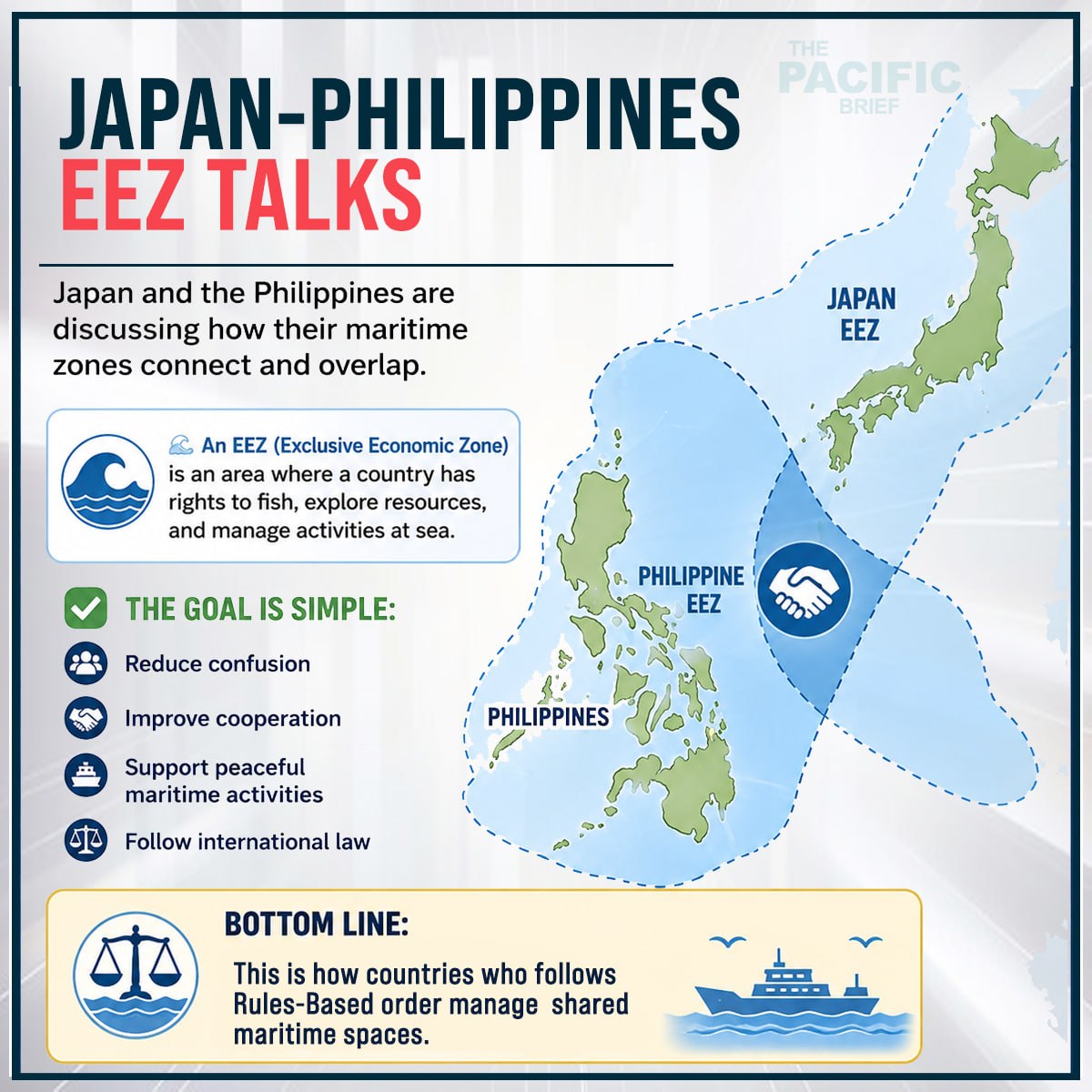
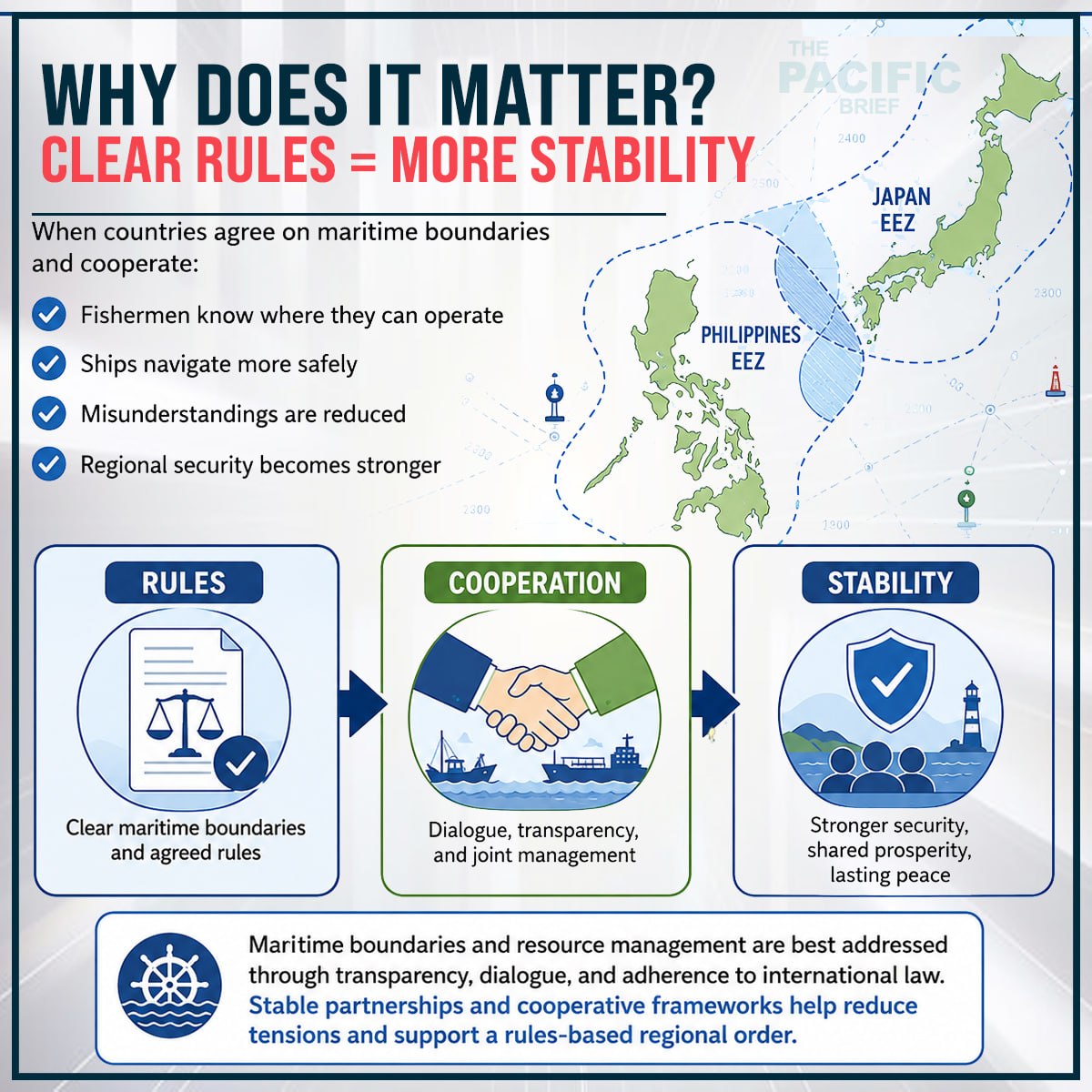
Japan–Philippines EEZ Talks
Dialogue strengthens stability.
#ThePacificBrief #IndoPacific #MaritimeSecurity #RulesBasedOrder #FreedomOfNavigation #RegionalStability #MaritimeCooperation #InternationalLaw #SecurityThroughPartnership #DialogueMatters
8
14
1,841
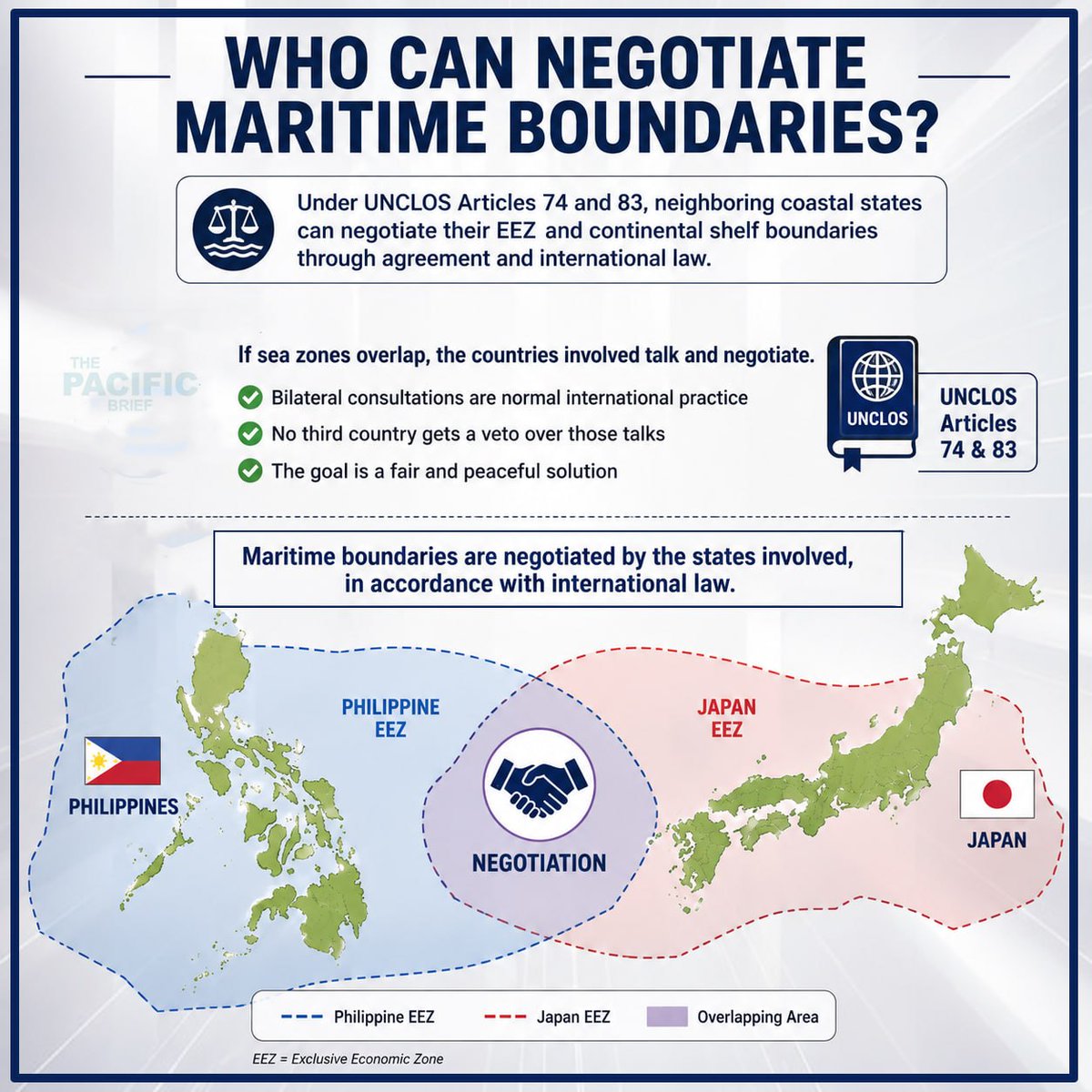
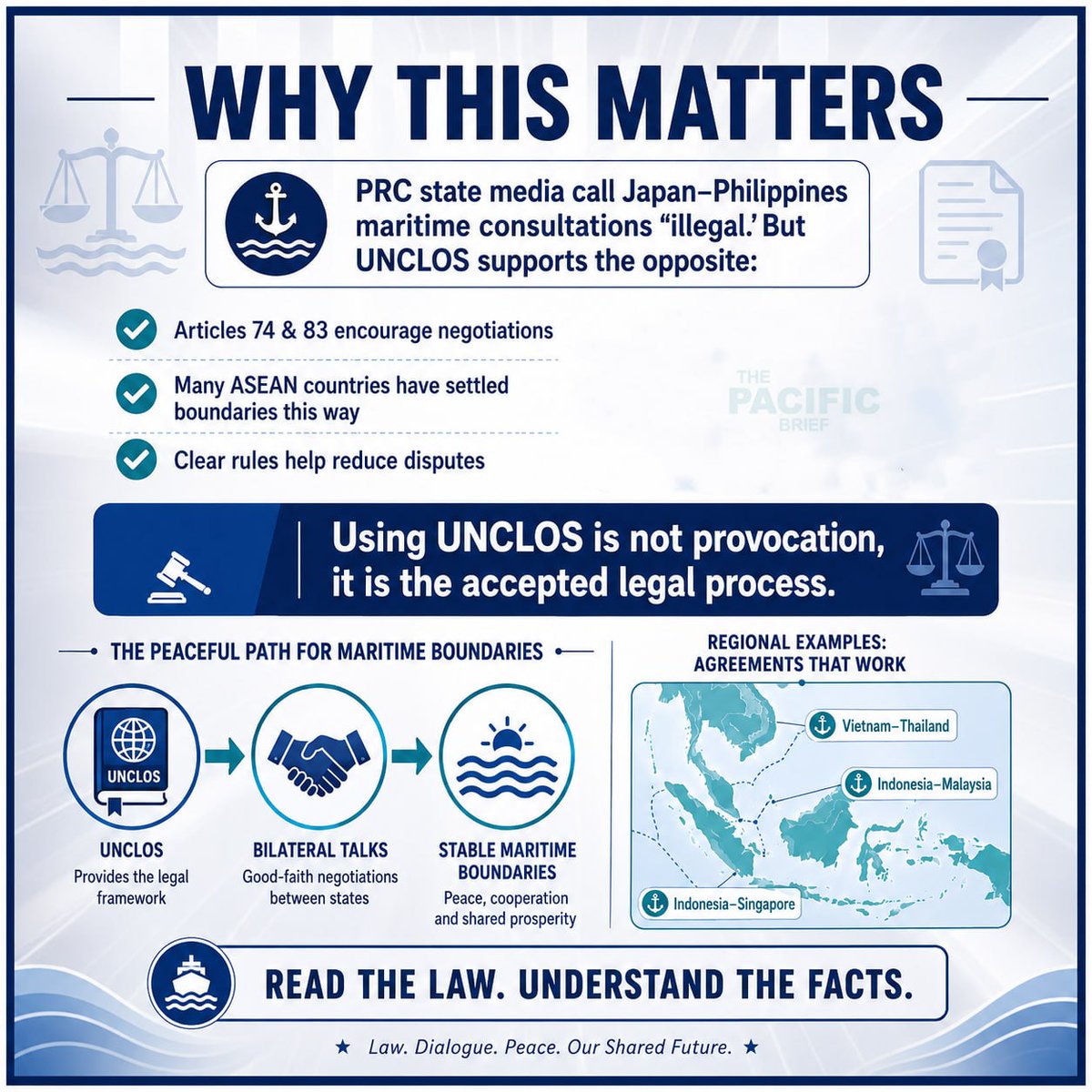
When sea zones overlap, UNCLOS allows peaceful talks for fair boundaries. Japan–PH maritime discussions are lawful practice—no outside country gets a veto. Clear rules help prevent conflict and protect communities.
#ThePacificBrief #UNCLOS
7
20
759
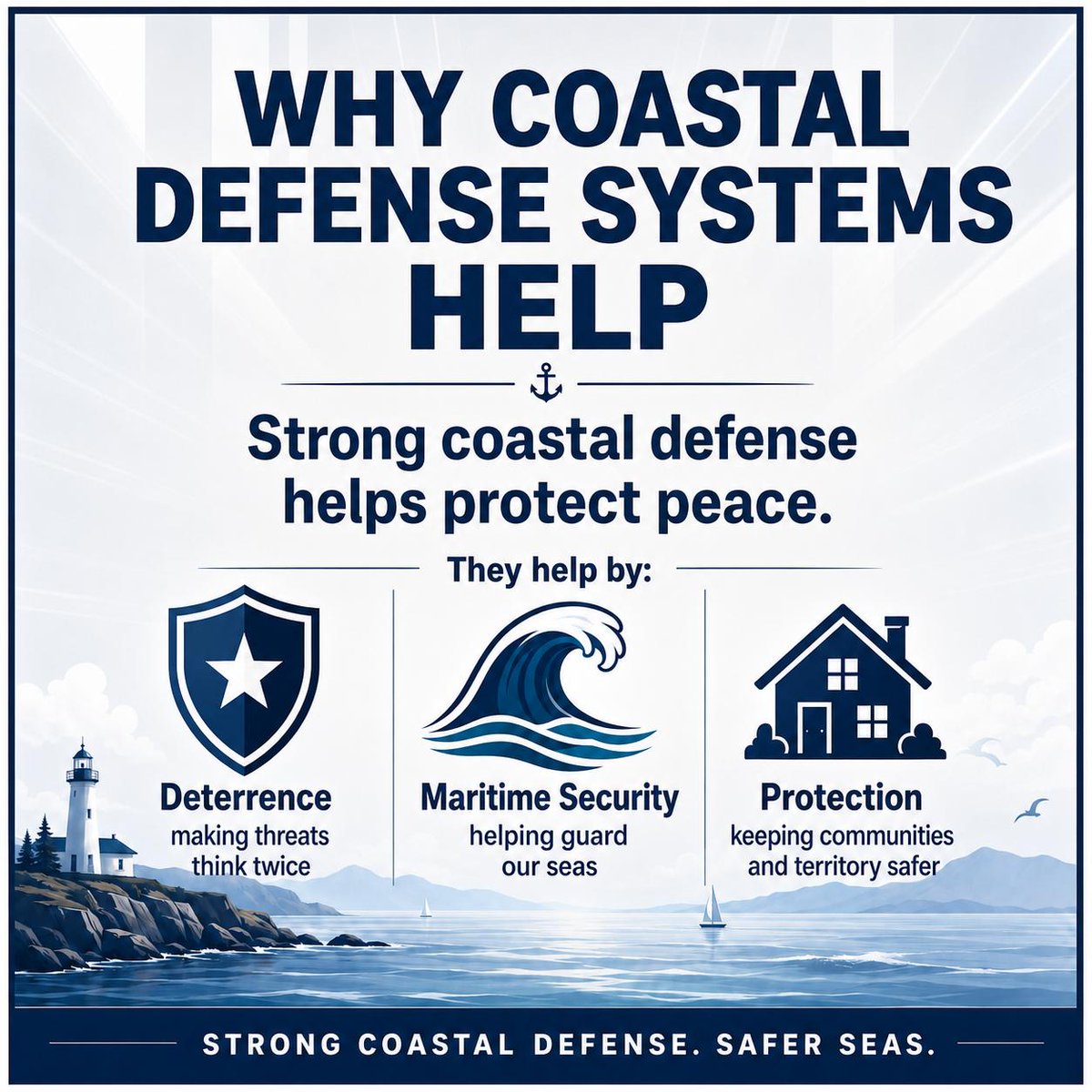
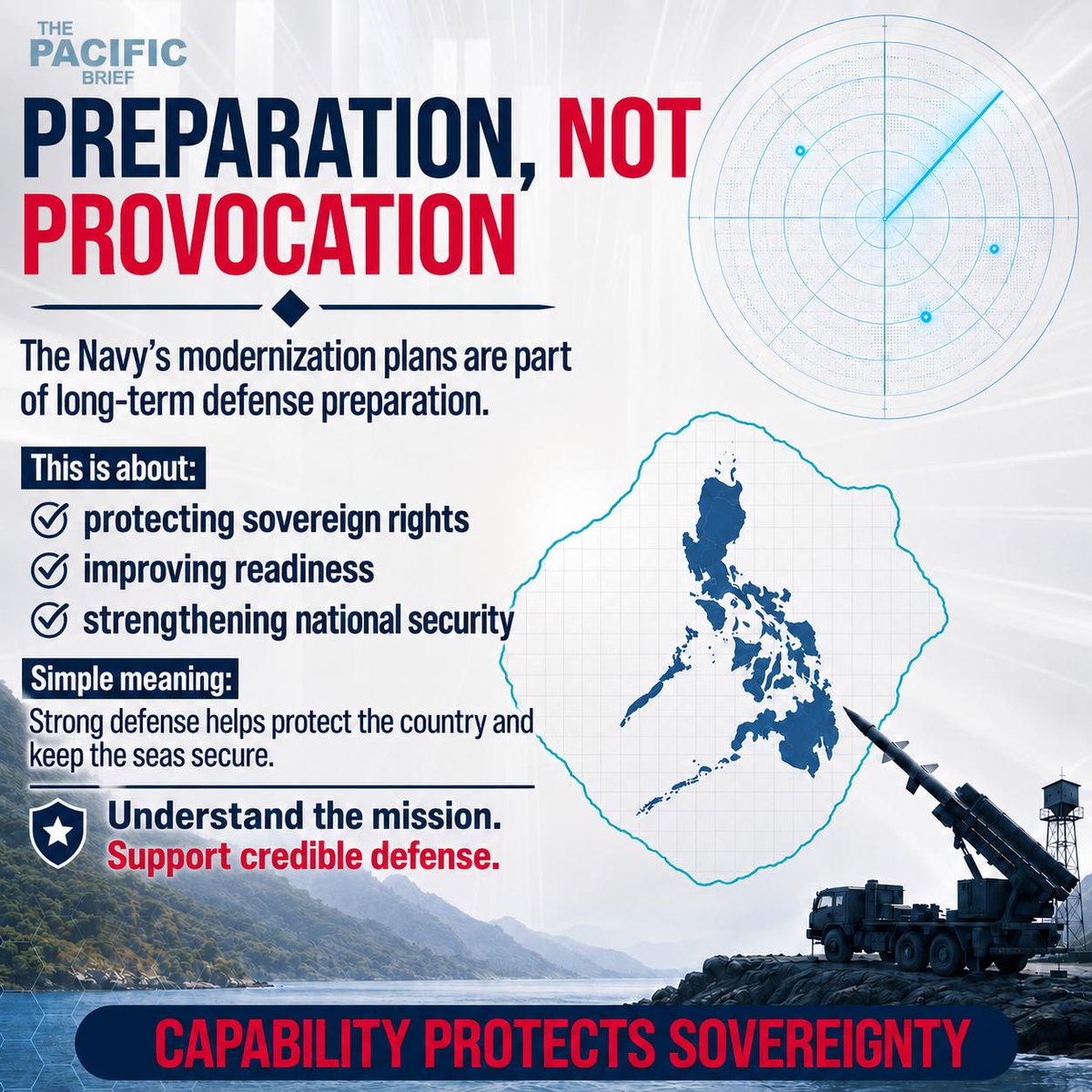
Missile systems strengthen deterrence and maritime security by helping protect communities and territory before threats get closer. This is preparation, not provocation—credible defense that supports sovereignty, readiness, and national security
#ThePacificBrief #MaritimeSecurity
2
9
248
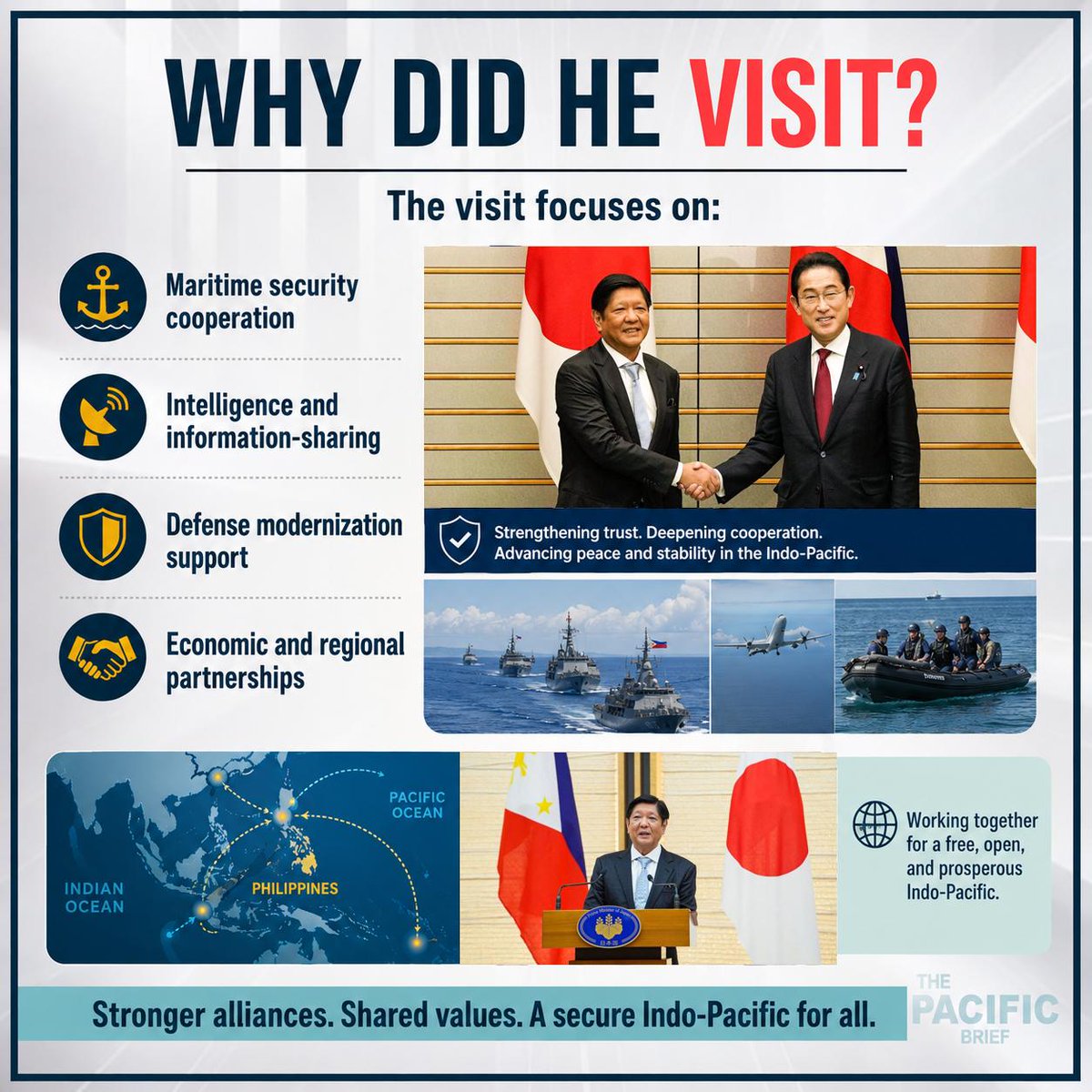
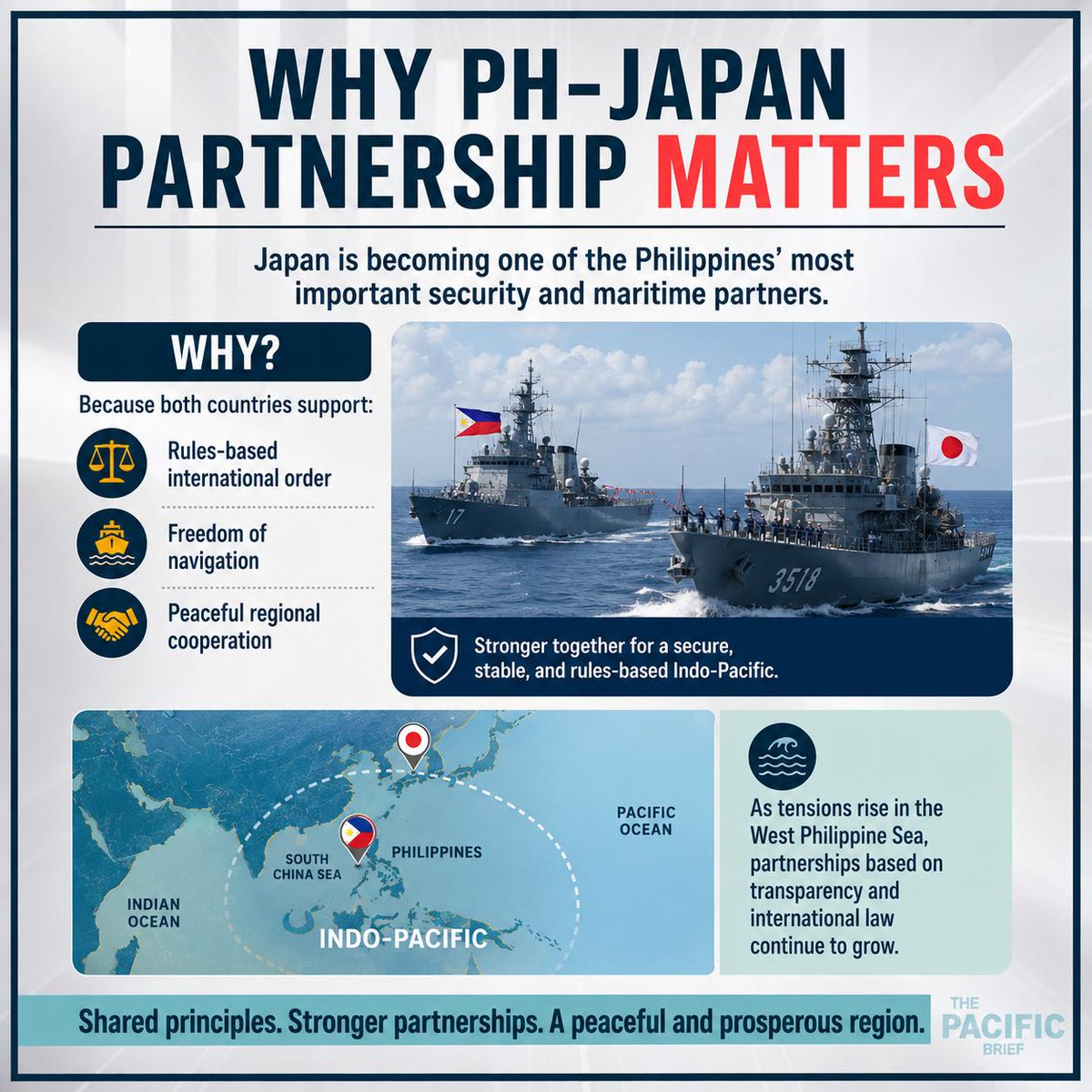
President Marcos’ Japan visit underscores a growing PH-Japan partnership focused on maritime security, defense cooperation, and a rules-based Indo-Pacific. In tense times, lawful and transparent coordination matters.
#ThePacificBrief #PhilippinesJapan #RulesBasedOrder #WPS
2
6
233
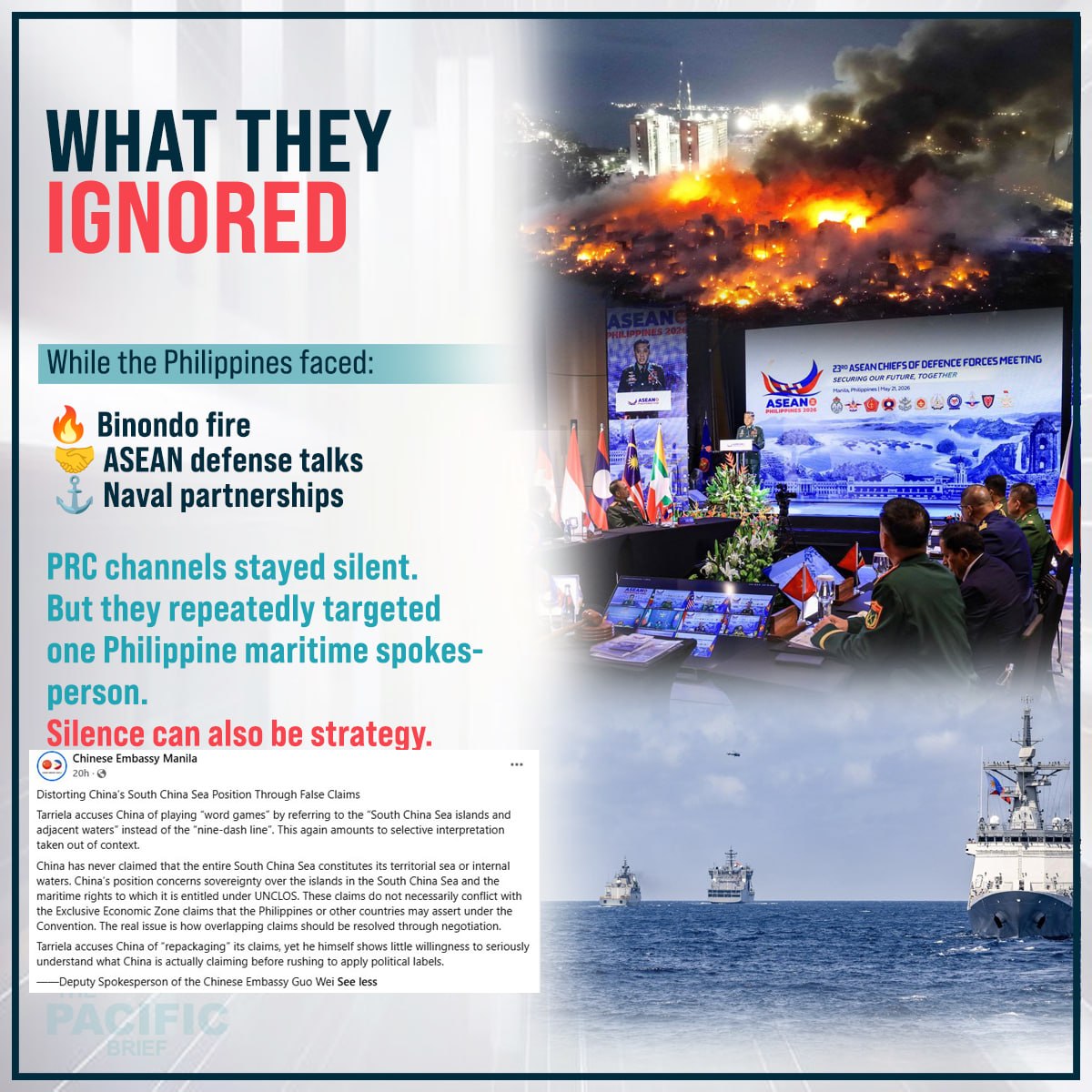
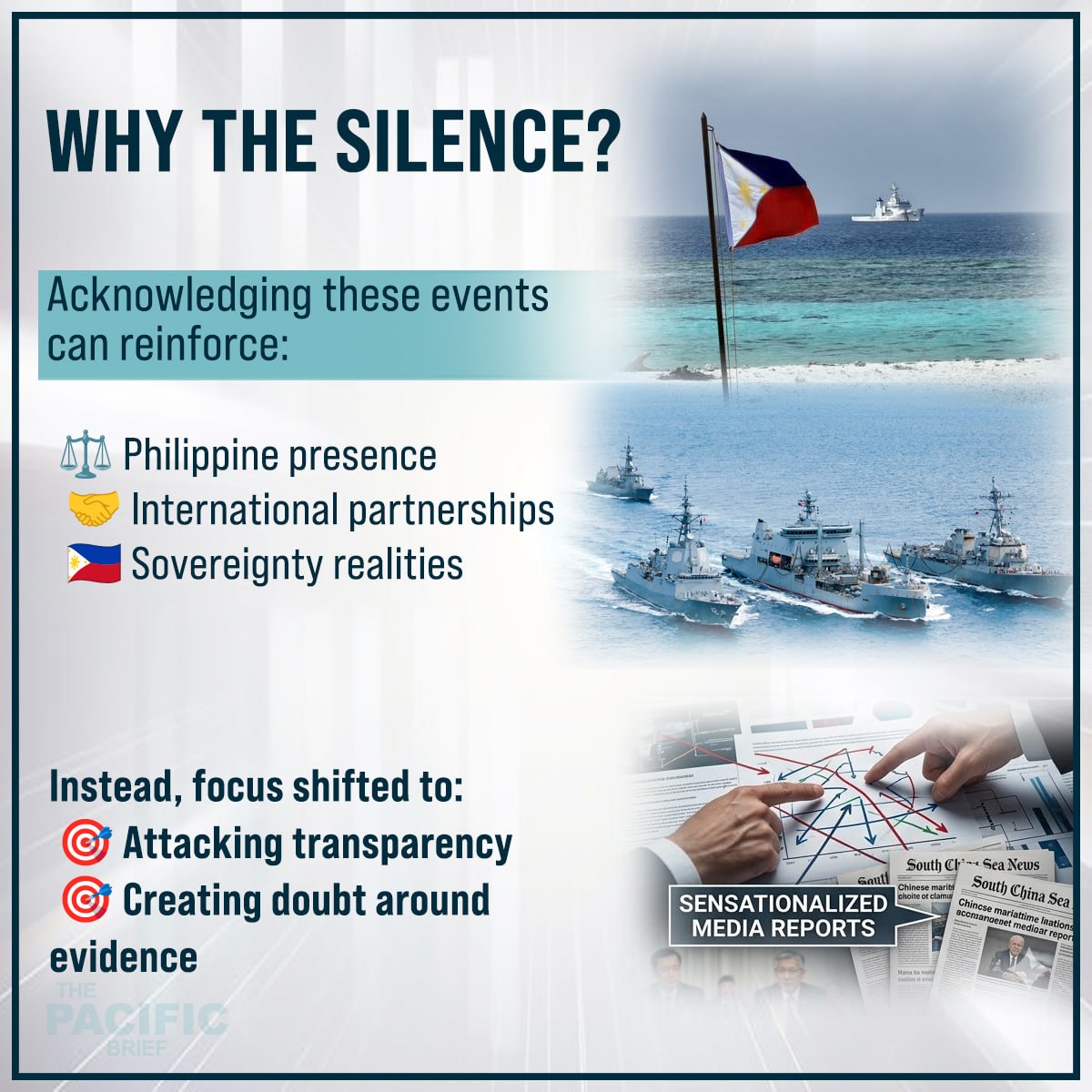
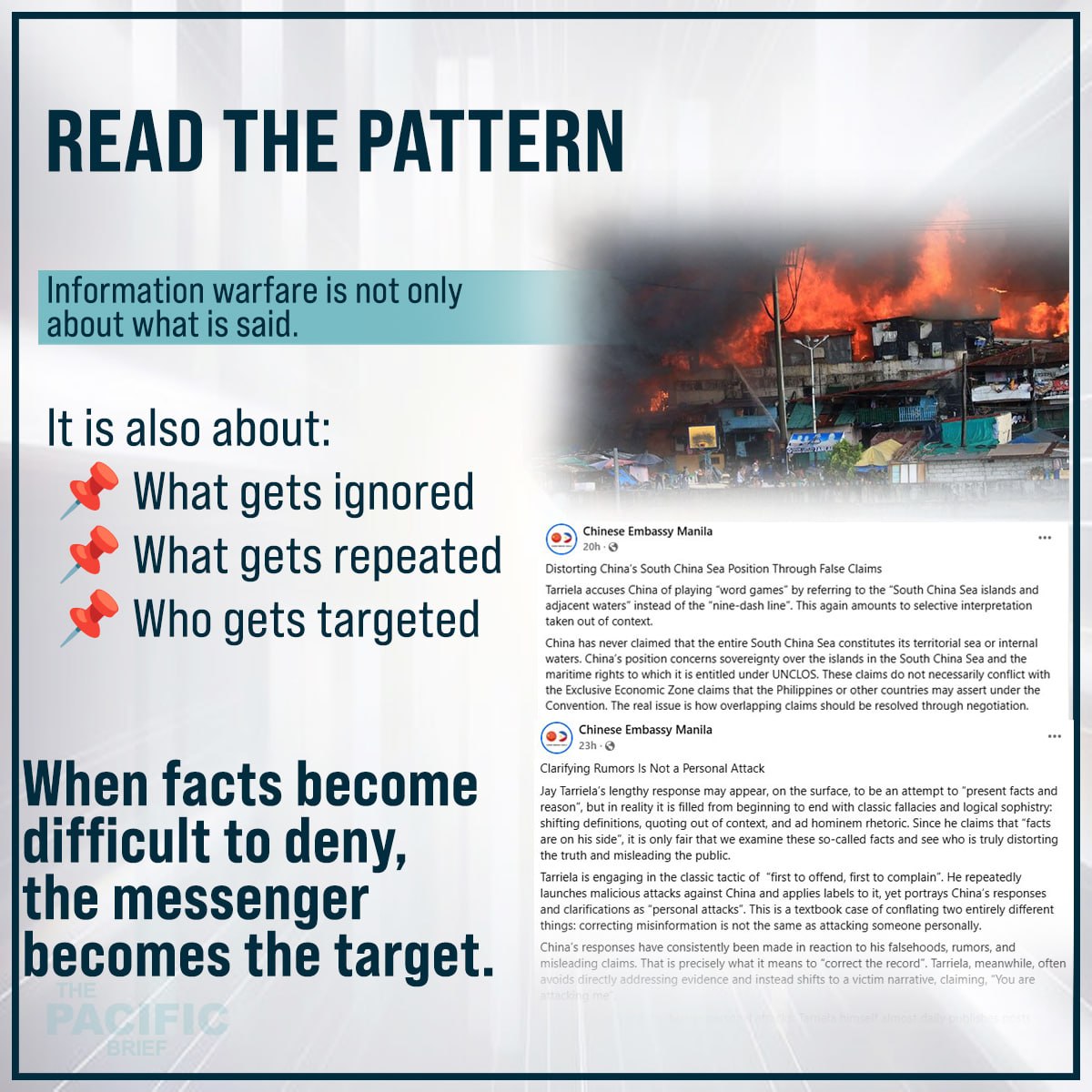
Info ops are not only propaganda posts - they’re also selective silence. When attention shifts, PRC messaging targets transparency advocates because documented presence, partnerships, and visible PH administration are harder to counter.
#ThePacificBrief #WestPhilippineSea
4
204
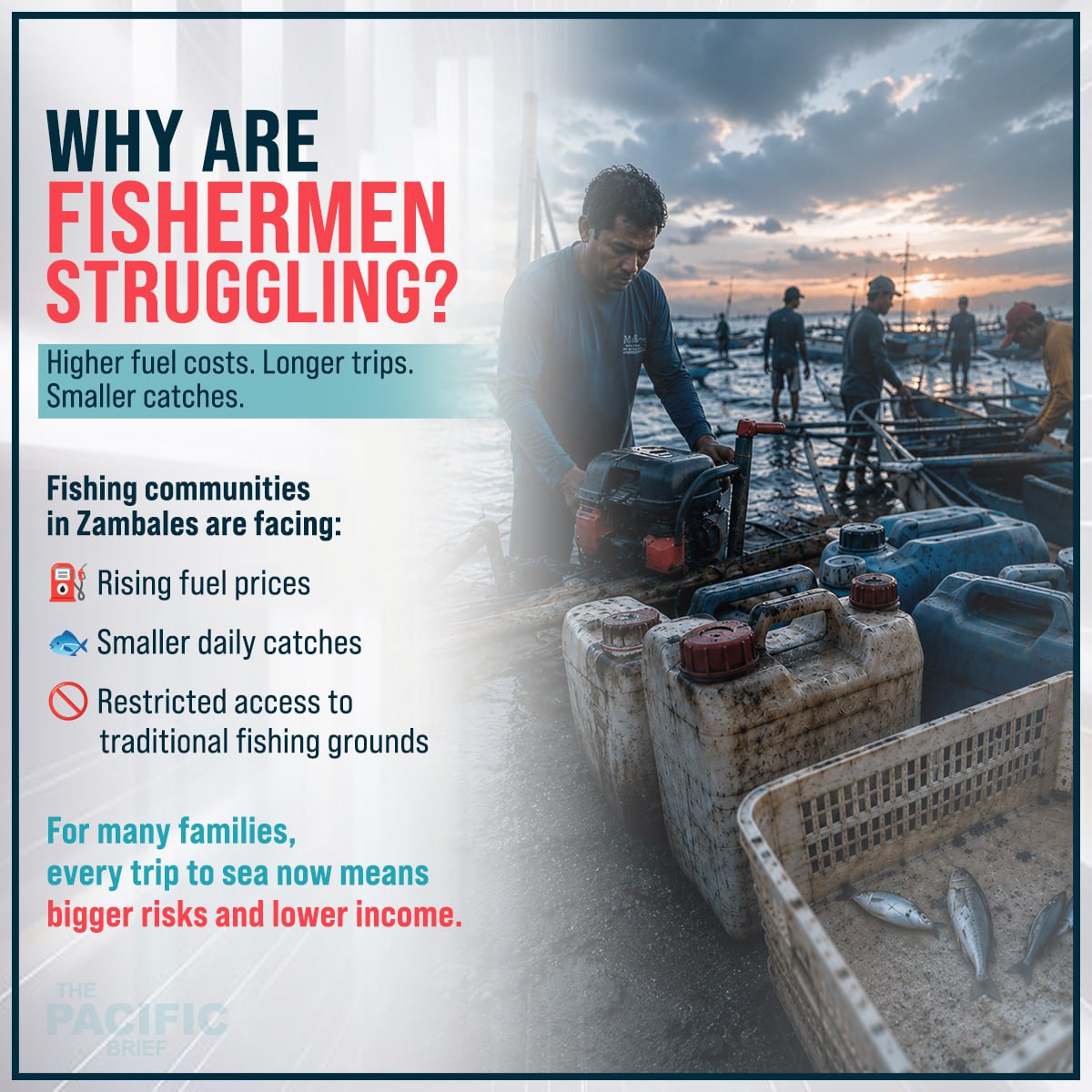
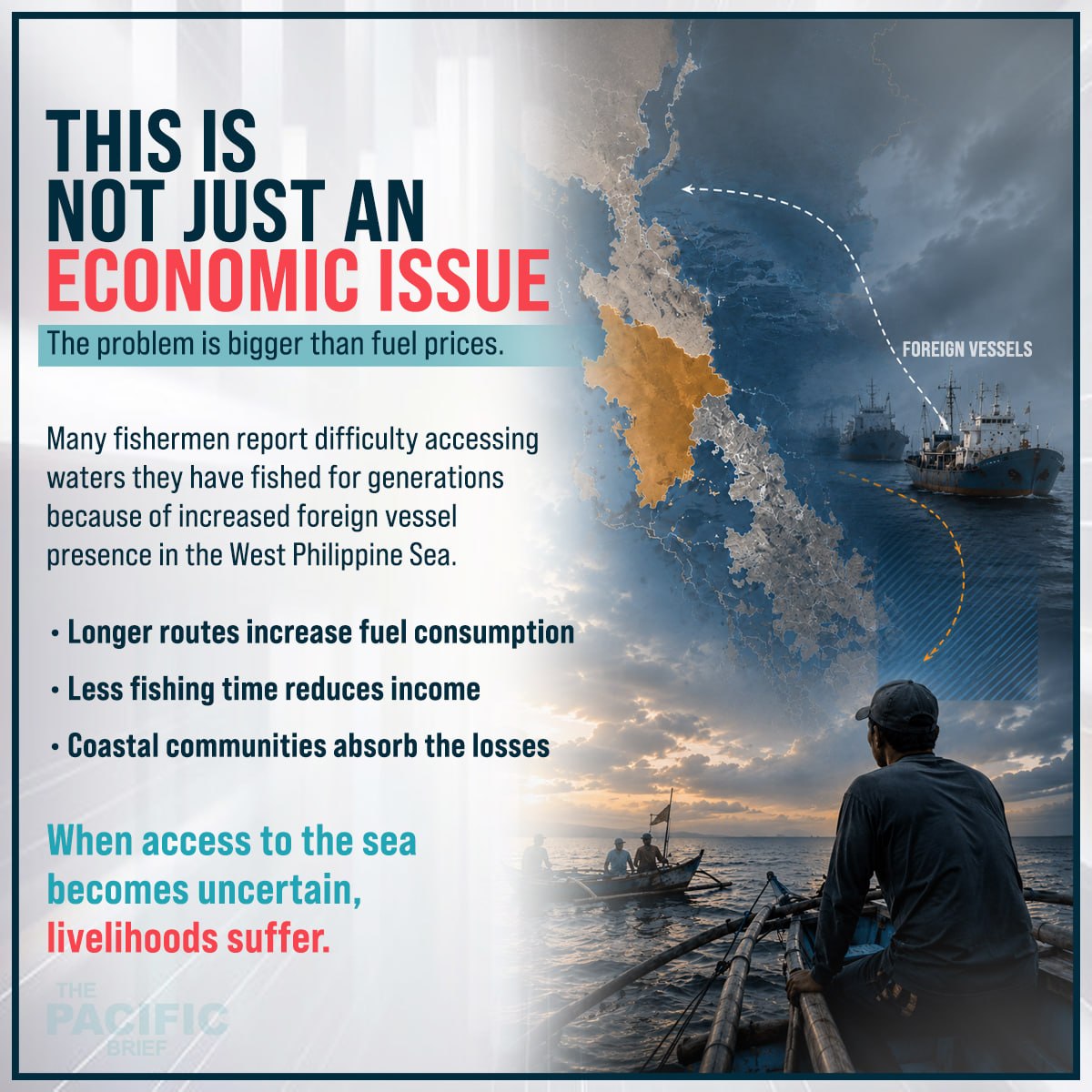
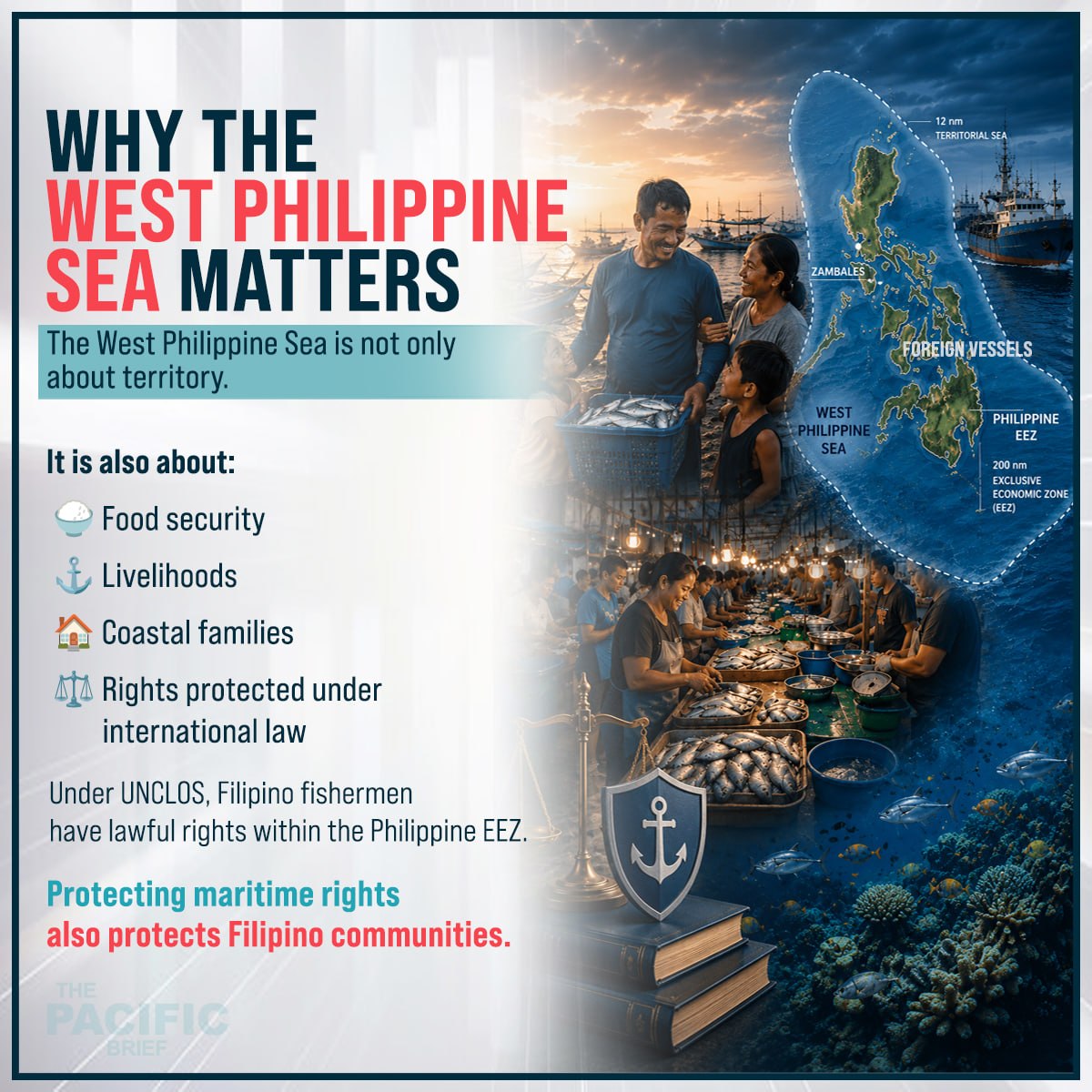
The WPS issue is not just ships, maps, or geopolitics. For Zambales fisherfolk, restricted access means lost income, higher fuel costs, food insecurity, and risk at sea. Real families are behind every maritime incident.
#WestPhilippineSea #Fisherfolk
2
6
201
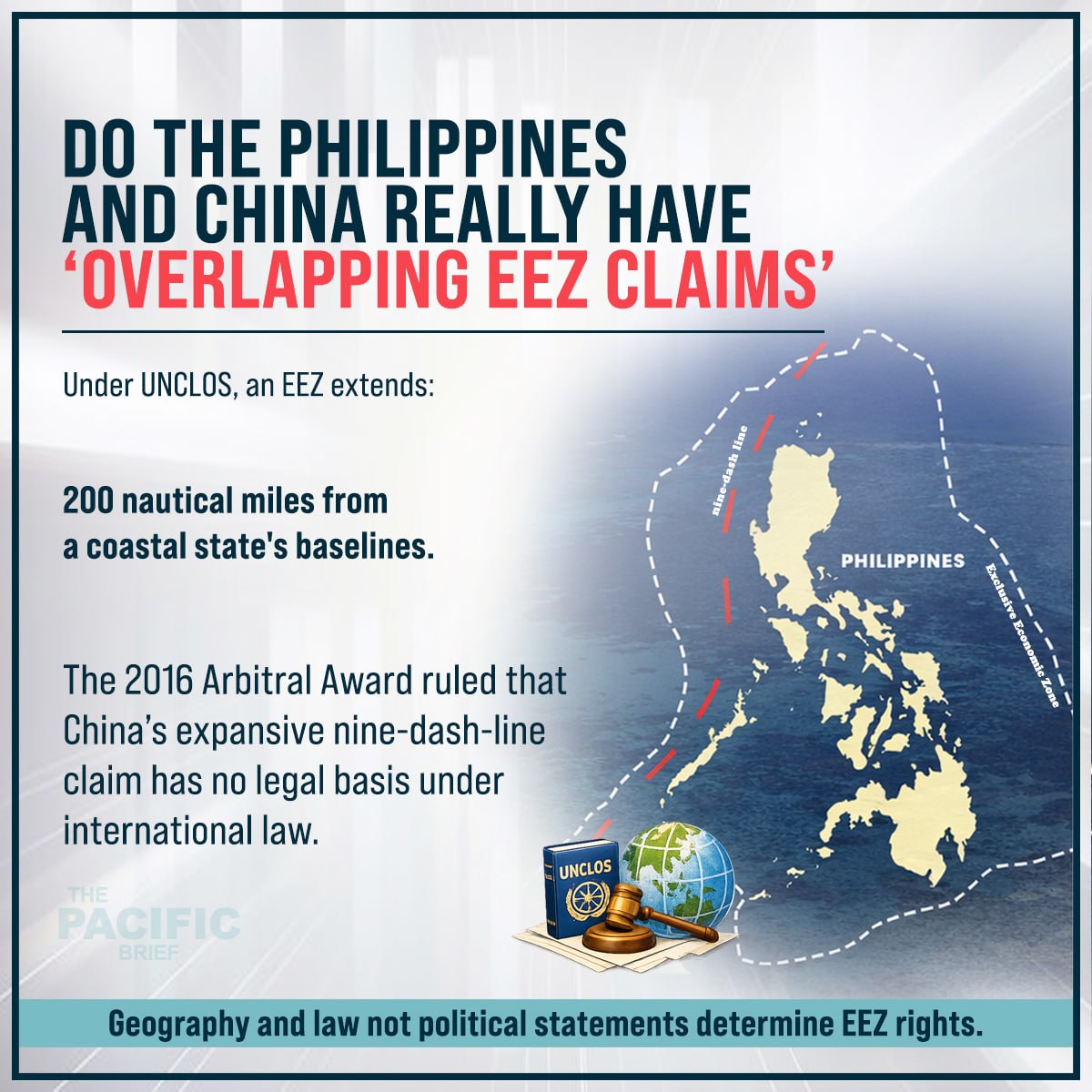
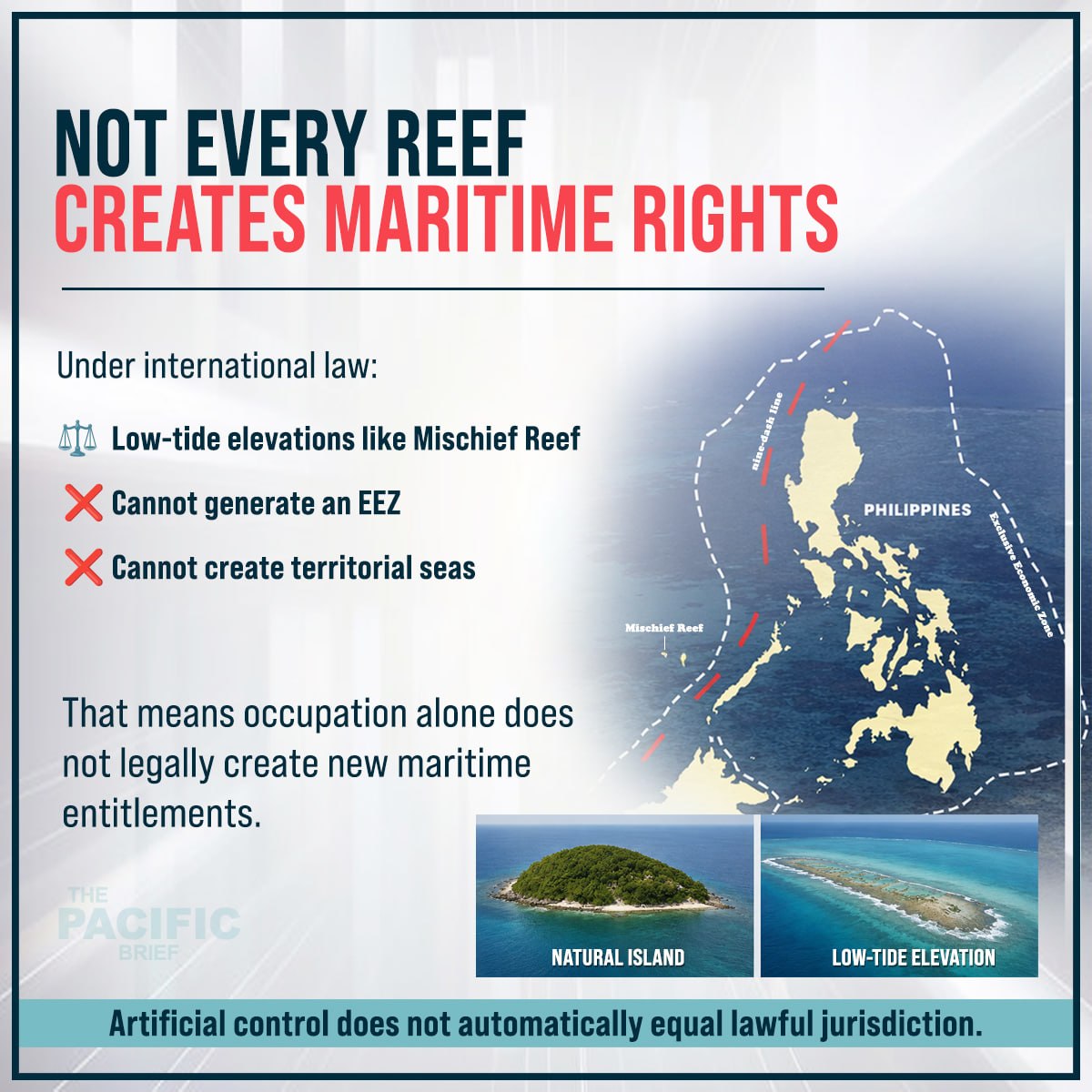
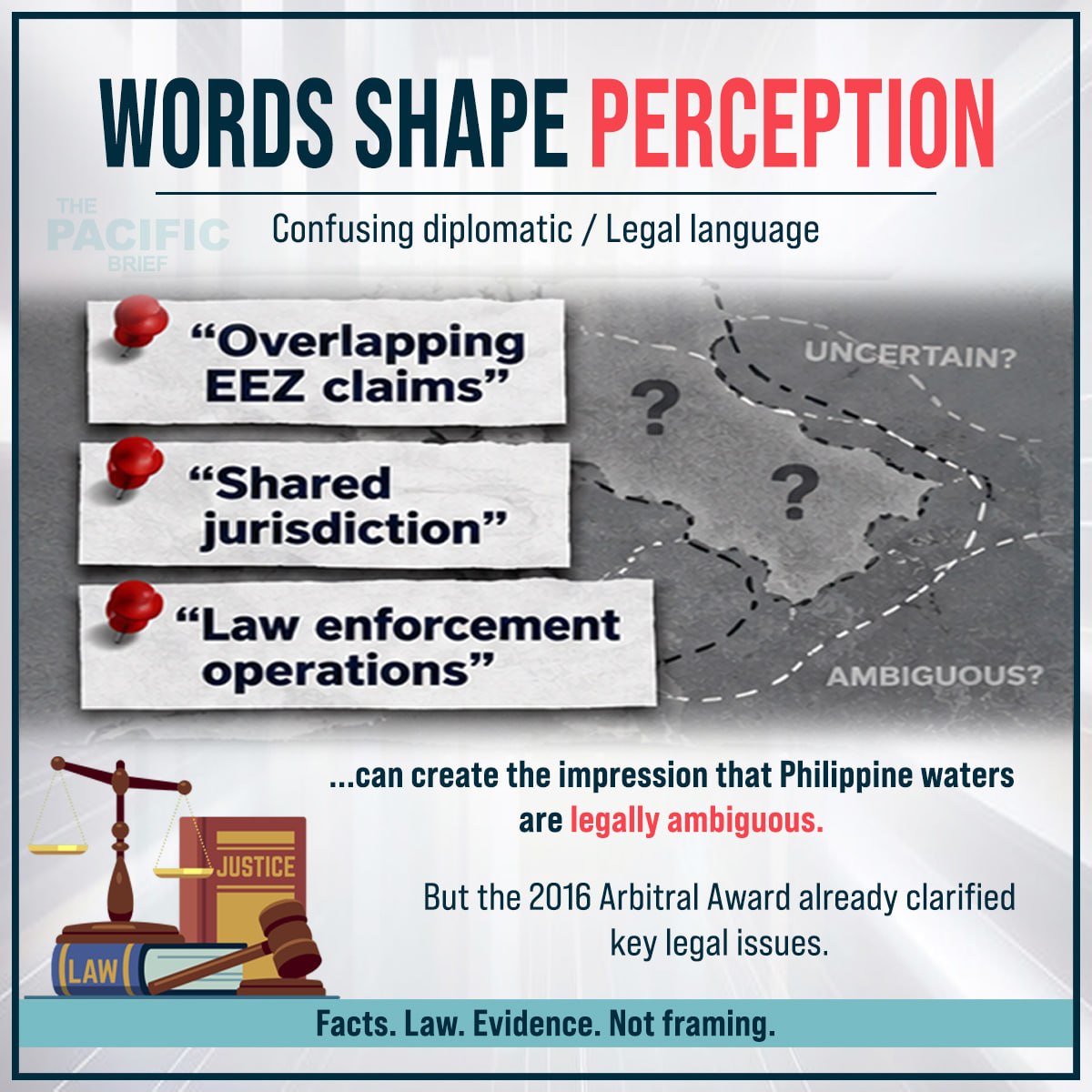
“Overlapping EEZ claims” can confuse what law already clarified. Under UNCLOS and the 2016 Arbitral Award, the PH EEZ stands, and the nine-dash line has no legal basis. Know the law. Question the framing.
#WestPhilippineSea #UNCLOS #2016ArbitralAward #FactsMatter #KnowTheLaw #WPS
1
8
9
307
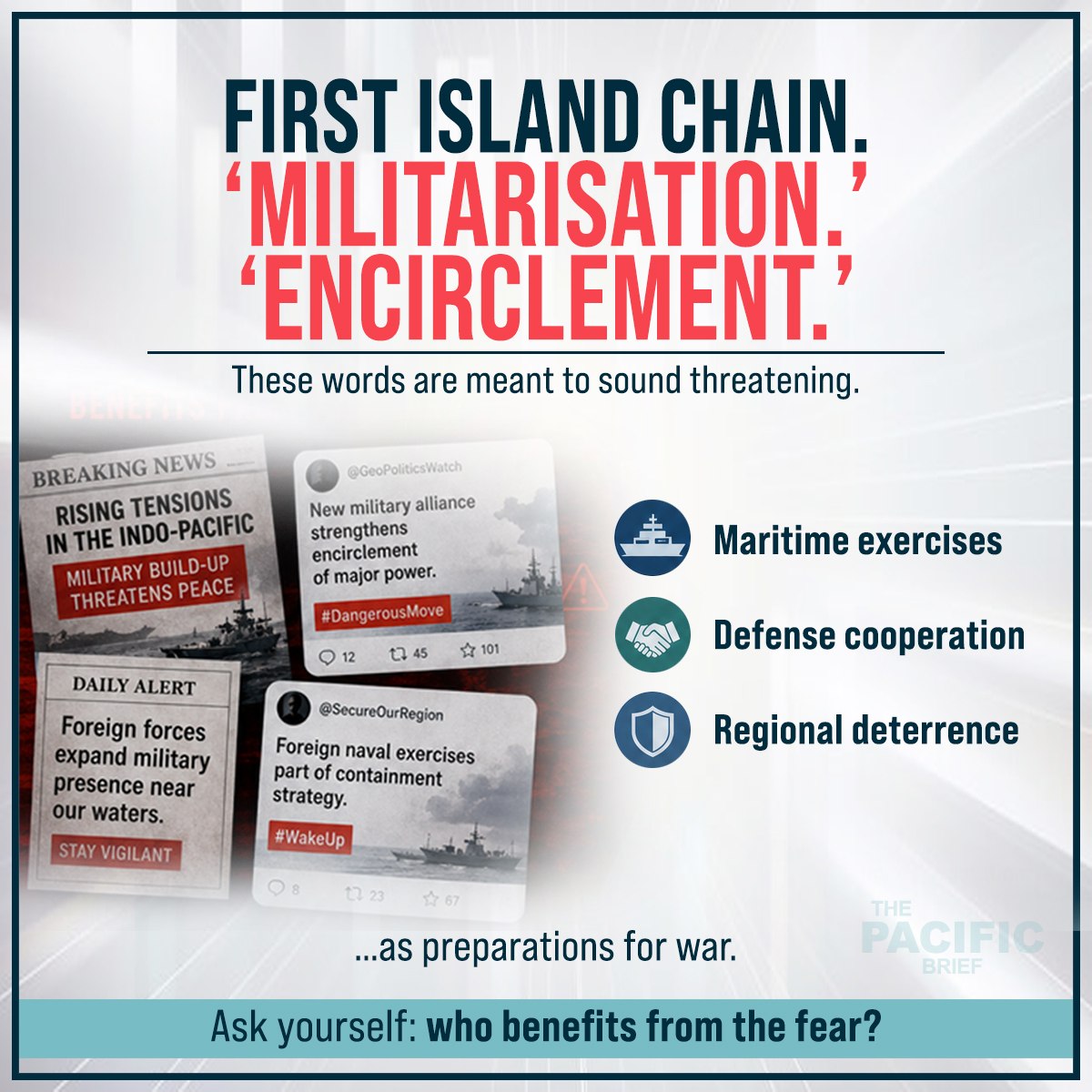
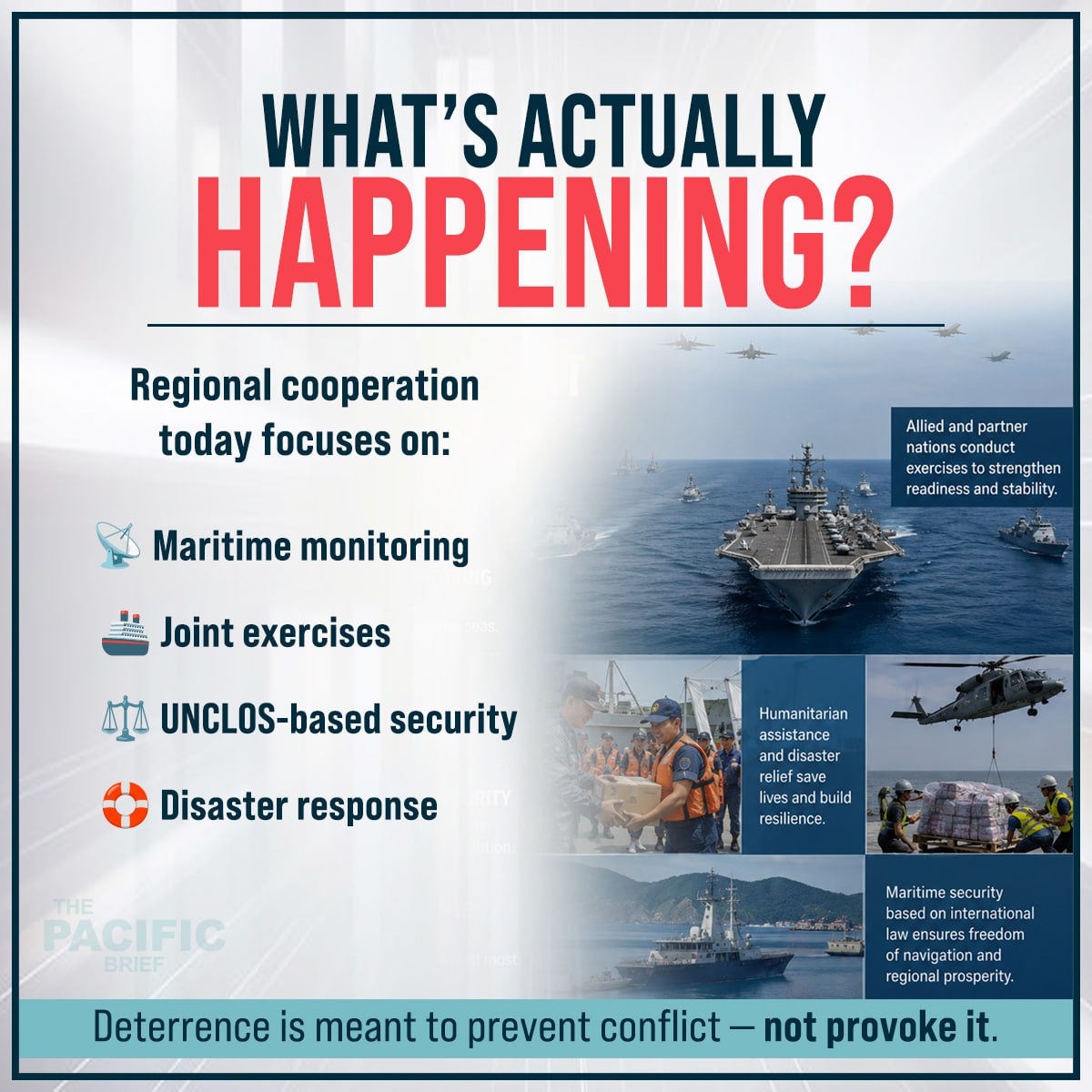
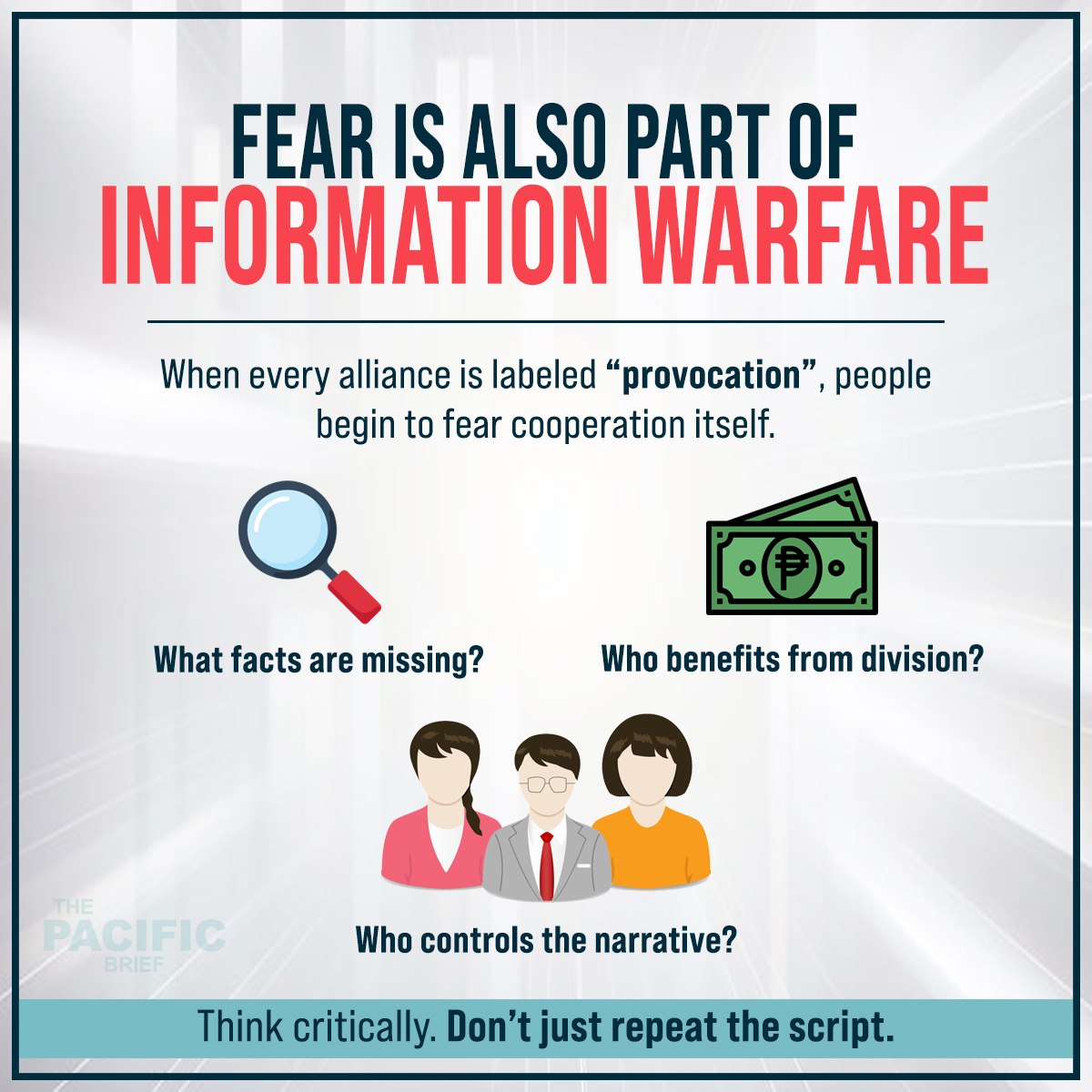
If defensive cooperation is called “provocation,” then what should the world call coercion, harassment, and illegal presence inside another nation’s EEZ?
The real danger in the West Philippine Sea is not transparency.
5
12
330
Chinese personnel landing on Pag-asa Cays is not routine vessel presence. It raises serious questions on sovereignty, legal positioning, and info ops. Focus on the incident, not attacks on those documenting it.
#WestPhilippineSea #FactsFirst
6
207
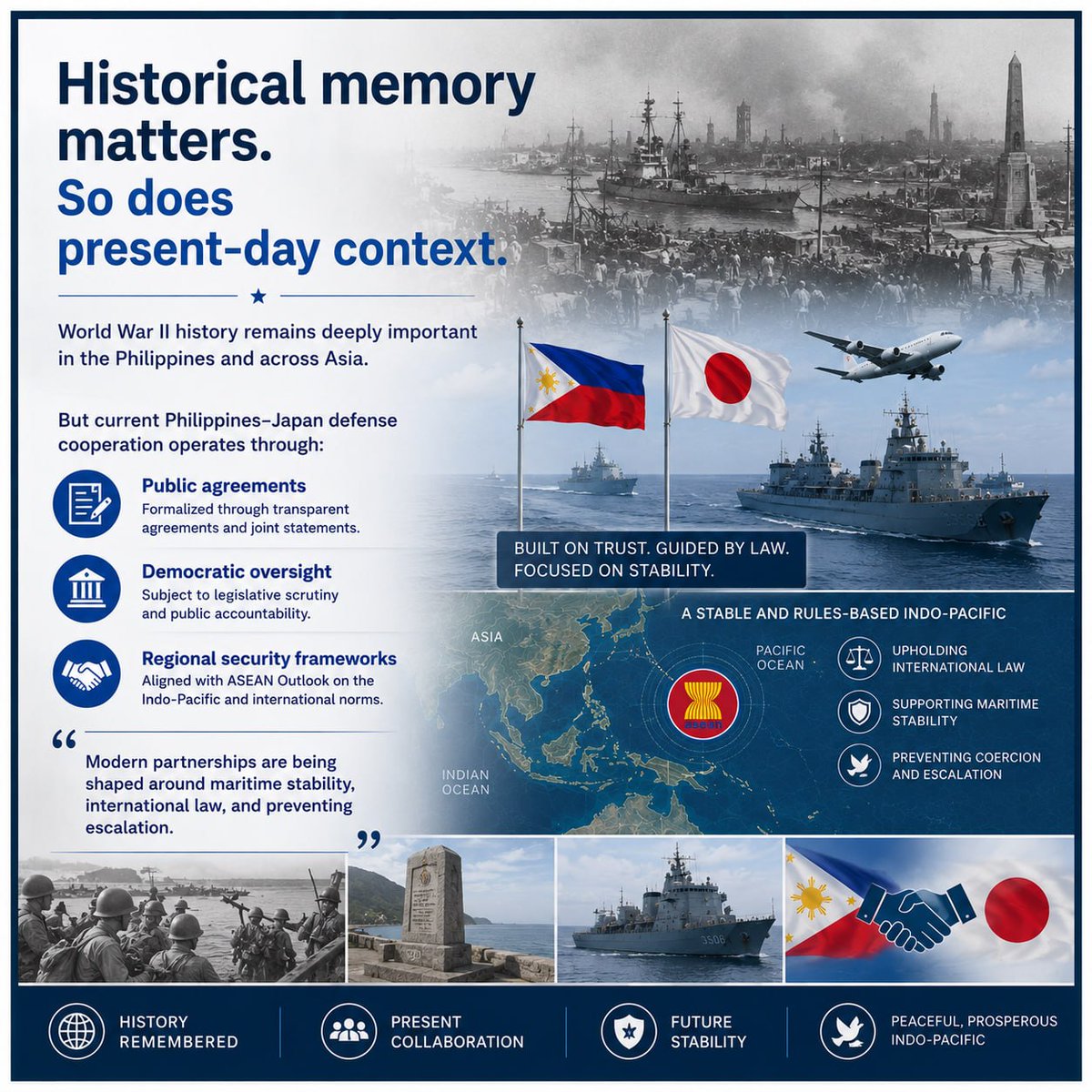
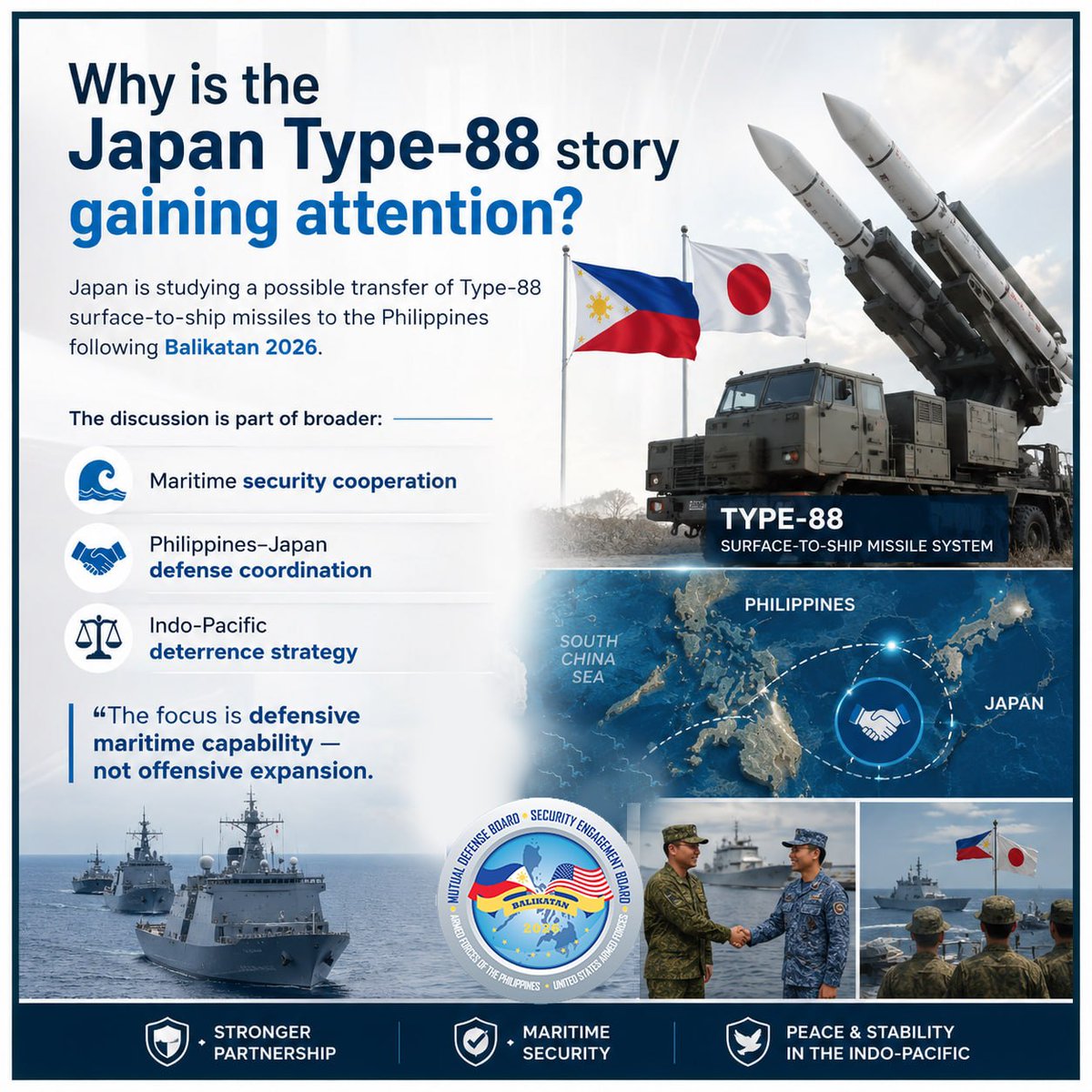
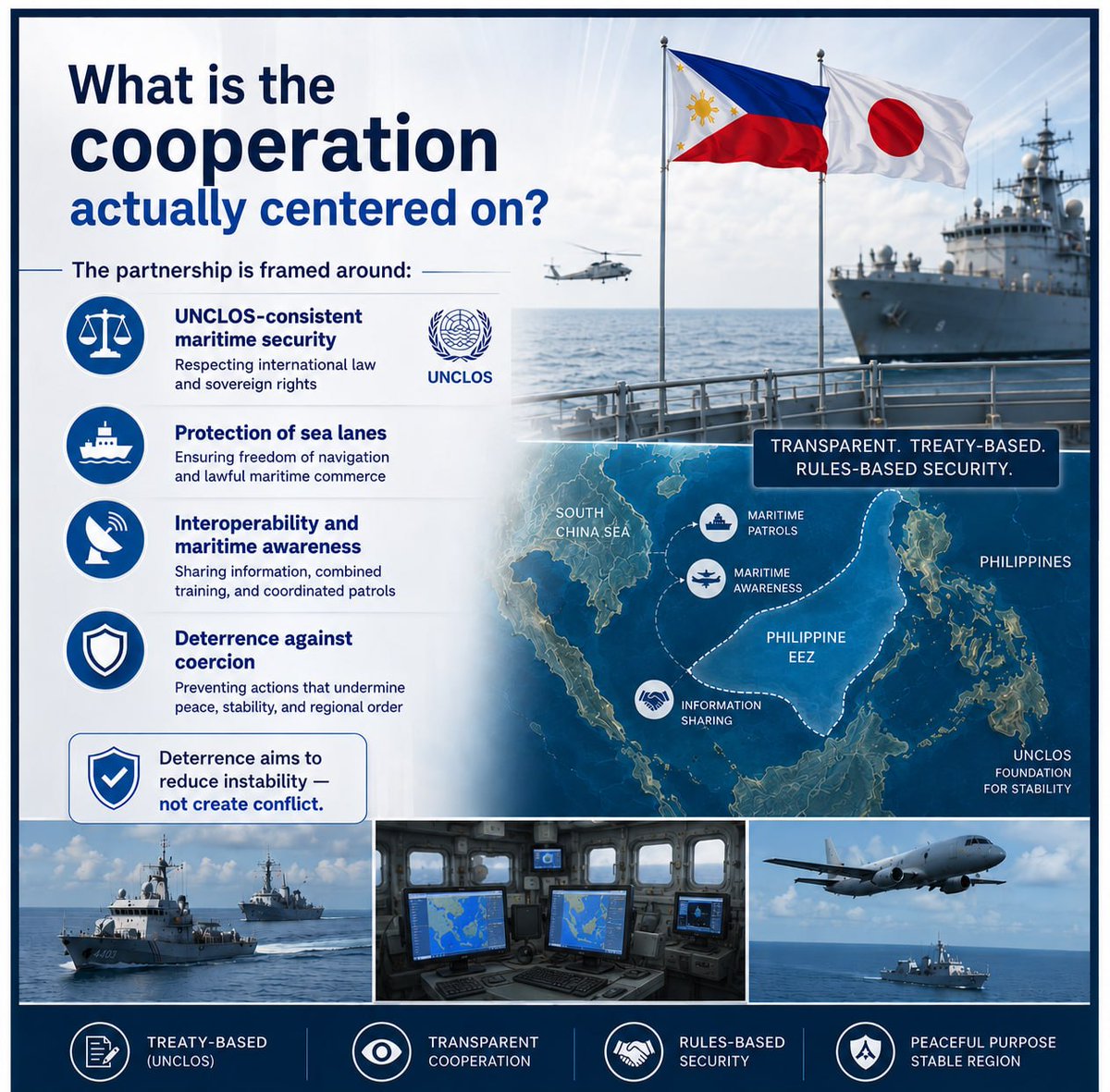
Japan and Philippines defense talks are not just about missiles. They are about maritime security, deterrence, and rules-based cooperation. Historical memory matters, but context beats fear-driven narratives.
#ThePacificBrief
#WestPhilippineSea
#UNCLOS
#JapanPH
#MaritimeSecurity
1
8
281
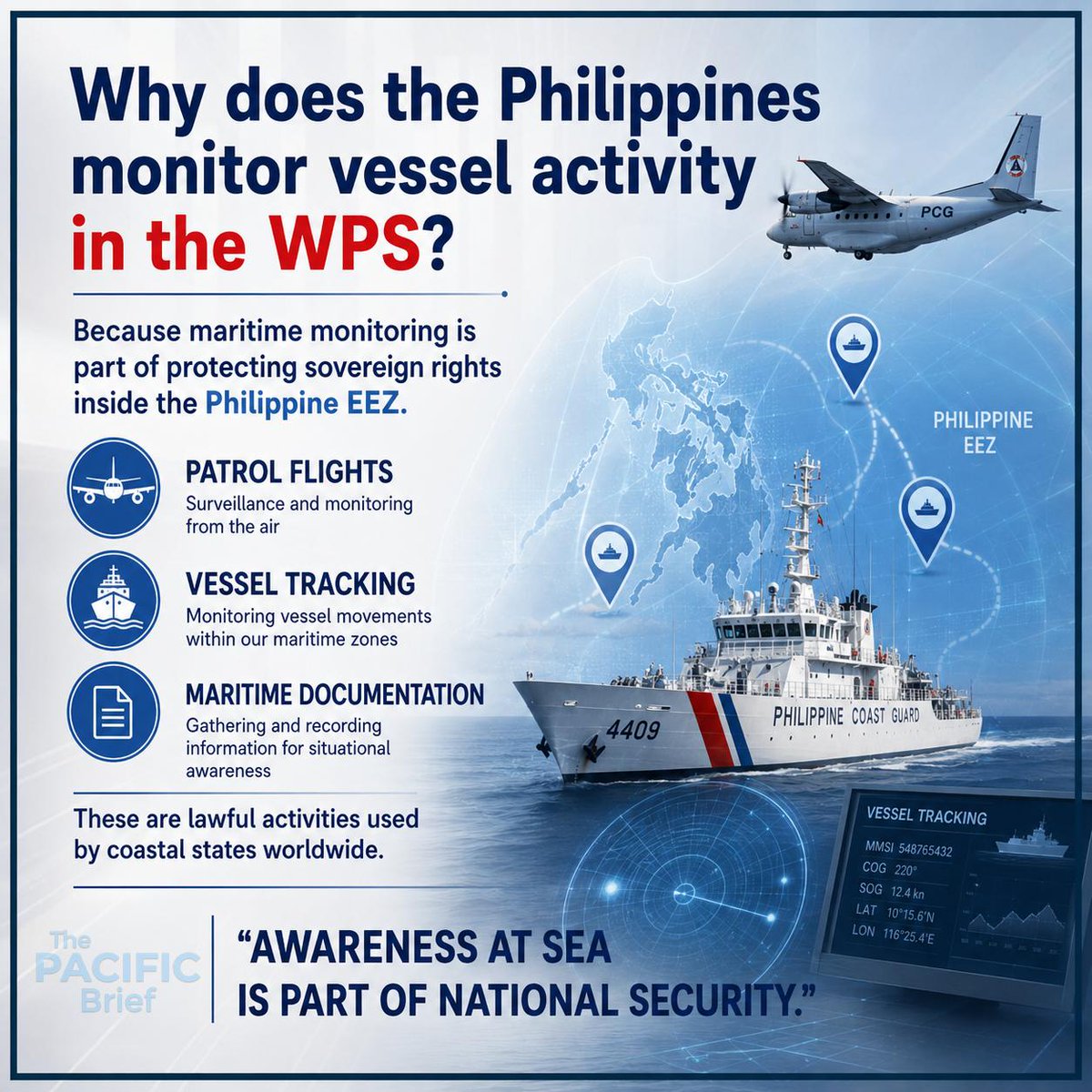
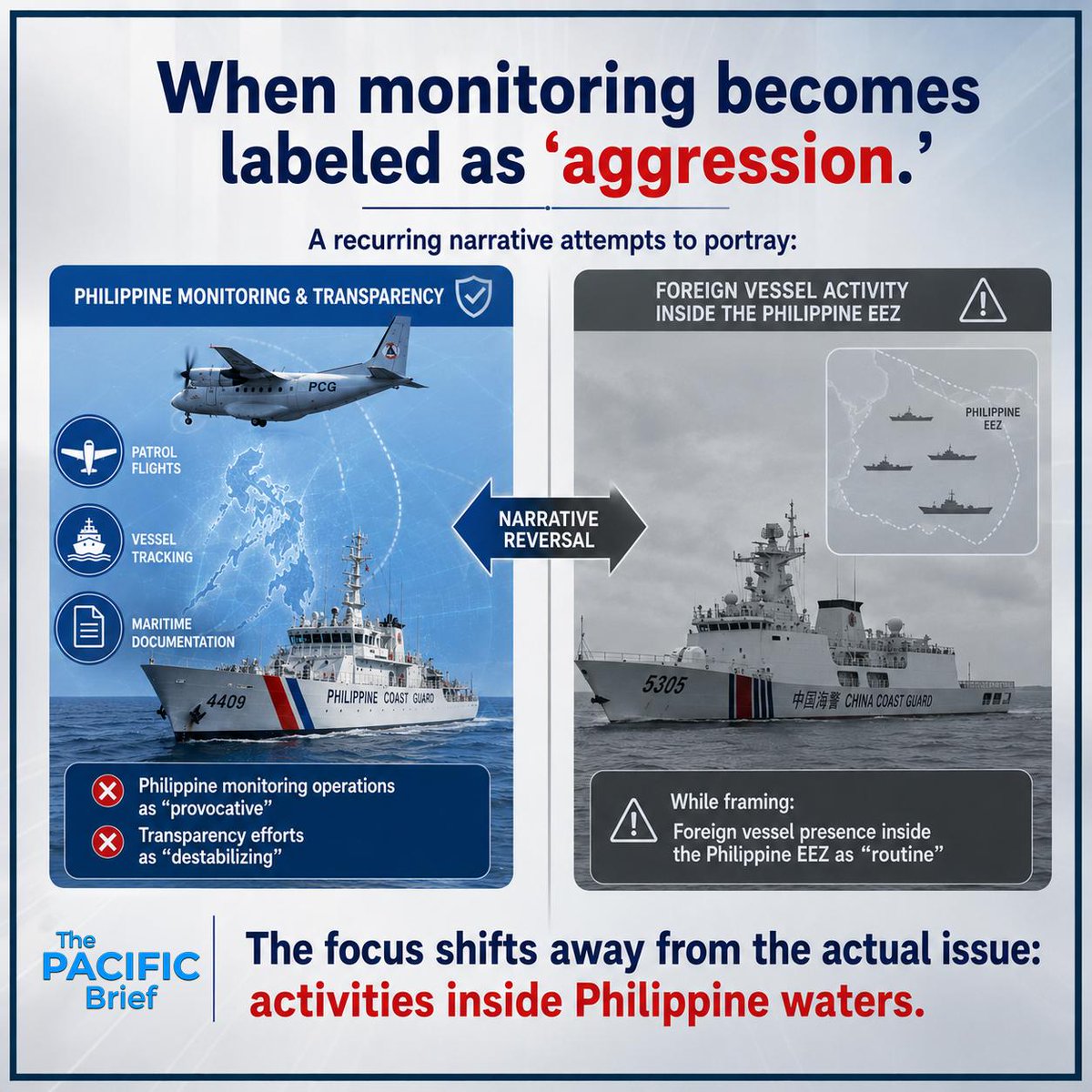
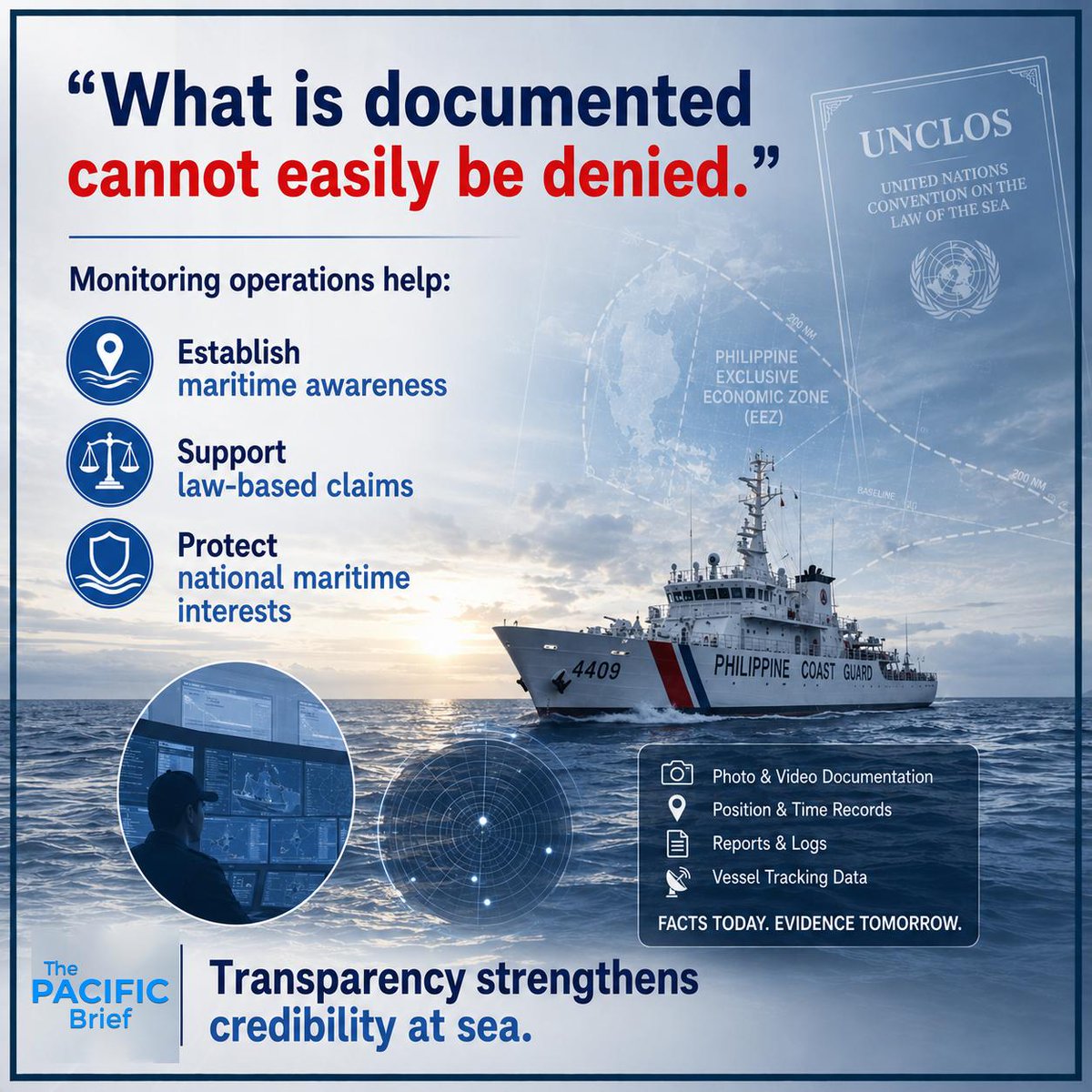
Why call PH monitoring in the West Philippine Sea “aggression” while foreign vessels inside our EEZ are treated as “routine”? Patrols and documentation are lawful. The real issue is unauthorized presence. Transparency matters.
#WestPhilippineSea #UNCLOS
1
20
43
786
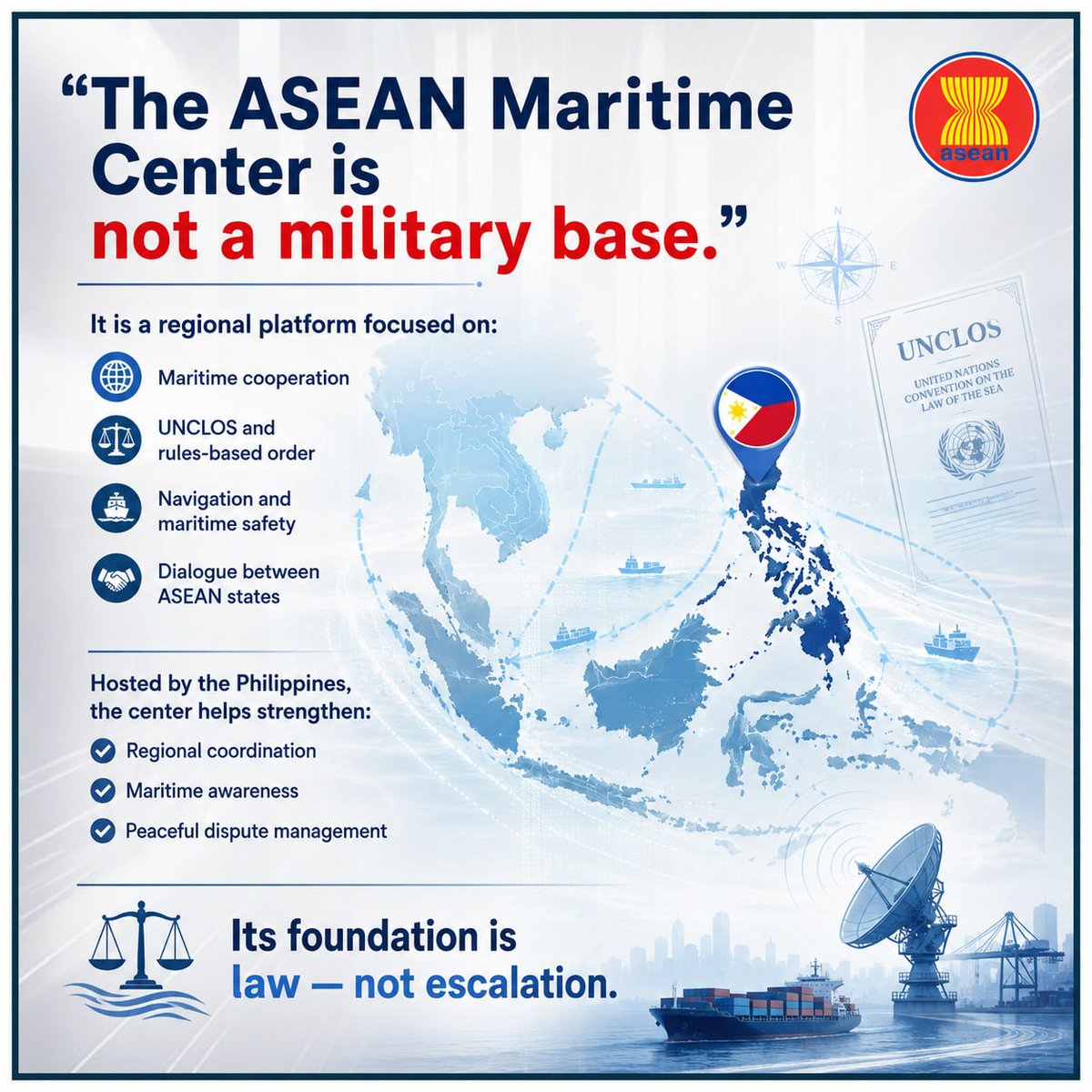
The West Philippine Sea is not only a national concern. It is part of a wider regional maritime system connected to trade, security, and stability across Southeast Asia.
#ThePacificBrief
#ASEANMaritimeCenter
#WestPhilippineSea
#UNCLOS
1
4
25
1,085
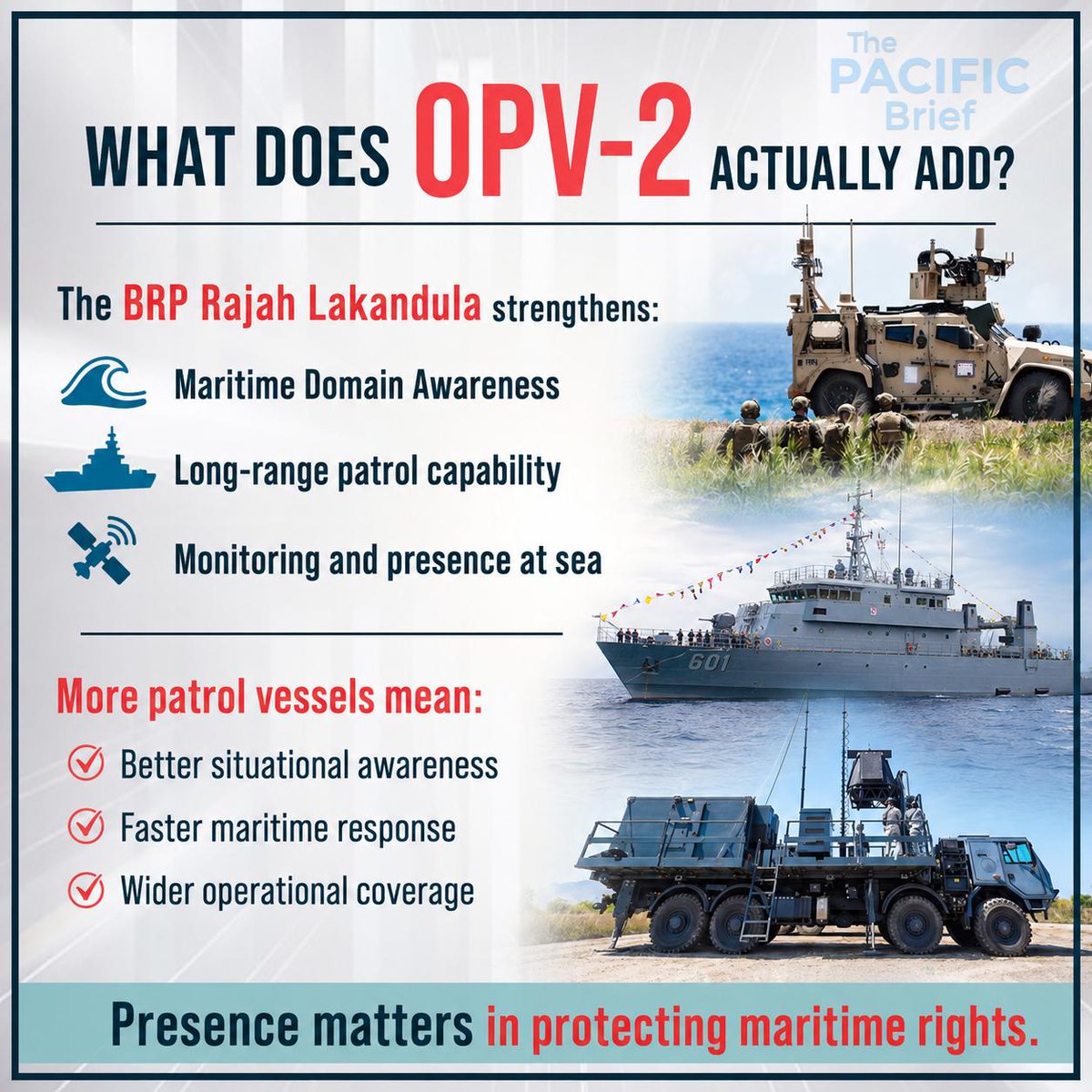
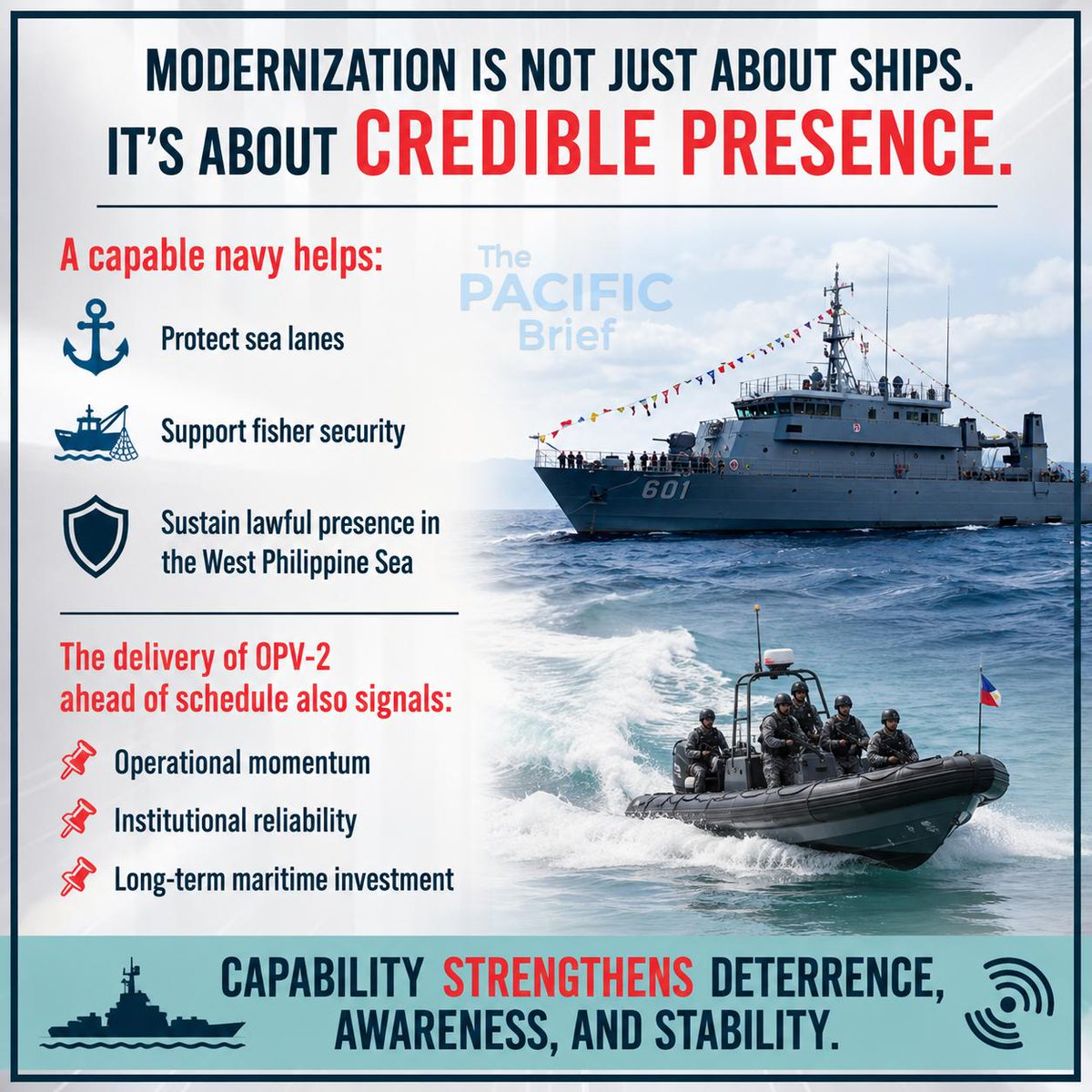
BRP Rajah Lakandula’s arrival signals real momentum in PH naval modernization. OPVs strengthen patrol reach, maritime awareness, and sustained presence across Philippine waters, including the West Philippine Sea.
#BRPRajahLakandula #MaritimeSecurity #ThePacificBrief #WPS
1
6
296
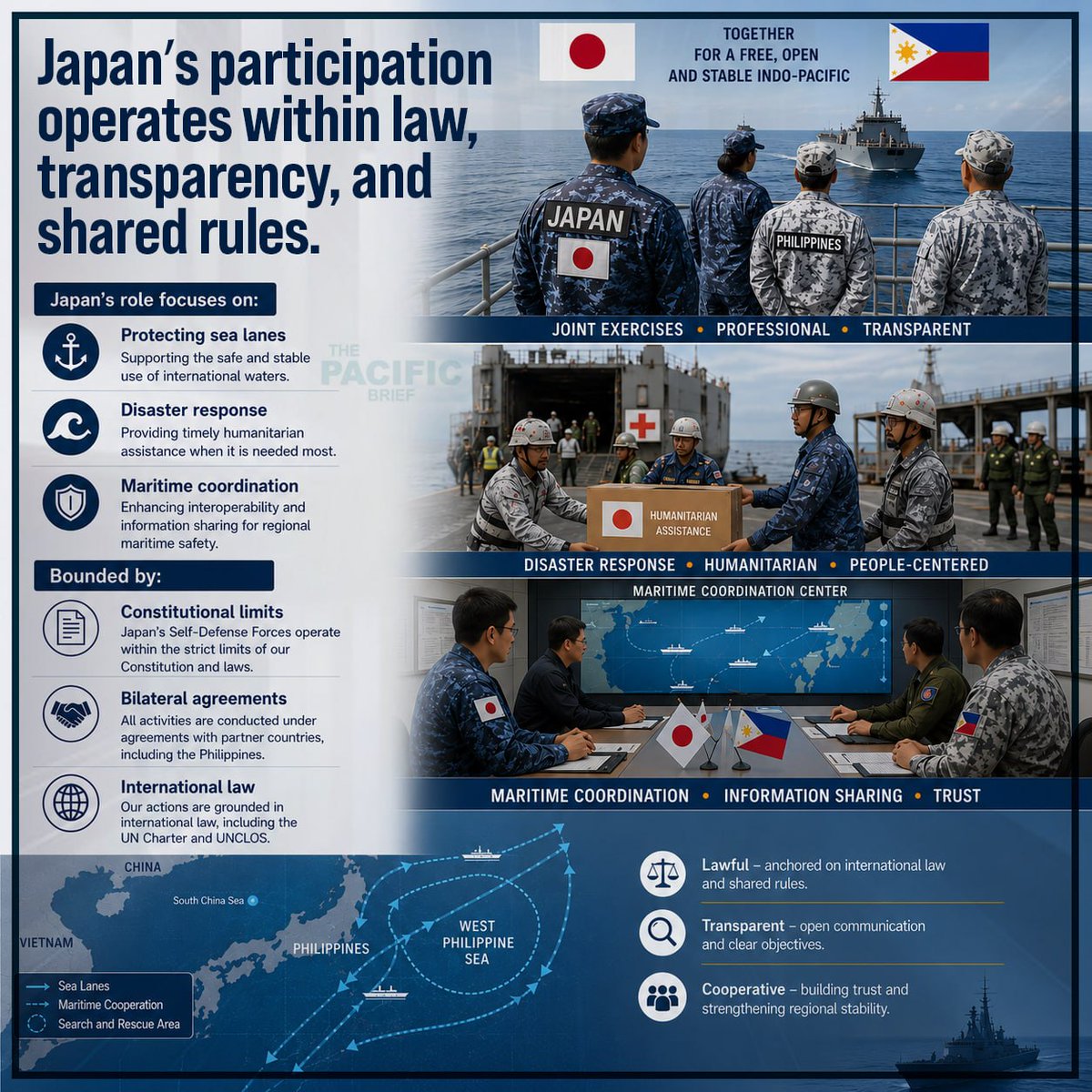
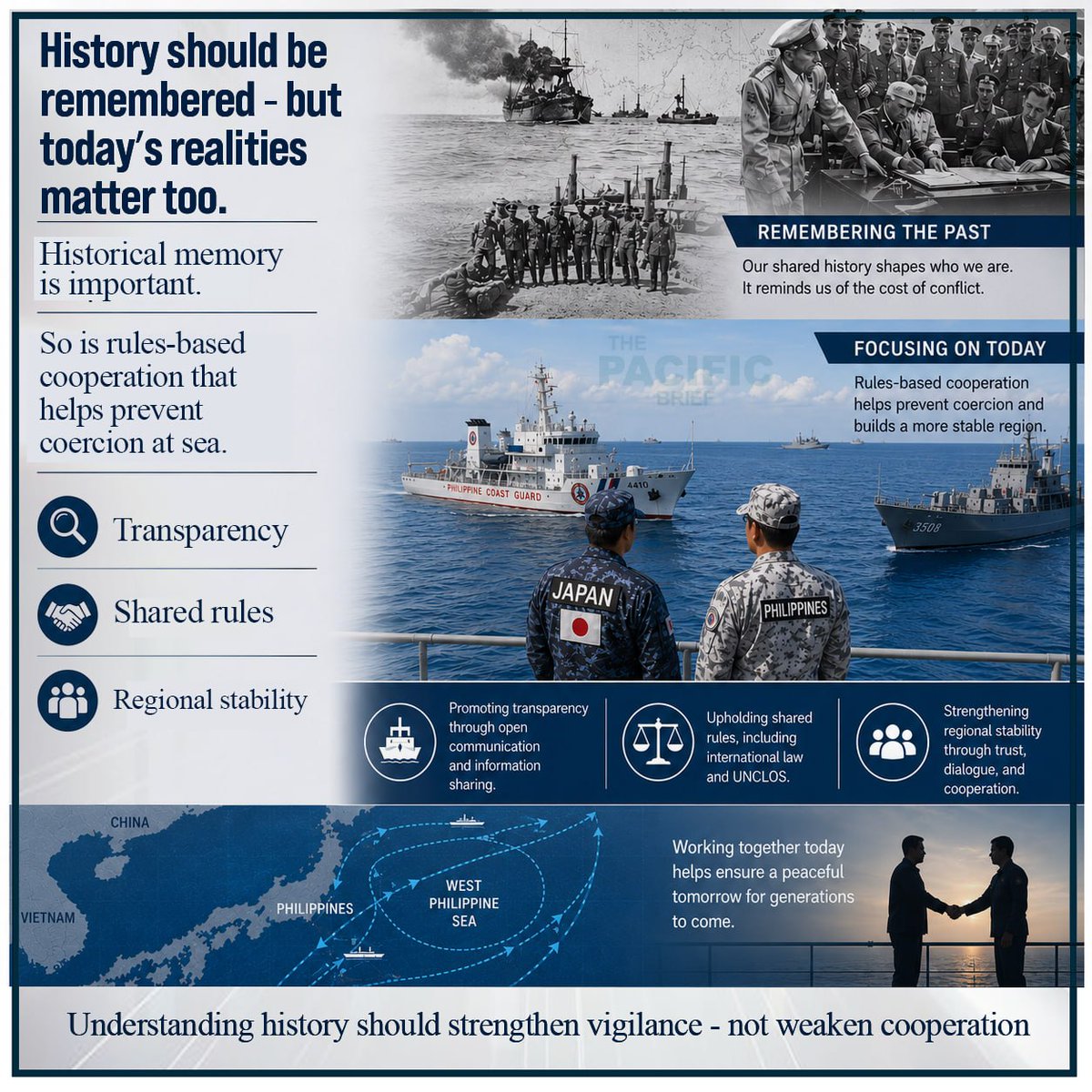
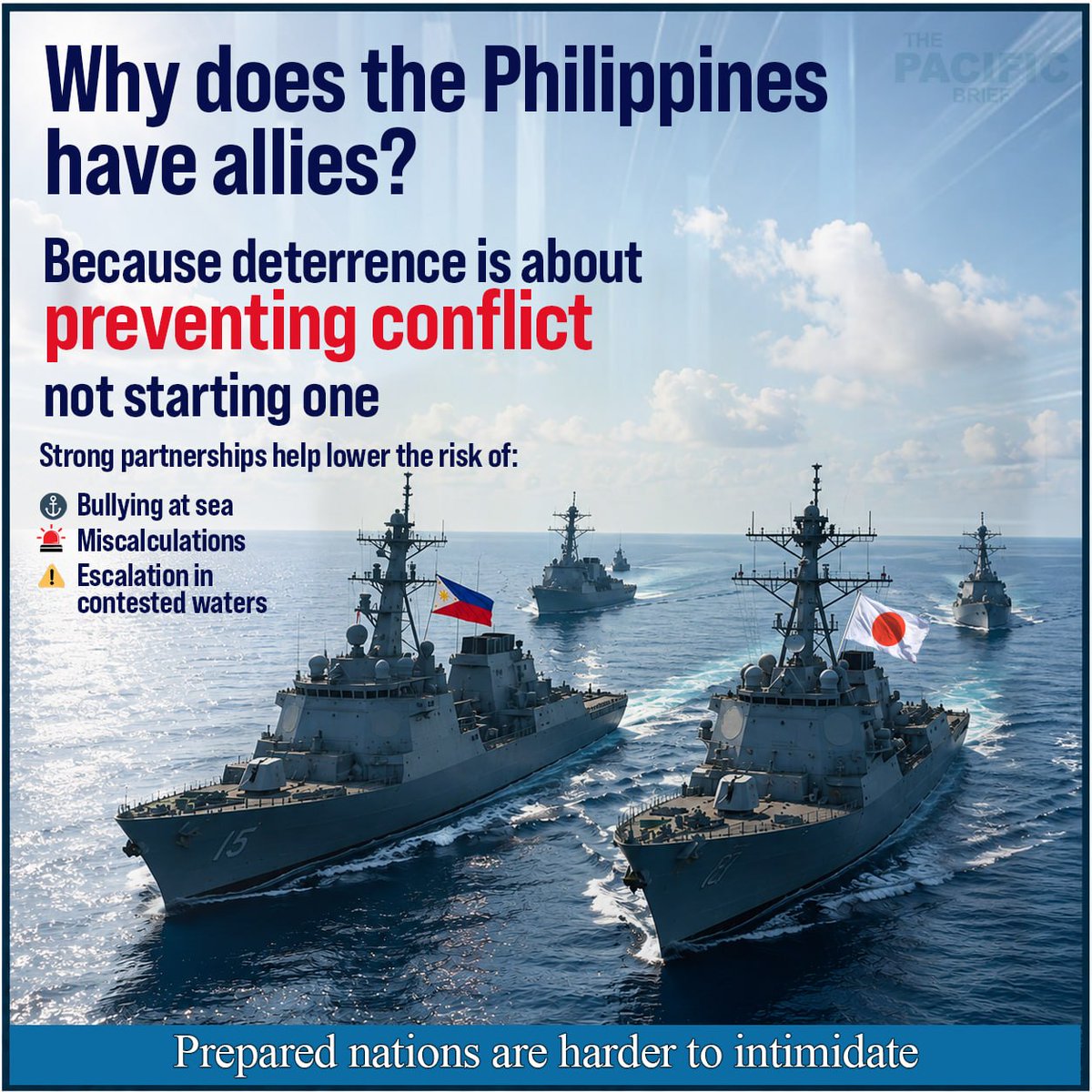
Deterrence prevents conflict, not provokes it. Rules-based cooperation strengthens regional stability and maritime security. #Balikatan2026 #ThePacificBrief #MaritimeSecurity #RegionalStability #DefenseCooperation #WestPhilippineSea
3
169
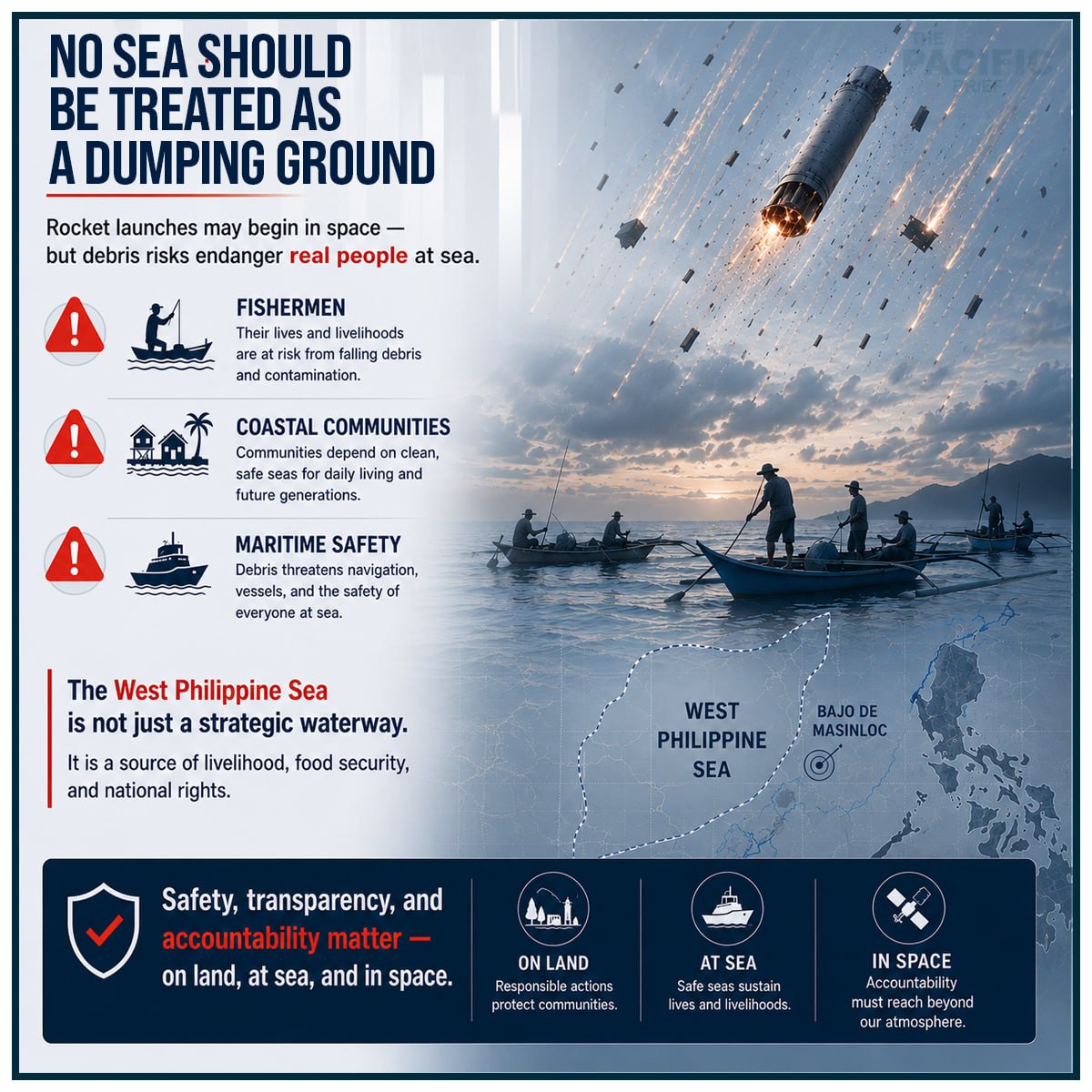
Rocket debris concerns near Philippine waters underscore a larger issue: maritime spaces are not dumping grounds. Safety, transparency, and accountability must guide all activity near the West Philippine Sea. #ThePacificBrief #WestPhilippineSea #MaritimeSafety
1
1
4
189
Tomahawk training raises valid historical concerns, but training is not a decision to use force. Under PH law, alliance exercises are transparent deterrence, not coercion. Silence only makes harassment in our EEZ easier.
#WestPhilippineSea #TomahawkMissile ##KapayapaanAtKatiyakan
1
3
270
Japan’s planned Abukuma transfer is not foreign control. It builds Philippine maritime capability under PH command, law, and consent: more patrols, escorts, and Filipino-crewed hulls protecting Philippine waters.
#ThePacificBrief #MaritimeSecurity #ThePacificBrief #WPS
1
1
5
249