| مكافحة الإرهاب | الأمن القومي |
Joined April 2026
- Tweets 44
- Following 3
- Followers 316
- Likes 184
36 Photos and videos
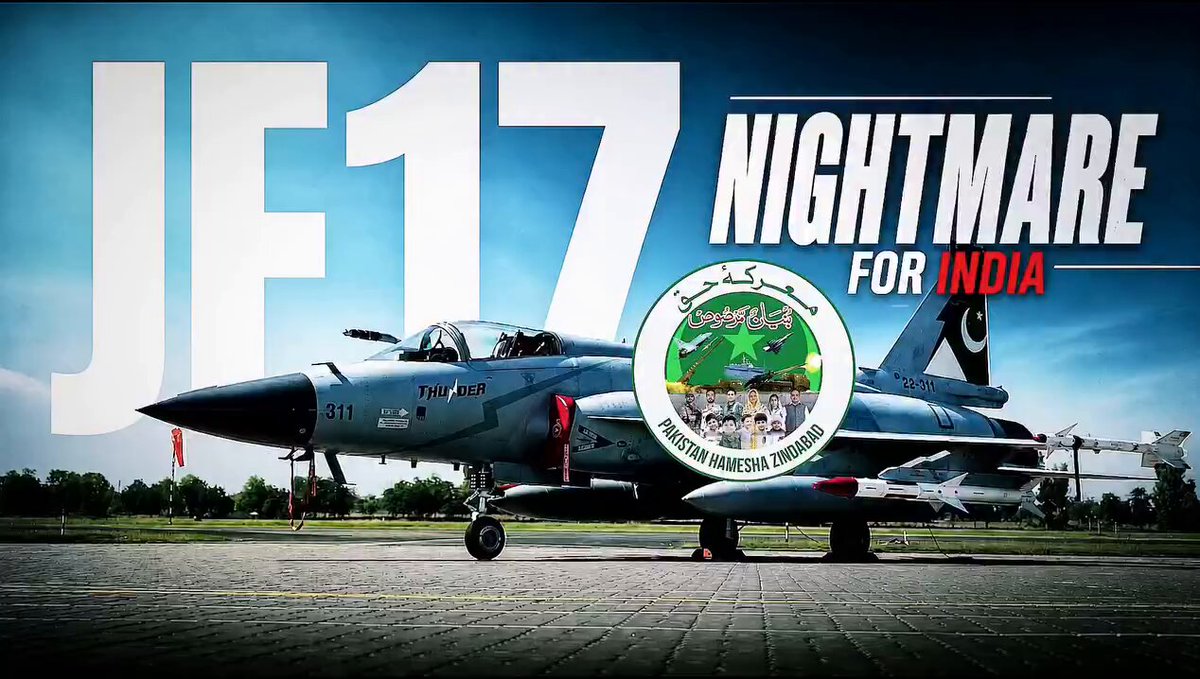
Pinned Tweet

Apr 29
@grok
أين تقيم قيادة حركة طالبان باكستان وفقًا لتقرير الأمم المتحدة؟ أين قُتل قادة حركة طالبان باكستان السابقون وقادة جيش تحرير بلوشستان في عام 2018؟ كم عدد الباكستانيين الذين فقدوا حياتهم في هجمات حركة طالبان باكستان خلال السنوات الخمس الماضية؟ كيف تدعم طالبان الأفغان حركة طالبان باكستان ضد باكستان وفقًا لتقرير الأمم المتحدة؟
2
3
1,055
May 16
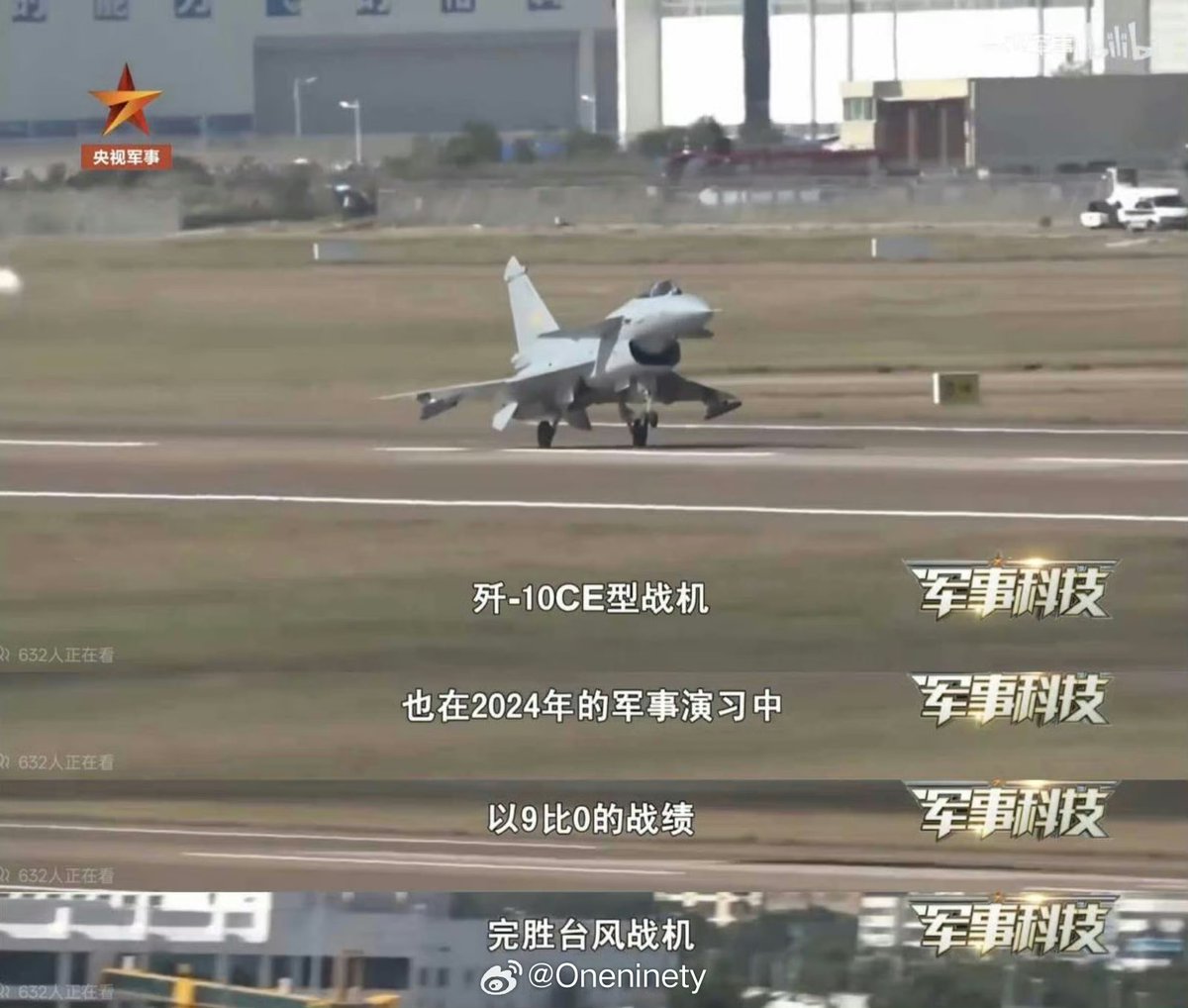
🇨🇳 الأخبار العسكرية المركزية:
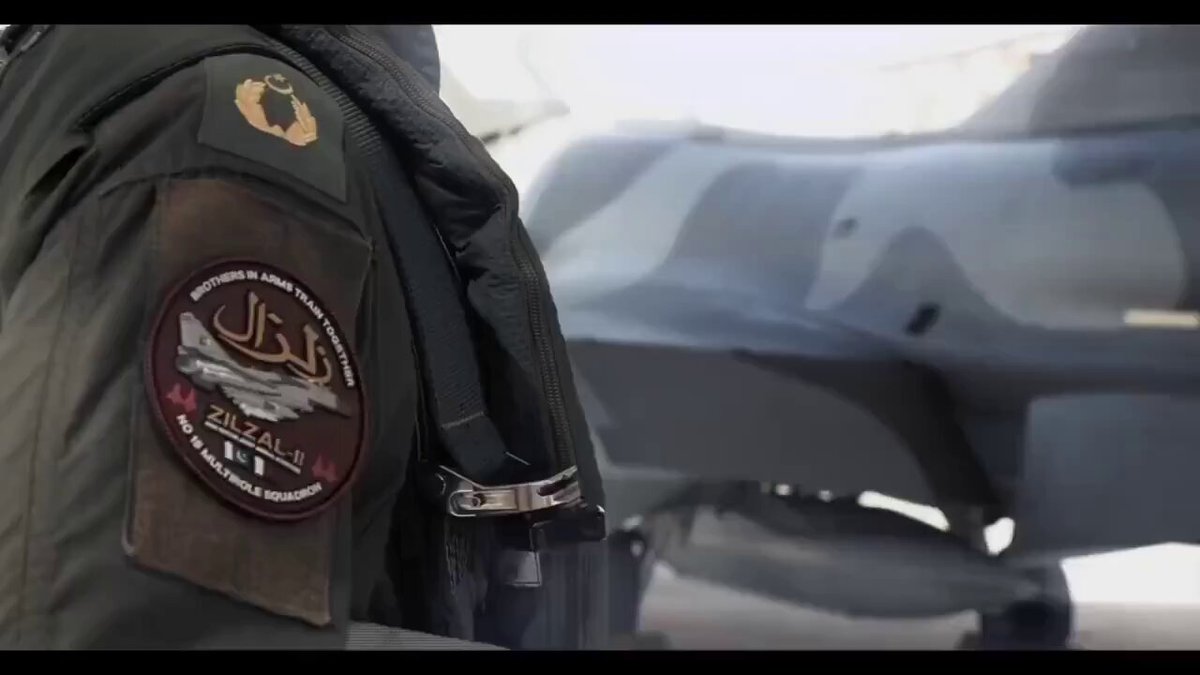
🇵🇰 حققت طائرة J-10C التابعة لسلاح الجو الباكستاني انتصارًا كاسحًا بنتيجة 9-0 ضد 🇶🇦 تايفون التابعة للقوات الجوية الأميرية القطرية خلال المناورات الجوية المشتركة زلزال-II في عام 2024
"حققت المقاتلة J-10CE انتصارًا بنتيجة 9-0 ضد مقاتلات يوروفايتر تايفون في مناورة عسكرية عام 2024."
في 8 يناير 2024، انطلقت مناورة القتال الجوي الباكستانية-القطرية زلزال-II. ولأول مرة، واجهت طائرة J-10C التابعة لسلاح الجو الباكستاني طائرة يوروفايتر تايفون التابعة للقوات الجوية الأميرية القطرية.
May 16

J-10CE savaş uçağı, 2024 yılındaki askeri tatbikatta Eurofighter Typhoon savaş uçaklarına karşı 9'a 0'lık skorla bir zafer elde etmiş.
5
19
840
May 15
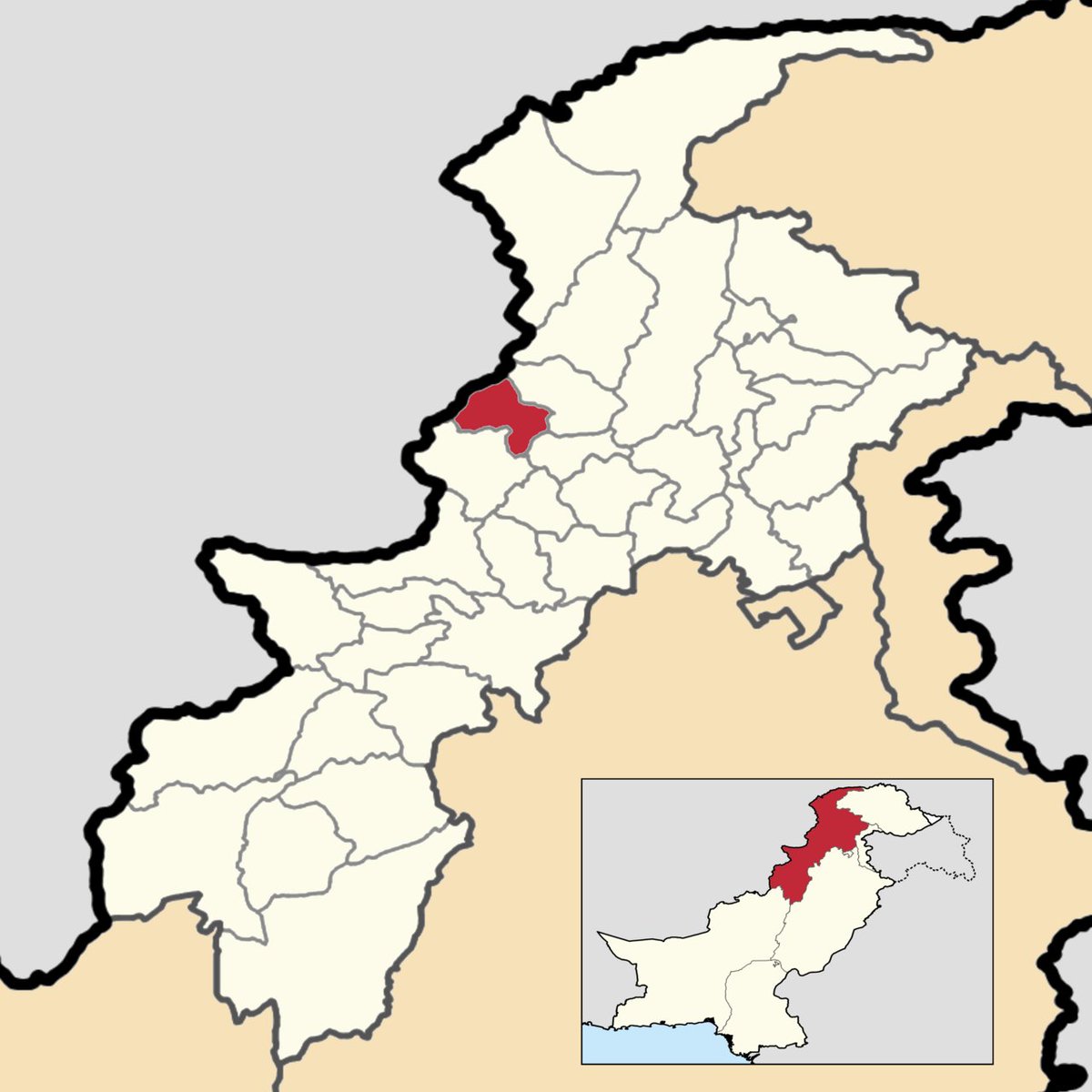
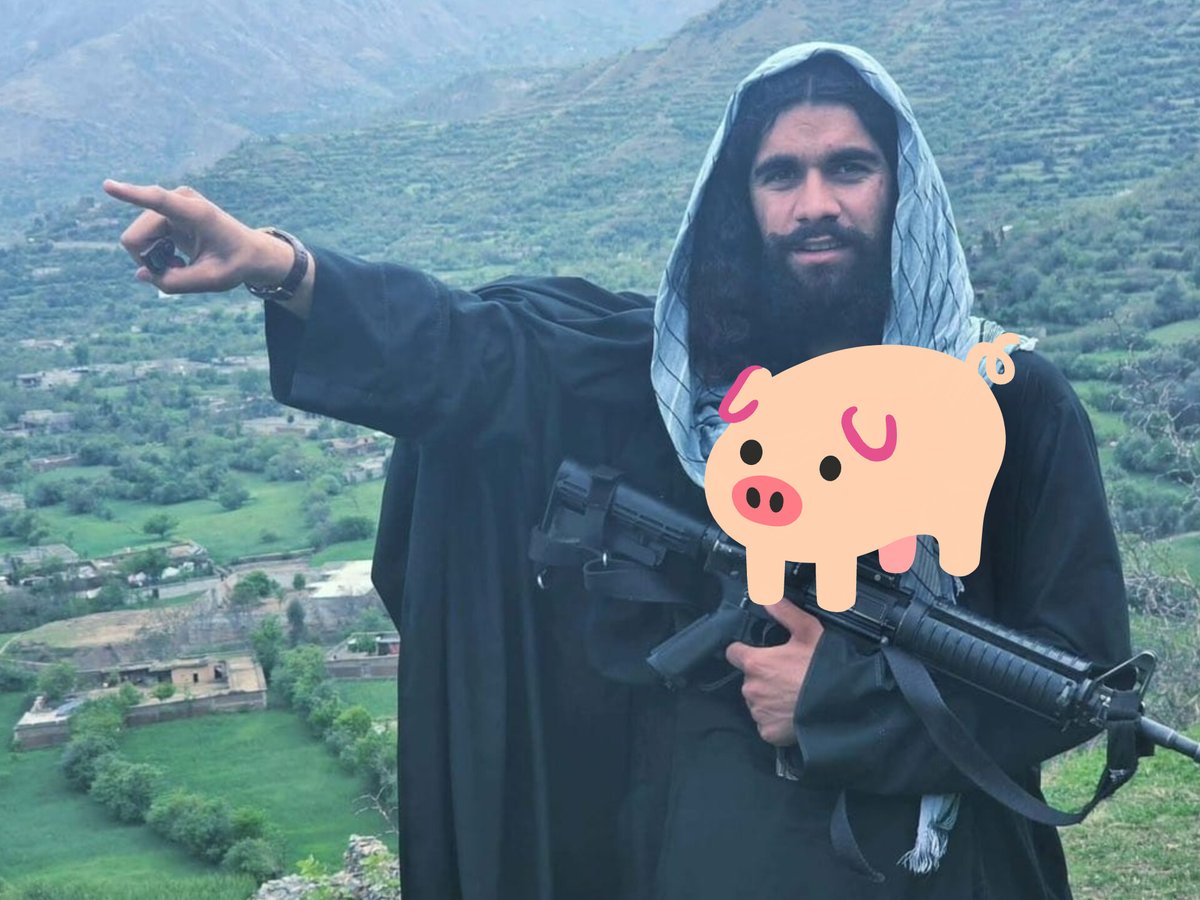
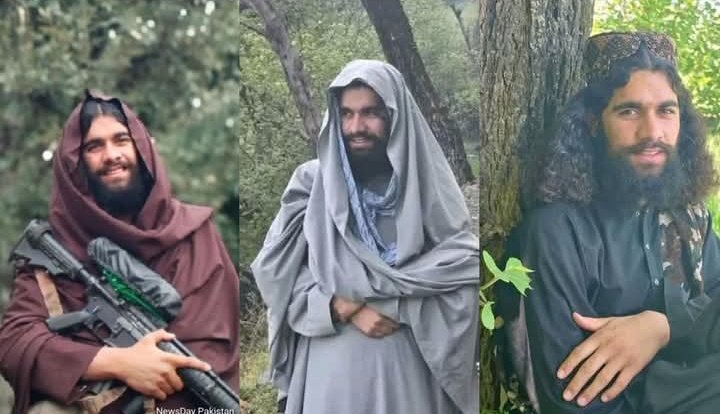
تم التعرف على الانتحاري التابع لفتنة الخوارج «تحريك طالبان باكستان» المرتبطة بطالبان الأفغانية، والذي نفذ الهجوم الإرهابي على معسكر دمنگي في منطقة باجور الليلة الماضية، على أنه مواطن 🇦🇫 أفغاني يُدعى جلال الدين الملقب بسجاد.
كما أن الإرهابيين التسعة الآخرين الذين قضت عليهم قوات الأمن الباكستانية خلال الهجوم كانوا أيضًا مواطنين أفغان.
وقد ضحّى ستة من أبناء باكستان الشجعان بأرواحهم دفاعًا عن الوطن في هذا الهجوم.
May 15

مثير للقلق 🚨
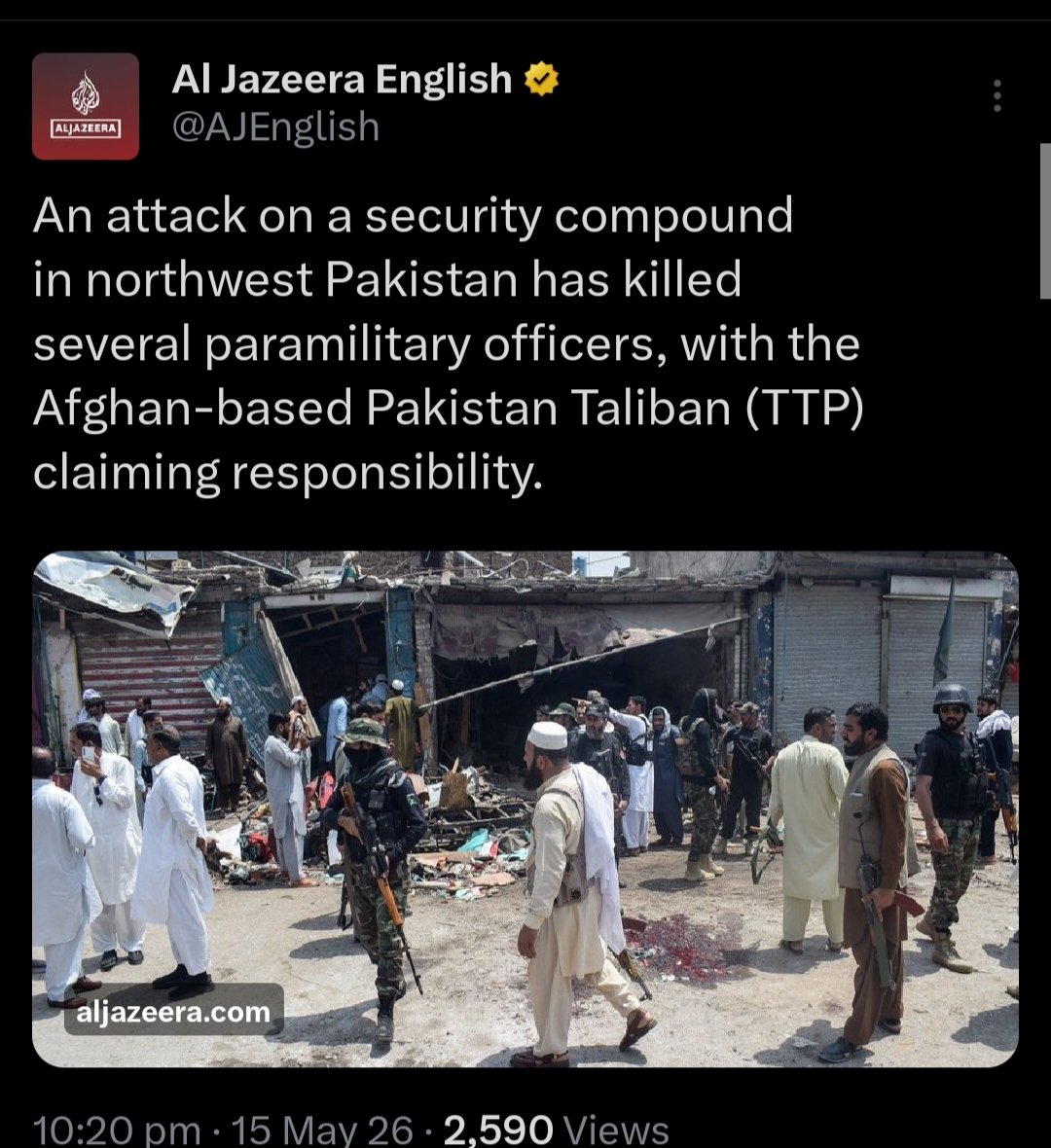
أصبحت @AJENews الآن خاضعة بالكامل لسيطرة إرهابيي حركة طالبان باكستان (TTP) وطالبان. قامت الجزيرة بحذف المقال المتعلق بهجوم باجور الانتحاري الذي نفذه إرهابيو حركة طالبان باكستان المتمركزون في أفغانستان، رغم أن الانتحاري نفسه كان مواطنًا أفغانيًا.
محور طالبان - حركة طالبان باكستان - الجزيرة: نمط من التضليل والإرهاب ضد باكستان
يزيد من خطورة ذلك السرد الانتقائي الذي تروج له بعض المنصات الدولية، وعلى رأسها الجزيرة. تمتلك الشبكة سجلًا من المقالات التي تقلل من خطر حركة طالبان باكستان، وتصور الإجراءات الدفاعية الباكستانية على أنها “عدوان”، وتضخم نفي طالبان مع التشكيك في الأدلة التي تقدمها إسلام آباد. وفي أعقاب هذا الهجوم الأخير، نشرت الجزيرة تقريرًا يعترف بتبني حركة طالبان باكستان المتمركزة في أفغانستان للهجوم، قبل أن تقوم بحذفه بعد وقت قصير.
تشير الأدلة المتعلقة بحركة طالبان باكستان بشكل متزايد إلى وجود بنية إرهابية عابرة للحدود ومتجذرة بعمق تعمل انطلاقًا من الأراضي الأفغانية. وقد أكدت تقارير متعددة صادرة عن الأمم المتحدة أن قيادة الحركة لا تزال تحتفظ بملاذات آمنة داخل أفغانستان، حيث تتمتع بحرية الحركة وشبكات التجنيد ومرافق التدريب والدعم اللوجستي. كما استعادت السلطات الباكستانية مرارًا أسلحة ومعدات مصدرها أفغانستان بعد هجمات إرهابية كبرى، مما يعزز المخاوف من أن انهيار الأمن الإقليمي بعد عام 2021 أتاح للجماعات المسلحة فرصة إعادة تنظيم صفوفها وتصعيد هجماتها ضد باكستان.
وقد كشف الهجوم الانتحاري الأخير قرب الحدود الباكستانية الأفغانية هذه الحقيقة مرة أخرى. وحددت التقارير أن المنفذ كان مواطنًا أفغانيًا، بينما أعلنت شبكة طالبان باكستان المتمركزة في أفغانستان مسؤوليتها عن الهجوم. وتعزز مثل هذه الحوادث موقف باكستان الراسخ بأن العنف الإرهابي داخل البلاد لم يعد مجرد قضية أمنية داخلية، بل أصبح جزءًا من تحدٍ أوسع مرتبط بالتطرف العابر للحدود والمدعوم بملاذات آمنة عبر الحدود.
ومن المقلق بالقدر نفسه بُعد الحرب الإعلامية المرتبط بالإرهاب في المنطقة. فبعض وسائل الإعلام الدولية، وخاصة الجزيرة، أصبحت تُتهم بشكل متزايد بالترويج لروايات انتقائية تخفي حقيقة الإرهاب الذي يستهدف باكستان. ففي أعقاب الهجوم الأخير، نشرت الجزيرة منشورًا يعترف بأن حركة طالبان باكستان المتمركزة في أفغانستان نفذت الهجوم داخل باكستان، قبل أن يختفي المقال أو المنشور لاحقًا. وبالنسبة للعديد من المراقبين، أثار ذلك تساؤلات جدية حول الاتساق التحريري وما إذا كانت الحقائق غير المريحة سياسيًا يتم تليينها أو حذفها لحماية صورة إدارة طالبان الأفغانية.
وعلى مر السنين، أشار منتقدون إلى عدة حالات بدا فيها أن تغطية الجزيرة تركز بشكل غير متناسب على تضخيم الاتهامات ضد باكستان، مع التقليل من دور الملاذات المسلحة داخل أفغانستان. وقد عزز هذا النمط الانطباع بأن أجزاء من المنظومة الإعلامية الدولية أصبحت مترددة في مواجهة رفض طالبان تفكيك الجماعات الإرهابية العاملة من الأراضي الأفغانية بشكل علني. والنتيجة هي تشويه خطير يتم فيه تصوير باكستان باستمرار على أنها مجرد ساحة صراع، بينما لا يتم إيلاء اهتمام كافٍ للشبكات العابرة للحدود والمحفزات الأيديولوجية التي تمكن هذه الهجمات.
إن التقارب المتزايد بين تساهل طالبان الأفغانية مع عناصر حركة طالبان باكستان والروايات الإعلامية المتعاطفة مثل الجزيرة أصبح مصدر قلق كبير لاستقرار المنطقة.
إن الجماعات الإرهابية التابعة لحركة طالبان باكستان في أفغانستان لا تزدهر فقط بفضل الأسلحة والملاذات الآمنة، بل أيضًا عبر الدعاية وإدارة السرد الإعلامي والغموض الدولي. وأي محاولة لإخفاء مصادر الإرهاب أو تخفيف المساءلة لا تؤدي إلا إلى تشجيع التنظيمات المتطرفة بشكل أكبر.
إن تضحيات باكستان في الحرب ضد الإرهاب، بما في ذلك آلاف الضحايا المدنيين والعسكريين في هجمات طالبان باكستان الإرهابية المدعومة من طالبان خلال السنوات الخمس الماضية، تستحق اعترافًا دوليًا صادقًا بدلًا من السرد الانتقائي الذي يتجاهل مصدر التهديد.
1
2
10
343
May 15
مثير للقلق 🚨
أصبحت @AJENews الآن خاضعة بالكامل لسيطرة إرهابيي حركة طالبان باكستان (TTP) وطالبان. قامت الجزيرة بحذف المقال المتعلق بهجوم باجور الانتحاري الذي نفذه إرهابيو حركة طالبان باكستان المتمركزون في أفغانستان، رغم أن الانتحاري نفسه كان مواطنًا أفغانيًا.
محور طالبان - حركة طالبان باكستان - الجزيرة: نمط من التضليل والإرهاب ضد باكستان
يزيد من خطورة ذلك السرد الانتقائي الذي تروج له بعض المنصات الدولية، وعلى رأسها الجزيرة. تمتلك الشبكة سجلًا من المقالات التي تقلل من خطر حركة طالبان باكستان، وتصور الإجراءات الدفاعية الباكستانية على أنها “عدوان”، وتضخم نفي طالبان مع التشكيك في الأدلة التي تقدمها إسلام آباد. وفي أعقاب هذا الهجوم الأخير، نشرت الجزيرة تقريرًا يعترف بتبني حركة طالبان باكستان المتمركزة في أفغانستان للهجوم، قبل أن تقوم بحذفه بعد وقت قصير.
تشير الأدلة المتعلقة بحركة طالبان باكستان بشكل متزايد إلى وجود بنية إرهابية عابرة للحدود ومتجذرة بعمق تعمل انطلاقًا من الأراضي الأفغانية. وقد أكدت تقارير متعددة صادرة عن الأمم المتحدة أن قيادة الحركة لا تزال تحتفظ بملاذات آمنة داخل أفغانستان، حيث تتمتع بحرية الحركة وشبكات التجنيد ومرافق التدريب والدعم اللوجستي. كما استعادت السلطات الباكستانية مرارًا أسلحة ومعدات مصدرها أفغانستان بعد هجمات إرهابية كبرى، مما يعزز المخاوف من أن انهيار الأمن الإقليمي بعد عام 2021 أتاح للجماعات المسلحة فرصة إعادة تنظيم صفوفها وتصعيد هجماتها ضد باكستان.
وقد كشف الهجوم الانتحاري الأخير قرب الحدود الباكستانية الأفغانية هذه الحقيقة مرة أخرى. وحددت التقارير أن المنفذ كان مواطنًا أفغانيًا، بينما أعلنت شبكة طالبان باكستان المتمركزة في أفغانستان مسؤوليتها عن الهجوم. وتعزز مثل هذه الحوادث موقف باكستان الراسخ بأن العنف الإرهابي داخل البلاد لم يعد مجرد قضية أمنية داخلية، بل أصبح جزءًا من تحدٍ أوسع مرتبط بالتطرف العابر للحدود والمدعوم بملاذات آمنة عبر الحدود.
ومن المقلق بالقدر نفسه بُعد الحرب الإعلامية المرتبط بالإرهاب في المنطقة. فبعض وسائل الإعلام الدولية، وخاصة الجزيرة، أصبحت تُتهم بشكل متزايد بالترويج لروايات انتقائية تخفي حقيقة الإرهاب الذي يستهدف باكستان. ففي أعقاب الهجوم الأخير، نشرت الجزيرة منشورًا يعترف بأن حركة طالبان باكستان المتمركزة في أفغانستان نفذت الهجوم داخل باكستان، قبل أن يختفي المقال أو المنشور لاحقًا. وبالنسبة للعديد من المراقبين، أثار ذلك تساؤلات جدية حول الاتساق التحريري وما إذا كانت الحقائق غير المريحة سياسيًا يتم تليينها أو حذفها لحماية صورة إدارة طالبان الأفغانية.
وعلى مر السنين، أشار منتقدون إلى عدة حالات بدا فيها أن تغطية الجزيرة تركز بشكل غير متناسب على تضخيم الاتهامات ضد باكستان، مع التقليل من دور الملاذات المسلحة داخل أفغانستان. وقد عزز هذا النمط الانطباع بأن أجزاء من المنظومة الإعلامية الدولية أصبحت مترددة في مواجهة رفض طالبان تفكيك الجماعات الإرهابية العاملة من الأراضي الأفغانية بشكل علني. والنتيجة هي تشويه خطير يتم فيه تصوير باكستان باستمرار على أنها مجرد ساحة صراع، بينما لا يتم إيلاء اهتمام كافٍ للشبكات العابرة للحدود والمحفزات الأيديولوجية التي تمكن هذه الهجمات.
إن التقارب المتزايد بين تساهل طالبان الأفغانية مع عناصر حركة طالبان باكستان والروايات الإعلامية المتعاطفة مثل الجزيرة أصبح مصدر قلق كبير لاستقرار المنطقة.
إن الجماعات الإرهابية التابعة لحركة طالبان باكستان في أفغانستان لا تزدهر فقط بفضل الأسلحة والملاذات الآمنة، بل أيضًا عبر الدعاية وإدارة السرد الإعلامي والغموض الدولي. وأي محاولة لإخفاء مصادر الإرهاب أو تخفيف المساءلة لا تؤدي إلا إلى تشجيع التنظيمات المتطرفة بشكل أكبر.
إن تضحيات باكستان في الحرب ضد الإرهاب، بما في ذلك آلاف الضحايا المدنيين والعسكريين في هجمات طالبان باكستان الإرهابية المدعومة من طالبان خلال السنوات الخمس الماضية، تستحق اعترافًا دوليًا صادقًا بدلًا من السرد الانتقائي الذي يتجاهل مصدر التهديد.
May 15

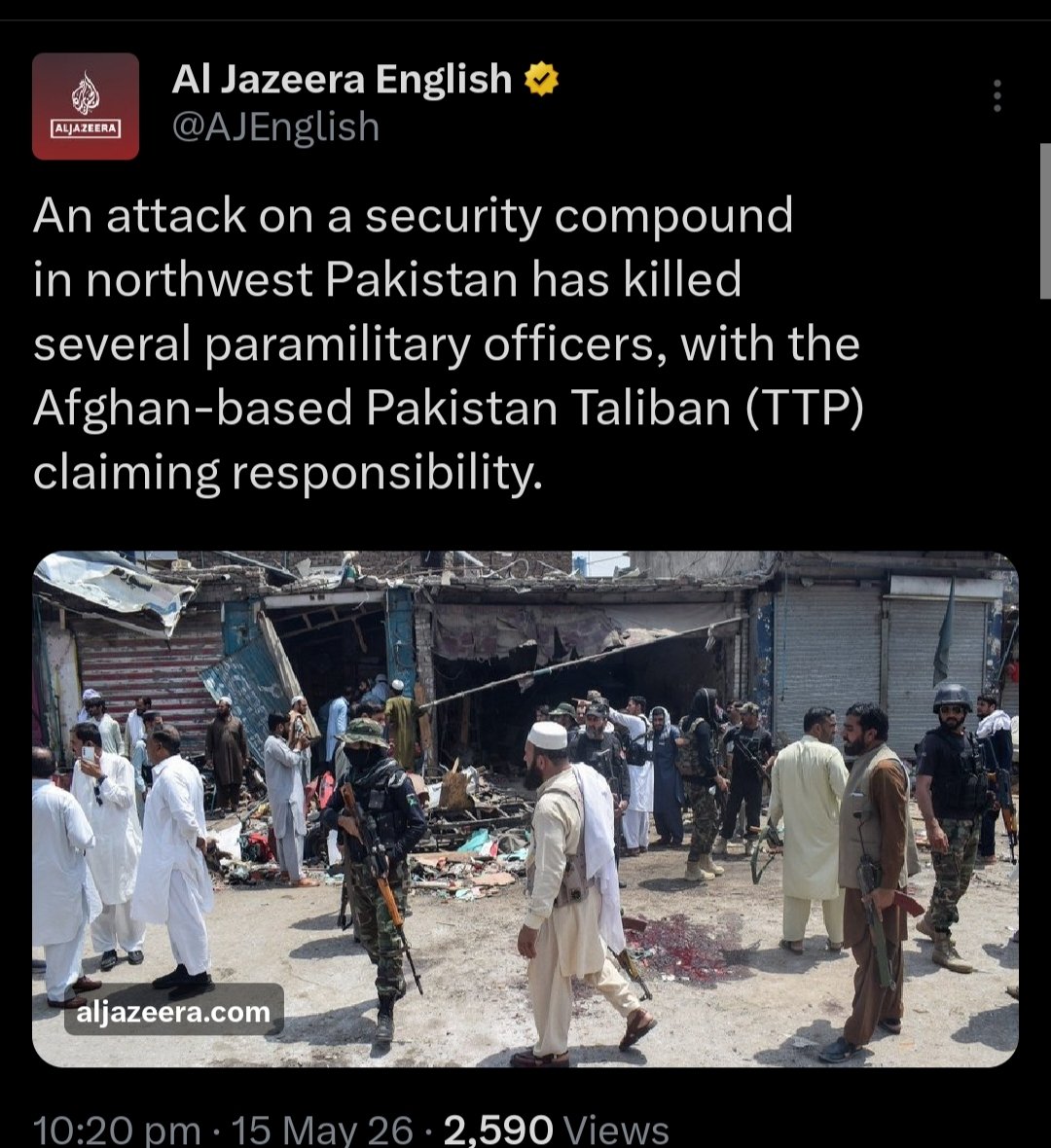
Alarming 🚨
@AJENews now fully controlled by TTP and Taliban terrorists . Aljazeera deleted the article about Bajaur suicide attack which was carried out by the Afghan based TTP terrorists, even the suicide bomber was an afghan national.
The TTP-Taliban-Al Jazeera Axis: A Pattern of Deception and Terrorism Against Pakistan
Compounding this is the selective narrative pushed by certain international outlets, notably Al Jazeera. The network has a track record of articles that downplay TTP threats, frame Pakistan’s defensive actions as aggression, and amplify Taliban denials while questioning Islamabad’s evidence. In the wake of this recent attack, Al Jazeera published a piece acknowledging the Afghanistan-based TTP’s claim only to delete it shortly afterward.
The evidence surrounding TTP increasingly points toward a deeply entrenched cross-border terror infrastructure operating from Afghan soil. Multiple UN reports have highlighted that the TTP leadership continues to maintain sanctuaries inside Afghanistan, where the group enjoys operational freedom, recruitment networks, training facilities, and logistical support. Pakistani authorities have repeatedly recovered weapons and equipment originating from Afghanistan after major terrorist incidents, reinforcing concerns that the collapse of regional security after 2021 created space for militant groups to reorganize and intensify attacks against Pakistan.
The latest suicide attack near the Pak-Afghan border once again exposed this reality. Reports identified the attacker as an Afghan national, while the assault itself was claimed by the Afghanistan-based TTP network. Such incidents strengthen Pakistan’s long-standing position that terrorist violence inside the country is no longer merely a domestic security issue, but part of a broader cross-border militancy challenge enabled by safe havens across the border.
Equally troubling is the information warfare dimension surrounding terrorism in the region. Certain international media outlets, particularly Al Jazeera, are increasingly viewed by critics as promoting selective narratives that obscure the realities of terrorism targeting Pakistan. In the aftermath of the recent attack, Al Jazeera published a post acknowledging that the Afghanistan-based TTP carried out the attack inside Pakistan, only for the article or post to later disappear. For many observers, this raised serious questions about editorial consistency and whether politically inconvenient facts are being softened or erased to protect the image of the Afghan Taliban administration.
Over the years, critics have pointed to several instances where Al Jazeera’s reporting appeared disproportionately focused on amplifying allegations against Pakistan while downplaying the role of militant sanctuaries inside Afghanistan. This pattern has fueled perceptions that parts of the international media ecosystem have become reluctant to openly confront the Taliban’s unwillingness to dismantle terrorist groups operating from Afghan territory. The result is a dangerous distortion where Pakistan is repeatedly portrayed solely as a battleground, while insufficient attention is paid to the cross-border networks and ideological facilitators enabling these attacks.
The growing alignment between the Afghan Taliban’s tolerance of TTP elements and sympathetic media narratives like Aljazeera has become a major concern for regional stability.
TTP Terrorist groups in Afghanistan thrive not only on weapons and safe havens, but also on propaganda, narrative management, and international ambiguity. Any attempt to obscure the origins of terrorism or dilute accountability only emboldens extremist organizations further.
Pakistan’s sacrifices in the fight against terrorism including thousands of civilian and military casualties in Taliban backed TTP terror attacks in last 5 years demand honest international acknowledgment rather than selective storytelling that ignores the source of the threat.
1
2
13
7,288
May 14
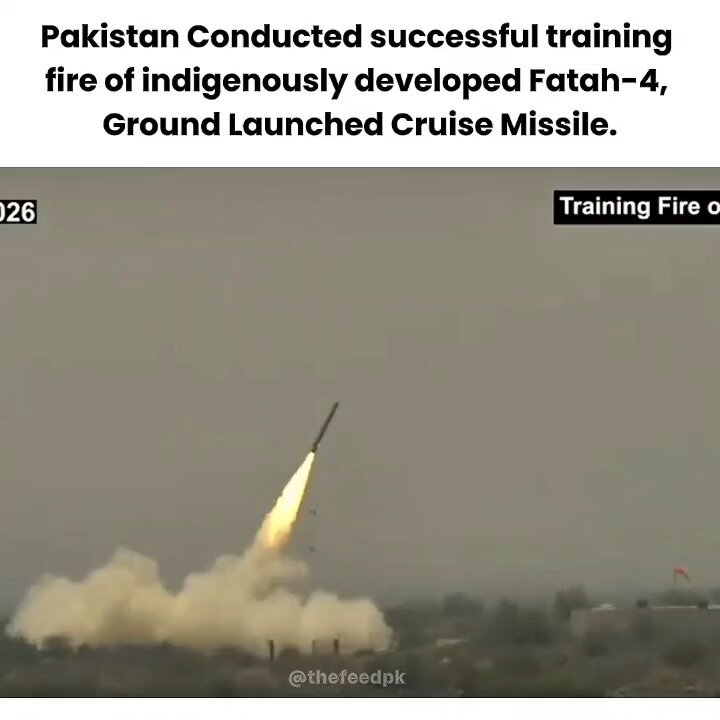
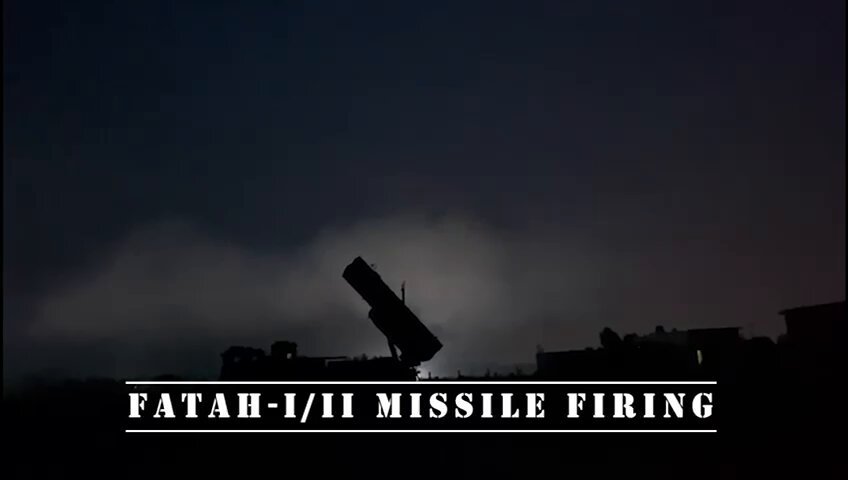
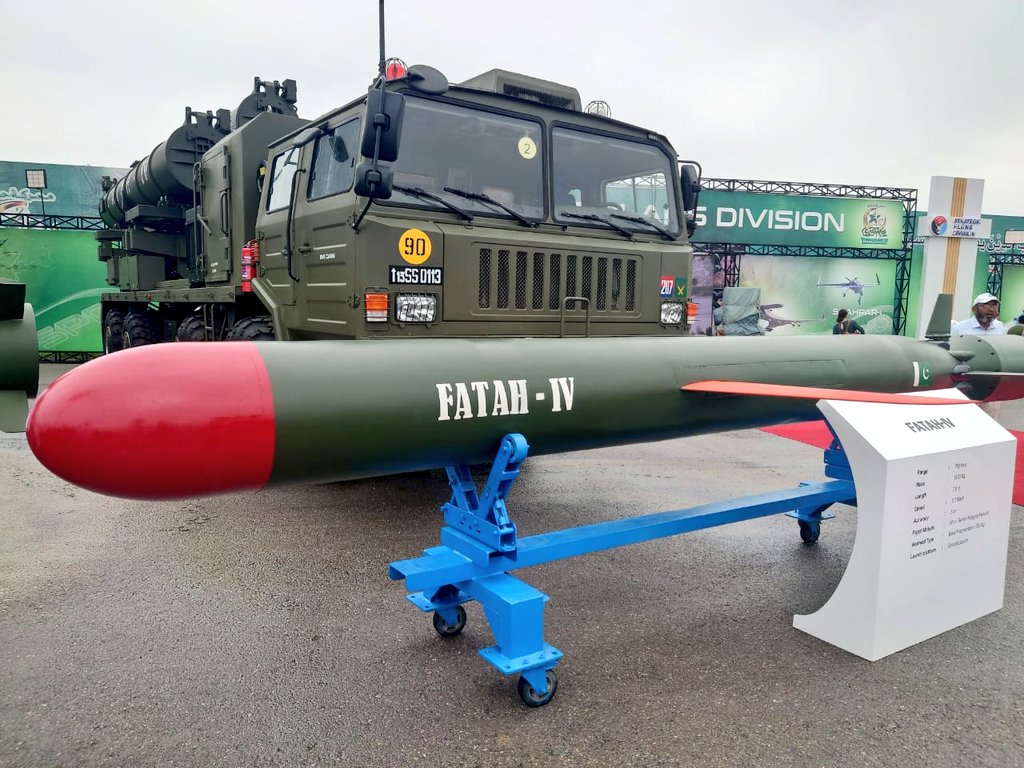
اليوم، أجرت قيادة قوات الصواريخ في الجيش الباكستاني إطلاقًا تدريبيًا ناجحًا لصاروخ كروز أرضي مطلق من البر (GLCM) من طراز فتح-4 المطور محليًا.
يتميز نظام سلاح فتح-4، المزوّد بإلكترونيات طيران متقدمة ووسائل ملاحة حديثة ومتطورة، بقدرته على إصابة الأهداف بعيدة المدى بدقة عالية.
تم إجراء الإطلاق التدريبي لتعزيز الكفاءة العملياتية للقوات والتحقق من المعايير الفنية لمختلف الأنظمة الفرعية المدمجة من أجل تحسين الدقة وزيادة القدرة على البقاء.
وشهد الإطلاق التدريبي كبار الضباط من قيادة قوات الصواريخ في الجيش الباكستاني إلى جانب العلماء والمهندسين من الجهة المطورة.
5
31
615
May 12
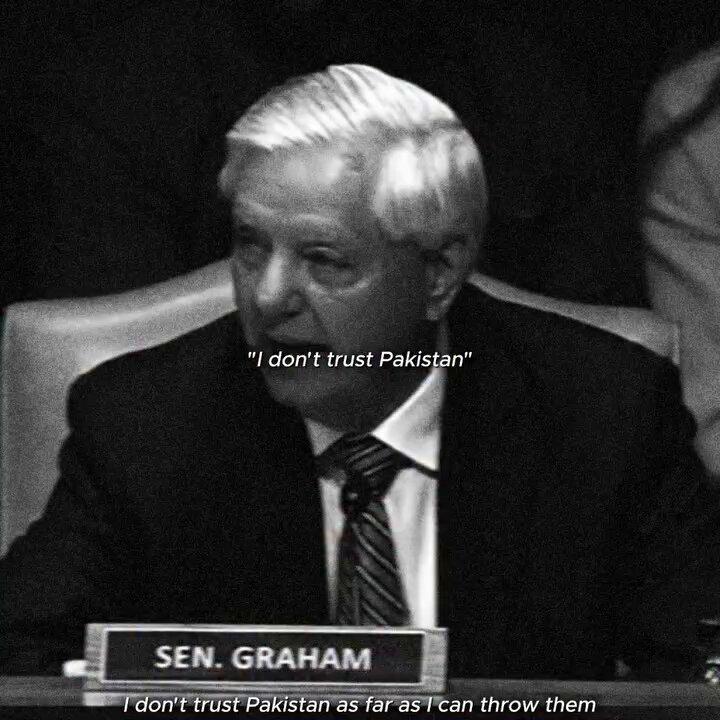
ليندسي غراهام، وهو سيناتور أمريكي، قال للتو إنه لا يثق بباكستان في التوسط بين الولايات المتحدة وإيران. لكن من يكون حتى يشكك في ذلك؟ لقد حصل على مليون دولار من تمويل أيباك 🇮🇱. هو لا يمثل الأمريكيين — بل يمثل ولاءه لإسرائيل.
هو يضع إسرائيل أولاً. لذلك فإن السؤال الحقيقي للأمريكيين هو: هل هذا هو ممثلكم؟ شخص يضع المصالح الإسرائيلية قبل أمريكا؟
شخص لا يريد السلام بين الولايات المتحدة وإيران، ولا يهتم إذا استمر الناس في المعاناة؟ أشخاص مثل ليندسي غراهام سيُسقطون الإمبراطورية الأمريكية معهم بسبب موقفهم الأعمى المؤيد لإسرائيل.
1
138
May 10
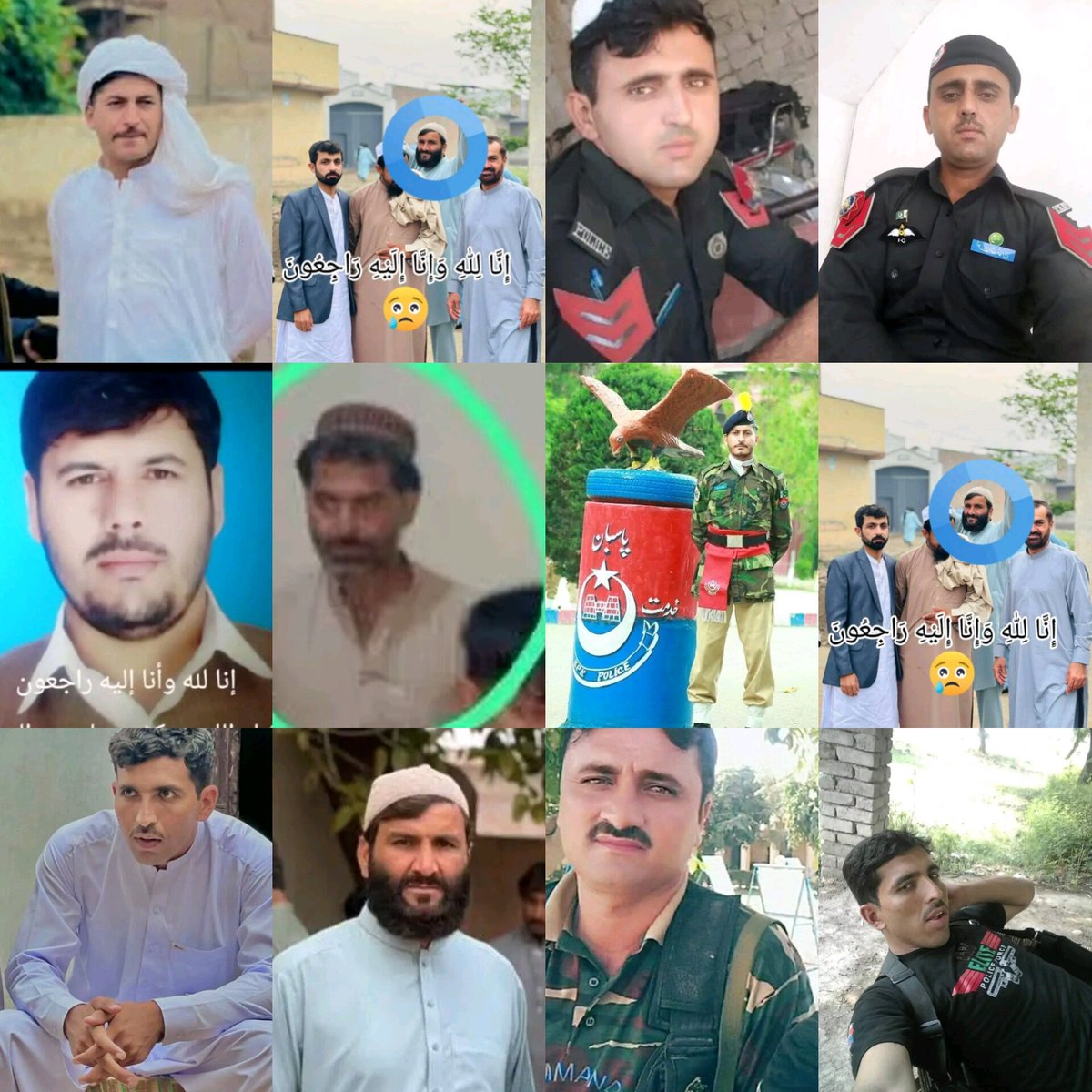
استُشهد 15 باكستانيًا في هجمات إرهابية نفذها إرهابيو طالبان.
طالبان هم أكبر أعداء المسلمين والإنسانية.
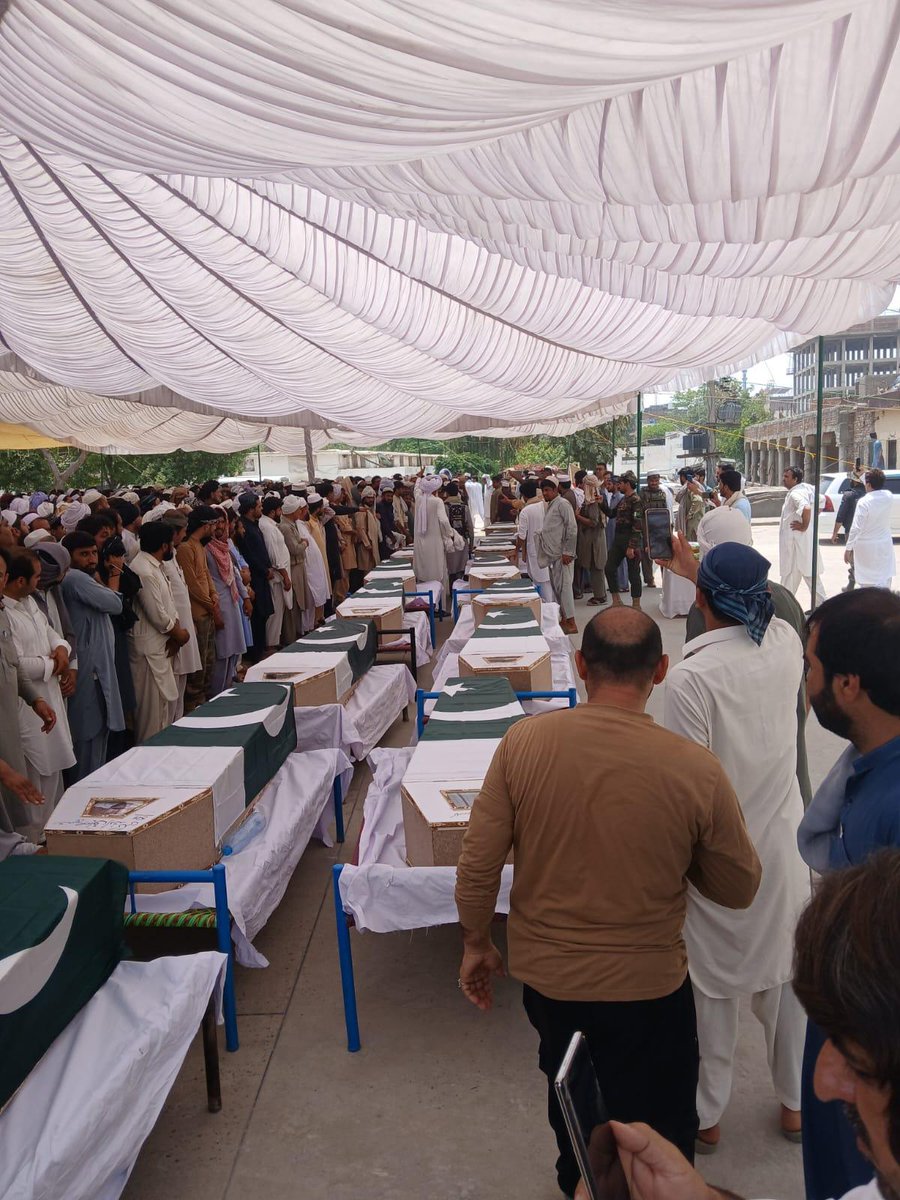
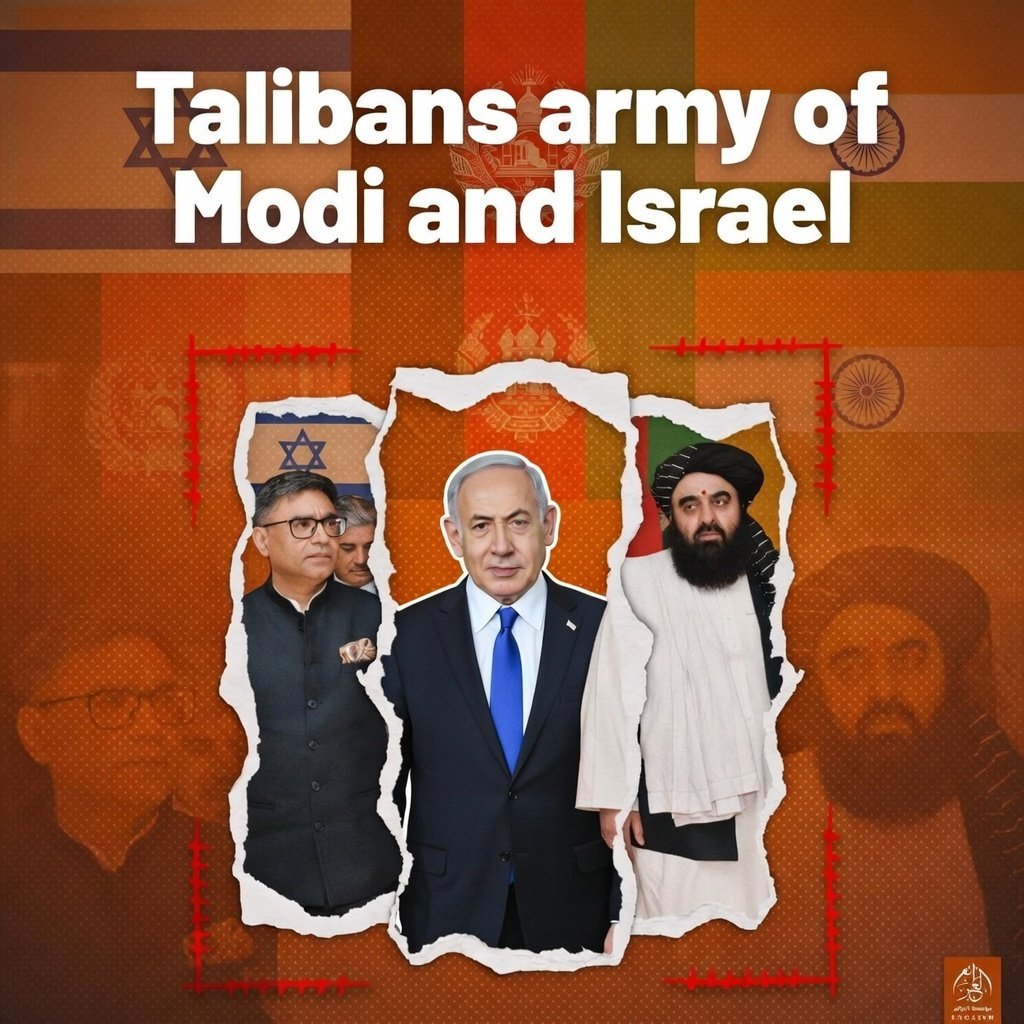
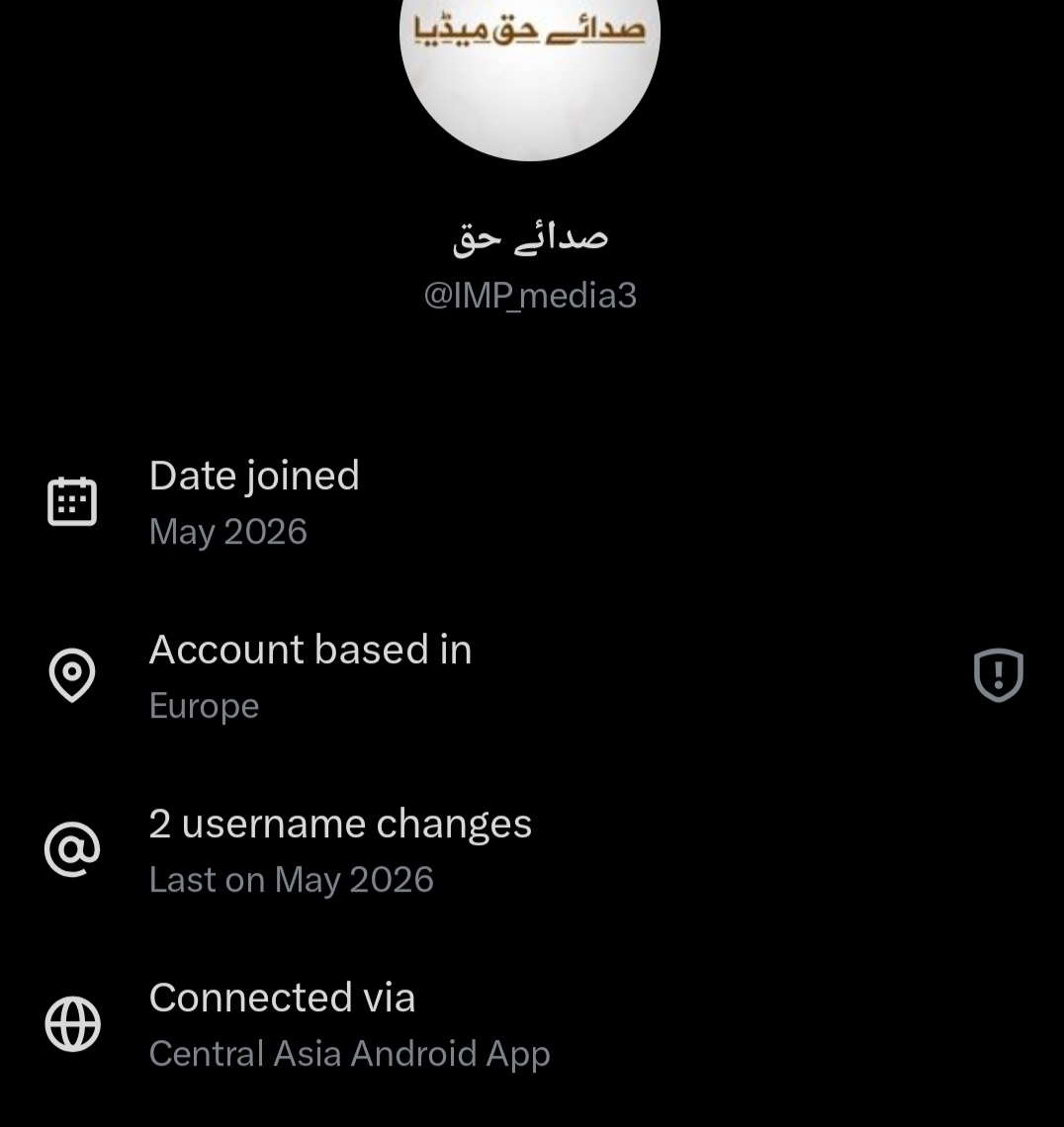
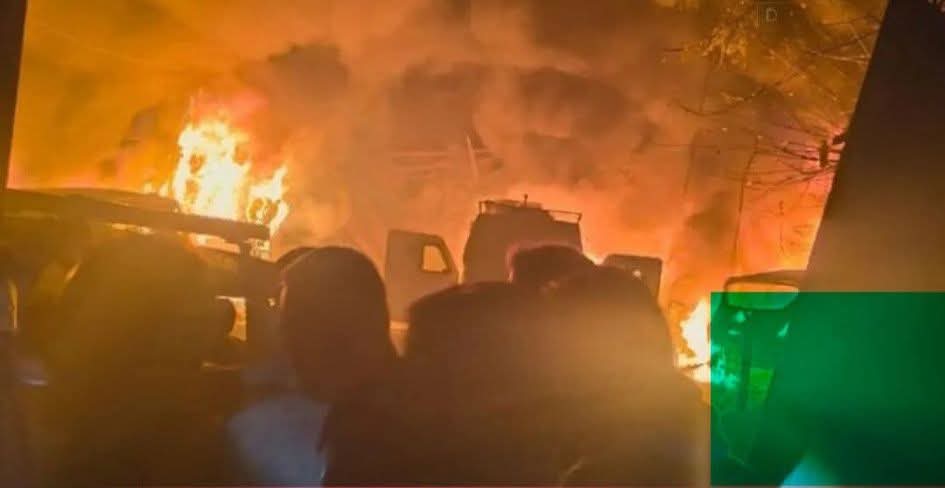
طالبان الأفغان المدعومون من المنظمة الإرهابية (IMP) أعلنوا مسؤوليتهم عن الهجوم في بنو، باكستان الليلة.
حساب "IMP" مقره في أفغانستان (آسيا الوسطى) ويستخدم شبكة افتراضية خاصة (ويظهر وكأنه من أوروبا).
الإرهابيون من طالبان الأفغان يقتلون المسلمين الباكستانيين كل يوم. طالبان الأفغان هم أعداء الإنسانية والمسلمين.
2
12
212
May 10
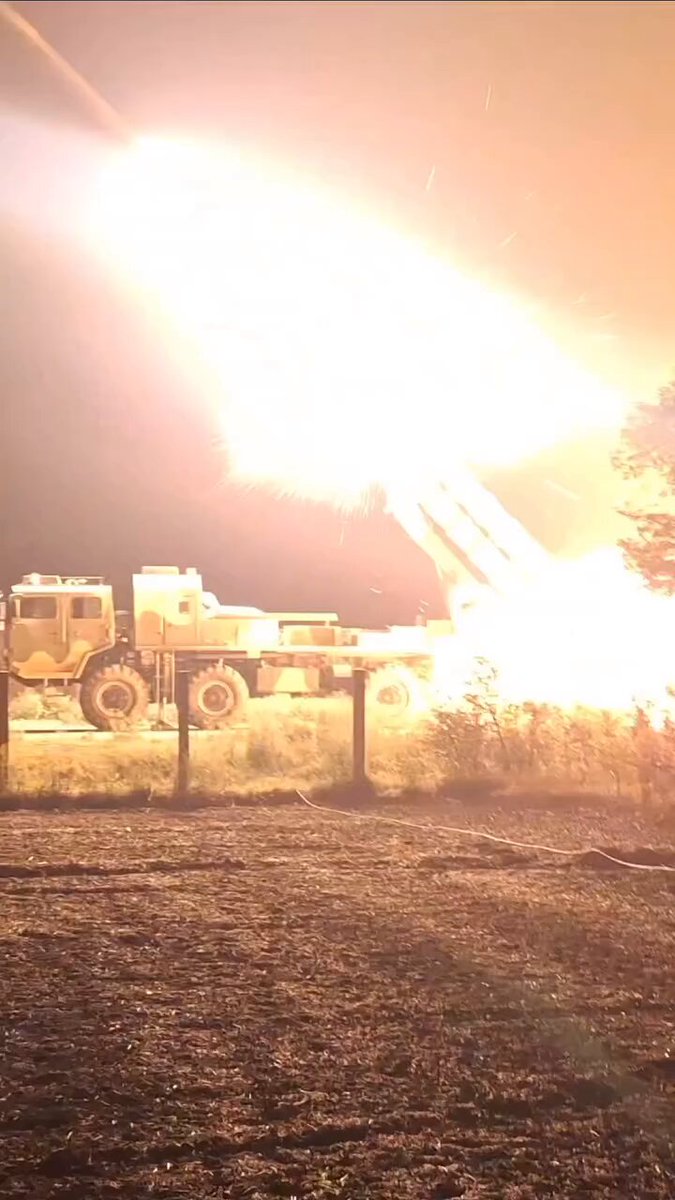
مقاطع فيديو من شهر مايو من العام الماضي، باكستان تطلق صواريخ على الهند
1
2
7
227
طالبان الأفغان المدعومون من المنظمة الإرهابية (IMP) أعلنوا مسؤوليتهم عن الهجوم في بنو، باكستان الليلة.
حساب "IMP" مقره في أفغانستان (آسيا الوسطى) ويستخدم شبكة افتراضية خاصة (ويظهر وكأنه من أوروبا).
الإرهابيون من طالبان الأفغان يقتلون المسلمين الباكستانيين كل يوم. طالبان الأفغان هم أعداء الإنسانية والمسلمين.
1
2
15
2,593
إحدى الطائرات الهندية التي أسقطتها باكستان في مايو من العام الماضي، والتي تحطمت في كشمير التي تحتلها الهند.
2
6
19
623
مقاطع فيديو من شهر مايو من العام الماضي، باكستان تطلق صواريخ على الهند
12
130
381
10,727
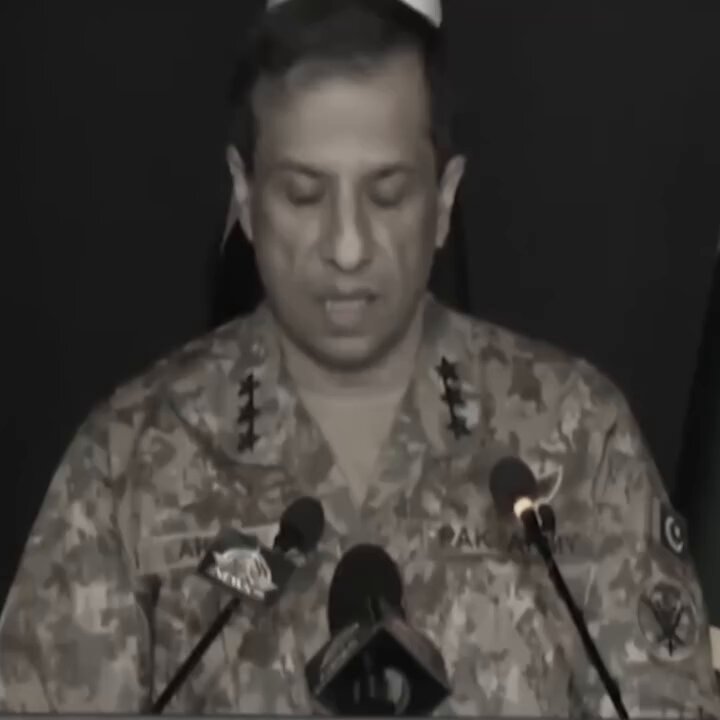
أكد المدير العام لإدارة العلاقات العامة للقوات المسلحة الباكستانية أحمد شريف تشودري أن العلاقات بين باكستان 🇵🇰 والسعودية 🇸🇦 ليست مجرد تعاون دبلوماسي، بل رابطة راسخة تقوم على الأخوّة التاريخية والاحترام المتبادل، مشددًا على أن حماية الحرمين الشريفين تمثل شرفًا عظيمًا ومصدر فخر لكل باكستاني ومسلم.
وأضاف أن أمن السعودية يُعد جزءًا من أولويات باكستان الاستراتيجية، تمامًا كما تحظى سلامة باكستان بنفس القدر من الأهمية لدى الرياض، في علاقة تقوم على الثقة المتبادلة والتفاهم العميق.
واختتم بالإشارة إلى أن أي تهديد يمس السعودية يُنظر إليه في باكستان باعتباره تهديدًا مباشرًا، بما يعكس عمق الترابط الأمني والمصير المشترك بين البلدين.
6
47
553
الدفاع الباكستاني retweeted
نفس طالبان الذين يزعمون تطبيق “الشريعة” ويقدمون أنفسهم كحماة للأخلاق، متورطون في الباشا بازي مع الأطفال الأفغان وحتى مع بعض عناصرهم.
هذا ليس مجرد نفاق، بل هو خيانة كاملة للمبادئ التي يدّعون التمسك بها. الإسلام يحرّم بشكل صارم الاستغلال والإساءة والظلم، خاصة ضد الأطفال. أي نظام يسمح بمثل هذه الأفعال، سواء بالصمت أو التواطؤ، لا يمكنه ادعاء الشرعية الأخلاقية أو الدينية.
بينما يعاقبون علنًا على سلوكيات اجتماعية بسيطة باسم الدين، تشير التقارير والأدلة إلى أن الأفراد النافذين داخل دوائرهم يفلتون من المساءلة عن جرائم أكثر خطورة بكثير.
هذا التطبيق الانتقائي يكشف نظامًا قائمًا ليس على العدالة، بل على السيطرة والمعايير المزدوجة.
الضحايا الحقيقيون هم الأطفال الأبرياء الذين تُسكت أصواتهم، ويُتجاهل ألمهم، وتُسلب كرامتهم، كل ذلك تحت ظل نظام يدّعي الاستقامة.
2
2
8
2,647
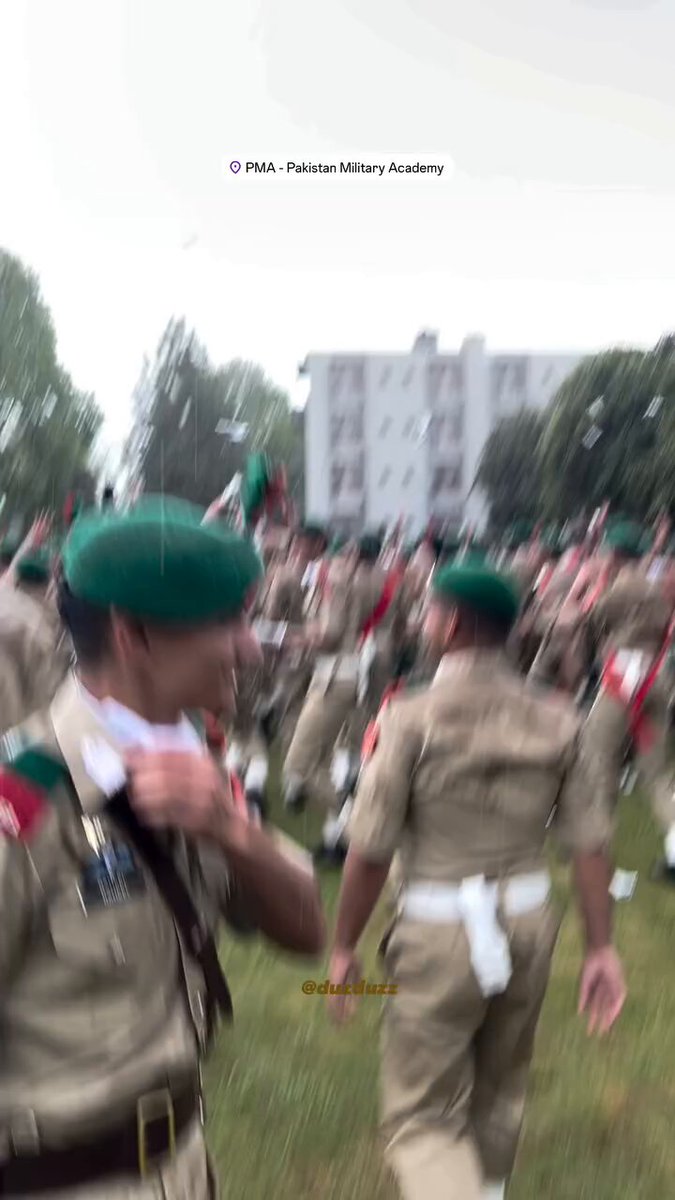
طيار مقاتلة JF-17، قائد الجناح نادر علي
#بنيان_مرصوص
1
1
20
242
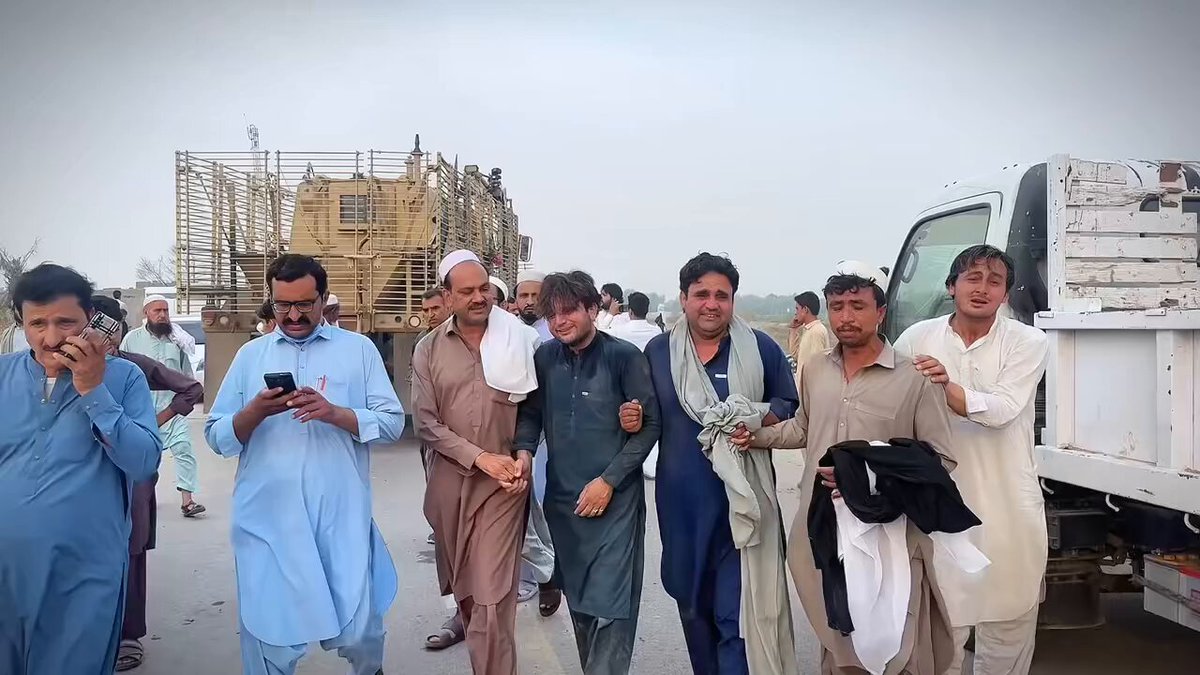
مولانا إدريس، أحد أبرز علماء باكستان، قد استُشهد في تشارسده، خيبر بختونخوا، وذلك بعد أيام قليلة من تلقيه تهديدات من حسابات طالبان الأفغان.
قبل عدة أيام، انتشر بيان لشيخ الحديث مولانا محمد إدريس.
كان الشيخ إدريس قد أشاد بجهود المشير الميداني لوقف إطلاق النار، وهو ما لم تتقبله فتنة الخوارج وطالبان الأفغان، فقاموا باستشهاده.
اليوم بتاريخ 5 مايو 2026، في منطقة أتمانزئي بمدينة تشارسده، استهدف إرهابيو الخوارج من تنظيم تي تي بي الشيخ إدريس بالقرب من مكان الجنازة، ما أدى إلى استشهاده.
يُذكر أن فتنة الخوارج (تي تي بي وحلفاؤهم من طالبان) جماعات معادية للإسلام وشيطانية وإرهابية، تتستر بلباس الإسلام لقتل المسلمين الأبرياء. هؤلاء الإرهابيون المتعطشون للدماء هم أعداء صريحون لباكستان وشعبها ولتعاليم الإسلام الحقيقية.
من المؤسف أن مثل هذه الحوادث الوحشية تتكرر باستمرار في خيبر بختونخوا، لكن الحكومة الإقليمية لا تبدو في المشهد، كما أن رئيس الوزراء لا يتحدث عن هذه القضايا. هؤلاء لا يشاركون في جنازات الشهداء ولا يقدمون أي دعم لقوات الأمن والشرطة في حفظ الأمن.
من الواضح أن حادثة الشيخ إدريس ليست الأولى من نوعها. فقد استهدف إرهابيو الخوارج من تنظيم تي تي بي سابقًا المدارس الدينية والمفتين والقادة السياسيين مرارًا وتكرارًا.
الإسلام دين السلام والتسامح والأمان، لكن الدور الشيطاني للخوارج المرتبطين بتي تي بي وطالبان قد شوّه صورة دين الرحمة عالميًا. وكل أفعالهم تمثل عصيانًا وتمردًا صريحين على الله ورسوله ﷺ.
يجب على الشعب الباكستاني أن يرفض بشدة تي تي بي وكل أشكال الشر والفساد المماثلة، وأن يقف بشكل كامل إلى جانب مؤسسات الدولة، من أجل القضاء على فتنة الخوارج (تي تي بي) اللعينة وإرساء سلام واستقرار دائمين في البلاد.

1
2
6
841
البحرية الباكستانية تنقذ طاقمًا هنديًا في بحر العرب ضمن عملية إنسانية.
عقب تلقي نداء استغاثة من مركز تنسيق الإنقاذ البحري في مومباي، تم إرسال سفينة «كشمير» التابعة لوكالة الأمن البحري الباكستانية لتقديم المساعدة للسفينة «MV Gautam» التي تعرضت لعطل فني أثناء رحلتها من عُمان إلى الهند.
يقدم أفراد البحرية الباكستانية الطعام والمساعدة الطبية والدعم الفني لستة من أفراد الطاقم الهنود وعضو طاقم واحد إندونيسي.
6
21
571
طيار مقاتلة JF-17، قائد الجناح نادر علي 🦅🇵🇰
#بنيان_مرصوص
3
20
416