Former lots of smallernyana things. Entrepreneur in plant hire, small mining, logistics and furniture removals.. Christian. Golfer. DA Member. Views are my own.
Joined June 2009
- Tweets 78,384
- Following 35,422
- Followers 44,274
- Likes 33,361
5,348 Photos and videos



Pinned Tweet

14 Dec 2025
In South Africa black people who think with their buttocks are advocating for a few blacks (who may well be less than 10) to own 30% of Starlink versus the minister’s equity equivalent option of connecting 5000 rural schools benefiting 2.4 million learners (mostly black) for free.
Starlink will also be investing R2 Billion in infrastructure build-out and socioeconomic programs. Creating jobs and opportunities for thousands of poor blacks.
So 10 black guys who are already elites and connected to ANC or millions of black school children and thousands in jobs for blacks?
Don’t be fools. Think with your brains. Leave your personal issues with Elon and the US aside. Put South Africa first.
401
317
1,233
85,806
Paledi Mothapo retweeted

Rightly so, the man is doing a stellar job as Cape Town mayor.
I’m quite happy to openly declare that @geordinhl & the @Our_DA has my vote for Cape Town.
South Africans must back leaders who offer a solid vision for our country, and actually get behind them whilst we work hard as citizens to fix SA too.

Democratic Alliance (DA) leader Geordin Hill-Lewis, who is seeking a second term as Cape Town mayor, said his work in the city is not yet done. ewn.co.za/2026/06/15/hill-le…
16
10
51
2,178

The moment someone tells you Elon Musk should solve world poverty with his wealth, you're listening to someone who fundamentally misunderstands both wealth and poverty. Musk's billions exist almost entirely as Tesla and SpaceX stock, not cash sitting in a vault waiting to be redistributed.
The real issue runs deeper than liquidity. Poverty is fundamentally a productivity problem, not a resource shortage. If throwing money at poverty solved it, the $4.3 trillion the US government has spent on welfare programs since 1965 would have eliminated American poverty decades ago. Instead, the poverty rate has remained virtually unchanged since the War on Poverty began.
You can't redistribute your way out of poverty because wealth isn't a fixed pie that rich people hoard. Musk created his fortune by building companies that produce electric vehicles, rockets, and satellite internet. His wealth represents the market's valuation of those productive assets. When politicians demand he liquidate those holdings to fund welfare programs, they're demanding he destroy the very capital that generates ongoing prosperity.
The countries with the lowest poverty rates didn't achieve that through foreign aid or wealth transfers. South Korea went from Third World to First World status in two generations through property rights, free markets, and rule of law. Meanwhile, sub-Saharan Africa has received over $1 trillion in foreign aid since 1960 and remains impoverished. Poverty reduction requires institutions that enable production, not redistribution schemes.
Real poverty reduction happens when entrepreneurs like Musk build productive enterprises that create jobs, generate tax revenue, and drive down costs through innovation. But that requires you to understand that capitalism creates wealth rather than just moving it around.

161
533
1,550
53,355
Paledi Mothapo retweeted

“The changes that Argentina needs are drastic. There is no room for gradualism, for lukewarmness, for half measures.”
— Javier Milei

9
57
272
6,629
Paledi Mothapo retweeted
“If printing money would end poverty, printing diplomas would end stupidity.”
— Javier Milei

22
161
679
11,872
Paledi Mothapo retweeted

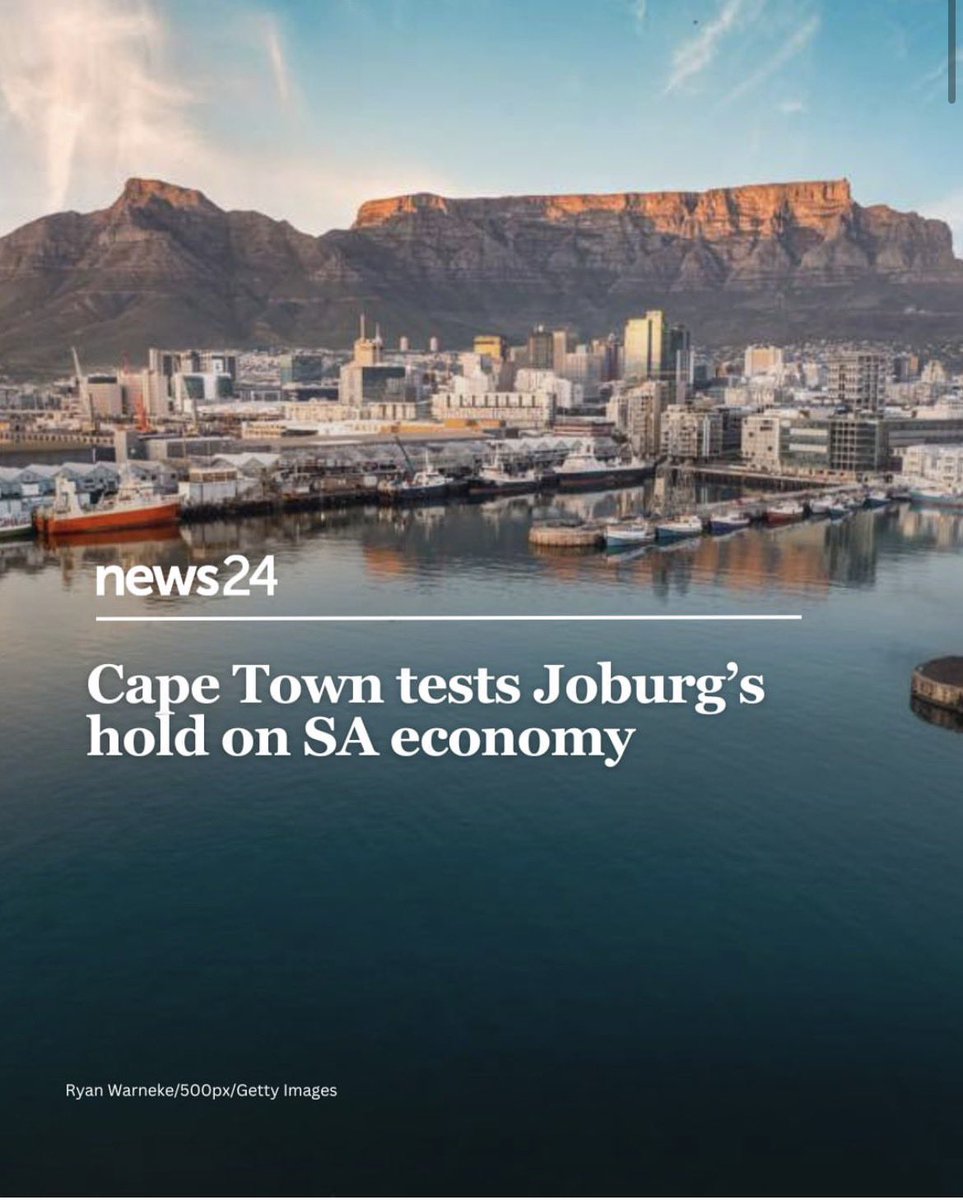
This is what happens when you have had years of ANC coalition corruption and maladministration.
While Cape Town has been growing, investing and building.
Joburg has been declining, disinvesting and destroying.
The only remedy is a DA government in Johannesburg in November 🔵🇿🇦
21
32
111
3,295
Paledi Mothapo retweeted

Jun 13
I think possibly the best thing about Elon Musk becoming a trillionaire is how angry it makes a bunch of losers who've never built a thing in their lives.
1,995
8,840
85,373
1,022,196
Paledi Mothapo retweeted

Jun 13
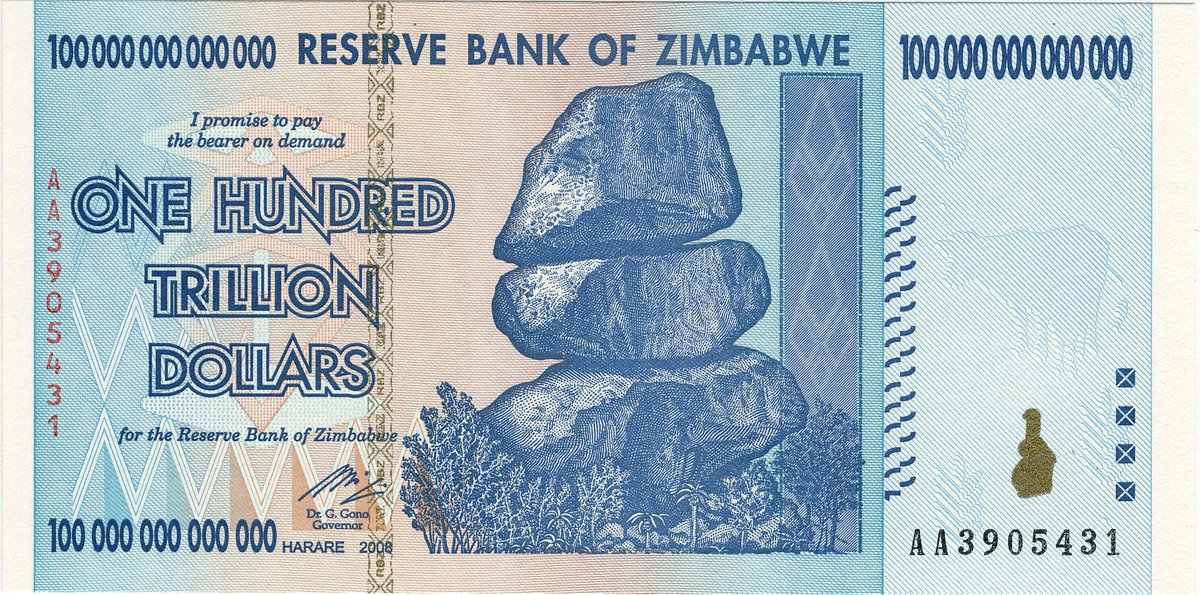
Thanks to socialism, the average Zimbabwean became a trillionaire before @elonmusk 💪
388
3,515
21,435
365,178
Paledi Mothapo retweeted

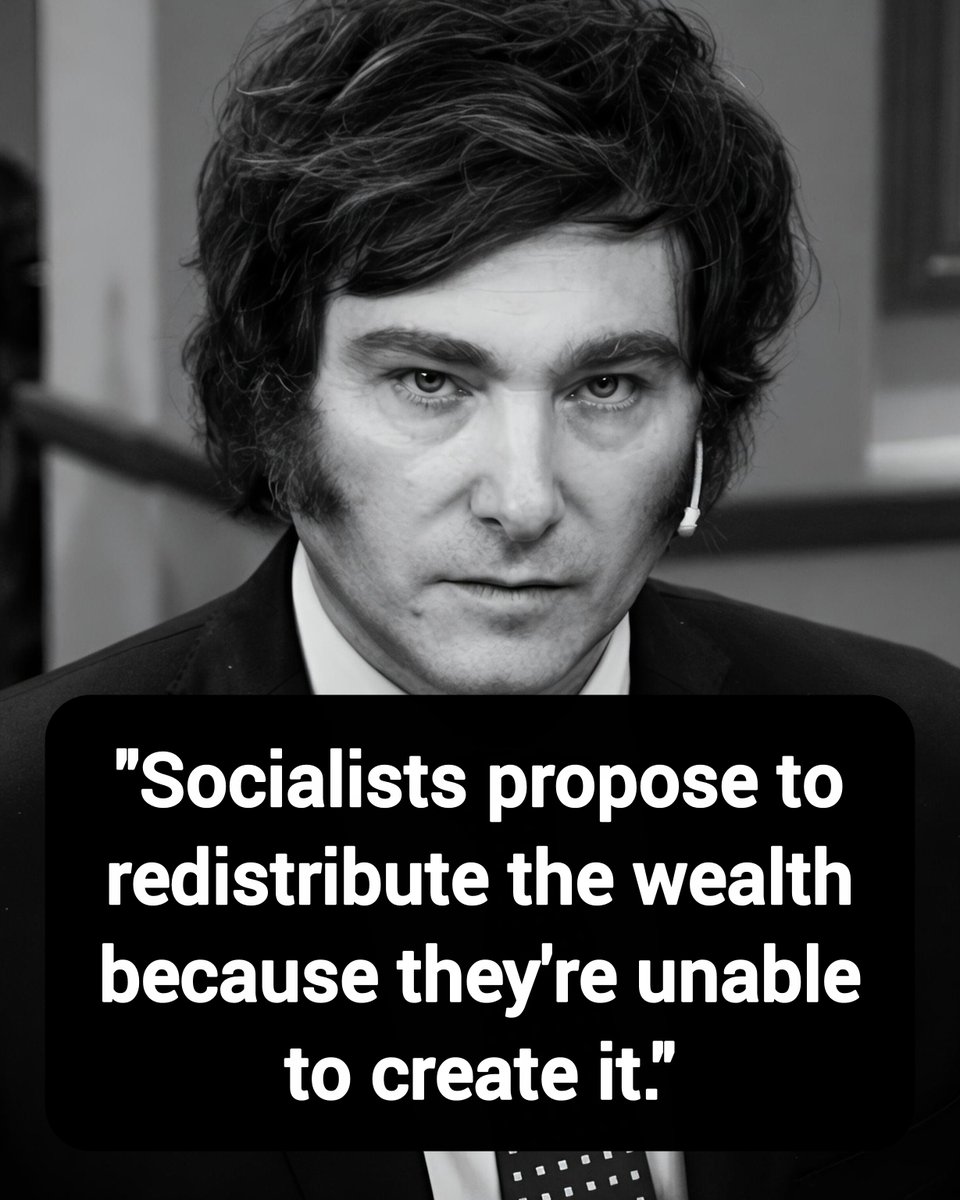
Javier Milei: "Socialists propose to redistribute the wealth because they're unable to create it."
Thoughts?
50
52
211
4,136
Jun 14
Dividing South Africa into two parts might actually work.
We have Marxists on one side and capitalists on the other.
I will belong to the capitalist bunch and we will execute anyone defecting from Marxist side to prevent illegal immigration that comes out of stupidity.
Akere we argue about simple grade 1 stuff always? How about?
11
5
37
1,779
Jun 14
BBBEE policy is perpetuates white supremacy.
It’s based on the premise “Sehlare sa Mosotho ke Lekgoa” meaning there can never be development of a black person beyond white people. Sounds like crap so far because it’s not Julius Malema’s PHD thesis. Everything BEE is white based, force blacks to own X % of white companies, force blacks to be employed in white companies, force blacks to do XYZ in white companies. It’s based on poor imagination and inferiority complex of blacks and their government. First of all affirmative action makes no sense in a country where the disadvantaged are the majority and are in government, if you ask me I’d say “WTF?!”. I’m kind of lazy to continue writing for now so I’ll end this quickly.
Can our government pretend white people don’t exist and actually do something for blacks?
Soon as that happens they will realise they have to start with the mindset. Like desexualise, ethicalise, Educate etc, and then create opportunities for that are beyond the scope of whites. Then we can start seeing real change.
23
13
49
1,949
Jun 13
There is no trillionaire who is actually born outside South Africa, Africa.
While others are poor here, a different ideology can actually make u filthy rich.
We are proud as South Africa.
3
1
17
532
Paledi Mothapo retweeted

Jun 12
All trillionaires are born in Pretoria, South Africa.
Let that sink in.
75
164
1,221
41,178
Jun 13
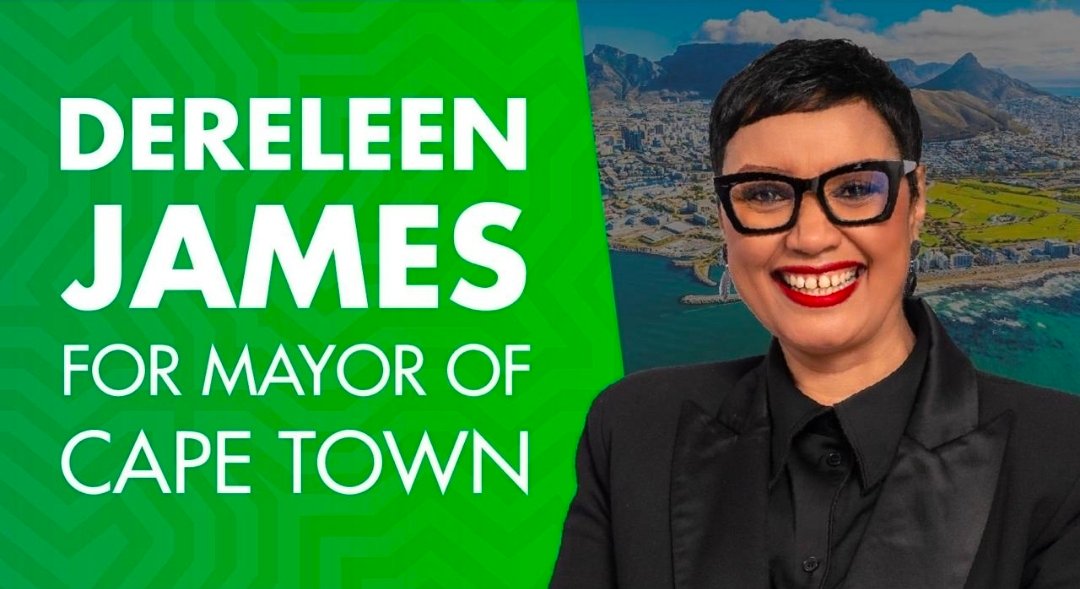
There’s been super quality leadership in CPT for 20 years. Results speak for themselves. Best governed city in South Africa at the moment.
You can’t beat DA
This one from a Herman Communist Stokvel Party trading as Action SA will shout at residents complaining about issues, no emotional intelligence and empathy.
By the way what fo you know about elections while no one in the leadership of Action SA is actually elected but hand picked by Supreme leader King Jon Herman?
Jun 13

Capetonians here is QUALITY leadership you have been waiting for, for years🇿🇦💚💚💚
11
6
46
7,027
Paledi Mothapo retweeted
Helen Zille for Joburg
Cilliers Brink for Tshwane
Khathu Rasilingwane for Ekurhuleni
Haniff Hoosen for Durban
Retief Odendaal for NMB
Werner Pretorius for Bloemfontein
Geordin Hill-Lewis for Cape Town
These are the mayors that will take our cities forward 🔵🇿🇦
46
41
172
7,140
Jun 13
If you ask @geordinhl what comes first, the the country or the DA, he’s going to definitely say the our Country.
Ask ANC leaders or any leader of any other party and you will get a different answer to that, their parties come first, that’s why you see they govern the way they do.
Everyone in the DA is super patriotic.
6
1
8
401
Jun 13
The hate for Elon is self sabotage
Jun 13

The people who benefit most from those policies are a handful of connected ANC elites.
Your virtue signaling hate is devoid of facts re @elonmusk 👇

1
3
6
261
Paledi Mothapo retweeted

Jun 13
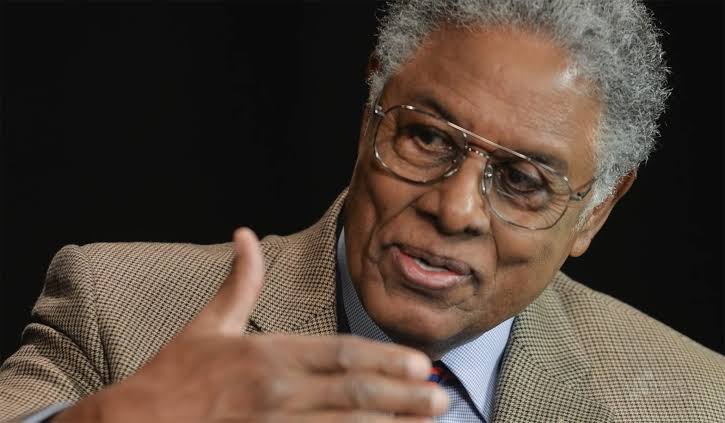
Thomas Sowell: “The more people who are dependent on government handouts, the more votes the left can depend on.”
7
42
138
1,507
Jun 13
Good campaign strategy is “to continue the good work we’ve been doing” people promise to correct their mistakes and they never will, we promise to continue the good work.
You can’t get that from any political party in SA.
Jun 13

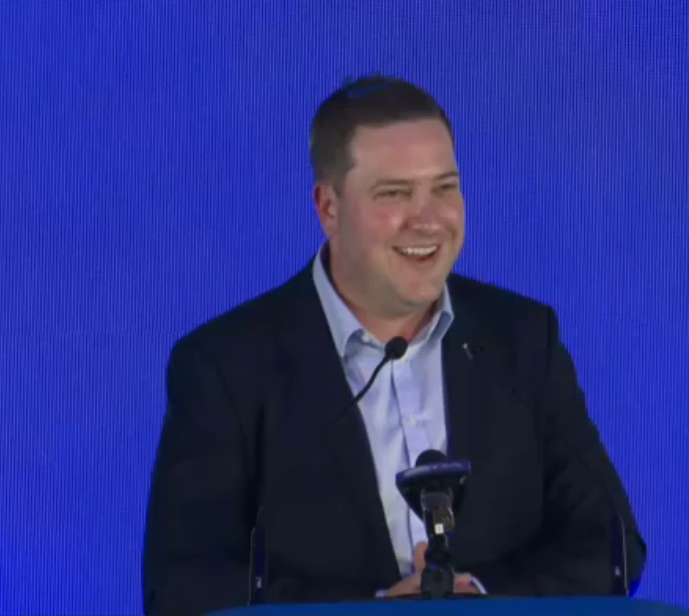
[BREAKING NEWS] DA puts forward Cape Town mayor and party leader Geordin Hill-Lewis as its mayoral candidate for Cape Town.
#Newzroom405
1
12
605
Paledi Mothapo retweeted
Jun 13
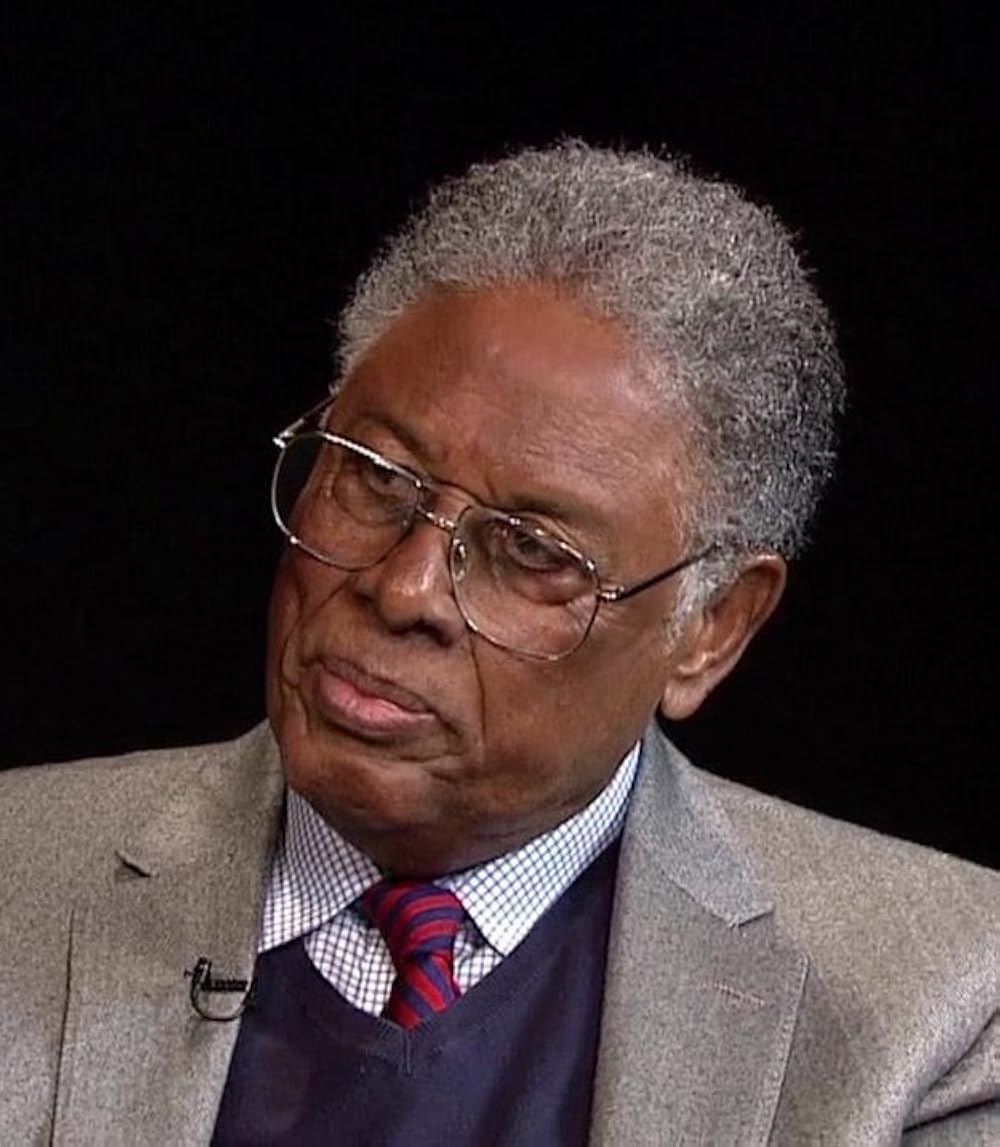
Thomas Sowell: “No one will really understand politics until they understand that politicians are not trying to solve our problems. They are trying to solve their own problems.”
10
104
347
3,457
Jun 13
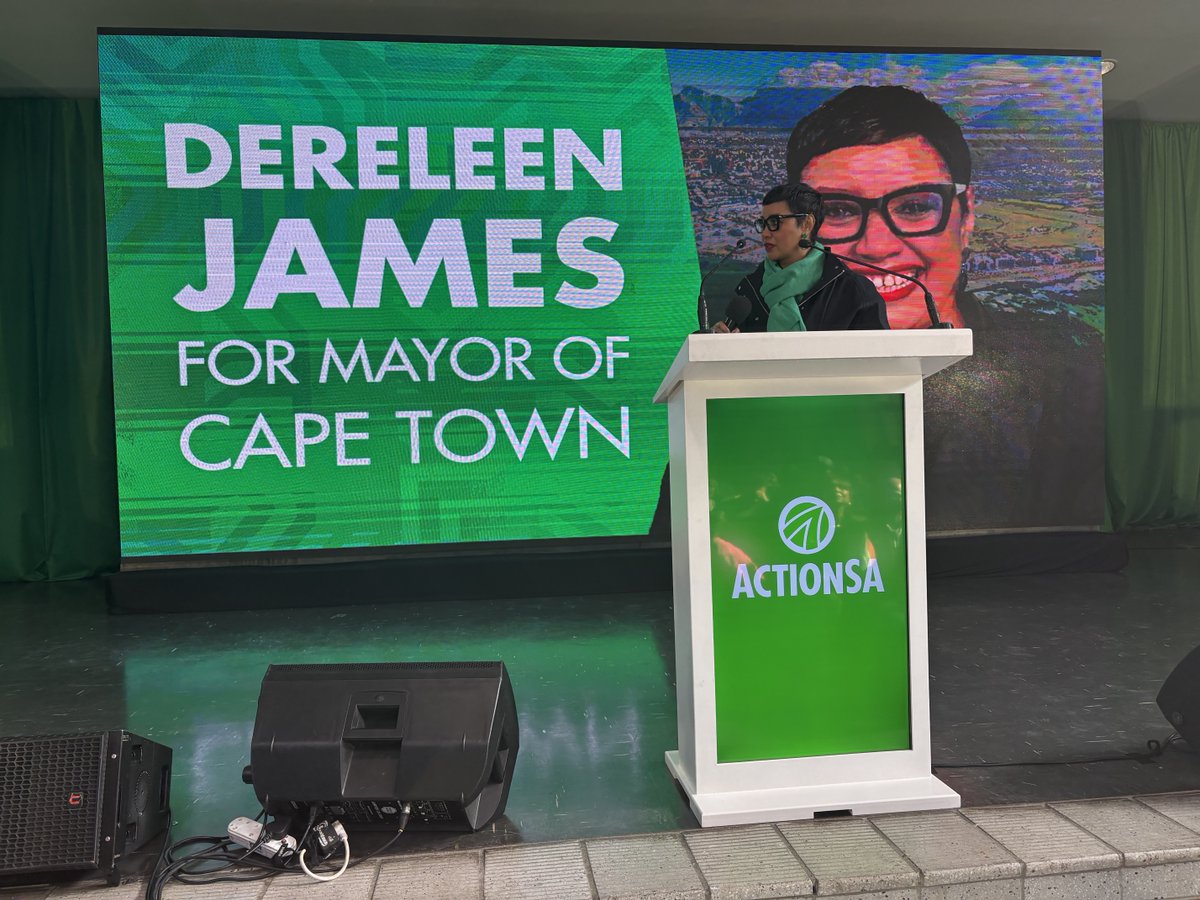
She will shout at residents.
No emotional intelligence/ empathy. Needs years of therapy.

2
2
207