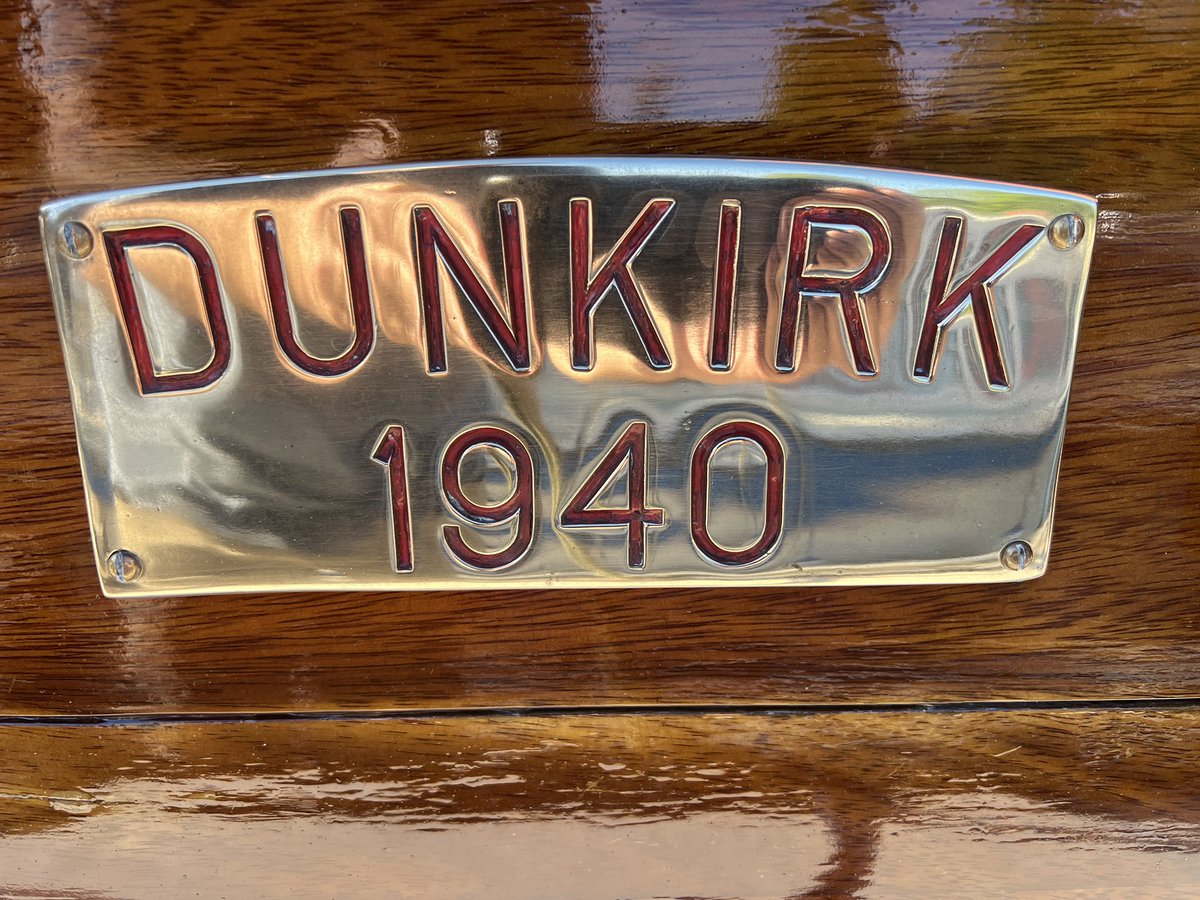
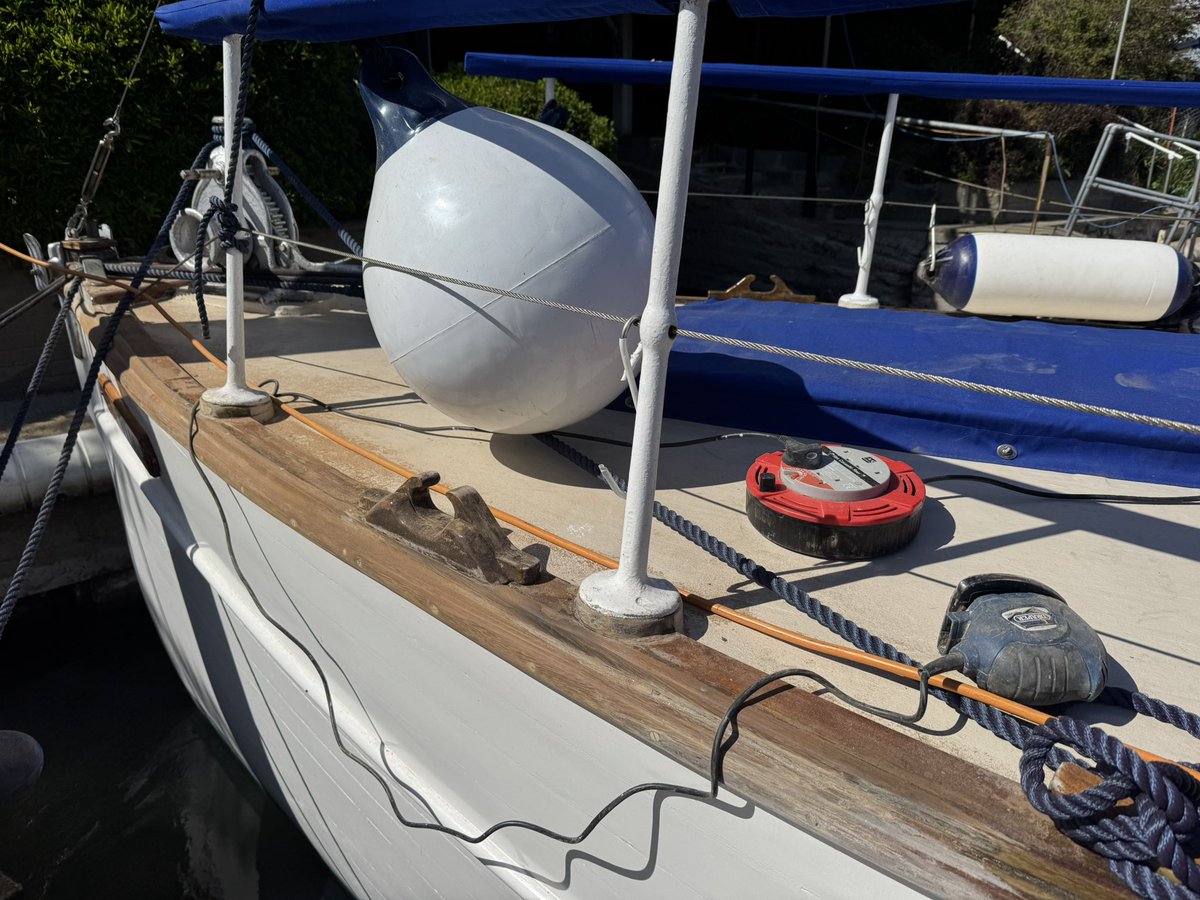
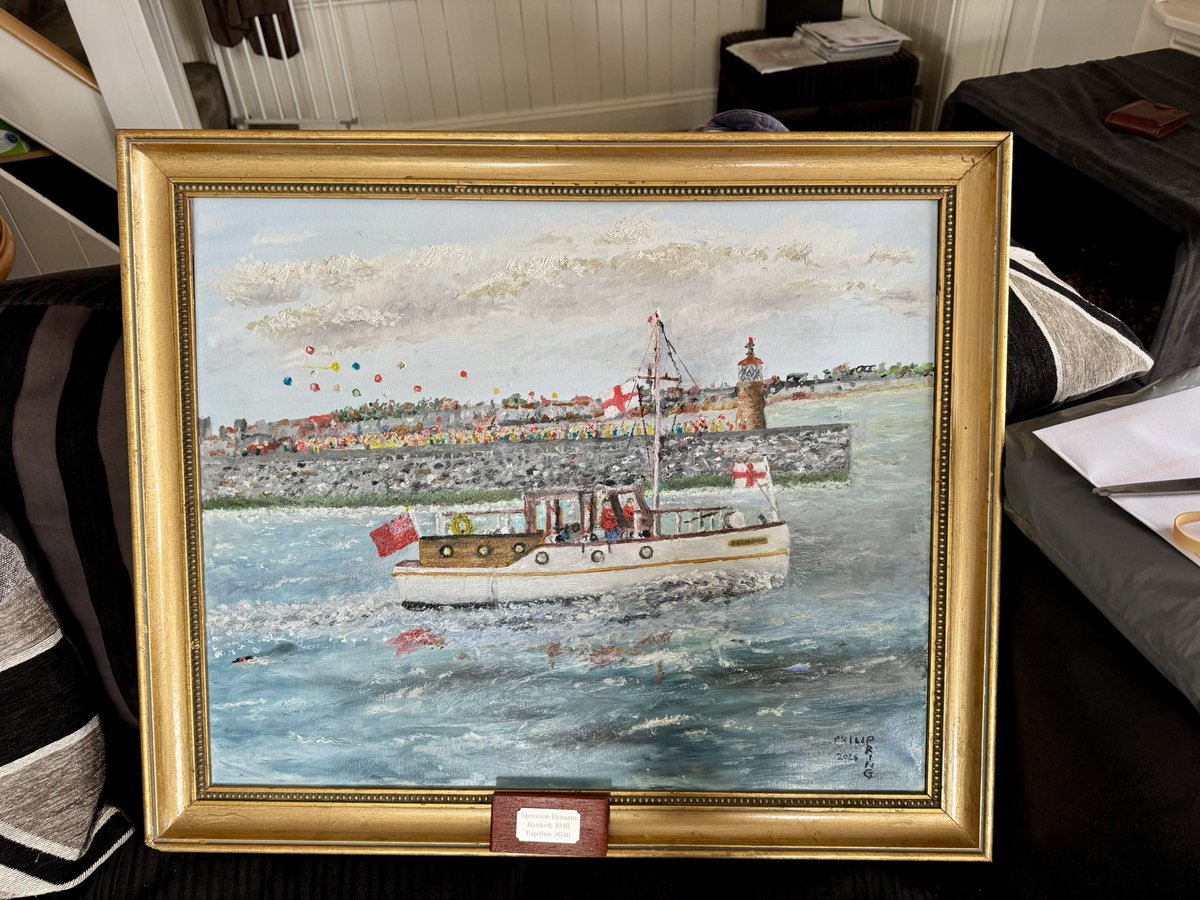
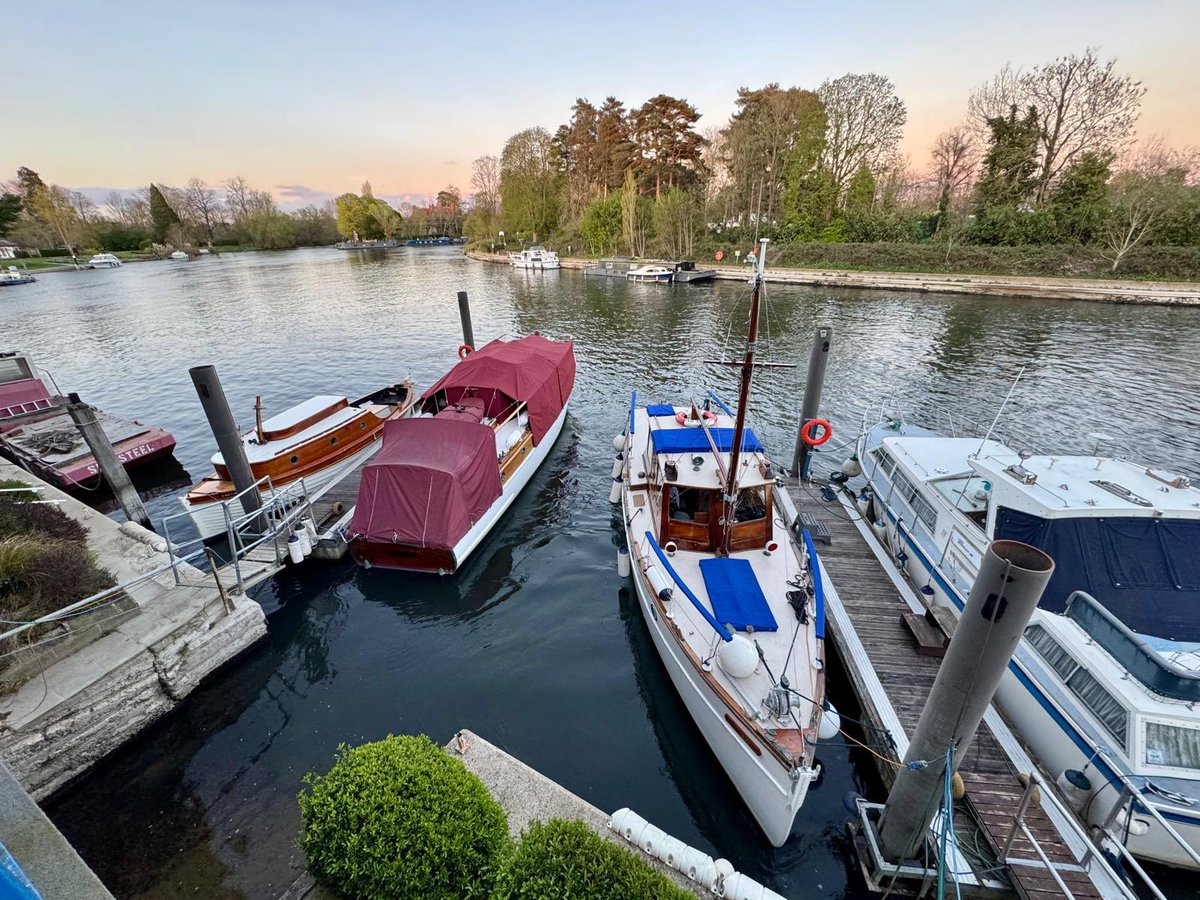
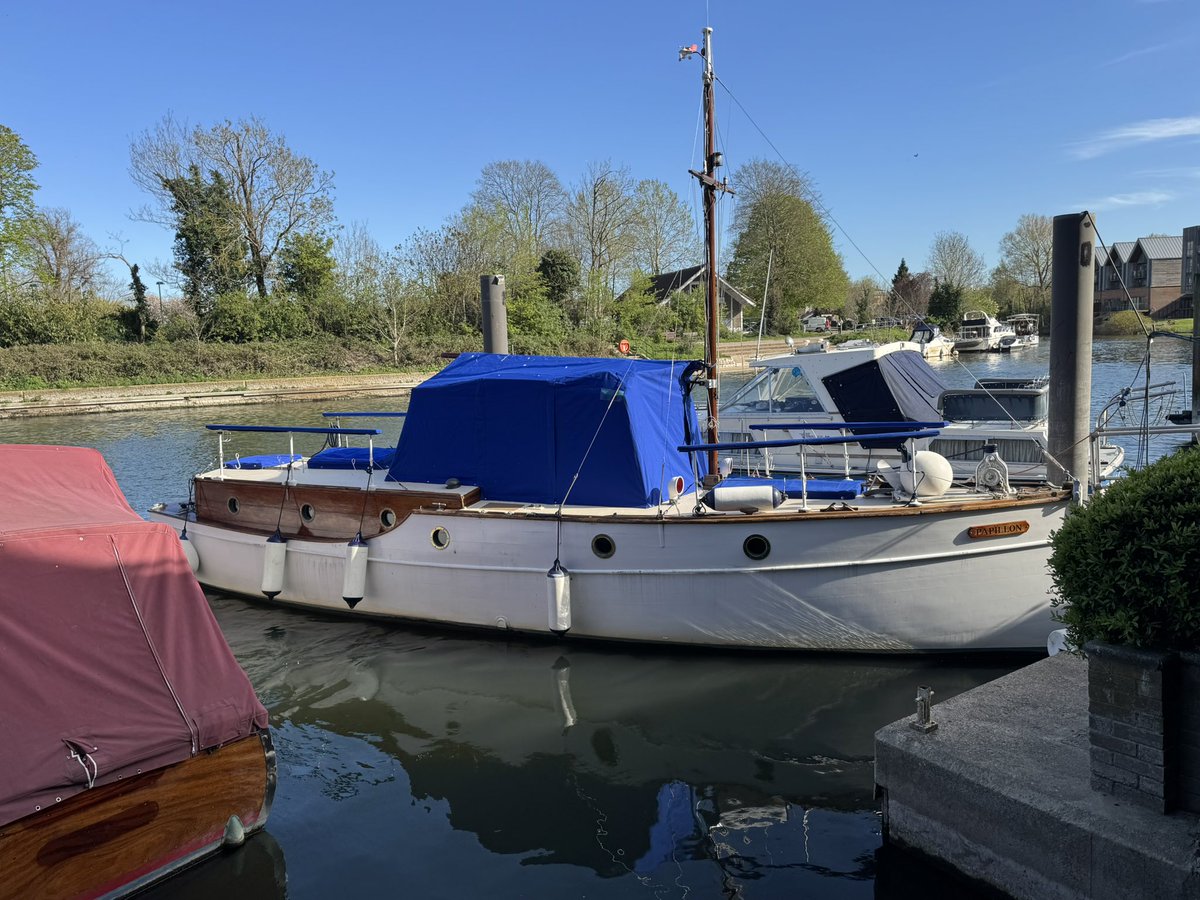
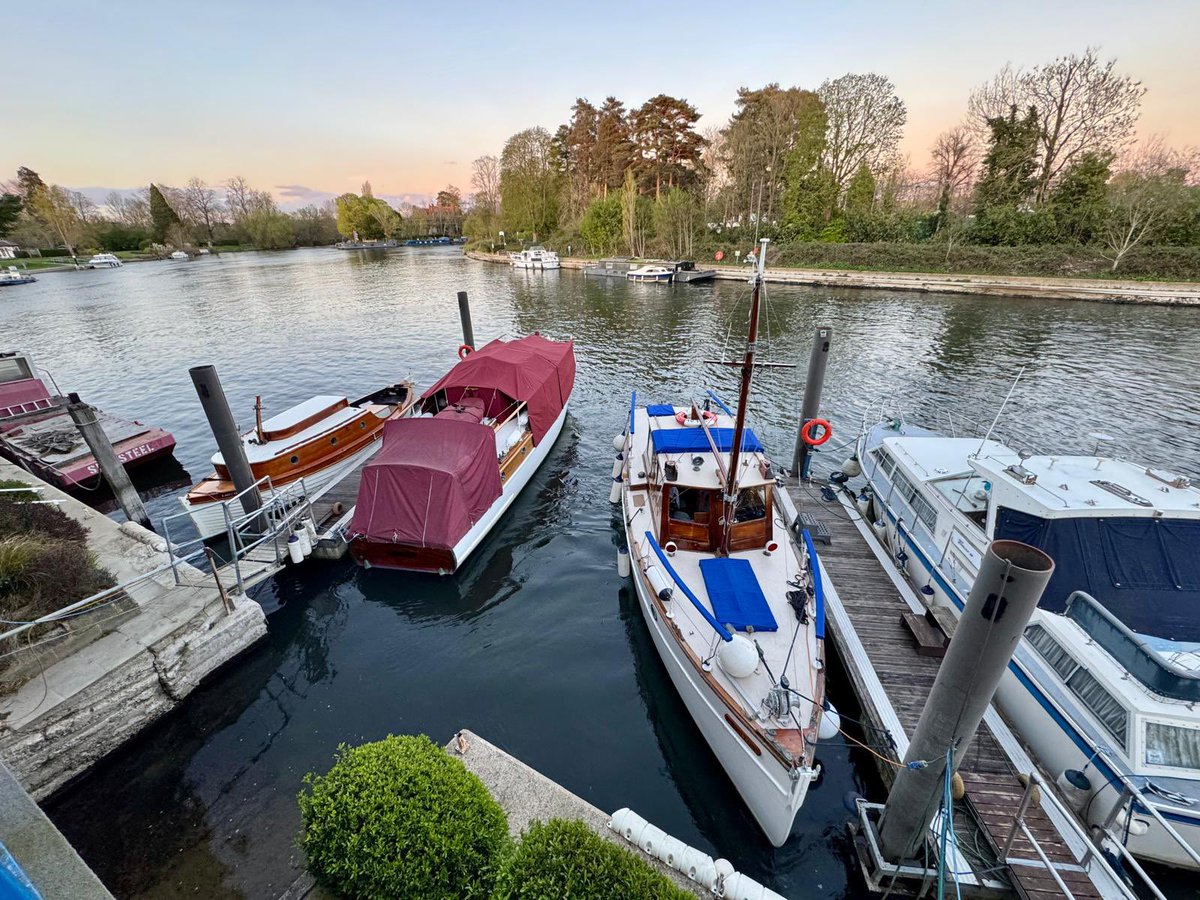
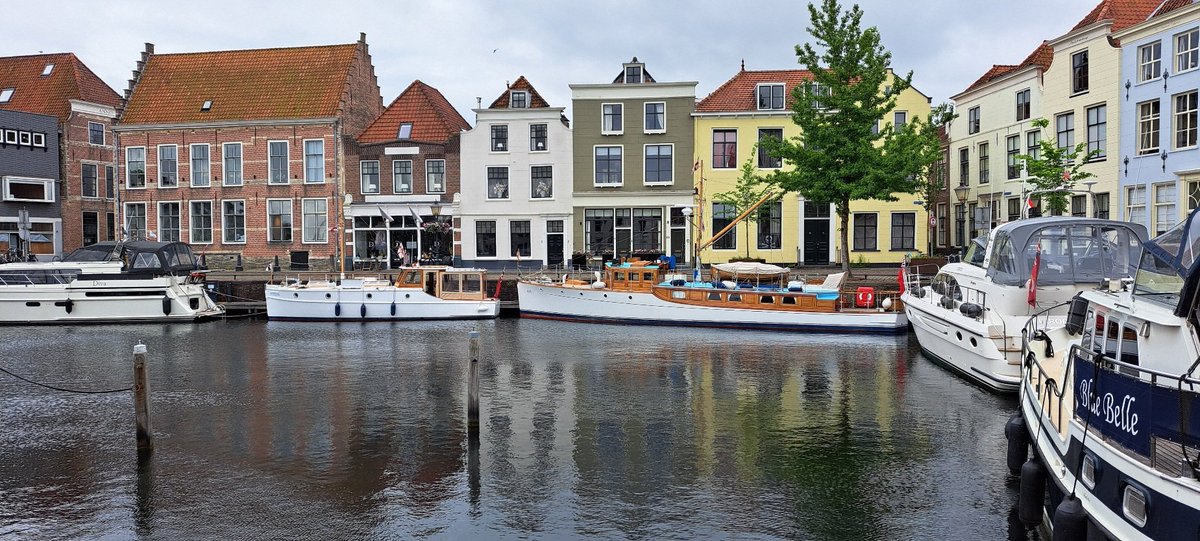
Papillon is a Dunkirk Little Ship built by Leslie Harris Boat Builders of Burnham on Crouch in 1930. National Historic Ship registered. Member of ADLS.
Joined August 2015
- Tweets 2,266
- Following 390
- Followers 575
- Likes 3,794
707 Photos and videos

Papillon retweeted

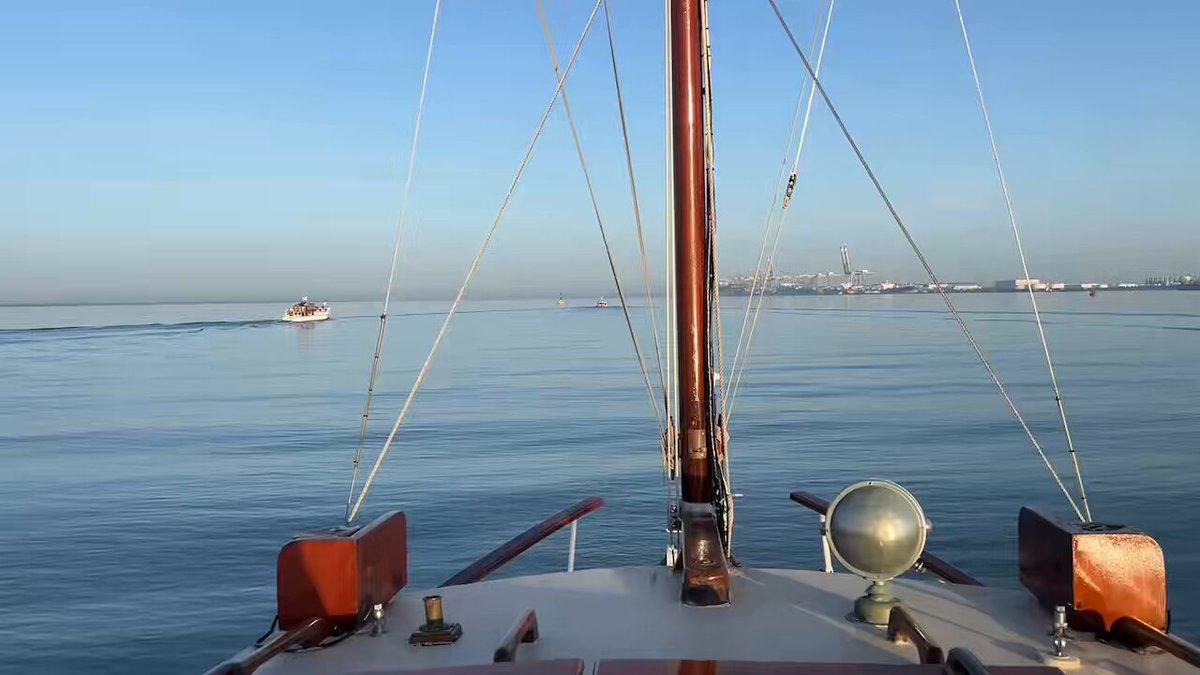
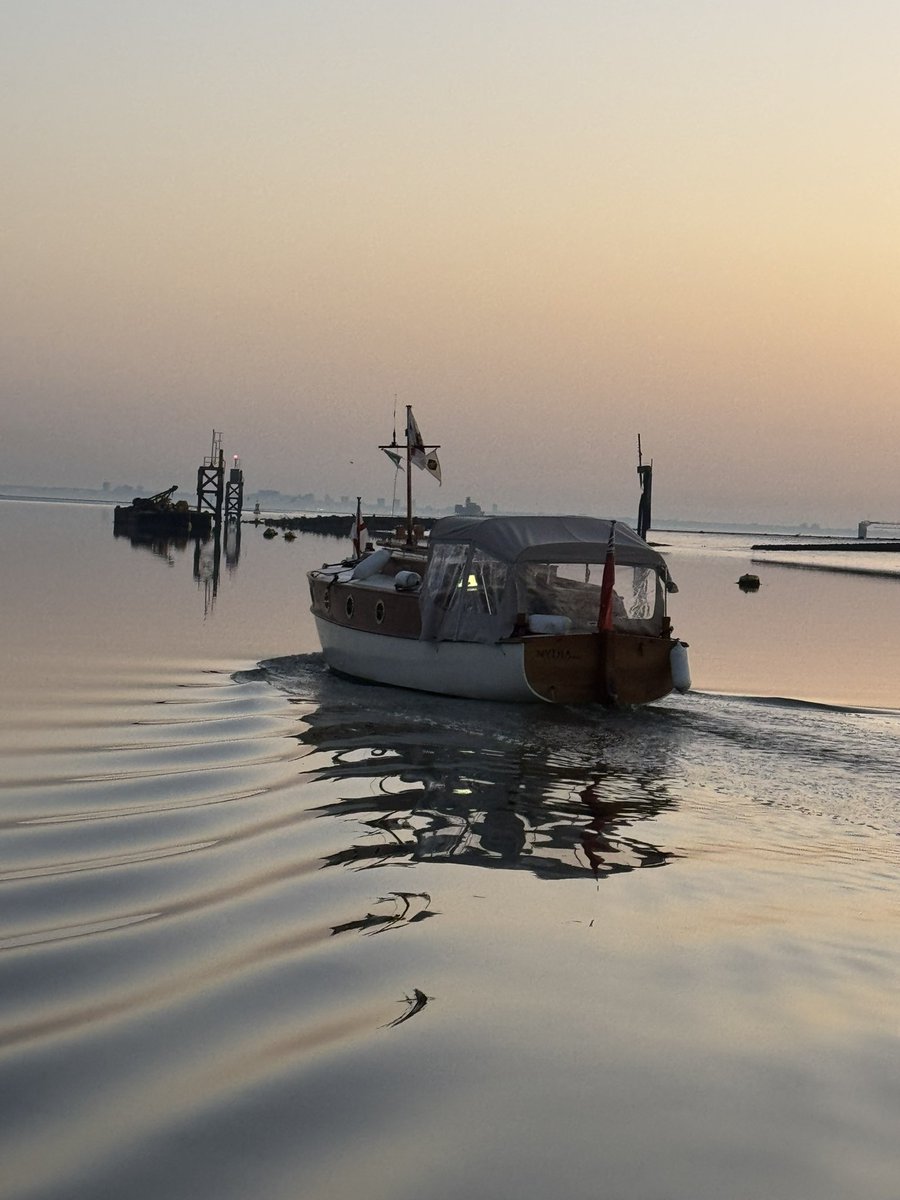
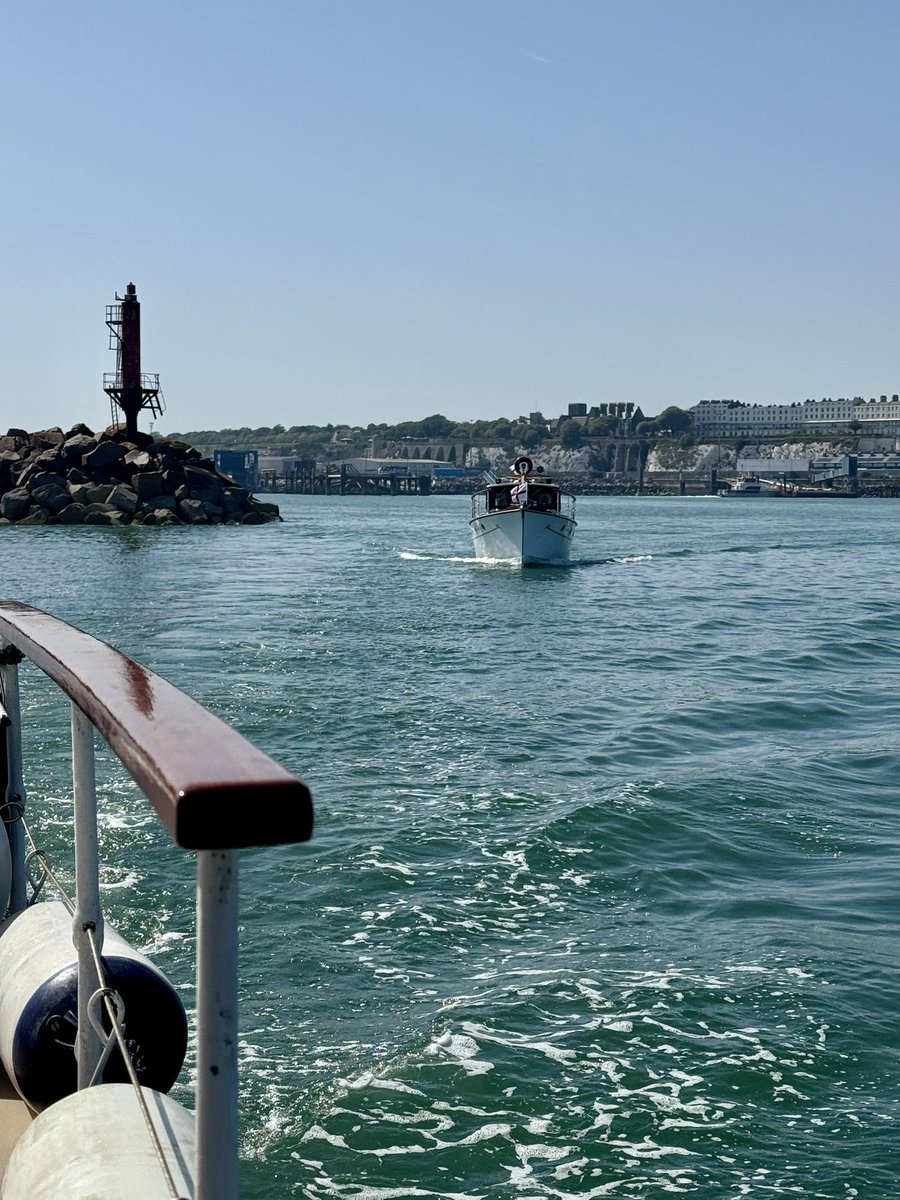
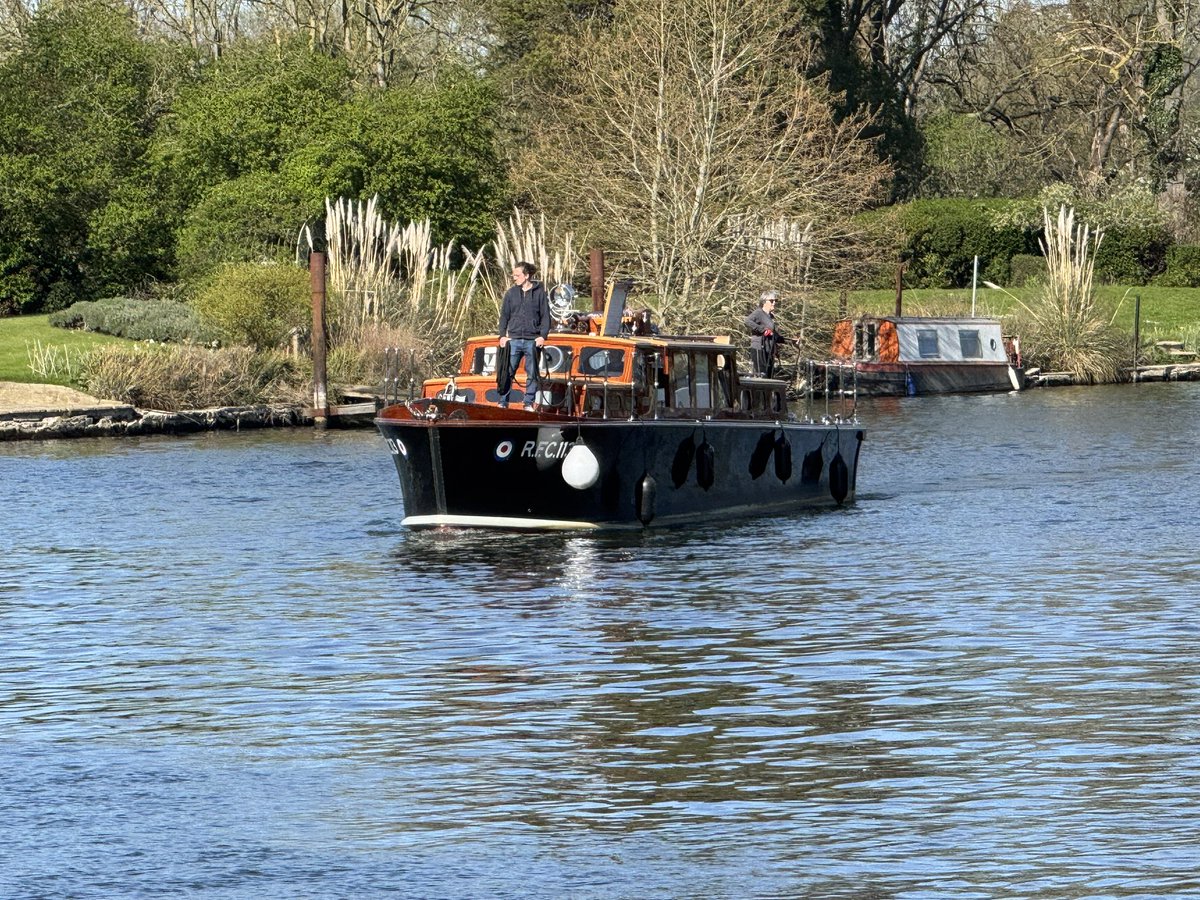
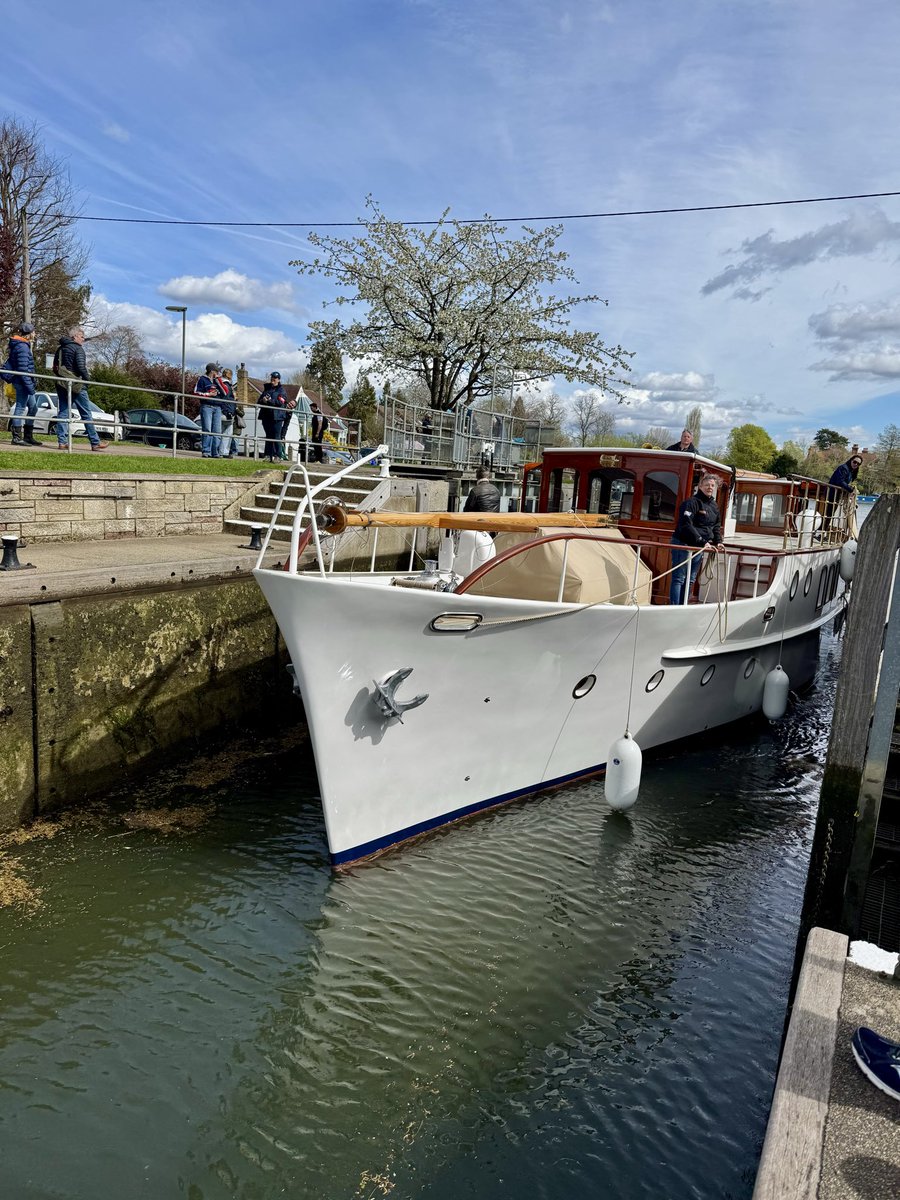
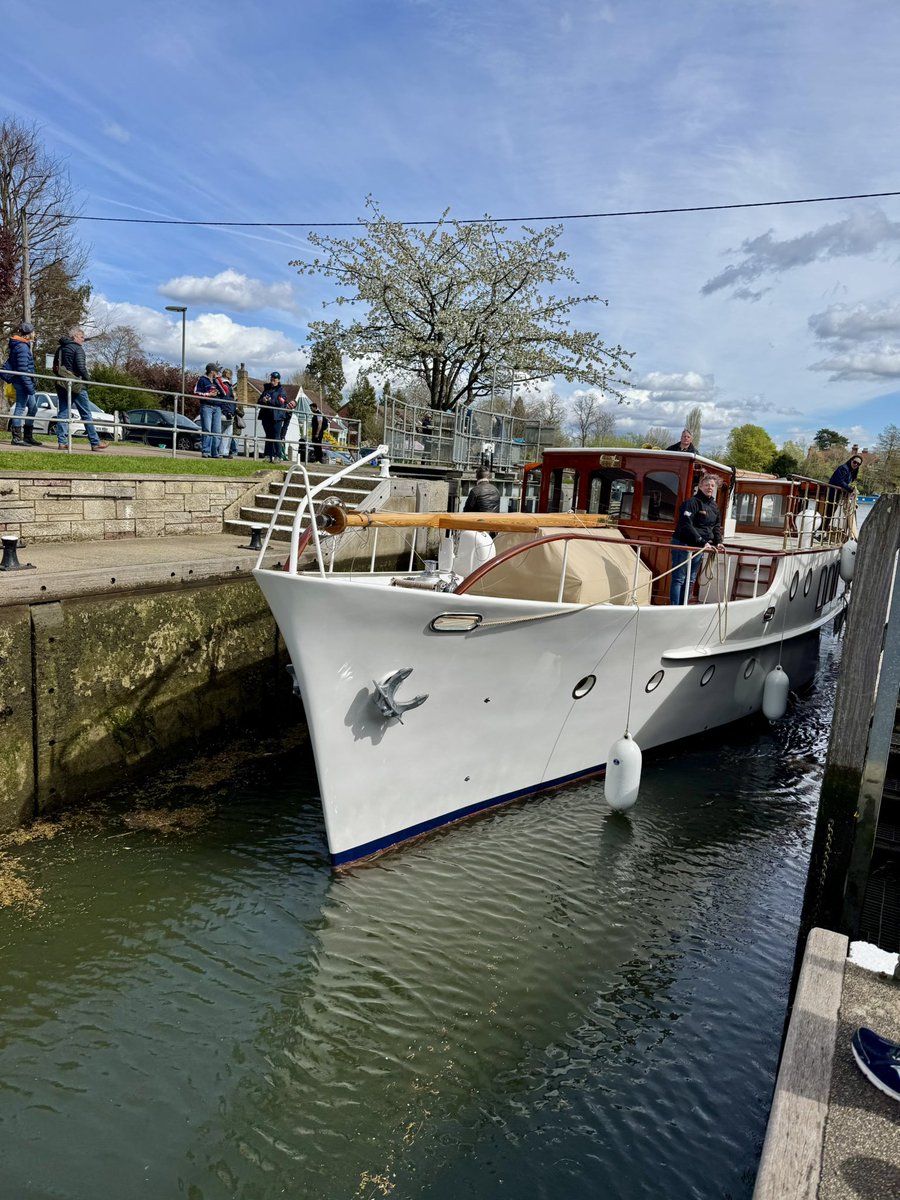
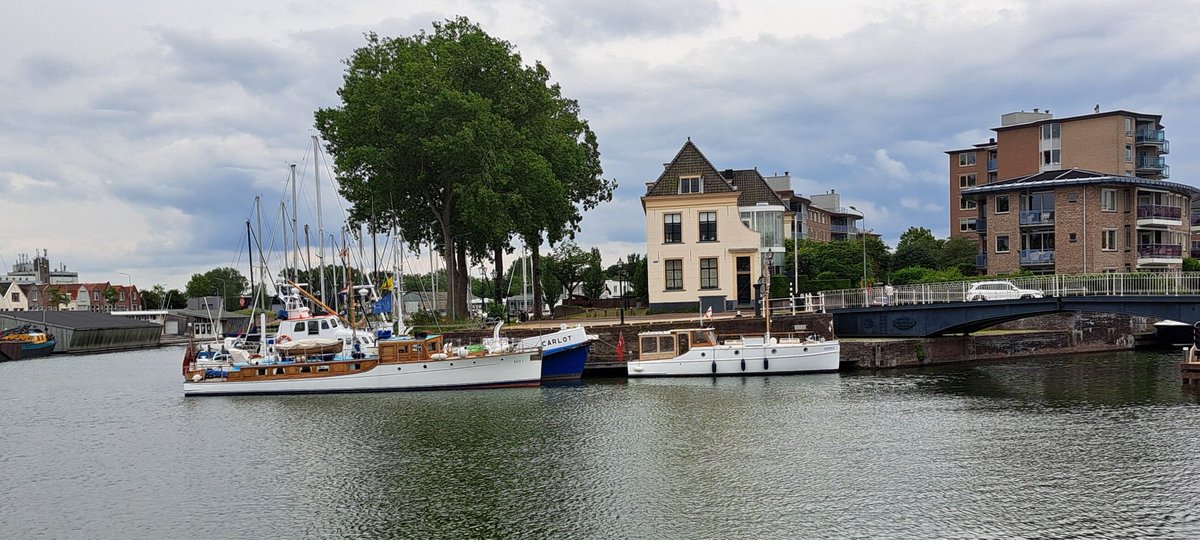
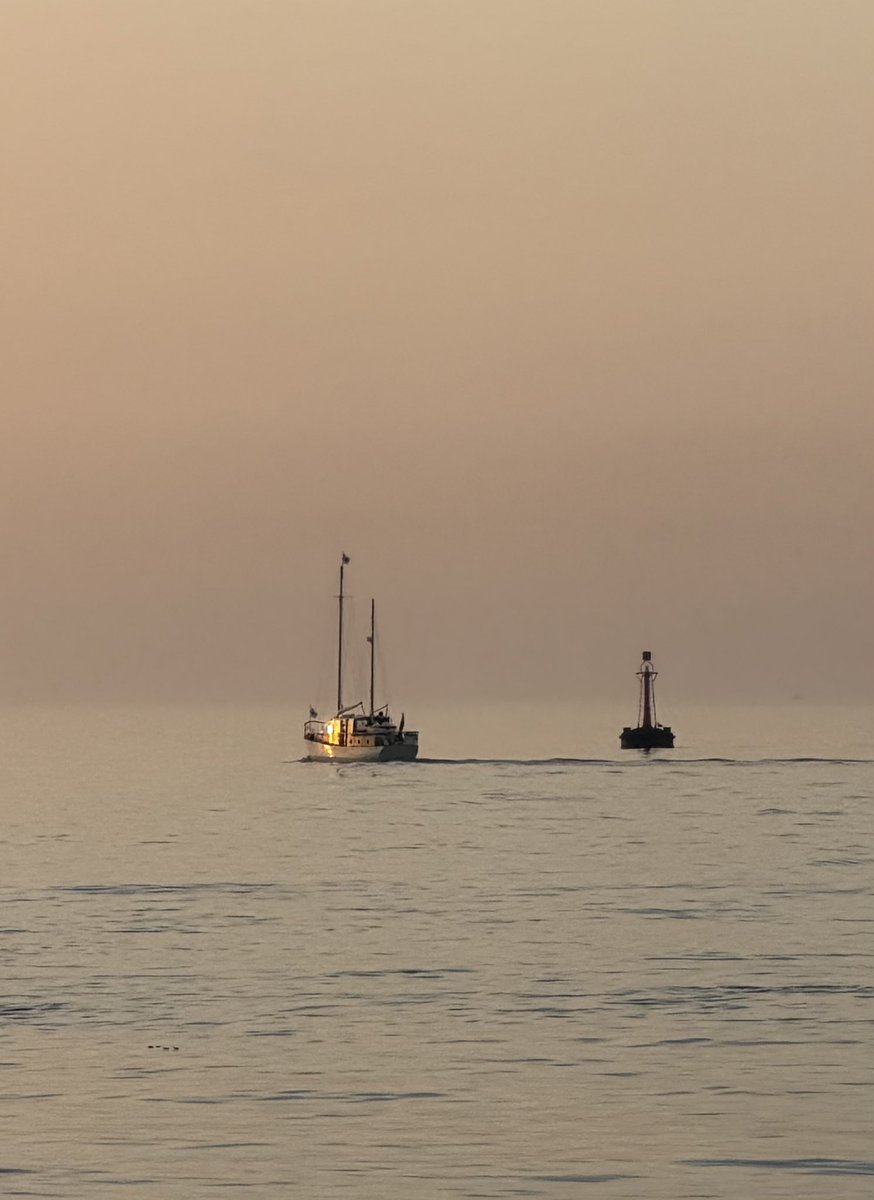
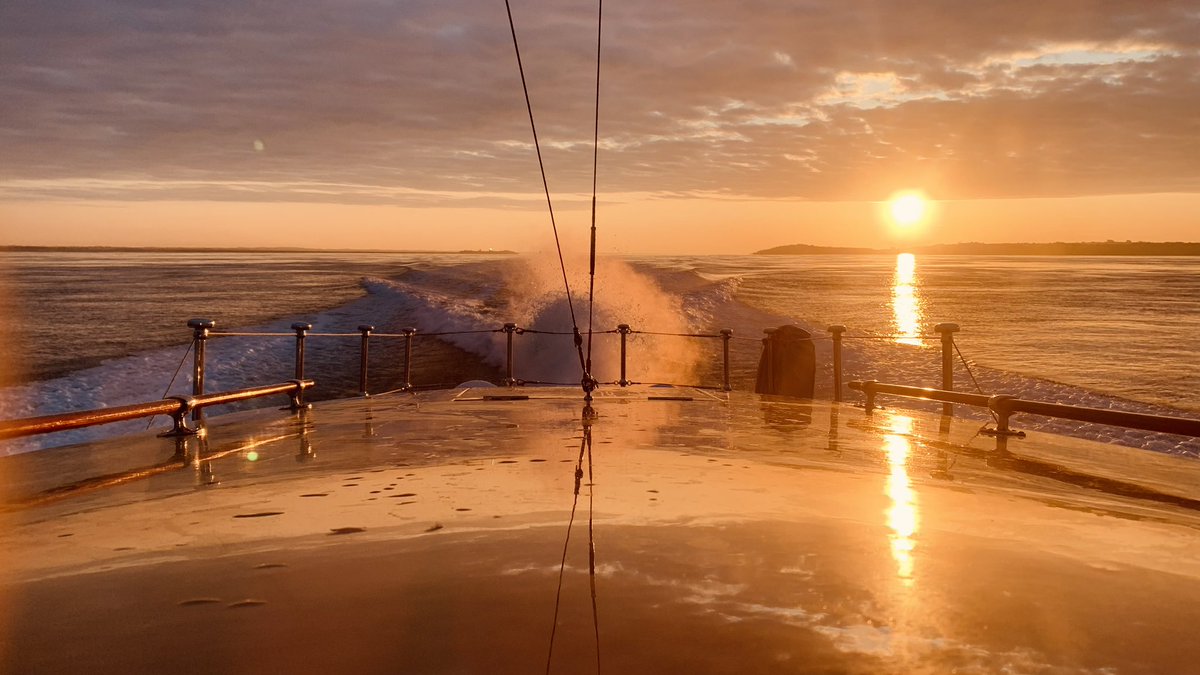
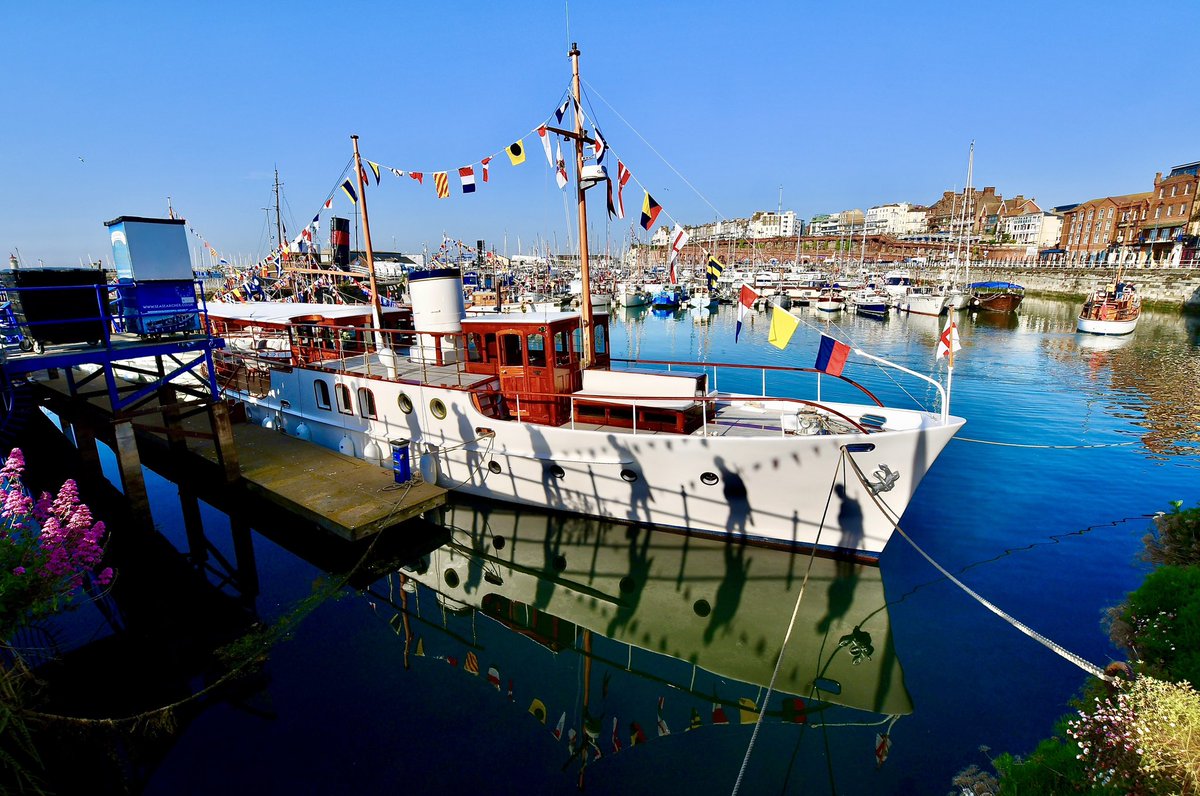
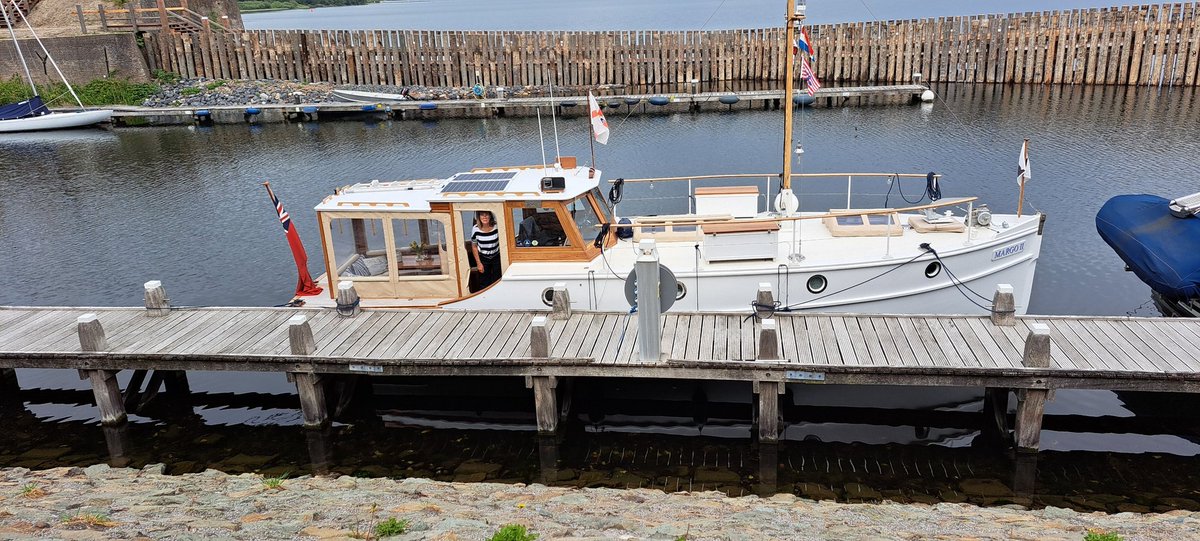
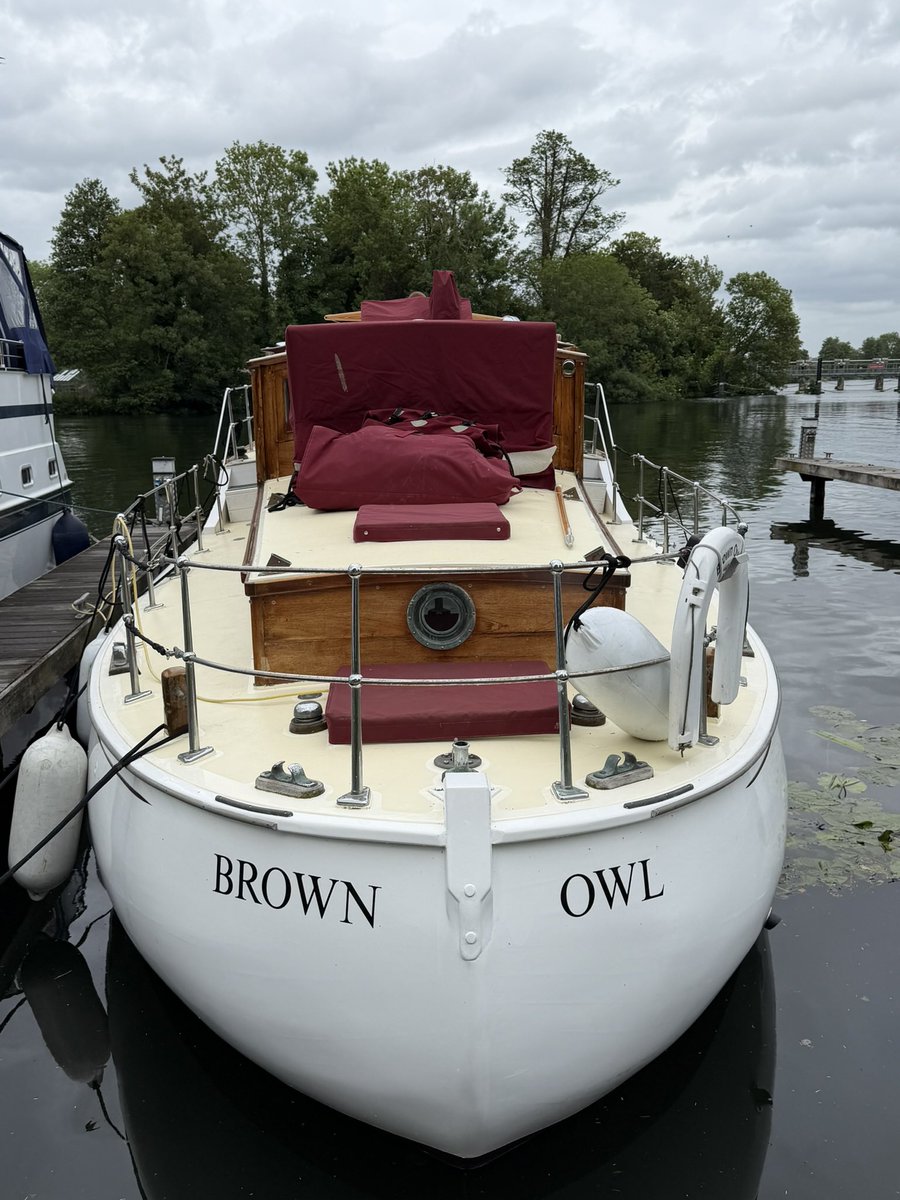
We have received some wonderful photography for the ADLS photo competition. Thank you to everyone who has submitted entries so far. Don’t forget to send in your own photographs for the chance to be included. Here is a taster of some of the entries
adls.org.uk/photocomp
5
19
577

Papillon retweeted
Operation Cycle successfully evacuated some 14,000 Allied troops from Le Havre and St Valery-en-Caux between 10th and 13th June 1940 with many of the Little Ships leaving from Shoreham, Newhaven, Worthing, Brighton, Eastbourne and Pevensey ports.
3
21
297
Papillon retweeted
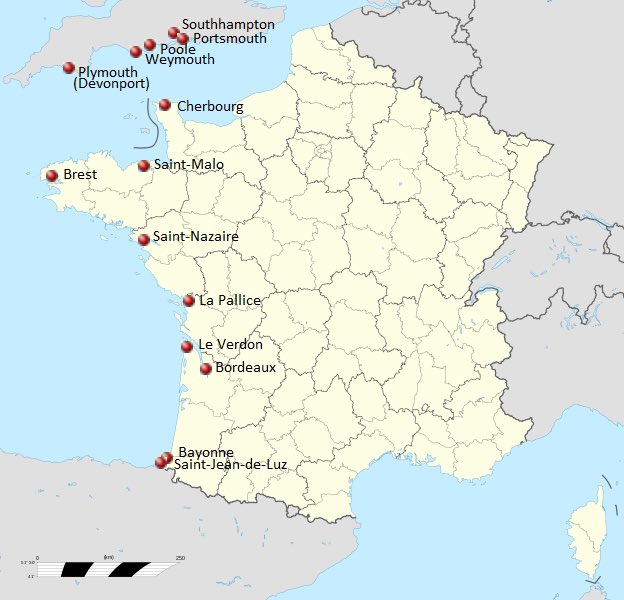
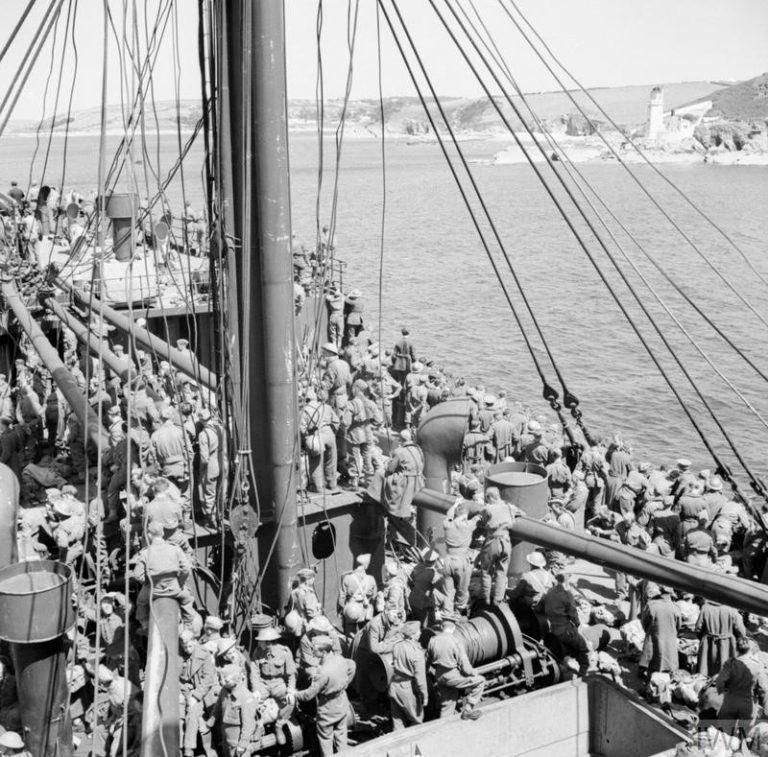
Operation Ariel from 14th to 25th June 1940, 191,870 British, Polish, Czech troops and civilians were evacuated first from Cherbourg and St. Malo and then, as the Germans continued to advance through France, from various Atlantic and Mediterranean
ports.
7
30
398
Papillon retweeted
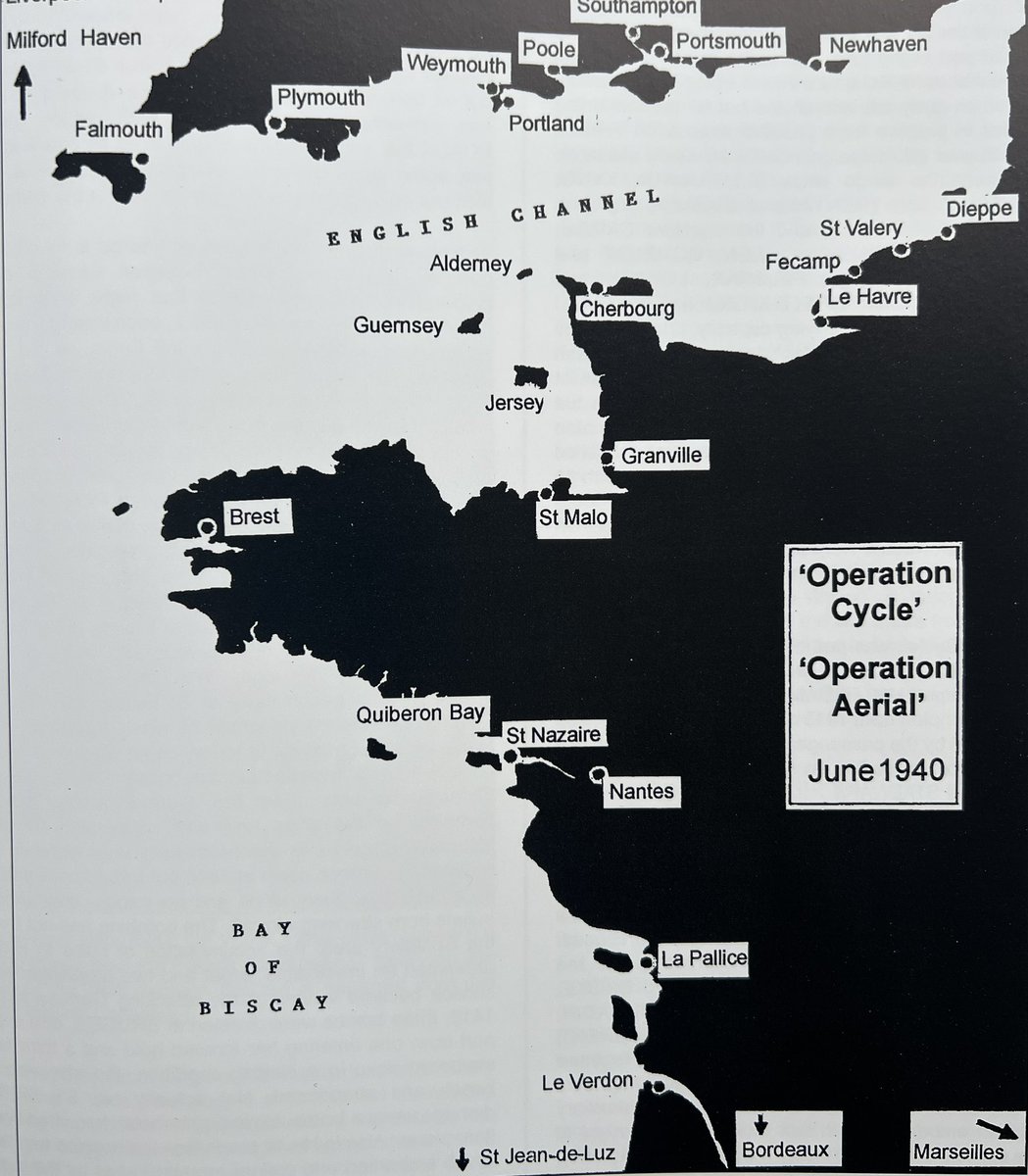
As Op Dynamo concluded and the Germans continue to advance Westwards, plans are well underway for Op Cycle and Aerial, the evacuation of allied troops from Normandy and the Atlantic coastal French towns. Once again Little Ships all along the South Coast will be called upon.
5
32
526
Papillon retweeted
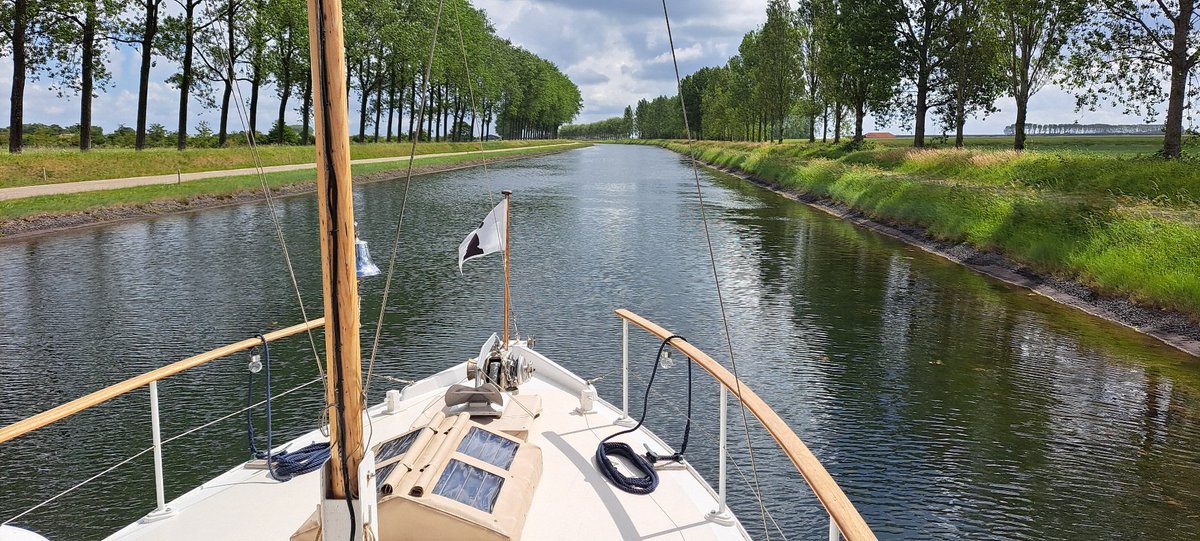
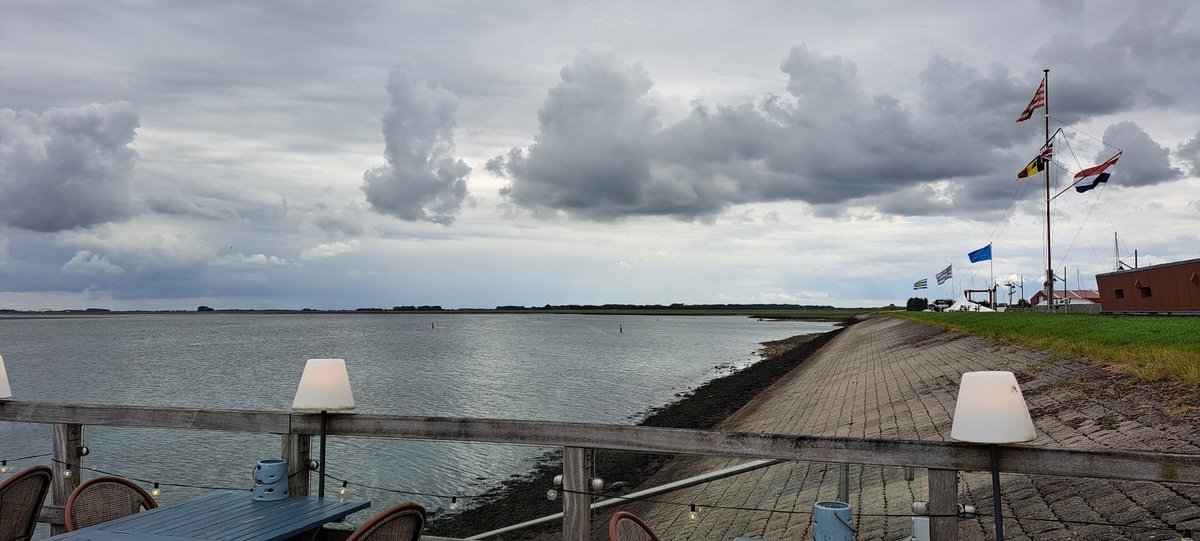
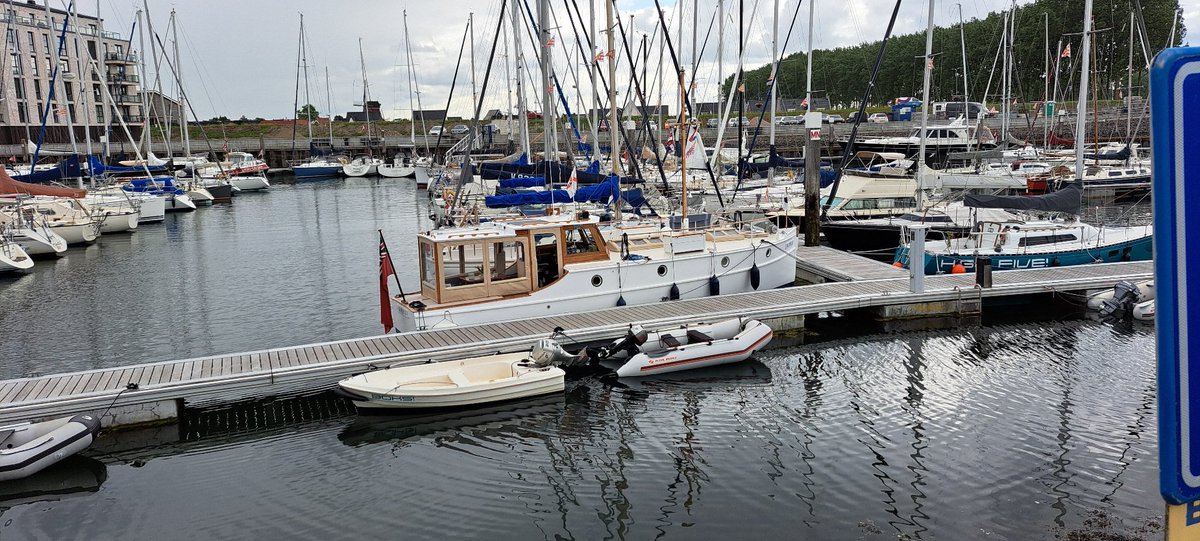
DLS Llanthony arriving in Cowes for the Cowes Spring Classics.
6
56
871
Papillon retweeted

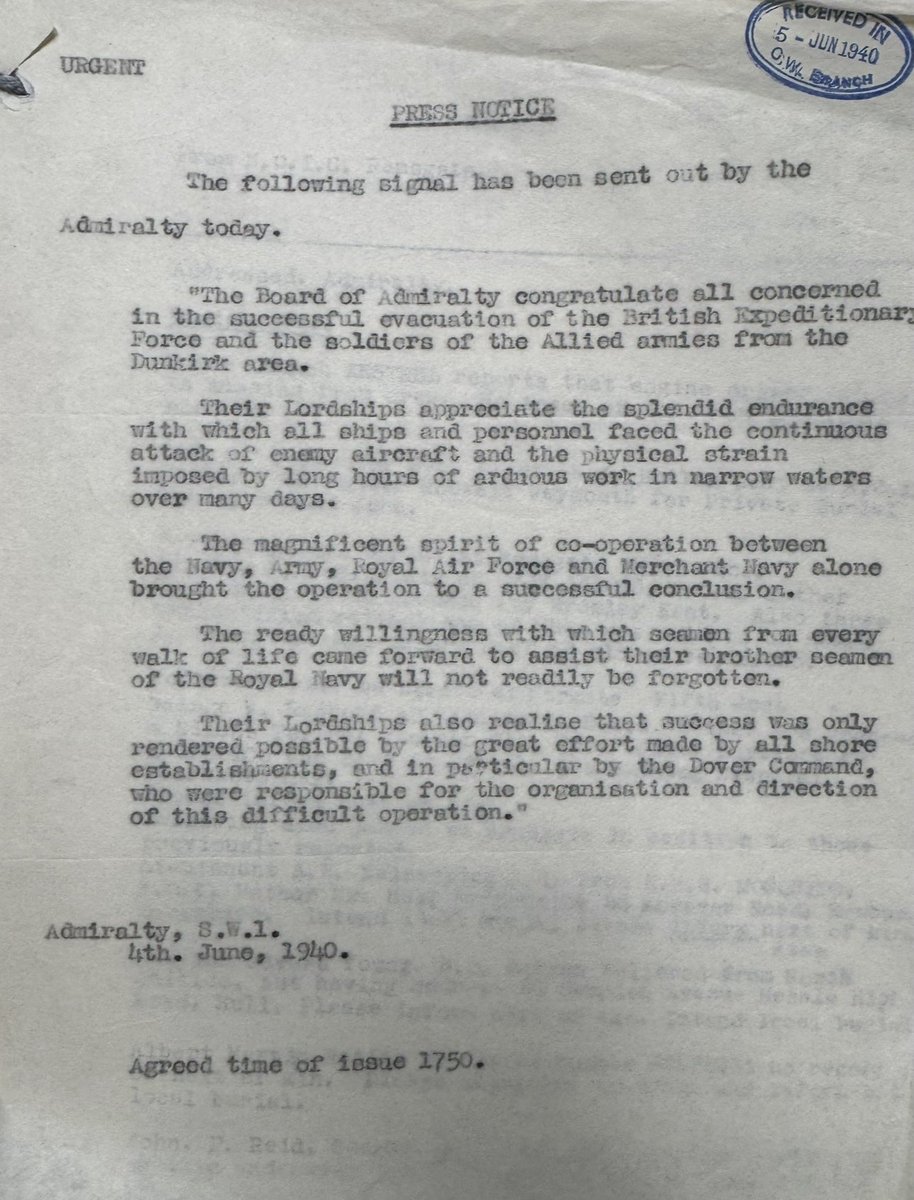
4 June 1940 — the final day of Operation Dynamo.
While researching archives discovered an Admiralty signal issued on this day, congratulating all involved in the successful evacuation from Dunkirk & paying tribute to the endurance, courage and cooperation that made it possible.
6
11
499
Papillon retweeted
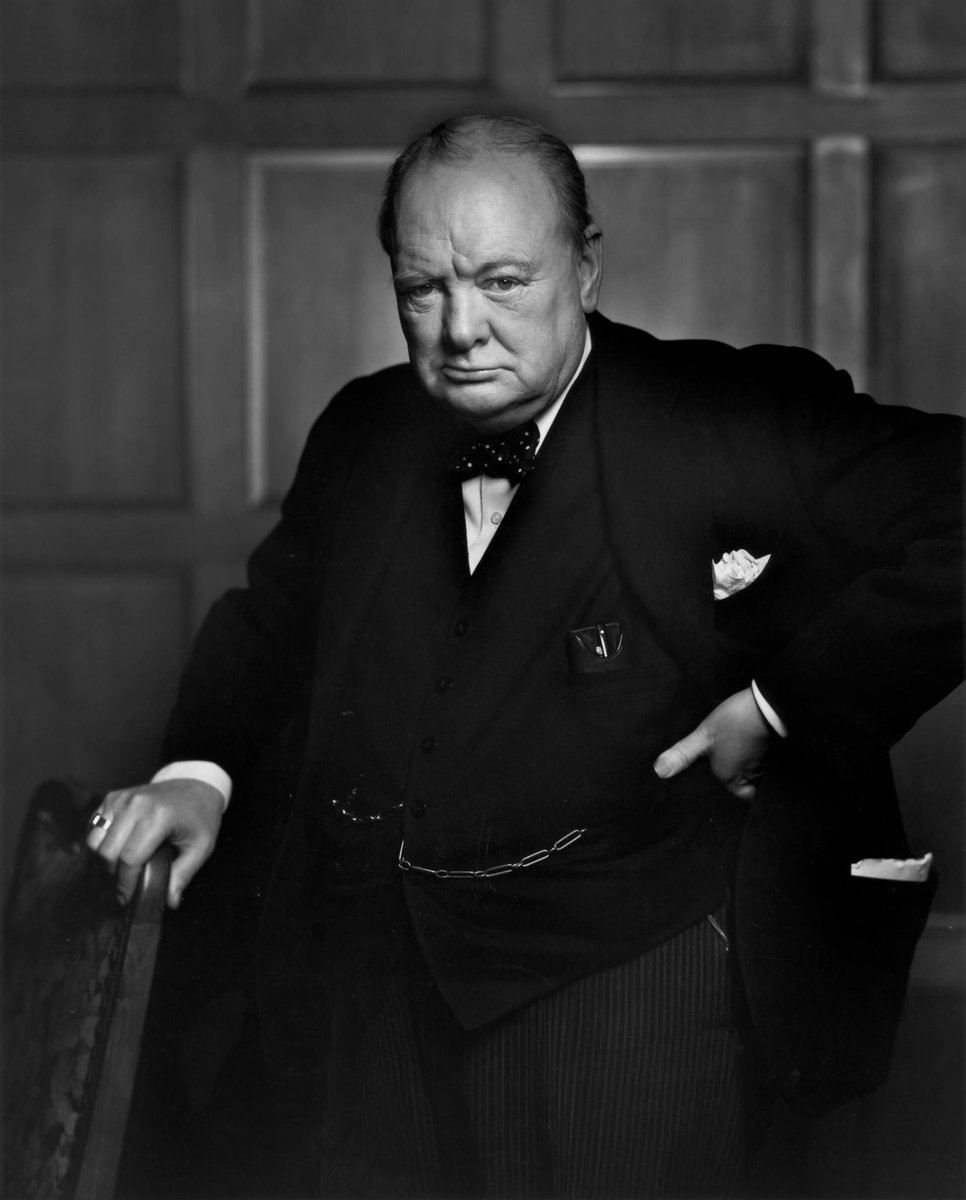
4/6/40 “We shall fight on the seas and oceans, we shall defend our island, whatever the cost may be. We shall fight on the beaches, we shall fight on the landing grounds, we shall fight in the fields and in the streets, we shall fight in the hills; we shall never surrender.”
11
47
374
Papillon retweeted
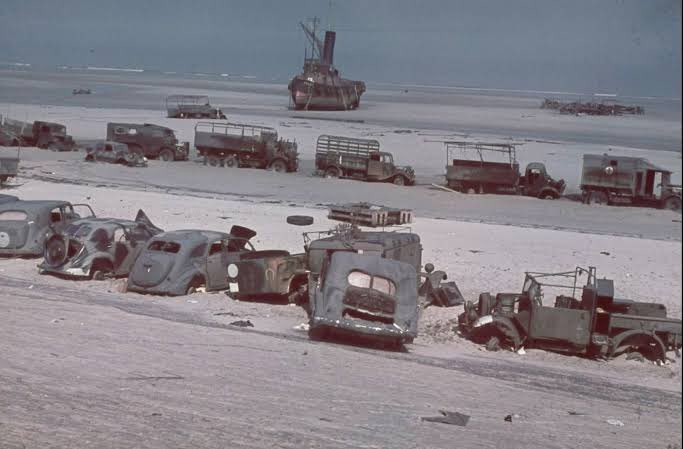
The miracle of Dunkirk. It was hoped 45,000 troops could be rescued. Over 10 days 338,226 were saved.
The BEF lost most of its transport and heavy weapons, abandoning nearly 64,000 vehicles, 2,500 artillery guns, and 400,000 tons of supplies in France. Most of the army was saved
3
34
257
2,727
Papillon retweeted
DLS RFC 113 at Pegasus Bridge in Normandy for the D Day celebrations. Pegasus Bridge was the objective of a daring, precision glider assault by British airborne troops just after midnight on June 6, 1944 (D-Day)
29
209
3,414
Papillon retweeted
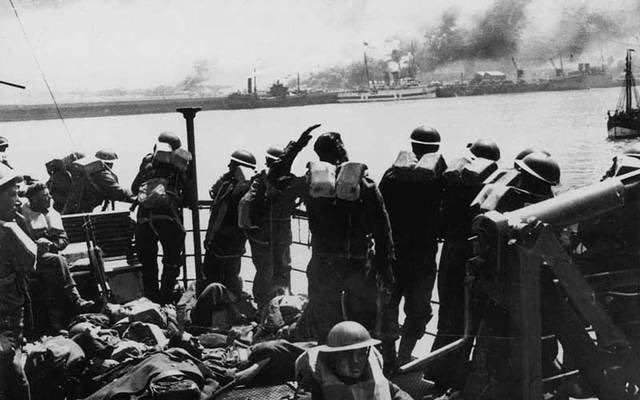
Final day. Tuesday 4th June 1940. 26,175 troops rescued. 622 from the beaches, 25,553 from the Mole.
Under heavy artillery fire and bombardment, the Royal Navy returned one last time to rescue as many French rearguard as possible. By 0930hrs all remaining forces had surrendered.
2
19
73
1,238
Papillon retweeted
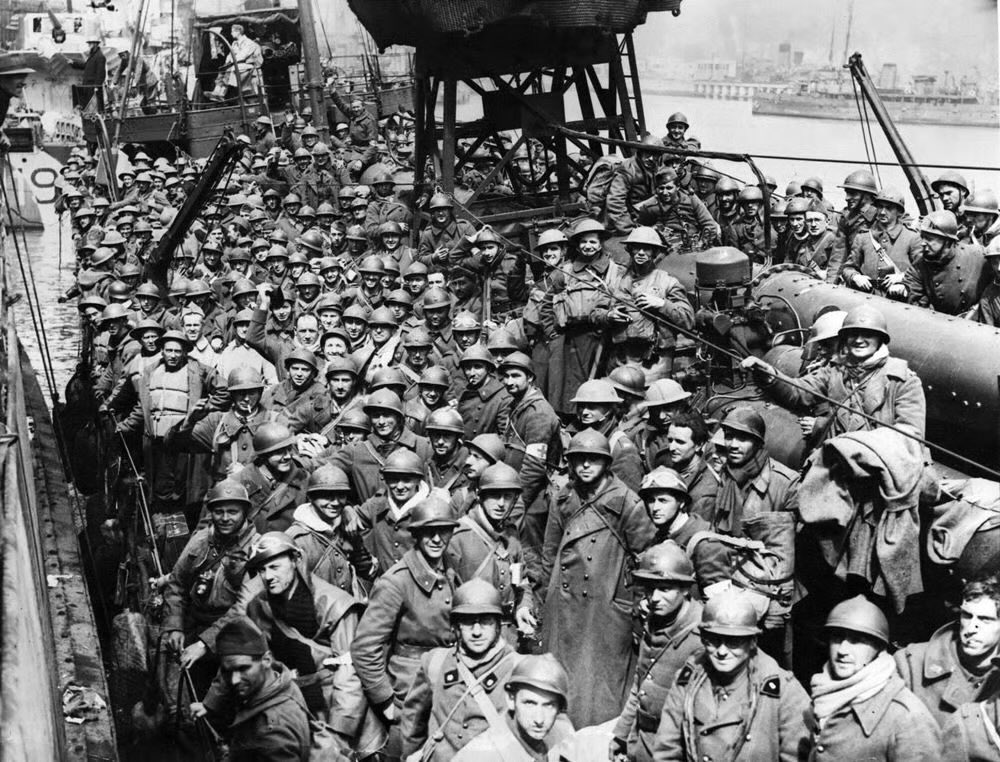
Day 9 Monday June 3rd 1940, The last of the British Army leaves Dunkirk . 26,746 troops rescued, a large proportion being French. 1,870 rescued from the beaches and 24,876 from the Mole. The French begin to fall back slowly when the Germans are about two miles from Dunkirk.
1
20
72
964
Papillon retweeted
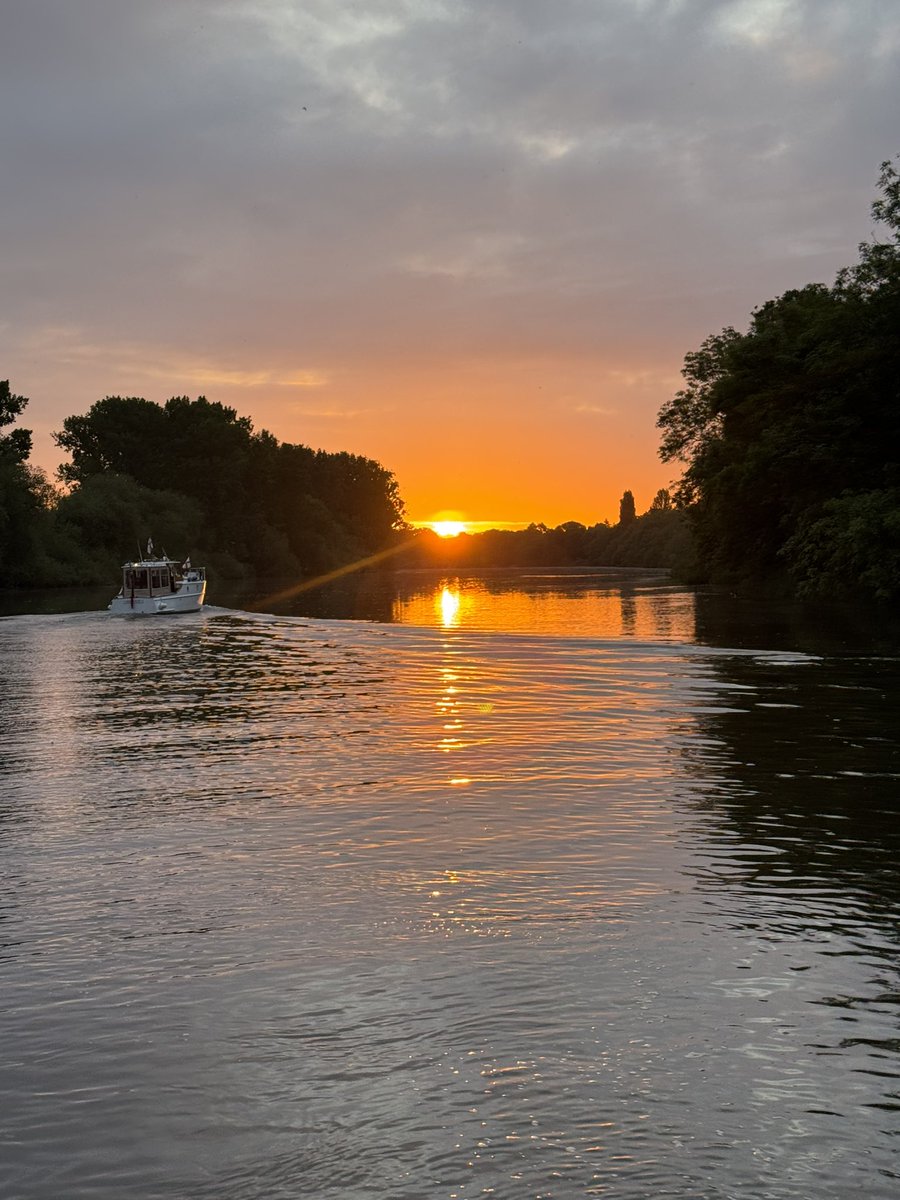
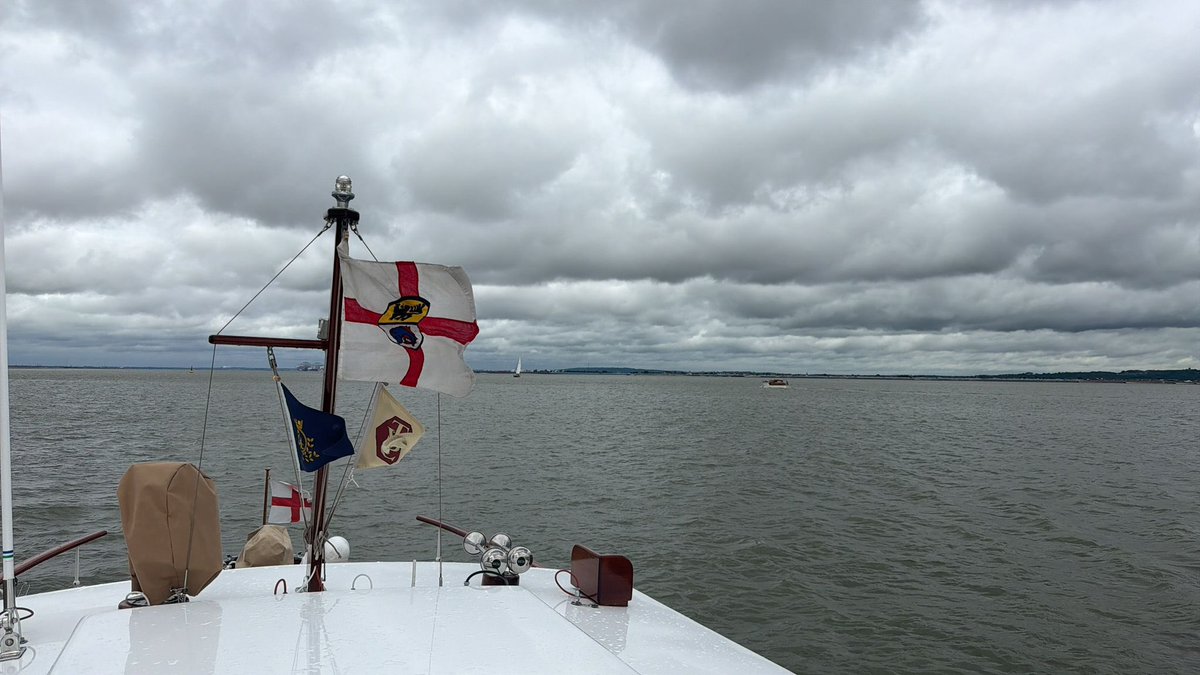
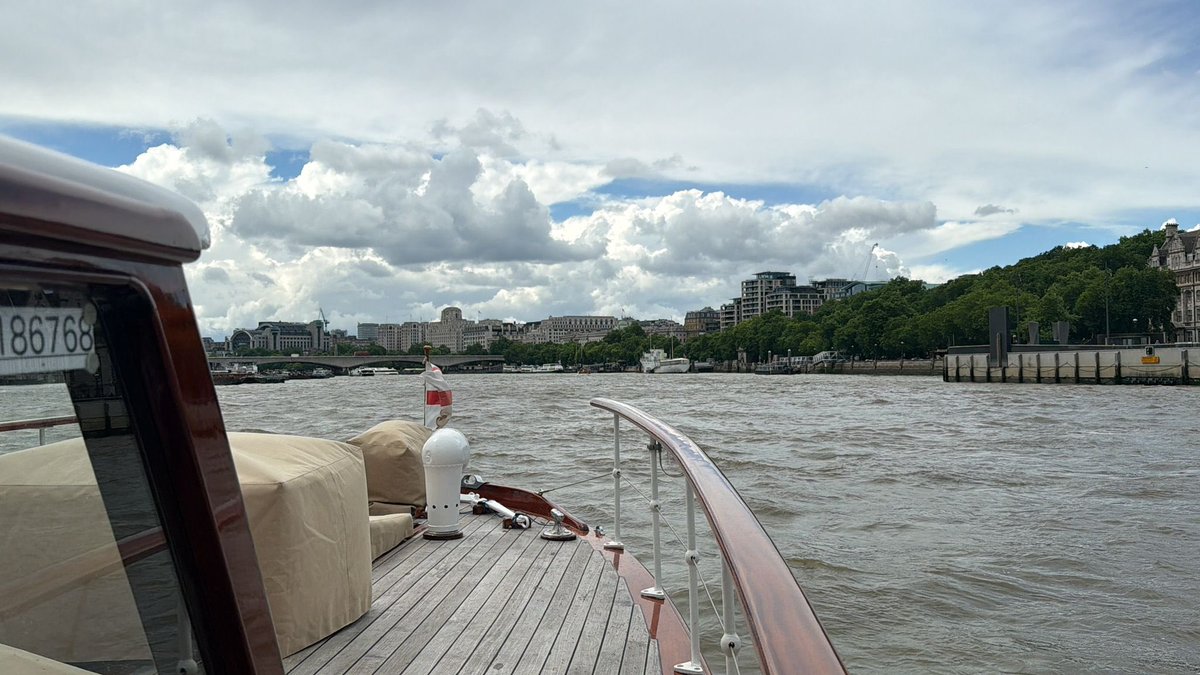
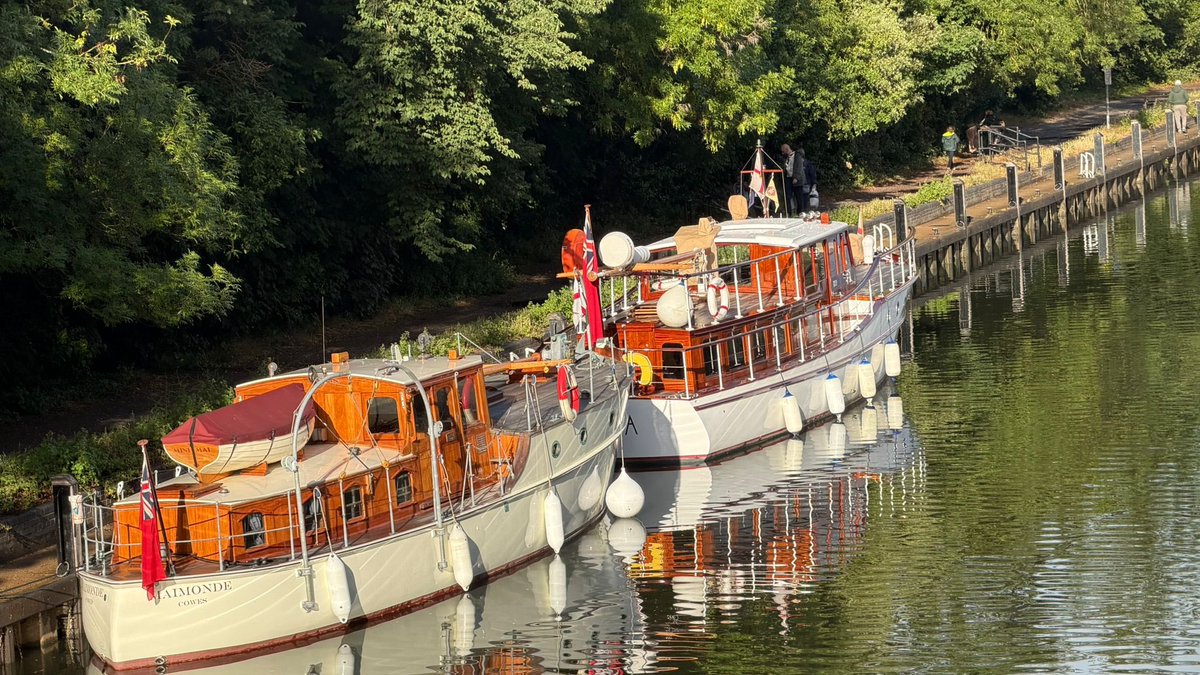
DLS Lady Lou, Maimonde and Breda now on their home turf of the upper Thames. 59Nm from Queenborough to Teddington. 7hr 45min. Wind. Sun. Rain. Thunderstorm. And sun again on arrival. The end of an epic 2 weeks away.
1
7
45
456
Papillon retweeted
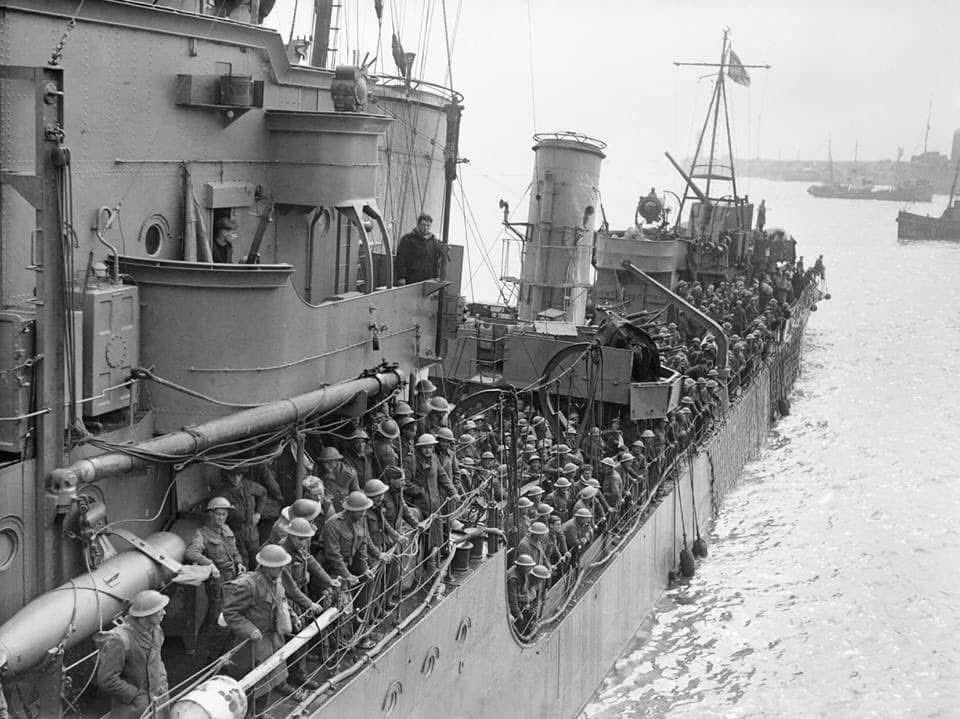
Day 8. Sunday June 2nd 1940. The bulk of the remaining BEF successfully evacuated under heavy German artillery and aerial bombardment while heroic French rear-guard defences held back advancing German forces. 26,256 troops rescued. 6,695 from the beaches. 19.561 from the Mole.

15
54
1,067
Papillon retweeted

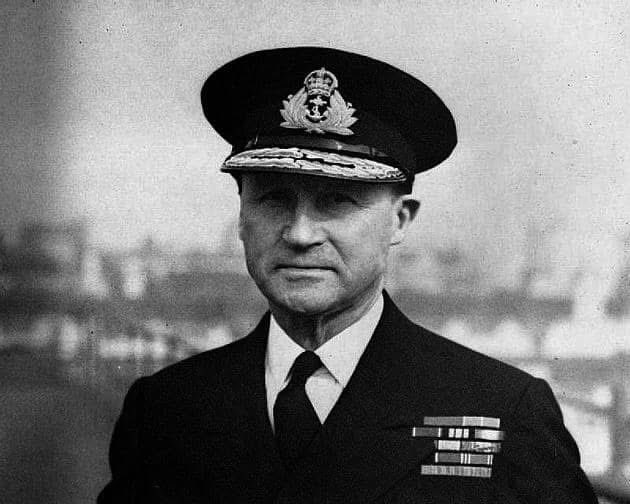
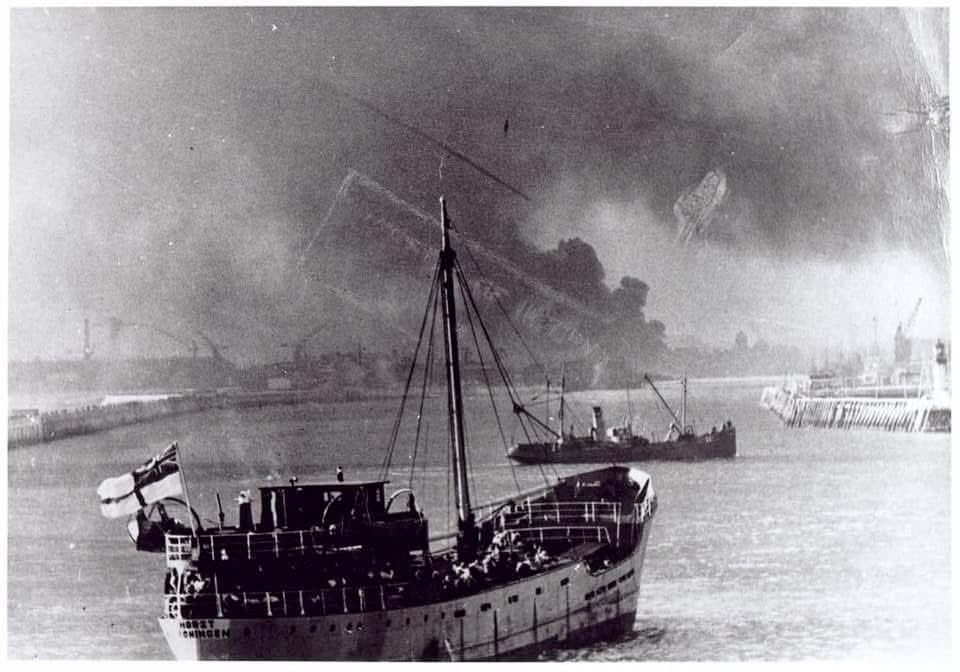
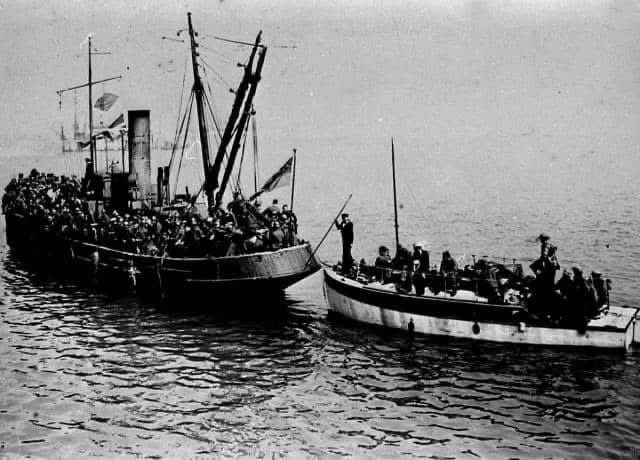
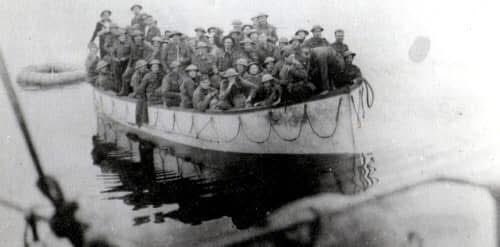
2/6/40 Ramsay sends inspirational signal. The final evacuation is staged for tonight and the Nation looks to the Navy to see it through. I want every ship to report as soon as possible whether she is fit to meet the call which has been made on our courage & endurance.
@RoyalNavy
12
77
1,671
Papillon retweeted

Jun 1
Exhausted but jubilant and with a welcome cup of tea, British troops arrive home at Redhill station after evacuation from the beaches of Dunkirk. 1st June 1940.
31
248
1,471
36,381