Video game localization specialist ; 29, she/her, 🇲🇫,🇬🇧&🇯🇵 OK!! ; only RT/fanfic stuff, find me on bsky (same handle) ; 📦 PP : Metal Gear Solid V 📦
Joined August 2011
- Tweets 183,547
- Following 673
- Followers 338
- Likes 98,494
16,372 Photos and videos



Pinned Tweet

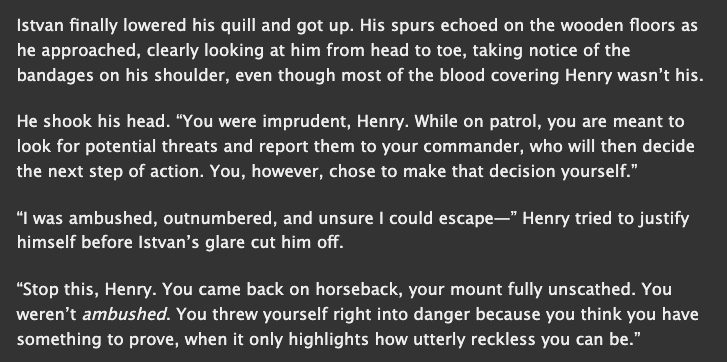
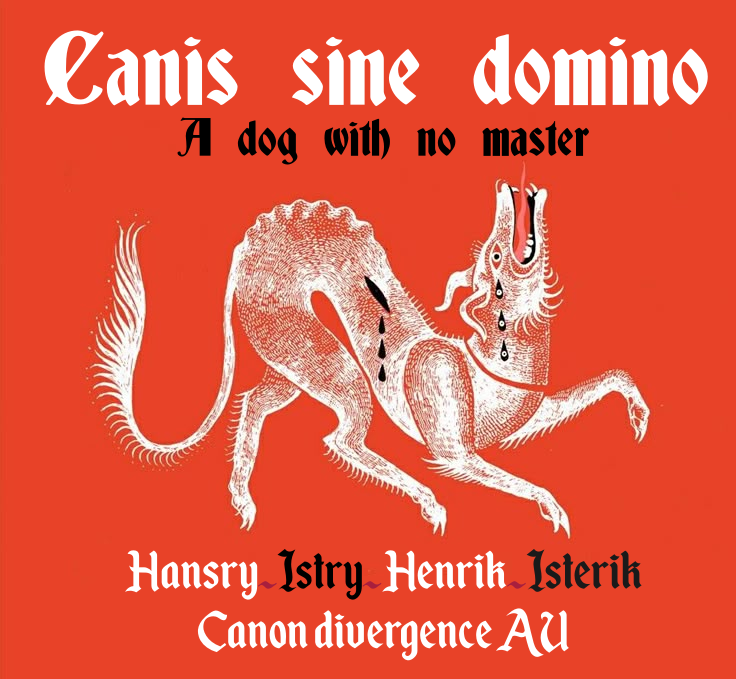
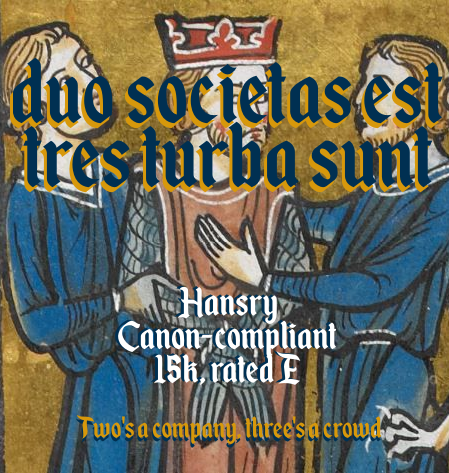
⚔️ New #KCDfic ⚔️
▪️ Canon divergence AU
▪️ Bandit!Henry joined Istvan
▪️ Enemies to Lovers (Hansry) & Lovers to Enemies (iIstry & Henrik)
▪️ Longfic
archiveofourown.org/works/84…
1
4
1,448
Papy @mgs&kcd era retweeted

12 May 2025

2
189
1,290
19,552



Papy @mgs&kcd era retweeted

14 Jan 2025
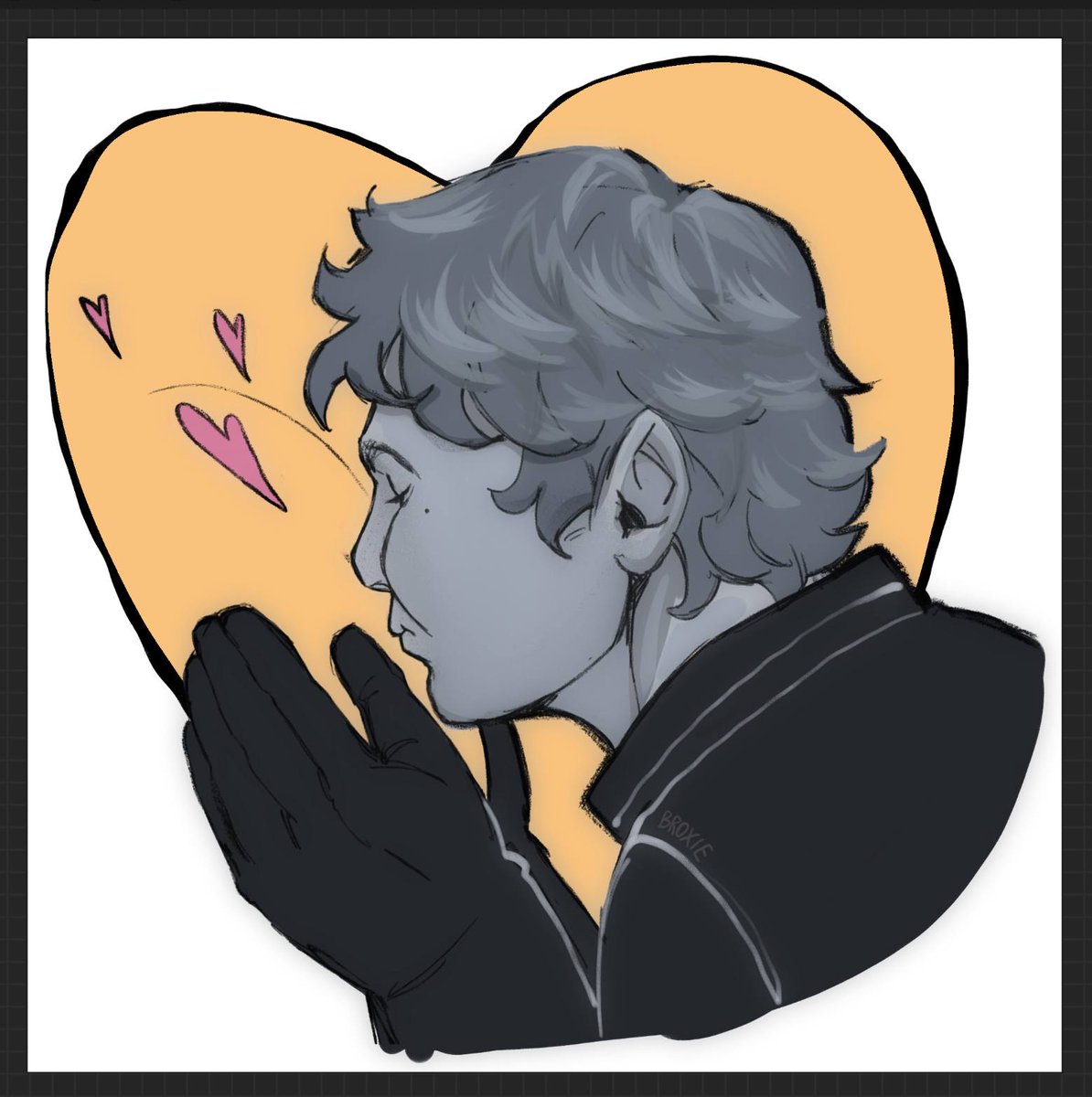
Looking for comfort in odd places #mgs
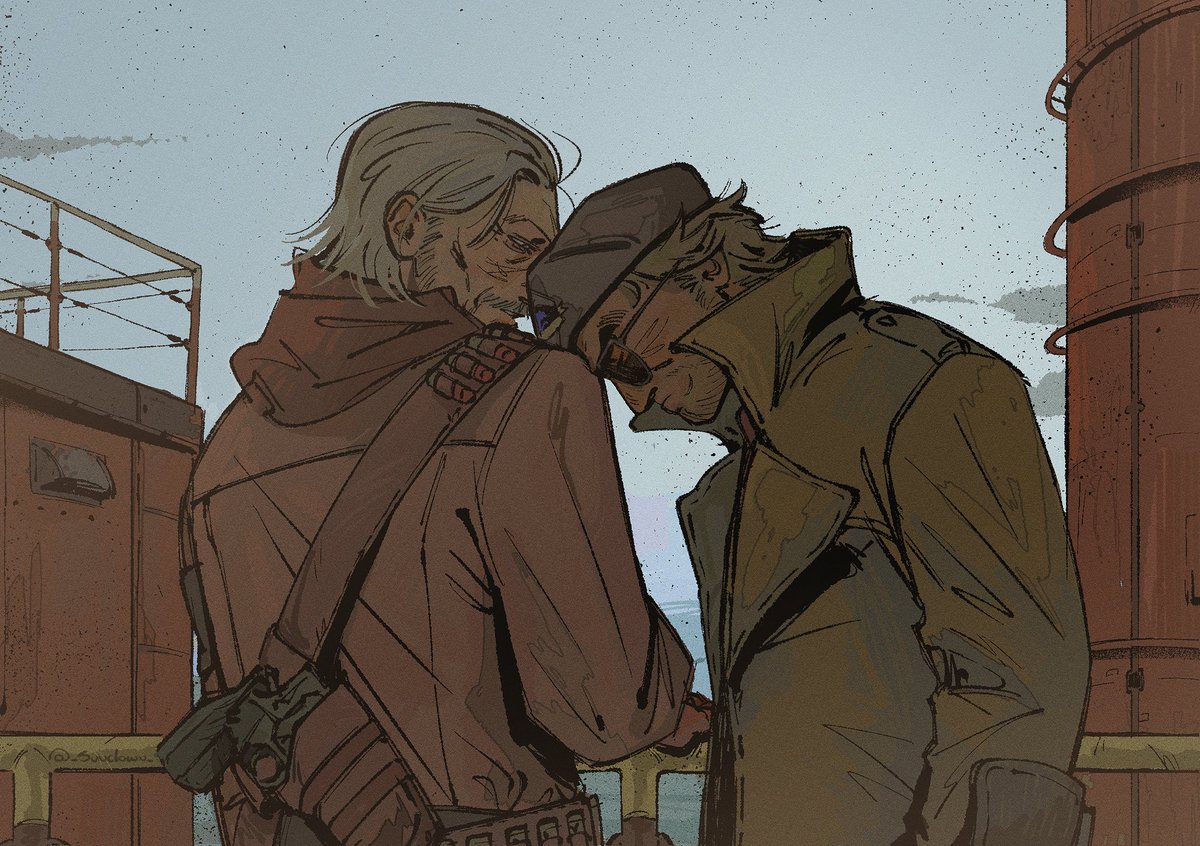
ALT Drawing of Ocelot and Kaz set during MGSV. Ocelot is half turned giving his back to the viewer, looking half stunned while staring at Kaz, who’s resting his forehead on Ocelot’s shoulder. His face contorted in a tired expression, worn out from all their work. Theyre standing in front of one of the rails of Motherbase, parts of the buildings seen in the background
14
587
2,195
45,605

Papy @mgs&kcd era retweeted

44
253
1,501
Papy @mgs&kcd era retweeted

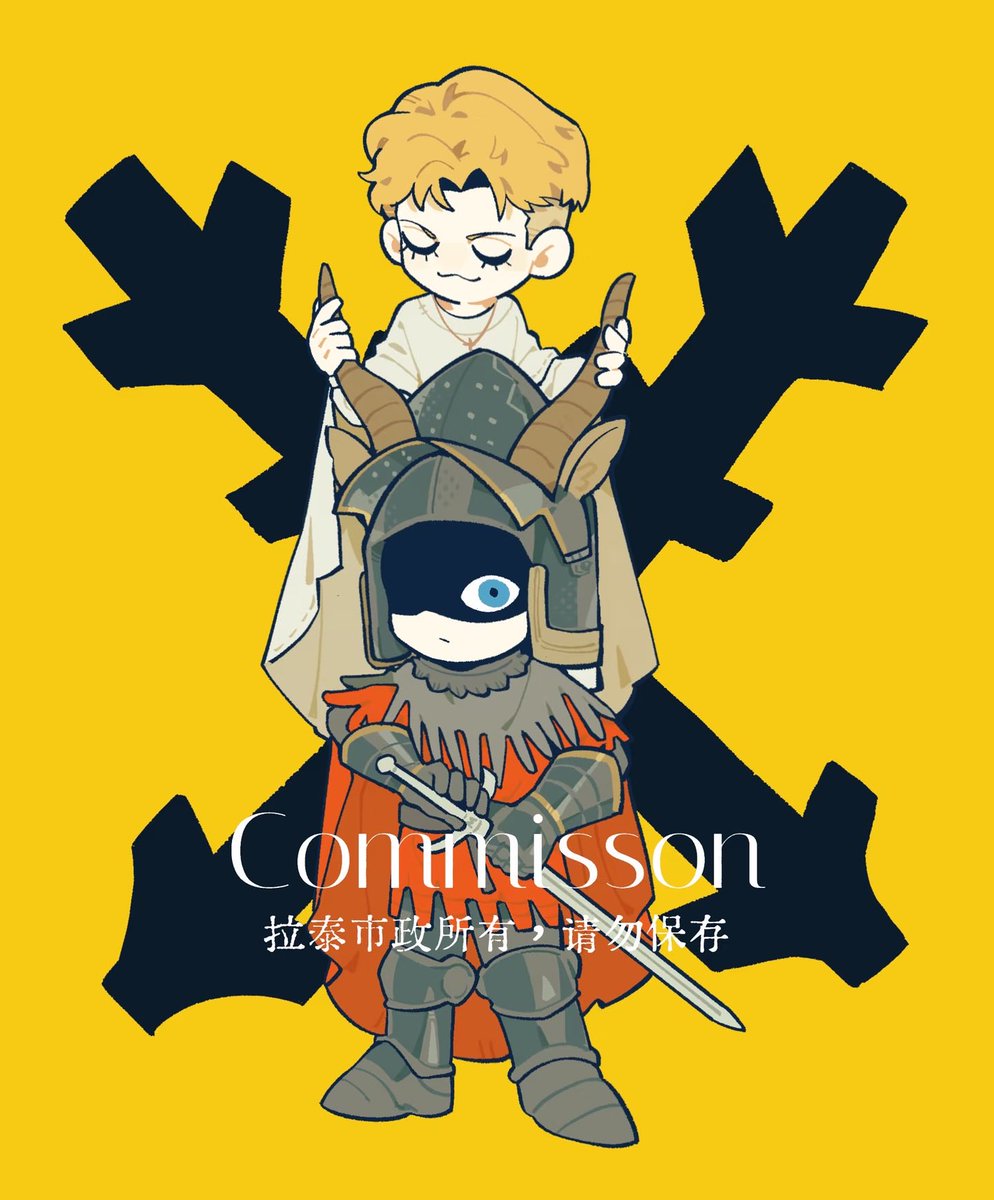
赞美并大量吸入首页所有美丽的现场照隔着几万公里云游爽了开始幻想这样的贴贴😎
47
277
1,758



Papy @mgs&kcd era retweeted

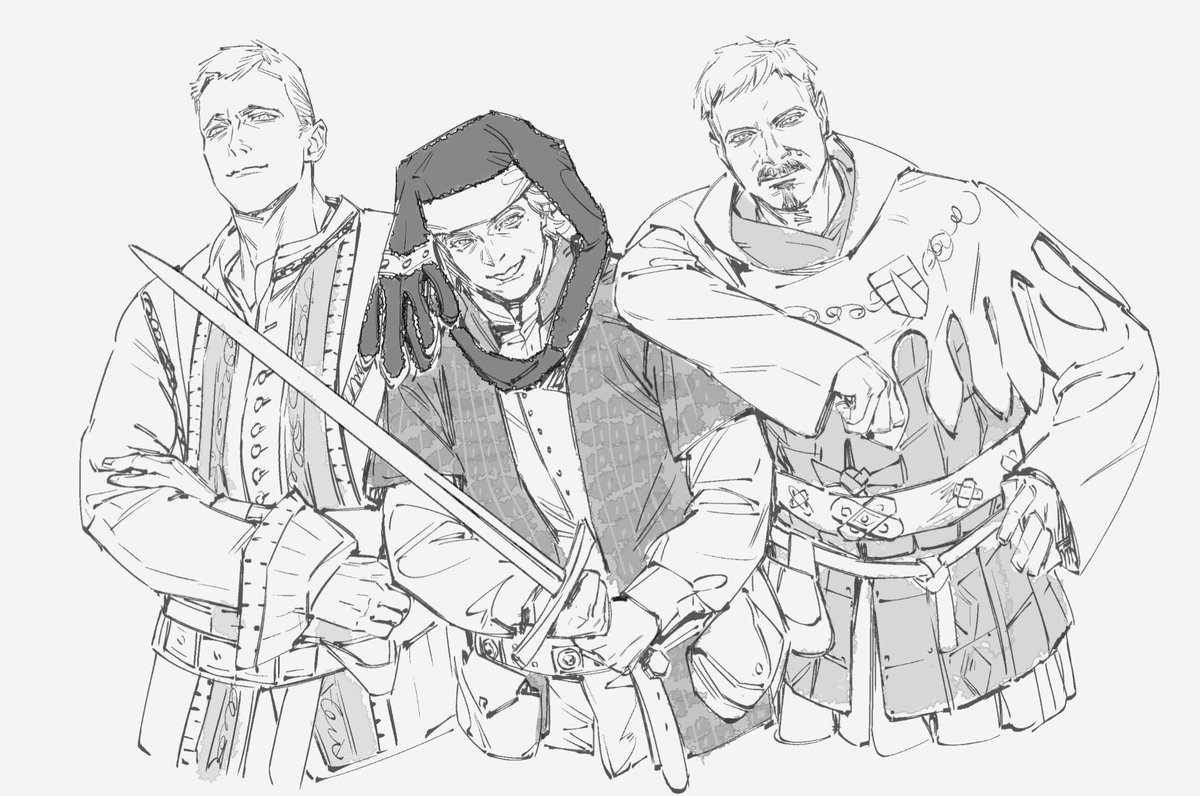
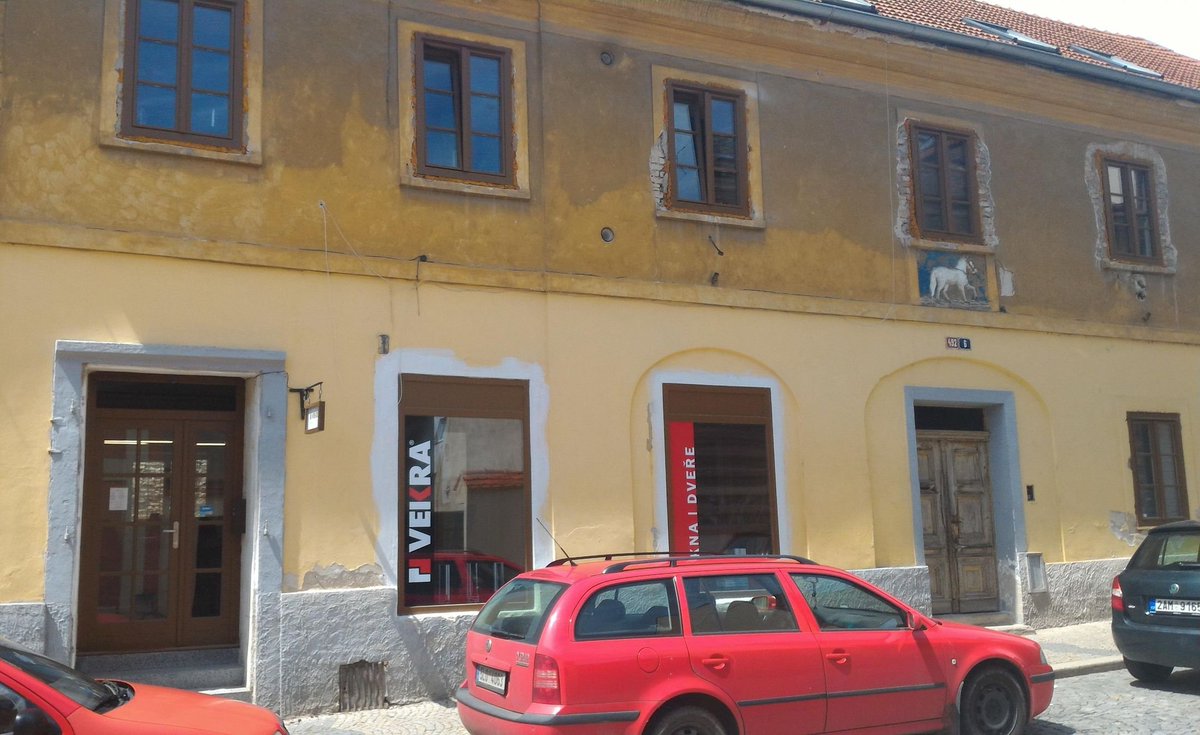
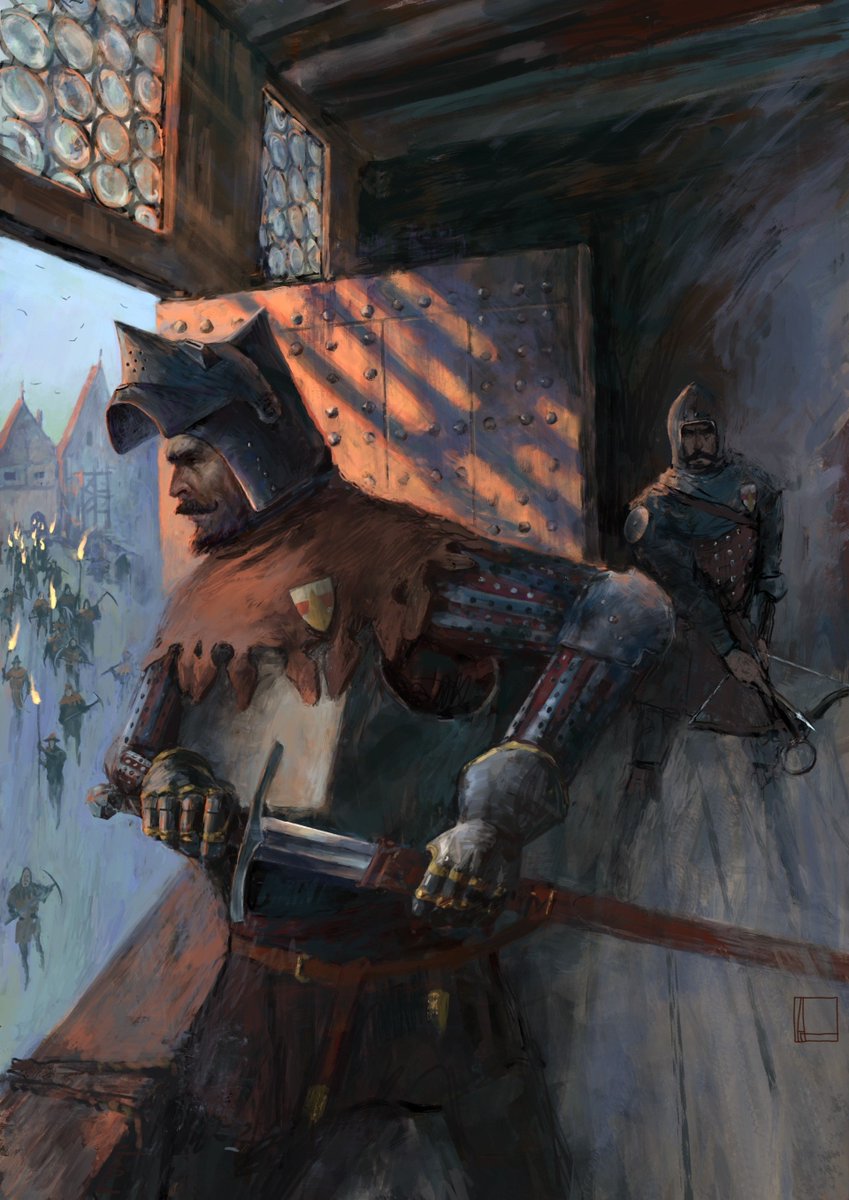
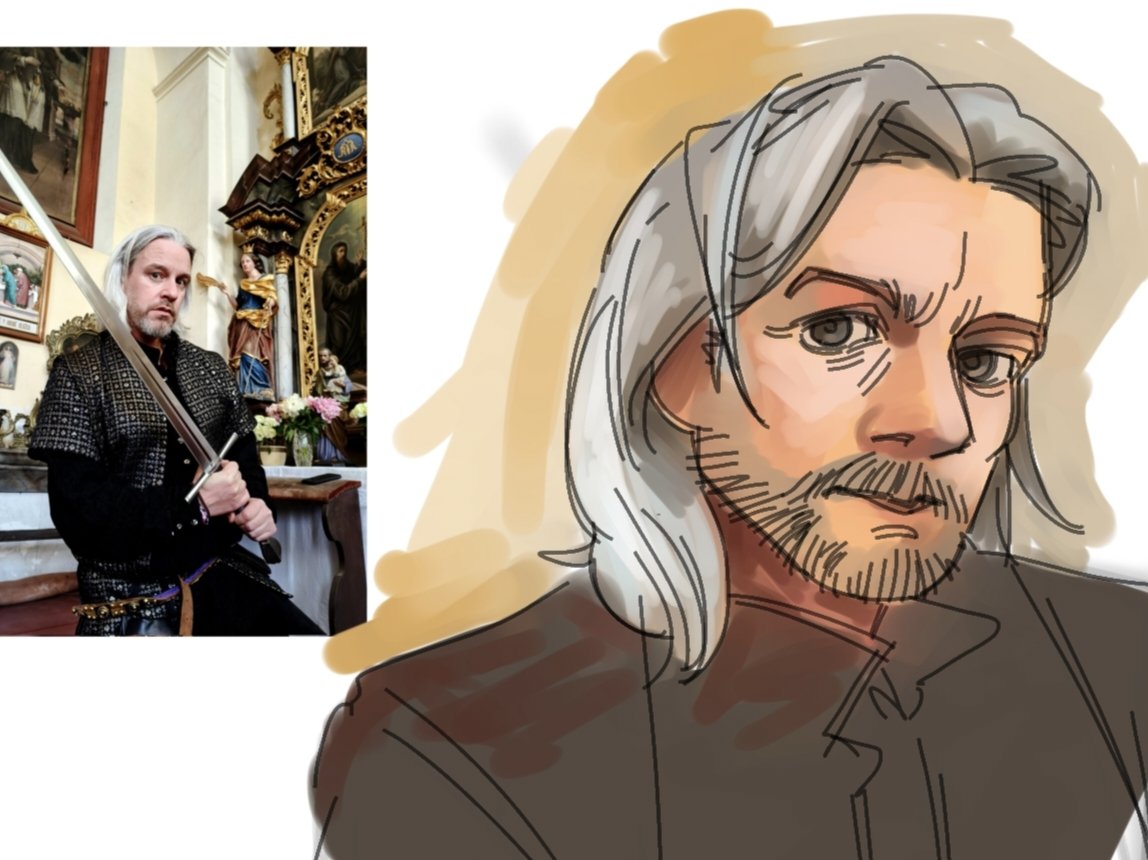
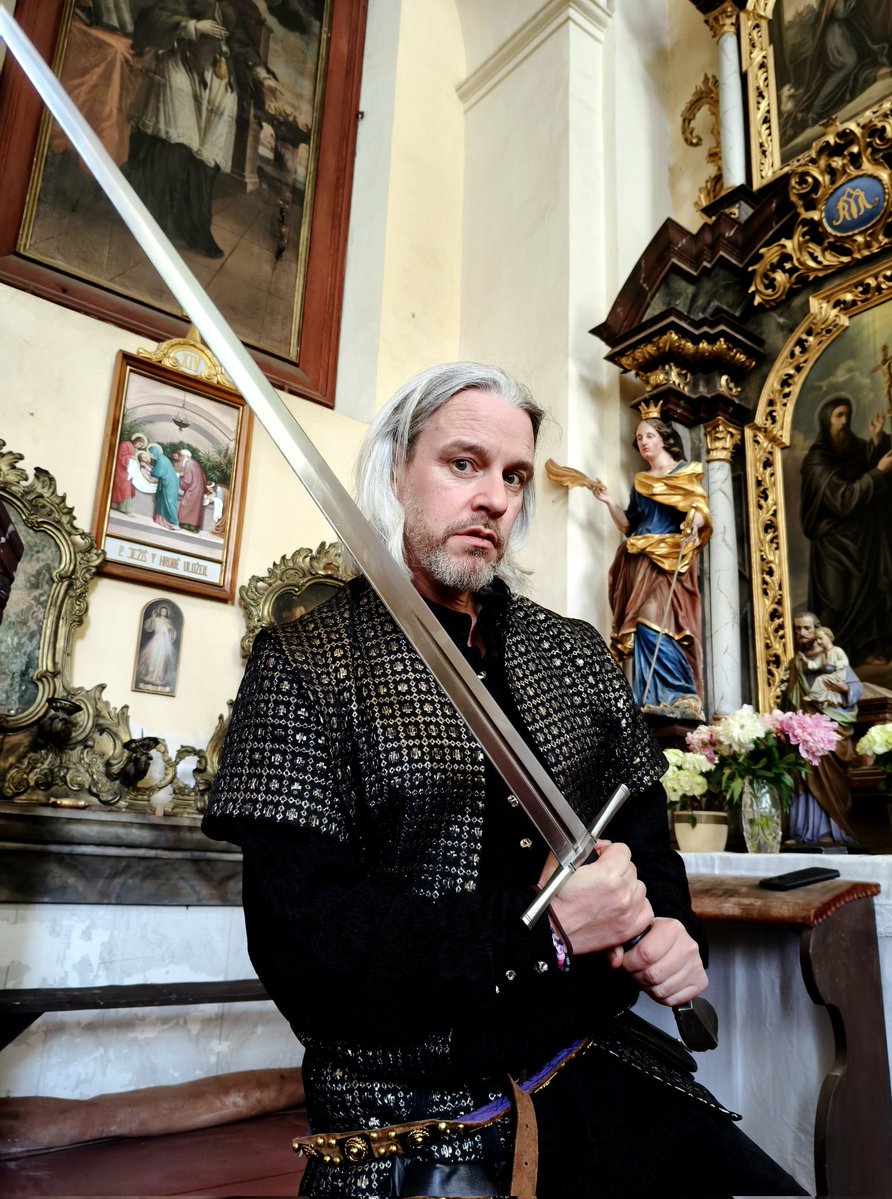
After months (even years) of mystery for the Kingdom Come: Deliverance community and even passionated of History regarding the exact location where Lord Racek Kobyla was killed on the night of February 2, 1416, in Kuttenberg (Kutna Horá in Czech Republic), here is a very old text that indicates the precise spot. For a long time, I searched for the exact location of his death for the research and art.
It was thanks to the unique and rare book by Jitka Jelínková on the local legends of Kutná Hora that I was able to find this information.
This very old text is a XVIth-century account that describes Racek Kobyla's last days (like a kind of itinerary) and what he was doing.
In reality, there is a contradiction between this account and modern sources. Racek Kobyla was never there to collect taxes, but rather to quell religious tensions between Hussites and Catholics at the request of King Wenceslas IV. There are even more details about what happened, such as the fate of his horse, which was brutally slaughtered in public.
The exact address of the inn where Racek Kobyla spent his last night is this : Jungmannovo náměstí 492/6, 28401 Kutná Hora-Vnitřní Město, Czechia.
It's a very old building located east of Kutná Hora in the rather poor medieval section of the town. (Ironically, in the game KCD2, it's quite close to the location of the inn The Hole in the Wall.)
Here is the text from the book based on the 16th-century report:
"On the road leading from Jungmann Square to Rudní Street, there is a house called U Kobyly. Above the entrance, a bas-relief depicts a white horse with a black bridle.
An old legend tells the story of this house and Mr. Racek, who stayed there during his mission:
At the end of the reign of King Wenceslas IV, Kutná Hora was also affected by religious disputes between supporters of the Hussites and the Papists. The miners, the aldermen, and the German branch of the miners were loyal to the Pope, while the Director of the Mint, Petr Zmrzlík of Svojšín, some mine and mint officials, and a large part of the Czech population, were, by their convictions, on the side of the Hussites. Disputes between the two sides were commonplace. In the year 1416, the king sent his courtier and tax collector, Racek Kobyla, from Dvorec to Kutná Hora to try to reconcile the two divided factions and suppress a possible rebellion. He and his entourage stayed in the aforementioned house.
At that time, miners in the town were fighting; a dispute broke out, and bloodshed threatened. Racek stepped forward amidst the enraged miners and temporarily prevented the confrontation.
However, that evening, he was attacked by a frenzied mob, unhorsed, and savagely murdered. His assailants are said to have then buried his dismembered body in a mine shaft.
They even entered the house and mercilessly slaughtered his servants. Only Bořita of Ostředek survived, reportedly hiding in a foul-smelling barn and thus escaping death. Even the Racek's horse did not escape punishment: it was stabbed on the spot, and the executioner buried its remains outside the town. From then on, the inhabitants of the house could no longer sleep; night after night, they were awakened by shrill neighing and the pounding of hooves. But in the morning, silence returned, and the horse was gone. The situation continued for some time, until the city appeased the king's anger and redeemed itself by executing several miners and making a large donation to the royal treasury."
7
32
185
7,709



Papy @mgs&kcd era retweeted

Jun 14
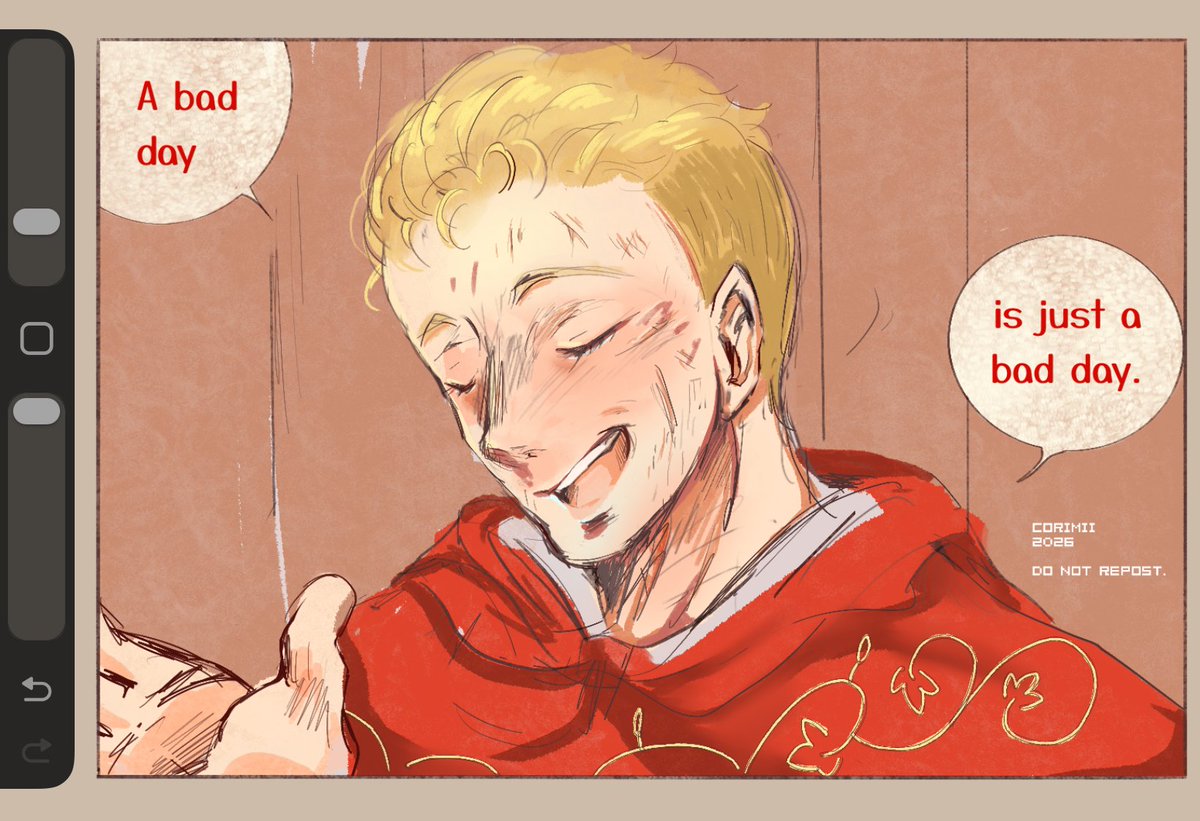
✌️ [ WIP ]
Am I right?!
Part of a bigger drawing / project I guess.
| #KingdomComeDeliverance
1
12
84
757
Papy @mgs&kcd era retweeted

16
488
5,207
43,078
Papy @mgs&kcd era retweeted

20h
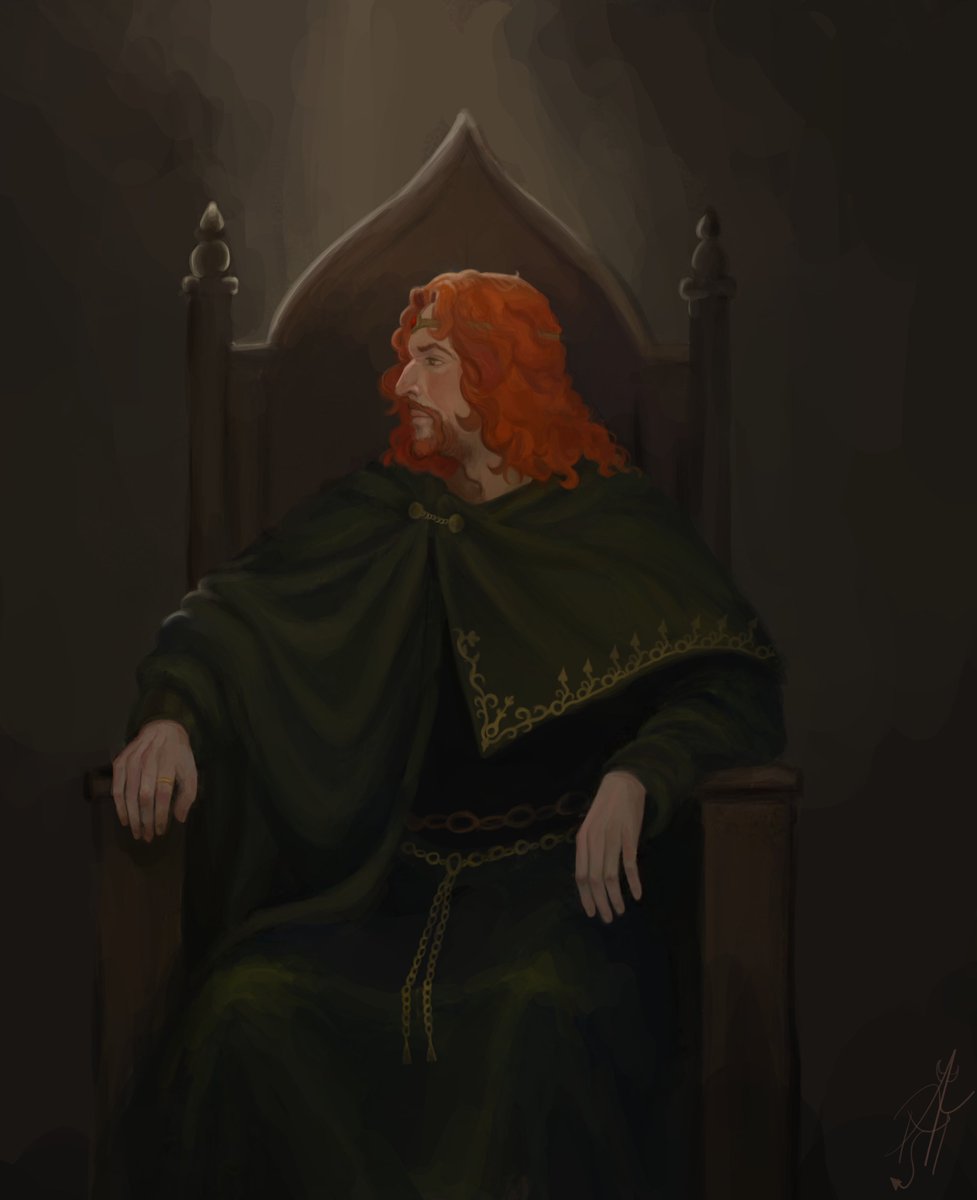
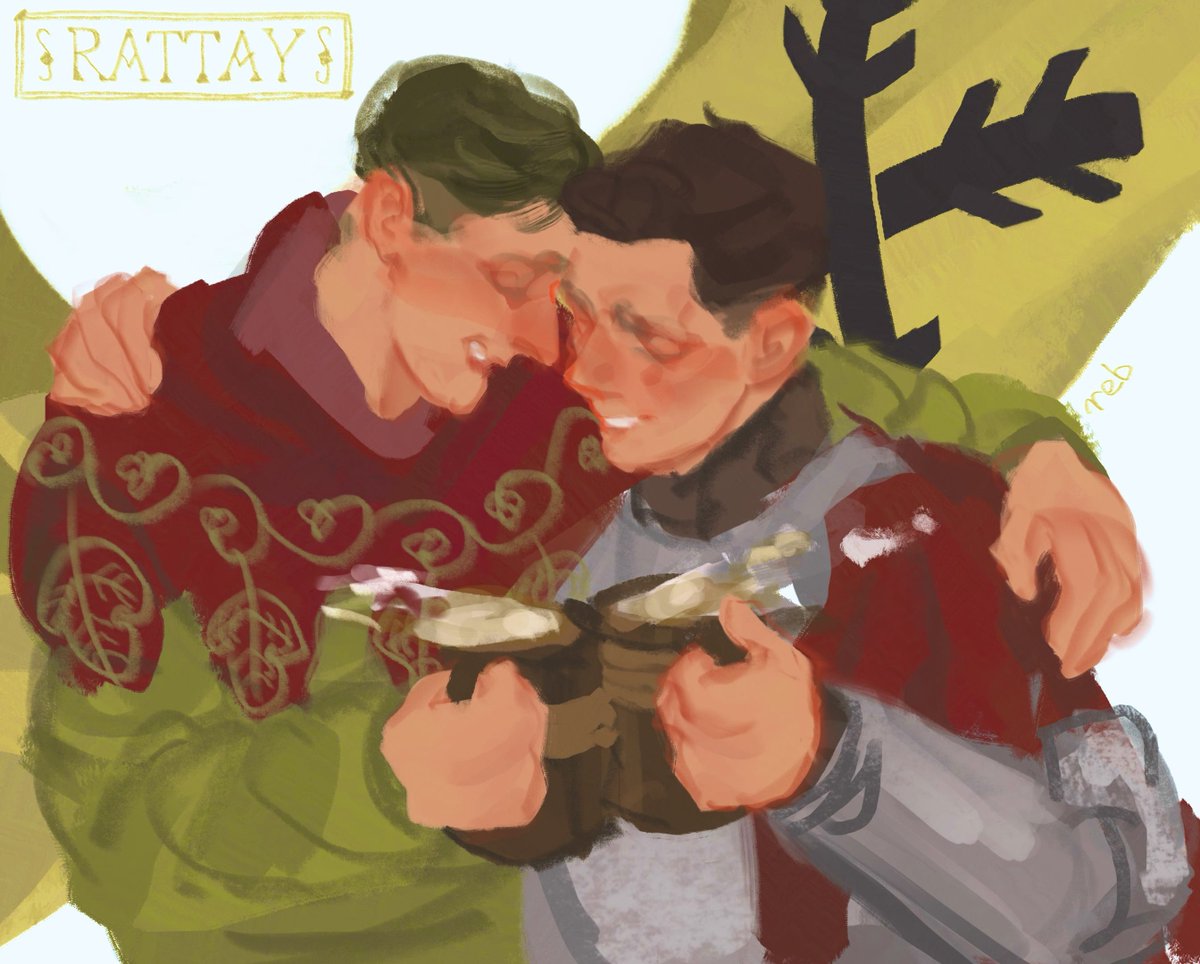
"I will find you and I'll rip out your hearts!" #rattay2026
2
11
81
1,617

Papy @mgs&kcd era retweeted

1
52
306
2,548
Papy @mgs&kcd era retweeted

1
42
243
2,082