
PTI is a nonprofit focused research organization scaling proteomic technologies to explore proteome biology. A member of the @SchmidtFutures & @Convergent_FROs.
Joined February 2023
- Tweets 235
- Following 91
- Followers 866
- Likes 270
56 Photos and videos

Parallel Squared Technology Institute (PTI) retweeted

Jun 12
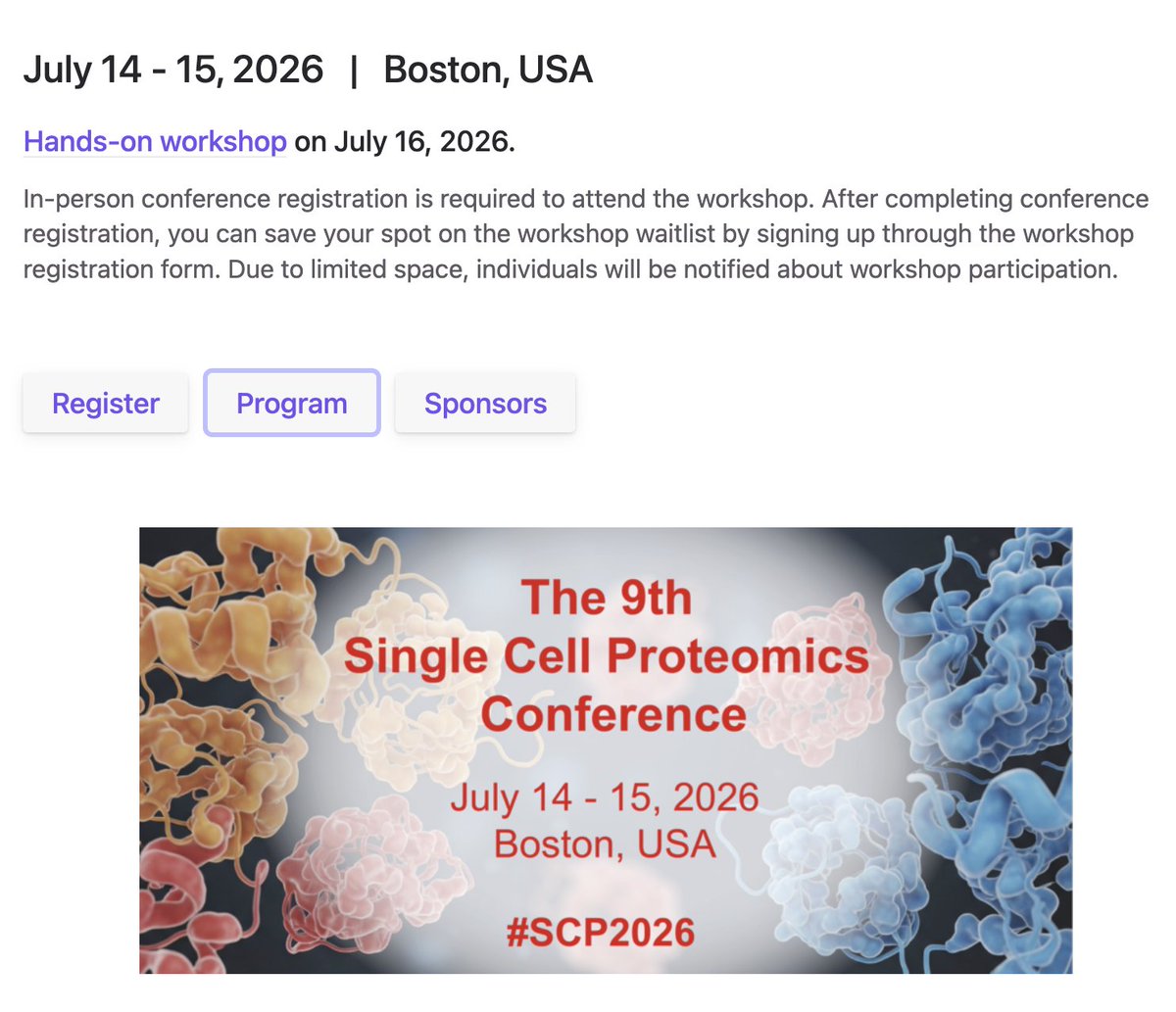
Boston is an amazing city for science, but it's an expensive place to visit.
To help make SCP2026 more affordable and accessible, we've secured conference housing for $115 / night.
We hope this enables broader participation from students, trainees, and researchers around the world.


The program for #SCP2026 is online.
The talks span diverse technologies and biological questions.
Join the discussions, flash talks, and hands-on workshop.
🗓️ July 14-16, 2026 | Boston, USA
🔗 Check out the full program:
single-cell.net/proteomics/s…
1
4
10
2,699
Parallel Squared Technology Institute (PTI) retweeted

The program for #SCP2026 is online.
The talks span diverse technologies and biological questions.
Join the discussions, flash talks, and hands-on workshop.
🗓️ July 14-16, 2026 | Boston, USA
🔗 Check out the full program:
single-cell.net/proteomics/s…
5
6
5,225
Parallel Squared Technology Institute (PTI) retweeted
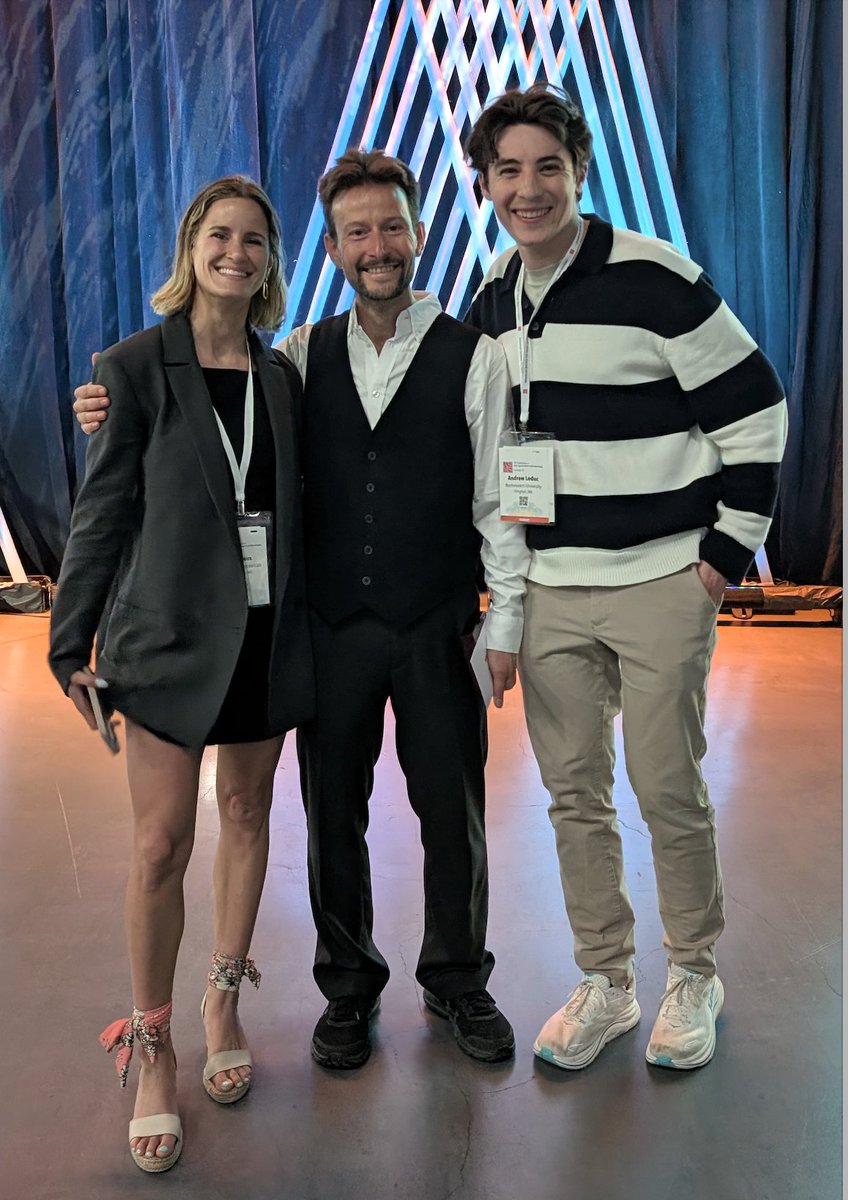
I feel deeply honored by this recognition of research from @slavovLab, @ParallelSqTech and many collaborators and colleagues. It is very fitting to celebrate the advances in this field with the community that has contributed the most to developing these methodologies. This is recognition of just the first steps of an amazingly promising research endeavor poised to widen, deepen, and reshape our scientific understanding.

1
3
15
5,211
Parallel Squared Technology Institute (PTI) retweeted
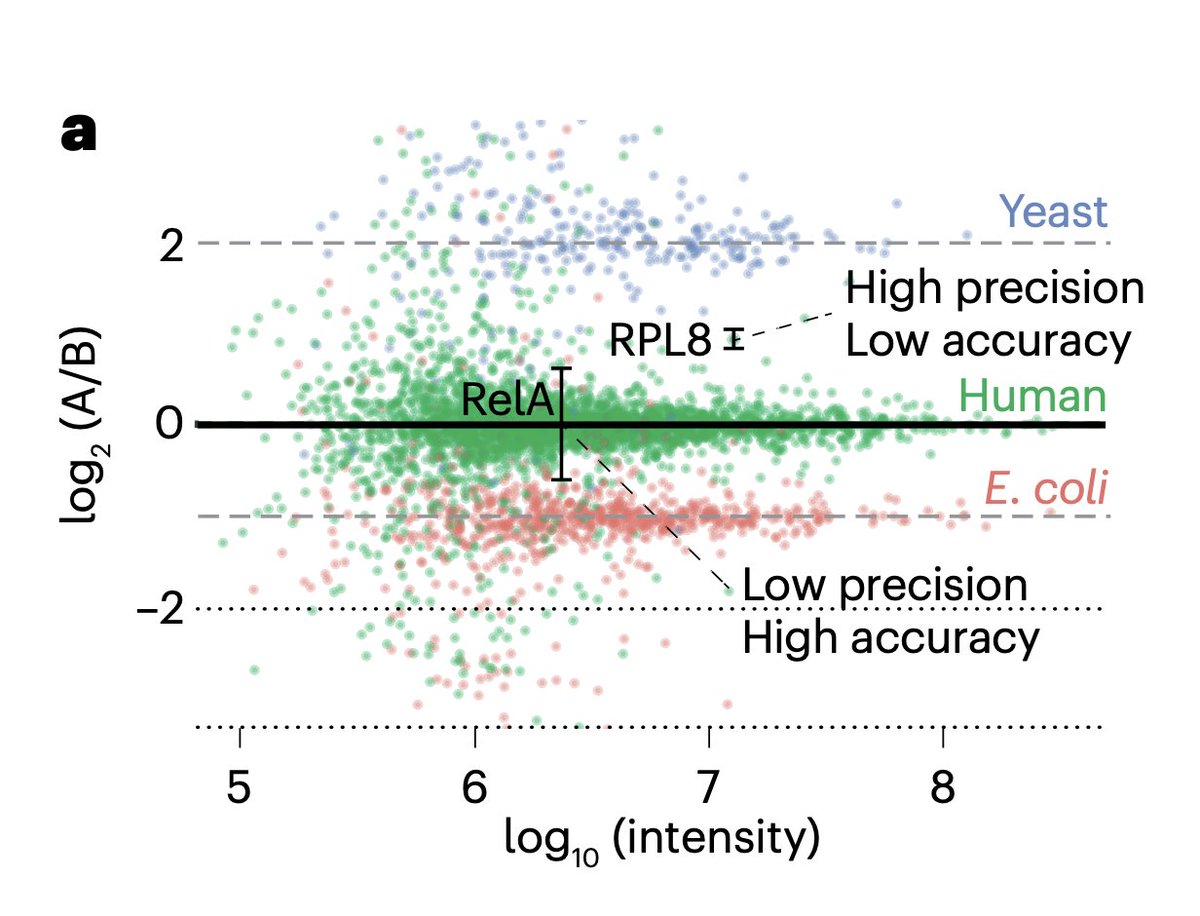
Mass spectrometry proteomics loves benchmarks.
But I have not seen an important one:
- Accuracy of proteome quantification when using short LC gradients.
timsTOF and Orbitrap Astral instruments allow quantifying 7 - 9k proteins from 200ng samples using very short short separation times affording the analysis of 200 – 500 samples / day.
⬛ Have you seen accuracy benchmarks for this workflow ?
1
7
22
2,430
Parallel Squared Technology Institute (PTI) retweeted
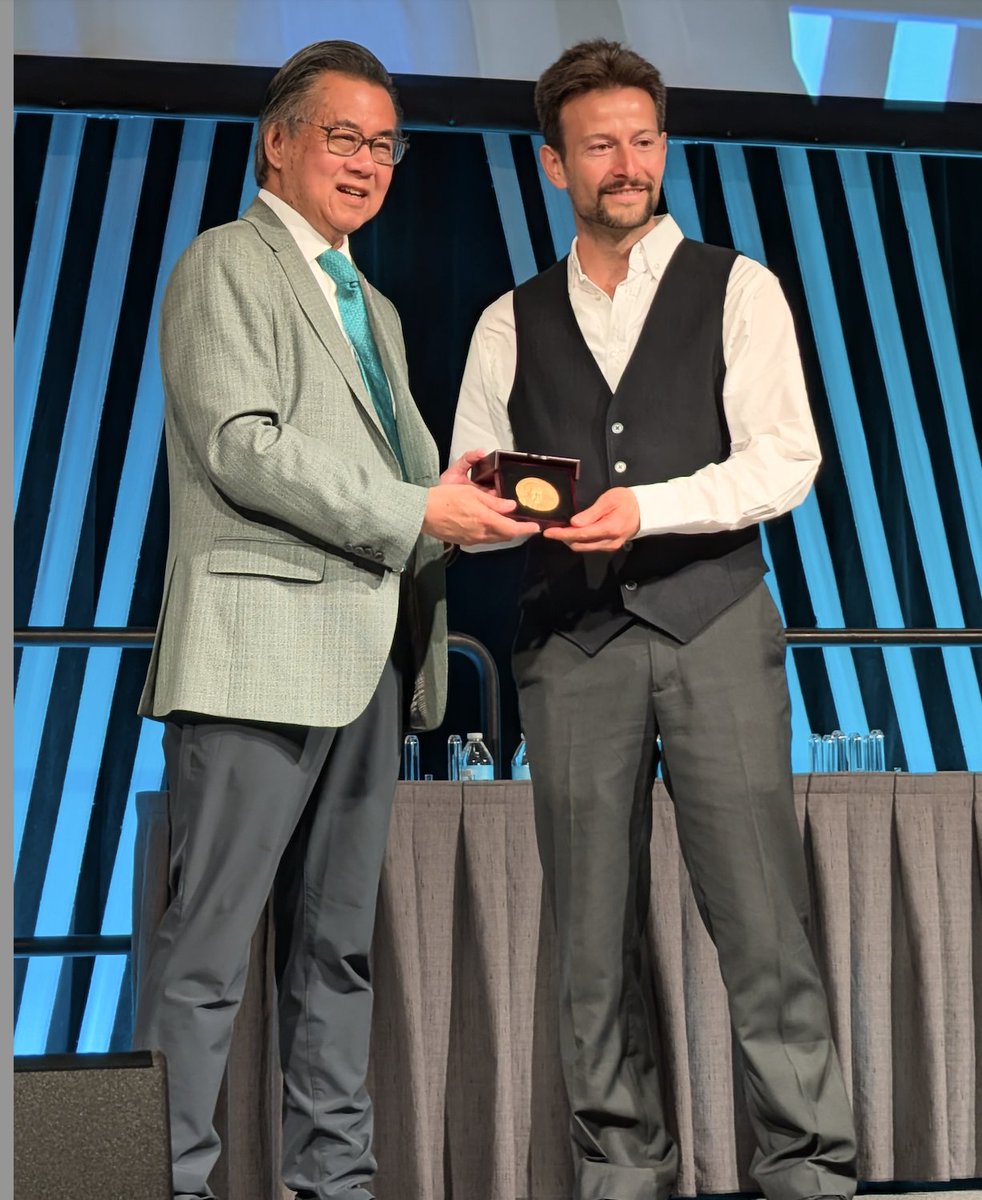
The annual meeting of the American Society For Mass Spectrometry (@asmsnews) has been very special for me as the Biemann Medal recognized our contributions to developing single-cell proteomic technologies and using them to open new perspectives through which we can discover and understand biological phenomena.
The journey is made more wonderful by sharing it with a collaborative and thoughtful community.
I am deeply grateful to all who have contributed to the research recognized by the Biemann medal, a very special distinction and recognition for research that is gaining momentum.


6
6
48
3,275
Parallel Squared Technology Institute (PTI) retweeted
May 11
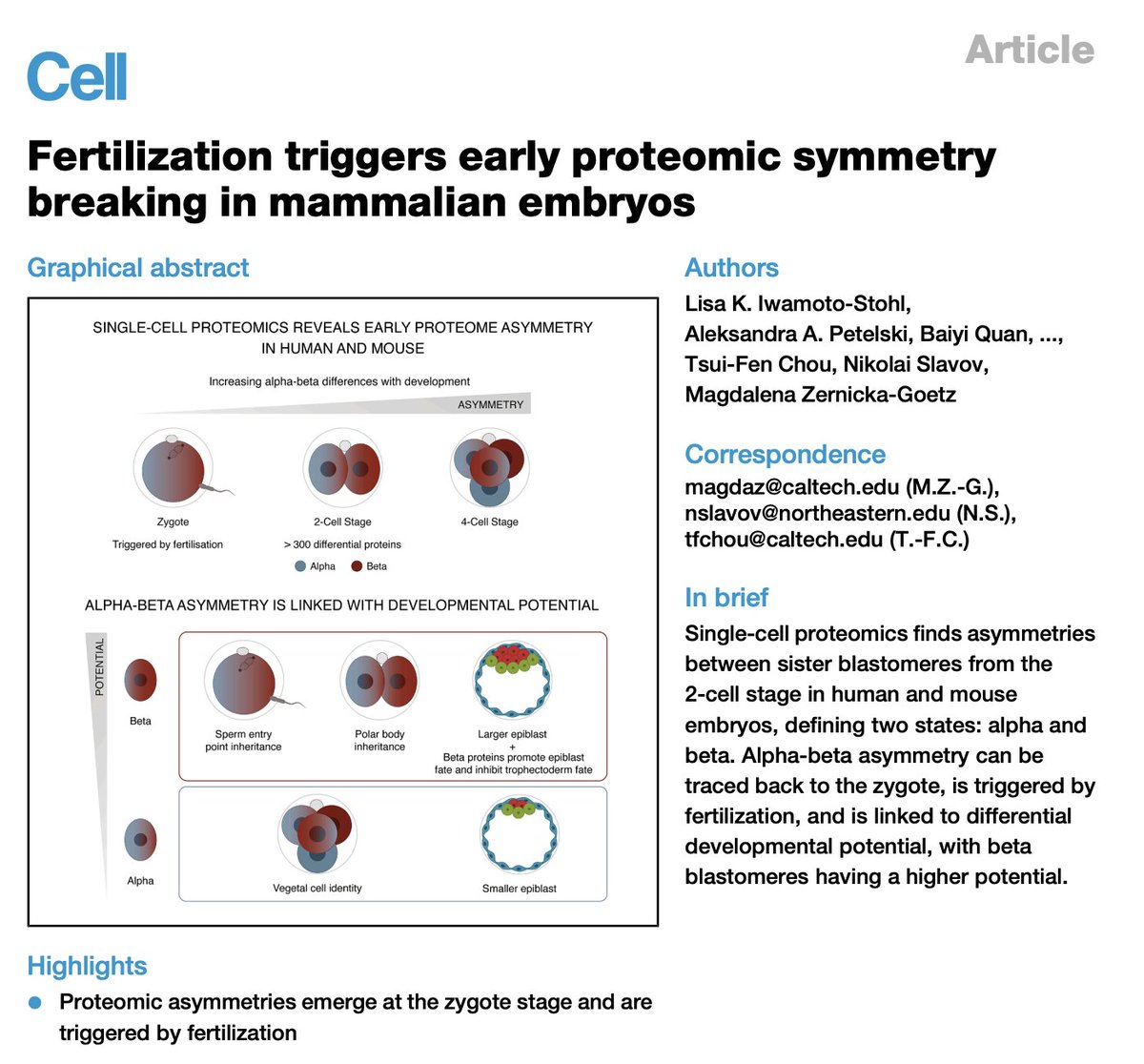
Single-cell proteomics illuminated new mechanisms of mammalian development.
We found that spatially polarized protein distributions and intracellular protein gradients emerge during the earliest stages of mammalian embryogenesis and help bias subsequent cell fate decisions. Critically, these developmental mechanisms are not reflected in mRNA abundance: the key biology resides in the spatial organization, abundance, and asymmetric localization of proteins within and between cells.
The results show that early developmental patterning is associated with polarized localization of specific proteins and coordinated proteomic asymmetries across blastomeres, linking protein organization directly to lineage specification. These findings support a model in which cell fate in the mammalian embryo is not determined solely by stochastic transcriptional programs, but is strongly shaped by inherited and dynamically regulated protein states that establish developmental competence before overt differentiation: cell.com/cell/fulltext/S0092…
Our results depended critically on single-cell proteomics analysis, on direct measurement of the molecular effectors that execute developmental decisions — capturing gradients, localization, stoichiometry, and post-transcriptional regulation. The future of developmental biology will depend increasingly on quantitative single-cell protein measurements capable of resolving the molecular architecture of cell fate determination: doi.org/10.1242/dev.201492
3
37
171
24,948
Parallel Squared Technology Institute (PTI) retweeted
May 11
The final version of our @AnnualReviews article is now published OA:
annualreviews.org/content/jo…
1
9
22
2,043
Parallel Squared Technology Institute (PTI) retweeted
These numbers are key to understanding RNA and protein analysis.
The different counting statistics fundamentally shape technological challenges and opportunities.
nature.com/articles/s41592-0…

5
30
113
8,767
Parallel Squared Technology Institute (PTI) retweeted

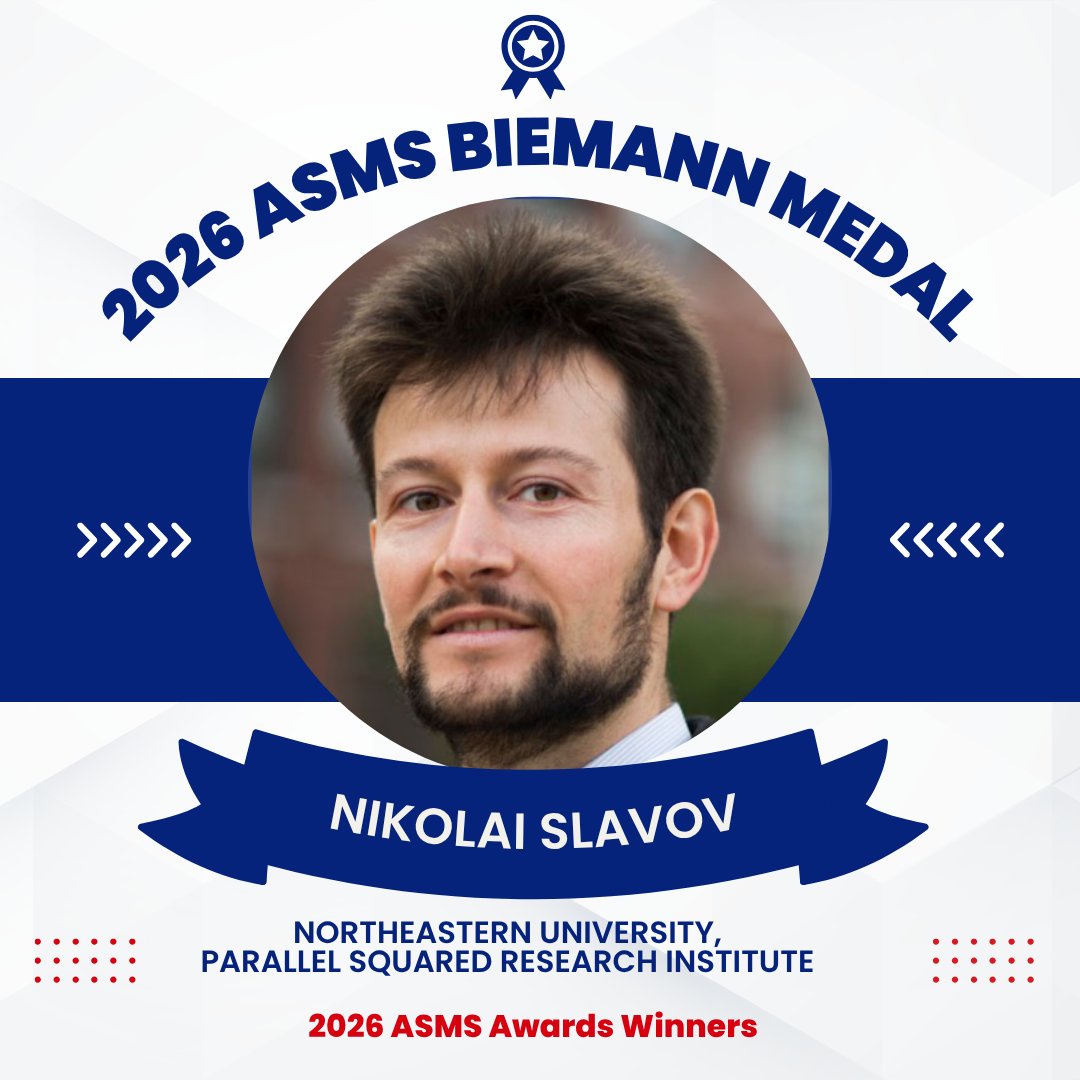
Congratulations to Nikolai Slavov, recipient of the 2026 ASMS Biemann Medal! This award recognizes significant early-career achievement and highlights emerging leaders shaping the future of #massspectrometry. #TeamMassSpec
2
4
19
1,353
Parallel Squared Technology Institute (PTI) retweeted
Intrinsically disordered regions do not lack structure: Rather, they encode structural plasticity. This plasticity is not a limitation of biology, but one of its most powerful design principles.
This research frontier inspires our team at Parallel Squared Technology Institute (@ParallelSqTech) to develop experimental and computational approaches to measure, model and understand the ensembles of protein conformations that underpin biological functions.

6
24
102
11,745
Parallel Squared Technology Institute (PTI) retweeted
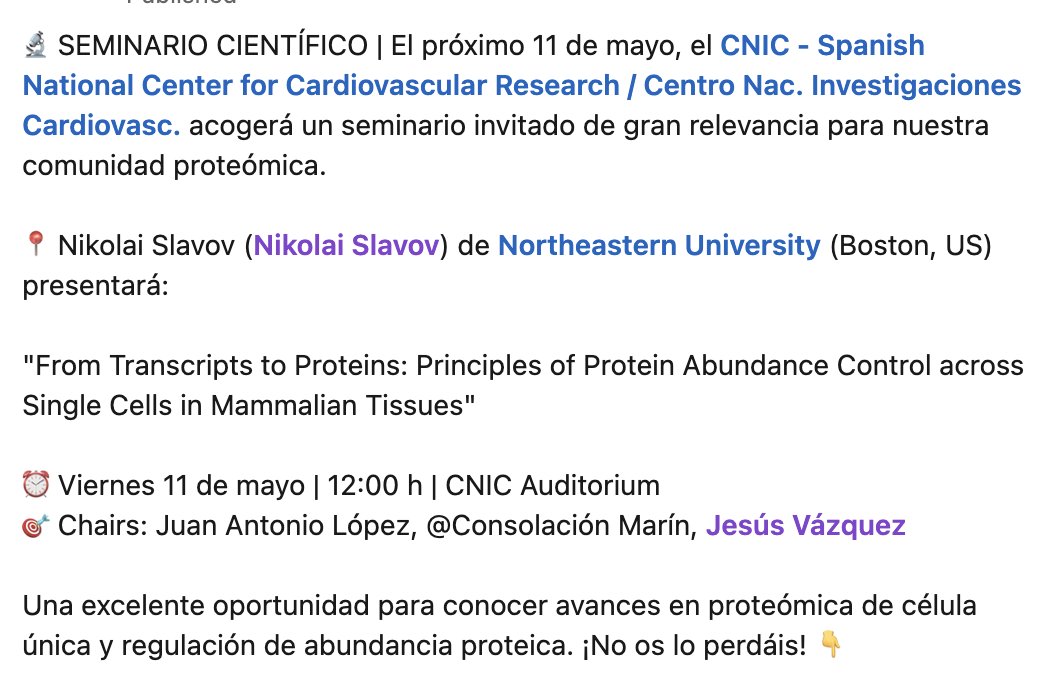
Next Monday (May 11), I will be in Madrid to share our research.
I will present results from @ParallelSqTech and @slavovLab, including our latest proteomic technologies and the biological questions they are answering.
2
5
998
Parallel Squared Technology Institute (PTI) retweeted
2
45
221
27,335
Parallel Squared Technology Institute (PTI) retweeted
Apr 28
I am deeply honored to share that I have been selected to receive the Biemann Medal by the American Society For Mass Spectrometry (@asmsnews). This distinction holds particular significance for me, given its recognition of contributions that advance the field in meaningful and lasting ways.
While this award is presented to an individual, it reflects the collective contributions of exceptional teams at Slavov Lab (@slavovLab) and Parallel Squared Technology Institute (@ParallelSqTech). The progress we have made in pioneering single-cell mass spectrometry proteomics has been possible only through the bold vision, creativity, rigor, and persistence of colleagues and collaborators who share a commitment to expanding the boundaries of what can be measured and understood.
I see this recognition not only as an acknowledgment of past work, but also as an affirmation of the promise of mass spectrometry and single-cell proteomics in particular. As these technologies continue to evolve, they offer unprecedented opportunities to uncover the molecular logic of biological systems with greater depth, precision, and mechanistic clarity. They are ideally positioned to generate the direct measurements and scalable datasets needed to power generalizable models of cells and cellular systems, deeper understandering of physiology and pathology, and ultimately the engineering of effective medical treatments.
This award is special for me because of the leading roles of ASMS in our field and the high standards set by Klaus Biemann. His pioneering contributions helped shape the modern foundations of mass spectrometry and set inspiring examples for innovation, scientific integrity and mentorship. His formative influence continues to resonate across the field, making this recognition especially meaningful.
—------
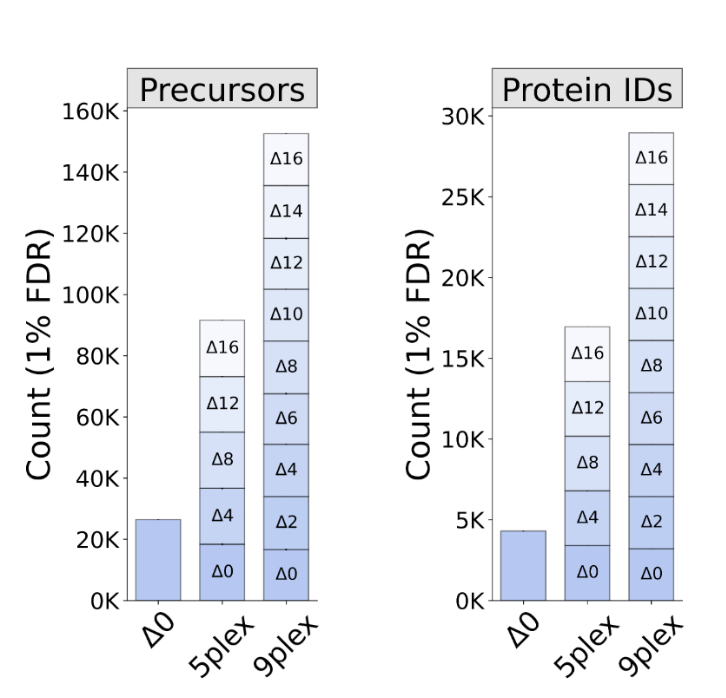
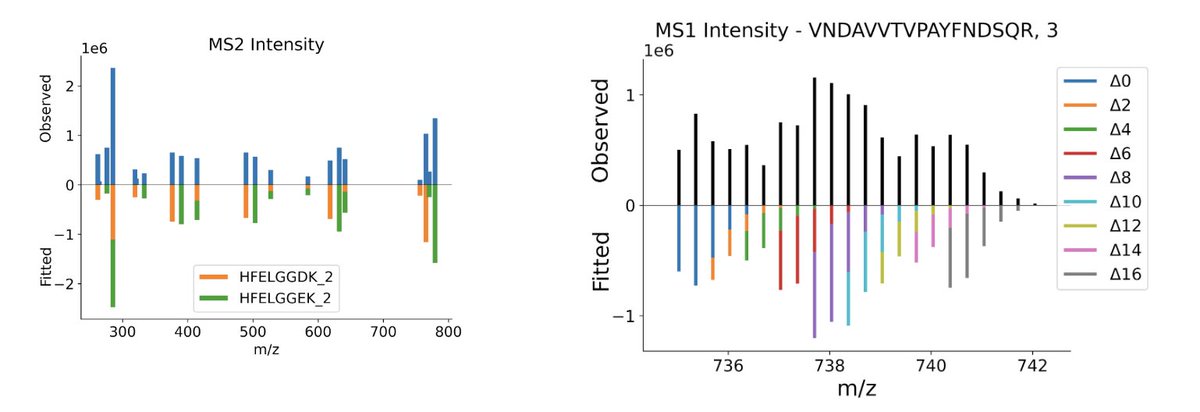
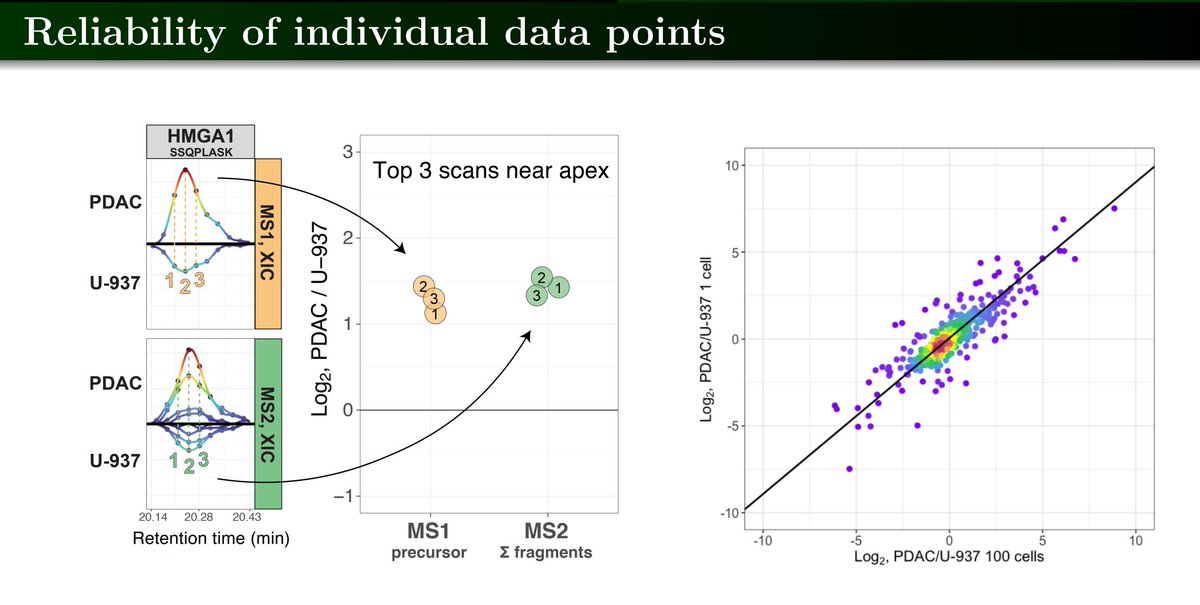
𝐅𝐢𝐠𝐮𝐫𝐞: The left panel depicts peptide ions and their fragments derived from single cells and analyzed on the Q Exactive, an instrument introduced more than 15 years ago. The right panel shows quantification across many proteins in single cells from the same experiment. I selected this example because it clearly demonstrates how well-designed experiments and spectra interpretation can result in high-quality data even when using old instrumentation. This was a foundational pillar to our early contributions. The figure was created by Jason Derks circa 2021 and subsequently published as part of the community guidelines in 𝑁𝑎𝑡𝑢𝑟𝑒 𝑀𝑒𝑡ℎ𝑜𝑑𝑠: nature.com/articles/s41592-0…
9
10
79
5,620
Parallel Squared Technology Institute (PTI) retweeted
Apr 24
Philanthropy has long supported groundbreaking research, from Tycho Brahe's landmark observational dataset to Jim Allison's contributions to discovering checkpoint inhibitors that led cancer immunotherapies.
Throughout the centuries, philanthropic support has evolved significantly. Over the last decades, its role and significance have increased; now, philanthropy may contribute disproportionately to preserving bold and innovative scientific research in the face of troubled public funding.
This Nature spotlight article examines recent trends, and highlights creative new initiatives, including Renaissance Philanthropy (@RenPhilanthropy) and Convergent Research (@Convergent_FROs):
nature.com/articles/d41586-0…
It also highlights a key power of philanthropy, one from which our research in Slavov Lab (@slavovLab) and Parallel Squared Technology Institute (@ParallelSqTech) has benefited significantly:
“Because philanthropy can take risks others cannot, we also have the opportunity to build new models of how science is conducted, championing interdisciplinary science,” says Wendy Schmidt.
1
4
9
1,563
Parallel Squared Technology Institute (PTI) retweeted
Apr 13
Judging from the SCP2026 abstracts, this summer’s @SCP_meeting is shaping up to be exceptional.
A convergence of new technologies, deep questions, and inventive experimental designs is poised to unlock answers to some of longstanding puzzles.
Abstract deadline: May 1st
Apr 12

Single-cell proteomics by mass spectrometry: Technological overview and recent progress
From uncertain possibility to robust and rapidly advancing technologies:
1/2
youtu.be/tibkXV6NblI?si=pVJY…
1
3
6
2,386
Parallel Squared Technology Institute (PTI) retweeted

Apr 12
Single-cell proteomics by mass spectrometry: Technological overview and recent progress
From uncertain possibility to robust and rapidly advancing technologies:
1/2
youtu.be/tibkXV6NblI?si=pVJY…
1
12
24
8,378

With years of research at its foundation, Nikolai and Harrison highlight the inspiration supporting PTI's own moonshot to make single cell proteomics scalable and accessible for researchers worldwide. Thanks
@cowboybearninja for the video! youtu.be/9NNvkJYa43c
3
5
1,895
Parallel Squared Technology Institute (PTI) retweeted
Feb 20
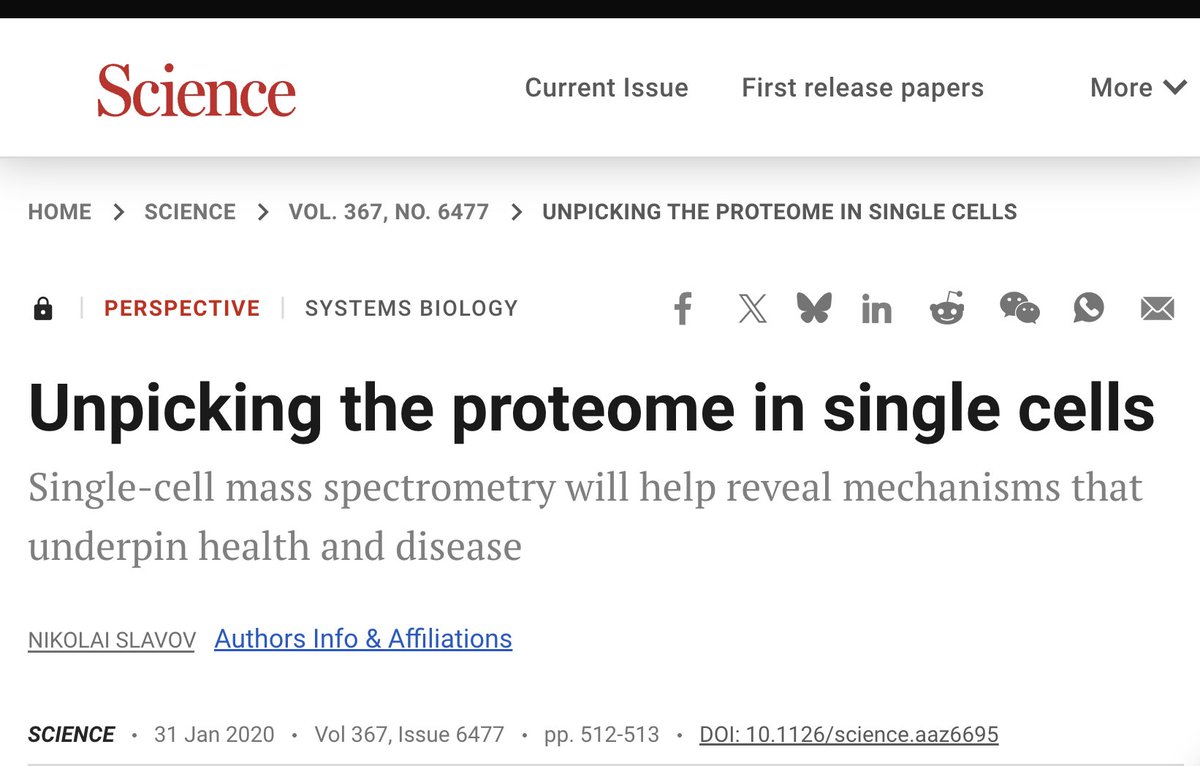
Six years on from this perspective: science.org/doi/10.1126/scie…
The technology has rapidly advanced and spread beyond a few pioneering labs.
I am excited for the next phase, when the technology will increasingly enable mechanistic investigations & discoveries.
🚀
2
6
50
4,727
Parallel Squared Technology Institute (PTI) retweeted
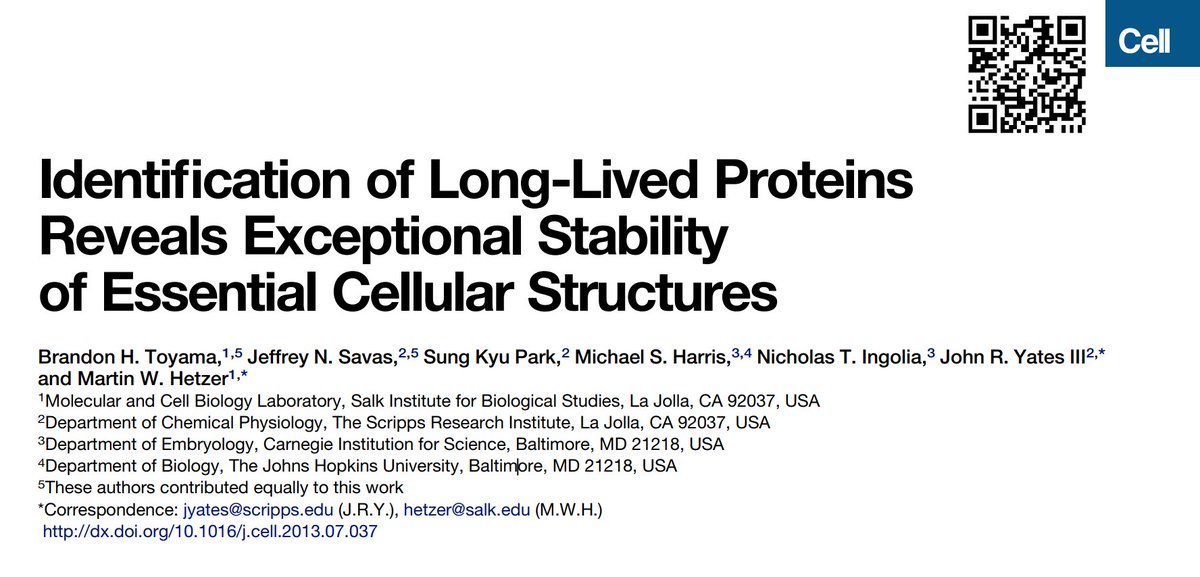
At the same time, some proteins are very long-lived. Some persist as long as the organism itself.
Protein lifetimes range from minutes to decades:
⏹️ That's a dynamic range of ~6,000,000.
Lifetimes vary across cell types & states, and these dynamics are essential to life!
2/
2
15
1,450
Parallel Squared Technology Institute (PTI) retweeted
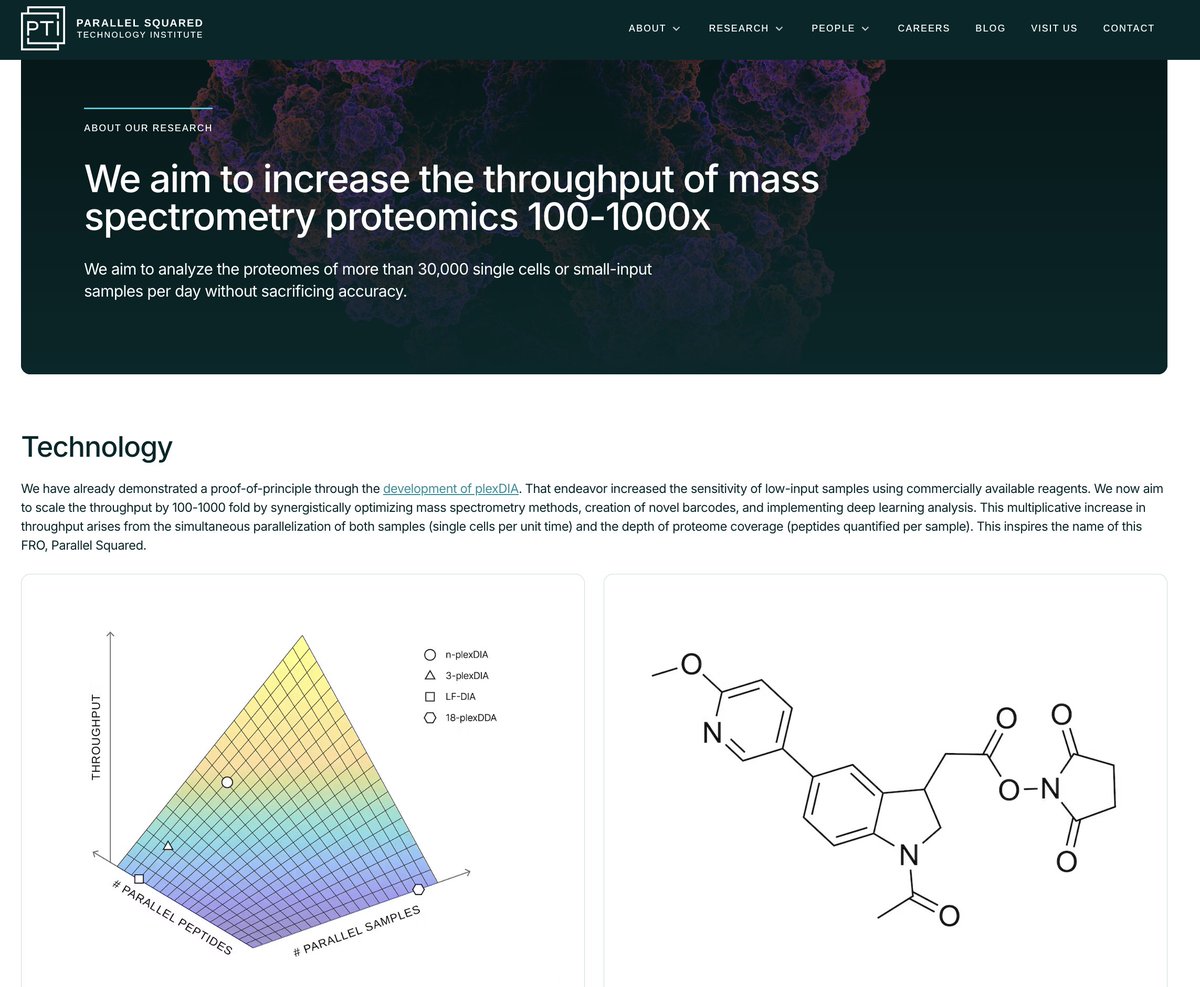
You can help enable the quantification of thousands of samples/day without sacrificing depth or accuracy.
What makes this position special is that these technologies are directly and tightly integrated with biological discovery.
2/2
jobs.lever.co/convergentrese…
1
497