
The official X account of Past to Present History.
Joined October 2019
- Tweets 6,610
- Following 3
- Followers 135
- Likes 108
6,603 Photos and videos
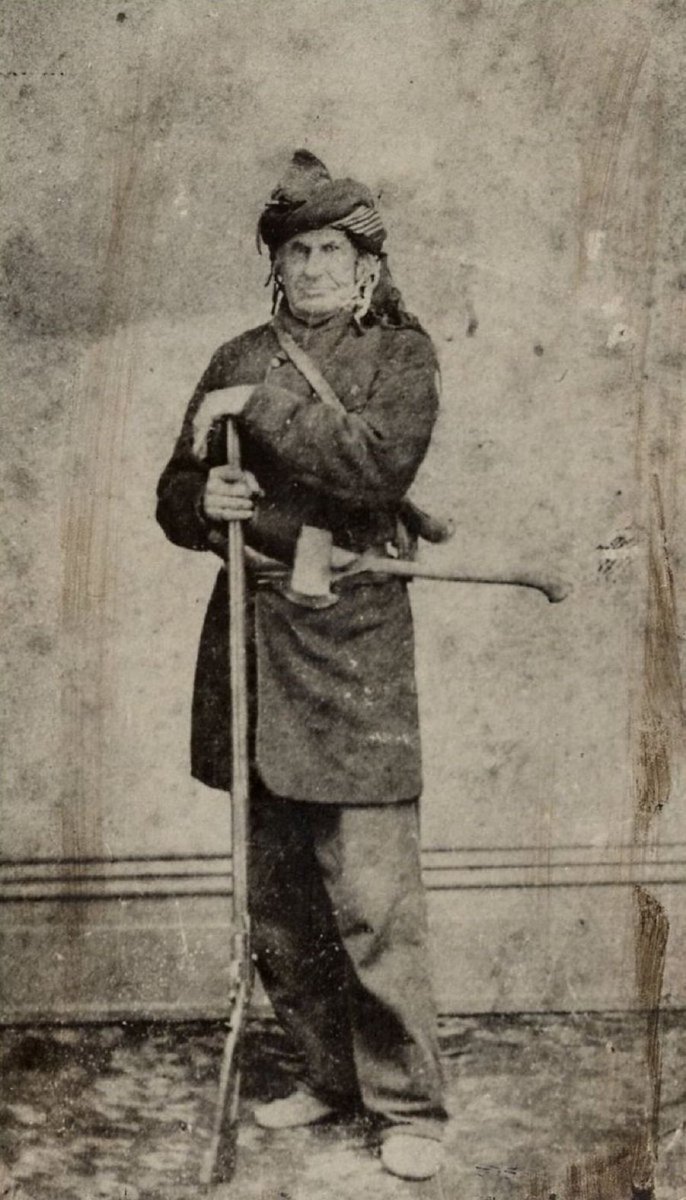
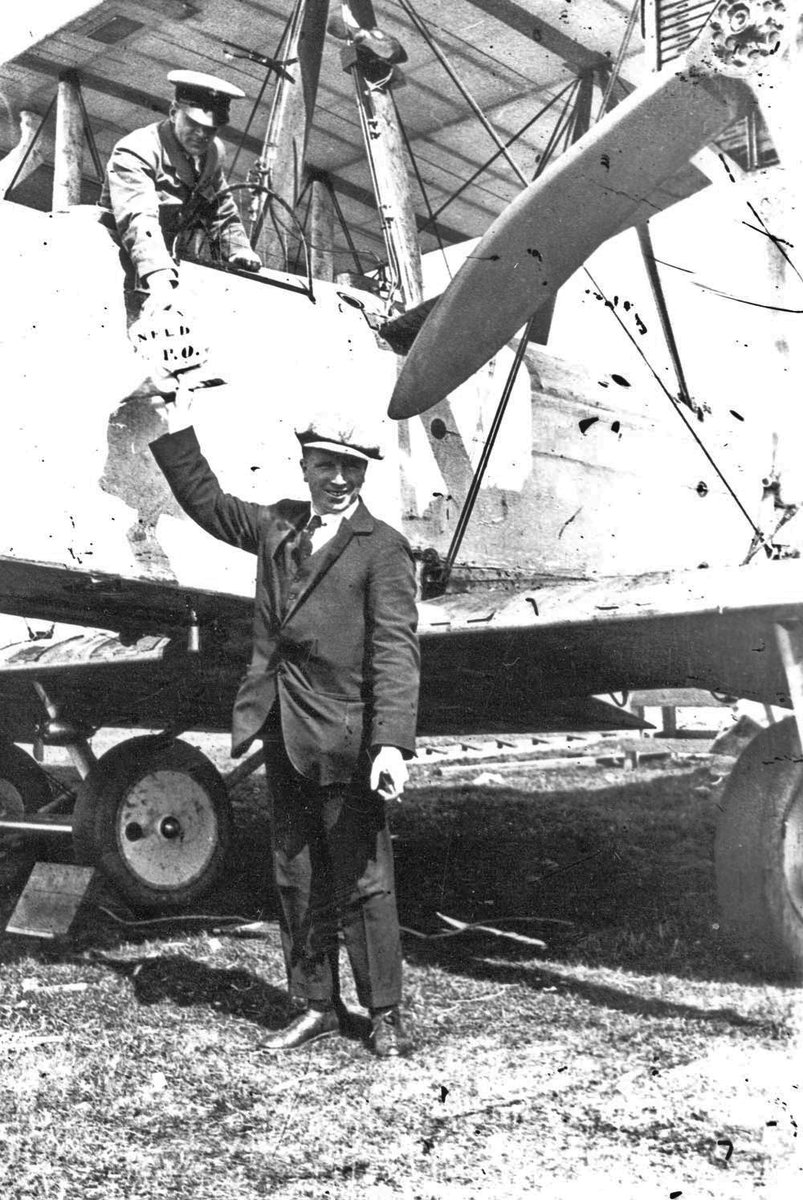
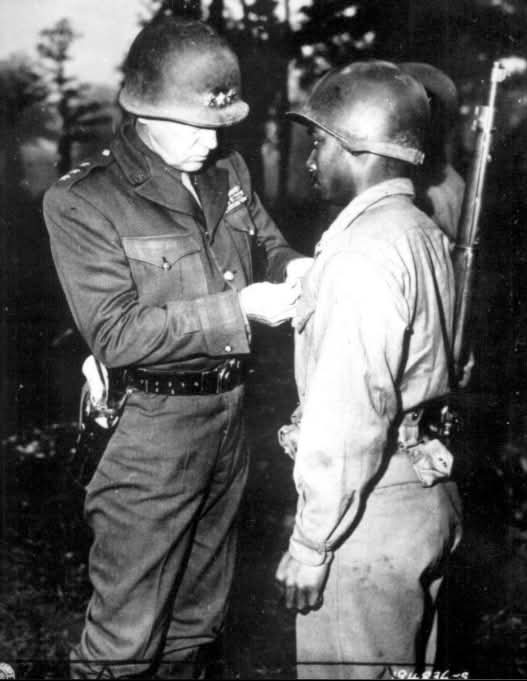



Peter Navarre, a hunter and frontiersman, served in the War of 1812 and was known for his scouting skills and wilderness experience.
3
On June 15, 1919, British aviators John Alcock and Arthur Brown made aviation history by completing the world's first nonstop transatlantic flight. Taking off from St. John's, Newfoundland, they flew a modified Vickers Vimy bomber across the Atlantic Ocean toward Ireland.
The journey was far from easy. The crew battled thick fog, freezing temperatures, strong winds, and instrument problems during the nearly 16-hour flight. At one point, ice built up on the aircraft, and they had to rely heavily on Brown's navigation skills to stay on course.
After traveling nearly 1,900 miles, Alcock and Brown landed near Clifden in County Galway, Ireland, becoming the first people to fly nonstop across the Atlantic Ocean.
Their achievement proved that long-distance air travel was possible and marked a major milestone in aviation history. The two men were later knighted for their remarkable accomplishment, helping pave the way for the global air travel we know today.
19
On April 25, 1976, Chicago Cubs outfielder Rick Monday raced across Dodger Stadium's outfield and rescued an American flag from protesters attempting to burn it.
13
Lt. Gen. George S. Patton pins the Silver Star on Private Ernest A. Jenkins of New York City for his conspicuous gallantry in the liberation of Chateaudun, France..." October 13, 1944
17
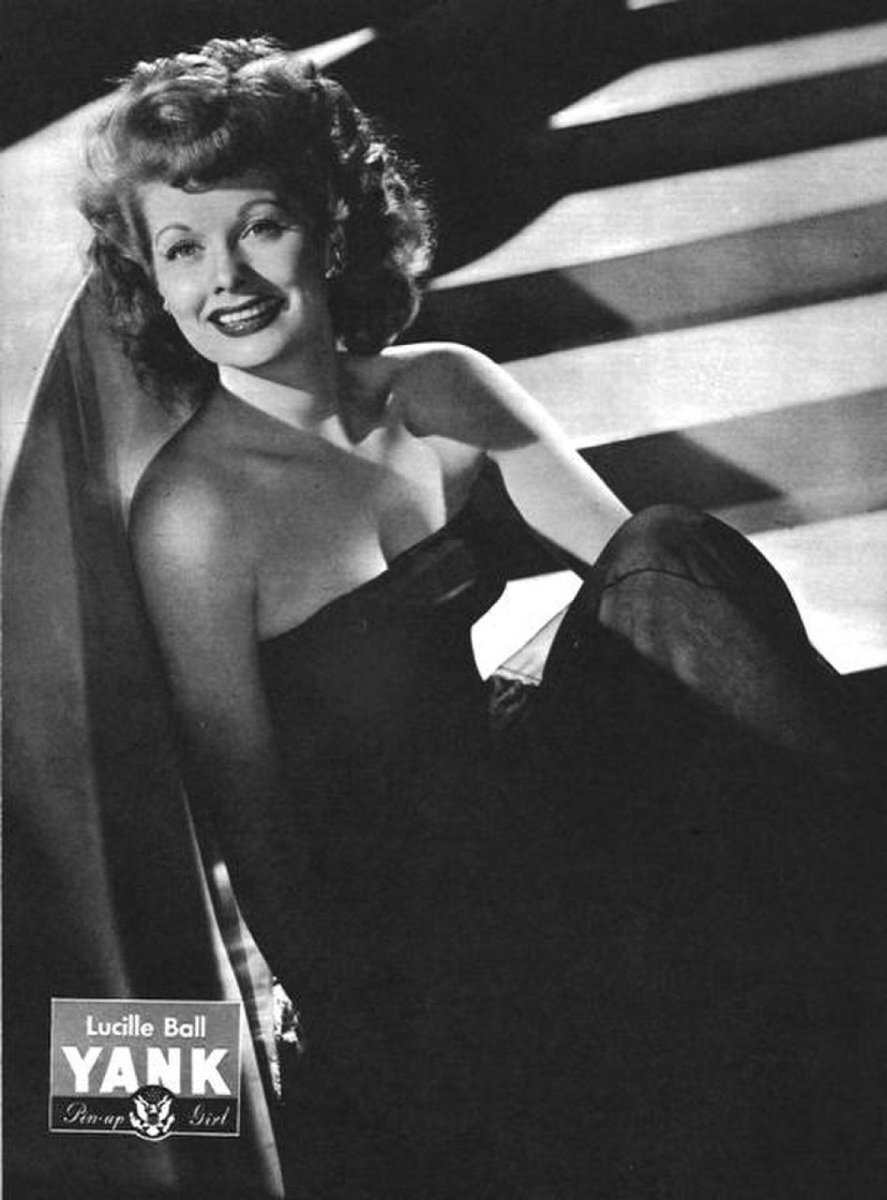
Pin-up photo of Lucille Ball for the March 23, 1945 issue of Yank, the Army Weekly.
11
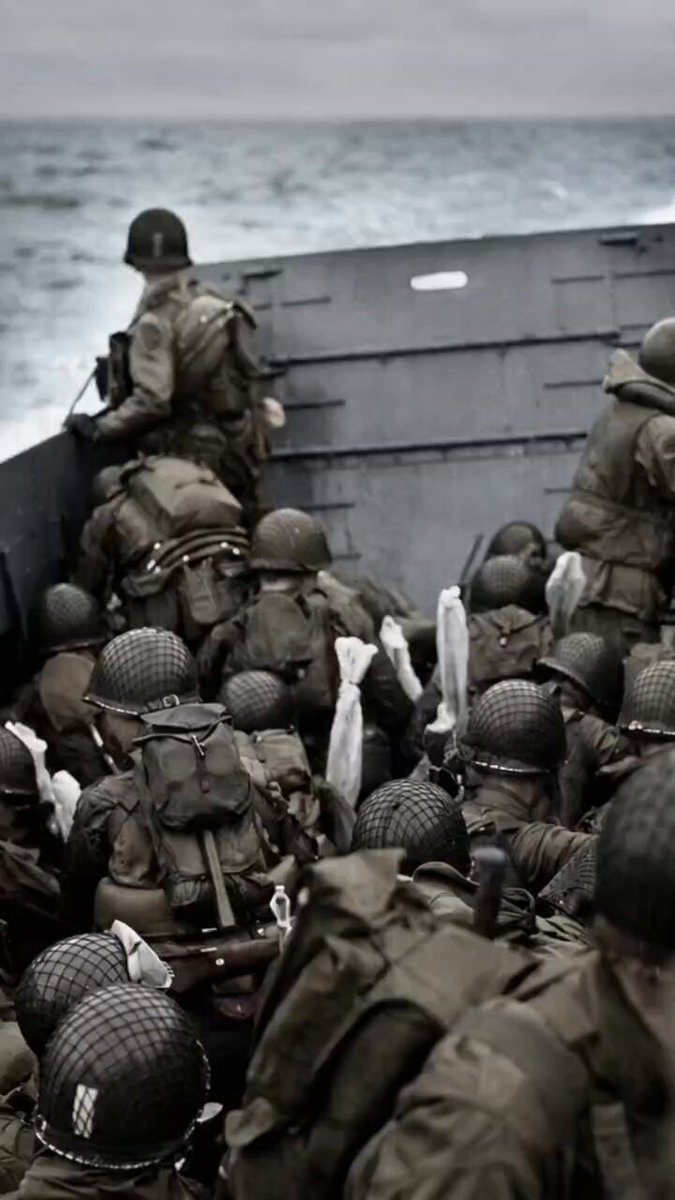
On June 6, 1944, Allied forces launched D-Day, landing on the beaches of Normandy in the largest seaborne invasion in history.
23
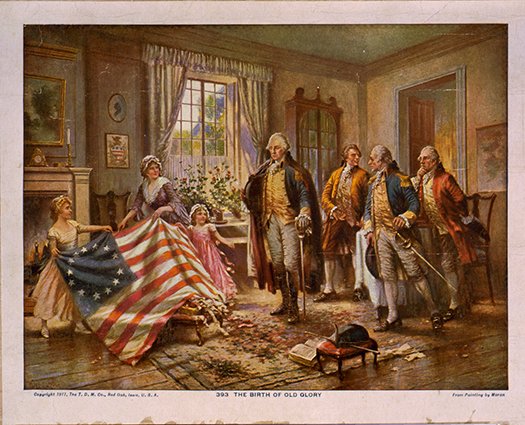
On June 14, 1777, during the American Revolutionary War, the Second Continental Congress passed the Flag Act, officially adopting the first national flag of the United States. The resolution stated, “the flag of the United States be thirteen stripes, alternate red and white; that the union be thirteen stars, white in a blue field, representing a new constellation.”
The 13 stripes symbolized the original 13 colonies that declared independence from Great Britain, while the 13 stars represented their unity as a new nation. Although many people associate the first American flag with Betsy Ross, there is little historical evidence proving she designed or sewed the original version.
At the time the Flag Act was passed, the United States was still fighting for its independence, making the new flag a powerful symbol of hope, unity, and freedom. As new states joined the Union, additional stars were added, but the 13 stripes remained to honor the original colonies.
1
107
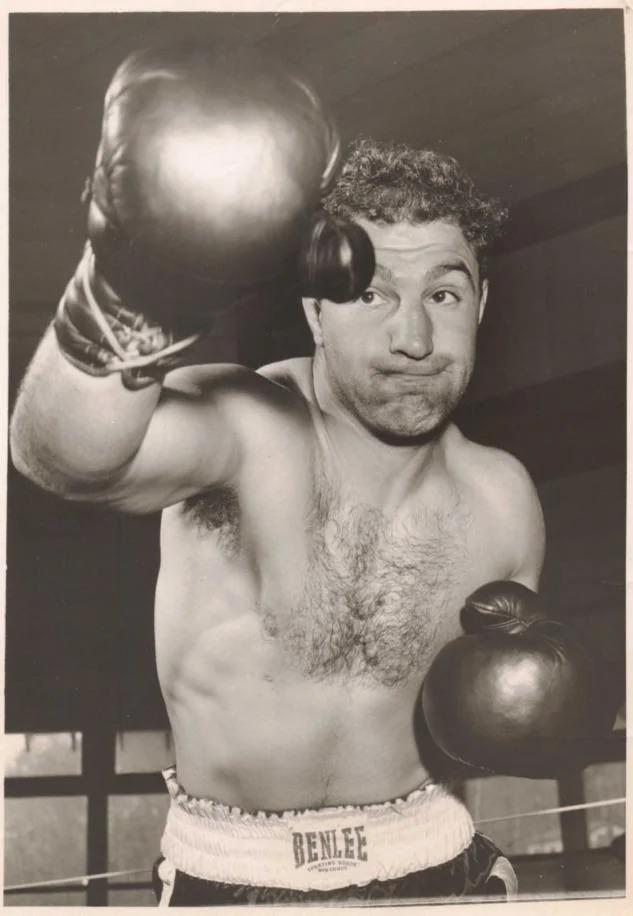
Rocky Marciano, the only heavyweight champion to retire undefeated, having won all of his fights. (1950s)
1
7
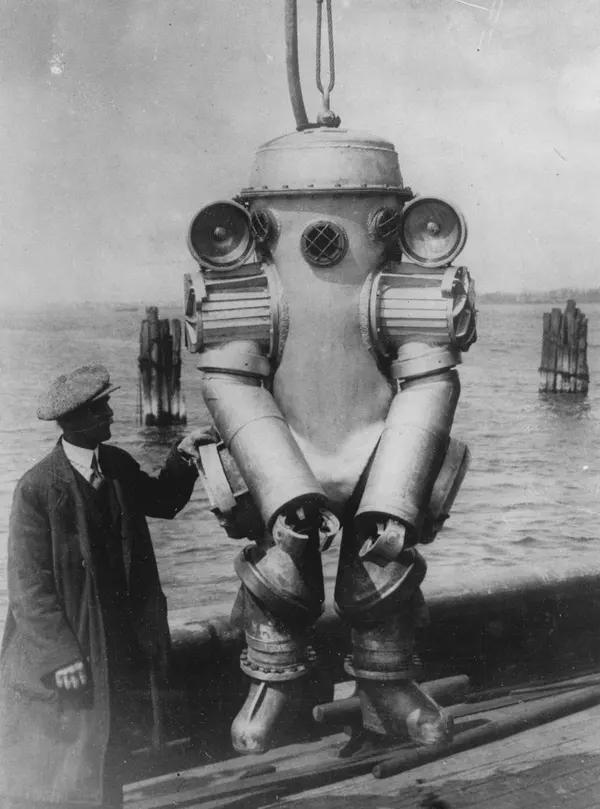
Chester MacDuffee's 550-pound atmospheric diving suit, 1914
6
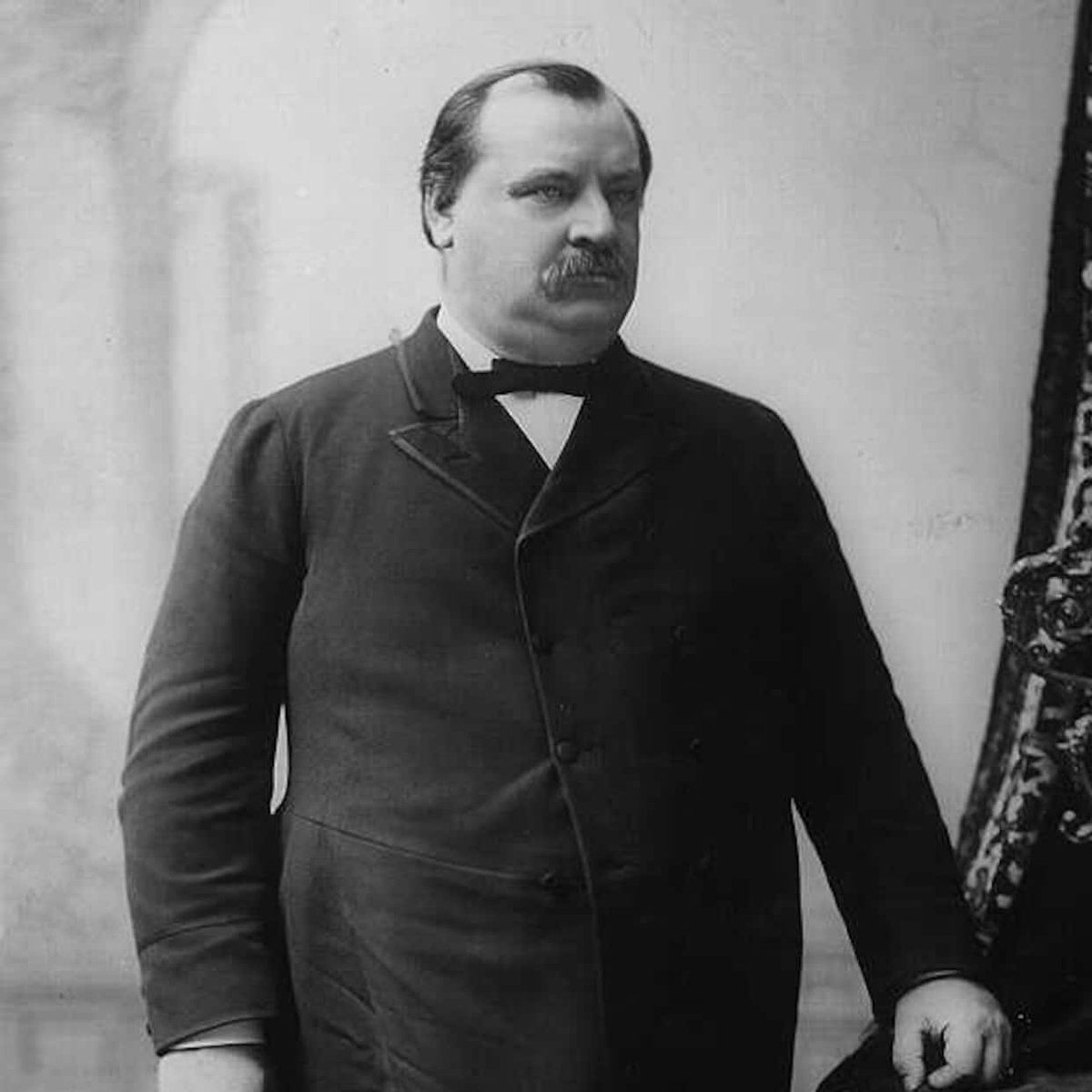
In 1893, President Grover Cleveland faced a serious health crisis that the American public knew nothing about. After noticing a rough spot inside his mouth, doctors discovered a cancerous tumor on the roof of his mouth that required immediate surgery.
At the time, the United States was struggling through a major economic panic, and Cleveland feared that news of his illness could create even more uncertainty. To keep the operation secret, he arranged for surgery aboard a private yacht while it cruised on the East River near New York.
On July 1, 1893, surgeons removed a large cancerous section of his upper jaw and part of his palate. The operation was successful, and Cleveland later wore a specially designed dental prosthesis that concealed any visible effects of the surgery. Most Americans never suspected anything had happened.
The remarkable secret remained hidden for years. Although rumors surfaced occasionally, the full story was not publicly confirmed until 1917—nine years after Cleveland's death. It remains one of the most extraordinary medical cover-ups in presidential history.
14
Goalkeeper Sam Bartram, alone on the pitch, not realizing that the game had been abandoned 15 minutes earlier due to heavy fog - 25 Dec 1937
3
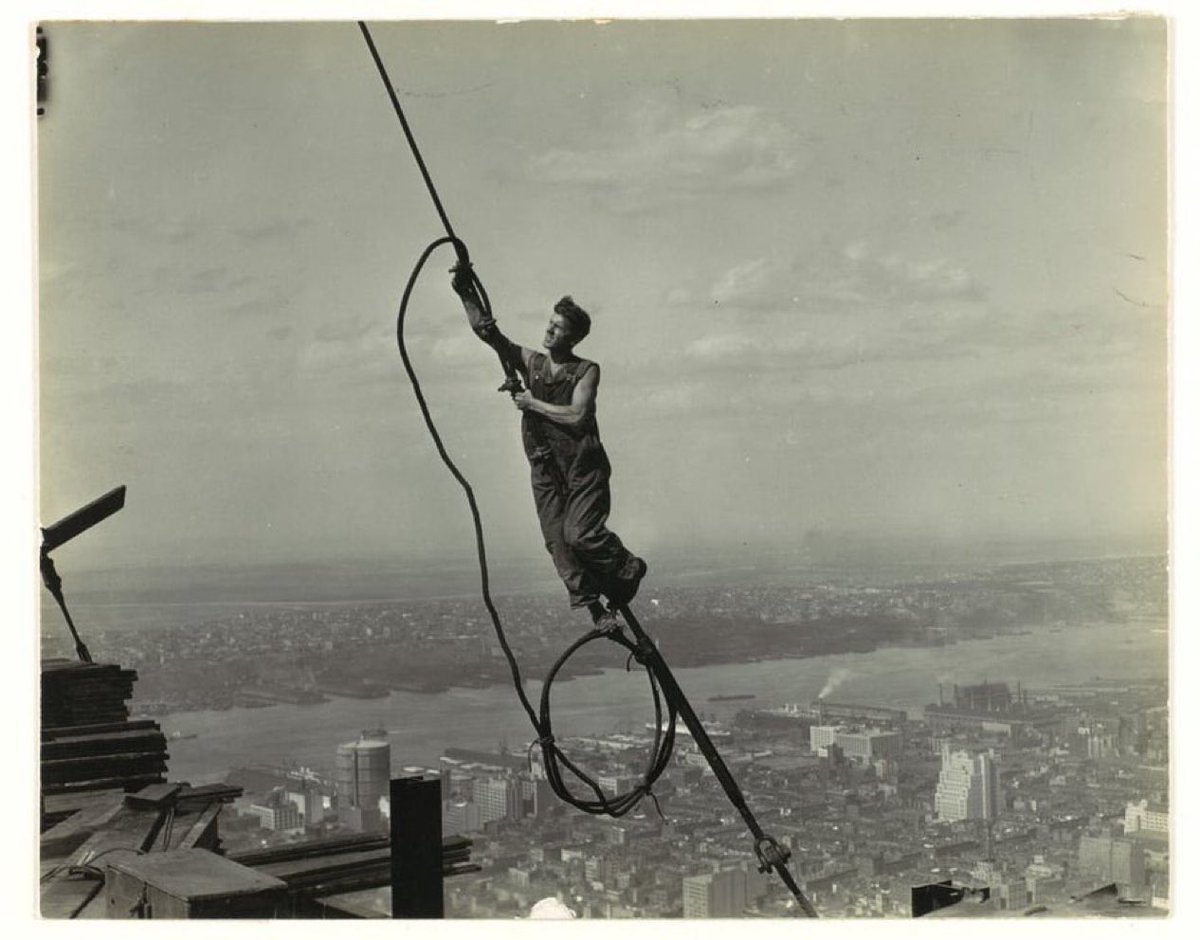
A cable worker during the construction of the Empire State Building in New York City.
1
10
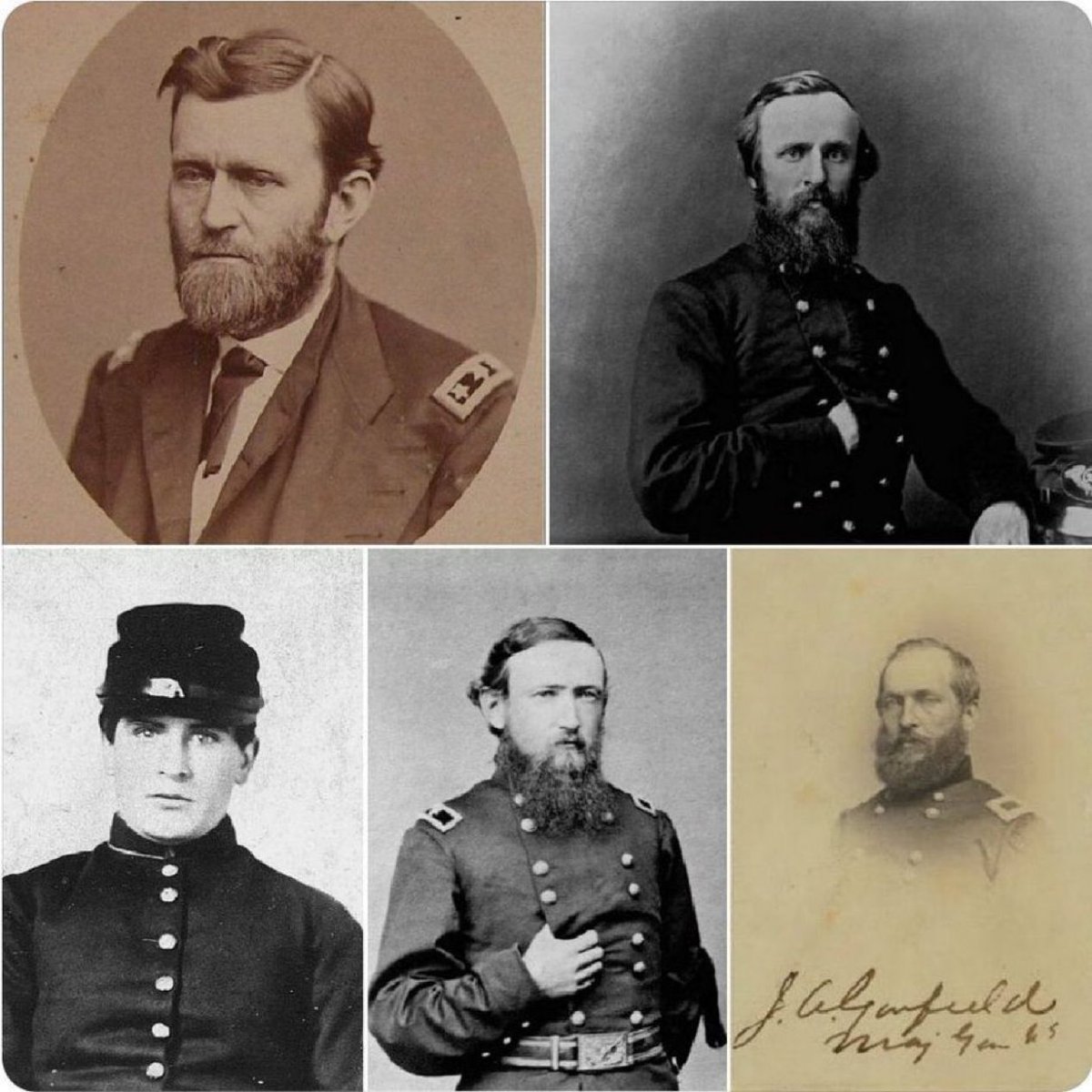
Five U.S. Presidents served in the Civil War. From top left to bottom right: Ulysses Grant, Rutherford Hayes, William McKinley, Benjamin Harrison, and James Garfield.
25
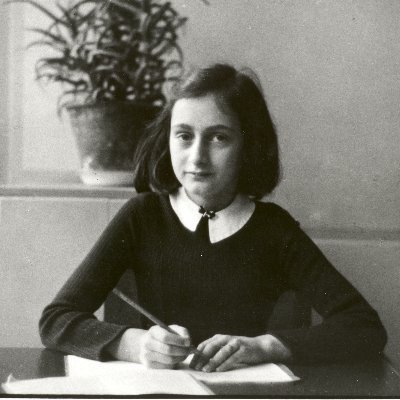
On June 12, 1942, Anne Frank received a diary for her 13th birthday while living in Amsterdam. What seemed like a simple birthday gift would later become one of the most important personal accounts of World War II.
Anne began writing in the diary almost immediately, recording her thoughts, daily experiences, and observations about life under Nazi occupation. Less than a month later, her family went into hiding to avoid persecution.
Over the next two years, Anne filled the diary with detailed entries about life in hiding, the challenges of war, and her hopes for the future. After her arrest in 1944, the diary was preserved by family friends.
Published after the war by her father, Otto Frank, Anne's diary has been translated into more than 70 languages and has sold millions of copies worldwide. Today, The Diary of a Young Girl remains one of the most influential firsthand accounts of the Holocaust, read by generations around the globe.
2
43
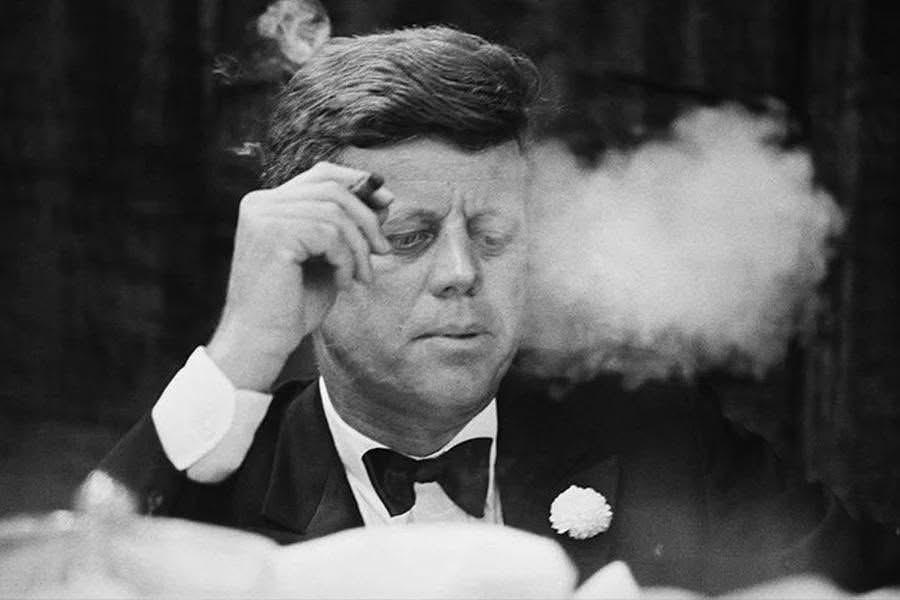
John F. Kennedy enjoys a cigar in 1962. According to a popular story, he ordered 1,200 Cuban cigars the day before signing the U.S. embargo on Cuba, which banned imports from the island.
1
1
10
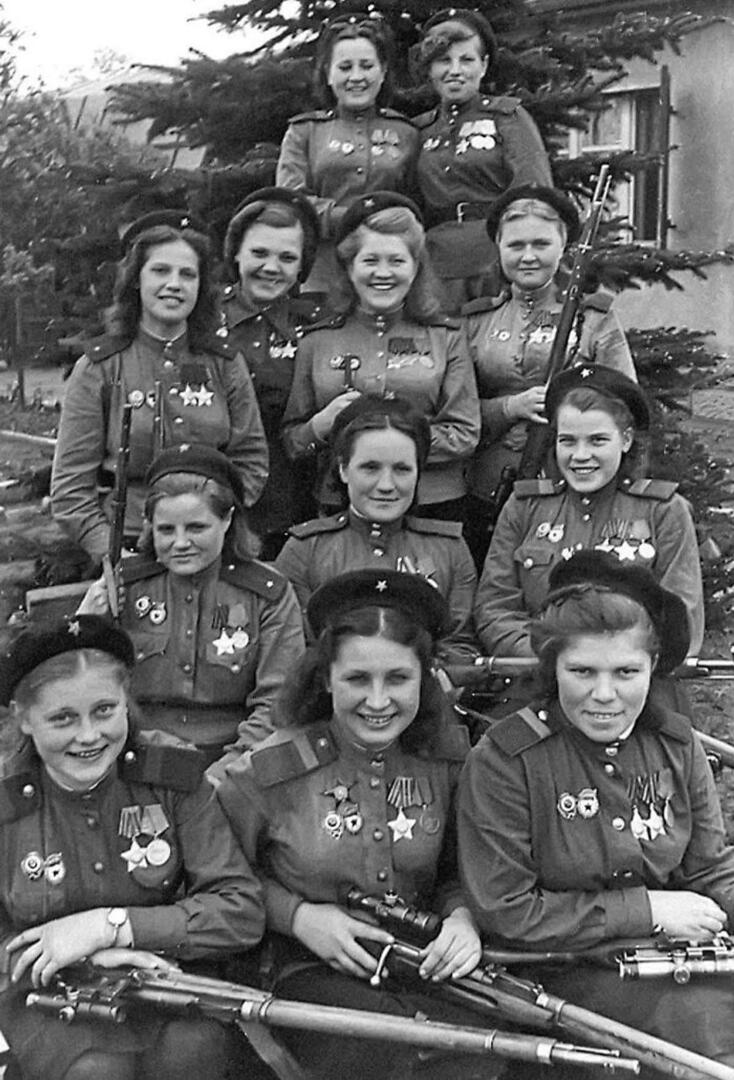
Female snipers of the Third Shock Army, 1st Belorussian Front, photographed in Germany in May, 1945.
1
10
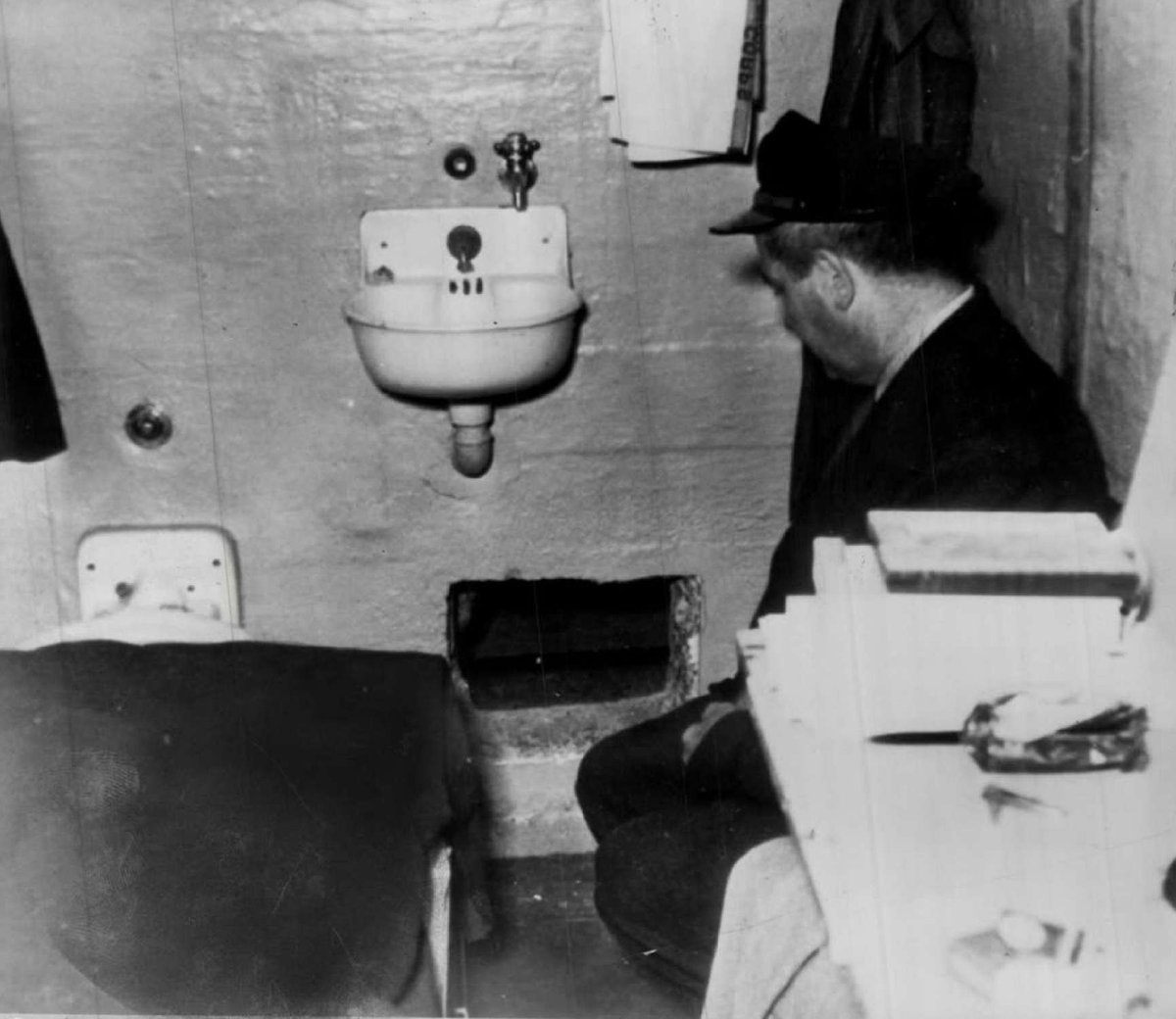
June 11, 1962, one of the most famous prison breaks in American history took place at Alcatraz, the maximum-security prison located on an island in San Francisco Bay. Inmates Frank Morris and brothers John and Clarence Anglin disappeared from their cells during the night, becoming the only prisoners ever to allegedly escape from Alcatraz.
The men spent months carefully planning their escape. Using improvised tools, they widened ventilation openings in their cells and created realistic dummy heads from soap, toilet paper, and paint to fool guards during nightly inspections. After slipping through the openings, they climbed to the prison roof and launched a makeshift raft made from more than 50 stolen raincoats.
When guards discovered the escape the next morning, a massive search was launched across the bay. No trace of the three men was ever conclusively found. The FBI investigated for 17 years before officially concluding that the escapees likely drowned in the cold, turbulent waters.
However, no bodies were ever recovered, and the mystery remains unsolved. The daring escape inspired books, documentaries, and the 1979 film Escape from Alcatraz, starring Clint Eastwood. More than six decades later, the fate of Frank Morris and the Anglin brothers continues to fascinate historians and true-crime enthusiasts alike.
1
1
52