
Fan of world changing technology. Miner, trader & hodler in that order since 2013.
Joined February 2014
- Tweets 7,181
- Following 322
- Followers 1,126
- Likes 2,679
208 Photos and videos


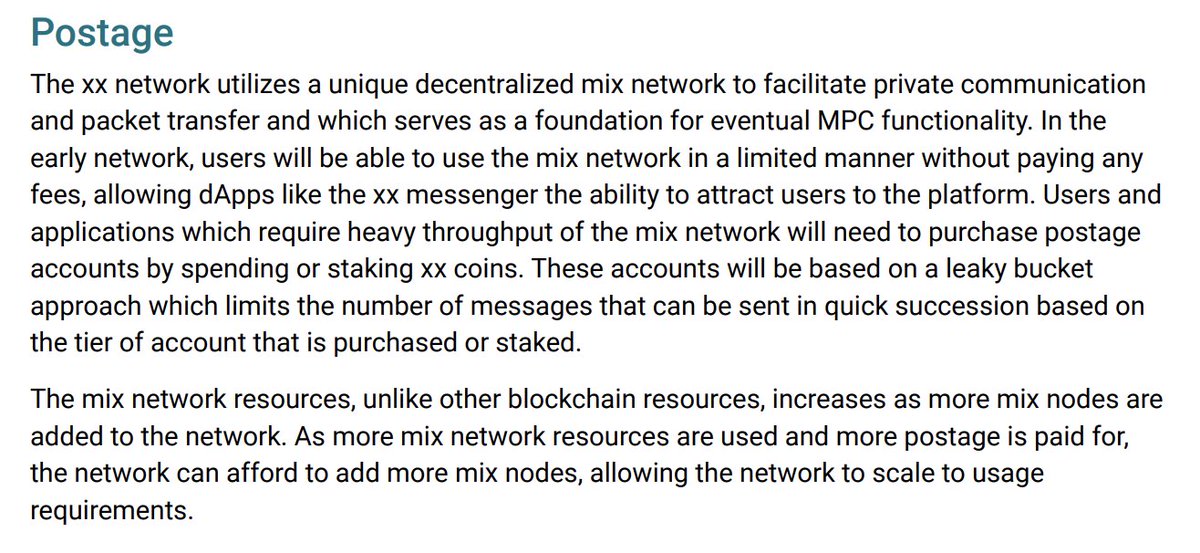

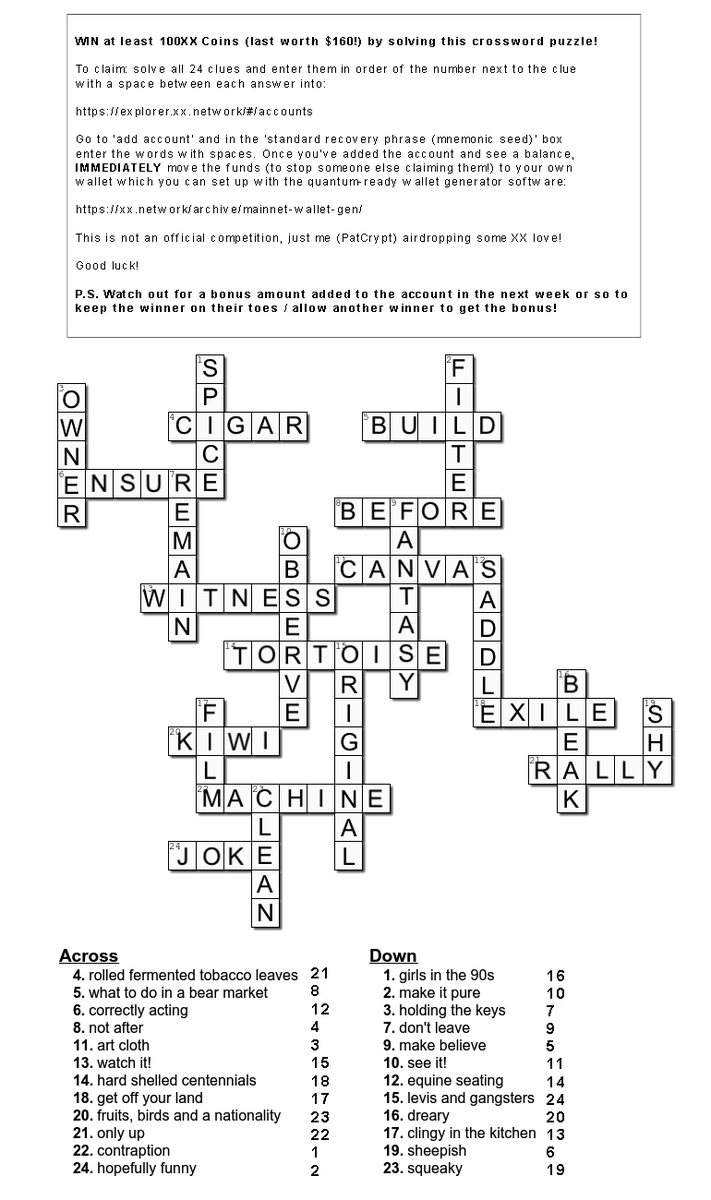
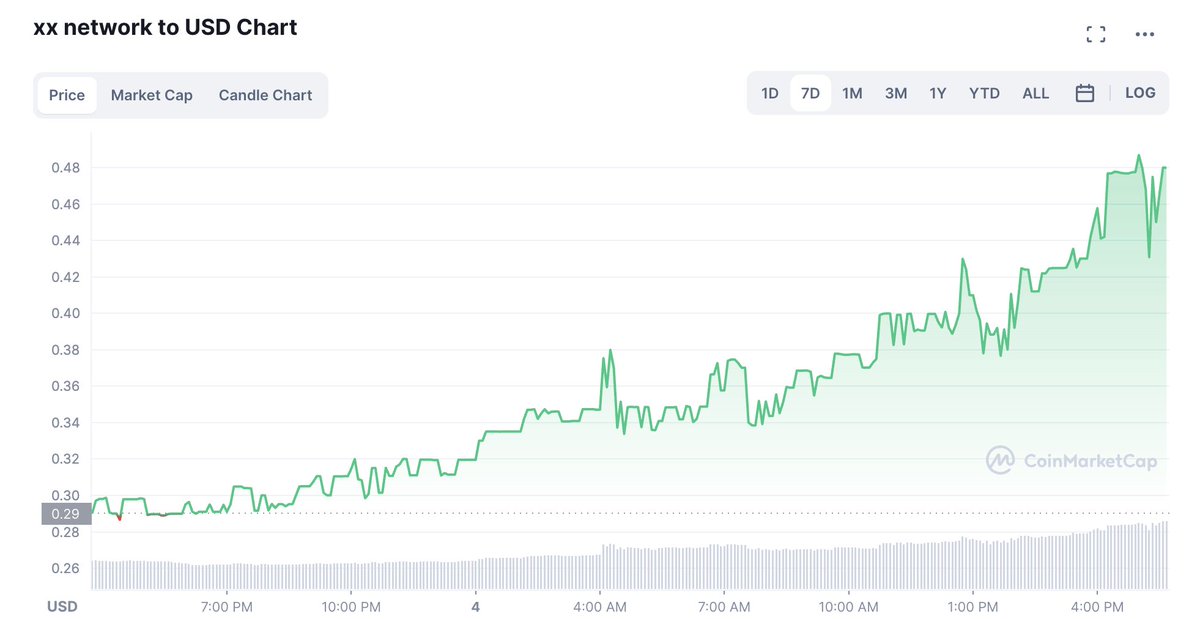
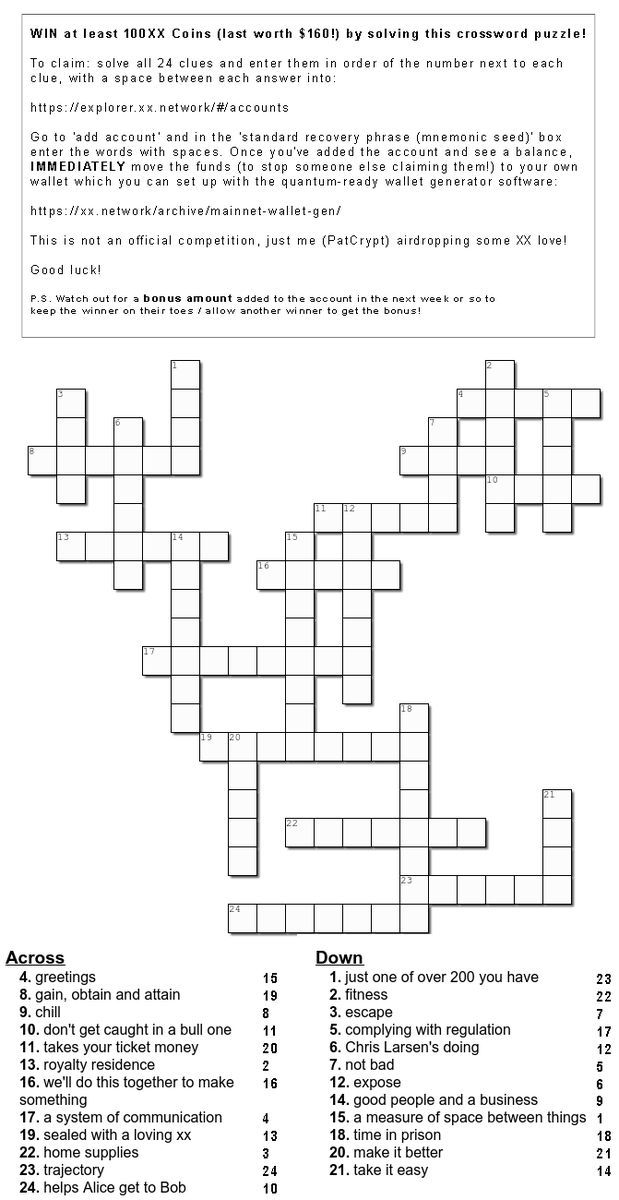

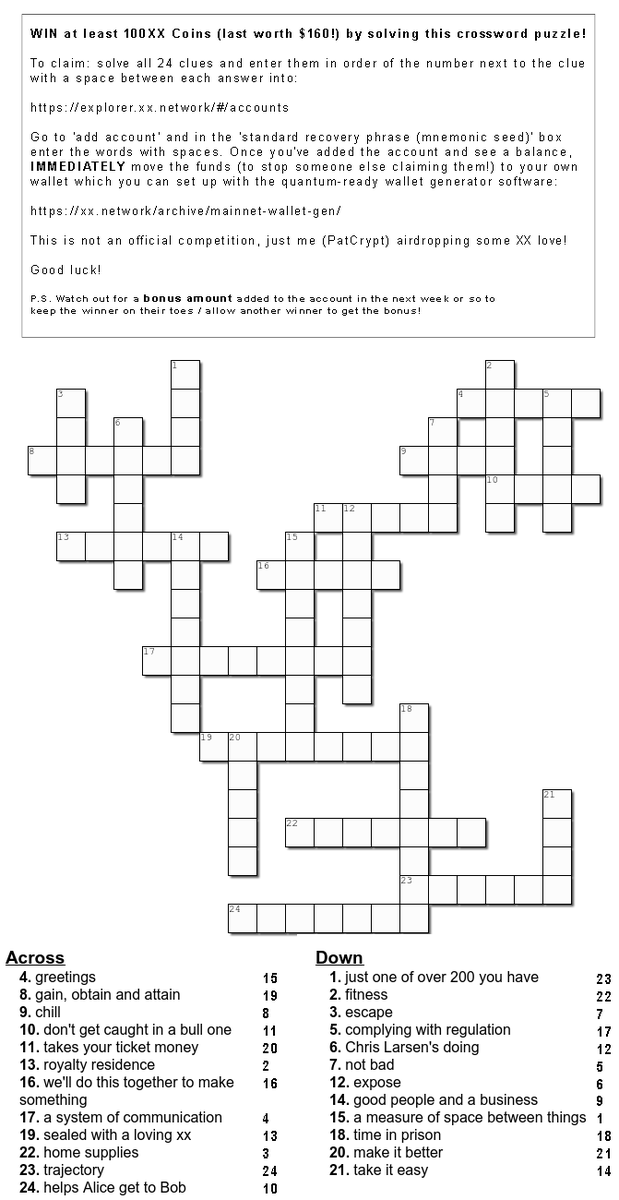

After 10 years of being involved in crypto I've finally created a website - go look! patcrypt.com
I've tried my best to bring together info about the project I love (XX) and there's a bit about me too if you fancy being nosey! Let me know what you think!
2
5
13
1,306
Pat retweeted

19 Nov 2025
🜁The xx Network joins forces with Nym.
VPN armor. Mixnet invisibility. Communication the surveillance machine can’t touch.
See what’s coming.
14
53
146
25,555

10
16
36
10,145
Confirmation bias is not just rife but embedded into all of crypto now. It's all noise. My hope is that the human spirit latches onto something that comes out of the noise and actually benefits us all, as was the original intention. It'll likely be years but I can't wait.
3
214
Pat retweeted
20 Feb 2025
The Quantum Doom Clock is ticking! ⏳
Stay updated on when quantum chips will crack encryption! Created by our very own @rcarback
Check it out: QuantumDoomClock.com
2
24
69
3,677
Pat retweeted

3 Oct 2024
Why does privacy matter? What are the best principled arguments for it? Where to set the boundary [i.e., when is it best to require that certain actions be more broadly known]?
My own answer to this bundle of questions isn't very good. I've read a few classic books, papers, and essays, but overall I'm not especially well read in the history of privacy. Some incomplete and poorly-digested thoughts:
Surveillance creates a flow of power from the one surveilled to the surveiller. Most crudely with threats ("we saw you do such-and-such an activity, now you must do as we say or we will disclose"), but perhaps moreso with predictive models (if you know how someone acts you can build a model that helps you manipulate them - this is the basic premise of surveillance capitalism, which now dominates advertising, and which you and I are currently co-participating in, as I write & you read)
In general, "the right to do things, provided they don't hurt others" [i.e., freedom] is one of the most important inventions in human history. And surveillance is often justified on the basis of preventing "hurt others" (good), but in practice used to prevent action against incumbent powers (bad), or simply things which busy-bodies don't like (also bad).
It's interesting how difficult I find that "right to do things, provided they don't hurt others". Instinctively, I feel it enormously strongly. But when I try to write out justifications they're insipid. It's like the principle is so vast I can only see tiny bits of it.
Anyway, curious if others have unusually powerful answers to these questions
34
20
189
46,710
Pat retweeted

13 Sep 2024
How to create perfect anonymous systems?
"Privacy can't be added on it, must be built in," by David Chaum @chaumdotcom
#privacy #cypherpunk #art

3
3
14
764
Pat retweeted
28 Jun 2024
Long waited, well deserved!
Big update is on the way🚀
patcrypt.com/xx-network-runt…
21
46
125
33,616
Some good Worldcoin grant projects building with that in mind, especially “Zanzibar”: worldcoin.org/wave0-grant-re…
Chaum’s legacy continues.
29 Mar 2024

IMO they actually have been doing quite a good job of taking the privacy critiques seriously and designing their system to be more and more data-minimal. Modern cryptography is truly amazing.
3
12
1,531
Pat retweeted

18 Mar 2024
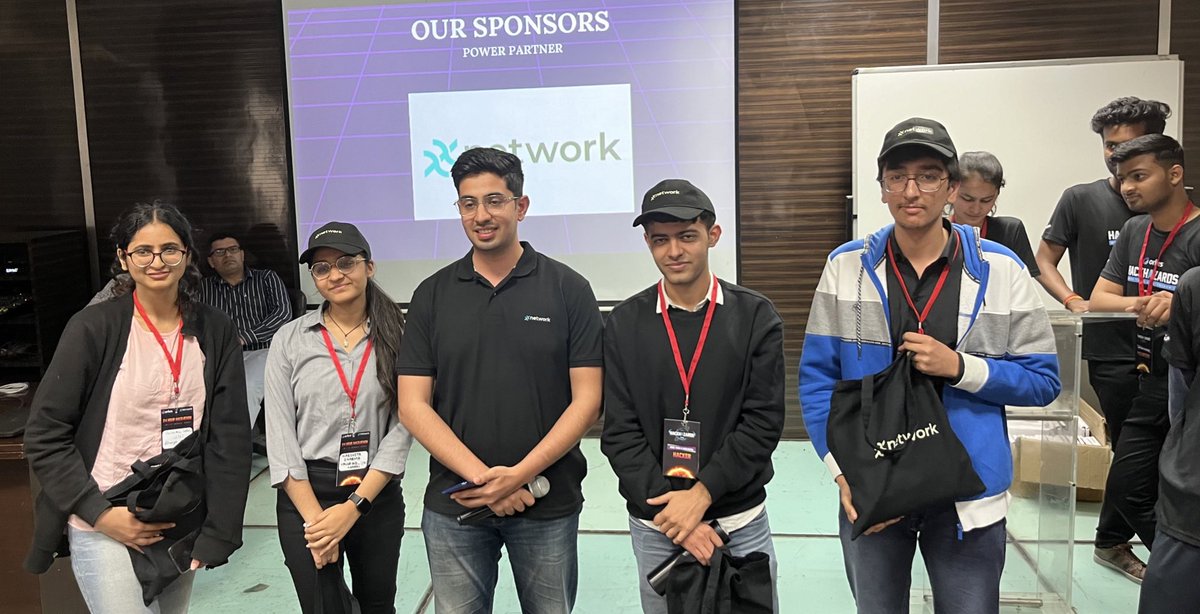
Congratulations to budding dev teams for @xx_network from the hackhazards hackathon organised at BPIT Delhi by nameSpace
Winners :
🥇Clash of Codes - 1250xx
🥈Tech Squad - 750 xx
🥉Valorous coders - 500xx
and goodies bags.
@rcarback @vipul19 @SidhantShr did amazing job 👏.


4
18
56
15,017
Pat retweeted

16 Mar 2024
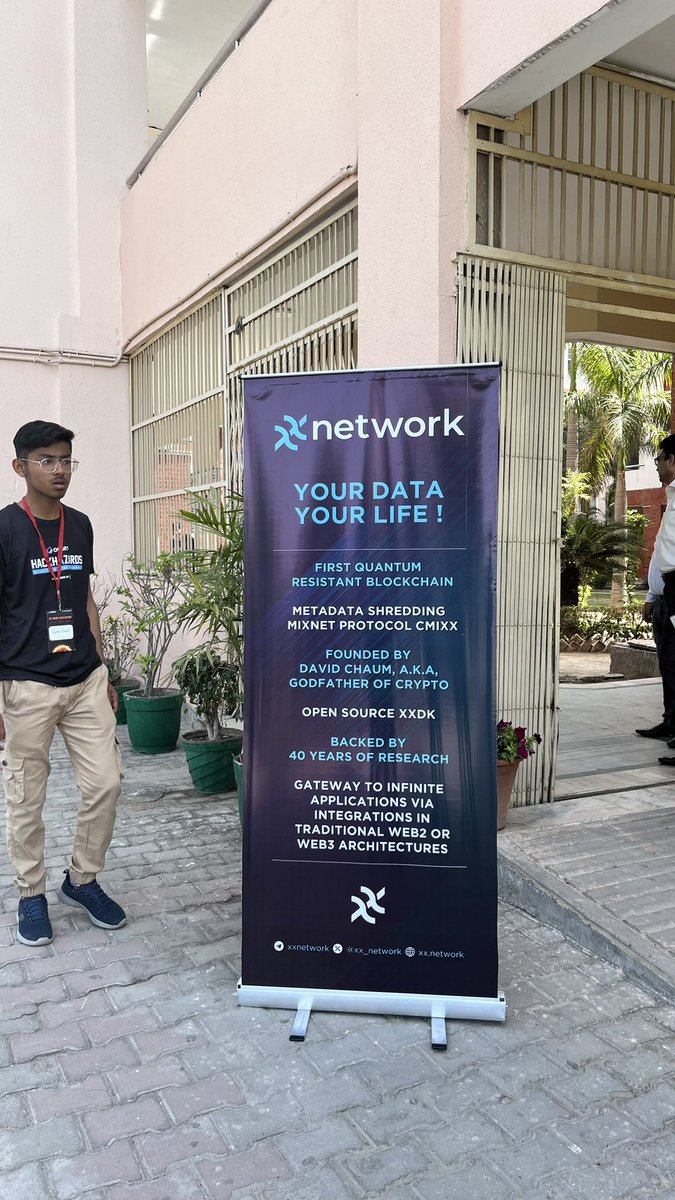
It is so exciting to see the energy at the campus amongst budding developers.
Shoutout to @SidhantShr official from @xx_network representing us amongst the #Buidler
Our handsome man👨💻
#hackhazard #BPIT #xx #Devcon
@rcarback @Flowertree_xx
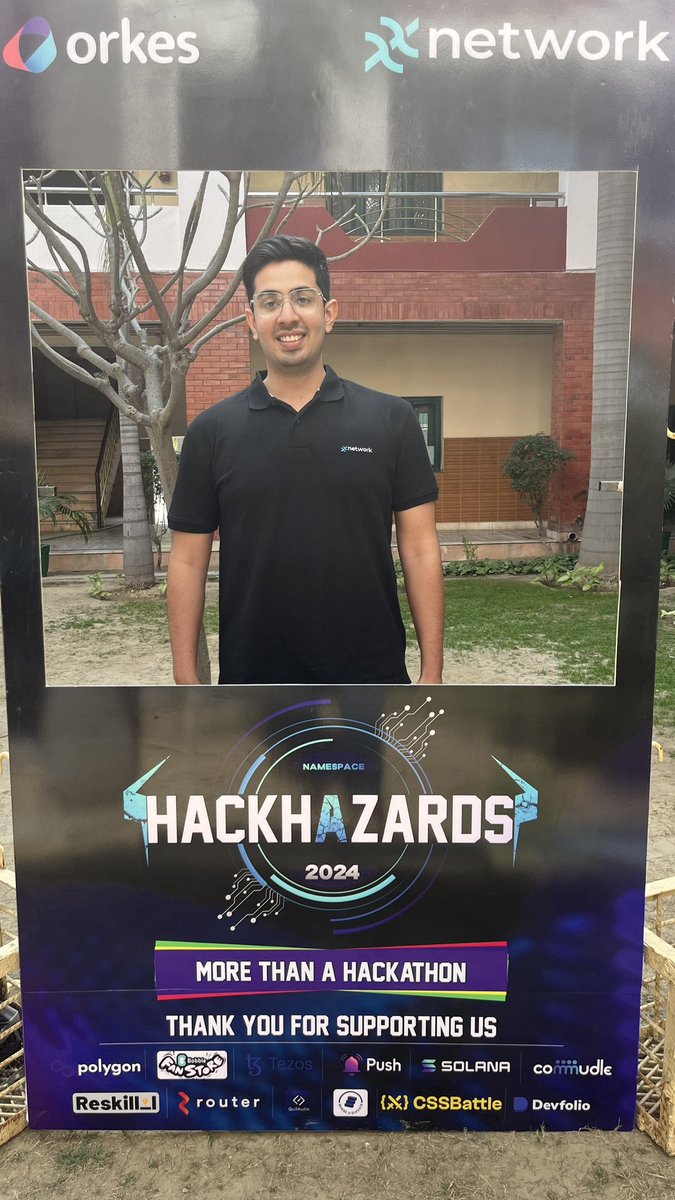
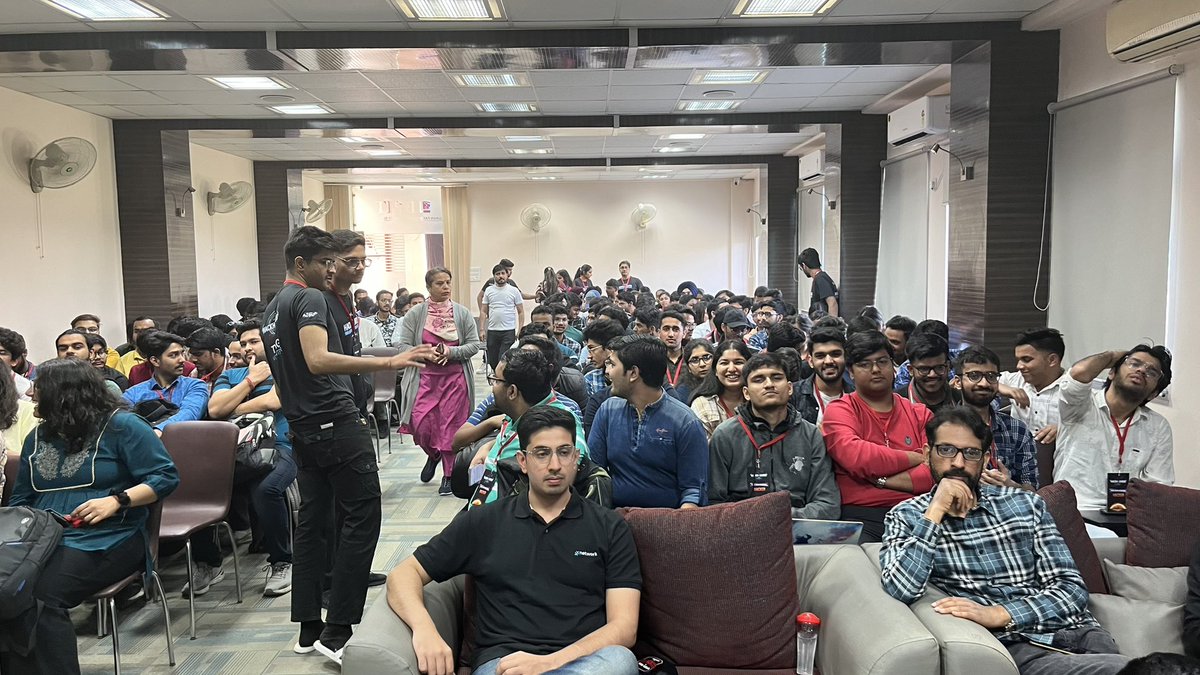
5
17
48
3,915

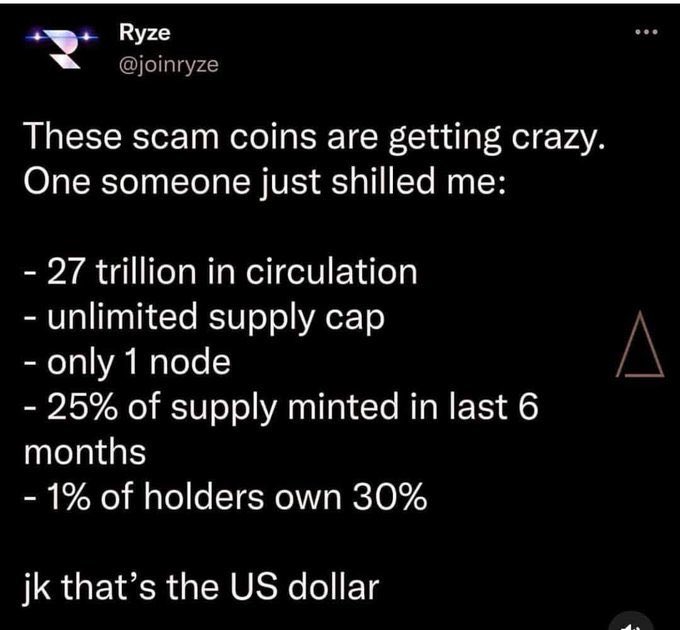
The problem with using AI for graphics is that you spend almost as much time choosing one you think is the best as it would take to make it in the first place. Or am I just particular? (First image, 2nd from the right FYI). There are 3 more screenshots I haven't included 🤪



1
2
187
David Chaum spoke at @DaysBlockchain this afternoon, and spoke of his work in privacy technology and why XX Network is central to his vision. Watch it here:
patcrypt.com/david-chaum-at-…
1
6
22
889
Pat retweeted

9 Mar 2024
I’m legit gonna lose my mind if people start praising Vitalik for “creating” something we introduced years ago…
9 Mar 2024

How to hard-fork to save most users' funds in a quantum emergency
By:
- vbuterin
🔗 ethresear.ch/t/18901
Highlights:
- Quantum computers could potentially break the security of Ethereum, making it possible to steal users' funds by reversing the encryption that protects private keys.
-The Ethereum blockchain can be updated (hard fork) to protect users' funds in the event of a quantum attack, requiring users to download new wallet software.
-Most users' private keys are generated through a series of hash calculations, which provides a foundation for creating a recovery mechanism.
-A proposed Ethereum Improvement Proposal (EIP) includes steps like reverting transactions after theft is detected, disabling traditional transactions, and introducing new transaction types for enhanced security.
-The use of STARK proofs for transactions allows for the secure transition of accounts to a quantum-resistant state, ensuring the safety of users' funds in a post-quantum world.
ELI5:
Imagine if bad guys got super powerful computers (quantum computers) that could easily break the security protecting our digital money (like Ethereum). This article talks about a plan to quickly update Ethereum to protect everyone's money by making a big change (hard fork) to how Ethereum works, so that these super computers can't steal from us.
6
14
34
4,236
Good to see @myaksetig keeping it real at the @IFCA_Conference - a whole different class of crypto folks in attendance there. Have fun!
5
200
Just created my 13th giveaway puzzle, unlucky for some perhaps but not for you if you piece together the words to steal 250xx ($40 ) from me. Have fun! patcrypt.com/xx-giveaway-puz…
1
3
251
A nice tie-up for XX with the privacy centric web3 Carbon Browser was announced yesterday.
patcrypt.com/xx-network-carb…
2
7
24
1,192
Pat retweeted

21 Feb 2024
🚀 Dive into echoexx.tech! 🌐
Welcome to a new era of privacy! echoexx.tech is where your messages stay yours, period. Think of it like sending a letter that only the right person can open. No peeks, no leaks. #echoexxTech #PrivacyFirst
1/5
6
42
89
13,102
I spoke (doxed my voice for the first time in 10 years 🤪) to @myaksetig about the upcoming XX Network & Worldcoin development projects that they were recently awarded grants for. Check it out!
patcrypt.com/worldcoin-xx-ne…
5
7
26
1,814