Wife, Mother of wonderful Sons, Retired Army Soldier, 🇺🇸 Ohio First Candidate for 12th Dist State Rep (Pick Patty for Pickaway, Madison, W Franklin)
Joined December 2022
- Tweets 762
- Following 161
- Followers 228
- Likes 657
34 Photos and videos
Pinned Tweet
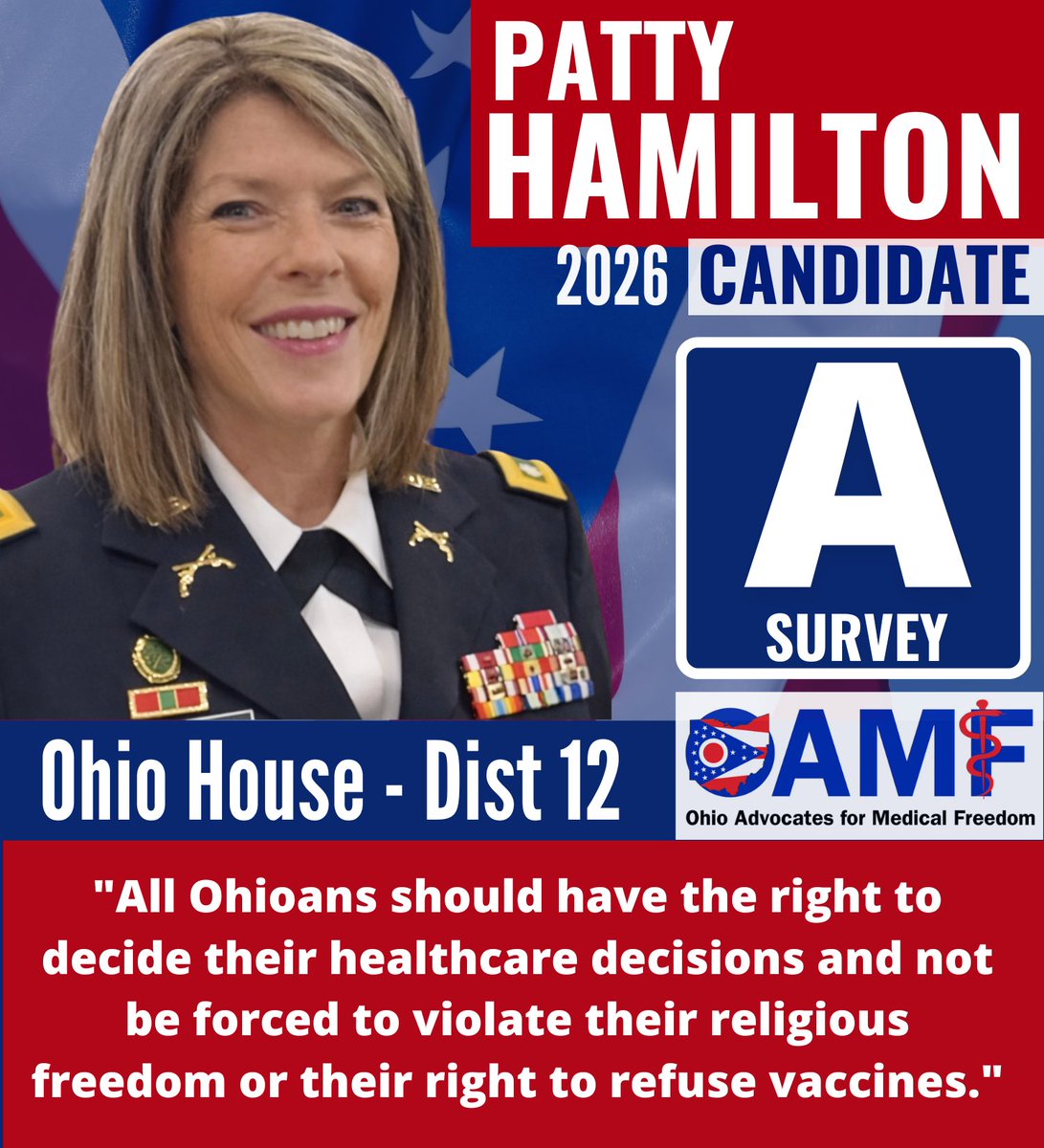
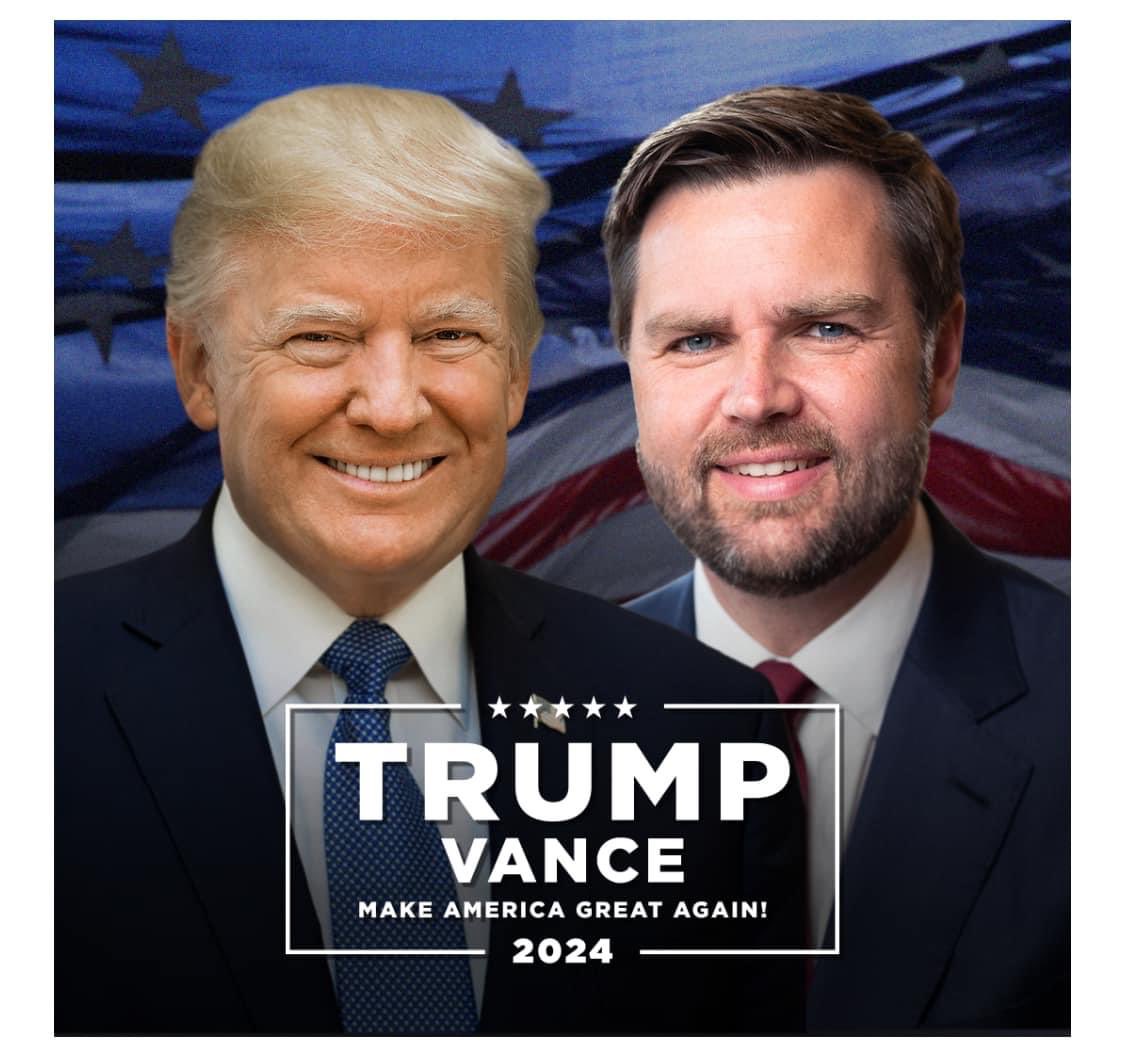
I am honored to be endorsed by Ohio Advocates for Medical Freedom
1
4
199

OAMF gave testimony yesterday to the Data Center Study Commission during the public comment hearing and the follow up questions from Senators Chavez and Wilken and Rep. Holmes.
Watch to the end to see the added clips showing the previous statements from the Director of the Ohio EPA that were referenced in OAMF’s testimony.
@OAMFStephanie @OhioMAHACaucus @jenniferforrep @DJSwearingenOH @RenzTom @StrictSpeaking @ClevelandRTL @OhioGunOwners @OhioSenateGOP @OHRGOPCaucus @KimGeorgeton @marcellstrbich @pettypodcast1 @action_ohio
4
23
44
7,043
Patty Hamilton retweeted

Jun 1
What??
Jun 1

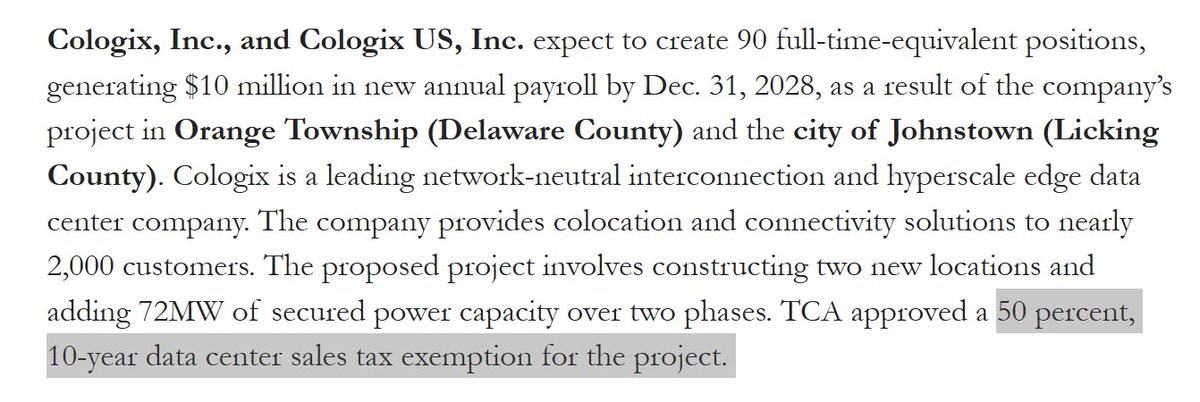
Last week Governor DeWine announced he was "pausing" any new data center tax breaks.
Today his office sent out a release announcing a new data center tax break.
Word is they set the "pause" to be effective today at noon today, just in time to sneak out one more giveaway.
3
9
15
894
Patty Hamilton retweeted

May 14
Are you buying the 'marketing' claim that Ohio HB 126 gives data centers 'immunity' from consumer & community protections?
40%
Yes
25%
No
35%
Unsure
0%
Other (see comments)
20 votes • Final results
8
1
3
1,329
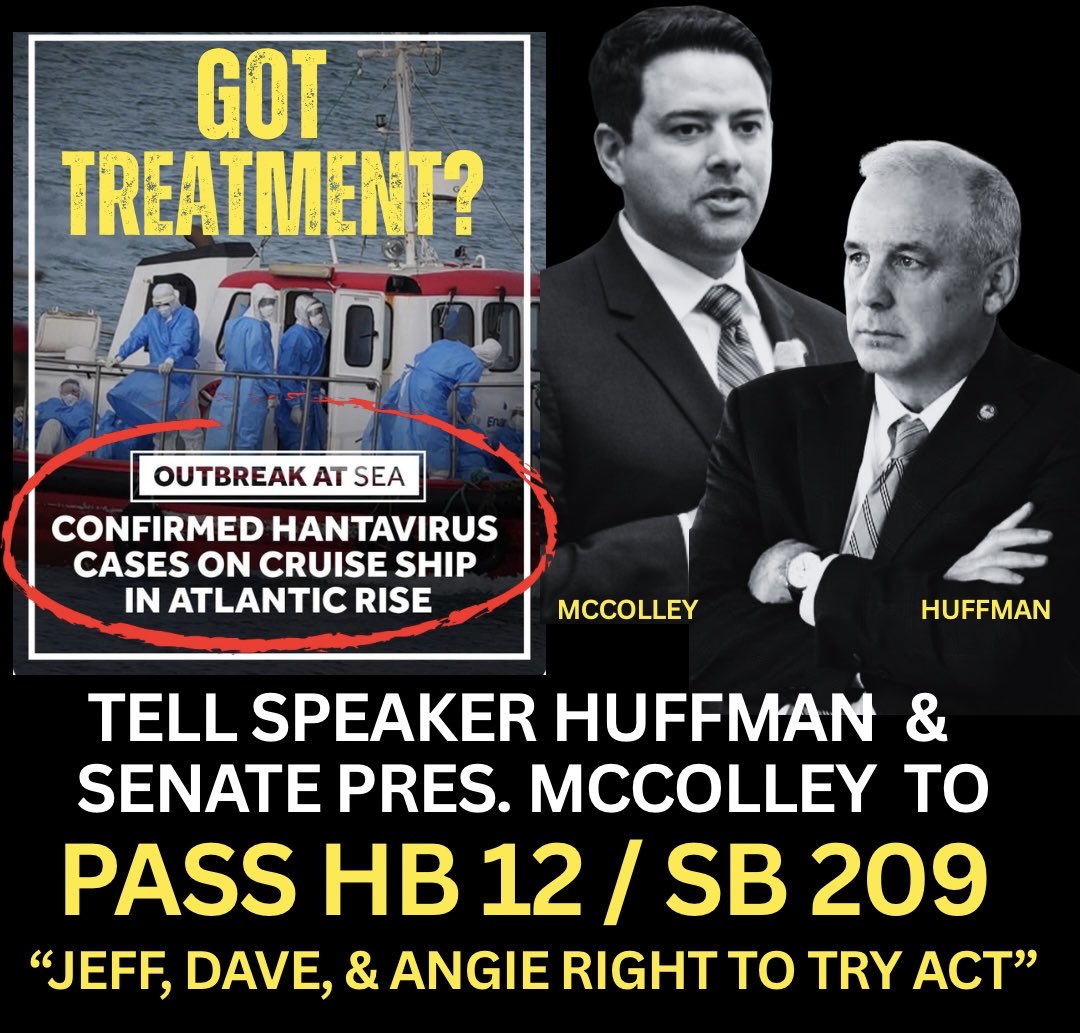
Ask your doctor if a 35% death rate from pulmonary Hantavirus syndrome is right for YOU!
There are no confirmed treatments currently available for Hantavirus. Since House Speaker Huffman and Senate President McColley have REFUSED to CALL the VOTE on HB 12 “Right to Try” or to MOVE it’s companion bill, SB 209, when a possible treatment is found, it will likely be blocked by the OH pharmacy and medical boards and your local pharmacist.
OAMF’s Right to Try legislation was written 3 1/2 years ago and passed the House in June 2023… only to be killed by Matt Huffman at the end of 2024 and then blocked by him again this General Assembly.
Since any effective off-label treatment options are likely to be refused to us, it will guarantee that an Emergency Use Authorized mRNA vaccine will arrive at the height of the outbreak and ensure that your employer will mandate it for you to continue to get a paycheck.
You COULD have Conscientious Right to Refuse legislation in place to protect you against these tyrannical mandates, but Speaker Matt Huffman is refusing to allow that bill to pass also!
‼️CONTACT‼️
SPEAKER HUFFMAN
📫Rep78@ohiohouse.gov
and
SENATE PRESIDENT MCCOLLEY:
📪 Mccolley@ohiosenate.gov TODAY!
Tell them the blood of their Republican voters will be on THEIR hands if they fail to pass HB 12/ SB 209 “Right 2 Try Act” before the next Plan*demic strikes Ohio!
————————————
“Hantavirus Pulmonary Syndrome (HPS): Predominant in North and South America. It has a high mortality rate, with approximately 30–50% of infected individuals dying from severe respiratory failure. In the U.S., about 35% of laboratory-confirmed HPS cases are fatal.” @matthuffman1 @Rob_McColley @OHRGOPCaucus @OVoters48616 @RenzTom @StrictSpeaking @jenniferforrep @DJSwearingenOH @Lear4Liberty @barhorstforohio @ThomasMHern @JayEdwardsOhio @JDVance @JRMajewski @ClevelandRTL @OCAPresident @BusyDrT @berniemoreno @AlCutrona @OhioMAHACaucus @OhioGunOwners @VivekGRamaswamy @marcellstrbich @DannoActon @JackPosobiec @MaryBowdenMD @texfischer
8
38
65
8,805
Patty Hamilton retweeted

Apr 15
A new poll of 3,851 U.S. adults conducted by Public First revealed significant concerns about vaccines risks. Key findings are as follows:
—”Do you support or oppose the following?: Reducing how many vaccines Americans receive"=A plurality of 41% support or strongly support this proposition.
—”Which of the following comes closest to your view?: The science on vaccines is clear... | The facts on vaccines are still up for debate...” = A plurality of 46% believe that vaccine facts are still up for debate and that enforcing uptake is damaging.
—”Which of the following comes closest to your view?: Parents should be the final decision makers... | The government and medical experts should be able to mandate...” = A plurality of 47% believe parents should be the final decision makers regarding their children’s health.
—”Which of the following comes closest to your view?: The government should prioritize the collective health... | The government should prioritize individuals’ freedom...” = A plurality of 47% believe the government should prioritize individual freedom of choice, even if it risks collective health.
—"When it comes to vaccines, would you say the government’s role is to..." = A plurality of 41% believe the government should provide advice and information but leave the final behavior to individuals.
While not as consistent as a recent poll on medical freedom conducted by John Zogby Strategies, the majority of questions in the Public First poll nevertheless showed support for health freedom.
NIH-funded researchers at Boise State, and New York University developed “a non-invasive brain stimulation method called Transcranial Radio Frequency Stimulation, which could enable deep brain neuromodulation without requiring surgery.”
According to an NIH statement, “This approach could be used to treat people worldwide who suffer from neurological and psychiatric disorders, including Alzheimer’s disease, Parkinson’s disease, depression and autism spectrum disorder.”
USF Health in Tampa has become the latest medical school to commit to HSS recommendations for teaching nutrition to future physicians.
On a related subject, Secretary Kennedy released the following statement, “Last month members of the Teaching Kitchen Collaborative joined me at HHS for a cooking demo that gave medical students hands-on experience preparing meals that heal. From the classroom to the kitchen table, the new Dietary Guidelines for Americans are changing the way we think about food.”
Assistant Secretary for the Administration for Children and Families (ACF) Alex Adams highlighted the growing support for the “A Home for Every Child” foster care initiative during a Newsmax interview. Adams noted that 14 states and Washington, D.C., have already joined the program, underscoring its strong bipartisan appeal.
Secretary Kennedy released a statement in support of Camelback Recovery, an addiction treatment facility in Arizona. According to the HHS Secretary, “I visited Camelback Recovery in Peoria, Arizona, to see firsthand how they support long-term, sustained recovery. Their outcome-based model focuses on prevention, accountability, and whole-person care, connecting individuals to housing, treatment, and ongoing support. “
According to Senator Ron Johnson (R-WI), “We determined that they [vaccine companies] had found a signal for myocarditis pretty early in 2021 and told nobody about it… They also detected a signal week after week after week for ischemic stroke in people over 65.” The Senator added that this information was suppressed by Biden administration officials.
2
4
319
Patty Hamilton retweeted
Apr 17
President Trump nominated Dr. Erica Schwartz to be the next CDC Director.
According to the Persident, “I am pleased to announce the new leadership of the Centers for Disease Control and Prevention (CDC). It is my Honor to nominate the incredibly talented Dr. Erica Schwartz, MD, JD, MPH, as my Director of the CDC. Erica graduated from Brown University for College and Medical School, and served a distinguished career as a Doctor of Medicine in the United States Military, the Greatest and Most Powerful Force in the World, and then served as my Deputy Surgeon General during my First Term. She is a STAR! I am also pleased to announce the appointment of Sean Slovenski as the CDC Deputy Director and Chief Operating Officer, Dr. Jennifer Shuford, MD, MPH, as the CDC Deputy Director and Chief Medical Officer, and Dr. Sara Brenner, MD, MPH, as Senior Counselor for Public Health to Secretary Robert F. Kennedy, Jr.”
Commenting on the nomination, Secretary Kennedy said, “Thank you, President Trump, for nominating Dr. Erica Schwartz to serve as CDC Director. I congratulate Dr. Schwartz and the new CDC leadership team. I look forward to working together to restore trust, accountability, and scientific integrity at the CDCso we can return it to its core mission and Make America Healthy Again.”
Secretary Kennedy testified before the House Ways and Means Committee. During the marathon hearing, the HHS Secretary defended budget cuts, stating that HHS and particularly, CDC were running bloated budgets which empowered bureaucracy at the expense of prioritizing the fight against chronic disease.
Addressing the Ways and Means Committee, the HHS Secretary noted: “For too long, the agencies meant to protect us have become the marketing arms of the industries they are supposed to regulate. We are going to turn the lights back on and restore the gold standard of science at the CDC and FDA.”
Kennedy argued that the current $4 trillion healthcare industry is incentivized to maintain a sick population rather than a healthy one. He suggested that a reprioritized budget—one emphasizing prevention, nutrition, and transparency—serves public health goals far better than a bloated budget that has presided over declining public health. He also said that these goals are nonpartisan and serve the interests of all Americans.
Regarding foster care reform, the HHS Secretary criticized the Biden administration for anti-Christian bias, saying, “They [the Biden administration] excluded an entire class of people because of their religious beliefs. They told states to pass laws refusing families with certain (mainly Christian) beliefs the right to care for children.”
HHS released the following statement about President Trump’s proposed “Great Healthcare Plan.” According to HHS, “The Great Healthcare Plan funds a cost-sharing program for health care plans that would save taxpayers around $36 billion and reduce the most common Obamacare plan premiums by over 10%, according to the Congressional Budget Office.”
FDA Commissioner Dr. Marty Makary and HHS Assistant Secretary Admiral Brian Christine made a statement about new treatments for men with low testosterone. According to Admiral Christine, “For years, men dealing with low testosterone without a specific known cause—and that’s a condition called idiopathic hypogonadism—have had limited options for treating symptoms like low libido. And that’s because FDA-approved testosterone therapy products have been restricted to a really small subset of men with low T.”
Dr. Makary added, “Today, the FDA is taking a strong step to make treatment options more accessible to men with symptomatic low T. We're encouraging companies currently approved with TRT products to contact the FDA about expanding their product labels to include this broader set of men with low T and symptoms.”
he FDA also announced that in Dr. Makary’s first year leading the agency, approvals for new treatments were exponentially higher than under his recent predecessors.
HHS announced the “2026 KidneyX EMPOWER Prize Challenge, a $4 million national competition to accelerate innovation supporting living kidney donors and patients who depend on them.” In an official statement, HHS added, “To further enhance nephrology care, HHS will also support data standardization and health information technology improvements across the kidney care ecosystem. The challenge will be run through the Kidney Innovation Accelerator (KidneyX).”
1
1
1
361
Patty Hamilton retweeted

Apr 8
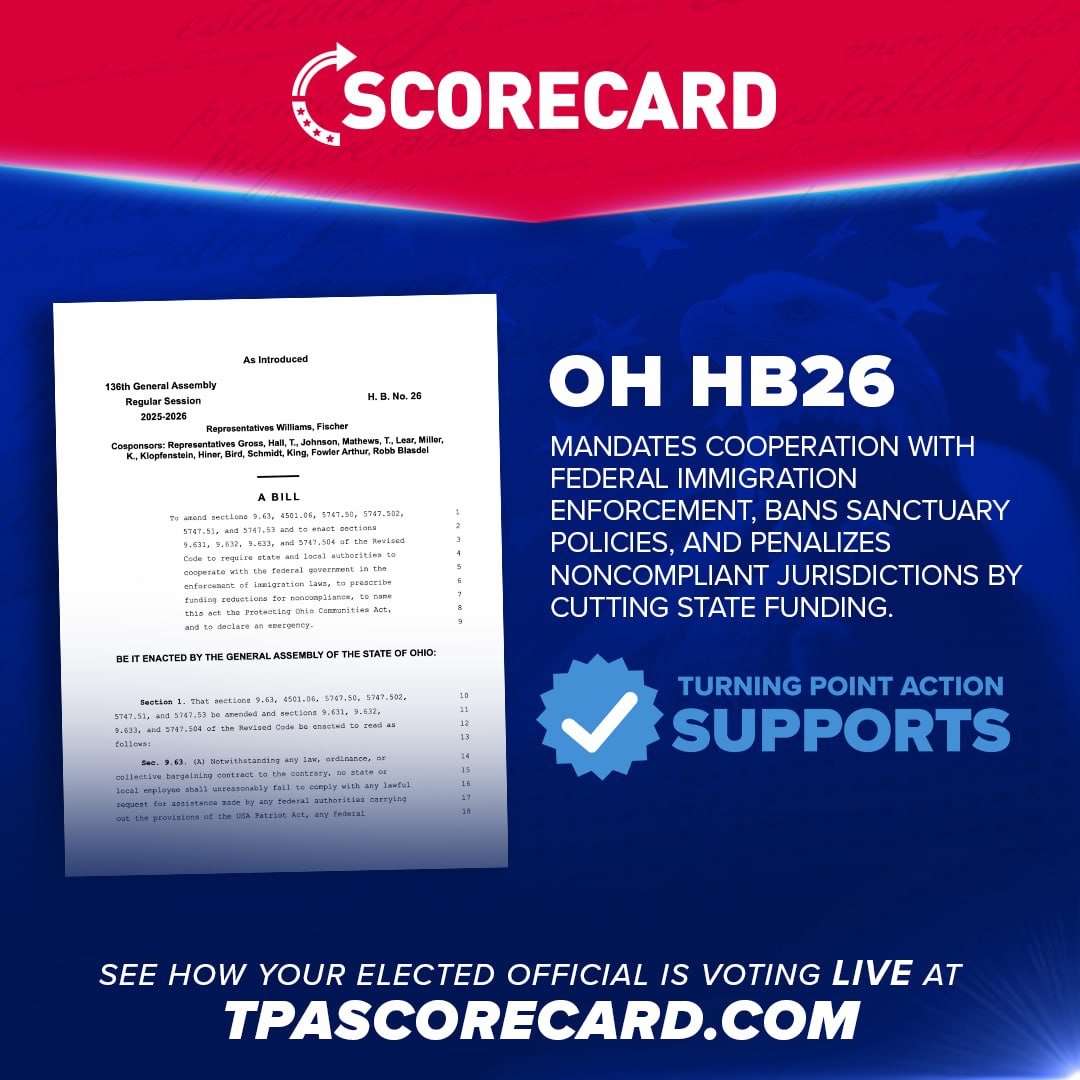
Turning Point Action 𝑺𝑼𝑷𝑷𝑶𝑹𝑻𝑺 Ohio House Bill 26!
HB26 mandates local cooperation with federal immigration enforcement, bans sanctuary policies, and protects Ohio tax dollars from funding jurisdictions that refuse to enforce immigration law.
Thank you to @JoshWilliamsOH and @texfischer for leading the charge to defend Ohio communities!
2
27
95
47,706
Patty Hamilton retweeted
Apr 8
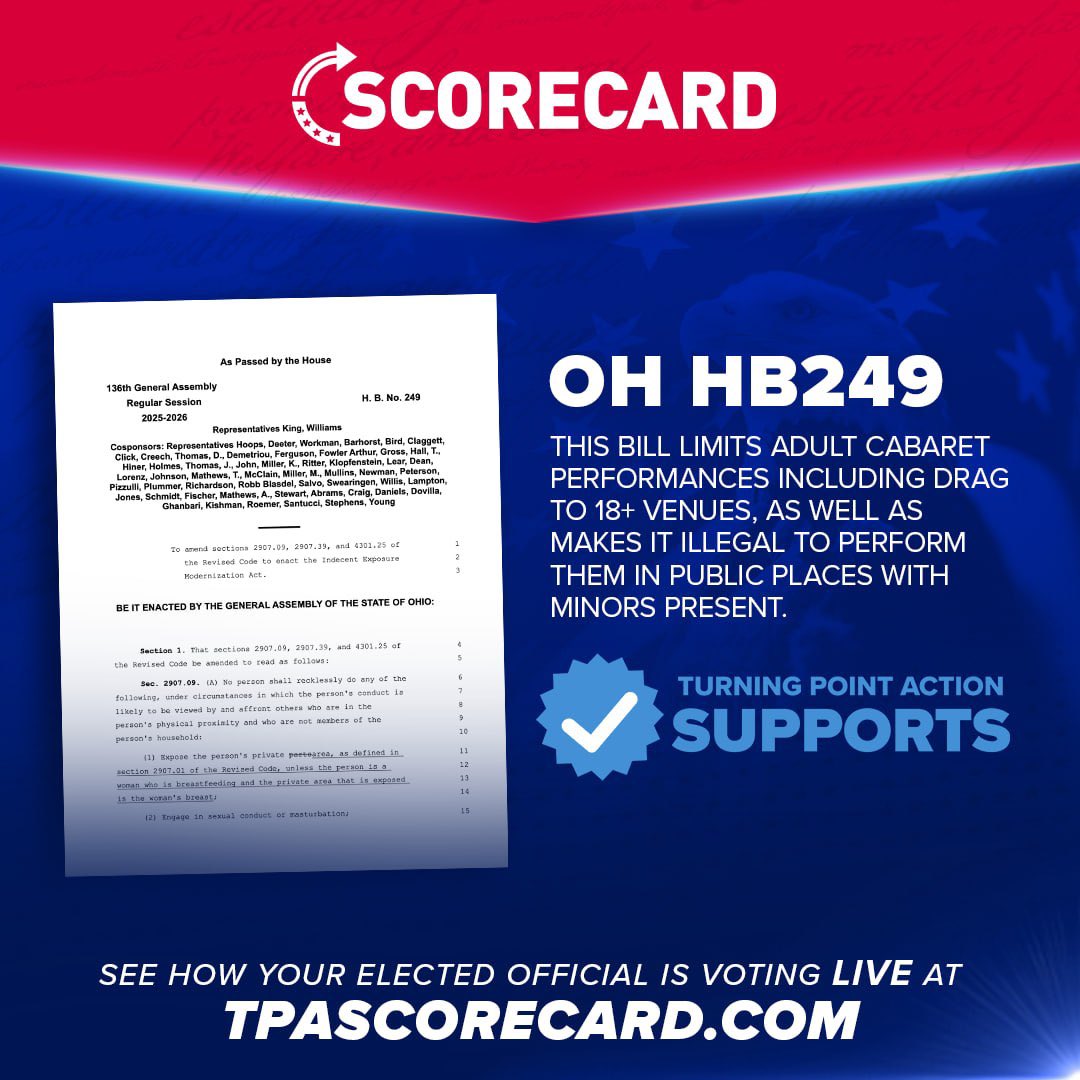
Turning Point Action 𝑺𝑼𝑷𝑷𝑶𝑹𝑻𝑺 Ohio House Bill 249!
HB249 keeps drag shows in 18 venues where they belong and away from children.
Thank you to @JoshWilliamsOH and @AngieNadineKing for protecting kids!
8
38
3,940
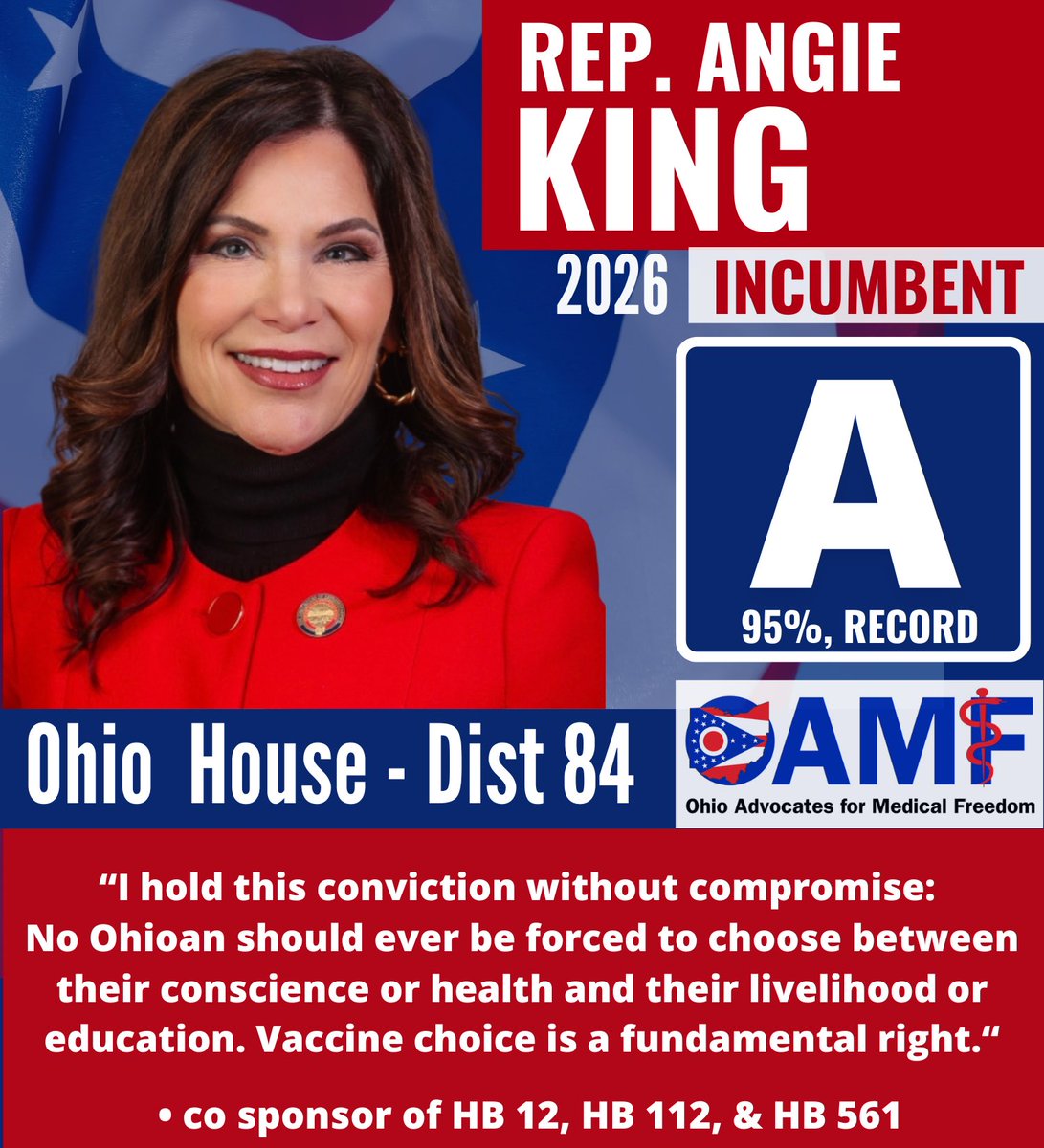
Candidate: Rep. Angie King
Office: Ohio House
District: 84
OAMF Rating: 95% , (Record)
——Rating Information——-
Incumbent ratings are based on medical freedom voting record, sponsorship and co-sponsorship of medical freedom legislation, including legislation that protects children from medical harm as well as their survey answers, public or email commentary on medical freedom issues, and any work done behind the scenes with house/senate members to advocate for or against OAMF supported legislation. Only incumbents can recieve an A , because they have a verifiable record.
Candidate ratings are based on survey answers, public commentary on medical freedom issues, and the public support or promotion of OAMF supported legislation. Candidates do not have a voting record yet, so the highest rating they can receive is an A.
When our full 2026 Primary OAMF VOTER GUIDE becomes available, you can find it at: ohioamf.org/elections. ___ @AngieNadineKing
3
4
175
Patty Hamilton retweeted
Apr 8
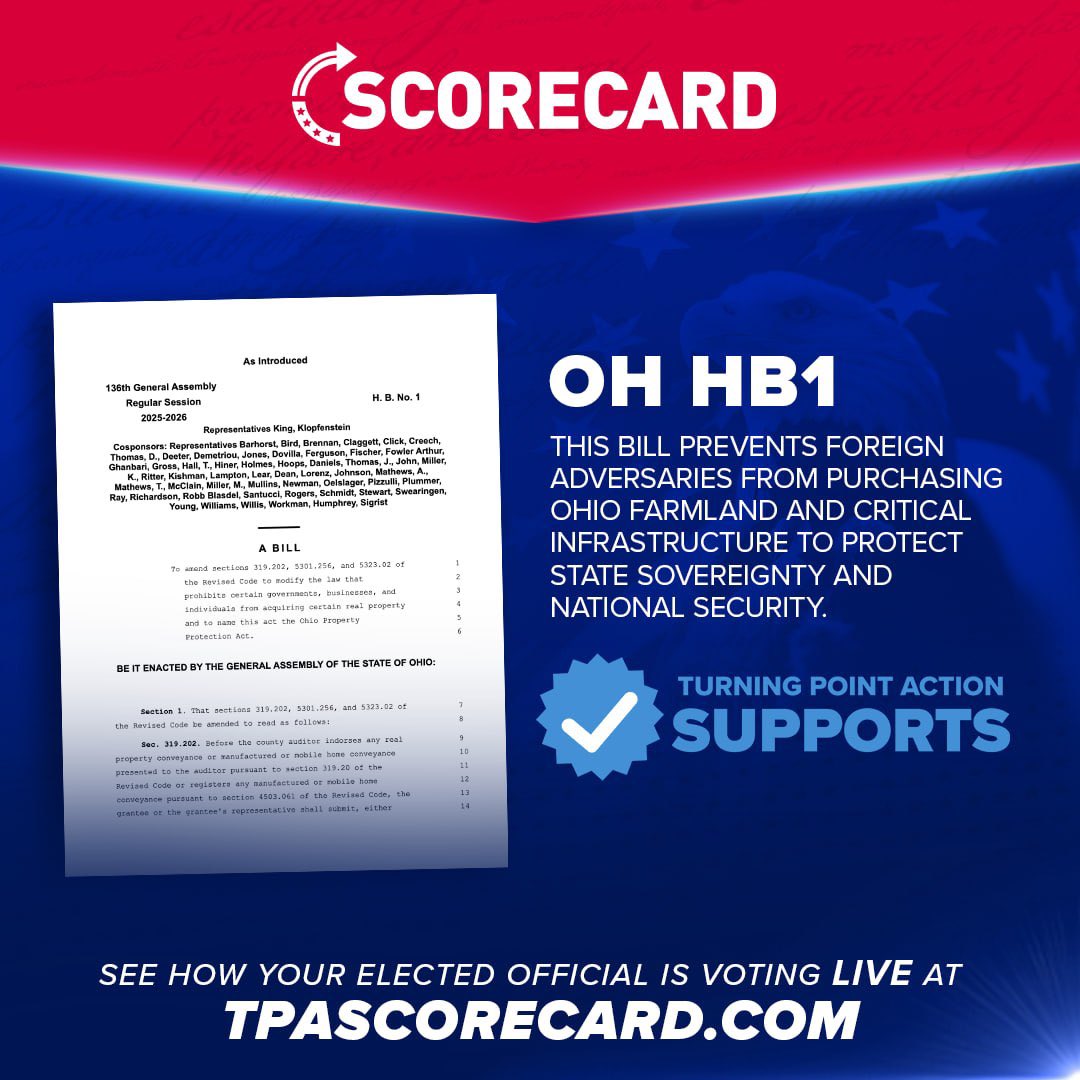
Turning Point Action 𝑺𝑼𝑷𝑷𝑶𝑹𝑻𝑺 Ohio House Bill 1!
HB1 is a crucial bill to prevent foreign adversaries like China from purchasing Ohio’s farmland and critical infrastructure.
Thank you @AngieNadineKing for leading the charge to protect Ohioans!
3
5
28
1,121
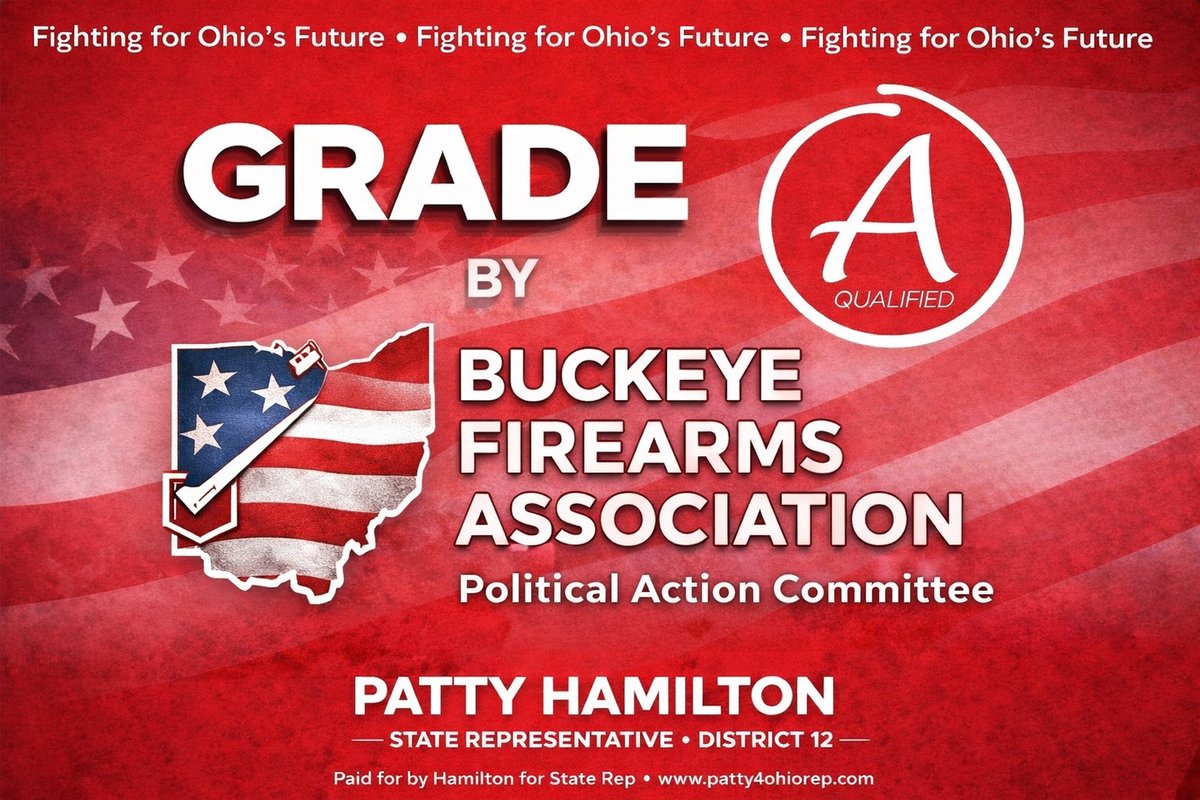
I am honored to receive an A rating from Buckeye Firearms Assistant for my strong 2nd amendment stance.
1
33

Mar 22
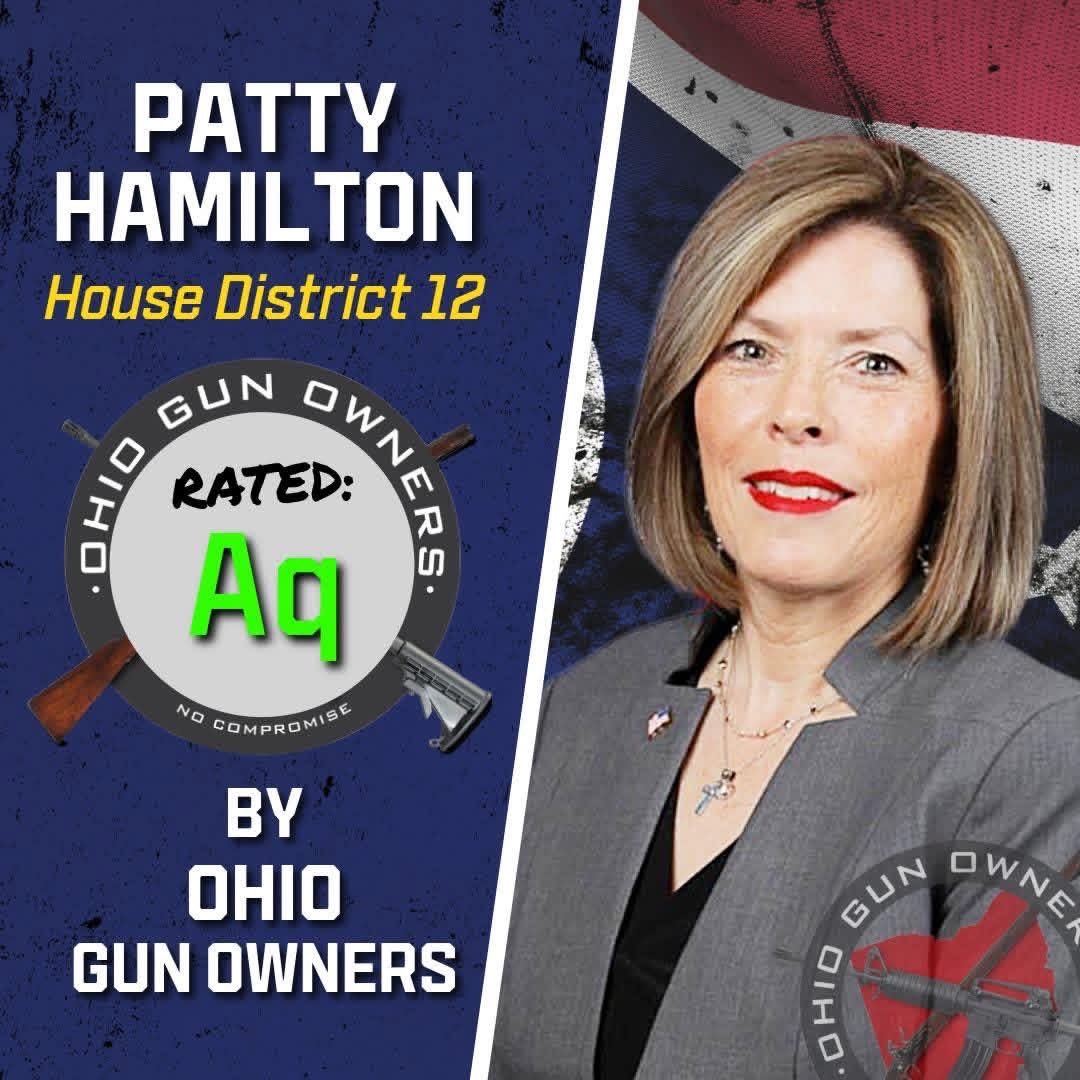
Thank you Ohio Gun Owners for taking the time to share that I stand with the Gun owners and hunters of Ohio!!
#OhioFirst
#OH12
#GOA
#pickawaycounty
#madisoncounty
#franklincounty
1
4
72
Patty Hamilton retweeted

Mar 22
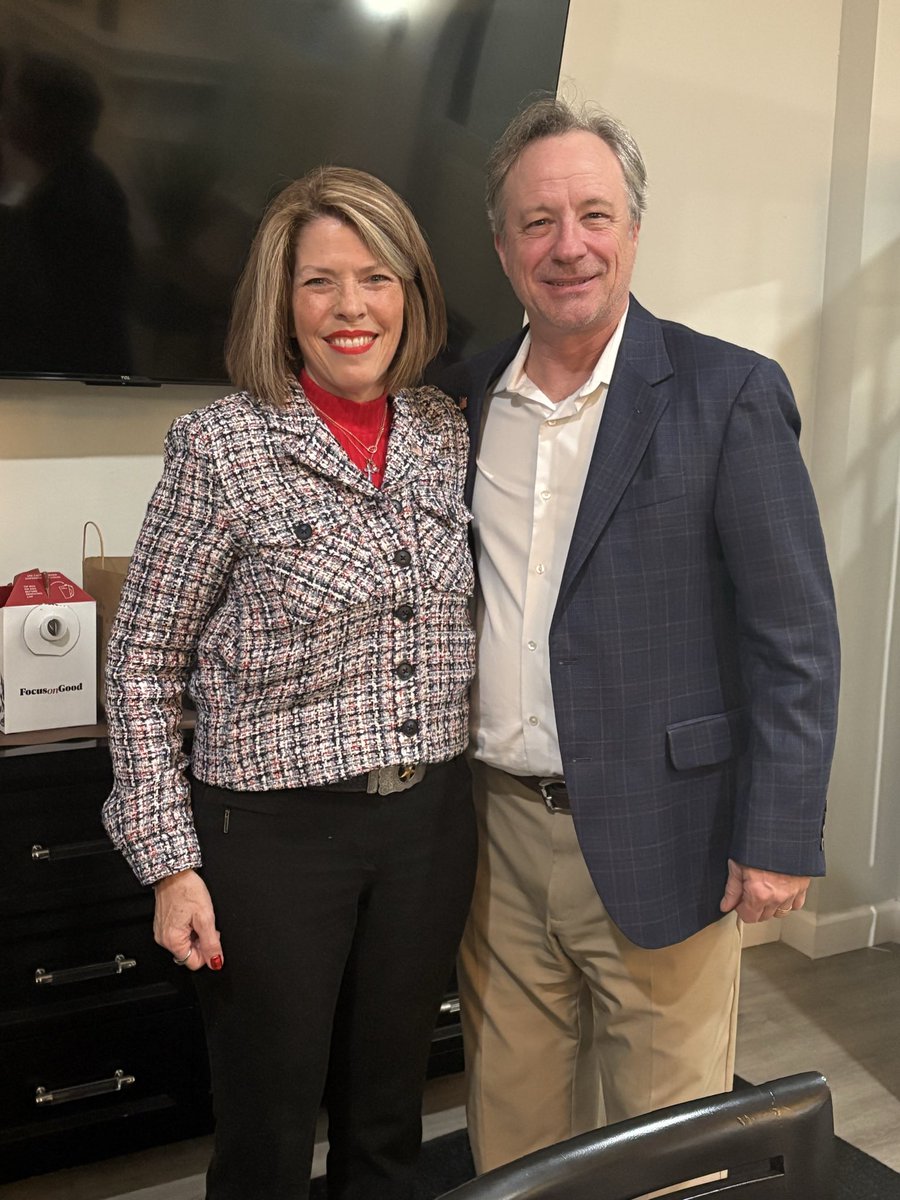
@Patty85Hamilton has way more service than Brian, check her out!
2
2
59
Mar 17
I have been standing with the people in Pickaway County and Pleasant Township, Franklin County Ohio to keep data centers out of residential area and away from schools along with finding the right economic balance for the community.
I am happy to see Senator Bernie Moreno speaking out to assist with the economic concerns facing Ohio cities, villages, and townships.
🇺🇸 Vote Patty Hamilton for State Representative 🇺🇸
Stand up. Speak out. Support Patty Hamilton.
#VotePattyHamilton
#PattyHamilton
#OhioPolitics
#OhioLeadership
#OhioGovernment
#OhioVoters
#OhioCommunity
#OhioFirst
#LeadershipMatters
#GovernmentAccountability
#WeThePeople
#CommonSenseLeadership
#TakeBackOhio
#SupportLocalLeaders
#ColumbusOhio
#FranklinCounty
#PickawayCounty
#MadisonCounty
axios.com/local/cleveland/20…
1
80
Patty Hamilton retweeted

The promise of Matt Huffman being a conservative Speaker has fallen flat. He openly opposed the SAVE Act and disagreed with Donald Trump. This is astounding. #Politics #USPolitics
3
14
36
1,253
Wow. This is next level low. 😐
Clearly @marcellstrbich has the establishment running scared.@JRMajewski @JDVance @berniemoreno @JackPosobiec @gongwer @joingles @OANN @DispatchAlerts @OhioMAHACaucus @jpelzer @GabeGuidarini @ClevelandRTL @OhioGunOwners

Feb 10

🚨 MARCELL STRBICH IS NOT FOR SALE
On Sunday, February, 8th, I received a call from a Ohio Republican Party State Central Committee member who tried to coax me to drop out of the race prior to the State Party's February 20th meeting, where they will entertain endorsing in my race.
The member offered to broker a deal that would result in me dropping out of the race and potentially receiving a paid job in the Secretary of State's office. They offered to set up a meeting with the Chairman of the Party to make it happen.
I asked why I am being offered a paid position to drop out if I am no threat? Their reasons: I can't win, the State Party will NOT allow me to win, the State Party will dump whatever resources necessary to defeat me, and that resources should be saved for the general election.
I explained that I have a reputable poll showing that I am leading the race by 8 points, have higher candidate favorability than my opponent, have equal name ID despite his advantages of having spent millions on multiple statewide campaigns. I was told that the poll would be dismissed. Why would a poll from the same company that the Ohio Republican Party paid $121,000 to in 2024 be dismissed?
With Vice President Vance's recent endorsement of Jay Edwards in the only other competitive statewide primary race, it has become abundantly clear that some in the Ohio Republican Party do not want our candidates to be picked by Ohio voters, but candidates who are handpicked and easily controlled. This party boss style of politics is what is eroding and destroying the Ohio Republican Party. It will lead directly to an unmotivated base in elections going forward.
To set the record straight - I am not for sale. I will not compromise my mission, values, principles and beliefs in exchange for my silence. Unlike my career politician opponent, I am running because I want to do the job - not hold a title or build a political career. Ohio deserves that kind of leader.
Despite some in our State Party hell-bent on defying the will of the people, OUR victory in the May primary will send a powerful and permanent message that Ohio Republican voters are done with the self-preservation and personal advancement system of ‘musical chair’ seat-hopping that has resulted in weak leadership, unimpressive results and a lack of enthusiasm ahead of the most critical election of our lives.
1
8
18
929
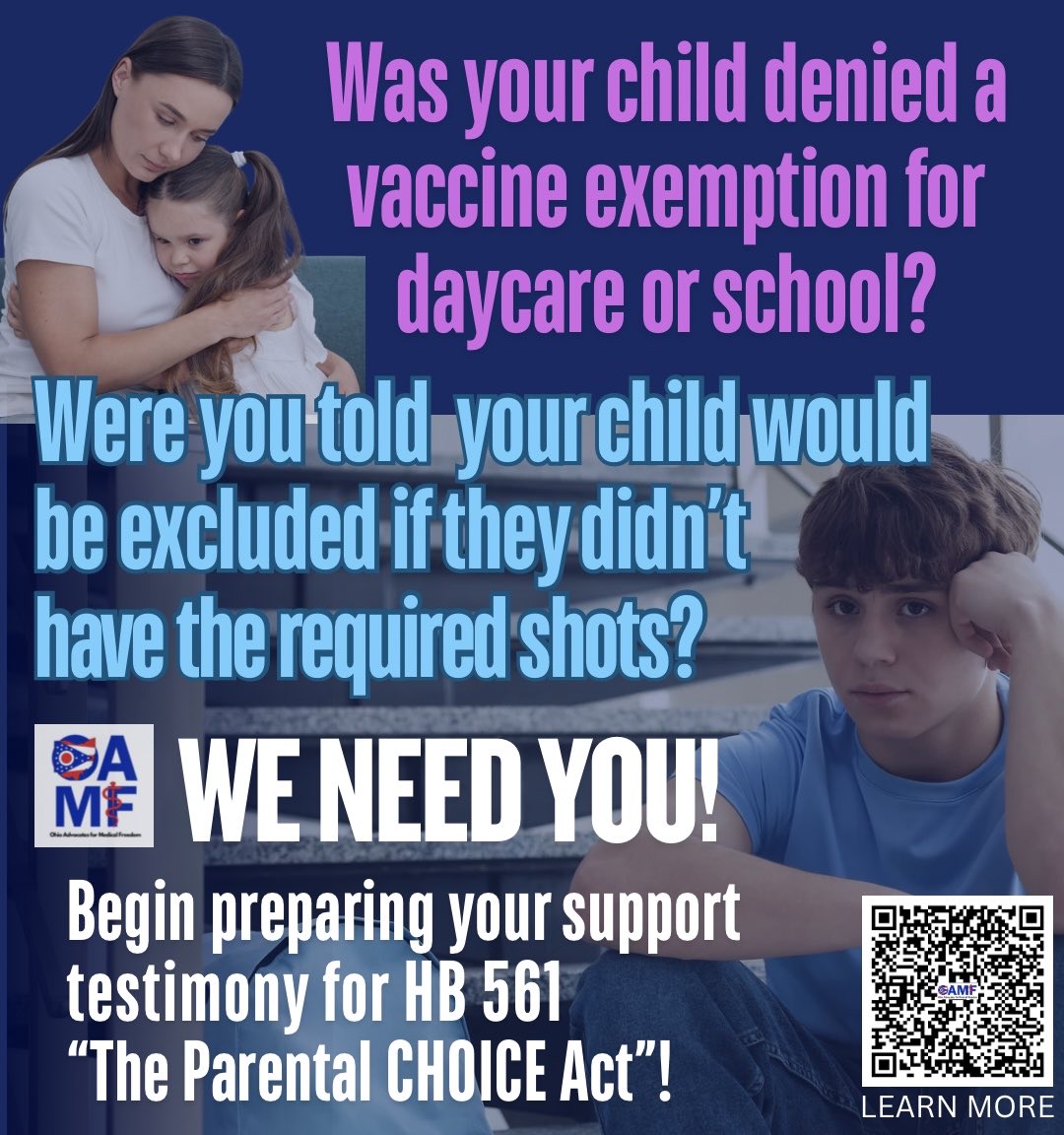
🇺🇸HB 561: TESTIMONY ANNOUNCEMENT🇺🇸
Our vaccine exemption transparency and enforcement legislation is getting support testimony possibly next Wednesday!!
if you have a story or documentation from your school showing they told you you were required to get all of the listed vaccines but did not tell you you had a choice to take a state allowed exemption OR if your child was refused admission to a daycare or K -12 charter school due to vaccination status —- then we NEED your testimony!!
(Final instructions for submitting testimony will be posted & emailed as soon as the date is confirmed) @OhioMAHACaucus @MBlasdel79
@BusyDrT @RenzTom @jenniferforrep @MaryBowdenMD @ClevelandRTL
2
3
169
Patty Hamilton retweeted

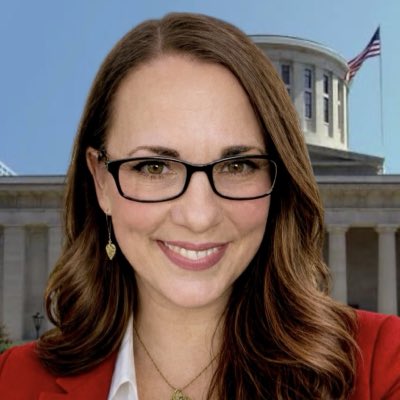
I am running for House District 31 to be a voice for the people! Please share my page with your friends and family in western Summit County! 🇺🇸🇺🇸🇺🇸

1
4
140
Patty Hamilton retweeted

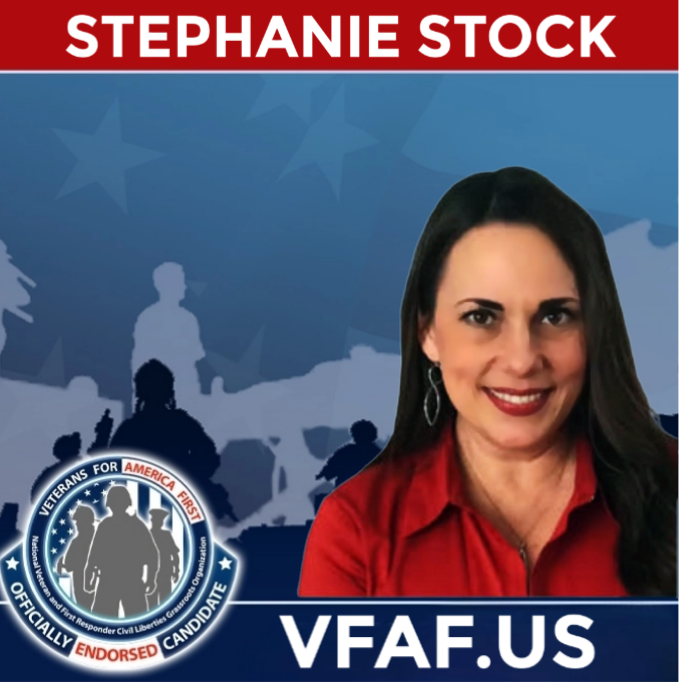
I’m proud to have the endorsement of Veterans for America First! I will honor our veterans every day I am in the Ohio House by defending the liberties that our men and women in uniform fought and died to give us! 🇺🇸

FOR IMMEDIATE RELEASE
Veterans for America First Endorses Stephanie Stock for Ohio House District 31
Stephanie Stock is a wife, mother, advocate, and proven legislative leader who is not a career politician. She has spent more than a decade standing up for Ohio families and defending constitutional liberties that form the foundation of the state and nation. Her engagement in public policy began as a concerned citizen determined to make a difference, leading to years of grassroots organizing, coalition building, and direct policy involvement.
Stock’s advocacy experience includes reading and analyzing legislation, collaborating with lawmakers, and participating in substantive policy development. She has authored and co-authored more than a dozen bills, including the Never Alone Act, which successfully passed in 2024.
Her campaign for Ohio House District 31 centers on a range of priority issues, reflecting her long-standing engagement with the concerns of everyday Ohioans. These priorities include defending medical freedom and constitutional rights, strengthening parental rights, supporting small businesses and fiscal responsibility, protecting election integrity, pursuing tax reform, upholding Second Amendment protections, and advancing pro-life policies.
Stock brings to the campaign both grassroots authenticity and legislative fluency — rooted in her years of work alongside Ohio families, healthcare workers, business owners, and community members.
Veterans for America First endorses Stephanie Stock for Ohio House District 31 based on her longstanding commitment to public service, her record of principled advocacy, and her demonstrated readiness to serve the people of District 31. @OAMFStephanie
Frederic Mulika
National Operations Director
Veterans for America First
Air Force Veteran
Cobb County GA Sheriff’s Deputy
The Original 2015 Veterans for Trump Grassroots
@Mulika2Mulika
VFAF Press Secretary
Contact @christi4miami
1
3
7
274
Patty Hamilton retweeted
House District 31!
I’m the People’s candidate!
Are you tired of the establishment silencing your voice and the voice of your Representative?
Send me to Columbus to be YOUR VOICE! 🇺🇸
Please donate today! Let’s take back the Ohio House for the people- together!!
stockforohio.com/donate
2
6
280