
Joined November 2016
- Tweets 746
- Following 283
- Followers 1,560
- Likes 882
25 Photos and videos



18 Feb 2025
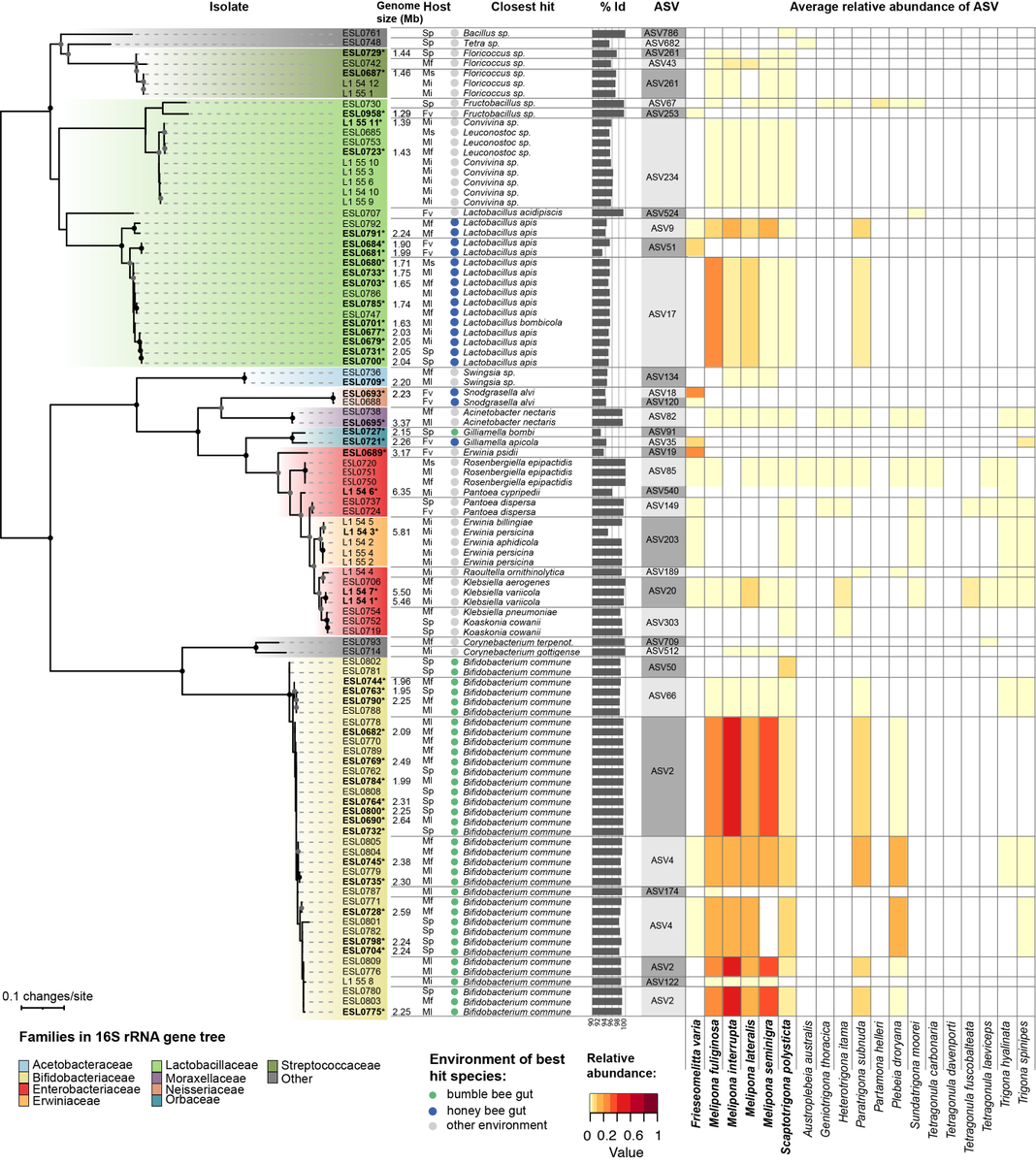
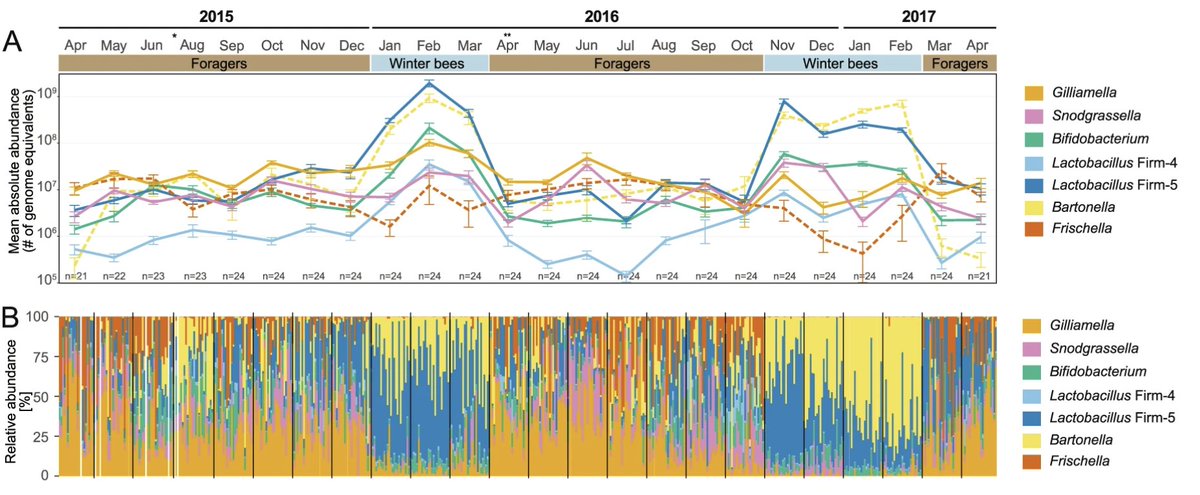
We are looking for a bioinformatician with expertise in microbiome data analysis to join our team at the University of Lausanne. The successful candidate will lead and support research projects within nccr-microbiomes.ch/. More details here: shorturl.at/mC46o .
3
46
76
7,565
5 Feb 2025
We are looking for a postdoc in bioinformatics interested in broad questions about the ecology and evolution of host-associated microbiomes using social bees as model. Please share with potential candidates and if interested apply here: career5.successfactors.eu/ca…
18
26
4,315
Philipp Engel retweeted

21 Nov 2024
📢Job alert! The @NCCRMicrobiomes is recruiting a new Financial administrator. Thanks for reposting 😃
More info and application link here👇
nccr-microbiomes.ch/about-us…
5
9
1,335
Philipp Engel retweeted

8 Nov 2024
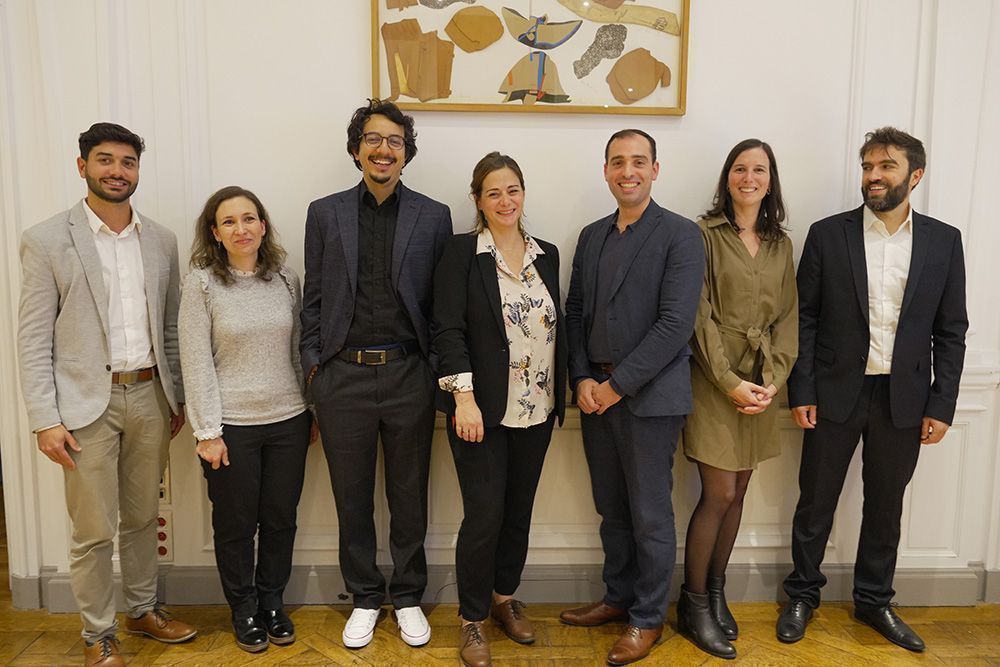
Un grand merci à @CNRSbiologie et la fondation CNRS pour ce prix et l'organisation de cette cérémonie!
👏Félicitations aux autres lauréats ! Ce fût de belles rencontres 🙂
8 Nov 2024

📅 La cérémonie de remise des prix @CNRSbiologie et la Fondation CNRS s’est tenue ce mercredi 6 novembre à Paris !
Découvrez les 7 lauréats qui font avancer la recherche en biologie.
🏆 Portraits des lauréats | buff.ly/4fAXJW5
#Distinction #Biologie
4
2
15
1,743
Philipp Engel retweeted
6 Nov 2024
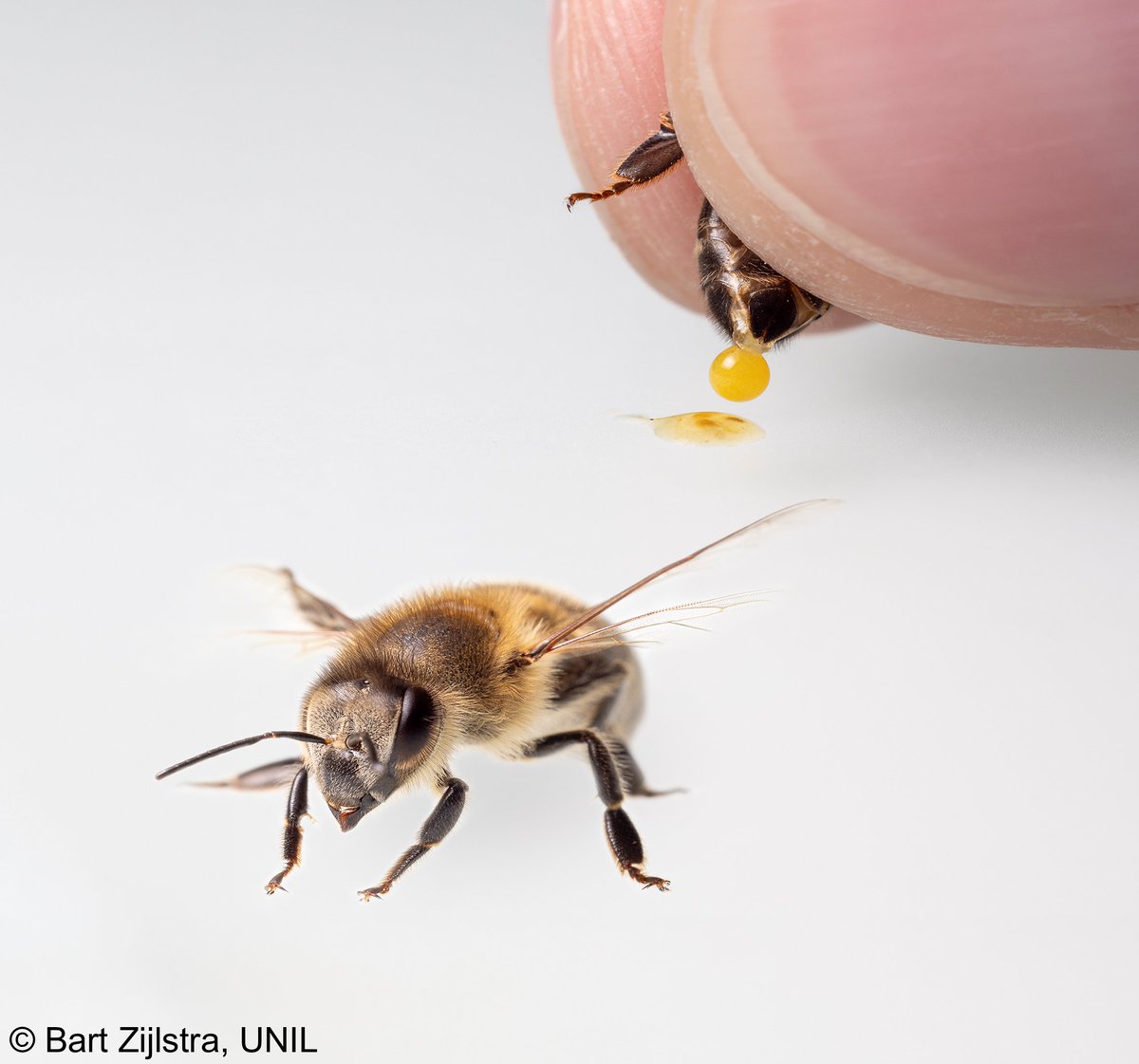
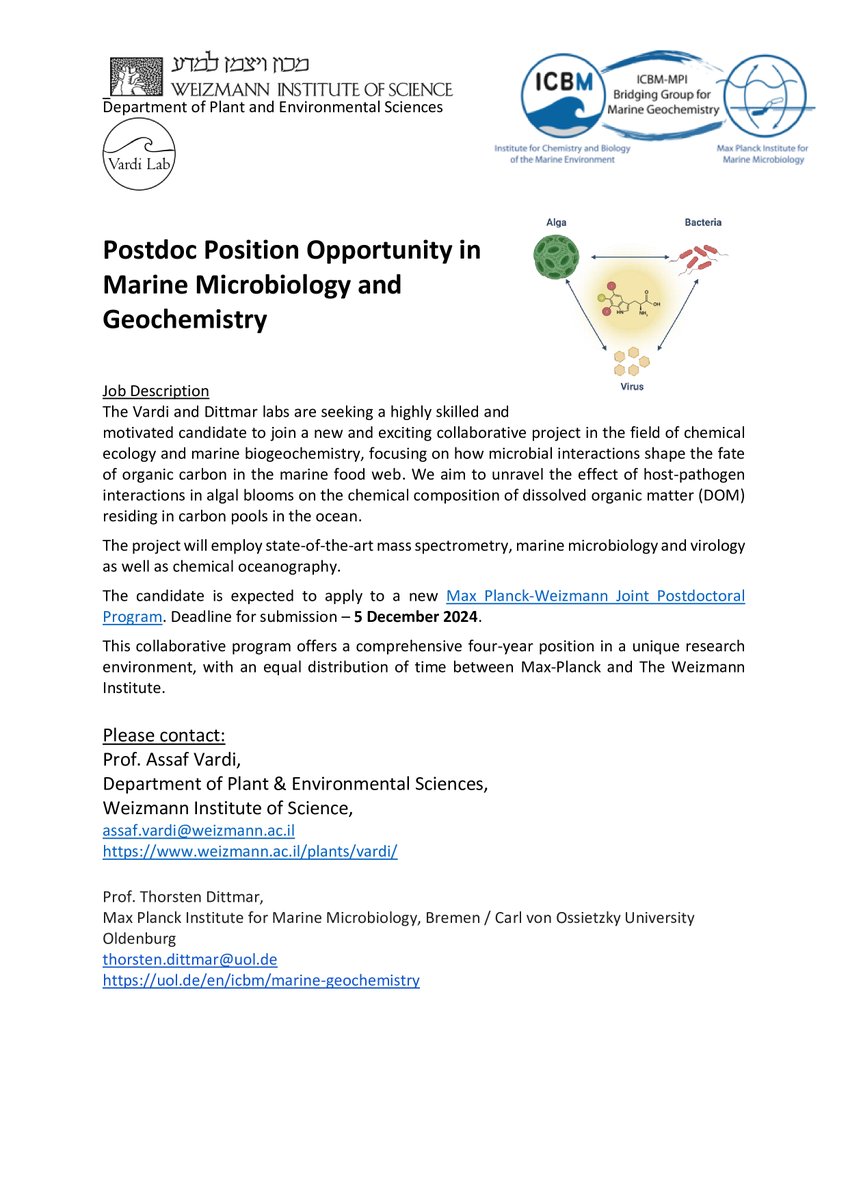
✨#Postdoc opportunity in my lab @CbiToulouse ! Join an exciting @ERC_Research funded project on the microbiota-gut-brain axis in bees.
👉Apply: Portail Emploi CNRS - Offre d'emploi - Postdoctorat (H/F): Impact du microbiote intestinal sur la cognition des abeilles
2
60
147
22,750

Philipp Engel retweeted

27 Oct 2024
Catch my talk titled "Evolution and Functional Potential of Gut Microbiota in Honeybees: A Comparative Metagenomic Approach" at MVIF 33 @MicrobiomeVIF with a Keynote talk by Prof. Seth Bordenstein
@Symbionticism on 12 Nov (and 14 Nov Pacific-time replay) cassyni.com/events/BLgyxevAZ…
3
6
877
Philipp Engel retweeted

4 Oct 2024
Our preprint "Full Factorial construction of microbial communities" was peer reviewed. We describe a simple protocol for assembling all possible combinations of up to 10-12 different microorganisms using standard lab equipment. Hopefully useful to others!
elifesciences.org/reviewed-p…
35
116
9,557
Philipp Engel retweeted

30 Sep 2024
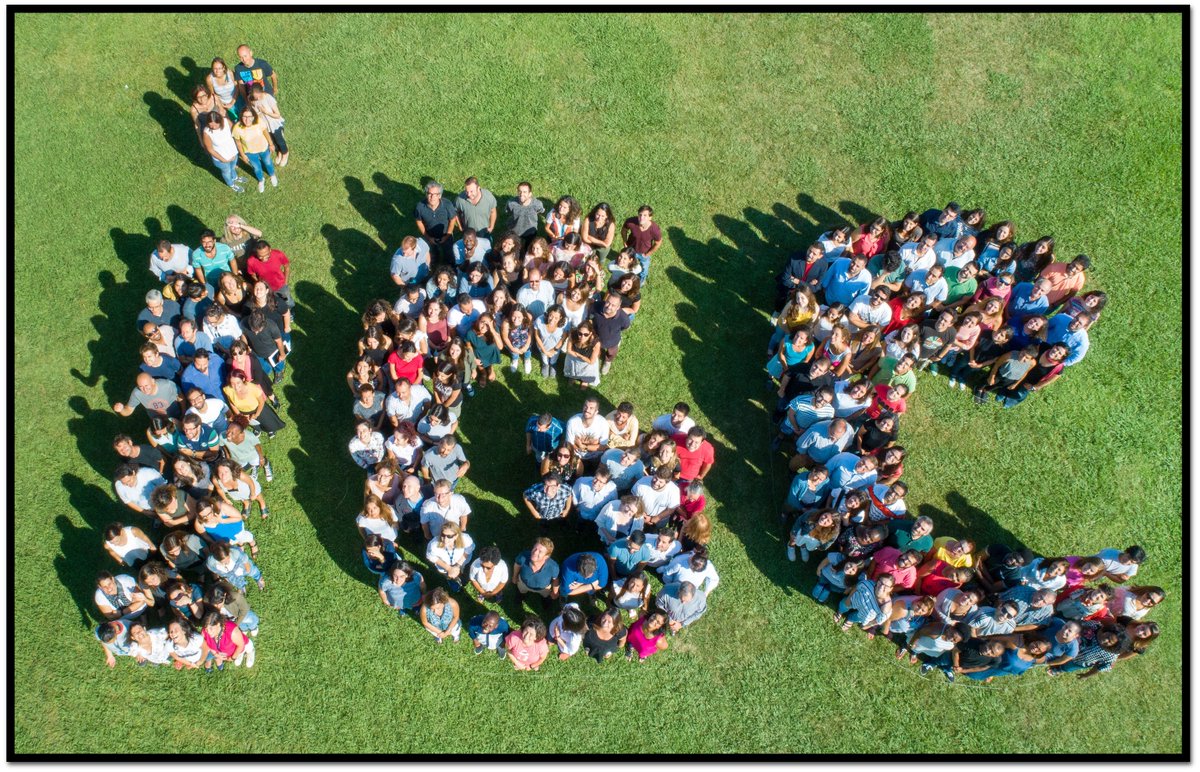
Today, I reflect on the legacy of @IGCiencia over the last 60 years and what it has meant for research and the scientific community in Portugal and beyond. IGC was never just a place—it was a pioneering model. #IGCLegacyLivesOn 1/5
10
48
190
25,464
Philipp Engel retweeted
19 Sep 2024
Don't miss this opportunity if you are a PhD student or Postdoc in a 🇨🇭 university!

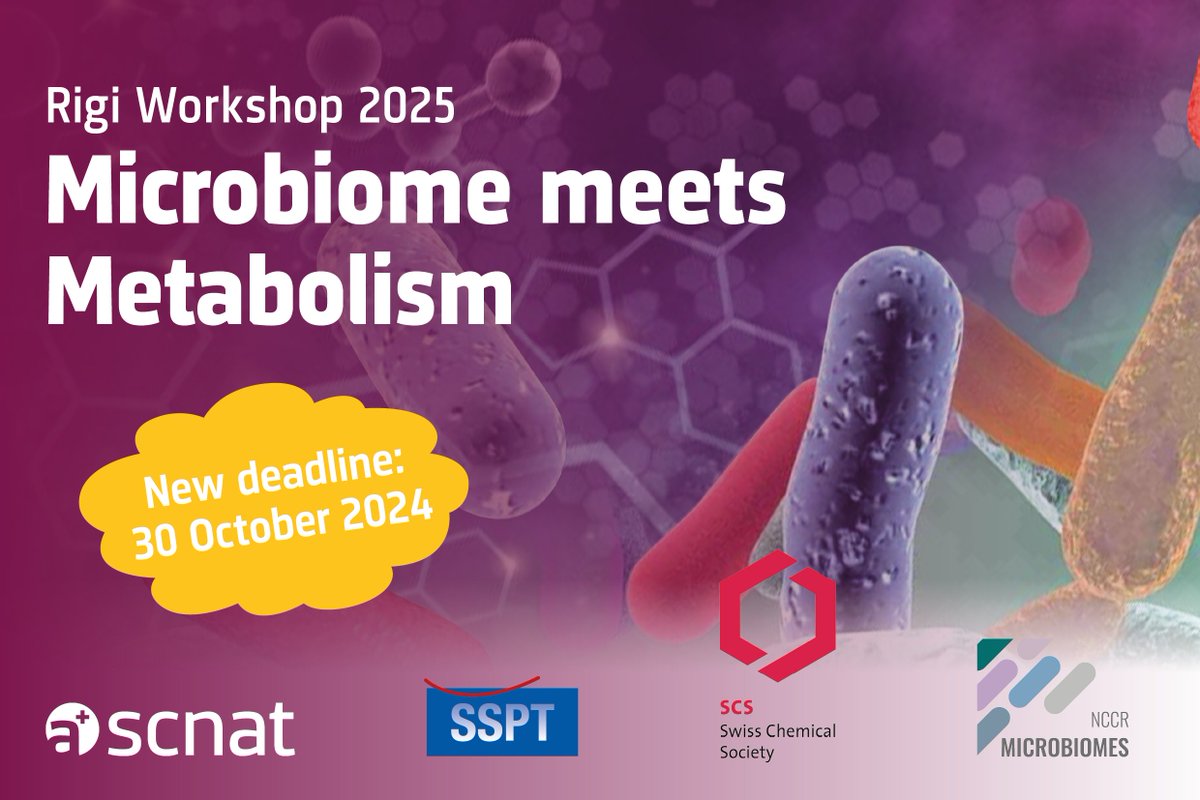
🚨 New deadline for the #RigiWorkshop 2025
Open to #PhD students and post-docs in #Biology and #Chemistry, this workshop is a unique opportunity to explore microbiomes. Register until 30 October 2024 👉 biol.scnat.ch/rigiworkshop25
3
9
1,327
27 Sep 2024
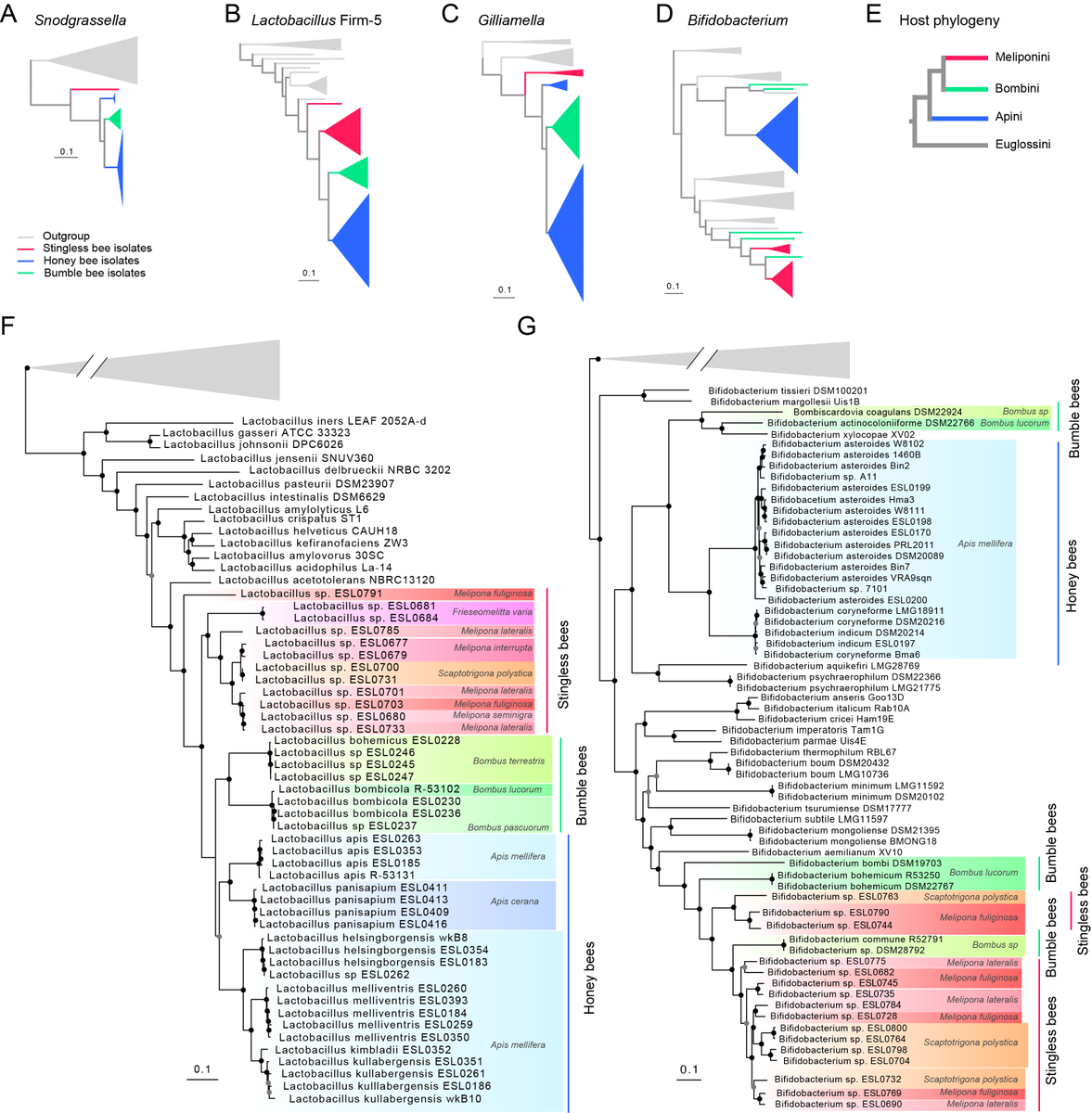
More generally, it advances our understanding of host specificity in gut microbiota. Among others it shows that apparently conserved gut microbes have not co-diversified with their hosts, but are actually susceptible to change over evolutionary time.
1
1
151
27 Sep 2024
This work would not have been possible without @snsf_ch SPIRIT grant for collaborations and many amazing co-authors. First and foremost: @SzeHueiYek and @APallujam our longterm collaborators in Malaysia. But also Axel Brockmann and his team in India, and @FlorentMazel @FBM_UNIL
1
2
228
27 Sep 2024
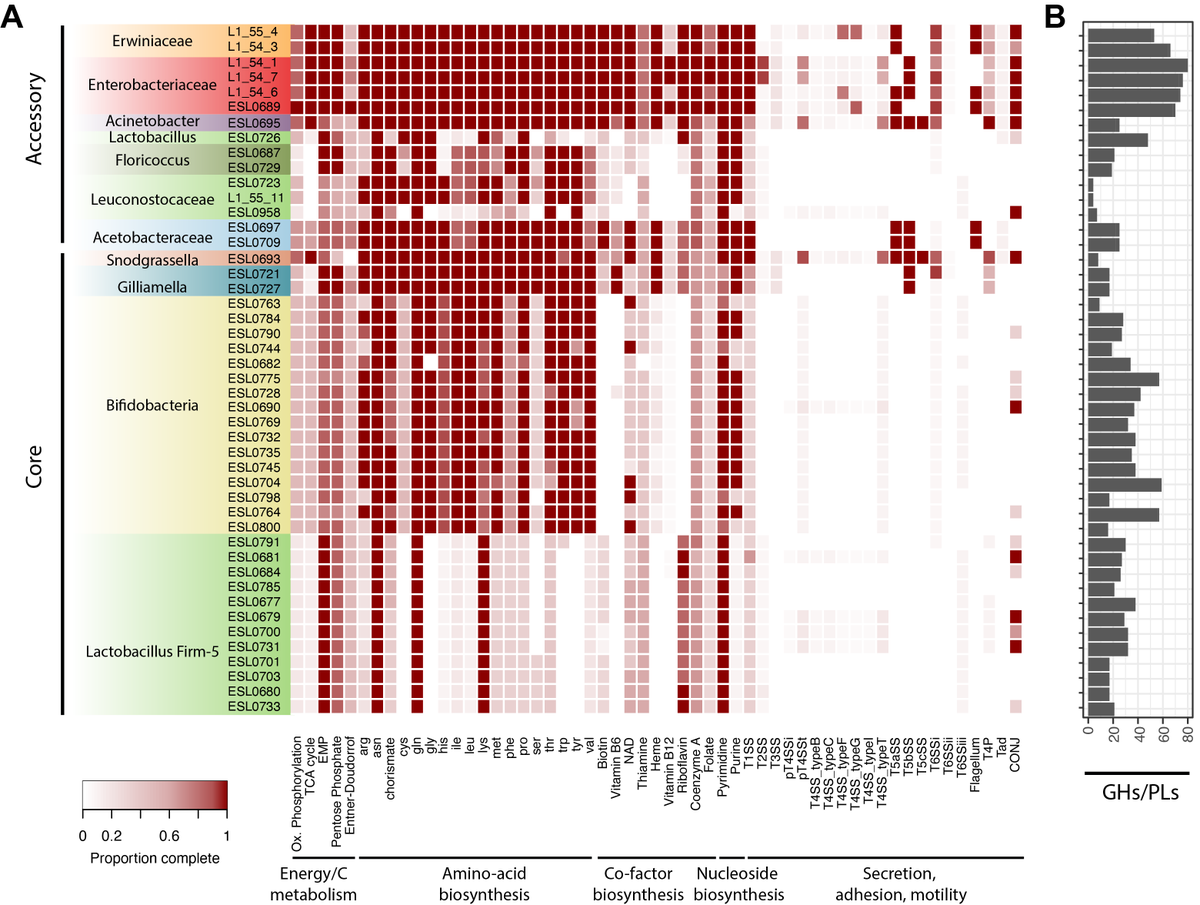
We found that these host-specific evolutionary trajectories have functional consequences: Giant honeybees were the only bees harboring divergent strains of the genus Dysgonomonas encoding many genes for pectin degradation and contributing to fiber breakdown in the bee gut...
1
1
144
27 Sep 2024
Our results form the basis for more detailed functional characterization of bacterial gut symbionts previously not recognized as important members of the honeybee gut microbiome. It vastly expands our knowledge of bee microbiota mostly obtained from the managed Western honeybee.
1
1
124
27 Sep 2024
Differences in host specificity seems to depend on host rather than symbiont identity: Dwarf honeybees had mostly generalist bacteria in their guts, while the Western honeybee or the Giant honeybee contained many specialists - surprising given the similar ecology of these bees.
4
2
126
27 Sep 2024
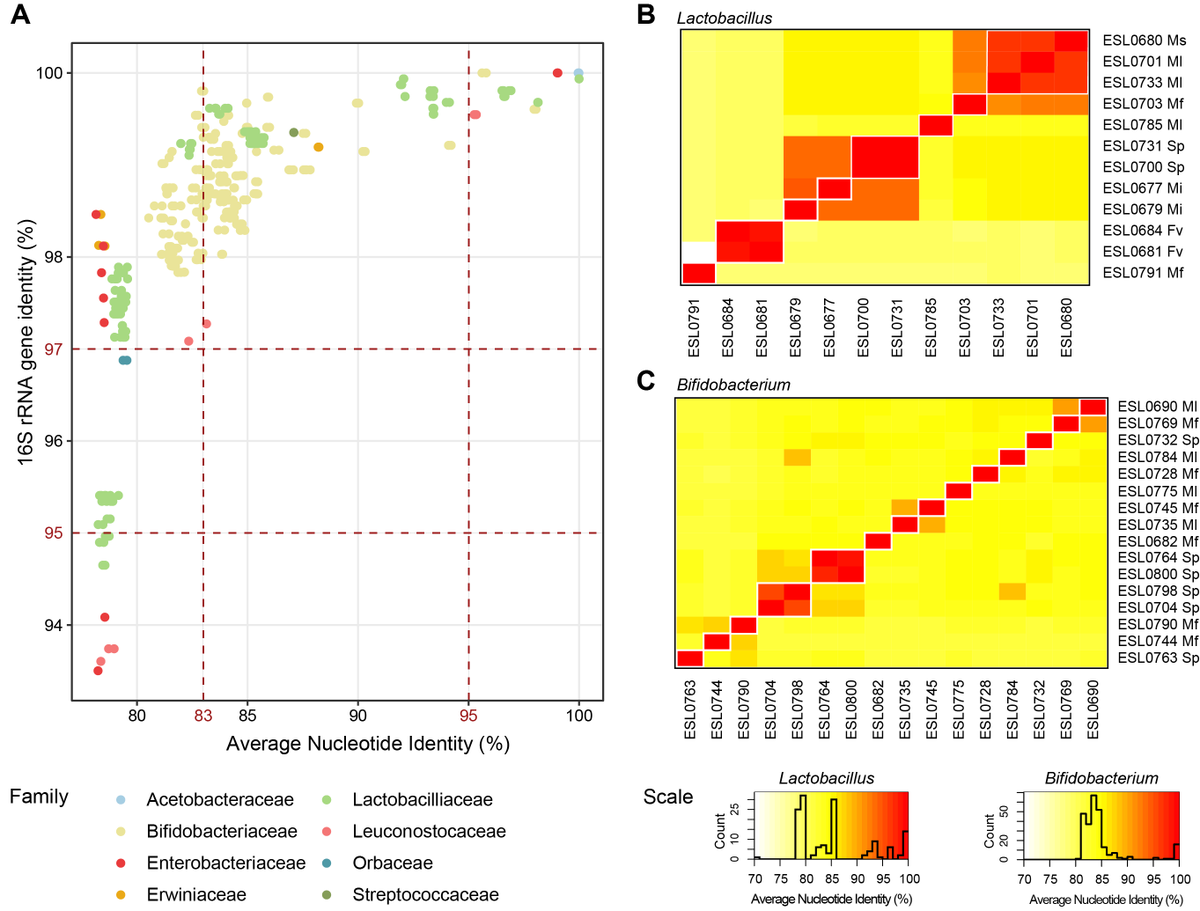
We recovered 1,959 MAGs of 150 bacterial species many of which have not been cultured or for which no genomes are available. Although the gut microbiota of honeybees is dominated by the same genera, we found that the communities of the five species were host-specific. Yet...
1
1
150
27 Sep 2024
...at the individual bacterial level the communities were composed of both shared and host-specific members. Host specificity sometimes only emerged at the strain-level and we found no evidence for co-diversification, suggesting symbiont loss/gain/host switches during evolution.
1
2
117
27 Sep 2024
New preprint on bioRxiv biorxiv.org/content/10.1101/…. @AiswwaryaPrasad analyzed 200 metagenomes 🦠of five honeybee species 🐝, offering new insights into gut bacteria evolution and uncovering the functional potential of the microbiota of key pollinators in their native range. 🧵:
1
15
38
4,336
Philipp Engel retweeted

26 Sep 2024
New @mbiojournal: a commentary by me and @kasie_raymann on @JoanitoLiberti @PEngellab's wonderful recent paper on honey bee behavioural maturation and the microbiome 🐝🐝🐝
journals.asm.org/doi/10.1128…
1
9
25
3,224
26 Sep 2024
We recently found that host maturation could have been a confounder in previous bee microbiota studies. We struggled to publish these 'negative' results. So it is wonderful to see this commentary on the relevance of our work by @kasie_raymann & @wk_kwong journals.asm.org/doi/10.1128…
1
7
26
2,531
26 Sep 2024
This is the original study of @JoanitoLiberti journals.asm.org/doi/10.1128… It shows how important it is to replicate science. High impact journals which published previous results did not want to send ours for review. Thanks @mbiojournal @kasie_raymann & @wk_kwong for hearing us!
5
194