The official Twitter account of the Vardi Lab | Microbial Interactions in the Ocean | #phytoplankton #hostvirus #infochemical #stressresponse | @WeizmannScience
Joined April 2018
- Tweets 907
- Following 818
- Followers 1,696
- Likes 846
250 Photos and videos
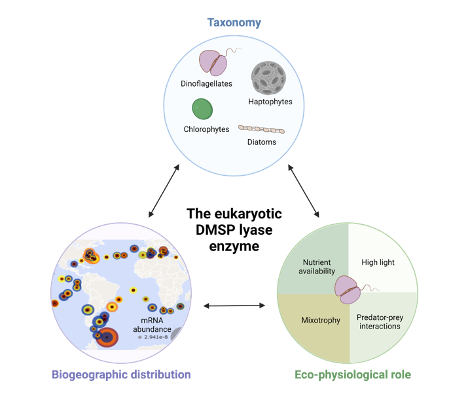


Cathepsin X is a conserved cell death protein involved in algal response to environmental stress @CurrentBiology @vardilab cell.com/current-biology/ful…
1
2
7
626
Don't miss registration for the M2C2-2025: Marine Microbial Chemical Communication conference! 🌊📢
Early-bird registration, including abstract submission, is extended until Sunday, December 8th
aanmelder.nl/m2c2-marine-mic…
1
2
3
605
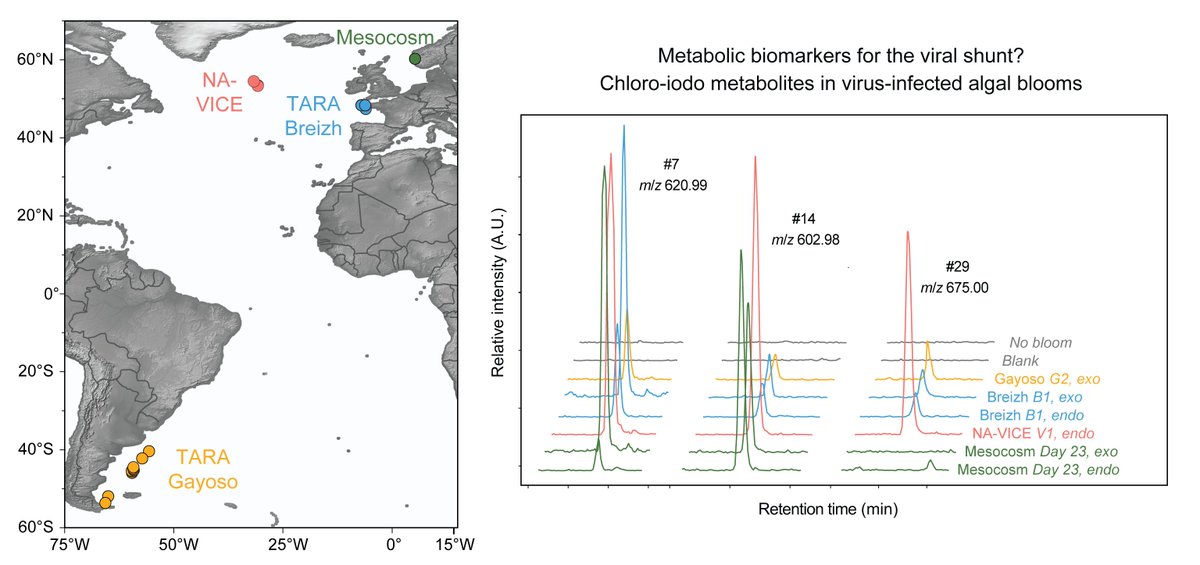
Can we trace the #metabolic footprint of viral infection in the ocean? In our new preprint by Constanze Kuhlisch, in collaboration with @guy_schleyer and @TaraOcean_ , we mapped metabolic biomarkers for the #viral shunt across the Atlantic Ocean 🌊 doi.org/10.1101/2024.11.03.6…
12
30
2,752
📢 Registration is now open for M₂C₂ 2025:
Marine Microbial Chemical Communication Conference!
🦠🌊🦠🌊
17-20 March 2025
NIOZ – Royal Netherlands Institute for Sea Research in Texel, The Netherlands 🇳🇱
Register now:
aanmelder.nl/m2c2-marine-mic…
21
33
3,118
@vardilab retweeted

30 Sep 2024
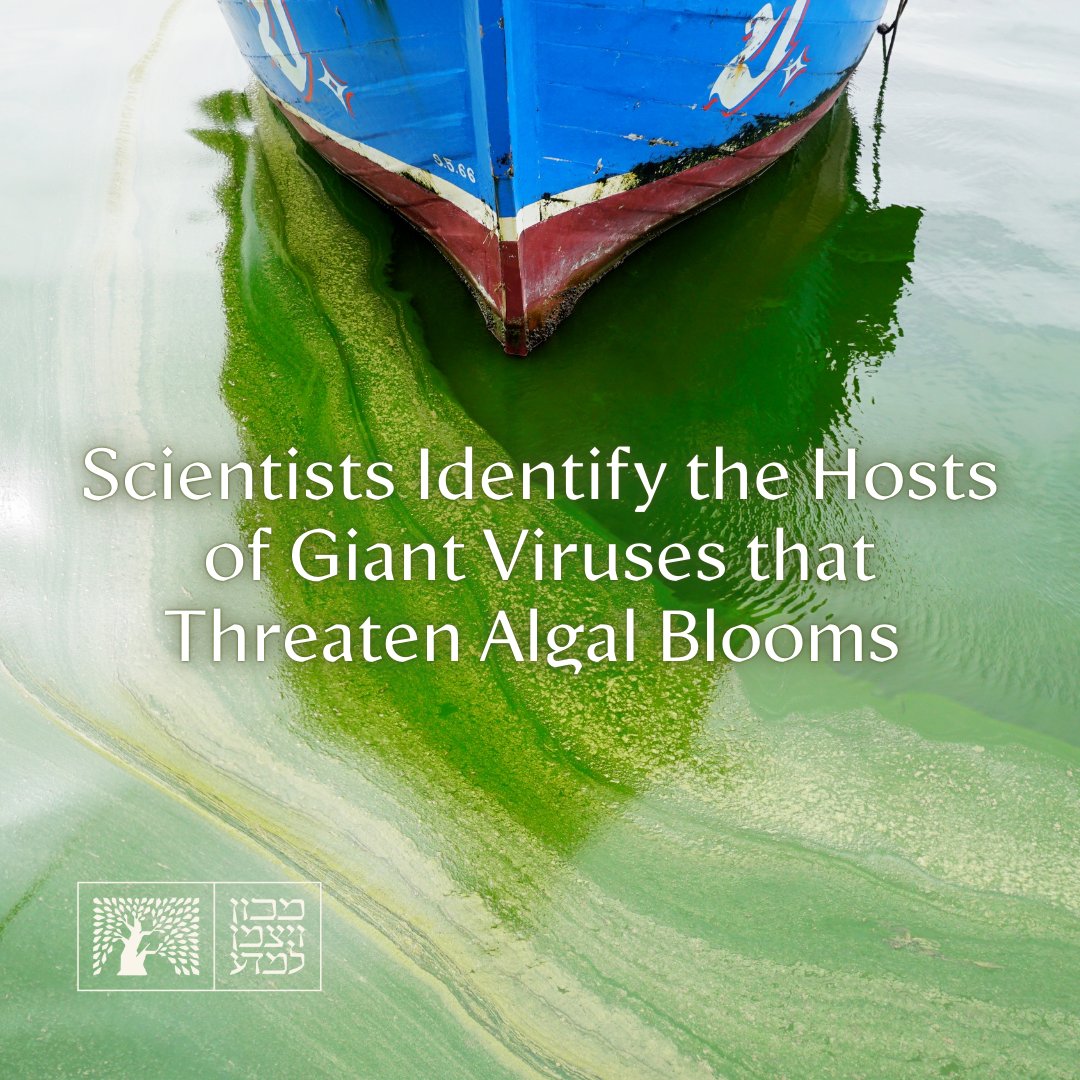
Giant viruses invade single-celled algae - vital to Earth's oxygen supply. Prof. Assaf Vardi’s team developed a new method to track algae infected by these microbial giants, with hope to better understand their impact on the ecosystem >> bit.ly/giant-virus-Eng @VardiLab @amir_fromm
8
32
2,461
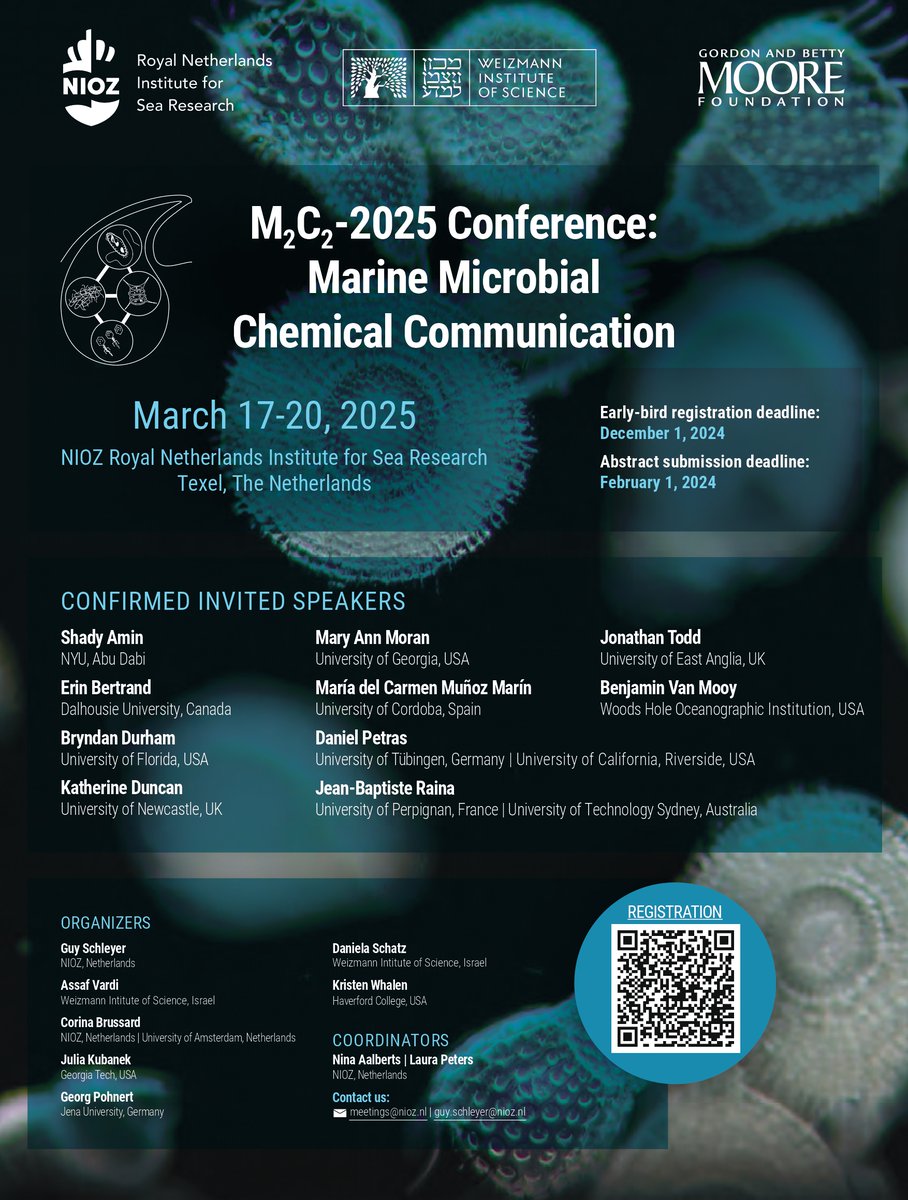
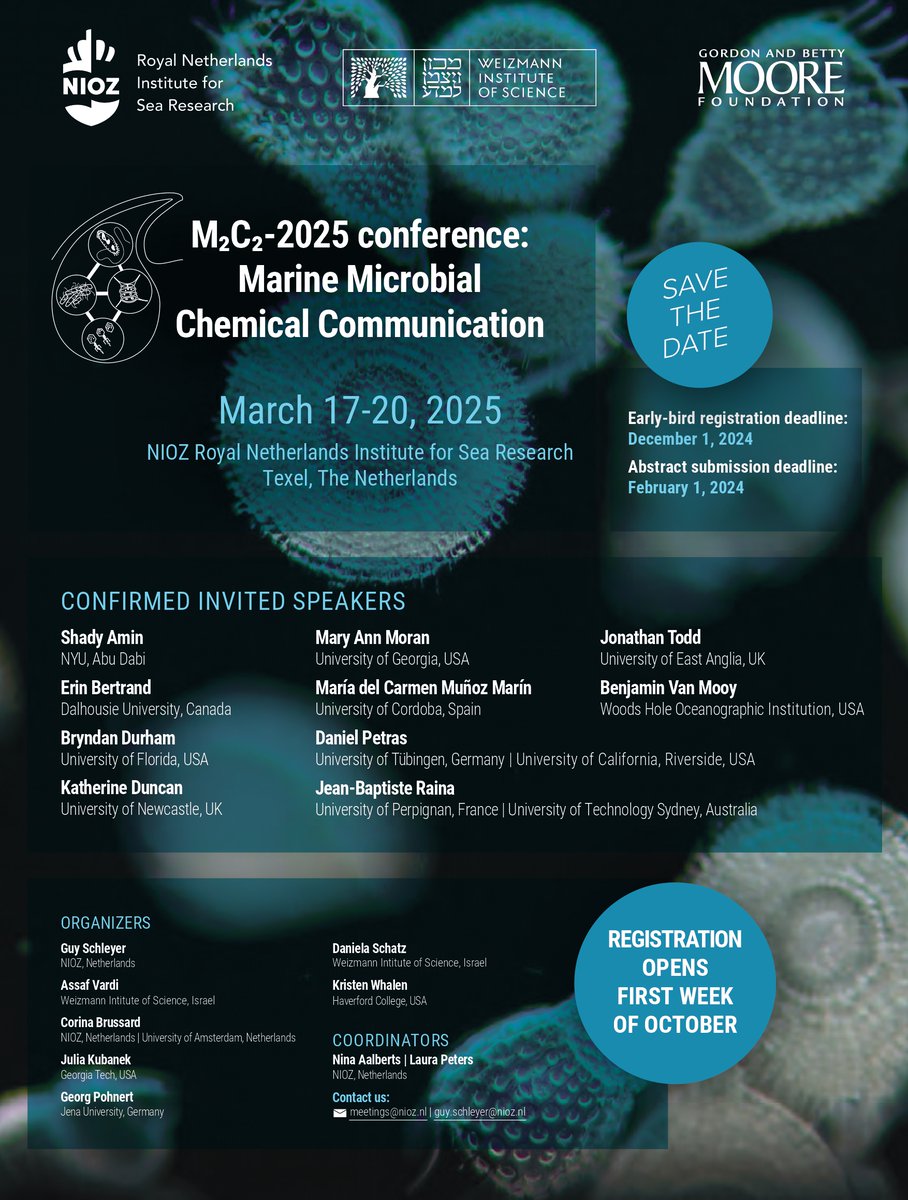
Save the date! 📢
We are excited to announce M2C2-2025: Marine Microbial Chemical Communication, a conference exploring cutting-edge research on chemically mediated microbial interactions in the marine environment. The conference will take place from March 17-20, 2025, at NIOZ >>
3
31
98
7,649

@vardilab retweeted

23 Jul 2024
Being on a ship and collecting samples is not everything Constanze Kuhlisch from the @WeizmannScience (former @PohnertL, now @vardilab) likes about being a marine microbiologist. Read the interview with our editor @TobiasGoris below
nature.com/articles/s42003-0…
1
3
1,123
@vardilab retweeted

18 Jun 2024
Boycotting academics in Israel is counterproductive nature.com/articles/d41586-0…
1
10
33
4,266
מה עושים כל הפחמן הדו חמצני העודף באטמוספירה? חברת סטארטפ ישראלית מציעה פשוט לקבור אותו בים.
קראו עוד בכתבתה של מאי שדה @mai_sadeh
ynet.co.il/environment-scien…
2
2
692
@vardilab retweeted

15 Apr 2024
"Hunting for the authentic host of giant viruses in the marine environment".
By @amir_fromm and @vardilab.
communities.springernature.c…
5
11
1,357
@vardilab retweeted

12 Apr 2024
OUT NOW in @ScienceMagazine 👉 Nitrogen-fixing organelle in a marine alga
science.org/doi/10.1126/scie…
17
88
11,945
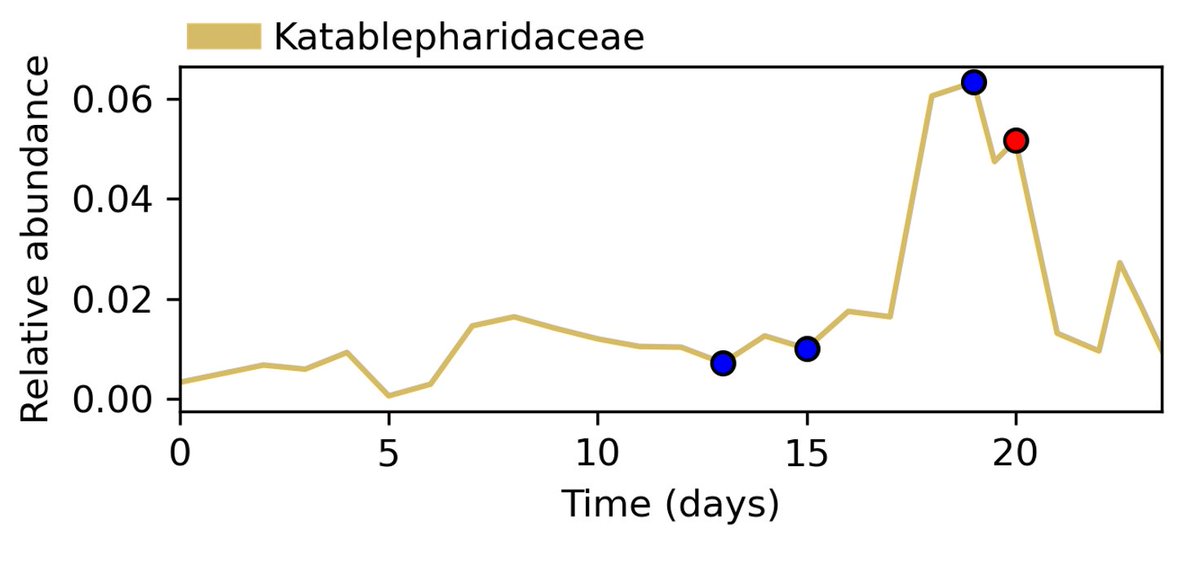
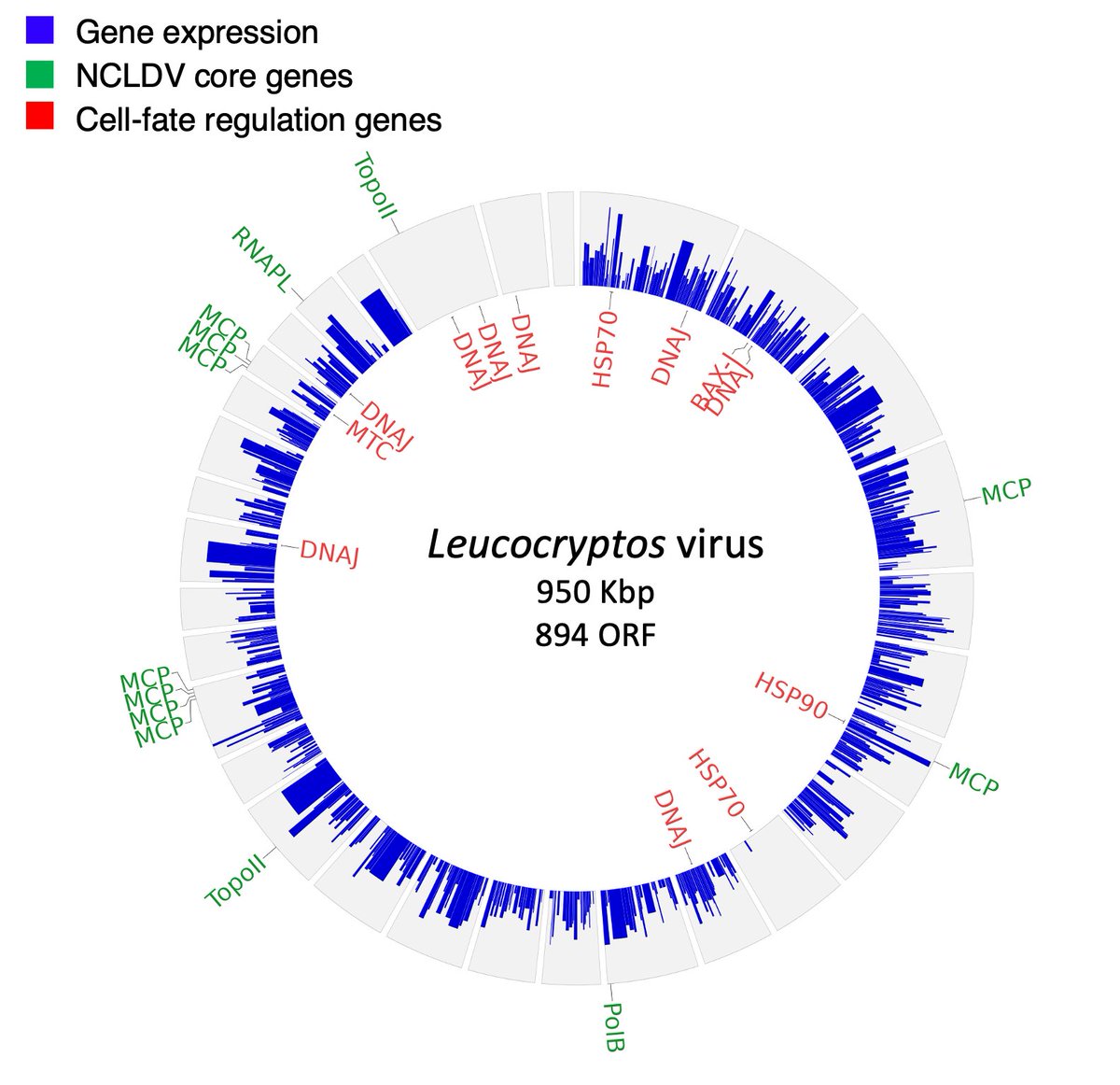
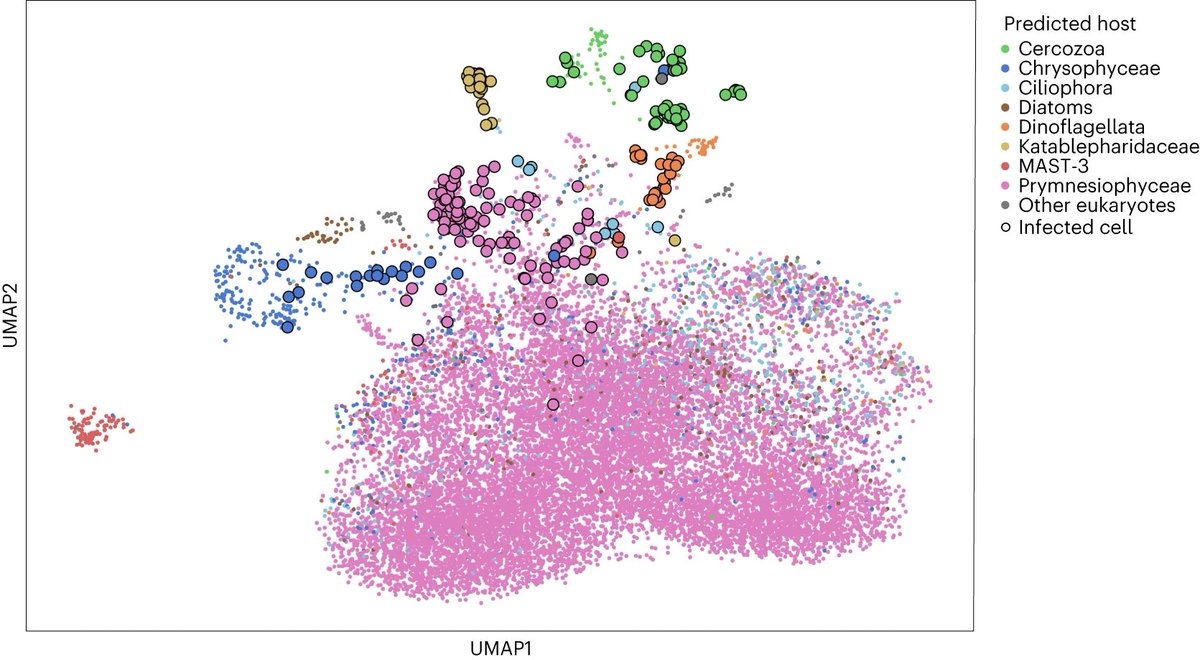
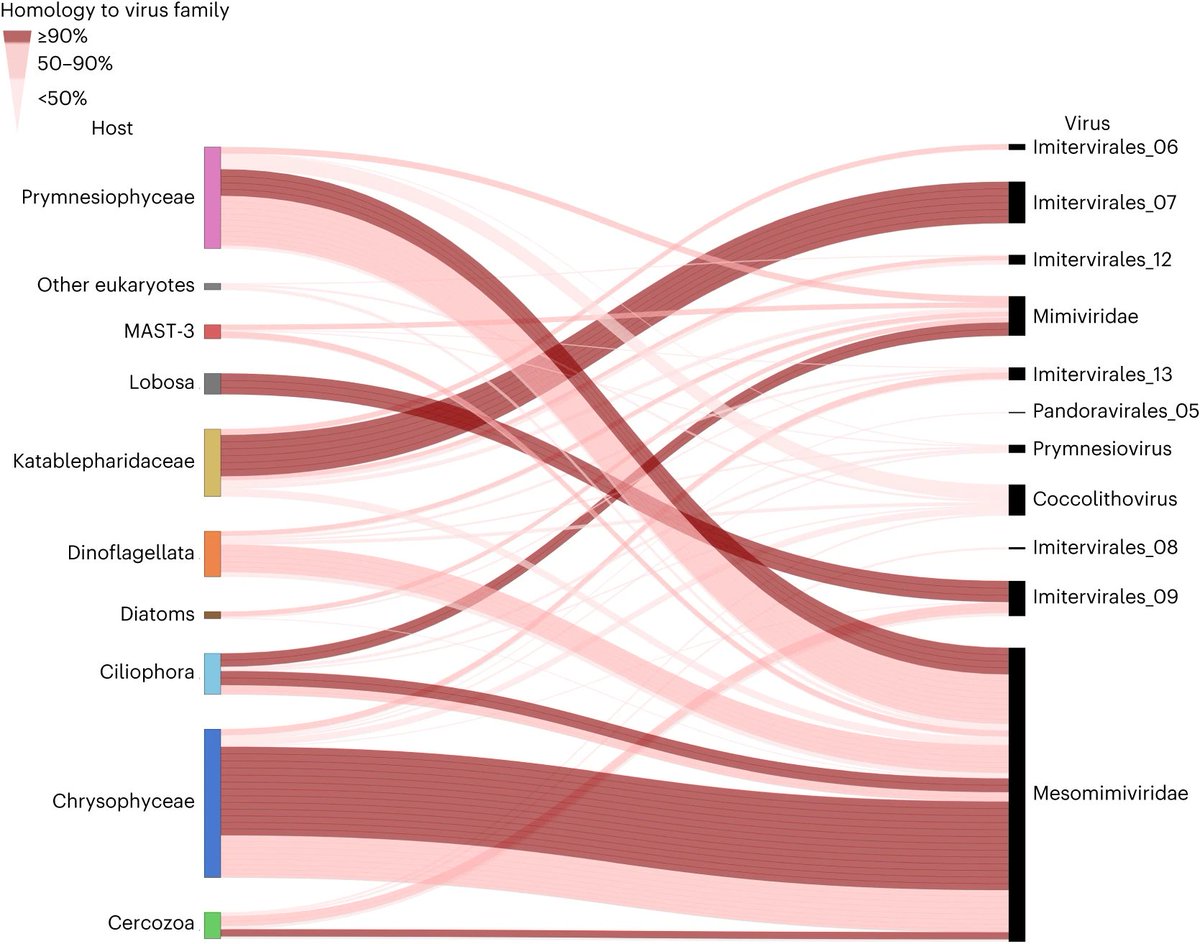
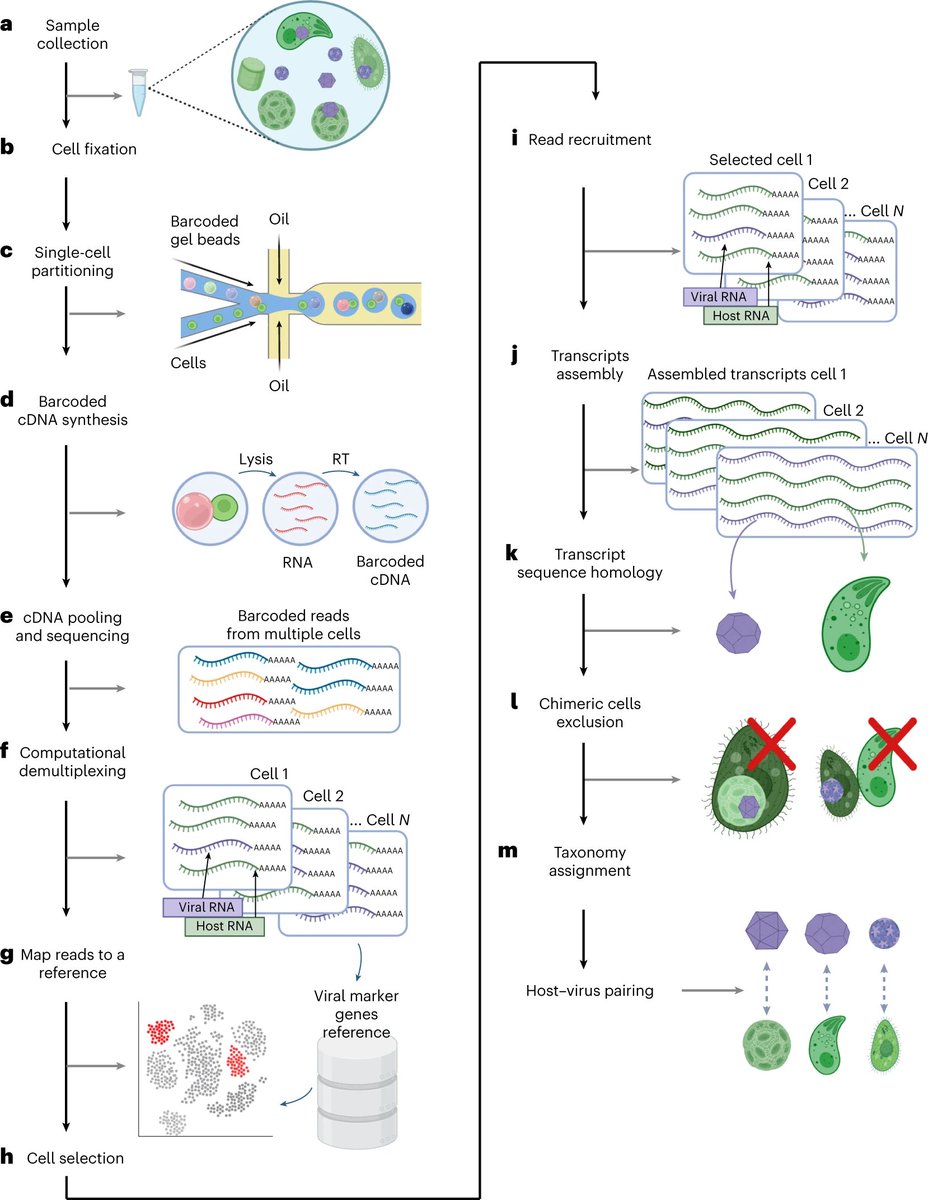
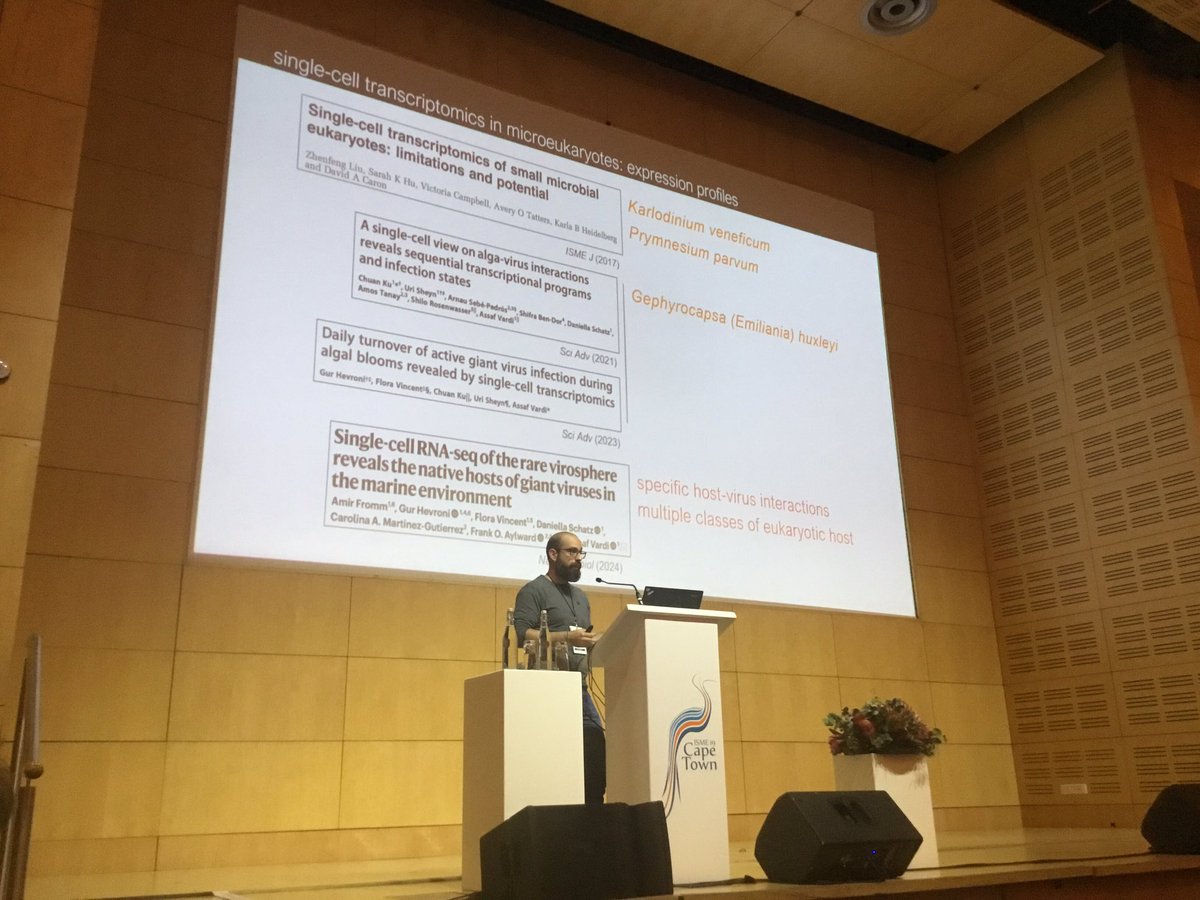
We are thrilled to share our latest paper, led by @amir_fromm and Gur Hevroni (@hevronig), in collaboration with the Aylward Lab, published today in @NatureMicrobiol! A thread below (1/10) 🔽
nature.com/articles/s41564-0…
3
18
69
12,157
We thank Daniella Schatz, Flora Vincent (@vincentflora), our collaborators from the Aylward Lab, and all involved in this project (10/10) 🌊🌊
1
236