
Joined April 2025
- Tweets 3,476
- Following 362
- Followers 753
- Likes 1,080
807 Photos and videos





PercolatedBooze retweeted

Apr 8
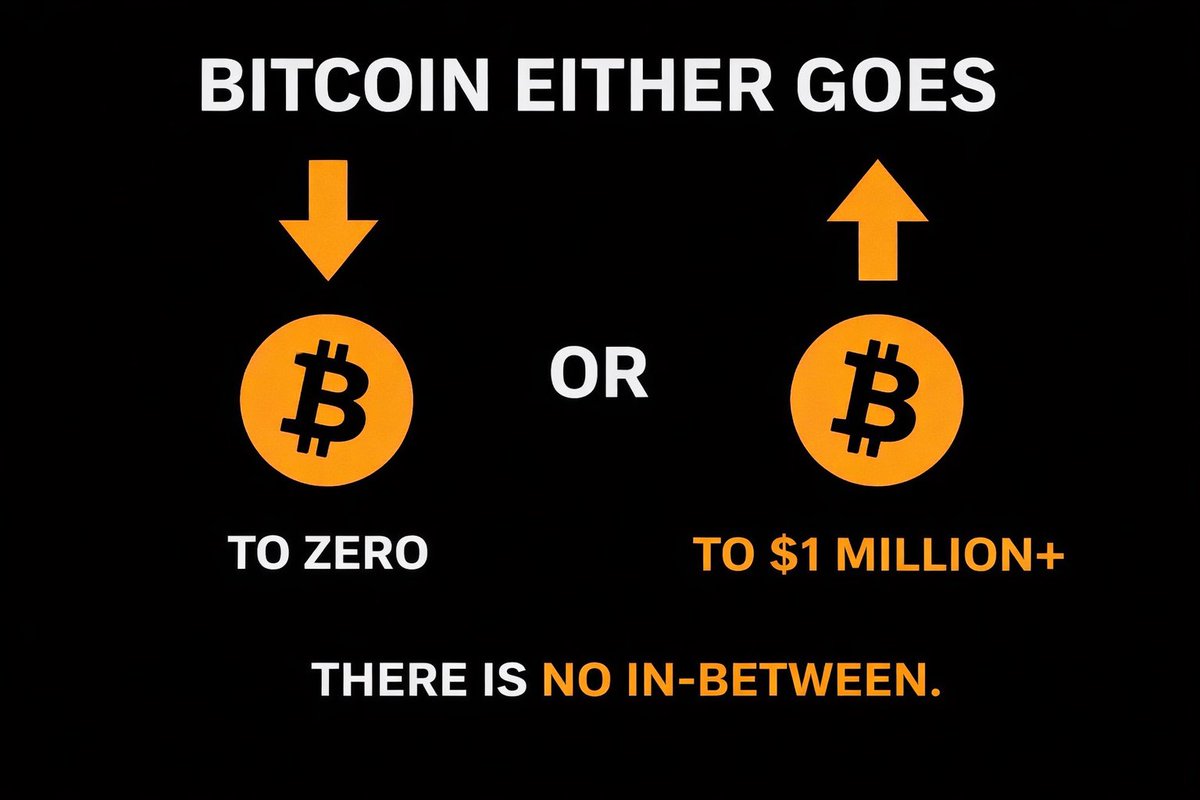
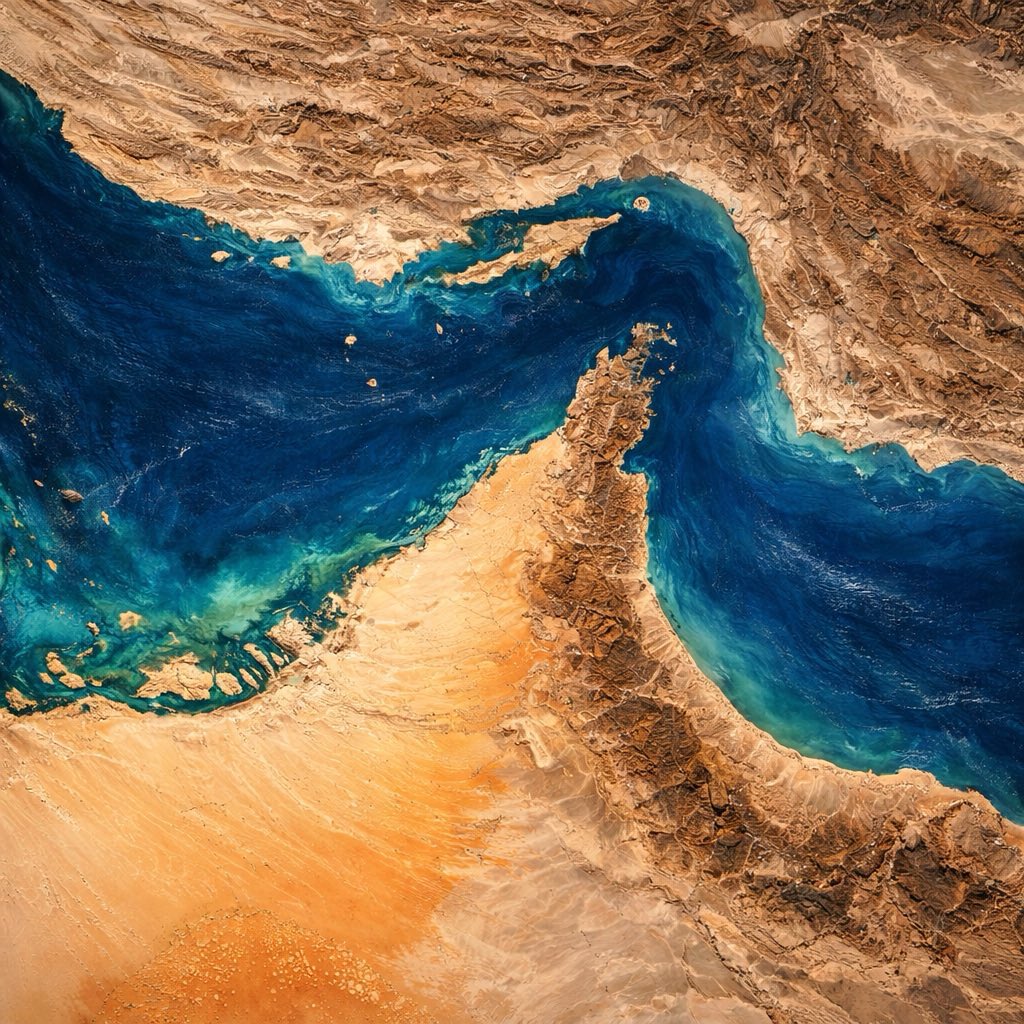
JUST IN: 🇮🇷 Iran to require ships passing through the Strait of Hormuz to pay tolls in Bitcoin, FT reports.

1,054
1,782
13,629
3,523,807



Feb 27
Accountability time.
I was wrong about last year. I thought we were going to at least $150,000.
So I won’t pretend like I know where the bottom is.
What I do know is that I’m going to continue to stack sats and stay humble.
This is the way.
1
48
Feb 25
Jane Street should be ashamed of themselves.
I hope retribution is delivered swiftly.
93
Feb 25
There’s always that one thing people roll their eyes at… until it’s too expensive to ignore.
By the time it feels “safe,” the opportunity’s long gone.
That’s just how it goes.
49
Feb 23
Bitcoin threatens the story you were told about how money works.
115
Feb 20
The Supreme Court just shot down Trump’s tariffs 6–3.
Strip away the politics for a second - this wasn’t about whether tariffs are smart or dumb. It was about who’s allowed to impose them.
Tariffs are taxes. And the Constitution says Congress sets taxes.
That’s it.
The bigger takeaway? Markets hate surprises. When huge import taxes can appear overnight because one person declares an “emergency,” that creates instability.
Now, if the U.S. wants sweeping trade changes, it has to go through Congress.
2
99
Feb 18
There’s a lot of noise today about the U.S. moving major assets into the Middle East.
Reports say war with Iran “could start soon.”
Let’s slow down.
First - countries don’t usually want war.
They want outcomes.
War is leverage.
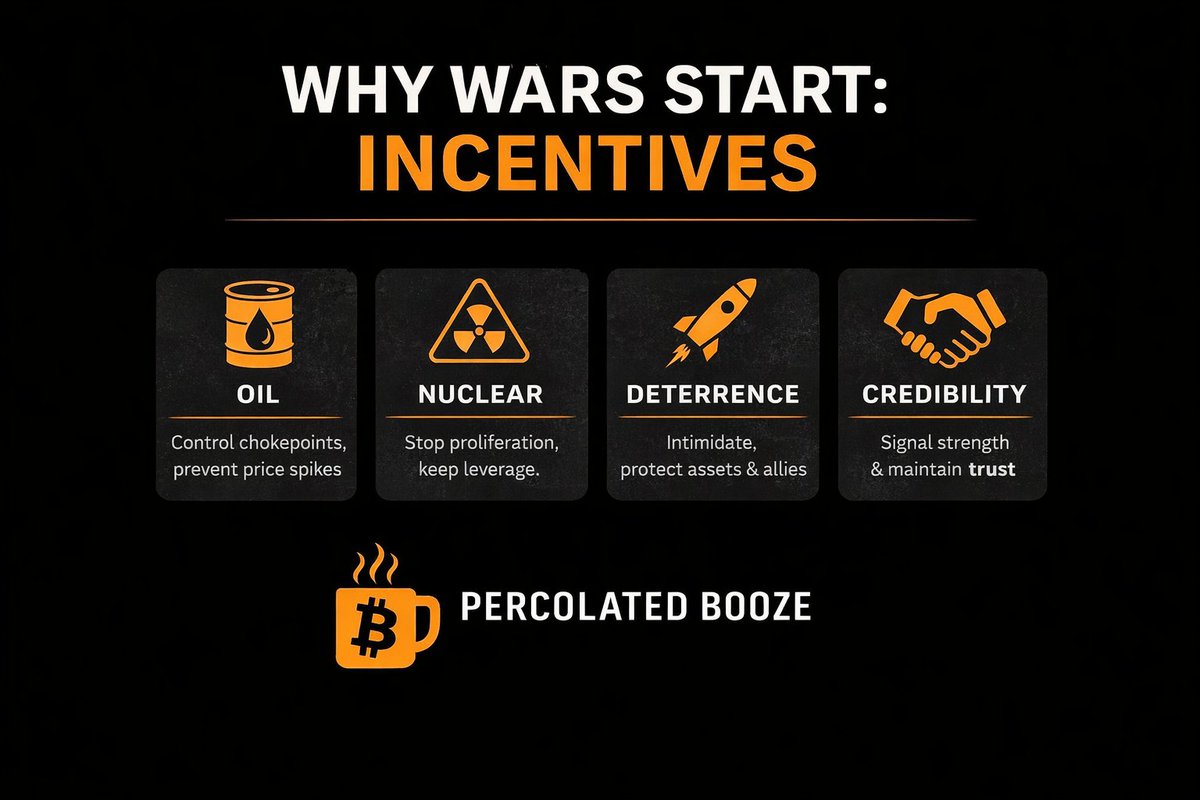
So what are the incentives here?
Oil.
Roughly 20% of the world’s oil flows through the Strait of Hormuz.
If that gets disrupted, prices spike.
That hits every American family.
Iran knows that.
The U.S. knows that.
That chokepoint is power.
Nuclear capability.
The U.S. has spent decades trying to prevent Iran from becoming a nuclear state.
Diplomacy works until it doesn’t.
Military posture is often negotiation with muscle behind it.
Deterrence.
If attacks hit shipping lanes or U.S. assets and there’s no response, credibility erodes.
In geopolitics, credibility is currency.
Lose it, and everything gets more expensive.
Now the real question:
Is this smart?
Building presence?
Probably rational as deterrence.
Actually starting a large war?
That’s where costs compound.
War in that region likely means:
• Higher oil
• Higher inflation
• Market volatility
• Expanded surveillance powers
• More debt
And debt is already massive.
So what is Percolated Booze watching?
• Oil prices sustaining higher levels
• Repeated shipping disruptions
• Proxy attacks on U.S. positions
• Breakdown in diplomatic timelines
When a country is already carrying heavy debt, war changes monetary incentives.
Conflict historically pairs with:
More spending.
More deficits.
More liquidity.
And that flows downstream into inflation pressure.
None of this means war is guaranteed.
It means the margin for miscalculation shrinks when assets stack up in one place.
The goal is deterrence.
But deterrence only works if both sides believe the other will act.
And that’s where things get fragile.
The stakes are higher than they've ever been.
The ultimate question is who is bluffing and will that bluff get called?
And what will be the ensuing fallout?
Signal over noise.
87
Feb 18
I don’t think most people are lazy.
I think they’re exhausted.
There’s a difference.
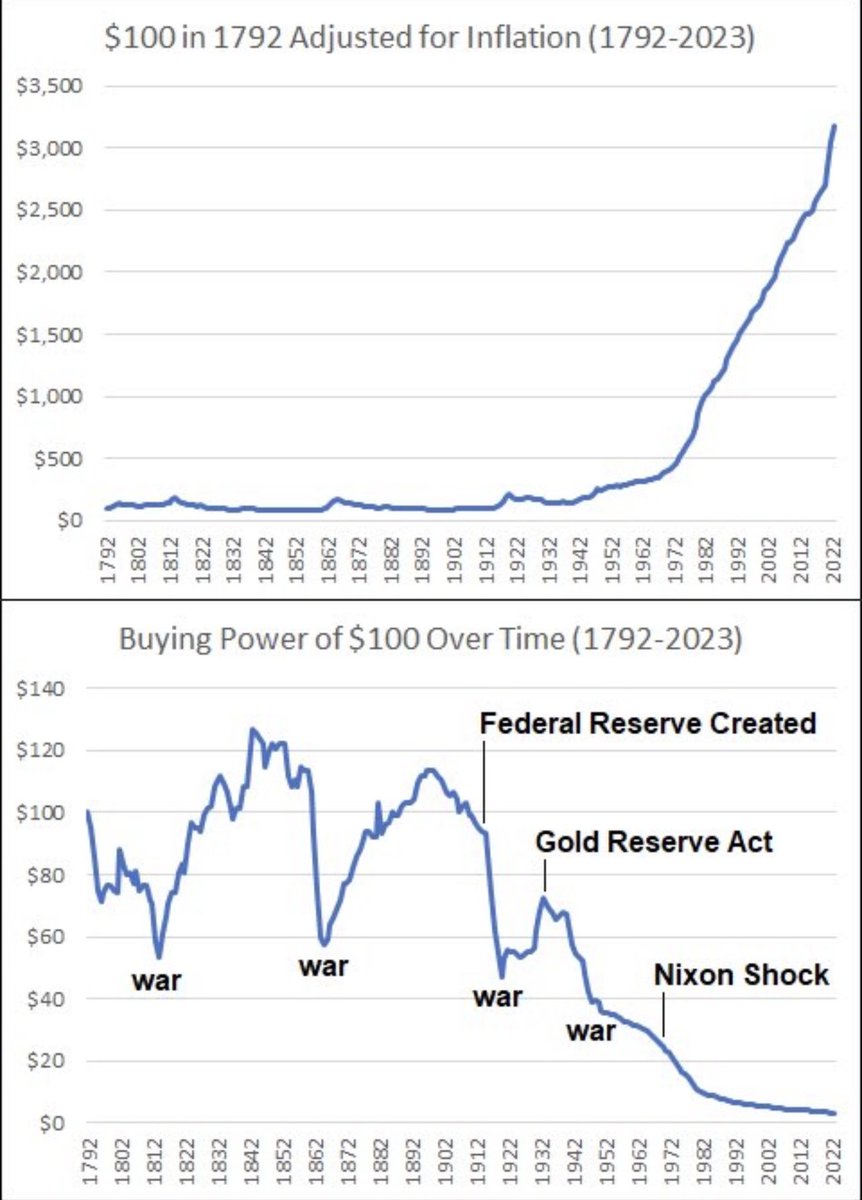
When money gets weaker every year,
it takes more effort just to stand still.
That wears people down.
We call it burnout.
But a lot of it is monetary friction.
38
Feb 18
I should probably explain why I started Percolated Booze.
It wasn’t because I’m some economist.
Or because I think I have all the answers.
It started because I couldn’t shake the feeling that something wasn’t right.
You ever look at your bank account and think…
“How am I working this hard and still not getting ahead?”
I’ve had that thought more than once.
Everything costs more than it used to.
Groceries. Gas. Insurance. A burger.
But wages don’t feel like they move the same way.
And then you turn on the news and they tell you the economy is “strong.”
Maybe on paper.
But it doesn’t always feel strong in real life.
At some point I stopped blaming myself and started asking better questions.
How does money actually work?
Who decides how much of it exists?
Why does it seem like every time there’s a crisis, the solution is just… more money?
Here’s what I realized.
When money can be created whenever things get uncomfortable, it changes everything.
It changes incentives.
It changes behavior.
It quietly changes what your work is worth.
Most people aren’t dumb.
They’re busy.
They don’t have time to read Federal Reserve reports after a 10-hour shift.
They’re trying to raise kids and pay bills.
So this page is my attempt to make sense of it in normal language.
No academic jargon.
No screaming.
No “trust me bro.”
Just connecting dots.
And yeah, Bitcoin is part of that conversation.
Not because it’s trendy.
Not because number go up.
But because it’s money with rules.
And rules matter when the people in charge of money don’t really have any.
You don’t have to agree with me.
But if you’ve felt that quiet frustration…
Like you’re playing a game where the scoreboard keeps changing…
You’re not alone.
That’s what this page is about.
Signal over noise.
1
135
PercolatedBooze retweeted

Feb 16
The career of Anthony Edwards so far:
No. 1 overall pick
10,000 NBA points scored
Olympic gold medal
All-Star Game MVP
The only other player in history to accomplish all of those feats before turning 25 is LeBron James.

20
430
3,474
96,381
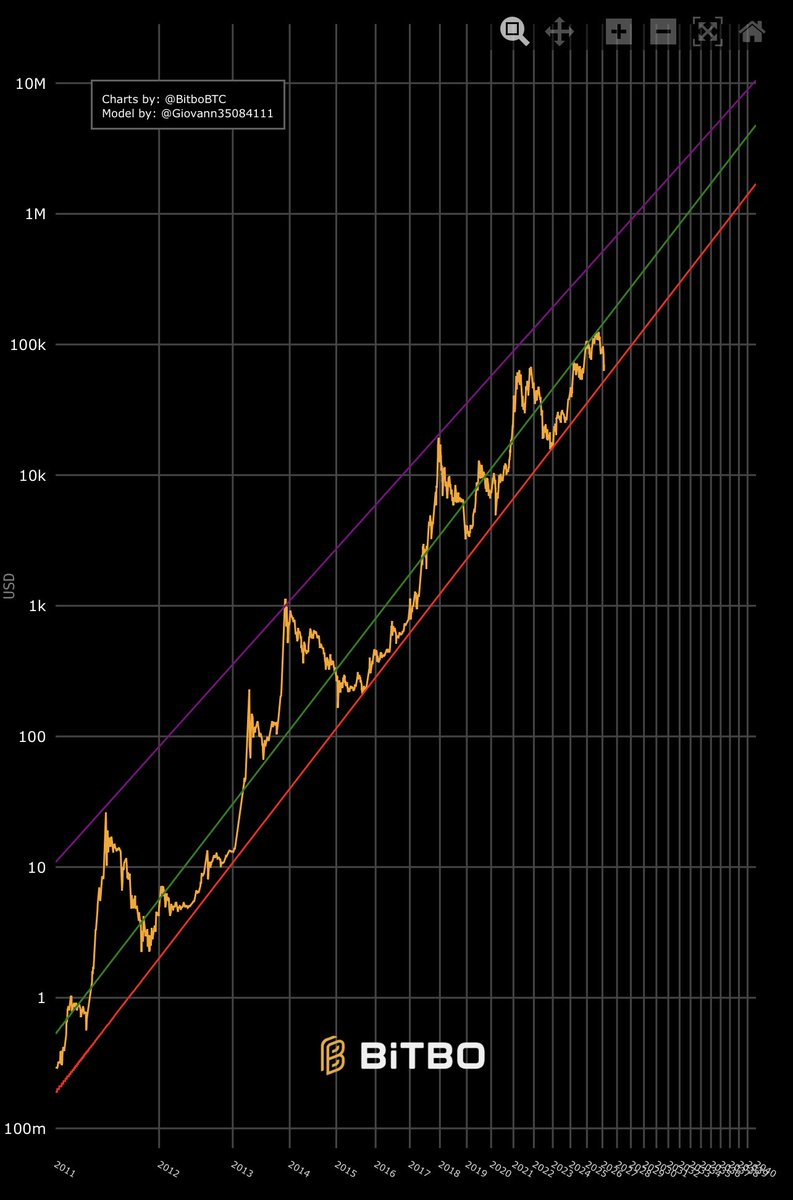
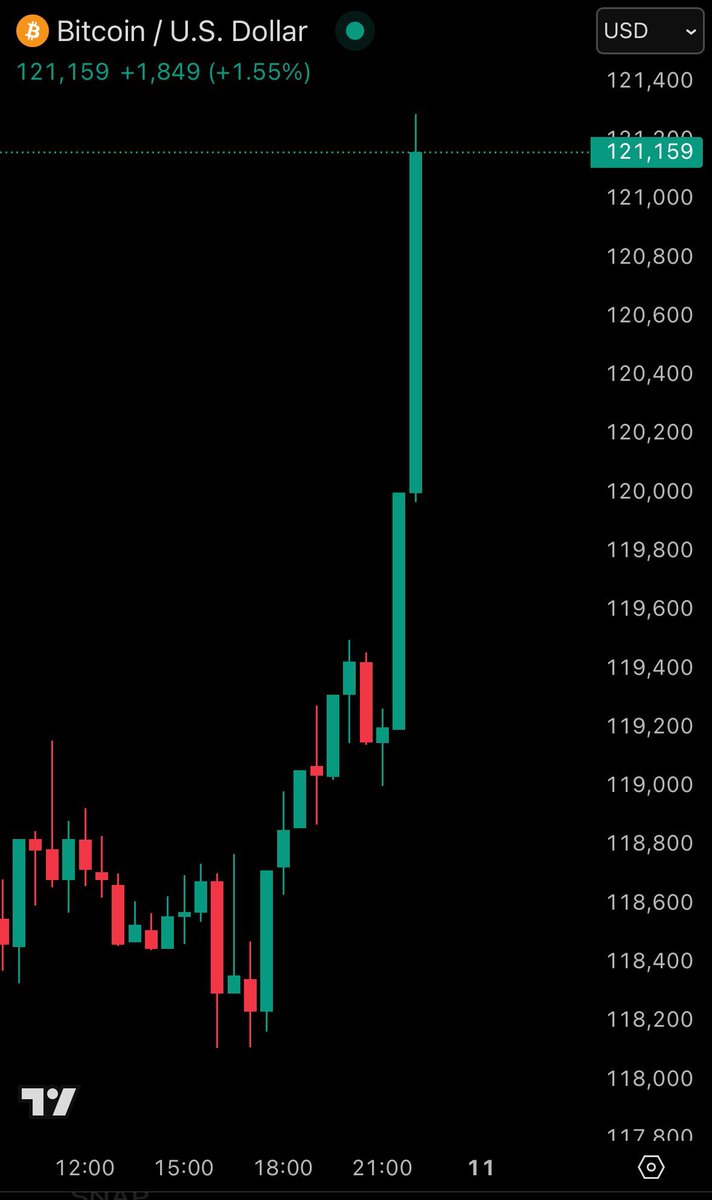
Does this look like the chart of something that is dying?
2
2
157
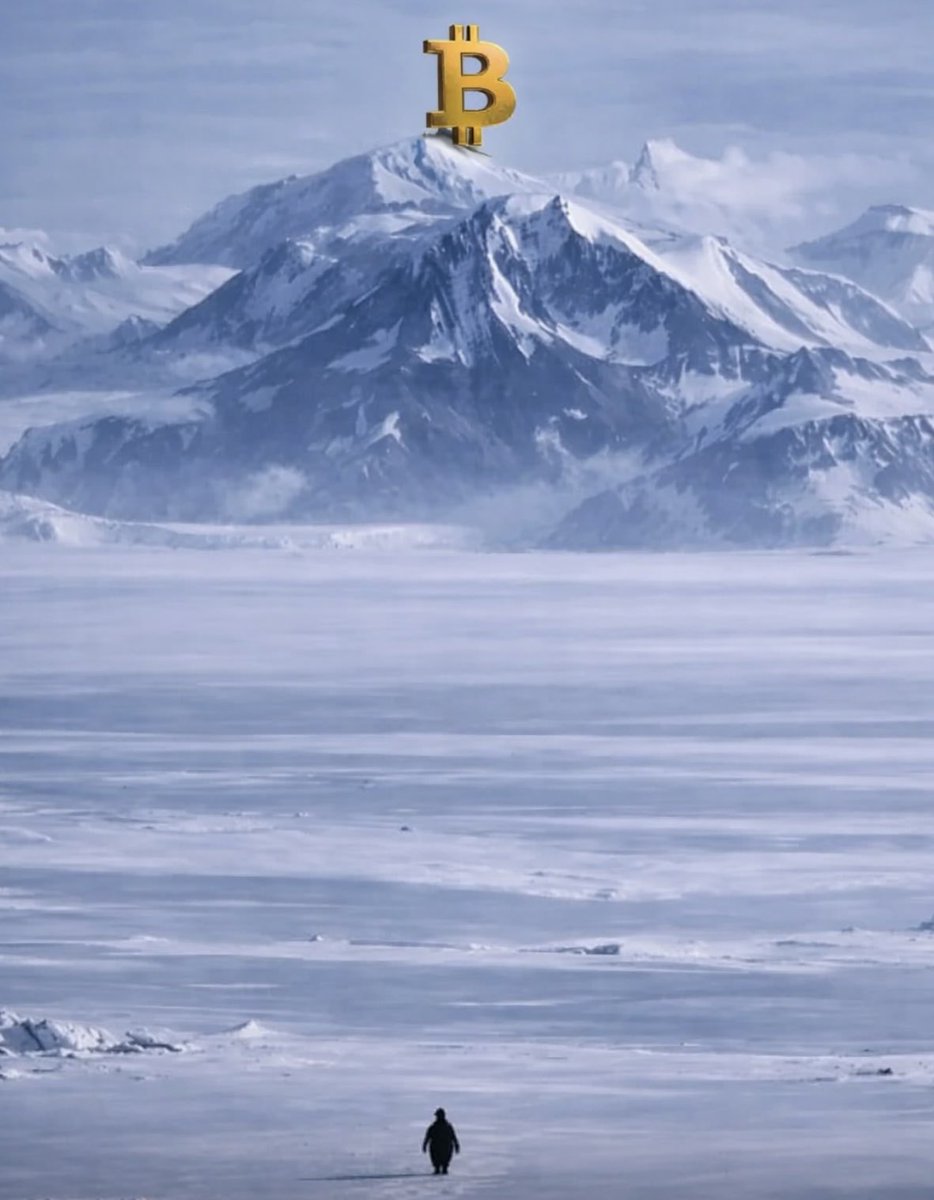
Why does Bitcoin live rent free in so many no coiner heads?
1
1
148
30 years from now - “dad, what was it like watching Anthony Edwards in the clutch?”
154