
Science, Technology, Startups, Innovation, Industry
Joined April 2016
- Tweets 9,869
- Following 2,781
- Followers 6,528
- Likes 11,168
Photos and videos

May 28
New laboratories, hospitals and science campuses mark new era for BioRegion of Catalonia | Biocat biocat.cat/en/current-news/i…
3
80
May 15
Los sectores que pagan menos de 27.500 euros de sueldo al año empobrecen al conjunto de la sociedad. lavanguardia.com/economia/20…
2
94
Pere Condom-Vilà retweeted

May 12
A thread responding to @luisgaricano’s post on US vs. Europe. Some valid points on tech and equity.
But several key claims on living standards in particular don’t hold up or are at the very least cherry-picked. 🧵
May 12

We stopped everything to write an answer (link below) to Paul Krugman's two posts of today (one informal, one with a simple model) arguing that Europe is broadly not falling behind the United States.
The change measured by the Draghi report, he argues, is mostly due to growth in the technology industry, which has distorted GDP numbers without actually leading to higher standards of living. We should believe our eyes when we walk around France and walk around Mississippi.
Krugman is wrong. The measures he uses understate European stagnation. This matters enormously. Divergence with the United States is the strongest evidence for reform in Europe.
1. The growth numbers
Krugman compares the United States, France, and Germany at purchasing power parity in current prices. On that measure, France's and Germany's position relative to America has been roughly constant since 2000.
But current price comparisons miss productivity gains in sectors where prices fall. If America produces twice as much software while the price of each unit halves, the value of American software output looks unchanged even though the volume has doubled.
Most economists therefore use constant prices, which fix the base-year PPP level and apply each country's real output growth on top of it. American output growth has concentrated in tech, where prices have fallen tremendously as productivity rises. In terms of the volume of things produced, America has pulled away from Europe.
2. Is it all the tech industry?
Krugman concedes this tech divergence but says it is not welfare-relevant. The American growth lead is an accounting artefact of measuring more iPhones at base-year prices, not a sign that Americans are actually richer, because Europeans buy the same iPhones at the same world prices.
This is not the right way to think about the world today, as an earlier Paul Krugman would have argued.
His model assumes tradable goods, interchangeable workers, marginal-cost pricing, and no profits. Each assumption fails.
Most of what households buy is non-tradable: housing, healthcare, childcare, education. When American tech firms bid workers from haircutting to coding, American haircut wages rise. Germany has no growing tech sector to do the bidding, so German wages stay flat.
Technology is not priced at marginal cost. Apple's margins are around 40 percent. Anthropic's inference margins are at 70 percent. The major platforms enjoy network effects, switching costs, and lock-in that hold prices well above what a competitive market would deliver. A large share of the productivity gains in technology stays as profit.
A lot of the value of American technology dominance shows up in equity, not in wages. Apple, Microsoft, Nvidia, Alphabet, Meta, and Amazon together are worth $21 trillion, more than the entire combined stock market value of all European stock markets. Around 60 percent of US equity is held by American households. The median French or Spanish household holds almost no equity.
The median employee at Meta, a company with almost 80,000 employees, earned $388,000 in 2025.
This advantage is not going to go away. Krugman's own 1991 paper, cited in his Nobel prize, showed that comparative advantage in modern industries is produced by increasing returns to scale, specialized labor markets, supplier networks and the agglomeration of suppliers, workers, and ideas in particular places. Once an industry concentrates somewhere, the concentration is self-reinforcing. Europe is being pushed away from the next round of technology industries (AI!).
3. What about inequality?
Another retort is that GDP per capita hides substantial inequality, and so even if America is rich on average, this is mostly due to the super wealthy.
But despite the US's high pre-tax income inequality, it also achieves higher median incomes than Europe, in part because of such a high base, and in part because it actually redistributes more than many European countries.
The cleanest comparison is median equivalised disposable household income: income after cash taxes and transfers, adjusted for household size and purchasing power. According to the OECD's 2021 numbers, the median American earns 30 percent more than the median Dutchman, about 31 percent more than the median German, and about 52 percent more than the median Frenchman.
4. What about hours worked?
Krugman points out that while American GDP per person is higher, most of this is because Americans work more. For this divergence to be an hours worked story, Americans must work more relative to Europeans now than they did in 2000.
The opposite has happened. Birinci, Karabarbounis, and See in a 2026 NBER paper show that about half of the American-European hours gap that existed in the 1990s has reversed by the end of the 2010s. Americans work fewer hours per person than they did in 2000, while most Europeans work more.
5. Is America not a bad place to live?
Walk around Alabama and France: surely the former cannot be substantially richer than the latter?
American cities often have poorer centres and richer suburbs or exurbs. European cities preserve richer and more attractive historic cores. A visit to a city as a tourist in America compared with a city in France will leave one having seen different spots on the income distribution. Americans in Europe go to the nicest and richest European cities.
Rather than a walking around test, do a driving around test. Go to the periphery of any modern American city and see a level of new-built material wealth that is extremely uncommon in Europe, with thousands of enormous four- or five-bedroom homes. In the South, in places like Nashville and Austin, drive around the downtowns to see hundreds of luxury apartment buildings springing from the ground. This construction boom is replicated virtually nowhere in Europe today.
The other question is generational. Housing often costs more in Europe than in the United States, despite the quality of the housing stock generally being much better. Europe has nice city cores but these are inaccessible to young Europeans.
Consider the salaries available to entry-level workers. The starting pay for a London police officer is $57,000. In Washington, DC, $75,000. The entry-level Deloitte consultant job in Madrid pays around €28,000, roughly $33,000 per year. In Charlotte, the entry-level Deloitte job pays $63,000.
There are many things to dislike about life in America. But relative to 25 years ago, the gap in material wealth has shifted dramatically in America's favor.
siliconcontinent.com/p/europ…
7
21
102
17,789
May 11
¿Europa en declive?
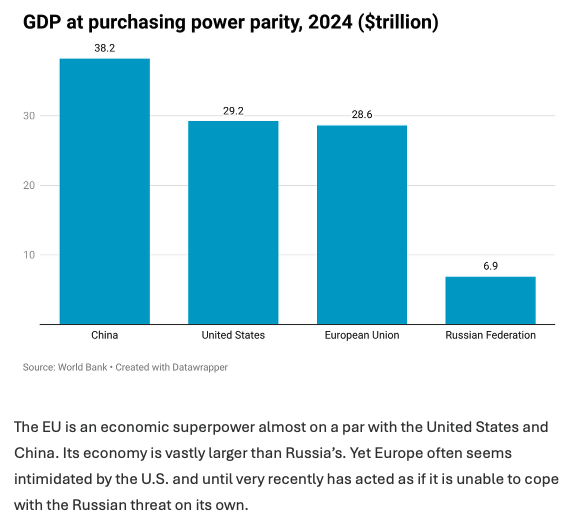
Según Krugman (ver post): "Europa está a la par con Estados Unidos. Europa es una superpotencia económica. Y, ahora, es la única superpotencia democrática del mundo".
Gracias por recordarlo Paul. A nosotros, nos cuesta apreciarlo.
paulkrugman.substack.com/p/i…
5
111
Pere Condom-Vilà retweeted

May 10
Useful for Europeans to get a reality check on the sometimes paralysing declinism that is gripping the continent.
I suppose it takes the outside perspective of Krugman to deliver it, in a good piece.
paulkrugman.substack.com/p/i…
23
88
375
23,522
Pere Condom-Vilà retweeted

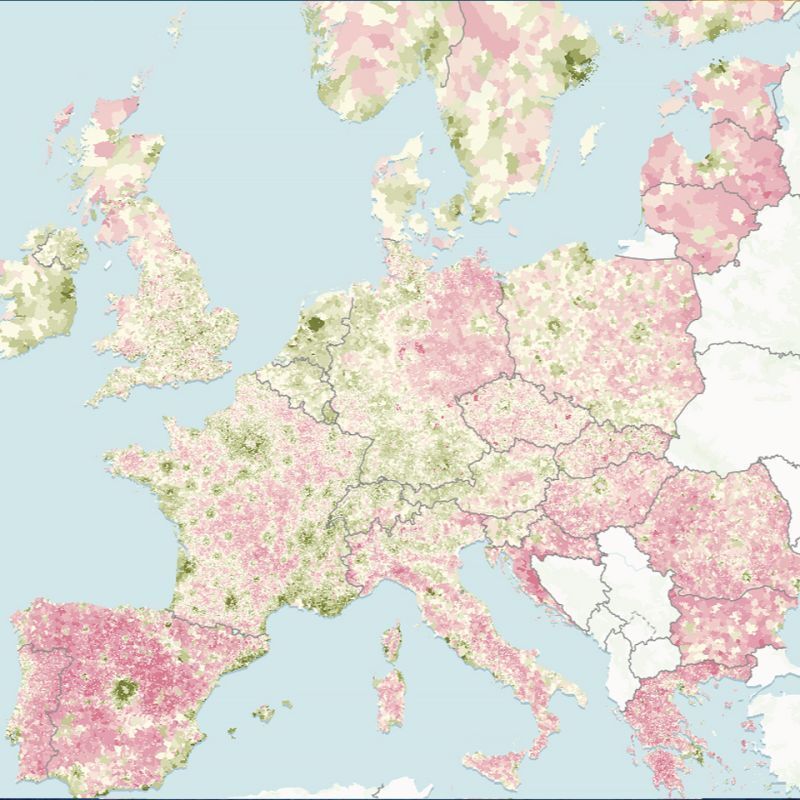
It's hard to oversell this map - make sure to bookmark it and share it with your friends. Fantastic research that must have been soooo labour intensive: How has the population of evert single small geographic region across Europe changed from 1961 to 2024? You will want to study this map in detail. Source (keep scrolling for a while): correctiv.org/aktuelles/2026…
78
580
3,416
590,953
Pere Condom-Vilà retweeted

Arranca el #INDIDay2026 en Viladecans con la apertura institucional. 10 años impulsando la industria desde el territorio.
🔷 Olga Morales, Alcaldesa de Viladecans (@ViladecansTweet), ha abierto la jornada reivindicando el papel del territorio como motor de transformación industrial. El liderazgo, ha subrayado, no se hereda: se construye.
🔷 Xavier Roca (@XavierRocaRamon), Director General d’Indústria de la Generalitat (@govern), ha puesto el foco en el proceso de reindustrialización en marcha en Europa, España y Cataluña: apoyo a sectores emergentes, refuerzo de los tradicionales y reducción de la dependencia exterior.
🔷 Jordi Valls, Vicepresident de l’AMB, ha reclamado pasar de los activos al compromiso. Tenemos las condiciones, falta asumir la responsabilidad.
🔷 Juan Antonio Pérez (@JAPerezPSC_SQV), Diputació de Barcelona (@diba), ha defendido que los retos industriales se responden desde lo local. La industria fuerte empieza en el territorio.
🔷 Jordi Hereu (@jordihereub), Ministro de Industria y Turismo (@minturgob), ha cerrado la apertura felicitando a los fundadores del IND I y reconociendo lo que han construido: una comunidad de ciencia, innovación e industria que en 2026 es más necesaria que nunca.
#FENTLINDI
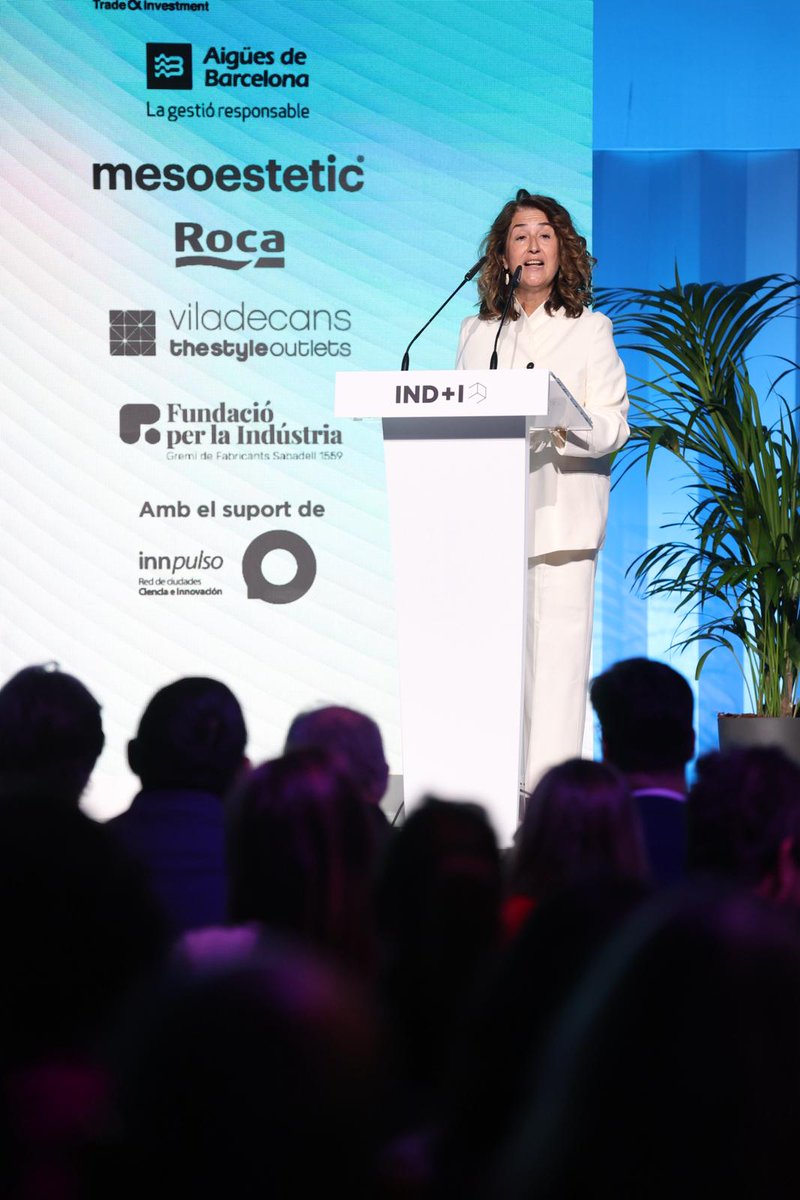
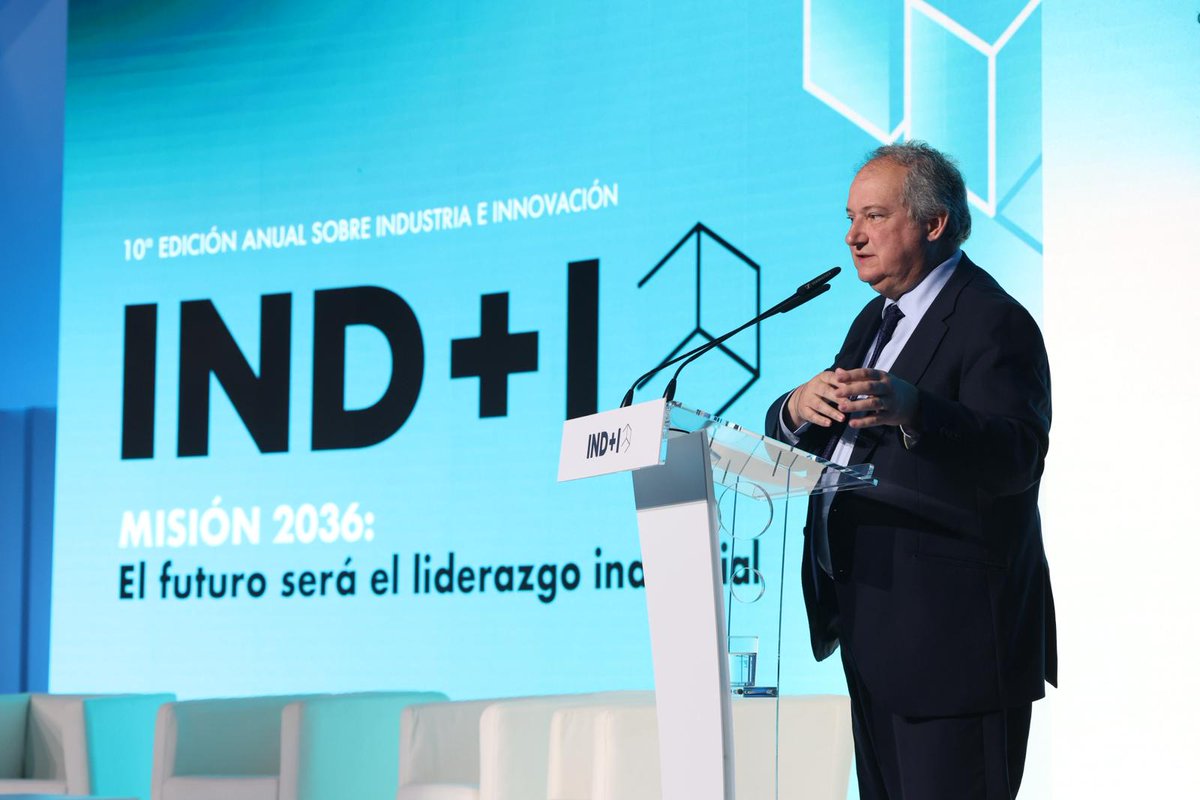
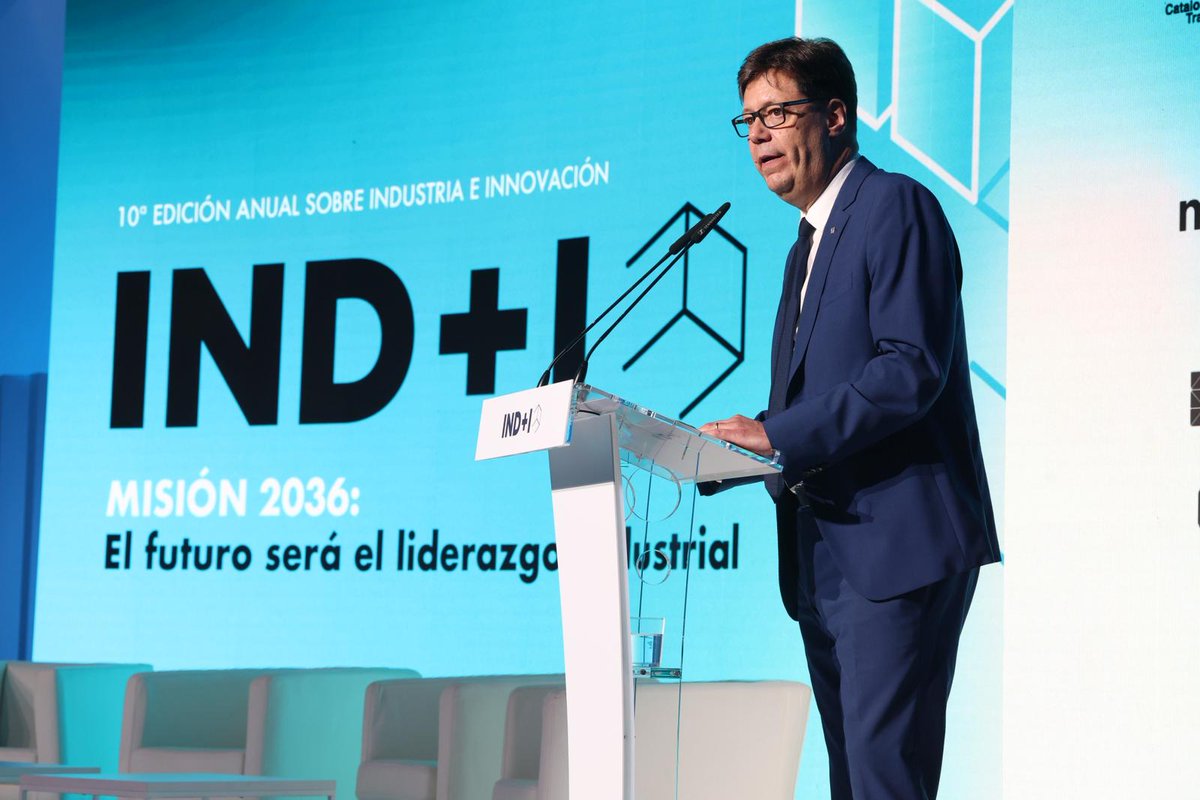
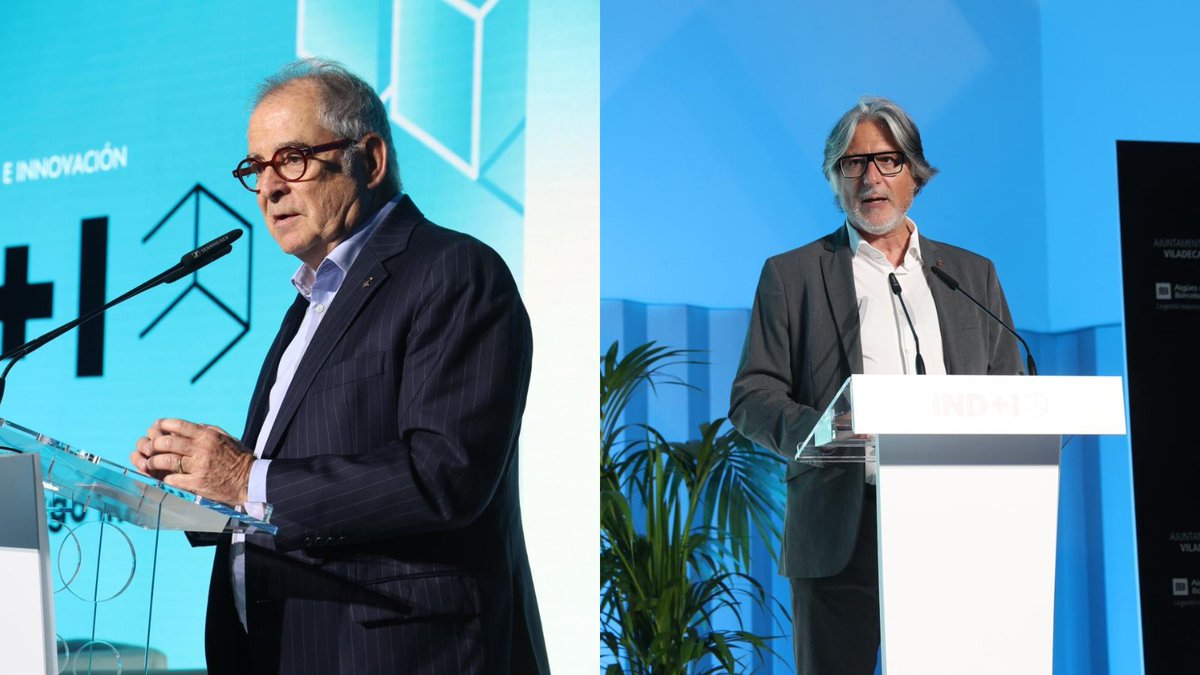
4
4
496
Pere Condom-Vilà retweeted
10 ediciones y más de 80 ponentes.
El paseo de la fama del #INDIDay2026 reúne a todas las personas que han pasado por el IND I desde la primera edición.
Hoy celebramos de dónde venimos para saber a dónde vamos. #FENTLINDI
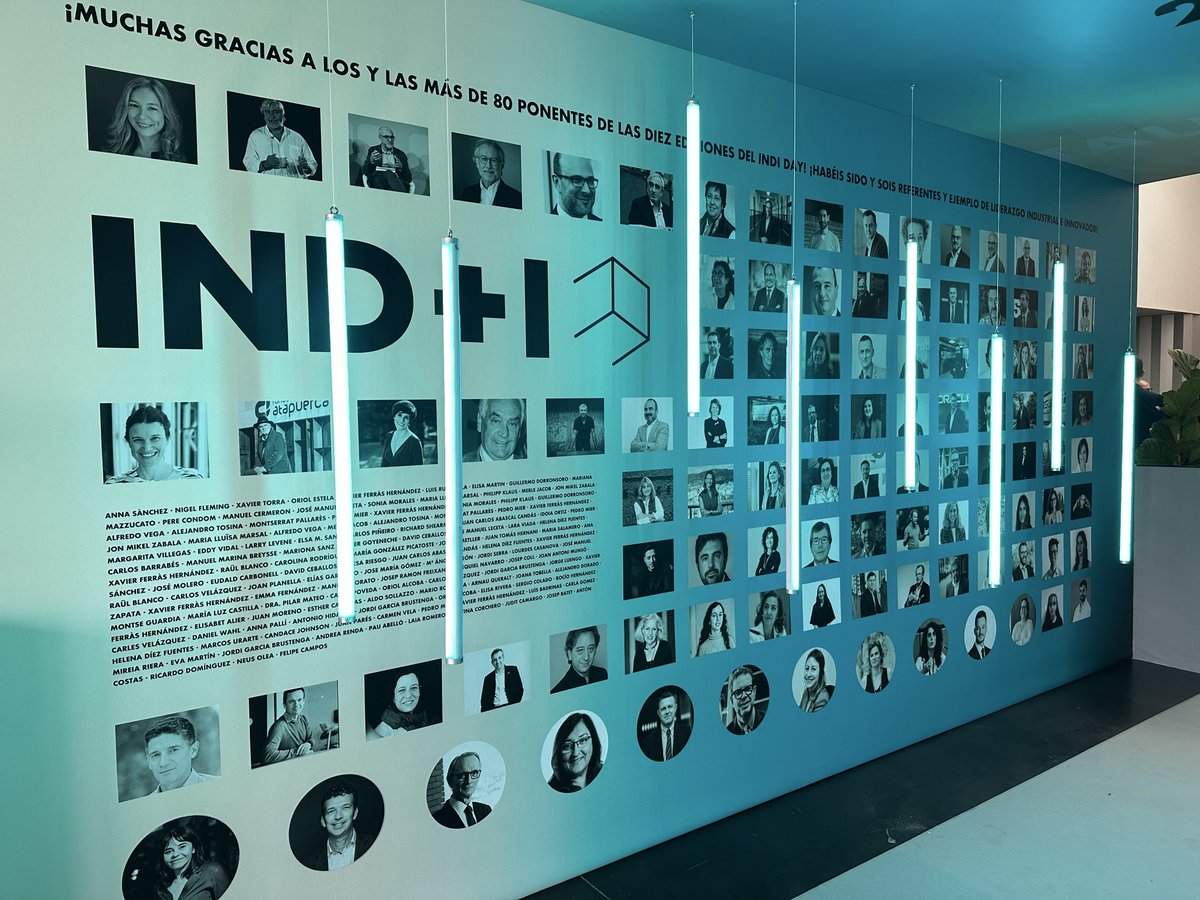
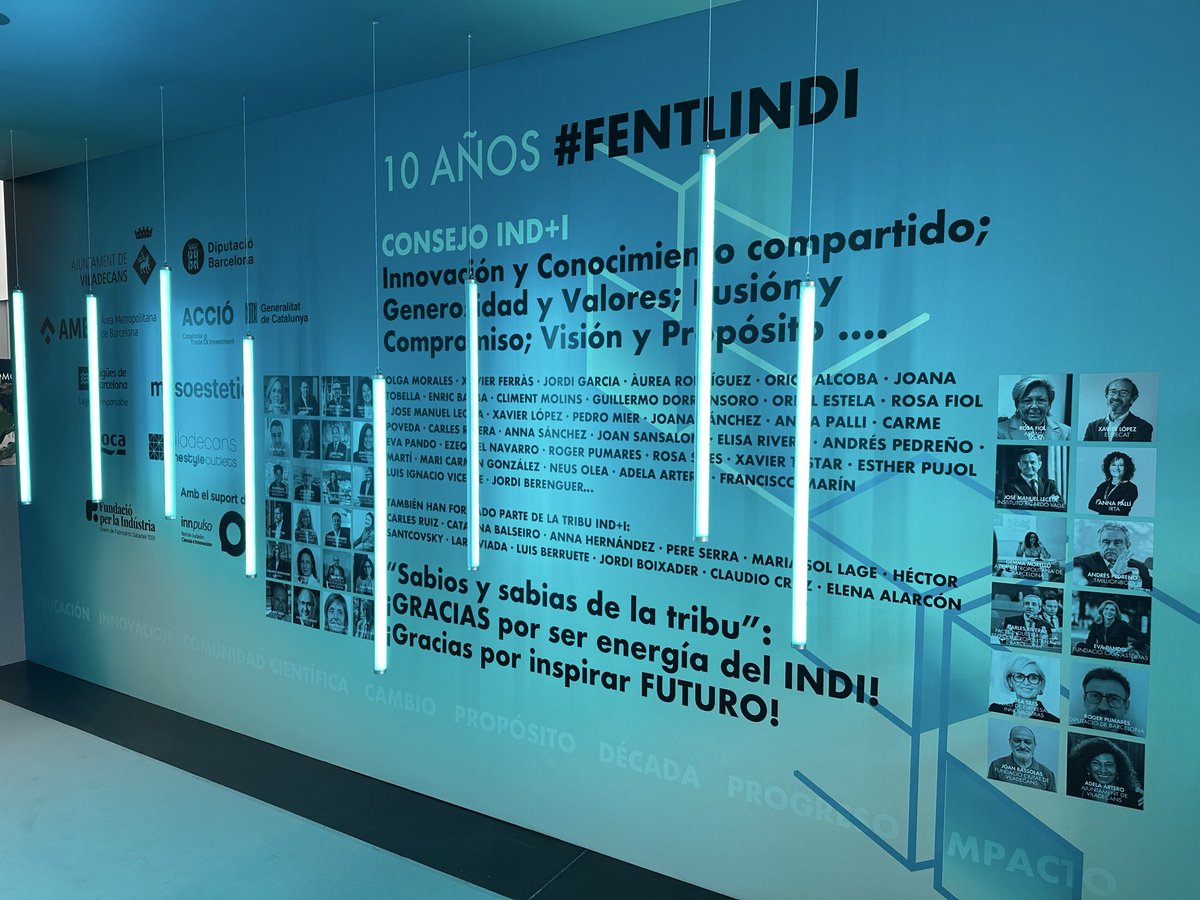

3
5
200
Pere Condom-Vilà retweeted
🎥 ¡Arranca el #INDIDay2026 en Viladecans!
10 años impulsando la industria y la innovación desde el territorio.
Síguelo en directo aquí 👉 youtube.com/live/U-fn5Cx-cdE…
#FENTLINDI
2
3
849
Pere Condom-Vilà retweeted

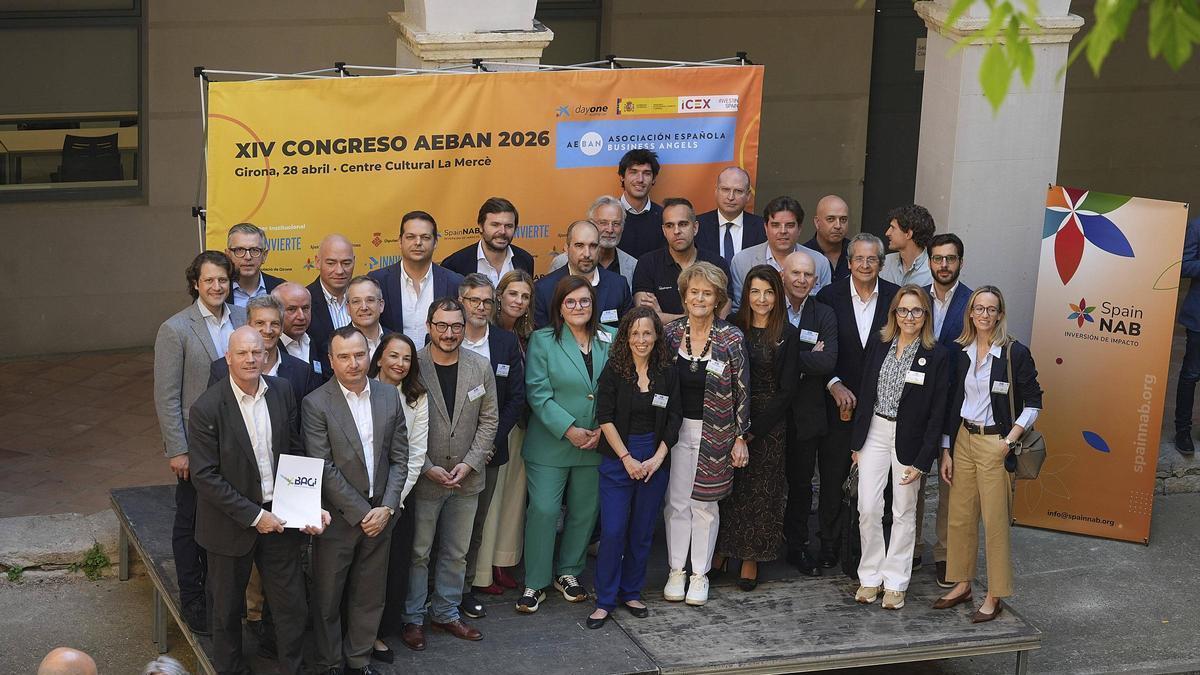
4
9
138
Pere Condom-Vilà retweeted

Apr 29
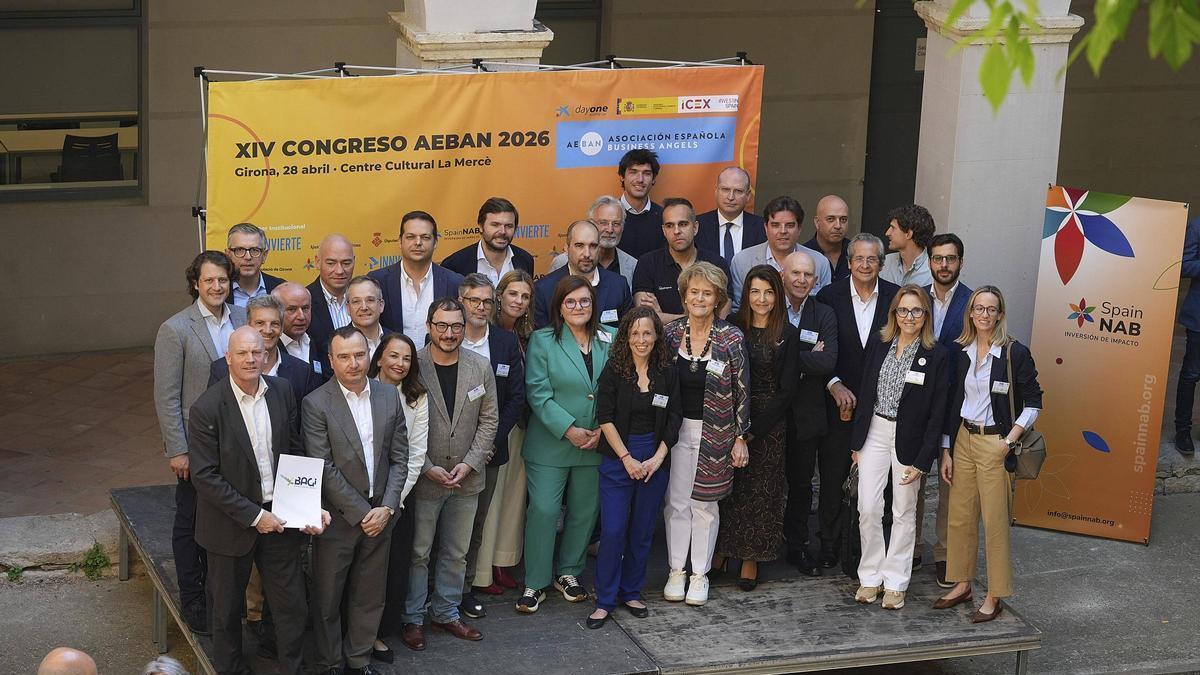
Girona, capital de l'emprenedoria 🚀
✔︎ buff.ly/154TRVZ
@AEBAN_es
#XarxaBagi #Girona #AEBAN2026 #Startups
2
4
94
Pere Condom-Vilà retweeted
Apr 29
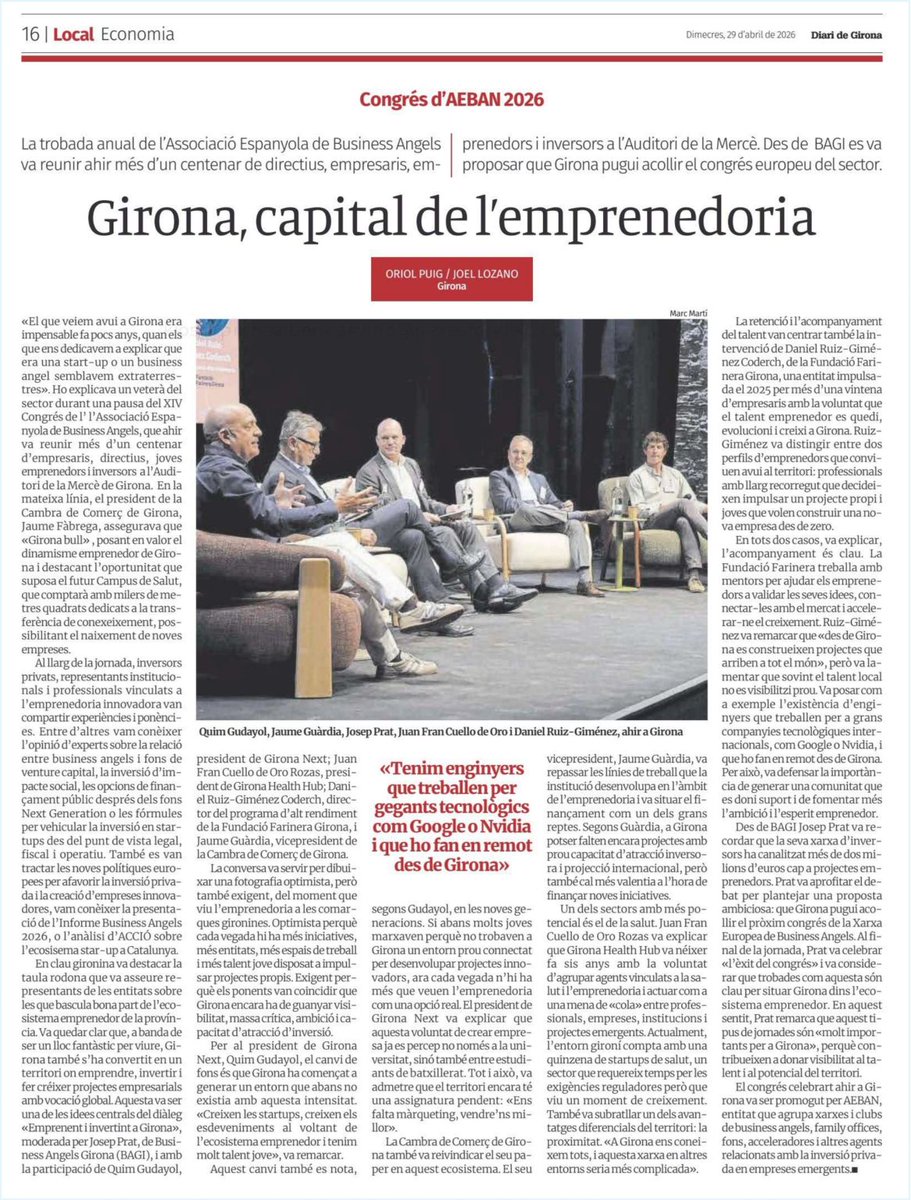
La valoració del @DiarideGirona del Congrés AEBAN 2026 que vam coorganitzar amb @AEBAN_es i que per primera vegada es va celebrar a Girona.
Moltes gràcies als ponents, assistents, col·laboradors per fer-ho possible!
#XarxaBagi #Girona #AEBAN2026 #Startups #Inversors
3
3
96
Pere Condom-Vilà retweeted
Apr 24
Us recordem que dimarts organitzem el Congrés @AEBAN_es al Centre Cultural La Mercè de Girona.
I dilluns a la tarda, farem el preprograma amb una visita a la ciutat i un demo day amb startups a l'Hotel Ultònia.
👉🏻 buff.ly/HqZfp7W
#XarxaBagi #Inversors #Startups

2
2
110
Pere Condom-Vilà retweeted

Apr 19
Gracias a @el_pais por la publicación de esta tribuna de opinión.
“Repensar la Universidad: entre las inercias heredadas y la urgencia del futuro” | Educación | EL PAÍS elpais.com/educacion/2026-04…
7
61
142
16,187
Pere Condom-Vilà retweeted

Apr 17
“Repensar la Universidad: entre las inercias heredadas y la urgencia del futuro”. Interesante reflexión de @GardeJulian en @el_pais 👇👏
elpais.com/educacion/2026-04…
26
42
4,207
Pere Condom-Vilà retweeted

‼️Manifiesto COSCE “Por un Sistema Español de Ciencia, Tecnología e Innovación (SECTI) más eficiente y de mayor impacto”.
Recoge una batería de propuestas para modernizar el marco regulatorio de la #investigación en España y reducir la #burocracia
cosce.org/manifiesto-por-un-…
33
36
5,542
Pere Condom-Vilà retweeted

Apr 6
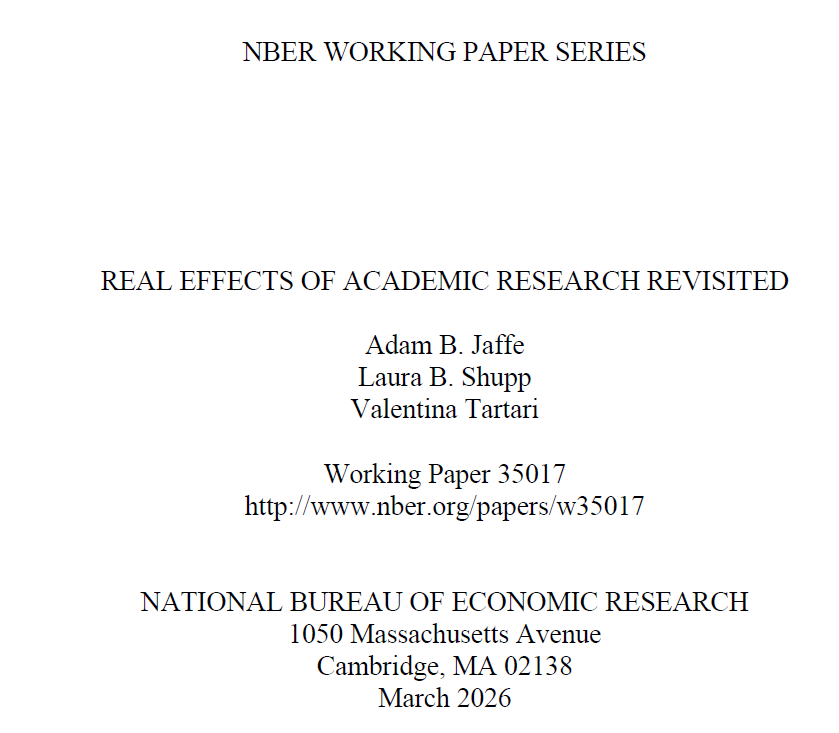
Las universidades no solo generan conocimiento: también impulsan innovación, forman capital humano y favorecen emprendimiento y transferencia tecnológica. Este paper revisa la evidencia de que su impacto económico es real, tanto a escala local como global, aunque aún sabemos menos sobre por qué funcionan mejor en unos contextos que en otros.
nber.org/papers/w35017 youtube.com/watch?v=kZXzZHDI…
6
56
138
8,315
Pere Condom-Vilà retweeted

Mar 27
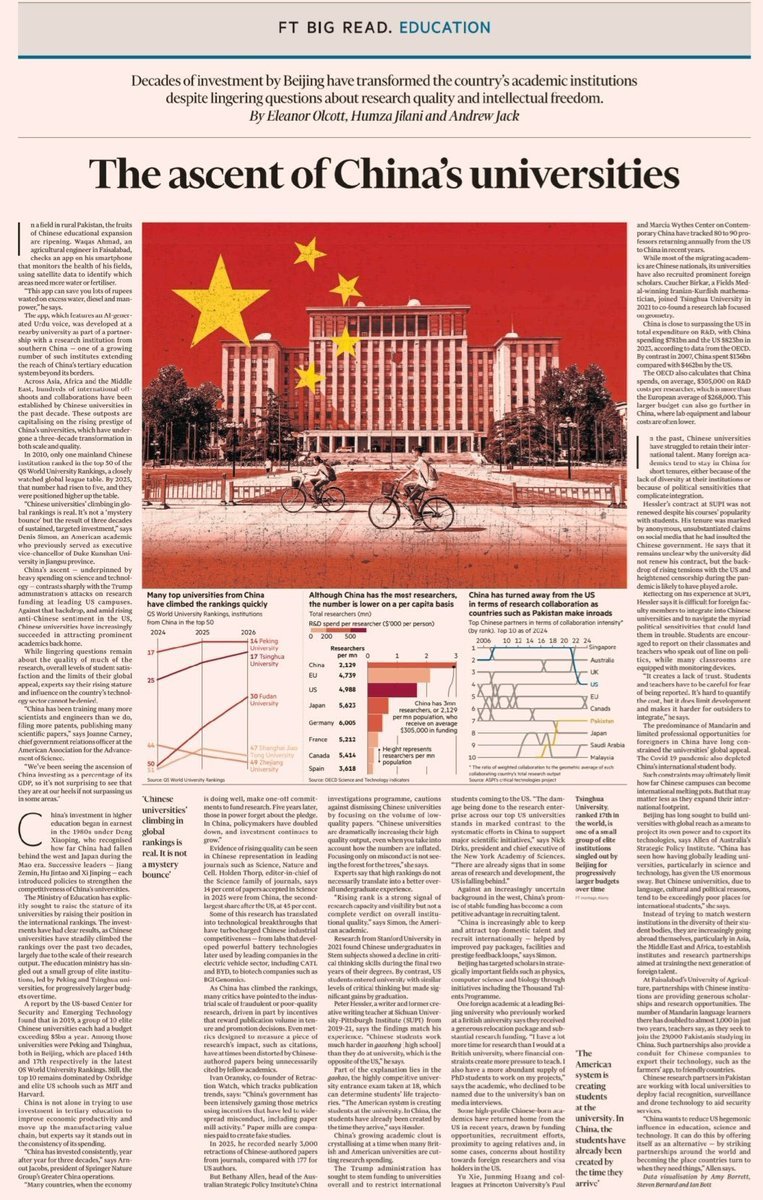
El conocimiento es la infraestructura más poderosa que una nación puede construir
El ascenso de las universidades no es azar, es una visión audaz a largo plazo Apostar por el talento y la investigación, es diseñar el futuro
Que el saber sea siempre un puente hacia el progreso
8
20
858