
Sports Enthusiast || @ChelseaFC⚽️🔥|| @HeartsOfOakGH || Movie Fanatic || A Geographer ll GIS ||👨🏽🚒 ||NB: Always Outclass your Critics!
Joined May 2016
- Tweets 34,662
- Following 1,242
- Followers 1,247
- Likes 171,412
265 Photos and videos
Osman S. Pearl (Perloo) retweeted

1hr to Ghana vs Panama and ECG does their thing at my end…
Shame on you
24
16
299
5,488
ECG we beg you guys
This is not the time to start playing with us @ECGghOfficial
Please!
44
Osman S. Pearl (Perloo) retweeted
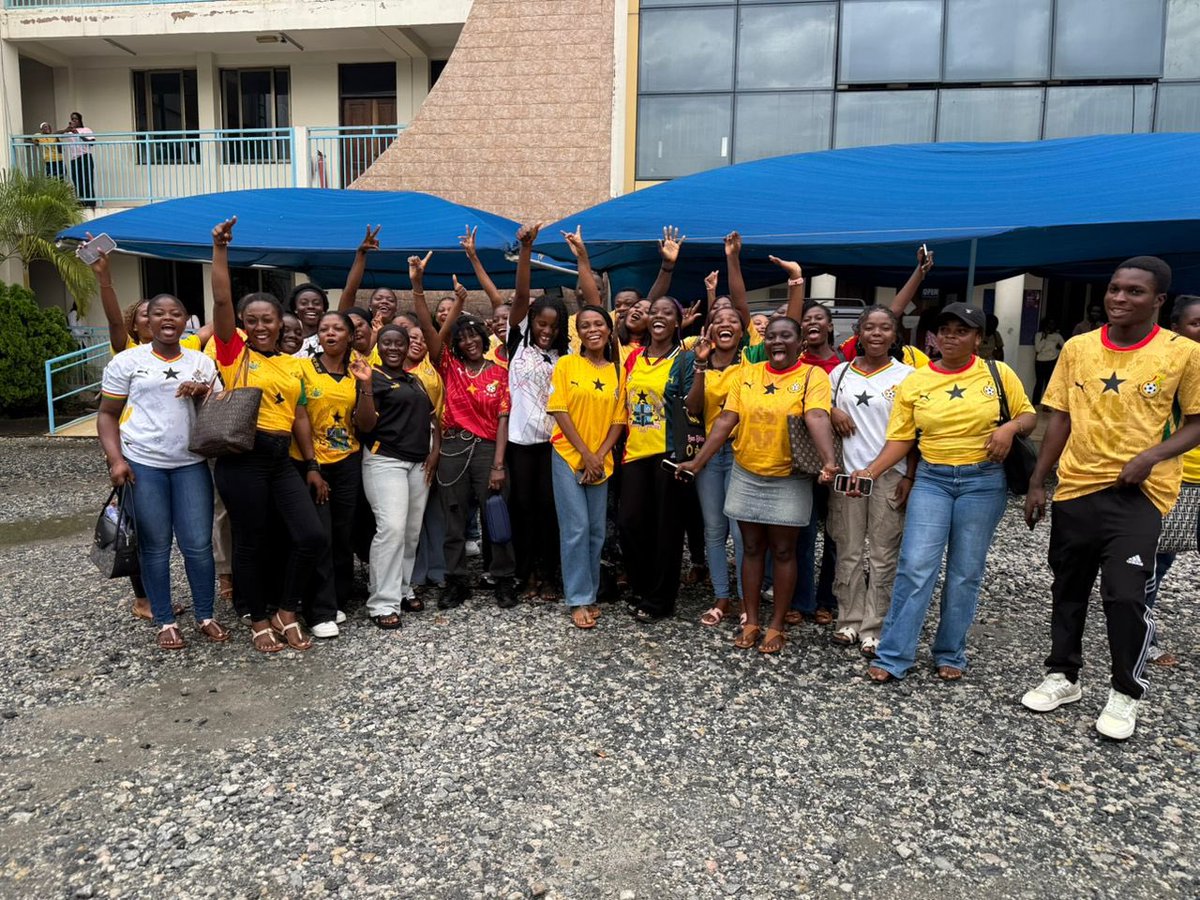
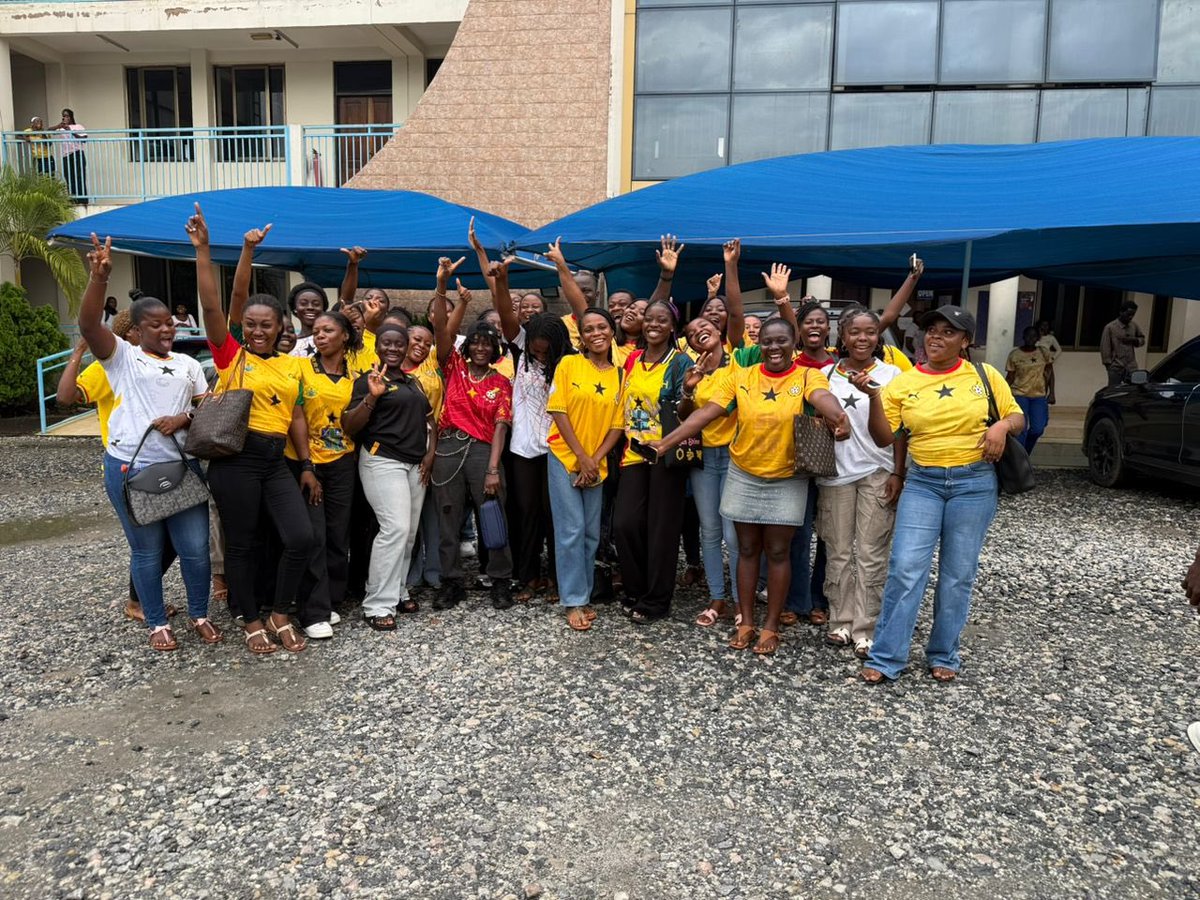
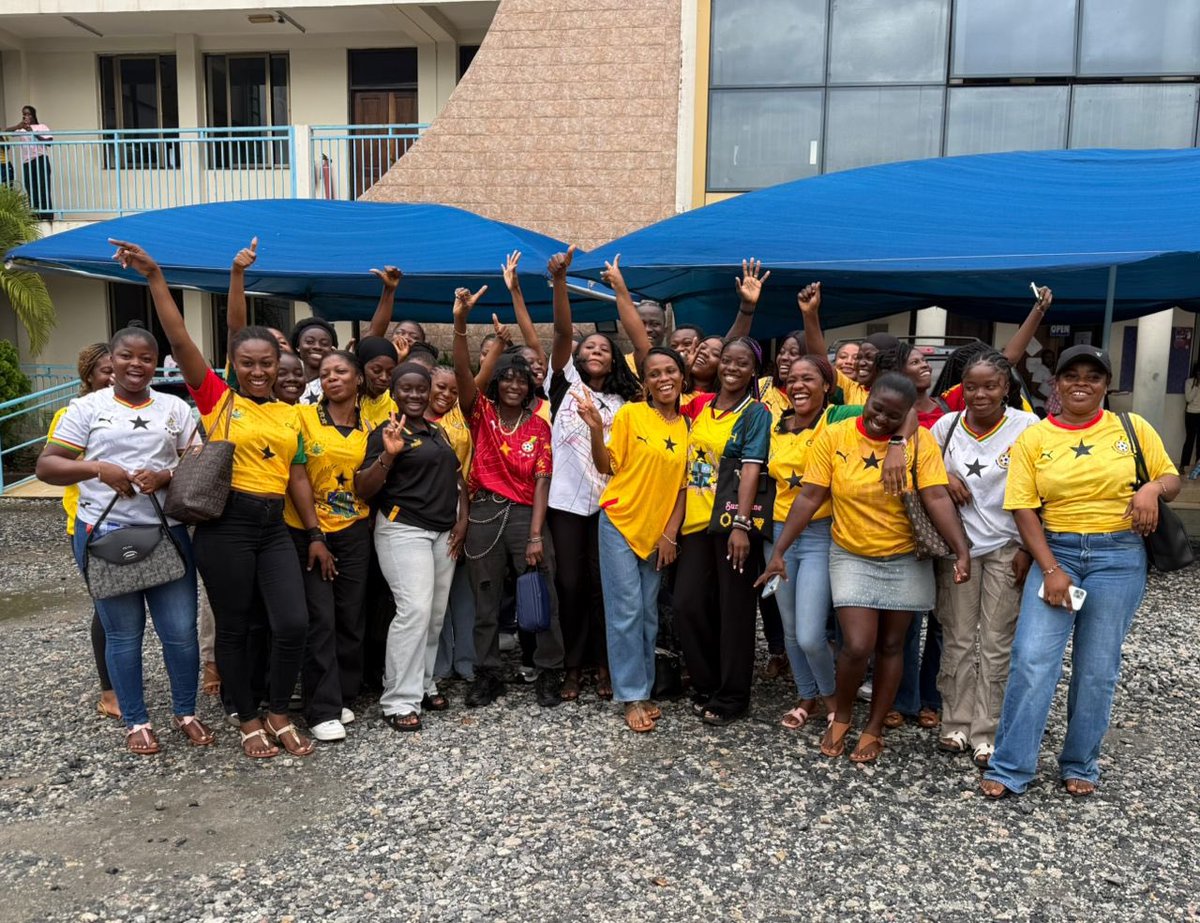
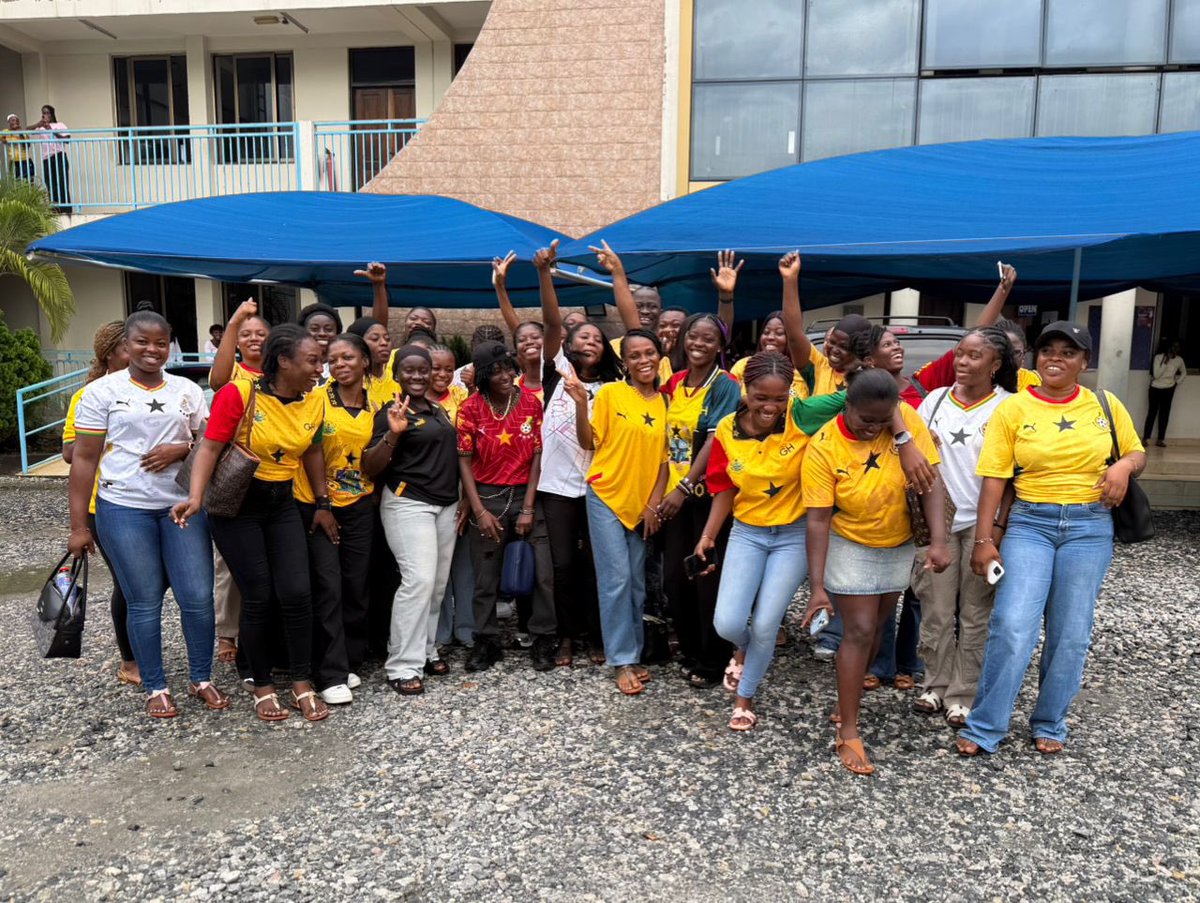
Nearly half of my students at UniMAC-IJ turned up for our Sports Journalism lecture today in Ghana jerseys ahead of the World Cup group game with Panama. Just about half the class of more than 100 said they believe @GhanaBlackstars would win. May it be so.
1
5
38
860
Osman S. Pearl (Perloo) retweeted
🚨 𝗡𝗘𝗪: 𝗦𝗲𝗻𝗲𝗴𝗮𝗹 𝗽𝗿𝗼𝘃𝗶𝗻𝗴 𝘁𝗼 𝗯𝗲 𝗔𝗳𝗿𝗶𝗰𝗮’𝘀 𝘃𝗼𝗶𝗰𝗲 𝗼𝗻 𝗳𝗮𝗻𝘀, 𝘃𝗶𝘀𝗮𝘀 𝗮𝗻𝗱 𝘁𝗵𝗲 𝗶𝗺𝗯𝗮𝗹𝗮𝗻𝗰𝗲 𝗼𝗳 𝗿𝗲𝗽𝗿𝗲𝘀𝗲𝗻𝘁𝗮𝘁𝗶𝗼𝗻 𝗮𝘁 𝘁𝗵𝗶𝘀 𝗪𝗼𝗿𝗹𝗱 𝗖𝘂𝗽.
---
🗣 Editorial powered by @mypolytank
____
Last night, when @TheAthleticFC asked 🇸🇳 Teranga Lions captain Kalidou Koulibaly about the issue of visas and fans, many would have expected a "no comment" because of the political sensitivity around it.
Boy, were they wrong.
I'll tell you why in a minute, but first, some context.
The 10 qualified African teams have all been very careful about saying anything relating to visas, immigration and/or the general difficulty of their fans have had in entering the USA/Canada for this World Cup.
For obvious reasons.
🇨🇻 Cape Verde, who have a very large population in the New England area (est. 70,000 in Massachusetts alone and about 18,000 here in Rhode Island, per USIS stats), but still suffered the visa bond imposed by the US government, urged their players not to comment on the matter.
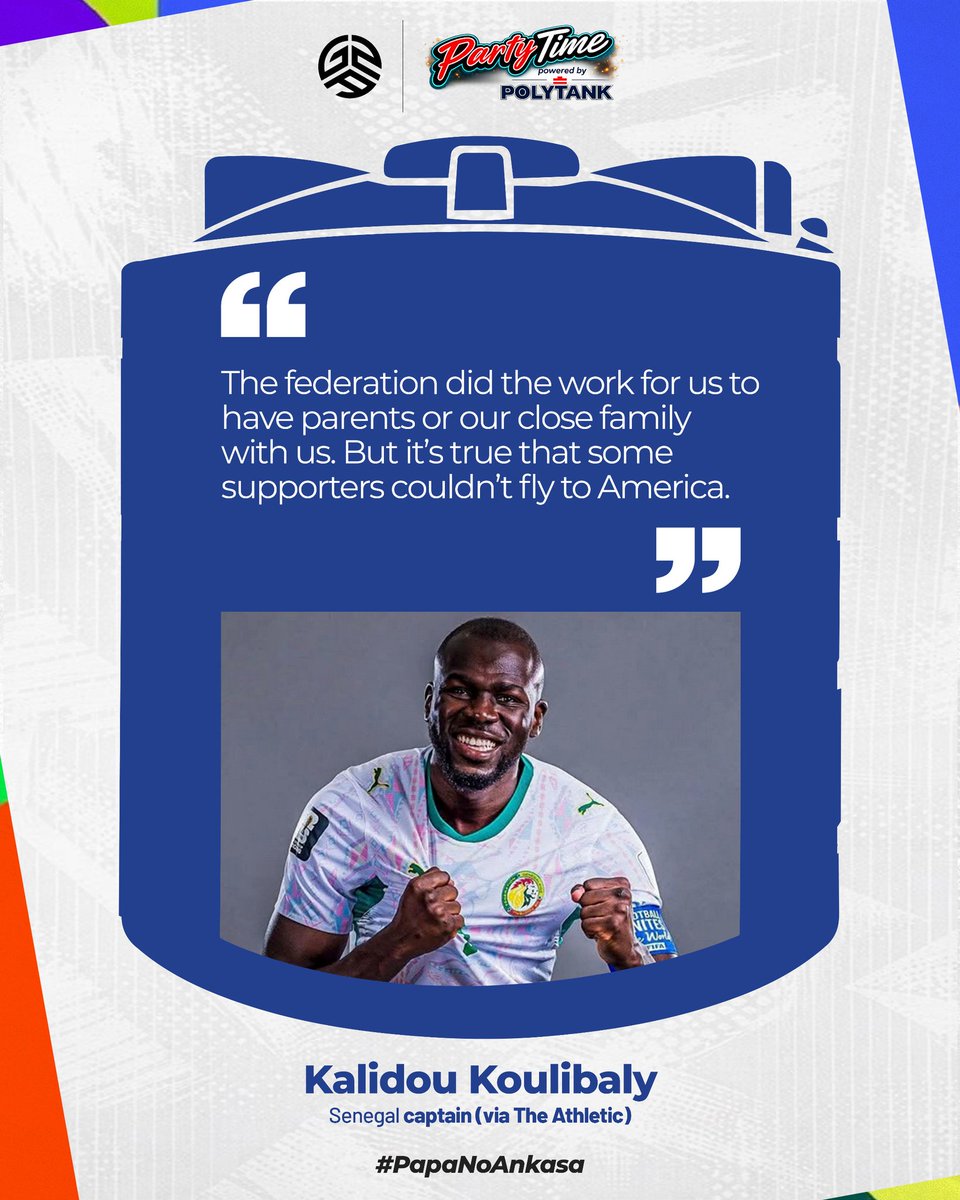
Which is why it was refreshing that when goalkeeper Vozinha, in a fit of happiness, inadvertently mentioned his mother not being able to travel to watch his World Cup debut, the emotion around it warmed hearts worldwide.
The State Department now says it is working to bring her over to see her son play on Sunday.
🇨🇮 Cote d'Ivoire beat Ecuador in a Philadelphia stadium that felt like an away match for the West Africans. Two weeks ago, their official supporters union announced a mass rejection from the local US Embassy for fans, expressing regret about not going to cheer their team.
After the game, players and coach declined comment on the topic.
🇬🇭 For Ghana, despite a key player, Thomas Partey being in the throes of allied issues, it is widely expected that the Ghana FA will neither comment nor issue any statement.
And then there's Senegal.
The Teranga Lion's leaders have made sure to be polite but firm in their communication of these 'taboo' topics. Their sports journalists union were the ones who led AIPS Africa (the largest association of African sports journos) to write a strongly worded statement to FIFA and the USA condemning widespread visa refusals.
So, back to Koulibaly being asked by The Athletic.
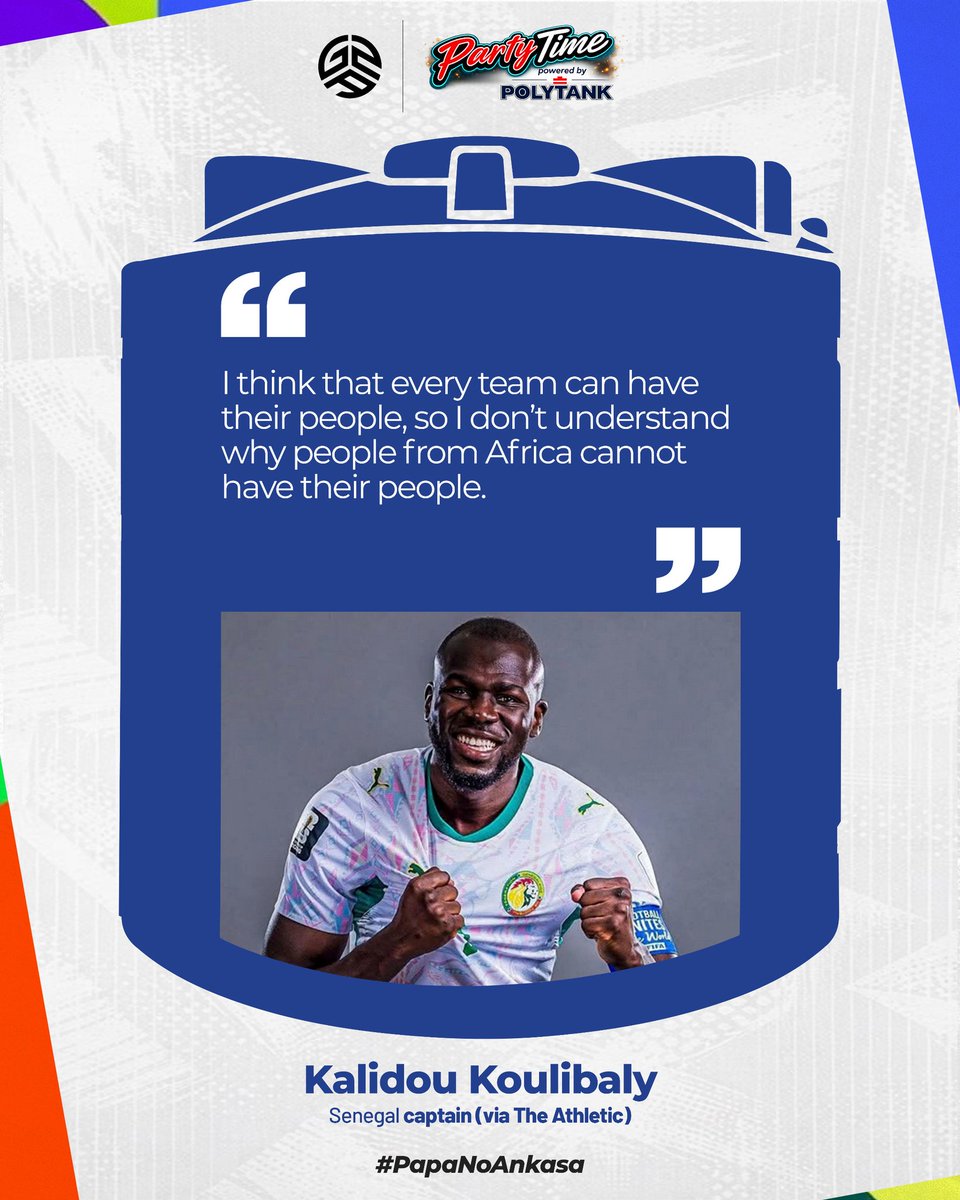
Instead of declining comment, the 34-year-old spoke out: “I think that every team can have their people, so I don’t understand why people from Africa cannot have their people.”
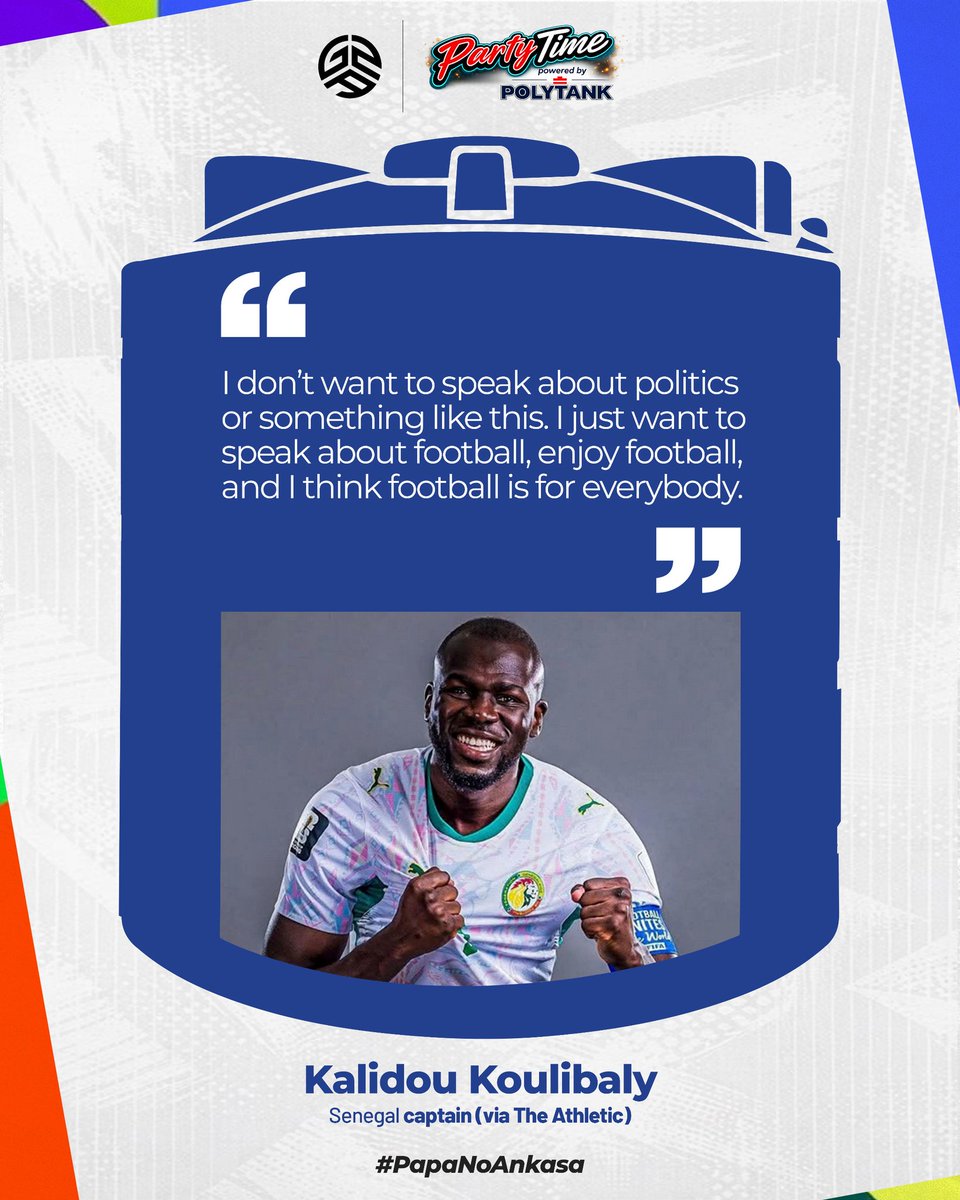
“I don’t want to speak about politics or something like this. I just want to speak about football, enjoy football, and I think football is for everybody. I just want to tell this and I hope that the situation will be OK, but for me the most important is that we have to play for our people.”
With influential folk like him speaking out, will we see more African personalities around the teams comment on the matter?
Matchday 1 soon ends, and we have a lot of time left to find out how this plays out.
-
✍️🏿 If there are topics you want me to write on, drop me a DM or suggest in comments.
2
23
155
6,165
I have to stop predicting 😂💔

Alla
Portugal 2 - DRC 0
🤝
14


Osman S. Pearl (Perloo) retweeted

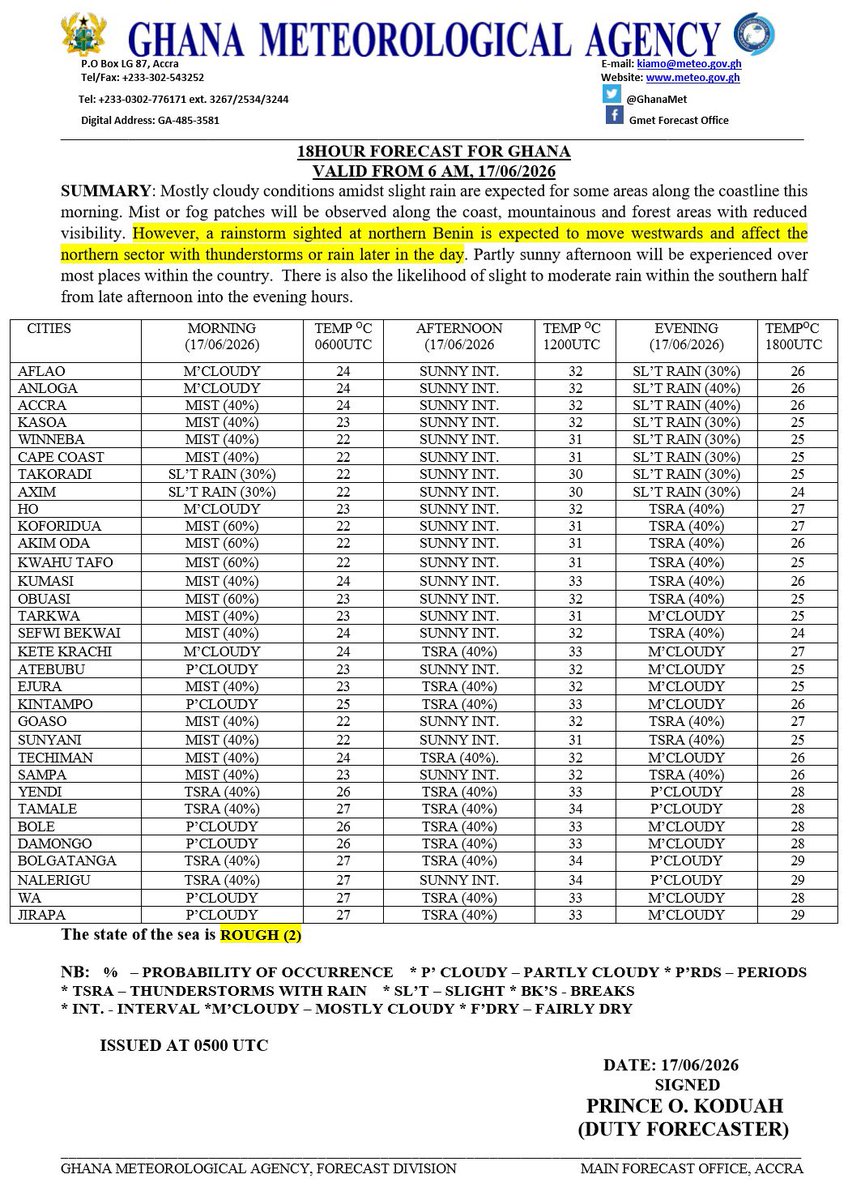
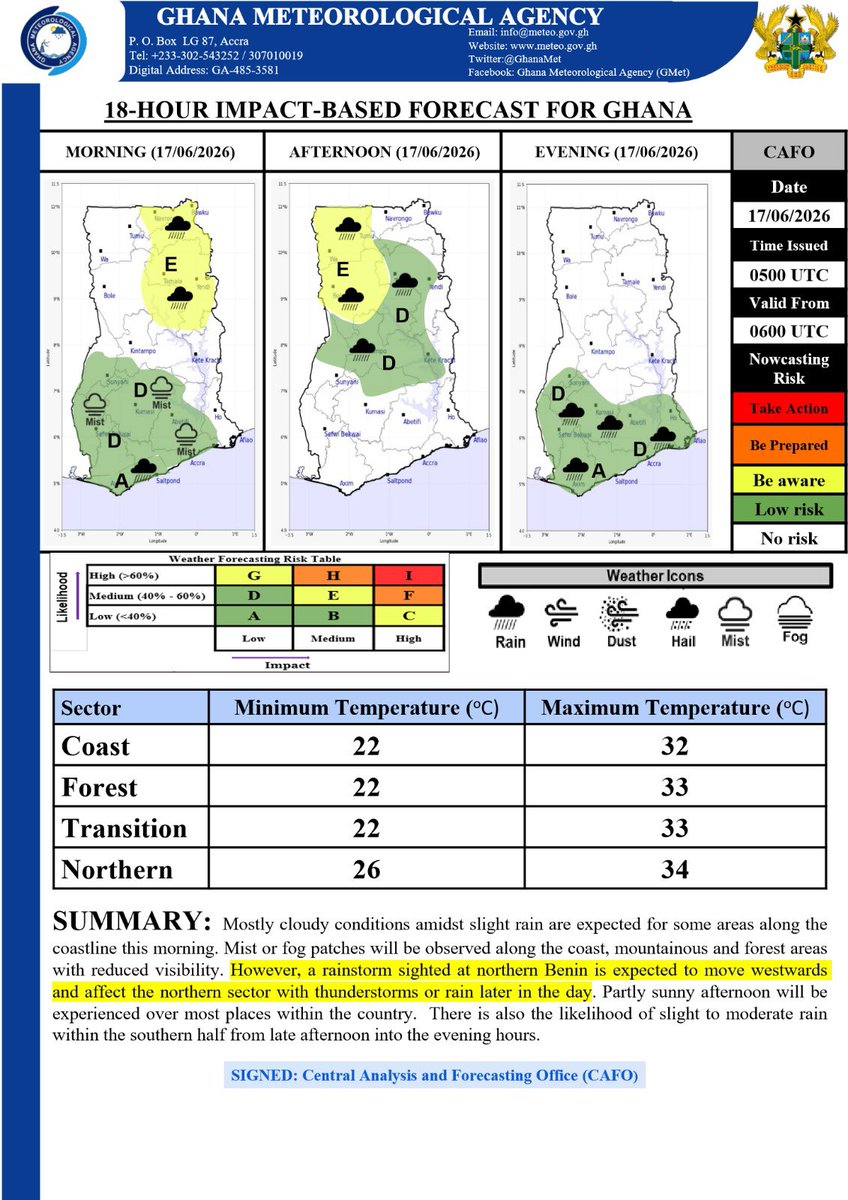
🎯 Morning Forecast
Mostly cloudy conditions amidst slight rain are expected for some areas along the coastline this morning. Mist or fog patches will be observed along the coast, mountainous and forest areas with reduced visibility. However, a rainstorm sighted at northern Benin is expected to move westwards and affect the northern sector with thunderstorms or rain later in the day. Partly sunny afternoon will be experienced over most places within the country. There is also the likelihood of slight to moderate rain within the southern half from late afternoon into the evening hours.
For more info ⬇️
meteo.gov.gh
#GhanaWeather
3
13
60
3,048
Osman S. Pearl (Perloo) retweeted

Jun 16
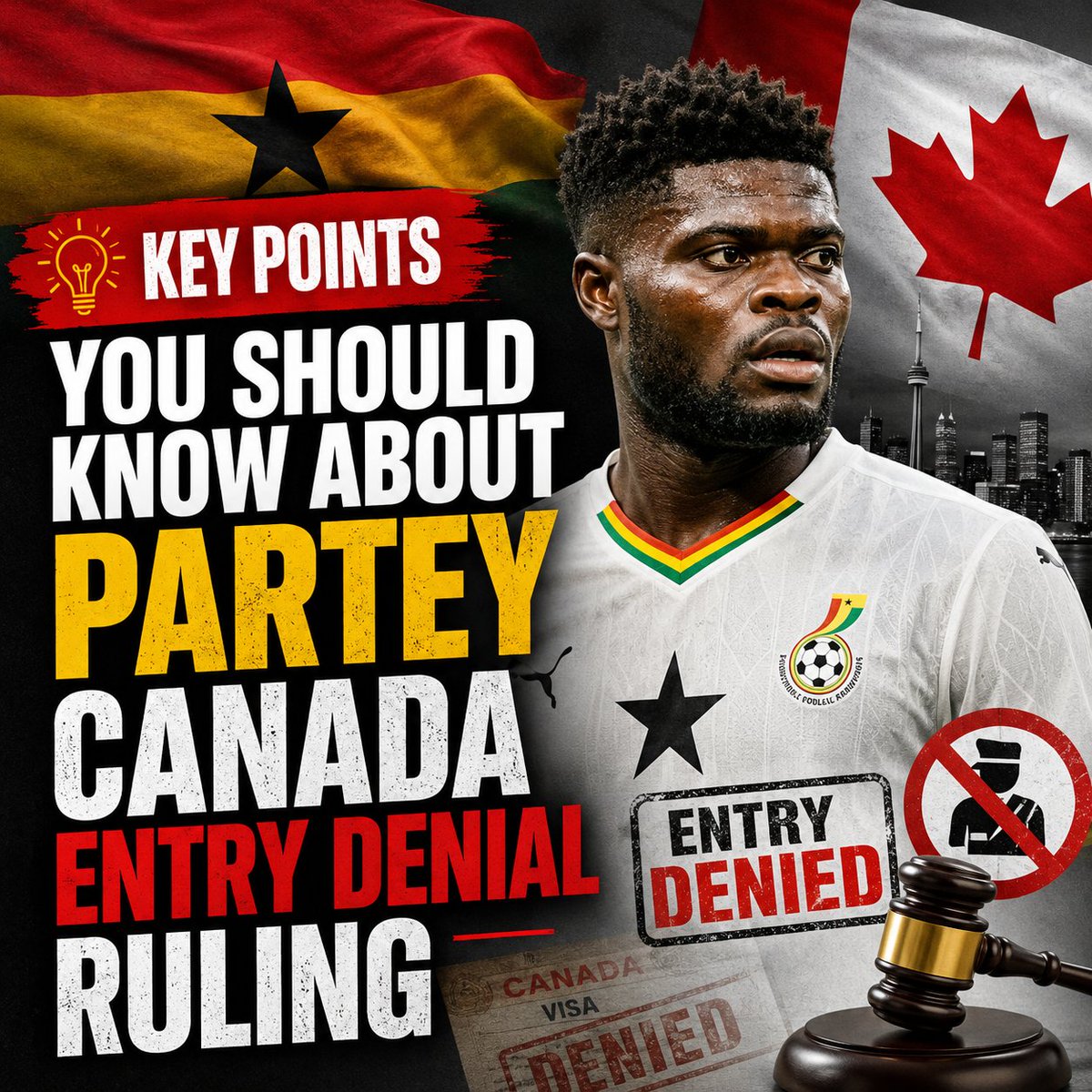
𝗞𝗘𝗬 𝗣𝗔𝗥𝗧𝗦 𝗢𝗙 𝗧𝗛𝗘 𝗣𝗔𝗥𝗧𝗘𝗬 𝗖𝗔𝗡𝗔𝗗𝗔 𝗘𝗡𝗧𝗥𝗬 𝗗𝗘𝗡𝗜𝗔𝗟 𝗥𝗨𝗟𝗜𝗡𝗚
𝘊𝘰𝘶𝘳𝘵 𝘳𝘦𝘫𝘦𝘤𝘵𝘴 𝘳𝘦𝘲𝘶𝘦𝘴𝘵 𝘧𝘰𝘳 𝘦𝘮𝘦𝘳𝘨𝘦𝘯𝘤𝘺 𝘪𝘯𝘵𝘦𝘳𝘷𝘦𝘯𝘵𝘪𝘰𝘯
The Applicant sought interlocutory relief in the form of an order compelling immigration authorities to expedite reconsideration of the refusal decision and to urgently process a Temporary Resident Permit (TRP). Although framed as an injunction, the Court found the relief sought was, in substance, akin to mandamus.
Relying on established Federal Court authority, the judge held that mandamus cannot be obtained outside a proper judicial review framework and cannot be used to compel administrative decision-making on an accelerated basis. The Court further emphasized that granting such relief would effectively amount to an interim declaration of entitlement to enter Canada.
𝘕𝘰 𝘴𝘦𝘳𝘪𝘰𝘶𝘴 𝘪𝘴𝘴𝘶𝘦 𝘦𝘴𝘵𝘢𝘣𝘭𝘪𝘴𝘩𝘦𝘥
Applying the RJR-MacDonald test, the Court first found that no serious issue had been established. The judge accepted the Respondent’s position that immigration officers are entitled to rely on “reasonable grounds to believe” under IRPA s.36(1)(c), and are not required to wait for a conviction before making inadmissibility determinations.
The Court further found that it was open to the visa officer to rely on the allegations contained in the foreign indictment when assessing admissibility. The Applicant’s argument that comparative foreign law—such as United States immigration provisions—should influence the interpretation of IRPA was rejected as irrelevant to the statutory framework governing Canadian immigration decisions.
𝘗𝘳𝘰𝘤𝘦𝘥𝘶𝘳𝘢𝘭 𝘧𝘢𝘪𝘳𝘯𝘦𝘴𝘴 𝘢𝘳𝘨𝘶𝘮𝘦𝘯𝘵𝘴 𝘥𝘪𝘴𝘮𝘪𝘴𝘴𝘦𝘥
The Court also rejected claims that the decision was procedurally unfair. It found that the Applicant had been specifically notified through a procedural fairness letter that his admissibility was in question due to ongoing criminal proceedings abroad. Despite this, the Court noted, the Applicant did not meaningfully address the concerns or provide sufficient evidence to rebut them.
𝘕𝘰 𝘪𝘳𝘳𝘦𝘱𝘢𝘳𝘢𝘣𝘭𝘦 𝘩𝘢𝘳𝘮 𝘱𝘳𝘰𝘷𝘦𝘯
On the second branch of the test, the Court held that the Applicant failed to demonstrate irreparable harm. While acknowledging the importance of participation in international sporting events and potential reputational consequences, the Court found the evidence was largely speculative and insufficient.
The judge further noted that much of the reputational harm alleged stemmed not from the immigration decision itself, but from the broader context of ongoing criminal allegations in the United Kingdom, which could not be attributed solely to Canadian authorities.
Balance of convenience favours the public interest
Finally, the Court held that the balance of convenience strongly favoured maintaining the status quo. The decision emphasized the importance of preserving the integrity of Canada’s immigration system and respecting Parliament’s intent in creating a robust inadmissibility regime under IRPA.
Granting the requested relief, the Court found, would improperly interfere with lawful administrative decision-making and undermine the public interest in consistent enforcement of immigration rules relating to serious criminality.
Conclusion
Court dismissed the motion in its entirety, concluding that none of the three requirements under the RJR-MacDonald test had been met.
However, the judge noted the time-sensitive nature of the Applicant’s pending reconsideration and TRP requests and encouraged immigration authorities to process them expeditiously, while making clear that no further judicial intervention would be granted.
The ruling leaves the visa refusal in place, meaning the Partey remains inadmissible to enter Canada unless future administrative relief is granted and he can’t take part in Ghana’s game against Panama or even when the team progresses to the next stage of the tournament.

5
24
76
21,228
Osman S. Pearl (Perloo) retweeted
Jun 16
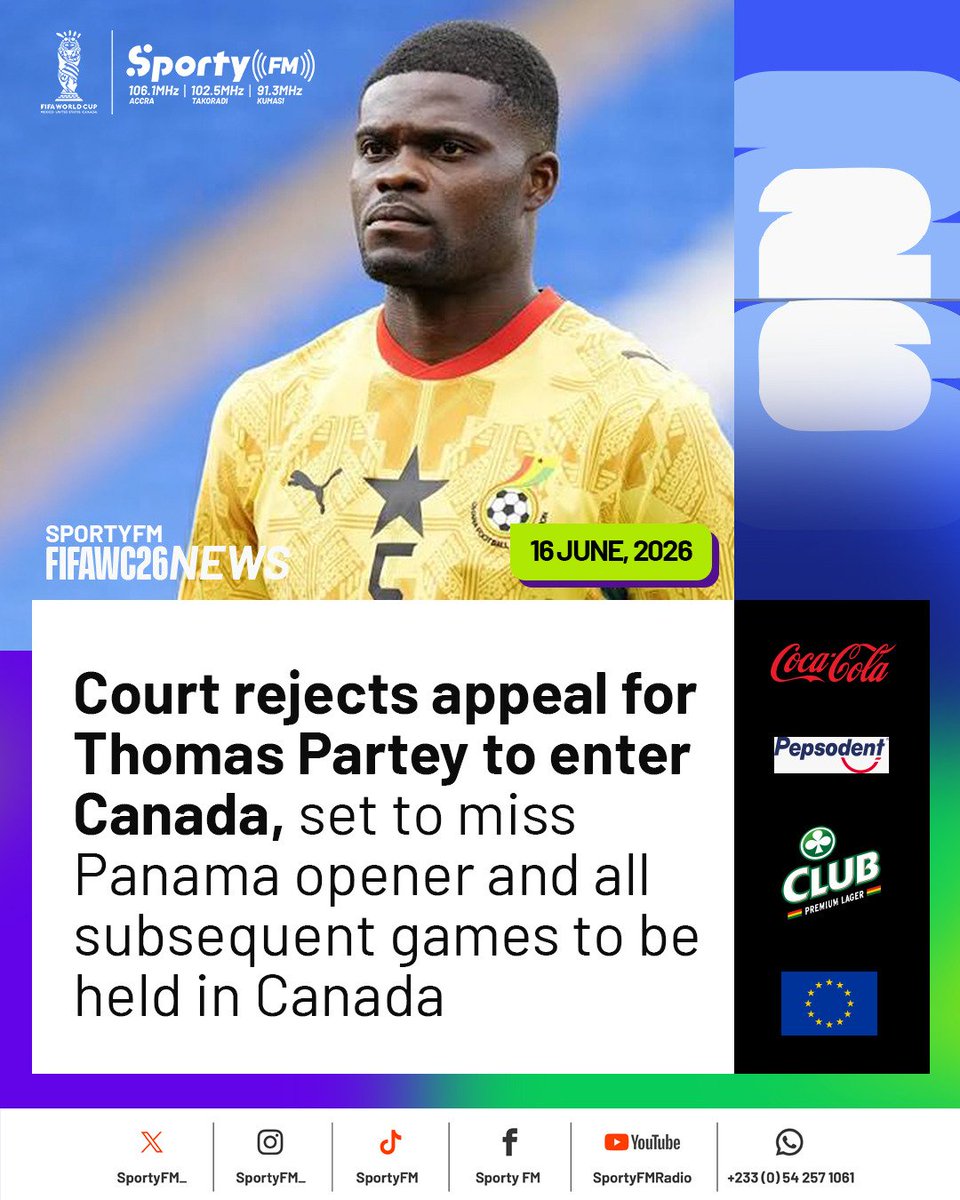
🚨 REJECTED: 🇬🇭 Thomas Partey will not make any appearances in Canada at the World Cup after federal court upholds decision to deny him entry.
Facts of the case, why the lost case some thoughts.
39
111
892
61,311
Osman S. Pearl (Perloo) retweeted

Jun 16
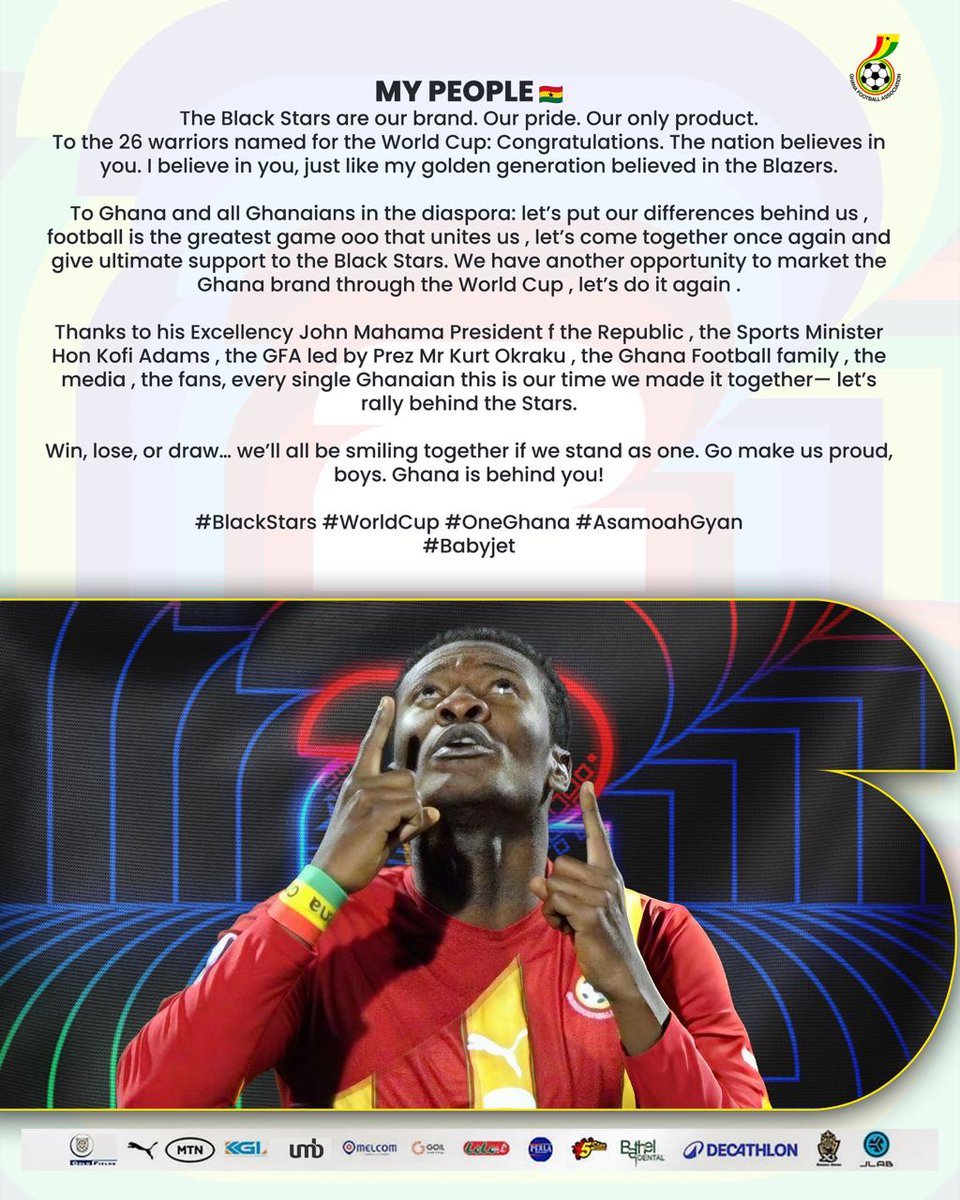
My people 🇬🇭
The Black Stars are our brand. Our pride. Our only product. To the 26 warriors named for the World Cup: Congratulations. The nation believes in you. I believe in you, just like my golden generation believed in the Blazers.
To Ghana and all Ghanaians in the diaspora: let’s put our differences behind us , football is the greatest game ooo that unites us, let’s come together once again and give ultimate support to the Black Stars.
We have another opportunity to market the Ghana brand through the World Cup, let’s do it again.
Thanks to his Excellency John Mahama President of the Republic @JDMahama, the Sports Minister Hon. Kofi Adams @HonKofiAdams, the GFA led by Prez Mr Kurt Okraku @kurtokraku, the Ghana Football family, the media, the fans, every single Ghanaian this is our time we made it together— let’s rally behind the Stars.
Win, lose, or draw… we’ll all be smiling together if we stand as one. Go make us proud, boys. Ghana is behind you! @ghanafaofficial @AnimSammy @GhanaBlackstars
#BlackStars #WorldCup #OneGhana #AsamoahGyan
#Babyjet
96
832
4,477
56,652

Jun 16
We will be there as well 🤣
Jun 16

⚽ Czechia vs Bafana Bafana
📅 Thursday, 18 June 2026
🏟️ Atlanta Stadium
🕕 Kick-off: 18:00 SA Time
#Fifaworldcup
#BafanaPride
#BafanaBafana

7
Osman S. Pearl (Perloo) retweeted

Jun 16
Love this so much from the Queens to the Black Stars
1
21
143
2,164
Jun 16
❤️❤️ their charging is down paa
They should charge well!
12
Osman S. Pearl (Perloo) retweeted

Jun 16
“Turn us again to yourself, O God. Make your face shine down upon us. Only then will we be saved.”
- Psalm 80:3
1
9
43
386
Osman S. Pearl (Perloo) retweeted
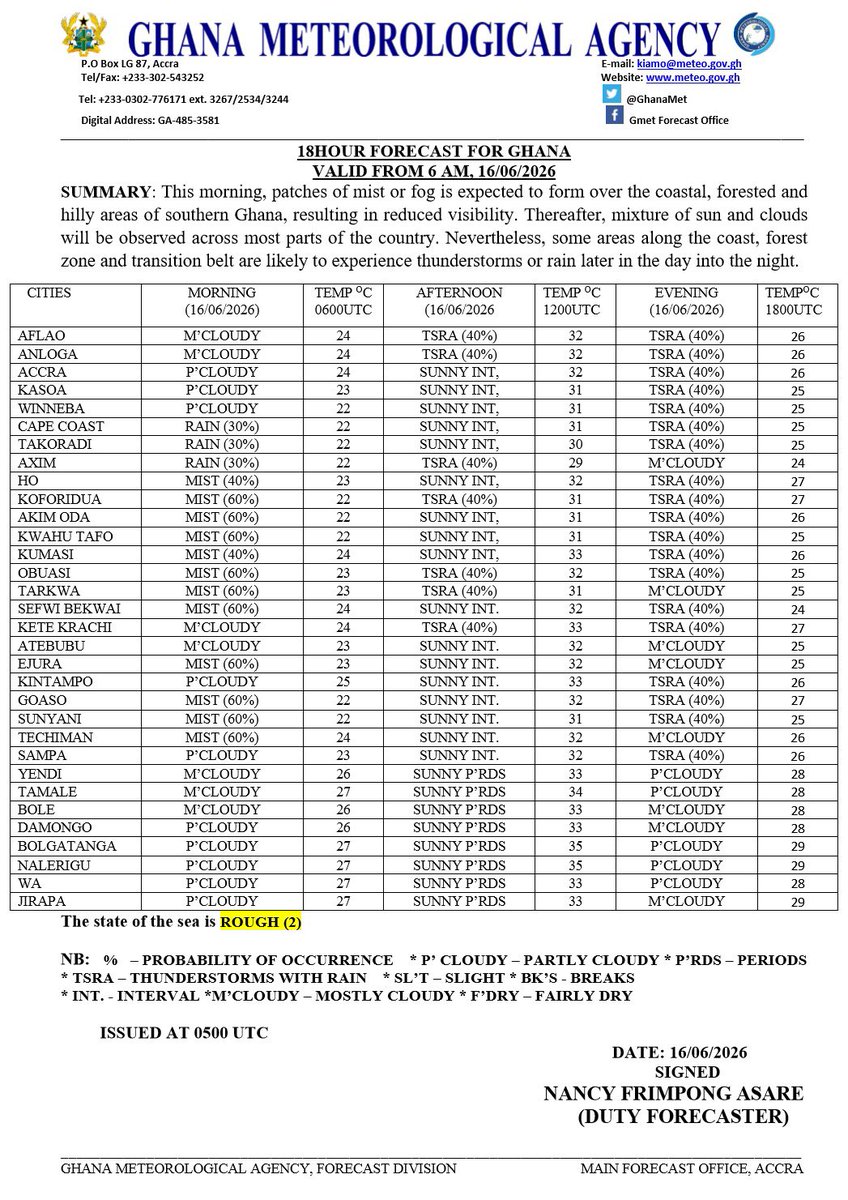
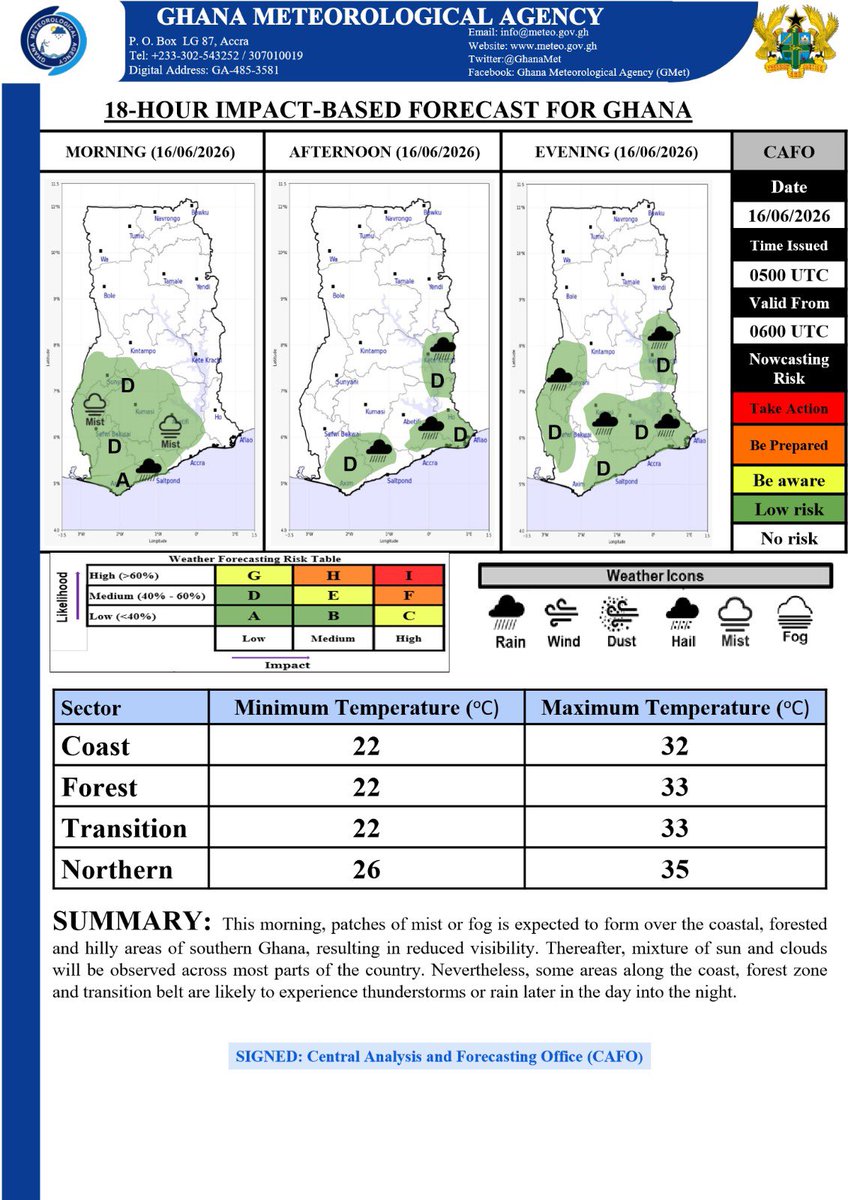
🎯 Morning Forecast
This morning, patches of mist or fog is expected to form over the coastal, forested and hilly areas of southern Ghana, resulting in reduced visibility. Thereafter, mixture of sun and clouds will be observed across most parts of the country. Nevertheless, some areas along the coast, forest zone and transition belt are likely to experience thunderstorms or rain later in the day into the night.
For more info ⬇️
meteo.gov.gh
#GhanaWeather
14
56
3,087
Jun 16
❤️, You’ve placed it rightfully at the doorstep of FIFA
Beautiful! 🙌🏻 👏🏼
Jun 15
Quick thoughts: After what's happened to Omar Artan and Thomas Partey regarding immigration, will FIFA — an organisation that has been so powerful when dealing with countries in the past — have the moral right to bully anyone else in future?
1
1
5
249