
Ex-soldier and hedge fund manager; now investor, advisor, podcaster and public speaker. «If you think like everyone else, you'll perform like everyone else».
Joined June 2009
- Tweets 7,295
- Following 70
- Followers 25,604
- Likes 2,649
1,054 Photos and videos

Peter C. Warren retweeted

May 6
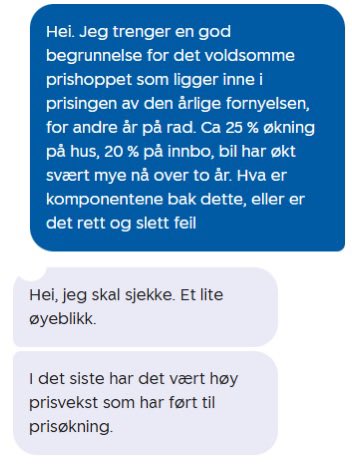
I dag - Utvalgte godbiter fra dialogen med forsikringsselskapet
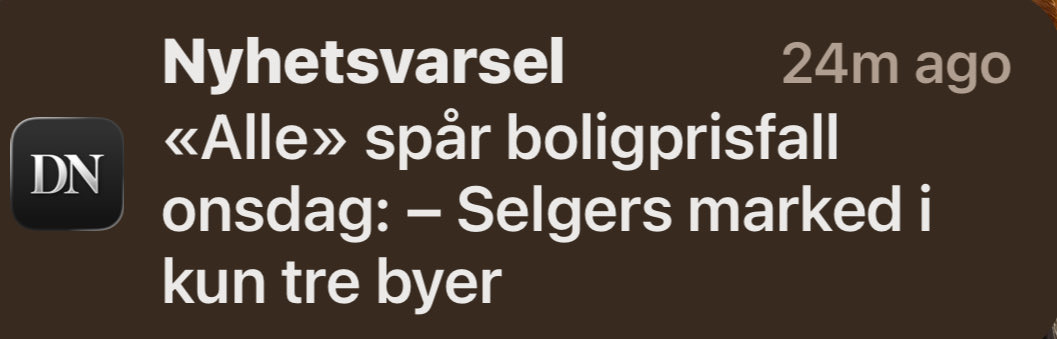
Pytt pytt med en inflasjon rundt 3 % … de øker prisene (i år igjen) med opptil 25 % … ja fordi det har vært en høy prisvekst altså ..
34
21
402
53,209
Peter C. Warren retweeted

Mar 25
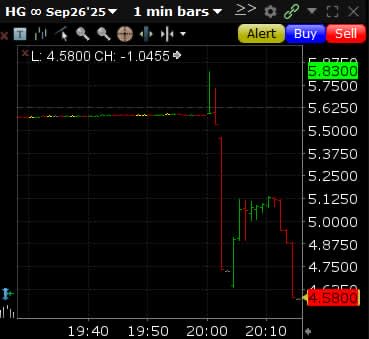
I think there’s a big misconception when it comes to large market moves. Many people take a theoretical view that “the market prices everything in.” But if you look at history, you’ll see that some of the largest market declines have come well after the catalyst was already widely known.
1.COVID-19: It’s called COVID-19 because it was identified in 2019. Yet markets didn’t fully digest the ramifications until mid-March, when economies were already shutting down.
2.GFC: Before the major collapse in Q3 and Q4 of 2008, it was already known in 2007 that cracks were forming. There were multiple warnings pointing to a potential mortgage crisis. Credit began to slowly reprice, and then it all unraveled at once.
3.Volmageddon: Prior to the February 2018 blowout, it was widely known among derivatives traders that these ETPs could fail. Portfolio managers were openly arguing with issuers at major derivatives conferences.
4.“Liberation Day”: Weeks before Trump announced tariffs, the market was aware he had a plan in place. In fact, markets initially rallied a few percent within seconds of the announcement, then went on to decline 20%.
My point is that there’s a cognitive bias that leads people to believe the market is all-knowing, smarter than everyone, and always prices everything in. But during major volatility events, it’s often only at the very end that the market fully accepts the fear. This is likely because humans naturally are optimistic creatures. It’s embedded into our DNA.
58
69
711
82,199
Peter C. Warren retweeted

Mar 24
Det farligste med Trump er ikke bare hva han gjør, men hva det koster andre å stå imot ham.
Medier presses. Dommere trues. Advokater trekker seg tilbake. Kongressen tier.
Det er slik demokratier svekkes.
66
24
275
18,406
Peter C. Warren retweeted

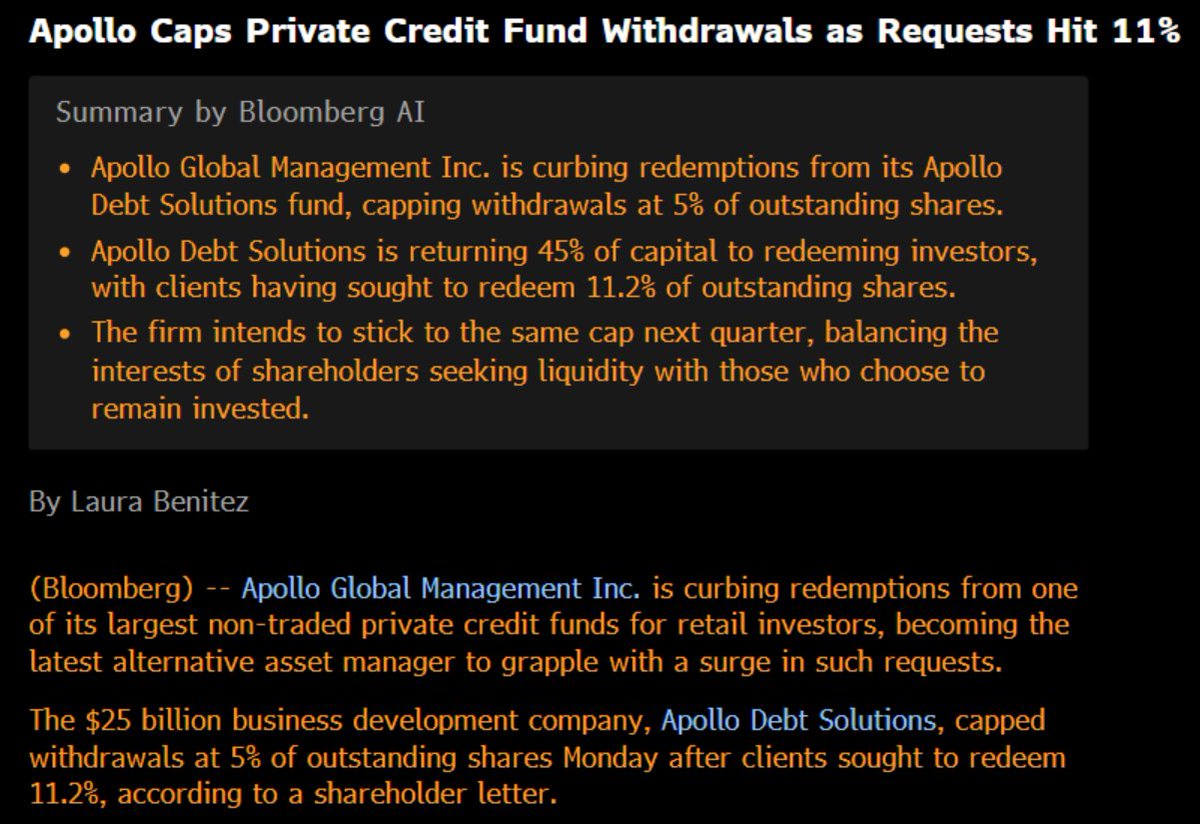
*APOLLO CAPS PRIVATE CREDIT FUND WITHDRAWALS AS REQUESTS HIT 11%
*APOLLO DEBT SOLUTIONS WITHDRAWALS CAPPED AT 5% NEXT QUARTER TOO
Apollo Debt Solutions is a $25B private $APO BDC that saw over 11% redemption requests.
28
156
732
195,610

Mar 23
Der hadde noen flaks igjen gitt…

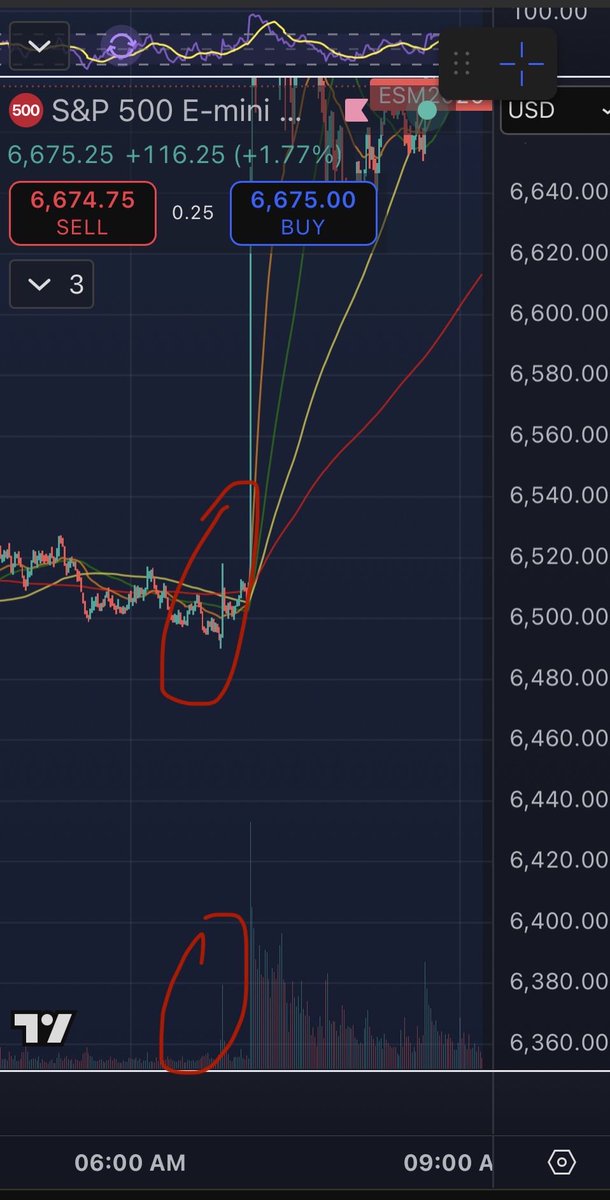
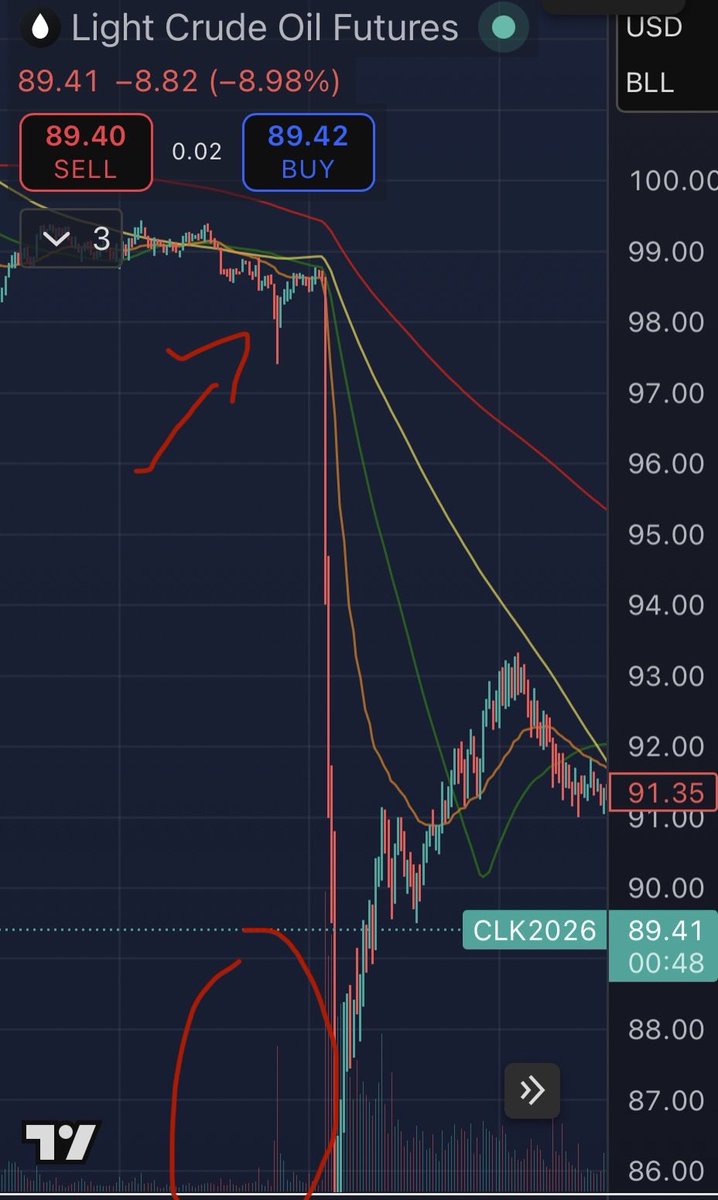
5 minutes before Trump’s announcement:
* $1.5B notional worth of S&P500 (ES) futures are bought in a single clip.
* $192M notional of oil futures (CL) sold.
More than 4x-6x any other trade size during the market close.
Insiders profited from his lies in broad daylight!
6
21
281
31,182
Mar 19
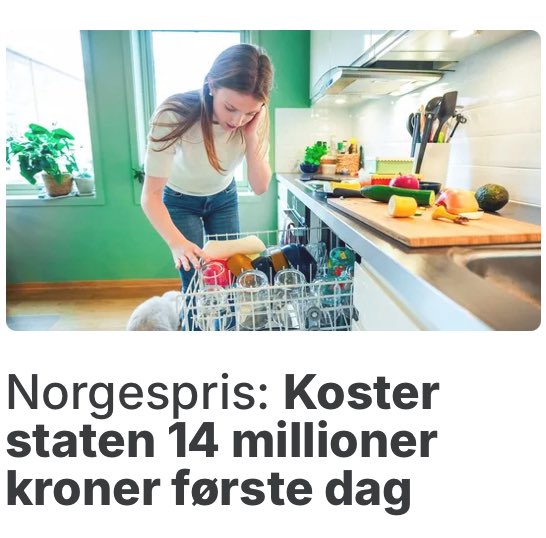
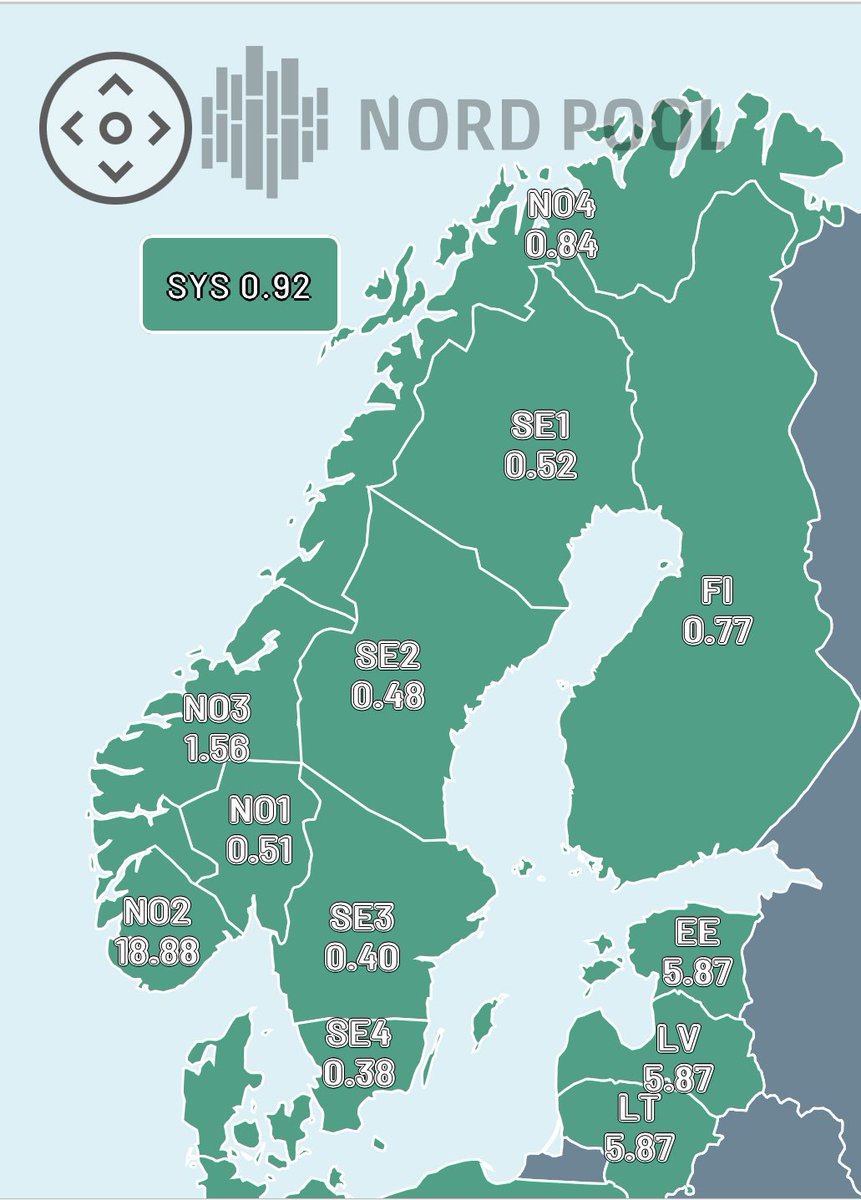
Ufattelig ubalansert innslag om statens «kostnader» ved Norgespris på morgennyhetene på @nrk i dag. «Kostnaden» er en direkte følge- og er en BRØKDEL av statens enorme merinntekter fra de høye strømprisene som Stortinget lovet vi ikke ville få da de vedtok flere utenlandskabler.
21
90
750
29,003
Feb 17
Landet med verdens nest mektigste militære styrker har på 4 år ikke klart å invadere mer enn 1/5 av landet som ligger på 20. plass. Forsvarsvilje trumfer (utilsiktet humor) «mektig» any day🇺🇦.

World's most powerful militaries, 2025.
1. 🇺🇸 United States
2. 🇷🇺 Russia
3. 🇨🇳 China
4. 🇮🇳 India
5. 🇰🇷 South Korea
6. 🇬🇧 United Kingdom
7. 🇫🇷 France
8. 🇯🇵 Japan
9. 🇹🇷 Türkiye
10. 🇮🇹 Italy
11. 🇧🇷 Brazil
12. 🇵🇰 Pakistan
13. 🇮🇩 Indonesia
14. 🇩🇪 Germany
15. 🇮🇱 Israel
16. 🇮🇷 Iran
17. 🇪🇸 Spain
18. 🇦🇺 Australia
19. 🇪🇬 Egypt
20. 🇺🇦 Ukraine
21. 🇵🇱 Poland
22. 🇹🇼 Taiwan
23. 🇻🇳 Vietnam
24. 🇸🇦 Saudi Arabia
25. 🇹🇭 Thailand
26. 🇩🇿 Algeria
27. 🇸🇪 Sweden
28. 🇨🇦 Canada
29. 🇸🇬 Singapore
30. 🇬🇷 Greece
(Global Firepower)
35
9
138
22,366
Feb 16
Gi litt til de som gir alt🙏
Feb 15

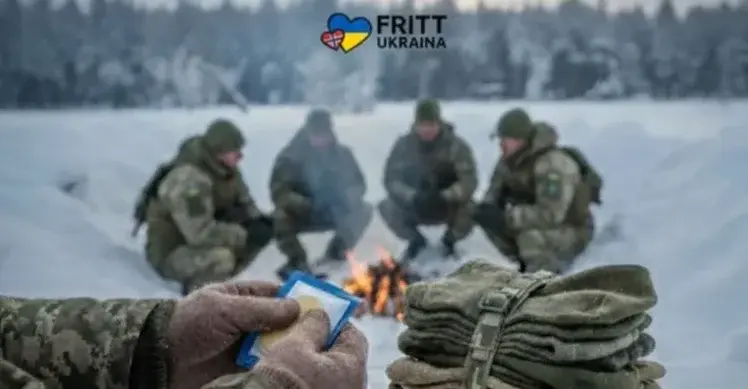
Varme til soldatene
Denne vinteren er den kaldeste i Ukraina på mange år. Russland har trappet kraftig opp sine luftangrep. Ved fronten skaper kulden skaper en enda mer utfordrende situasjon.
frittukraina.no/2026/02/15/v…
1
4
43
3,991
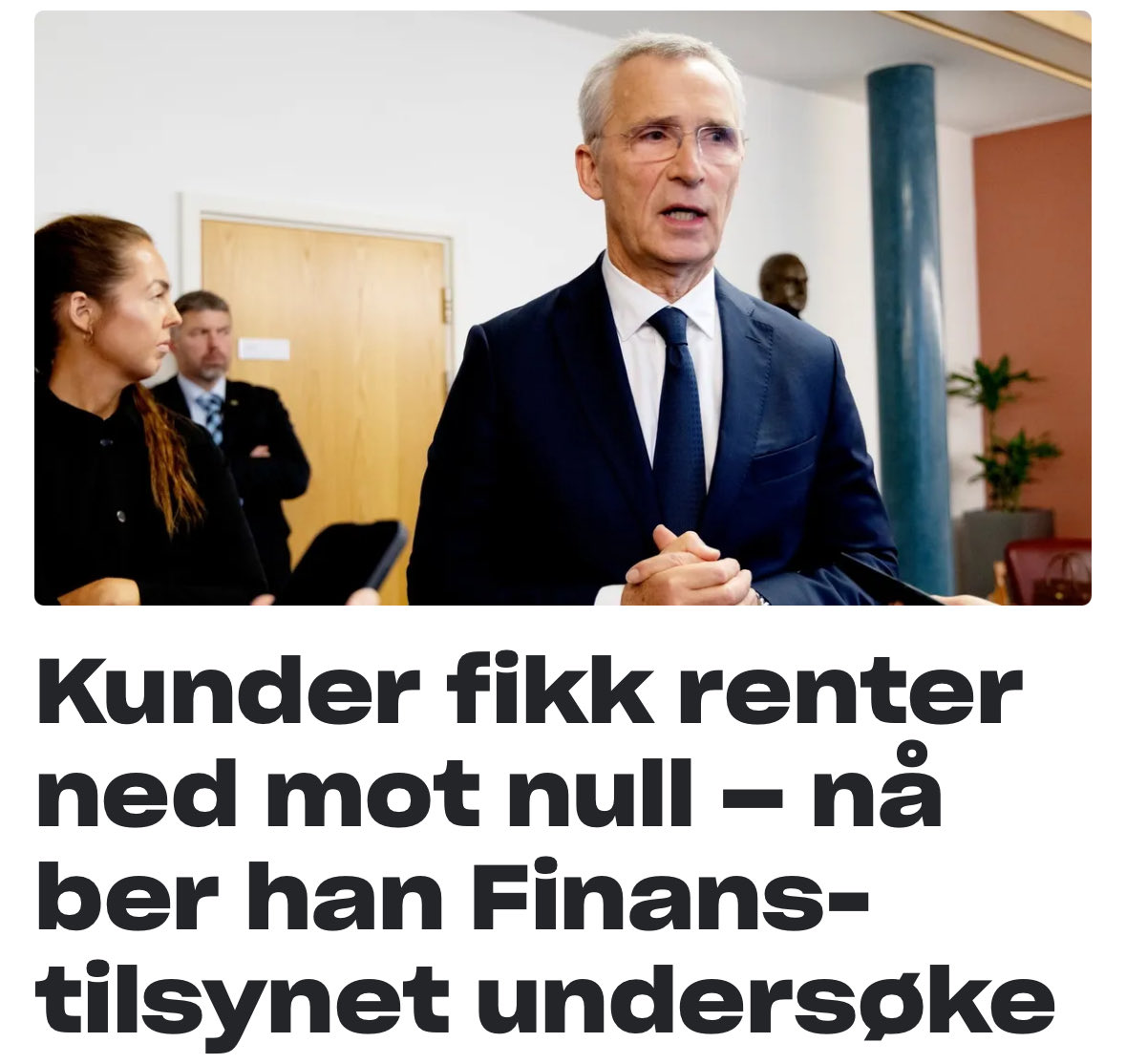
Mens Jens Stoltenberg ber pensjonister ta opp lån for å kunne betale den nye eiendomsskatten, har VG avslørt at tidligere AP-topp Thorbjørn Jagland ba Epstein om økonomisk hjelp på 10 millioner «fordi jeg ikke ønsker å ha mye gjeld når jeg går av med pensjon».
#så_enkelt
21
139
1,348
60,831
Peter C. Warren retweeted
Jan 24
Tenk deg boligeiere som plutselig får 70.000 kroner mer i boligskatt
Påvirker dette verdien av boligen mon tro?
Ja, det må vi da anta
Si 4 % avkastningskrav og vips er 1.75 millioner borte. Bolig i Oslo (lav %) ned /- 2 mill
Ergo, bolig på 20m = 10% ned
Skatt er ikke gratis
24
11
207
41,072
Peter C. Warren retweeted

Forsvarssjefen gratulerer Fritt Ukraina med Sønstebyprisen og løfter frem arbeidet vårt som et forbilde på samarbeid mellom frivillige, industri og militære behov. Vi representerer mange i Norge som støtter Ukraina, og tar imot prisen på vegne av alle som bidrar.
3
7
46
2,772
Peter C. Warren retweeted

9 Dec 2025
Claim AI will generate 90% of knowledge in 2-3y is self serving nonsense. I would say on current track it will generate 90% of ignorance: slowing development of analytical thinking/creativity, creating fake videos/stories, errors from hallucination, slective bias towards digitalized/recent information without ability to validate, creating disinformation, for profit clickbaiting, etc
x.com/unusual_whales/status/…
7 Dec 2025

CEO of Nvidia, $NVDA: “In the future… maybe two or three years, 90% of the world’s knowledge will likely be generated by AI.”
24
41
402
66,168

21 Nov 2025
Virkelig? Det siste halve året har vi kontinuerlig hørt hvor høyt dette markedet og spesielt de få selskapene som har drevet oppgangen, har vært priset. Det er ikke mangel på tegn, men timing som er utfordringen i finans. Slik har det alltid vært.
3
21
3,870
16 Nov 2025
Merkelig nok kommer det verken kritikk eller trusler fra USA mot dette. Mulig henger dette sammen med neste ukes statsbesøk.

Saudi Arabia’s sovereign wealth fund exited positions in almost a dozen US-listed stocks in the third quarter bloomberg.com/news/articles/…
1
14
7,013
Peter C. Warren retweeted

7 Nov 2025
Easily one of the greatest scenes of all time, not just in finance movies, but all movies
422
3,538
25,221
1,916,366
Peter C. Warren retweeted

4 Nov 2025
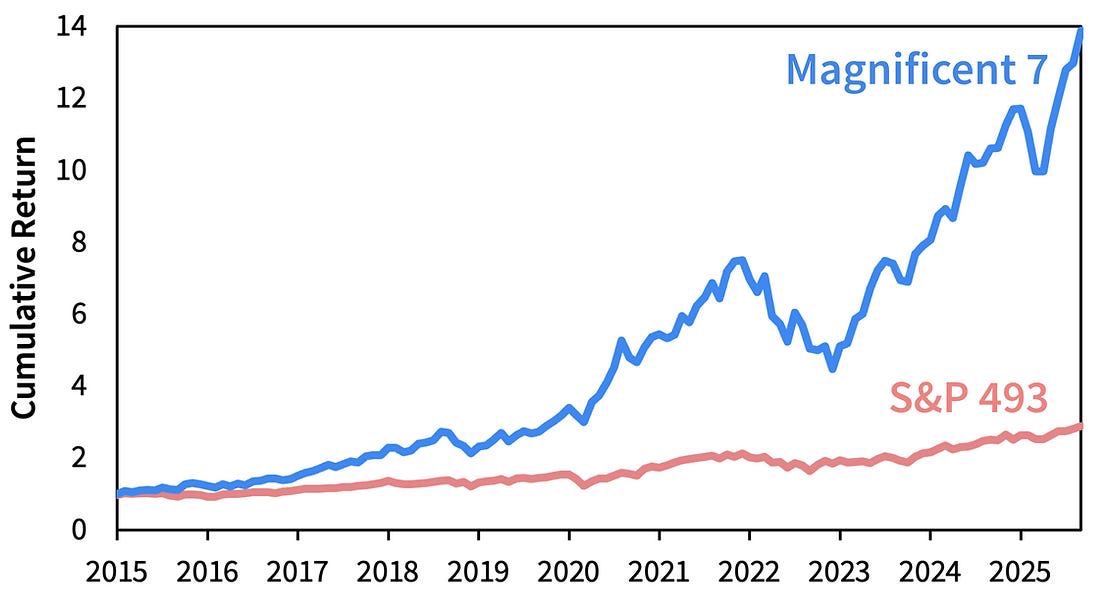
Why is it even still called S&P 500?
201
833
12,689
965,637