
Dismantling coal, oil, and gas without a viable substitute may be the costliest policy error in human history.
Joined May 2024
- Tweets 8,779
- Following 9,941
- Followers 59,560
- Likes 95,988
2,513 Photos and videos







Wind and solar are not viable as the world's primary energy source, not without endless backup from the dense baseload power of hydrocarbons.
Because renewable components face a strict 20-year operating life, we have inadvertently created an economic monster: a continuous loop of decommissioning, ransacking rare earth mines, and rebuilding the entire global fleet just to maintain the status quo - a material dead end.
Without fossil fuels to power the underlying mining, manufacturing and transport infrastructure, these wind and solar systems wouldn't even exist. Once installed, their intermittent energy cannot be integrated on a national scale without a completely new, parallel global power grid—an infrastructure sinkhole estimated to cost $21 trillion.
This massive building spree was only enabled by generous, ongoing subsidies from compliant governments, drawn into the vortex by a carefully engineered narrative of guilt over human progress. That narrative has struck home. Today, the Western nations that bought into it are in visible economic decline, with heavy industry vanishing and productive jobs being hollowed out.
Wind and solar gained traction as a boutique alternative based on the naive premise that because wind and sunlight are 'free', the infrastructure to capture them must be too. In reality, they are intensely material-heavy, placing unprecedented pressure on mining capabilities for ever-diminishing metals and rare earths.
To put the scale of this replacement loop into perspective, the global fleet represents the equivalent of 1.3 billion wind turbine units and 7 to 8 billion solar panels—all ticking down toward a 20-year shelf life.
According to McKinsey estimates, the total net-zero transition is currently costing an estimated $9.2 trillion every year, projecting to a staggering $275 trillion by 2050—the equivalent of two full years of global GDP. Yet, after 37 years of this non-stop narrative, hydrocarbons still provide roughly 81% of the world's primary energy.
We are chasing butterflies at the expense of industrial sovereignty. Was it only about rising globalism? Already, communities are pushing back, seeking to ban massive turbine blade graveyards and toxic solar panel e-waste from local landfill sites.
Ultimately, an energy strategy detached from physical and economic reality is destined to fail, leaving these imperfect technologies scattered as rusted wreckage across once-pristine landscapes and coastal horizons.
Without reliable energy, a modern world simply wouldn't exist.
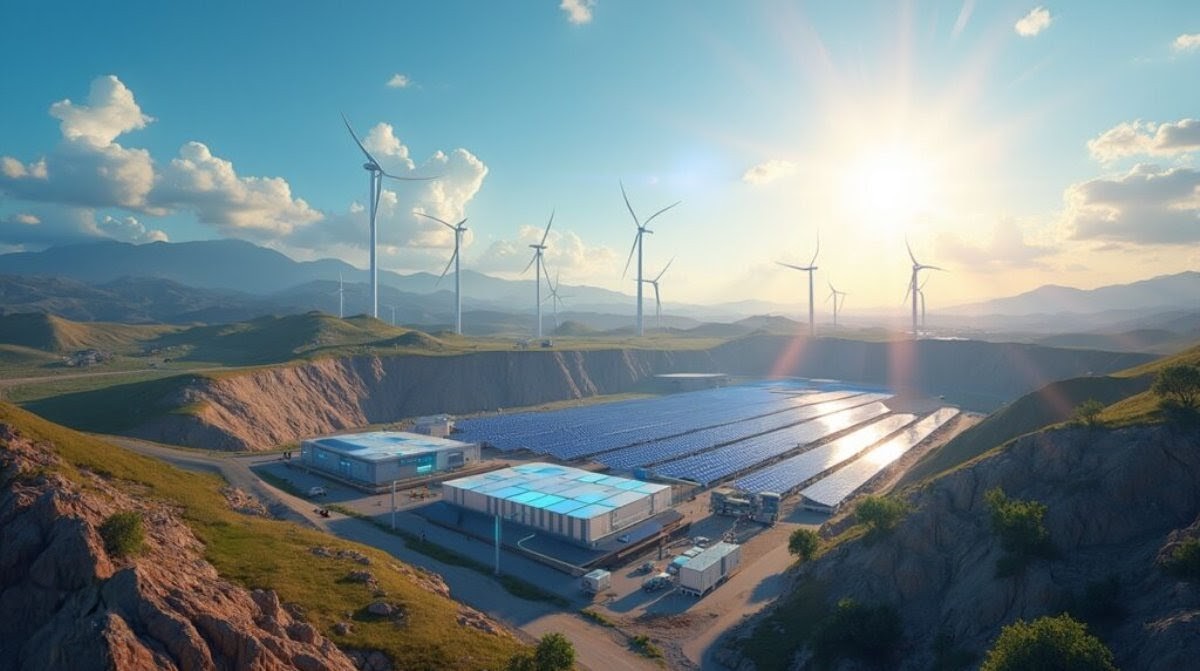
Image: We should not take the majesty of these natural landscapes for granted.
20
219
455
4,424
The world's clean energy transition represents a colossal expansion of the world's mining industry.
To catch a diffuse energy source like sunlight or wind needs an unprecedented volume of physical machinery. A single solar farm requires roughly 30 times more total metal infrastructure than a conventional gas plant. We aren't moving away from mining; we're swapping enormous oceanic drilling rigs for vast open-cut metal mines.
The demand for heavy mining and rare earths is just as compelling as the downstream e-waste crisis, but the numbers are even more staggering. While solar cells rely heavily on high-purity silicon, silver, and copper, the broader 'green infrastructure' ecosystem demands far more.
The EV motors, wind turbines and massive national grids required to tie intermittent solar together are entirely dependent on an unprecedented surge in heavy mining and rare earth extraction.
This physical mining demand has simply exploded with the shift from conventional fossil fuel energy generation to wind and solar. Because wind and sunshine are so diluted and diffused, harvesting them requires a massive physical footprint, necessitating endless extra acres of complex machinery.
This translates into heavily vandalised landscapes and grotesque coastal settings. According to the IEA, replacing them world's fossil-fuel system with renewables increases the total volume of materials requiring extraction and handling by a factor of 10.
Solar alone is exceptionally copper-intensive, using roughly 850 kg per megawatt for intricate grid connections, inverters and cabling. Renewable energy is projected to drive 45% of total global copper demand by 2030. Yet, developing a new major copper mine takes an average of 16 years from initial discovery to first production.
The world faces a massive demand spike for a metal where the supply chain is notoriously slow, costly, and inflexible.
Solar panels don't use much in the way of rare earths, but wind turbines and the electric vehicle motors that back up the low-carbon shift are hungry for permanent magnets made from neodymium, praseodymium and dysprosium. Processing these elements involves intensive chemical leaching that produces vast amounts of toxic and radioactive wastewater.
Compounding the problem, China controls roughly 60–70% of the extraction and up to 90% of the refining for these specific elements.
This has created a massive geopolitical bottleneck.
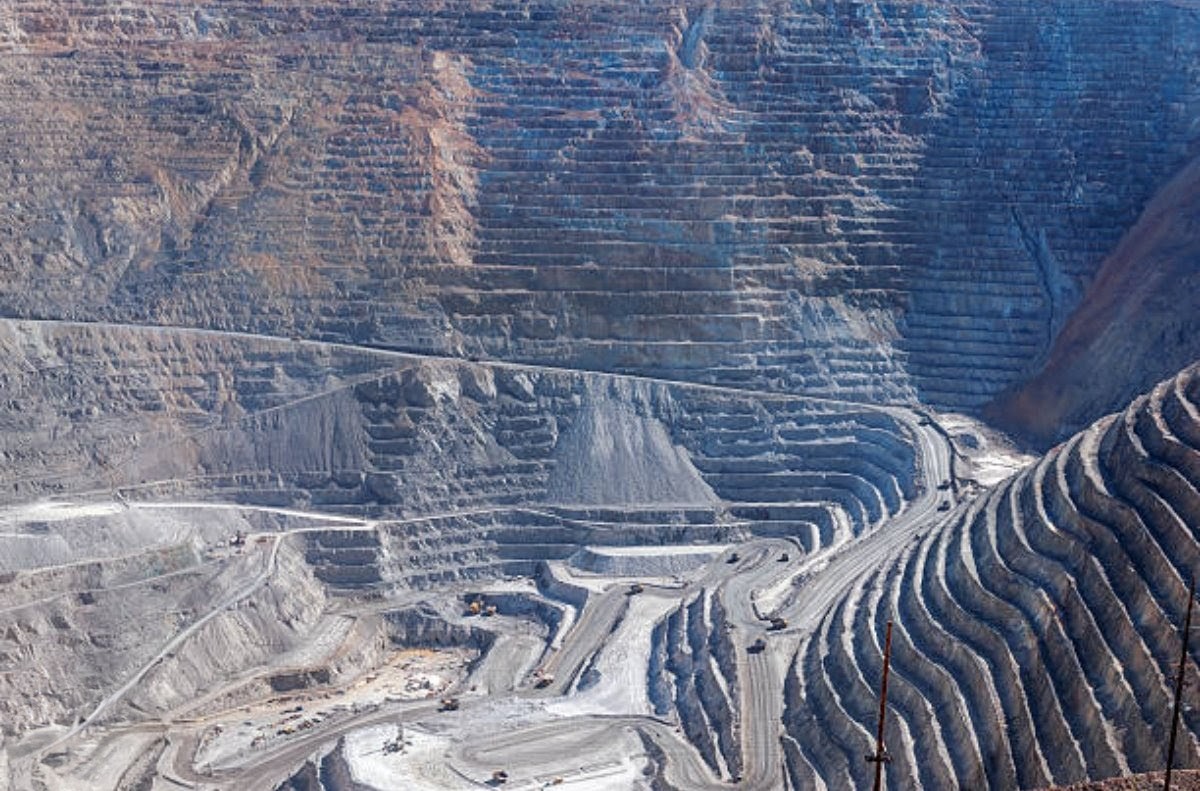
Image: this massive chasm is the Bingham Canyon Mine (also called the Kennecott Copper Mine) just outside Salt Lake City, Utah. It is one of the largest man-made excavations on Earth and the deepest open-pit mine in the world, stretching 4 kilometres wide and more than a kilometre deep.
64
626
1,250
25,810

Jun 12
We are told that coal, oil, and gas are a dirty, planetary misstep—unique to Earth's dark biological past.
But the physics of the cosmos tells a completely different story. Far from being dirty, rare or accidental, hydrocarbons are basic building blocks of the universe.
Look at our own solar system. Saturn’s moon Titan holds hundreds of times more liquid hydrocarbons in its vast methane-ethane seas than all known reserves on Earth.
NASA’s Curiosity Rover found ancient organic molecules in Martian mudstones, while the atmospheres of Jupiter, Neptune, and Uranus are thick with churning methane.
The restrictive nomenclature of 'fossil fuels' misses the grander scope.
When these energy-dense compounds dragged humanity out of the freezing starvation of Europe’s Little Ice Age, they didn’t derail us. They allowed us to emerge into a modern world of unprecedented sparkling light and power. They aren't a cosmic mistake—they are cosmic abundance.
Why should we treat a fundamental building block of the universe as a dead end.
IMAGE: Liquid oceans of methane and ethane on Saturn's moon, Titan. SOURCE: Mark Garlick/Science Photo Library / Getty Images
30
233
555
5,638
Jun 11
Modest warming since the end of the Little Ice Age in 1850 supports billions of people better than any previous cold era ever did.
Yet, a weird paradox dominates our modern climate discourse: we celebrate ancient warm eras as golden ages, but frame today's mild shifts as inherently catastrophic. History shows that warmth has always delivered prosperity. Look no further than Roman vineyards flourishing in Britain or Viking farms thriving in Greenland.
Conversely, cold spells almost always bring hardship - marked by the Thames freezing over, expanding Alpine glaciers and systemic crop failures during the Little Ice Age (roughly 1300–1850). When you compare the Holocene’s historical rollercoaster, the Roman Warm Period (250 BC–AD 400) and the Medieval Warm Period (900–1300 AD) stand out as eras of booming agriculture and expanding empires.
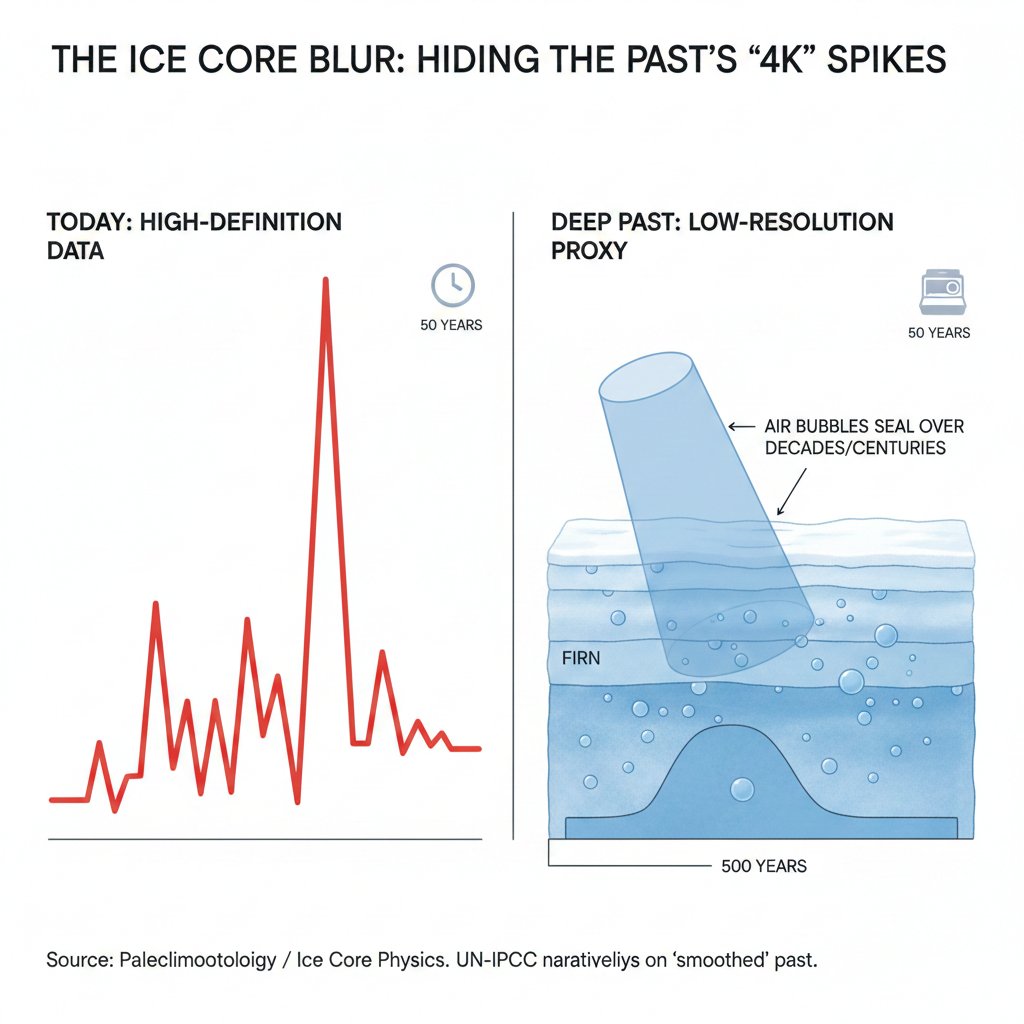
The Little Ice Age was a harsh, multi-century counterpoint that brought widespread famine and societal strain across Europe. Throughout these dramatic ups and downs, ice core data shows atmospheric CO₂ was remarkably flat, hovering steadily between 270 and 285 ppm.
These profound climate convulsions happened purely on the back of natural variability - solar output, volcanic aerosols and oceanic-atmospheric circulation flips - all without CO₂ needing to budge. On a broader scale, today's blips are superimposed over a gradual, long-term cooling trend that followed the Holocene Thermal Optimum thousands of years ago, when temperatures were frequently 0.5°C to 1°C warmer than today.
Earth’s climate has always been dynamic on multiple timescales, operating independently of any single variable, such as CO₂. Natural precedent proves that warmth isn't inherently destructive. Humans are marvelously adaptive and the biosphere is inherently resilient.
The real challenges ahead aren't dictated by a climate driven panic, but by our astonishing capacity for adaptation.
Image: A recreation of a Viking-age settlement, showcasing the turf-roof architecture that allowed Norse communities to thrive in northern latitudes.
44
410
1,037
15,254
Jun 11
Earth is not facing urgent climate-related damage, despite claims embedded in the United Nations' 40-year grand plan.
The real damage can be measured in global instability and widespread economic and industrial decline. The estimated price tag for this UN agenda is a staggering $275 trillion by 2050 (based on a 2022 McKinsey Global report). This involves constructing a completely new global grid, blanketing landscapes with stadium-sized wind and solar arrays.
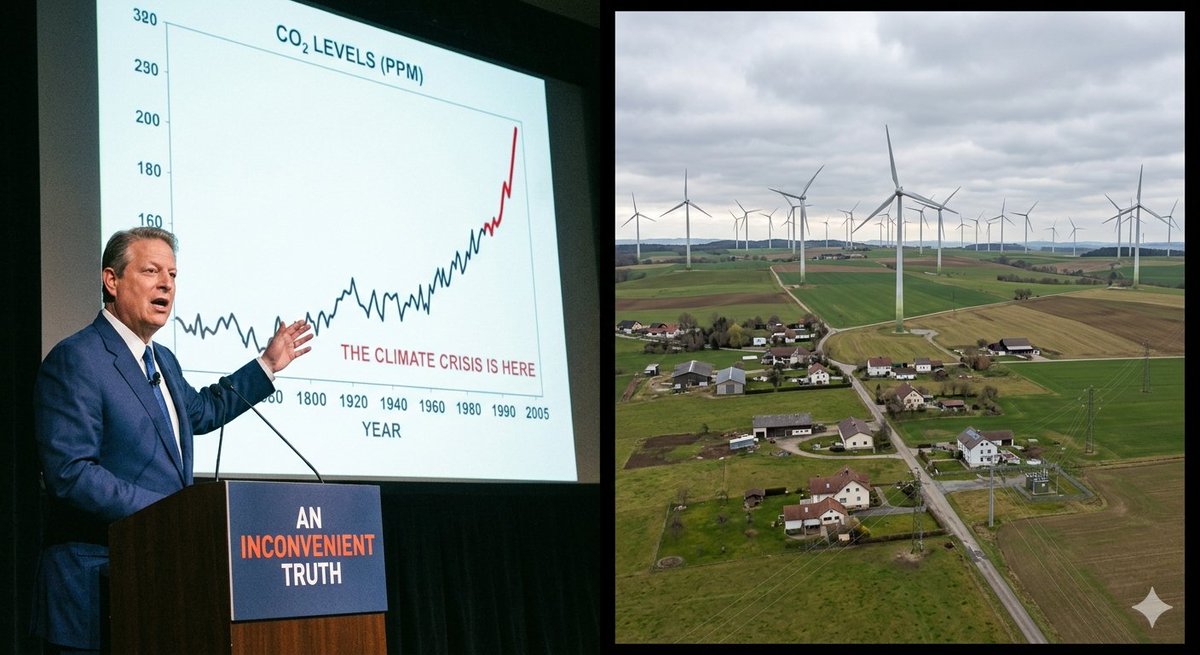
The global warming agenda is an ideology, driven in part by a misleading, fear-laced 2006 documentary by former US vice president, Al Gore. 'An Inconvenient Truth' has not stood the test of time, yet its purpose was achieved: to blame human society for an environmental collapse that hasn't happened. The movie gained widespread exposure, injecting deep cultural guilt into the drive to build today's worsening glut of turbines and solar arrays.
In effect, it replaces dense and dependable hydrocarbon energy with mechanical gadgetry - systems that have proven to be intermittent and unreliable and subject to 20-to-25-year replacement cycles.
The idea that human society is single-handedly overheating the world has its own dedicated core of followers. But no Western country sought the genuine backing of its citizenry via democratic consultation for this shift.
The UN has led a relentless, top-down economic campaign, denouncing any doubts as 'science denial'.
47
338
806
11,015
Jun 11
One only has to look at the sheer scale of the planet to see the flaws in the climate agenda.
Combined, every town and city on Earth occupies a mere 3% of the world's landmass. The true driving forces for regional climates rest in the oceans and major landforms - the planet's genuine engine rooms. Oceans cover 72% of the globe to an average depth of 2.3 miles. They contain roughly 86% of the global carbon reservoir and 91% of all retained heat energy; by comparison, our thin atmosphere holds a meager 1 to 2% of each.
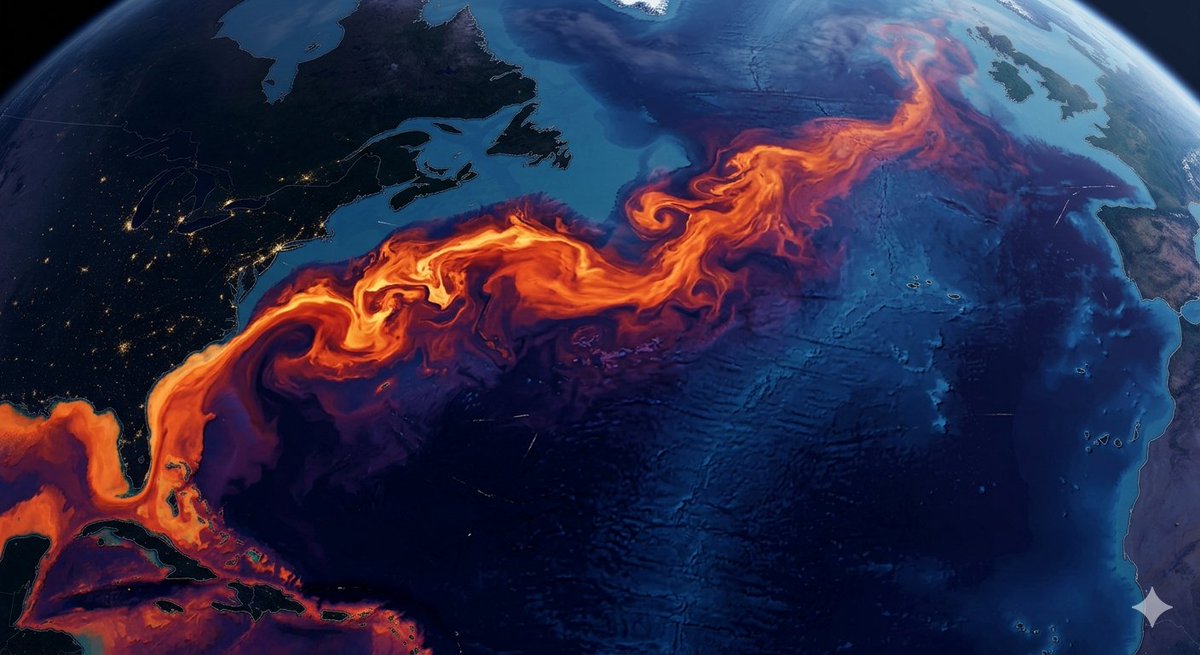
Ancient ocean currents give balance to the world's weather, carrying tropical warmth to northern regions in cycles that drive migration, cloud formation and global storms. Landforms guide ocean currents across deep geological time, as tectonic changes to continental land masses reshape the entire world.
The legacy of ignoring this planetary scale of the environment can be seen today in our defaced countryside and industrialised coastal retreats. Sweeping vistas are being vandalised by massive arrays of wind and solar structures, causing immeasurable localised environmental carnage.
It has created a perpetual, asset-swapping loop of renewal and replacement at a staggering, endless cost to national economies, while hollowing out traditional industries and aggressively mining the earth for rare metals like copper and silver.
The back-end of this 'clean' energy loop is an impending hazardous waste crisis. With global solar capacity now officially surpassing 2 Terawatts (TW)—representing between 7 and 8 billion solar panel equivalents—the world is utterly unprepared for the onslaught of disposal.
The International Renewable Energy Agency projects up to 78 million metric tons of solar e-waste by 2050. Because there is little financial incentive for complex recycling, up to 90% of decommissioned panels currently go straight into the ground. When left to fracture in landfills, heavy metals like lead and cadmium can leach into surrounding soil and groundwater.
This will remain the most visible legacy from the Twenty-First Century.
49
493
1,105
14,945
Jun 10
Dismantling coal, oil, and gas without a viable substitute may be the costliest policy error in human history.
Temperature predictions of a 5-degree rise by 2050 have been withdrawn. Yet, the rush to manufacture and install the equivalent of 1.3 million wind turbines and 7 to 8 billion solar panels over the last forty years has made little difference to global temperatures.
Instead, we're witnessing the results of a severe lack of careful planning and foresight in the mounting e-waste graveyards of aging renewable structures worldwide.
Because these wind and solar networks require full replacement every couple of decades, the additional pressures placed on global mining capacity and manufacturing resources are incalculable.
This furious agenda of tearing up the earth to mine and build has caused genuine environmental degradation. Our once beautiful landscapes, coastal vistas and rural farmlands are being despoiled at an accelerating rate.
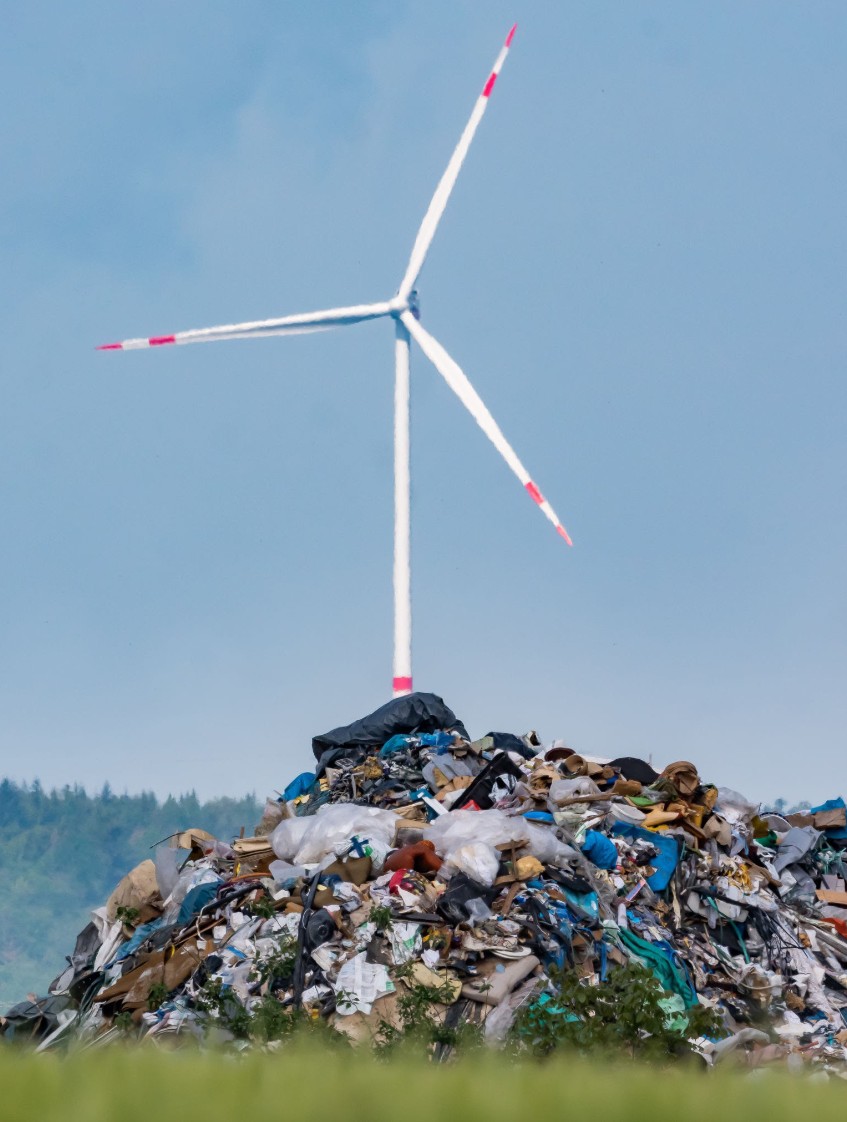
Image: The physical footprint: Tonnage and decommissioning realities of wind infrastructure. Source: Sven Loeffler / Getty Images
65
385
834
11,612
Jun 10
We now find the intermittent energy harvested from wind and sun is physically unable to replicate the dense, reliable power of hydrocarbons.
Trying to force wind and solar to deliver baseload power has failed. McKinsey Global (2022) estimates the full cost of a net-zero transition by 2050 at $275 trillion—running at an astronomical $9.2 trillion every year.
This utopian experiment has already squandered trillions in global capital, triggering an economic shockwave that has sent Western nations into a general decline.
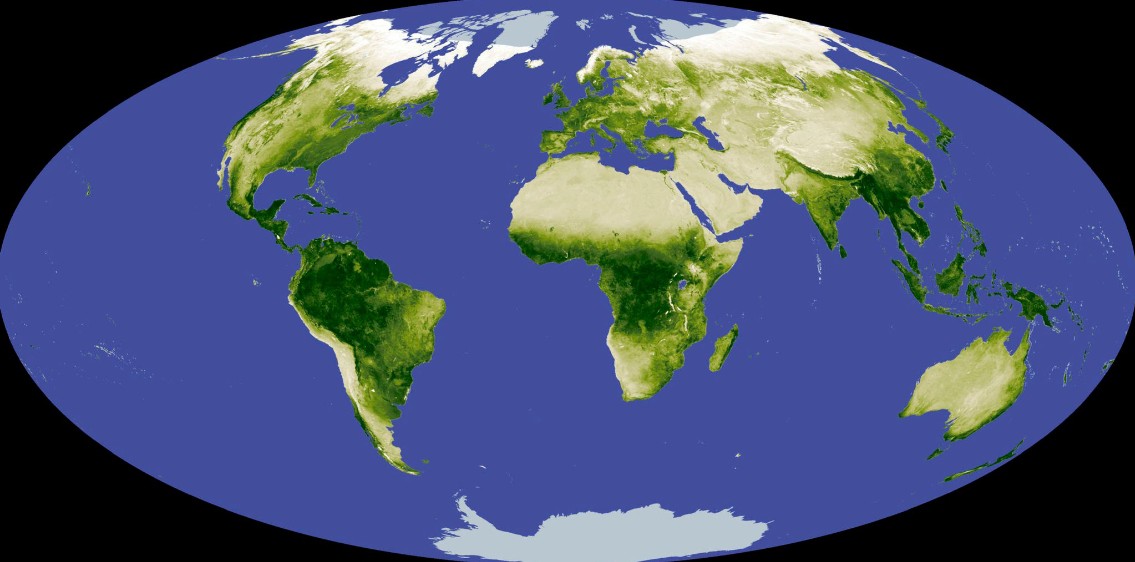
There is no climate apocalypse in sight. In fact, NASA satellite data confirms the world has been steadily greening for two decades, driven by a CO₂-led global vegetation recovery.
There was never a reason for such destructive haste to dismantle coal, oil and gas energy, because there was no urgent crisis. Geologists have already mapped vast, proven reserves of untapped hydrocarbons that offer a natural bridge to the future:
* Coal: 1.06 trillion tonnes (approx. 132 years remaining).
* Natural Gas: 7,299 trillion cubic feet (approx. 143 years remaining).
* Crude Oil: 1.65 trillion barrels (approx. 53 years remaining).
The actual volume of untapped hydrocarbons could easily be two or three times as much—enough to power humanity for another three centuries. This abundance allows ample time for adequate forward planning until truly viable, next-generation alternatives are invented.
Image: Two decades of satellite-verified biomass expansion. Source: Stocktrek Images / Getty Images
39
287
693
11,584
Jun 9
Wind and solar aren't the future - they are a high-maintenance, low-yield, asset-degrading collection of unreliable gadgetry.
Ultimately, the actual physics makes them exceptionally intermittent and they fail to deliver a true net profit to everyone who was forced to subsidise them. We are told wind and solar are the limitless, romantic future of energy. But when you strip away the romance, they are not pristine monuments to progress.
The reality is, they are complex jumbles of electronics, specialised glass, composite blades and concrete foundations. Like any domestic appliance, they degrade, malfunction and eventually they just wear out, sooner rather than later.
Whether it is a 'minor rural block' or a massive multi-million-dollar commercial farm, the financial equation is plagued by intermittency. Because these technologies only work sometimes, they require trillions in redundant grid infrastructure, backup gas plants, or toxic, short-lived battery arrays just to keep the lights on.
The narrative promises clean, free power from the sky. But both wind and solar are bound by physical barriers that guarantee they can never deliver the promised utopian returns.
A wind turbine cannot simply absorb all the energy passing through it. In 1919, physicist Albert Betz proved that if a turbine extracted 100% of the wind’s kinetic energy, the air behind the blades would stop moving entirely, blocking any new wind from entering. The absolute mathematical maximum efficiency for any open-airflow turbine is 59.3%.
Because of this physical wall, real-world utility turbines max out at around 45% efficiency in perfect conditions. But because the wind rarely blows at perfect speeds, their actual annual average output (capacity factor) globally sits at a dismal 25% to 40% depending on location. They aren't magical power plants; they are mechanical bottlenecks.
Solar panels face an equally rigid thermodynamic wall. Standard silicon panels have a maximum theoretical efficiency of roughly 33% because nearly half of all incoming solar energy is simply too powerful to be captured and is instantly lost as heat, while another chunk of photons passes right through the material like a ghost.
Millions of homeowners who bought into rooftop solar since the late 2000s are discovering the financial math didn't hold up. As early subsidies and high buy-back tariffs evaporated, owners were left with creeping daily grid supply charges and degrading panels.
After only 10 to 15 years, the costly inverters fail, leaving properties with expensive, non-functioning roof clutter.
102
536
1,313
20,698
Jun 9
Billions of solar panels are nearing their end-of-life cycle, and the world is completely unprepared for the coming toxic avalanche.
By 2050, the International Renewable Energy Agency projects up to 78 million metric tons of useless and toxic solar e-waste. Where is it all going to go?
The industry boasts that solar panels are '95% recyclable'. Technically, yes - because they are made of glass, aluminum and copper. But economics always trumps physics. In Australia and the US, it costs roughly $20 to $40 to disassemble and recycle a single panel, but only around $4 to dump it in landfill.
Because there is no financial incentive, up to 90% of decommissioned panels go straight into the ground. There are between 7 and 8 billion solar panels in the world today. This milestone was reached as global solar capacity officially surpassed 2 Terawatts (TW).
Because the physical wattage of individual panels varies from small 300W residential rooftop modules to massive 600W utility-scale panels, 2 TW of total energy capacity translates to roughly 7 billion individual panels currently installed worldwide.
Each solar panel is an industrial 'sandwich' bound tightly by heavy polymers. To extract the microscopic amounts of valuable silver and high-purity silicon requires energy-intensive chemical and thermal baking.
When they are crushed or left to fracture in landfills, heavy metals like lead and cadmium (in thin-film technologies) can leach into the surrounding soil and groundwater, turning 'clean energy' into a multi-generational hazardous waste problem.
The crisis is accelerating faster than models predicted. Because solar cells degrade and lose efficiency, and newer, cheaper panels hit the market, consumers and solar farms are ripping out functional systems at least a decade early to upgrade.
This compressed lifecycle destroys the narrative of a long-term, stable asset and creates an endless loop of unrecyclable industrial trash.
57
612
1,088
17,864
Jun 9
Field experiments are being carried out into claims of nutrient depletion and reduced health benefits when crops are grown under elevated CO₂ concentrations.
The basis for these experiments has already been disproved by decades of successful commercial greenhouse agriculture. CO₂ levels are routinely boosted to above 1,000 to 1,250 ppm. This is a multi-billion-dollar industry and there has never been any suggestion that the photosynthesis from higher CO₂ leads to nutrition depletion or any other type of potential health risks.
Greenhouse growers deliberately augment nutrients, water and soil chemistry alongside the gas levels to maximise yield. FACE experiments, by design, purposefully omit these adjustments to see what happens to unmanaged ecosystems or crops under elevated CO₂.
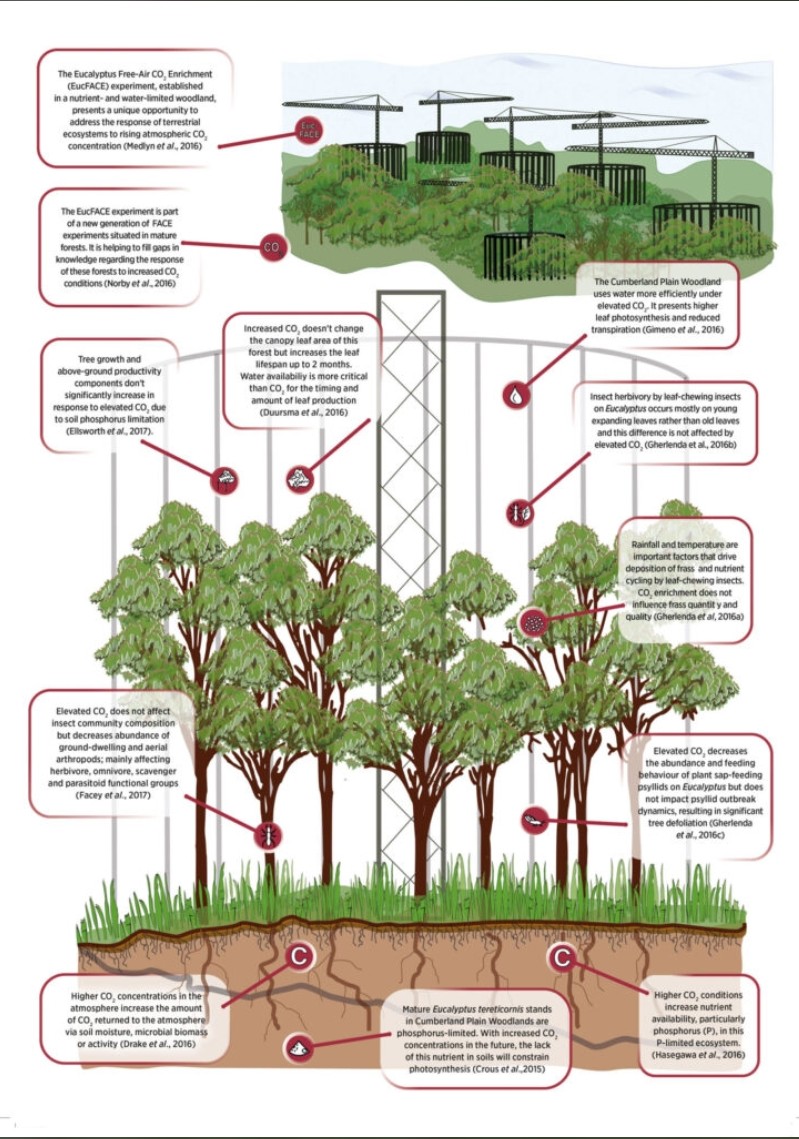
These studies — known as Free-Air Carbon Dioxide Enrichment (FACE) — involve field experiments to examine the health and food properties of crops and ecosystems under elevated CO₂ levels under open-air conditions. The purpose is to examine whether higher CO₂ and rapid growth will overstress plants and cause depleted nutrients. The experiments typically set elevated CO₂ concentrations at 550 to 600 ppm; current atmospheric CO₂ is 426 ppm.
The exact target concentration varies, but some specialised studies push the CO₂ target up to 730 ppm to simulate future worst-case scenarios. The elevated CO₂ serves as a proxy for atmospheric conditions projected to occur around the mid-21st century.
But farming practice has already established that any sudden growth will generally outstrip available nutrient levels, though this dilution is only temporary. In some of the experiments, the nutrient deficiency had only fallen by around 3%. Plants experiencing a growth spurt simply need time for nutrient values to be rebalanced by the rich subsoil networks that supply nutrients and nitrogen to root systems.
This underground support network chiefly includes widespread mycorrhizal fungi and rhizobacteria (nitrogen-fixing microbes), demonstrating a mutually beneficial symbiotic association between soil life and plant roots.
Satellite studies by NASA covering more than 20 years have revealed a widespread expansion in green leaf areas around the world, plus verified increases in rates of agricultural food production. This green leaf expansion is the largest in modern history.
The aim of FACE experiments appears to seek counter-arguments to this green leaf expansion, largely attributed to higher CO₂.
IMAGE: The architecture of a Free-Air Carbon Dioxide Enrichment (FACE) experiment. Source: EucFACE Experiment
27
148
340
6,306
Jun 8
The vast, featureless wastes of the Sahara Desert have shrunk by about 8% since the 1980s.
This astonishing recovery is due to rising CO₂ levels, fueling a remarkable global green renaissance. Data from NASA’s AVHRR and MODIS instruments show 25% to 50% of Earth's vegetated lands have become significantly greener—an area equivalent to twice the continental United States that has also spurred a global windfall for agricultural production.
CO₂ fertilisation has driven around 70% of this boom, making green plants far more efficient with water. By reducing the time stomata (leaf pores) stay open, it directly cuts water loss and boosts drought resistance.
This unplanned green miracle has allowed vegetation to reclaim zones of great emptiness in inhospitable places like the Sahel (the Sahara's southern fringe), the Middle East and Australia's sunburned outback desert. It has reclaimed over 700,000 km2 of barren sand waste in the Sahara alone, pushing back the desert in formerly barren terrain.
Atmospheric CO₂ now hovers around 426 ppm, enabling plants to thrive where once they couldn't. This protracted greening shows the clear, measurable benefit from higher levels of CO₂.
45
499
1,240
18,228