
Genome Integrity Lab | Assistant Professor @CRI_UTSW @UTSWMedCenter. We study how chromosomes segregate, break, and rearrange in cancer genomes.
Joined October 2018
- Tweets 2,333
- Following 611
- Followers 2,363
- Likes 7,925
102 Photos and videos

Pinned Tweet

May 19
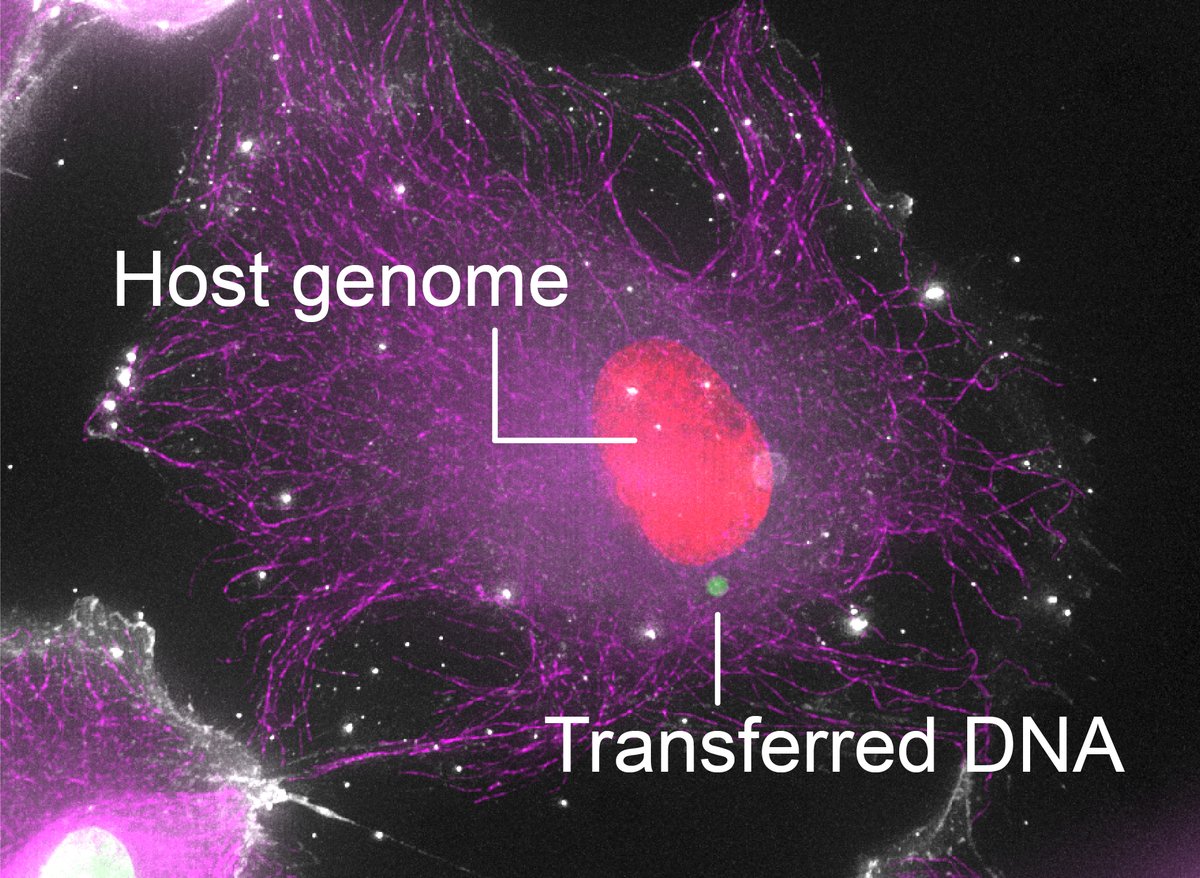
Excited to share our latest paper, out today @CellCellPress. We found that large pieces of the human genome can transfer between cells upon direct contact, endowing recipient cells with heritable phenotypic changes. (1/7)
cell.com/cell/fulltext/S0092…
38
303
993
155,737
Peter Ly retweeted

Jun 11
Why 50% of human fertilized eggs fail to complete pre-implantation development?
Latest work from my lab in @CellCellPress now clarifies the two causes that contribute to the low efficiency of early human embryos and provides one of the solutions. (1/7)
doi.org/10.1016/j.cell.2026.…
3
64
295
40,608
Peter Ly retweeted

Jun 12
Now online: Seeing is Believing: Intercellular Transfer of DNA between human cells doi.org/10.1158/0008-5472.CA…
2
3
288
Peter Ly retweeted

Very excited to be sharing our new paper, just out in Nature Cell Biology! nature.com/articles/s41556-0…
The big question we investigate: How do migrating cells put their front 🔴 and back 🔵 in the right place?
7
49
239
20,869
Peter Ly retweeted

Excited to finally share our preprint on mapping the genetic interaction network of the DNA damage response with combinatorial knockout screens led by Sam Hayward, @vaitsiankova, and Tomas Lama-Diaz!
biorxiv.org/cgi/content/shor…
4
12
53
3,467


Peter Ly retweeted

Thrilled to have contributed to this beautiful work from the O'Sullivan lab, now out @Nature! nature.com/articles/s41586-0…🧬 @ginibh31 @MahlkeMegan @KarlsederLab @UPMCHillmanCC
1
10
52
6,152
Jun 1
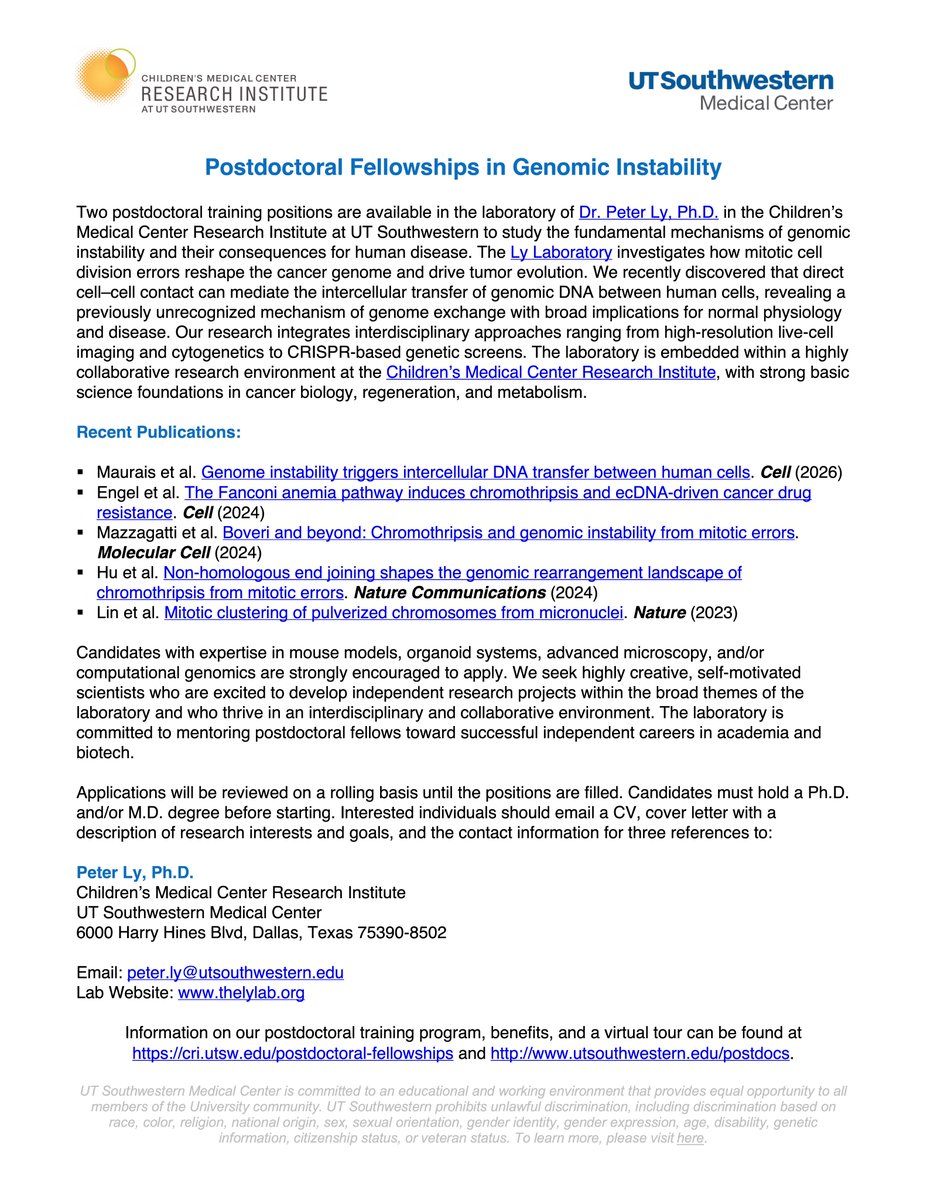
The Ly Lab @CRI_UTSW is recruiting two #postdocs to study intercellular DNA transfer. Join us to tackle fundamental questions at the intersection of genome instability, cell-cell communication, and cancer evolution. Please share! 🙏
Full posting: cri.utsw.edu/careers/
1
14
38
4,490
Peter Ly retweeted

May 29
Learn how DNA can be exchanged between two cells that connect by forming nanotubes, and find out why this is crucial for cancer research. discovermagazine.com/human-c…
4
3
2,038
May 29
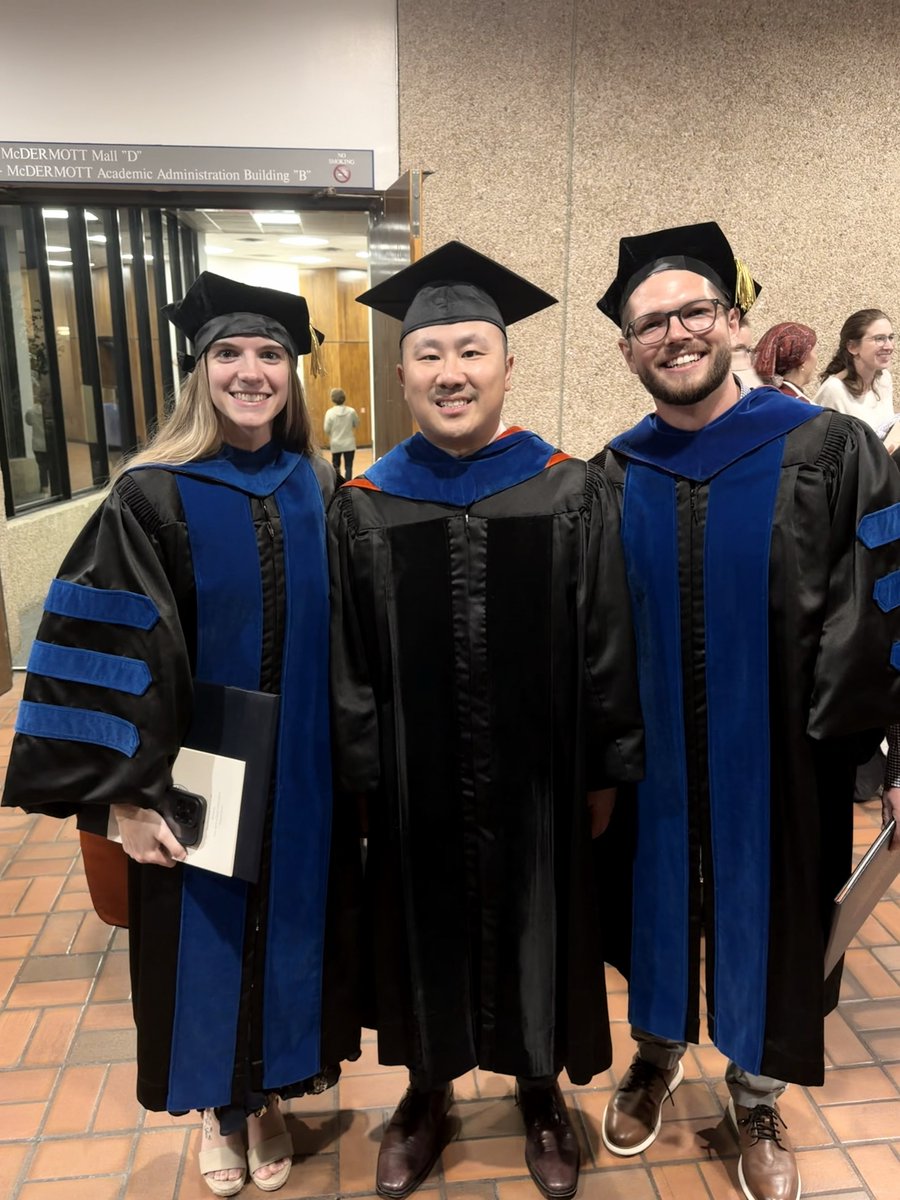
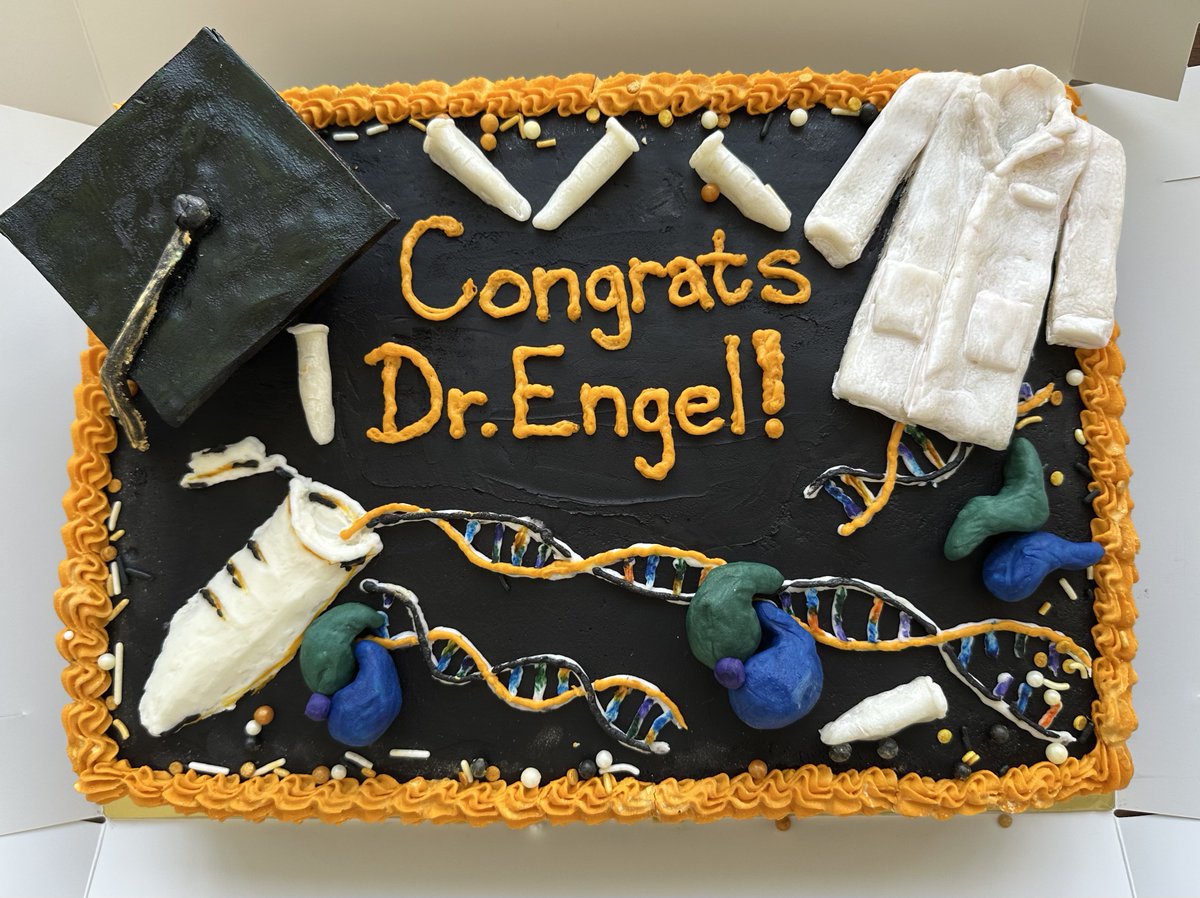
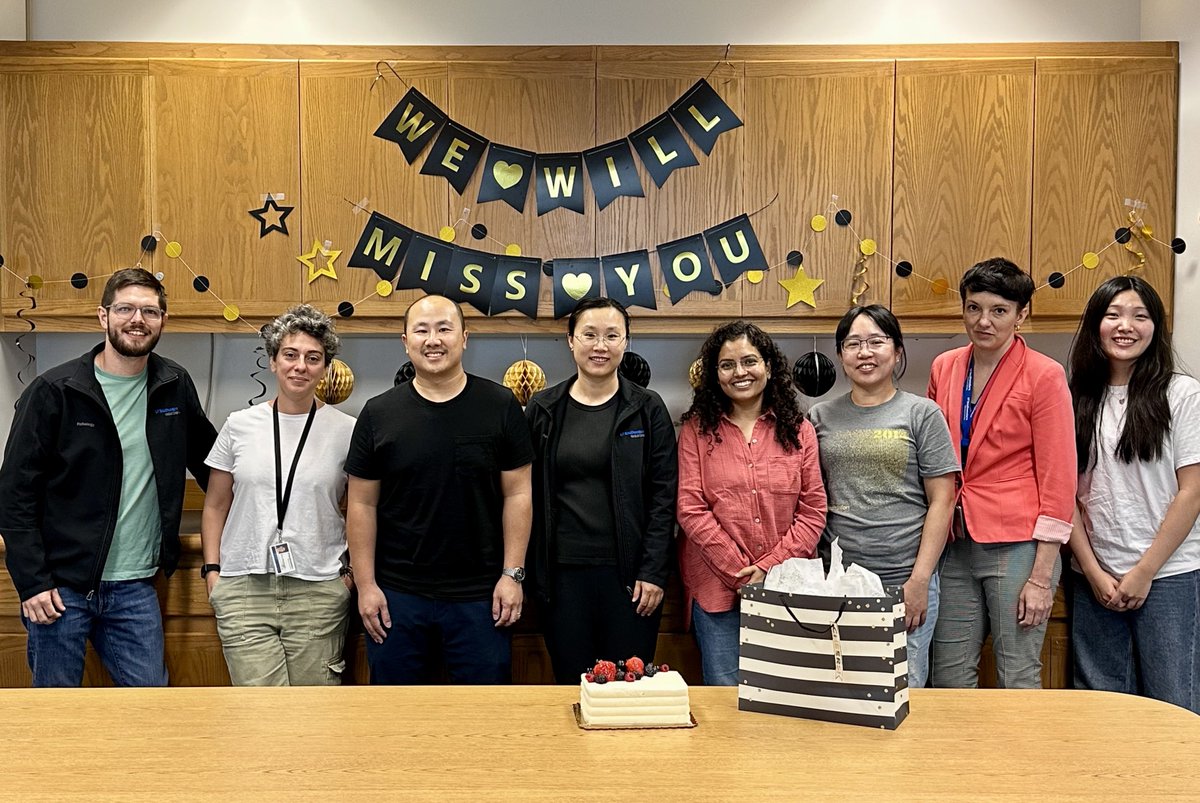
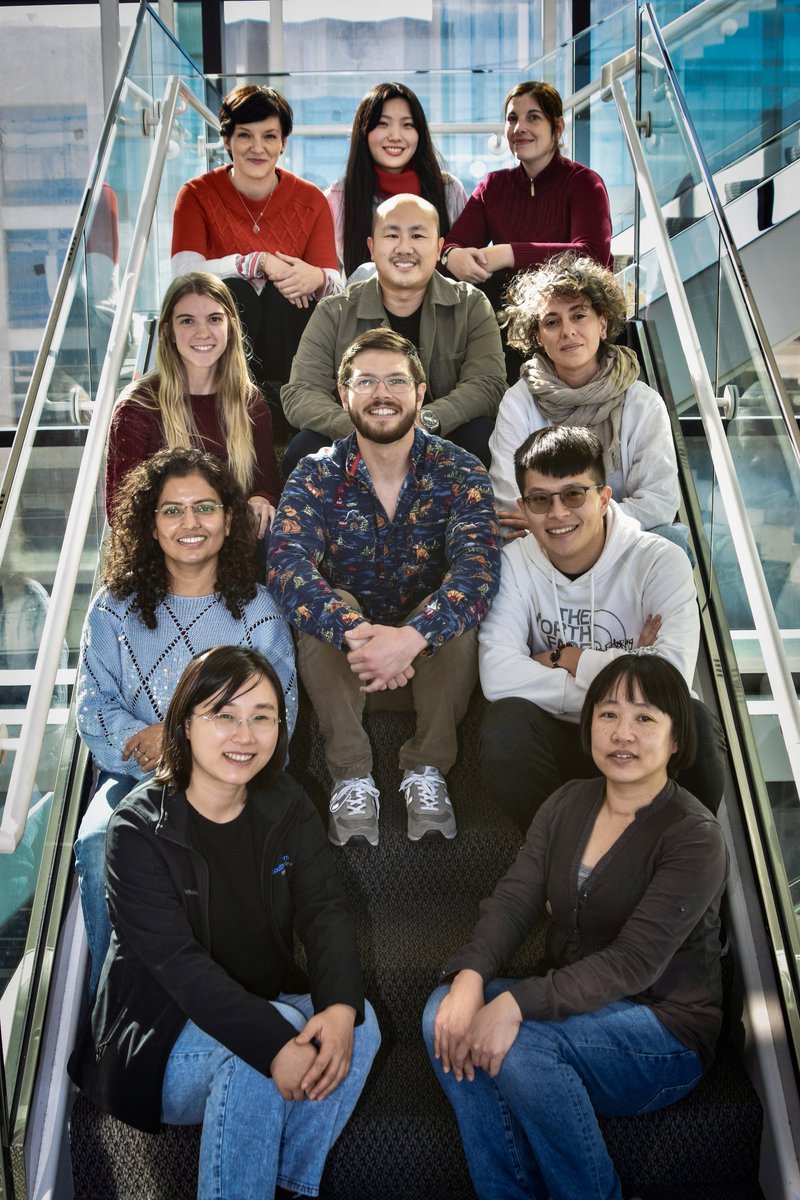
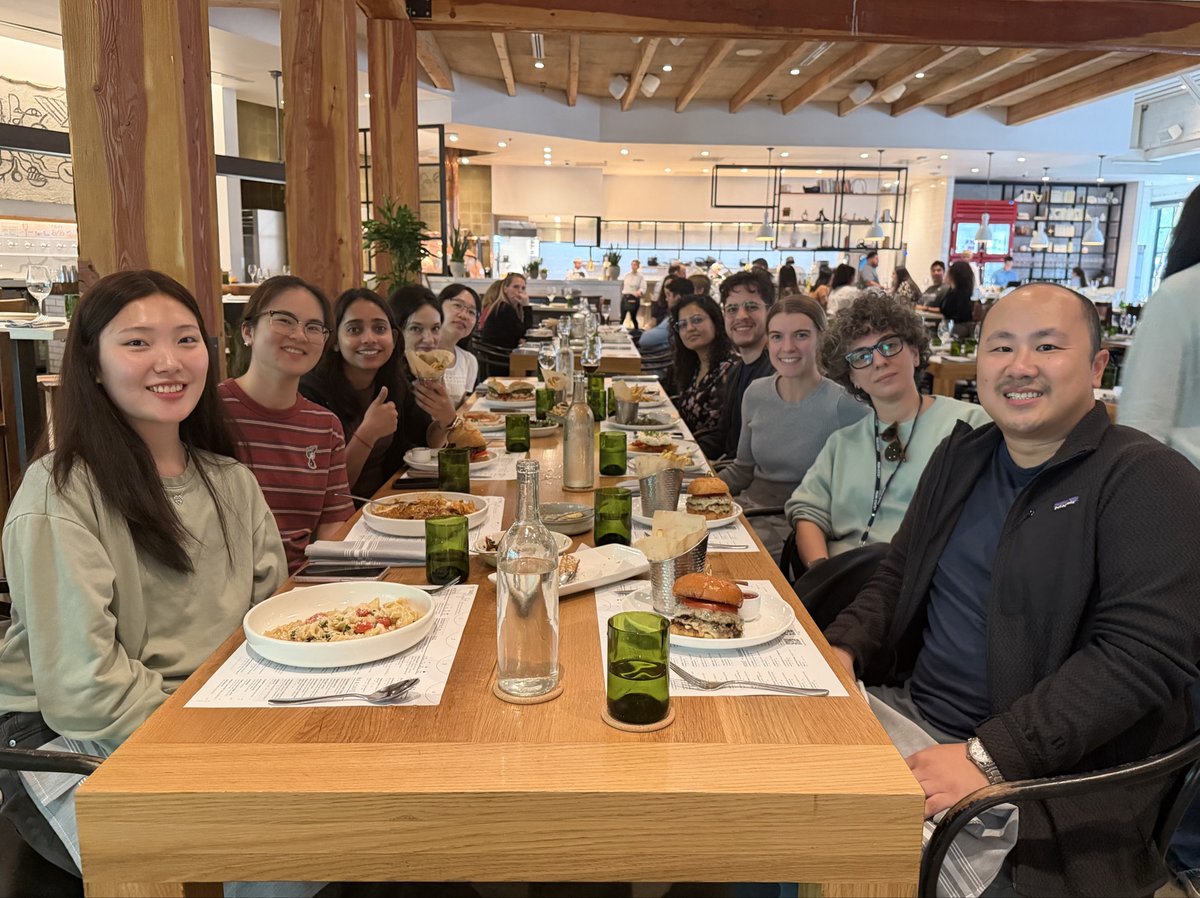
Proud milestone for our lab. Congrats to our first two graduate students, Lizz Maurais, PhD, and Justin Engel, PhD! @UTSWGradSchool
We also celebrated Lizz’s last day as she moves on to an exciting new adventure @biogen. Good luck Lizz!
2
5
58
3,102
Peter Ly retweeted

May 28
🧬 ⛓️💥 Our paper is now out in @NatureSMB! We examined the fate of replication forks that collapse at single-strand DNA breaks (SSBs) in vertebrates 🐸, comparing the consequences of collapse at single vs convergent forks. nature.com/articles/s41594-0…
2
5
16
1,435
Peter Ly retweeted

May 23
Until now, no one had seen DNA voyaging between human cells along intercellular highways called tunneling nanotubes.
sciencenews.org/article/dama…
5
30
116
16,406

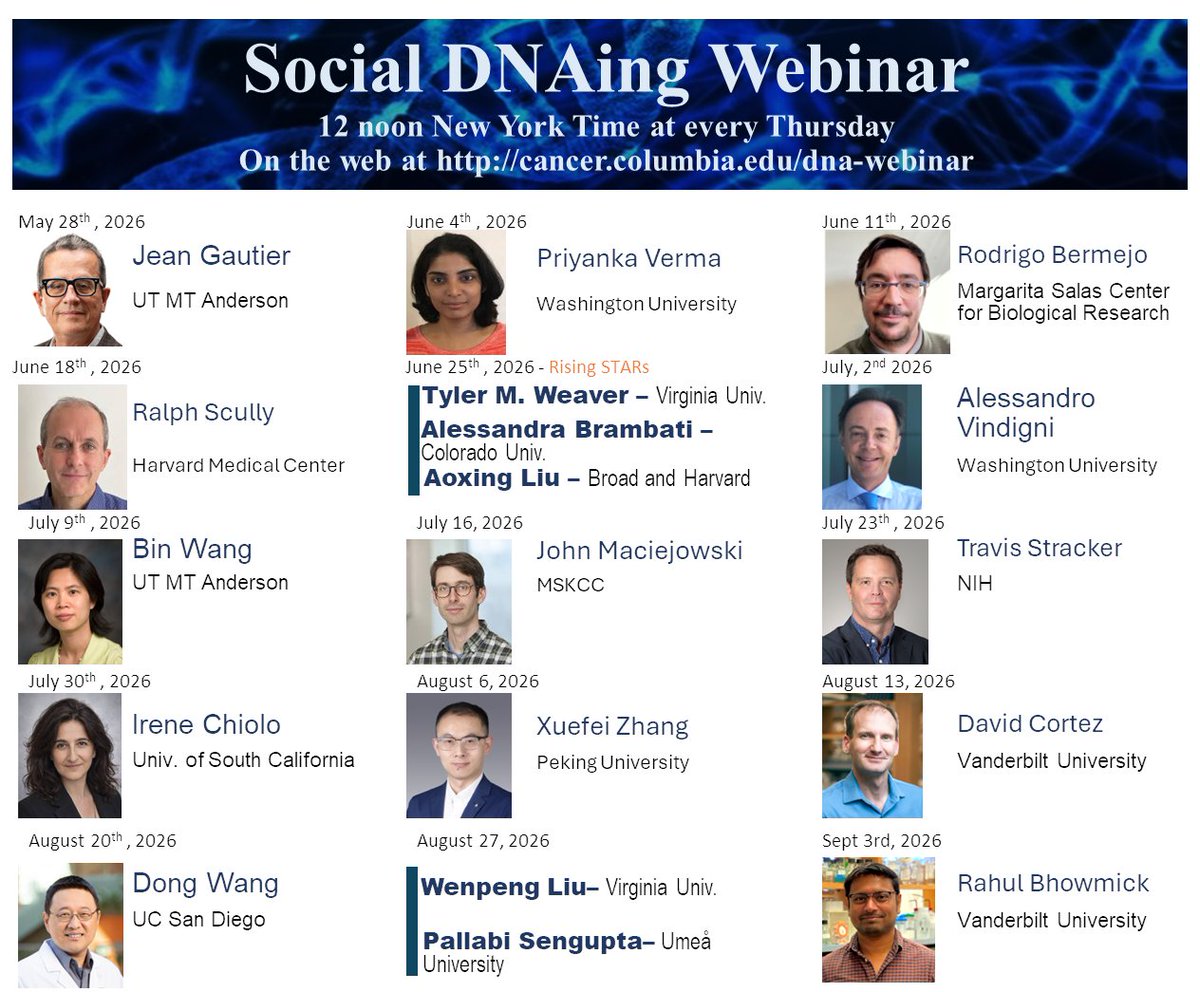
Are you ready for the Summer? Social DNAing is! Check out the 2026 Summer line-up! Please note one schedule change on June 4th, 2026. Please RT! Sign up at cancer.columbia.edu/research…
3
10
766
Peter Ly retweeted

May 22
Now online! Genome instability triggers intercellular DNA transfer between human cells dlvr.it/TSgLb5
1
19
57
7,514
Peter Ly retweeted

May 22
Telomere crisis is an engine of genomic instability, driving the structural evolution of cancer genomes. Our new preprint finds this damage isn't random: it converges on the nucleolus and the chromosomes that build it. 🧵
biorxiv.org/content/10.64898…
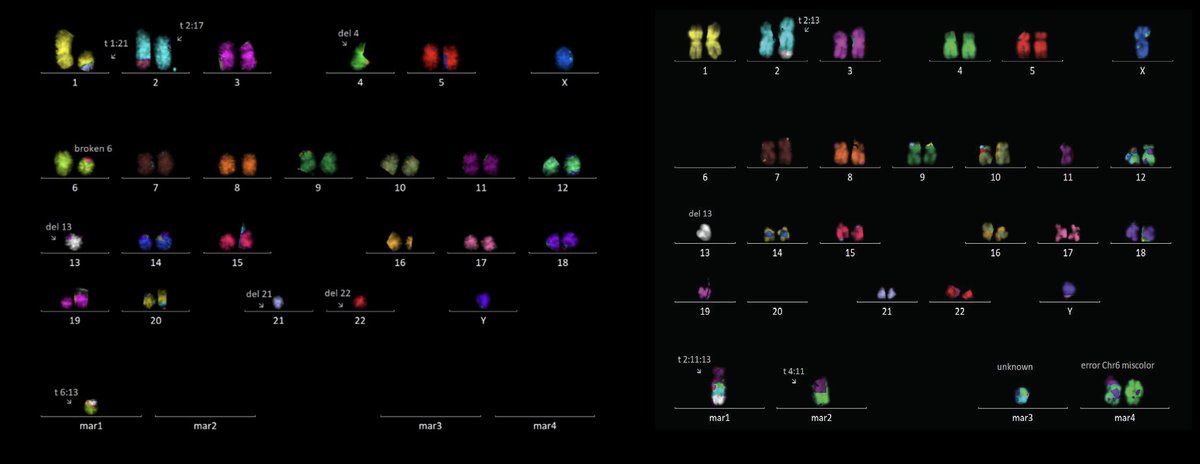
ALT Two multicolor FISH karyograms of telomere-crisis NHA cells. Each chromosome is painted a distinct color and arranged in karyotype order, with extra marker chromosomes below. Labels point to numerous abnormalities, including several translocations and deletions; chromosome 13 is deleted in both cells.
1
9
20
1,372
May 20
Had a fun conversation with @ScienceNews about our recent findings. Thanks for covering our work!
May 19

Like prisoners tunneling out of jail, damaged DNA travels via tubelike structures between neighboring cells.
sciencenews.org/article/dama…
1
6
31
5,504
Peter Ly retweeted

ONLINE NOW in @CellCellPress: @PeterLyLab has discovered large pieces of DNA can transfer directly between human cells & that DNA can persist, change how the recipient cell functions. Read more about this #relentlessdiscovery ⬇️ cri.utsw.edu/human-cells-can…
9
20
4,098
Peter Ly retweeted

ONLINE NOW in @CellCellPress: @PeterLyLab has discovered large pieces of DNA can transfer directly between human cells & that DNA can persist, change how the recipient cell functions. Read more about this #relentlessdiscovery ⬇️ cri.utsw.edu/human-cells-can…
5
17
2,194
May 19
Excited to share our latest paper, out today @CellCellPress. We found that large pieces of the human genome can transfer between cells upon direct contact, endowing recipient cells with heritable phenotypic changes. (1/7)
cell.com/cell/fulltext/S0092…
38
303
993
155,737
May 19
Many questions remain. We now aim to define the prevalence, mechanisms, and biological impact of intercellular DNA transfer across physiological and disease contexts.
🚨 We are recruiting #postdocs to lead these efforts – please reach out if interested! (6/7)
@UTSWPostdocs
2
5
51
4,271
May 19
Congrats to grad student Lizz Maurais, who drove this project with relentless resilience alongside a remarkable team of lab members and collaborators! (7/7)
@CRI_UTSW @UTSWMedCenter @UTSWGradSchool
3
4
64
3,550