
Business Dev @Valereum PLC 🌐 Uniting real-world asset (RWA) tokenisation with banking-as-a-service. This is the future of finance. (AQSE: VLRM | OTCQB: VLRMF)
Joined November 2015
- Tweets 10,761
- Following 441
- Followers 1,744
- Likes 20,139
2,276 Photos and videos


Peter • VLRM retweeted

Jun 2
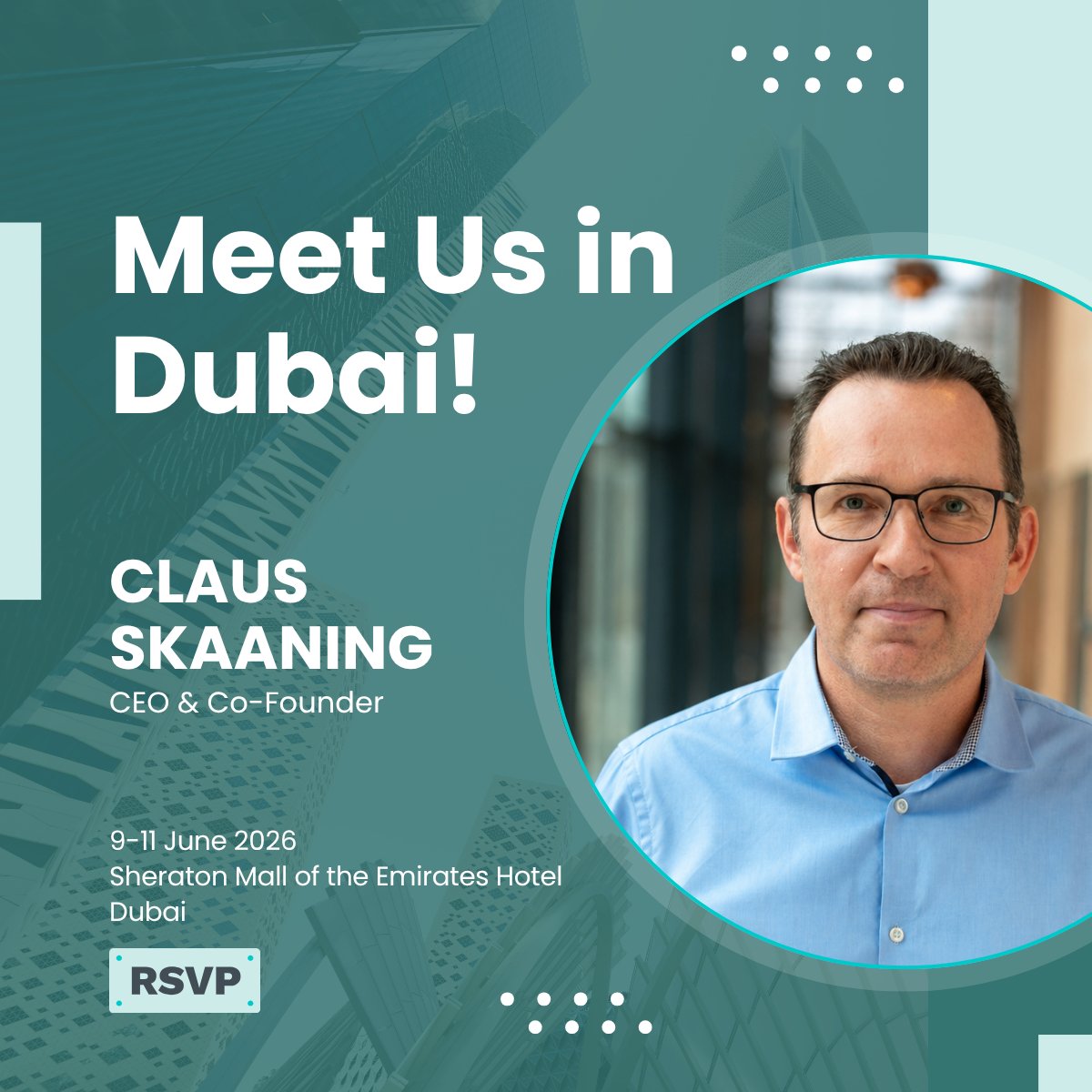
Dubai, we’re coming! 🇦🇪
Our CEO & Co-Founder, @clausskaaning, will be in Dubai from 9–11 June 2026 at the Sheraton Mall of the Emirates Hotel to connect with partners, investors, and innovators driving the future of RWA tokenization.
Excited to discuss institutional-grade tokenization, digital assets, and the growing opportunities across the Middle East.
🔗 Book a meeting below!
3
6
259

May 31
Weekly News Roundup 🗞️
RWAs are now outperforming Bitcoin
fxstreet.com/cryptocurrenci…
Tokenized RWAs, AI, and privacy were the most trending narratives in crypto this month, outperforming Bitcoin and major altcoins. Tokenization could expand to $30 trillion by 2030. The capital rotation toward real-yield assets is now visible in price.
The “RWA 2.0” thesis takes hold
phemex.com/academy/what-i…
a16z’s May trends piece argues the industry will see more origination, not just tokenization.
CoinGecko’s RWA Report sets the baseline
coingecko.com/research/publi…
Tokenized commodities now account for 28.7% of the sector, with their market cap rising from $1.43B to $5.55B in Q1. RWA perpetuals recorded $524.79B in Q1 2026 volume alone…on track to more than double 2025’s full-year total.
@ScofieldOnchain great post 👏🏼
#RWA #Tokenisation #Blockchain #VLRM
May 30

Weekly News Roundup 🗞️
RWAs are now outperforming Bitcoin
fxstreet.com/cryptocurrencie…
Tokenized RWAs, AI, and privacy were the most trending narratives in crypto this month, outperforming Bitcoin and major altcoins.  Tokenization could expand to $30 trillion by 2030.  The capital rotation toward real-yield assets is now visible in price.
The “RWA 2.0” thesis takes hold
phemex.com/academy/what-is-r…
a16z’s May trends piece argues the industry will see more origination, not just tokenization. 
CoinGecko’s RWA Report sets the baseline
coingecko.com/research/publi…
Tokenized commodities now account for 28.7% of the sector, with their market cap rising from $1.43B to $5.55B in Q1.  RWA perpetuals recorded $524.79B in Q1 2026 volume alone…on track to more than double 2025’s full-year total. 
2
9
473
May 31
My personal Sunday thoughts on all things gold.
🗞️ Gold at a Crossroads: Record Prices, Limited Supply, and the Future of Mining
⛏️ Gold has once again asserted itself as one of the world's most strategic assets. Driven by geopolitical uncertainty, central bank diversification, persistent inflation concerns, and weakening confidence in traditional reserve currencies, gold prices have reached successive record highs over the past two years.
The question facing investors and mining executives is no longer whether gold remains relevant, but whether the industry can produce enough of it to meet future demand.
The most striking aspect of today's gold market is the disconnect between price and supply. Historically, rising prices incentivised rapid production growth.
📊 Yet despite record margins and significantly higher gold prices, global mine production has increased only marginally. Recent industry data indicates that global mine output reached approximately 3,670 tonnes in 2025, only around 1% higher than the previous year and barely above prior production peaks. (World Gold Council)
This signals a structural shift. The industry is no longer constrained by economics alone; it is increasingly constrained by geology, permitting, and capital intensity.
The era of large, high-grade discoveries appears to be fading. New deposits are becoming harder to find, more expensive to develop, and often located in jurisdictions with heightened political, environmental, or regulatory risks. Meanwhile, average ore grades continue to decline, forcing operators to process larger volumes of material to produce the same amount of gold. The result is rising operating costs and longer development timelines. Industry all-in sustaining costs have already reached record levels, highlighting the inflationary pressures facing producers (World Gold Council).
Looking ahead, the future winners in gold mining are unlikely to be those simply producing the most ounces. Instead, value will increasingly accrue to companies that control tier-one assets in stable jurisdictions, possess strong balance sheets, and can leverage technology to improve productivity. Canada, Australia, and select regions of Africa are already emerging as key growth centres as new projects and mine expansions come online. (World Gold Council)
‼️ Another trend shaping the sector is the growing importance of mergers, acquisitions, and resource consolidation. As organic discoveries become scarcer, major producers will increasingly look to acquire existing reserves rather than discover them. This dynamic could create substantial opportunities for developers and junior miners holding high-quality deposits.
For investors, the long-term thesis for gold remains compelling. Demand continues to be supported by central banks, institutional investors, and geopolitical uncertainty. Supply, however, is becoming progressively more difficult to expand. In commodity markets, this combination typically supports higher prices over time.
🔗 A further development that could reshape the gold market is the rise of gold #tokenisation. As #blockchain technology matures, investors are increasingly able to own and trade #digital tokens backed by #physical gold held in secure vaults. Tokenisation has the potential to improve liquidity, reduce barriers to entry, and broaden access to gold ownership globally. However, every token ultimately requires physical gold to underpin its value. This creates an important link between digital finance and traditional mining: as tokenised gold markets expand, the need for credible, audited, and responsibly sourced physical gold becomes even more critical. In many respects, the growth of tokenisation could increase the strategic importance of mining companies, as the digital gold economy can only be as strong as the physical ounces supporting it.
#Gold #Tokenisation #Mining
3
4
11
451
May 31
🕰️ Global gold demand reached record levels in 2025 while supply growth remained limited, reinforcing the tightening structural balance. (Reuters)
The next decade may therefore be defined not by a shortage of demand for gold, but by a shortage of economically viable gold deposits. The future of the industry belongs to miners that can deliver ounces responsibly, efficiently, and in politically secure regions. Gold itself may remain timeless, but the business of producing it is entering a new era, one where scarcity becomes the industry's most valuable asset.
1
4
251
Peter • VLRM retweeted

May 24
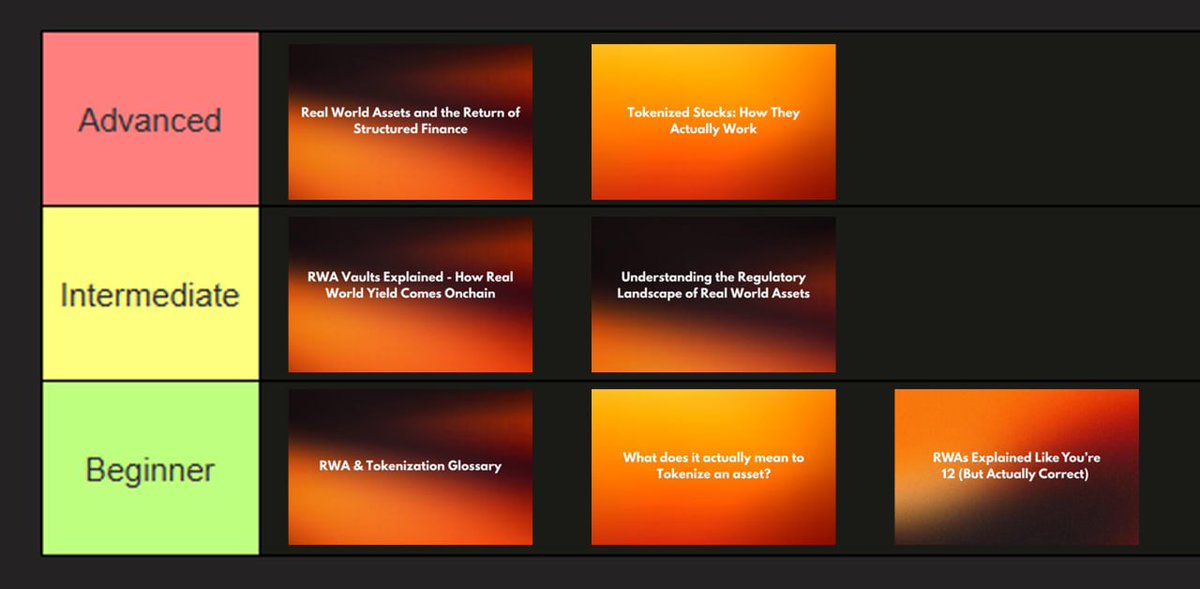
Want to start learning about RWA?
Here are 7 articles ranked in the order you should read them.
Beginner:
What does it actually mean to tokenize an asset? - x.com/RWAFoundation_/status/…
RWA & Tokenization Glossary - x.com/RWAFoundation_/status/…
RWAs Explained Simply - x.com/RWAFoundation_/status/…
Intermediate:
Understanding the Regulatory Landscape of Real World Assets x.com/RWAFoundation_/status/…
RWA Vaults Explained - How Real World Yield Comes Onchain - x.com/RWAFoundation_/status/…
Advanced:
Real World Assets and the Return of Structured Finance - x.com/RWAFoundation_/status/…
Tokenized Stocks: How They Actually Work - x.com/RWAFoundation_/status/…

10
17
74
8,292
May 23
SEC Commissioner Hester Peirce just clarified that tokenization rules will only apply to real, asset-backed securities.
No synthetic stock tokens.
No fake representations.
Regulated tokenized markets are getting closer.
#Tokenisation #RWA #VLRM
⬇️

SEC Commissioner Hester Peirce just clarified that tokenization rules will only apply to real, asset-backed securities.
No synthetic stock tokens.
No fake representations.
Regulated tokenized markets are getting closer.
3
8
19
1,644
Peter • VLRM retweeted

May 23
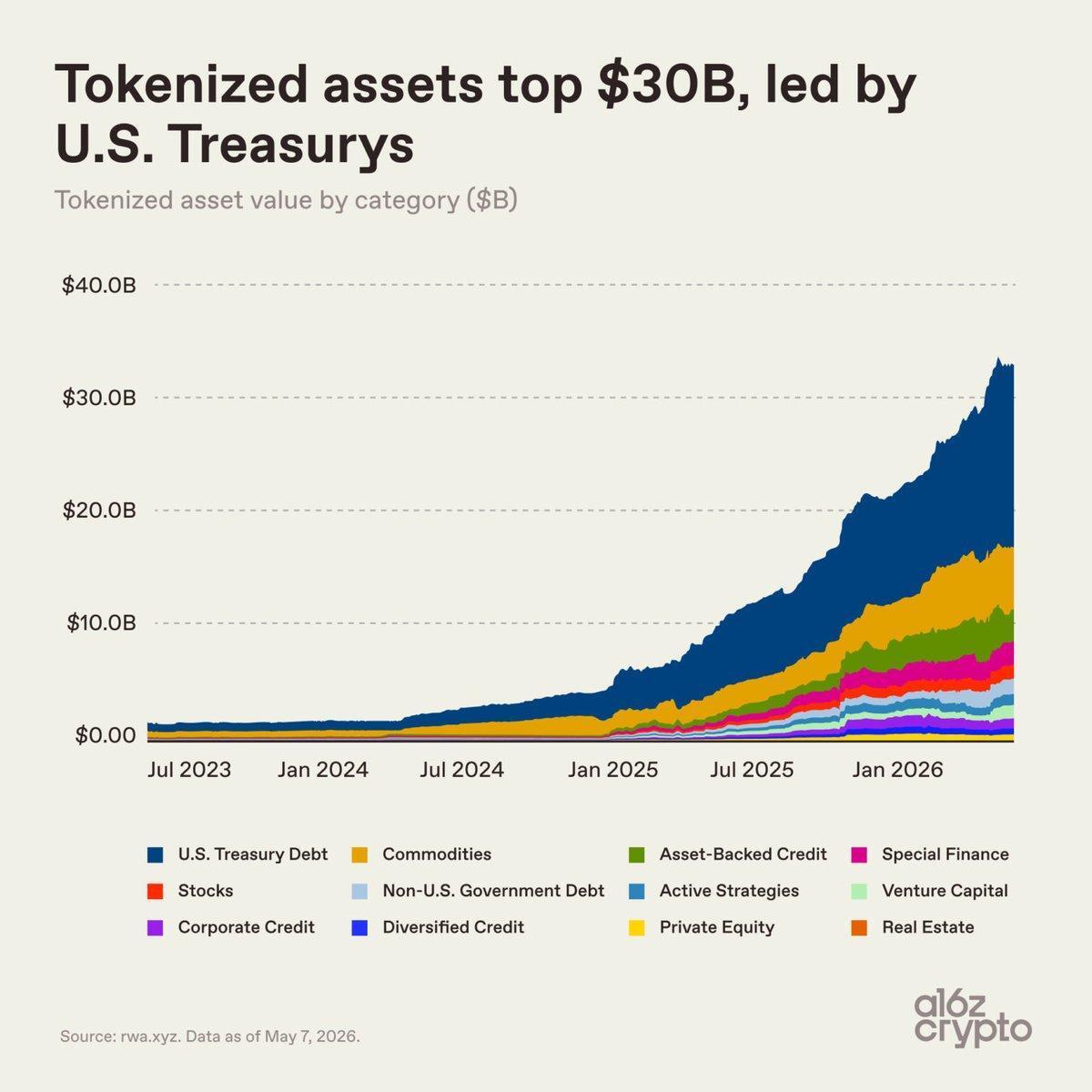
🚨TOKENIZED ASSETS JUST CROSSED A MASSIVE $30 BILLION MILESTONE
Andreessen Horowitz’s a16z crypto reports the tokenized real world assets has officially surpassed $30B in value, with tokenized U.S. Treasurys continuing to dominate the sector.
89
108
394
21,820
May 21
Does it get any better…
🚨 𝐁𝐑𝐄𝐀𝐊𝐈𝐍𝐆 💣🤩
Arsenal’s iconic anthem “North London Forever”, also known as “The Angel”, has officially been voted the greatest football anthem in the world 🥇🎶 ⚽
The Emirates atmosphere is simply unmatched ❤️
#AFC #Arsenal #London
May 20

🚨 𝐁𝐑𝐄𝐀𝐊𝐈𝐍𝐆 💣🤩
Arsenal’s iconic anthem “North London Forever”, also known as “The Angel”, has officially been voted the greatest football anthem in the world 🥇🎶 ⚽
The Emirates atmosphere is simply unmatched ❤️
2
708
Peter • VLRM retweeted
May 21
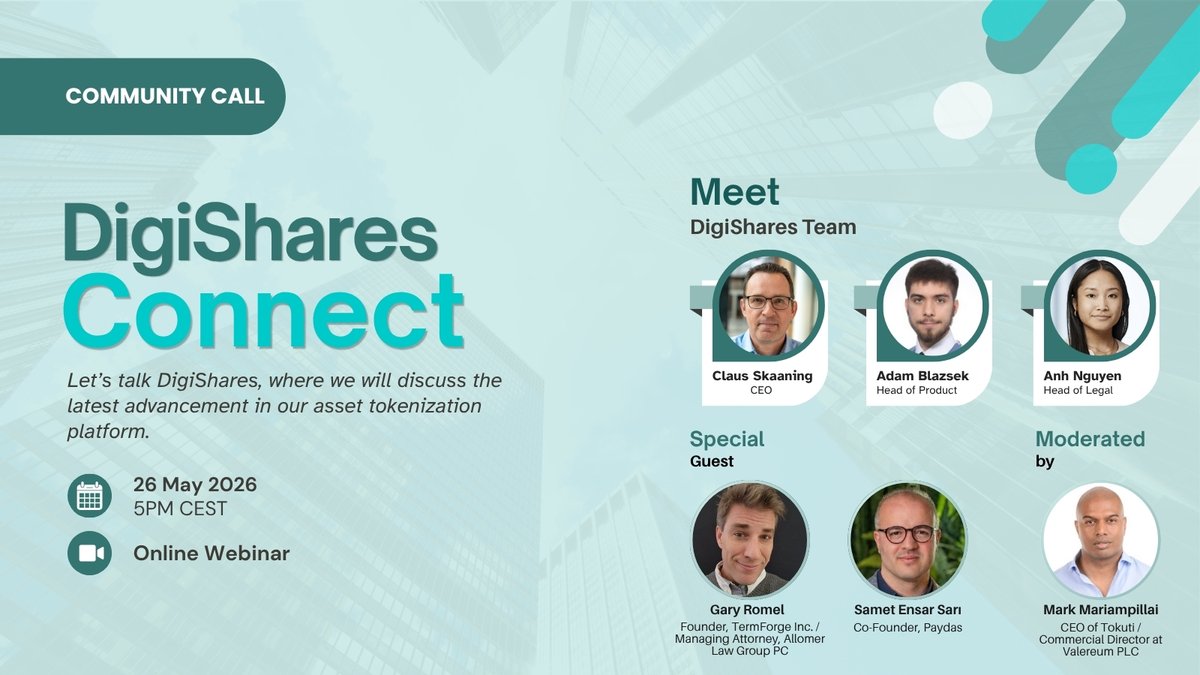
What’s next for tokenized real-world assets and DigiShares?
Join us at DigiShares Connect on 26 May | 5PM CEST as we dive into platform updates, product roadmap highlights, and the market trends shaping the future of RWAs.
Register below!
1
5
9
681
May 21
RWA (Real World Assets) and tokenisation in my opinion could be the biggest financial unlock nobody is paying enough attention to.
For years #crypto chased narratives.
2026 is where infrastructure started winning.
Here’s what’s happening 👇
Tokenisation = putting ownership of real-world assets on-chain:
➡️Treasuries.
➡️Real estate.
➡️Private credit.
➡️Commodities.
➡️Equities.
➡️Funds.
Anything with value becomes programmable.
The biggest shift?
🚨 Institutions stopped laughing.
Banks, asset managers, regulators and exchanges are now building the rails. Tokenised treasuries dominate today, but tokenised stocks, ETFs and commodities are accelerating fast.
🗞️Tokenised RWA markets more than tripled from early 2025 into Q1 2026. (CoinGecko)
🕵️ Why does it matter?
Because legacy finance moves like it's 1999:
➡️Settlement delays.
➡️Market fragmentation.
➡️Middlemen everywhere.
➡️Capital trapped in inefficient systems.
➡️Tokenisation fixes that.
➡️24/7 markets.
➡️Near instant settlement.
➡️Fractional ownership.
➡️Global access.
➡️Programmable compliance.
🧩Imagine buying 0.3% of a commercial building as easily as buying BTC.
🧩Imagine sovereign debt trading globally 24/7.
🧩Imagine private markets becoming liquid.
That's where this is heading. The UK is actively exploring tokenisation infrastructure and near-24/7 settlement models. Regulators globally are moving from watching to building frameworks. (F.N. London)
💥 But here's the reality check:
Tokenising assets doesn't automatically create liquidity.
Liquidity comes from buyers, sellers, distribution and trust.
Bad tokenisation projects die.
Real infrastructure survives.
⭐ What the rest of 2026 looks like:
→ Tokenised Treasuries continue dominating institutional flows
→ Tokenised equities become retail growth drivers
→ Compliance becomes product infrastructure, not a feature
→ More banks move on-chain quietly
→ Permissioned institutional rails expand
→ DeFi and TradFi integrations deepen
→ Regulation becomes clearer, not looser
🤔 The biggest misunderstanding?
People think tokenisation is about crypto.
It isn't.
It's about rebuilding financial plumbing.
Slowly.
Then suddenly.
Watch the rails.
💰 That's where trillion-dollar shifts begin.
#RWA #Tokenisation #blockchain #BTC
10
26
343
May 20
🗞️ The FCA and Bank of England are seeking feedback on new tokenization guidance and plans to extend operating hours for the UK’s core payment and settlement infrastructure toward near-24/7 availability.
#VLRM #Tokenisation #RWA
@Cointelegraph
cointelegraph.com/news/fca-b…
1
5
12
466
May 20
The future of finance won’t wait for opening bells.
Read more via @Cointelegraph : cointelegraph.com/news/fca-b……
May 20

The UK’s financial infrastructure prepares for tokenisation
The Bank of England and FCA are proposing extended settlement operating hours as wholesale markets prepare for the next phase of digital finance and tokenisation.
Markets are under intense pressure to become global, digital and always-on. Infrastructure must be capable of supporting real-time settlement, interoperability and tokenised assets. The UK is busy laying the groundwork for expanded access, and legal and regulatory frameworks which support blockchain-based markets.
The future of finance won’t wait for opening bells.
Read more via @Cointelegraph : cointelegraph.com/news/fca-b…
#VLRM #Valereumplc #Valereum #DigitalAssets #Tokenization
1
6
8
415
Peter • VLRM retweeted

May 20
The success for the north London side follows three consecutive second-place finishes in the Premier League, losing out to Liverpool last year and twice to Manchester City before that. ft.trib.al/NxcEOKw
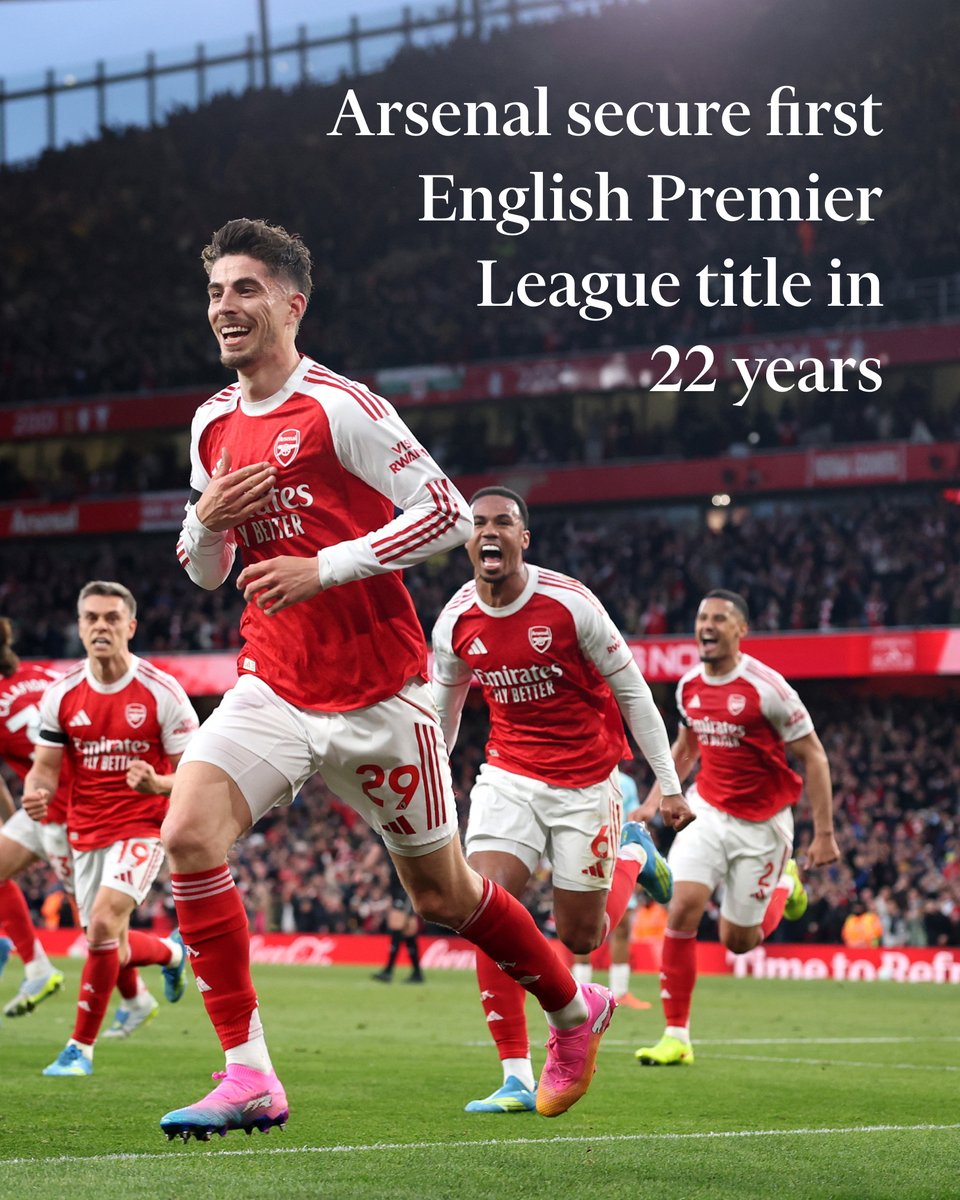
ALT Kai Havertz of Arsenal celebrates scoring a goal during a Premier League match between Arsenal and Burnley at Emirates Stadium. Text on image reads: Arsenal secure first English Premier League title in 22 years (Credit: Julian Finney/Getty Images)
23
143
845
50,768
Peter • VLRM retweeted

May 18
No sleep! The era of 9-to-5 finance is ending
Markets are reacting in real time to recent global events and pushing beyond legacy restrictions. Traders want to move at the speed of news, underlining the need for modern, interoperable financial infrastructure. The demand for 24/7 markets has been mounting and can no longer be contained.
Valereum is helping to shape that future with compliant, decentralised market infrastructure. We’re enabling fast, frictionless movement of digital assets, with no boundaries, no delays. Let’s unleash value.
Read more on this by Annabelle Huang for @CoinDesk:
coindesk.com/opinion/2026/05…
#VLRM #Valereumplc #Valereum #DigitalAssets #Tokenization
20
41
1,019
May 13
Everyone thinks RWAs are about “putting assets on-chain.”
They’re missing the bigger shift.the reason I’m So deep in this space is RWAs are turning financial products into internet-native infrastructure.
Treasuries, private credit, real estate, equities all becoming programmable, 24/7, globally accessible, and instantly settleable.
That’s why BlackRock, JPMorgan, Franklin Templeton, and DTCC are all moving in. This isn’t crypto replacing TradFi.
It’s TradFi rebuilding itself on crypto rails.
We’re still early:
➡️ liquidity is fragmented
➡️ regulation is uneven
➡️ secondary markets are immature
But the direction is obvious.
The next decade of finance won’t be defined by “which blockchain wins.”
It’ll be defined by which assets move on-chain first.
Tokenized treasury markets and institutional RWA adoption have accelerated sharply through 2025–2026, with firms like BlackRock, JPMorgan, Franklin Templeton, and DTCC actively building tokenized finance infrastructure.
#RWA #Tokenisation #Defi #blockchain #Blackrock #JPMorgan
2
5
11
435
Peter • VLRM retweeted

May 11
BREAKING:
SEC Chair Paul Atkins just said something historic.
"All U.S. markets will be on chain within two years."
Not some markets
Not select assets.
All of them.
Every stock. Every bond. Every derivative.
On the blockchain. Within two years.
The man who regulates the entire U.S. financial system.
Just told the world that Wall Street is moving on-chain.
This is not a prediction from a crypto influencer.
This is the SEC Chair.
The same institution that spent 4 years trying to kill crypto.
Now putting a two year timeline on tokenizing everything.
$50,000,000,000,000 in U.S. financial markets.
Moving to the blockchain.
And crypto hasn't priced this in yet.
91
432
1,790
169,954
May 9
🚨 Valereum Vox – Issue 2 has landed
It’s here. Our latest edition is out now, bringing you inside news from Valereum Plc.
Issue 2 highlights:
• Appointment on the Interoceanic Corridor infrastructure project
• Carmen Ochoa spotlight
• Valereum rebrand reveal
Future issues will continue to be published in our dedicated Vox News section.
@CarmyO @ValereumPLC @StockBoxMedia @proactive_x
Read Issue 2 here: vlrm.com/vox
#VLRM #Valereum #ValueUnleashed
May 8
🚨 Valereum Vox – Issue 2 has landed
It’s here. Our latest edition is out now, bringing you inside news from Valereum Plc.
Issue 2 highlights:
• Appointment on the Interoceanic Corridor infrastructure project
• Carmen Ochoa spotlight
• Valereum rebrand reveal
Future issues will continue to be published in our dedicated Vox News section.
Read Issue 2 here: vlrm.com/vox
#VLRM #Valereum #ValueUnleashed

1
7
17
589
Peter • VLRM retweeted
Apr 23
🚨 Valereum Vox – Issue 1 is live
We’re pleased to launch our new company blog! It’s your window into all things Valereum Plc. We’ve listened to your requests for more regular news and have designed it to keep you abreast of what’s happening.
Issue 1 highlights:
• Mining mandate and proposed partnership in precious metals
• QGP partnership with UMACO Gold and “mine-to-token” structure
• New distribution partnership with Chintai
• Digital Assets Summit 2026 in El Salvador
Future issues will be published in our dedicated Vox News section.
Read Issue 1 here: vlrm.com/vox
4
22
80
11,746
Peter • VLRM retweeted
Apr 28
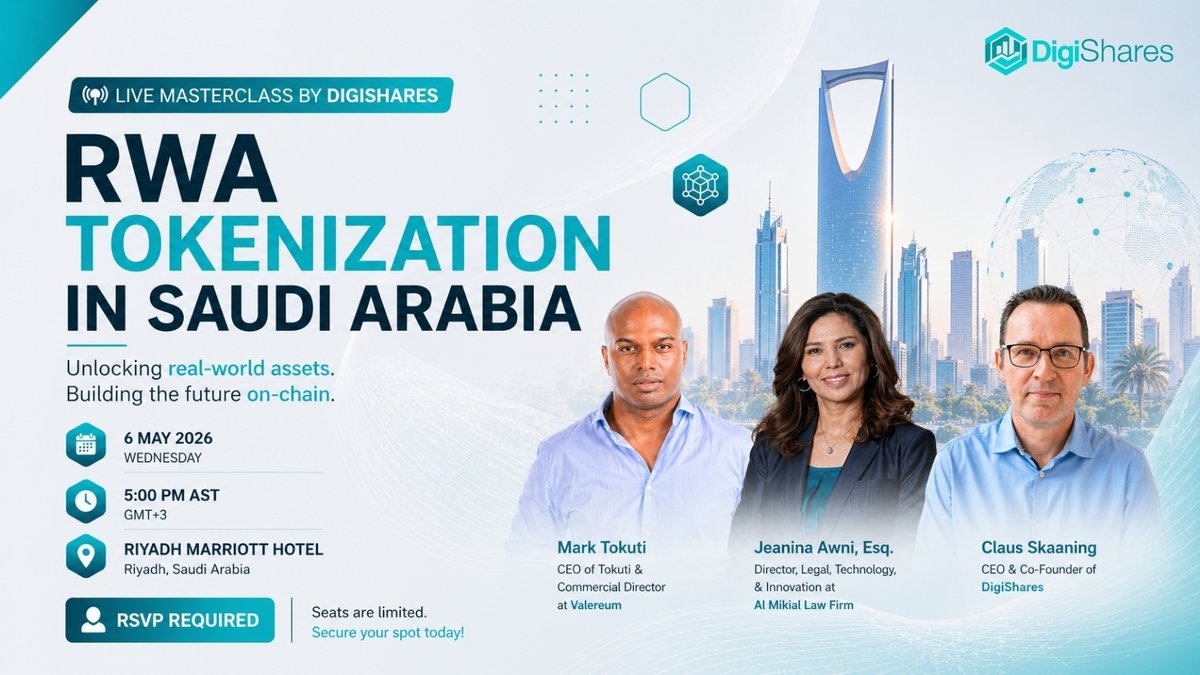
We are hosting a live RWA Tokenization Masterclass in Saudi Arabia! 🇸🇦
6 May 2026 | 5:00 PM AST
Riyadh Marriott Hotel
We will be covering legal readiness, asset classification, and where the RWA market is heading. This is one you do not want to miss.
Moderated by @MarkTokuti, featuring Jeanina Awni (Al Mikial Law Firm) and @clausskaaning. More speakers coming soon!
Register below!
3
13
42
487,943