
Nurture knowledge, drive discovery, connect community.
- Tweets 3,678
- Following 219
- Followers 820
- Likes 1,043










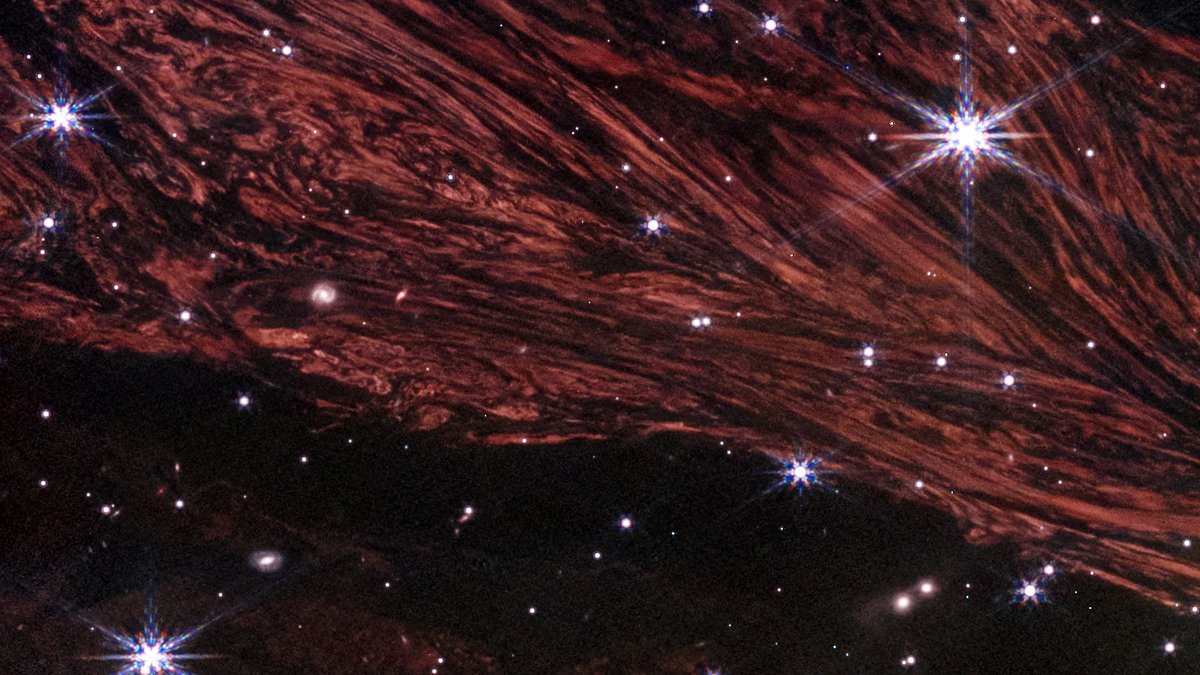
ALT These shimmering cosmic curtains show interstellar gas and dust that has been heated by the flashbulb explosion of a long-ago supernova. The gas then glows infrared light in what is known as a thermal light echo. As the supernova illumination travels through space at the speed of light, the echo appears to expand. NASA’s James Webb Space Telescope observed this light echo in the vicinity of the supernova remnant Cassiopeia A. NASA, ESA, CSA, STScI, J. Jencson (Caltech/IPAC)

ALT These shimmering cosmic curtains show interstellar gas and dust that has been heated by the flashbulb explosion of a long-ago supernova. The gas then glows infrared light in what is known as a thermal light echo. As the supernova illumination travels through space at the speed of light, the echo appears to expand. NASA’s James Webb Space Telescope observed this light echo in the vicinity of the supernova remnant Cassiopeia A. NASA, ESA, CSA, STScI, J. Jencson (Caltech/IPAC)
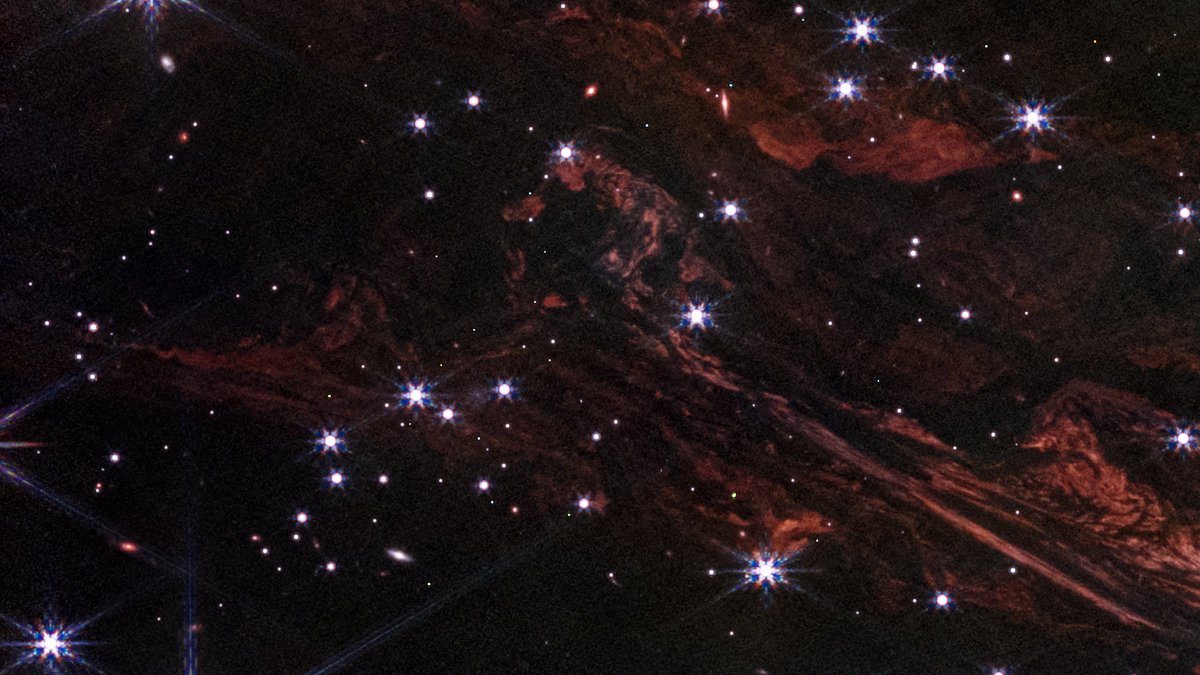
ALT These shimmering cosmic curtains show interstellar gas and dust that has been heated by the flashbulb explosion of a long-ago supernova. The gas then glows infrared light in what is known as a thermal light echo. As the supernova illumination travels through space at the speed of light, the echo appears to expand. NASA’s James Webb Space Telescope observed this light echo in the vicinity of the supernova remnant Cassiopeia A. NASA, ESA, CSA, STScI, J. Jencson (Caltech/IPAC)

ALT These shimmering cosmic curtains show interstellar gas and dust that has been heated by the flashbulb explosion of a long-ago supernova. The gas then glows infrared light in what is known as a thermal light echo. As the supernova illumination travels through space at the speed of light, the echo appears to expand. NASA’s James Webb Space Telescope observed this light echo in the vicinity of the supernova remnant Cassiopeia A. NASA, ESA, CSA, STScI, J. Jencson (Caltech/IPAC)





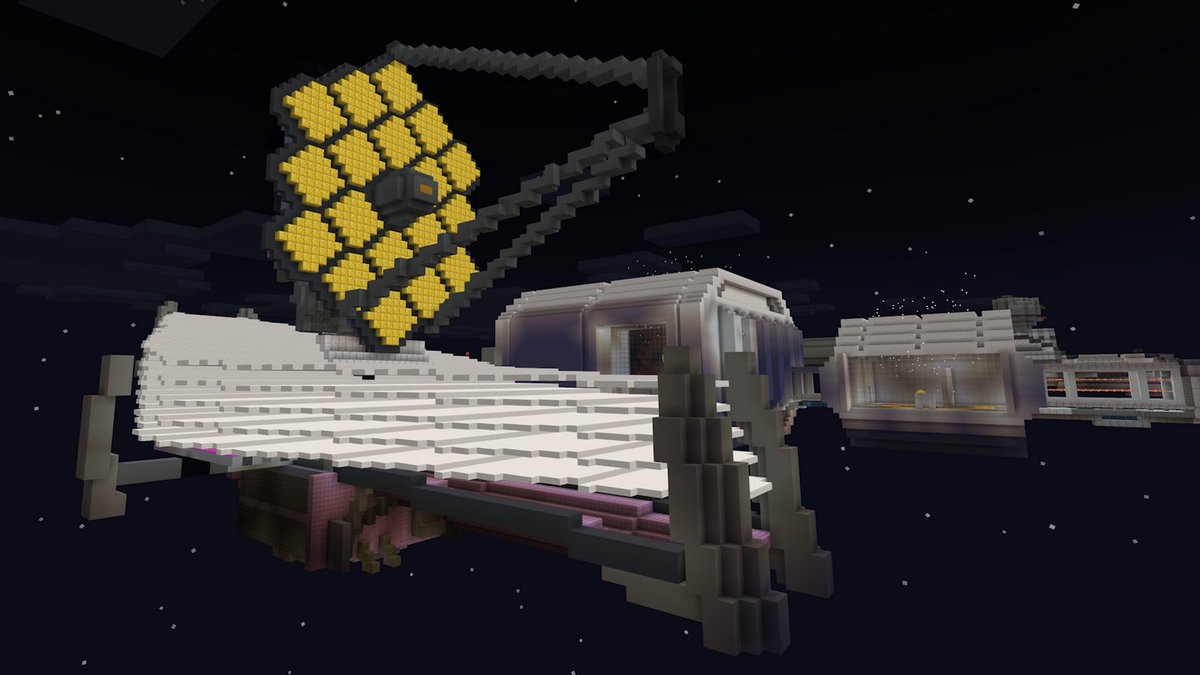
ALT A depiction of the James Webb Space Telescope and an attached space habitat, in the style of Minecraft. Webb's distinctive golden mirror and giant sunshield are rendered in block form, with pinpoint stars dotting the image's background. Credit: Minecraft





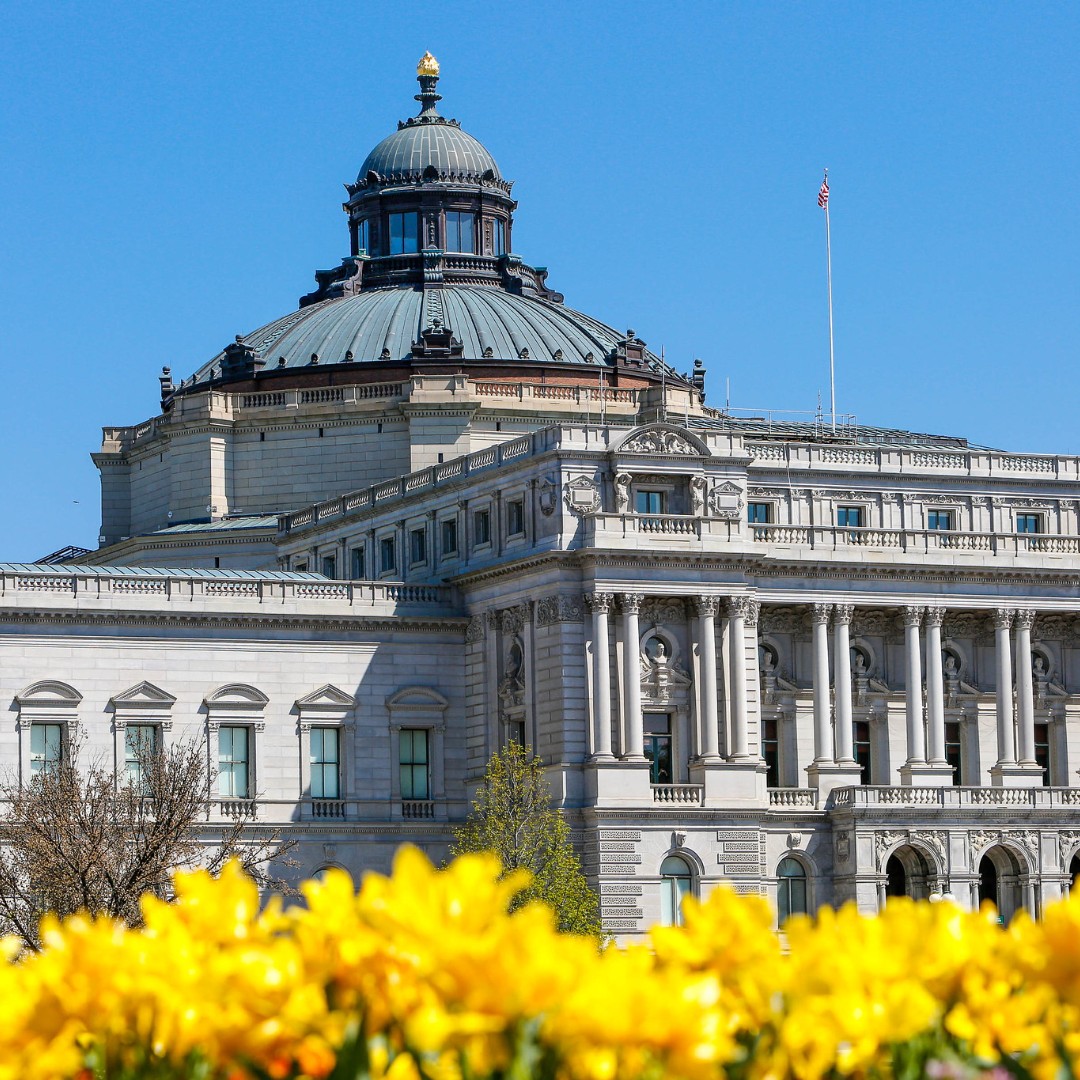
ALT The Library of Congress Thomas Jefferson Building, April 15, 2015. Photo by Shawn Miller/Library of Congress.


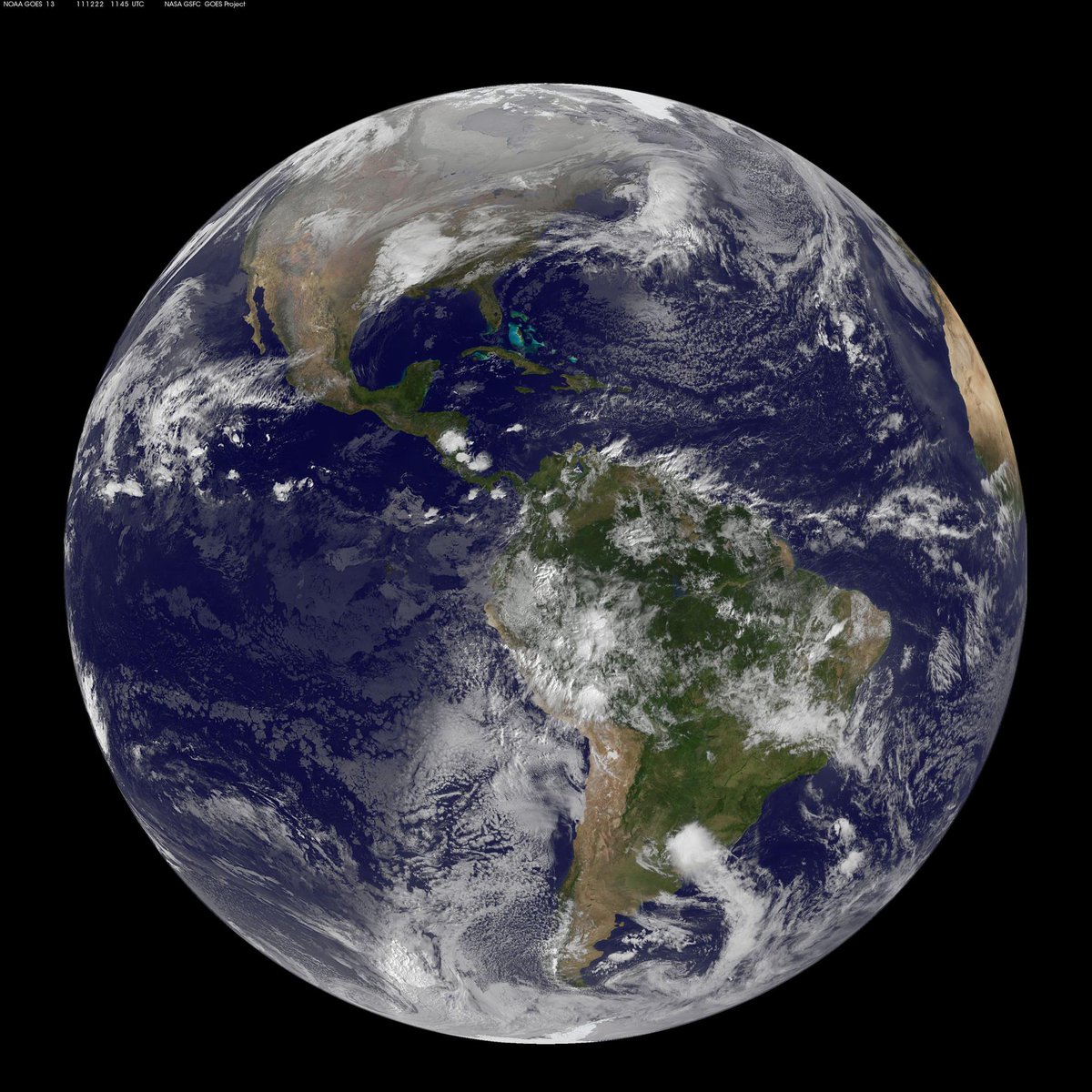
ALT A full-disc image of Earth on the first day of the winter solstice, taken by NOAA's GOES-13 satellite. The visible half of Earth tilted away from the Sun is seen in shadow, including North America and part of the Pacific Ocean. The other half of Earth, including South America, is in sunlight. Credit: NOAA/NASA GOES Project