Bud/Busch Lite/Titos
Joined December 2020
- Tweets 8,054
- Following 813
- Followers 108
- Likes 58,409
2,029 Photos and videos



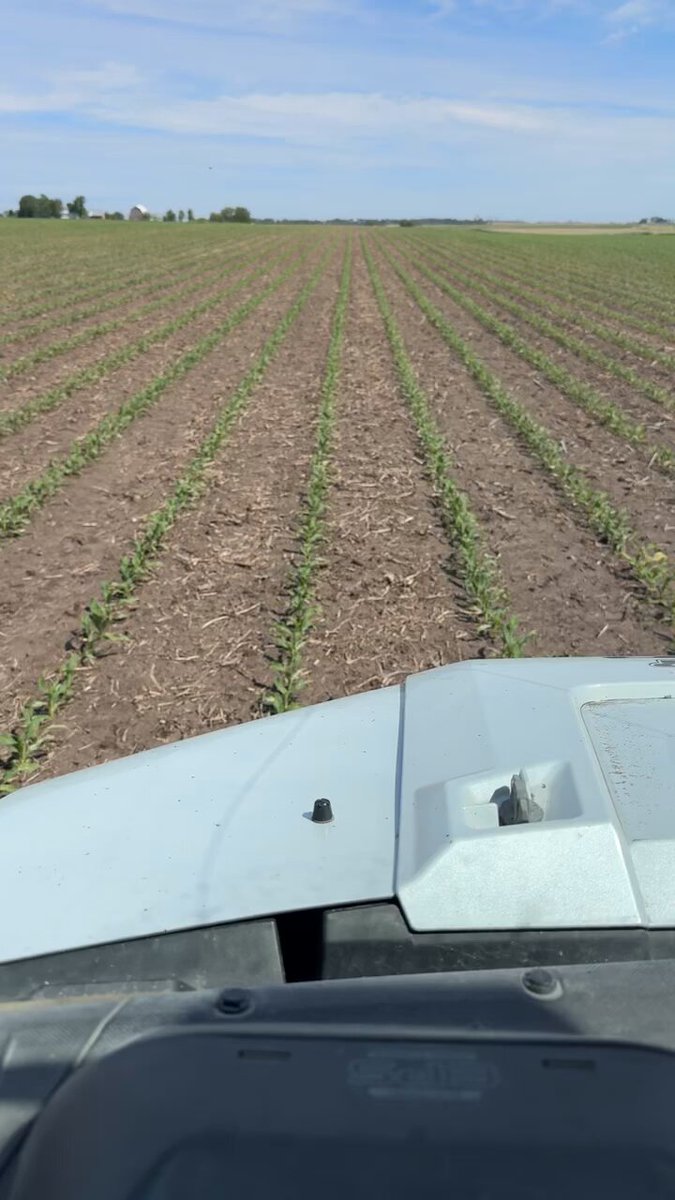

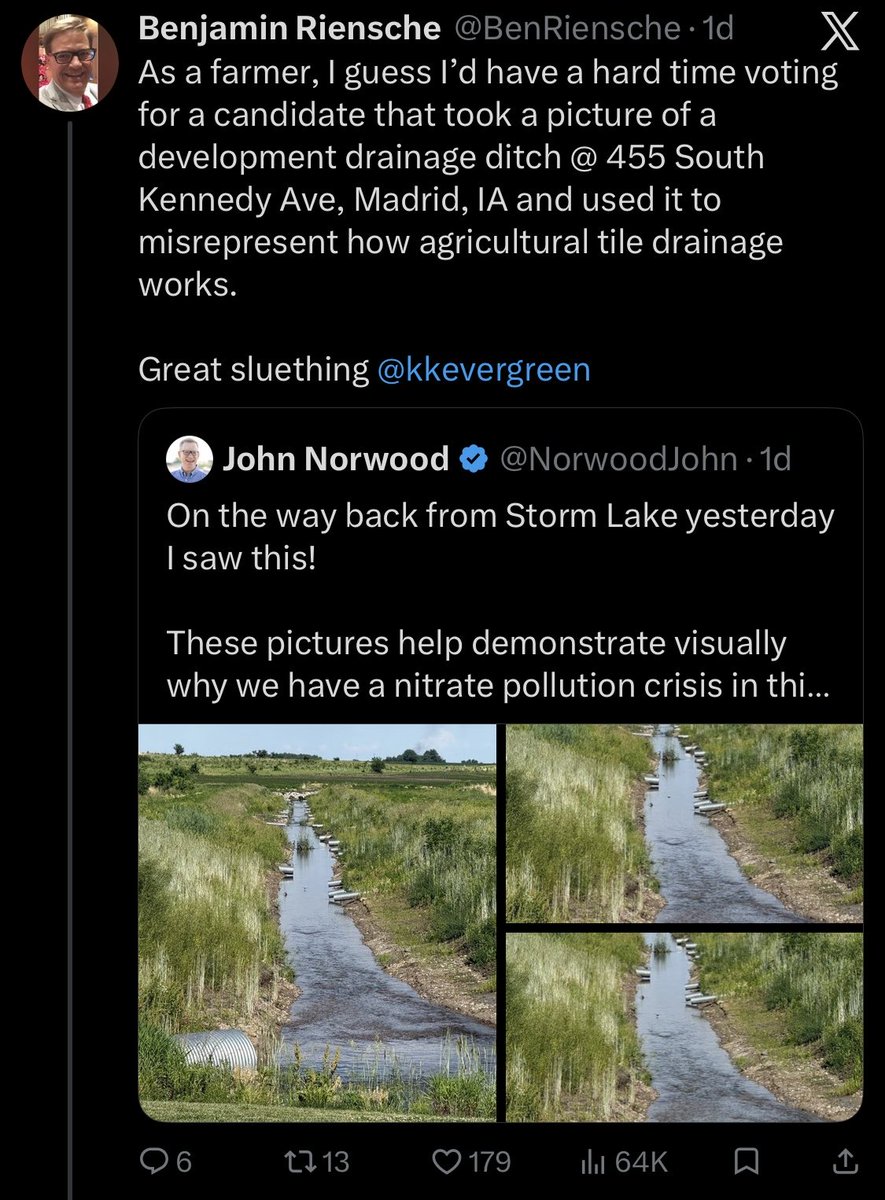
Ouch 😂

36
The country with a screwworm infestation is having a "beef boom?" Makes sense doesn't it?

Screwworm border closure fuels beef boom in Mexico, gloom in Texas reut.rs/4vs2vNB reut.rs/4vs2vNB
1
46
Ryan just wants Socialism

Most of your wealth isn't in income, therefore most of your wealth isn't taxed. When it is, via capital gains, it's taxed at a lower rate and allows you massive perks and loopholes. You're being disingenuous. You know this.
2
42
No matter how much you hate these people it's not enough.
May 16

If the government was trying to cause an uprising what would they do different?
1
43
💯
May 14

I HAVE ABSOLUTELY HAD IT WITH THE GOP!!!!!!!!
JD VANCE IS OUT THERE FINDING FRAUD EVERYWHERE...
PRESIDENT TRUMP IS CUTTING DEALS IN CHINA...
MARCO RUBIO IS PULLING ALL NIGHTERS...
...AND THE GOP CAN'T EVEN VOTE ON THE SAVE ACT?!!!!!!
WHAT ARE THE GOP DOING?!!!!!
1
39
Yes please
May 12

Dear @realDonaldTrump @POTUS,
Consumers can choose cheaper proteins instead of beef if prices get too high. But when Americans pull up to the gas pump, they have no alternative. Focus on lowering fuel prices instead of attacking cattle producers.”
57
Pgmcc retweeted

May 5
This is an excellent written summary of the reason the cattle market is where it is today and how the packers made it happen. They’ll argue they’re not in control and use current poor packer margins as their defense, but they built this situation.

1. The Big Four created the cattle shortage they are complaining about by suppressing the price of cattle paid to ranchers to levels below the cost of production over the past two decades. Since the Big Four became entrenched in their control of the Nation’s cattle and beef markets in the late 2000s, they have used a suite of tools — including concerted plant shutdowns, beef imports from their foreign operations, and manipulation of captive cattle supplies — to depress the price of cattle while propping up the price of beef. As a result, between 2010 and 2021, the inflation-adjusted mark-up charged by meatpackers above the cost of cattle more than doubled and the three biggest meatpackers (JBS, Tyson, and Cargill) saw their average quarterly profit margins increase three-fold. Meanwhile, the average annual return on cattle feeding received by producers went from a profit of about $5 per head in the 2000s, down to a loss of about $35-40 per head in the 2010s, and down to an even greater loss of $60-70 per head in the early 2020s. In this context, sustained financial losses have driven more than 150,000 feedlots out of business over the past 20 years and eliminated the incentive for remaining producers to expand cattle output — ultimately causing the Nation’s cattle herd to shrink to approximately 85 million head, its smallest size in 75 years.
2. For example, as recent lawsuits brought by cattle producer association R-CALF as well as large corporations like McDonald’s and Sysco have alleged, from 2009 to 2014 the Big Four were paying steadily increasing prices for cattle. This was due to a natural shortage of cattle brought on by drought, which had spurred cattlemen to reduce their herds. The Big Four responded to the higher prices by closing a total of five plants in quick succession between January 2013 and September 2014, including one of Cargill’s largest plants in Plainview, Texas, which processed more than 4,500 head per day — roughly 5% of all beef production in the country. Ranchers and small feedlot owners with full-grown, fattened cattle didn’t have space or feed to wait out a dip in buying, so they were forced to accept a lower price. By November 2014, cattle prices had leveled off.
3. Before the parallel shutdowns by the Big Four, industry experts widely projected that cattle prices would remain steady in 2015 and for several years after, before experiencing a gradual decline as the drought eased and the inventory of cattle was replenished. But, according to the lawsuits, the Big Four didn’t want to wait for cattle prices to come down on their own. Emboldened by the effectiveness of their parallel shutdowns, the lawsuits allege, the Big Four colluded to make sure the period of elevated prices in cattle markets would be cut short. They came up with a system in which the heads of operations at all of the Big Four directly communicated with each other to temporarily halt cattle buying whenever cattle prices got too high. Because the Big Four controlled so much of the market, the lawsuits allege, even a temporary reduction of kills immediately depressed market prices. When those prices hit an agreed-upon level, the Big Four simultaneously resumed buying. The alleged scheme worked so well that prices for cattle across the US collapsed dramatically in 2015 and then stabilized at levels below the prior trendline.
4. This collusion, according to the lawsuits, increased “the meat margin” — the spread between the price paid by the Big Four for fed cattle (cattle fattened in feedlots and ready for slaughter) and the price they charged to wholesale customers for beef. “Even with the drastic collapse in fed cattle prices caused by [the Big Four’s] conspiracy,” the R-CALF lawsuit states, the meatpackers “continued to benefit from record beef prices,” allowing them “to post record per-head meat margins” throughout the late 2010s.
7
25
149
20,718
👇Fun Fact 👇
Apr 20

Modern leftism functions as a destructive ideology. It is linked to poor mental health outcomes and societal disorder. It promotes victimhood, undermines objective morality, and destroys societal foundations like the nuclear family, Children raised by liberal parents have higher risks of mental issues.
87
👇this👇
Mar 29
President Bush Jr broke me of being a Republican. President Obama broke me of being a Democrat. President Trump broke me of thinking an outsider could change things, and as far off the rails as Democrats have gone, the next Democrat president is going to break us all.
117

Pgmcc retweeted

Mar 26
Casual reminder that when Democrats say they “Don’t hate America.” They are lying to you.
1
28
467
3,379
We can't hate dems enough
Mar 25

Applause line at protest in Philly: "For every US soldier who comes back in casket, we cheer!"
46
Pgmcc retweeted

Mar 18
I guarantee he has a passport, and you have to show your birth certificate to get one. He is a lying sack of shit. He also lied about serving in Vietnam, stolen valor.
5
26
205
Pgmcc retweeted

Mar 17
Senator Jacky Rosen (D-NV) voted to change the rules & nuke the filibuster
in order to change our elections.
“If the Senate cannot move forward on this legislation, then it is time to reform the rules.”
@SenJackyRosen does NOT want you to see this!
🗓️January 20, 2022
248
9,159
22,435
359,447
Pgmcc retweeted
Mar 14
😂
Mar 14

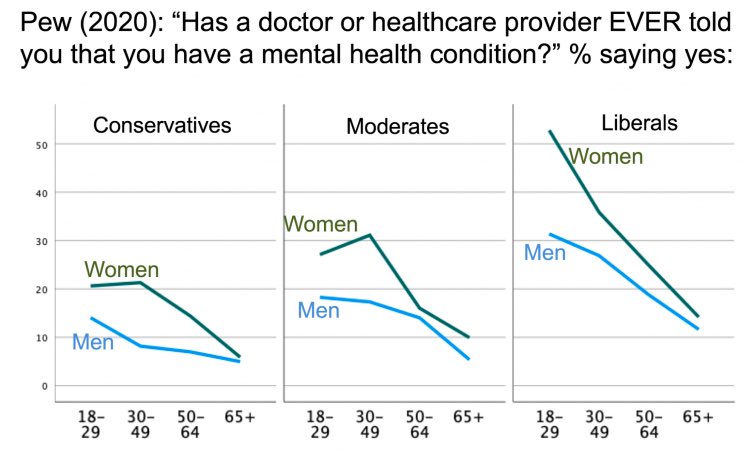
56% of liberal women have been diagnosed with a mental illness.
This is scary. It means 44% are still running around undiagnosed.
1
5
47
2,562
Pgmcc retweeted

"If people don’t cheat, why can’t we have mail in drug tests?"
422
7,198
34,983
612,675
Pgmcc retweeted

If you think spending a few million on crabs and steaks for our soldiers holiday meal is wasteful
But think Somalians stealing 20 billion in one state is just innocent mistakes and incompetence
STFU
7
13
191
5,863
Kind of a no brainer
Mar 13

Stop allowing people into America from countries that hate US.
13
Pgmcc retweeted

Mar 9
Dear Americans,
The temporary increase you may see at the gas pump is not because the United States is running out of oil.
The U.S. is currently the largest oil producer in the world.
What’s happening is simple economics.
Roughly 20% of the world’s oil normally passes through the Strait of Hormuz. When that route is disrupted during a conflict, global markets react immediately.
Oil is priced globally. So even when America produces its own energy, a global supply shock pushes prices up everywhere.
At the same time, buyers around the world begin competing for alternative supply - including American-produced oil - which temporarily drives prices higher.
Markets always react first. Then they stabilize.
Once shipping routes reopen and the situation settles in the coming days or weeks, energy markets will normalize again.
Short-term volatility.
Long-term energy security.
That’s the reality of global energy markets.
Don't listen to fake news media and so called experts.
798
2,583
9,384
610,683